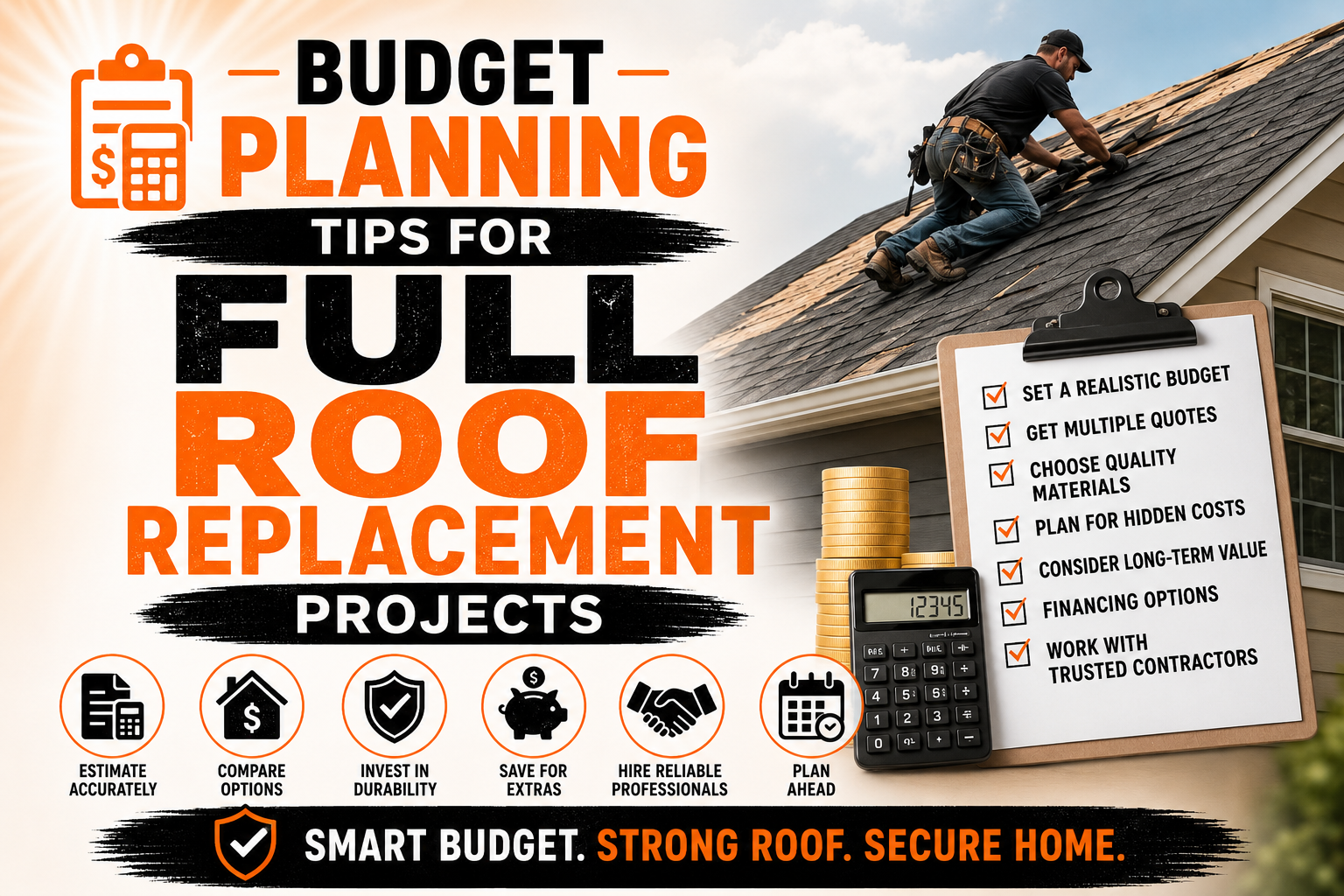
Budget Planning Tips for Full Roof Replacement Projects
Introduction
A full roof replacement is one of the largest maintenance investments most homeowners will make during the life of their property. While a new roof provides long-term protection, improves curb appeal, and increases property value, the financial commitment can feel overwhelming without proper planning. Creating a realistic budget before the project begins helps homeowners avoid unexpected expenses and make informed decisions throughout the replacement process.
Many people underestimate the true cost of replacing a roof because they focus only on shingles or roofing materials. In reality, a complete roof replacement includes labor, old roof removal, disposal fees, underlayment, flashing, ventilation improvements, permits, and sometimes structural repairs. Understanding these additional expenses allows homeowners to prepare more accurately for the total project cost.
Budget planning also provides flexibility when comparing roofing estimates. Instead of choosing the lowest price immediately, homeowners can evaluate material quality, workmanship, warranties, and the services included in each proposal. This broader approach often leads to better long-term value rather than short-term savings alone.
Unexpected costs can arise even with careful planning. Hidden roof decking damage, moisture-related structural repairs, or building code upgrades may only become visible after the existing roof has been removed. Including room for these possibilities in the budget reduces financial stress if additional work becomes necessary.
A roof replacement should be viewed as a long-term investment rather than simply a repair expense. A professionally installed roofing system protects the home for decades, improves energy efficiency, reduces maintenance costs, and helps preserve the property’s overall value. Proper budgeting supports these long-term benefits by allowing homeowners to choose quality materials and experienced contractors.
This guide explains practical budgeting strategies for full roof replacement projects. By understanding the costs involved and planning ahead for both expected and unexpected expenses, homeowners can approach roof replacement with greater confidence and financial preparedness.
Why Roof Replacement Requires Careful Financial Planning
Replacing a roof affects more than the home’s exterior appearance. It is a major construction project involving multiple stages, specialized materials, skilled labor, and careful coordination. Because so many factors contribute to the final cost, financial planning should begin well before requesting roofing estimates.
One of the primary reasons budgeting is so important is the long lifespan of a new roof. Most homeowners replace their roof only once or twice during the time they own a property. Making informed financial decisions today can influence maintenance costs and home value for decades.
The overall project budget includes numerous categories beyond visible roofing materials. Contractors must remove the old roof, inspect the structure, install waterproofing components, replace flashing where necessary, improve ventilation if required, and complete thorough cleanup after installation. Every stage contributes to the final investment.
Planning early also allows homeowners to compare different roofing materials carefully. While some products require lower upfront costs, others provide longer service life, reduced maintenance, and improved energy efficiency. Budget planning makes it easier to evaluate these long-term financial benefits.
Unexpected repairs represent another important reason for careful planning. Roof decking, structural framing, insulation, or ventilation problems sometimes become apparent only after construction begins. Having financial flexibility available helps prevent project delays if these repairs are necessary.
Homeowners also benefit from researching financing options before work starts. Whether using savings, home improvement financing, or other payment methods, preparing in advance provides greater flexibility than making rushed financial decisions during an emergency replacement.
Careful budgeting encourages better communication with roofing contractors as well. Homeowners who understand project costs are more likely to ask detailed questions about materials, warranties, permits, and installation methods before signing a contract.
Planning financially before roof replacement creates a smoother project from beginning to end. It reduces uncertainty, improves decision-making, and helps homeowners invest confidently in a roofing system designed to provide long-term protection.
Understanding the Total Cost Beyond Roofing Materials
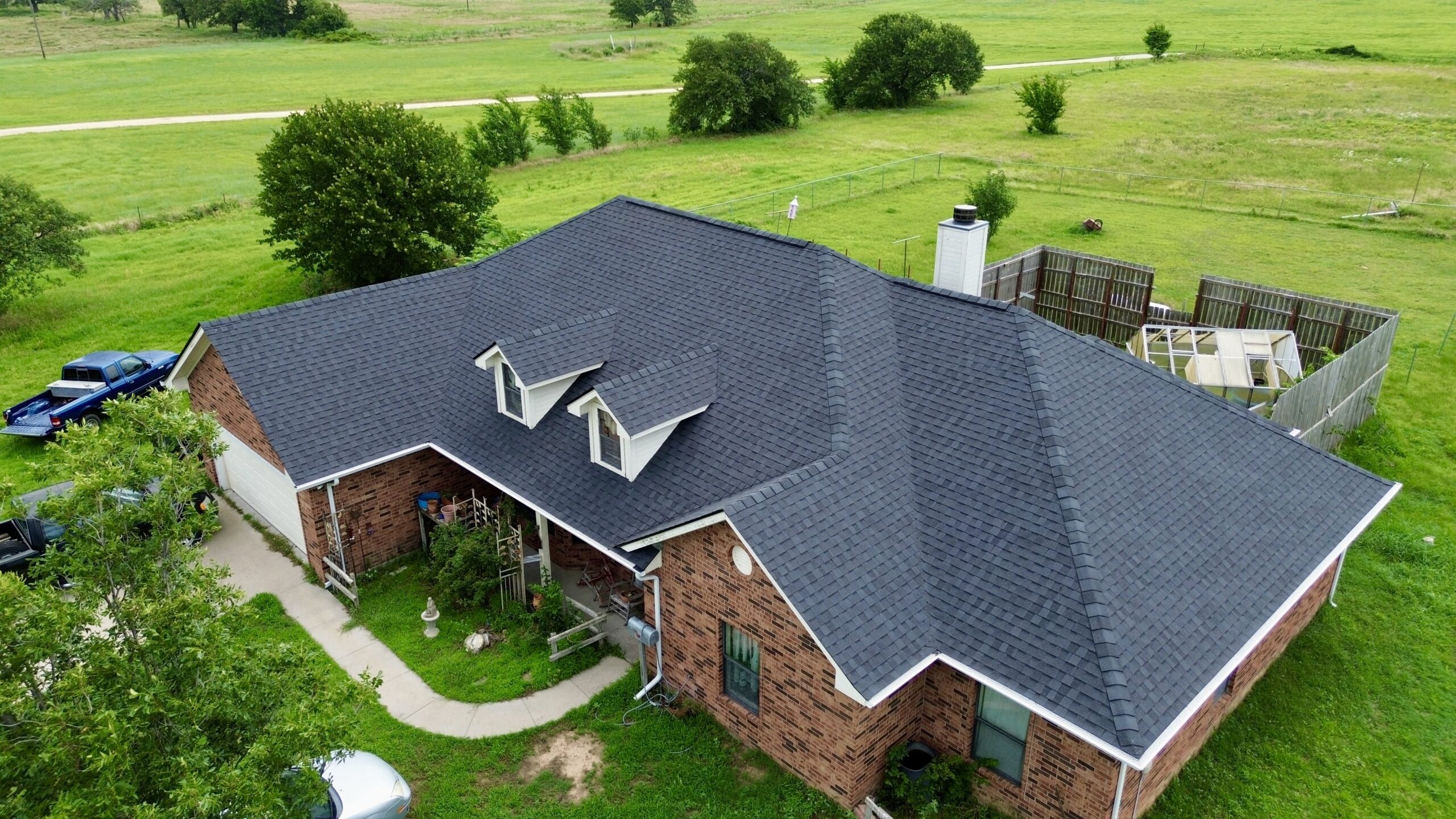
Many homeowners assume that roofing materials account for most of the replacement budget. While shingles or other roofing products represent a significant expense, they are only one part of a complete roofing system. Several additional components contribute to the total cost of a professionally installed roof.
Labor is often one of the largest project expenses. Skilled roofing professionals remove existing materials, inspect the roof structure, install new components, perform detailed flashing work, and complete final inspections. Their expertise ensures the roof performs safely and reliably for many years.
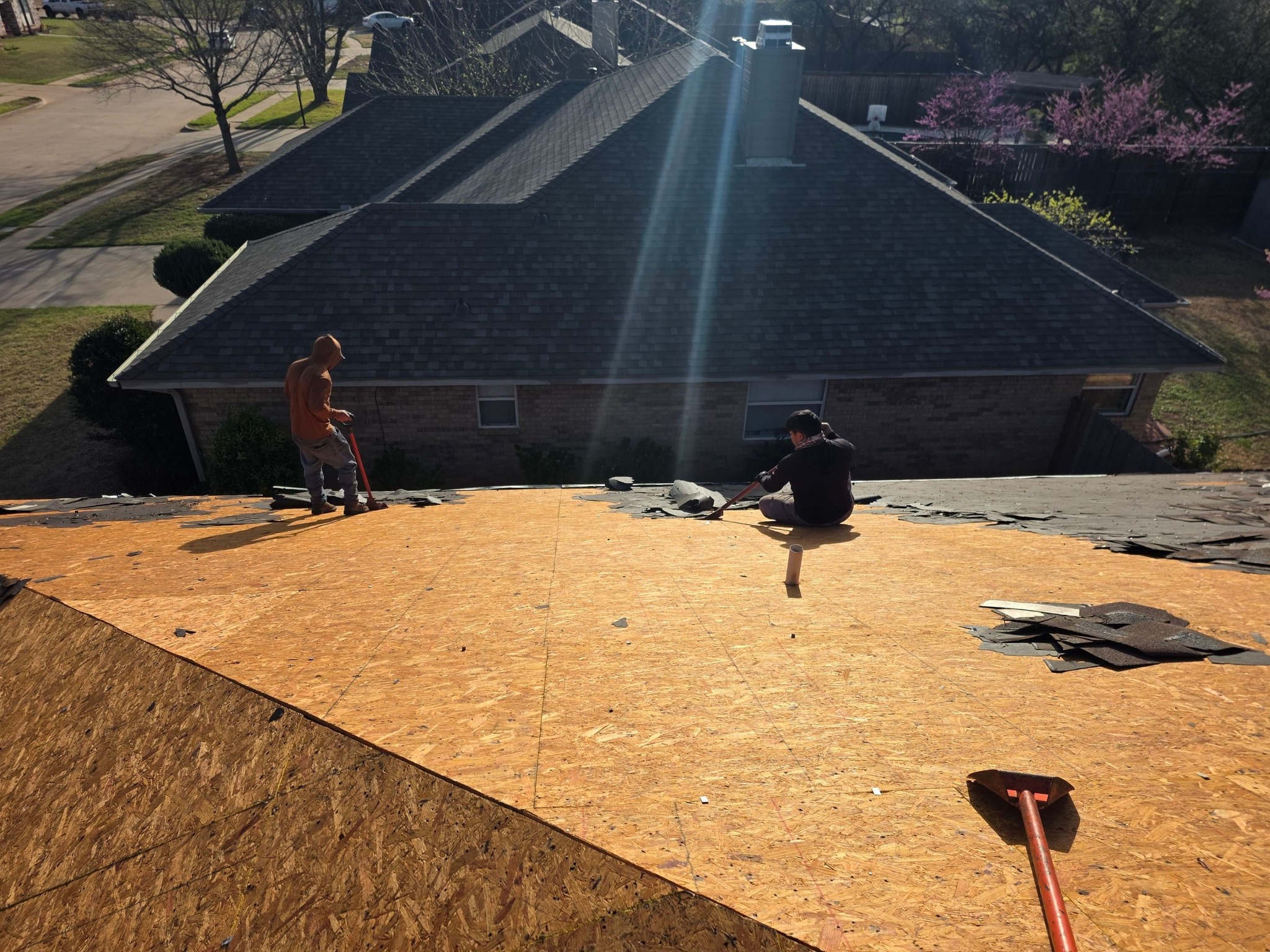
Removing the old roof also adds to the overall budget. Roofing crews must strip away shingles, underlayment, flashing, and fasteners before preparing the roof for new materials. Disposal fees, transportation, and waste management are necessary parts of this process.
Underlayment provides another important but often overlooked cost. Installed beneath the shingles, it creates a secondary moisture barrier that helps protect the roof decking if water penetrates the outer roofing materials. High-quality underlayment contributes significantly to long-term roof performance.
Flashing replacement is equally important. Chimneys, skylights, plumbing vents, roof valleys, and wall intersections all depend on properly installed flashing to prevent leaks. Replacing aging flashing during roof replacement helps reduce future maintenance problems.
Ventilation improvements may also become necessary. Modern roofing systems rely on balanced attic ventilation to reduce moisture buildup and regulate temperatures beneath the roof. If the existing ventilation system no longer meets current recommendations, upgrades may be included in the project.
Permit fees and inspections represent additional expenses required by many municipalities. Local building departments often require permits to ensure roof replacement complies with current construction codes and safety standards.
Understanding these cost categories helps homeowners recognize that a roof replacement is much more than purchasing new shingles. Every component contributes to creating a complete roofing system capable of protecting the home for decades.
Estimating Your Roof Replacement Budget
Preparing an accurate roof replacement budget begins with understanding how contractors calculate project costs. Roofing estimates are based on the specific characteristics of each home rather than a fixed price for every replacement project.
The first step is measuring the roof accurately. Contractors determine the total roofing area, including roof slopes, overhangs, valleys, dormers, and other architectural features. These measurements establish the amount of roofing material required for the project.
Roofing material selection plays a major role in budgeting. Asphalt shingles generally offer the most economical replacement option, while premium materials such as metal, clay tile, slate, or synthetic roofing require larger initial investments. Each material also differs in maintenance requirements and expected lifespan.
Labor costs are calculated according to roof size, complexity, and installation difficulty. Steep roof pitches, multiple roof levels, skylights, chimneys, and complex roof layouts require additional labor because installation takes more time and involves greater attention to detail.
Local market conditions also influence roofing estimates. Labor rates, transportation costs, building code requirements, permit fees, and material availability vary from one region to another. These differences explain why similar homes sometimes receive different estimates in different locations.
Contractors also evaluate the condition of the existing roof before preparing estimates. Although hidden structural problems cannot always be identified before tear-off, visible signs of deterioration may suggest the possibility of additional repairs that homeowners should consider during budgeting.
Comparing several detailed estimates provides a more realistic understanding of expected costs. Instead of relying on a single proposal, homeowners gain valuable insight into average pricing while identifying differences in materials, warranties, and project scope.
Accurate budgeting depends on gathering complete information before construction begins. Professional estimates provide homeowners with the financial details needed to plan confidently while reducing the likelihood of unexpected surprises later.
Setting a Realistic Budget Based on Roof Size
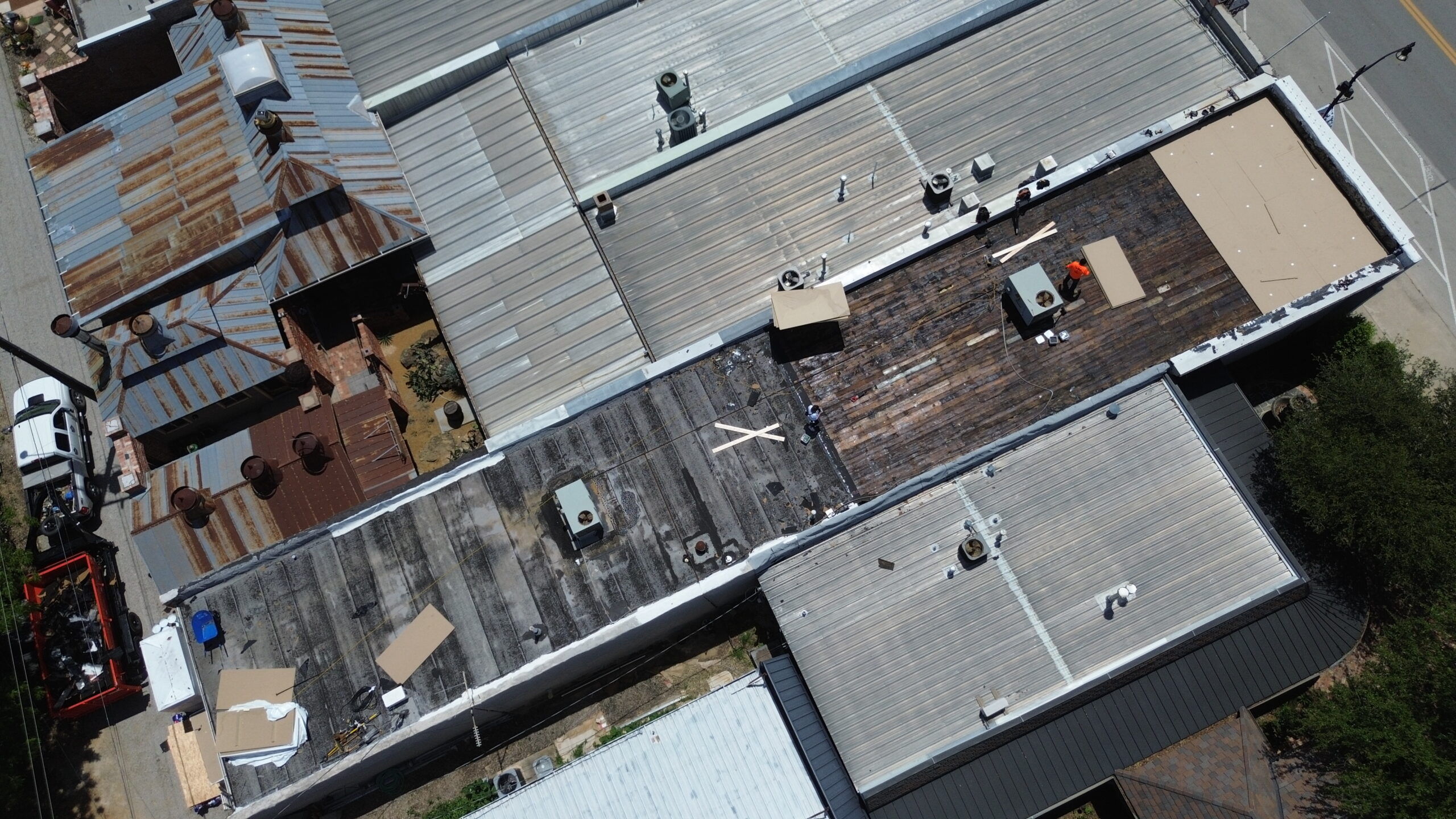
Roof size is one of the most important factors affecting replacement costs because it influences nearly every aspect of the project. Larger roofs require more materials, additional labor, longer installation times, and greater waste disposal, making accurate roof measurements essential for realistic budgeting.
Homeowners should understand that roof size differs from house size. The roof includes slopes, overhangs, hips, valleys, and architectural features that increase the actual roofing surface beyond the home’s interior square footage. Roofing estimates are therefore based on the roof itself rather than the building footprint.
Steeper roofs generally require larger budgets because they contain more actual surface area. Additional roofing materials, increased labor hours, and specialized safety equipment contribute to higher replacement costs compared to flatter roof designs.
Complex roof layouts further affect budgeting. Dormers, skylights, chimneys, intersecting rooflines, and multiple roof elevations require additional cutting, flashing, and installation work. These architectural details increase both material waste and labor requirements.
Roof size also influences project duration. Larger roofing systems naturally require more installation time, additional deliveries, and greater coordination throughout construction. Longer projects may increase labor costs while affecting scheduling flexibility.
Material quantities grow alongside roof size as well. Shingles, underlayment, flashing, fasteners, ridge components, and ventilation materials all increase proportionally as the roofing area expands. Accurate measurements help contractors order appropriate quantities while minimizing unnecessary waste.
Because roof size affects every major budget category, homeowners should avoid estimating replacement costs using only interior square footage. Professional roof measurements provide much more reliable budgeting information than simplified online calculators or rough approximations.
Understanding the relationship between roof size and project cost allows homeowners to evaluate estimates more confidently while preparing realistic financial plans for replacement.
Building a Contingency Fund for Unexpected Expenses
Even the most carefully planned roof replacement projects may uncover hidden conditions that increase the final cost. Creating a contingency fund before construction begins provides financial flexibility if additional repairs become necessary once the existing roof has been removed.
Hidden roof decking damage is one of the most common unexpected expenses. Years of unnoticed moisture intrusion may weaken structural panels beneath the shingles, making replacement necessary before the new roofing system can be installed safely.
Structural framing repairs may also become necessary in certain situations. Water damage, wood rot, deteriorated fascia boards, or weakened support members occasionally remain hidden until contractors expose the roof structure during tear-off.
Building code upgrades represent another possible source of additional cost. Local regulations may require ventilation improvements, enhanced fastening methods, upgraded underlayment, or other modifications that were not part of the original roofing system.
Weather conditions sometimes influence project costs as well. Temporary protective coverings, extended labor schedules, or delayed material deliveries may affect overall budgeting if severe weather interrupts construction.
Many homeowners choose to reserve additional funds specifically for these possibilities. A contingency budget provides reassurance that necessary repairs can be completed immediately without delaying the project or requiring rushed financial decisions.
Planning for unexpected expenses also improves communication with roofing contractors. Homeowners who understand the possibility of hidden repairs are generally better prepared to review contractor recommendations calmly if additional work becomes necessary.
A contingency fund should not be viewed as expecting problems but rather as preparing responsibly for the unknown. This financial planning strategy helps ensure the completed roofing system is built on a solid, properly repaired foundation that will provide dependable protection for many years.
Comparing Roofing Estimates Effectively
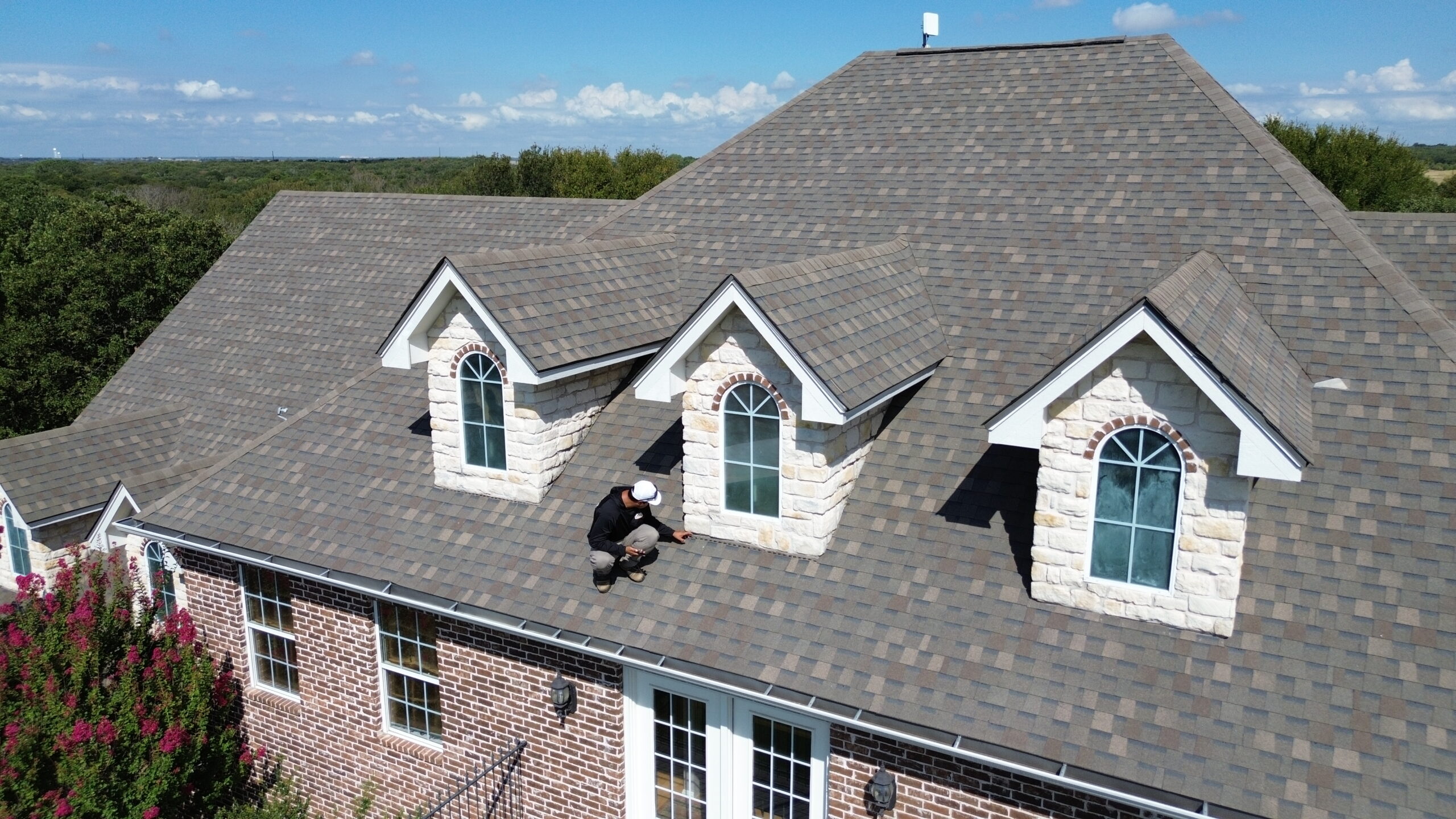
Receiving several roofing estimates is an important step in planning a full roof replacement, but comparing proposals involves much more than looking at the final price. A detailed estimate explains exactly what is included in the project, allowing homeowners to evaluate quality, workmanship, and long-term value before making a decision.
Every estimate should clearly identify the roofing materials that will be installed. The proposal should specify the type of shingles or roofing product, underlayment, flashing materials, ventilation components, fasteners, and any additional accessories included in the replacement. Clear product descriptions help homeowners compare similar projects fairly.
Labor details deserve equal attention. Professional estimates typically explain the scope of work, including roof tear-off, structural inspection, installation procedures, cleanup, and waste disposal. Understanding these services prevents confusion about what is covered within the quoted price.
Warranty coverage is another important comparison factor. Manufacturer warranties protect roofing materials, while workmanship warranties cover installation quality. Strong warranty protection often provides greater long-term value than a lower estimate with limited coverage.
Homeowners should also review project timelines, payment schedules, permit responsibilities, and procedures for handling unexpected repairs. Contractors who communicate these details clearly usually provide a more organized and transparent replacement experience.
Comparing several estimates side by side helps identify unusually low or unusually high proposals. Significant pricing differences often indicate variations in material quality, project scope, or included services rather than simple differences in contractor pricing.
Choosing a roofing contractor based on complete project value instead of price alone often results in better workmanship, fewer future repairs, and greater confidence throughout the installation process.
Choosing Roofing Materials That Fit Your Budget
Selecting roofing materials is one of the most significant financial decisions during a roof replacement project. Every roofing product offers a different balance between purchase price, durability, maintenance requirements, and long-term value, making careful evaluation essential during budget planning.
Asphalt shingles remain the most widely used residential roofing material because they combine affordability with dependable weather protection. Their relatively low installation cost makes them attractive for homeowners seeking quality roofing within a moderate budget.
Architectural shingles require a slightly larger investment but offer improved durability, enhanced appearance, and longer expected service life. Many homeowners choose them because they provide an excellent balance between initial cost and long-term performance.
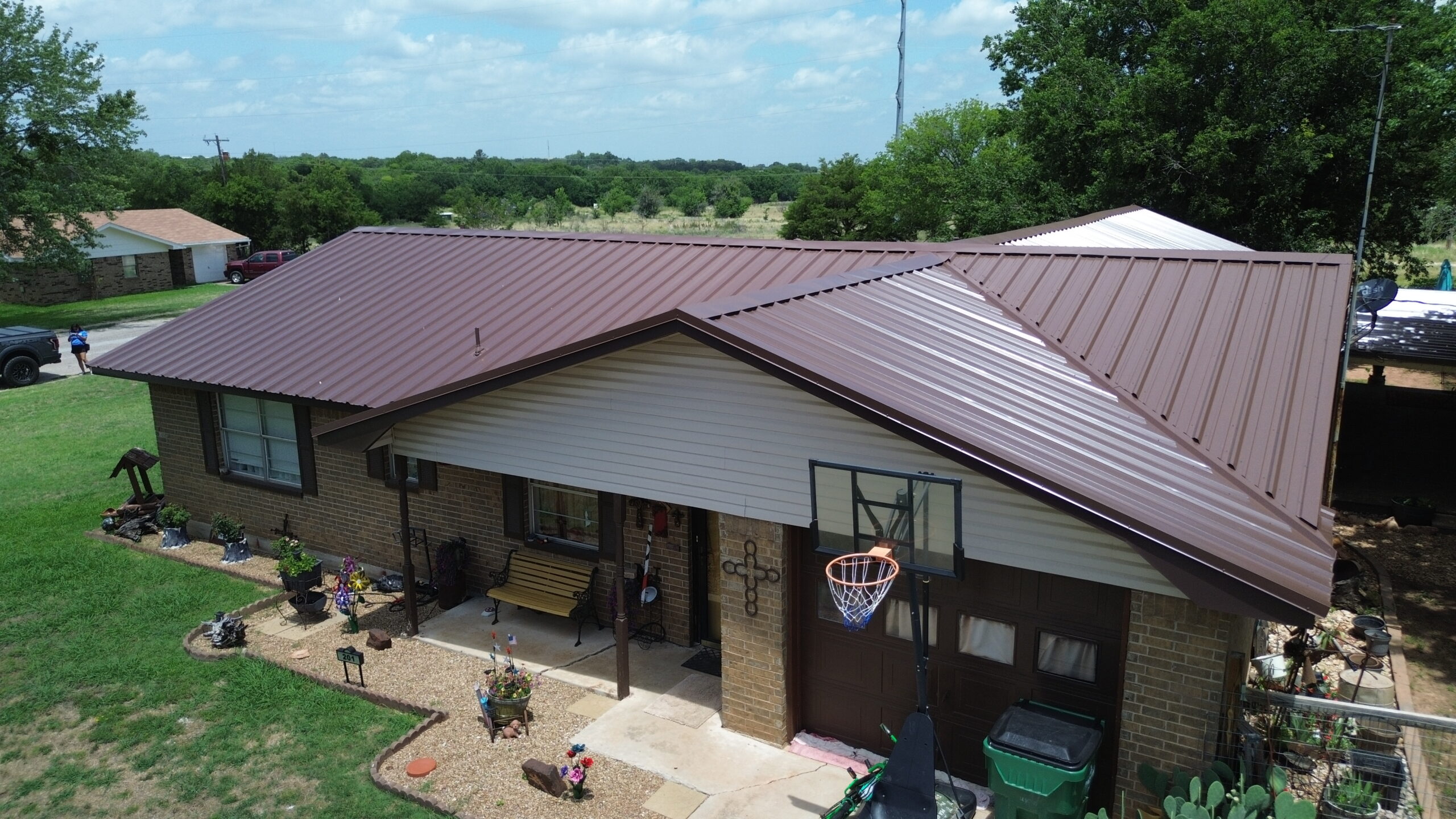
Metal roofing represents a higher upfront investment, yet its extended lifespan and low maintenance requirements often make it financially attractive over several decades. Homeowners planning to remain in their homes for many years frequently consider metal roofing a worthwhile investment.
Synthetic roofing products offer another alternative by reproducing the appearance of slate, wood, or tile while reducing structural weight and simplifying installation. These materials often provide excellent durability with lower maintenance than some natural products.
Clay tile and slate roofing deliver exceptional longevity and distinctive appearance but generally require the highest initial investment. Their additional weight may also require structural evaluation before installation, increasing overall project costs.
Material selection should always consider long-term ownership costs rather than only the purchase price. Durability, maintenance requirements, energy efficiency, warranty coverage, and expected lifespan all contribute to the overall value of the roofing system.
Balancing these factors carefully allows homeowners to select materials that support both their immediate budget and their long-term financial goals.
Financing Options for Roof Replacement
Because roof replacement represents a major home improvement investment, many homeowners explore financing options rather than paying the entire cost at once. Planning financing before construction begins provides greater flexibility while reducing financial pressure during the project.
Personal savings remain one of the simplest funding methods because they avoid interest charges and allow homeowners to complete the project without additional borrowing. Setting aside money gradually before replacement becomes necessary often provides the greatest financial freedom.
Home improvement loans offer another common financing solution. These loans allow homeowners to spread project costs over manageable monthly payments while preserving available savings for other household needs or emergency expenses.
Home equity financing is another option available to qualifying homeowners. Since the loan is secured by the property’s equity, interest rates may sometimes be more favorable than unsecured financing alternatives. Homeowners should carefully review loan terms before making this decision.
Some roofing contractors also offer financing programs through lending partners. These payment plans may include promotional interest rates or flexible repayment schedules, making roof replacement more affordable for homeowners who prefer installment payments.
Insurance coverage may contribute to replacement costs when roof damage results from covered events such as hail, wind, or falling trees. However, normal aging and gradual wear are generally considered homeowner responsibilities rather than insurance claims.
Regardless of the financing method selected, homeowners should ensure that monthly payments fit comfortably within their long-term financial plans. Careful budgeting helps prevent unnecessary financial strain while allowing the roof replacement to proceed without delay.
Preparing financing before construction begins allows homeowners to focus on selecting quality materials and experienced contractors rather than making rushed financial decisions under pressure.
Budgeting for Additional Roof Components
Many homeowners prepare budgets based primarily on shingles, but several supporting components also contribute significantly to the total replacement cost. These elements work together to create a complete roofing system that provides dependable long-term protection.
Flashing is one of the most important supporting materials. Installed around chimneys, skylights, roof valleys, plumbing vents, and wall intersections, flashing directs water away from vulnerable areas. Replacing old flashing during roof replacement helps prevent future leaks.
Gutters may also require attention during the project. While gutter replacement is not always necessary, damaged or poorly functioning gutters reduce drainage efficiency and may contribute to moisture problems around the roof and foundation.
Skylights deserve careful evaluation as well. Aging skylights with worn seals or deteriorated flashing often become leak risks after new roofing materials are installed. Replacing or upgrading these components during roof replacement can reduce future maintenance costs.
Attic ventilation represents another important budget consideration. Ridge vents, soffit vents, and other ventilation improvements help regulate attic temperatures while reducing moisture accumulation beneath the roof. Proper ventilation contributes directly to roof longevity and energy efficiency.
Insulation improvements may also be recommended if contractors discover moisture damage or inadequate thermal performance during the replacement process. Although insulation is not technically part of the roofing system, upgrading it while the roof is open often improves overall home performance.
Drainage improvements, including drip edges and water management components, help direct rainfall safely away from the roof structure. These relatively small additions provide valuable long-term protection against moisture damage.
Including these supporting components within the initial budget creates a more complete financial plan while reducing the likelihood of unexpected expenses after construction begins.
Avoiding Common Budgeting Mistakes
Budgeting mistakes can significantly affect the overall success of a roof replacement project. Many homeowners unintentionally underestimate expenses because they focus on visible roofing materials while overlooking other important cost categories.
One common mistake is assuming the lowest estimate automatically provides the best value. Lower-priced proposals sometimes exclude important services such as flashing replacement, underlayment upgrades, cleanup, or permit fees. Comparing complete project scope is far more important than comparing total price alone.
Another mistake is underestimating labor costs. Professional installation requires experienced workers, specialized equipment, safety procedures, and careful project management. Attempting to reduce labor expenses by choosing inexperienced contractors often leads to costly repairs later.
Ignoring the possibility of hidden structural repairs is another budgeting error. Roof decking replacement, wood rot, ventilation improvements, and moisture damage occasionally become apparent only after tear-off begins. A contingency fund helps prepare for these situations.
Some homeowners also overlook long-term maintenance costs when selecting roofing materials. Choosing products based only on purchase price may result in greater repair expenses or shorter replacement intervals over the life of the roof.
Waiting until emergency roof failure occurs is another costly mistake. Emergency replacements often limit contractor availability, reduce material choices, and create additional pressure to make quick financial decisions without adequate comparison.
Failing to review warranty coverage carefully may also reduce long-term value. Comprehensive manufacturer warranties and workmanship guarantees provide financial protection that should be considered part of the overall roofing investment.
Avoiding these budgeting mistakes allows homeowners to approach roof replacement more confidently while reducing the likelihood of unexpected financial challenges during and after construction.
Roof Budget Planning Comparison Table
A successful roof replacement budget includes much more than roofing materials. Understanding which expenses are predictable and which may vary helps homeowners create realistic financial plans while preparing for possible additional costs.
The following table summarizes the major budget categories commonly included in a full roof replacement project.
| Budget Category | Importance | Predictable or Variable Expense |
|---|---|---|
| Roofing Materials | Essential | Predictable |
| Labor and Installation | Essential | Predictable |
| Roof Tear-Off and Disposal | Essential | Predictable |
| Underlayment and Flashing | Essential | Predictable |
| Permit Fees and Inspections | Essential | Predictable |
| Roof Decking Repairs | High | Variable |
| Structural Repairs | High | Variable |
| Ventilation Improvements | High | Variable |
| Gutter or Skylight Upgrades | Moderate | Variable |
| Contingency Fund | Highly Recommended | Variable |
Reviewing each budget category individually allows homeowners to understand how every part of the roofing system contributes to the overall project cost. This organized approach makes financial planning more accurate while reducing the chance of overlooking important expenses.
A comprehensive budget also supports better decision-making when comparing roofing estimates. Homeowners who understand predictable and variable costs are better prepared to evaluate proposals based on complete project value rather than simply selecting the lowest available price.
Creating a Roof Replacement Budget Checklist
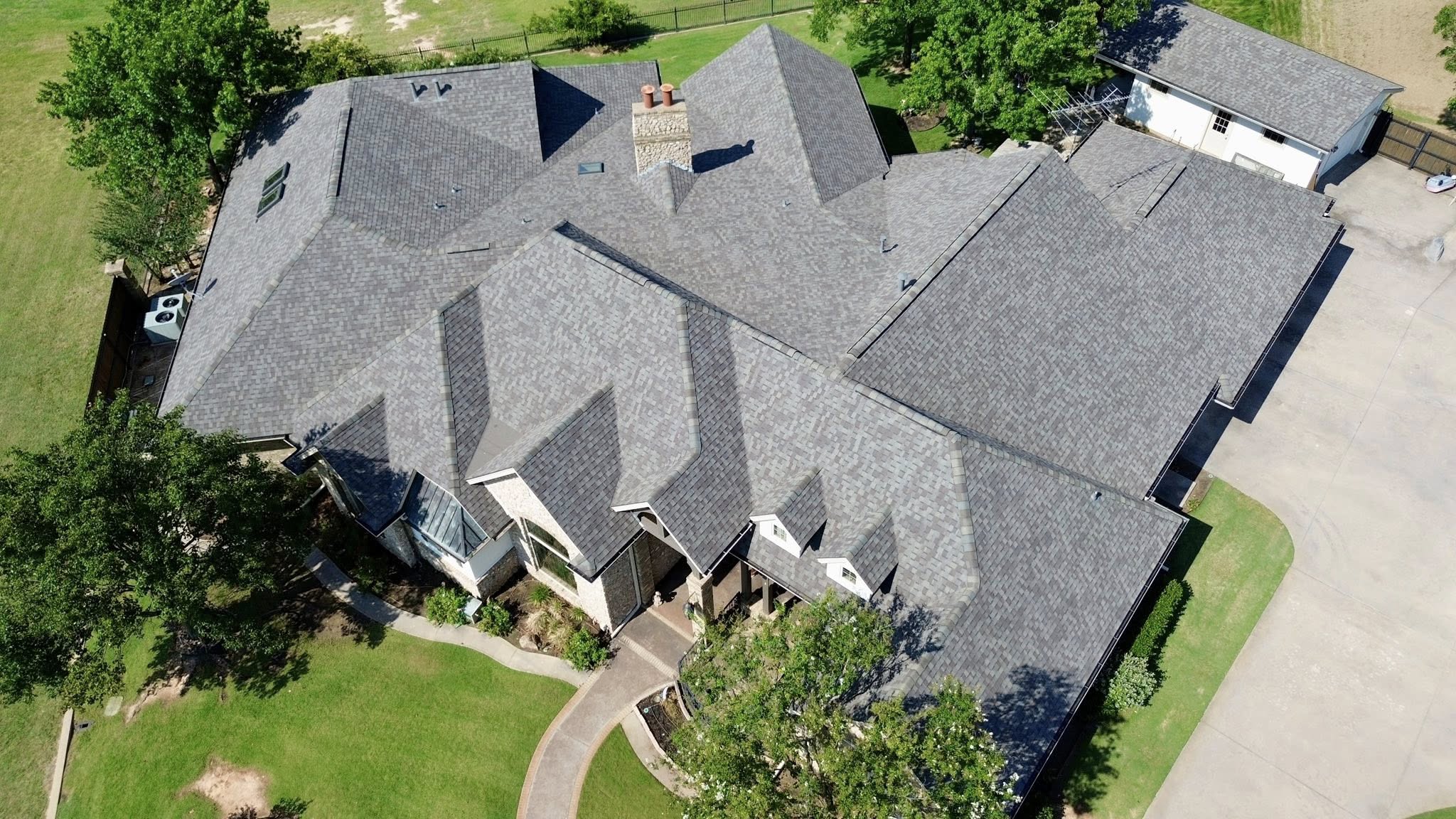
Preparing a detailed budget before replacing a roof helps homeowners organize project expenses while reducing the likelihood of unexpected financial surprises. A structured checklist ensures that every important cost category is considered before signing a contract or scheduling construction.
Budget planning should begin with gathering information rather than comparing prices immediately. Understanding roof size, material options, labor requirements, and potential hidden expenses creates a more accurate financial picture from the start.
Homeowners should also review their current financial situation before selecting roofing materials or financing options. Knowing how much can comfortably be invested helps narrow material choices while avoiding unnecessary financial pressure during the project.
The following checklist provides a practical approach for creating a complete roof replacement budget.
- Measure the roof accurately and request detailed estimates from several contractors.
- Compare roofing materials based on durability, maintenance, warranty, and long-term value.
- Include labor, tear-off, disposal, permits, and cleanup in the total budget.
- Reserve funds for possible roof decking or structural repairs.
- Review financing options if paying the full amount upfront is not practical.
- Confirm warranty coverage for both materials and workmanship.
- Review payment schedules before signing the roofing contract.
- Set aside a contingency fund for unexpected expenses discovered during construction.
Following a structured budgeting process helps homeowners stay organized throughout the project. It also creates greater confidence when evaluating roofing proposals and making final contractor selections.
A complete checklist ensures that the replacement budget reflects the entire roofing system rather than only the visible materials installed on the roof.
Ways to Stay Within Budget Without Sacrificing Quality
Managing roof replacement costs does not necessarily require reducing the quality of materials or workmanship. Careful planning allows homeowners to control expenses while still investing in a dependable roofing system.
The following strategies help keep projects within budget while maintaining long-term value.
- Request multiple detailed estimates before selecting a contractor.
- Replace the roof before severe deterioration leads to costly structural repairs.
- Choose roofing materials that balance durability with long-term affordability.
- Maintain gutters and roof drainage systems to reduce future maintenance expenses.
- Compare warranty coverage along with material prices.
- Keep a contingency fund available for unexpected repairs.
- Select experienced contractors with strong reputations instead of focusing only on the lowest bid.
- Schedule routine roof inspections after installation to maximize the roof’s lifespan.
Saving money should never involve eliminating important roofing components such as underlayment, flashing, or ventilation. These elements protect the entire roofing system and help prevent much larger repair expenses in the future.
Investing wisely during the initial replacement often produces greater financial benefits over the life of the roof than choosing the least expensive installation available.
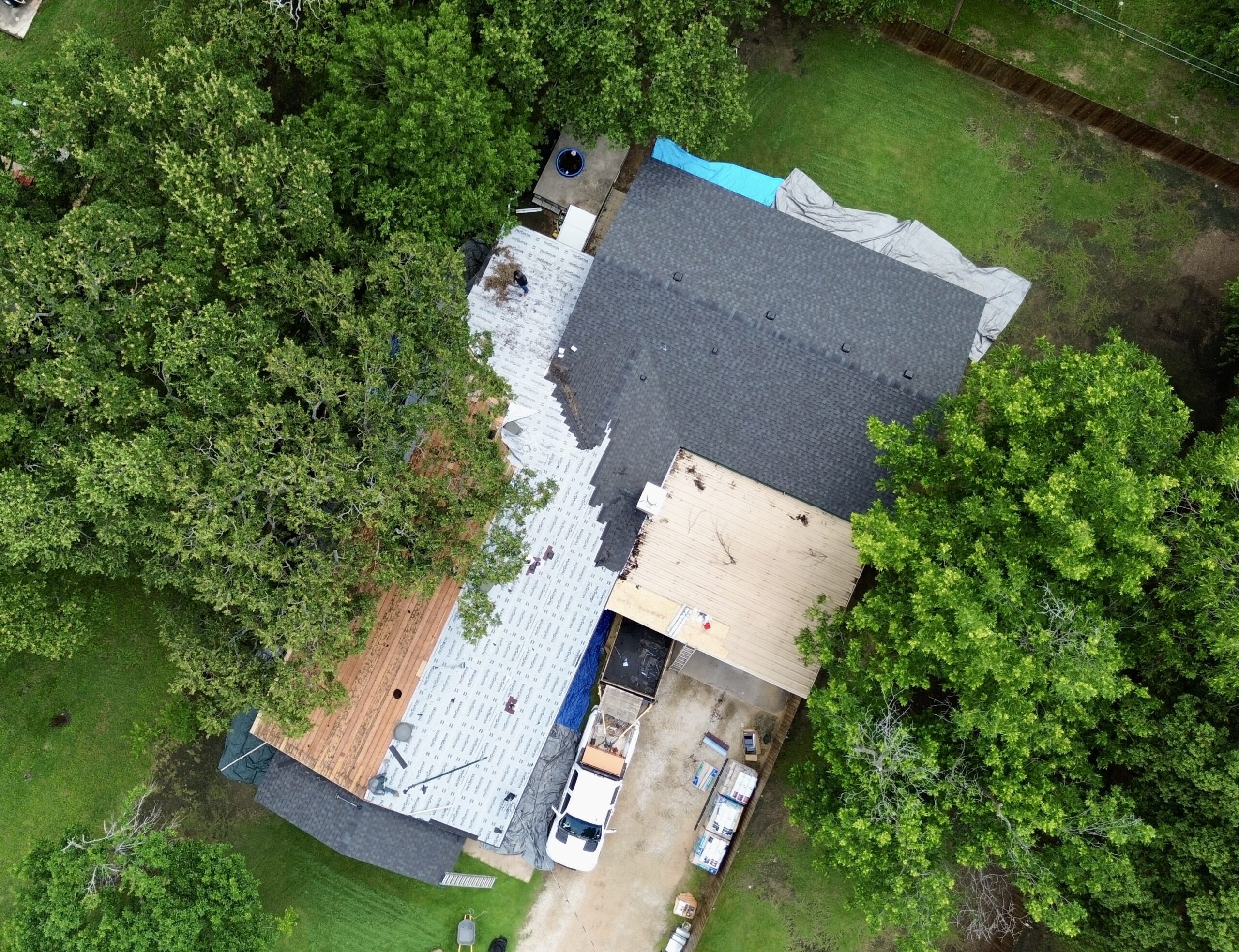
Long-Term Financial Benefits of Proper Budget Planning
Thoughtful budgeting provides benefits that continue long after the roof replacement project has been completed. Rather than simply controlling construction costs, careful financial planning supports better long-term ownership decisions and protects the home’s overall value.
One of the greatest financial advantages is reducing the likelihood of emergency repairs. Homeowners who budget for quality materials and professional installation often experience fewer unexpected roofing problems during the roof’s service life.
Energy efficiency also improves when the roofing budget includes modern underlayment, proper attic ventilation, and quality installation practices. Better temperature regulation may reduce heating and cooling expenses while improving indoor comfort throughout the year.
Property value generally increases when a home has a professionally installed roof supported by quality materials and comprehensive warranties. Prospective buyers often view a recently replaced roof as a valuable feature that reduces future maintenance concerns.
Routine maintenance costs also become more predictable. Instead of repeatedly repairing aging roofing materials, homeowners can focus on regular inspections and preventive maintenance that help maximize the lifespan of the new roof.
Strong manufacturer warranties and workmanship guarantees provide additional financial protection. Comprehensive warranty coverage reduces the potential cost of future repairs while increasing confidence in the quality of both materials and installation.
Perhaps the most valuable long-term benefit is financial stability. Proper budgeting allows homeowners to complete the project without unnecessary debt or financial strain while protecting one of their most valuable investments.
Planning carefully before construction begins creates lasting financial advantages that extend well beyond the completion of the roofing project.
When Spending More Now Saves Money Later
Many homeowners naturally focus on reducing immediate project costs, but certain roofing investments provide substantial long-term savings. Spending slightly more during installation often prevents much larger expenses over the life of the roof.
High-quality roofing materials generally last longer than lower-priced alternatives. Although the initial purchase price may be higher, reduced maintenance requirements and longer replacement intervals frequently produce better overall value.
Experienced roofing contractors also represent an important investment. Skilled installation helps ensure flashing, underlayment, ventilation, and shingles perform together as a complete roofing system. Proper workmanship reduces the likelihood of leaks, premature deterioration, and expensive corrective repairs.
Ventilation improvements offer another example of worthwhile spending. Proper attic airflow reduces heat buildup and moisture accumulation, extending shingle lifespan while improving energy efficiency throughout the home.
Replacing flashing, underlayment, and waterproofing components during roof replacement may also increase the initial budget slightly. However, these hidden materials protect the roof structure beneath the shingles and significantly reduce future leak risks.
Addressing structural repairs immediately provides similar financial benefits. Repairing damaged roof decking, fascia boards, or framing before installing new roofing materials prevents additional deterioration that could require much larger repairs later.
Choosing comprehensive roof replacement instead of temporary patchwork repairs often proves more economical over time. Investing in the complete roofing system helps homeowners avoid repeated maintenance expenses while improving long-term reliability.
Carefully selected upgrades should be viewed as investments rather than unnecessary costs. Many of these improvements continue generating value through lower maintenance expenses, improved efficiency, and longer roof lifespan.
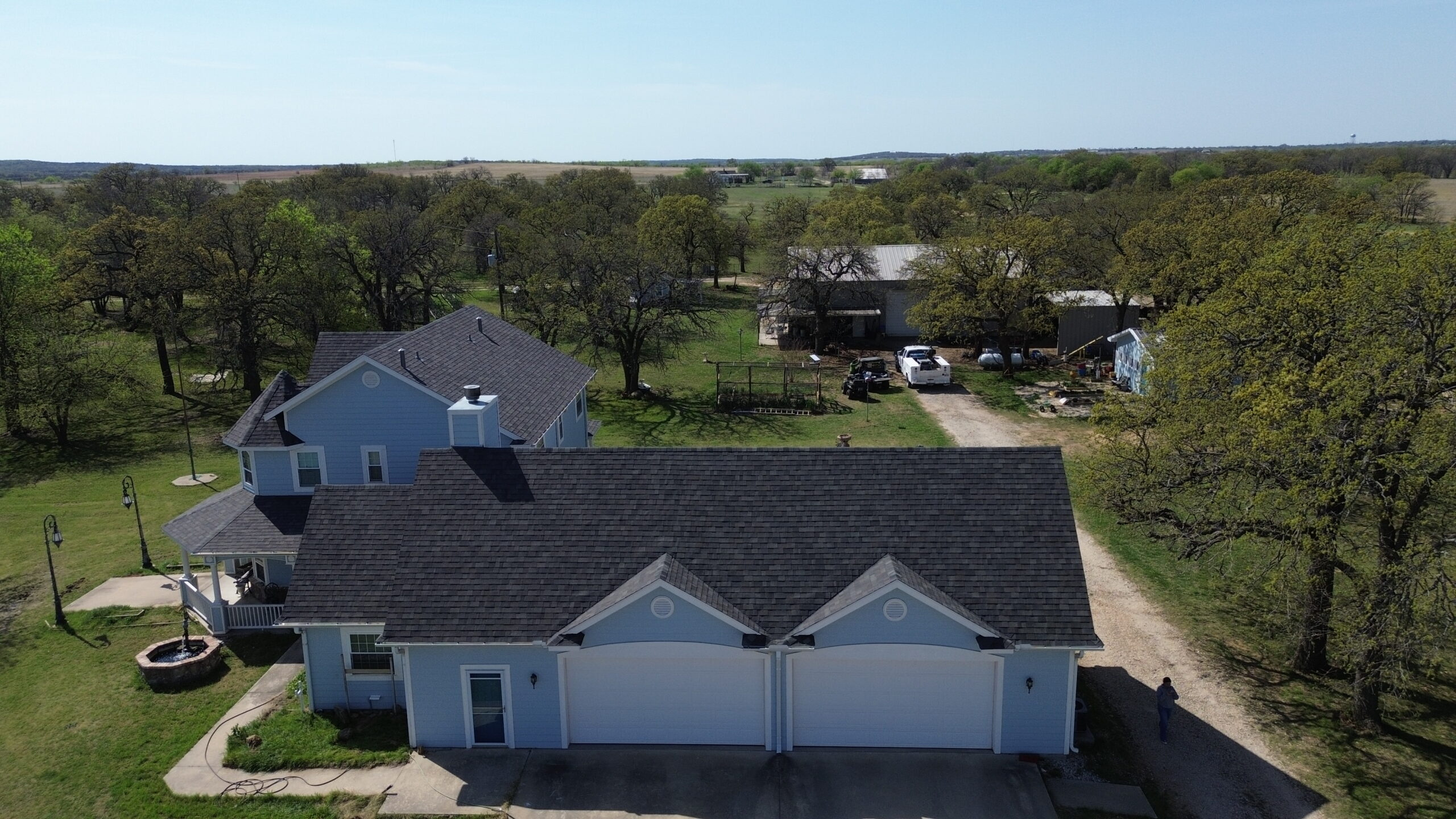
Final Budget Review Before Hiring a Contractor
Before signing a roofing contract, homeowners should complete one final review of the project budget to ensure every important expense has been considered. This final evaluation helps prevent misunderstandings while confirming that the selected proposal matches both financial expectations and project requirements.
The written estimate should clearly identify all roofing materials, labor, underlayment, flashing, ventilation improvements, cleanup, disposal, permit fees, and warranty coverage. Reviewing these details carefully helps verify that the project scope is complete.
Payment schedules also deserve careful attention. Homeowners should understand when deposits are required, how progress payments will be handled if applicable, and when final payment becomes due after project completion.
Warranty documentation should be reviewed before work begins. Manufacturer warranties covering roofing materials and contractor workmanship guarantees both contribute to the long-term value of the investment. Understanding warranty terms provides additional confidence throughout the replacement process.
Permit responsibilities should also be confirmed. The contract should clearly identify whether the roofing contractor will obtain necessary permits and coordinate required inspections with local building authorities.
If the estimate includes allowances for possible structural repairs or hidden damage, homeowners should understand how additional costs will be approved before work proceeds. Written procedures help ensure that unexpected expenses are discussed before they are incurred.
Finally, homeowners should compare the selected estimate with their planned budget one last time. Confirming that financing, contingency funds, and payment schedules align with personal financial goals helps create a smooth construction experience from beginning to end.
Completing this final review allows homeowners to move forward with confidence, knowing they have carefully evaluated both the roofing project and the financial commitment involved.
Conclusion
A full roof replacement is a major investment, and successful projects begin with thoughtful financial planning. Creating a realistic budget allows homeowners to understand the complete cost of the project, compare roofing estimates confidently, and prepare for both expected and unexpected expenses before construction begins.
Throughout this guide, we explored the key elements that contribute to a complete roof replacement budget. Roofing materials, labor, tear-off and disposal, permits, flashing, underlayment, ventilation improvements, structural repairs, financing options, and contingency planning all play important roles in determining the total investment. Looking beyond the price of shingles alone provides a much clearer understanding of the project’s true cost.
Careful budgeting also creates long-term financial benefits. Investing in quality materials, experienced contractors, proper ventilation, and comprehensive warranties often reduces future maintenance expenses while improving energy efficiency, increasing property value, and extending the lifespan of the roofing system. These advantages frequently outweigh the savings offered by lower-quality installations.
Planning ahead provides homeowners with greater flexibility throughout the replacement process. Comparing detailed estimates, reviewing contracts carefully, maintaining a contingency fund, and understanding payment schedules all contribute to smoother project management and fewer financial surprises.
Ultimately, the goal of roof replacement budgeting is not simply to spend less but to invest wisely. By preparing a comprehensive financial plan and working with qualified roofing professionals, homeowners can complete their roof replacement with confidence, protect their property for decades, and ensure that every dollar invested contributes to lasting performance, reliability, and peace of mind.