
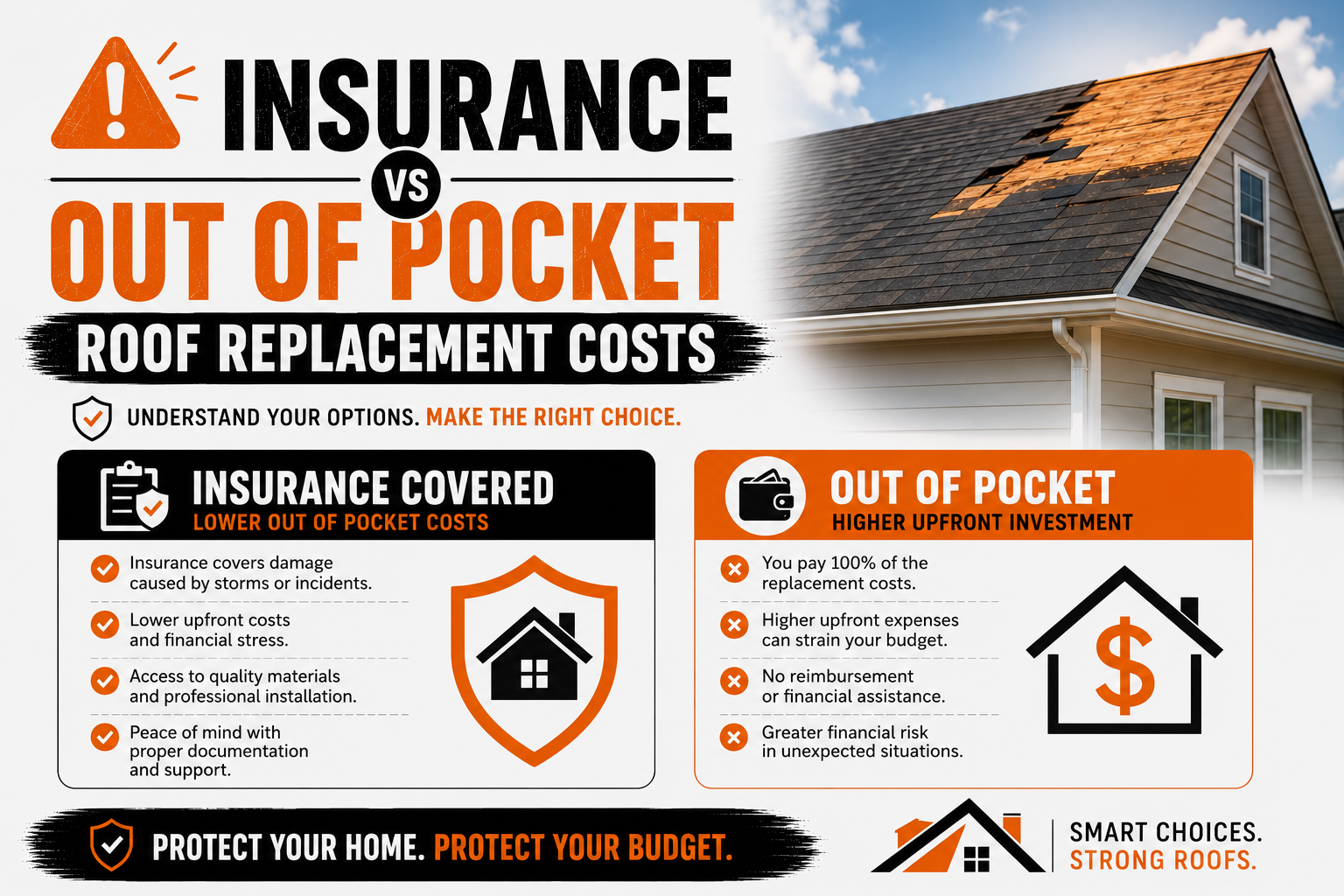
Insurance vs Out of Pocket Roof Replacement Costs
Introduction
Replacing a roof is one of the largest investments most homeowners will make during the life of their property. Whether the roof has reached the end of its lifespan or has been damaged by a severe storm, the cost of replacement can be significant. For many homeowners, the first question is not just how much a new roof will cost, but who will pay for it.
In some situations, homeowners insurance may cover most of the replacement expense if the damage resulted from a covered event such as hail, high winds, fire, or a fallen tree. In other cases, homeowners must pay the entire amount themselves because the damage resulted from normal aging, neglect, or causes excluded by the insurance policy. Understanding the difference between these situations is essential before making financial decisions.
Many people automatically assume that filing an insurance claim is always the best option. Others avoid using insurance because they worry about deductibles or future premium increases. The reality is that every situation is different, and the right choice depends on factors such as the cause of the damage, the age of the roof, policy coverage, repair costs, and long-term financial goals.
Choosing between insurance coverage and paying out of pocket involves more than simply comparing two price tags. Homeowners should also consider policy terms, depreciation, deductibles, potential claim approval, contractor estimates, and the long-term condition of the roofing system. Looking at the complete financial picture often leads to better decisions than focusing only on the immediate cost.
This guide explains the differences between insurance-funded and self-funded roof replacement in detail. By understanding how each option works, homeowners can better evaluate their situation, estimate potential expenses, and make informed decisions that protect both their property and their finances.
Understanding Roof Replacement Costs
Before comparing insurance coverage with paying out of pocket, it is important to understand what contributes to the overall cost of a roof replacement. Many homeowners focus only on the price of shingles, but a complete roofing project includes numerous materials, labor expenses, and supporting components that affect the final price.
The size of the roof is one of the biggest factors influencing cost. Larger homes require more roofing materials, additional labor, and longer installation times than smaller properties. Roof shape also plays an important role because complex designs with multiple valleys, dormers, skylights, and steep slopes require additional time and specialized installation techniques.
Roofing material is another major cost factor. Asphalt shingles remain the most affordable and widely used option, while metal, slate, tile, cedar shake, and premium composite materials generally cost considerably more. Although premium materials involve higher installation costs, they may also provide longer service life and improved durability.
Labor expenses vary depending on the region, contractor experience, project complexity, and local demand. After major storms, roofing contractors often experience increased demand, which may influence scheduling and labor pricing. Choosing experienced professionals may cost more initially, but quality installation often reduces future repair expenses.
Roof replacement projects may also include additional work beyond installing new shingles. Contractors sometimes discover damaged roof decking, deteriorated flashing, inadequate ventilation, or structural issues after removing the existing roofing materials. Correcting these hidden problems increases project costs but helps ensure the new roof performs properly for many years.
Permits, disposal fees, and cleanup services are additional expenses that homeowners sometimes overlook. Removing old roofing materials, transporting debris, and complying with local building regulations all contribute to the overall project budget. These costs should be included when comparing contractor estimates.
Understanding these cost components helps homeowners evaluate roofing estimates more accurately. Rather than comparing only the final price, it becomes easier to understand exactly what services and materials are included in each proposal.
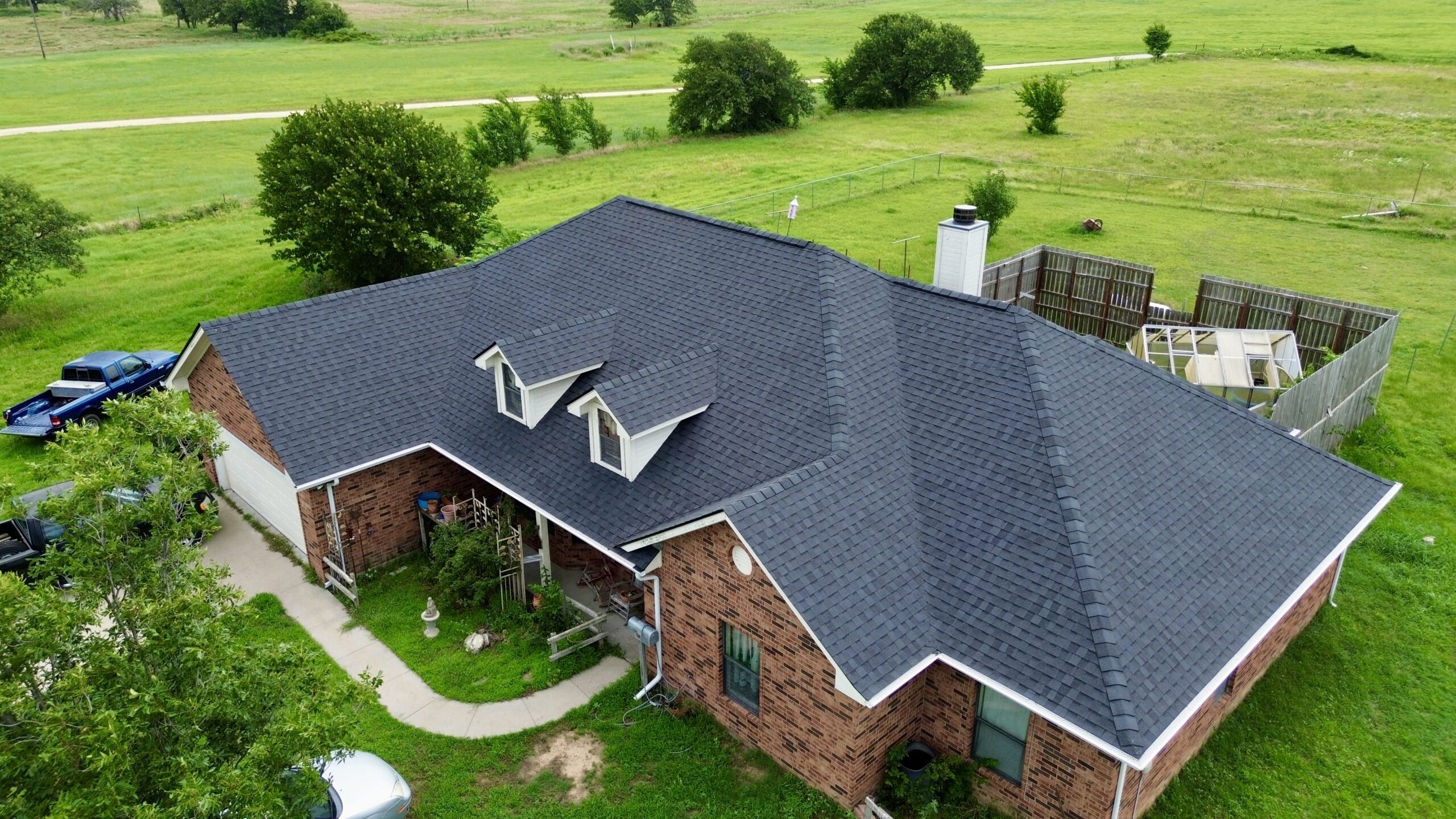
What Insurance Typically Covers for Roof Replacement
Homeowners insurance can significantly reduce roof replacement costs when the damage results from a covered event. However, insurance does not automatically pay for every roofing problem. Coverage depends on the specific terms of the policy and the cause of the damage.
Most standard homeowners insurance policies cover sudden and accidental damage rather than gradual deterioration. Storms, hail, wind, lightning, fire, and falling trees are among the most common causes of roof replacement claims. When these events damage the roof, insurance may pay for repairs or complete replacement after the deductible has been satisfied.
The insurance company first investigates the claim before approving payment. A claims adjuster inspects the roof, reviews documentation, evaluates photographs, and determines whether the reported damage qualifies under the policy. The final settlement depends on both the inspection findings and the coverage provided by the insurance contract.
Some policies provide replacement cost coverage, which generally pays the cost of installing a comparable new roof after deductibles are applied. Other policies provide actual cash value coverage, which subtracts depreciation before calculating the payment. Understanding which type of coverage applies to your policy is important because it directly affects your out-of-pocket expense.
Insurance coverage may also extend beyond roofing materials themselves. Depending on the policy, reimbursement may include damaged flashing, gutters, ventilation components, roof decking, interior water damage, and debris removal if these items were affected by the covered event. Every claim is evaluated individually, so coverage varies according to the circumstances.
Homeowners should remember that insurance companies generally require evidence supporting the claim. Photographs, inspection reports, weather information, maintenance records, and repair estimates all help demonstrate that the damage resulted from a covered event rather than normal aging or neglect.
Although insurance can greatly reduce replacement costs, approval is never automatic. Understanding policy requirements before filing a claim allows homeowners to prepare appropriate documentation and avoid unnecessary surprises during the investigation.
When You Have to Pay Out of Pocket
Not every roof replacement qualifies for insurance coverage. In many situations, homeowners are responsible for paying the full cost themselves because the damage falls outside the terms of their insurance policy. Understanding these situations helps homeowners plan financially before replacement becomes necessary.
The most common reason homeowners pay out of pocket is normal roof aging. Roofing materials naturally deteriorate over time due to sunlight, changing temperatures, rain, and seasonal weather conditions. As shingles lose protective granules and materials become brittle, replacement eventually becomes necessary even without a storm or other unexpected event.
Insurance companies generally classify this gradual deterioration as routine home maintenance rather than an insured loss. Since aging occurs predictably throughout the roof’s lifespan, homeowners are expected to budget for replacement when the roof reaches the end of its useful life.
Poor maintenance is another situation where out-of-pocket payment becomes necessary. Ignoring missing shingles, clogged gutters, flashing damage, or roof leaks can allow small problems to develop into extensive structural damage. Insurance companies may deny claims if they determine that proper maintenance could have prevented the loss.
Some homeowners also choose to pay out of pocket even when insurance coverage may be available. They may decide the repair cost is only slightly higher than the deductible or prefer to avoid filing a claim for relatively minor damage. In these situations, paying directly may simplify the process while preserving the homeowner’s claims history.
Cosmetic upgrades also require self-funding in most cases. Choosing premium roofing materials, changing roof colors, upgrading to luxury shingles, or installing decorative architectural features beyond what insurance covers generally increases the homeowner’s financial responsibility.
Homeowners should also expect to pay for roof replacements resulting from causes specifically excluded by their policy. Damage caused by floods, earthquakes, pest infestations, faulty workmanship, manufacturing defects, or neglect often falls outside standard homeowners insurance coverage.
Understanding when out-of-pocket payment applies allows homeowners to prepare financially and avoid unrealistic expectations regarding insurance reimbursement.
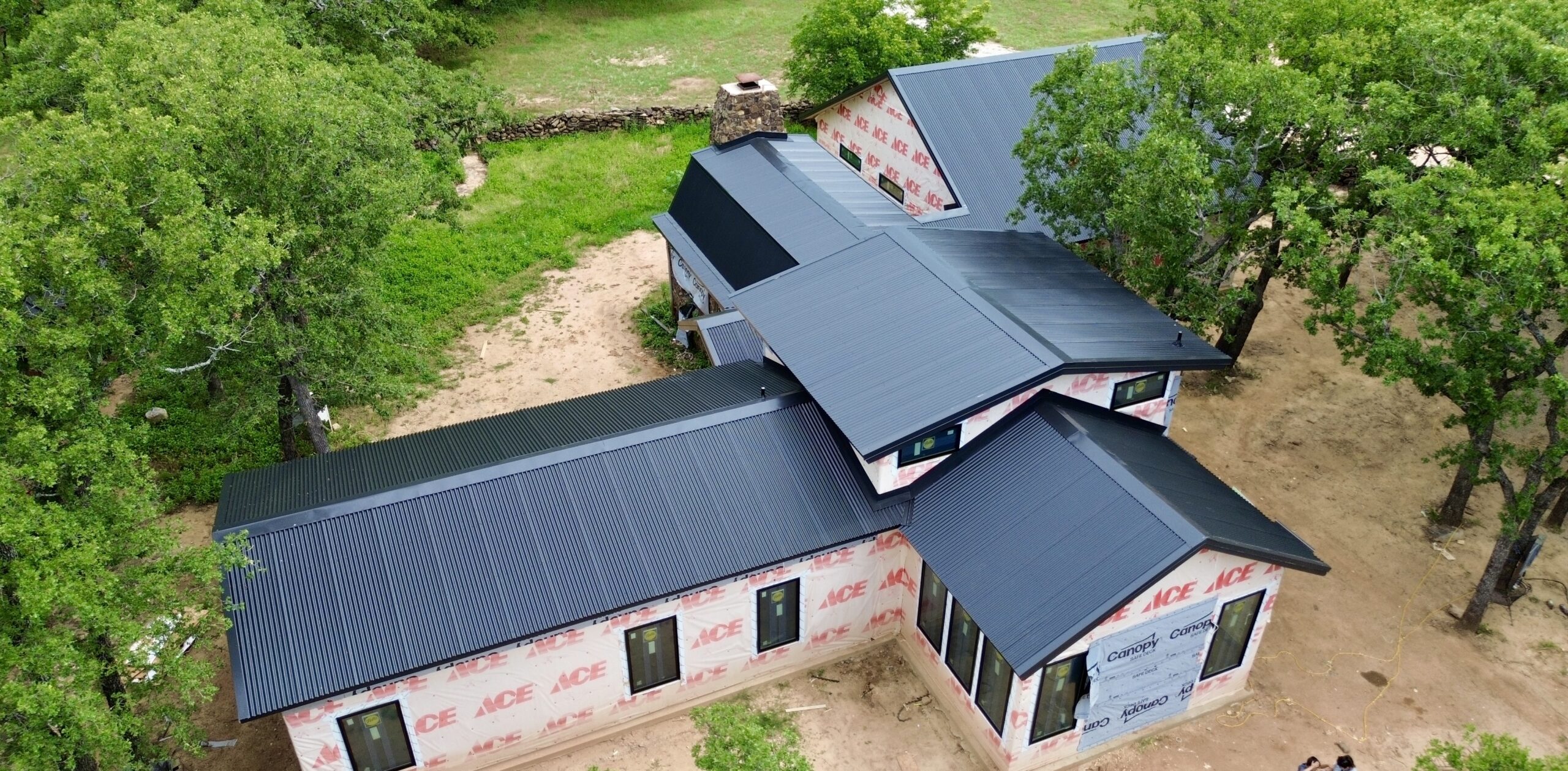
Factors That Influence Roof Replacement Costs
Roof replacement costs vary significantly from one home to another because every project presents unique conditions. Understanding the major pricing factors helps homeowners evaluate contractor estimates and determine whether insurance or self-funding offers greater financial value.
Roof size remains one of the most obvious cost considerations. Larger roofs require more shingles, underlayment, flashing, fasteners, and labor hours than smaller roofing systems. Even modest increases in roof area can substantially affect the overall project cost.
The slope and design of the roof also influence pricing. Steeper roofs require additional safety equipment and more time for installation, while complex roof designs with multiple valleys, skylights, chimneys, and dormers increase labor requirements. Simple roof layouts are generally faster and less expensive to replace.
Material selection has a major impact on the final budget. Standard asphalt shingles remain the most economical choice for many homeowners, while metal roofing, clay tile, slate, cedar shake, and synthetic materials involve higher material and installation expenses. The expected lifespan and maintenance requirements should also be considered when comparing roofing options.
Regional labor rates differ depending on local economic conditions, contractor availability, and seasonal demand. Areas frequently affected by storms may experience temporary labor shortages following severe weather events, increasing roofing prices during busy periods.
Building code requirements sometimes add unexpected costs to replacement projects. Local regulations may require improved ventilation, upgraded underlayment, additional fastening systems, or structural improvements that were not part of the original roof. Compliance with current building codes is essential even if it increases the project budget.
The age and condition of the existing roof also affect replacement expenses. Contractors may discover damaged decking, moisture problems, or weakened structural components after removing old roofing materials. Repairing these hidden issues ensures the new roof performs correctly but may increase the total cost.
No two roofing projects are exactly alike. Evaluating all of these factors together provides a more realistic understanding of what influences the overall investment required for roof replacement.
Comparing Insurance Coverage and Self Funding
Choosing between insurance coverage and paying out of pocket involves more than comparing immediate expenses. Each option offers advantages and limitations that homeowners should evaluate based on their specific circumstances.
Insurance provides financial protection when unexpected events cause significant roof damage. Instead of paying the full replacement cost, homeowners typically pay only the deductible while the insurance company covers eligible expenses according to the policy. This can make large replacement projects much more affordable after severe storms or other covered events.
However, insurance claims require documentation, inspections, and approval before payment is issued. The process may take several weeks depending on the complexity of the claim and the availability of adjusters. Homeowners must also meet policy requirements and demonstrate that the damage resulted from a covered event.
Paying out of pocket offers greater flexibility because homeowners can schedule work whenever they choose without waiting for claim approval. They may also select upgraded roofing materials, modify the project scope, or choose any contractor they prefer without coordinating with an insurance company. This approach can simplify decision making for planned roof replacements.
The main disadvantage of self-funding is the immediate financial burden. Roof replacement represents a substantial investment, and paying the entire amount at once may require significant savings or financing. Homeowners should carefully evaluate their budget before committing to this option.
The choice between insurance and self-funding often depends on several important considerations:
- The cause of the roof damage.
- The amount of your insurance deductible.
- The age and condition of the existing roof.
- The estimated replacement cost.
- The type of insurance coverage you have.
- Your available savings or financing options.
There is no universal answer that applies to every homeowner. Insurance is generally the preferred solution when a covered event causes major damage, while paying out of pocket often makes more sense for planned replacements, maintenance-related issues, or cosmetic upgrades. Understanding the strengths and limitations of both approaches prepares homeowners for the financial comparisons, hidden costs, deductibles, depreciation, and long-term considerations that will be explored in the next part of this guide.
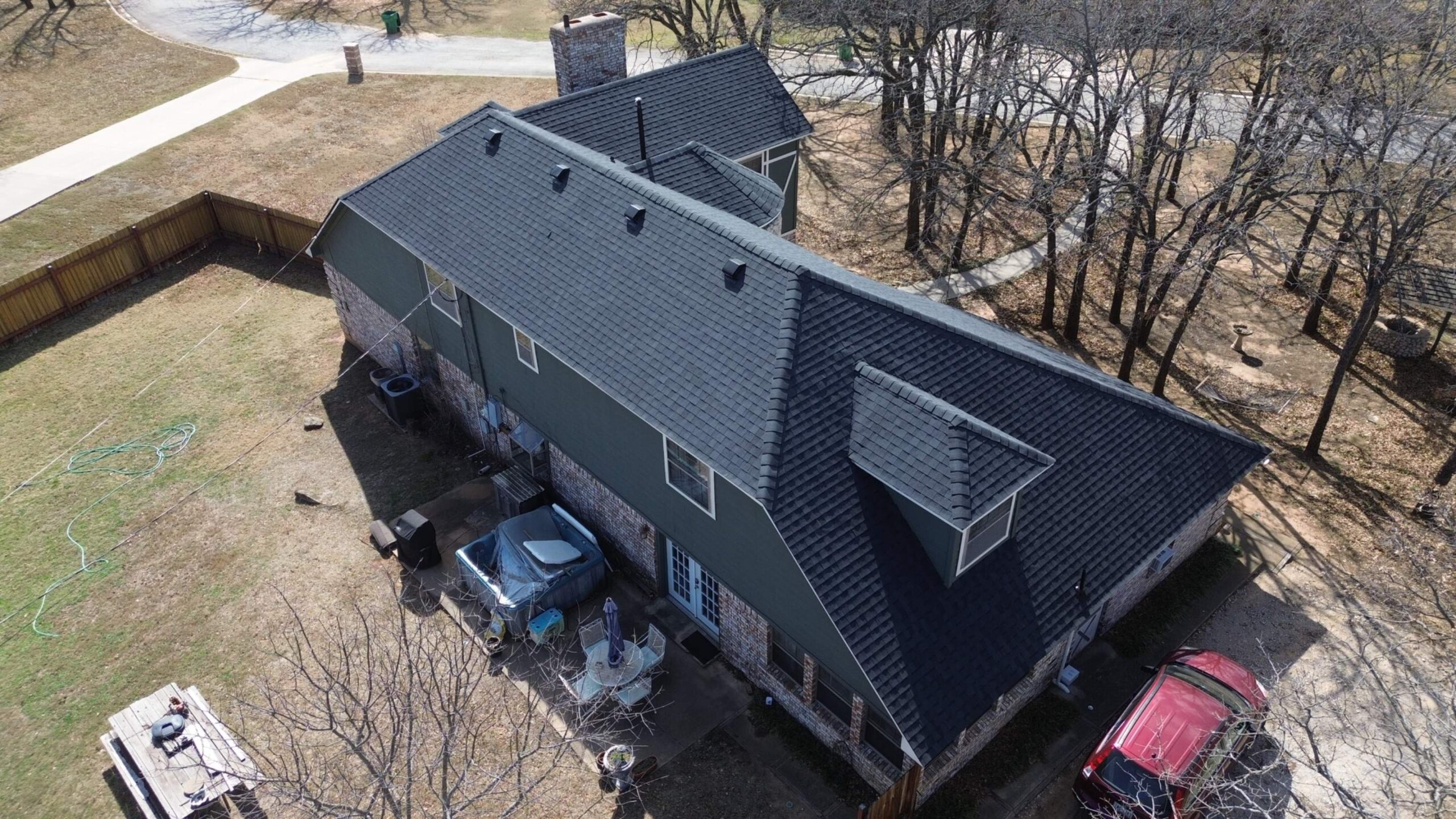
Deductibles, Depreciation, and Hidden Expenses
One of the biggest misconceptions homeowners have about roof replacement is believing that insurance pays the entire cost of a new roof. While insurance can significantly reduce the financial burden, there are still expenses that homeowners may need to cover themselves. Understanding deductibles, depreciation, and additional project costs helps create a more realistic financial plan.
A deductible is the amount the homeowner agrees to pay before the insurance company contributes toward the claim. Every insurance policy includes a deductible, and the amount varies depending on the policy terms. If the roof replacement cost is substantially higher than the deductible, filing an insurance claim often makes financial sense. However, when repair costs are only slightly above the deductible, paying out of pocket may sometimes be the more practical choice.
Depreciation is another important concept that affects insurance payments. Roofing materials lose value over time because of aging, weather exposure, and normal use. If your policy provides actual cash value coverage, the insurance company subtracts depreciation before calculating the payment. As a result, homeowners with older roofs may receive considerably less than the cost of installing a new roof.
Replacement cost coverage works differently because it generally pays the amount required to install comparable new materials after the deductible has been applied. Some insurers release part of the payment initially and provide the remaining amount after the roof replacement has been completed and documented. Understanding this payment structure helps homeowners avoid confusion during the project.
Beyond deductibles and depreciation, roof replacement projects often include additional expenses that are not immediately obvious. Homeowners should review contractor estimates carefully to determine exactly what is included in the quoted price.
Common hidden expenses may include:
- Permit and inspection fees.
- Disposal and landfill charges for old roofing materials.
- Repairs to damaged roof decking.
- Ventilation improvements required by building codes.
- Flashing replacement around chimneys and roof penetrations.
- Unexpected structural repairs discovered during construction.
These costs can increase the total project budget regardless of whether insurance or personal funds are used. Planning for possible additional expenses reduces financial surprises once work begins.
Long Term Financial Impact of Insurance vs Paying Yourself
The decision to file an insurance claim or pay for roof replacement out of pocket extends beyond the immediate project cost. Homeowners should also consider how each option affects their finances over the coming years. Looking only at the short-term expense may overlook important long-term considerations.
When insurance covers a major portion of the replacement cost, homeowners preserve savings that can be used for other financial priorities. Instead of spending tens of thousands of dollars on a new roof, those funds remain available for emergency expenses, home improvements, education, or investments. This financial flexibility is one of the primary advantages of maintaining adequate homeowners insurance.
However, some homeowners worry that filing an insurance claim could affect future premiums. Insurance companies evaluate many different factors when determining premium adjustments, including claims history, regional weather patterns, and overall risk. A single legitimate storm damage claim does not automatically result in a substantial premium increase, but repeated claims within a relatively short period may influence future insurance costs.
Paying out of pocket eliminates the need for an insurance claim and keeps the homeowner’s claims history unchanged. This approach may appeal to individuals replacing an aging roof rather than repairing sudden storm damage. Avoiding a claim may also simplify the replacement process because homeowners do not need to wait for insurance inspections or settlement approvals.
Financing should also be considered when paying out of pocket. Some homeowners have sufficient savings to cover the replacement immediately, while others may rely on personal loans, home equity financing, or contractor payment plans. Interest charges increase the total project cost over time, making financing more expensive than paying directly from savings.
A newly installed roof can also provide long-term financial benefits regardless of how it is funded. Modern roofing systems often improve energy efficiency, reduce maintenance expenses, increase property value, and enhance curb appeal. These advantages may partially offset the initial investment over the roof’s lifespan.
Evaluating both the immediate and future financial impact helps homeowners choose the funding method that best aligns with their personal circumstances and long-term financial goals.
Situations Where Filing an Insurance Claim Makes Sense
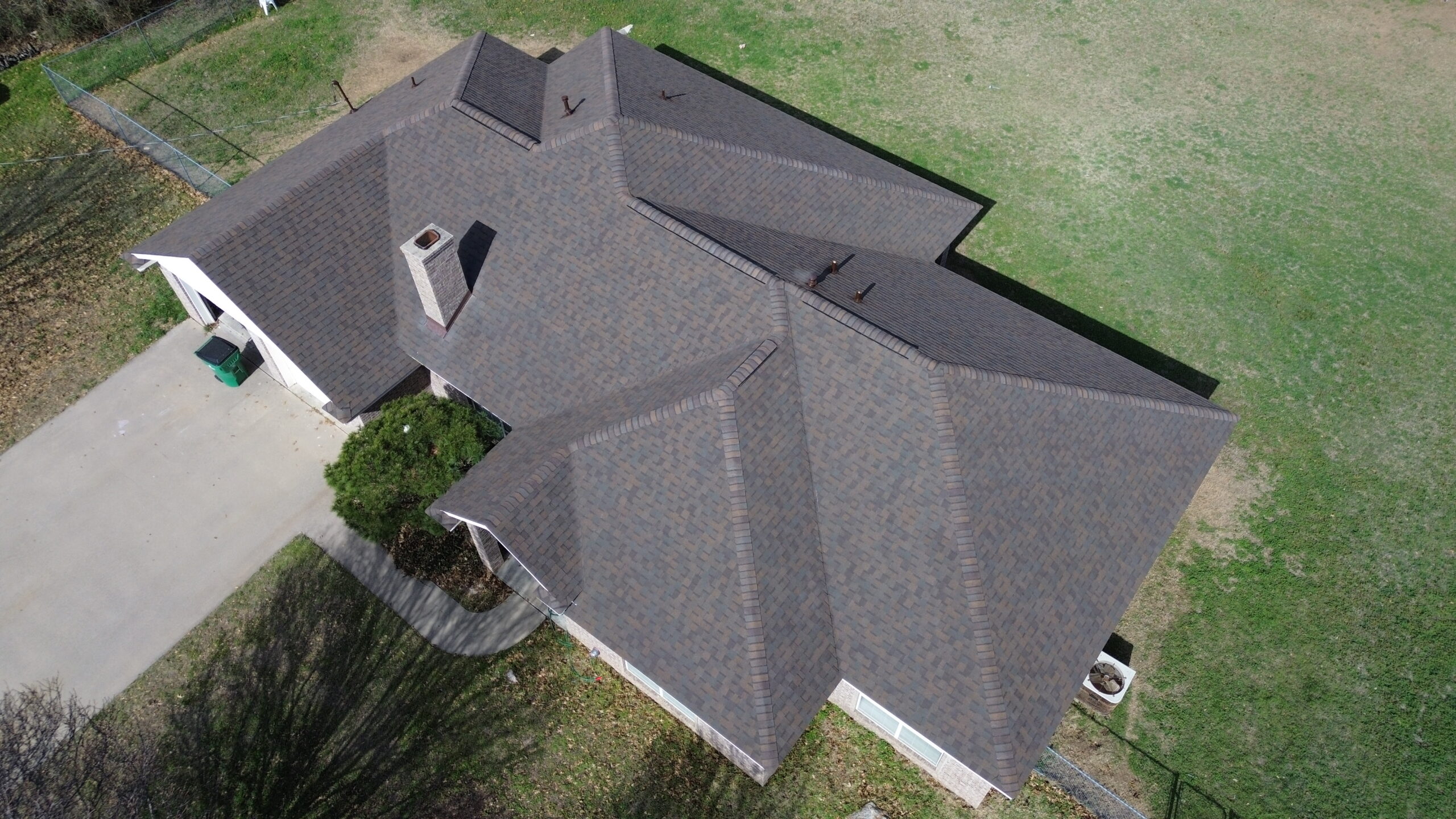
Insurance claims are intended to protect homeowners from unexpected financial losses caused by covered events. Filing a claim is generally the most appropriate option when roof damage clearly falls within the terms of the homeowners insurance policy and the financial benefit exceeds the associated deductible.
Storm damage is one of the clearest examples. Strong winds can remove shingles, hail can fracture roofing materials, and falling trees may cause severe structural damage that requires complete roof replacement. Because these events are sudden and accidental, they are commonly covered under standard homeowners insurance policies.
Fire damage also typically justifies filing an insurance claim. Flames, smoke, and water used during firefighting efforts can all affect the roofing system. Even when only a portion of the roof appears damaged, structural concerns may require replacing much larger sections to restore safety and performance.
Lightning strikes, heavy windstorms, and certain weather-related incidents are additional situations where insurance coverage often applies. In these cases, filing a claim allows homeowners to reduce significant replacement costs while restoring the property to its previous condition.
A claim also makes financial sense when the replacement cost greatly exceeds the deductible. For example, paying a relatively small deductible instead of funding an entire roof replacement represents substantial financial value for most homeowners. Insurance exists specifically to provide protection against these types of unexpected losses.
Homeowners should also consider filing a claim when the roof damage affects other parts of the home. Water intrusion, damaged ceilings, insulation problems, and structural issues may all be covered under the same insurance claim if they resulted from the covered roofing damage. Combining related repairs into one claim often simplifies the restoration process.
Before filing any claim, homeowners should carefully review their insurance policy and obtain a professional roof inspection. Understanding the cause of the damage and estimating replacement costs helps determine whether filing a claim is likely to provide meaningful financial benefit.
Situations Where Paying Out of Pocket Is the Better Choice
Although insurance provides valuable financial protection, there are many situations where paying out of pocket is the more practical option. Choosing to self-fund roof replacement can reduce paperwork, eliminate claim processing delays, and provide greater flexibility throughout the project.
The most common example is replacing an aging roof that has reached the end of its expected lifespan. Roofing materials naturally deteriorate over time, and insurance companies generally consider this normal maintenance rather than a covered event. Since the replacement is unlikely to qualify for insurance reimbursement, paying directly becomes the expected solution.
Minor repairs also may not justify filing an insurance claim. If repair costs are close to the deductible, homeowners may receive little financial benefit after the claim is processed. Paying directly often avoids unnecessary administrative work while preserving the homeowner’s insurance claims history.
Some homeowners intentionally upgrade their roofing materials during replacement. They may choose architectural shingles, metal roofing, clay tile, or premium synthetic products that exceed the specifications of the original roof. Insurance policies typically pay only for comparable replacement materials, leaving the homeowner responsible for the additional upgrade costs.
Cosmetic improvements represent another situation where self-funding is usually appropriate. Changing the roof color, improving the home’s appearance, or selecting designer materials generally falls outside standard insurance coverage because these changes are optional rather than necessary to restore storm damage.
Homeowners with sufficient savings sometimes prefer paying directly because it allows greater control over scheduling and contractor selection. Without waiting for insurance approval, they can begin the project according to their own timeline and make design decisions without insurance limitations.
Paying out of pocket may be the better choice when:
- The roof has reached the end of its natural lifespan.
- Damage resulted from normal wear and tear.
- Repair costs are only slightly higher than the deductible.
- The homeowner wants premium material upgrades.
- Cosmetic improvements are the primary goal.
- Insurance coverage does not apply to the cause of the damage.
Every roofing project should be evaluated individually. Comparing expected insurance benefits with the total replacement cost helps homeowners determine which funding method offers the greatest overall value.
Cost Saving Strategies for Roof Replacement
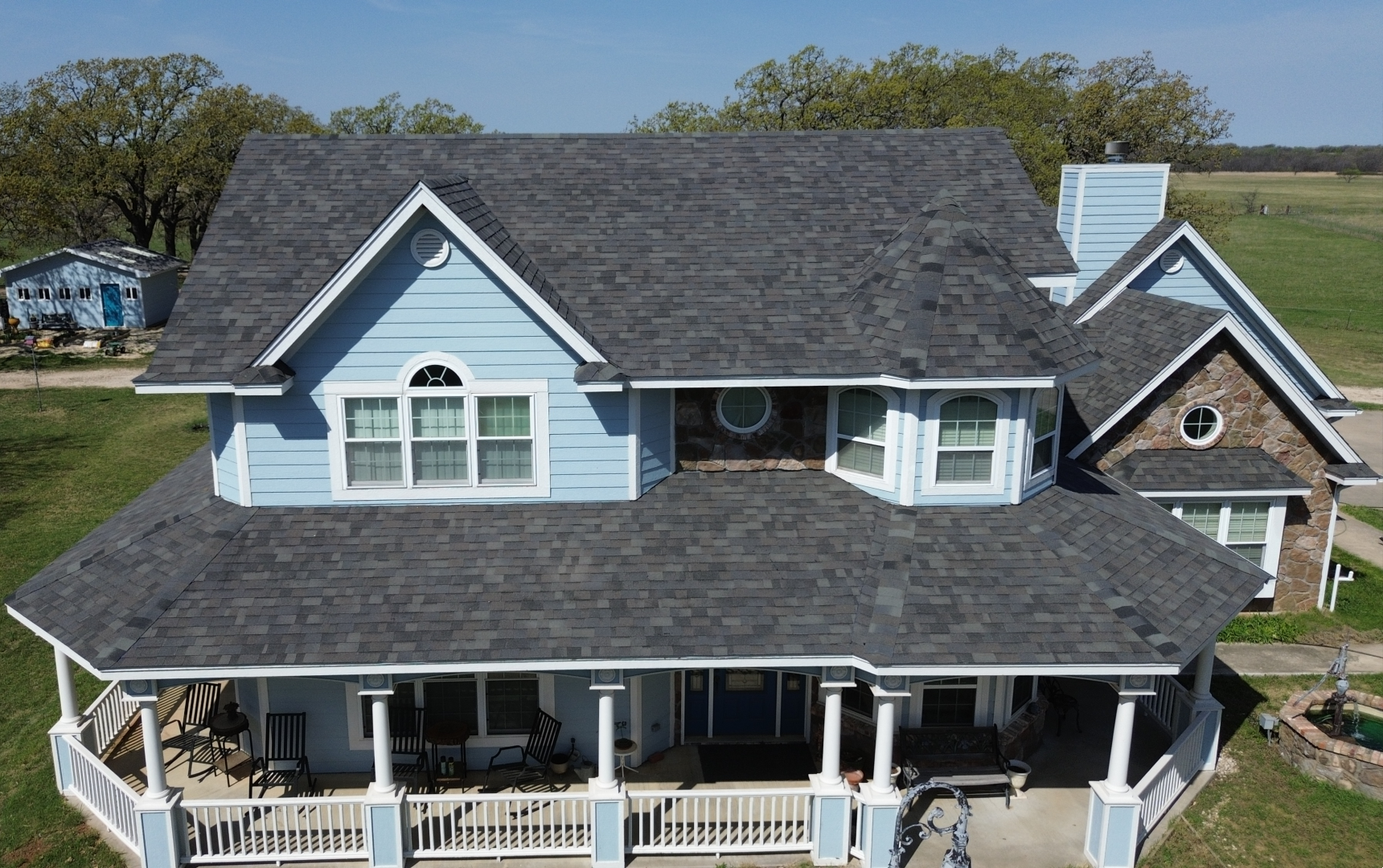
Whether the roof replacement is funded through insurance or personal savings, homeowners naturally want to control costs without sacrificing quality. Careful planning and informed decision making can significantly reduce expenses while ensuring the new roof provides long-term performance.
Obtaining multiple contractor estimates is one of the most effective ways to compare pricing. While the lowest price is not always the best choice, reviewing several detailed proposals helps homeowners understand local market rates and identify unusually high or unusually low bids. Comparing the scope of work rather than focusing only on the total price provides a more accurate basis for evaluation.
Scheduling the replacement during less busy seasons may also reduce costs in some regions. Roofing contractors often experience peak demand after severe storms or during certain times of the year. Greater contractor availability sometimes results in more competitive pricing and shorter project timelines.
Choosing durable materials with a long expected lifespan may provide better long-term value even if the initial investment is slightly higher. Roofing systems that require fewer repairs and offer improved weather resistance can reduce maintenance costs over many years.
Routine roof maintenance also contributes to long-term savings. Regular inspections, gutter cleaning, tree trimming, and prompt repair of minor issues help extend the roof’s service life while reducing the likelihood of expensive structural damage. Preventive maintenance is generally far less costly than emergency roof replacement.
Homeowners should also verify whether manufacturer warranties and contractor workmanship warranties are included in the project. Strong warranty coverage provides additional protection against future repair expenses and increases the overall value of the investment.
Reducing roof replacement costs does not necessarily mean choosing the cheapest materials or contractor. Instead, it involves making informed decisions that balance quality, durability, and long-term financial value.
Common Mistakes Homeowners Make When Comparing Costs
Comparing insurance-funded and out-of-pocket roof replacement costs is more complicated than simply reviewing two dollar amounts. Many homeowners make financial decisions based on incomplete information, which can lead to unexpected expenses or missed opportunities for savings.
One common mistake is focusing only on the deductible while ignoring the total insurance benefit. Some homeowners hesitate to file a claim because they must pay the deductible, even though the insurance company may cover a much larger portion of the replacement cost. Looking only at the deductible can create a misleading picture of the overall financial outcome.
Another frequent mistake involves comparing contractor estimates that include different scopes of work. One proposal may include new flashing, ventilation upgrades, underlayment, and debris removal, while another excludes these services. Comparing only the final price without reviewing the included work often leads to inaccurate conclusions.
Many homeowners also overlook hidden project expenses. Permit fees, structural repairs, building code upgrades, and disposal costs may not appear in every estimate. These additional expenses can significantly influence the final budget regardless of how the project is funded.
Assuming insurance automatically covers every roof replacement is another misunderstanding. Coverage depends on the cause of the damage, policy terms, deductibles, and inspection findings. Filing a claim without first understanding the policy may lead to disappointment if the damage falls outside covered events.
Waiting too long to replace a damaged roof can also increase costs. Minor problems often become larger structural issues when left unresolved, resulting in additional repairs that may not be covered by insurance. Prompt action protects both the roof and the homeowner’s financial investment.
Carefully evaluating all financial factors rather than concentrating on a single cost component leads to better decisions. Understanding deductibles, depreciation, hidden expenses, policy coverage, financing options, and long-term value prepares homeowners to make informed choices, which will be explored further in the final part of this guide when deciding which option best fits individual circumstances.
How to Decide Which Option Is Right for You
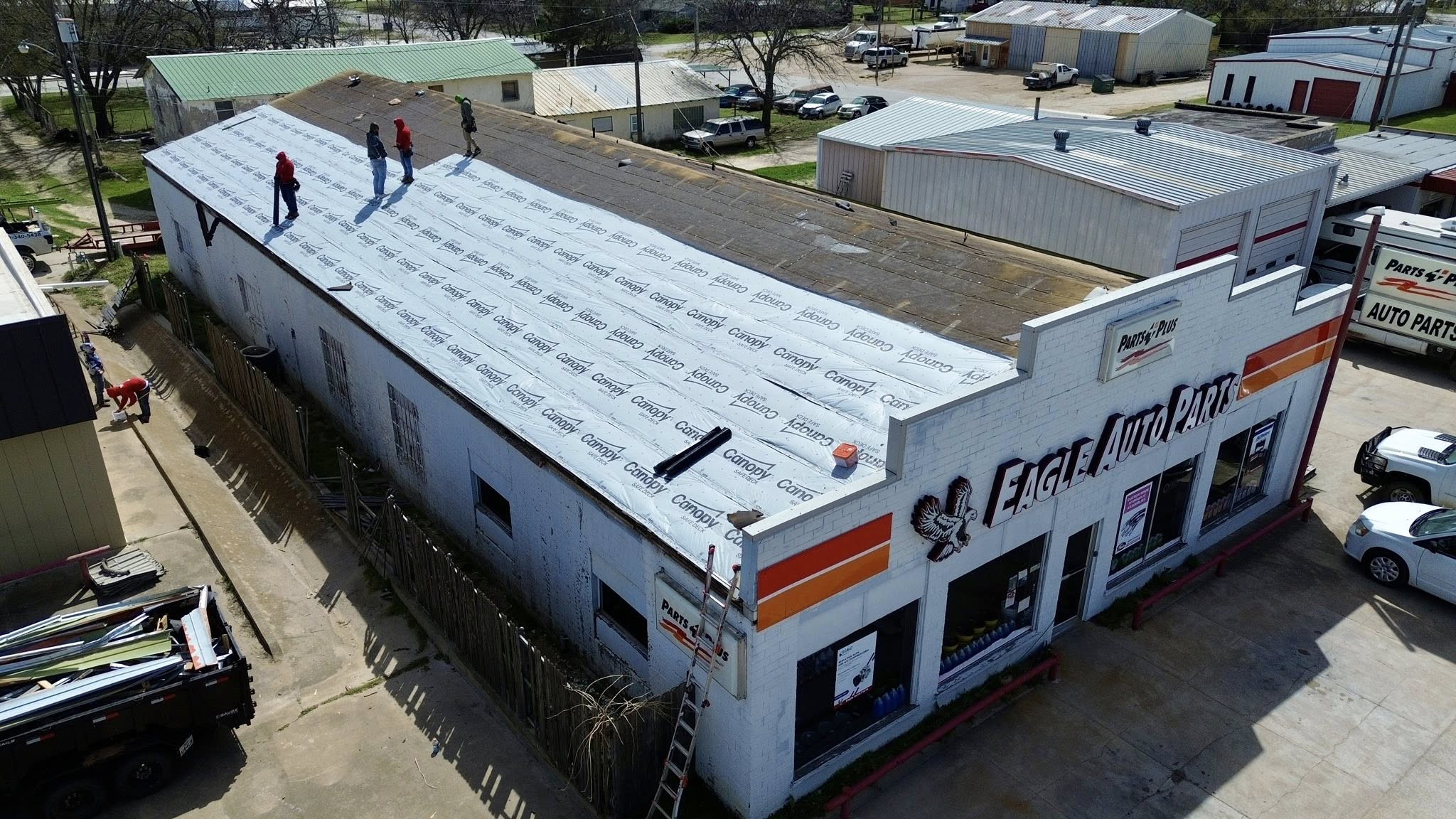
Choosing between insurance coverage and paying out of pocket for a roof replacement is not a decision that should be made based solely on the total project cost. Every homeowner has different financial circumstances, insurance coverage, roof conditions, and long-term goals. Evaluating all of these factors together helps you select the option that provides the greatest overall value.
The first question to ask is what caused the roof damage. If the damage resulted from a covered event such as hail, wind, fire, or a fallen tree, filing an insurance claim is often the logical choice. Homeowners insurance exists to protect against unexpected losses, and using the coverage appropriately can prevent a significant financial burden.
If the roof has simply reached the end of its expected lifespan, the situation is different. Insurance companies generally consider aging and normal wear to be maintenance responsibilities rather than insured events. In these cases, paying out of pocket is usually the expected approach because the replacement is part of the long-term cost of homeownership.
The amount of your deductible should also be considered. A high deductible reduces the financial benefit of filing a claim for relatively small repairs. However, when the replacement cost is substantially higher than the deductible, insurance may still provide considerable savings.
Reviewing your insurance policy before making a decision is equally important. Understanding whether your policy provides replacement cost coverage or actual cash value coverage allows you to estimate how much financial assistance you are likely to receive. This information helps eliminate unrealistic expectations and supports more accurate budgeting.
Your current financial situation should also influence the decision. Homeowners with sufficient savings may prefer paying directly for planned roof replacement because it offers greater flexibility and avoids the insurance claims process. Others may choose insurance because preserving emergency savings is more valuable than funding the project entirely from personal resources.
Long-term plans for the property are another consideration. If you intend to remain in the home for many years, investing in higher-quality roofing materials may provide greater value through improved durability, lower maintenance costs, and increased energy efficiency. If you plan to sell the property soon, balancing replacement costs with expected resale value becomes an important factor.
No single solution works for every homeowner. Carefully comparing the cause of the damage, insurance coverage, project costs, available savings, and future financial goals leads to a more informed and confident decision.
Frequently Asked Questions About Roof Replacement Costs
Is it always better to file an insurance claim for roof replacement?
No. Filing an insurance claim makes the most sense when the damage resulted from a covered event and the financial benefit clearly exceeds the deductible. If the damage resulted from normal aging or if repair costs are only slightly higher than the deductible, paying out of pocket may be the better option.
Does homeowners insurance pay for an old roof?
Generally, no. Insurance usually covers sudden and accidental damage rather than normal wear and tear. If an old roof simply reaches the end of its useful life, replacement is typically the homeowner’s financial responsibility.
Will paying out of pocket speed up the roof replacement process?
In many cases, yes. Homeowners who fund the project themselves do not need to wait for claim approval, inspections, or insurance settlements before scheduling construction. This often provides greater flexibility when selecting contractors and project timelines.
Can I upgrade my roofing materials if insurance pays for the replacement?
Yes. Many homeowners choose upgraded materials during roof replacement. However, insurance generally pays only for materials comparable to those that were damaged. Any additional upgrade costs are usually paid by the homeowner.
What if my insurance payment is lower than the contractor’s estimate?
This situation sometimes occurs because of differences in pricing, project scope, or hidden damage discovered later. Homeowners should review both estimates carefully and discuss the differences with the contractor and insurance company. Supplemental documentation may help resolve legitimate discrepancies.
Does paying out of pocket save money in the long run?
It depends on the situation. Paying directly avoids deductibles and the insurance claims process, but it also requires funding the entire project yourself. The long-term financial impact depends on available savings, financing costs, insurance coverage, and the reason the roof requires replacement.
Should I get multiple roofing estimates before making a decision?
Yes. Comparing estimates from several reputable contractors provides a better understanding of market pricing, project scope, and material options. It also helps homeowners identify unusually high or unusually low proposals before committing to a contractor.
Conclusion
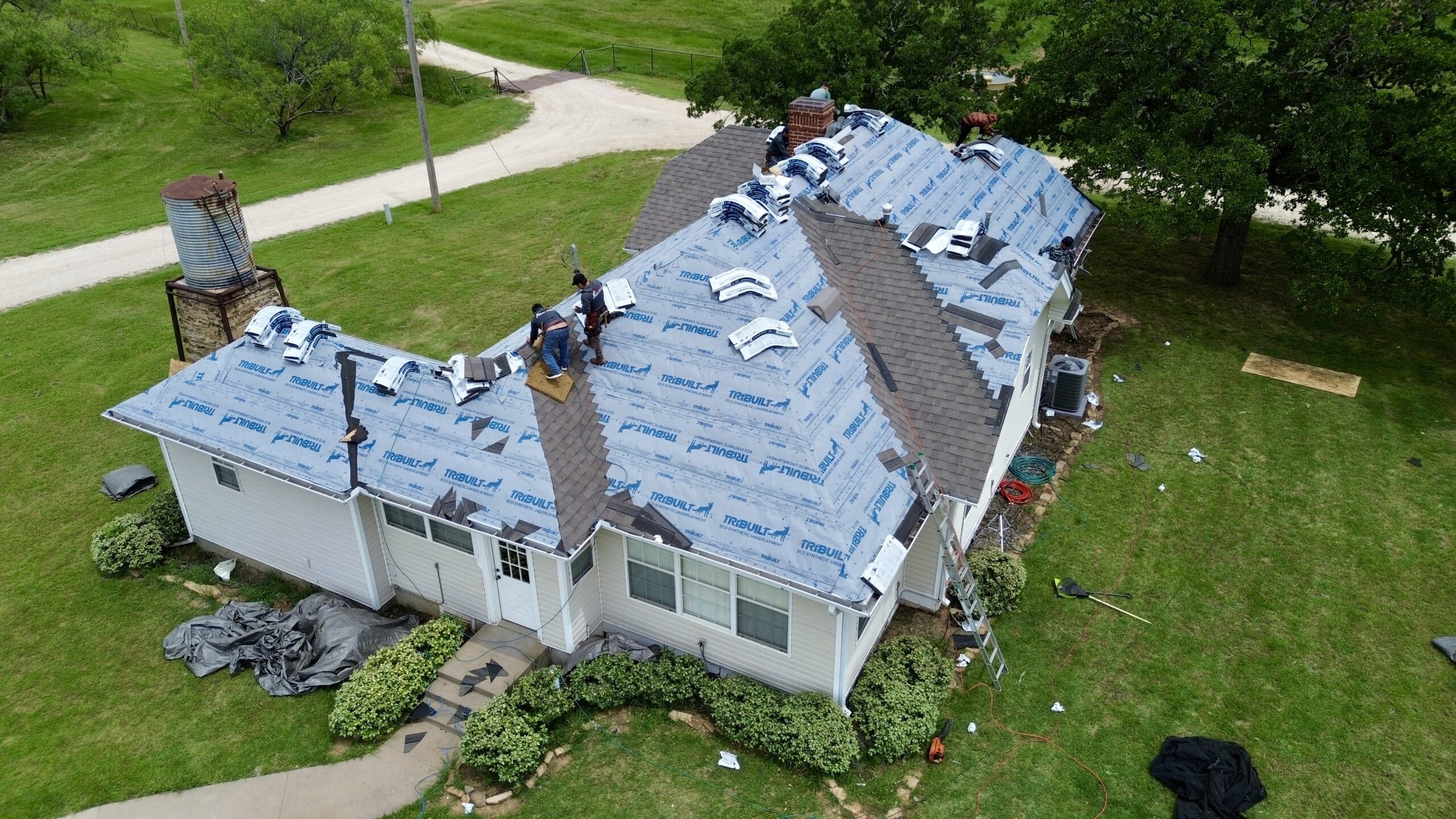
Roof replacement is one of the most significant home improvement expenses a homeowner will face, making it essential to understand the financial differences between insurance coverage and paying out of pocket. While insurance can substantially reduce costs after covered events such as hail, wind, fire, or falling trees, it is not intended to pay for every roof replacement. Normal aging, poor maintenance, and policy exclusions often require homeowners to fund the project themselves.
Comparing these two options involves much more than looking at the final price. Deductibles, depreciation, hidden project expenses, financing costs, contractor estimates, and long-term property goals all influence the true financial impact of a roof replacement. Carefully reviewing each of these factors provides a clearer understanding of which approach offers the greatest value in a particular situation.
Insurance provides valuable financial protection when unexpected damage occurs, helping homeowners preserve savings while restoring their property. At the same time, paying out of pocket offers flexibility, greater control over scheduling, and the freedom to select upgraded roofing materials without insurance limitations. Neither option is universally better because the right choice depends on the cause of the damage, the terms of the insurance policy, and the homeowner’s financial circumstances.
Regardless of how the project is funded, choosing a qualified roofing contractor, maintaining accurate records, performing regular roof inspections, and addressing small issues before they become major problems remain essential practices. Preventive maintenance extends the life of the roof, reduces unexpected expenses, and improves the condition of the property over time.
By understanding the advantages, limitations, and long-term financial effects of both insurance-funded and self-funded roof replacement, homeowners can make informed decisions with greater confidence. Careful planning, realistic budgeting, and a thorough understanding of insurance coverage help ensure that the investment in a new roof provides lasting protection, improved home value, and peace of mind for years to come.