Roof Replacement Planning Checklist for Property Owners
Introduction
A roof replacement is one of the largest maintenance projects that most property owners will undertake. Whether the property is a family home, rental house, office building, or commercial facility, replacing a roof involves careful planning, financial preparation, and informed decision making. Waiting until the roof fails unexpectedly often leads to rushed choices, higher costs, and unnecessary stress. Planning ahead allows property owners to manage the project on their own schedule while protecting the value of their investment.
Many roofs show signs of aging long before complete failure occurs. Small leaks, damaged shingles, deteriorating flashing, or recurring repairs often indicate that the roofing system is approaching the end of its useful life. Ignoring these warning signs may result in structural damage, water intrusion, mold growth, and increased repair expenses. A well-organized replacement plan helps property owners address these issues before they become emergencies.
A roof replacement checklist serves as a practical guide throughout the planning process. It helps homeowners evaluate the current condition of the roof, establish financial goals, compare material options, choose qualified contractors, and prepare the property for construction. Breaking the project into manageable steps makes the entire process less overwhelming while reducing the likelihood of costly mistakes.
Planning also creates opportunities to improve the overall performance of the property. Modern roofing systems often provide better durability, improved energy efficiency, enhanced weather resistance, and stronger warranty protection than older materials. Replacing the roof becomes more than a repair project. It becomes an investment in the long-term safety, comfort, and value of the building.
This guide explores the essential steps every property owner should consider before beginning a roof replacement project. By following a structured planning process, homeowners can make informed decisions, avoid unnecessary expenses, and complete their roofing project with greater confidence.
Why Every Property Owner Needs a Roof Replacement Plan
Many property owners do not think about replacing their roof until obvious problems begin affecting the building. While emergency situations sometimes cannot be avoided, most roof replacements can be planned well in advance. Developing a replacement plan allows owners to prepare financially, evaluate available options, and complete the project under favorable conditions rather than reacting to an unexpected failure.
One of the biggest advantages of planning is financial control. Roof replacement represents a significant investment, and budgeting over several years is generally much easier than securing funds during an emergency. Property owners who plan ahead can compare financing options, save gradually, and choose roofing materials based on long-term value instead of immediate affordability.
Planning also provides greater flexibility when selecting contractors. Roofing companies often experience heavy demand after major storms, limiting scheduling availability. Property owners who begin planning early can request multiple estimates, review contractor qualifications, and schedule work during less busy seasons.
Another benefit involves protecting the rest of the property. Delaying replacement after the roof has reached the end of its service life increases the likelihood of water damage affecting insulation, structural framing, ceilings, flooring, and electrical systems. Planning replacement before major deterioration develops prevents many of these secondary repair costs.
Property owners also gain more time to research roofing materials. Instead of making rushed decisions based on limited information, they can compare durability, maintenance requirements, warranties, energy efficiency, and overall performance. Careful evaluation often results in better long-term satisfaction with the completed project.
Perhaps most importantly, planning reduces stress. Knowing that replacement has been carefully prepared provides confidence during severe weather while eliminating much of the uncertainty associated with emergency roof failure.
Understanding When Roof Replacement Should Be Planned
Determining the right time to begin planning a roof replacement requires more than simply knowing the roof’s age. While every roofing material has an expected lifespan, actual performance depends on installation quality, maintenance history, weather exposure, and the overall condition of the roofing system.
Roof age provides a useful starting point. Property owners should know approximately when the current roof was installed and compare that information with the expected service life of the roofing material. As the roof approaches this age range, planning for eventual replacement becomes increasingly important even if no major problems are currently visible.
Frequent repairs often indicate that replacement planning should begin. Occasional repairs are normal throughout a roof’s lifespan, but recurring leaks in multiple locations may suggest that widespread material deterioration is occurring. Continuing to repair isolated issues may eventually cost more than replacing the roof entirely.
Visible signs of aging also deserve attention. Curling shingles, cracked tiles, excessive granule loss, rusted flashing, sagging roof sections, or deteriorating sealants all indicate that roofing materials may be losing their ability to provide reliable protection. These conditions should prompt a professional roof inspection.
Interior warning signs may appear before exterior damage becomes obvious. Water stains on ceilings, peeling paint, damp insulation, attic mold, or unexplained increases in heating and cooling costs often suggest roofing issues requiring further evaluation. Ignoring these symptoms may allow hidden structural damage to continue developing.
Professional inspections provide the most reliable guidance when determining replacement timing. Experienced roofing contractors evaluate roofing materials, flashing, drainage systems, attic conditions, and structural components to estimate remaining roof lifespan. Their assessments allow property owners to begin planning replacement before emergency conditions develop.
Evaluating the Current Condition of Your Roof
A thorough evaluation of the existing roof forms the foundation of every successful replacement plan. Understanding the roof’s strengths and weaknesses allows property owners to make informed decisions regarding repairs, replacement timing, and future material selection.
The evaluation begins with the roofing surface itself. Contractors inspect shingles, tiles, metal panels, or membranes for signs of cracking, curling, missing sections, punctures, granule loss, corrosion, or other visible deterioration. The overall condition of these materials provides valuable insight into the roof’s remaining service life.
Flashing receives close attention because many roof leaks begin around chimneys, skylights, plumbing vents, and roof intersections. Loose, rusted, or damaged flashing often allows moisture to enter the roofing system even when surrounding roofing materials remain in relatively good condition.
Drainage systems also influence replacement planning. Gutters, downspouts, roof valleys, and drainage outlets should efficiently direct water away from the roof. Standing water, overflowing gutters, or blocked drainage pathways increase the likelihood of long-term moisture damage.
The attic provides additional information that may not be visible from outside the home. Inspectors evaluate insulation, ventilation, moisture levels, mold growth, and signs of previous leaks. Conditions beneath the roof frequently reveal problems developing long before exterior symptoms appear.
Structural observations are equally important. Sagging roof sections, weakened decking, deteriorated framing, or unusual movement may indicate that structural repairs should be included within the replacement project. Addressing these concerns during roof replacement improves long-term performance while preventing future complications.
Documenting the evaluation with photographs and written inspection reports creates a useful reference for planning. These records help property owners compare contractor recommendations while tracking roof condition over time.
Key Factors That Influence Roof Replacement Decisions
Every roof replacement project is unique because each property presents different challenges and priorities. Understanding the factors influencing replacement decisions allows property owners to develop plans that match their specific needs and long-term goals.
Climate is one of the most important considerations. Homes located in regions with frequent storms, heavy snowfall, intense sunlight, or coastal humidity require roofing materials capable of performing under those environmental conditions. Selecting materials suited to the local climate improves durability while reducing future maintenance needs.
Roof design also affects planning. Complex roof layouts containing multiple valleys, dormers, skylights, chimneys, or steep slopes generally require more labor and specialized installation techniques than simple roof designs. Understanding this complexity helps property owners prepare realistic project budgets.
Building age should also be evaluated. Older homes may require structural improvements, decking replacement, or ventilation upgrades during roof replacement. Planning for these possibilities prevents unexpected discoveries after construction begins.
Future ownership plans influence material selection as well. Homeowners intending to remain in the property for decades may prioritize premium roofing systems offering longer service life and lower maintenance requirements. Those planning to sell sooner may focus on materials that provide strong curb appeal while remaining financially practical.
Energy efficiency has become increasingly important in modern roofing projects. Reflective roofing materials, improved ventilation systems, and upgraded insulation contribute to reduced heating and cooling costs while increasing indoor comfort. Property owners should consider these opportunities during replacement planning.
Local building codes and homeowner association requirements may also influence roofing decisions. Some communities regulate roofing materials, colors, or installation standards. Understanding these requirements before selecting materials helps prevent delays during the project.
Finally, long-term maintenance expectations should be considered. Different roofing materials require different levels of care throughout their service life. Selecting materials that align with the owner’s maintenance preferences supports greater long-term satisfaction.
Setting Long Term Roofing Goals
Roof replacement should not be viewed simply as replacing worn materials. It represents an opportunity to improve the property’s overall performance while supporting future ownership goals. Establishing clear objectives before the project begins helps guide every major decision throughout the planning process.
Durability is often a primary goal. Property owners who expect to remain in the building for many years frequently choose roofing systems offering longer expected service lives. Although these materials may involve higher initial costs, they often provide better long-term value through reduced maintenance and fewer future replacements.
Appearance is another important consideration. The roof represents a significant portion of the property’s exterior and strongly influences curb appeal. Planning ahead allows homeowners to explore different colors, textures, and roofing styles that complement the building’s architecture while increasing overall property value.
Improving energy performance may also become a planning objective. Modern roofing materials combined with upgraded ventilation and insulation systems can improve indoor comfort while reducing energy consumption. These improvements often provide lasting financial benefits throughout the roof’s lifespan.
Some property owners prioritize sustainability. Longer-lasting materials, recyclable products, and energy-efficient roofing systems reduce environmental impact while supporting responsible property management. Evaluating these options early allows informed decisions before construction begins.
Maintenance expectations should also be considered when establishing roofing goals. Certain roofing materials require relatively little routine care, while others benefit from more frequent inspections and specialized maintenance. Choosing materials compatible with the owner’s maintenance preferences contributes to greater long-term satisfaction.
Clearly defined goals create consistency throughout the planning process. Instead of making isolated decisions regarding materials, contractors, or budgets, property owners evaluate every choice according to their long-term objectives.
Creating a Roof Assessment Checklist
A roof assessment checklist helps property owners organize important information before replacement planning advances to budgeting and contractor selection. Rather than relying on memory or assumptions, the checklist provides a structured method for evaluating the roof’s condition and identifying areas requiring attention.
The checklist should begin with basic information such as roof age, roofing material, previous repair history, warranty details, and dates of recent inspections. Understanding this background provides valuable context for evaluating the roof’s remaining service life.
Visible exterior conditions should also be documented carefully. Missing shingles, cracked tiles, damaged flashing, clogged gutters, moss growth, sagging areas, or obvious storm damage all deserve attention during the assessment process. Photographs provide useful documentation for future comparison.
Interior observations are equally important. Ceiling stains, attic moisture, mold, peeling paint, unusual odors, or insulation problems may indicate hidden roofing issues requiring professional evaluation. Including these observations creates a more complete understanding of overall roof condition.
The checklist should also include drainage performance, ventilation effectiveness, nearby tree conditions, and any structural concerns identified during inspections. Evaluating the entire roofing system rather than only its visible surface supports more accurate planning.
Most importantly, the assessment should conclude with professional recommendations. Inspection findings, estimated remaining roof lifespan, suggested repairs, and replacement priorities provide the foundation for budgeting, contractor selection, and project scheduling in the next stage of roof replacement planning. A comprehensive assessment ensures that every major decision is based on accurate information rather than assumptions, reducing uncertainty and helping property owners move confidently toward a successful roof replacement project.
Budgeting for a Roof Replacement Project
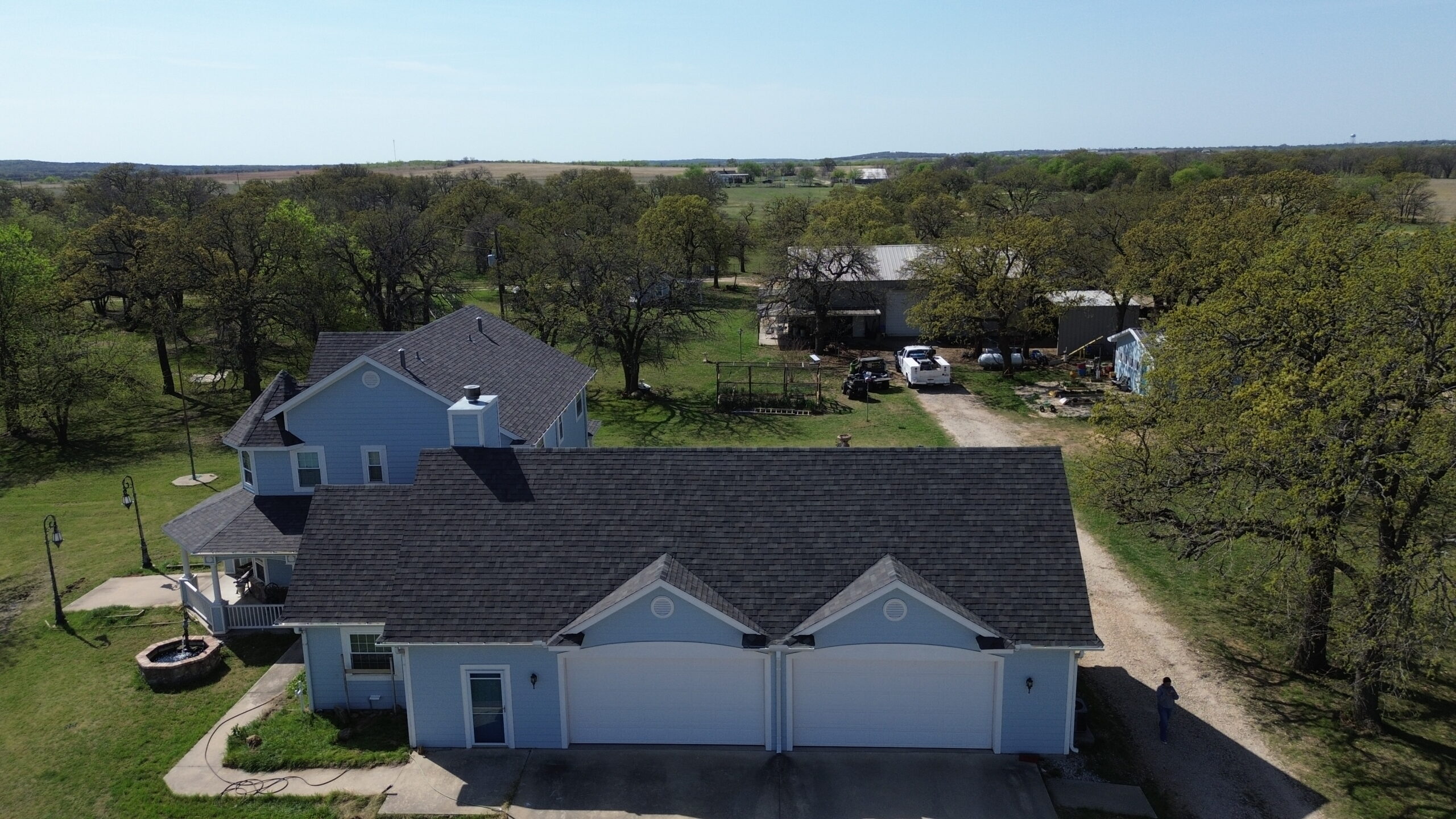
Creating a realistic budget is one of the most important steps in roof replacement planning. A new roof represents a major investment, and careful financial preparation allows property owners to complete the project without unnecessary stress. Rather than waiting until the roof fails unexpectedly, planning ahead provides time to save gradually, compare financing options, and make informed decisions about materials and contractors.
The first step in budgeting is understanding what influences the overall project cost. Roof size is one of the biggest factors because larger roofs require more materials and labor. Roof design also affects pricing, as steep slopes, multiple valleys, skylights, chimneys, and complex architectural features increase installation time and labor requirements.
The condition of the existing roof should also be considered. While some replacement projects involve removing old roofing materials and installing new ones without major complications, others require replacing damaged decking, repairing structural framing, improving attic ventilation, or upgrading insulation. These additional tasks increase the total project cost but often improve the long-term performance of the new roofing system.
Material selection has a major influence on budgeting as well. Asphalt shingles generally provide the most economical solution, while metal, slate, clay tile, and premium composite materials involve higher initial investments. Property owners should evaluate not only the purchase price but also expected lifespan, maintenance requirements, warranty coverage, and long-term value before making a decision.
Labor costs vary according to local market conditions and contractor experience. Highly qualified roofing professionals may charge more than less experienced contractors, but quality installation often contributes to longer roof lifespan and fewer future repairs. Choosing contractors based solely on the lowest estimate may result in greater costs later if installation quality is compromised.
Property owners should also include a contingency reserve within the budget. Unexpected structural repairs or hidden damage occasionally become visible after old roofing materials are removed. Setting aside additional funds helps prevent project delays if these situations arise.
Long-term budgeting provides significant advantages. Saving gradually over several years allows homeowners to choose materials and contractors based on quality rather than immediate affordability. Financial preparation also reduces reliance on emergency financing when replacement eventually becomes necessary.
Choosing the Right Roofing Materials
Selecting the appropriate roofing material is one of the most important decisions during the replacement planning process. The material chosen influences durability, maintenance requirements, appearance, energy efficiency, and long-term ownership costs. Evaluating these factors carefully allows property owners to invest in a roofing system that meets both current needs and future expectations.
Asphalt shingles remain the most commonly used residential roofing material because they combine affordability with dependable performance. Available in a wide range of colors and styles, asphalt shingles suit many architectural designs while providing reliable weather protection. Their relatively moderate cost makes them an attractive option for many homeowners.
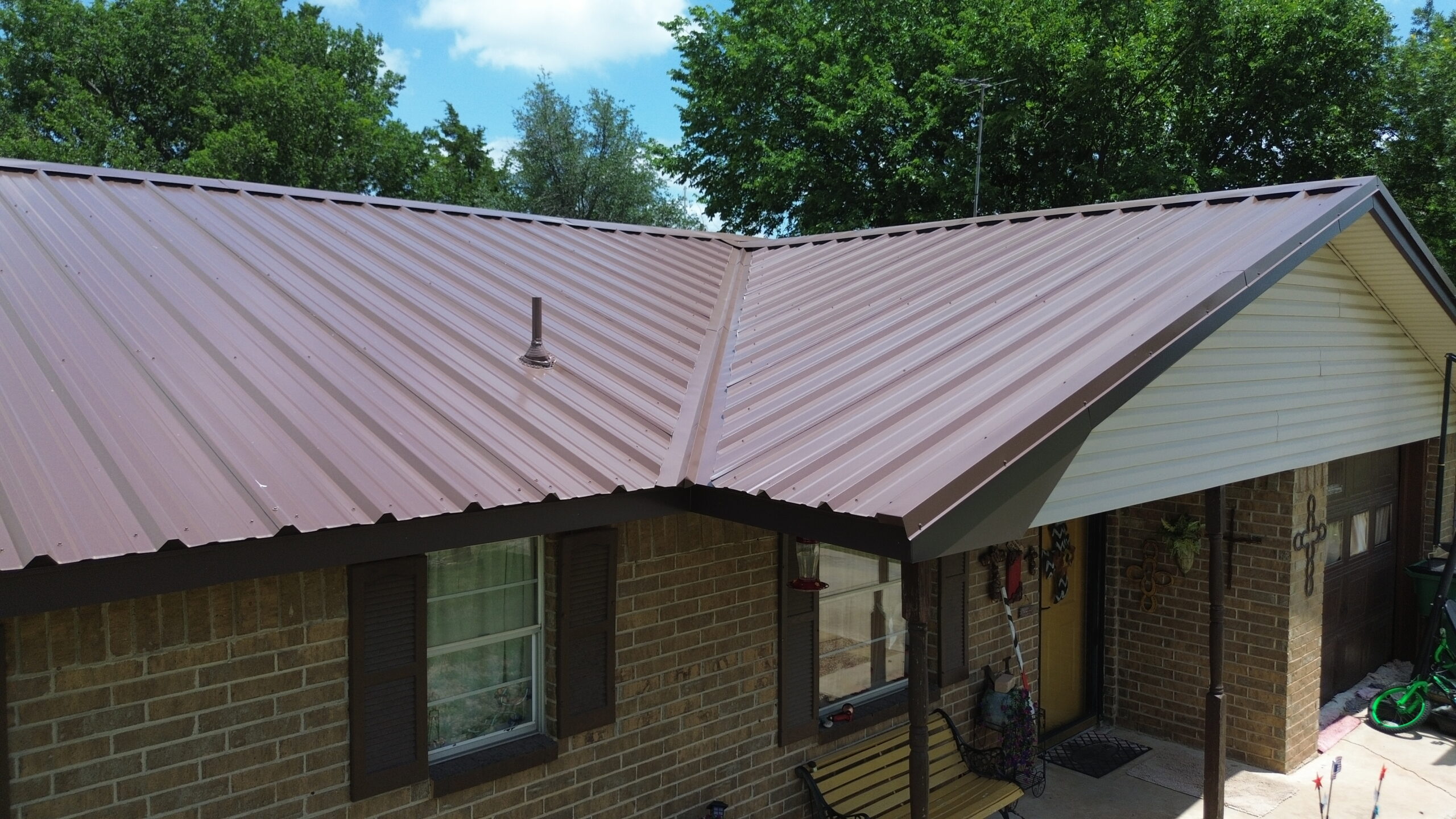
Metal roofing has become increasingly popular because of its exceptional durability and long service life. Metal roofs resist fire, insect damage, and high winds while reflecting solar heat that may improve energy efficiency. Although the initial investment is generally higher than asphalt shingles, many property owners appreciate the reduced maintenance requirements and extended lifespan.
Clay and concrete tile roofs provide distinctive architectural appeal along with excellent durability. These materials perform particularly well in warm climates and may remain functional for several decades. However, their greater weight requires adequate structural support, making professional evaluation important before installation.
Wood shake roofing offers natural beauty and a traditional appearance. While many homeowners appreciate its character, wood requires more frequent maintenance than several alternative materials. Climate conditions, ventilation, and regular inspections all influence its long-term performance.
Slate roofing represents one of the longest-lasting roofing options available. Properly installed slate roofs may remain in service for more than a century, making them an excellent long-term investment for suitable properties. Because slate is heavy and relatively expensive, careful structural evaluation and professional installation are essential.
Modern composite roofing materials provide another alternative. Designed to replicate the appearance of slate, wood, or tile while reducing weight and maintenance requirements, composite products continue gaining popularity among homeowners seeking both durability and aesthetic flexibility.
Property owners should compare material performance rather than focusing solely on purchase price. A roofing system with greater durability and lower maintenance requirements may provide better overall value throughout its service life.
Hiring the Right Roofing Contractor
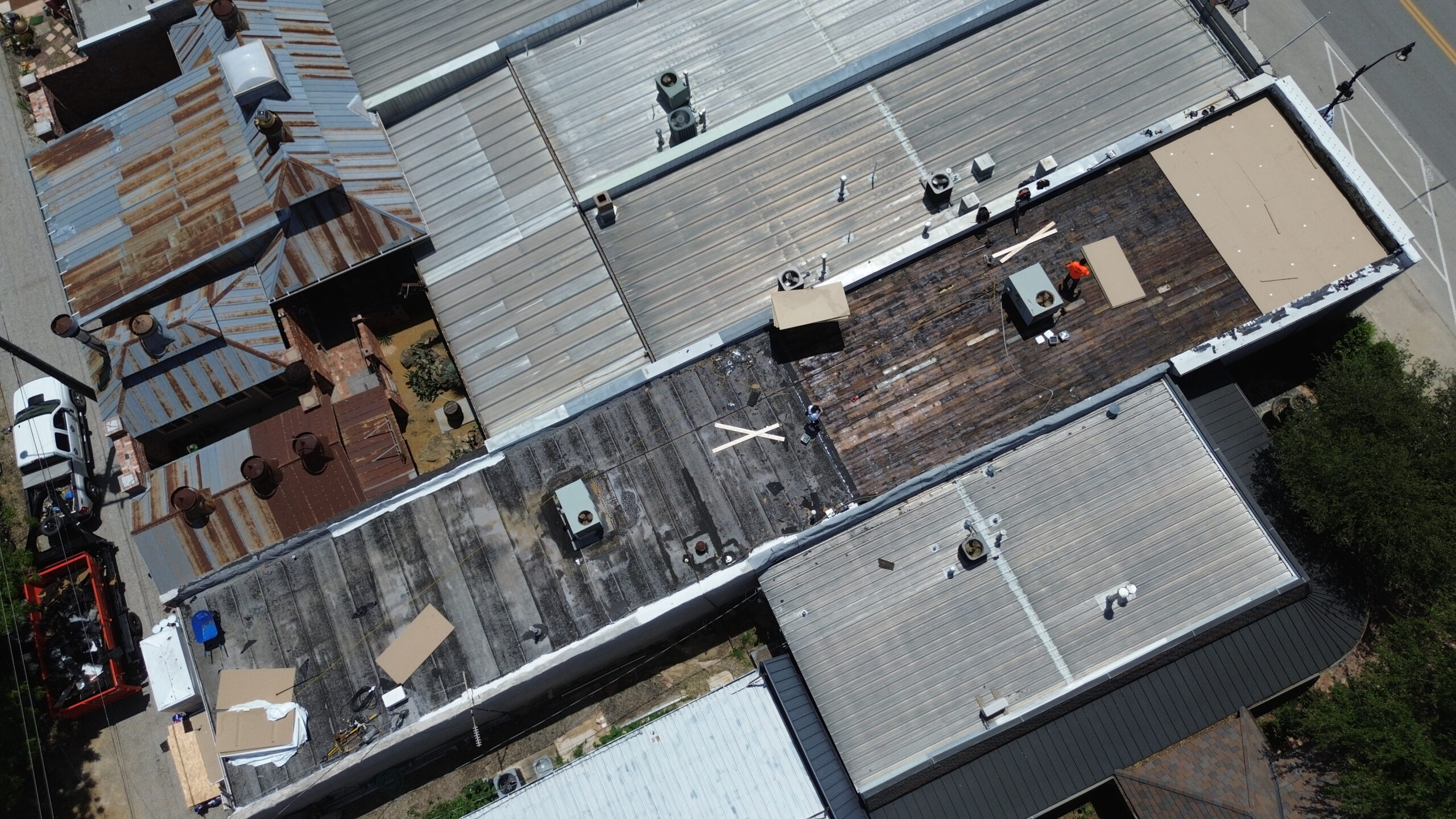
Even the highest-quality roofing materials cannot perform as intended without proper installation. Selecting a qualified roofing contractor is therefore one of the most critical aspects of successful roof replacement planning. Careful contractor selection protects both the roofing investment and the long-term integrity of the property.
Experience should be one of the first evaluation criteria. Contractors with extensive roofing experience understand proper installation techniques, local climate conditions, building code requirements, and material-specific best practices. Their expertise reduces the likelihood of installation errors that could shorten roof lifespan.
Property owners should obtain detailed written estimates from multiple contractors before making a decision. Comprehensive proposals clearly explain material specifications, labor costs, project timelines, cleanup procedures, warranty coverage, and any additional services included within the project. Comparing similar proposals allows more accurate evaluation than considering price alone.
Communication also plays an essential role throughout the selection process. Reliable contractors answer questions clearly, explain available material options, discuss potential challenges, and provide realistic expectations regarding project scheduling. Open communication helps establish trust before construction begins.
References and previous projects provide valuable insight into workmanship quality. Reviewing completed roofing projects or speaking with previous customers allows property owners to better understand how contractors perform throughout the installation process.
Insurance and licensing requirements should never be overlooked. Qualified contractors maintain appropriate licensing where required and carry insurance that protects both workers and property owners during construction. Confirming these qualifications before signing a contract reduces unnecessary risk.
Warranty coverage deserves careful attention as well. Property owners should understand both manufacturer warranties covering roofing materials and workmanship warranties provided by the contractor. Strong warranty protection reflects confidence in installation quality while providing additional peace of mind after project completion.
Building a relationship with a reputable roofing contractor offers long-term benefits beyond installation. Contractors familiar with the property’s history can provide future inspections, maintenance recommendations, and ongoing support throughout the roof’s lifespan.
Preparing the Property Before Roof Replacement
Preparation before construction begins contributes significantly to the efficiency and safety of the replacement project. Although roofing contractors perform the installation, property owners also play an important role in preparing both the home and surrounding property.
Interior preparation should begin with protecting valuable belongings. Roofing work creates vibrations that may affect items hanging on walls or stored on upper floors. Removing fragile decorations, securing shelves, and covering valuable furniture reduce the risk of accidental damage during construction.
Attic spaces should also receive attention before work begins. Dust and small particles occasionally enter attic areas during roof removal, making it advisable to cover stored belongings whenever possible. Reviewing attic access with the contractor also ensures that ventilation improvements or structural inspections can be completed efficiently if needed.
Outdoor preparation improves both safety and project organization. Vehicles should be moved away from the work area, while patio furniture, grills, potted plants, and outdoor decorations should be relocated to prevent accidental damage from falling debris. Providing contractors with clear access around the property also improves installation efficiency.
Property owners should communicate with neighbors before construction begins. Informing nearby residents about anticipated work schedules, delivery vehicles, and temporary noise helps maintain positive relationships while reducing misunderstandings.
Project scheduling deserves careful coordination as well. Confirming delivery dates, anticipated completion timelines, weather considerations, and contractor arrival times helps ensure that everyone understands the overall project schedule.
Preparing documentation is equally valuable. Contracts, warranties, insurance information, permits, and inspection records should be organized before work begins. Having these documents readily available simplifies communication throughout the replacement project.
Proper preparation creates a safer work environment while minimizing inconvenience for both homeowners and contractors. A well-prepared property contributes to smoother installation and more efficient project completion.
Comparing Planned Replacement and Emergency Replacement
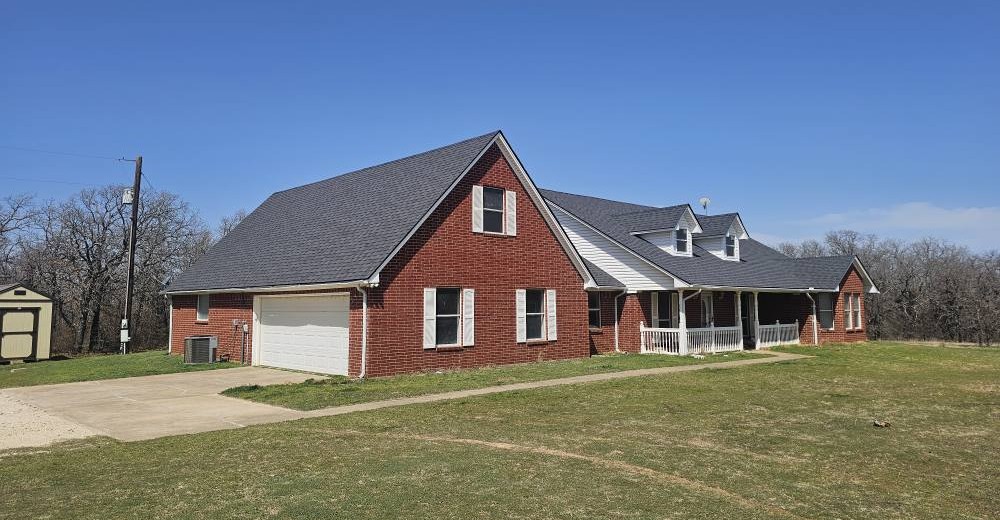
Many property owners underestimate the advantages of replacing a roof before serious failure occurs. Comparing planned replacement with emergency replacement clearly demonstrates the value of early preparation.
| Planning Factor | Planned Roof Replacement | Emergency Roof Replacement |
|---|---|---|
| Budget preparation | Savings planned in advance | Unexpected financial pressure |
| Contractor selection | Time to compare multiple contractors | Limited choices because of urgency |
| Material selection | Careful evaluation of available options | Decisions often made quickly |
| Project scheduling | Flexible timing during favorable weather | Immediate scheduling required |
| Structural damage | Usually minimized | Often more extensive |
| Overall stress | Lower because planning is complete | Higher because of emergency conditions |
Planned replacement allows homeowners to make thoughtful decisions without the pressure created by active leaks or structural damage. Instead of responding to a crisis, they control the timing, budget, and scope of the project.
Emergency replacement often limits these choices. Severe weather, water intrusion, or structural concerns require immediate action, leaving less time to compare estimates, evaluate materials, or schedule work during favorable conditions. The urgency of the situation may also increase project costs because repairs cannot be postponed.
Another important difference involves secondary damage. Planned replacement usually occurs before extensive moisture affects insulation, ceilings, flooring, or structural framing. Emergency replacement frequently includes repairing these additional building components, increasing both project complexity and expense.
The comparison clearly demonstrates that planning ahead provides significant financial, practical, and emotional benefits throughout the replacement process.
Understanding Permits, Warranties, and Insurance Considerations
Roof replacement involves more than selecting materials and hiring a contractor. Property owners should also understand the administrative requirements that support a successful project. Proper attention to permits, warranties, and insurance helps avoid delays while protecting the investment after installation.
Local building regulations may require permits before roof replacement begins. Permit requirements vary depending on the location, project scope, and roofing materials being installed. Experienced contractors are generally familiar with these requirements and often assist property owners throughout the permitting process.
Building inspections may also be required during or after installation. These inspections confirm that the roofing system complies with applicable building codes and installation standards. Successful inspections provide additional assurance regarding workmanship quality and structural safety.
Manufacturer warranties deserve careful review before selecting roofing materials. Different products offer varying levels of warranty protection covering manufacturing defects, weather resistance, and expected performance. Understanding warranty conditions helps property owners compare products more effectively.
Contractor workmanship warranties provide another layer of protection. While manufacturer warranties cover roofing materials, workmanship warranties address installation quality. Strong workmanship warranties indicate that contractors are willing to stand behind their installation practices after project completion.
Insurance considerations should also be reviewed before construction begins. Property owners should understand whether storm-related damage qualifies for insurance claims and how replacement affects future policy coverage. Maintaining inspection reports, photographs, contracts, and receipts creates valuable documentation if insurance discussions become necessary.
After installation is complete, all warranty documents, permits, inspection reports, maintenance recommendations, and contractor contact information should be stored safely. These records support future maintenance while providing valuable information during property sales or warranty claims.
Understanding these administrative aspects completes the planning process. By addressing permits, warranties, and insurance before construction begins, property owners reduce uncertainty while ensuring that their roof replacement project proceeds efficiently and provides lasting protection for many years.
Final Roof Replacement Planning Checklist
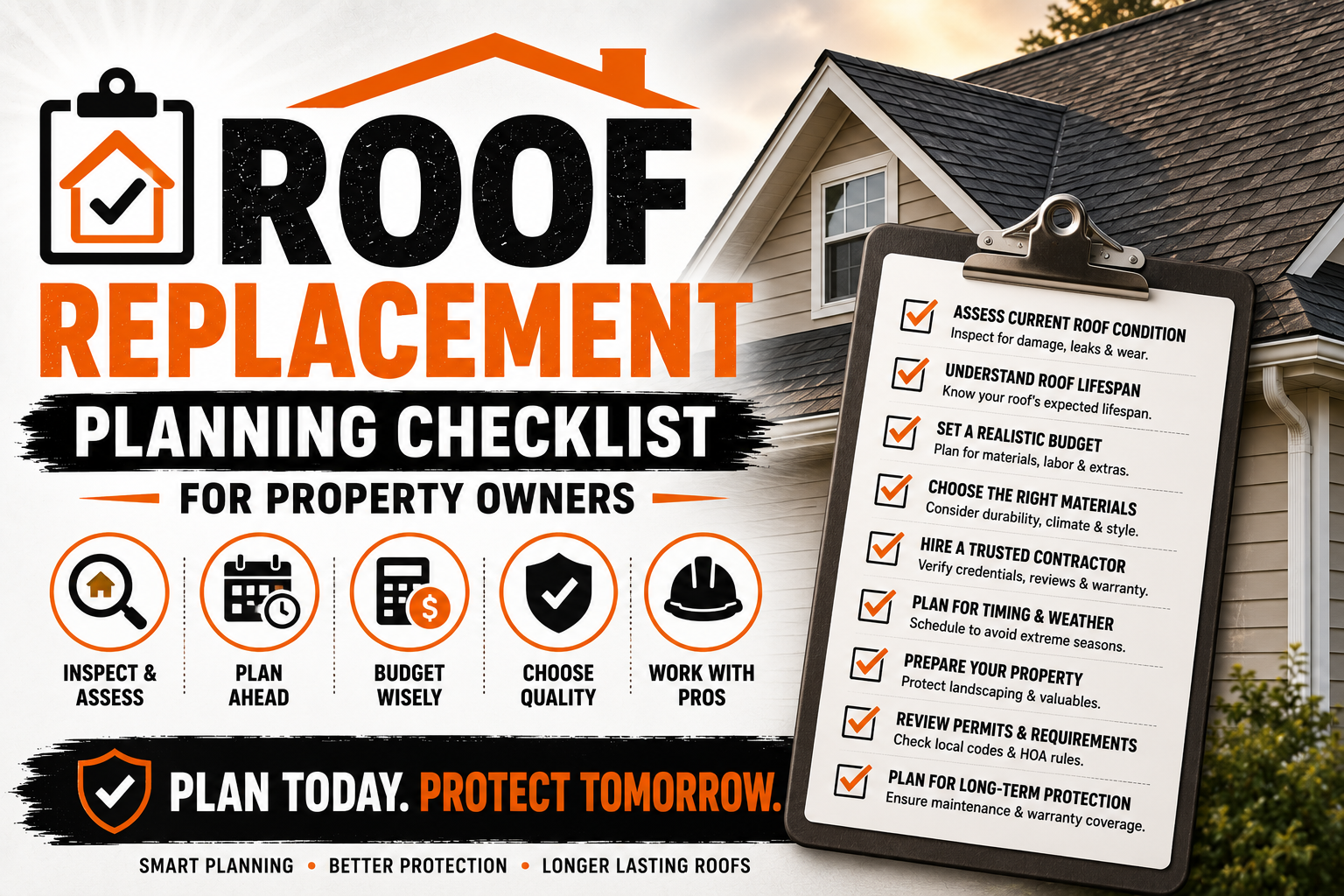
A successful roof replacement begins long before the first roofing material is removed. Careful preparation helps property owners avoid unnecessary expenses, reduce project delays, and make informed decisions throughout every stage of the replacement process. While every property is different, following a structured checklist ensures that no important planning step is overlooked.
Before scheduling a roof replacement, every property owner should confirm the following:
- Determine the approximate age and overall condition of the existing roof.
- Arrange a professional roof inspection to identify structural or hidden damage.
- Review previous maintenance records and repair history.
- Establish a realistic budget that includes a contingency reserve.
- Compare roofing materials based on durability, maintenance, energy efficiency, and expected lifespan.
- Obtain detailed written estimates from multiple qualified roofing contractors.
- Verify contractor licensing, insurance, references, and warranty coverage.
- Understand local permit requirements and building regulations.
- Prepare the property by protecting indoor belongings and clearing outdoor work areas.
- Organize important documents such as contracts, warranties, inspection reports, and insurance information.
Completing these tasks before construction begins significantly improves project organization. Instead of making rushed decisions under pressure, property owners can evaluate every aspect of the project carefully and confidently.
A planning checklist also improves communication between homeowners and contractors. When everyone understands project expectations, timelines, and responsibilities, misunderstandings become less likely. This organized approach contributes to smoother construction and better overall results.
Property owners should view the checklist as a living document rather than a one-time exercise. Information gathered during inspections, contractor meetings, or budgeting discussions may require updates as planning progresses. Maintaining an organized checklist ensures that important details remain accessible throughout the project.
Step by Step Timeline for a Successful Roof Replacement
Planning a roof replacement over several weeks or months allows each stage to receive the attention it deserves. A structured timeline helps property owners complete preparation in a logical order while minimizing unexpected delays.
The following timeline provides a practical planning sequence:
- Schedule a professional roof inspection to evaluate the roof’s current condition and estimate its remaining service life.
- Review inspection findings and determine whether repairs or complete replacement provide the best long-term solution.
- Establish a replacement budget, including allowances for unexpected structural repairs.
- Research roofing materials and compare their lifespan, maintenance needs, warranties, and energy performance.
- Request detailed proposals from several qualified roofing contractors and compare their recommendations.
- Select a contractor, finalize the project schedule, and complete permit or insurance requirements if applicable.
- Prepare the property by protecting belongings, clearing work areas, and communicating with neighbors before construction begins.
- Monitor project progress, conduct a final walkthrough after completion, and collect warranty documents and maintenance recommendations.
Following a structured timeline reduces confusion while allowing sufficient time for each important decision. Property owners avoid rushing through contractor selection or material comparisons because every stage has already been planned.
Flexibility should also remain part of the timeline. Weather delays, material availability, or unexpected structural discoveries may require adjustments during construction. Maintaining realistic expectations helps the project continue smoothly despite occasional changes.
After installation is complete, the timeline should continue beyond the construction phase. Scheduling future inspections and establishing a maintenance plan ensures that the new roofing system continues performing effectively throughout its expected lifespan.
Common Roof Replacement Planning Mistakes to Avoid
Even well-intentioned property owners occasionally make planning decisions that increase project costs or reduce long-term roof performance. Understanding these common mistakes helps homeowners prepare more effectively while avoiding unnecessary complications.
One of the most common mistakes is delaying replacement until serious structural damage develops. Many homeowners continue repairing an aging roof long after replacement has become the more practical solution. While repairs remain valuable during much of a roof’s lifespan, repeated repairs on a deteriorating roofing system often cost more over time than replacing the roof before major failure occurs.
Another frequent mistake involves choosing contractors based only on price. Although controlling costs is important, the lowest estimate does not always represent the best value. Differences in material quality, installation methods, warranty coverage, and contractor experience all influence long-term roof performance. Evaluating proposals carefully often provides greater overall value than selecting the least expensive option.
Ignoring ventilation improvements is another planning error. Some replacement projects focus exclusively on visible roofing materials while overlooking attic airflow. Poor ventilation contributes to excessive heat buildup, moisture accumulation, and premature material deterioration. Evaluating ventilation during replacement helps maximize the lifespan of the new roof.
Failing to plan financially can also create unnecessary stress. Property owners who postpone budgeting until replacement becomes urgent may have fewer material options or financing choices. Establishing savings well in advance provides greater flexibility while reducing financial pressure.
Another mistake is overlooking the condition of the roof deck. Some homeowners assume that replacing surface materials alone will solve every roofing problem. However, damaged decking or structural framing should be repaired before installing new roofing materials. Ignoring these underlying issues compromises the performance of the new roof.
Some property owners also underestimate the importance of documentation. Inspection reports, contracts, warranties, permits, invoices, and photographs provide valuable records throughout the roof’s lifespan. Keeping these documents organized simplifies future maintenance, warranty claims, and property sales.
Finally, neglecting future maintenance after replacement is a mistake that shortens roof lifespan unnecessarily. A new roof still requires regular inspections, gutter cleaning, and preventive maintenance to achieve its full expected service life.
Avoiding these common mistakes helps property owners protect their investment while improving the long-term success of the replacement project.
Maintaining the New Roof After Installation
Installing a new roof is only the beginning of its service life. Proper maintenance after installation ensures that the roofing system continues performing effectively while preserving warranty coverage and delaying future replacement for as many years as possible.
The first professional inspection should generally occur within the first year after installation or according to the contractor’s recommendations. This inspection confirms that the roofing system has settled properly and identifies any minor adjustments that may be necessary after exposure to seasonal weather.
Routine inspections should continue throughout the roof’s lifespan. Scheduling professional evaluations during the spring and fall allows contractors to identify developing issues before they become serious. These inspections also provide updated maintenance recommendations based on the roof’s current condition.
Keeping gutters and downspouts clean remains one of the most important maintenance tasks. Proper drainage prevents standing water from accumulating on the roof while protecting both the roofing system and the building’s foundation. Blocked gutters increase moisture exposure and place unnecessary stress on roofing materials.
Tree maintenance also contributes to long-term roof performance. Trimming overhanging branches reduces the risk of storm damage while preventing excessive leaf accumulation on the roof. Less debris allows roofing materials to dry more quickly after rainfall, reducing the likelihood of moisture-related deterioration.
Attic ventilation should continue to receive attention after installation. Balanced airflow helps regulate temperature and moisture levels beneath the roof, supporting both energy efficiency and material durability. Monitoring attic conditions periodically helps identify ventilation concerns before they affect the roofing system.
Property owners should also respond promptly to any unusual observations. Missing shingles, damaged flashing, water stains, unusual attic moisture, or visible storm damage should always be evaluated quickly by qualified roofing professionals. Early repairs preserve the new roof while preventing larger maintenance problems.
Maintaining organized records remains equally valuable after installation. Inspection reports, repair documentation, warranty information, and contractor recommendations create a complete maintenance history that supports future inspections and warranty claims.
With consistent care, many modern roofing systems provide decades of dependable performance. Preventive maintenance protects that investment while maximizing the value of the replacement project.
Protecting Your Property Through Proper Planning
A roof replacement affects much more than the roof itself. It protects every structural and interior component beneath it, making thoughtful planning essential for preserving the entire property. Careful preparation ensures that replacement becomes a long-term improvement rather than simply a reaction to existing damage.
One of the greatest benefits of planning is protecting structural integrity. Replacing the roof before widespread deterioration develops prevents moisture from affecting roof decking, framing, insulation, ceilings, and walls. Preserving these components reduces future maintenance costs while maintaining the building’s overall stability.
Planning also improves financial management. Instead of responding to unexpected emergencies, homeowners control the timing of the project, establish realistic budgets, compare contractor proposals, and select materials according to long-term value. This organized approach minimizes financial surprises while supporting better investment decisions.
Property value also benefits from thoughtful roof replacement planning. A well-maintained roof enhances curb appeal, reassures potential buyers, and demonstrates responsible property ownership. Buyers often view documented roof maintenance and recent replacement as valuable advantages because they reduce concerns about future repair expenses.
Modern roofing systems also provide opportunities to improve overall building performance. Enhanced ventilation, upgraded insulation compatibility, stronger weather resistance, and improved energy efficiency contribute to greater indoor comfort while reducing operating costs over many years.
Planning encourages ongoing maintenance as well. Property owners who invest time preparing for replacement generally remain more committed to maintaining the new roof throughout its service life. This continued attention extends roof lifespan while protecting the overall investment.
Ultimately, proper planning transforms roof replacement into a strategic improvement project rather than an emergency response. Every stage of preparation contributes to stronger long-term performance while reducing uncertainty and future maintenance expenses.
Conclusion
A roof replacement is one of the most significant investments a property owner can make, and careful planning plays a vital role in ensuring the project’s long-term success. Rather than waiting for leaks, structural damage, or emergency situations to dictate decisions, a structured planning process provides the time needed to evaluate the roof’s condition, establish financial goals, compare materials, and select qualified professionals.
Throughout the planning process, every step contributes to better outcomes. Professional inspections reveal the true condition of the roof, realistic budgeting prevents financial surprises, thoughtful material selection improves long-term performance, and experienced contractors ensure quality installation. Preparing the property before construction and maintaining organized documentation further supports a smooth and efficient project.
Planning also protects far more than the roof itself. Replacing the roofing system before severe deterioration develops safeguards insulation, structural framing, ceilings, electrical systems, and interior finishes from costly water damage. It preserves property value, improves energy efficiency, and provides confidence that the home will remain protected during changing weather conditions.
Equally important is the commitment to ongoing maintenance after installation. Regular inspections, prompt repairs, proper drainage, and attic ventilation all help maximize the lifespan of the new roof. A replacement project should be viewed as the beginning of a new maintenance cycle rather than the end of roofing responsibilities.
Ultimately, a comprehensive roof replacement planning checklist gives property owners the knowledge and organization needed to complete the project successfully. By approaching roof replacement with preparation instead of urgency, homeowners reduce stress, control costs, and protect one of their property’s most valuable assets for decades to come.