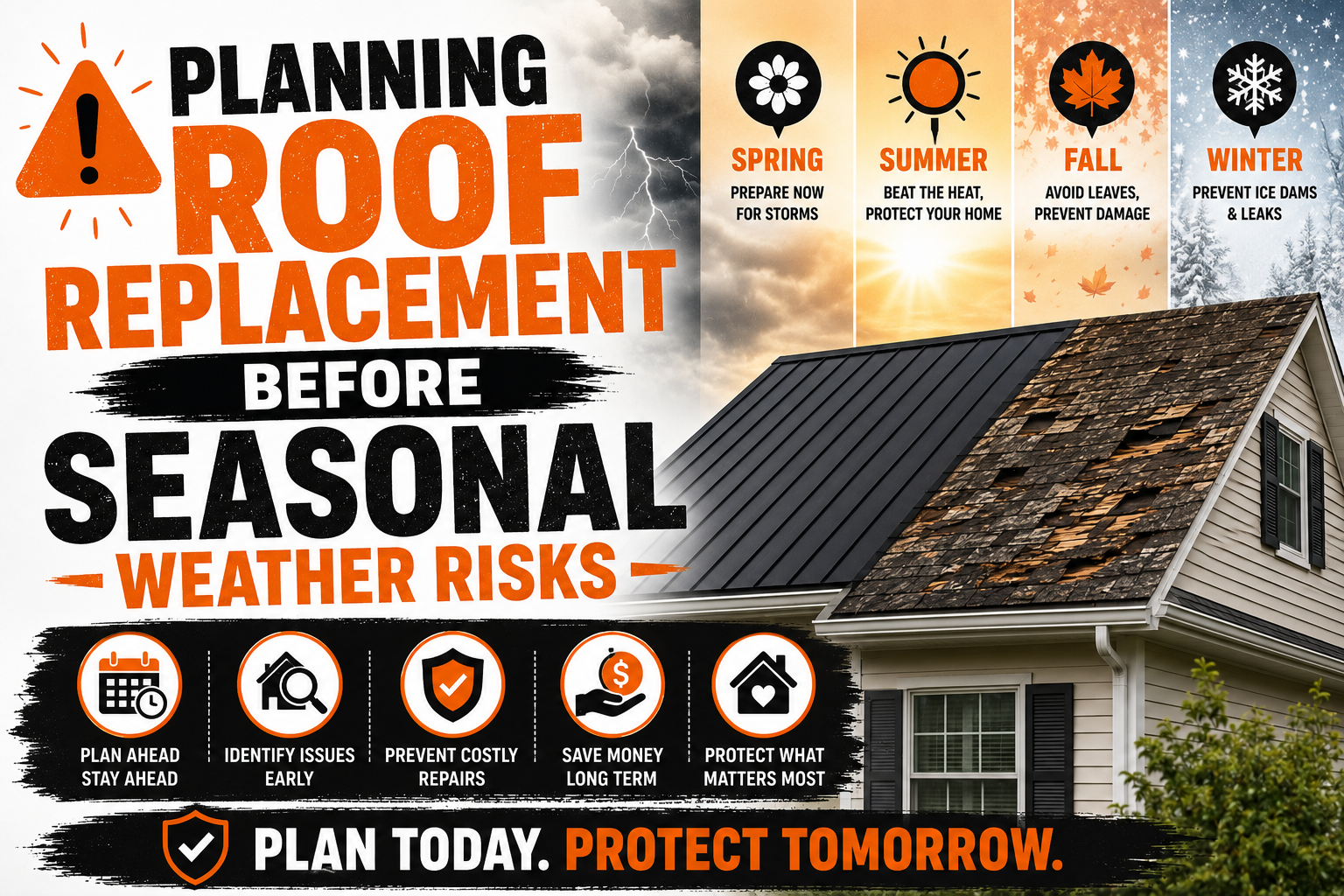
Planning Roof Replacement Before Seasonal Weather Risks
Introduction
A roof protects a home from changing weather throughout the year, yet many homeowners wait until serious problems develop before considering a replacement. Unfortunately, roofing emergencies often occur during the worst possible weather conditions, making repairs more difficult, more expensive, and more disruptive. Planning a roof replacement before seasonal weather risks arrive allows homeowners to avoid unnecessary stress while protecting their property from avoidable damage.
Every season presents unique challenges for roofing systems. Summer brings intense heat and prolonged ultraviolet exposure, while autumn introduces falling leaves and heavy rainfall that can affect drainage systems. Winter often delivers freezing temperatures, snow, and ice that place additional stress on aging roofs. Spring may appear less demanding, but severe storms, strong winds, and heavy rain can quickly expose hidden weaknesses that have developed over time.
Replacing a roof is not simply a matter of choosing new materials. Timing plays a critical role in determining how efficiently the project progresses and how well the new roofing system performs after installation. Scheduling work before severe seasonal weather arrives provides contractors with better working conditions while reducing the likelihood of unexpected delays caused by storms or extreme temperatures.
Homeowners who plan ahead also gain more flexibility when comparing roofing materials, evaluating contractor proposals, and budgeting for the project. Rather than rushing into emergency decisions after major damage occurs, they can carefully select solutions that match their home’s needs and long-term goals.
Understanding how seasonal weather affects roofing systems helps homeowners make informed decisions about when replacement should take place. By recognizing weather-related risks before they become emergencies, property owners can extend the life of their homes while avoiding costly repairs caused by delayed action.
This guide explains how each season affects roof performance, why replacement timing matters, and the warning signs that indicate a roof should be replaced before challenging weather conditions arrive. The goal is to help homeowners prepare proactively rather than reacting when severe weather has already caused significant damage.
Understanding Seasonal Weather Challenges
Roofs remain exposed to outdoor conditions every day of the year. While they are designed to withstand changing weather, each season places different types of stress on roofing materials. Understanding these seasonal challenges makes it easier to identify the most suitable time for replacement while reducing the risk of unexpected failures.
No single season is entirely free from roofing concerns. Instead, each period of the year introduces environmental conditions that gradually influence roof performance and long-term durability.
Spring Weather and Roof Preparation
Spring often marks the beginning of roofing inspection season because winter may have left behind hidden damage. Melting snow, repeated freeze and thaw cycles, and winter storms sometimes create small cracks, loose shingles, or flashing problems that remain unnoticed until spring rainfall arrives.
Heavy spring rain can quickly reveal weaknesses in aging roofing systems. Minor leaks that developed during colder months often become visible as water stains on ceilings or damp insulation inside the attic.
Spring storms also bring strong winds that may loosen shingles already weakened by years of exposure. Even if obvious damage does not occur, powerful wind gusts can reduce the roof’s ability to withstand future storms later in the year.
Scheduling inspections during spring allows homeowners to identify developing problems before summer heat or hurricane season creates additional challenges. Early detection provides valuable time to plan replacement instead of reacting to emergency leaks.
Summer Heat and Ultraviolet Exposure
Summer presents one of the harshest environments for roofing materials. Continuous exposure to intense sunlight gradually weakens protective coatings while accelerating the natural aging process of shingles, membranes, and sealants.
High temperatures cause roofing materials to expand throughout the day before contracting as temperatures cool during the evening. These repeated expansion and contraction cycles place constant stress on roofing components, eventually contributing to cracks, loose fasteners, and weakened seals.
Older asphalt shingles become especially vulnerable during prolonged heat waves. Protective granules gradually loosen, leaving the underlying material exposed to ultraviolet radiation that causes brittleness over time.
Summer storms also introduce additional risks in many regions. Sudden heavy rainfall combined with strong winds can expose vulnerabilities that developed slowly over previous seasons, making timely replacement even more important for aging roofs.
Autumn Maintenance Opportunities
Autumn provides homeowners with an excellent opportunity to evaluate roof condition before winter weather arrives. Cooler temperatures often create favorable conditions for roofing projects while allowing contractors to work more comfortably than during periods of extreme summer heat.
Falling leaves, however, introduce maintenance responsibilities that should not be ignored. Gutters clogged with leaves and debris restrict water flow, allowing rainwater to accumulate near roof edges where moisture damage may develop.
Tree branches become another concern during autumn storms. Strong winds can break weakened limbs that strike roofing materials or leave debris scattered across the roof surface. Removing overhanging branches before winter helps reduce this risk considerably.
Autumn inspections also allow homeowners to verify that flashing, gutters, and ventilation systems remain in good condition before freezing temperatures make repairs more difficult.
Winter Weather Concerns
Winter creates some of the most demanding conditions for any roofing system. Snow accumulation, freezing rain, ice formation, and low temperatures all place additional pressure on aging roofs that may already be approaching the end of their service life.
Ice dams represent one of the most common winter roofing problems. When heat escapes through the attic, snow melts near the roof peak before refreezing along colder roof edges. This ice buildup prevents proper drainage and allows water to back up beneath shingles.
Repeated freeze and thaw cycles also contribute to gradual material deterioration. Water entering small cracks expands as it freezes, making those openings larger over time and increasing the likelihood of future leaks.
Emergency roof replacement during severe winter weather can be difficult because freezing temperatures affect certain roofing materials and may limit installation options. Planning replacement before winter arrives usually results in a smoother, more efficient project.
Why Every Season Affects Roof Lifespan Differently
Although each season introduces unique weather conditions, their cumulative effect determines the overall lifespan of a roof. Damage rarely develops from a single event. Instead, years of continuous exposure gradually weaken roofing materials until replacement eventually becomes necessary.
Seasonal weather influences several aspects of roof performance, including moisture resistance, structural stability, ventilation efficiency, and energy performance. Homes located in regions with frequent storms, heavy snowfall, or intense sunlight often experience faster roof aging than those in milder climates.
Understanding how local weather patterns affect roofing systems allows homeowners to anticipate maintenance needs rather than waiting for visible damage to appear. Preventive planning almost always proves more economical than emergency repairs following severe weather.
How Seasonal Conditions Influence Replacement Timing
Choosing the right time for roof replacement involves more than checking the calendar. Weather conditions influence installation quality, contractor availability, material performance, and overall project efficiency. Planning ahead helps homeowners complete replacement under conditions that support long-term roof performance.
Many homeowners assume roof replacement should occur only after visible damage appears. In reality, scheduling replacement before seasonal weather becomes severe often provides better results while reducing the risk of emergency situations.
Temperature and Material Performance
Roofing materials perform differently depending on outdoor temperatures. Asphalt shingles, for example, become more flexible in moderate weather, allowing them to seal properly after installation. Extremely cold temperatures may reduce flexibility, while excessive heat can make materials softer and more difficult to handle.
Sealants and adhesives also perform best within recommended temperature ranges. Installing roofing systems during favorable conditions helps ensure proper bonding that contributes to long-term durability.
Metal roofing, tile roofing, and synthetic materials each have their own installation recommendations as well. Professional contractors carefully consider weather forecasts when scheduling projects to maximize installation quality.
Contractor Availability
Roofing demand often increases immediately after major storms because many homeowners require urgent repairs or replacements at the same time. Waiting until widespread storm damage occurs may result in longer scheduling delays and reduced contractor availability.
Planning replacement several months in advance provides greater flexibility when selecting a qualified contractor. Homeowners have more time to compare estimates, review warranties, and evaluate previous work without feeling pressured by an active roof leak.
Early scheduling also allows contractors to organize labor, equipment, and materials more efficiently, helping projects proceed according to plan.
Weather-Related Project Delays
Outdoor construction projects depend heavily on favorable weather. Heavy rain, high winds, lightning, or extreme temperatures may temporarily pause roofing work to protect both workers and the home itself.
Projects scheduled before severe seasonal weather generally experience fewer interruptions than emergency replacements performed during periods of unpredictable weather. Reduced delays help maintain project quality while minimizing inconvenience for homeowners.
Weather planning also protects roofing materials during installation. Contractors avoid exposing the roof deck unnecessarily when forecasts indicate approaching storms.
Emergency Replacements Are Often More Expensive
Unexpected roof failures frequently require immediate action regardless of weather conditions. Emergency service may involve higher labor costs, temporary protective measures, expedited material orders, or additional structural repairs caused by water intrusion.
Replacing a roof before severe weather arrives provides homeowners with greater financial control. They can compare pricing carefully instead of accepting the first available emergency contractor during a stressful situation.
Planned replacement also reduces the likelihood of interior water damage that often accompanies emergency roofing failures.
Signs Your Roof Should Be Replaced Before the Next Season
Recognizing warning signs before seasonal weather changes allows homeowners to replace aging roofs before conditions worsen. While not every issue requires immediate replacement, multiple warning signs usually indicate that careful evaluation is necessary.
One of the clearest indicators is the roof’s overall age. Roofing systems approaching or exceeding their expected lifespan deserve closer inspection even if obvious leaks have not yet appeared. Natural aging gradually reduces the roof’s ability to resist severe weather.
Frequent repairs provide another important warning. Replacing individual shingles occasionally is normal, but recurring leaks or repeated repairs in different areas often suggest widespread deterioration rather than isolated damage.
Visible structural concerns should never be ignored. Sagging roof sections, deteriorating flashing, missing shingles, or widespread granule loss indicate that the roofing system may no longer provide reliable protection during upcoming storms.
Interior warning signs also deserve attention. Water stains on ceilings, peeling paint near roof lines, damp attic insulation, and mold growth often suggest moisture intrusion that requires prompt evaluation before seasonal weather makes the situation worse.
Increasing heating and cooling costs sometimes indicate declining roof performance as well. Aging roofing systems with poor ventilation or moisture damage may reduce energy efficiency, placing additional strain on heating and cooling equipment throughout the year.
The following warning signs should encourage homeowners to schedule a professional roof inspection before the next major weather season arrives:
- Multiple missing, cracked, or curling shingles across the roof.
- Repeated leaks despite previous repair work.
- Excessive shingle granules collecting inside gutters.
- Damaged flashing around chimneys, skylights, or roof vents.
- Visible sagging or uneven roof sections.
- Water stains or mold growth inside the attic.
- Higher energy bills caused by declining roof performance.
Recognizing these signs early provides valuable time to plan replacement under favorable weather conditions rather than facing an emergency during severe seasonal storms.
Planning Ahead for a Smooth Roof Replacement
Successful roof replacement begins long before the first shingle is removed. Careful planning allows homeowners to organize finances, compare contractors, choose suitable materials, and schedule the project before seasonal weather creates unnecessary complications. Instead of reacting to an emergency leak, proactive planning creates a smoother experience from start to finish.
Planning several months ahead also gives homeowners enough time to understand the condition of their current roof. A professional inspection can identify structural concerns, ventilation issues, or moisture damage that may affect the scope of the replacement project. Knowing these details in advance helps prevent unexpected surprises once construction begins.
Another advantage of early planning is flexibility. Homeowners are not forced to accept the first available contractor or settle for materials that may not be the best long-term choice. They can compare multiple proposals, review warranties, and discuss installation methods before making an informed decision.
The earlier the planning process begins, the easier it becomes to coordinate replacement around favorable weather conditions. This reduces project interruptions while allowing installers to complete the work under safer and more predictable circumstances.
Scheduling Professional Roof Inspections
A professional roof inspection provides the foundation for every replacement plan. While homeowners may notice visible damage from the ground, experienced roofing professionals often identify hidden issues that require attention before new materials are installed.
Inspectors evaluate shingles, flashing, gutters, ventilation systems, roof decking, and structural components. They also check the attic for signs of moisture intrusion, mold growth, insulation damage, or inadequate airflow that could reduce the lifespan of a new roofing system.
Scheduling inspections several months before the preferred replacement season gives homeowners adequate time to review the findings. If immediate replacement is not yet necessary, inspection reports can also help prioritize repairs while planning for future work.
Annual inspections remain valuable even when replacement is not imminent. They create a maintenance history that helps monitor gradual roof aging over time.
Creating a Realistic Budget
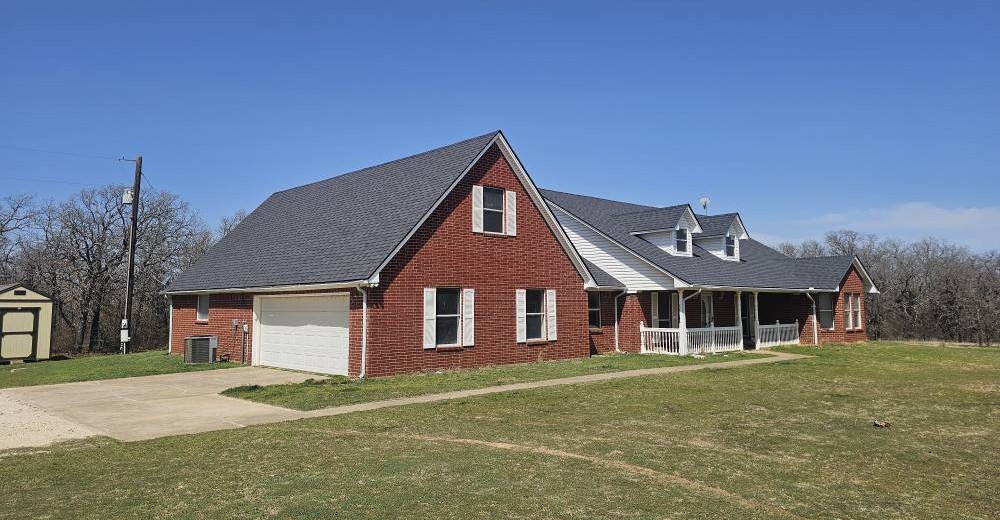
Roof replacement represents a significant investment, making financial preparation an important part of the planning process. Waiting until severe weather causes extensive damage often increases costs because emergency repairs, temporary protection, and interior restoration may all become necessary.
Creating a dedicated roofing budget allows homeowners to spread expenses over time instead of facing unexpected financial pressure. In addition to installation costs, budgets should account for potential structural repairs, upgraded ventilation, disposal fees, and permit requirements if applicable.
Obtaining estimates from several qualified contractors provides a better understanding of current market pricing. Rather than selecting the lowest quote automatically, homeowners should compare workmanship, warranty coverage, materials, and project timelines.
Setting aside additional funds for unexpected discoveries is also a practical decision. Damaged roof decking or hidden moisture problems sometimes become visible only after existing roofing materials have been removed.
Working With Roofing Contractors Early
Contractors often experience their busiest schedules immediately after major storms when large numbers of homeowners require emergency repairs. Planning ahead allows property owners to secure experienced professionals before demand increases significantly.
Early communication also provides opportunities to discuss roofing materials, installation methods, estimated completion times, and weather-related scheduling considerations. Contractors can explain which seasons typically offer the most efficient working conditions for a particular region.
Homeowners should verify licenses, insurance coverage, certifications, and customer references before signing a contract. Reviewing previous projects helps establish confidence in the contractor’s workmanship and professionalism.
Clear communication from the beginning reduces misunderstandings later in the project. Both parties should understand the expected timeline, payment schedule, cleanup procedures, and warranty details before work begins.
Choosing Roofing Materials for Local Climate
Material selection should reflect local weather conditions rather than appearance alone. Roofing systems perform differently depending on temperature extremes, rainfall, snowfall, humidity, and wind exposure experienced throughout the year.
Homes located in areas with frequent storms may benefit from impact-resistant shingles or durable metal roofing. Regions with intense sunlight often benefit from reflective roofing materials that reduce heat absorption and improve energy efficiency.
Moisture-prone climates require roofing systems that resist algae growth while providing effective water drainage. Cold-weather regions may prioritize materials capable of withstanding repeated freeze and thaw cycles without significant deterioration.
Selecting materials that match local environmental conditions helps maximize roof lifespan while reducing long-term maintenance requirements.
Preparing Your Home Before Replacement Begins
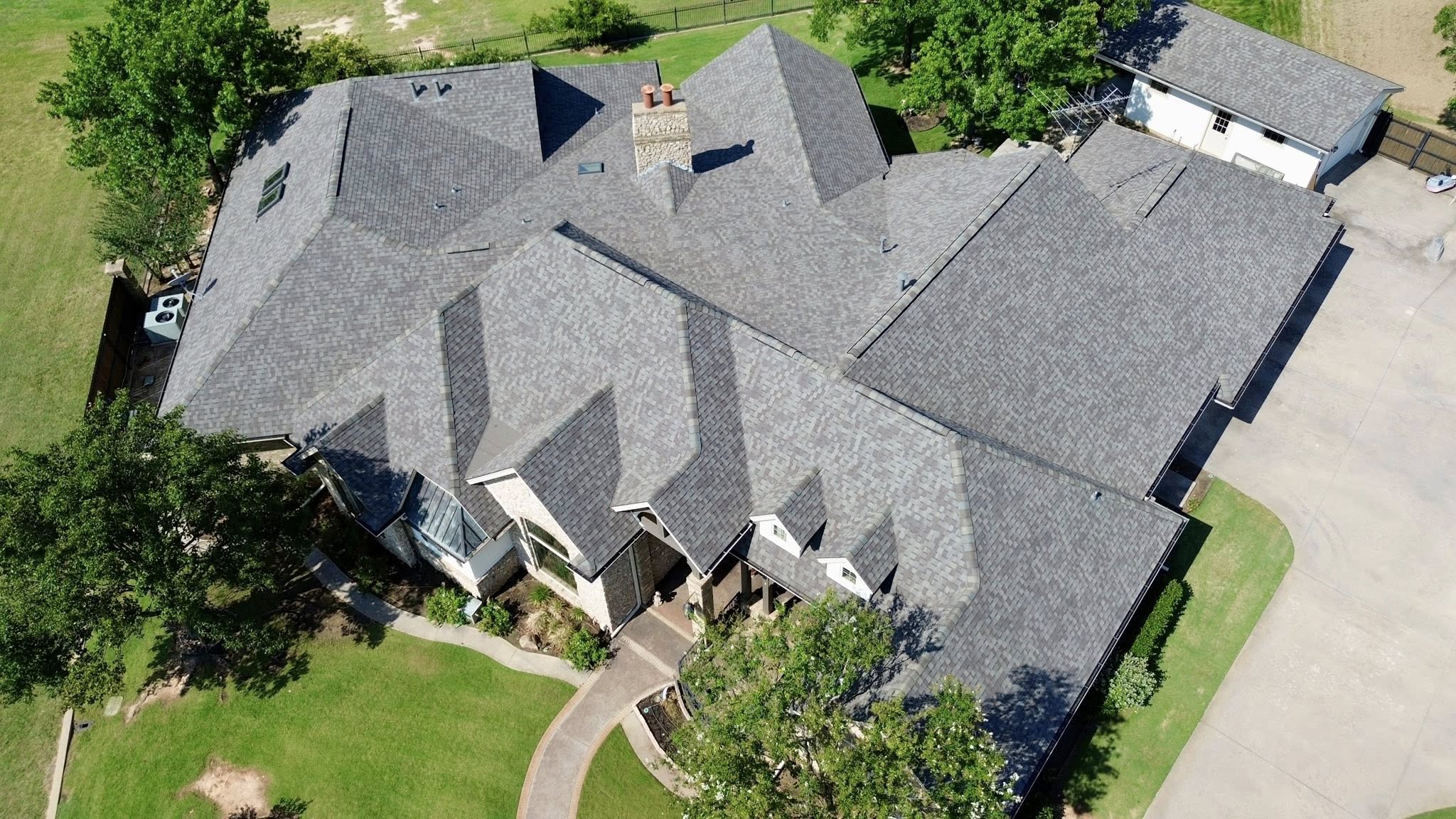
Proper preparation makes the roof replacement process safer and more efficient for both homeowners and contractors. Although roofing professionals handle the installation itself, homeowners can take several practical steps to protect their property before work begins.
Preparation also reduces stress by ensuring family members understand what to expect during construction. Temporary noise, vibrations, and limited access to certain outdoor areas become much easier to manage with advance planning.
Protecting Landscaping and Outdoor Areas
Roof replacement generates debris as old materials are removed. Although contractors use protective coverings, homeowners should move patio furniture, decorative items, grills, and potted plants away from the work area whenever possible.
Vehicles should also be parked a safe distance from the home during construction. This provides contractors with easier access while reducing the possibility of accidental damage from falling debris or construction equipment.
Landscaping close to the house deserves additional attention. Delicate plants and flower beds may benefit from temporary coverings during the project, particularly if extensive material removal is expected.
Taking these precautions helps preserve the appearance of the property while allowing contractors to work more efficiently.
Preparing the Interior
Roof replacement affects more than the exterior of the home. Hammering and construction activity create vibrations that may cause items hanging on walls or displayed on shelves to shift unexpectedly.
Homeowners should secure fragile decorations, mirrors, and valuable collectibles before work begins. Items stored in the attic may also require protective coverings because dust and small debris occasionally enter during construction.
Families working from home should consider how construction noise may affect daily activities. Planning alternative work arrangements during the busiest installation periods may improve productivity and reduce interruptions.
Pets also benefit from advance planning since unfamiliar sounds and increased activity around the home may cause anxiety. Keeping animals indoors or arranging temporary care can make the project less stressful for them.
Understanding Permits and Local Requirements
Some roofing projects require permits depending on local building regulations and the scope of work involved. Professional contractors typically manage permit applications, but homeowners should confirm these responsibilities before construction begins.
Permit requirements help ensure roofing projects comply with current building codes and safety standards. Inspections performed during or after installation verify that the completed roof meets applicable regulations.
Homeowners should also ask whether neighborhood associations or community guidelines require advance notification before exterior construction begins. Addressing these administrative details early helps avoid unnecessary delays once the project is scheduled.
Preparing for Weather Delays
Even carefully planned projects may encounter unexpected weather interruptions. Heavy rain, strong winds, or severe storms sometimes require temporary work stoppages to protect workers and the home.
Discussing contingency plans with the contractor before construction begins provides reassurance if delays occur. Homeowners should understand how exposed roof sections will be protected if weather changes unexpectedly during installation.
Flexibility remains an important part of successful project planning because weather forecasts can change quickly. Working with experienced contractors helps ensure appropriate decisions are made when conditions become unfavorable.
Comparing Seasonal Advantages for Roof Replacement
Every season offers unique benefits and challenges for roof replacement. While local climate influences the ideal timing, understanding seasonal differences helps homeowners schedule projects more effectively.
| Season | Advantages | Challenges | Best For |
|---|---|---|---|
| Spring | Mild temperatures, opportunity to repair winter damage, preparation before summer storms | Rain showers may occasionally delay work | Homes with damage discovered after winter |
| Summer | Long daylight hours and generally predictable weather | High temperatures can create difficult working conditions and increased contractor demand | Early summer projects before peak heat |
| Autumn | Moderate temperatures, stable weather, preparation before winter | Busy roofing season may require early scheduling | Most planned residential roof replacements |
| Winter | Potentially faster contractor availability in some regions | Cold temperatures, snow, ice, and weather interruptions | Mild climates or emergency replacements |
This comparison demonstrates that no season is perfect for every location. Instead, homeowners should consider regional weather patterns, contractor recommendations, and the current condition of their roof when selecting the most appropriate replacement period.
Planning ahead provides the greatest flexibility regardless of the season ultimately chosen.
Questions to Ask Before Scheduling Replacement
Selecting a roofing contractor involves more than comparing prices. Asking the right questions helps homeowners understand exactly what to expect while reducing the likelihood of unexpected issues during construction.
The following checklist provides a useful starting point when discussing a replacement project with prospective contractors.
- How much useful life remains in my existing roof?
- Which roofing material best suits my local climate?
- Will the roof decking be inspected after old materials are removed?
- What type of ventilation improvements do you recommend?
- How long is the estimated installation timeline?
- What happens if severe weather interrupts the project?
- What warranties are provided for both materials and workmanship?
- Who is responsible for permits and inspections?
- How will landscaping and outdoor property be protected?
- What maintenance should I perform after installation to maximize roof lifespan?
These questions encourage meaningful discussions that help homeowners understand the complete replacement process rather than focusing only on cost. Contractors who provide clear, detailed answers often demonstrate greater professionalism and transparency.
Taking time to ask these questions before signing a contract also builds confidence that the chosen roofing system will provide reliable protection for many years.
Planning well in advance remains one of the most effective ways to reduce seasonal weather risks. By scheduling inspections early, preparing the home carefully, comparing seasonal advantages, and selecting qualified professionals, homeowners place themselves in a much stronger position before challenging weather arrives.
Reducing Future Weather Risks With the Right Roofing System
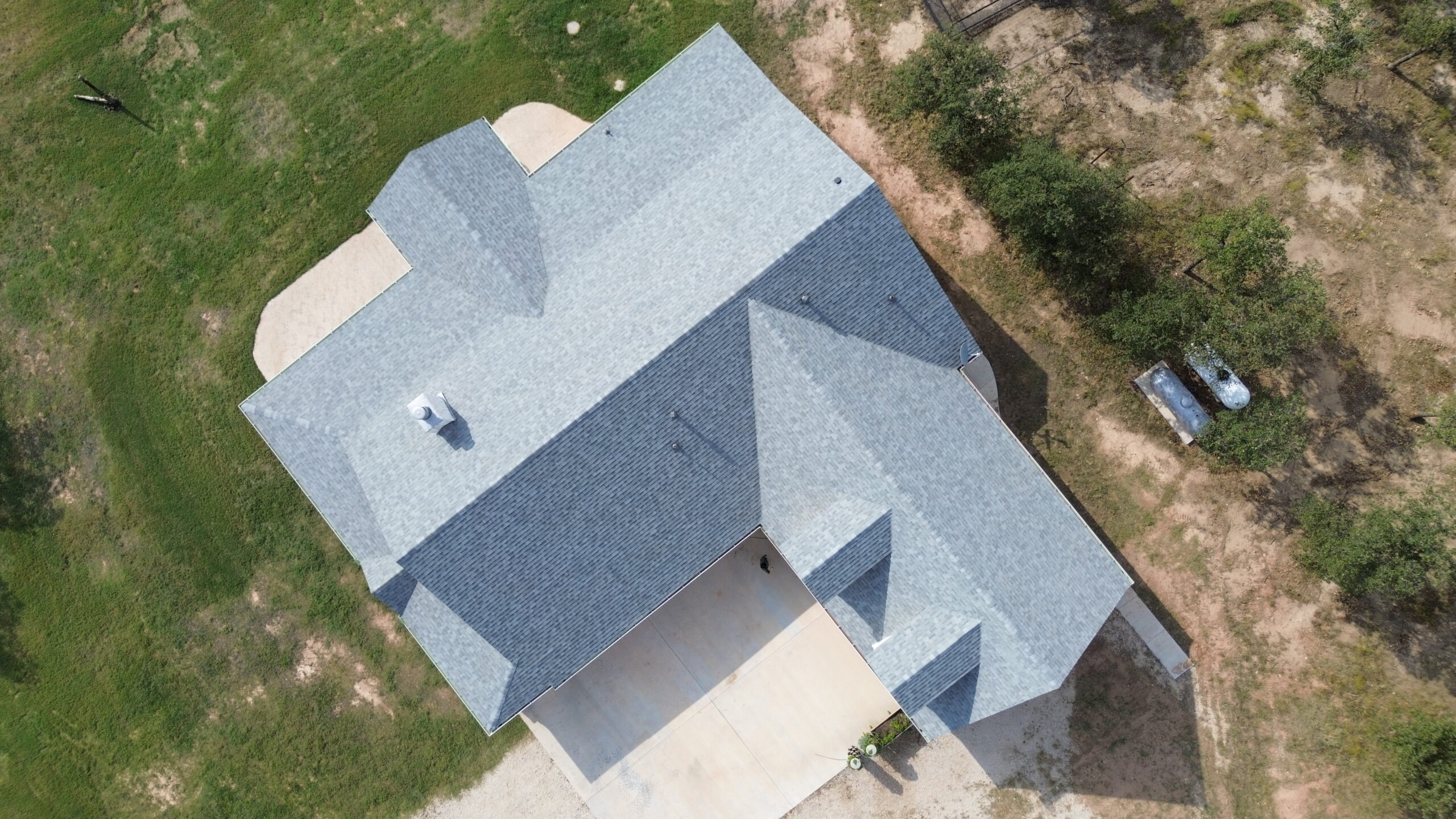
Replacing a roof provides an opportunity to improve the home’s ability to withstand future seasonal weather. Instead of simply installing new roofing materials, homeowners can choose a complete roofing system designed to perform better during heavy rain, strong winds, extreme heat, or freezing temperatures. These decisions have a lasting impact on roof durability, maintenance requirements, and overall home protection.
Modern roofing systems combine several components that work together to keep moisture out while maintaining proper airflow. High-quality underlayment, flashing, ventilation, and drainage all contribute to a roof that performs more reliably throughout changing seasons. Investing in these features during replacement often reduces repair needs for many years.
Selecting the right roofing system also helps homeowners prepare for local weather patterns. A roof that performs well in one climate may not be the ideal solution in another, making regional weather conditions an important part of the decision-making process.
Selecting Weather Resistant Roofing Materials
Different roofing materials offer different levels of protection against seasonal weather. Homeowners should evaluate durability, maintenance needs, expected lifespan, and climate suitability rather than choosing materials based only on appearance or initial cost.
Impact-resistant asphalt shingles provide better protection in regions that frequently experience hail or strong storms. Metal roofing performs exceptionally well in areas with heavy snowfall because snow slides off more easily, reducing the load placed on the roof.
Clay and concrete tiles resist fire and intense sunlight effectively, making them popular in warmer climates. Slate remains one of the longest-lasting roofing materials available, although its weight requires careful structural evaluation before installation.
Choosing materials that match local environmental conditions helps extend roof lifespan while reducing the likelihood of weather-related damage.
The Importance of Proper Ventilation
Ventilation remains one of the most overlooked components of a roofing system. Many homeowners focus entirely on shingles or tiles while overlooking the airflow beneath the roof that helps preserve those materials.
Proper attic ventilation reduces excessive heat during summer by allowing warm air to escape. Lower attic temperatures reduce stress on roofing materials while improving indoor comfort and lowering cooling costs.
During colder months, ventilation helps remove moisture that naturally rises from living spaces into the attic. Without adequate airflow, condensation can develop beneath the roof, increasing the risk of mold growth, wood rot, and insulation damage.
Balanced intake and exhaust ventilation contribute significantly to the long-term performance of a new roofing system.
Installing Quality Flashing and Waterproof Barriers
Roof leaks rarely occur across the middle of roofing materials. Instead, they often develop around chimneys, skylights, roof valleys, plumbing vents, and other penetrations where different building materials meet.
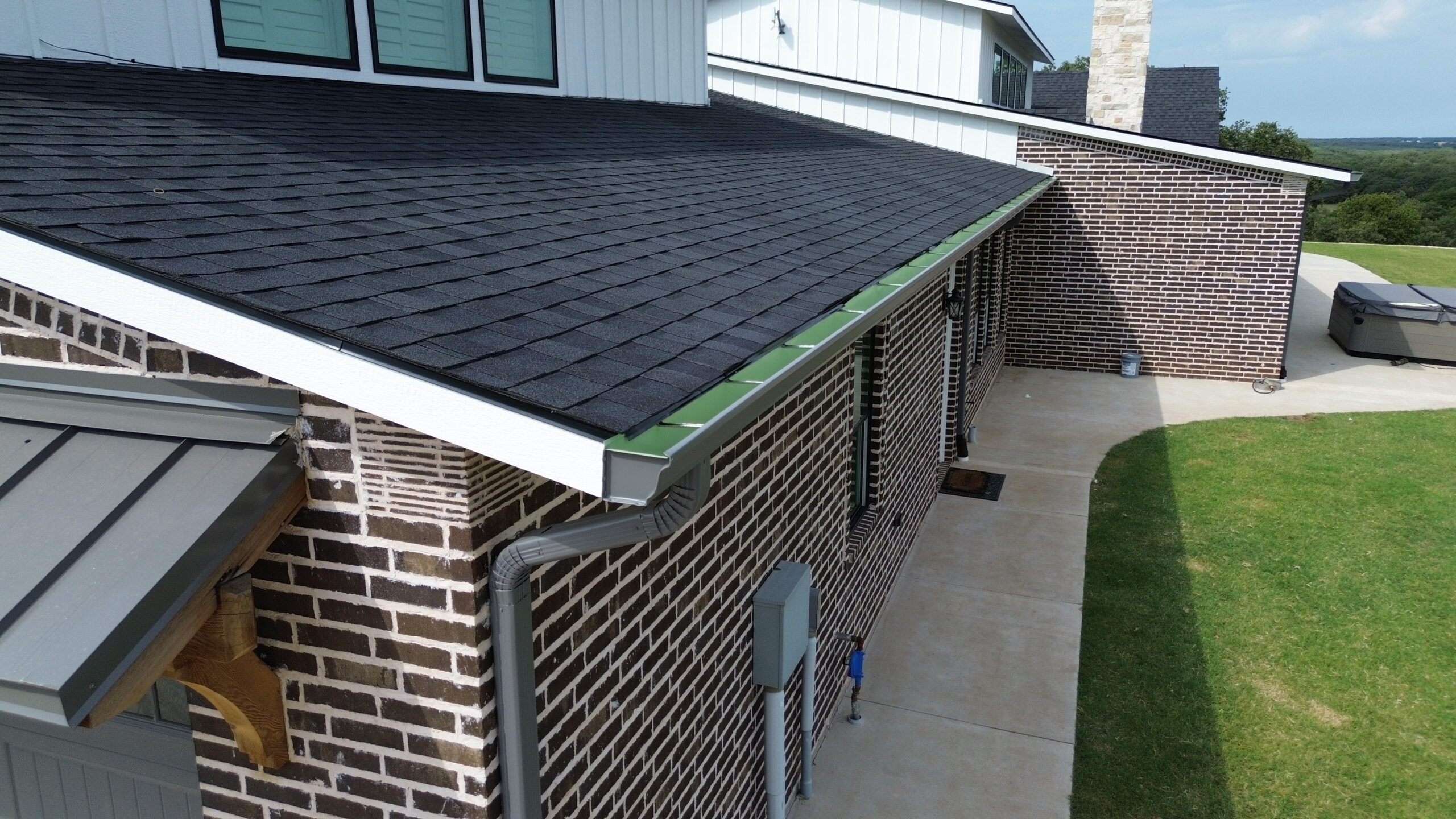
High-quality flashing creates watertight seals around these vulnerable locations. Proper installation prevents rainwater from entering beneath roofing materials even during heavy storms or wind-driven rain.
Modern waterproof underlayment provides another layer of protection beneath the visible roofing material. If shingles or tiles become damaged during severe weather, this hidden barrier helps prevent water from reaching the roof deck.
Combining durable flashing with reliable underlayment strengthens the roof’s ability to withstand challenging seasonal conditions.
Improving Drainage Systems
Efficient drainage protects both the roof and the home’s foundation. Gutters and downspouts should direct water away from the roof quickly, preventing standing water that can contribute to leaks and structural deterioration.
Replacing damaged gutters during a roofing project is often more practical than postponing the work. Coordinating both projects ensures that the new roof and drainage system function together effectively.
Homeowners should also consider installing gutter guards where falling leaves regularly create blockages. Although gutter guards do not eliminate maintenance entirely, they reduce debris accumulation and improve water flow during heavy rainfall.
Proper drainage becomes especially valuable during spring storms and autumn rain when water management is critical for protecting the home.
Common Mistakes Homeowners Make
Many roofing problems result not from severe weather alone but from avoidable decisions made before or after replacement. Understanding these common mistakes helps homeowners protect their investment while reducing the likelihood of future repairs.
Waiting Until Major Leaks Develop
One of the most expensive mistakes is delaying replacement until water begins entering the home. By the time interior stains become visible, moisture may already have damaged insulation, roof decking, ceilings, and structural framing.
Planning replacement before widespread leaks occur usually costs less than repairing both the roof and the resulting interior damage. Early action also allows homeowners to schedule work during favorable weather instead of facing emergency repairs.
Routine inspections remain the best way to identify developing problems before they become major structural concerns.
Choosing Price Over Quality
Every homeowner wants good value, but selecting a contractor solely because they provide the lowest estimate may lead to disappointing results. Lower prices sometimes reflect reduced material quality, limited warranties, or shortcuts during installation.
A properly installed roof using quality materials often provides better long-term value than repeated repairs caused by poor workmanship. Comparing experience, references, warranties, and installation methods is just as important as comparing cost.
Quality roofing should be viewed as a long-term investment rather than a short-term expense.
Ignoring Maintenance After Installation
Installing a new roof does not eliminate the need for future maintenance. Even premium roofing systems benefit from annual inspections, gutter cleaning, debris removal, and prompt repairs after severe weather.
Neglecting maintenance allows small problems to develop unnoticed until they become more expensive to correct. Homeowners who maintain their roofs consistently often achieve lifespans that meet or even exceed manufacturer expectations.
Preventive care remains one of the simplest ways to protect the investment made during replacement.
Delaying Storm Inspections
Some homeowners assume that if no leaks appear immediately after a storm, the roof must be undamaged. However, hail, wind, and flying debris can weaken roofing materials without producing obvious symptoms.
Professional inspections following severe weather help identify hidden damage before moisture enters the roofing system. Prompt repairs also prevent small problems from worsening during future storms.
Developing the habit of scheduling inspections after significant weather events contributes to long-term roof reliability.
Long Term Benefits of Seasonal Planning
Planning roof replacement before seasonal weather risks provides advantages that extend well beyond the installation itself. Homeowners who prepare in advance often experience better project outcomes, improved roof performance, and fewer unexpected expenses over the following decades.
One of the greatest benefits is increased confidence during severe weather. Knowing that the roof has been professionally installed and carefully planned provides reassurance whenever heavy rain, strong winds, or winter storms approach.
Financial planning also becomes much easier. Scheduled replacement allows homeowners to compare estimates, budget appropriately, and avoid emergency service costs that frequently accompany unexpected roof failures.
Energy efficiency often improves after replacement as well. Modern roofing systems incorporate better ventilation, moisture protection, and insulation compatibility that help maintain more consistent indoor temperatures throughout the year.
Property value benefits from proactive roof replacement because prospective buyers recognize the importance of a recently installed roofing system. A new roof often increases buyer confidence while reducing concerns about immediate maintenance expenses after purchasing the home.
Routine maintenance also becomes simpler. Instead of addressing recurring leaks and frequent repairs, homeowners can focus on periodic inspections and preventive care that help maximize the lifespan of the new roof.
Seasonal planning ultimately transforms roof replacement from a stressful emergency into a well-managed home improvement project with lasting benefits.
Creating a Year Round Roof Maintenance Plan
Replacing the roof is only one step toward protecting a home from seasonal weather. Long-term performance depends on consistent maintenance that addresses small concerns before they become expensive repairs.
Homeowners benefit from following a simple annual maintenance routine that keeps the roofing system performing efficiently throughout every season.
A practical maintenance schedule includes the following tasks:
- Inspect the roof every spring for damage caused by winter weather.
- Clean gutters before heavy spring and autumn rainfall.
- Trim tree branches that extend above the roof.
- Check attic ventilation and insulation each year.
- Schedule a professional inspection after severe storms.
- Replace damaged shingles or flashing promptly.
- Remove debris that traps moisture on the roof surface.
Following these maintenance habits helps preserve the roof’s condition while reducing unnecessary wear caused by changing weather. Consistent care also supports warranty requirements and provides opportunities to detect developing issues before they require extensive repairs.
Homeowners should maintain records of inspections, repairs, and maintenance activities. These records help monitor the roof’s condition over time and provide valuable information if warranty claims or future property sales arise.
Conclusion
Planning roof replacement before seasonal weather risks is one of the most effective ways to protect both a home and the investment it represents. Waiting until severe storms, freezing temperatures, or heavy rainfall expose serious weaknesses often results in higher repair costs, greater inconvenience, and unnecessary structural damage. Proactive planning allows homeowners to replace aging roofs on their own schedule instead of responding to emergencies.
Each season presents unique challenges that influence roofing performance, from summer heat and ultraviolet exposure to autumn debris, winter ice, and spring storms. Understanding how these conditions affect a roof helps homeowners determine the most appropriate time for inspections, maintenance, and eventual replacement. Careful timing also improves installation quality by allowing contractors to work under more favorable weather conditions.
Selecting weather-resistant materials, ensuring proper ventilation, installing reliable flashing, and maintaining effective drainage all contribute to a roofing system capable of handling changing seasonal conditions. These decisions, combined with routine maintenance and regular professional inspections, help maximize roof lifespan while reducing long-term repair costs.
Perhaps the greatest advantage of seasonal planning is the peace of mind it provides. Homeowners can face changing weather with confidence, knowing their roof has been installed correctly, maintained consistently, and prepared to protect the home for many years. By replacing a roof before seasonal risks become emergencies, homeowners safeguard their property, improve energy efficiency, enhance home value, and ensure dependable protection through every season of the year.