
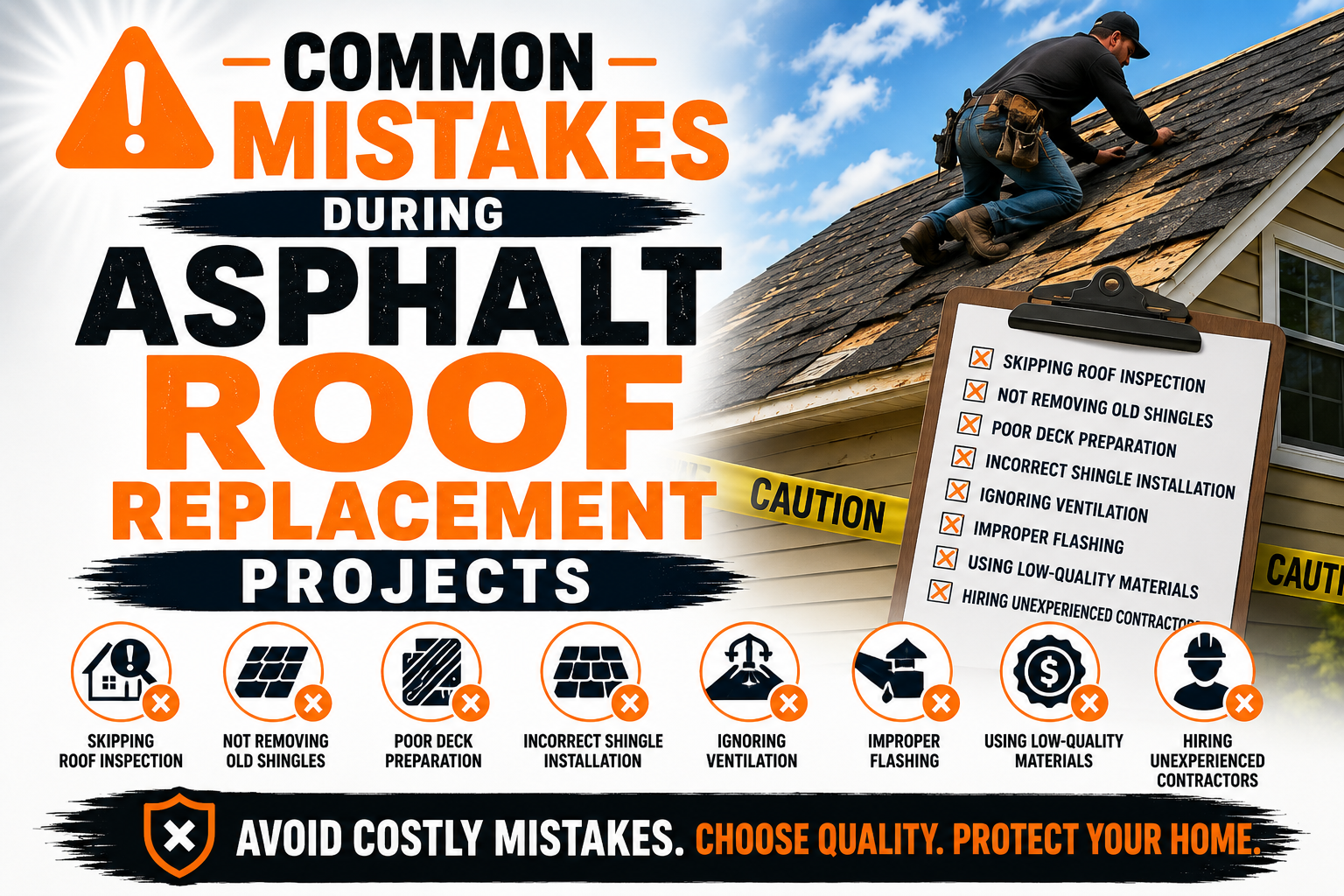
Common Mistakes During Asphalt Roof Replacement Projects
Introduction
Replacing an asphalt roof is one of the most important investments homeowners make to protect their property. A properly installed roof provides reliable protection from rain, wind, snow, and sunlight while improving energy efficiency and increasing the overall value of a home. Although modern roofing materials are designed to last for decades, their performance depends heavily on proper installation practices.
Many roofing problems do not occur because of poor-quality shingles but because mistakes were made during the replacement process. Even small installation errors can allow moisture to enter the roofing system, shorten the roof’s lifespan, and lead to expensive repairs years earlier than expected. Understanding these common mistakes helps homeowners make informed decisions before hiring a contractor.
Roof replacement involves much more than removing old shingles and installing new ones. Contractors must inspect the roof deck, install moisture barriers correctly, provide proper ventilation, secure flashing, and follow manufacturer specifications throughout the installation. Every stage contributes to the long-term performance of the finished roof.
Homeowners also play an important role in the success of a roof replacement project. Choosing experienced professionals, asking the right questions, reviewing contracts carefully, and understanding the installation process can significantly reduce the risk of future problems.
This guide explores the most common mistakes made during asphalt roof replacement projects and explains how they can be avoided. Whether you are planning your first roof replacement or comparing contractor proposals, understanding these issues will help ensure your investment delivers lasting value.
Why Proper Asphalt Roof Replacement Matters
An asphalt roof functions as an integrated system rather than a collection of individual materials. Every component, from the roof deck to the ridge caps, works together to keep water out while protecting the structural integrity of the home. When one part of the system is installed incorrectly, the entire roof may become vulnerable.
Many homeowners focus primarily on the appearance of new shingles. While curb appeal is important, the hidden components beneath the shingles often determine whether the roof performs well over the next twenty to thirty years.
A properly installed roof provides several long-term benefits. It protects structural framing from moisture damage, improves attic ventilation, reduces energy consumption, and minimizes the likelihood of emergency repairs following severe weather.
Mistakes made during installation may not become visible immediately. Some roofing problems remain hidden for months or even years before leaks, mold growth, or structural deterioration begin to appear. By the time symptoms become noticeable, repairs are often more expensive than correcting the original installation error.
Professional installation also protects manufacturer warranties. Many warranty claims are denied because products were not installed according to published guidelines. Following proper installation procedures benefits both the contractor and the homeowner over the long term.
Planning Mistakes Before the Project Begins
Some of the most costly roofing mistakes occur before any work actually starts. Careful planning establishes the foundation for a successful project, while poor preparation often leads to delays, unexpected expenses, and installation problems.
One common mistake is postponing roof replacement after clear signs of deterioration have appeared. Waiting until multiple leaks develop may allow water to damage insulation, drywall, roof decking, and structural framing. Replacing the roof earlier often reduces the overall cost of repairs.
Another planning mistake involves failing to obtain multiple estimates. Comparing several detailed proposals helps homeowners understand differences in materials, labor, warranties, and project scope. Selecting the first contractor without comparison may result in missed opportunities for better value.
Some homeowners also overlook the importance of reviewing written contracts. Every agreement should clearly outline material specifications, estimated timelines, payment schedules, warranty information, cleanup responsibilities, and procedures for handling unexpected repairs.
Planning should also include discussing weather conditions and scheduling expectations. Roofing projects depend heavily on suitable weather, and realistic timelines help avoid unnecessary frustration if temporary delays become necessary.
Taking time to prepare properly before construction begins usually results in a smoother installation process and fewer unexpected complications throughout the project.
Choosing the Wrong Roofing Contractor
Selecting an inexperienced or unqualified contractor is one of the biggest mistakes homeowners can make during an asphalt roof replacement. Even premium roofing materials cannot compensate for poor workmanship or improper installation techniques.
Some homeowners make hiring decisions based solely on advertisements or the lowest available price. While cost is certainly important, experience, licensing, insurance coverage, and professional reputation should receive equal consideration.
A reputable roofing contractor willingly provides references from previous customers and explains the installation process in detail. Clear communication demonstrates professionalism and helps establish realistic expectations before work begins.
Contractors should also carry appropriate liability insurance and workers’ compensation coverage where required. Proper insurance protects both the homeowner and the roofing crew if unexpected accidents occur during construction.
Before signing any agreement, homeowners should verify several important qualifications.
- Appropriate licensing where required by local regulations.
- Active liability and workers’ compensation insurance.
- Written estimates with detailed material specifications.
- Manufacturer certifications when available.
- Clearly explained workmanship warranties.
- Positive customer reviews and completed local projects.
Taking time to evaluate contractors carefully often prevents installation problems that could affect the roof for decades.
Focusing Only on the Lowest Price
Every homeowner wants to manage project costs responsibly, but selecting the lowest estimate without understanding what is included can become an expensive mistake. Roofing proposals often differ significantly in both materials and workmanship, making direct price comparisons difficult.
Some unusually low estimates exclude important components such as flashing replacement, underlayment upgrades, ventilation improvements, or disposal fees. Additional charges may appear later after work has already begun, increasing the final project cost beyond the original estimate.
Lower pricing may also indicate the use of lower-quality materials. Standard shingles, thinner underlayment, or inexpensive fasteners may reduce upfront expenses but often shorten the roof’s service life.
Labor quality can also vary considerably between contractors. Experienced roofing crews invest more time in proper installation techniques, detailed inspections, and quality control. These practices may slightly increase initial costs while providing greater long-term reliability.
Instead of selecting the cheapest proposal automatically, homeowners should compare the overall value offered by each contractor. Material quality, workmanship, warranty coverage, company reputation, and installation practices all contribute to the true value of a roof replacement project.
Using Low Quality Roofing Materials
Roofing materials determine how well the completed system withstands weather, temperature changes, and everyday environmental exposure. Choosing products based solely on price rather than performance often leads to premature roof deterioration.
Modern asphalt shingles are available in several performance levels. While basic three-tab shingles remain a practical option for many homes, architectural and premium shingles generally provide improved wind resistance, greater durability, and longer warranty coverage.
Low-quality underlayment presents another potential problem. Although hidden beneath the shingles, underlayment serves as an important secondary moisture barrier. Inferior products may tear more easily during installation or provide less protection during severe weather.
Roofing accessories deserve equal attention. Flashing, ridge caps, ventilation products, sealants, and roofing nails all contribute to the durability of the finished roof. Weak or incompatible components may compromise the performance of otherwise high-quality shingles.
Homeowners should ask contractors to identify the exact materials included in the estimate. Knowing the manufacturer, product line, warranty coverage, and expected lifespan helps ensure that the roofing system meets long-term expectations.
Investing in better materials often reduces maintenance requirements and extends the useful life of the roof, making the additional upfront cost worthwhile for many homeowners.
Ignoring Roof Deck Problems
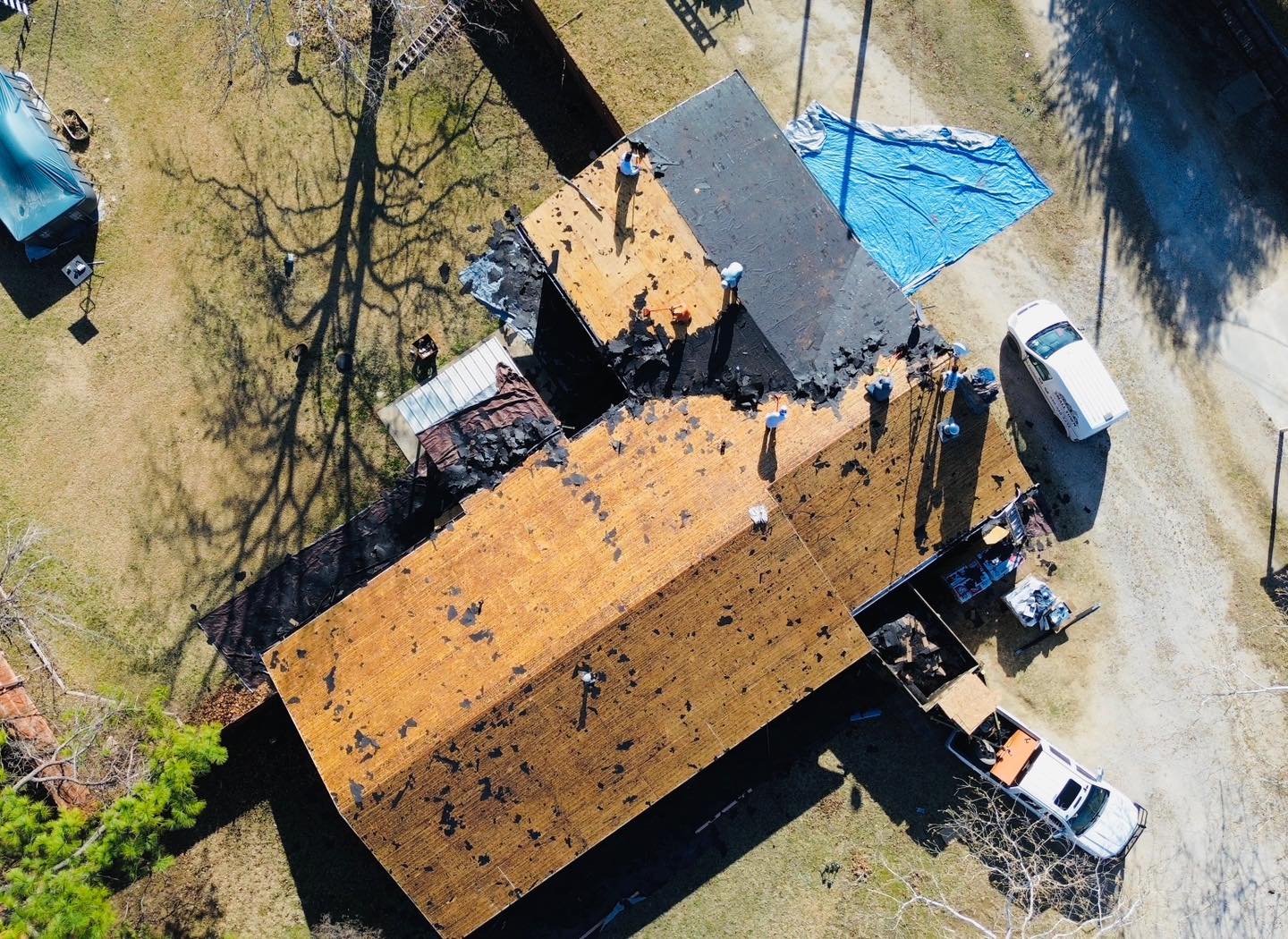
One of the most serious mistakes during roof replacement is installing new shingles over a damaged roof deck. Since the decking supports every layer above it, structural problems beneath the surface should always be corrected before installation continues.
Roof decking commonly deteriorates because of long-term water intrusion. Leaks that remain hidden beneath old shingles may soften wood panels, weaken structural support, or create conditions that encourage mold growth.
Some contractors may feel pressure to reduce costs by avoiding deck repairs whenever possible. However, covering damaged wood with new roofing materials only conceals existing problems rather than solving them.
During roof replacement, contractors should inspect every exposed section of the decking after removing old shingles. Soft spots, water stains, loose panels, cracked wood, and signs of rot all require careful evaluation before installation proceeds.
The following table highlights common roof deck issues and their potential consequences if ignored.
| Roof Deck Issue | Possible Consequences |
|---|---|
| Soft or spongy wood | Reduced structural support |
| Water damage | Continued moisture intrusion |
| Rotting panels | Premature roof failure |
| Loose decking | Poor nail holding strength |
| Mold growth | Indoor air quality concerns |
| Cracked wood panels | Uneven roofing surface |
Replacing damaged decking during installation may increase project costs slightly, but it provides a stable foundation that supports the new roof throughout its expected lifespan.
Poor Project Preparation Before Installation
Proper preparation protects both the property and the roofing crew throughout the replacement process. Rushing into installation without adequate planning often increases the likelihood of accidents, delays, and property damage.
Material deliveries should be scheduled carefully so shingles and accessories arrive before installation begins. Proper storage helps protect roofing materials from moisture and unnecessary handling before they are installed.
Homeowners should also prepare the surrounding property. Vehicles should be moved away from the driveway, outdoor furniture relocated, and fragile landscaping protected whenever possible. Creating clear access around the home allows roofing crews to work more efficiently.
Inside the house, wall decorations and delicate items should be secured because vibrations from roof removal may cause them to shift or fall. Informing family members and neighbors about the project schedule also helps minimize inconvenience during construction.
Good communication between the contractor and homeowner is essential before work begins. Discussing project timelines, daily work hours, material placement, cleanup procedures, and weather expectations helps prevent misunderstandings later in the project.
With careful planning complete, the roof replacement can move into the installation phase. However, even well-prepared projects may encounter challenges if moisture barriers, flashing, shingles, ventilation systems, and other roofing components are not installed correctly, topics that will be explored in the next section of this guide.
Incorrect Underlayment and Flashing Installation
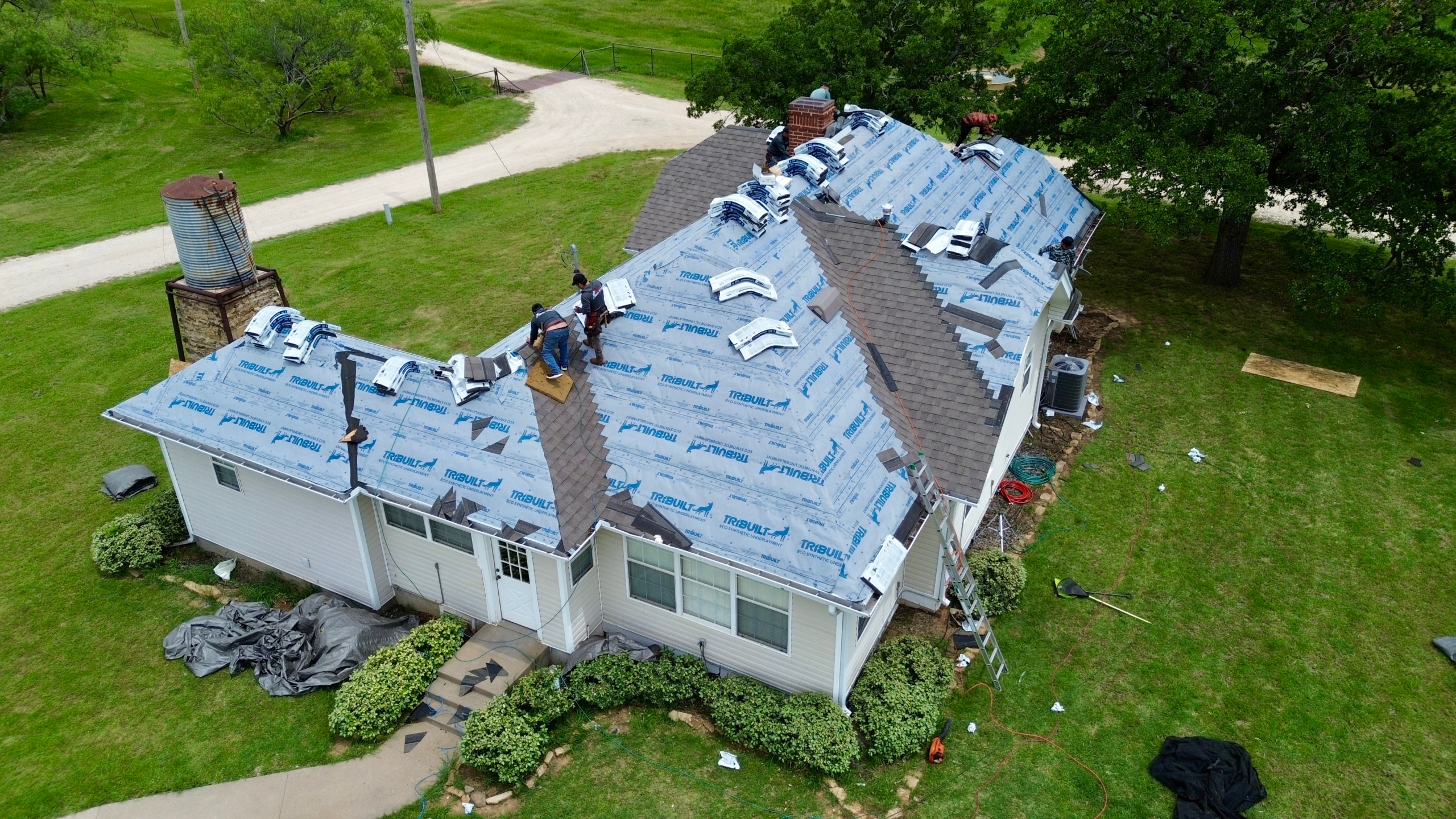
After the roof deck has been inspected and repaired, the next critical step is installing the underlayment and flashing. These components are hidden beneath the shingles, but they play a major role in preventing water intrusion. Mistakes made during this stage can lead to leaks even if the shingles themselves are installed perfectly.
Some contractors may rush through underlayment installation by failing to overlap the sheets correctly. Proper overlapping creates a continuous moisture barrier that directs water safely toward the roof edges. Gaps or wrinkles in the underlayment can allow water to reach the roof deck during heavy rain or wind-driven storms.
Using the wrong type of underlayment is another common mistake. Different climates and roof designs may require specific materials, and using products that are not suitable for local weather conditions can reduce the overall performance of the roofing system.
Flashing installation requires equal attention. Flashing protects roof valleys, chimneys, skylights, vents, and wall intersections where water naturally collects. Improperly installed flashing is one of the leading causes of roof leaks after replacement.
Some installers attempt to reuse old flashing to reduce project costs. Although this may appear to save money initially, aging flashing can already have hidden corrosion, small cracks, or weakened seals that compromise the new roof.
Professional roofers carefully install new flashing and ensure every joint is sealed correctly. Replacing flashing during roof replacement provides long-term protection and reduces the risk of future repairs.
Common Shingle Installation Mistakes
Asphalt shingles are designed to work together as a complete weather-resistant surface. Incorrect installation can affect both the appearance and durability of the roof while increasing the risk of wind damage and water infiltration.
One of the most common mistakes involves improper nail placement. Roofing nails must be driven into the designated nailing zone and penetrate the roof deck sufficiently. Nails driven too high, too low, overdriven, or underdriven may fail to secure the shingles properly.
Incorrect shingle alignment is another frequent issue. Even slight alignment errors become more noticeable as installation progresses, affecting both curb appeal and water drainage.
Some contractors also fail to stagger shingle joints correctly. Vertical alignment of seams creates weak points where water may penetrate during severe weather.
Starter shingles are sometimes overlooked or installed incorrectly. These specialized shingles help secure the first row while improving resistance against strong winds. Skipping this step can make the roof more vulnerable to shingle blow-offs.
Contractors should also avoid excessive foot traffic on newly installed shingles during hot weather. Warm asphalt becomes softer under direct sunlight, making the shingles more susceptible to scuffing and surface damage.
Following manufacturer installation guidelines throughout the project helps ensure the roofing system performs as expected for many years.
Ventilation and Moisture Control Errors
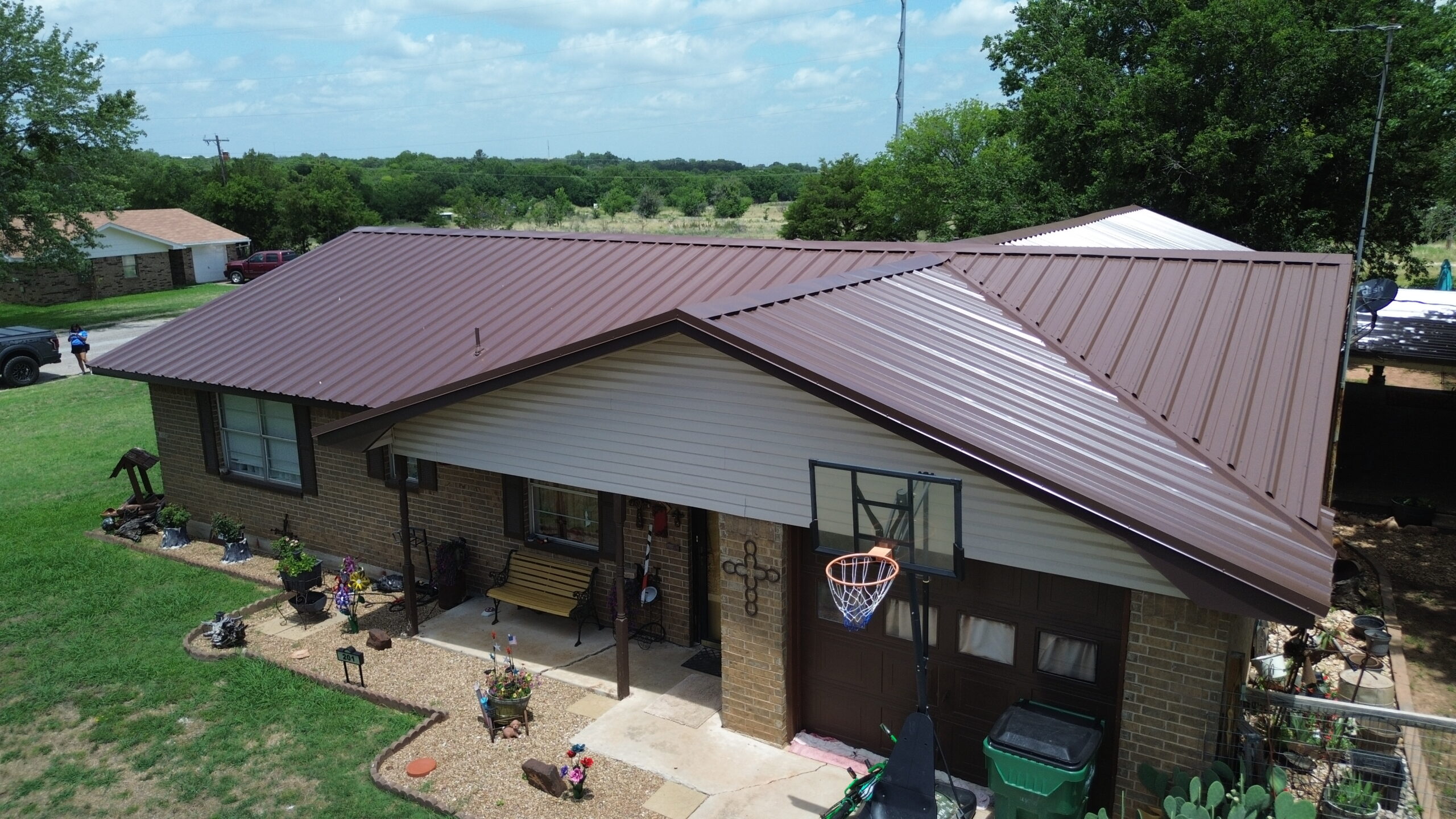
Proper attic ventilation is often underestimated during roof replacement projects. Many homeowners focus on visible roofing materials while overlooking the importance of airflow beneath the roof.
Without balanced ventilation, excessive heat builds up inside the attic during summer months. High temperatures accelerate the aging process of asphalt shingles and may increase cooling costs throughout the home.
Moisture presents an equally serious concern. Everyday household activities such as cooking, bathing, and laundry produce water vapor that naturally rises into the attic. Without adequate ventilation, this moisture condenses on cooler roof surfaces and gradually damages structural components.
Some contractors replace roofing materials without evaluating the existing ventilation system. Installing premium shingles on a poorly ventilated attic limits the roof’s potential lifespan regardless of material quality.
Common ventilation mistakes include installing too few intake vents, insufficient ridge ventilation, blocked soffit vents, or improperly balanced airflow between intake and exhaust openings.
Proper ventilation offers several important benefits:
- Extends the lifespan of roofing materials.
- Reduces attic heat buildup.
- Helps prevent mold and mildew growth.
- Improves indoor energy efficiency.
- Minimizes moisture-related structural damage.
Correcting ventilation problems during roof replacement is often easier and more affordable than upgrading the system after installation has been completed.
Overlooking Local Building Codes and Permits
Roof replacement projects must comply with local building regulations that help ensure structural safety and proper construction practices. Ignoring these requirements may result in delays, fines, failed inspections, or additional repair work.
Building codes often specify minimum installation standards for roofing materials, flashing, ventilation, fastening methods, and structural repairs. These requirements vary depending on geographic location, climate, and local regulations.
Some homeowners assume permits are unnecessary because they are replacing an existing roof rather than building a new one. However, many municipalities require permits for complete roof replacement projects.
Professional roofing contractors usually manage the permitting process on behalf of the homeowner. They understand local requirements and schedule inspections when necessary to confirm compliance throughout the project.
Skipping permits may also create complications when selling the home in the future. Buyers and home inspectors sometimes request documentation showing that major improvements were completed according to local regulations.
Working with contractors who understand local building codes helps ensure the finished roof meets all applicable safety and construction standards.
Poor Communication During the Project
Effective communication is essential throughout every stage of a roof replacement project. Misunderstandings between homeowners and contractors can lead to incorrect material selections, scheduling conflicts, unexpected expenses, or dissatisfaction with the finished work.
One common mistake is failing to discuss project expectations before work begins. Homeowners should understand the proposed timeline, daily work schedule, material choices, payment terms, and cleanup procedures before signing the contract.
Unexpected structural damage occasionally becomes visible after old roofing materials are removed. Contractors should communicate these findings immediately, explain available repair options, and provide updated cost estimates before proceeding.
Changes requested during construction should always be documented in writing. Clear documentation protects both parties by preventing disagreements regarding pricing or project scope later.
Regular project updates also improve homeowner confidence. Knowing what work has been completed each day and what remains helps reduce uncertainty while allowing concerns to be addressed promptly.
Successful roof replacement depends not only on skilled workmanship but also on open and honest communication from beginning to end.
Cleanup Mistakes That Lead to Future Problems
Cleanup is sometimes treated as the final task of a roofing project, but it is just as important as the installation itself. Incomplete cleanup can create safety hazards and leave homeowners with ongoing maintenance issues long after the roofing crew has departed.
Loose roofing nails are among the most common concerns. Nails left in driveways, lawns, or flower beds may puncture vehicle tires or create hazards for children and pets.
Old roofing debris should be removed completely from the property. Shingle fragments, packaging materials, flashing scraps, and damaged wood should never remain scattered around the home after construction is finished.
Contractors should also inspect gutters before completing the project. During roof replacement, small pieces of debris and asphalt granules may accumulate inside the gutter system, reducing drainage efficiency during future storms.
Landscaping deserves careful attention as well. Protective coverings placed before installation should be removed carefully, and plants should be inspected for accidental damage caused by falling debris.
Professional cleanup demonstrates attention to detail and reflects the overall quality of the contractor’s work. Homeowners should always perform a final property inspection before considering the project complete.
Weather Related Installation Mistakes
Weather conditions have a direct impact on roofing installation quality. Attempting to complete projects during unsuitable conditions increases the likelihood of mistakes that may affect the roof’s long-term performance.
Rain is one of the most obvious concerns. Exposed roof decking should remain dry before underlayment and shingles are installed. Installing roofing materials over wet surfaces can trap moisture inside the roofing system.
Strong winds create additional challenges by making it difficult to align shingles accurately and increasing safety risks for roofing crews. High winds may also blow debris onto freshly installed roofing materials.
Extreme heat requires careful handling of asphalt shingles because softened materials become more vulnerable to scuffing and surface damage. Workers must move carefully across the roof to avoid unnecessary wear.
Cold temperatures also influence installation. Some adhesive strips require warmer conditions to seal properly, although many modern shingles are designed for installation across a wider temperature range.
Experienced contractors monitor weather forecasts carefully and adjust project schedules when necessary. Delaying work by a day or two often produces better long-term results than rushing installation under unfavorable conditions.
Costly Mistakes That Reduce Roof Lifespan
Some mistakes may not cause immediate leaks but gradually reduce the expected lifespan of the roofing system. These issues often remain unnoticed until years later when premature deterioration begins to appear.
Neglecting routine roof inspections after replacement is one example. Small issues such as loose flashing or isolated shingle damage can often be corrected quickly if discovered early.
Ignoring nearby tree maintenance is another common oversight. Branches rubbing against shingles gradually wear away protective granules, while falling limbs may cause sudden impact damage during storms.
Improper attic insulation can also affect roof longevity. Combined with poor ventilation, inadequate insulation allows excessive heat and moisture to accelerate material aging.
The following practices help maximize the lifespan of an asphalt roof after replacement.
- Schedule annual professional roof inspections.
- Keep gutters and downspouts clean.
- Trim tree branches near the roof.
- Repair storm damage promptly.
- Maintain proper attic ventilation.
- Address small problems before they become major repairs.
Avoiding these common mistakes allows homeowners to enjoy the full service life expected from their roofing investment while reducing long-term maintenance costs.
By this stage, the roof replacement project has been completed, and the most common installation errors have been identified. The final section of this guide will focus on inspection mistakes homeowners should avoid, proper maintenance after installation, warning signs of poor workmanship, frequently asked questions, and the concluding recommendations that bring the entire roofing project together.
Final Inspection Mistakes Homeowners Should Avoid
The installation may be complete, but the project should not be considered finished until a thorough final inspection has taken place. Many homeowners assume that if the roof looks good from the ground, everything has been installed correctly. While appearance is important, several critical details cannot be verified without a careful inspection.
One common mistake is making the final payment before reviewing the completed work. Homeowners should take time to walk around the property with the contractor and discuss every aspect of the installation. This walkthrough provides an opportunity to identify concerns while the roofing crew is still on site.
Another oversight is failing to request documentation. Reputable contractors typically provide warranty information, invoices, material specifications, and photographs of the completed installation. Keeping these records organized makes future maintenance and warranty claims much easier.
Homeowners should also verify that all agreed-upon materials were used during the project. Comparing the completed installation with the written contract ensures there are no misunderstandings regarding products, accessories, or additional repairs.
If the project required permits, the final inspection should confirm that all required approvals have been completed. This documentation may become valuable if the property is sold in the future.
How to Ensure a Successful Asphalt Roof Replacement
Avoiding common mistakes begins long before construction starts. Homeowners who take time to research contractors, compare estimates, and understand the replacement process are more likely to achieve successful long-term results.
Selecting an experienced roofing contractor remains one of the most important decisions. A company with a strong reputation, proper insurance, quality workmanship, and transparent communication provides greater confidence throughout the project.
Material selection deserves equal attention. Choosing roofing products based solely on price may reduce initial expenses, but investing in durable materials often lowers maintenance costs and extends the roof’s service life.
Preparation also contributes to a smoother installation. Scheduling the project during favorable weather, protecting outdoor belongings, and discussing expectations with the contractor help minimize disruptions during construction.
The following checklist summarizes important steps that contribute to a successful roof replacement.
| Step | Why It Matters |
|---|---|
| Hire an experienced contractor | Improves installation quality |
| Review written estimates carefully | Prevents unexpected costs |
| Choose quality roofing materials | Extends roof lifespan |
| Replace damaged roof decking | Creates a solid foundation |
| Verify proper ventilation | Improves durability and efficiency |
| Complete a final inspection | Confirms installation quality |
Taking these precautions significantly reduces the likelihood of future roofing problems while helping homeowners maximize the value of their investment.
Maintenance Mistakes After Installation
Even a professionally installed asphalt roof requires regular maintenance to perform at its best. Some homeowners mistakenly believe that a new roof requires no attention until problems become visible. Preventive maintenance is far more effective and less expensive than emergency repairs.
Ignoring gutters is one of the most common maintenance mistakes. Leaves, branches, and debris restrict water flow, allowing moisture to collect near the roof edge. Over time, standing water may damage roofing materials and increase the risk of leaks.
Another mistake is delaying minor repairs. A single damaged shingle or loose piece of flashing may appear insignificant, but small issues often become larger if left unattended.
Walking unnecessarily on the roof can also shorten its lifespan. Foot traffic may loosen granules, crack shingles, or create unnecessary wear, particularly during hot weather when asphalt becomes more flexible.
Some homeowners attempt aggressive pressure washing to remove algae or dirt. High-pressure cleaning can strip away protective granules and significantly reduce the durability of asphalt shingles. Roof-safe cleaning methods are generally recommended instead.
Regular inspections remain one of the simplest ways to maintain a roofing system. Identifying potential concerns early allows repairs to be completed before extensive damage develops.
Warning Signs That Replacement Was Done Incorrectly
Although most professional roofing projects are completed successfully, installation mistakes occasionally become apparent after construction is finished. Recognizing these warning signs allows homeowners to address problems before they become more serious.
Uneven shingle lines are among the first visible indicators of poor workmanship. Crooked rows or inconsistent spacing may affect both appearance and water drainage across the roof surface.
Loose or missing shingles shortly after installation should also be investigated. Newly installed shingles should remain securely fastened under normal weather conditions.
Interior water stains are another serious warning sign. Brown marks on ceilings or walls often indicate that moisture is entering through the roofing system. Prompt inspection helps prevent additional structural damage.
Excessive granule loss during the first few months may suggest improper handling or installation. While a small amount of loose granules is normal with new shingles, significant accumulation inside gutters deserves professional evaluation.
Poorly installed flashing frequently causes leaks around chimneys, skylights, vents, and roof intersections. These areas should remain completely watertight following a properly completed replacement.
Homeowners should contact their contractor immediately if they notice any of these conditions:
- Water leaks inside the home.
- Loose or missing shingles.
- Visible sagging areas.
- Crooked shingle alignment.
- Damaged flashing.
- Persistent attic moisture.
Addressing concerns promptly helps protect warranty coverage while preventing relatively small issues from developing into major repairs.
Frequently Asked Questions About Asphalt Roof Replacement Mistakes
Can installation mistakes be repaired without replacing the entire roof?
Yes, many installation errors can be corrected if they are identified early. Flashing repairs, replacing damaged shingles, improving ventilation, or correcting fastening issues often solve localized problems without requiring complete roof replacement.
How can homeowners verify that a contractor followed manufacturer guidelines?
Request documentation showing the roofing products that were installed and review the manufacturer’s installation recommendations. Many certified contractors also provide additional warranty coverage that reflects compliance with manufacturer standards.
Is it normal to find a few roofing nails after the project?
Finding an occasional nail is possible even after professional cleanup. However, contractors should perform a magnetic sweep of the property and remove as many loose nails as possible before completing the project.
Should homeowners inspect the roof after every major storm?
A visual inspection from the ground is recommended after severe weather. Look for missing shingles, fallen branches, damaged flashing, or debris accumulation. If anything appears unusual, schedule a professional roof inspection.
Does replacing the roof automatically solve ventilation problems?
Not necessarily. Roof replacement provides an excellent opportunity to improve ventilation, but the contractor must evaluate the existing attic airflow and recommend upgrades when needed. Simply installing new shingles does not guarantee proper ventilation.
How often should a new asphalt roof be professionally inspected?
Most roofing professionals recommend a comprehensive inspection at least once each year and after significant storms. Regular inspections help identify small concerns before they require expensive repairs.
Conclusion
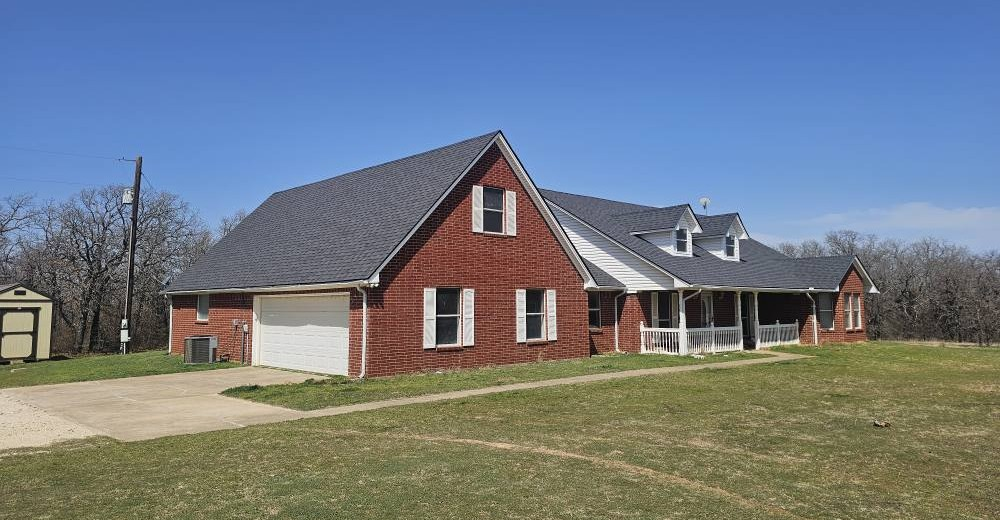
An asphalt roof replacement is a major investment that protects one of a home’s most valuable assets. While modern roofing materials are designed to provide decades of dependable performance, even the highest-quality products cannot compensate for poor planning or improper installation. Understanding the most common mistakes allows homeowners to make informed decisions throughout every stage of the project.
Successful roof replacement begins with careful preparation, selecting a qualified contractor, and using high-quality materials that match the home’s needs and local climate. Paying attention to roof deck repairs, underlayment, flashing, ventilation, and installation details ensures that every component works together as a complete roofing system.
The responsibility does not end after the final shingle is installed. Routine maintenance, annual inspections, clean gutters, and prompt attention to minor repairs all contribute to extending the roof’s lifespan and preserving its appearance. These simple practices help prevent small concerns from becoming major structural problems.
Communication also plays a vital role in a successful project. Homeowners who ask questions, review contracts carefully, request documentation, and participate in the final inspection are better prepared to protect their investment. Clear communication helps establish realistic expectations while reducing the likelihood of misunderstandings during construction.
By recognizing and avoiding the common mistakes discussed throughout this guide, homeowners can approach an asphalt roof replacement with greater confidence. A well-planned project completed by experienced professionals delivers long-lasting protection, improved energy efficiency, enhanced curb appeal, and reliable performance that benefits the home for many years to come.