
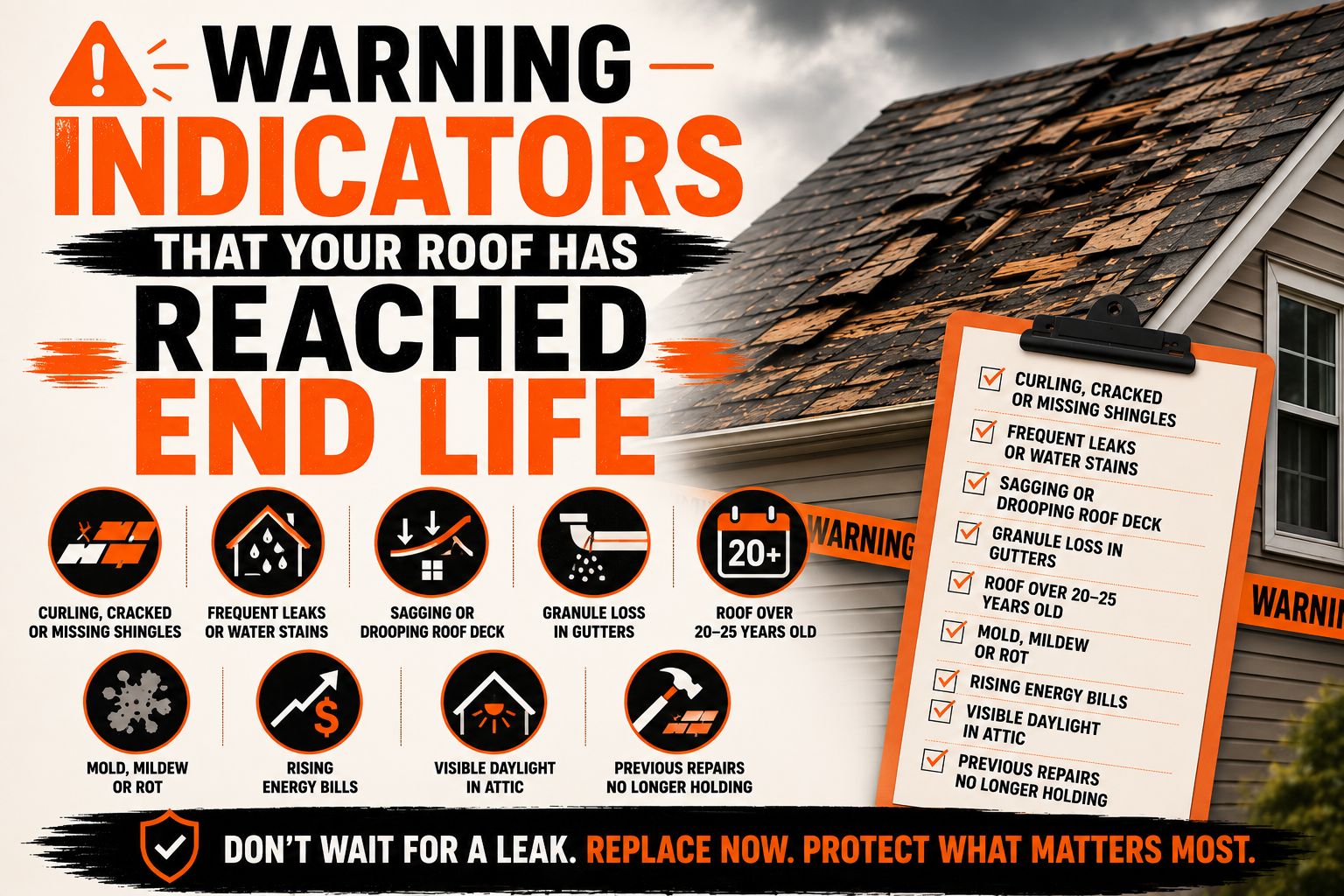
Warning Indicators That Your Roof Has Reached End Life
Introduction
A roof is one of the hardest working parts of any home, protecting everything beneath it from changing weather conditions throughout the year. Whether it is exposed to intense sunlight, heavy rain, strong winds, hail, or snow, it constantly absorbs the impact of the elements so the rest of the house remains safe and comfortable. Like every building component, however, a roof has a limited lifespan and eventually reaches a stage where repairs are no longer enough.
Many homeowners assume a roof will fail suddenly without warning, but that is rarely the case. Roofing systems usually provide numerous signs that they are approaching the end of their service life. These warning indicators often begin as minor issues that gradually become more noticeable over time, giving homeowners an opportunity to act before major structural damage occurs.
Recognizing these signs early is important because delaying roof replacement can lead to far more expensive problems. Water intrusion may damage insulation, weaken wooden framing, promote mold growth, and affect ceilings, walls, and flooring inside the home. Addressing an aging roof before complete failure occurs protects both the property and the people living inside it.
The challenge is that many warning signs develop slowly and can easily be mistaken for normal wear. A few missing shingles, minor discoloration, or an occasional leak may not seem alarming on their own. However, when several indicators appear together, they often signal that the roof has reached the end of its useful life.
This guide explains the most reliable warning indicators that suggest your roof may no longer provide dependable protection. Understanding these signs will help you make informed decisions about repairs, inspections, and replacement before small problems become costly emergencies.
Understanding Roof Life Expectancy
Every roofing material is designed with an expected lifespan, but no roof lasts forever. Over time, constant exposure to weather gradually reduces the effectiveness of roofing materials, even when regular maintenance is performed. Understanding the typical lifespan of different roofing systems provides valuable context when evaluating their overall condition.
The longevity of a roof depends on several factors beyond the material itself. Installation quality, attic ventilation, climate, maintenance, and storm exposure all influence how quickly a roof ages. Two roofs made from identical materials may have very different lifespans if one experiences harsher environmental conditions.
Homeowners should remember that manufacturer lifespan estimates represent ideal conditions rather than guarantees. A roof exposed to frequent hailstorms, coastal salt air, or intense ultraviolet radiation may deteriorate years earlier than expected. Likewise, neglected maintenance can significantly shorten the life of even premium roofing products.
The following table provides a general comparison of common roofing materials and their average service life.
| Roofing Material | Average Lifespan | Typical Maintenance | Expected End-of-Life Timeline |
|---|---|---|---|
| Asphalt Shingles | 20 to 30 years | Moderate | Often first to require replacement |
| Architectural Shingles | 25 to 35 years | Moderate | Good long-term performance |
| Metal Roofing | 40 to 70 years | Low | Excellent durability |
| Wood Shakes | 25 to 40 years | High | Requires regular maintenance |
| Clay Tiles | 50 to 100 years | Moderate | Extremely long lifespan |
| Slate Roofing | 75 to 100+ years | Low | Among the longest lasting options |
These estimates provide a useful starting point but should never replace a professional inspection. The actual condition of the roof matters far more than its age alone. Some roofs continue performing well beyond their expected lifespan, while others require replacement much sooner because of environmental damage or poor installation.
Regular inspections become increasingly valuable as roofs approach the later years of their expected service life. Identifying age-related deterioration early allows homeowners to plan for replacement instead of dealing with unexpected failures during severe weather.
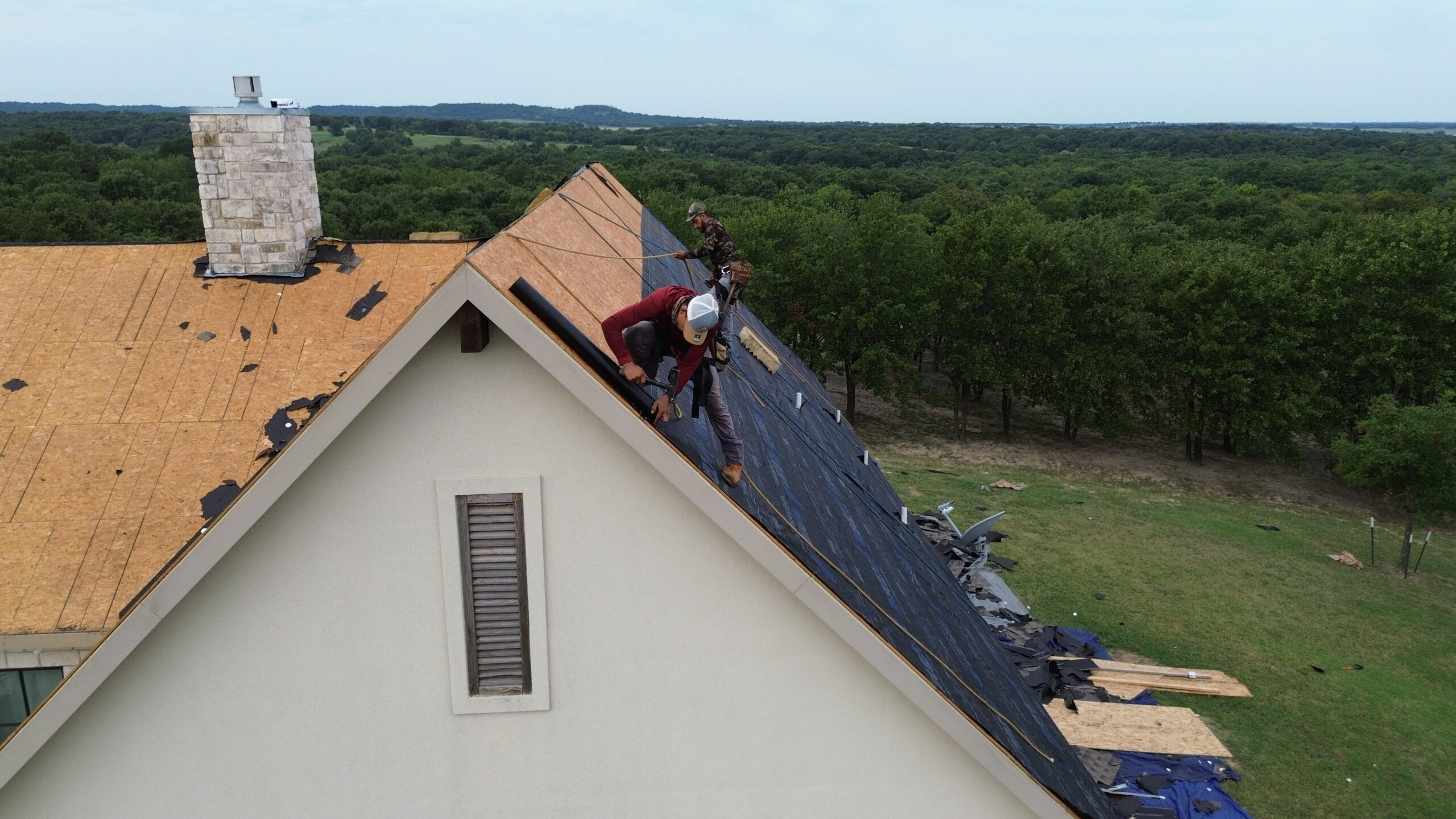
Why Roofs Eventually Reach the End of Their Life
Roofs experience continuous wear from the moment they are installed. Every day they expand under the heat of the sun and contract again as temperatures cool. This constant movement slowly weakens roofing materials, reducing their flexibility and ability to resist moisture.
Ultraviolet radiation is one of the biggest contributors to roof aging. Prolonged exposure to sunlight gradually breaks down asphalt, dries out protective coatings, and causes shingles to become brittle. Once roofing materials lose their flexibility, they become much more susceptible to cracking and weather damage.
Rain and moisture also contribute to long-term deterioration. Although roofs are designed to shed water efficiently, years of repeated exposure slowly wear away protective layers. Small imperfections eventually allow moisture to penetrate deeper into the roofing system, where it can damage underlayment and structural decking.
Wind plays an equally important role in roof aging. Even moderate winds repeatedly lift and flex shingles, gradually weakening adhesive seals that help keep roofing materials securely attached. After years of exposure, older shingles become increasingly vulnerable to being lifted or removed during storms.
Seasonal temperature changes create additional stress through expansion and contraction. These repeated movements slowly enlarge tiny cracks and gaps, allowing moisture to enter areas that were previously protected. Freeze and thaw cycles make this process even more damaging in colder climates.
Airborne debris also contributes to gradual deterioration. Dust, branches, leaves, and other materials accumulate on roof surfaces, trapping moisture and creating conditions that encourage biological growth. Over time, these seemingly minor factors combine to accelerate the aging process.
Eventually, the cumulative effects of weather, moisture, sunlight, and time reduce the roof’s ability to perform its primary function. Once multiple components begin failing together, replacement becomes a more practical and economical solution than continued repairs.
Roof Age Is the First Warning Indicator
One of the clearest indicators that a roof may have reached the end of its life is its age. While appearance provides useful clues, knowing when the roof was installed often offers the first indication that closer evaluation is necessary.
Many homeowners purchase existing homes without knowing the exact age of the roof. In these situations, previous inspection reports, warranty documents, contractor invoices, or local building records can often provide valuable information. Establishing the roof’s age helps determine whether visible wear should be considered normal or a sign of approaching failure.
As roofs grow older, even well-maintained materials naturally become less effective. Protective coatings wear away, adhesives lose strength, and repeated thermal movement gradually weakens the roofing system. These changes may not always be visible from the ground, making age an important factor during inspections.
An older roof may continue looking relatively attractive while hidden components beneath the surface begin deteriorating. Underlayment, flashing, fasteners, and roof decking can all experience age-related wear long before major leaks become noticeable. This is why professional evaluations become increasingly important as the roof approaches the end of its expected lifespan.
Age should always be considered alongside the roof’s maintenance history. A properly maintained roof often performs better than one that has been neglected, even if both were installed at the same time. Routine inspections, prompt repairs, and regular cleaning can significantly slow the aging process.
Environmental conditions also influence how much importance should be placed on roof age. Homes located in areas with frequent storms, intense heat, heavy snowfall, or coastal humidity often experience faster deterioration than properties in milder climates. As a result, replacement may become necessary earlier than manufacturer estimates suggest.
When an aging roof begins showing additional warning signs such as recurring leaks, widespread shingle damage, or excessive granule loss, replacement usually becomes the most dependable long-term solution. Continuing to invest in isolated repairs often provides only temporary improvements while the rest of the roofing system continues to decline.
Planning replacement before complete failure occurs offers several advantages. Homeowners have more time to compare contractors, choose suitable roofing materials, and schedule work during favorable weather rather than responding to an emergency after significant damage has already occurred.
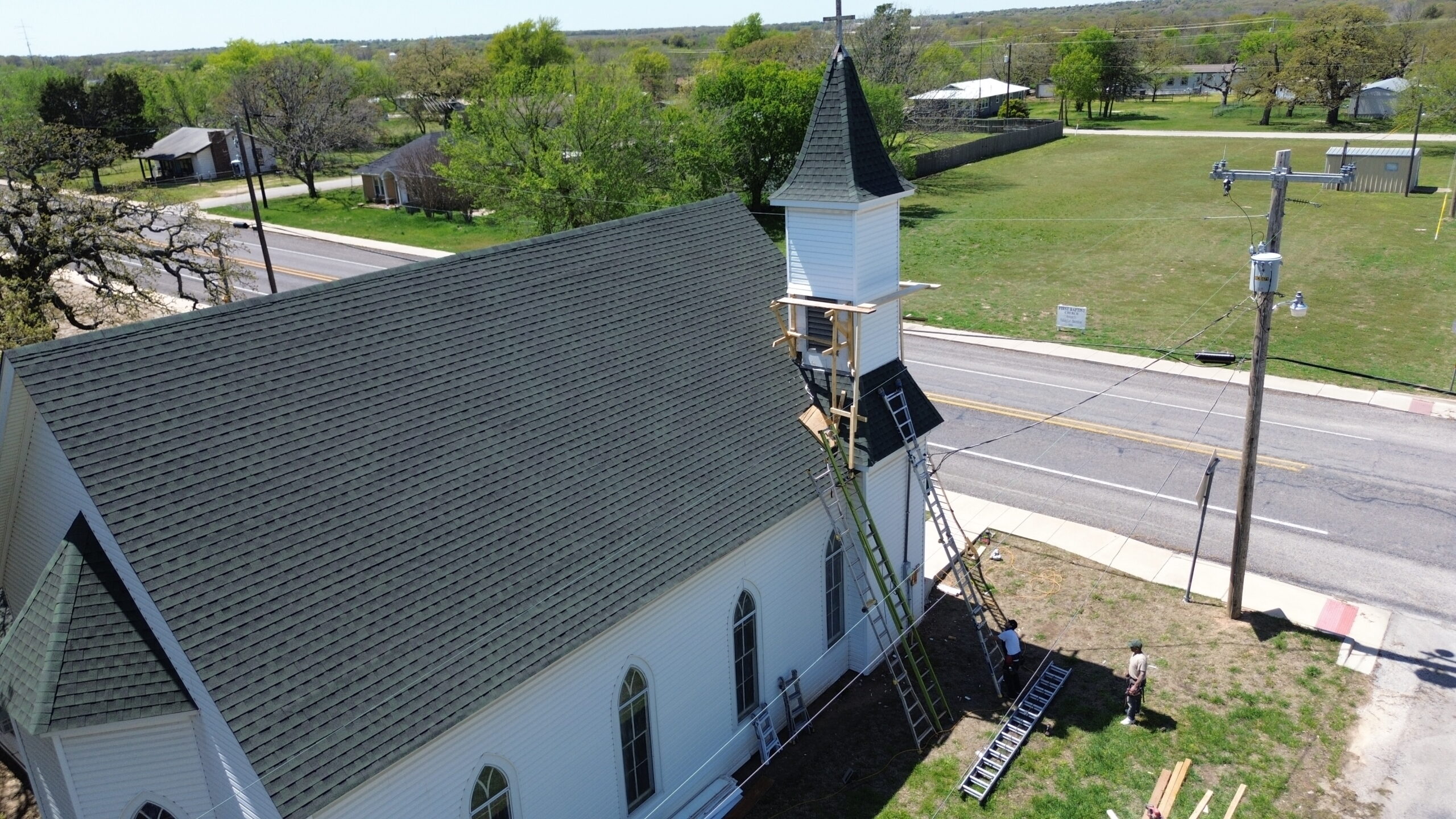
Widespread Shingle Damage
Shingles serve as the roof’s outer protective layer, shielding the home from rain, wind, sunlight, and changing temperatures. Because they are constantly exposed to the elements, shingles usually provide some of the earliest visible warning signs that a roof is approaching the end of its service life.
Curling shingles are one of the most common indicators of advanced aging. The edges may begin turning upward or downward as the material loses flexibility over time. Once shingles curl, they become less effective at directing water away from the roof surface, increasing the likelihood of moisture intrusion.
Cracked shingles develop after years of repeated expansion and contraction. As roofing materials become brittle, even normal weather conditions can cause small fractures to appear. These cracks gradually widen, allowing water to reach the underlayment and roof decking beneath.
Missing shingles represent another serious concern because they expose sections of the roof directly to rain, sunlight, and wind. While a few missing shingles after a severe storm may be repairable, widespread losses often indicate that the remaining shingles have also reached the end of their useful life.
Blistering is another sign that roofing materials are deteriorating. Small raised areas form when trapped moisture or excessive heat damages the shingle surface. As blisters break open, the protective outer layer becomes increasingly vulnerable to weather exposure.
Loose shingles should not be overlooked either. Weak adhesive strips lose their ability to secure shingles firmly against the roof, making them much easier for strong winds to lift or remove. This often marks the beginning of widespread roof failure rather than an isolated maintenance issue.
The overall pattern of damage is just as important as the type of damage itself. A single cracked or missing shingle rarely requires complete roof replacement. However, when curling, cracking, blistering, and missing shingles appear across multiple sections of the roof, they usually indicate that the entire roofing system is nearing the end of its lifespan.
Replacing isolated shingles on an otherwise healthy roof can effectively restore protection. Performing repeated repairs across an extensively damaged roof, however, often provides only temporary relief while the remaining materials continue deteriorating. Evaluating the extent of shingle damage rather than focusing on individual defects helps homeowners make better long-term decisions.
Excessive Granule Loss
Asphalt shingles are covered with mineral granules that perform several essential functions. These granules protect the asphalt beneath from harmful ultraviolet rays, improve fire resistance, and help the roof withstand years of weather exposure. Without this protective layer, shingles age much more rapidly.
Some granule loss is completely normal, especially during the first few months after a new roof is installed. Loose granules remaining from the manufacturing process may wash into gutters during early rainstorms without affecting roof performance. Significant granule loss later in the roof’s life, however, is a very different situation.
Homeowners often discover excessive granule loss while cleaning gutters or inspecting downspouts. Large amounts of coarse, sand-like particles accumulating repeatedly suggest that shingles are losing their protective coating. This process leaves the underlying asphalt increasingly exposed to sunlight and harsh weather conditions.
As granules disappear, shingles absorb more heat during warm weather. Higher surface temperatures accelerate the breakdown of asphalt, causing it to become dry, brittle, and prone to cracking. This creates a cycle in which material deterioration continues to accelerate over time.
Visible bald spots on shingles are another strong indicator of advanced wear. These darker areas appear where protective granules have worn away completely, exposing the asphalt layer beneath. When bald spots become widespread across the roof, they often signal that the roofing material has reached the final stage of its service life.
Granule loss also reduces the roof’s ability to resist weather damage. Without adequate surface protection, rain, hail, wind, and ultraviolet radiation affect shingles much more severely. The roof gradually becomes less capable of preventing moisture intrusion, increasing the likelihood of leaks and structural damage.
Professional inspectors evaluate granule loss together with other signs of roof aging rather than considering it in isolation. When excessive granule shedding occurs alongside curling shingles, repeated leaks, and advanced roof age, these combined indicators strongly suggest that the roof has reached the end of its useful life and that full replacement should be seriously considered.
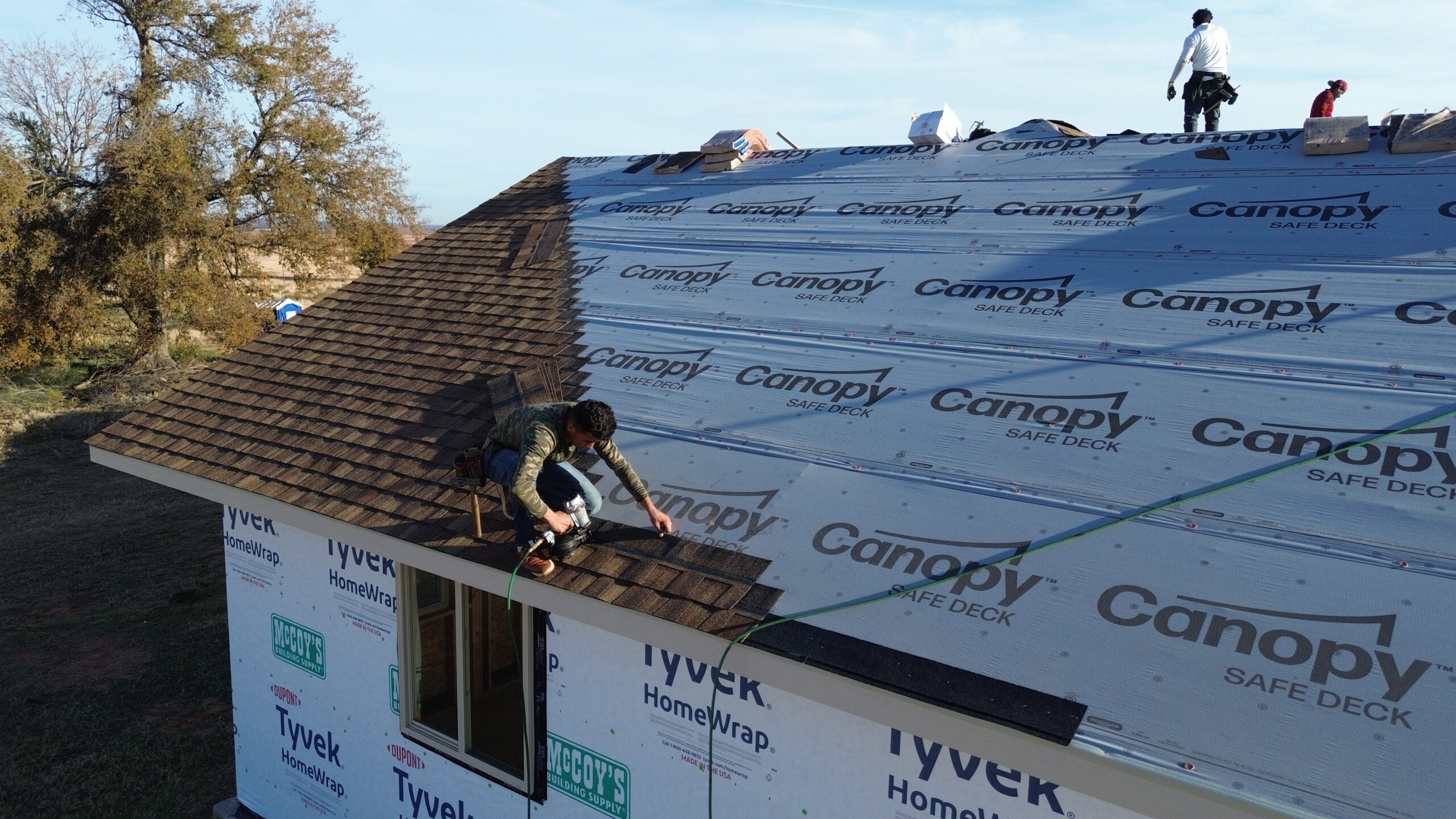
Persistent Leaks That Keep Returning
An occasional roof leak does not automatically mean your roof has reached the end of its life. Storm damage, deteriorated flashing, or a single missing shingle can often be repaired successfully without replacing the entire roofing system. The situation changes, however, when leaks continue returning despite repeated repairs.
Recurring leaks usually indicate that deterioration is no longer limited to one isolated area. Instead, multiple parts of the roofing system may be weakening at the same time, allowing water to find new pathways into the home. Repairing one section temporarily may only shift the problem to another nearby area.
Water rarely travels straight downward after entering a roof. It often moves along roof decking, rafters, insulation, or support beams before becoming visible inside the home. Because of this, the location of an interior water stain may be several feet away from the actual point where moisture entered.
This makes diagnosing persistent leaks increasingly difficult on aging roofs. Homeowners may believe previous repairs failed when the real issue is that other sections of the roof have deteriorated enough to allow additional water intrusion.
Repeated moisture exposure gradually weakens roof decking and framing while reducing the effectiveness of attic insulation. It can also stain ceilings, damage drywall, and create favorable conditions for mold growth. These secondary problems frequently become more expensive to repair than the roofing issue itself.
Another concern is the hidden nature of water damage. Moisture can remain trapped inside wall cavities or attic spaces for weeks before visible signs appear indoors. During this time, wood continues absorbing water, insulation loses its thermal performance, and mold colonies may begin developing unnoticed.
If your roof requires repairs after nearly every heavy rainstorm, it is important to look beyond the immediate leak. Multiple repairs performed within a relatively short period often suggest that the roof has reached the stage where replacement provides better long term value than continuing temporary fixes.
Professional roofing contractors evaluate the entire roofing system when recurring leaks become a pattern. Their assessment often reveals widespread material deterioration that cannot be permanently resolved through isolated repairs alone.
Sagging Rooflines and Structural Movement
A roof should have straight, consistent lines that follow its original design. Any visible sagging, dipping, or uneven sections deserve immediate attention because they may indicate structural problems beneath the roofing materials.
Sagging usually develops gradually rather than appearing overnight. Long term moisture exposure slowly weakens wooden roof decking and supporting rafters, reducing their ability to carry the weight of roofing materials. Over time, sections of the roof begin bending under normal loads.
Heavy snowfall, poor attic ventilation, inadequate structural design, or years of water intrusion can all contribute to roof sagging. While each situation is different, the underlying issue generally involves weakened structural components rather than surface level roofing damage.
From the outside, homeowners may notice low spots along the roofline or uneven ridges that appear different from neighboring homes. Inside the attic, bowed rafters, warped decking, or visibly bent framing members often confirm that structural movement has occurred.
Ignoring structural sagging creates significant safety risks. As support members continue weakening, the roof becomes less capable of handling heavy rain, snow accumulation, or strong winds. In severe cases, sections of the roof may eventually collapse if repairs are delayed for too long.
Surface repairs cannot correct structural movement. Replacing shingles without addressing damaged decking or weakened framing only hides the visible symptoms while the underlying problem continues worsening.
A comprehensive roof inspection should always include an evaluation of structural integrity. If moisture damage has affected the supporting framework throughout large portions of the roof, replacement combined with structural repairs is usually the safest and most durable solution.
Flashing Failure Around Roof Openings
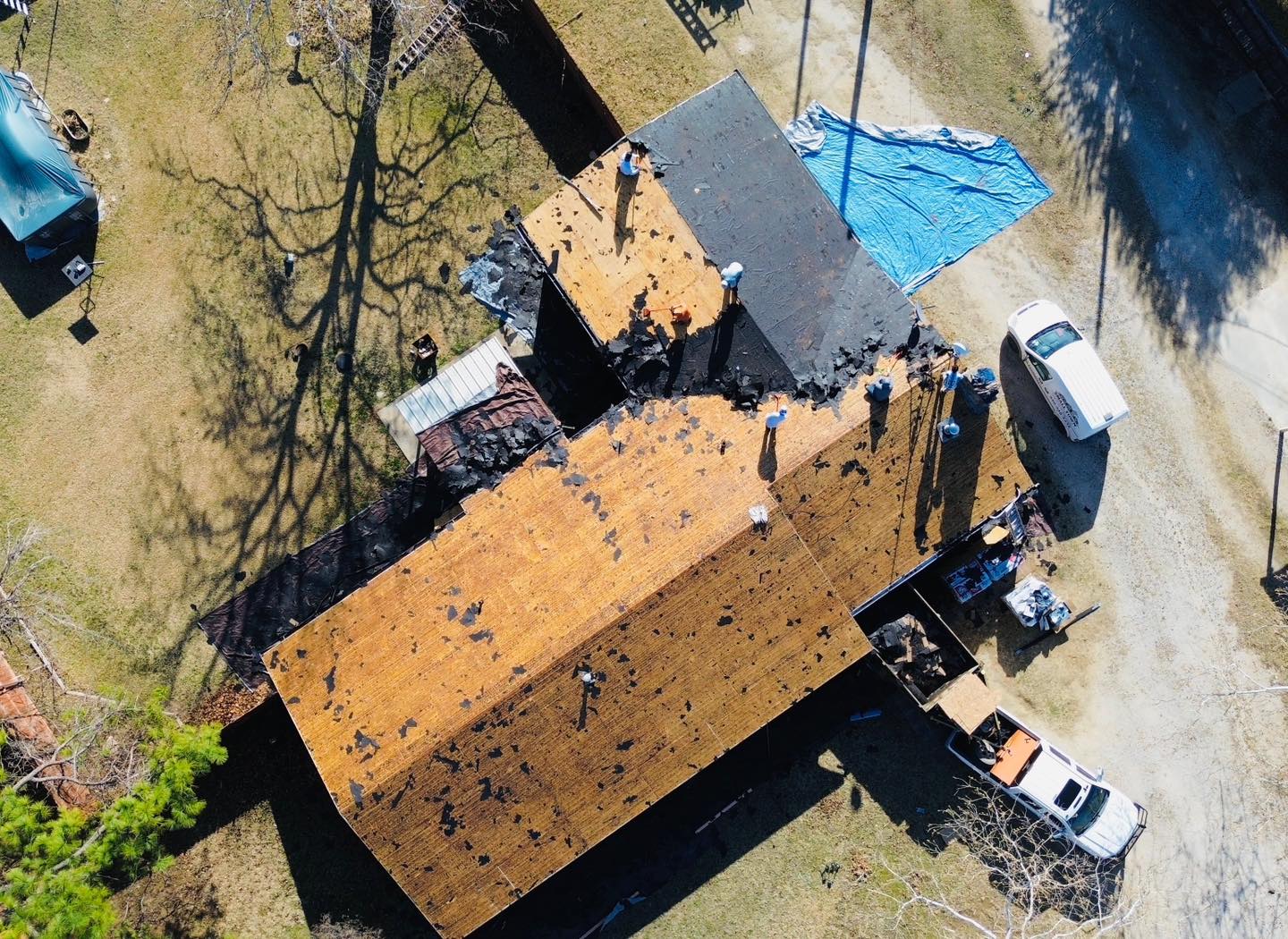
Flashing is one of the most important components of a roofing system, even though it receives far less attention than shingles. Installed around chimneys, skylights, roof valleys, dormers, and plumbing vents, flashing creates watertight seals that prevent water from entering vulnerable joints.
Over time, flashing materials naturally deteriorate because they experience constant exposure to sunlight, moisture, and temperature changes. Metal flashing may corrode, protective sealants can crack, and repeated expansion and contraction gradually weaken connections between roofing materials.
When flashing begins failing, leaks often appear around roof penetrations rather than across open roof surfaces. Homeowners may notice water stains near fireplaces, skylights, or bathroom ceilings where plumbing vents pass through the roof.
Localized flashing damage can often be repaired successfully on newer roofs. However, widespread flashing problems usually occur alongside aging shingles, deteriorated underlayment, and weakened fasteners. In these situations, replacing flashing alone rarely restores the roof’s long term performance.
Improper flashing installation can also contribute to premature roof failure. Even high quality roofing materials cannot perform effectively if water consistently enters around poorly sealed roof openings. This is why experienced contractors pay close attention to flashing details during inspections.
Flashing problems frequently become more noticeable after heavy rainfall because water naturally concentrates around roof valleys and penetrations. Small leaks that initially occur only during severe storms often become more frequent as deterioration continues.
Homeowners should never overlook flashing issues simply because the affected area appears relatively small. Since flashing protects the roof’s most vulnerable points, widespread deterioration often indicates that the roofing system as a whole is nearing the end of its service life.
Moss, Algae, and Long Term Moisture Damage
Dark streaks, green patches, or thick moss growing across a roof may seem like cosmetic concerns, but they often reveal much more about the roof’s overall condition. Biological growth develops where moisture remains trapped for extended periods, creating conditions that accelerate material deterioration.
Moss is especially damaging because it forms dense layers that retain water against the roof surface. Instead of allowing shingles to dry after rainfall, moss keeps them damp for prolonged periods, increasing the likelihood of granule loss and material breakdown.
As moisture remains trapped beneath moss, shingles begin deteriorating more rapidly than surrounding areas. Wooden roof components may also absorb excess water, gradually weakening the structural integrity of the roofing system.
Algae commonly appear as dark black streaks running down roof slopes. While algae themselves usually cause less direct damage than moss, their presence often indicates persistent moisture retention or poor roof ventilation. Both conditions contribute to faster roof aging.
Lichen presents an additional challenge because it attaches firmly to roofing materials. Attempting to remove mature lichen using aggressive cleaning methods may strip away protective granules, causing even greater damage to aging shingles.
Poor attic ventilation can further worsen moisture problems by allowing warm, humid air to accumulate beneath the roof. This additional moisture encourages biological growth while reducing the roof’s ability to dry efficiently after rainfall.
When moss, algae, granule loss, curling shingles, and recurring leaks all appear together, they strongly suggest that the roof has reached an advanced stage of deterioration. Cleaning the surface may improve appearance temporarily, but it cannot restore roofing materials that have already reached the end of their useful life.
Storm Damage That Pushes an Aging Roof Beyond Repair
Storms are among the leading reasons homeowners discover that their roof has reached the end of its life. While a newer roof often withstands severe weather with only limited damage, an aging roof may suffer extensive deterioration after a single major storm.
Strong winds create uplift forces that pull against shingles and flashing. Older shingles with weakened adhesive strips lose their ability to remain securely attached, making them much more likely to curl, loosen, or blow away during high winds.
Hail affects roofing materials differently by creating impact damage across the roof surface. Repeated hail strikes may fracture shingles, loosen protective granules, or create small cracks that allow moisture to penetrate beneath the roofing system.
Heavy rain exposes weaknesses that may have developed gradually over many years. Aging underlayment, deteriorated flashing, and brittle shingles often fail during prolonged rainfall because they can no longer provide reliable waterproof protection.
Falling branches also contribute to storm related roof damage. Even relatively small limbs can crack shingles, dent metal roofing, damage flashing, or puncture the roof surface, allowing immediate water intrusion.
One important consideration is cumulative storm exposure. A roof that has survived numerous storms over two or three decades may eventually reach a point where another severe weather event causes widespread damage beyond practical repair.
After significant storms, homeowners should inspect their property from the ground for missing shingles, damaged gutters, fallen roofing materials, or visible debris on the roof. Even when obvious damage is not visible, professional inspections remain valuable because impact damage is not always apparent from ground level.
If storm damage affects an older roof that is already approaching the end of its expected lifespan, replacement often provides better long term protection than repairing isolated damaged sections. Continuing to repair aging materials may only delay the need for a full replacement while increasing future maintenance costs.
Repair Versus Replacement Comparison
Determining whether to repair or replace a roof requires evaluating the entire roofing system rather than focusing on one visible problem. Age, structural condition, repair history, and overall performance all influence the most practical decision.
The following comparison illustrates situations where repairs remain appropriate and when replacement usually provides the better long term investment.
| Roof Condition | Repair Is Often Appropriate | Replacement Is Usually Recommended |
|---|---|---|
| Roof Age | Less than 15 years | More than 20 to 25 years |
| Leak Frequency | Single isolated leak | Multiple recurring leaks |
| Shingle Condition | Minor localized damage | Widespread curling, cracking, or missing shingles |
| Flashing | Small repair needed | Flashing failing in several locations |
| Structural Integrity | Roof decking remains solid | Sagging or weakened framework |
| Storm Damage | Limited impact area | Extensive damage across large sections |
| Maintenance History | Few previous repairs | Frequent repairs every year |
Looking only at the immediate repair cost can sometimes lead to poor long term decisions. A relatively inexpensive repair may seem attractive today, but repeated repairs performed every few months often exceed the cost of replacement over time.
Professional roof inspections provide homeowners with objective guidance based on the roof’s overall condition rather than isolated defects. Their evaluation helps determine whether repairs are likely to extend the roof’s useful life or whether replacement offers the greatest long term value.
Making this decision before complete roof failure occurs allows homeowners to plan their investment carefully, compare contractors, and choose roofing materials that will protect their property for many years to come.
Interior Signs Your Roof Has Reached the End of Its Life
Not every warning sign appears on the outside of the house. In many cases, the interior provides some of the earliest clues that the roofing system is no longer keeping moisture out effectively. Homeowners who regularly inspect ceilings, walls, and attic spaces are often able to detect problems before major structural damage develops.
Water stains on ceilings are one of the most recognizable indicators of roof failure. Brown, yellow, or dark discoloration usually forms when rainwater enters through damaged roofing materials and travels across roof decking before reaching interior surfaces. Even if the stain appears dry, it should never be ignored because the leak may become active again during the next storm.
Peeling paint and bubbling drywall often develop after prolonged moisture exposure. Water trapped behind painted surfaces weakens adhesion, causing paint to blister, crack, or separate from the wall or ceiling. These cosmetic changes frequently indicate a roofing problem rather than simply aging interior finishes.
Attics should also be inspected regularly for damp insulation or visible moisture. Wet insulation loses much of its ability to regulate indoor temperatures, increasing heating and cooling costs while creating favorable conditions for mold growth. Damp insulation is often one of the first hidden signs that a roof has reached the end of its service life.
Mold or mildew inside the attic deserves immediate attention. These fungi thrive in dark, damp environments where roof leaks have remained unnoticed for extended periods. Beyond damaging building materials, mold can also affect indoor air quality if allowed to spread.
Warped ceiling panels or sagging drywall indicate that water has been entering the home long enough to weaken structural materials. This type of damage should be addressed quickly because saturated ceilings may eventually collapse if the source of moisture remains unresolved.
Homeowners should also pay attention to unusual indoor humidity. If upper rooms consistently feel damp despite proper ventilation, moisture may be entering through hidden roof leaks rather than ordinary household activities.
When several interior warning signs appear alongside visible roof deterioration, they strongly suggest that the roofing system has reached the point where replacement offers the safest and most dependable long term solution.
Professional Roof Inspection Process
While homeowners can identify many warning indicators themselves, a professional inspection provides the most accurate assessment of a roof’s remaining service life. Roofing specialists evaluate every major component of the system rather than focusing only on obvious surface damage.
The inspection process follows a systematic approach designed to identify both visible and hidden deterioration.
- Determine the approximate age of the roof and review its maintenance history.
- Inspect shingles or roofing materials for curling, cracking, blistering, missing sections, and granule loss.
- Examine flashing around chimneys, skylights, vents, valleys, and other roof penetrations.
- Check gutters for excessive granule accumulation and proper drainage.
- Inspect roof decking and structural framing for moisture damage or sagging.
- Evaluate attic insulation, ventilation, and signs of water intrusion.
- Look for mold, mildew, daylight penetration, or damaged underlayment.
- Prepare a comprehensive report recommending repair or replacement based on the roof’s overall condition.
Professional inspections become especially valuable once a roof reaches the later years of its expected lifespan. Even if no obvious leaks are present, hidden deterioration may already be affecting structural components beneath the roofing surface.
Inspection reports also help homeowners plan financially for future replacement. Instead of reacting to emergency roof failures, they can schedule replacement during favorable weather and compare contractors without unnecessary pressure.
For homeowners planning to sell their property, a recent inspection provides useful documentation regarding the roof’s condition. Buyers appreciate knowing that the roofing system has been professionally evaluated and properly maintained.
Regular inspections should be viewed as preventive maintenance rather than an unnecessary expense. Identifying problems early almost always reduces the overall cost of protecting the home.
Choosing the Best Replacement Roofing Material
Once it becomes clear that a roof has reached the end of its life, selecting the right replacement material becomes an important long term decision. Modern roofing products offer a wide range of options, each with different strengths, maintenance requirements, and expected lifespans.
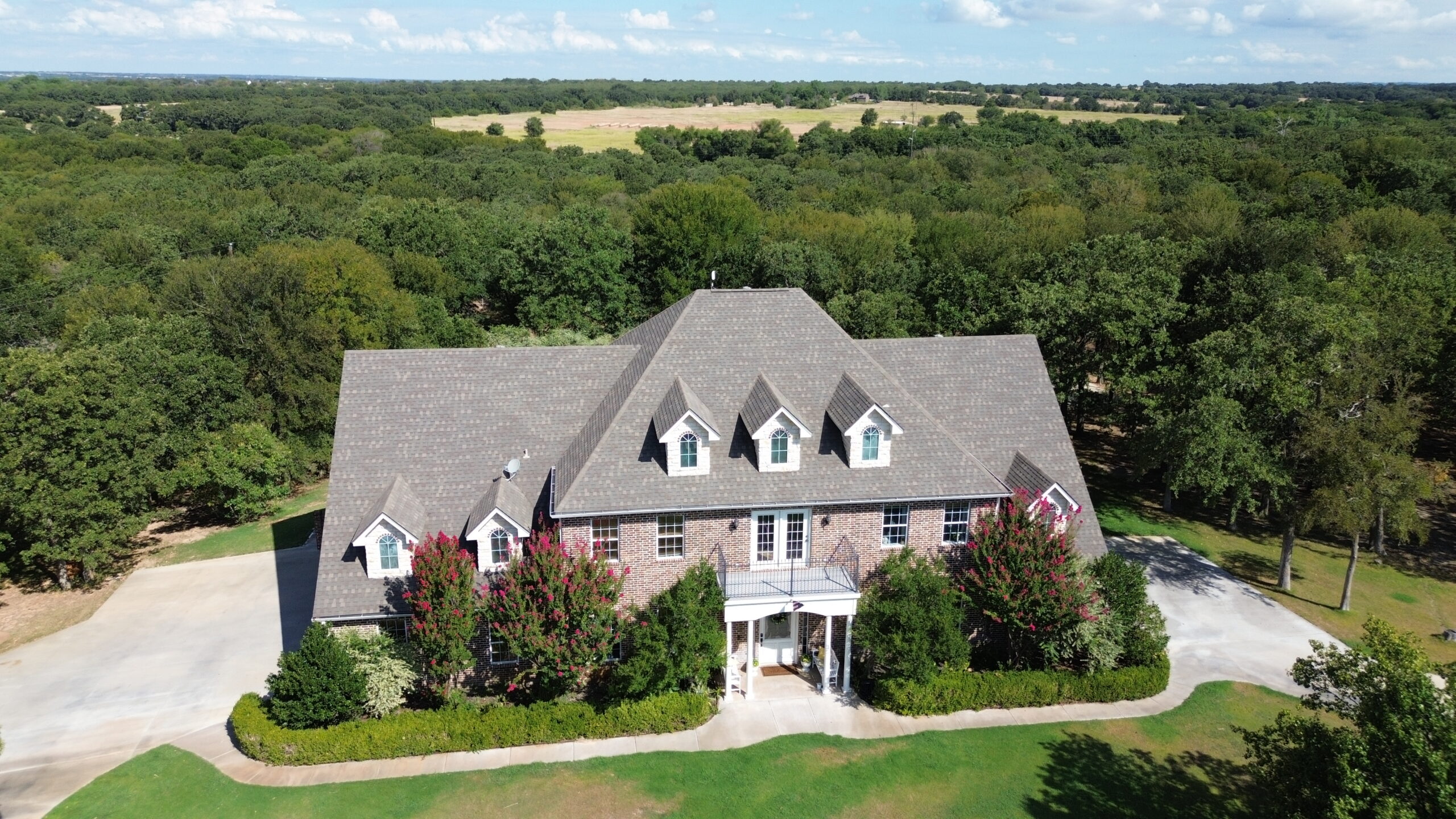
Asphalt shingles remain the most popular choice because they combine affordability with dependable performance. Available in numerous colors and styles, they complement a wide variety of architectural designs while providing reliable protection for decades when properly installed.
Architectural shingles offer improved durability compared to traditional three tab products. Their thicker construction provides greater resistance to wind and weather while enhancing the home’s overall appearance.
Metal roofing has become increasingly common because of its outstanding longevity and minimal maintenance requirements. Although installation costs are generally higher, many homeowners appreciate the long service life and excellent resistance to severe weather.
Clay and concrete tiles provide exceptional durability while adding distinctive character to a home’s exterior. They perform especially well in warm climates because they naturally resist heat and require relatively little maintenance once properly installed.
Slate roofing remains one of the most durable options available. With professional installation and proper maintenance, a slate roof may last for generations, making it one of the best long term investments despite its higher initial cost.
Synthetic roofing products continue growing in popularity as manufacturers develop materials that closely resemble natural slate, cedar, or tile. These alternatives often provide improved impact resistance while reducing structural weight.
Regardless of the material selected, installation quality remains just as important as the roofing product itself. Even the highest quality materials may fail prematurely if flashing, ventilation, underlayment, or fastening systems are installed incorrectly.
Homeowners should carefully compare manufacturer warranties, contractor workmanship guarantees, expected maintenance requirements, and projected lifespan before making their final decision. Looking beyond initial installation costs often results in greater long term value.
How to Prepare for Roof Replacement
Planning ahead makes the roof replacement process much more manageable. Homeowners who understand what to expect before work begins often experience fewer delays and better overall results.
The first step involves establishing a realistic budget. In addition to roofing materials and labor, homeowners should consider potential structural repairs, permit fees, disposal of old materials, upgraded ventilation, and any insulation improvements that may be recommended during the project.
Obtaining estimates from several qualified roofing contractors provides a better understanding of available materials, pricing, warranties, and project timelines. Comparing proposals carefully helps ensure that decisions are based on quality as well as cost.
Before signing a contract, homeowners should verify that the contractor carries appropriate licensing and insurance coverage. Reviewing customer references and previous projects also provides confidence that the company consistently delivers high quality workmanship.
Construction will temporarily affect daily routines. Roofing projects typically involve considerable noise, increased activity around the property, and delivery of materials. Preparing family members in advance helps minimize inconvenience during installation.
Weather conditions influence every roofing project. Contractors generally schedule replacement during periods of favorable weather to reduce installation risks and ensure roofing materials perform as intended.
After the project is complete, homeowners should request a final walkthrough with the contractor. Reviewing flashing, ventilation, gutters, cleanup, and warranty documentation helps confirm that every aspect of the installation has been completed properly.
Careful planning transforms roof replacement from a stressful emergency into a well organized home improvement project. A properly installed roof provides decades of dependable protection while enhancing the appearance and value of the property.
Maintenance Tips to Maximize the Life of Your New Roof
A new roof represents a significant investment, and proper maintenance helps ensure that investment lasts as long as possible. Regular care reduces unnecessary wear while allowing small issues to be corrected before they become expensive repairs.
The following maintenance practices can help extend the lifespan of a replacement roof.
- Schedule professional roof inspections every few years and after major storms.
- Clean gutters and downspouts regularly to prevent water buildup.
- Remove leaves, branches, and debris that trap moisture on the roof.
- Trim overhanging tree branches to reduce impact damage and debris accumulation.
- Repair damaged flashing or loose shingles as soon as they are discovered.
- Keep attic ventilation unobstructed to control heat and moisture.
- Inspect ceilings and attic spaces periodically for early signs of leaks.
- Avoid unnecessary foot traffic on the roof to reduce accidental damage.
Consistent maintenance not only extends the roof’s service life but also helps preserve manufacturer warranty coverage in many cases. Maintaining records of inspections and repairs creates a useful history that supports future maintenance decisions.
Small preventive measures performed throughout the year often eliminate the need for much larger repairs later. A little attention today can significantly increase the roof’s overall durability.
Conclusion
Every roof eventually reaches the end of its service life, but it rarely does so without providing clear warning signs along the way. Understanding these indicators allows homeowners to act before serious structural damage, costly water intrusion, or emergency repairs become unavoidable.
Throughout this guide, we examined the most common signs that a roof may have reached the end of its lifespan. Advanced age, widespread shingle deterioration, excessive granule loss, recurring leaks, structural sagging, flashing failure, biological growth, storm damage, rising interior moisture, and attic problems all provide valuable insight into the roof’s overall condition. While a single issue may sometimes be repaired, several warning indicators appearing together usually suggest that replacement is the more practical long term solution.
Replacing a roof before complete failure offers benefits that extend well beyond preventing leaks. A new roofing system improves energy efficiency, strengthens structural protection, enhances curb appeal, increases property value, and provides confidence that the home is prepared for future weather conditions. Rather than repeatedly investing in temporary repairs, homeowners can focus on a solution that delivers reliable performance for decades.
Routine inspections remain one of the most effective ways to monitor roof health throughout its lifespan. Professional evaluations identify developing issues early, allowing homeowners to make informed decisions based on the condition of the entire roofing system instead of reacting to unexpected emergencies.
Protecting a home begins with maintaining the structure that protects everything beneath it. By recognizing the warning indicators discussed in this article and responding promptly when they appear, homeowners can avoid unnecessary expenses, preserve the value of their property, and ensure their roof continues providing dependable protection for many years to come.