
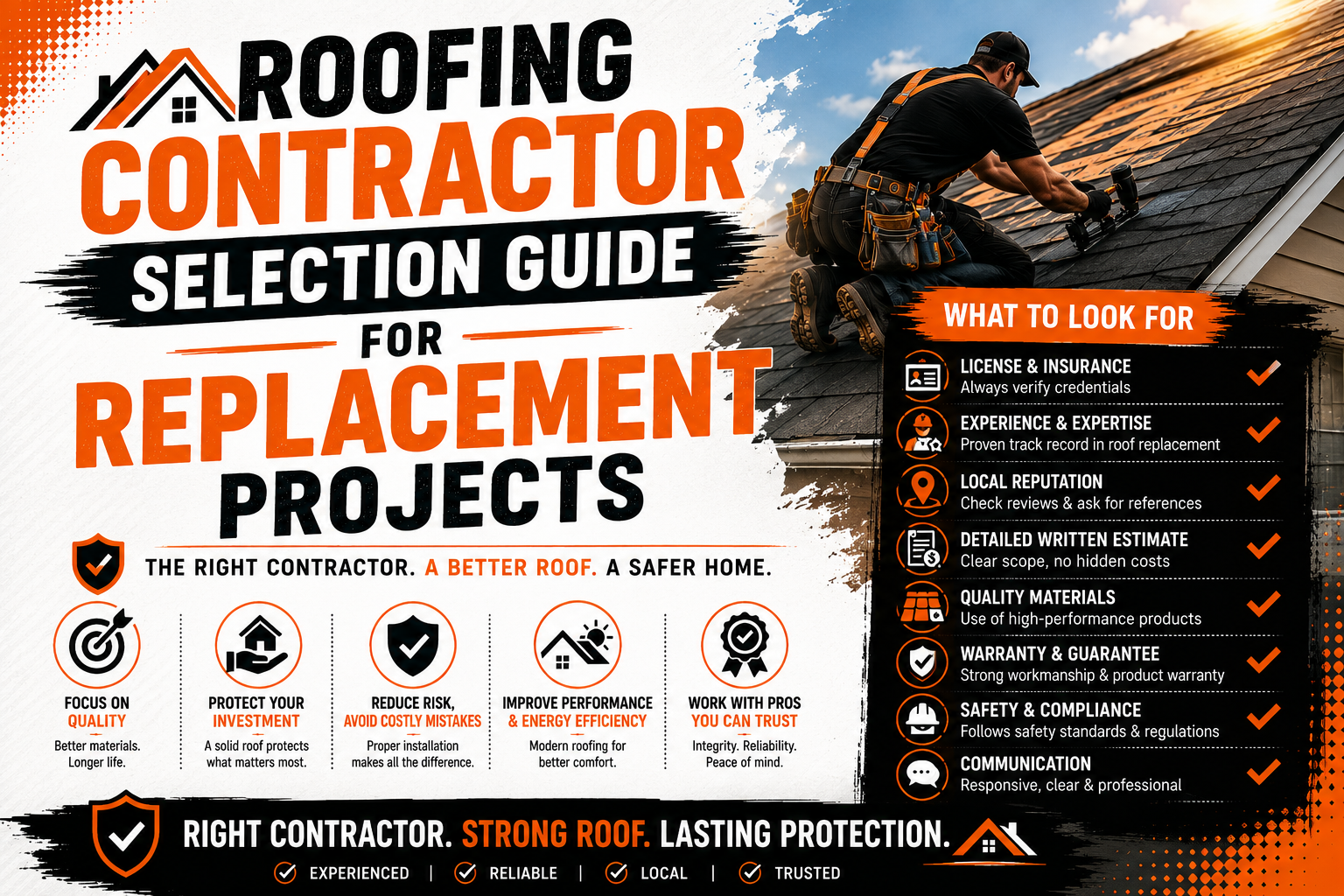
Roofing Contractor Selection Guide for Replacement Projects
Introduction
Replacing a roof is one of the most significant investments a homeowner can make, and the success of the project depends on much more than choosing quality roofing materials. Even the most durable shingles, metal panels, or underlayment systems cannot deliver their full performance if they are installed incorrectly. This makes selecting the right roofing contractor one of the most important decisions in the entire replacement process.
A professional roofing contractor brings more than technical skills to a project. Experienced contractors understand building practices, local regulations, weather considerations, safety standards, and manufacturer installation requirements. They coordinate every stage of the replacement process, from inspecting the existing roof to completing the final cleanup, ensuring that each component works together as a complete roofing system.
Unfortunately, homeowners often find contractor selection challenging because many companies offer similar services while using different pricing structures, warranties, materials, and installation methods. Choosing based solely on the lowest estimate may seem appealing, but poor workmanship can lead to leaks, structural damage, shortened roof lifespan, and costly repairs that far exceed any initial savings.
The contractor also serves as the primary point of communication throughout the replacement project. Clear planning, accurate scheduling, professional documentation, and responsive customer service all contribute to a smoother experience while reducing misunderstandings during construction. A reliable contractor helps homeowners understand available options and make informed decisions without unnecessary pressure.
Selecting the right roofing professional requires careful research rather than a quick comparison of prices. Homeowners should evaluate qualifications, experience, reputation, communication, and long term reliability before signing a contract. Investing time in this process helps protect both the home and the financial investment associated with roof replacement.
This guide explores the essential factors homeowners should consider when selecting a roofing contractor for a replacement project. Understanding these considerations helps reduce risk while improving the likelihood of a successful installation that provides dependable protection for many years.
Why Choosing the Right Roofing Contractor Matters
The roof protects every part of a home beneath it, making proper installation essential for long term structural performance. While high quality materials contribute significantly to durability, the contractor’s workmanship ultimately determines how effectively those materials perform throughout their expected lifespan.
Professional contractors understand that roof replacement involves much more than removing old shingles and installing new ones. Every project requires careful evaluation of the roof deck, flashing, ventilation, drainage, underlayment, and structural components before new materials are installed. Overlooking any of these elements can reduce the effectiveness of the completed roofing system.
Improper installation often creates problems that remain hidden for months or even years. Water may slowly penetrate around flashing, ventilation systems may perform poorly, or fasteners may fail under severe weather conditions. These issues can eventually damage insulation, ceilings, framing, and interior finishes while creating repair costs that exceed the savings gained from hiring an inexperienced contractor.
Experienced roofing professionals also understand manufacturer installation guidelines. Many roofing warranties depend upon products being installed according to specific requirements. Contractors who ignore these instructions may unintentionally reduce warranty protection or shorten the service life of the roofing system.
The contractor also influences project efficiency. Well organized companies coordinate material deliveries, workforce scheduling, inspections, and cleanup in ways that minimize disruption for homeowners. Good planning helps projects stay on schedule while maintaining consistent workmanship throughout every stage of construction.
Ultimately, selecting the right contractor protects more than the roof itself. It safeguards the home’s structural integrity, financial value, and long term reliability while giving homeowners confidence that the replacement project has been completed correctly.
Understanding the Scope of a Roof Replacement Project
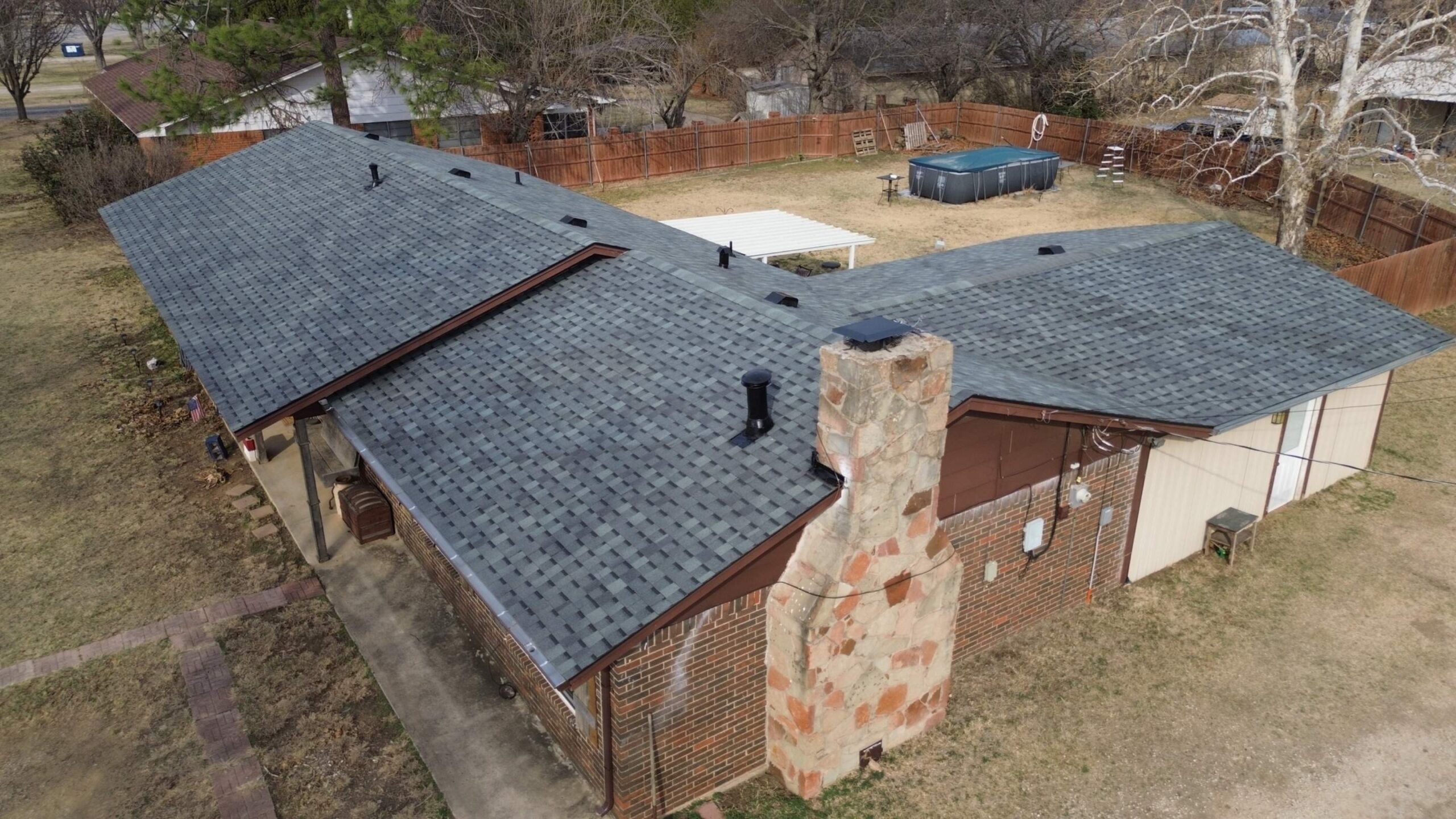
Many homeowners underestimate the complexity of roof replacement because they primarily notice the visible roofing materials. In reality, a complete replacement project involves numerous interconnected components that must function together to provide reliable weather protection and structural performance.
The process usually begins with a detailed roof inspection. Contractors evaluate the condition of existing roofing materials, flashing, underlayment, ventilation systems, gutters, roof decking, and structural supports. This assessment helps identify hidden problems that should be corrected before new materials are installed.
Once the old roof has been removed, the roof deck receives careful examination. Damaged or deteriorated wood is repaired or replaced to create a stable foundation for the new roofing system. Skipping this step can compromise the durability of the entire installation regardless of the quality of the roofing materials selected.
Modern roof replacement often includes improvements beyond simply replacing shingles. Contractors may upgrade ventilation systems, install advanced waterproof underlayments, improve flashing around chimneys and skylights, or recommend insulation enhancements that contribute to better energy efficiency.
Safety management also forms an important part of the project scope. Professional roofing companies establish procedures that protect workers, homeowners, landscaping, vehicles, and surrounding property throughout construction. Proper planning helps reduce accidents while maintaining an organized work environment.
Final inspections ensure that installation meets both manufacturer specifications and local building requirements where applicable. Cleanup is equally important because roofing replacement generates nails, old materials, packaging, and construction debris that should be removed thoroughly before the project is considered complete.
Understanding the full scope of roof replacement helps homeowners appreciate why contractor experience, planning, and attention to detail are just as important as the roofing materials themselves.
Qualities of a Professional Roofing Contractor
Professional roofing contractors distinguish themselves through consistent workmanship, ethical business practices, and strong customer service. While technical knowledge remains essential, homeowners should evaluate a combination of qualities that demonstrate long term reliability rather than focusing on only one aspect of the contractor’s business.
Experience is often one of the first characteristics homeowners consider. Contractors who have successfully completed numerous replacement projects typically possess greater familiarity with different roof designs, weather conditions, material types, and construction challenges. Their experience allows them to identify potential problems early and recommend practical solutions before installation begins.
Communication skills are equally important throughout the project. Professional contractors explain roofing options clearly, answer questions honestly, and provide realistic expectations regarding schedules, costs, and possible challenges. Homeowners benefit from knowing exactly what will happen at each stage of construction.
Reliability also plays a significant role. Established contractors arrive as scheduled, complete work within agreed timeframes whenever possible, and maintain regular communication if unexpected delays occur due to weather or material availability. Consistency helps reduce stress while building confidence throughout the project.
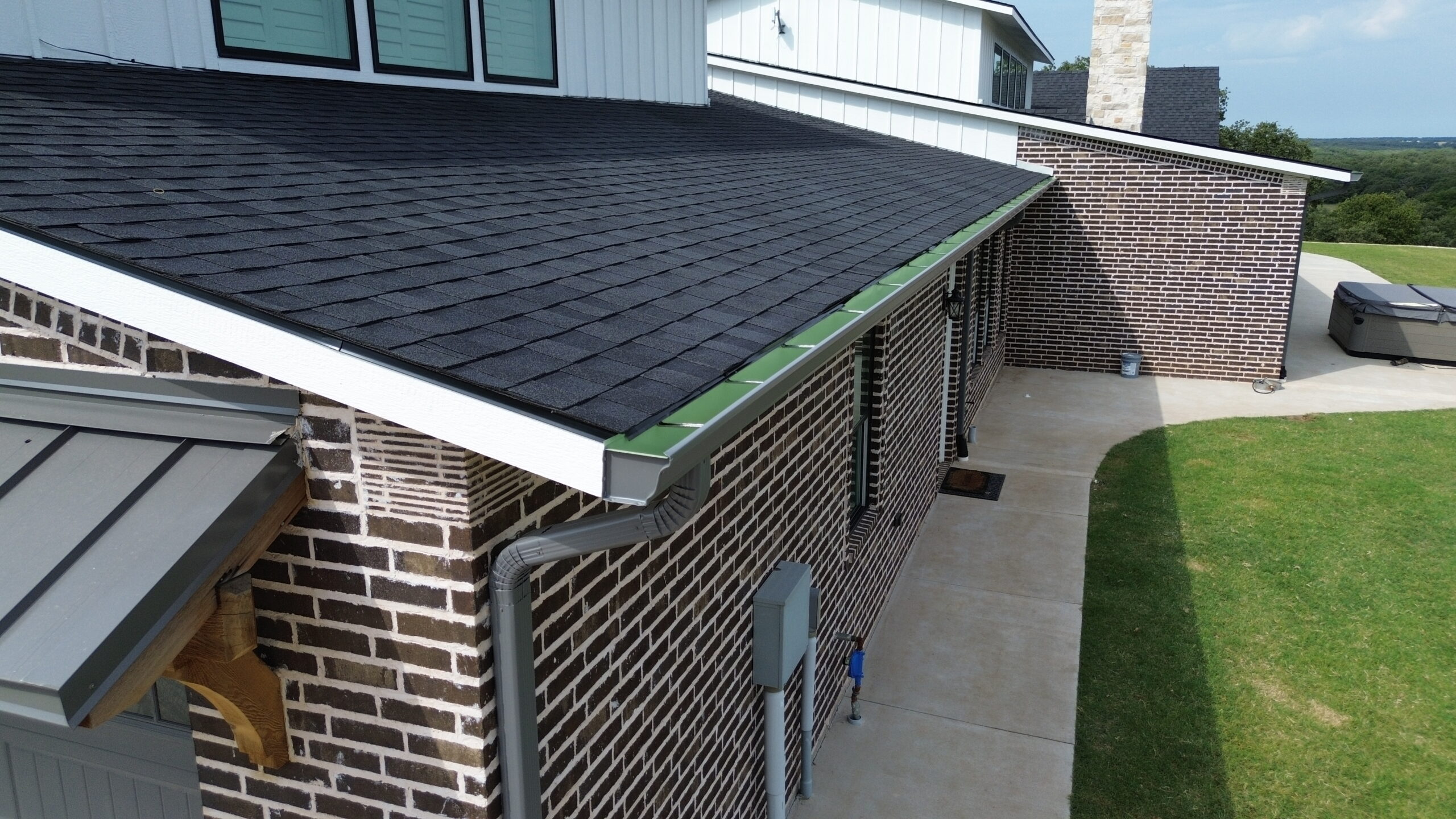
Attention to detail separates exceptional contractors from average installers. Careful workmanship around flashing, valleys, roof penetrations, ventilation systems, and drainage components contributes directly to long term roof performance. Small installation details often determine whether a roof performs effectively for decades or develops problems much sooner.
Professional appearance should not be overlooked either. Organized job sites, clean vehicles, identifiable uniforms, and respectful interactions with homeowners all reflect a company’s commitment to quality and customer satisfaction. These visible standards often indicate the level of care applied throughout the replacement project.
A contractor who combines technical expertise with professionalism, integrity, and dependable communication provides homeowners with a much stronger foundation for a successful roofing investment.
Verifying Licenses, Insurance, and Certifications
Before hiring any roofing contractor, homeowners should verify important qualifications that demonstrate legal compliance and professional responsibility. These credentials protect both the homeowner and the contractor while reducing risks associated with construction projects.
Licensing requirements vary depending on local regulations, but where licenses are required they generally indicate that the contractor has met certain legal or professional standards established by governing authorities. Homeowners should confirm that required licenses remain current and applicable to roofing work within their area.
Insurance coverage is equally important. Roofing projects involve significant physical risks due to working at heights, handling heavy materials, and using specialized equipment. Contractors should maintain appropriate insurance that protects workers as well as homeowners if accidents or property damage occur during construction.
Workers performing roof replacement should also receive appropriate safety training. Companies that invest in worker education often demonstrate greater commitment to professional standards while reducing the likelihood of workplace accidents.
Manufacturer certifications provide another valuable indicator of contractor qualifications. Many roofing manufacturers offer specialized training programs that teach proper installation techniques for their products. Contractors who complete these programs may gain access to enhanced warranty options while demonstrating familiarity with current installation standards.
Homeowners should not hesitate to request documentation verifying licenses, insurance coverage, or manufacturer certifications before signing a contract. Reputable contractors generally provide this information willingly because it reflects their professionalism and commitment to quality workmanship.
Verifying qualifications requires only a small amount of time but can prevent significant problems later. Proper credentials provide reassurance that the contractor operates responsibly while maintaining standards appropriate for major home improvement projects.
Experience and Specialization in Roof Replacement
Not every contractor who performs roofing work specializes in complete roof replacement. Some companies primarily focus on repairs, maintenance, or general construction, while others dedicate most of their business to full replacement projects. Understanding this distinction helps homeowners select contractors whose experience aligns with the complexity of the work being planned.
Roof replacement requires careful coordination between multiple construction activities. Contractors must evaluate structural conditions, remove existing materials safely, repair damaged decking, install modern waterproofing systems, and complete the roofing assembly according to manufacturer requirements. Companies performing these projects regularly often develop efficient procedures that improve both quality and project organization.
Experience with different roofing materials also deserves consideration. Asphalt shingles, metal roofing, tile, slate, and synthetic products each require specialized installation techniques. Contractors familiar with the selected material are better prepared to address challenges specific to that roofing system.
Local experience provides additional advantages. Contractors working regularly within the same region understand common weather patterns, building practices, and environmental conditions that influence roofing performance. This knowledge helps them recommend materials and installation methods appropriate for the local climate.
Long term business stability can also provide valuable reassurance. Contractors with established histories often have stronger supplier relationships, experienced employees, and proven customer service practices. Their continued presence within the community may also simplify future warranty support or maintenance needs.
Homeowners should ask contractors about similar replacement projects they have completed rather than focusing only on the total number of years the company has been operating. Relevant experience often provides more meaningful insight into the contractor’s ability to deliver successful results.
Selecting a contractor with substantial replacement experience helps reduce uncertainty while improving confidence that every stage of the roofing project will be managed professionally.
Evaluating Reputation Through Reviews and References
A contractor’s reputation often provides valuable insight into the quality of work homeowners can reasonably expect. While advertising materials naturally highlight positive aspects of a business, independent reviews and references offer perspectives based on actual customer experiences.
Online reviews can reveal recurring patterns regarding communication, workmanship, scheduling, cleanliness, and overall customer satisfaction. Rather than focusing on a single positive or negative comment, homeowners should evaluate broader trends that appear consistently across multiple reviews. Repeated praise for professionalism or repeated complaints about missed deadlines may provide useful information when comparing contractors.
References supplied by the contractor also deserve careful consideration. Speaking directly with previous customers allows homeowners to ask practical questions about project organization, responsiveness, workmanship, and whether the completed roof has performed well over time. These conversations often provide details that are not available through written reviews alone.
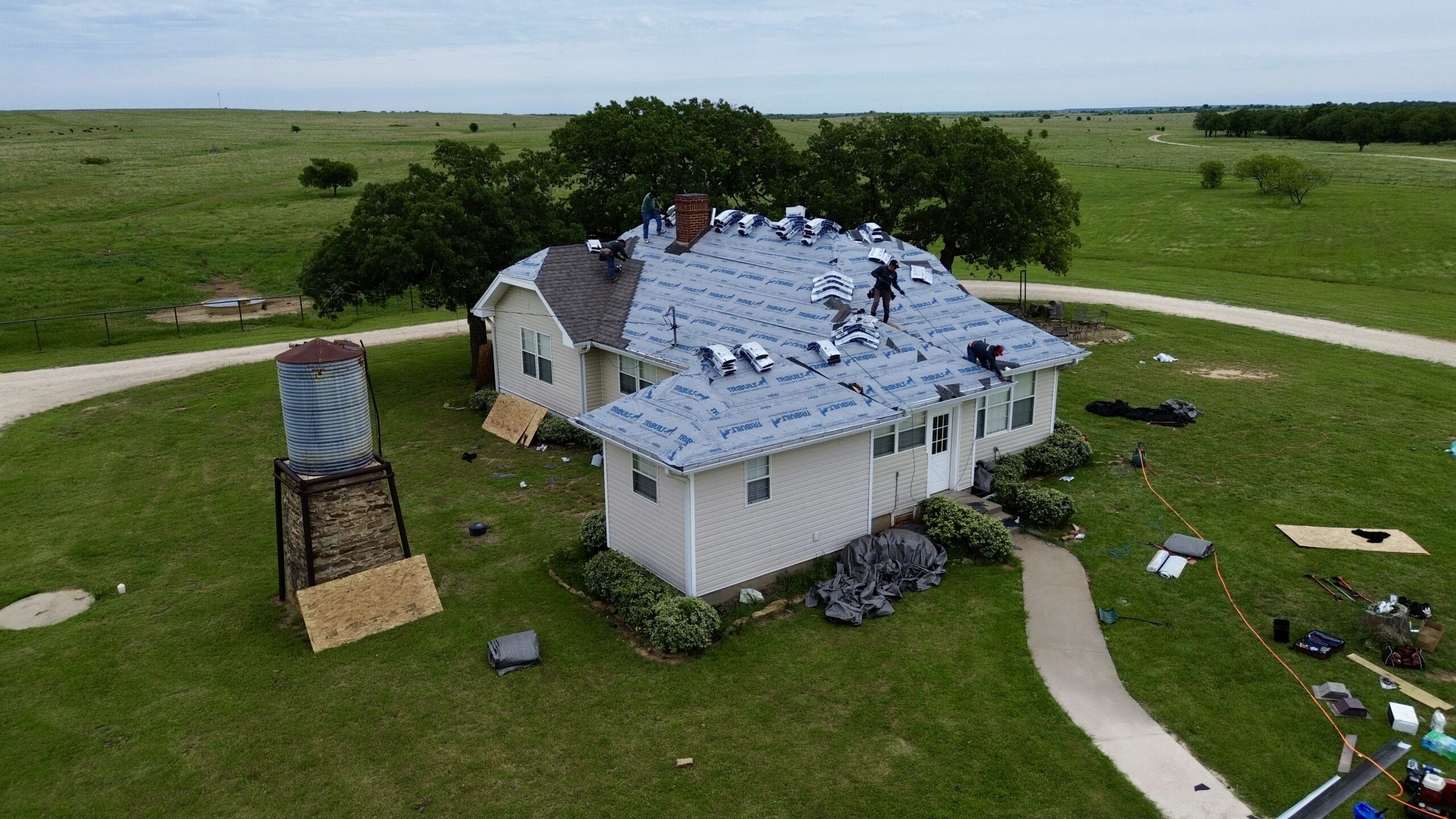
Photographs of completed projects can further demonstrate workmanship quality. Reviewing examples of roofs similar in size, style, or material helps homeowners evaluate attention to detail and overall installation quality. Some contractors may also provide addresses of completed projects where homeowners can observe roofing work from public areas.
Community reputation is another useful indicator. Contractors who have worked successfully within the same region for many years often develop relationships with suppliers, inspectors, and previous customers who recognize their commitment to quality. Consistent positive feedback over an extended period generally reflects dependable business practices.
No contractor will satisfy every customer perfectly, and occasional complaints can occur in any business. The important consideration is how the company responds to concerns, resolves problems, and maintains professional communication throughout the process.
Taking time to evaluate reputation through multiple sources helps homeowners make more informed decisions while reducing the likelihood of unpleasant surprises after construction begins.
Comparing Roofing Estimates and Proposals
Receiving multiple roofing estimates is an important part of selecting the right contractor, but the lowest price should never be the only deciding factor. Roofing proposals often differ in the materials included, installation methods, warranty coverage, project timelines, and additional services. Comparing these details carefully helps homeowners understand the true value of each proposal rather than focusing solely on cost.
A professional roofing estimate should clearly describe the scope of work. It should specify which roofing materials will be installed, whether damaged decking will be repaired if necessary, the type of underlayment and flashing to be used, ventilation improvements, cleanup procedures, and any additional work included in the project. Clear documentation reduces misunderstandings and helps ensure both parties have the same expectations.
Material quality can vary significantly between estimates even when contractors appear to be offering similar roofing systems. One proposal may include premium architectural shingles with enhanced warranties, while another uses more economical products with shorter expected lifespans. Understanding these differences allows homeowners to compare value rather than simply comparing prices.
Project timelines also deserve attention. Contractors should provide realistic estimates regarding the expected start date, project duration, and factors that could affect scheduling, such as weather conditions or material availability. A well organized schedule demonstrates careful planning and professional project management.
Payment terms should be explained clearly as well. Homeowners should understand deposit requirements, progress payments if applicable, and the final payment schedule. Transparent financial arrangements help establish trust while reducing confusion throughout the project.
Rather than choosing the contractor offering the lowest estimate, homeowners should evaluate which proposal provides the best combination of quality materials, experienced workmanship, comprehensive warranties, and dependable customer service.
Questions to Ask Before Hiring a Roofing Contractor
Asking detailed questions before signing a roofing contract helps homeowners evaluate professionalism, experience, and communication. Contractors who answer questions openly and confidently generally demonstrate greater transparency than those who avoid discussing important project details.
Homeowners should begin by asking about the contractor’s experience with complete roof replacement rather than only roof repairs. Replacement projects involve different challenges that require careful planning, structural evaluation, and coordination throughout every stage of construction.
It is also helpful to discuss the materials being recommended. Contractors should explain why certain roofing products are appropriate for the home’s design, climate, and long term maintenance goals instead of simply recommending the most expensive option available.
Questions regarding project supervision are equally valuable. Homeowners should understand who will manage daily operations, whether subcontractors will be involved, and how communication will be handled throughout the replacement process. Knowing who to contact if questions arise helps avoid unnecessary confusion.
Cleanup procedures should also be discussed before work begins. Roof replacement generates significant amounts of debris, including old shingles, nails, packaging materials, and damaged wood. Professional contractors should explain how debris will be removed and how landscaping, driveways, and surrounding property will be protected during construction.
Another important topic involves unexpected discoveries. Occasionally, contractors uncover hidden structural damage after removing the old roofing materials. Homeowners should ask how these situations are documented, how repair recommendations are presented, and how additional costs are approved before extra work begins.
Open communication during the planning stage often reflects how the contractor will manage the project after construction starts. Honest discussions create realistic expectations while helping homeowners feel confident in their hiring decision.
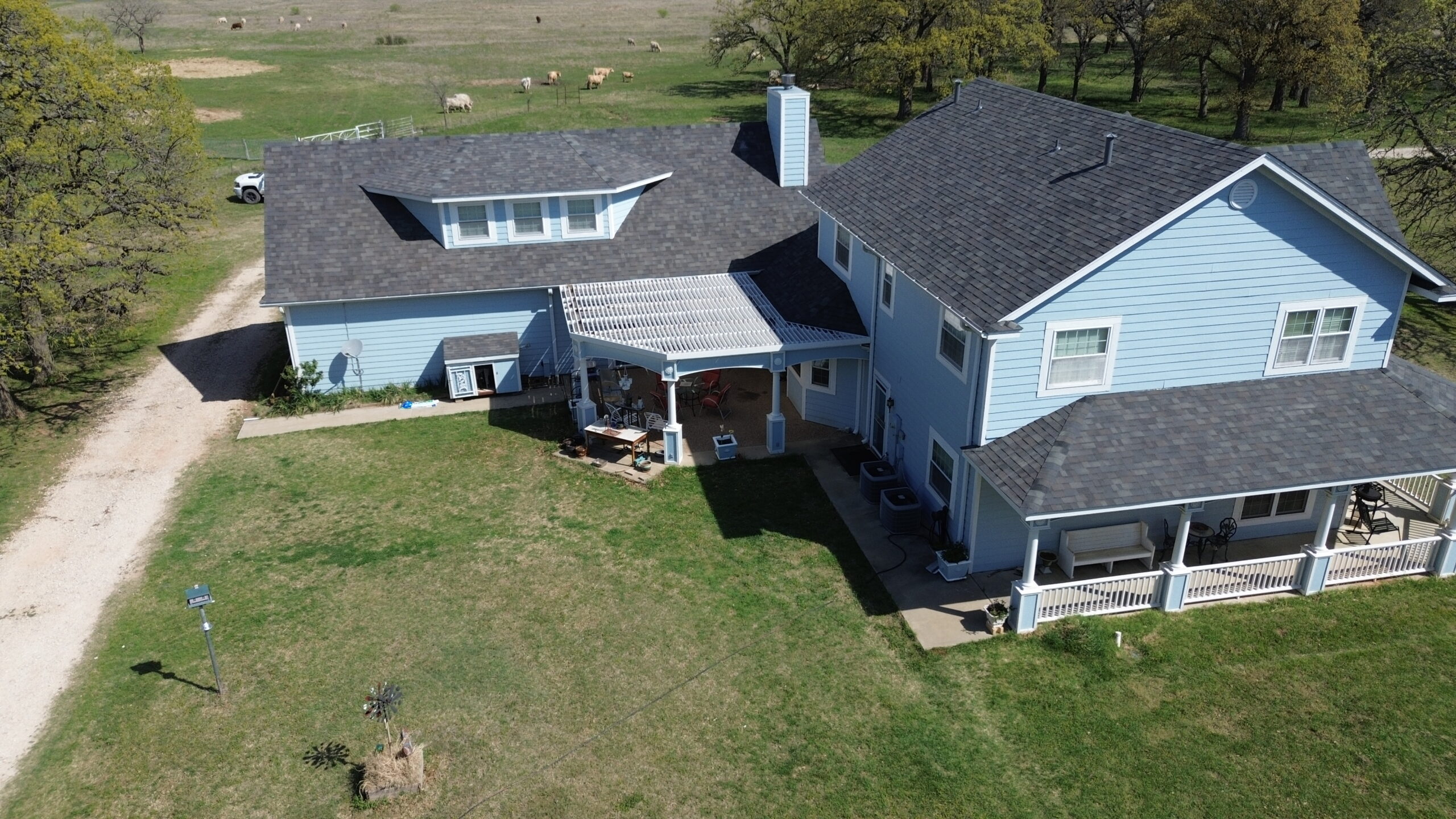
Understanding Roofing Warranties and Workmanship Guarantees
Roof replacement involves a substantial investment, making warranty protection an important part of the contractor selection process. Homeowners should understand that roofing warranties generally fall into two categories: manufacturer warranties covering roofing materials and workmanship warranties covering installation quality.
Manufacturer warranties protect against defects in roofing products under normal conditions. The length and scope of coverage vary depending on the materials selected and the manufacturer’s policies. Some warranties cover only replacement materials, while others may include additional benefits if products were installed according to approved procedures.
Workmanship warranties are provided by the roofing contractor and address installation quality rather than material defects. These warranties reflect the contractor’s confidence in their work and their willingness to correct installation related issues if problems arise after the project has been completed.
Homeowners should review warranty documents carefully instead of relying solely on verbal explanations. Understanding the duration of coverage, exclusions, maintenance requirements, and claim procedures helps avoid misunderstandings later. Written documentation provides greater clarity regarding both homeowner responsibilities and contractor obligations.
Transferability may also be important for homeowners planning to sell their property in the future. Some warranties can be transferred to new owners, potentially increasing buyer confidence and strengthening the home’s marketability.
Proper maintenance often plays a role in maintaining warranty coverage. Homeowners should ask whether routine inspections, gutter cleaning, or other maintenance activities are required to preserve warranty protection throughout the roof’s lifespan.
A comprehensive warranty package demonstrates both manufacturer confidence in the roofing materials and contractor confidence in the quality of their installation. Together, these protections provide valuable peace of mind following a major home improvement investment.
Communication and Project Management Expectations
Successful roof replacement depends not only on technical expertise but also on effective communication and organized project management. Homeowners who understand what to expect throughout the construction process are better prepared to make informed decisions while reducing unnecessary stress.
Professional contractors establish communication before work begins. They explain project schedules, anticipated delivery dates, work hours, weather related delays, and procedures for addressing unexpected issues. Clear expectations help homeowners prepare for construction activities while minimizing disruptions to daily routines.
Project management involves coordinating multiple activities simultaneously. Materials must arrive on time, workers need clear responsibilities, inspections should occur when required, and safety procedures must remain consistent throughout construction. Strong organization allows these tasks to proceed efficiently while maintaining quality workmanship.
Regular progress updates also contribute to positive customer experiences. Homeowners appreciate knowing what has been completed, what work remains, and whether any adjustments to the schedule have become necessary. Frequent communication helps prevent misunderstandings while reinforcing confidence in the contractor’s professionalism.
Unexpected situations occasionally arise during roof replacement. Hidden structural damage, weather interruptions, or material availability issues may require changes to the original plan. Professional contractors explain these circumstances promptly while discussing available solutions before additional work proceeds.
Documentation forms another important aspect of project management. Contracts, change orders, inspection reports, invoices, warranty information, and final project documentation should all be organized carefully. Accurate records protect both homeowners and contractors while providing valuable reference material for future maintenance or property sales.
Strong communication and organized project management transform roof replacement from a potentially stressful experience into a well coordinated process where homeowners remain informed from beginning to end.
Safety Standards and Professional Practices
Roof replacement is physically demanding work that involves significant safety risks. Working at heights, handling heavy materials, operating specialized equipment, and navigating changing weather conditions require careful planning and strict adherence to professional safety standards.
Experienced roofing contractors prioritize worker safety through training, protective equipment, and established job site procedures. Safety practices help reduce accidents while ensuring that work progresses efficiently without unnecessary interruptions.
Professional companies also take steps to protect homeowners and surrounding property. Construction areas should remain organized, access to hazardous work zones should be controlled, and vehicles, landscaping, windows, and outdoor furniture should be protected from falling debris whenever possible.
Weather monitoring forms another important safety practice. Professional contractors recognize when rain, high winds, lightning, or extreme temperatures create unsafe working conditions. Rather than rushing to meet schedules, they adjust project timelines when necessary to protect workers and maintain installation quality.
Proper material handling contributes to both safety and workmanship. Roofing materials should be stored securely, distributed appropriately across the roof structure, and protected from weather exposure before installation. Organized material management reduces waste while supporting efficient construction practices.
Cleanup is equally important from a safety perspective. Nails, roofing fragments, packaging materials, and construction debris should be removed thoroughly throughout the project rather than accumulating until the end. Magnetic sweepers are often used to collect loose nails from driveways, sidewalks, and lawns, helping protect residents, visitors, and vehicles after construction has been completed.
Professional safety standards reflect a contractor’s overall commitment to quality. Companies that emphasize safe working practices often demonstrate similar attention to detail throughout every aspect of the replacement project.
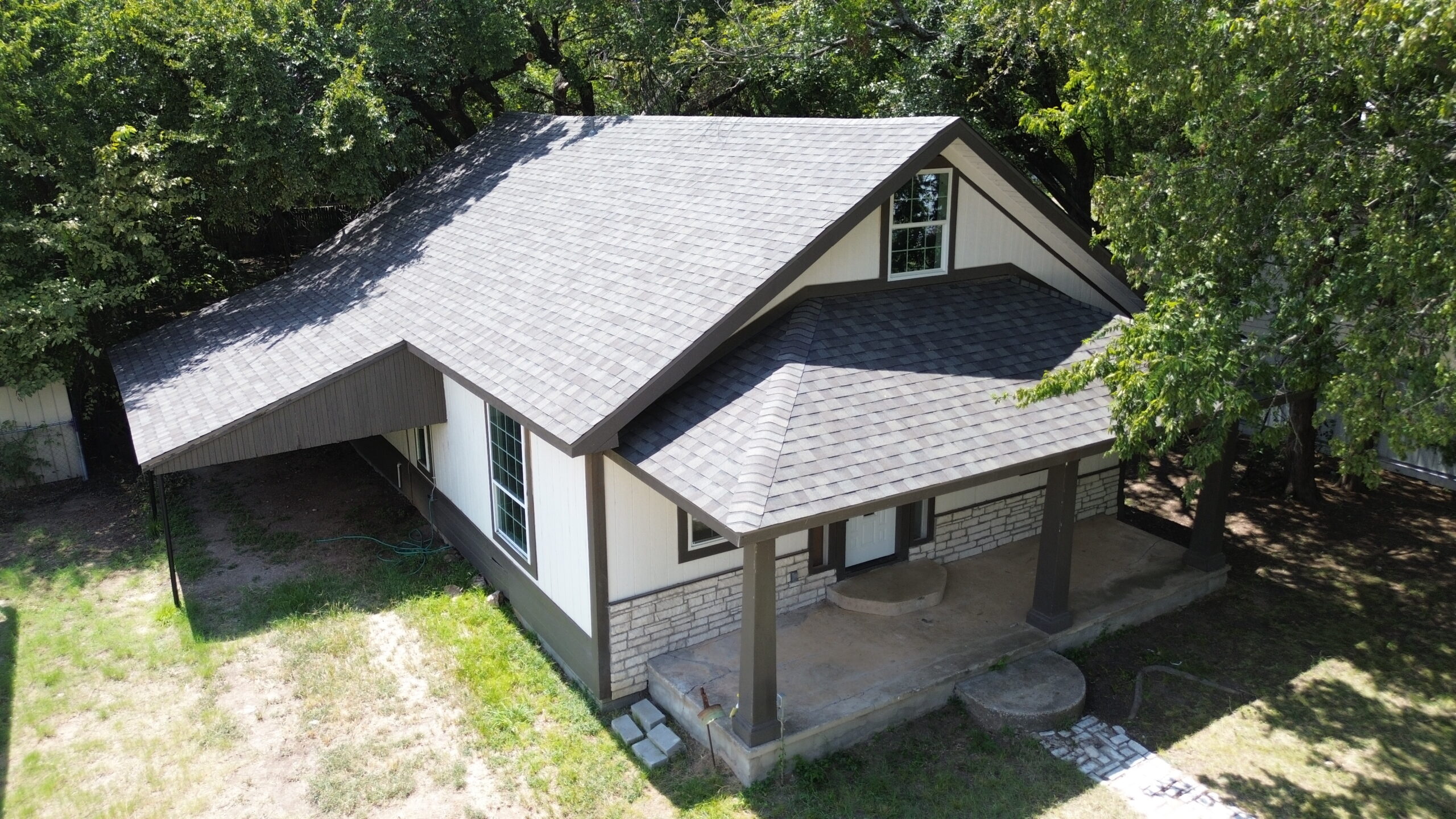
Comparing Professional Contractors and Unqualified Installers
Choosing between experienced roofing professionals and unqualified installers can significantly influence the outcome of a roof replacement project. Although lower prices may appear attractive initially, differences in workmanship, reliability, and long term performance often become apparent long after construction has been completed.
| Feature | Professional Roofing Contractor | Unqualified Installer |
|---|---|---|
| Experience | Extensive replacement project experience | Limited or inconsistent roofing experience |
| Licensing and Insurance | Maintains appropriate credentials where required | May lack proper documentation |
| Material Knowledge | Understands manufacturer installation requirements | Limited product knowledge |
| Communication | Provides detailed estimates and regular updates | Communication may be inconsistent |
| Warranty Support | Offers workmanship warranties and documentation | Warranty coverage may be limited or unavailable |
| Safety Practices | Follows established safety procedures | Safety standards may be inadequate |
| Long Term Reliability | Focuses on durable installation quality | May prioritize speed or lower costs |
The comparison demonstrates that professional contractors provide value extending far beyond installation itself. Their expertise, documentation, communication, and long term support help protect the homeowner’s investment while reducing the likelihood of future roofing problems.
While price remains an important consideration, evaluating contractors based on qualifications, reputation, and workmanship often results in greater long term satisfaction than selecting the lowest available bid.
Warning Signs to Watch Before Signing a Contract
Recognizing potential warning signs before hiring a roofing contractor can help homeowners avoid costly mistakes and disappointing project outcomes. Careful evaluation during the selection process reduces the likelihood of disputes, poor workmanship, or unfinished projects.
One warning sign is an estimate that is dramatically lower than all competing proposals. While competitive pricing is common, unusually low bids may indicate inferior materials, incomplete project scope, inadequate insurance, or unrealistic labor costs. Homeowners should understand exactly why one proposal differs significantly from others before making a decision.
Another concern involves contractors who pressure homeowners to sign contracts immediately without allowing sufficient time for comparison or consideration. Professional companies generally encourage informed decision making rather than relying on high pressure sales techniques.
Incomplete or vague written proposals should also raise questions. Contracts lacking detailed descriptions of materials, warranties, project scope, payment terms, or cleanup responsibilities increase the potential for misunderstandings once construction begins.
Poor communication during the estimation process may indicate future challenges as well. Contractors who consistently miss appointments, fail to return phone calls, or provide unclear answers before the project begins may continue demonstrating similar behavior throughout construction.
Requests for unusually large upfront payments should also be evaluated carefully. Payment schedules should reflect reasonable project milestones rather than requiring homeowners to assume unnecessary financial risk before work has started.
Finally, homeowners should be cautious if contractors hesitate to provide references, proof of insurance, warranty information, or documentation supporting their qualifications. Reputable professionals generally provide this information openly because it demonstrates their credibility and commitment to quality.
By recognizing these warning signs early, homeowners place themselves in a stronger position to select qualified roofing contractors who prioritize professionalism, transparency, and dependable workmanship.
Preparing for a Successful Roofing Project
Once the right roofing contractor has been selected, homeowners can take several steps to help ensure the replacement project proceeds smoothly. Good preparation improves communication, reduces unnecessary delays, and allows both the contractor and homeowner to focus on completing the installation efficiently and safely.
The first step is reviewing the contract carefully before work begins. Every detail regarding materials, project scope, payment schedule, estimated timeline, warranties, and cleanup responsibilities should be understood by both parties. Clarifying questions before construction starts is much easier than resolving misunderstandings after work is already underway.
Preparing the property is equally important. Vehicles should be moved away from the work area, outdoor furniture should be protected or relocated, and fragile landscaping features should be identified so contractors can avoid accidental damage whenever possible. Creating clear access to the property also allows material deliveries and equipment to be handled more efficiently.
Homeowners should also discuss daily work schedules with the contractor. Knowing when crews will arrive, how long they expect to work each day, and whether weather conditions might affect progress helps everyone plan accordingly. Clear expectations reduce uncertainty throughout the replacement process.
Interior preparation should not be overlooked. Vibrations caused by roof replacement may affect items hanging on walls or stored in attic spaces. Removing delicate decorations and covering valuable belongings stored in the attic can help prevent accidental damage during construction.
Maintaining open communication from the beginning creates a positive working relationship. Homeowners who understand the project schedule and contractors who understand homeowner expectations are more likely to complete the project successfully while minimizing unnecessary stress.
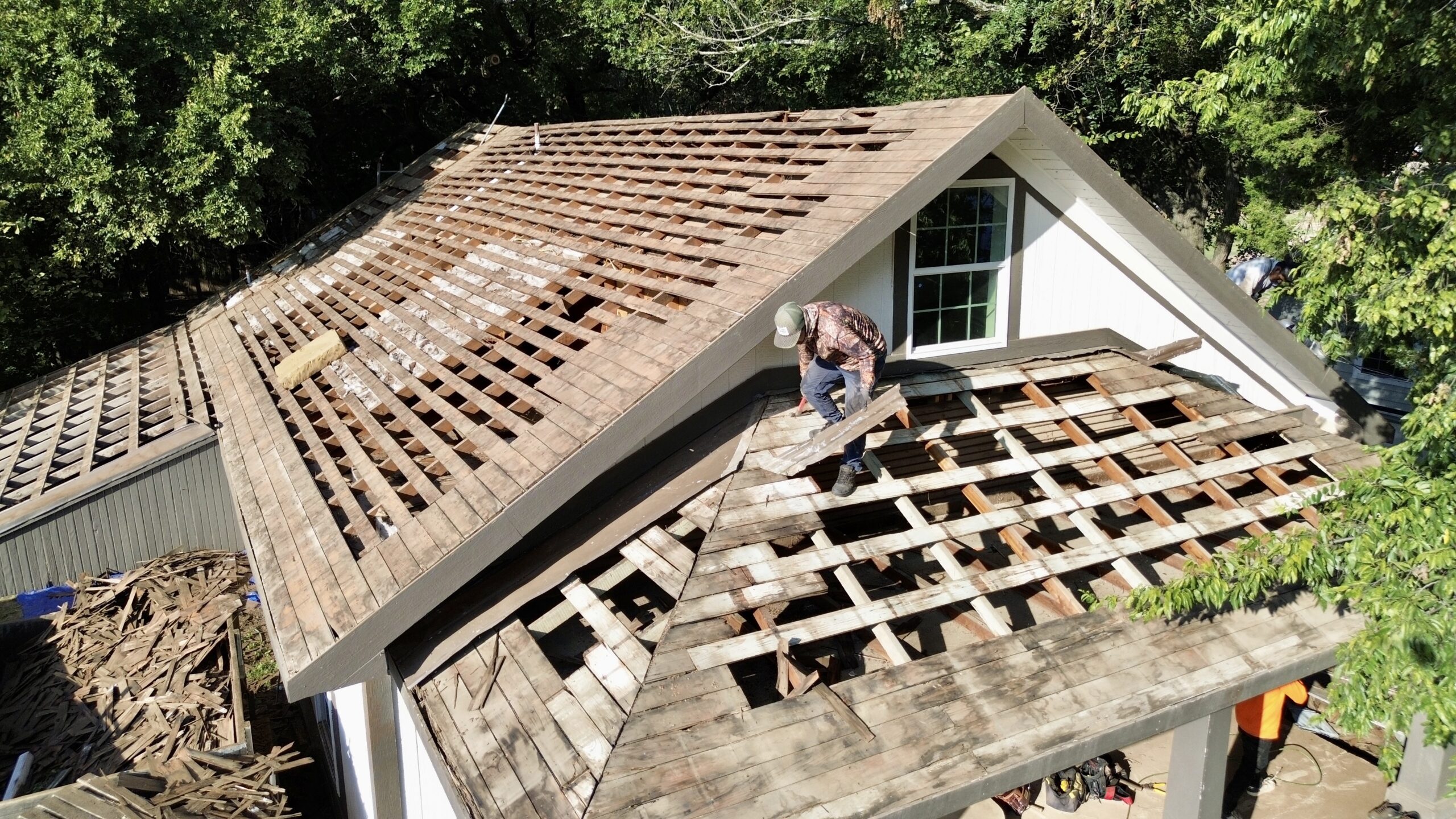
Building a Positive Relationship with Your Contractor
Roof replacement projects often last several days and involve regular interaction between homeowners and contractors. Establishing a respectful and cooperative relationship contributes to better communication, faster problem solving, and a more positive experience for everyone involved.
Trust begins with honesty. Homeowners should communicate any concerns, preferences, or scheduling limitations before work starts rather than waiting until construction is already in progress. Likewise, professional contractors should explain project developments openly, including any unexpected challenges that may arise.
Respecting agreed communication methods also helps maintain efficiency. Some contractors prefer daily meetings, while others provide updates through phone calls, emails, or text messages. Following the established communication plan helps ensure important information reaches everyone promptly.
Flexibility is sometimes necessary because roofing projects depend heavily on weather conditions. Rain, strong winds, or extreme temperatures may require schedule adjustments to protect both workers and roofing materials. Understanding these circumstances allows homeowners to remain patient when legitimate delays occur.
Constructive discussions are more productive than emotional reactions if unexpected issues arise. Hidden structural damage, additional repairs, or temporary scheduling changes occasionally become unavoidable during roof replacement. Addressing these situations calmly encourages collaborative solutions that benefit both parties.
Showing appreciation for quality workmanship also strengthens professional relationships. Contractors who feel respected often take additional pride in delivering excellent results, while homeowners benefit from positive communication throughout the project.
A successful roofing project is built on cooperation as much as technical expertise. Mutual respect, honest communication, and shared expectations create an environment where quality work can be completed efficiently and professionally.
Mistakes Homeowners Make When Choosing Contractors
Even homeowners who spend considerable time researching roofing companies can sometimes make decisions that reduce the overall success of their replacement project. Recognizing common mistakes helps avoid unnecessary expenses, delays, and dissatisfaction.
One of the most common mistakes is selecting a contractor based entirely on the lowest price. While controlling costs is important, unusually inexpensive proposals may involve lower quality materials, incomplete project scope, inexperienced workers, or limited warranty protection. Value should always be evaluated alongside price.
Another mistake involves skipping background research. Some homeowners accept verbal promises without reviewing references, reading customer feedback, or verifying qualifications. Taking time to investigate a contractor’s reputation often provides valuable insight into workmanship and customer service.
Failing to read the contract carefully is another avoidable error. Every detail regarding materials, payment schedules, project timelines, warranties, and responsibilities should be understood before signing. Assumptions can easily lead to disagreements if expectations differ later.
Some homeowners also hesitate to ask questions because they worry about appearing unfamiliar with roofing terminology. Professional contractors expect questions and should be willing to explain technical information clearly. Asking questions demonstrates responsible decision making rather than lack of knowledge.
Waiting until the roof has developed severe problems before beginning contractor research can also limit available options. Emergency situations often require faster decisions, reducing the opportunity to compare multiple proposals carefully.
Finally, overlooking communication quality during the selection process may create future frustrations. Contractors who communicate clearly before the project begins are generally more likely to maintain consistent communication throughout construction.
Avoiding these common mistakes helps homeowners select contractors who provide dependable workmanship, transparent communication, and long term support after the replacement has been completed.
How to Evaluate Completed Roofing Work
When the roof replacement is finished, homeowners should perform a careful review of the completed project before considering the work fully complete. This final evaluation helps confirm that the roofing system has been installed according to the agreed specifications and that any remaining concerns are addressed promptly.
The first step is conducting a walkthrough with the contractor. This provides an opportunity to review completed work together while discussing any questions regarding installation, warranties, maintenance, or future inspections. Contractors can explain important roofing features that homeowners may not immediately recognize.
Exterior appearance is one aspect of the evaluation. Roofing materials should appear uniform, roof lines should remain straight, flashing should fit securely around roof penetrations, and ridge components should align properly. While homeowners are not expected to identify every technical detail, obvious inconsistencies deserve discussion before final payment.
Cleanup should also receive careful attention. Professional roofing companies remove discarded materials, packaging, damaged wood, and other construction debris from the property. Driveways, sidewalks, lawns, flower beds, and surrounding areas should be inspected carefully to ensure loose nails and roofing fragments have been collected thoroughly.
Homeowners should verify that all agreed documentation has been provided before the project officially concludes. This typically includes warranty information, invoices, maintenance recommendations, product specifications, and any required inspection approvals where applicable.
Photographing the completed roof can also be beneficial. These images create a useful record of the roof’s condition immediately after installation and may support future warranty claims, insurance documentation, or property maintenance records.
A thorough final evaluation gives homeowners confidence that the replacement project has been completed professionally while ensuring that any remaining concerns are resolved before the contractor leaves the job site.
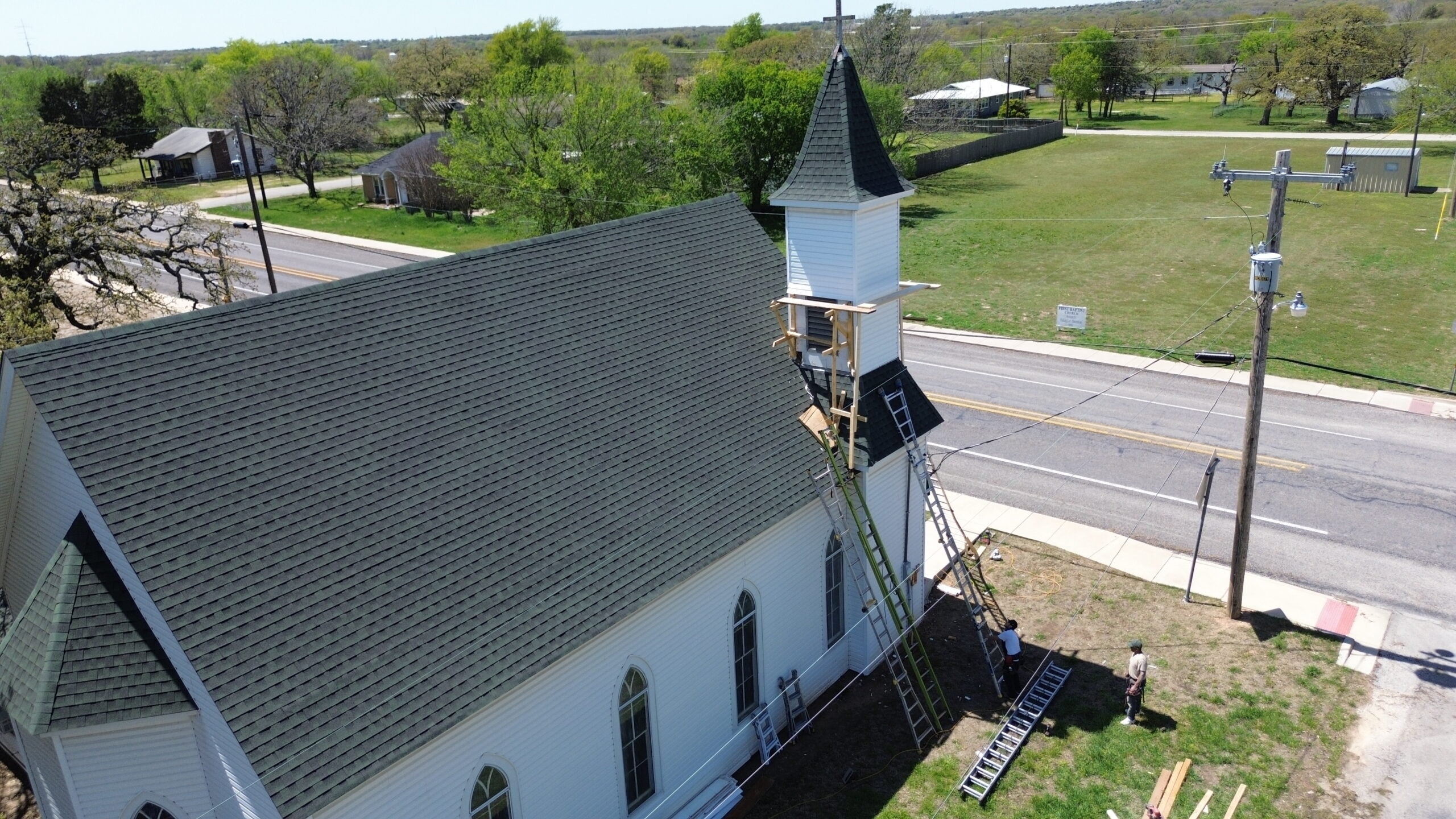
Long Term Benefits of Hiring the Right Contractor
Selecting the right roofing contractor provides advantages that extend far beyond the completion of the replacement project. While quality workmanship is the most immediate benefit, many long term advantages become increasingly valuable throughout the roof’s lifespan.
Proper installation contributes directly to roof durability. Correct flashing placement, secure fastening, effective ventilation, and careful waterproofing help roofing materials perform according to their intended design. As a result, homeowners often experience fewer repairs and longer service life compared with roofs installed improperly.
Reliable contractors also provide valuable support after construction has been completed. Questions regarding maintenance, warranties, inspections, or future repairs can often be answered more efficiently when homeowners have an established relationship with the company that performed the original installation.
Financial value represents another important long term benefit. A professionally installed roof may reduce repair expenses, improve energy efficiency, strengthen buyer confidence during future property sales, and support insurance documentation if severe weather affects the home.
Professional workmanship also contributes to peace of mind. Homeowners can feel confident knowing that one of the home’s most important structural components has been installed according to recognized standards rather than worrying about hidden defects or installation shortcuts.
Documentation provided by reputable contractors remains valuable for many years. Warranty records, invoices, maintenance recommendations, and material information help support future inspections, insurance claims, refinancing applications, or property transactions.
Hiring the right contractor should therefore be viewed as an investment rather than simply a construction expense. The quality of the contractor’s work influences the roof’s performance, maintenance requirements, and overall value throughout its entire service life.
Essential Steps Before Hiring a Roofing Contractor
Careful preparation before signing a contract helps homeowners make informed decisions while reducing unnecessary risks. Following a structured selection process increases the likelihood of choosing a contractor who delivers dependable results.
- Inspect the current roof and determine whether complete replacement is necessary.
- Research multiple roofing contractors with experience in replacement projects.
- Verify licenses, insurance, certifications, and professional qualifications where applicable.
- Request detailed written estimates from several contractors.
- Compare materials, warranties, timelines, and project scope rather than price alone.
- Review customer references, online feedback, and examples of completed work.
- Read the contract carefully before signing and clarify any unclear terms.
- Confirm communication procedures, payment schedules, and project expectations before construction begins.
Following these steps helps homeowners approach contractor selection methodically while reducing the likelihood of costly mistakes during the replacement process.
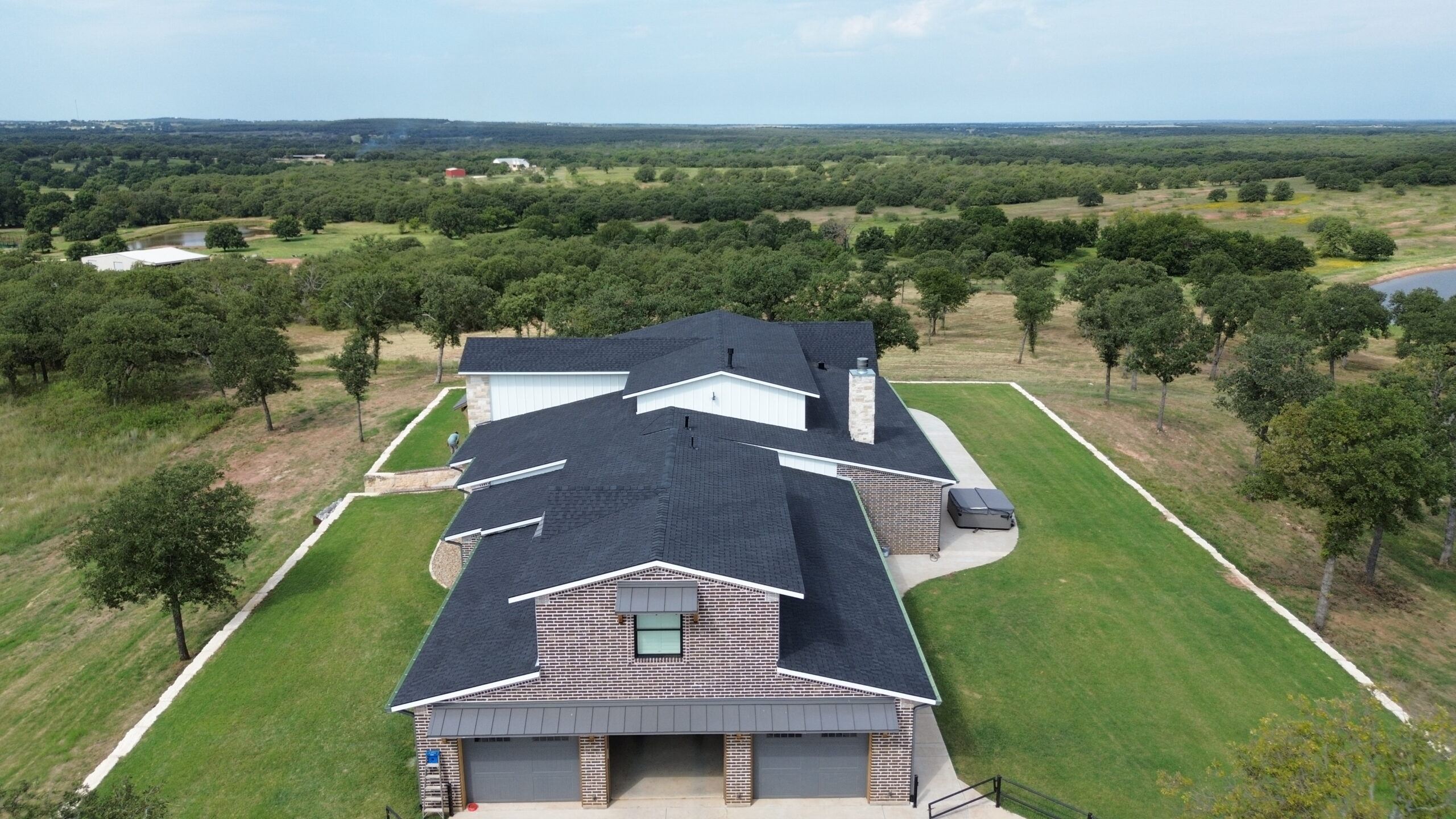
Ongoing Maintenance After Roof Replacement
A newly installed roof provides dependable protection, but regular maintenance remains essential for preserving its performance throughout the expected lifespan. Even the highest quality roofing materials benefit from routine care and periodic professional inspections.
Recommended maintenance practices include:
- Schedule roof inspections after major storms and at regular intervals.
- Keep gutters and downspouts clean to maintain effective drainage.
- Remove leaves, branches, and debris from the roof surface.
- Trim nearby trees to reduce the risk of falling limbs damaging roofing materials.
- Address minor repairs promptly before they become larger problems.
- Maintain records of inspections, maintenance, and warranty documentation.
Consistent maintenance protects the homeowner’s investment while helping the roofing system continue performing as designed for many years after installation.
Conclusion
Selecting the right roofing contractor is one of the most important decisions homeowners make during a roof replacement project. While quality materials contribute to durability and performance, professional installation ultimately determines how effectively those materials protect the home over the coming decades.
Throughout the selection process, homeowners should evaluate much more than price. Experience, qualifications, communication, workmanship, safety practices, warranties, and reputation all play essential roles in identifying contractors capable of delivering dependable results. Taking time to compare proposals carefully and verify credentials helps reduce risk while increasing confidence in the final decision.
A successful roofing project also depends on preparation and cooperation. Clear communication, realistic expectations, organized documentation, and mutual respect between homeowners and contractors create an environment where quality work can be completed efficiently and professionally. These factors contribute not only to a smoother construction experience but also to stronger long term relationships that remain valuable for future maintenance and support.
The benefits of hiring the right contractor continue long after construction has been completed. Proper installation improves roof lifespan, reduces maintenance concerns, protects property value, and provides lasting peace of mind. When homeowners approach contractor selection thoughtfully and prioritize professionalism over short term savings, they make an investment that strengthens both the roof and the overall value of their home for many years to come.