
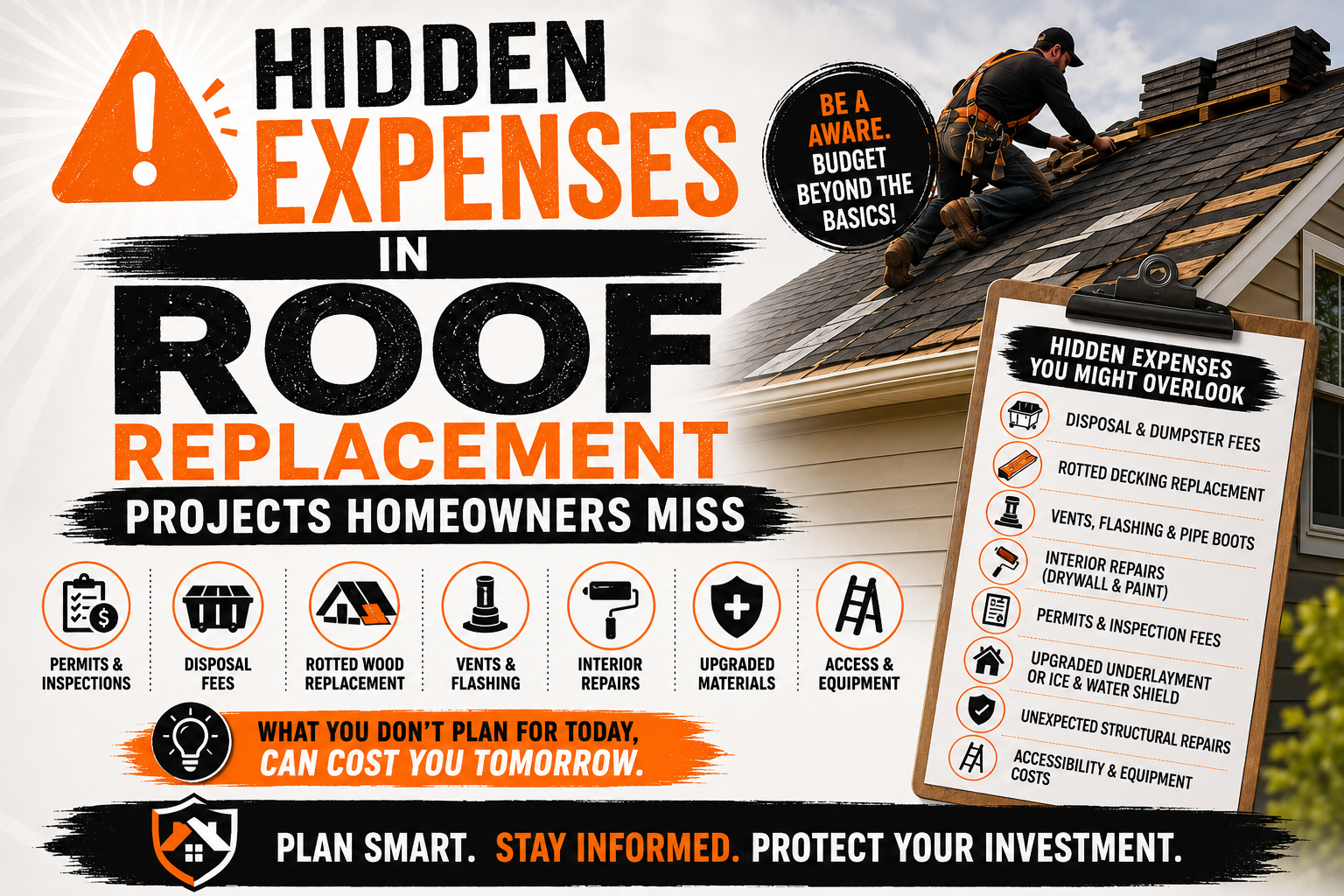
Hidden Expenses in Roof Replacement Projects Homeowners Miss
Introduction
Replacing a roof is one of the most significant investments homeowners make to protect their property. While many people expect to pay for new roofing materials and labor, they are often surprised when additional expenses appear during the project. These hidden costs are not always the result of poor planning or dishonest contractors. In many cases, they arise because important parts of the roofing system remain concealed until the old roof has been removed.
A roofing estimate is usually prepared after a visual inspection of the existing roof. Although experienced contractors can identify many potential issues, some problems simply cannot be seen without exposing the roof structure. Moisture damage, deteriorated decking, hidden leaks, and structural decay often remain hidden beneath shingles for many years.
Many homeowners create budgets based only on the initial estimate without allowing room for unexpected repairs. When hidden damage is discovered during construction, the project budget may increase as contractors repair problems that are essential for the safety and performance of the new roof. Understanding these possibilities helps homeowners prepare financially before work begins.
Hidden expenses should not always be viewed as unnecessary costs. Many of these repairs protect the home’s structural integrity and prevent much larger problems from developing in the future. Addressing them during roof replacement is usually more cost effective than postponing repairs until significant damage has already occurred.
A detailed roofing proposal reduces surprises by explaining which items are included in the contract and identifying costs that may arise if hidden damage is discovered. Homeowners who understand these possibilities can compare estimates more accurately and avoid misunderstandings during construction.
This guide explains the most common hidden expenses associated with residential roof replacement projects. By understanding where these additional costs originate, homeowners can build realistic budgets and make confident decisions throughout the replacement process.
Why Roof Replacement Estimates Can Change
Many homeowners expect the original roofing estimate to remain unchanged throughout the project. While this is often possible on roofs in good condition, some replacement projects reveal hidden problems that could not be identified during the initial inspection. These discoveries may require adjustments to the overall project cost.
Roofing contractors generally prepare estimates based on visible conditions. They evaluate roofing materials, measure the roof, inspect flashing, examine attic spaces when accessible, and look for signs of moisture damage. However, much of the roofing system remains hidden beneath existing shingles and underlayment.
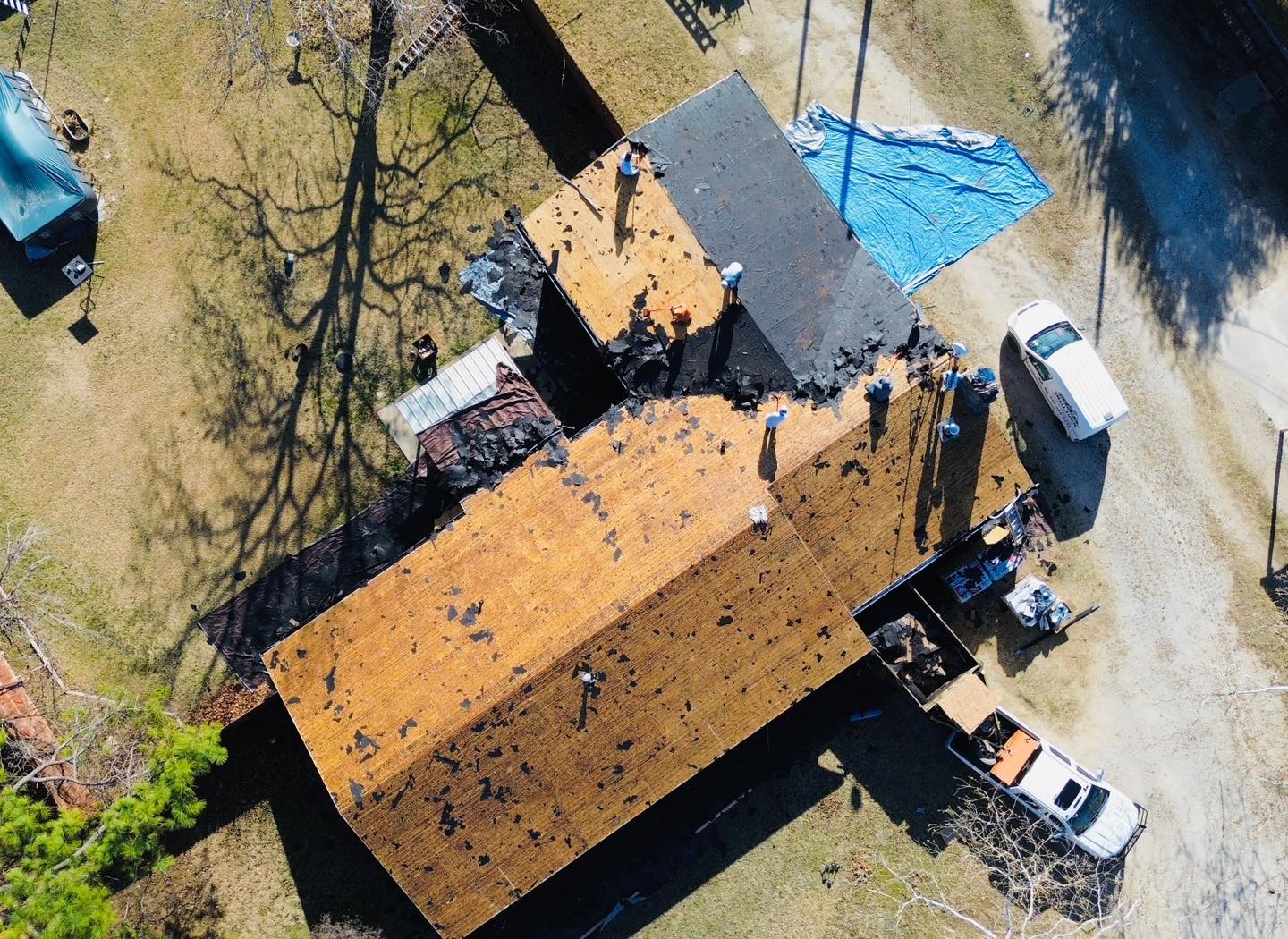
Once the old roof is removed, contractors gain access to the roof decking and supporting structural components. This is often the first opportunity to inspect these materials closely. If damage is discovered, repairs usually need to be completed before installing the new roof.
Moisture-related deterioration is one of the most common reasons estimates change. Water entering through aging roofing materials may weaken roof decking or structural framing without creating obvious interior symptoms. These problems often remain hidden until construction begins.
Building code requirements may also influence project costs after work starts. Local regulations occasionally require ventilation upgrades, flashing improvements, fastening methods, or underlayment changes that become necessary once the roofing system is exposed.
Material availability can sometimes affect pricing as well. If originally selected products become temporarily unavailable, homeowners may choose alternative materials that differ slightly in cost. Careful planning usually minimizes this possibility but cannot eliminate it entirely.
Professional roofing contractors communicate openly whenever unexpected conditions are discovered. They typically explain the problem, discuss available repair options, and provide updated pricing before additional work proceeds. This transparent approach helps homeowners make informed decisions while avoiding unnecessary confusion.
Understanding why estimates occasionally change allows homeowners to prepare realistic budgets instead of assuming every roofing project will proceed exactly as originally planned.
Roof Tear-Off and Disposal Costs
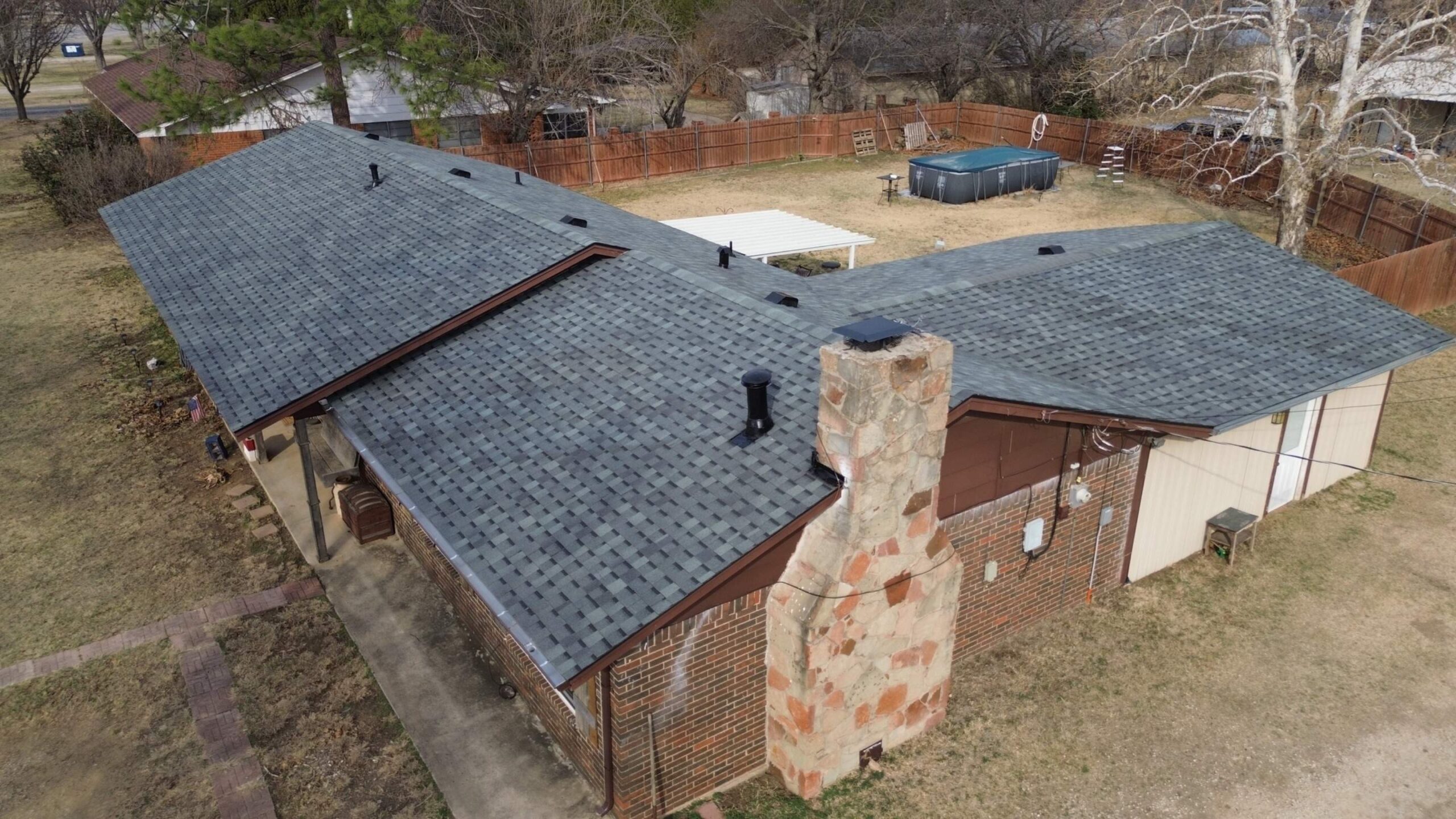
Removing the existing roof is one of the first steps in a complete roof replacement project. Although homeowners often focus on the cost of installing new roofing materials, the removal and disposal of old materials also represent a significant portion of the overall budget.
Roof tear-off involves much more than simply removing shingles. Roofing crews carefully strip away shingles, underlayment, flashing, nails, ridge components, and other materials until the roof decking is fully exposed. This process requires considerable labor while generating large amounts of construction debris.
Larger roofs naturally produce more waste because they contain greater quantities of roofing materials. Homes with multiple roofing layers require even more labor because every layer must usually be removed before the new roof can be installed correctly.
Waste disposal contributes additional expenses that many homeowners overlook during budgeting. Roofing contractors typically rent dumpsters or use hauling services to transport debris to approved disposal facilities. Landfill charges and transportation costs vary depending on local regulations and the amount of material removed.
Certain roofing materials create higher disposal expenses because of their weight. Slate, clay tile, and concrete roofing require more specialized handling than standard asphalt shingles, increasing transportation and disposal costs.
Some communities encourage recycling of roofing materials where facilities are available. Asphalt shingles, metal roofing, and other recyclable materials may reduce landfill waste, although recycling programs vary by location and may involve separate processing costs.
Property protection is another important part of roof tear-off. Contractors often install protective coverings around landscaping, windows, outdoor equipment, and driveways before removal begins. These precautions help prevent accidental damage during construction and contribute to the overall project cost.
Although tear-off and disposal expenses are sometimes overlooked during initial budgeting, they provide important long-term benefits. Removing the existing roof allows contractors to inspect hidden structural components while ensuring the new roofing system is installed on a solid and dependable foundation.
Unexpected Roof Decking Replacement
Roof decking forms the structural surface that supports the entire roofing system. Hidden beneath shingles and underlayment, it remains protected throughout the roof’s lifespan unless moisture begins penetrating the roofing materials. Because decking cannot be fully inspected before tear-off, its condition often becomes one of the most common sources of unexpected replacement costs.
Roof decking is commonly constructed from plywood or oriented strand board. These materials provide a stable surface for attaching roofing components while distributing structural loads across the roof. When kept dry, decking often lasts for decades. However, prolonged moisture exposure gradually weakens its strength and durability.
Small roof leaks frequently cause more damage than homeowners realize. Water entering beneath aging shingles may spread across the decking before eventually drying. Repeated moisture exposure softens wood fibers over time, reducing the decking’s ability to support new roofing materials safely.
Contractors inspect the decking carefully after removing the existing roof. Soft areas, discoloration, mold, rot, or delamination indicate that replacement panels should be installed before continuing with the roofing project. Leaving damaged decking in place may compromise both safety and the performance of the new roof.
The amount of decking requiring replacement varies from one project to another. Some roofs require only a few localized repairs, while others experience widespread moisture damage affecting much larger sections of the structure. Since this damage remains hidden until construction begins, it is difficult to predict beforehand.
Decking replacement increases project costs because it involves additional materials, labor, and installation time. However, completing these repairs during roof replacement is generally much less expensive than postponing them until structural damage becomes more extensive.
Homeowners should view decking replacement as an investment rather than an unexpected inconvenience. Installing new roofing materials over weakened structural surfaces often leads to premature problems that could have been prevented through timely repairs.
Structural Repairs Hidden Beneath the Roof
Beyond the roof decking, additional structural components may require repair once the roofing system has been removed. These hidden repairs often surprise homeowners because the affected areas cannot be fully evaluated until construction exposes the underlying framework.
Roof rafters and trusses provide the structural support that carries the weight of the roofing system. Years of unnoticed moisture intrusion may weaken these components gradually, reducing their ability to support normal roof loads. Although severe damage is relatively uncommon, localized repairs occasionally become necessary.
Wood rot represents one of the most frequent structural issues discovered during roof replacement. Persistent moisture allows fungal activity to break down wooden framing, fascia boards, and support members. Replacing these damaged sections restores the structural integrity of the roofing system before new materials are installed.
Fascia boards located along roof edges also deserve careful inspection. These boards support gutters while protecting roof edges from moisture. Water overflowing from clogged gutters or leaking behind damaged flashing often causes fascia deterioration that becomes visible only after roof removal.
Roof framing may occasionally require reinforcement if homeowners choose heavier replacement materials such as slate or clay tile. Structural modifications ensure the roof can safely support the additional weight while complying with current building standards.
Hidden structural repairs sometimes include replacing damaged blocking, reinforcing connections, or correcting previous construction deficiencies. Although these repairs increase project costs, they improve the long-term performance and safety of the completed roofing system.
Professional roofing contractors discuss structural findings with homeowners before beginning additional work. Clear communication allows homeowners to understand the purpose of each repair while making informed decisions about necessary improvements.
Addressing structural problems during roof replacement eliminates the need for future demolition and duplicate labor. Completing repairs while the roof is already open provides the most practical and cost-effective opportunity to restore the entire roofing system properly.
Permit Fees and Building Code Upgrades
Permit fees and code compliance requirements are often overlooked when homeowners estimate roof replacement costs. While these expenses may represent a relatively small portion of the total budget, they are essential for ensuring the project meets local construction standards and passes required inspections.
Many municipalities require permits before roof replacement begins. Permit fees vary depending on local regulations, project size, and the scope of work being performed. These permits allow building officials to verify that the completed roofing system complies with current safety requirements.
Building codes change periodically as construction standards improve. A roof installed many years ago may no longer meet today’s requirements for ventilation, fastening methods, underlayment, or moisture protection. During replacement, contractors often need to update certain components to satisfy current regulations.
Ventilation improvements are among the most common code-related upgrades. Modern roofing systems rely on balanced intake and exhaust ventilation to reduce heat buildup and moisture accumulation within attic spaces. If the existing ventilation system does not meet current recommendations, additional vents or other improvements may be required.
Flashing installation methods may also differ from those used when the original roof was constructed. Updated flashing materials and installation practices improve water resistance while helping prevent future leaks around chimneys, skylights, roof valleys, and plumbing vents.
Some regions require enhanced fastening systems to improve wind resistance, particularly in areas affected by severe storms or hurricanes. These additional fasteners increase installation costs slightly while providing greater long-term protection during extreme weather.
Final inspections verify that the completed roof complies with applicable building codes before the project is officially approved. Passing these inspections helps protect homeowners by confirming that important safety and performance standards have been met.
Although permits and code upgrades increase the overall project budget, they also improve the quality, durability, and long-term reliability of the new roofing system. Meeting current construction standards helps ensure the investment continues protecting the home for many years to come.
Flashing, Underlayment, and Waterproofing Upgrades
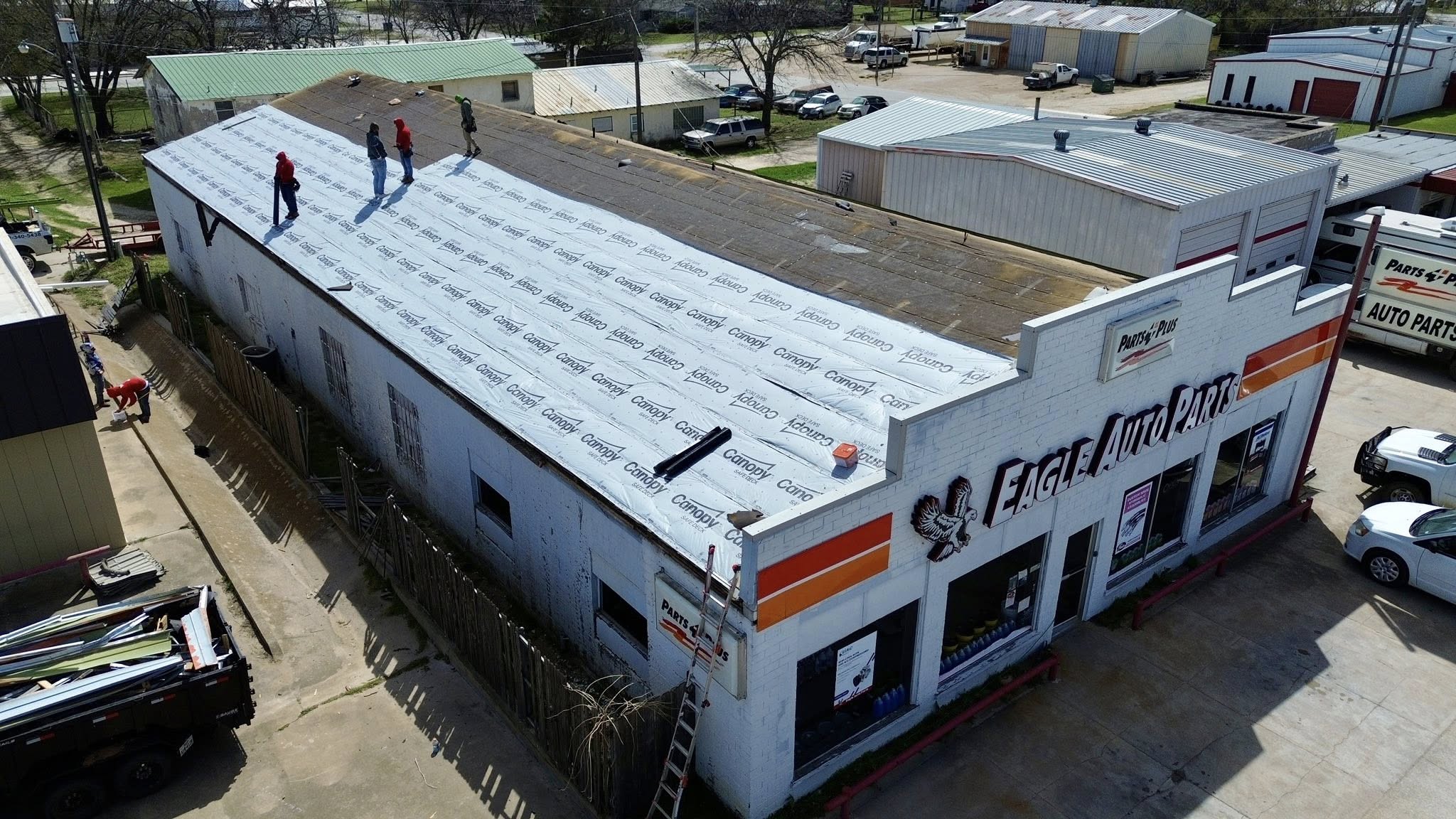
When homeowners think about roof replacement, they usually picture new shingles covering the roof. However, several hidden components beneath the shingles play an equally important role in protecting the home from water intrusion. Replacing these materials often increases the project budget, but doing so greatly improves the long-term performance of the new roofing system.
Underlayment serves as the secondary barrier between the shingles and the roof decking. If wind-driven rain passes beneath the shingles, the underlayment helps prevent moisture from reaching the wooden structure below. Older underlayment may have deteriorated after years of exposure to heat and moisture, making replacement an important part of the project.
Flashing protects the most vulnerable parts of the roof where different surfaces meet. Chimneys, skylights, plumbing vents, roof valleys, and wall intersections all rely on properly installed flashing to prevent leaks. Contractors frequently recommend replacing aging flashing rather than attempting to reuse materials that may already be approaching the end of their service life.
Modern waterproofing products often provide better protection than materials installed decades ago. Ice and water barrier membranes, improved sealants, and upgraded flashing systems increase resistance to leaks in areas exposed to heavy rainfall or snow accumulation.
Some homeowners initially question the added expense of replacing hidden waterproofing components that cannot be seen after installation. However, these materials provide critical protection beneath the shingles and help prevent costly structural damage later.
Reusing worn flashing or underlayment may reduce short-term costs, but it often increases the likelihood of future leaks. Replacing these components during roof replacement eliminates the need to disturb newly installed shingles if hidden waterproofing materials fail later.
Professional roofing contractors usually include these upgrades because they help ensure the new roof performs as a complete system rather than relying on aging components beneath the surface.
Ventilation Improvements
Attic ventilation is another area where hidden expenses frequently arise during roof replacement. Many older homes have ventilation systems that no longer meet current recommendations, and upgrading them often improves both roof performance and indoor comfort.
Proper ventilation allows warm, moist air to escape from the attic while drawing cooler air in through intake vents. This continuous airflow helps regulate attic temperatures and reduces the accumulation of moisture that can damage roofing materials and structural components.
Without adequate ventilation, excessive heat builds beneath the roof during warmer months. High attic temperatures accelerate shingle aging while increasing cooling demands inside the home. Over time, poor ventilation may shorten the lifespan of even high-quality roofing materials.
Moisture creates additional concerns during cooler weather. Warm indoor air rising into the attic condenses on cooler roof surfaces if ventilation is inadequate. Persistent condensation contributes to mold growth, wood rot, and insulation damage that may remain hidden for years.
Roof replacement provides an ideal opportunity to improve ventilation because contractors already have full access to the roofing system. Ridge vents, soffit vents, roof vents, and other airflow improvements can often be installed more efficiently during replacement than as separate projects later.
Some homes also require insulation adjustments to improve overall attic performance. Proper insulation works together with ventilation to regulate temperatures while minimizing moisture-related problems throughout the roofing system.
Although ventilation upgrades increase project costs, they often reduce long-term maintenance expenses by extending roof lifespan and improving energy efficiency. These improvements also contribute to a healthier indoor environment by reducing excess attic moisture.
Gutter, Chimney, and Skylight Repairs
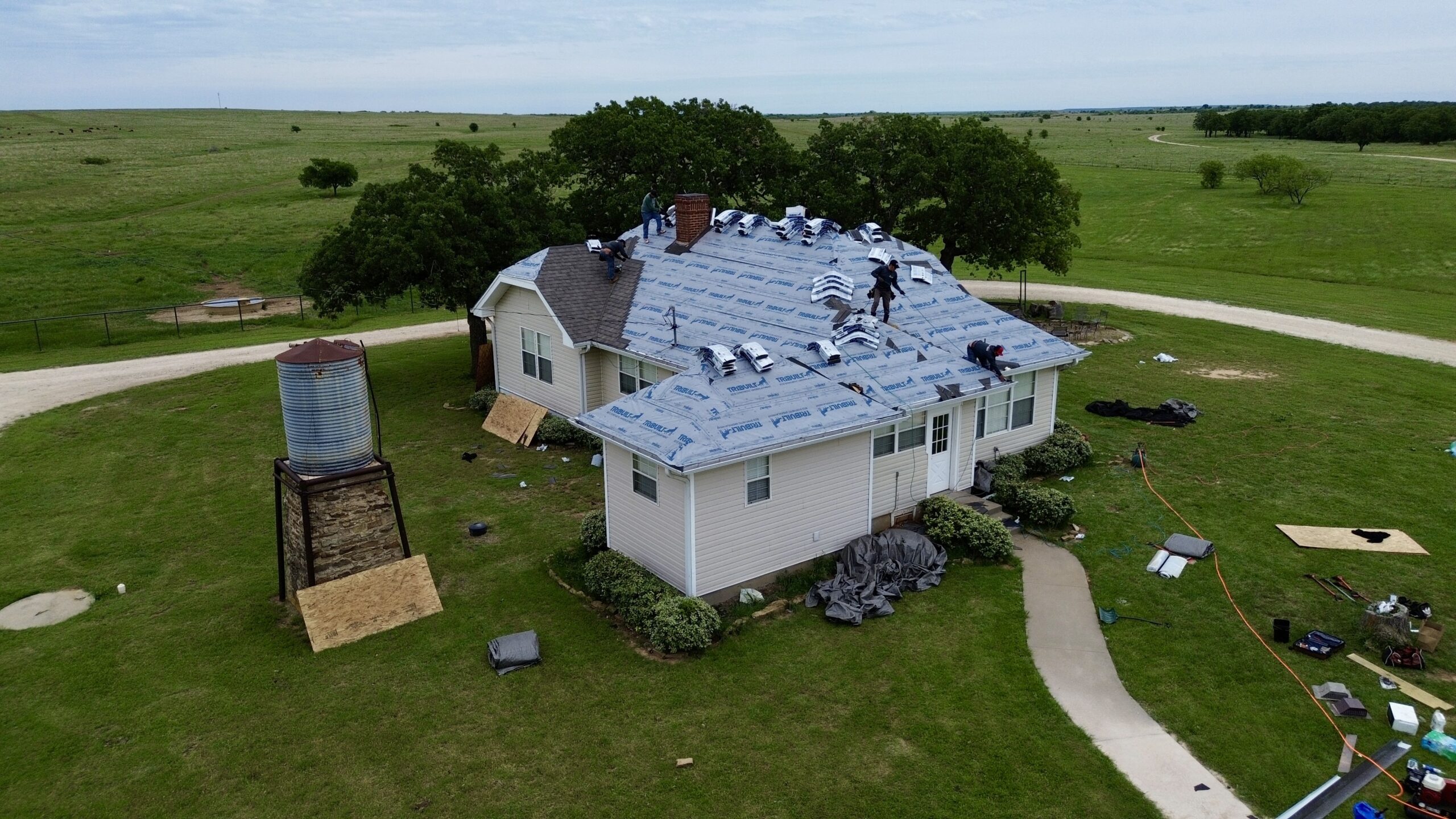
Roof replacement sometimes reveals additional problems affecting nearby exterior components that are closely connected to the roofing system. Gutters, chimneys, skylights, and similar features may require repairs or upgrades to ensure the new roof performs properly.
Gutters direct rainwater safely away from the roof and foundation. If gutters are damaged, improperly aligned, or nearing the end of their lifespan, contractors may recommend repairs or replacement while the roofing project is underway. Coordinating both projects often improves installation efficiency.
Chimneys require careful inspection because flashing around the chimney is one of the most common locations for roof leaks. Damaged flashing, deteriorated mortar joints, or loose chimney caps may require attention before the new roof is completed.
Skylights also deserve careful evaluation during roof replacement. Older skylights may continue functioning properly, but worn seals, damaged flashing, or aging frames sometimes increase the risk of future leaks. Replacing or upgrading these components while the roof is already open often prevents additional labor costs later.
Plumbing vent boots, roof vents, and exhaust fan covers are other small components frequently replaced during roofing projects. Although each item represents a relatively modest expense, replacing several aging components together may noticeably increase the overall project budget.
Homeowners sometimes postpone these repairs to reduce immediate costs. However, replacing roofing materials without addressing surrounding problem areas often increases the likelihood of future leaks that require disturbing the newly installed roof.
Professional contractors evaluate all roof penetrations and connected exterior features before completing installation. Their recommendations help homeowners address vulnerable areas before they become larger maintenance concerns.
Weather Delays and Project Timeline Expenses
Weather is one factor that no contractor can control, yet it has a direct influence on both roofing schedules and project costs. While professional planning minimizes disruptions whenever possible, changing weather conditions sometimes create hidden expenses that homeowners may not anticipate.
Rain is the most common cause of roofing delays. Installing roofing materials during wet conditions can compromise both safety and workmanship, so contractors typically suspend installation until surfaces become dry enough for proper installation.
High winds create similar challenges, particularly on steep roofs or multi-story homes. Strong gusts increase safety risks for roofing crews while making it difficult to handle shingles, underlayment, and flashing safely.
Unexpected weather interruptions sometimes require temporary protective coverings to shield exposed roof sections until work resumes. Installing and removing these protective materials adds labor and equipment time that may influence the project schedule.
Extended project durations occasionally affect labor costs as well. If weather delays continue for several days, contractors may need to adjust crew scheduling or equipment rentals to complete the project efficiently once conditions improve.
Seasonal demand can also influence project timing. Roofing companies often experience increased workloads after major storms or during peak construction seasons. High demand sometimes affects scheduling flexibility and labor availability.
Material deliveries may also experience delays during severe weather events. Transportation interruptions occasionally postpone deliveries, extending project timelines until replacement materials become available.
Although weather-related expenses are difficult to predict, experienced contractors plan carefully to reduce their impact whenever possible. Flexible scheduling, proper temporary protection, and clear communication help homeowners understand how weather may affect the replacement process.
Cleanup, Disposal, and Property Protection Costs
The roofing project does not end when the final shingles are installed. Professional cleanup, debris removal, and property protection represent important parts of the overall replacement process that homeowners sometimes overlook while planning their budgets.
Protecting the property begins before roof removal starts. Contractors often cover landscaping, outdoor furniture, air conditioning equipment, windows, and driveways to reduce the risk of accidental damage from falling debris.
Throughout the project, roofing crews continuously collect discarded materials to maintain a safe worksite. Old shingles, nails, flashing, underlayment, and other debris are placed into designated containers for proper disposal rather than being left scattered around the property.
Magnetic nail cleanup is another important service included by many professional roofing companies. Specialized magnetic equipment helps collect nails that may have fallen into lawns, driveways, flower beds, or walkways during construction. This reduces the risk of tire damage and accidental injuries after the project is complete.
Final cleanup includes removing protective coverings, hauling away remaining construction debris, and inspecting the property for overlooked materials. Contractors also check gutters and surrounding areas to ensure debris has not accumulated during installation.
Some projects require additional equipment to protect delicate landscaping or difficult access areas. These precautions may increase project costs slightly, but they help preserve the condition of the property throughout construction.
Homeowners should review cleanup responsibilities carefully before signing a roofing contract. Understanding what services are included helps avoid misunderstandings while ensuring the property will be left clean and safe after installation.
Professional cleanup reflects the overall quality of the roofing project. A well-maintained worksite demonstrates careful planning while protecting both the property and the homeowner’s investment.
Hidden Cost Comparison Table
Many roof replacement expenses remain hidden until construction begins because they involve components concealed beneath the existing roofing materials or services that homeowners may not initially consider. Understanding these common expenses helps create a more realistic project budget.
The table below summarizes several frequently overlooked roofing costs, why they occur, and whether they are generally optional or necessary for a complete roof replacement.
| Hidden Expense | Why It Occurs | Usually Optional or Required |
|---|---|---|
| Roof Tear-Off | Existing roofing must be removed before replacement | Usually Required |
| Disposal Fees | Old roofing materials must be transported and discarded | Required |
| Roof Decking Replacement | Moisture-damaged decking discovered after tear-off | Required if damaged |
| Structural Repairs | Hidden wood rot or framing deterioration | Required if present |
| Underlayment Replacement | Old moisture barrier no longer provides reliable protection | Usually Required |
| Flashing Replacement | Aging flashing increases future leak risk | Usually Required |
| Ventilation Upgrades | Existing attic ventilation does not meet current recommendations | Often Required |
| Permit Fees | Local regulations require permits and inspections | Required |
| Gutter or Skylight Repairs | Connected roofing components need attention | Depends on condition |
| Property Protection and Cleanup | Protecting landscaping and removing debris safely | Required |
Reviewing these potential expenses before construction begins helps homeowners understand that a complete roof replacement involves much more than installing new shingles. Comprehensive estimates that include these important items often provide better long-term value than lower-priced proposals that exclude essential work.
Recognizing these hidden costs also encourages more meaningful conversations with roofing contractors. Asking detailed questions about what is included in the estimate helps homeowners prepare financially while reducing the likelihood of unexpected expenses during the replacement project.
How to Identify Hidden Costs Before Signing a Contract
One of the best ways to avoid unexpected roofing expenses is to review the contract carefully before construction begins. A detailed proposal helps homeowners understand exactly what is included in the project while identifying costs that may arise if hidden damage is discovered after the existing roof is removed.
Professional roofing contractors usually provide written estimates that outline materials, labor, warranties, cleanup, and project scope. However, homeowners should also look for information about potential structural repairs, decking replacement, ventilation upgrades, and other items that cannot always be confirmed during the initial inspection.
Asking questions before signing the agreement is equally important. Contractors should clearly explain which services are included in the quoted price, which repairs may require additional approval, and how unexpected findings will be communicated during the project.
Comparing several estimates also provides valuable insight. If one proposal is significantly lower than others, homeowners should determine whether important services have been omitted rather than assuming the contractor simply offers lower prices.
The following checklist helps homeowners identify possible hidden costs before work begins.
- Confirm exactly what roofing materials are included in the estimate.
- Ask whether roof decking replacement is included or billed separately.
- Review flashing, underlayment, and ventilation details carefully.
- Verify permit fees, inspections, and disposal costs.
- Ask how structural repairs will be handled if hidden damage is discovered.
- Confirm cleanup, property protection, and debris removal services.
- Review manufacturer warranties and workmanship guarantees.
- Request written approval procedures for any additional work beyond the original estimate.
Taking time to review these details helps homeowners understand the full scope of the project. Clear communication before construction begins reduces misunderstandings while creating more accurate budget expectations.
Budgeting for Unexpected Roof Replacement Expenses
Even the most detailed roofing estimate cannot predict every hidden condition beneath an existing roof. For this reason, homeowners should prepare financially for the possibility of additional repairs that become necessary once construction begins.
A contingency fund is one of the most effective budgeting tools for roof replacement. Setting aside additional money beyond the quoted project price provides flexibility if contractors discover damaged decking, structural deterioration, ventilation deficiencies, or moisture-related repairs during installation.
Comparing several detailed estimates also improves budgeting accuracy. Multiple proposals help homeowners understand average pricing within their area while identifying differences in project scope, material quality, and included services.
Financing options should be explored before construction begins whenever possible. Home improvement loans, contractor financing programs, home equity financing, or personal savings may all help homeowners manage replacement costs more comfortably.
Warranty coverage deserves careful attention during budgeting as well. Strong manufacturer warranties and workmanship guarantees may reduce future repair expenses, making higher-quality roofing systems more economical over the long term.
Planning replacement before the roof reaches a critical condition also helps reduce emergency expenses. Homeowners who replace aging roofs proactively usually have more time to compare contractors, evaluate materials, and prepare financially.
Keeping maintenance records and previous inspection reports may also benefit homeowners during budgeting. These documents provide valuable information about the roof’s condition while helping contractors identify potential problem areas before work begins.
Preparing financially for hidden expenses allows the project to proceed without unnecessary delays if additional repairs become necessary. Careful budgeting reduces stress while supporting better long-term roofing decisions.
Ways to Reduce Hidden Roofing Costs
Although some hidden expenses cannot be avoided entirely, homeowners can reduce the likelihood of major surprises by planning carefully and maintaining their roofs regularly. Preventive action often limits the amount of hidden damage discovered during replacement.
The following strategies help minimize unexpected roofing expenses without compromising quality.
- Schedule regular professional roof inspections throughout the roof’s lifespan.
- Repair small leaks promptly before moisture spreads into structural components.
- Keep gutters and downspouts clean to prevent water backup.
- Maintain proper attic ventilation to reduce moisture buildup.
- Request detailed written estimates from multiple reputable contractors.
- Ask contractors to inspect attic spaces before preparing estimates whenever possible.
- Replace aging roofs before widespread deterioration develops.
- Choose experienced contractors who provide comprehensive project planning.
Trying to reduce costs by skipping important roofing components often creates larger expenses later. Investing in proper installation and preventive maintenance usually provides greater long-term savings than selecting the least expensive immediate solution.
Careful planning allows homeowners to control costs while ensuring the completed roofing system delivers dependable protection for many years.
Why the Lowest Roofing Estimate May Cost More Later
Choosing the lowest roofing estimate can seem like an easy way to reduce project costs, but the least expensive proposal does not always represent the best overall value. In some cases, lower estimates omit important services that later become additional charges once construction begins.
Incomplete estimates sometimes exclude items such as flashing replacement, underlayment upgrades, ventilation improvements, permit fees, cleanup, or disposal costs. While these omissions reduce the initial quoted price, homeowners may ultimately pay more after these essential services are added.
Material quality also influences long-term costs. Lower-priced estimates may include basic roofing products with shorter expected lifespans or reduced warranty coverage compared to higher-quality alternatives. The initial savings may disappear if repairs become necessary much sooner than expected.
Workmanship is equally important. Experienced roofing professionals invest time in proper installation, careful flashing details, and thorough inspections. Poor installation may lead to leaks, moisture damage, and premature roof failure even when quality materials have been used.
Another concern involves change orders during construction. Contractors who provide unrealistically low estimates may rely on additional charges later to complete work that should have been included from the beginning. Detailed written proposals reduce the likelihood of these unexpected costs.
Warranty coverage also deserves careful comparison. Comprehensive workmanship guarantees demonstrate confidence in installation quality and often provide greater long-term value than lower-priced estimates with limited protection.
Homeowners benefit most by evaluating estimates based on the complete project rather than the total price alone. A well-prepared proposal that includes quality materials, professional installation, and thorough project planning often proves more economical throughout the roof’s lifespan.
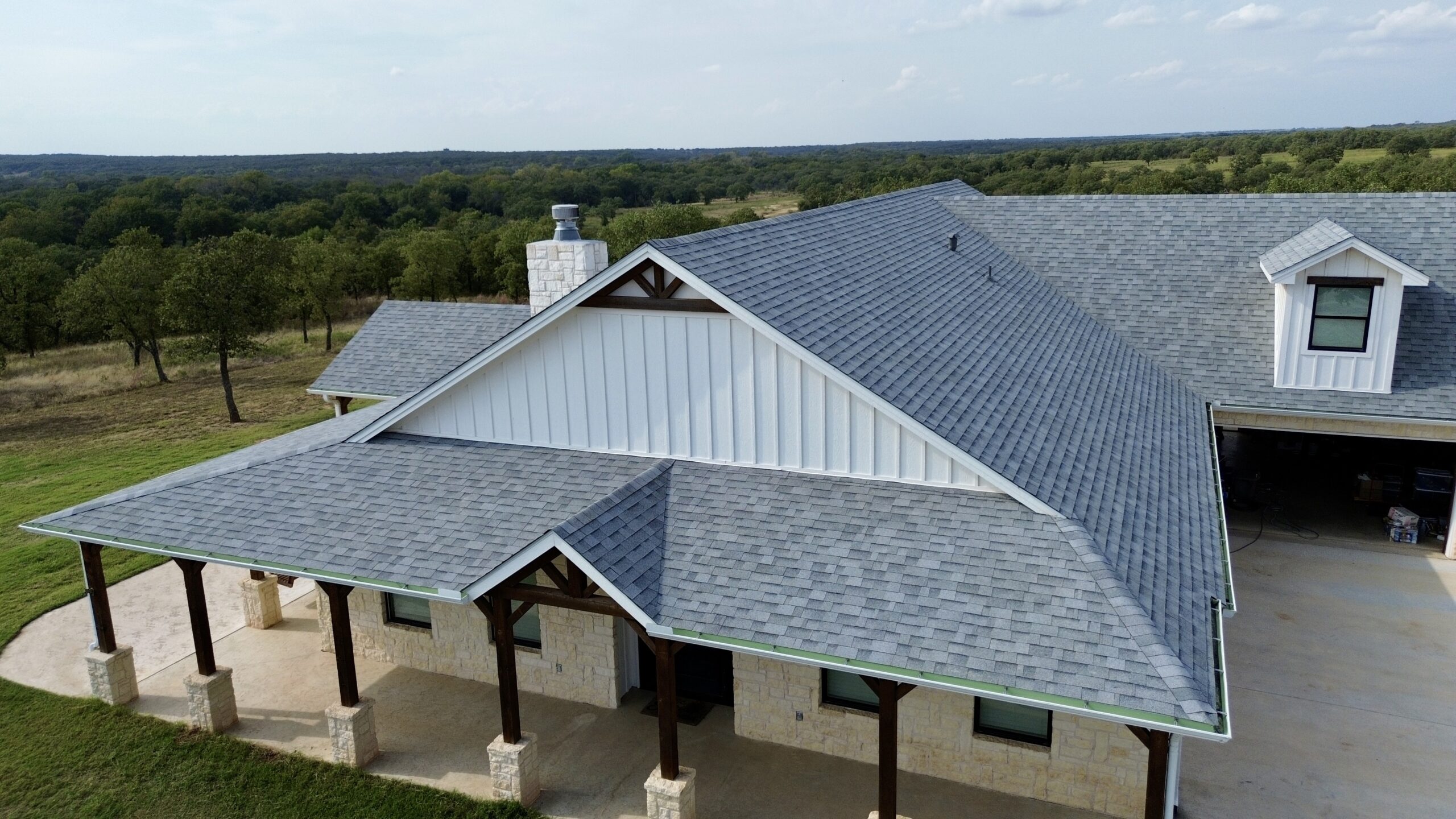
Long-Term Value of a Comprehensive Roof Replacement
Addressing hidden roofing problems during replacement provides benefits that continue long after construction has been completed. Although comprehensive projects may require greater initial investment, they often reduce maintenance expenses while protecting the home more effectively over time.
One of the most important advantages is improved structural protection. Replacing damaged decking, repairing framing, upgrading flashing, and improving ventilation create a stronger roofing system capable of resisting future weather conditions more effectively.
Energy efficiency also improves when hidden problems are corrected. Dry insulation, balanced attic ventilation, and modern waterproofing materials help regulate indoor temperatures while reducing unnecessary heating and cooling costs throughout the year.
Moisture protection becomes significantly more reliable as well. Replacing worn underlayment, flashing, and waterproof membranes reduces the likelihood of future leaks that could damage ceilings, walls, insulation, and structural framing.
Property value generally benefits from a complete roof replacement because prospective buyers recognize the value of a recently upgraded roofing system. Comprehensive improvements provide greater confidence than projects focused only on replacing visible shingles.
Routine maintenance also becomes simpler after hidden issues have been corrected. Instead of repeatedly repairing recurring leaks or moisture problems, homeowners can concentrate on regular inspections and preventive maintenance that extend the roof’s lifespan.
Perhaps the greatest long-term benefit is peace of mind. Knowing that hidden structural problems, moisture damage, ventilation deficiencies, and waterproofing concerns have all been addressed allows homeowners to trust that their roof will continue protecting the property for many years.
Conclusion
Hidden expenses are a normal part of many roof replacement projects because important components of the roofing system remain concealed until construction begins. While these additional costs can sometimes surprise homeowners, they usually represent necessary improvements that strengthen the roof, improve long-term performance, and prevent much larger repair expenses in the future.
Throughout this guide, we explored the most common hidden roofing expenses that homeowners often overlook. Roof tear-off, disposal fees, damaged roof decking, structural repairs, flashing replacement, underlayment upgrades, ventilation improvements, permit requirements, cleanup services, and connected exterior repairs all contribute to the total investment required for a complete roof replacement. Understanding these costs before construction begins helps homeowners prepare realistic budgets and avoid unnecessary stress during the project.
A comprehensive roofing proposal offers far greater value than a simple low-price estimate. Detailed contracts explain what is included, identify potential additional expenses, and provide homeowners with a clear understanding of how unexpected conditions will be handled if hidden damage is discovered. Comparing proposals based on project scope rather than price alone leads to better long-term decisions.
Addressing hidden problems during roof replacement also protects the home’s future. Structural repairs, improved waterproofing, updated ventilation, and modern installation methods reduce maintenance costs, improve energy efficiency, and increase the overall lifespan of the roofing system. Investing in these improvements during replacement is usually much more economical than postponing repairs until more serious damage develops.
Replacing a roof is one of the most important investments a homeowner can make, and understanding the complete cost of the project is essential for successful budgeting. By requesting detailed estimates, asking informed questions, maintaining a contingency fund, and working with experienced roofing professionals, homeowners can approach roof replacement with confidence and ensure their investment provides dependable protection, lasting value, and peace of mind for decades to come.