
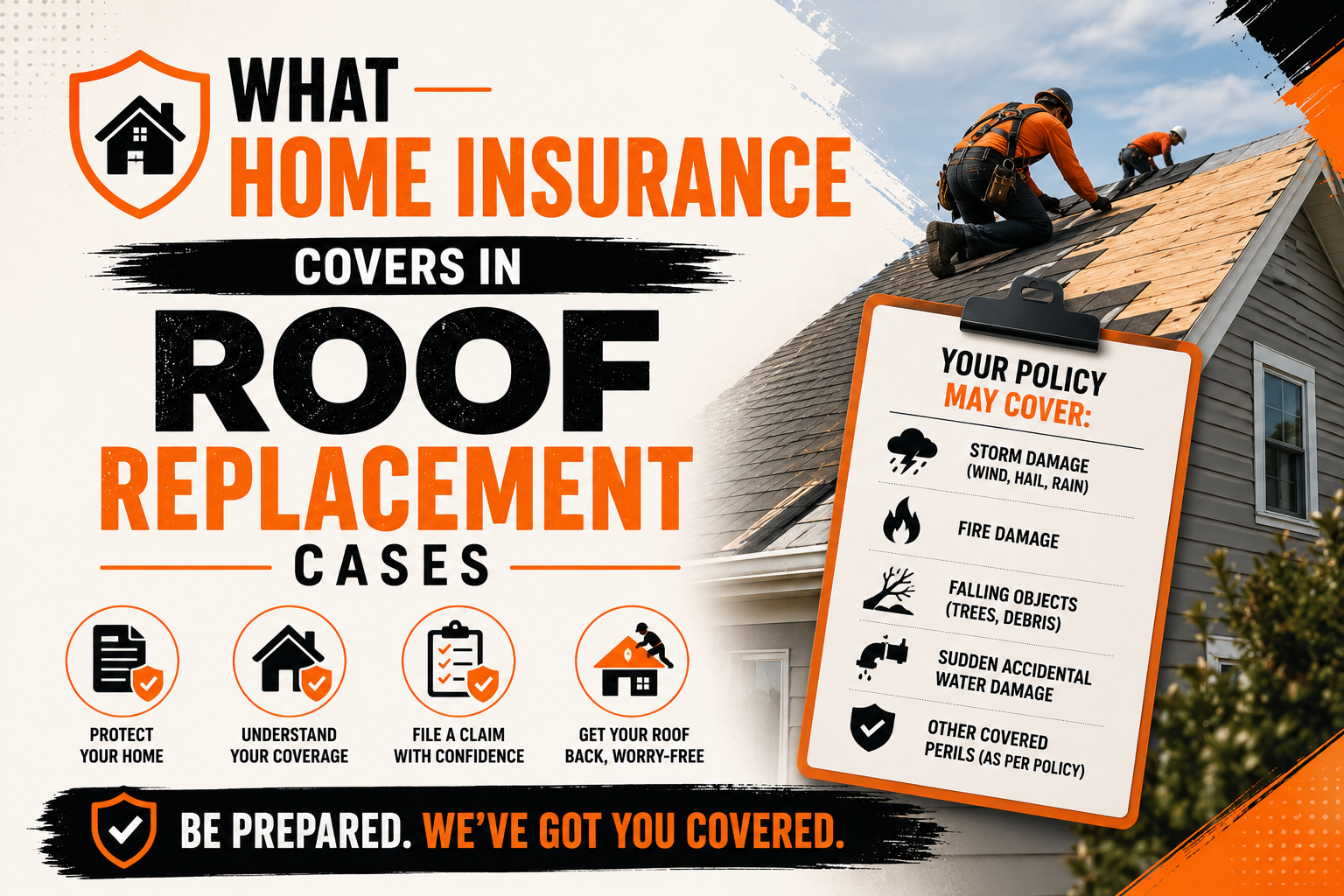
What Home Insurance Covers in Roof Replacement Cases
Introduction
A damaged roof can quickly become one of the most expensive problems a homeowner faces. Whether the damage results from a severe storm, hail, high winds, falling trees, or another unexpected event, replacing a roof often requires a significant financial investment. Fortunately, many homeowners have insurance policies that may cover some or all of these costs when the damage is caused by a covered event. Understanding exactly what home insurance covers is essential because coverage varies depending on the policy, the cause of the damage, and the condition of the roof before the incident occurred.
Many homeowners mistakenly assume that any roof damage automatically qualifies for insurance coverage. In reality, insurance companies evaluate every claim carefully before approving payment. They review the cause of the damage, inspect the roof’s condition, consider the age of the roofing materials, and compare the findings with the terms outlined in the insurance policy. A clear understanding of this process helps homeowners avoid surprises and prepare stronger claims.
Home insurance is designed to protect against sudden and accidental losses rather than predictable deterioration caused by age or lack of maintenance. This distinction is one of the most important concepts to understand before filing a roof replacement claim. Knowing what is covered and what is excluded allows homeowners to respond appropriately after damage occurs while reducing the risk of unnecessary claim disputes.
This guide explains how home insurance applies to roof replacement cases, the types of damage that are commonly covered, policy terms that affect settlements, and the factors insurance companies consider when evaluating claims. By understanding these topics, homeowners can approach the claims process with greater confidence and make informed decisions throughout the roof replacement project.
Why It Is Important to Understand Home Insurance Coverage
Home insurance policies contain detailed provisions that determine when roof replacement costs are covered and when homeowners remain responsible for repairs. Taking time to understand these provisions before damage occurs helps prevent confusion during stressful situations and allows homeowners to respond more effectively after a loss.
A clear understanding of coverage also helps homeowners recognize when filing a claim is appropriate. Reporting damage that falls outside policy coverage may result in unnecessary claim activity, while failing to report legitimate covered damage could lead to missed financial assistance for expensive repairs.
Knowing the limits of your policy makes budgeting easier as well. Homeowners who understand deductibles, depreciation, coverage limits, and exclusions can better estimate potential out of pocket costs before beginning a replacement project.
Insurance knowledge also improves communication with roofing contractors and insurance representatives. Instead of relying entirely on others for guidance, homeowners can ask informed questions and better understand the explanations provided during inspections and claim reviews.
Perhaps most importantly, understanding coverage reduces unrealistic expectations. Insurance is intended to restore covered losses rather than fund every roof repair, and recognizing this principle helps homeowners approach the claims process with realistic goals supported by policy terms.
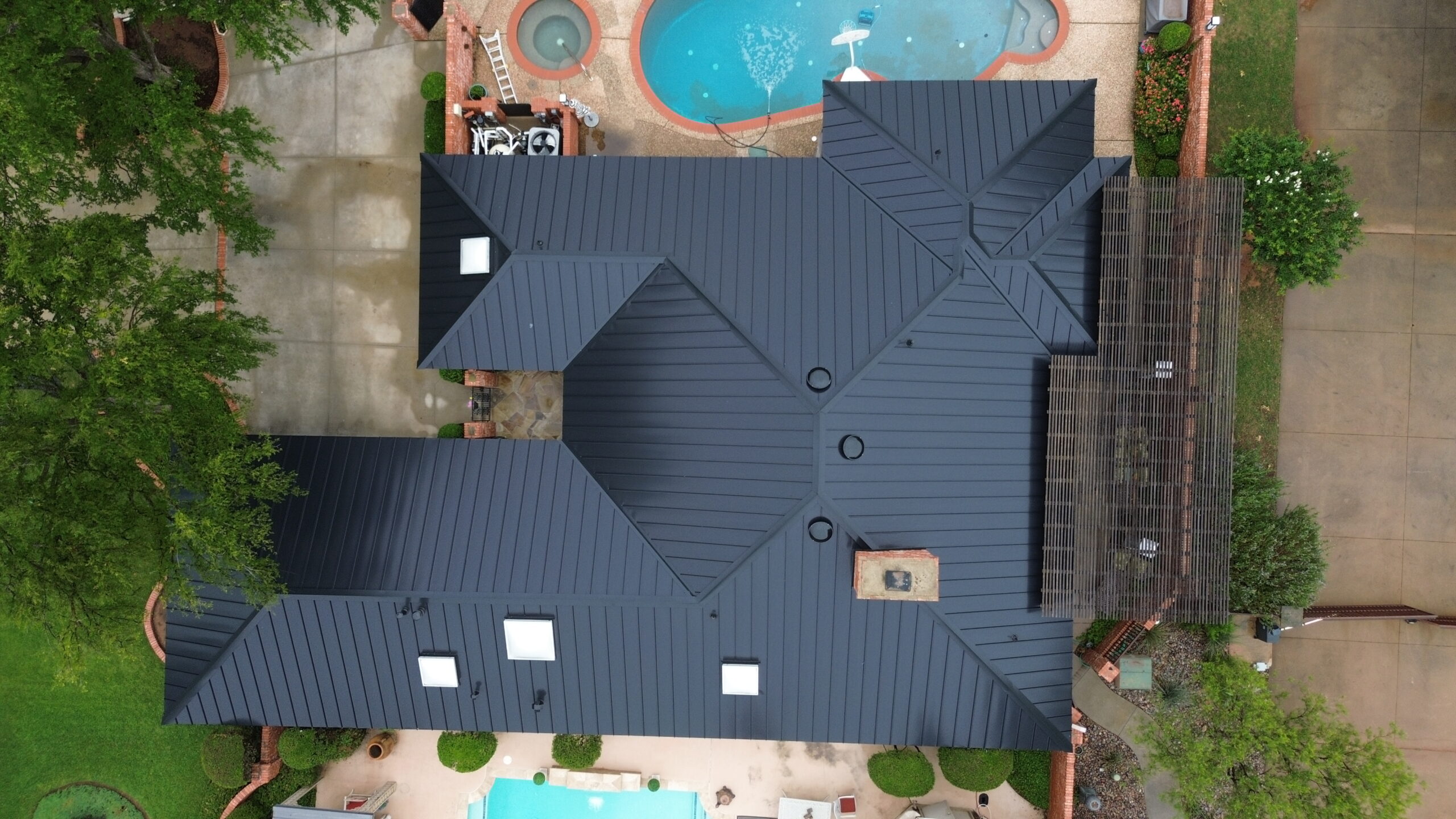
How Home Insurance Covers Roof Replacement
Home insurance generally covers roof replacement when the damage results from a sudden event that is specifically covered by the policy. If a storm, falling tree, hailstorm, fire, or another insured event causes significant roof damage, the insurance company may pay to repair or replace the roof after evaluating the claim.
Coverage begins when the homeowner reports the damage to the insurance company. The insurer then assigns an adjuster to inspect the property and determine whether the loss qualifies under the policy. During this process, photographs, contractor reports, maintenance records, weather information, and inspection findings are reviewed before a settlement decision is made.
If the insurance company concludes that replacement is necessary, payment is calculated according to the policy’s coverage terms. Depending on the policy, compensation may include the removal of damaged roofing materials, installation of new roofing, disposal costs, labor expenses, and certain related repairs that resulted directly from the covered event.
Some policies reimburse the full replacement cost of the roof after deductibles are applied, while others reduce payment to reflect depreciation based on the roof’s age and condition. Understanding which coverage applies is essential because it directly affects the amount homeowners receive.
Insurance companies generally aim to restore the property to its condition before the covered loss occurred. They do not typically provide upgrades beyond the original roofing system unless specific endorsements or building code provisions require them.
Types of Roof Damage Commonly Covered by Home Insurance
Most homeowners insurance policies cover roof damage caused by sudden and accidental events rather than gradual deterioration. Although every policy is different, several types of roof damage are commonly covered when they occur unexpectedly.
Wind damage is one of the leading causes of roof replacement claims. Strong winds can remove shingles, lift flashing, damage ridge caps, expose underlayment, and create openings that allow water to enter the home. Flying debris carried by high winds may also damage roofing materials and surrounding structures.
Hail damage is another frequent reason homeowners file insurance claims. Hailstones can crack shingles, remove protective granules, dent metal roofing components, damage vents, and reduce the roof’s ability to protect the home over time. Even when leaks are not immediately visible, significant hail damage may justify roof replacement.
Falling trees or large branches often cause severe structural damage that extends beyond the roof covering itself. Decking, rafters, gutters, chimneys, skylights, and attic structures may all require repairs after major impacts.
Fire and lightning can also result in covered roof replacement claims. Flames may destroy roofing materials directly, while lightning strikes can damage structural components or create openings that require extensive reconstruction.
Certain policies also cover damage caused by the weight of snow or ice if the event results in sudden structural failure. Ice dams that cause unexpected water intrusion may also qualify for coverage depending on the policy language and circumstances surrounding the loss.
Because coverage depends on both the cause of the damage and the specific insurance policy, homeowners should review their policy carefully rather than assuming every weather related event is automatically covered.
Roof Damage That Is Usually Not Covered
While home insurance provides valuable protection against unexpected events, it generally does not cover damage resulting from normal aging, poor maintenance, or gradual deterioration. Understanding these exclusions helps homeowners avoid unrealistic expectations when filing roof replacement claims.
One of the most common exclusions involves wear and tear. Roofing materials naturally deteriorate over time as they are exposed to sunlight, temperature changes, rain, and seasonal weather conditions. Because this aging process is expected, insurance companies generally consider it the homeowner’s responsibility rather than an insured loss.
Neglected maintenance is another frequent reason claims are denied. Missing shingles that were never replaced, clogged gutters causing water backup, deteriorated flashing, and unresolved leaks may all indicate preventable maintenance issues instead of sudden accidental damage.
Manufacturing defects or installation errors are also typically excluded from standard homeowners insurance policies. If roofing materials fail because they were improperly installed or manufactured incorrectly, responsibility often falls under contractor warranties or product warranties rather than insurance coverage.
Damage caused by pests, mold resulting from long term moisture problems, or structural deterioration that developed gradually is also commonly excluded. Insurance is intended to cover unexpected events rather than conditions that develop slowly over many months or years.
Intentional damage and unauthorized alterations to the roof are similarly excluded under most policies. Homeowners should always review policy language carefully before assuming that any particular type of roof damage qualifies for reimbursement.
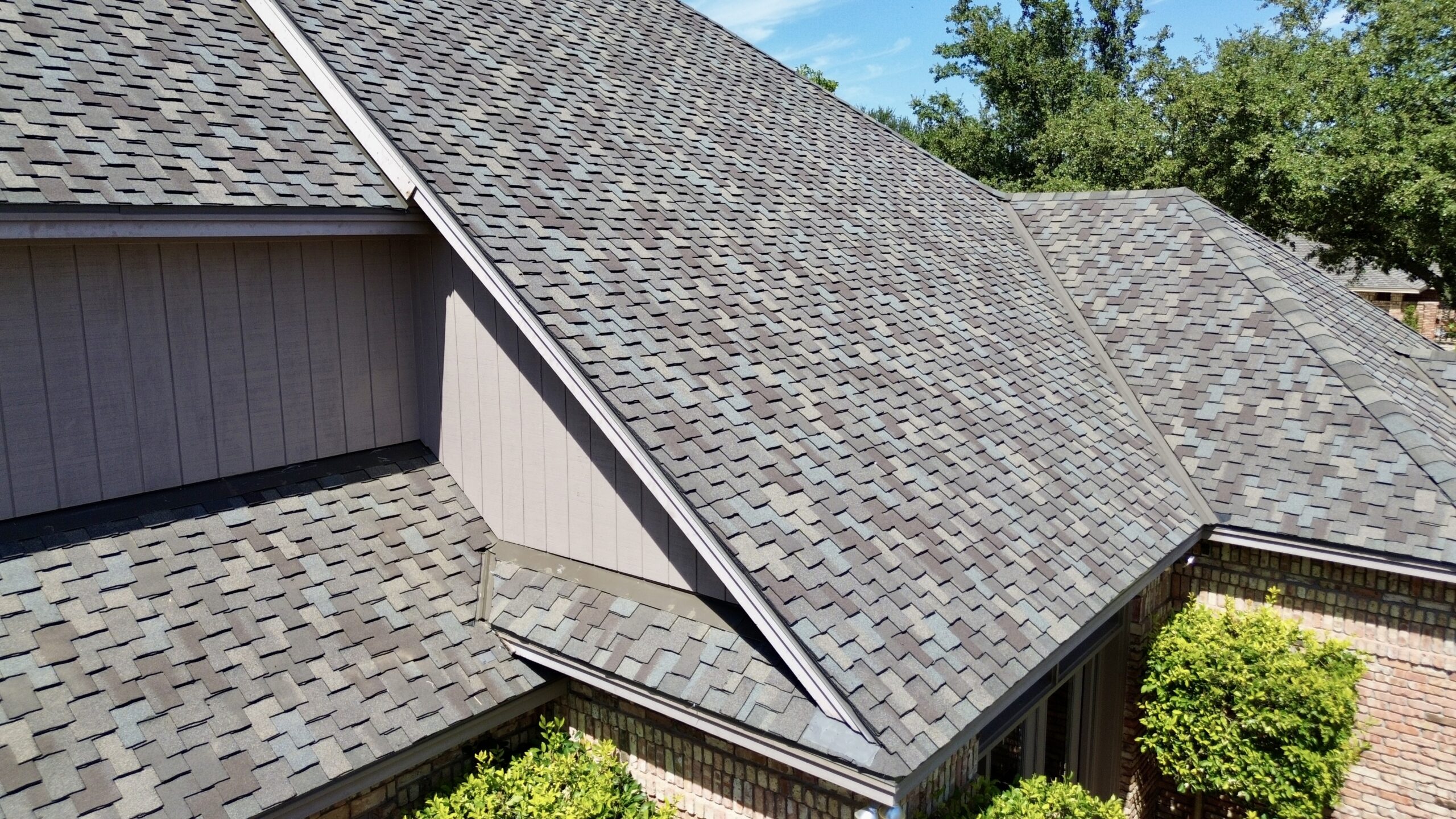
Understanding Policy Terms That Affect Roof Replacement Claims
Insurance policies contain several important terms that directly influence roof replacement claims. Understanding these concepts before filing a claim allows homeowners to interpret policy documents more confidently and communicate more effectively with insurance representatives.
A deductible is the amount the homeowner must pay before insurance benefits apply. Deductibles vary between policies and may be fixed amounts or percentages based on the insured value of the home. Knowing this figure helps homeowners estimate their financial responsibility before replacement begins.
Coverage limits establish the maximum amount the insurance company will pay for covered losses. While many policies provide sufficient protection for standard roof replacements, understanding these limits helps avoid unexpected financial surprises if extensive damage occurs.
Exclusions describe situations where coverage does not apply. Reading these sections carefully helps homeowners understand which causes of roof damage are covered and which remain their responsibility.
Endorsements are optional policy additions that modify standard coverage. Some endorsements increase roof replacement protection, extend coverage for code upgrades, or provide broader reimbursement under certain circumstances.
Claim reporting deadlines also deserve attention. Most policies require homeowners to report covered damage within a reasonable period after the incident occurs. Prompt reporting preserves evidence while allowing the insurance company to inspect the property before conditions change.
Becoming familiar with these policy terms helps homeowners make informed decisions throughout the roof replacement process and reduces confusion during claim discussions.
Actual Cash Value vs Replacement Cost Coverage
One of the most significant differences between homeowners insurance policies involves how roof replacement payments are calculated. The two most common valuation methods are Actual Cash Value and Replacement Cost Value, and understanding the difference can greatly affect financial planning after roof damage.
Actual Cash Value, often abbreviated as ACV, takes depreciation into account when calculating payment. As roofing materials age, their value decreases because they have already provided years of service. Under this method, the insurance company subtracts depreciation before issuing payment, meaning homeowners may need to cover a larger portion of replacement costs themselves.
Replacement Cost Value, commonly referred to as RCV, generally provides broader protection. Instead of reducing payment based on depreciation, this coverage reimburses the cost of replacing the damaged roof with comparable materials after deductibles are applied, provided policy requirements are satisfied.
Many Replacement Cost Value policies issue payments in stages. The insurance company may first pay the depreciated amount and later release the remaining recoverable depreciation after the replacement work has been completed and documented.
Understanding which valuation method applies before filing a claim allows homeowners to estimate available insurance benefits more accurately while preparing for any personal expenses that may remain.
Factors Insurance Companies Consider Before Approving Roof Replacement
Insurance companies evaluate several factors before deciding whether a roof should be repaired or completely replaced. These evaluations help determine whether the reported damage qualifies under the policy and whether replacement is justified based on the condition of the roof.
The cause of the damage is usually the first consideration. Adjusters determine whether the damage resulted from a covered event such as wind, hail, fire, or falling objects rather than aging or maintenance issues.
The extent of the damage also plays an important role. Localized damage affecting only a few shingles may be repaired, while widespread structural damage across multiple roof sections may require complete replacement.
The age and condition of the roof before the incident are carefully reviewed as well. Maintenance records, previous inspections, and photographs help establish whether the roof was functioning properly before the reported loss occurred.
Insurance companies also examine roofing materials, local construction costs, contractor estimates, and current building code requirements. These factors influence both the replacement decision and the estimated settlement amount.
Comprehensive documentation supports every stage of this evaluation. Clear photographs, inspection reports, written observations, and professional roofing assessments help demonstrate why replacement is necessary rather than limited repairs.
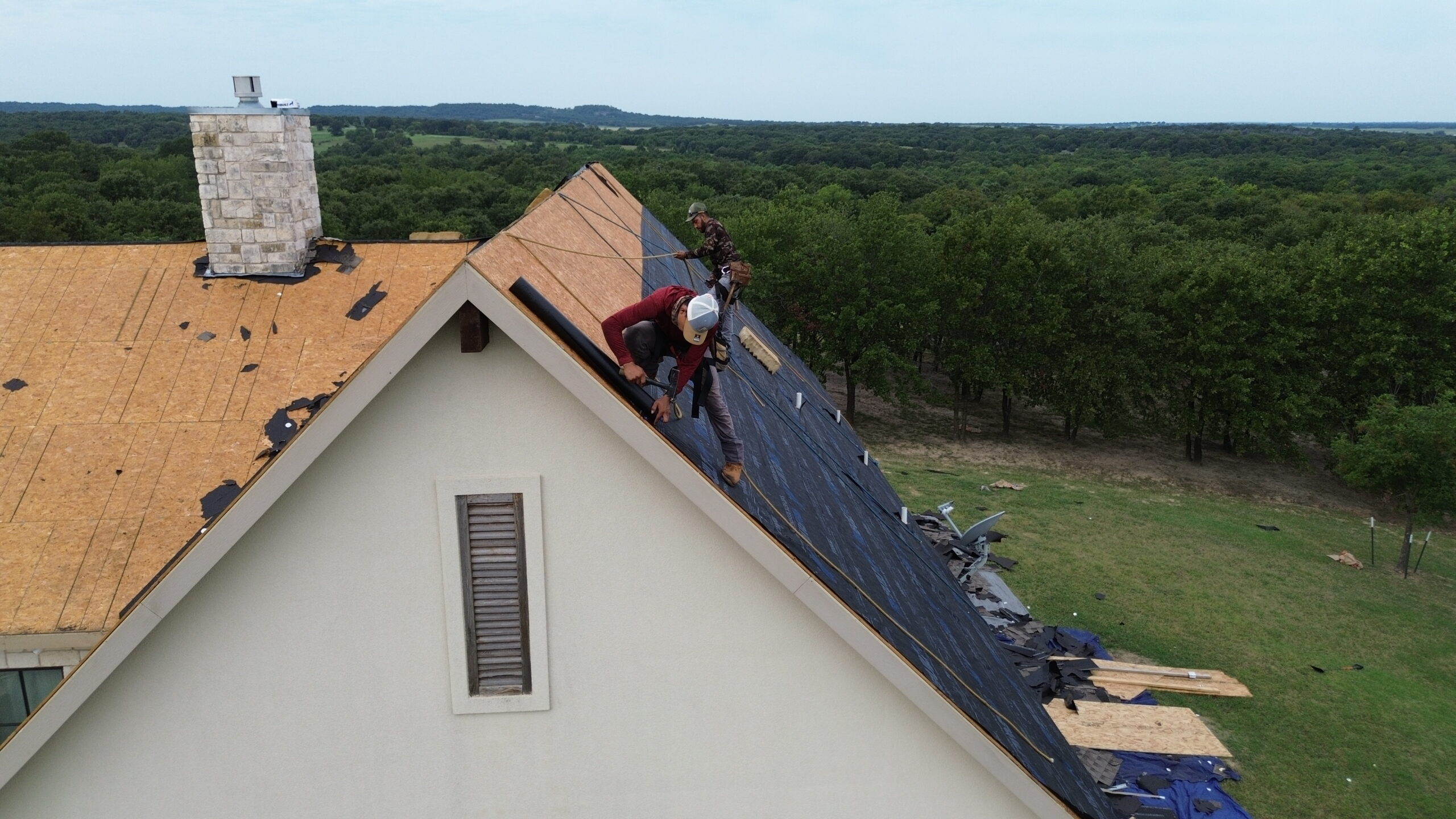
Common Misunderstandings About Roof Replacement Coverage
Misunderstandings about homeowners insurance often lead to frustration during roof replacement claims. Correcting these misconceptions helps homeowners approach the process with realistic expectations while avoiding unnecessary disputes.
One common misunderstanding is that insurance automatically replaces any old roof after a storm. In reality, insurance companies evaluate whether the reported damage resulted directly from a covered event rather than ordinary aging or deterioration.
Another misconception is that cosmetic damage always qualifies for replacement. Minor dents or appearance changes that do not affect roof performance may not meet the policy requirements for replacement coverage.
Some homeowners also believe they must accept the first insurance estimate without question. While settlements should always remain evidence based, homeowners may provide additional documentation or request clarification if legitimate covered damage appears to have been overlooked.
It is also common to assume that all roofing upgrades will be covered automatically. Standard policies generally pay to restore the roof to its previous condition rather than finance optional improvements unless specific endorsements or code requirements apply.
Understanding these misconceptions helps homeowners communicate more effectively with contractors and insurance representatives while focusing on documented facts rather than assumptions.
Preparing Before You File a Roof Insurance Claim
Proper preparation before filing a roof insurance claim can make the entire process smoother and improve the quality of the supporting documentation. Taking organized steps immediately after discovering damage helps preserve evidence while reducing delays later.
Begin by inspecting the property safely from the ground if possible. Photograph visible roof damage, fallen debris, damaged gutters, broken flashing, and any interior signs of water intrusion such as ceiling stains or attic moisture. These early photographs capture the original condition before temporary repairs begin.
Record the date of the damaging event along with weather conditions and any observations about what occurred. Keeping a written timeline strengthens the overall claim and provides useful context during insurance discussions.
Arrange for a professional roofing inspection before beginning permanent repairs. An experienced contractor can identify hidden damage, prepare a detailed inspection report, and explain whether repairs or complete replacement appear necessary.
Gather maintenance records, previous inspection reports, warranty information, and receipts for emergency repairs in one organized location. Having these documents readily available simplifies the claims process and demonstrates responsible roof ownership.
Finally, review your insurance policy before contacting the insurance company. Understanding deductibles, coverage limits, exclusions, and reporting requirements allows you to begin the claim with greater confidence while ensuring that the documentation you provide aligns with your policy’s requirements.
In the next part, we will explore how to document roof damage effectively, work with roofing contractors and insurance adjusters, understand replacement estimates, identify additional covered property damage, maintain organized records, and avoid common reasons roof replacement claims are delayed or denied.
Documenting Roof Damage for Insurance Purposes
Accurate documentation is one of the most important parts of a successful roof replacement claim. Insurance companies rely on evidence to determine the cause, severity, and extent of the damage before approving coverage. Well organized documentation helps adjusters understand what happened while reducing delays caused by missing information.
Begin documenting the damage as soon as it is safe after the weather event. Waiting too long may allow additional rain, wind, or temporary repairs to change the roof’s condition, making it more difficult to demonstrate the original damage. Early documentation creates a reliable record that supports the insurance claim.
Take photographs from several distances. Wide angle images should show the entire roof and surrounding property, while medium range photographs identify damaged sections. Close up photographs should clearly capture cracked shingles, missing roofing materials, dented flashing, exposed underlayment, damaged vents, and other visible problems.
Do not overlook interior damage. Water stains on ceilings, damp insulation in the attic, peeling paint, warped drywall, and mold growth may all indicate roof leaks caused by the same event. These conditions should be photographed before cleanup begins because they provide additional evidence supporting the claim.
Written notes are equally valuable. Record the inspection date, weather conditions, damaged areas, temporary repairs, and any observations about how the damage occurred. Combining photographs with written records creates a stronger and more complete documentation package.
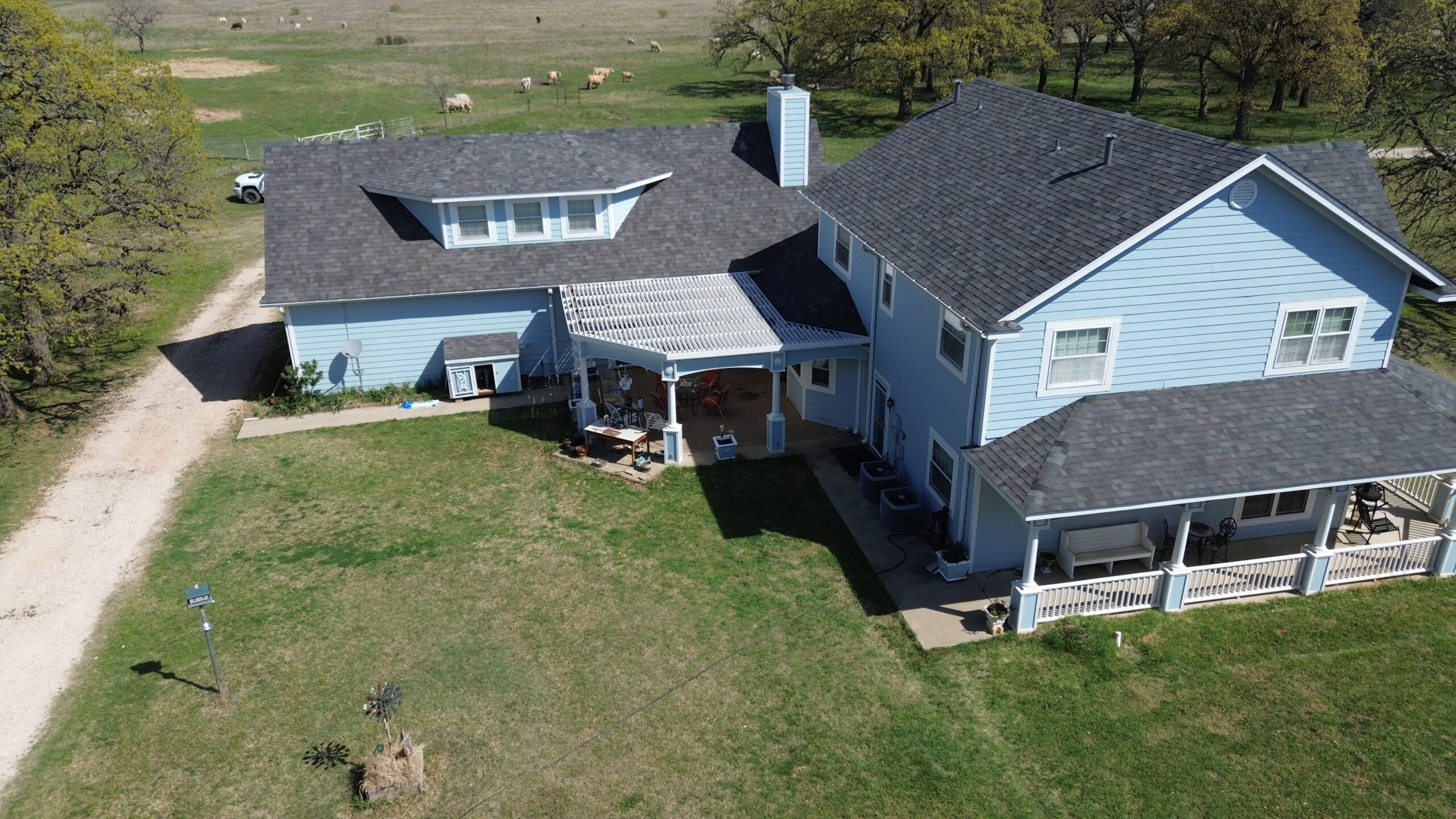
Working With Roofing Contractors During the Claim
Professional roofing contractors provide technical expertise that helps homeowners understand the true condition of the roof while strengthening insurance documentation. Their inspections often identify hidden damage that cannot be seen from the ground or during a basic visual inspection.
Choose a licensed and insured roofing contractor with experience handling insurance related roof replacements. Contractors familiar with the claims process understand how to prepare inspection reports that clearly explain the extent of the damage without making unsupported conclusions.
During the inspection, contractors evaluate the entire roofing system rather than focusing only on missing shingles. They inspect flashing, underlayment, roof decking, ridge caps, ventilation systems, gutters, soffits, fascia, and structural components that may also require replacement.
Request a detailed written inspection report along with photographs documenting every damaged area. These reports help explain why repairs may not be sufficient and why a complete replacement is necessary under the circumstances.
Contractors can also answer technical questions raised during the insurance review process. Their knowledge of roofing materials, installation methods, and local construction practices often helps clarify issues that homeowners may find difficult to explain on their own.
Maintaining open communication with the contractor throughout the claim ensures that any newly discovered damage is documented promptly and shared with the insurance company when appropriate.
What Happens During the Insurance Adjuster Inspection
After a roof replacement claim is reported, the insurance company typically schedules an inspection with an adjuster. The adjuster’s role is to evaluate the roof, verify the cause of the damage, and determine whether the claim qualifies for coverage under the policy.
The inspection usually begins with a review of the roof’s exterior. The adjuster examines shingles, flashing, gutters, vents, skylights, ridge caps, and other roofing components for evidence of storm damage, impact damage, or structural problems.
Interior areas are often inspected as well. Water stains, damaged insulation, attic moisture, mold, peeling paint, and ceiling damage may indicate that roof failure has affected the home’s interior. These observations help establish the relationship between the roof damage and resulting property loss.
Provide the adjuster with copies of your photographs, contractor reports, maintenance records, and any receipts related to temporary repairs. Organized documentation helps answer questions quickly while supporting the observations made during the inspection.
Remain available throughout the visit to explain when the damage occurred and identify areas that deserve special attention. At the same time, allow the adjuster to perform an independent evaluation without unnecessary interruptions.
After the inspection, the adjuster prepares a report that becomes part of the insurance company’s final coverage decision. This report, together with your supporting documentation, forms the basis for the settlement offer.
Understanding Roof Replacement Estimates
Roof replacement estimates help homeowners understand the expected cost of restoring the damaged roof. These estimates also provide important information that insurance companies use when comparing repair costs with policy coverage.
A professional estimate normally includes material costs, labor charges, removal of damaged roofing materials, disposal fees, flashing replacement, ventilation improvements, underlayment installation, permit expenses, and project specific requirements. Comprehensive estimates make it easier to understand exactly what work is being proposed.
Insurance companies prepare their own estimates based on adjuster findings and policy coverage. Although these estimates often resemble contractor proposals, differences may occur because of pricing methods, overlooked damage, local building code requirements, or hidden conditions discovered later.
Carefully compare the contractor’s estimate with the insurance estimate. Missing line items, different material quantities, labor differences, or omitted roofing components should be discussed with both the contractor and the insurance representative.
Supporting documentation becomes especially valuable when estimates differ. Photographs, inspection reports, measurements, and contractor explanations provide objective evidence that helps resolve disagreements professionally.
Understanding how estimates are prepared allows homeowners to participate more confidently in discussions while ensuring that all covered work has been considered.
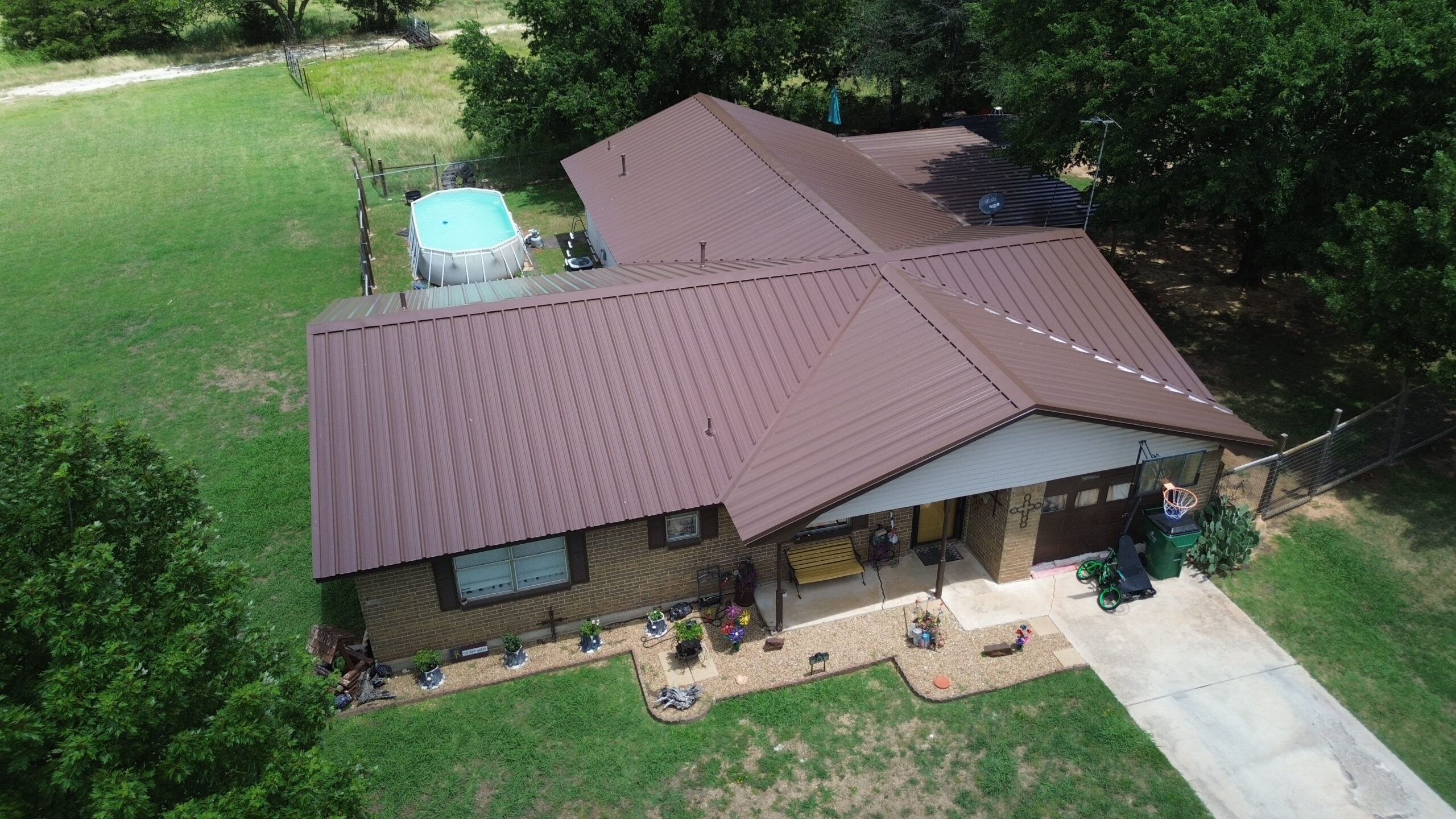
Additional Home Damage That May Be Covered
Roof damage often affects more than the roofing materials themselves. Severe weather capable of damaging a roof may also impact other parts of the property, and many of these related damages may qualify for insurance coverage when they result from the same covered event.
Gutters and downspouts are commonly damaged during hailstorms and windstorms. Dented metal, detached sections, damaged brackets, and crushed downspouts should all be documented because they may require replacement as part of the overall restoration project.
Flashing around chimneys, skylights, roof valleys, and plumbing vents should also be inspected carefully. Damaged flashing can allow water to enter the home even when surrounding shingles remain relatively intact.
Interior water damage deserves equal attention. Ceiling stains, damaged insulation, warped drywall, peeling paint, swollen flooring, and mold growth often result from roof leaks and should be included in the insurance claim if they were caused by the covered event.
Detached structures such as garages, sheds, and workshops may have experienced similar storm damage. Documenting these structures helps demonstrate the severity of the weather event while ensuring that all covered property losses are reported.
Outdoor equipment including fences, satellite dishes, solar panels, exterior lighting, and HVAC equipment may also require inspection. Comprehensive documentation ensures that no covered damage is unintentionally overlooked during the claims process.
Keeping Records Throughout the Claims Process
Good record keeping begins the moment roof damage is discovered and continues until the replacement project is fully completed. Organized documentation simplifies communication with insurance representatives while providing valuable evidence if questions arise later.
Create separate folders for photographs, videos, inspection reports, contractor estimates, receipts, maintenance records, warranty information, and insurance correspondence. Consistent organization allows important documents to be located quickly whenever they are requested.
Maintain a written timeline of significant events throughout the claim. Record the date of the storm, initial inspection, temporary repairs, contractor visits, adjuster inspections, estimate revisions, claim submissions, and final roof installation. A chronological record helps everyone involved understand the sequence of events.
Keep copies of all emails, letters, invoices, and payment confirmations. Even brief conversations with insurance representatives should be summarized in written notes that include the date, time, and topics discussed.
Cloud storage provides additional protection by ensuring important records remain available even if paper documents become damaged or electronic devices fail. Maintaining both digital and printed copies creates extra security for valuable claim information.
Consistent record keeping reduces confusion, supports accurate communication, and provides a complete history of the roof replacement project from beginning to end.
Common Roof Damage and Typical Home Insurance Coverage
The following table provides a general overview of how homeowners insurance commonly responds to different types of roof damage. Actual coverage always depends on the specific policy and the circumstances surrounding the loss.
| Roof Damage Type | Typical Insurance Coverage |
|---|---|
| Wind damaged shingles | Usually covered if caused by a covered storm event. |
| Hail impact damage | Commonly covered when significant roof damage is verified. |
| Fallen tree damage | Generally covered when caused by a covered event. |
| Fire damage | Usually covered under standard homeowners insurance. |
| Lightning damage | Commonly covered if it directly damages the roof. |
| Ice or snow related structural damage | May be covered depending on policy terms and cause. |
| Normal aging and wear | Usually not covered. |
| Poor maintenance or neglect | Generally excluded from coverage. |
| Manufacturing defects | Typically handled through warranties rather than insurance. |
| Improper roof installation | Usually not covered by homeowners insurance. |
Understanding these general coverage patterns helps homeowners recognize when insurance may apply while emphasizing the importance of reviewing individual policy language.
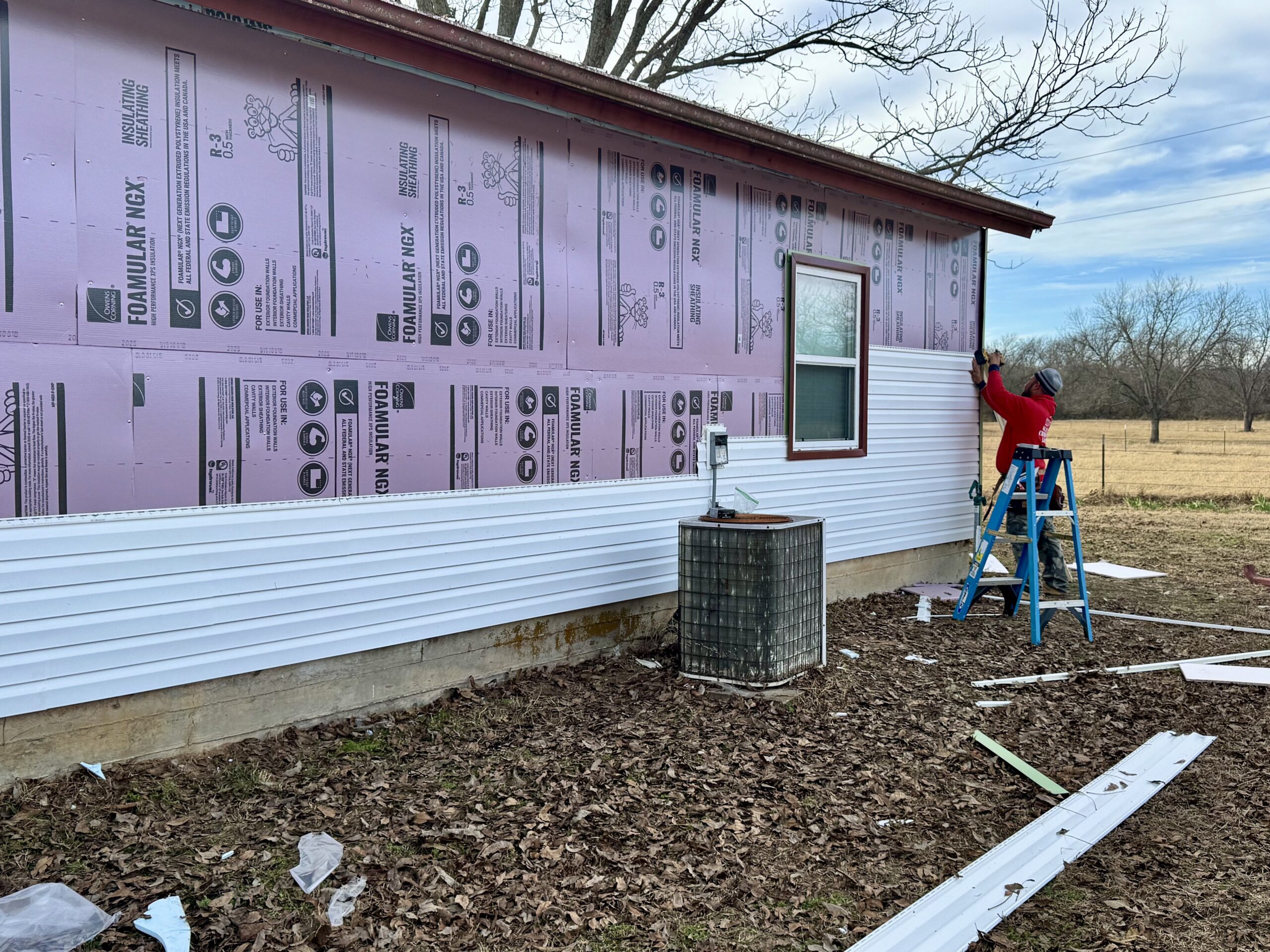
Common Reasons Roof Replacement Claims Are Delayed or Denied
Many roof replacement claims encounter delays because important information is missing or procedural steps are overlooked. Understanding these common issues helps homeowners prepare stronger claims while reducing unnecessary complications.
One of the most frequent reasons for delays is incomplete documentation. Limited photographs, missing contractor reports, or insufficient evidence may require additional inspections before the insurance company can make a decision.
Late claim reporting also creates challenges. Waiting weeks or months after a storm can make it difficult to determine when the damage actually occurred, especially if additional weather has affected the roof in the meantime.
Failure to perform reasonable temporary repairs may also complicate claims. Insurance companies generally expect homeowners to take practical steps to prevent further property damage after a covered event. Ignoring active leaks may increase damage that could have been avoided.
Poor communication between homeowners, contractors, and insurance representatives often results in misunderstandings. Prompt responses to document requests and inspection scheduling help keep the claim moving efficiently.
Another common reason for denial is that the damage results primarily from aging, deterioration, or maintenance issues rather than a covered event. Insurance policies are designed to cover sudden accidental losses, not gradual roof wear that develops over many years.
Finally, hidden damage discovered during construction should always be documented immediately. Reporting newly uncovered issues promptly gives the insurance company an opportunity to evaluate whether additional covered repairs should be included before the project continues.
By documenting thoroughly, communicating consistently, and understanding policy requirements, homeowners can reduce many of the obstacles that commonly delay roof replacement claims. In the final part of this guide, we will discuss deductibles, partial claim approvals, supplemental claims, selecting the right roofing contractor, completing the final inspection, answering frequently asked questions, and concluding with the key points every homeowner should remember about roof replacement insurance coverage.
Understanding Deductibles and Out of Pocket Costs
One of the most important financial aspects of a roof replacement claim is understanding how deductibles affect the final insurance payment. A deductible is the amount the homeowner agrees to pay before the insurance company contributes toward a covered loss. Although insurance may cover a large portion of the replacement cost, the deductible generally remains the homeowner’s responsibility.
Deductibles vary depending on the insurance policy. Some policies use a fixed dollar amount, while others apply a percentage based on the insured value of the home. Reviewing this information before beginning the replacement project helps homeowners prepare for their expected financial contribution.
Even after insurance approval, some expenses may not be covered. Optional upgrades, premium roofing materials that exceed the original specifications, cosmetic improvements, or unrelated repairs may result in additional out of pocket costs. Understanding these potential expenses before construction begins helps prevent unexpected financial surprises.
Request a detailed cost breakdown from the roofing contractor showing which items are expected to be covered by insurance and which costs remain the homeowner’s responsibility. Comparing this information with the insurance estimate creates greater transparency throughout the project.
Proper budgeting ensures that the roof replacement proceeds smoothly while allowing homeowners to take full advantage of the insurance benefits available under their policy.
What Happens If Your Claim Is Partially Approved
Not every roof replacement claim receives complete approval. In some cases, the insurance company determines that only part of the reported damage qualifies for coverage. Understanding how to respond to a partial approval helps homeowners make informed decisions without unnecessary delays.
Carefully review the insurance decision to determine exactly which repairs have been approved and which have been excluded. The explanation provided by the insurer often identifies whether exclusions are based on policy limitations, maintenance issues, or insufficient evidence.
Share the insurance documents with your roofing contractor so they can compare the approved scope of work with the actual roof condition. Contractors may identify covered damage that was overlooked during the initial inspection or explain why certain repairs alone may not restore the roof properly.
If additional evidence becomes available, homeowners may request that the insurance company review the claim again. Photographs, contractor reports, inspection findings, and supporting documentation often help clarify issues that were not fully addressed during the original evaluation.
Sometimes the insurance company’s decision is based on policy exclusions rather than disagreement about the damage itself. Understanding this distinction allows homeowners to determine whether additional documentation is likely to change the outcome.
Maintaining organized records throughout the process helps support any follow up discussions while ensuring that every covered aspect of the claim receives appropriate consideration.
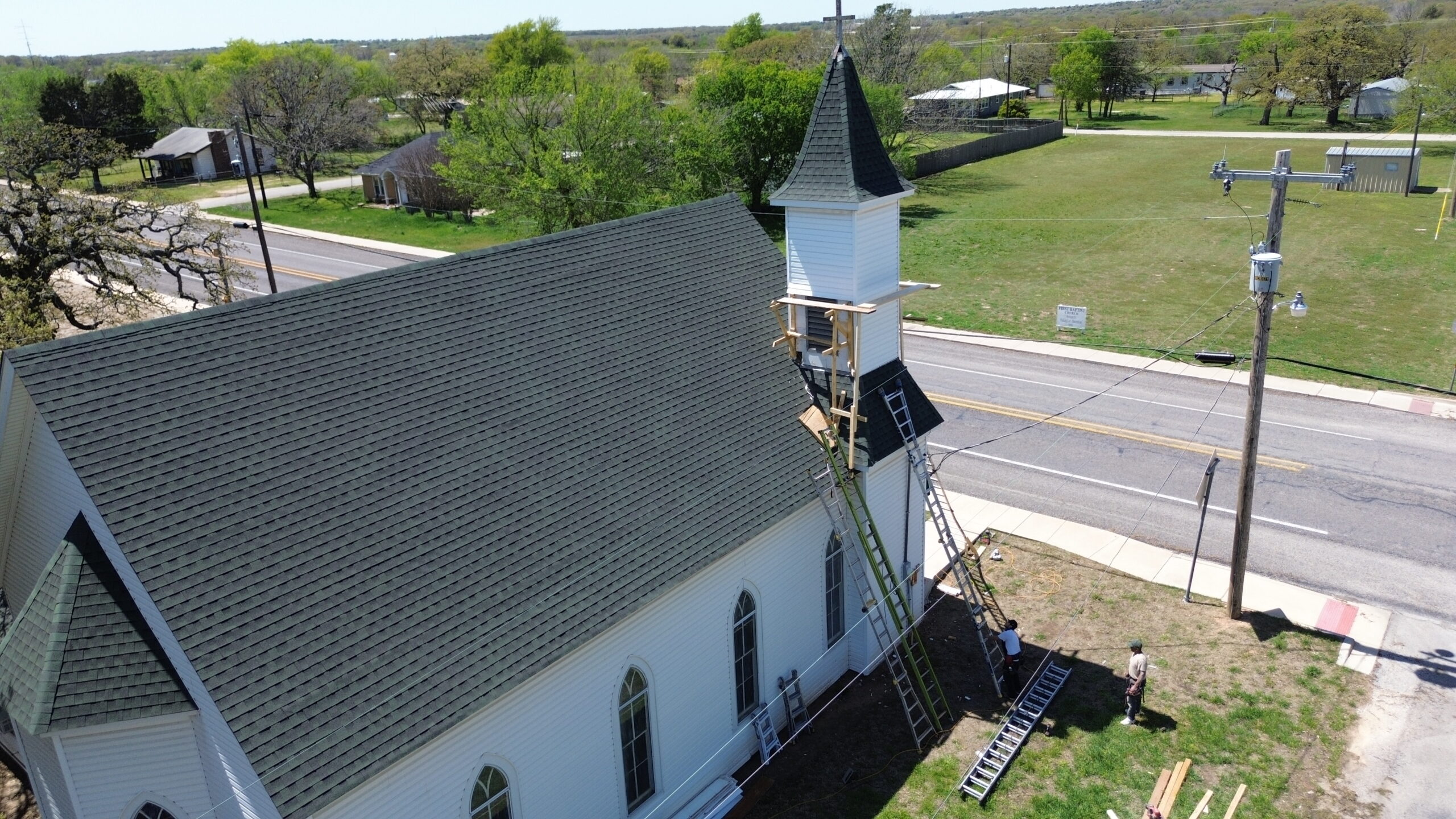
Claim Supplements and Additional Covered Damage
Roof replacement projects occasionally reveal hidden damage that was impossible to detect during the initial inspection. Once old roofing materials are removed, contractors may discover deteriorated decking, damaged framing, water intrusion, or other structural issues that require additional repairs before the new roof can be installed.
When these hidden problems are directly related to the covered event, the contractor may request a claim supplement from the insurance company. A supplement allows the insurer to review the newly discovered damage and determine whether additional payment should be approved.
Proper documentation is essential when requesting a supplement. Contractors should photograph the hidden damage immediately after it is uncovered and explain why it could not have been identified during the original inspection. Revised estimates and written reports also help support the request.
Building code requirements may also create supplemental costs. During roof replacement, contractors may be required to install updated underlayment, improved ventilation systems, additional flashing, or other code compliant materials that were not included in the initial estimate.
Homeowners should communicate with both the roofing contractor and the insurance representative before additional work continues. Prompt reporting allows the insurance company to evaluate the new information without creating unnecessary project delays.
Supplements are a normal part of many roof replacement projects and help ensure that covered damage discovered during construction is addressed appropriately.
Choosing the Right Roofing Contractor
Selecting the right roofing contractor is just as important as understanding the insurance policy. A qualified contractor not only installs the new roof properly but also provides accurate documentation that supports the insurance claim throughout the replacement process.
Begin by verifying that the contractor is licensed, insured, and experienced with residential roof replacement projects. Local experience is especially valuable because contractors understand regional weather conditions, building codes, and common roofing materials used in the area.
Ask for written estimates that clearly describe the proposed work. Comprehensive estimates should include material specifications, labor, removal of the existing roof, disposal costs, flashing replacement, ventilation improvements, cleanup, and warranty information. Detailed proposals make it easier to compare contractor pricing with the insurance estimate.
Research the contractor’s reputation by reviewing customer feedback and requesting references from previous roof replacement projects. Reliable contractors communicate clearly, complete work according to industry standards, and provide realistic expectations regarding insurance claims.
Avoid companies that promise guaranteed insurance approval or encourage homeowners to exaggerate damage. Ethical contractors focus on documenting actual roof conditions while allowing the insurance company to determine coverage according to the policy.
Choosing a trustworthy contractor contributes to both a smoother insurance process and a higher quality roof replacement that protects the home for many years.
Final Inspection Before Insurance Claim Closure
After the new roof has been installed, a final inspection helps confirm that the project has been completed according to the approved scope of work. This stage provides an opportunity to verify workmanship, resolve outstanding concerns, and ensure that all documentation has been submitted before the insurance claim is officially closed.
Walk around the property with the roofing contractor and inspect all completed work. Check shingles, flashing, ridge caps, gutters, roof vents, skylights, and other roofing components to confirm that they have been installed correctly and match the agreed upon project specifications.
Inspect the surrounding property as well. Roofing projects generate old shingles, nails, packaging materials, and other debris that should be removed before the contractor finishes the project. A clean property reflects professional workmanship while reducing potential safety hazards.
Collect copies of warranties, final invoices, inspection approvals, and photographs showing the completed roof. These records provide valuable proof that the replacement has been completed and should be stored together with the insurance claim documentation.
Some insurance companies require proof of project completion before releasing final payments or recoverable depreciation under Replacement Cost Value policies. Submitting the requested documents promptly helps complete the claim without unnecessary delays.
A careful final inspection protects both the homeowner and the contractor while ensuring that the roof replacement meets the expected quality standards.
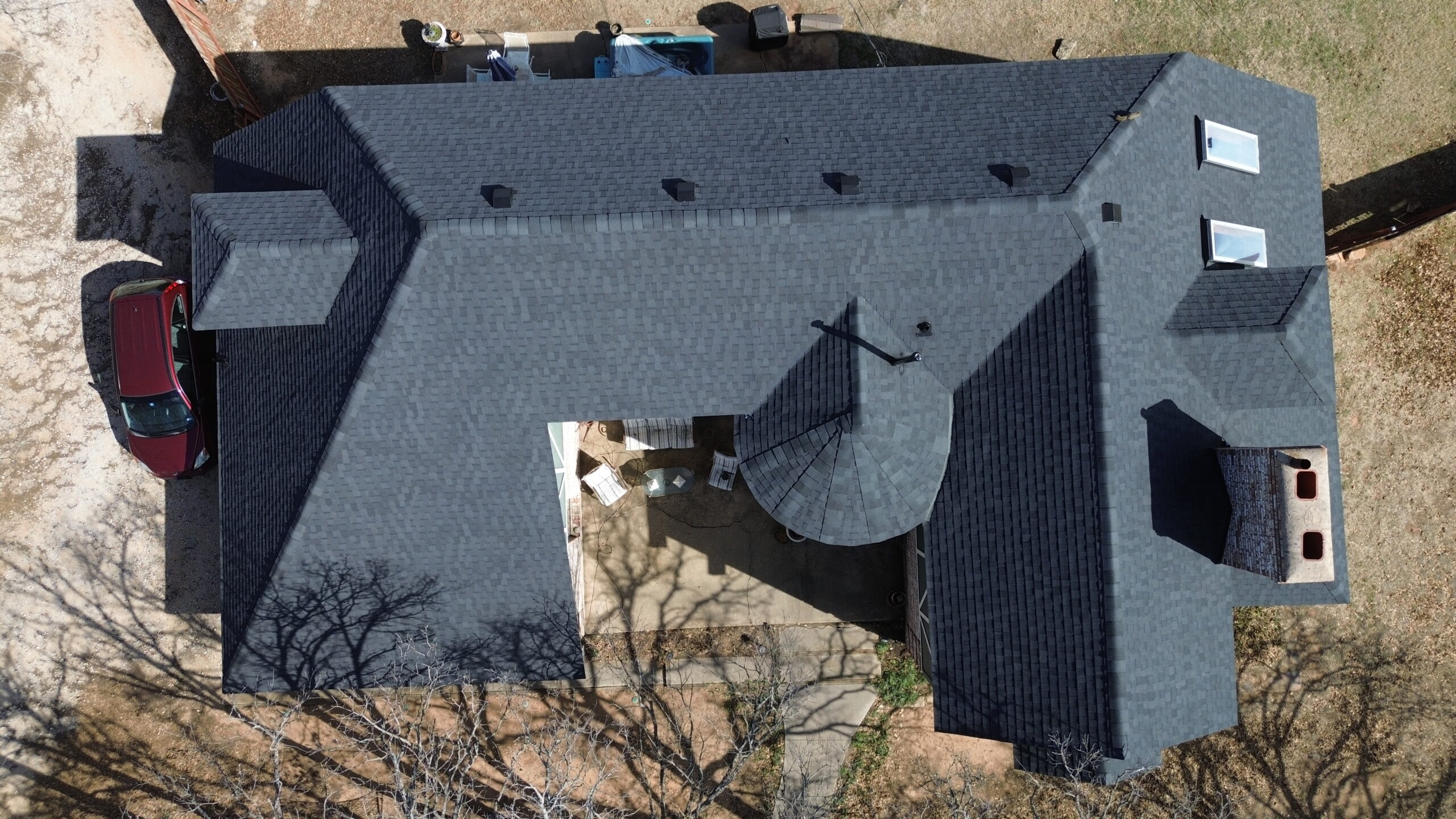
Frequently Asked Questions About Home Insurance Roof Coverage
Does homeowners insurance always cover roof replacement?
No. Coverage depends on the insurance policy and the cause of the damage. Sudden accidental events such as hail, wind, fire, or falling trees are commonly covered, while normal aging and poor maintenance are generally excluded.
Will insurance replace an old roof after a storm?
The age of the roof is only one factor considered during the claim. Insurance companies primarily evaluate whether the reported damage resulted from a covered event and whether replacement is necessary based on the roof’s condition.
Can I choose my own roofing contractor?
Yes. Homeowners are generally free to select the contractor they prefer. Choosing a qualified and experienced roofing company helps ensure quality workmanship and accurate claim documentation.
What if additional damage is discovered during construction?
Hidden damage should be photographed immediately and reported to the insurance company. If the newly discovered damage resulted from the covered event, the contractor may request a supplemental review for additional payment.
Are temporary repairs covered by insurance?
Many policies reimburse reasonable emergency expenses that prevent additional property damage after a covered event. Keep receipts and photographs documenting all temporary repairs.
How long should I keep roof replacement records?
Retain photographs, inspection reports, estimates, invoices, warranties, and insurance correspondence even after the project is complete. These records may prove useful for future claims, warranty issues, or property sales.
Steps to Successfully Complete a Roof Replacement Insurance Claim
Following a structured process helps homeowners manage the insurance claim more efficiently while reducing unnecessary delays.
- Review your homeowners insurance policy and understand the available roof coverage.
- Document all roof and interior damage immediately after it is safe.
- Arrange a professional roof inspection and obtain a detailed written report.
- Report the damage to your insurance company as soon as possible.
- Organize photographs, inspection reports, maintenance records, and repair estimates.
- Meet with the insurance adjuster and provide all supporting documentation.
- Review the insurance estimate carefully and discuss any differences with your contractor.
- Report hidden damage promptly if it is discovered during roof replacement.
- Complete a final inspection after construction is finished.
- Store all claim documents, warranties, and payment records for future reference.
Following these steps creates a well documented claim while improving communication between homeowners, contractors, and insurance representatives throughout the replacement process.
Conclusion
Homeowners insurance can provide valuable financial protection when unexpected events damage a roof, but understanding exactly what is covered is essential before beginning the claims process. Coverage generally applies to sudden accidental damage caused by events such as wind, hail, fire, or falling trees, while normal wear, aging, and neglected maintenance are typically excluded. Knowing these distinctions allows homeowners to approach roof replacement claims with realistic expectations and stronger preparation.
A successful roof replacement claim depends on careful documentation, prompt reporting, professional inspections, and organized communication with both roofing contractors and insurance representatives. High quality photographs, detailed inspection reports, maintenance records, and accurate estimates all contribute to a stronger claim that clearly demonstrates the need for replacement under the policy terms.
Every homeowners insurance policy is different, making it important to review coverage details before damage occurs. By understanding deductibles, replacement cost provisions, claim supplements, and the overall insurance process, homeowners can protect their investment while reducing unnecessary out of pocket expenses. With proper preparation and accurate documentation, the roof replacement process becomes more efficient, helping restore the home safely while maximizing the benefits available through the insurance policy.