
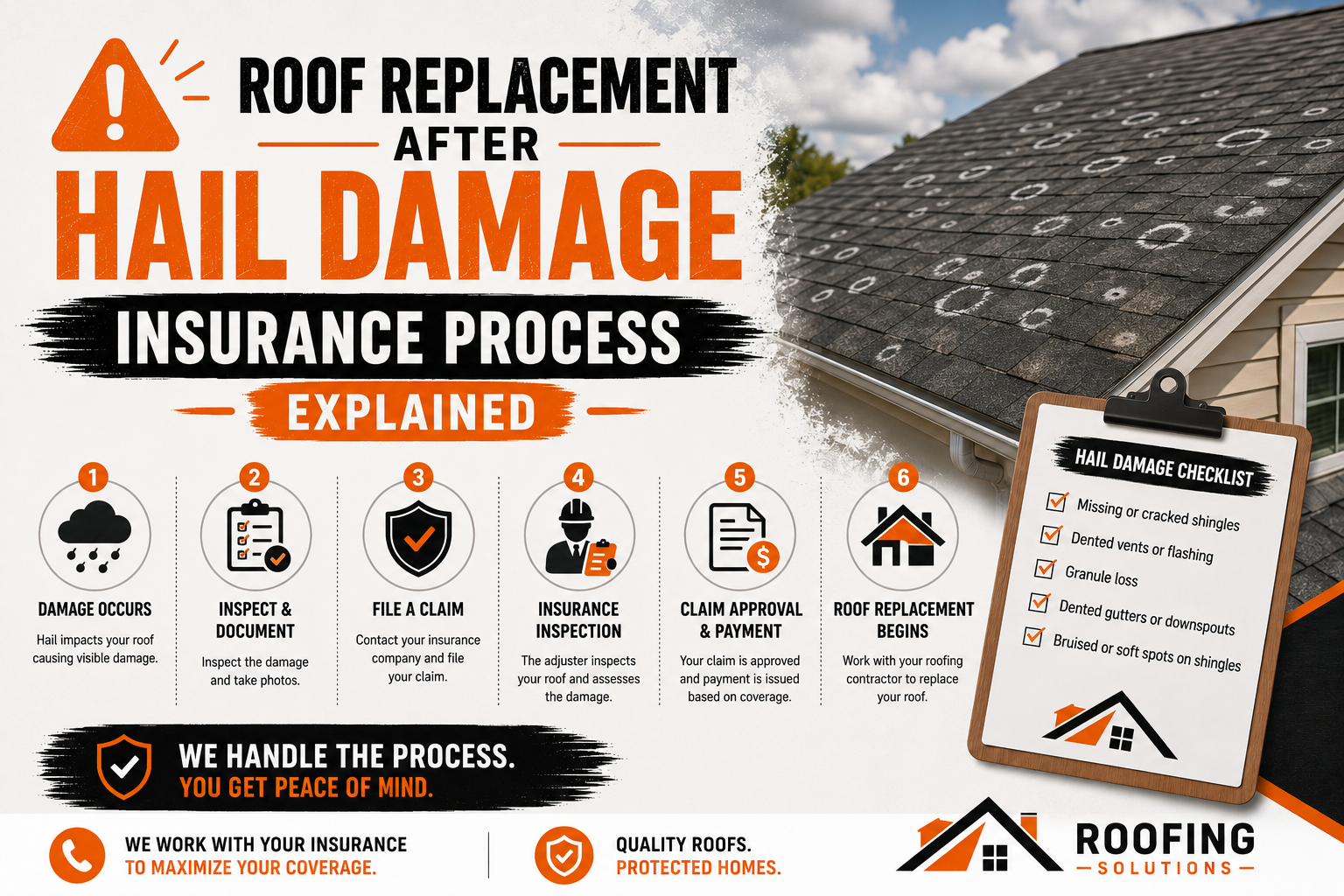
Roof Replacement After Hail Damage Insurance Process Explained
Introduction
Hailstorms are among the most destructive weather events for residential roofs. Even relatively small hailstones can weaken roofing materials, while larger hail can crack shingles, dent metal components, damage flashing, and shorten the overall lifespan of the roof. Although some damage is immediately visible, many problems remain hidden until leaks or structural issues begin to appear.
After a hailstorm, homeowners often face two important questions. The first is whether the roof requires repairs or complete replacement, and the second is whether homeowners insurance will cover the cost. Understanding the insurance process before filing a claim helps reduce confusion and improves the likelihood of receiving fair compensation for legitimate storm damage.
Many homeowners mistakenly believe that every roof damaged by hail automatically qualifies for insurance coverage. In reality, insurance companies evaluate several factors before approving a claim. The adjuster must determine whether the damage resulted directly from the hailstorm, whether the policy covers the loss, and whether the roof was properly maintained before the storm occurred.
The claims process can seem overwhelming, particularly for homeowners filing their first insurance claim. From documenting the damage and contacting the insurance company to meeting with the adjuster and selecting a roofing contractor, every stage requires careful attention. Small mistakes early in the process may delay approval or reduce the settlement amount.
This guide explains the complete insurance process for roof replacement after hail damage. By understanding how hail affects roofing materials, what insurance companies look for during inspections, and how homeowners can prepare strong documentation, you can navigate the claims process with greater confidence and make informed decisions throughout the restoration project.
How Hail Damages a Roof
Hail forms when powerful storm updrafts carry water droplets high into the atmosphere, where freezing temperatures turn them into ice. As these ice particles circulate through the storm, they grow larger by collecting additional layers of ice before eventually falling to the ground. The size, density, wind speed, and impact angle of the hail all influence the amount of damage a roof may experience.
Roofing materials are designed to withstand normal weather conditions, but repeated impacts from hail can compromise their protective capabilities. Even if the roof continues preventing water intrusion immediately after the storm, hidden damage may shorten its lifespan and increase the likelihood of future leaks.
Asphalt shingles are particularly vulnerable to hail impacts. Large hailstones can loosen protective granules, create surface bruising, crack the shingle structure, or expose the underlying asphalt layer. Once the protective surface has been damaged, the shingles become more susceptible to sunlight, moisture, and additional weathering.
Metal roofing systems generally resist punctures better than asphalt shingles, but they are not immune to damage. Hail can leave dents, deform flashing, damage fasteners, or affect the appearance of standing seam metal roofs. While cosmetic damage may not always require replacement, severe impacts can affect structural performance.
Tile, slate, and wood shake roofing systems each respond differently to hail. Clay and concrete tiles may crack or fracture upon impact, while slate can split into multiple pieces if struck by large hailstones. Wood shingles may develop cracks that allow moisture to penetrate beneath the roofing surface over time.
Roof accessories are also vulnerable during hailstorms. Gutters, downspouts, skylights, vents, chimney caps, flashing, and roof-mounted equipment can all sustain damage. Insurance adjusters typically inspect these components because they provide additional evidence regarding the severity of the hailstorm.
The amount of roof damage depends on several factors working together rather than hail size alone. Roof age, material condition, installation quality, wind direction, storm duration, and previous weather exposure all influence how well the roofing system withstands hail impacts.
Understanding how hail damages different roofing materials helps homeowners recognize why professional inspections are often necessary after major storms. Some forms of hail damage are obvious, while others remain hidden until experienced roofing professionals perform a detailed evaluation.
Signs Your Roof May Have Hail Damage
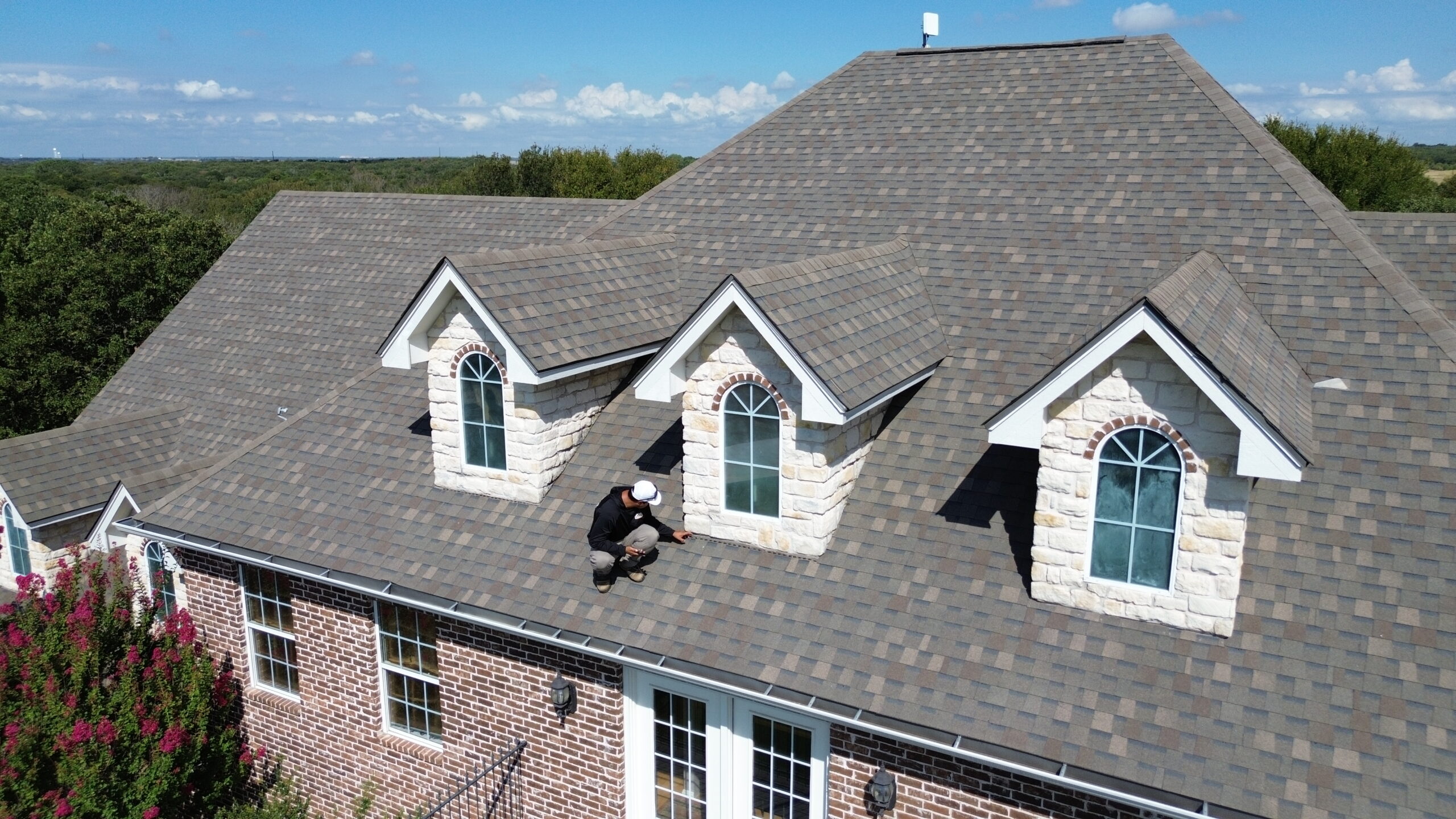
Hail damage is not always immediately visible from the ground. In many cases, homeowners do not realize their roof has been affected until leaks develop weeks or even months after the storm. Recognizing the early warning signs allows homeowners to arrange inspections before minor damage becomes more expensive structural problems.
One of the most common indicators is missing protective granules on asphalt shingles. Hail impacts can knock away these granules, exposing the darker asphalt beneath. Granule loss often appears as scattered dark spots across the roof and may also collect inside gutters or at the base of downspouts after heavy rain.
Bruising is another frequent sign of hail damage. When pressed gently by an experienced roofing professional, bruised shingles may feel soft because the underlying material has been compressed by hail impact. Although bruises are sometimes difficult for homeowners to identify safely, they can significantly reduce the lifespan of roofing materials.
Cracked or fractured shingles are more obvious signs of severe hail damage. Large hailstones may split shingles, create visible impact marks, or loosen roofing materials enough to allow water infiltration. Any visible cracking should be evaluated promptly because moisture can quickly penetrate damaged areas.
Metal roof components often provide valuable clues about hail severity. Dented gutters, damaged flashing, bent roof vents, and impact marks on metal surfaces suggest that the storm produced enough force to affect other roofing materials as well. These observations often support insurance claims by demonstrating widespread storm activity.
Homeowners should also inspect areas inside the house after a hailstorm. Water stains on ceilings, damp attic insulation, peeling paint, or unexplained moisture around roof penetrations may indicate that hail damage has compromised the roofing system. Interior damage frequently becomes noticeable only after subsequent rainfall.
Some warning signs are easier to recognize than others. The following indicators commonly suggest that a professional roof inspection is needed after a hailstorm:
- Dark spots where shingle granules are missing.
- Cracked or fractured roofing materials.
- Dented gutters, flashing, or roof vents.
- Damaged skylights or window screens.
- Water stains inside the attic or ceilings.
- Roofing debris found around the property.
Homeowners should avoid climbing onto damaged roofs after severe weather because wet surfaces, loose shingles, and structural damage create serious safety hazards. Professional roofing contractors have the equipment and experience necessary to inspect storm-damaged roofs safely.
Early identification of hail damage not only protects the home from additional deterioration but also strengthens future insurance claims by documenting damage before weather conditions change.
Understanding Insurance Coverage for Hail Damage
Homeowners insurance often covers roof replacement after hail damage, but coverage depends on several important conditions. Understanding how insurance policies handle hail-related claims helps homeowners develop realistic expectations before beginning the claims process.
Most standard homeowners insurance policies classify hail as a covered peril. This means that if hail directly damages the roof, the insurance company may pay for repairs or replacement according to the policy terms. However, approval is never automatic because the insurer must first verify that the damage resulted from the hailstorm rather than other causes.
The insurance company typically assigns a claims adjuster to inspect the roof after the claim is reported. The adjuster evaluates roofing materials, flashing, gutters, vents, and surrounding property while determining the cause and extent of the damage. Photographs, weather records, contractor reports, and maintenance history may also become part of the investigation.
Coverage may differ depending on the type of insurance policy. Replacement cost policies generally pay for installing comparable new roofing materials after the deductible has been satisfied. Actual cash value policies reduce the payment by accounting for depreciation, meaning homeowners with older roofs may receive smaller settlements.
Insurance companies also consider the roof’s condition before the hailstorm. If inspections reveal significant pre-existing deterioration, unresolved maintenance issues, or previous unrepaired damage, the insurer may reduce the settlement or deny the claim. Regular roof maintenance therefore plays an important role in protecting future insurance coverage.
Deductibles are another important part of the process. Homeowners must generally pay the deductible before insurance contributes toward the replacement cost. In regions that experience frequent hailstorms, some policies include separate wind or hail deductibles that differ from the standard policy deductible.
Although hail damage is commonly covered, policies usually exclude losses resulting from neglect, normal aging, poor workmanship, manufacturing defects, or routine wear and tear. Reading the insurance policy carefully before filing a claim helps homeowners understand what is and is not covered.
Understanding these policy provisions helps homeowners approach the insurance process with realistic expectations while preparing the documentation needed to support a successful claim.
Immediate Steps to Take After a Hailstorm
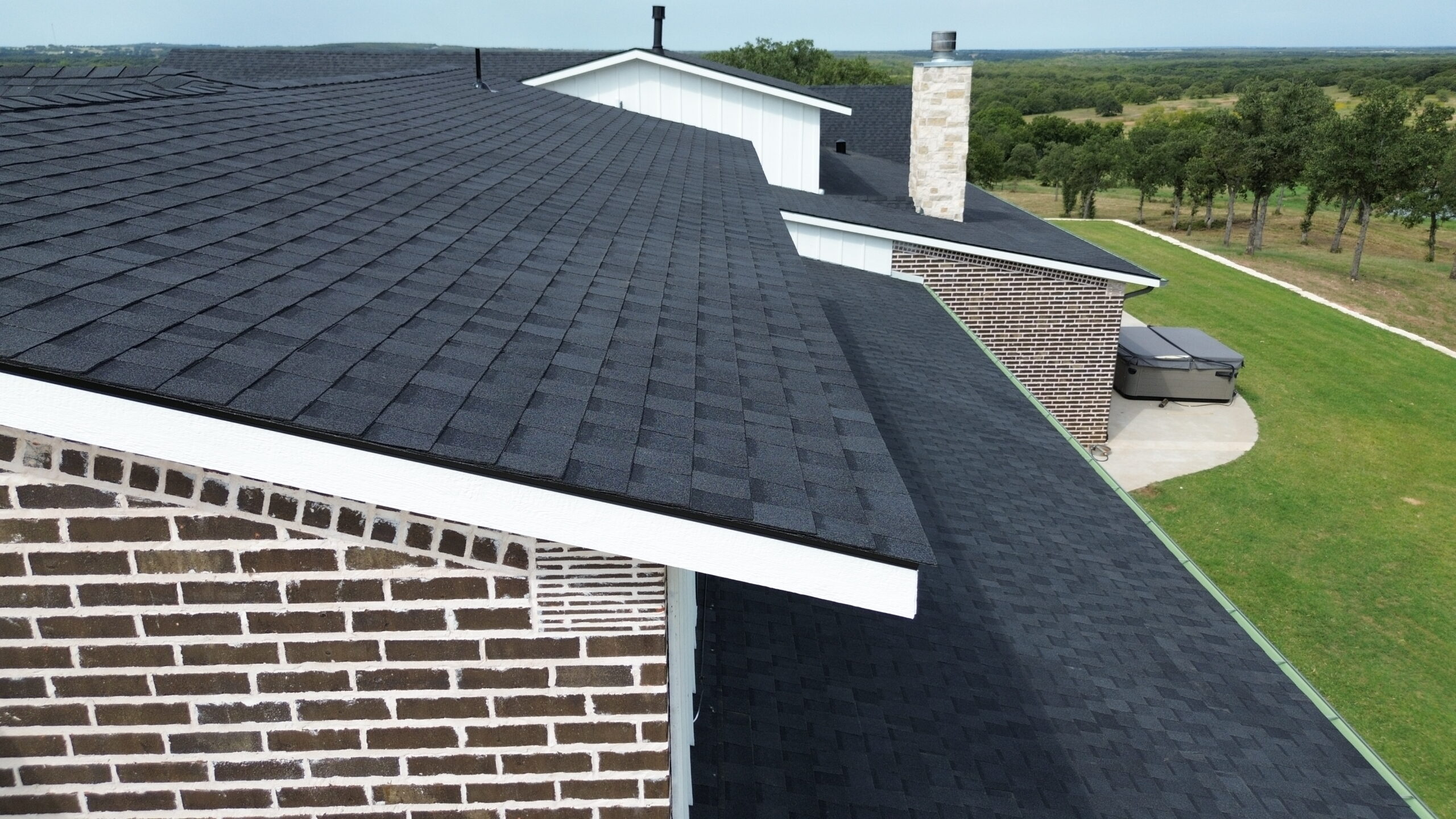
The actions taken immediately after a hailstorm can significantly influence both the condition of the roof and the outcome of the insurance claim. Remaining calm and following an organized approach helps protect the property while preserving valuable evidence for the insurance investigation.
Safety should always come first. Wait until the storm has completely passed before inspecting the property, and avoid climbing onto the roof because damaged materials may be unstable or slippery. Fallen power lines, broken tree branches, and other hazards should also be treated with caution.
Begin by inspecting the property from ground level. Look for damaged gutters, dented metal surfaces, broken windows, fallen branches, and visible roofing debris. These observations help establish that the property experienced significant storm activity without exposing homeowners to unnecessary risk.
Take photographs of everything you observe before moving debris or making temporary repairs. Wide-angle images showing the overall property should be combined with close-up photographs highlighting visible damage. Recording the date of the storm and saving local weather information also strengthens future insurance documentation.
If the roof has been punctured or active leaks are present, take reasonable steps to prevent additional damage. Temporary tarps, buckets beneath interior leaks, and moving valuable belongings away from water intrusion demonstrate responsible property ownership. Insurance companies generally expect homeowners to minimize additional losses whenever it is safe to do so.
Next, arrange a professional roof inspection as soon as practical. Experienced roofing contractors can identify both visible and hidden hail damage while preparing documentation that may later support the insurance claim. Early inspections also help distinguish hail damage from deterioration that could occur if repairs are delayed for an extended period.
Avoid accepting repair offers from contractors who appear immediately after major storms without verifying their qualifications. While many roofing companies provide excellent service, some temporary storm-response contractors pressure homeowners into signing contracts before insurance inspections have been completed. Taking time to verify licensing, references, and experience helps protect both your property and your finances.
Following these early steps creates a strong foundation for the insurance claims process while reducing the likelihood of additional property damage.
Documenting Roof Damage Before Filing a Claim
Accurate documentation is one of the most valuable tools homeowners have when filing an insurance claim for hail damage. Insurance companies rely heavily on evidence when determining whether roof replacement qualifies for coverage. Thorough documentation strengthens the claim and helps reduce disagreements about the cause or extent of the damage.
Begin by taking clear photographs of every affected area. Capture wide images showing the entire roof and surrounding property before focusing on close-up pictures of damaged shingles, flashing, gutters, vents, skylights, and other impacted components. Multiple viewing angles help provide a complete picture of the storm’s effects.
Video recordings add another layer of documentation because they capture details that still photographs may not fully show. Slowly recording the property while describing visible damage creates a helpful visual timeline that can later support the insurance investigation.
Keep copies of weather reports confirming that hail occurred in your area on the reported date. While weather records alone cannot prove roof damage, they strengthen the claim by verifying that severe conditions existed when the loss occurred. Combining weather information with photographs and inspection reports creates much stronger supporting evidence.
Professional inspection reports are equally valuable. Qualified roofing contractors document impact marks, damaged materials, measurements, and photographs while explaining why repairs or replacement are necessary. These reports often become important references during discussions with the insurance adjuster.
Maintain organized records of every document related to the storm. Save inspection reports, emergency repair receipts, contractor estimates, insurance correspondence, claim numbers, and notes from telephone conversations. Keeping everything together allows homeowners to respond quickly if the insurance company requests additional information.
Avoid making permanent roof repairs before the insurance inspection unless immediate action is necessary for safety reasons. Temporary protective measures are appropriate, but replacing damaged materials too early may remove evidence needed during the adjuster’s evaluation.
Strong documentation provides a clear record of the roof’s condition immediately after the hailstorm and establishes a solid foundation for the next stage of the insurance process. Once this evidence has been gathered, homeowners are well prepared to notify their insurance company, begin the formal claim, and work through inspections, estimates, and settlement discussions in the following stages of the roof replacement process.
Filing the Insurance Claim for Hail Damage
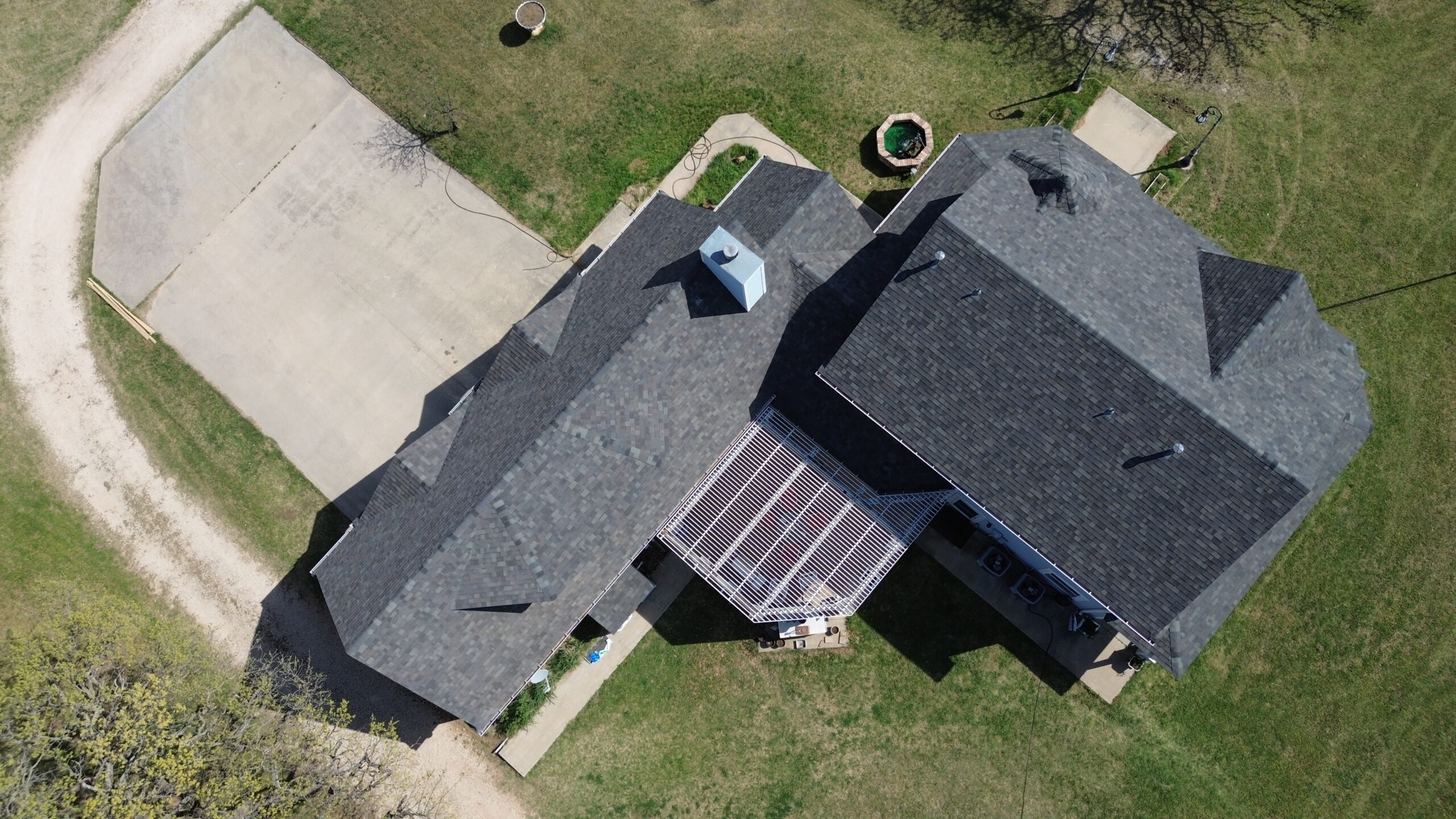
Once the roof has been inspected and the damage has been documented, the next step is to notify your insurance company and officially begin the claims process. Filing the claim promptly helps preserve evidence while allowing the insurer to investigate the damage before additional weather changes the condition of the roof. Delaying the claim for too long can make it more difficult to prove that the hailstorm caused the damage.
Most insurance companies allow homeowners to file claims in several ways. You can contact the claims department by phone, submit the claim through the insurer’s website or mobile application, or work directly with your insurance agent. Regardless of the method you choose, you should have important information available before starting the process.
The insurance representative will usually request basic details about the property and the hailstorm. This often includes the date of the storm, the address of the home, a description of the visible damage, and whether temporary repairs have already been completed. Providing accurate information from the beginning helps avoid confusion later during the investigation.
Once the claim has been opened, the insurance company assigns a claim number that will be used throughout the process. A claims adjuster is then assigned to inspect the property and determine whether the damage qualifies under the terms of the policy. Keeping the claim number and all related correspondence organized makes future communication much easier.
It is helpful to create a written record of every conversation with the insurance company. Record the date, time, name of the representative, and a brief summary of what was discussed. Maintaining this timeline helps if questions arise later regarding inspections, documentation, or settlement offers.
If the insurance company requests additional documents, respond as quickly as possible. Prompt communication demonstrates cooperation and helps prevent unnecessary delays while the claim is being evaluated.
The Roof Inspection and Insurance Adjuster Visit
The insurance adjuster’s inspection is one of the most important parts of the hail damage claim process. During this visit, the adjuster evaluates the condition of the roof, confirms whether hail caused the reported damage, and determines whether repairs or complete replacement are appropriate. The findings from this inspection play a major role in the final claim decision.
Before the adjuster arrives, organize all available documentation in one location. Photographs, videos, contractor inspection reports, weather records, maintenance records, and emergency repair receipts should all be ready for review. Having this information available allows the adjuster to understand the sequence of events more clearly.
During the inspection, the adjuster carefully examines shingles, flashing, roof vents, gutters, skylights, and other exterior roofing components. They also look for dents, fractured shingles, granule loss, and other impact marks that indicate hail damage. If leaks have occurred, the attic and interior ceilings may also be inspected for signs of water intrusion.
Many homeowners choose to have their roofing contractor present during the adjuster’s inspection. This often benefits both parties because the contractor can explain technical roofing issues, identify hidden damage, and answer questions regarding replacement requirements. Open communication between the contractor and adjuster frequently helps avoid misunderstandings.
The adjuster documents the inspection by taking photographs, measurements, and written notes describing the observed damage. These findings are later combined with policy information to determine whether the claim qualifies for payment. Depending on the complexity of the claim, additional reviews may be required before a final decision is issued.
If additional damage is discovered after construction begins, the contractor can document the findings and submit supplemental information to the insurance company. This allows the insurer to review newly identified issues that were not visible during the initial inspection.
Understanding what occurs during the adjuster’s visit helps homeowners prepare more effectively while ensuring that important evidence is available throughout the inspection.
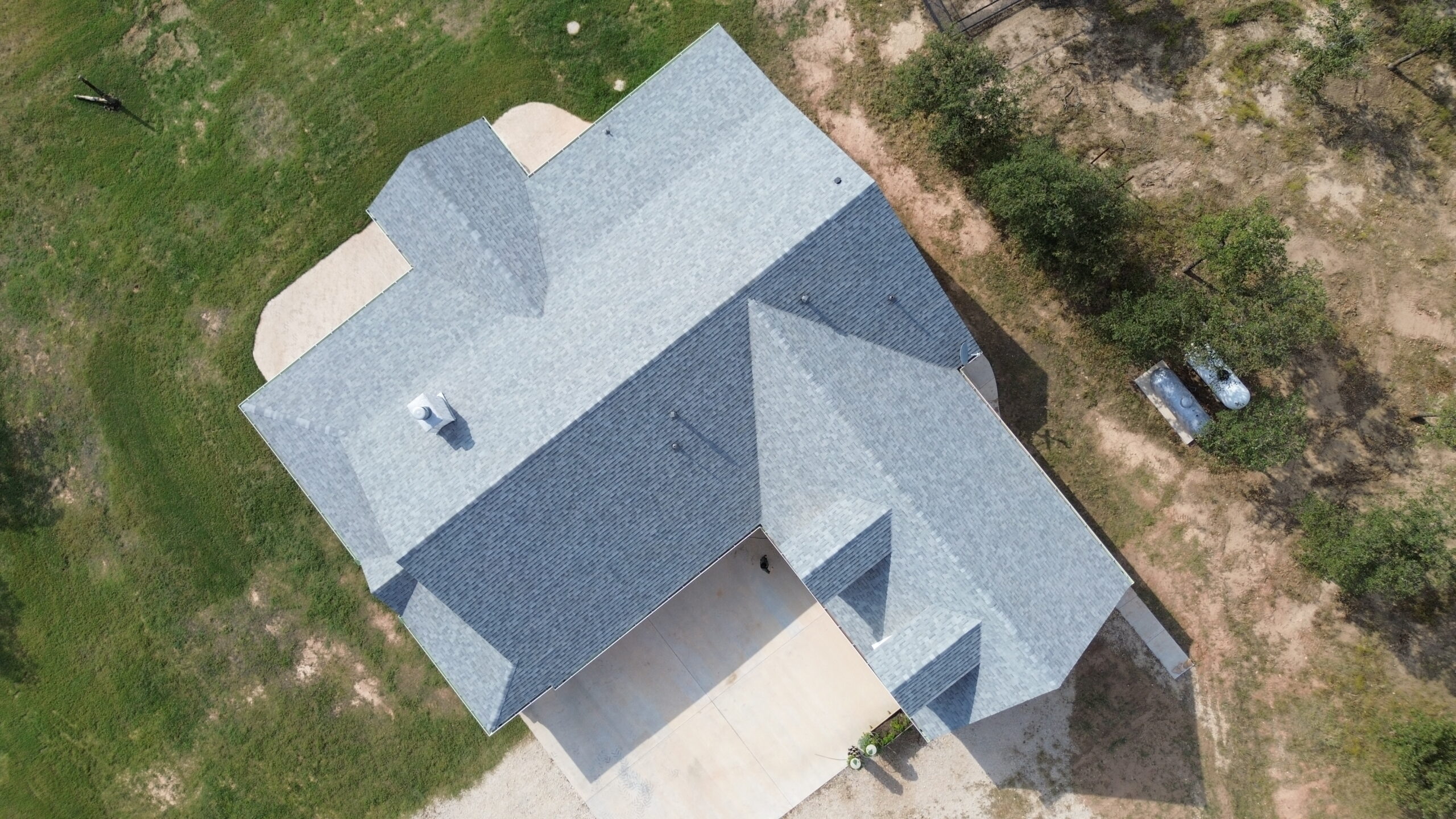
Working With a Roofing Contractor During the Claim
Selecting the right roofing contractor is just as important as working with the insurance company. A qualified contractor not only installs the new roof but also helps document storm damage, prepares detailed estimates, and communicates technical information throughout the insurance claim process.
Choose a contractor with experience handling hail damage insurance claims rather than selecting the first company that offers services after a storm. Experienced contractors understand how insurance inspections work and know how to identify both visible and hidden storm damage. Their knowledge often helps homeowners avoid mistakes during documentation and estimate preparation.
Before hiring a contractor, verify licensing, insurance coverage, references, and local experience where applicable. A reputable roofing company should willingly provide written estimates, explain project details, and answer questions about materials, warranties, and construction procedures. Taking time to evaluate several contractors leads to more informed decisions.
Many contractors perform independent roof inspections before the insurance adjuster visits the property. These inspections often identify hail impacts, damaged flashing, compromised ventilation components, and other issues that homeowners may overlook. Detailed contractor reports provide valuable supporting evidence during the insurance investigation.
Some contractors attend the insurance inspection with the homeowner. During the visit, they can explain why certain roofing components require replacement and discuss industry standards with the adjuster. Professional communication between experienced contractors and adjusters often results in more accurate damage assessments.
Homeowners should be cautious of contractors who promise guaranteed insurance approval or encourage dishonest claim practices. Ethical roofing companies document legitimate damage accurately rather than exaggerating problems to increase claim payments. Honest documentation protects everyone involved while reducing the risk of future disputes.
Avoid signing contracts that require full commitment before the insurance claim has been approved. Review every agreement carefully and understand cancellation terms, payment schedules, warranty coverage, and project responsibilities before signing any documents.
Working with a trustworthy contractor creates a smoother experience from the initial inspection through the final roof installation.
Understanding Insurance Estimates and Settlement Offers
After the inspection has been completed, the insurance company prepares an estimate describing the approved repairs or replacement work. This estimate serves as the basis for the settlement offer and explains how the insurance payment has been calculated. Understanding the estimate helps homeowners evaluate whether it accurately reflects the damage.
Insurance estimates typically include roofing materials, labor costs, removal of existing roofing, underlayment, flashing, ventilation components, and other approved work. The estimate may also identify deductions for depreciation or the homeowner’s deductible depending on the policy type.
Insurance companies often use specialized estimating software that calculates labor and material costs according to regional pricing information. While this creates consistency, contractor estimates sometimes differ because of local market conditions, project complexity, or hidden damage that becomes visible only after construction begins.
If your contractor’s estimate differs from the insurance company’s estimate, compare both documents carefully before assuming an error has occurred. Differences often involve project scope, building code upgrades, material quality, or additional repairs rather than simple pricing disagreements.
The following table highlights several important elements commonly included in an insurance settlement.
| Settlement Component | Purpose | Effect on Payment |
|---|---|---|
| Roof Replacement Cost | Covers approved roofing work | Forms the primary settlement amount |
| Deductible | Homeowner’s required contribution | Reduces insurance payment |
| Depreciation | Accounts for roof age under certain policies | May reduce initial payment |
| Labor Costs | Covers installation expenses | Included according to approved estimate |
| Supplemental Repairs | Covers additional approved damage discovered later | May increase the final payment |
Replacement cost policies sometimes issue payments in stages. The insurance company may initially pay the actual cash value and later release the remaining recoverable depreciation after receiving proof that the roof replacement has been completed. Understanding this process prevents confusion when reviewing payment documents.
If any part of the settlement seems unclear, ask your insurance representative to explain the estimate line by line. Understanding how the payment was calculated allows homeowners to make informed decisions before construction begins.

Common Reasons Hail Damage Claims Get Delayed or Denied
Although hail is commonly covered under homeowners insurance policies, not every claim receives immediate approval. Delays and denials often occur because of documentation issues, policy limitations, or questions regarding the actual cause of the roof damage. Understanding these common problems helps homeowners prepare stronger claims.
One frequent reason for delays is insufficient documentation. Limited photographs, missing inspection reports, or incomplete maintenance records make it more difficult for adjusters to verify the extent of the damage. Thorough documentation collected immediately after the storm provides stronger evidence during the investigation.
Delayed claim reporting can also create problems. Waiting several months before notifying the insurance company may allow additional weather damage to occur, making it difficult to distinguish new hail damage from later deterioration. Prompt reporting helps preserve evidence while improving the accuracy of the inspection.
Insurance companies also examine whether the roof already contained pre-existing damage before the hailstorm. If adjusters determine that aging, neglect, or unresolved maintenance issues contributed significantly to the roof’s condition, portions of the claim may be denied.
Another issue involves repairs completed before the insurance inspection. While temporary protective measures are encouraged, replacing damaged roofing materials too early may remove important evidence that the adjuster needs to evaluate the claim. Documenting everything before repairs begin helps prevent these situations.
Contractor-related issues sometimes contribute to delays as well. Incomplete estimates, unclear project descriptions, or disagreements regarding replacement requirements may require additional review before settlement can be finalized.
Understanding these common challenges allows homeowners to avoid preventable mistakes while improving communication with both the insurance company and their roofing contractor.
What to Expect Before Roof Replacement Begins
After the insurance company approves the claim and the settlement has been accepted, several important steps remain before construction actually begins. Understanding these preparations helps homeowners know what to expect during the transition from insurance approval to roof replacement.
The first step is reviewing the contractor’s final proposal alongside the approved insurance estimate. Confirm that the project includes all necessary materials, labor, flashing, underlayment, ventilation improvements, permits, cleanup, and debris removal. Addressing questions before construction starts helps prevent misunderstandings later.
Next, roofing materials are ordered and the installation schedule is finalized. Material availability, contractor workload, weather conditions, and permit approval all influence the project timeline. During periods of widespread hail damage, scheduling may require additional patience because roofing companies often experience increased demand.
Homeowners should prepare the property before construction begins. Vehicles should be moved away from the house, outdoor furniture relocated, and fragile decorations removed from interior walls because roofing work can create vibrations throughout the structure. Protecting landscaping and valuable outdoor items also helps reduce the risk of accidental damage.
It is helpful to discuss project expectations with the roofing contractor before work starts. Topics such as working hours, noise levels, access to the property, daily cleanup procedures, and estimated completion time should all be reviewed in advance. Clear communication helps both the homeowner and contractor understand their responsibilities throughout the installation.
Finally, continue maintaining communication with the insurance company if unexpected issues arise. Hidden structural damage or building code requirements occasionally become apparent only after old roofing materials have been removed. When properly documented, these additional findings may qualify for supplemental insurance review before the replacement project continues.
With the insurance claim approved, the contractor selected, and project preparations complete, homeowners are ready to move into the final phase of the process. The next stage focuses on completing the roof replacement, final inspections, insurance payments, and protecting the new roof from future hail damage.
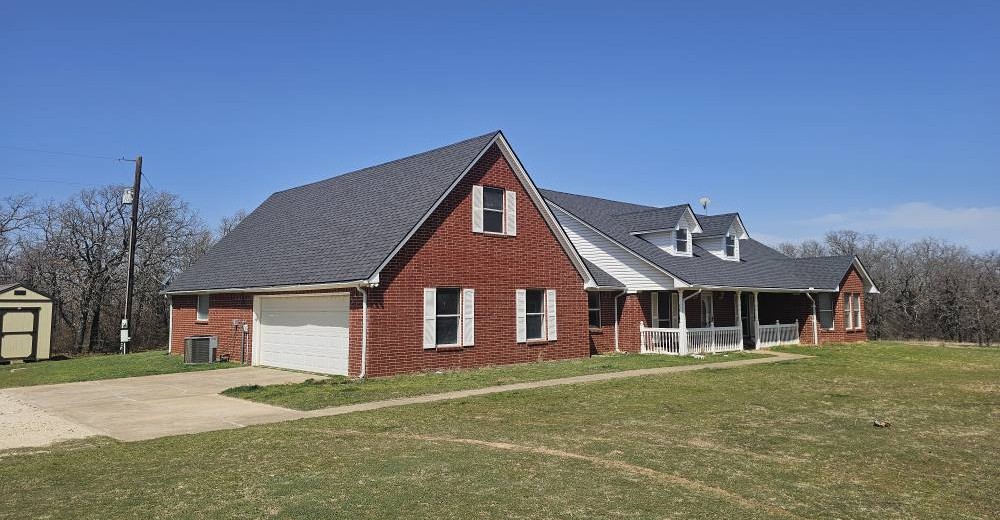
Roof Replacement After Claim Approval
Once your insurance company approves the hail damage claim, the focus shifts from documentation and inspections to restoring your home. Although claim approval is a major milestone, several important steps still need to be completed before the project is finished. Careful planning during this stage helps ensure the replacement proceeds smoothly and that the new roof meets both insurance requirements and industry standards.
The first step is reviewing the insurance settlement alongside your contractor’s proposal. Confirm that the approved scope of work includes all necessary materials, labor, underlayment, flashing, ventilation improvements, roof decking repairs if required, and debris removal. If any differences exist between the contractor’s estimate and the insurance approval, discuss them before construction begins.
After the project details have been confirmed, the contractor orders materials and schedules the installation. The timeline depends on weather conditions, contractor availability, material delivery, and local permit requirements. During busy storm seasons, homeowners may experience longer waiting periods because roofing companies often manage multiple insurance restoration projects simultaneously.
Before installation starts, prepare your property to minimize disruptions. Move vehicles away from the driveway, relocate outdoor furniture, cover valuable items stored in the attic, and remove fragile wall decorations inside the home. Roofing work creates vibration throughout the structure, and taking these precautions helps prevent accidental damage.
During construction, the roofing crew removes the existing roofing materials before inspecting the roof deck underneath. If hidden structural damage, rotted decking, or moisture problems are discovered, the contractor documents the findings immediately. These unexpected issues are sometimes eligible for supplemental insurance approval if they are directly related to the covered hail damage.
Throughout the installation process, maintain regular communication with your contractor. Asking questions about progress, materials, and any newly discovered issues helps prevent misunderstandings while ensuring the project remains on schedule.
Final Inspection and Insurance Payment Process
After the roof replacement has been completed, the project enters its final stage. This involves inspecting the completed work, submitting required documentation, and receiving any remaining insurance payments. Completing these final steps carefully ensures the claim can be closed successfully.
Begin by walking around the property with your roofing contractor. Inspect the completed roof from the ground where possible and review the finished work together. Confirm that shingles, flashing, ridge vents, gutters, and other roofing components have been installed according to the agreed project scope.
The contractor should also verify that all debris has been removed from the property. Roofing projects generate nails, old shingles, underlayment, flashing, and other waste materials. Reputable contractors perform a thorough cleanup using magnetic tools to collect loose nails and leave the property in good condition.
Many insurance companies require proof that the roof replacement has been completed before releasing the remaining claim funds. Homeowners may need to submit invoices, photographs of the finished roof, completion certificates, and contractor documentation confirming that the approved work has been completed. Responding promptly to these requests helps avoid payment delays.
If your policy includes recoverable depreciation, this is typically the stage when the insurance company releases those funds. After verifying that the approved replacement has been completed, the insurer processes the final payment according to the policy terms. Understanding this payment process helps explain why the first insurance check may have been smaller than the total replacement cost.
Keep copies of every project document after the claim has been finalized. Contractor warranties, manufacturer warranties, permits, inspection reports, invoices, insurance settlements, and payment receipts should all be stored safely. These records may become valuable if warranty service, future insurance claims, or property sales occur later.
Once the insurance company confirms that all required documentation has been received, the claim is officially closed. At this point, homeowners can focus on maintaining the new roof rather than managing insurance paperwork.
Preventing Future Hail Damage and Protecting Your Investment
Although no roofing system can completely eliminate hail damage, homeowners can take several practical steps to reduce future risks and protect their investment. Preventive maintenance improves roof performance while helping identify small issues before they develop into major repairs.
Scheduling regular roof inspections is one of the most effective maintenance practices. Professional inspections every few years, along with additional inspections after severe storms, allow contractors to identify loose shingles, damaged flashing, ventilation issues, and other concerns before they become expensive structural problems.
Choosing impact-resistant roofing materials can also improve long-term durability. Many modern roofing products are specifically designed to withstand hail impacts more effectively than traditional materials. Although these products often cost more initially, they may reduce repair expenses and provide better long-term protection in areas that frequently experience hailstorms.
Routine maintenance remains essential regardless of the roofing material. Cleaning gutters, removing debris, trimming overhanging tree branches, and repairing minor damage promptly all contribute to extending the roof’s lifespan. Preventive maintenance also demonstrates responsible homeownership should future insurance claims become necessary.
Homeowners should continue documenting the roof’s condition even after replacement. Periodically taking photographs of the completed roof creates a useful record that may simplify future insurance claims if another severe storm occurs. Comparing pre-storm and post-storm photographs often helps establish the extent of new damage.
The following maintenance practices help protect your roof after replacement:
- Schedule professional roof inspections every few years.
- Inspect the roof after major hailstorms from a safe location.
- Keep gutters clean and free of debris.
- Trim tree branches that extend over the roof.
- Repair small roofing issues before they become larger problems.
- Store warranties, inspection reports, and maintenance records safely.
Preventive care cannot stop severe weather, but it can significantly reduce unnecessary deterioration while improving the roof’s long-term performance.
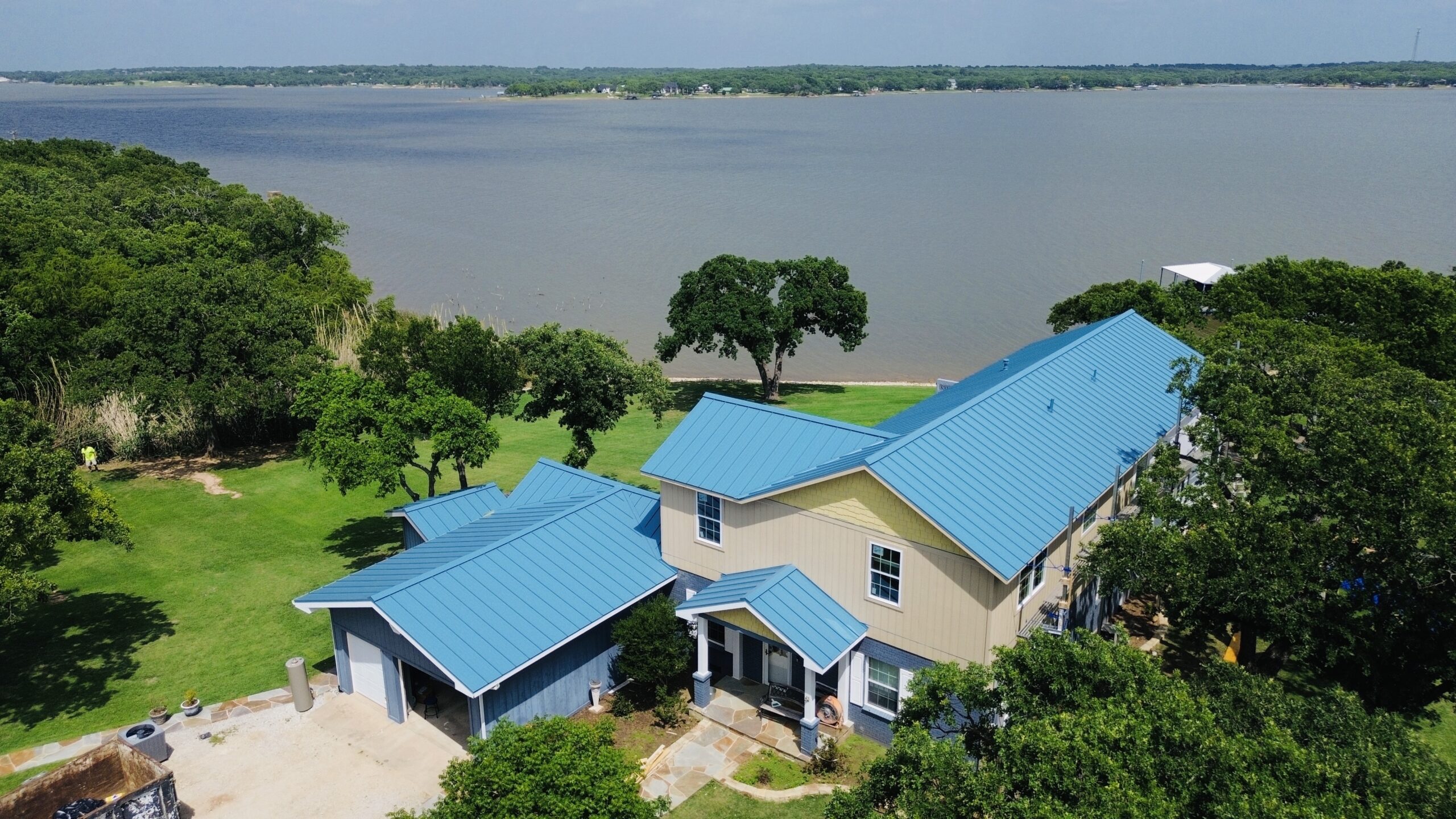
Frequently Asked Questions About Hail Damage Roof Insurance Claims
Does every hailstorm require a roof replacement?
No. Some hailstorms cause only minor cosmetic damage that does not affect the roof’s performance. Others create structural damage that requires partial repairs or complete replacement. A professional inspection is the best way to determine the appropriate solution.
How soon should I report hail damage to my insurance company?
Homeowners should report damage as soon as practical after discovering it. Prompt reporting allows the insurance company to inspect the roof while evidence remains fresh and reduces complications caused by additional weather.
Can I choose my own roofing contractor?
Yes. In most situations, homeowners have the right to select the roofing contractor they prefer. Choosing an experienced contractor with insurance claim experience helps improve communication throughout the restoration process.
What if the insurance adjuster and my contractor disagree?
Differences sometimes occur regarding the scope of damage or replacement requirements. Additional documentation, contractor reports, photographs, or supplemental inspections often help resolve legitimate disagreements between both parties.
Will my insurance premium automatically increase after a hail damage claim?
Not necessarily. Premium changes depend on several factors, including your insurer, claims history, local weather risks, and overall underwriting guidelines. A single legitimate hail damage claim does not automatically result in higher premiums.
Should I replace my roof even if there are no leaks?
Possibly. Hail damage may weaken roofing materials without causing immediate leaks. Delaying replacement can allow hidden damage to worsen over time. A qualified roofing inspection helps determine whether replacement is necessary.
Conclusion
Hailstorms can cause significant roof damage, even when the effects are not immediately visible from the ground. Missing granules, cracked shingles, dented metal components, and hidden structural damage may all reduce the roof’s ability to protect the home. Understanding how hail affects roofing materials allows homeowners to recognize potential problems early and seek professional inspections before minor issues become major repairs.
The insurance process for hail-damaged roof replacement involves several important stages, beginning with documenting the damage and reporting the claim promptly. Thorough photographs, professional inspection reports, weather documentation, and organized records provide valuable evidence that supports the insurance investigation. Careful preparation during these early steps often leads to a smoother claims experience.
Working closely with experienced roofing contractors and maintaining open communication with the insurance company also contributes to successful claim outcomes. From the adjuster’s inspection and settlement review to construction, final inspections, and payment processing, every stage benefits from accurate documentation and timely responses. Homeowners who understand the process are better equipped to avoid common delays and misunderstandings.
Even after the roof replacement is complete, ongoing maintenance remains essential. Regular inspections, prompt repairs, clean gutters, and proper recordkeeping help protect the new roof while preserving its value for many years. Preventive care not only extends the roof’s lifespan but also creates stronger documentation should another insurance claim ever become necessary.
By understanding the complete insurance process for roof replacement after hail damage, homeowners can make informed decisions, protect their investment, and navigate every stage of the claim with greater confidence. Careful planning, responsible maintenance, and cooperation with qualified professionals provide the strongest foundation for restoring both the roof and the long-term safety of the home.