
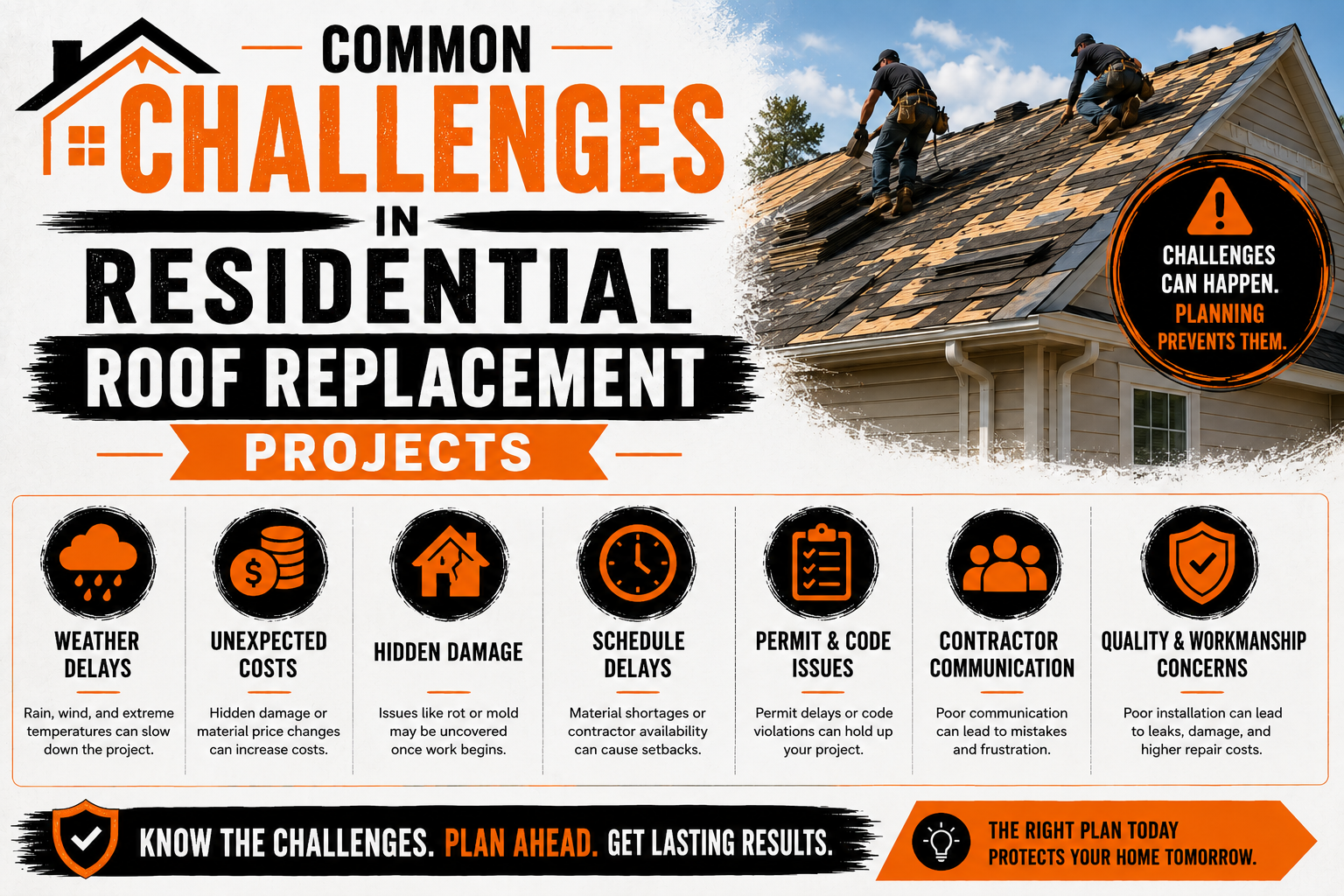
Common Challenges in Residential Roof Replacement Projects
Introduction
Residential roof replacement is one of the largest and most important home improvement projects many homeowners will ever undertake. A new roof provides protection from weather, improves energy efficiency, increases property value, and enhances the overall appearance of the home. Although the finished result delivers long term benefits, the replacement process itself can present a variety of challenges that require careful planning and professional management.
Many homeowners expect roof replacement to be a straightforward project involving the removal of old roofing materials followed by the installation of new ones. In reality, every roof has unique characteristics that influence the complexity of the work. Hidden structural damage, changing weather conditions, material availability, budget adjustments, and unexpected repairs are only some of the situations that may arise during construction.
Understanding these potential challenges before work begins allows homeowners to make informed decisions and prepare realistic expectations. Knowing what might happen during the project reduces unnecessary stress while helping homeowners communicate more effectively with roofing contractors throughout the replacement process.
Professional planning also plays a significant role in minimizing project difficulties. Thorough inspections, accurate estimates, careful scheduling, quality materials, and experienced contractors all contribute to smoother construction while reducing the likelihood of costly delays or mistakes.
This guide explores the most common challenges homeowners encounter during residential roof replacement projects and explains how proper preparation can help overcome them. In this first part, we focus on understanding why roofing projects become challenging, identifying hidden problems before construction, managing weather and scheduling concerns, and selecting the right contractor to reduce project risks.
Why Residential Roof Replacement Projects Can Become Challenging
Every residential roof replacement project is unique because no two homes have exactly the same roof design, structural condition, or environmental exposure. Even neighboring houses built at the same time may require different replacement approaches because of differences in maintenance history, weather exposure, or previous repairs.
One of the primary reasons roofing projects become challenging is that much of the roof’s condition remains hidden until the old roofing materials are removed. While contractors can identify many issues during inspections, certain structural problems only become visible after demolition begins. This uncertainty makes roofing projects more complex than many other home improvements.
Roof complexity also influences the level of difficulty. Homes with multiple roof slopes, dormers, skylights, chimneys, roof valleys, and intersecting roof sections require additional waterproofing details and more careful installation than simple roof designs. Every transition point increases the amount of precision needed during construction.
Environmental conditions add another layer of complexity. Weather changes, seasonal temperature variations, high winds, and unexpected storms may interrupt construction or require temporary adjustments to protect the home while work is in progress.
Homeowner expectations can also affect the overall experience. Without a clear understanding of the replacement process, temporary noise, dust, scheduling adjustments, and construction activity may feel more disruptive than expected. Proper communication before work begins helps create realistic expectations for everyone involved.
Recognizing these challenges early allows homeowners to approach roof replacement with confidence while appreciating the importance of professional planning and experienced project management.
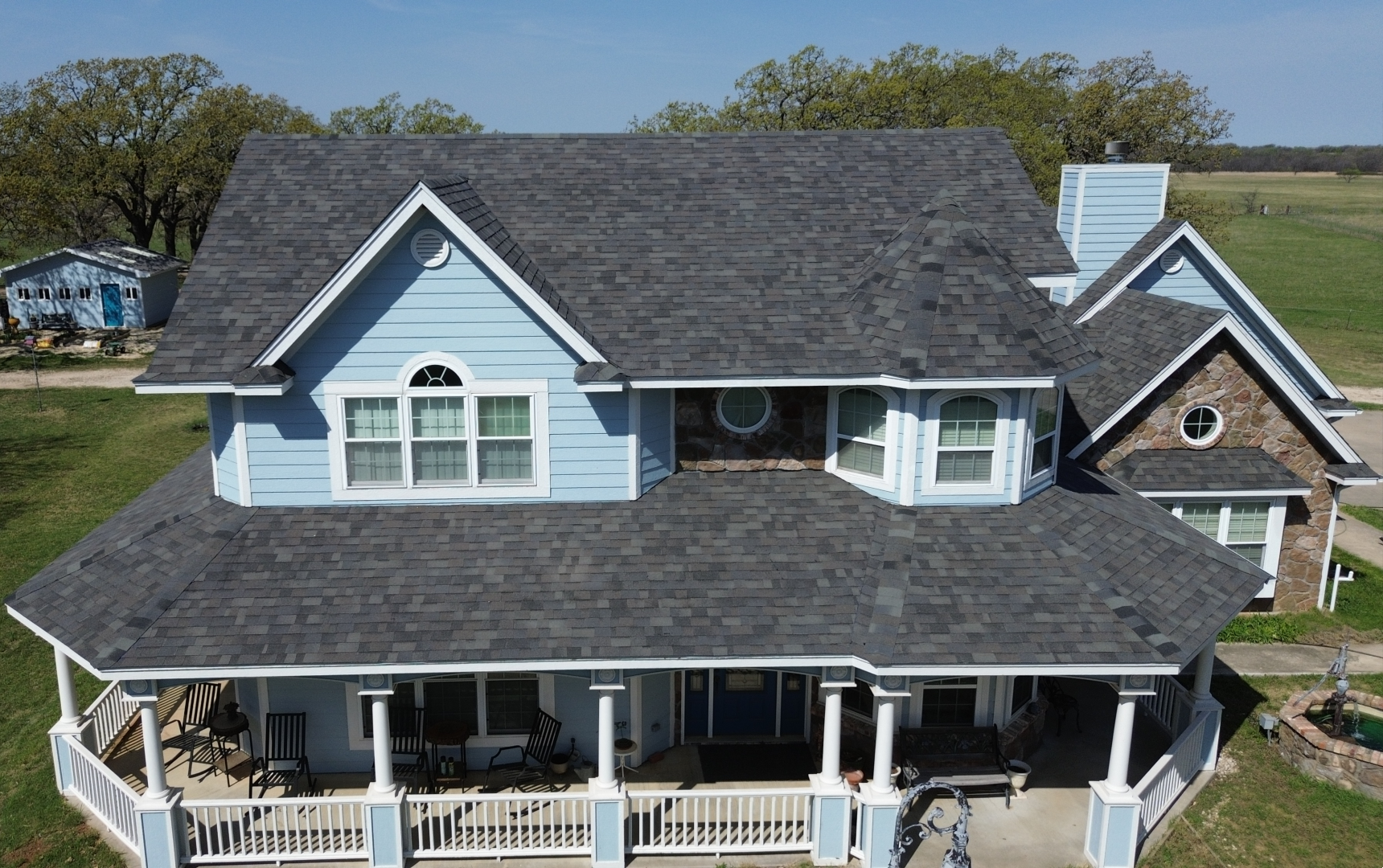
Assessing the Existing Roof Before Replacement
A detailed roof assessment provides the foundation for every successful replacement project. Thorough inspections help identify existing problems before construction begins while reducing the likelihood of unexpected discoveries that could delay installation or increase costs.
Professional contractors begin by examining the visible roofing surface for damaged shingles, deteriorated flashing, missing components, and signs of water intrusion. Roof valleys, chimneys, skylights, gutters, and ventilation systems receive careful attention because these areas often experience the greatest wear over time.
Interior inspections provide additional information that may not be visible from the roof itself. Contractors often inspect attic spaces for moisture stains, mold, damaged insulation, poor ventilation, or structural movement. These observations help determine whether roofing problems have affected other parts of the home.
Roof measurements collected during the inspection allow contractors to estimate material quantities accurately while preparing realistic project budgets. Precise measurements also reduce material waste and improve construction planning.
In some situations, contractors may recommend specialized inspections using moisture detection equipment or structural evaluations. These advanced methods help identify hidden problems beneath roofing materials before demolition begins. Although these assessments require additional time, they often prevent larger surprises during construction.
A comprehensive roof assessment does not eliminate every uncertainty, but it significantly improves planning accuracy while helping homeowners understand the true condition of the existing roof before replacement begins.
Hidden Structural Damage and Unexpected Repairs
One of the most common challenges during residential roof replacement involves discovering structural damage after the old roofing materials have been removed. These hidden problems cannot always be identified during surface inspections because they remain concealed beneath shingles, underlayment, or flashing.
Moisture damage is among the most frequent discoveries. Small roof leaks that developed gradually over several years may have weakened roof decking, insulation, or supporting structural components without producing obvious symptoms inside the home. Once exposed, these damaged areas must be repaired before new roofing materials can be installed.
Wood rot is another issue commonly encountered during demolition. Continuous moisture exposure weakens structural lumber over time, reducing its ability to support the roofing system properly. Replacing deteriorated wood restores structural integrity while protecting the long term performance of the new roof.
Roof framing may also require attention if previous moisture damage or structural movement has affected alignment. Correcting these problems during replacement ensures that the roofing system rests on a stable and properly supported foundation.
Older homes occasionally reveal construction methods or materials that no longer meet current building standards. Contractors may recommend upgrades during replacement to improve safety, ventilation, or structural performance while the roof remains accessible.
Although unexpected repairs increase project costs and may extend the installation timeline, addressing these issues immediately provides far greater value than covering them with new roofing materials and allowing deterioration to continue.
Weather Related Challenges During Roof Replacement
Weather remains one of the few aspects of roof replacement that neither homeowners nor contractors can control completely. Although experienced roofing professionals monitor forecasts carefully, changing weather conditions occasionally require schedule adjustments to protect both the home and the roofing crew.
Rain is the most common weather related challenge. Exposed roof decking should remain dry before underlayment and roofing materials are installed, making heavy rainfall unsuitable for many stages of construction. Contractors often pause work temporarily rather than compromise installation quality.
Strong winds also create safety concerns. Large roofing materials become more difficult to handle during windy conditions, increasing the risk of accidents or improper installation. Delaying certain tasks until weather improves helps maintain both worker safety and workmanship quality.
Extreme temperatures may influence installation methods as well. Very hot weather can soften some roofing materials, while freezing temperatures affect the flexibility of others. Roofing crews adjust schedules and work practices according to manufacturer recommendations to ensure proper installation.
Unexpected storms sometimes require temporary weather protection if construction is already underway. Contractors use waterproof coverings and carefully planned work sequences to protect exposed roof areas until installation can safely resume.
Although weather related delays may occasionally extend project timelines, they demonstrate the contractor’s commitment to delivering a high quality roofing system rather than rushing construction under unfavorable conditions.
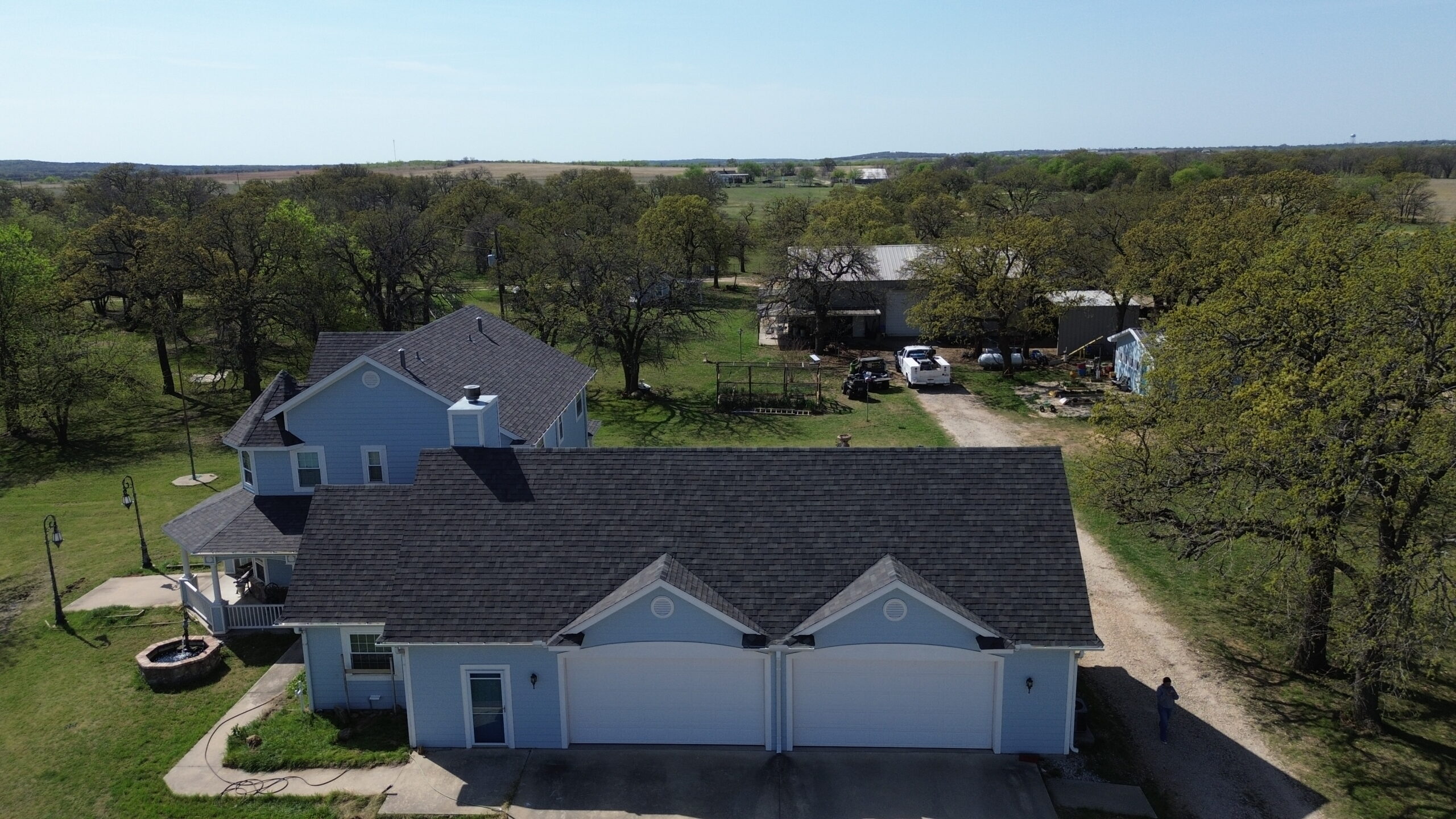
Material Availability and Scheduling Delays
Careful scheduling plays an important role in every roof replacement project, but even well planned timelines may occasionally be affected by material availability or supply chain challenges. Understanding these possibilities helps homeowners maintain realistic expectations throughout the planning process.
Some roofing materials are readily available through local suppliers, while others require special orders or manufacturer production schedules. Premium roofing products, custom colors, specialty accessories, or unique architectural materials may require additional delivery time before installation can begin.
Busy construction seasons may also affect scheduling. During periods of high demand, roofing contractors often manage multiple projects simultaneously while suppliers experience increased material orders. Planning roof replacement well in advance provides greater flexibility when selecting construction dates.
Transportation delays occasionally influence material delivery schedules as well. Weather conditions, supplier inventory changes, or shipping disruptions may require contractors to adjust installation timelines. Professional roofing companies maintain regular communication with suppliers to minimize these interruptions whenever possible.
Permit approvals may create additional scheduling considerations depending on local building requirements. Some municipalities require inspections or documentation before roofing work can begin, making early planning especially important.
Although scheduling adjustments can be frustrating, maintaining open communication with the contractor allows homeowners to understand the reasons behind any changes while preparing for revised installation dates.
Budget Challenges Homeowners Commonly Face
Budget planning is one of the most important aspects of residential roof replacement because project costs occasionally change after construction begins. Understanding common financial challenges helps homeowners prepare more effectively while reducing unexpected stress.
Hidden structural damage represents one of the most frequent reasons budgets require adjustment. Once old roofing materials have been removed, contractors may discover deteriorated decking, damaged insulation, or structural repairs that were impossible to identify during the initial inspection.
Building code updates may also influence project costs. Older homes sometimes require ventilation improvements, upgraded underlayment, additional waterproofing, or structural modifications to comply with current construction standards. These upgrades improve long term roof performance while affecting the overall budget.
Material upgrades chosen during the planning process may also increase project expenses. Homeowners sometimes decide to invest in better insulation, longer lasting roofing materials, or improved ventilation after reviewing available options. Although these upgrades increase initial costs, they often provide greater long term value.
Establishing a contingency fund before construction begins helps homeowners manage unexpected expenses without interrupting the project. Financial flexibility allows necessary repairs to proceed immediately while protecting the overall quality of the completed roofing system.
Viewing roof replacement as a long term investment rather than simply a construction expense encourages better financial planning while supporting stronger decision making throughout the project.
Common Residential Roof Replacement Challenges Overview
| Challenge | Potential Impact | Recommended Solution |
|---|---|---|
| Hidden structural damage | Additional repairs and increased costs | Perform detailed inspections and maintain a contingency budget |
| Weather delays | Temporary schedule changes | Plan during favorable seasons and remain flexible |
| Material availability | Delayed project start | Order materials early and confirm delivery schedules |
| Budget adjustments | Unexpected financial pressure | Include contingency funds before construction begins |
| Complex roof design | Longer installation time | Hire experienced residential roofing contractors |
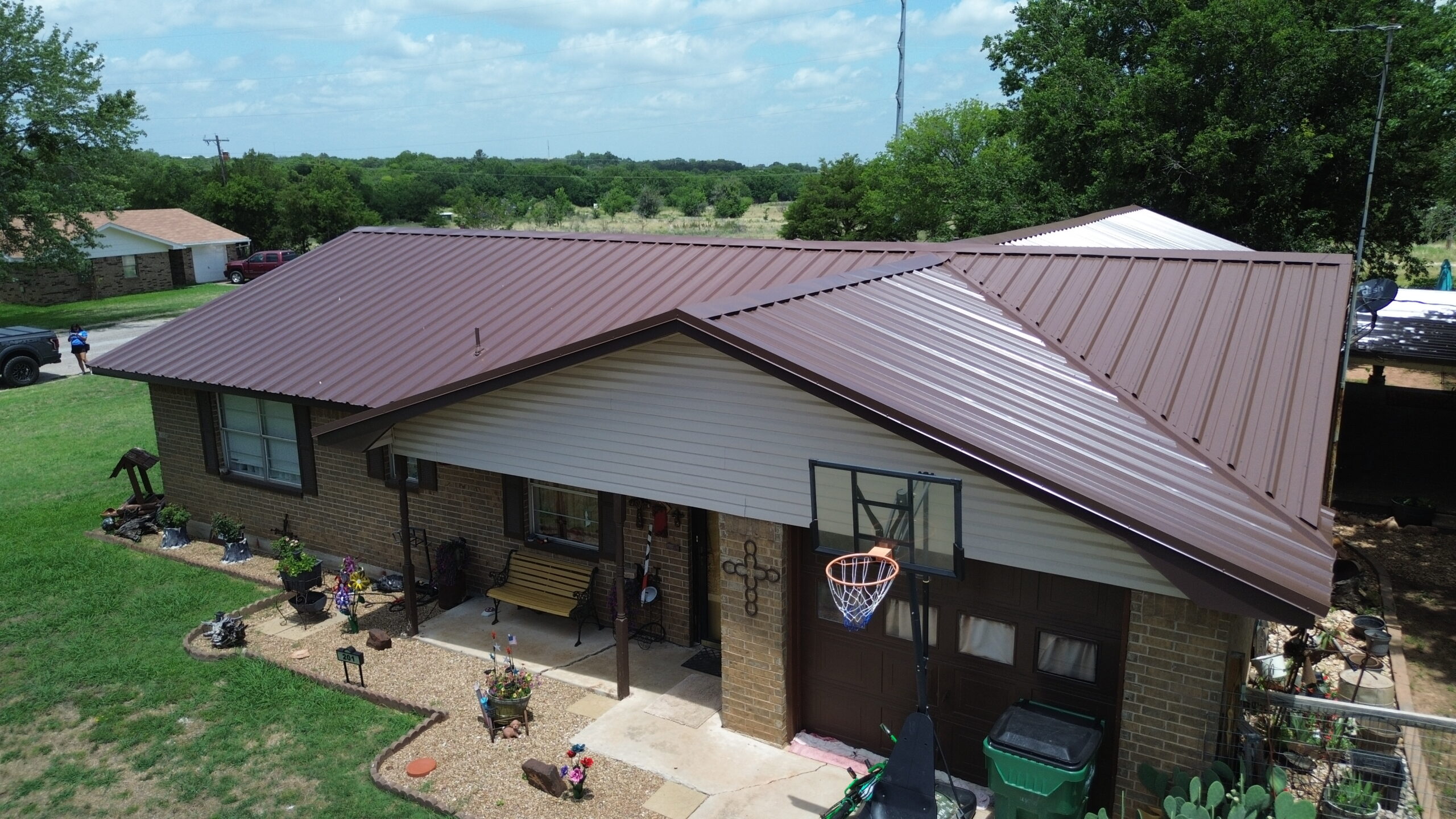
Importance of Proper Project Planning
Many roofing challenges can be reduced or managed successfully through careful planning before construction begins. Although no project can eliminate every unexpected situation, organized preparation creates a stronger foundation for efficient installation and better communication.
Professional inspections allow contractors to identify potential concerns before work begins. Early planning provides time to evaluate roofing materials, prepare accurate budgets, coordinate permits, and schedule installation during favorable weather conditions.
Homeowners also benefit from understanding the complete replacement process before construction starts. Knowing what to expect during demolition, structural repairs, installation, and cleanup reduces uncertainty while improving cooperation throughout the project.
Project planning should also include protecting the home before installation. Moving outdoor furniture, securing fragile indoor belongings, relocating vehicles, and preparing attic spaces all contribute to a smoother construction experience while protecting personal property.
Finally, realistic scheduling remains an important part of successful planning. Allowing flexibility for weather changes, inspections, and unexpected repairs helps maintain installation quality without creating unnecessary pressure to complete the project too quickly.
Strong planning does not simply organize the project. It also reduces risk while helping homeowners and contractors work together more effectively from beginning to end.
Choosing the Right Roofing Contractor to Minimize Problems
Selecting an experienced roofing contractor is one of the most effective ways to reduce challenges during residential roof replacement. Professional contractors combine technical knowledge, quality workmanship, and effective communication to manage complex projects successfully.
Experienced contractors begin with detailed inspections that identify existing roof conditions before construction begins. Accurate assessments improve project planning while reducing the likelihood of major surprises during demolition.
Reliable roofing companies also provide detailed written estimates explaining project scope, materials, timelines, warranties, and cleanup procedures. Clear documentation helps homeowners understand exactly what is included while comparing proposals more confidently.
Communication remains equally important throughout the project. Professional contractors explain scheduling changes, discuss unexpected repairs, answer homeowner questions, and provide regular progress updates as construction continues. Strong communication helps prevent misunderstandings while maintaining homeowner confidence.
Choosing contractors with appropriate licensing, insurance, manufacturer certifications, and positive customer references provides additional reassurance that the project will be completed according to professional standards.
Although every residential roof replacement presents unique challenges, working with qualified roofing professionals significantly improves the likelihood of a smooth and successful project. In the next part of this guide, we will examine the construction phase in greater detail, including roof deck repairs, ventilation concerns, waterproofing challenges, working around chimneys and skylights, safety considerations, and the most common mistakes that can create roofing problems during installation.
Protecting the Home During Construction
Once roof replacement begins, protecting the home becomes one of the highest priorities. Construction activity involves removing roofing materials, transporting equipment, and working around every side of the property. Without proper protection, the home and surrounding areas could be exposed to unnecessary damage during the installation process.
Professional roofing contractors usually begin by covering landscaping, patios, decks, air conditioning units, and outdoor furniture with protective tarps. These coverings help reduce the impact of falling debris while preserving valuable outdoor features throughout construction. Temporary barriers may also be placed around work areas to improve safety.
Roof replacement is generally completed in sections rather than exposing the entire roof at once. This approach helps protect the interior of the home if unexpected weather develops during construction. Contractors continuously monitor forecasts and adjust their work sequence whenever changing conditions require additional protection.
Interior areas also deserve attention during construction. Vibrations from roof removal may affect fragile wall decorations, glass items, or delicate objects stored on shelves. Homeowners who secure these belongings before construction begins experience fewer interruptions while reducing the risk of accidental damage.
Keeping the property organized throughout the project also contributes to protection. Roofing crews regularly remove debris, organize tools, and maintain clear walkways around the home. Good housekeeping practices improve both safety and efficiency while creating a more professional work environment.
Dealing With Roof Deck Repairs
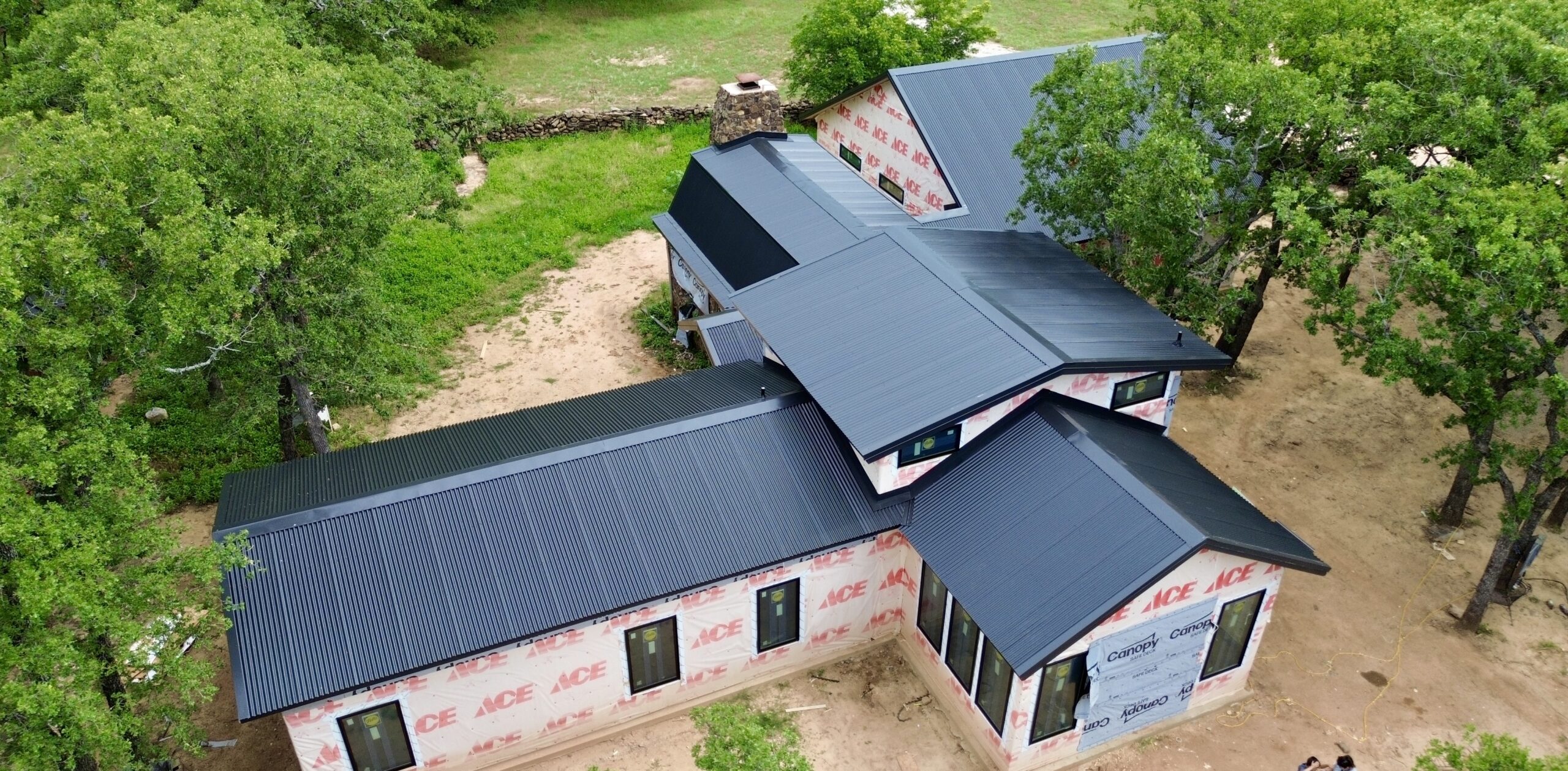
One of the most common construction challenges occurs after the existing roofing materials have been removed and the roof deck becomes fully visible. Even roofs that appear structurally sound from the outside may reveal hidden problems once demolition is complete.
Moisture damaged decking is frequently discovered beneath aging roofing systems. Years of small leaks may weaken plywood or wooden sheathing without creating obvious interior symptoms. Replacing these damaged sections is essential because the new roof depends on a stable structural foundation.
Loose fasteners and deteriorated framing may also require correction before installation continues. Roofing materials perform best when attached to secure structural components that meet current installation standards. Reinforcing weakened areas improves the long term performance of the completed roof.
Older homes sometimes reveal multiple layers of previous roofing materials or outdated construction methods beneath the existing roof. Removing these layers and correcting older installation practices may require additional labor, but doing so creates a stronger and more reliable roofing system.
Roof deck repairs occasionally extend the project timeline, but they should never be viewed as unnecessary delays. Addressing structural concerns before installing new roofing materials prevents recurring problems while protecting the homeowner’s investment.
Contractors typically communicate repair recommendations immediately after hidden issues are discovered. Prompt discussions allow homeowners to make informed decisions without delaying overall project progress.
Managing Ventilation and Insulation Issues
Roof replacement provides an excellent opportunity to improve attic ventilation and insulation because many roofing components are already exposed during construction. Ignoring these systems may reduce the long term performance of the new roof even if the roofing materials themselves are installed correctly.
Poor attic ventilation allows heat and moisture to accumulate beneath the roof. Excessive heat accelerates roofing material aging, while trapped moisture encourages condensation, mold growth, and insulation deterioration. Correcting ventilation problems during roof replacement helps protect the roofing system for many years.
Roofing contractors evaluate soffit vents, ridge vents, gable vents, and attic airflow patterns to determine whether improvements are necessary. Balanced ventilation supports both energy efficiency and structural durability while helping regulate indoor temperatures throughout the year.
Insulation also deserves careful attention. Damaged or moisture affected insulation loses much of its thermal performance, increasing heating and cooling costs while reducing indoor comfort. Replacing compromised insulation during roof replacement improves energy efficiency without requiring separate future construction.
Ventilation upgrades occasionally require modifications to existing roof components, making proper planning especially important. Experienced contractors integrate these improvements into the replacement project while maintaining continuous weather protection throughout installation.
Improving ventilation and insulation during roof replacement creates long term value by supporting better roof performance and reducing future operating costs.
Addressing Flashing and Waterproofing Problems
Although roofing materials receive most of the attention during replacement, flashing and waterproofing components are equally important for preventing future leaks. Many roofing failures originate around roof transitions rather than across the main roof surface.
Flashing protects areas where the roof meets chimneys, skylights, walls, plumbing vents, and other roof penetrations. These locations experience continuous movement because of temperature changes, making them more vulnerable to moisture intrusion than open roof sections.
During replacement, contractors often discover deteriorated flashing hidden beneath older roofing materials. Rust, corrosion, cracked sealants, or improper installation from previous projects may require complete replacement before new roofing materials are installed.
Waterproof membranes also receive careful attention during construction. Roof valleys, eaves, and other high moisture areas often receive additional waterproofing protection beyond the standard underlayment. These extra layers improve resistance to wind driven rain and ice related moisture problems.
Compatibility between flashing materials and roofing products is another important consideration. Using manufacturer approved components helps maintain warranty coverage while ensuring that every part of the roofing system functions together effectively.
Although flashing and waterproofing details occupy only a small percentage of the roof area, they contribute significantly to the long term reliability of the completed roofing system.
Working Around Chimneys, Skylights, and Roof Penetrations
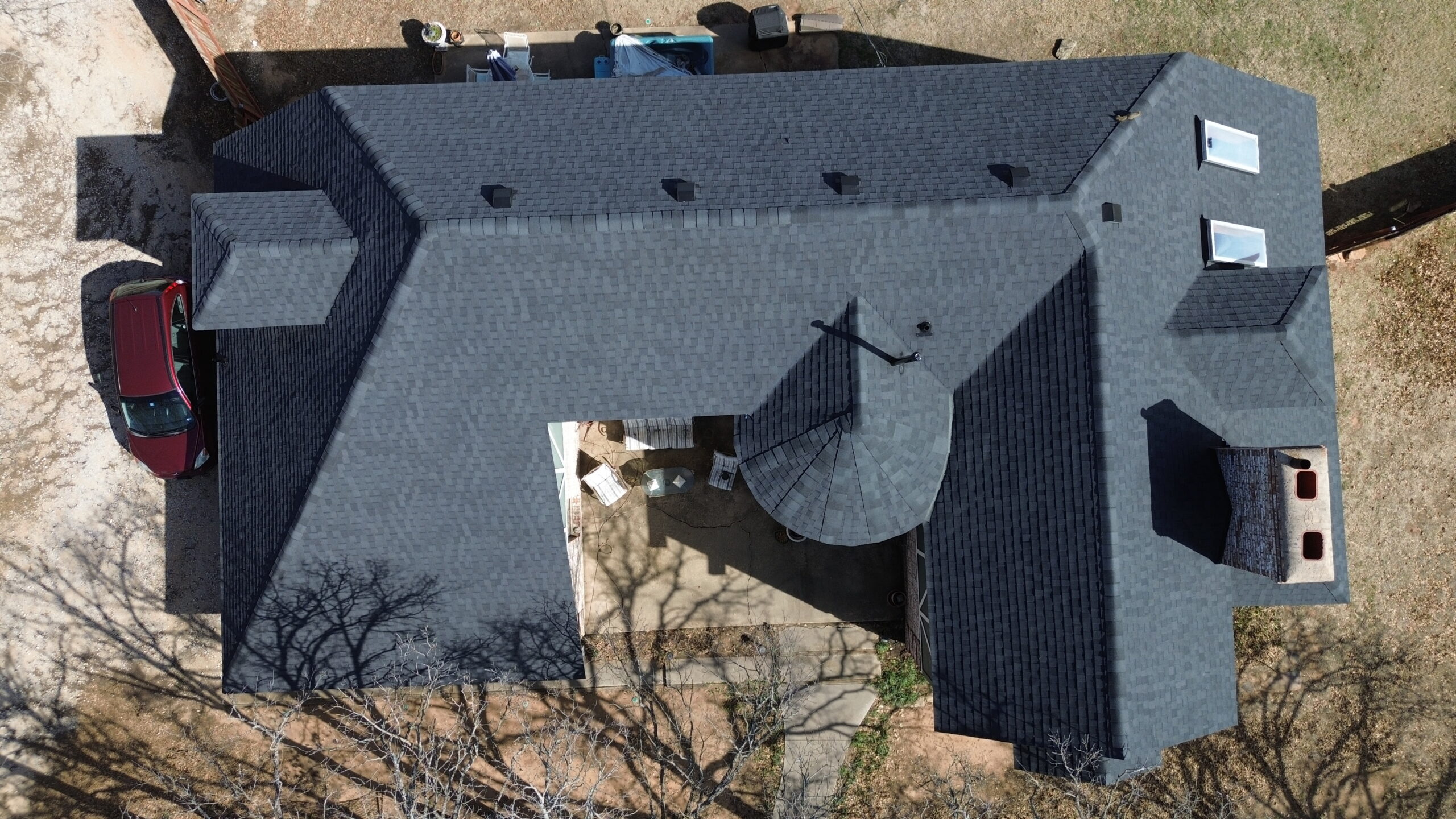
Residential roofs often contain numerous features that increase installation complexity. Chimneys, skylights, plumbing vents, exhaust fans, solar equipment, and satellite installations all interrupt the roof surface and require specialized waterproofing techniques during replacement.
Chimneys present one of the most demanding installation challenges because multiple flashing components must work together to direct water safely around the structure. Contractors carefully install step flashing, counter flashing, and waterproof membranes to maintain continuous protection at these transition points.
Skylights also require detailed attention during roof replacement. Existing flashing may need replacement, while surrounding roofing materials must be integrated carefully to prevent future leaks. Older skylights nearing the end of their service life may also be evaluated for replacement during the roofing project.
Vent pipes and mechanical penetrations require specialized flashing boots designed to remain flexible as roofing materials expand and contract over time. Proper installation around these openings helps maintain waterproof protection while allowing normal building movement.
Homes with solar panels or rooftop equipment introduce additional planning considerations. Contractors coordinate carefully around mounting systems to preserve waterproofing while protecting existing equipment during construction.
Successfully managing roof penetrations requires precision and experience. These areas often determine the long term weather resistance of the completed roofing system more than the open roof surface itself.
Safety Challenges for Homeowners and Contractors
Roof replacement involves inherent safety risks because work takes place at elevated heights while heavy materials and construction equipment are moved continuously around the property. Maintaining a safe environment requires cooperation between roofing crews and homeowners throughout the project.
Professional contractors follow established safety procedures that include fall protection systems, secure ladder placement, protective equipment, and ongoing safety supervision. These practices reduce workplace risks while supporting efficient construction.
Homeowners also play an important role in maintaining safety. Children and pets should remain away from active work areas because falling debris, roofing tools, and construction equipment create temporary hazards throughout the project. Restricting access to designated work zones protects everyone involved.
Driveways and walkways may also experience increased activity because of material deliveries and debris removal. Homeowners should remain aware of changing traffic patterns while allowing contractors adequate space to complete their work safely.
Weather related safety remains another important consideration. High winds, rain, or lightning may require temporary work stoppages even if project deadlines are affected. Prioritizing worker safety helps ensure that installation quality is never compromised by unsafe conditions.
Effective communication regarding daily work schedules and restricted areas helps homeowners understand where extra caution is needed while construction continues.
Common Mistakes That Create Roofing Problems
Even well planned roofing projects can experience avoidable difficulties when important installation practices are overlooked.
Some of the most common mistakes include:
- Installing new roofing materials over damaged roof decking.
- Reusing deteriorated flashing instead of replacing it.
- Ignoring attic ventilation improvements during replacement.
- Delaying structural repairs after hidden damage is discovered.
- Choosing materials based only on price rather than long term performance.
- Attempting to rush installation despite unfavorable weather conditions.
Avoiding these mistakes improves roof durability while reducing the likelihood of expensive repairs after construction has been completed.
Maintaining Communication Throughout the Project
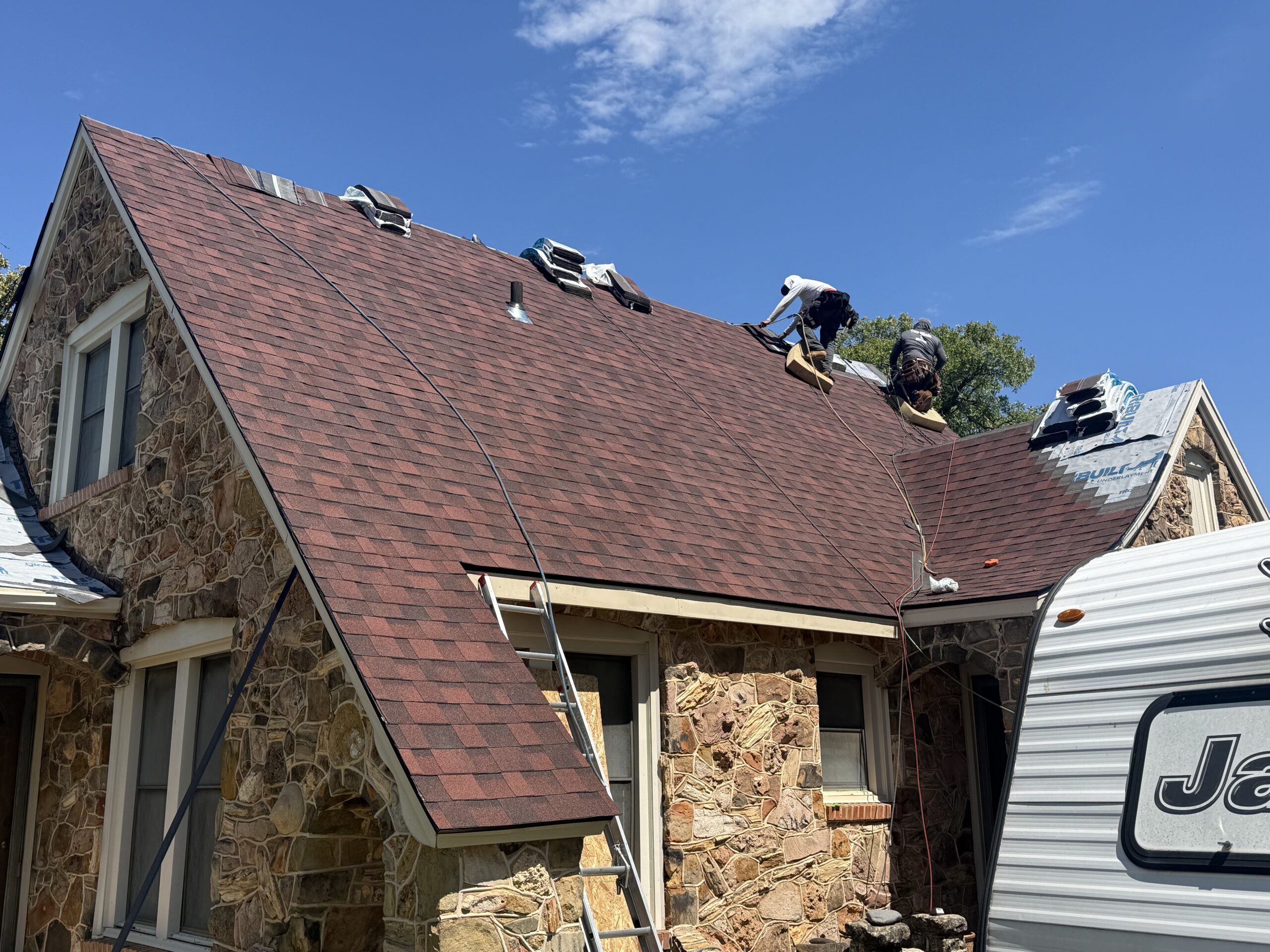
Clear communication is one of the most effective ways to manage challenges during residential roof replacement. Construction projects often involve decisions that cannot always be anticipated during the initial planning phase, making ongoing communication essential.
Contractors should provide regular updates regarding project progress, weather related schedule adjustments, material deliveries, and any unexpected structural concerns discovered during demolition. Keeping homeowners informed allows timely decisions without creating unnecessary delays.
Homeowners should also communicate openly if they have questions or concerns during construction. Whether discussing property access, landscaping protection, scheduling, or project expectations, early conversations help prevent misunderstandings before they become larger issues.
Unexpected repairs require especially careful communication. Contractors should explain the nature of the problem, discuss available repair options, provide updated cost information, and answer homeowner questions before additional work begins. Transparent communication supports informed decision making throughout the project.
Documentation also strengthens communication. Photographs, written estimates, inspection reports, warranty information, and daily progress updates create a clear record of completed work while helping homeowners understand every stage of construction.
Strong communication builds trust between homeowners and contractors while allowing the roofing project to continue efficiently despite the occasional challenges that naturally arise during replacement. In the final part of this guide, we will explore the steps homeowners can take after installation to prevent future roofing problems, including final inspections, long term maintenance, warranty management, seasonal preparation, and the best practices that help maximize the lifespan of a newly installed residential roof.
Final Inspection and Quality Assurance
Completing the installation of a new roof does not mark the end of the roofing project. The final inspection is one of the most important stages because it confirms that every component has been installed correctly and that the roof is ready to provide reliable long term protection. Careful quality assurance also helps identify any small adjustments before the project is officially completed.
Contractors begin by inspecting the overall appearance of the roof. Shingles or roofing panels should be aligned properly, flashing should be securely installed, and roof edges should present a clean, consistent finish. Visual consistency often reflects careful workmanship throughout the entire project.
Roof penetrations receive additional attention during the final inspection. Chimneys, skylights, plumbing vents, exhaust systems, and roof valleys are examined closely because these areas experience the greatest exposure to water. Proper flashing and waterproofing around these features significantly reduce the likelihood of future leaks.
Drainage systems are also evaluated before the project concludes. Gutters, downspouts, drip edges, and roof slopes should allow rainwater to flow freely away from the home without creating standing water or overflow. Efficient drainage helps preserve both the roof and the building structure beneath it.
Many contractors also perform a walkthrough with the homeowner before closing the project. This provides an opportunity to review completed work, explain maintenance recommendations, answer questions, and confirm that all contractual requirements have been fulfilled.
A thorough final inspection creates confidence that the roof replacement has been completed according to professional standards while establishing a strong foundation for long term roof performance.
Long Term Maintenance to Avoid Future Challenges
A new roof provides dependable protection, but regular maintenance remains essential for preserving its condition throughout its expected lifespan. Many roofing problems that develop years after installation can be prevented through simple routine maintenance.
Professional roof inspections should generally be scheduled at least once or twice each year. Experienced inspectors evaluate roofing materials, flashing, ventilation, drainage systems, and roof penetrations while identifying small concerns before they become expensive repairs.
Homeowners should also perform occasional visual observations from ground level. Missing shingles, damaged flashing, sagging gutters, or excessive debris accumulation may indicate maintenance needs that require professional attention. Early action often prevents larger structural problems.
Keeping gutters and downspouts clean is another important maintenance responsibility. Leaves, branches, and debris restrict water flow, allowing moisture to collect where it should not. Proper drainage protects both roofing materials and the home’s foundation.
Tree maintenance also contributes to roof longevity. Overhanging branches may scrape roofing materials during windy conditions while increasing the amount of debris collecting on the roof. Regular trimming reduces unnecessary wear while improving overall roof performance.
Routine maintenance requires relatively little effort compared with the cost of major structural repairs. Consistent care helps homeowners avoid many of the challenges that often develop as roofs age.

Handling Warranty Issues and Repairs
Roof warranties provide valuable protection after installation, but homeowners should understand how these warranties function and what responsibilities accompany them. Proper warranty management helps ensure that coverage remains available if future roofing issues arise.
Most residential roof replacements include two primary types of warranties. Manufacturer warranties generally cover defects related to roofing materials, while workmanship warranties protect against installation related problems. Understanding the differences between these warranties helps homeowners know who to contact if concerns develop.
Maintaining complete project documentation is essential for warranty support. Contracts, invoices, inspection reports, warranty certificates, and maintenance records should be stored together in a secure location. Organized documentation simplifies future warranty claims while demonstrating responsible roof ownership.
Routine maintenance often forms part of warranty requirements. Many manufacturers expect homeowners to schedule regular inspections and complete necessary repairs promptly. Ignoring maintenance recommendations may affect warranty eligibility if roofing problems occur later.
When repairs become necessary, homeowners should contact qualified roofing professionals rather than attempting major repairs independently. Professional repairs preserve installation quality while reducing the risk of accidental damage that could affect warranty coverage.
Understanding warranty responsibilities allows homeowners to maximize the value of the protection provided after roof replacement while ensuring that future concerns are addressed appropriately.
Preparing for Seasonal Weather After Installation
Every season presents different conditions that influence roof performance. Preparing the roofing system throughout the year helps homeowners reduce weather related challenges while extending the roof’s useful life.
Spring inspections provide an opportunity to identify damage caused by winter weather. Heavy rainfall, temperature fluctuations, and seasonal storms may affect roofing materials or drainage systems. Addressing minor concerns early prevents more significant repairs later.
Summer maintenance often focuses on heat related performance. Proper attic ventilation becomes especially important during warmer months because excessive heat beneath the roof accelerates material aging while increasing cooling costs. Ensuring adequate airflow supports both comfort and roof longevity.
Autumn preparation includes removing leaves and debris from gutters, roof valleys, and drainage systems before winter arrives. Efficient drainage prevents water accumulation while reducing the likelihood of ice related moisture problems in colder climates.
Winter weather may introduce snow, ice, or strong winds depending on regional climate conditions. Homeowners should monitor the roof for visible storm damage while avoiding unnecessary roof access during hazardous weather. Professional inspections after severe storms help identify problems safely.
Preparing the roof for changing seasonal conditions reduces long term wear while helping homeowners maintain dependable weather protection throughout the year.
Lessons Homeowners Can Learn From Roof Replacement Projects
Every roof replacement provides valuable lessons that help homeowners make better maintenance decisions in the future. Understanding what contributed to the success of the project creates greater confidence when caring for the new roofing system.
One important lesson is the value of early action. Delaying roof replacement until major structural damage develops often increases both project complexity and overall cost. Addressing roofing concerns before widespread deterioration occurs usually produces better financial outcomes.
Another lesson involves the importance of choosing experienced roofing professionals. Quality workmanship, careful planning, and effective communication significantly influence the long term performance of the completed roof. Selecting contractors based on experience rather than price alone often provides greater value.
Homeowners also recognize the importance of regular inspections after replacement. Small maintenance issues are much easier and less expensive to resolve when identified early. Preventive maintenance consistently reduces the likelihood of major repairs.
Project documentation also proves valuable over time. Keeping inspection reports, warranties, photographs, and maintenance records organized simplifies future service while supporting potential property sales.
Finally, homeowners often discover that roof replacement is an investment in the entire home rather than simply an exterior improvement. A reliable roof protects structural components, improves energy efficiency, enhances curb appeal, and contributes to long term property value.
Best Practices for a Successful Roof Replacement
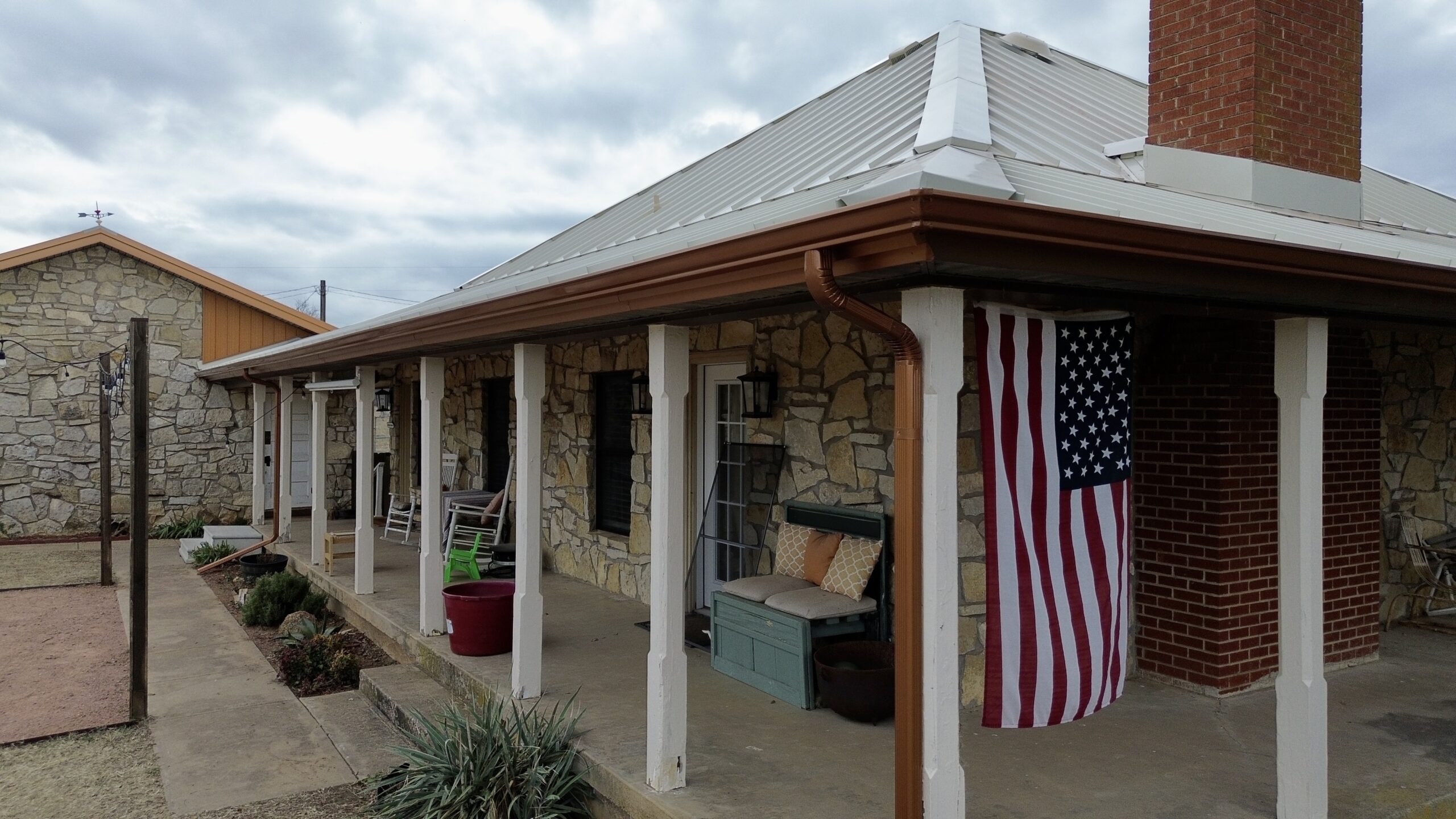
Following proven practices helps homeowners maximize the value of their roofing investment while reducing future maintenance challenges.
- Schedule professional roof inspections at least once or twice each year.
- Clean gutters and drainage systems regularly to prevent water accumulation.
- Address minor roofing concerns before they develop into larger repairs.
- Trim tree branches that extend over the roof surface.
- Keep warranty documents and maintenance records organized.
- Hire qualified roofing professionals for all inspections and repairs.
- Inspect the roof after severe weather events for visible damage.
- Follow the manufacturer’s maintenance recommendations throughout the roof’s lifespan.
These simple practices protect the roofing system while reducing the likelihood of costly repairs. Consistent preventive care allows homeowners to enjoy the full benefits of their roof replacement investment.
Frequently Asked Questions
| Question | Answer |
|---|---|
| Is it normal to need small adjustments after roof replacement? | Minor adjustments may occasionally be required, which is why final inspections and workmanship warranties are important parts of the project. |
| How often should a new residential roof be inspected? | Most roofing professionals recommend inspections at least once or twice each year, along with additional inspections after severe storms. |
| Can regular maintenance really extend roof lifespan? | Yes. Routine inspections, gutter cleaning, and prompt repairs help prevent small issues from becoming major roofing problems. |
| Should I keep all roof replacement paperwork? | Yes. Warranty documents, inspection reports, invoices, and maintenance records are valuable for future service and potential home sales. |
| What should I do if I notice a leak after installation? | Contact your roofing contractor promptly so the issue can be inspected and repaired under the appropriate warranty if applicable. |
Conclusion
Residential roof replacement projects often involve challenges that extend beyond simply removing old roofing materials and installing new ones. Hidden structural damage, weather related delays, material availability, ventilation improvements, flashing details, and budget adjustments all have the potential to influence the success of the project. Understanding these possibilities before construction begins allows homeowners to prepare more effectively while maintaining realistic expectations throughout the replacement process.
Many of these challenges can be minimized through careful planning, professional inspections, quality materials, and experienced roofing contractors. Strong communication between homeowners and contractors also plays a critical role in resolving unexpected situations quickly while maintaining project quality. Addressing problems as they arise rather than postponing important decisions helps protect both the roofing system and the overall investment.
The work does not end when the installation is complete. Regular inspections, routine maintenance, proper drainage, organized warranty documentation, and prompt repairs continue protecting the roof throughout its lifespan. These ongoing responsibilities help prevent future challenges while preserving energy efficiency, structural integrity, and curb appeal for many years.
Ultimately, every successful residential roof replacement combines careful preparation with long term maintenance. By understanding common project challenges, choosing qualified professionals, following recommended maintenance practices, and responding quickly to developing issues, homeowners can enjoy a durable, reliable roof that protects their home, supports property value, and provides dependable performance for decades to come.