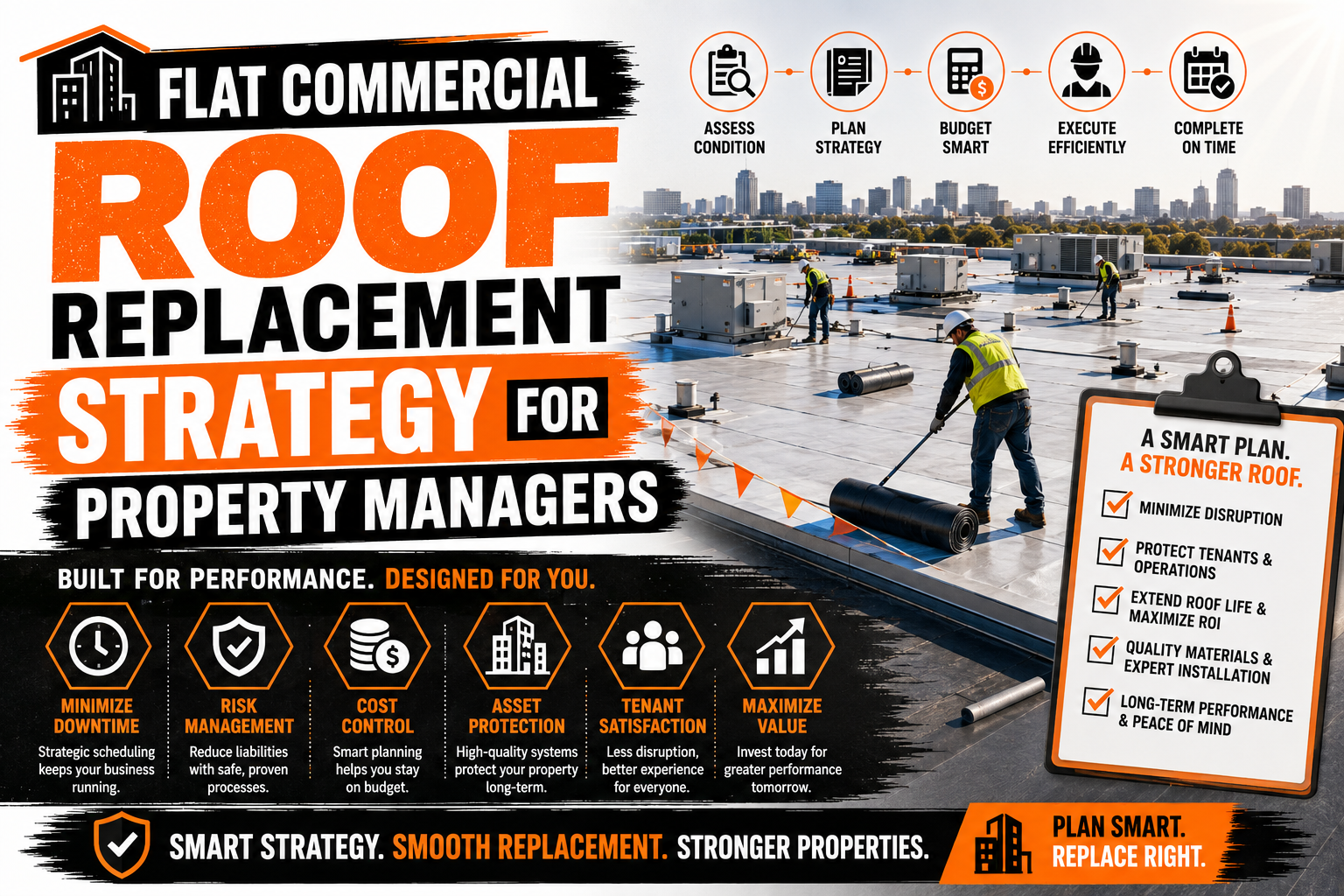
Flat Commercial Roof Replacement Strategy for Property Managers
Introduction
Managing a commercial property involves balancing maintenance needs, operational efficiency, tenant satisfaction, and long term financial planning. Among all building components, the roof is one of the most valuable assets because it protects the structure, occupants, equipment, and business operations from the elements. When a flat commercial roof reaches the end of its service life, property managers must develop a well organized replacement strategy rather than simply reacting to leaks or visible damage.
Flat commercial roof replacement is a major capital project that requires careful planning before any construction begins. Unlike emergency roof repairs, a planned replacement provides opportunities to improve energy efficiency, reduce maintenance costs, enhance drainage performance, and extend the building’s long term value. Property managers who approach roof replacement strategically are often able to minimize operational disruptions while maximizing the return on their investment.
Commercial properties also present unique challenges that differ from residential buildings. Office complexes, shopping centers, warehouses, manufacturing facilities, schools, hospitals, and multi tenant buildings frequently remain occupied during roof replacement. As a result, scheduling, communication, safety planning, and coordination with tenants become just as important as the installation itself.
Another important consideration is the complexity of modern flat roofing systems. Mechanical equipment, rooftop utilities, drainage systems, skylights, solar panels, and ventilation units all require careful planning during replacement. Every component must work together to create a roofing system that performs reliably for decades.
This guide explains how property managers can develop an effective flat commercial roof replacement strategy. By understanding the planning process from the beginning, property managers can make informed decisions that protect both the building and the businesses operating inside it.
Why Flat Commercial Roof Replacement Requires Strategic Planning
Replacing a flat commercial roof is not simply a construction project. It is a long term investment that affects building performance, operating expenses, tenant satisfaction, and property value. Strategic planning helps property managers make decisions that provide lasting benefits while reducing unnecessary risks throughout the replacement process.
Flat commercial roofs cover large surface areas and often support critical building infrastructure. HVAC systems, electrical equipment, communication devices, solar panels, and maintenance walkways are commonly located on the roof. Replacing the roofing system requires careful coordination to protect these assets while maintaining building operations.
Budget management is another major reason planning is essential. Commercial roof replacement often represents one of the largest maintenance expenses a property owner will encounter. Developing a realistic budget that includes materials, labor, permits, inspections, equipment, contingency funds, and future maintenance helps prevent financial surprises after construction begins.
Planning also improves project scheduling. Many commercial buildings continue operating throughout roof replacement, making it necessary to coordinate construction with tenant activities, business hours, deliveries, and facility maintenance schedules. A well organized project minimizes disruption while allowing contractors to work efficiently.
Safety considerations further emphasize the importance of planning. Roofing crews work at elevated heights while handling heavy materials, specialized equipment, and rooftop mechanical systems. Property managers must ensure that both construction personnel and building occupants remain protected throughout every stage of the project.
Long term performance should always remain the primary objective. Rather than selecting roofing systems based only on initial cost, strategic planning considers expected lifespan, maintenance requirements, energy efficiency, warranty coverage, and overall life cycle value. A roofing system that performs well for decades often provides greater financial benefits than one with a lower installation cost.
Strategic planning also creates opportunities for future improvements. Roof replacement may be the ideal time to upgrade insulation, improve drainage, prepare for solar panel installation, or replace aging rooftop equipment. Combining these improvements into one coordinated project often reduces overall construction costs while improving building performance.
Signs a Flat Commercial Roof Needs Replacement
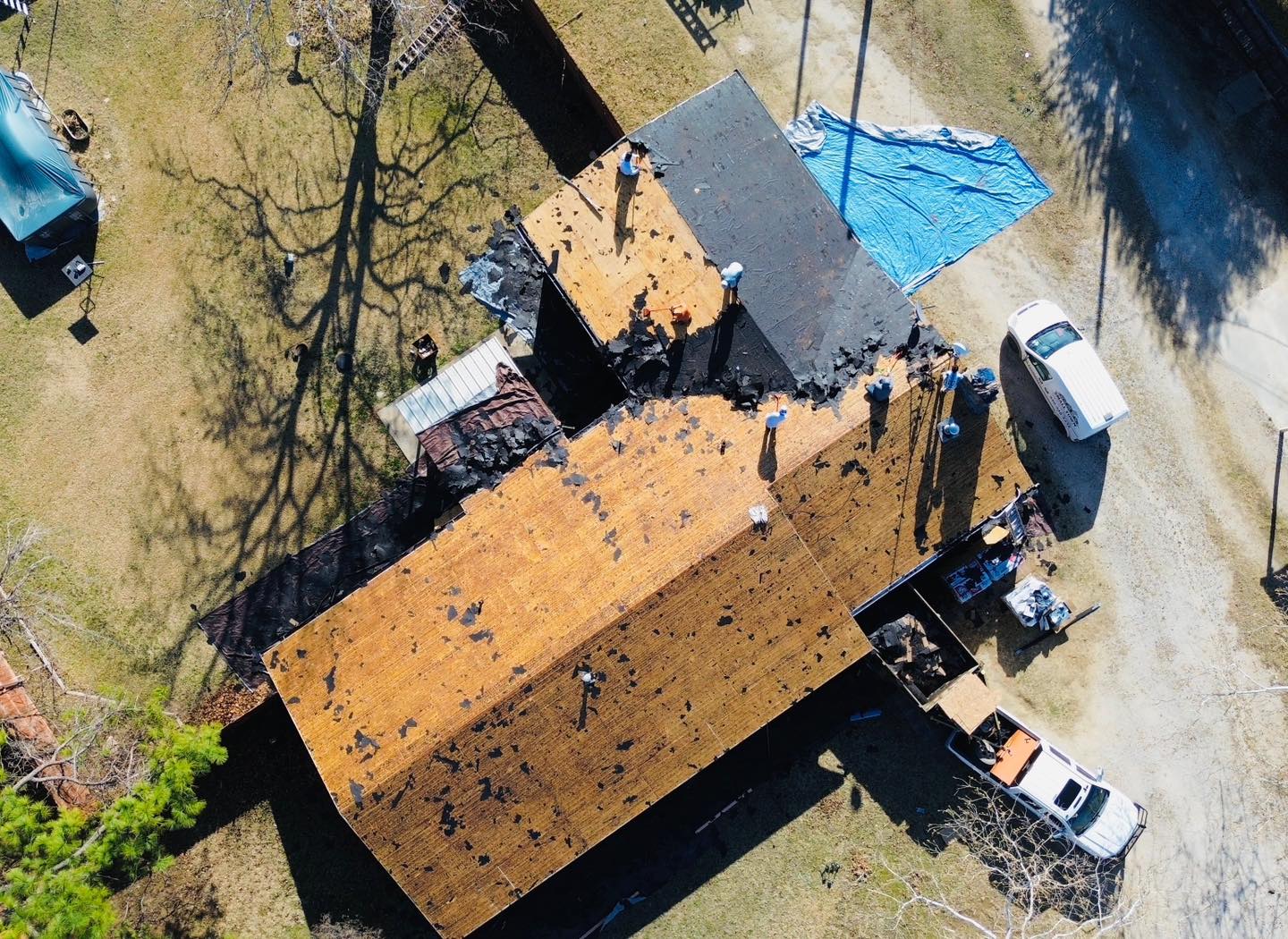
Recognizing when a flat commercial roof requires replacement allows property managers to schedule projects proactively instead of responding to emergencies. While many roofing problems can be repaired, certain conditions indicate that replacing the entire roofing system may be the more practical and cost effective solution.
Roof age is often the first consideration. Every commercial roofing system has an expected service life depending on the materials used, installation quality, maintenance history, and local climate. As the roof approaches the end of its expected lifespan, the frequency and cost of repairs often increase significantly.
Repeated leaks are another important warning sign. A single isolated leak may not justify complete replacement, but recurring leaks appearing in multiple locations usually indicate widespread deterioration within the roofing system. Continuing to perform temporary repairs may eventually cost more than replacing the roof entirely.
Visible membrane damage should also receive immediate attention. Cracks, blistering, punctures, open seams, shrinking materials, or extensive weathering reduce the roof’s ability to resist moisture. These conditions often become progressively worse if left unaddressed.
Standing water is particularly concerning on flat commercial roofs. Water that remains on the roof for extended periods after rainfall places additional stress on roofing materials while increasing the likelihood of leaks, insulation damage, and structural deterioration. Persistent ponding usually indicates drainage problems that should be corrected during roof replacement.
Interior evidence often provides additional warning signs. Water stains on ceilings, peeling paint, mold growth, damaged insulation, or unexplained moisture inside the building may all indicate roofing system failure. These symptoms often appear after hidden damage has already developed.
Increasing maintenance expenses should also influence replacement decisions. Property managers who find themselves approving frequent roof repairs each year should compare those costs with the long term benefits of installing a new roofing system. Life cycle cost analysis often demonstrates that planned replacement provides better financial value than continuing emergency repairs.
Property managers should pay particular attention to the following warning signs:
- Frequent roof leaks in multiple areas
- Large sections of damaged roofing membrane
- Persistent standing water after rainfall
- Wet or deteriorated roof insulation
- Loose or damaged flashing around rooftop equipment
- Noticeable sagging or structural movement
- Rising annual roof maintenance expenses
Identifying these warning signs early allows property managers to schedule replacement projects under controlled conditions instead of responding to unexpected roof failures that interrupt building operations.
Evaluating the Existing Roofing System
Before developing a replacement strategy, property managers must understand the current condition of the roofing system. A thorough roof evaluation provides valuable information about structural integrity, insulation performance, drainage efficiency, and the overall scope of work required for the replacement project.
Professional roof inspections generally begin with a visual assessment of the roof surface. Contractors examine roofing membranes, flashing, seams, drainage systems, expansion joints, rooftop equipment, and visible signs of deterioration. This inspection helps identify both obvious damage and areas requiring closer evaluation.
Moisture detection often plays an important role during commercial roof assessments. Water trapped beneath the roofing membrane may not be visible from the surface, yet it can significantly reduce insulation performance while increasing structural loading. Infrared scanning or electronic moisture detection helps identify hidden moisture without removing large sections of the existing roof.
Roof drainage should also be evaluated carefully. Contractors inspect roof slopes, internal drains, scuppers, gutters, and overflow systems to determine whether water is being removed efficiently. Improving drainage during replacement often extends the lifespan of the new roofing system while reducing future maintenance requirements.
The structural roof deck requires detailed examination as well. Steel, concrete, wood, or composite decking should be inspected for corrosion, cracking, rot, deterioration, or movement. Structural issues identified before replacement can be incorporated into the overall project plan rather than becoming unexpected discoveries during construction.
Rooftop mechanical equipment also affects replacement planning. HVAC units, communication equipment, exhaust systems, skylights, and solar panels must be evaluated to determine whether they should remain in place, be temporarily relocated, or be replaced during the roofing project.
Property managers should request detailed inspection reports supported by photographs, roof drawings, and written recommendations. These documents provide valuable information for budgeting, contractor selection, insurance discussions, and future maintenance planning.
Comprehensive evaluations also establish a baseline for measuring future roof performance. Comparing inspection results over time allows property managers to monitor roof conditions while making informed decisions regarding maintenance and future capital improvements.
Setting Replacement Goals and Budget Priorities
Once the roof evaluation has been completed, property managers should establish clear project objectives before selecting materials or contractors. Defining these goals early helps guide every major decision throughout the replacement process.
Some property owners prioritize maximizing roof lifespan, while others focus on reducing maintenance expenses or improving energy efficiency. Multi tenant properties may place greater emphasis on minimizing disruption to occupants, while industrial facilities may prioritize operational continuity above all else. Understanding these priorities helps contractors recommend roofing systems that align with long term business objectives.
Budget planning should extend beyond installation costs alone. Property managers should include structural repairs, insulation upgrades, drainage improvements, permit fees, equipment relocation, safety measures, engineering services, contingency allowances, and future maintenance expenses when developing the project budget.
Life cycle cost analysis provides a valuable decision making tool. Rather than comparing only installation prices, property managers evaluate expected maintenance costs, warranty coverage, energy savings, repair frequency, and projected service life. A roofing system with higher initial costs may ultimately provide greater financial value over several decades.
Capital planning should also consider future building improvements. If solar panels, rooftop equipment upgrades, or building expansions are anticipated, the replacement strategy should accommodate these future projects whenever possible. Coordinating multiple improvements during one construction project often reduces long term expenses.
Scheduling priorities should also be established during this stage. Property managers should identify busy business seasons, major tenant activities, planned renovations, or operational events that may influence construction timing. Selecting the right project window helps reduce disruption while supporting efficient installation.
Clearly defined project goals create a strong foundation for contractor selection, material evaluation, and project management throughout the replacement process.
Building the Right Project Team
A successful flat commercial roof replacement depends on much more than selecting quality roofing materials. The expertise of the project team directly influences planning accuracy, installation quality, safety, communication, and long term roof performance. Property managers should assemble the appropriate professionals before construction begins.
The property manager serves as the central coordinator throughout the project. Responsibilities include budget oversight, communication with tenants, contractor coordination, schedule management, and ensuring that business operations continue as smoothly as possible during construction.
The roofing contractor performs the installation while managing labor, materials, scheduling, quality control, and site safety. Selecting an experienced contractor with a proven history of commercial flat roofing projects significantly improves the likelihood of successful project completion.
Roofing consultants or architects may assist with material selection, specification development, contractor evaluation, and quality assurance. Their independent expertise helps property managers make informed decisions while verifying that installation meets project requirements.
Structural engineers become especially important when significant roof modifications, additional rooftop equipment, or structural repairs are anticipated. Engineering evaluations help confirm that the building can safely support both the new roofing system and future rooftop improvements.
Facility maintenance personnel should also participate in planning discussions. Their familiarity with building systems, previous roof repairs, drainage issues, and tenant concerns often provides valuable practical insight that supports better project planning.
Safety professionals contribute by developing site safety plans, coordinating access restrictions, monitoring compliance with workplace regulations, and protecting both construction workers and building occupants throughout the replacement project.
Open communication among every team member remains essential from the beginning. Regular meetings, clear documentation, and defined responsibilities help ensure that decisions are made efficiently while keeping the project on schedule and within budget.
Building the right project team before construction begins establishes a strong foundation for every stage of the roof replacement process. In the next part, we will examine roofing system selection, structural planning, scheduling strategies, contractor management, quality control, and methods for reducing disruption while the flat commercial roof replacement is underway.
Selecting the Best Flat Roofing System
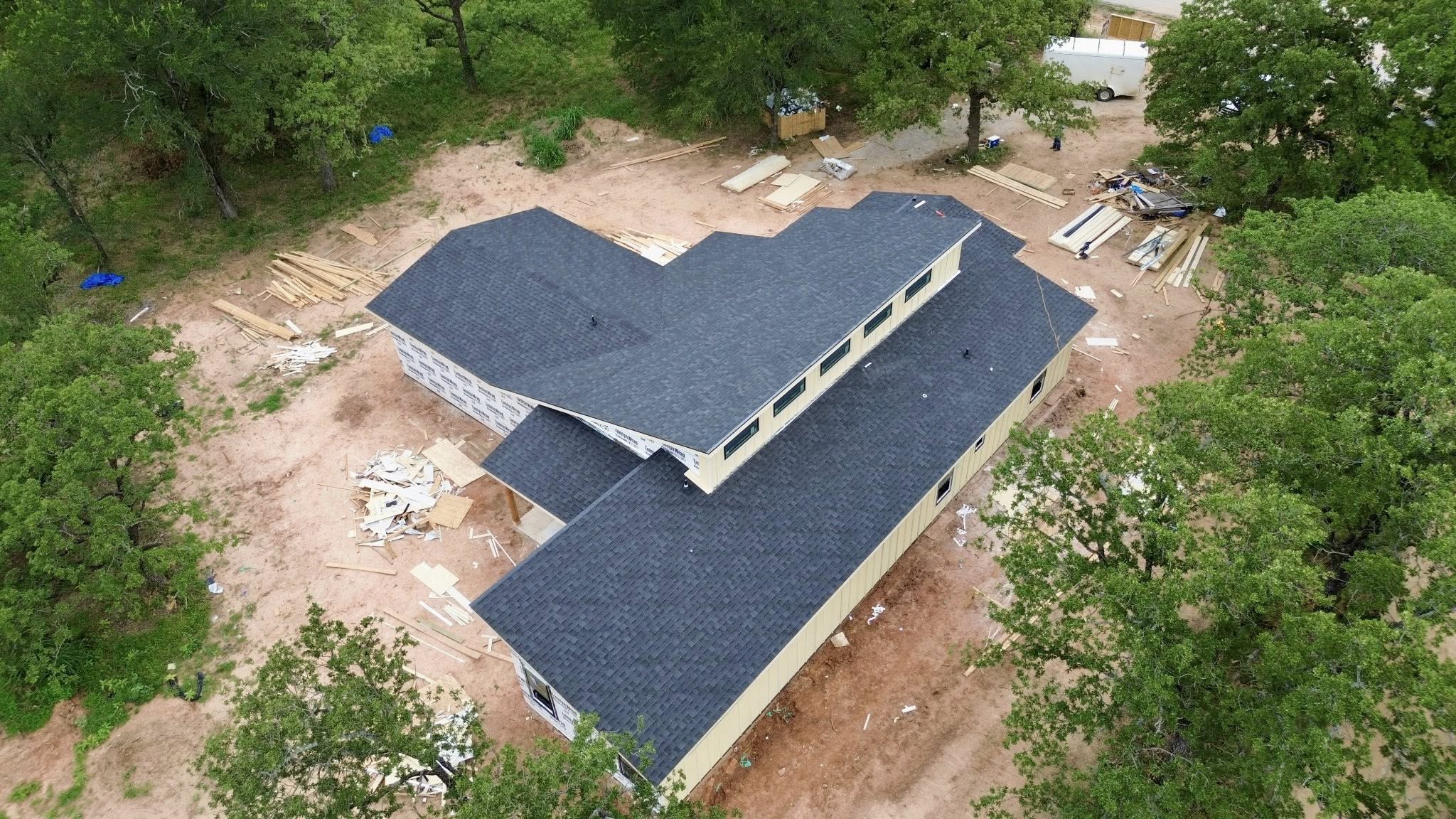
Choosing the right roofing system is one of the most important decisions property managers make during a commercial roof replacement project. The selected system affects building performance, maintenance costs, energy efficiency, and long term return on investment. Rather than focusing only on installation cost, property managers should evaluate how the roofing system will perform throughout its expected lifespan.
Several roofing systems are commonly used on flat commercial buildings. Single ply membranes such as TPO, PVC, and EPDM remain popular because they provide reliable waterproofing, flexibility, and relatively efficient installation. Modified bitumen and built up roofing systems continue to serve many commercial buildings where multiple protective layers are preferred, while standing seam metal roofing may be selected for certain low slope applications.
Climate should play a major role in roofing system selection. Buildings located in regions with intense sunlight, heavy rainfall, snowfall, or frequent storms require materials capable of performing well under those environmental conditions. Selecting products specifically designed for the local climate often improves durability while reducing long term maintenance requirements.
Energy performance is another important consideration. Reflective roofing membranes reduce heat absorption during warm weather, helping lower indoor temperatures and decreasing cooling demands. For large commercial buildings, improved energy efficiency can contribute to significant operational savings over the life of the roof.
Maintenance expectations should also influence material selection. Some roofing systems require more frequent inspections or specialized repair procedures, while others are designed to simplify long term maintenance. Property managers should consider available maintenance resources before selecting the final roofing system.
Manufacturer reputation deserves careful attention as well. Roofing products supported by established manufacturers often provide stronger technical support, certified contractor networks, and more comprehensive warranty programs. These resources contribute to better installation quality and long term roof performance.
Compatibility with the existing building is equally important. The new roofing system should integrate effectively with structural components, insulation, rooftop equipment, drainage systems, and future building improvements. Evaluating these compatibility factors before construction begins helps prevent costly modifications later.
Structural Assessment and Drainage Planning
Before installation begins, the building structure must be evaluated to confirm that it can safely support the new roofing system. Flat commercial roofs often carry substantial loads, including roofing materials, insulation, HVAC equipment, solar panels, maintenance personnel, and accumulated rainwater or snow. A detailed structural assessment helps ensure that the roof will perform safely for many years.
Structural engineers and roofing specialists inspect the roof deck for signs of deterioration, corrosion, cracking, moisture damage, or movement. Steel, concrete, wood, and composite roof decks each present different inspection requirements, making professional evaluation an important part of project planning.
Load calculations become especially important when property managers plan to install heavier roofing systems or additional rooftop equipment. Future improvements such as solar panels, upgraded mechanical equipment, or rooftop amenities should also be considered during the structural assessment so that reinforcement can be completed if necessary.
Drainage planning is equally critical for flat commercial roofs. Although these roofs appear level, they include carefully designed slopes that direct water toward internal drains, scuppers, gutters, or overflow systems. Efficient drainage prevents standing water, which is one of the leading causes of premature roof deterioration.
Contractors inspect every drainage component before replacement begins. Roof drains should remain unobstructed, gutters should function properly, and overflow systems should provide adequate protection during heavy rainfall. Existing drainage deficiencies should be corrected during roof replacement rather than postponed until later.
Tapered insulation systems are often incorporated into modern flat roofing projects to improve water flow. These insulation systems create subtle roof slopes that direct rainwater toward drainage points while simultaneously improving the building’s thermal performance.
Expansion joints also require careful evaluation during structural planning. Large commercial roofs naturally expand and contract as temperatures change throughout the year. Properly designed expansion joints accommodate this movement while reducing stress on roofing materials and structural components.
Investing in thorough structural and drainage planning before construction begins reduces future maintenance problems while extending the service life of the completed roofing system.
Scheduling the Project Around Building Operations
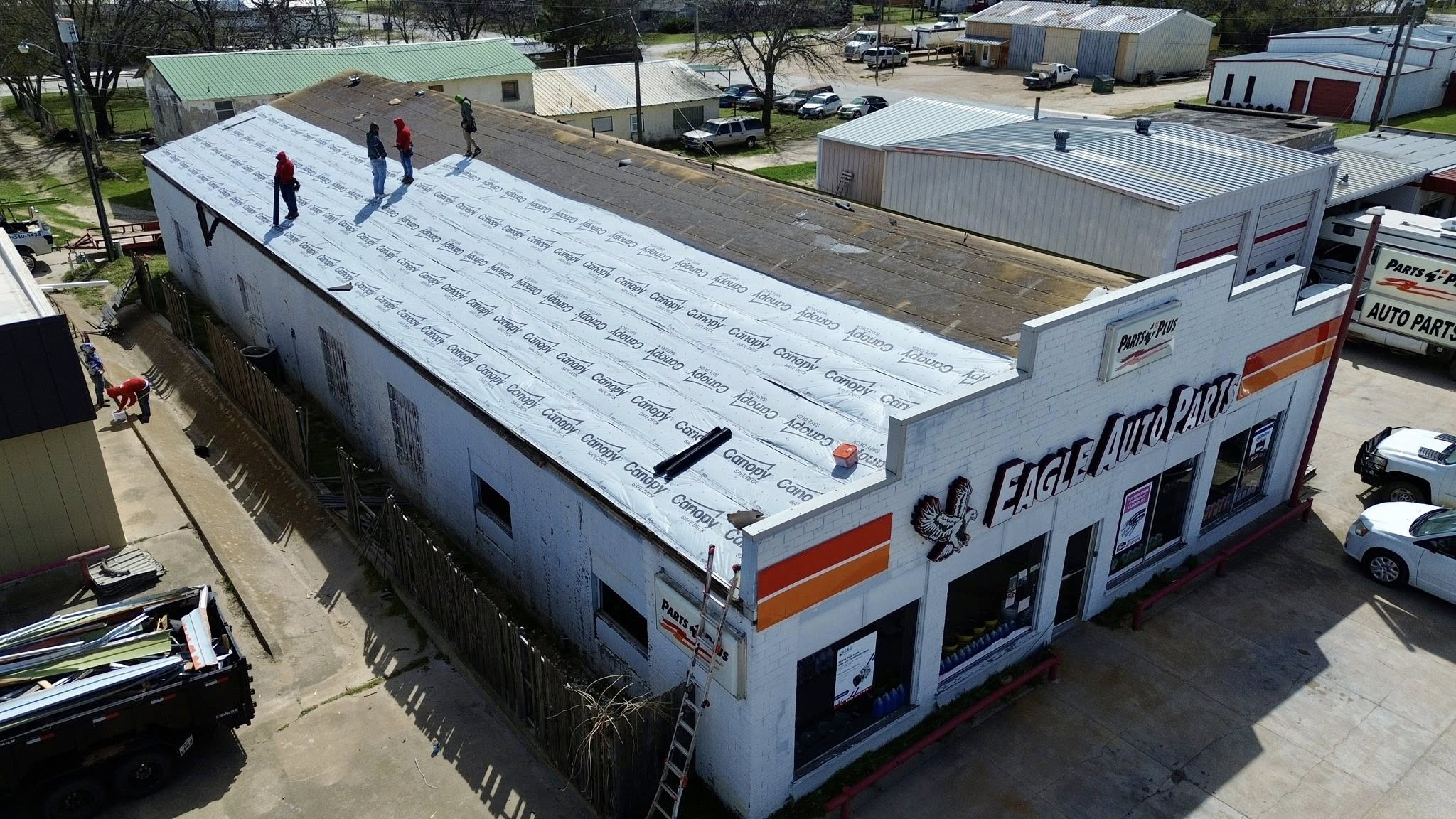
One of the greatest responsibilities of a property manager is ensuring that roof replacement does not unnecessarily interfere with the daily operation of the building. Careful scheduling allows construction to progress efficiently while minimizing disruption for tenants, employees, customers, and service providers.
Project scheduling begins by understanding how the building functions throughout the day. Office buildings, retail centers, schools, healthcare facilities, warehouses, and manufacturing plants each have different operating schedules that influence when roofing activities should occur.
Property managers should identify periods of lower occupancy whenever possible. Noisy demolition activities, crane operations, or equipment relocation may be scheduled during evenings, weekends, holidays, or seasonal slow periods to reduce disruption.
Tenant communication should begin well before construction starts. Occupants should receive advance notice explaining project timelines, expected work hours, temporary access changes, and safety precautions. Providing regular updates throughout construction helps maintain positive relationships while reducing confusion.
Weather forecasting also influences scheduling decisions. Contractors monitor expected weather conditions closely because roofing materials should ideally be installed under dry conditions and moderate temperatures. Flexible scheduling helps maintain installation quality while reducing delays caused by unfavorable weather.
Large buildings often benefit from phased construction schedules. Rather than replacing the entire roof simultaneously, contractors divide the roof into smaller work zones that can be completed one section at a time. This strategy allows building operations to continue more smoothly while reducing weather exposure during construction.
Property managers should also coordinate roofing activities with other planned building maintenance. HVAC servicing, electrical upgrades, tenant renovations, or major equipment installations may be combined with roof replacement to reduce future disruptions and improve overall project efficiency.
Regular progress meetings throughout construction help ensure that scheduling remains aligned with operational priorities while allowing adjustments if business requirements change unexpectedly.
Managing Contractors, Materials, and Safety
Effective project management extends far beyond selecting a roofing contractor. Property managers must coordinate contractors, suppliers, material deliveries, equipment, and safety procedures throughout every stage of the replacement project.
Contractor selection should focus on experience with commercial flat roofing rather than price alone. Companies with proven expertise in similar projects are generally better equipped to manage complex installations while maintaining quality and safety standards.
Before construction begins, contractors should provide a detailed project schedule outlining major milestones, anticipated completion dates, material delivery schedules, and daily work activities. Reviewing this information with all stakeholders improves coordination while establishing clear expectations.
Material procurement also requires careful planning. Large commercial projects often require significant quantities of roofing membranes, insulation, flashing, fasteners, adhesives, and accessories. Delivering materials according to construction progress reduces storage challenges while maintaining efficient workflow.
Storage locations should be selected carefully to protect materials from weather while maintaining safe access for construction personnel. Improper storage can damage roofing products before installation, reducing overall project quality.
Safety management remains one of the property manager’s highest priorities throughout construction. Contractors should develop comprehensive safety plans addressing fall protection, rooftop access, equipment operation, emergency procedures, weather monitoring, and restricted access zones.
Building occupants must also be protected. Temporary barriers, warning signs, designated walkways, and controlled construction zones help separate daily building activities from roofing operations while reducing the risk of accidents.
Daily coordination between contractors and facility management supports efficient project execution. Regular communication allows operational concerns, safety observations, weather changes, and schedule adjustments to be addressed before they affect overall project progress.
Quality Control During Installation
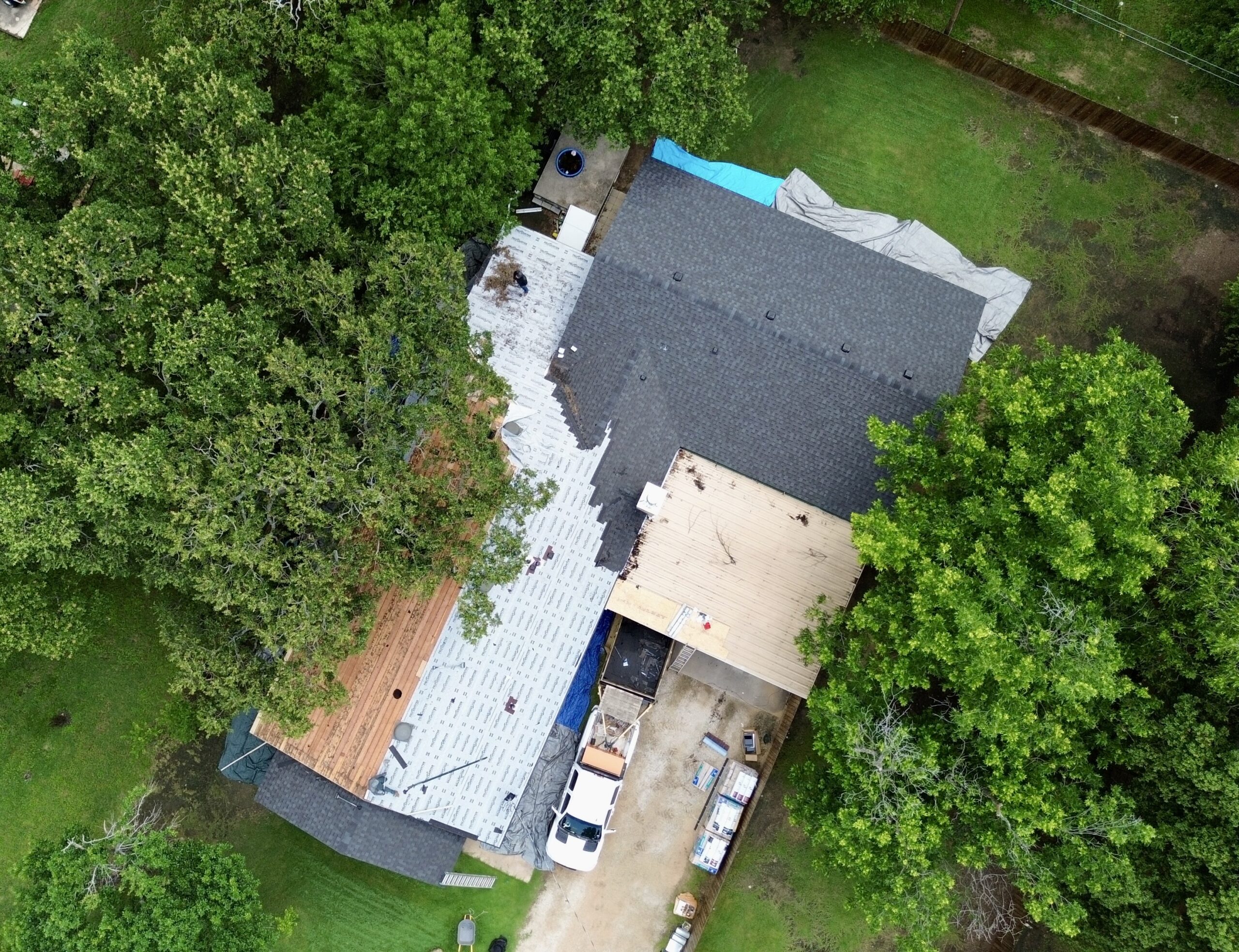
Quality control is not limited to the end of the roofing project. Instead, it should continue throughout every phase of installation to ensure that materials and workmanship meet both manufacturer specifications and project requirements.
Contractors typically begin quality inspections by verifying that the roof deck has been prepared correctly before new materials are installed. Any remaining moisture, structural deficiencies, or surface irregularities should be corrected before installation proceeds.
Insulation placement receives careful attention because proper installation affects both energy efficiency and roofing system stability. Contractors verify insulation thickness, attachment methods, and overall consistency before installing the roofing membrane.
Membrane installation also requires continuous inspection. Seams, flashing, roof penetrations, drainage details, and perimeter edges should all be evaluated regularly during construction rather than waiting until the project has been completed.
Fastening systems are inspected to confirm proper spacing and secure attachment. Whether the roofing system uses mechanical fasteners, adhesives, or heat welded seams, correct installation directly affects long term performance.
Weather conditions remain an important quality consideration throughout construction. Roofing work performed during unsuitable weather may reduce membrane adhesion or compromise waterproofing performance. Contractors should pause installation whenever conditions threaten installation quality.
Property managers may also choose to involve independent roofing consultants during construction. Third party inspections provide additional quality assurance while confirming that installation follows approved specifications and industry best practices.
Maintaining detailed inspection records throughout installation supports warranty documentation while providing valuable information for future maintenance planning.
Reducing Business Disruption Throughout the Project
One of the most important goals for property managers is completing roof replacement while allowing tenants and businesses to continue operating as normally as possible. Reducing disruption requires continuous coordination from the beginning of construction until project completion.
Communication remains the foundation of successful disruption management. Employees, tenants, customers, maintenance personnel, and service providers should receive regular updates regarding construction schedules, temporary access restrictions, and upcoming activities.
Noise producing work should be coordinated whenever possible to reduce its effect on occupied spaces. Demolition, fastening operations, crane activities, and material movement may be scheduled outside peak business hours or during less sensitive operational periods.
Maintaining safe building access is equally important. Temporary entrances, pedestrian pathways, loading docks, and parking areas should remain clearly marked and accessible throughout construction whenever practical.
Dust and debris control should continue throughout every stage of the project. Contractors should remove waste materials regularly while using protective barriers and housekeeping procedures that minimize the spread of construction debris into occupied spaces.
Critical building systems also require ongoing coordination. HVAC equipment, electrical infrastructure, communication systems, fire protection equipment, and emergency access routes should remain operational whenever possible while roofing work progresses safely around them.
Unexpected situations such as weather delays, hidden structural damage, or material shortages should be communicated promptly. Transparent communication helps tenants and building occupants prepare for schedule adjustments while maintaining confidence in project management.
By combining thoughtful scheduling, effective contractor management, continuous quality control, and proactive communication, property managers can successfully complete flat commercial roof replacement projects while minimizing operational disruption. In the final part, we will examine project closeout, warranty management, preventive maintenance, common management mistakes, long term roof asset planning, and conclude the complete flat commercial roof replacement strategy.
Final Inspection and Project Closeout
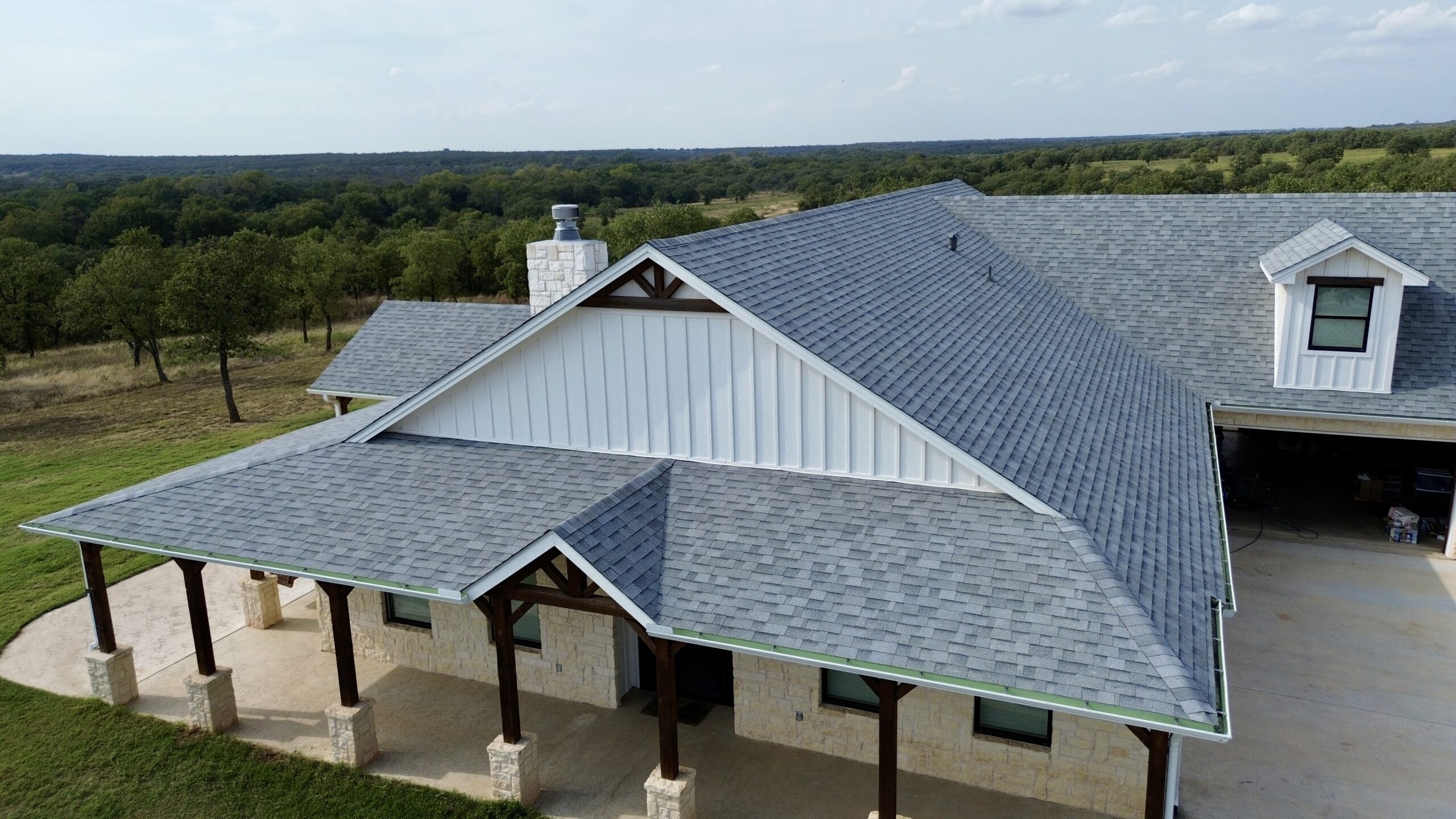
As the flat commercial roof replacement project reaches completion, property managers should focus on verifying the quality of the installation before accepting the finished work. The project is not considered complete simply because the roofing materials have been installed. A thorough inspection and organized closeout process help ensure that the new roofing system will perform as expected while protecting the property’s long term value.
The roofing contractor should perform a detailed inspection of the completed roof before requesting final approval. Roofing membranes, flashing, seams, roof penetrations, drainage systems, expansion joints, edge details, and rooftop equipment should all be examined carefully. Any deficiencies identified during this review should be corrected before the project is officially closed.
Property managers should also participate in a final walkthrough with the contractor. This inspection provides an opportunity to verify that all work has been completed according to the project specifications while asking questions about maintenance procedures, warranty coverage, and future inspections.
Drainage performance deserves particular attention during the final inspection. Roof drains, scuppers, gutters, and overflow systems should be checked to confirm that water will move efficiently across the roof without creating areas of standing water. Proper drainage contributes significantly to the long term durability of flat commercial roofing systems.
The contractor should also confirm that rooftop equipment has been properly reinstalled or protected. HVAC units, communication equipment, skylights, exhaust systems, and maintenance walkways should all be inspected to ensure they remain fully functional after the roofing work has been completed.
Cleanup is another important part of project closeout. Roofing materials, packaging, construction debris, temporary barriers, and unused supplies should be removed from the property. Parking areas, sidewalks, loading docks, and landscaped areas should be restored so the building can return to normal operations without construction related obstacles.
Many contractors also perform magnetic sweeps around the property to collect loose nails, screws, and metal fragments. This additional step helps protect vehicles, employees, tenants, and visitors after construction has ended.
If local regulations require final inspections by building authorities, these inspections should be completed before project closeout. Receiving final approval confirms that the roofing system complies with applicable building codes and approved permit requirements.
Warranty Management and Documentation
A new commercial roof represents a major financial investment, making warranty management an essential responsibility for every property manager. Understanding the available warranty protection helps safeguard the investment while providing clear guidance if future roofing issues arise.
Most commercial roof replacement projects include two primary types of warranty coverage. The manufacturer’s warranty protects against defects in the roofing materials, while the contractor’s workmanship warranty covers installation related problems resulting from improper construction practices.
Property managers should carefully review every warranty document before accepting the completed project. Important details include warranty duration, covered components, maintenance requirements, reporting procedures, exclusions, and conditions that could affect future warranty claims.
Many manufacturers require regular roof inspections and documented maintenance to maintain warranty coverage. Ignoring these requirements may reduce or void certain warranty protections. Establishing a maintenance schedule immediately after project completion helps ensure continued compliance throughout the warranty period.
Documentation should be organized carefully for future reference. Maintaining accurate records allows facility managers to respond more efficiently when repairs, inspections, or warranty claims become necessary.
Important documents to retain include:
| Document | Purpose |
|---|---|
| Manufacturer warranty | Covers roofing material defects |
| Contractor workmanship warranty | Covers installation related issues |
| Final inspection report | Confirms project completion and quality |
| Material specifications | Identifies products installed on the roof |
| Maintenance recommendations | Guides future inspection and maintenance activities |
| As built drawings | Documents final roof layout and system details |
Digital document management has become increasingly common for commercial properties. Storing roofing records electronically allows property managers to retrieve important information quickly while simplifying communication with contractors, consultants, and future facility managers.
Preventive Maintenance Strategies
Installing a new flat commercial roof marks the beginning of its service life rather than the end of management responsibilities. Preventive maintenance plays a critical role in protecting the roofing investment while extending the system’s overall lifespan.
Routine inspections should be scheduled at least twice each year, typically during the spring and fall. Additional inspections following severe storms help identify weather related damage before it develops into larger structural problems.
Maintenance personnel should inspect roofing membranes, flashing, seams, roof penetrations, drainage systems, rooftop equipment, expansion joints, and edge details during every inspection. Early identification of minor problems often prevents expensive repairs later.
Drainage maintenance remains especially important for flat commercial roofs. Leaves, dirt, construction debris, and wind blown materials can block drains and gutters, allowing water to accumulate on the roof. Keeping drainage systems clear reduces the likelihood of standing water and premature roofing deterioration.
Roof surfaces should also remain free from unnecessary debris. Organic material, trash, and equipment left on the roof can trap moisture while increasing wear on roofing materials. Routine cleaning supports both appearance and long term performance.
Property managers should establish clear procedures controlling roof access. Limiting access to authorized personnel reduces unnecessary foot traffic while protecting roofing materials from accidental damage caused by maintenance activities or unauthorized equipment installations.
Professional roof inspections performed by experienced commercial roofing specialists provide additional value beyond routine maintenance. Specialists often identify developing issues that may not be visible during regular facility inspections, allowing corrective action before significant damage occurs.
Maintaining accurate maintenance records throughout the roof’s lifespan also supports warranty compliance while helping property managers monitor long term roof performance.
Common Mistakes Property Managers Should Avoid
Even well managed roofing projects can encounter difficulties if certain planning mistakes are overlooked. Understanding these common errors helps property managers improve decision making while protecting both the roofing investment and building operations.
One of the most common mistakes is delaying roof replacement until serious failures occur. Continuing temporary repairs on an aging roofing system often increases maintenance expenses while raising the risk of unexpected leaks and operational disruptions. Planned replacement generally provides greater financial value than emergency construction.
Another frequent mistake is selecting contractors based solely on the lowest price. While budget management remains important, the lowest proposal may not always provide the best workmanship, materials, project management, or warranty protection. Evaluating contractor experience and overall value usually produces better long term results.
Some property managers underestimate the importance of detailed roof inspections before planning begins. Hidden moisture, structural deterioration, insulation damage, or drainage problems may remain undiscovered without comprehensive evaluations. Identifying these issues early helps create more accurate budgets and schedules.
Communication failures can also create unnecessary challenges. Employees, tenants, contractors, maintenance staff, and suppliers all benefit from receiving regular project updates. Poor communication often leads to confusion, scheduling conflicts, and unnecessary operational disruption.
Ignoring future building needs represents another planning mistake. Roof replacement may provide an ideal opportunity to prepare for solar panels, HVAC upgrades, communication equipment, or building expansions. Considering future improvements during current construction often reduces long term expenses.
Another common oversight involves neglecting preventive maintenance after installation. Even the highest quality commercial roof requires regular inspections and routine maintenance to maximize performance and preserve warranty protection.
Finally, some organizations fail to maintain complete project documentation. Missing warranty information, inspection reports, maintenance records, or contractor contact details can complicate future repairs and reduce the efficiency of long term facility management.
Creating a Long Term Roof Asset Management Plan
Property managers should view a commercial roof as a long term business asset rather than simply another building component. Developing a structured asset management plan helps maximize roof performance while supporting informed financial planning throughout the roof’s service life.
The first step is establishing a complete roofing record that includes installation dates, roofing materials, warranties, inspection reports, maintenance history, repair documentation, and photographs. Organized records provide valuable information whenever maintenance decisions or future renovations become necessary.
Routine condition assessments should continue throughout the roof’s lifespan. Comparing inspection reports over several years helps identify gradual changes in roof condition while allowing maintenance activities to be planned before significant deterioration develops.
Annual maintenance budgets should include funding for inspections, routine repairs, drainage cleaning, and preventive maintenance rather than focusing only on emergency repairs. Planned maintenance generally reduces total ownership costs while extending roof lifespan.
Technology can also improve roof asset management. Many organizations now use facility management software, digital roof mapping, drone inspections, and moisture monitoring systems to evaluate roof conditions more efficiently. These tools provide accurate information while supporting data driven maintenance decisions.
Property managers should also review roofing performance during broader capital planning discussions. Understanding the remaining service life of the roof helps organizations prepare future replacement budgets while coordinating other building improvement projects more effectively.
Training maintenance personnel is another valuable investment. Employees responsible for building maintenance should understand roof access procedures, inspection techniques, drainage maintenance, and early warning signs of roofing problems. Knowledgeable staff contribute significantly to long term roof preservation.
Periodic reviews with commercial roofing professionals also strengthen asset management programs. Independent evaluations provide expert recommendations that support preventive maintenance while helping property managers make informed decisions regarding future capital improvements.
Conclusion
Replacing a flat commercial roof is one of the most significant responsibilities a property manager will oversee during the life of a commercial building. A successful project requires far more than selecting roofing materials and scheduling construction. It demands strategic planning, careful budgeting, detailed inspections, effective communication, and long term maintenance planning that protects both the building and the businesses operating within it.
Throughout this guide, we explored the complete strategy for managing flat commercial roof replacement. We examined how property managers can evaluate existing roofing systems, establish project goals, build experienced project teams, select appropriate roofing materials, coordinate structural assessments, manage contractors, maintain quality control, and minimize disruption during construction.
We also discussed the importance of thorough project closeout, organized warranty management, preventive maintenance, avoiding common planning mistakes, and developing comprehensive roof asset management programs. These activities extend well beyond project completion and play an essential role in maximizing the value of the roofing investment.
A proactive management approach consistently delivers better results than reacting to emergency roof failures. Routine inspections, preventive maintenance, accurate documentation, and long term planning help reduce repair costs while improving building performance and extending roof lifespan. Property managers who prioritize these practices create safer, more efficient, and more valuable commercial properties.
Ultimately, a flat commercial roof is much more than a protective covering. It is a critical building asset that safeguards occupants, supports business continuity, protects valuable equipment, improves energy efficiency, and contributes to the property’s long term financial performance. By following a structured replacement strategy and maintaining the roof throughout its service life, property managers can ensure dependable performance, lower operating costs, and lasting value for many years to come.