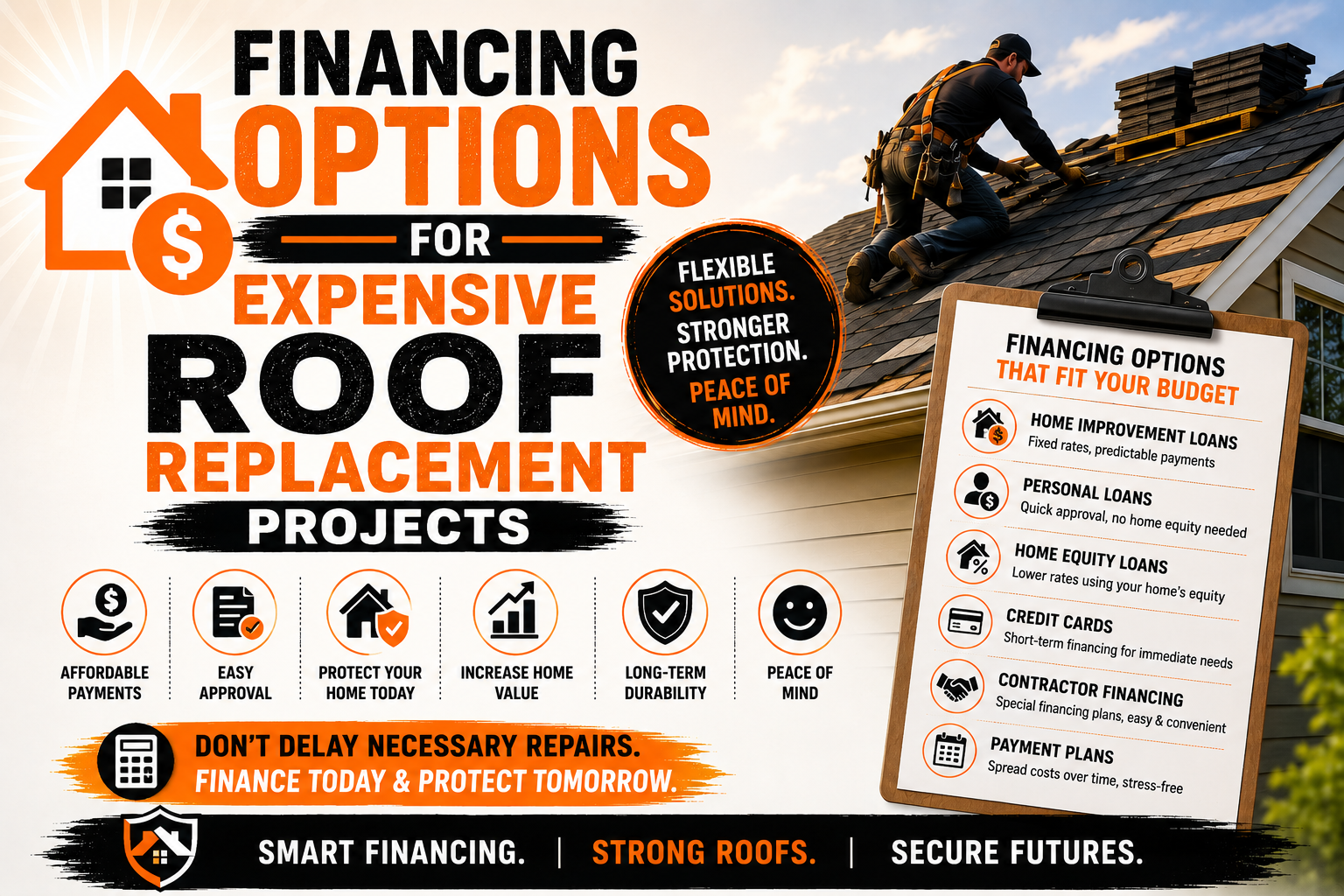
Financing Options for Expensive Roof Replacement Projects
Introduction
A roof replacement is one of the most significant investments homeowners make to protect their property. While a new roof improves safety, energy efficiency, and property value, the cost of a complete replacement can place considerable pressure on household finances. For many families, paying the full amount upfront is simply not practical, making financing an important part of the decision making process.
Roof replacement is often unavoidable rather than optional. Once a roof reaches the end of its service life, delaying replacement can lead to water damage, structural deterioration, mold growth, insulation problems, and expensive interior repairs. Financing allows homeowners to address these issues promptly instead of postponing essential work because of immediate budget limitations.
Today’s homeowners have access to a wide variety of financing solutions. Traditional bank loans, home equity products, contractor financing programs, insurance claim funding, and government assistance initiatives all provide potential ways to spread the cost of a roof replacement over time. Each option offers different advantages depending on financial circumstances, credit profile, and long term goals.
Choosing the right financing method involves more than comparing monthly payments. Interest rates, repayment periods, fees, approval requirements, and the total borrowing cost all influence the long term affordability of a financing arrangement. Understanding these factors helps homeowners avoid unnecessary financial strain while selecting the solution that best fits their needs.
Financing should also be viewed as part of an overall investment strategy. A professionally installed roof protects one of the home’s most valuable assets while reducing the likelihood of future repair expenses. In many situations, financing a timely roof replacement proves more economical than delaying the project and paying for additional structural damage later.
In this guide, we will explore the most common financing options available for expensive roof replacement projects, explain how each solution works, and help homeowners make informed decisions that balance immediate affordability with long term financial stability.
Why Roof Replacement Financing Has Become More Important
Roof replacement financing has become increasingly important because the cost of roofing projects has steadily risen over time. Material prices, labor expenses, transportation costs, and updated building requirements all contribute to higher replacement costs than many homeowners anticipated years ago. As a result, financing has become a practical solution rather than an uncommon choice.
Modern roofing systems also include more advanced materials than in previous decades. Improved underlayment, enhanced ventilation systems, better moisture barriers, and premium roofing products provide stronger long term performance, but they also increase the initial investment. Many homeowners prefer financing these improvements rather than compromising on quality.
Unexpected roof damage creates another reason financing has become more common. Storms, fallen trees, hail, wind, and hidden structural deterioration often require immediate replacement without allowing time to save the full project cost. Financing enables homeowners to complete urgent repairs while spreading payments over a manageable period.
Property values have also increased significantly in many regions, making roof replacement an investment that helps protect one of the homeowner’s largest financial assets. Maintaining the roof preserves structural integrity while supporting long term property value and resale potential.
Insurance coverage does not always eliminate the need for financing. While certain types of storm damage may qualify for insurance claims, policies often include deductibles, coverage limitations, or exclusions for aging roofs. Financing helps bridge the financial gap when insurance alone does not cover the full replacement cost.
Energy efficiency improvements further encourage financing decisions. Installing a modern roofing system may reduce heating and cooling expenses through better insulation support and ventilation. Some homeowners view financing as a way to obtain these long term savings sooner rather than waiting several years to accumulate sufficient funds.
Financial flexibility remains another important benefit. Instead of using emergency savings or investment accounts to pay for a roof replacement, financing allows homeowners to preserve financial reserves while completing an essential home improvement. Maintaining liquidity often provides greater overall financial security.
As roofing projects continue becoming more sophisticated and expensive, financing offers homeowners the opportunity to make timely decisions without sacrificing roofing quality or delaying necessary protection for their homes.
Understanding the True Cost of Roof Replacement
Before selecting a financing option, homeowners should understand what contributes to the total cost of a roof replacement. Looking beyond the contractor’s estimate helps create a realistic financial plan while reducing the likelihood of unexpected expenses during the project.
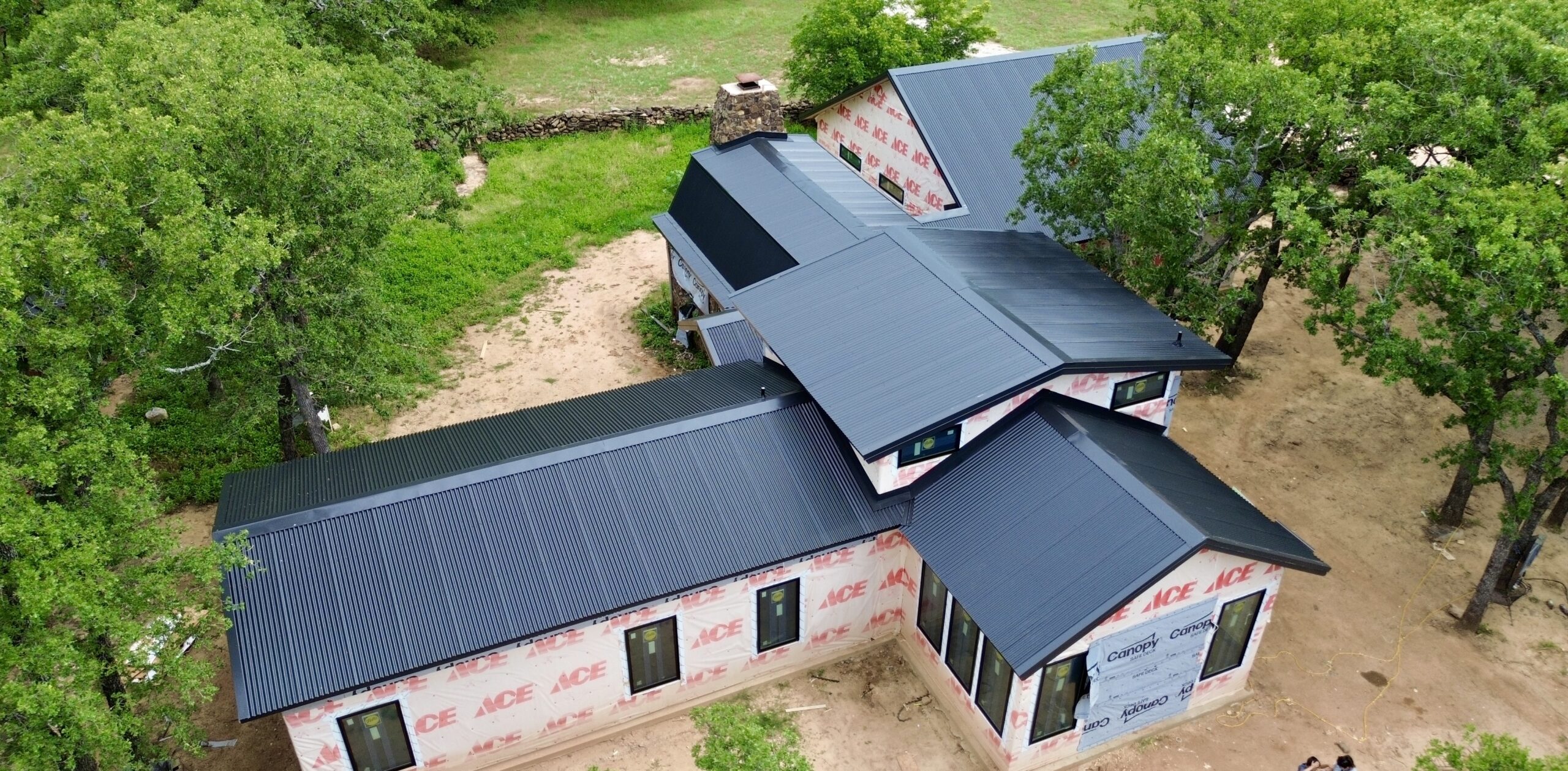
Roofing materials represent one of the largest portions of the total investment. Asphalt shingles, metal roofing, wood shakes, clay tiles, concrete tiles, slate, and synthetic materials all vary considerably in purchase price. Selecting higher quality materials often increases the initial cost but may reduce maintenance and replacement expenses over the long term.
Labor costs also account for a substantial part of the project. Professional installation requires skilled workers, safety equipment, proper preparation, quality control, and final cleanup. Experienced contractors generally provide greater reliability, which often justifies the investment in qualified workmanship.
Structural repairs sometimes become necessary after the existing roof is removed. Damaged roof decking, deteriorated flashing, weakened rafters, or moisture related issues cannot always be identified before construction begins. These repairs are essential because a new roof requires a structurally sound foundation.
Permit fees and inspections may also contribute to the total cost depending on local building requirements. Many municipalities require permits before roof replacement begins and inspections after installation is complete. Professional contractors usually include these expenses within their project proposals.
Waste removal represents another important cost. Old shingles, flashing, underlayment, nails, and damaged structural materials must be removed and disposed of according to local regulations. Proper cleanup ensures the property remains safe while preparing the roof for new installation.
Homeowners should also consider future maintenance when evaluating total ownership cost. Routine inspections, gutter cleaning, and occasional preventive maintenance help maximize roof lifespan while protecting the financing investment. Planning for these ongoing expenses contributes to better long term budgeting.
Understanding the complete cost of roof replacement allows homeowners to borrow an appropriate amount rather than financing only the contractor’s initial estimate. Careful planning reduces financial surprises while supporting a smoother replacement process.
When Financing Makes More Sense Than Delaying Replacement
Some homeowners postpone roof replacement because they hope to avoid borrowing money. While delaying may appear financially responsible at first, waiting too long often results in much higher overall expenses. Financing becomes the better option when continued deterioration threatens the home’s structural integrity or increases future repair costs.
Recurring roof leaks provide one of the clearest examples. Water entering through an aging roof rarely remains confined to the roofing materials alone. Moisture gradually damages insulation, drywall, flooring, electrical systems, and structural framing. Financing timely replacement may prevent these secondary repairs from becoming much more expensive than the roof itself.
Structural sagging presents another situation where delay creates additional risk. Once roof decking, rafters, or trusses begin weakening, the roof’s ability to support normal weather loads declines. Financing replacement before structural damage worsens often protects both the home and the homeowner’s finances.
Repeated repairs also indicate that financing may provide better long term value. Paying for multiple service visits throughout several years frequently costs more than replacing the entire roofing system. Financing allows homeowners to solve the underlying problem instead of repeatedly addressing temporary symptoms.
Emergency situations often leave little opportunity to save the necessary funds. Severe storms, fallen trees, hail damage, or sudden structural failures require prompt action to prevent additional property damage. Financing provides immediate access to the resources needed for emergency roof replacement.
Interest costs should also be compared with the financial consequences of delaying replacement. In many cases, the combined cost of interior repairs, mold remediation, structural restoration, and emergency roofing work exceeds the total interest paid on a carefully selected financing program.
Property value considerations further support timely replacement. Homes with deteriorating roofs may lose market appeal while creating concerns during buyer inspections. Financing a replacement protects the property’s value while preserving future resale opportunities.
Financing makes the most sense when it prevents greater financial losses than the borrowing cost itself. Evaluating replacement as a protective investment rather than simply an expense helps homeowners make more balanced financial decisions.
Common Financing Options Available to Homeowners
Homeowners have access to several financing solutions that help spread the cost of roof replacement over time. Each option offers different borrowing limits, repayment terms, approval requirements, and overall costs. Understanding these choices allows homeowners to identify the financing method that best fits their financial situation.
Home equity loans are among the most common financing options because they allow homeowners to borrow against the equity they have built in their property. These loans typically provide fixed repayment schedules and predictable monthly payments, making budgeting more straightforward.
Home equity lines of credit offer greater flexibility than traditional home equity loans. Instead of receiving a single lump sum, homeowners access funds as needed during the approved borrowing period. This flexibility may be useful if unexpected structural repairs arise during roof replacement.
Personal loans provide another widely available solution. Unlike home equity products, personal loans generally do not require using the home as collateral. Approval often depends on credit history, income, and overall financial profile rather than property equity.
Many roofing contractors also offer financing programs through lending partners. These arrangements simplify the borrowing process by allowing homeowners to apply directly through the contractor during project planning. Promotional interest rates or deferred payment options may be available in certain situations.
Insurance claim funding becomes relevant when roof replacement follows covered storm damage. Although insurance may pay part of the project cost, financing sometimes helps cover deductibles or expenses not included within policy coverage. Combining insurance proceeds with financing often allows homeowners to complete the project without delaying necessary work.
Government supported assistance programs may also be available for qualifying homeowners depending on income level, geographic location, or specific housing improvement initiatives. While eligibility varies, these programs sometimes provide favorable financing terms for essential home repairs.
Selecting among these options requires careful comparison of repayment terms, interest rates, total borrowing cost, and long term financial impact. No single financing solution is ideal for every homeowner, making individual circumstances an important part of the decision.
Preparing Financially Before Applying for Roof Financing
Successful financing begins long before submitting a loan application. Careful financial preparation improves approval opportunities while helping homeowners borrow responsibly and manage future repayment comfortably. Taking time to evaluate personal finances also reduces the likelihood of unexpected financial stress after the roof replacement is complete.
The first step involves understanding the estimated project cost. Obtaining multiple roofing estimates provides a realistic picture of local pricing while identifying differences in materials, labor, warranties, and project scope. Accurate estimates help determine the amount of financing actually required.
Homeowners should also review their household budget before borrowing. Evaluating monthly income, existing financial obligations, emergency savings, and anticipated future expenses helps identify a comfortable repayment amount. Borrowing within realistic financial limits supports long term stability.
Checking credit reports before applying for financing is another valuable step. Reviewing credit information allows homeowners to identify potential errors or address issues that could influence loan approval or interest rates. Stronger credit profiles often qualify for more favorable financing terms.
Gathering financial documentation in advance also simplifies the application process. Lenders frequently request proof of income, employment verification, tax records, banking information, and identification during the approval process. Organizing these documents ahead of time reduces delays.
Homeowners should also plan for unexpected project costs. Even with detailed estimates, structural repairs or optional improvements occasionally become necessary once roofing work begins. Maintaining a small financial reserve alongside borrowed funds provides additional flexibility.
Finally, borrowers should compare financing offers carefully instead of accepting the first available option. Evaluating interest rates, repayment schedules, fees, and total loan costs helps identify the financing solution offering the greatest overall value rather than simply the lowest monthly payment.
Home Equity Loans and Home Equity Lines of Credit
For homeowners who have built equity in their property, home equity financing is one of the most common ways to pay for a roof replacement. These financing methods allow borrowers to use a portion of their home’s value to fund major improvement projects. Because the loan is secured by the property, lenders often provide competitive interest rates compared to many unsecured borrowing options.
A home equity loan provides a single lump sum that is repaid over a fixed period. Monthly payments generally remain consistent throughout the life of the loan, making budgeting more predictable. This structure works well for homeowners who know the total project cost before construction begins.
A home equity line of credit, often called a HELOC, operates differently. Instead of receiving all funds at once, homeowners are approved for a borrowing limit and can withdraw money as needed during the draw period. This flexibility can be helpful when unexpected structural repairs increase project costs after roof replacement has already started.
Both financing methods require homeowners to have sufficient equity in their property. Lenders evaluate the home’s value, outstanding mortgage balance, credit history, income, and overall financial profile before approving the application. Qualification requirements vary between financial institutions.
Because these loans are secured by the home, borrowers should carefully consider their long term repayment ability. Missing payments may place the property at financial risk. Responsible borrowing and realistic budgeting remain essential before selecting any home equity financing solution.
Home equity financing is often attractive for larger roofing projects because it combines relatively favorable borrowing costs with repayment periods that may extend over many years. For homeowners planning to remain in their property long term, this approach can provide manageable monthly payments while protecting one of their most valuable assets.
Choosing between a home equity loan and a home equity line of credit depends on individual financial circumstances, project flexibility, and personal preferences regarding predictable payments versus borrowing flexibility.
Personal Loans for Roof Replacement
Personal loans have become an increasingly popular financing option for roof replacement because they do not require homeowners to use their property as collateral. These loans provide a straightforward borrowing process while offering flexibility for homeowners who may not qualify for home equity financing or prefer not to borrow against their home.
Most personal loans provide borrowers with a fixed amount that is repaid through regular monthly installments over an agreed period. Fixed repayment schedules make budgeting easier because monthly obligations generally remain consistent throughout the loan term.
Approval typically depends on several financial factors. Lenders evaluate credit history, income stability, employment, existing debt obligations, and overall repayment capacity before determining loan eligibility and interest rates. Stronger financial profiles often receive more favorable borrowing terms.
Personal loans are frequently processed more quickly than home equity financing because they do not usually require property appraisals or extensive real estate documentation. Faster approval makes them particularly useful when urgent roof replacement becomes necessary following storm damage or sudden structural failure.
Loan amounts vary according to lender policies and borrower qualifications. Homeowners should carefully compare available borrowing limits with the estimated roof replacement cost to ensure sufficient funding for the entire project, including any potential structural repairs that may arise during installation.
Interest rates on personal loans are often higher than secured financing because lenders assume greater risk without property collateral. Even so, many homeowners prefer the simplicity and speed of unsecured borrowing, especially when repayment periods fit comfortably within their financial plans.
Personal loans also provide flexibility because funds can generally be used for any aspect of the roofing project. Materials, labor, permits, structural repairs, and related expenses can all be covered without requiring separate financing arrangements.
For homeowners seeking a relatively fast and uncomplicated financing solution, personal loans remain a practical option when supported by careful budgeting and responsible repayment planning.
Contractor Financing Programs
Many roofing companies now offer financing programs through partnerships with banks or specialized lending institutions. These arrangements allow homeowners to explore financing while discussing the roof replacement project, simplifying the overall planning process. Contractor financing has become increasingly common as roofing costs continue to rise.
One advantage of contractor financing is convenience. Instead of locating a lender independently, homeowners often complete financing applications directly through the roofing contractor. This coordinated approach reduces paperwork while allowing project planning and financing discussions to occur simultaneously.
Some contractor financing programs include promotional offers designed to make roof replacement more affordable. Depending on the lender and borrower qualifications, these may include temporary promotional interest rates, deferred payment periods, or flexible repayment schedules. Homeowners should carefully review all terms to understand how these promotions affect long term borrowing costs.
Approval requirements vary according to the financing partner rather than the roofing contractor itself. Credit history, income verification, employment status, and existing financial obligations typically influence lending decisions. Contractors facilitate the application process but do not usually determine final approval.
Contractor financing often supports projects involving premium roofing materials or additional structural improvements. Homeowners who decide to upgrade ventilation, underlayment, insulation, or roofing materials may appreciate the ability to include these improvements within one financing arrangement.
It remains important to compare contractor financing with alternative borrowing options before making a final decision. While convenience is valuable, homeowners should evaluate interest rates, repayment periods, fees, and total loan costs alongside offers from banks or credit unions.
Contractor financing works best when homeowners fully understand both the roofing proposal and the financing agreement. Reviewing all documentation carefully ensures the chosen financing solution aligns with long term financial goals rather than focusing only on immediate affordability.
Government Assistance and Insurance Related Funding
Certain homeowners may qualify for financial assistance beyond traditional loans when replacing a roof. Government supported programs and insurance related funding sometimes reduce out of pocket expenses depending on the reason for replacement, household eligibility, and local program availability.
Insurance plays an important role when roof replacement results from covered events such as windstorms, hail, fire, or falling trees. If the damage qualifies under the homeowner’s insurance policy, the insurer may contribute toward repair or replacement costs after reviewing the claim. Coverage varies according to policy terms, deductibles, and the cause of damage.
Insurance payments do not always cover the entire project. Deductibles, excluded damage, or optional upgrades may remain the homeowner’s responsibility. Financing is often combined with insurance proceeds to complete the roof replacement without delaying necessary work.
Some homeowners may also qualify for government supported housing improvement programs. Depending on income level, geographic location, age, or property type, certain local, regional, or national initiatives may provide grants, low interest loans, or financial assistance for essential home repairs. Eligibility requirements differ between programs.
Community organizations and nonprofit housing agencies occasionally offer limited assistance for qualifying homeowners facing urgent structural repairs. These resources are generally intended for households experiencing financial hardship and may require documentation of need before approval.
Disaster recovery funding may become available following major natural disasters declared by appropriate authorities. In these situations, homeowners affected by widespread storm damage sometimes gain access to temporary financial assistance or specialized recovery loan programs. Availability depends on the specific disaster and applicable regulations.
Government and insurance related funding should be viewed as potential supplements rather than guaranteed financing sources. Homeowners should verify eligibility carefully while maintaining alternative financing plans if assistance is delayed or unavailable.
Exploring every available funding source helps reduce overall borrowing needs while making roof replacement more financially manageable.
Comparing Popular Roof Financing Options
Selecting the most suitable financing solution requires evaluating several important factors beyond monthly payment amounts. Interest rates, repayment flexibility, approval requirements, and borrowing limits all influence the long term affordability of roof replacement financing.
The following comparison highlights common characteristics of today’s most widely used financing options.
| Financing Option | Property Collateral Required | Typical Approval Speed | Payment Structure | Best Suited For |
|---|---|---|---|---|
| Home Equity Loan | Yes | Moderate | Fixed monthly payments | Homeowners with significant equity seeking predictable payments |
| Home Equity Line of Credit | Yes | Moderate | Flexible borrowing with variable repayment | Projects with uncertain final costs |
| Personal Loan | No | Fast | Fixed monthly payments | Homeowners wanting unsecured financing |
| Contractor Financing | Usually No | Fast | Varies by lender and program | Homeowners seeking convenient project financing |
| Insurance Funding | No | Depends on claim process | Claim payment according to policy | Covered storm or accidental roof damage |
| Government Assistance Programs | Varies | Often Longer | Depends on program | Qualified homeowners meeting eligibility requirements |
This comparison demonstrates that no single financing solution is appropriate for every homeowner. Personal financial circumstances, project urgency, available home equity, and expected repayment ability all influence the most suitable choice.
Comparing financing offers carefully before signing any agreement helps homeowners balance affordability with long term financial stability.
Questions Homeowners Should Ask Before Accepting Financing
Financing agreements should be evaluated with the same level of care as the roofing contract itself. Asking detailed questions before accepting financing helps homeowners understand the complete borrowing commitment while avoiding unexpected costs later.
Consider asking these questions before accepting any financing offer:
- What is the total amount that will be repaid over the life of the loan?
- Is the interest rate fixed or can it change during repayment?
- Are there application fees, closing costs, or early repayment penalties?
- What monthly payment amount fits comfortably within my household budget?
- Will financing cover potential structural repairs if unexpected damage is discovered?
- What happens if project costs change after construction has already begun?
These questions encourage homeowners to evaluate financing based on total cost rather than monthly payment alone. A lower monthly payment may sometimes result in greater overall borrowing expense if the repayment period is significantly longer.
Taking time to understand every financing detail before signing helps protect long term financial health while reducing the likelihood of unexpected repayment challenges.
How to Choose the Right Financing Option
Selecting the right financing solution requires more than finding the lowest monthly payment. Every homeowner has different financial goals, income levels, credit profiles, and long term plans, making it important to evaluate financing from several perspectives. The best option balances affordability with responsible borrowing while supporting long term financial stability.
The first consideration should be the total project cost. Knowing how much financing is actually required helps prevent borrowing more than necessary. Accurate roofing estimates, including possible structural repairs and permit costs, provide a realistic borrowing target before comparing lenders.
Repayment ability deserves equal attention. Homeowners should choose a financing option with monthly payments that fit comfortably within their household budget rather than stretching finances to the limit. Leaving room for unexpected expenses helps reduce financial stress throughout the repayment period.
Loan terms also influence overall affordability. A shorter repayment period often reduces total interest costs but increases monthly payments. A longer repayment schedule lowers monthly obligations while increasing the total amount repaid over time. Finding the right balance depends on personal financial priorities.
Interest rates should be compared carefully between financing options. Even a small difference in borrowing costs can significantly affect total repayment over several years. Reviewing the complete borrowing cost rather than focusing only on promotional offers provides a more accurate comparison.
Homeowners should also consider whether secured or unsecured financing better matches their circumstances. Borrowing against home equity may provide lower interest rates, while unsecured personal loans avoid using the home as collateral. Each approach offers different advantages depending on the homeowner’s financial situation.
Project timing can also influence financing decisions. Emergency roof replacement may require faster approval through contractor financing or personal loans, while planned replacement projects provide more time to compare lending options and negotiate favorable terms.
Choosing financing carefully helps homeowners protect both their property and their financial future. Responsible borrowing ensures the roof replacement becomes a valuable long term investment instead of creating unnecessary financial pressure.
Common Financing Mistakes Homeowners Should Avoid
Financing a roof replacement can be an effective financial strategy when approached carefully. However, certain mistakes may increase borrowing costs or create repayment difficulties that could have been avoided with better planning. Understanding these common errors helps homeowners make more confident financial decisions.
The following mistakes are among the most common.
- Choosing financing based only on the lowest monthly payment.
- Borrowing more money than the roofing project actually requires.
- Accepting the first financing offer without comparing multiple lenders.
- Ignoring interest rates, fees, and total repayment costs.
- Failing to review loan terms before signing financing agreements.
- Delaying roof replacement until emergency damage requires more expensive borrowing.
Each of these mistakes can increase the overall financial burden of the roofing project. Taking time to compare financing options carefully often produces better long term results than making decisions under pressure.
A roof replacement should strengthen the home’s value rather than weaken household finances. Responsible planning helps ensure financing remains manageable throughout the repayment period.
Tips for Reducing the Overall Cost of Roof Replacement
Financing helps make roof replacement affordable, but homeowners can also reduce overall project costs through careful planning and informed decision making. Lowering the total project expense decreases borrowing needs while improving long term financial outcomes.
Obtaining several detailed roofing estimates is one of the most effective cost saving strategies. Comparing proposals from qualified contractors provides a better understanding of local market pricing while helping homeowners identify differences in materials, warranties, and project scope. Estimates should always be evaluated based on value rather than price alone.
Scheduling roof replacement before severe deterioration develops also reduces expenses. Waiting until structural damage spreads often increases project costs because roof decking, insulation, framing, and interior finishes may require additional repairs. Timely replacement prevents many of these secondary expenses.
Selecting roofing materials appropriate for the home’s climate improves long term value as well. Materials designed for local weather conditions generally require fewer repairs while providing longer service life. Choosing the right product reduces future maintenance costs without necessarily requiring the highest priced roofing system.
Routine roof maintenance before replacement remains beneficial too. Keeping gutters clean, addressing small leaks promptly, and scheduling regular inspections slow roof deterioration while providing greater flexibility when planning replacement. Preventive care often delays emergency situations that increase borrowing costs.
Homeowners should also review warranty coverage carefully. Strong manufacturer warranties and workmanship guarantees reduce future repair risks while protecting the roofing investment. Better warranty protection often justifies modest increases in initial project cost.
Exploring insurance benefits or available assistance programs may further reduce borrowing requirements. Even partial financial assistance lowers the amount that must be financed, decreasing long term interest expenses.
Reducing total project cost before financing begins allows homeowners to borrow less while maximizing the long term value of their new roofing system.
Working with Roofing Contractors and Lenders
Successful roof replacement financing depends on effective communication between homeowners, roofing contractors, and lenders. Coordinating these relationships carefully helps ensure the project proceeds smoothly while minimizing delays and financial misunderstandings.
The process should begin with selecting a qualified roofing contractor. Detailed written estimates explaining materials, labor, project timelines, warranties, structural repairs, and cleanup provide the information lenders often require when reviewing financing applications. Clear documentation also helps homeowners compare competing proposals more accurately.
Homeowners should communicate openly with both the contractor and the lender throughout the planning process. Informing the contractor about financing arrangements helps coordinate project scheduling with loan approval and funding timelines. Early communication reduces unnecessary delays once construction is ready to begin.
Lenders may request additional documentation before releasing funds. Proof of project cost, contractor licensing, insurance information, and signed contracts are commonly required during the approval process. Preparing these documents early simplifies financing while allowing work to begin more efficiently.
Contractors should also explain how unexpected structural repairs will be handled if hidden damage is discovered after roof removal. Understanding how additional costs will be approved and financed prevents confusion during construction. Clear procedures benefit everyone involved in the project.
Homeowners should review payment schedules carefully as well. Some financing arrangements release funds in stages according to project progress, while others provide the full amount at the beginning. Understanding these payment methods helps coordinate contractor invoices with available financing.
Maintaining organized records throughout the project also proves valuable. Contracts, financing agreements, inspection reports, warranty documents, and payment receipts should all be stored together for future reference. Good record keeping simplifies warranty claims, insurance questions, and future property transactions.
Strong communication between contractors, lenders, and homeowners creates a more efficient roofing project while reducing financial uncertainty. Careful coordination helps ensure the replacement is completed according to schedule and within the planned budget.
Planning for Long Term Financial Stability
Roof financing should support long term financial health rather than create ongoing financial strain. A thoughtful repayment strategy allows homeowners to enjoy the benefits of a new roof while maintaining overall household stability. Planning beyond the installation itself is just as important as choosing the right financing option.
The first priority should be making loan payments consistently and on time. Regular repayment protects credit history while avoiding additional interest charges or penalties. Establishing automatic payments or reminders may help homeowners maintain a reliable repayment schedule.
Homeowners should also continue building emergency savings after the roof replacement is complete. Although financing covers the installation, maintaining financial reserves provides protection against future home repairs or unexpected household expenses. Strong savings reduce reliance on additional borrowing later.
Routine roof maintenance should remain part of the long term financial plan. Annual inspections, gutter cleaning, prompt minor repairs, and proper attic ventilation help preserve the roofing system throughout its expected lifespan. Preventive maintenance protects the financing investment while reducing future repair costs.
Reviewing homeowner’s insurance after roof replacement is another worthwhile step. A new roofing system may influence future insurance coverage, claims history, or available policy options depending on local conditions and insurer requirements. Updating policy information ensures accurate protection for the newly installed roof.
Homeowners planning future renovations should consider how the roof replacement fits within broader financial goals. Completing one major home improvement successfully often creates opportunities to plan additional projects without placing excessive pressure on household finances.
Finally, maintaining complete records of financing agreements, contractor warranties, manufacturer warranties, inspection reports, and maintenance activities supports future property value. Well documented roofing history often provides reassurance to future buyers while simplifying warranty service if needed.
Long term financial stability comes from combining responsible borrowing with consistent maintenance and careful planning. A new roof protects not only the home itself but also the homeowner’s broader financial investment for many years.
Conclusion
Financing has become an important tool for homeowners facing the significant cost of roof replacement. Rather than delaying essential work and risking more extensive structural damage, financing provides the opportunity to protect the home while spreading expenses over a manageable period. When selected carefully, the right financing option supports both immediate roofing needs and long term financial well being.
Throughout this guide, we have explored the major financing solutions available for expensive roof replacement projects, including home equity loans, home equity lines of credit, personal loans, contractor financing programs, insurance related funding, and government assistance opportunities. We also examined how each option differs in approval requirements, repayment structure, flexibility, and overall borrowing cost.
Choosing financing should always involve evaluating more than monthly payments alone. Interest rates, loan terms, total repayment costs, credit requirements, project timing, and personal financial goals all influence which solution provides the greatest long term value. Comparing multiple financing options carefully helps homeowners avoid unnecessary expenses while selecting a repayment plan that fits comfortably within their budget.
Responsible borrowing also requires thoughtful project planning. Obtaining detailed roofing estimates, preparing for possible structural repairs, maintaining open communication with contractors and lenders, and continuing routine roof maintenance after installation all contribute to better financial outcomes. Financing works best when it supports a well planned investment rather than an emergency response to preventable damage.
A new roof is one of the most valuable improvements a homeowner can make because it protects the structure, improves energy efficiency, enhances property value, and reduces future maintenance concerns. By understanding today’s financing options and choosing the one that best matches individual circumstances, homeowners can complete essential roof replacement projects with confidence while maintaining long term financial stability and protecting their home for decades to come.