

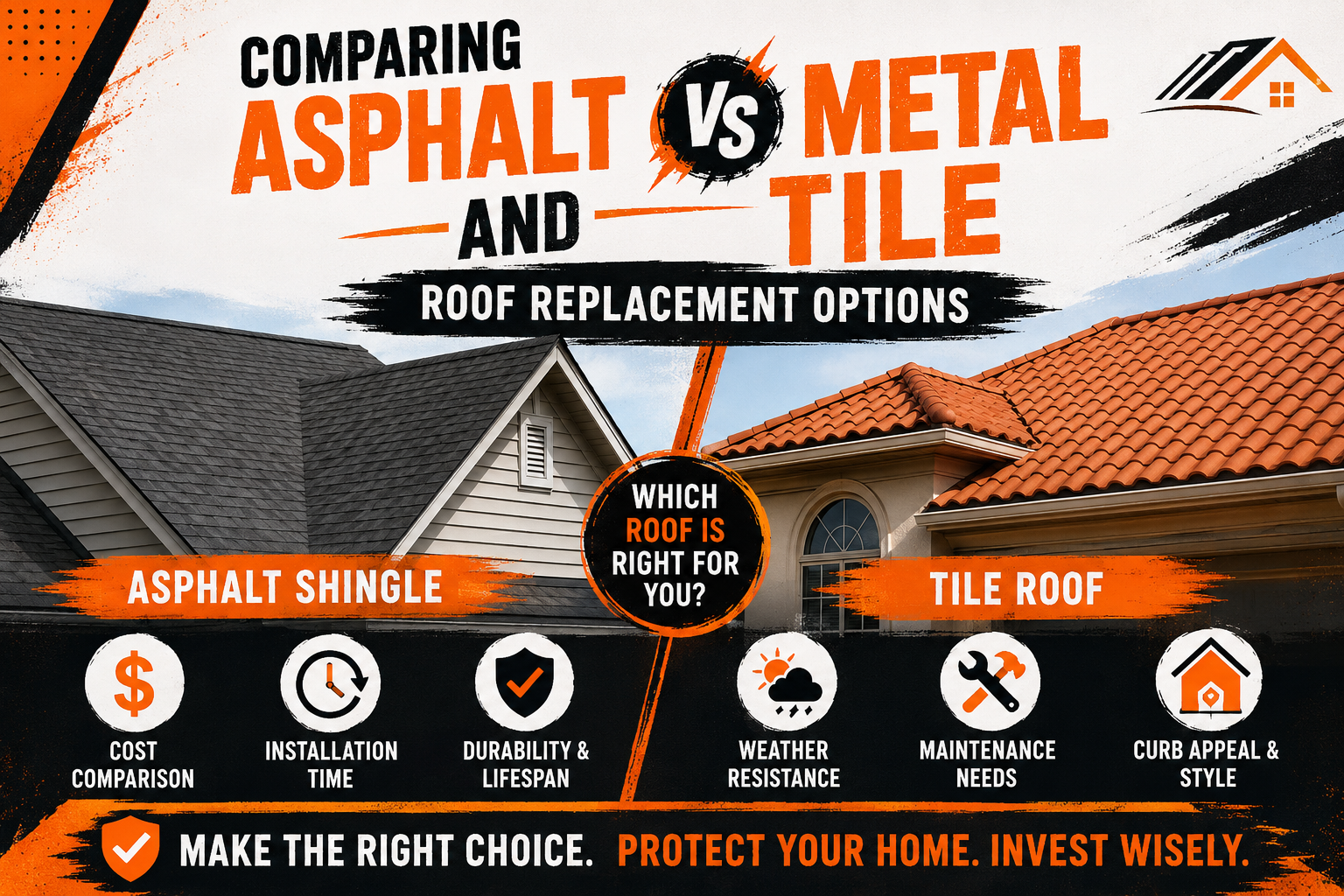
Comparing Asphalt Metal and Tile Roof Replacement Options
Introduction
Replacing a roof is one of the most significant investments a homeowner can make. Beyond improving the appearance of a home, a new roof protects the structure from weather, enhances energy efficiency, and contributes to long-term property value. One of the biggest decisions during the replacement process is choosing the right roofing material because each option offers different benefits, costs, and maintenance requirements.
Asphalt shingles, metal roofing, and tile roofing are among the most popular choices for residential roof replacement. Each material has developed a strong reputation for specific reasons, whether it is affordability, durability, or architectural appeal. However, selecting the best option requires more than comparing initial prices because factors such as climate, structural requirements, lifespan, and maintenance all influence long-term performance.
Many homeowners focus primarily on appearance when comparing roofing materials, but aesthetics represent only one part of the decision. The right roofing system should match the home’s structure, withstand local weather conditions, and provide reliable protection for many years. Understanding the strengths and limitations of each material helps homeowners make informed decisions instead of relying solely on recommendations or trends.
This guide compares asphalt, metal, and tile roof replacement options in detail. By examining their characteristics, advantages, limitations, and suitability for different situations, homeowners can better determine which roofing material offers the best balance of performance, value, and long-term reliability.
Why Choosing the Right Roofing Material Matters
The roofing material selected during a replacement project affects much more than the home’s exterior appearance. It influences maintenance requirements, energy consumption, repair costs, weather resistance, and even insurance considerations. Since most homeowners replace a roof only once or twice during their lifetime, making the right choice from the beginning is important.
A roofing material must perform well under the environmental conditions where the home is located. Areas that experience heavy rainfall, snow, strong winds, or intense sunlight place different demands on roofing systems. Selecting a material designed to handle those conditions improves durability and reduces the likelihood of premature repairs.
Structural compatibility is another important consideration. Every roofing material has a different weight, and not every home is designed to support heavier systems without modifications. Understanding structural requirements before making a decision prevents unexpected costs during installation.
The roofing material also affects the overall value of the property. Buyers often consider the condition, expected lifespan, and maintenance requirements of a roof when evaluating a home. Choosing a durable, well-suited roofing system may improve resale appeal while providing greater peace of mind for future owners.
Long-term ownership costs should also be considered. A roofing material with a higher purchase price may require fewer repairs and last much longer than a less expensive alternative. Looking beyond the initial investment helps homeowners evaluate the true value of each roofing option.
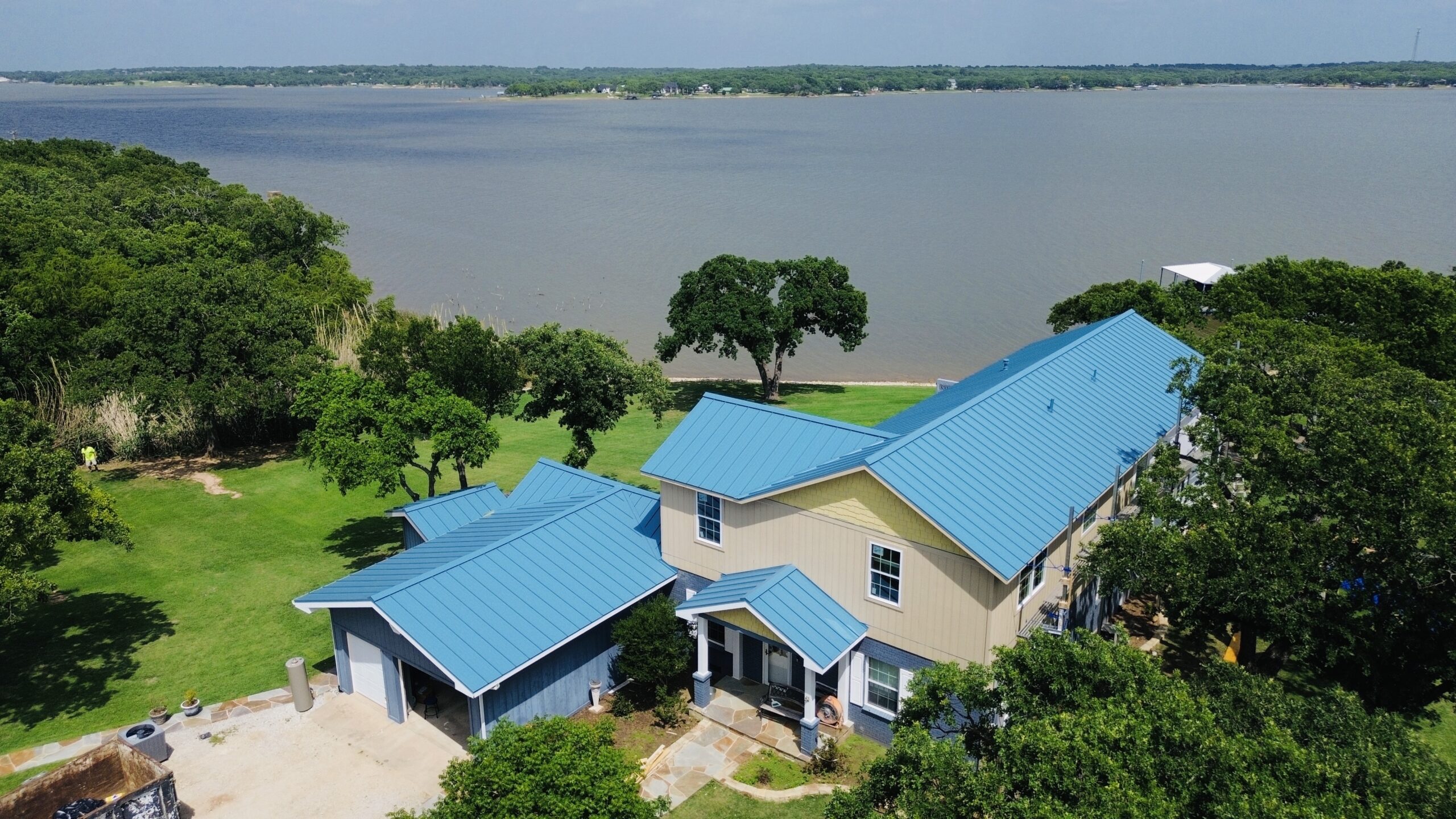
Overview of Asphalt, Metal, and Tile Roofing
Although asphalt, metal, and tile roofing all serve the same primary purpose of protecting a home, they differ significantly in construction, appearance, and performance. Understanding these basic differences provides a useful foundation before exploring each material in greater detail.
Asphalt shingles remain the most widely used residential roofing material because they offer an attractive combination of affordability, ease of installation, and design flexibility. Available in numerous colors and styles, asphalt roofing complements many architectural designs while remaining accessible to a wide range of homeowners.
Metal roofing has grown steadily in popularity over recent years due to improvements in manufacturing and design. Modern metal roofs are available in various profiles and finishes, allowing homeowners to achieve both traditional and contemporary appearances. Their reputation for durability and energy efficiency has made them an increasingly common replacement choice.
Tile roofing is often associated with premium homes and distinctive architectural styles. Clay and concrete tiles create an elegant appearance while providing exceptional durability under suitable conditions. Although tile roofs generally require a greater initial investment, many remain functional for several decades with proper installation and maintenance.
Each material offers unique advantages, making it suitable for different priorities and property types. The best choice depends on balancing appearance, structural compatibility, climate, maintenance expectations, and long-term ownership goals.
Asphalt Roof Replacement: Features, Advantages, and Limitations
Asphalt shingles have remained the leading residential roofing material for decades because they provide dependable performance at a relatively affordable cost. Their widespread availability and proven reliability make them a practical choice for many homeowners planning a roof replacement.
One of the greatest advantages of asphalt roofing is its versatility. Manufacturers produce shingles in numerous colors, textures, and profiles that complement a wide variety of architectural styles. Whether a home features traditional, modern, or transitional design elements, asphalt shingles offer many attractive options.
Installation is generally straightforward compared to heavier roofing materials. Experienced contractors can often complete asphalt roof replacements more quickly, reducing labor costs and minimizing disruption to homeowners. Faster installation may also reduce the home’s exposure to changing weather during construction.
Modern asphalt shingles provide improved resistance to wind, moisture, and ultraviolet exposure compared to earlier generations. Many products now include enhanced protective coatings and stronger construction that extend their service life under normal conditions.
Asphalt roofing offers several practical advantages.
- Wide variety of colors and styles
- Lower initial installation cost
- Readily available replacement materials
- Efficient installation process
- Suitable for many residential roof designs
Despite these benefits, asphalt roofing also has certain limitations. Its lifespan is generally shorter than metal or tile roofing, meaning homeowners may need another replacement sooner. Extreme weather conditions, prolonged sun exposure, and severe storms may accelerate wear depending on the quality of the shingles and local climate.
Maintenance requirements are typically moderate. Individual shingles can become damaged by strong winds, hail, or falling debris, requiring periodic repairs to maintain the roof’s protective performance. Routine inspections help identify these issues before they develop into larger problems.
Asphalt roofing remains an excellent option for homeowners seeking dependable protection, attractive appearance, and cost-effective replacement without making a substantial upfront investment.
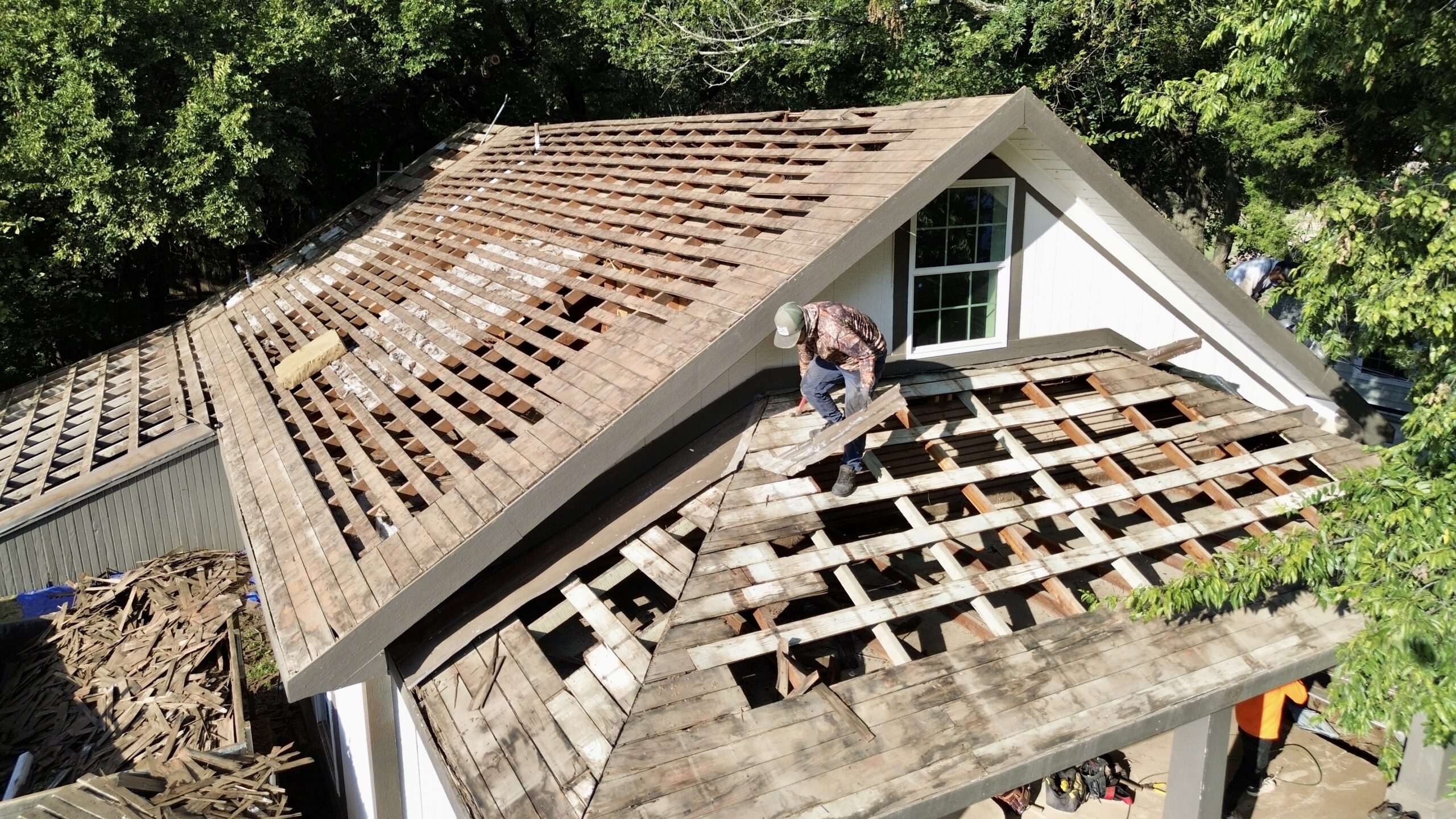
Metal Roof Replacement: Features, Advantages, and Limitations
Metal roofing has become one of the fastest-growing choices for residential roof replacement because it combines exceptional durability with modern design flexibility. Advances in manufacturing have expanded the variety of available styles, making metal roofs suitable for homes ranging from traditional cottages to contemporary residences.
One of the most significant advantages of metal roofing is its longevity. Properly installed metal roofs often remain functional for several decades while maintaining their structural performance. This extended lifespan makes metal an appealing choice for homeowners planning to remain in their homes for many years.
Metal roofs also perform exceptionally well in demanding weather conditions. Their smooth surfaces allow rain, snow, and debris to shed efficiently, reducing moisture retention and minimizing the risk of water-related damage. Many metal roofing systems are engineered to withstand high winds, making them especially valuable in storm-prone regions.
Energy efficiency represents another important benefit. Reflective coatings help reduce heat absorption by reflecting a portion of the sun’s energy away from the home. During warmer months, this may contribute to lower cooling demands and improved indoor comfort.
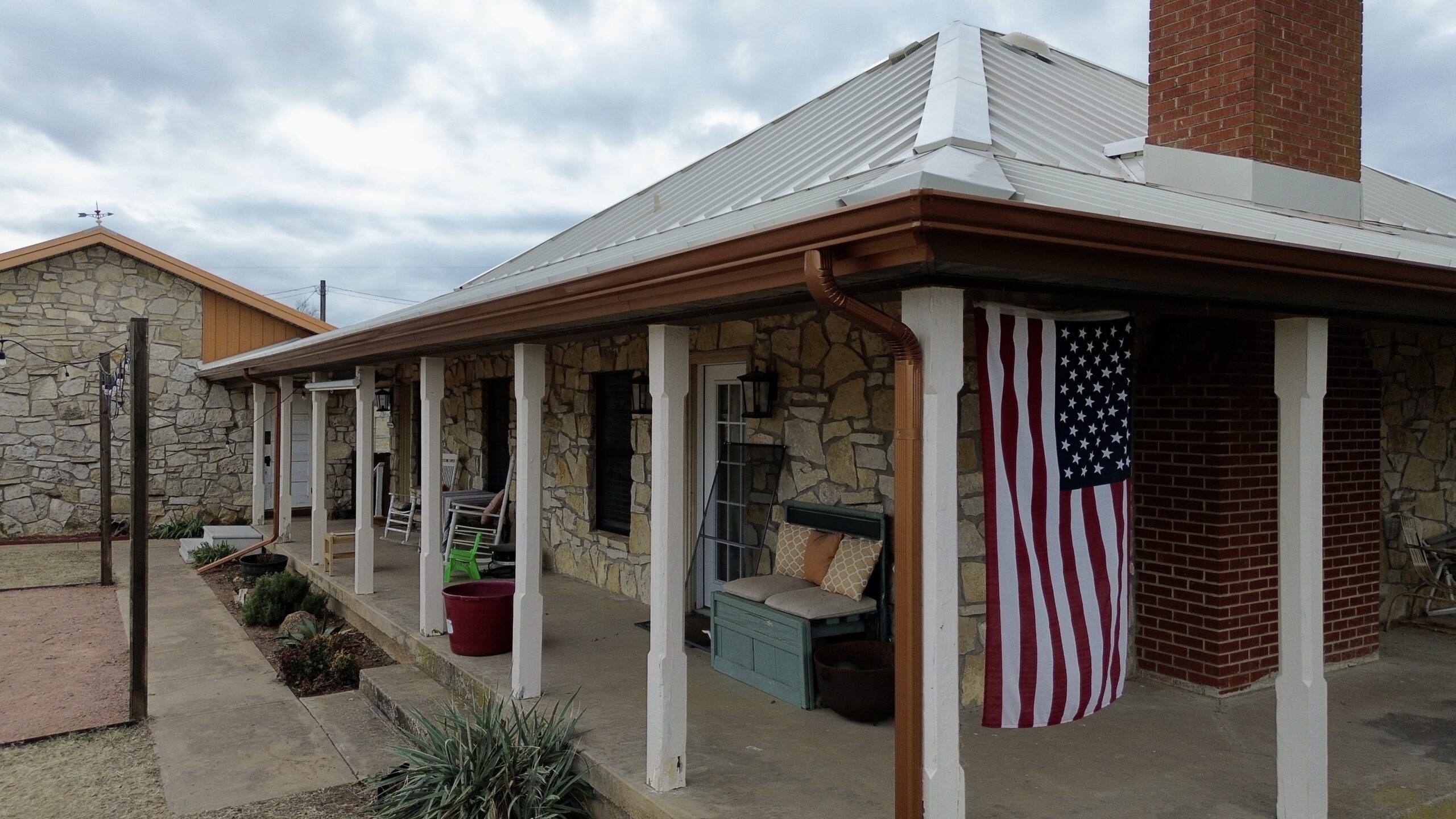
Modern metal roofing is available in several materials, including steel, aluminum, zinc, and copper. Each option offers different levels of durability, corrosion resistance, appearance, and cost. Homeowners can also choose from standing seam panels, metal shingles, and other profiles that replicate the appearance of traditional roofing materials.
Metal roofing does present certain challenges. The initial installation cost is generally higher than asphalt shingles, requiring a larger upfront investment. Specialized installation techniques are also necessary, making contractor experience particularly important for achieving long-term performance.
Noise concerns are sometimes mentioned when discussing metal roofs. However, modern installation methods that include proper insulation and underlayment significantly reduce sound transmission during rainfall or hail. In many residential applications, indoor noise levels are comparable to other roofing materials.
Overall, metal roofing offers an attractive combination of durability, energy efficiency, and low maintenance that appeals to homeowners seeking a long-term roofing solution.
Tile Roof Replacement: Features, Advantages, and Limitations
Tile roofing has earned a reputation for timeless beauty and exceptional durability. Frequently associated with Mediterranean, Spanish, Southwestern, and luxury architectural styles, tile roofs create a distinctive appearance while providing dependable protection under appropriate conditions.
Clay tiles are among the oldest roofing materials still in widespread use today. Their natural composition, color stability, and resistance to weathering have allowed many tile roofs to remain functional for generations. Concrete tiles provide a similar appearance while offering additional design flexibility and often a lower purchase price.
One of the greatest strengths of tile roofing is its resistance to fire, insects, and rot. Unlike many organic materials, properly manufactured tiles are not vulnerable to decay caused by moisture or pests. This contributes to their long service life and relatively low maintenance requirements.
Tile roofing also performs well in hot climates because air naturally circulates beneath the individual tiles. This ventilation helps reduce heat transfer into the home while supporting improved energy efficiency during warm weather.
The visual appeal of tile roofing often enhances property value as well. Many homeowners appreciate the premium appearance and architectural character that tile roofs provide, especially on homes specifically designed for this style of roofing.
Despite these advantages, tile roofing presents several important considerations. Tiles are considerably heavier than asphalt shingles or many metal roofing systems. Before installation, contractors must confirm that the home’s structural framing can safely support the additional weight. Some homes require structural reinforcement before tile installation can proceed.
Individual tiles may also crack if subjected to heavy impacts or improper foot traffic during maintenance. Although damaged tiles can usually be replaced individually, walking on tile roofs requires specialized care to prevent unnecessary breakage.
The higher initial investment associated with tile roofing may not suit every homeowner’s budget. However, those planning long-term ownership often consider the extended lifespan and premium appearance worthwhile investments.
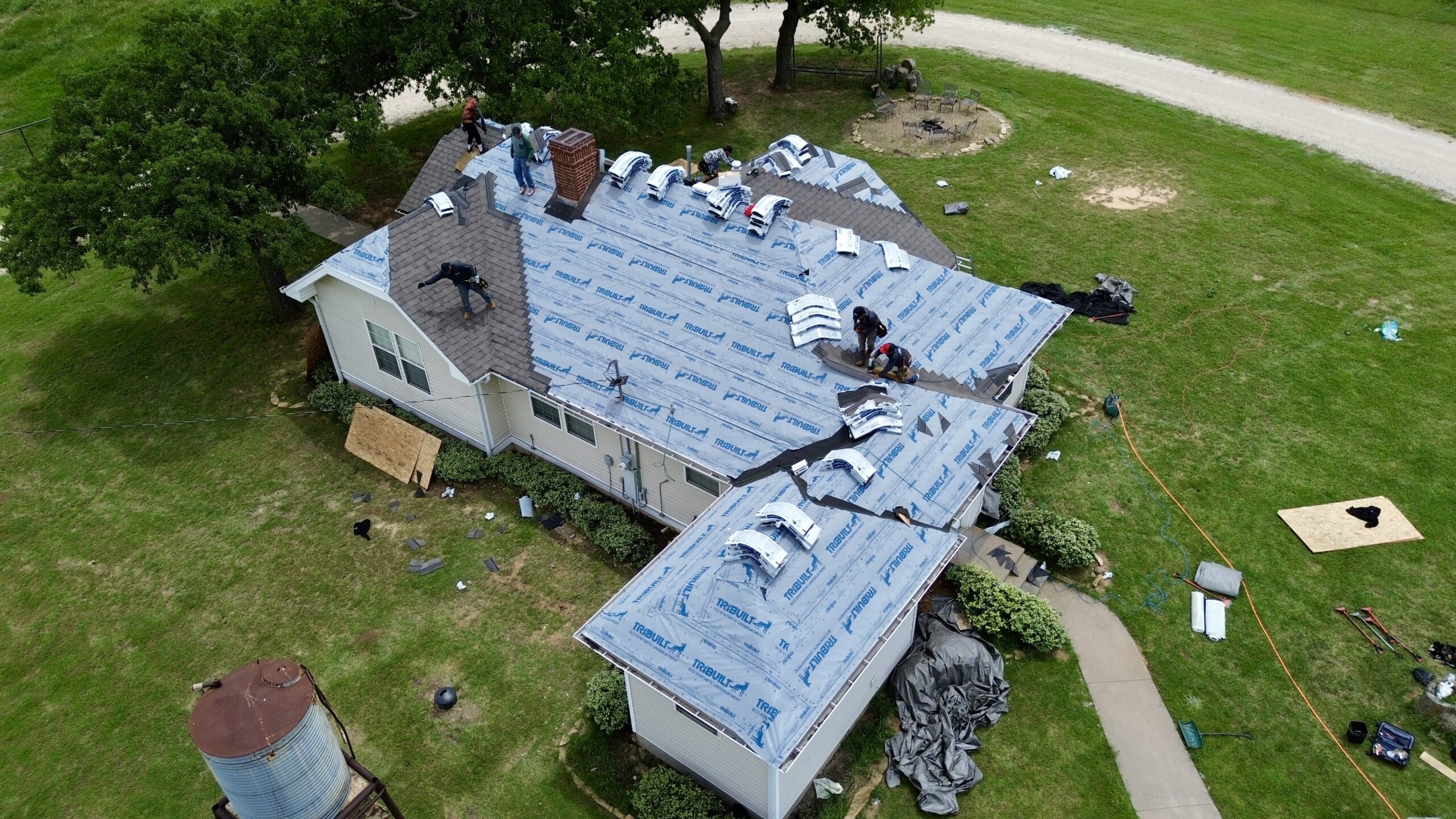
Key Factors That Influence Material Selection
Choosing between asphalt, metal, and tile roofing requires evaluating several factors rather than focusing on a single feature. Every home has different structural characteristics, environmental conditions, and homeowner priorities that influence which roofing material offers the best overall value.
Climate remains one of the most important considerations. Homes exposed to frequent hail, strong winds, heavy snowfall, or intense sunlight benefit from roofing materials specifically designed to perform under those conditions. Selecting a material suited to the local environment improves long-term reliability and reduces maintenance needs.
Budget also plays a significant role in the decision-making process. While the initial installation cost is important, homeowners should also consider expected lifespan, maintenance expenses, and future replacement costs. Looking at the total cost of ownership often provides a more accurate comparison than focusing only on the purchase price.
Architectural style influences both appearance and compatibility. Certain roofing materials complement specific home designs more naturally than others. Choosing a roof that matches the home’s architectural character enhances curb appeal while maintaining visual consistency.
Structural capacity should always be evaluated before selecting heavier roofing materials such as tile. Existing roof framing must be capable of supporting the additional load without compromising safety or requiring expensive modifications.
Maintenance expectations also vary between homeowners. Some prefer roofing systems that require minimal upkeep, while others are comfortable performing periodic inspections and repairs. Understanding these preferences helps narrow the available options.
Finally, long-term ownership plans influence the best choice. Homeowners intending to remain in the same house for several decades may prioritize durability and lifespan, while those planning to sell within a shorter period may focus on affordability and curb appeal. Balancing these considerations creates a roofing solution that aligns with both immediate needs and future goals.
In the next part of this guide, we will compare asphalt, metal, and tile roofing in greater detail by examining durability, lifespan, energy efficiency, installation requirements, maintenance needs, overall costs, environmental impact, and long-term value.
Comparing Durability and Lifespan
Durability is one of the most important factors homeowners consider when selecting a replacement roof. While all three roofing materials are designed to protect a home, their expected service lives vary considerably depending on installation quality, maintenance, and local weather conditions. Looking beyond the initial purchase price helps homeowners understand which material offers the greatest long-term value.
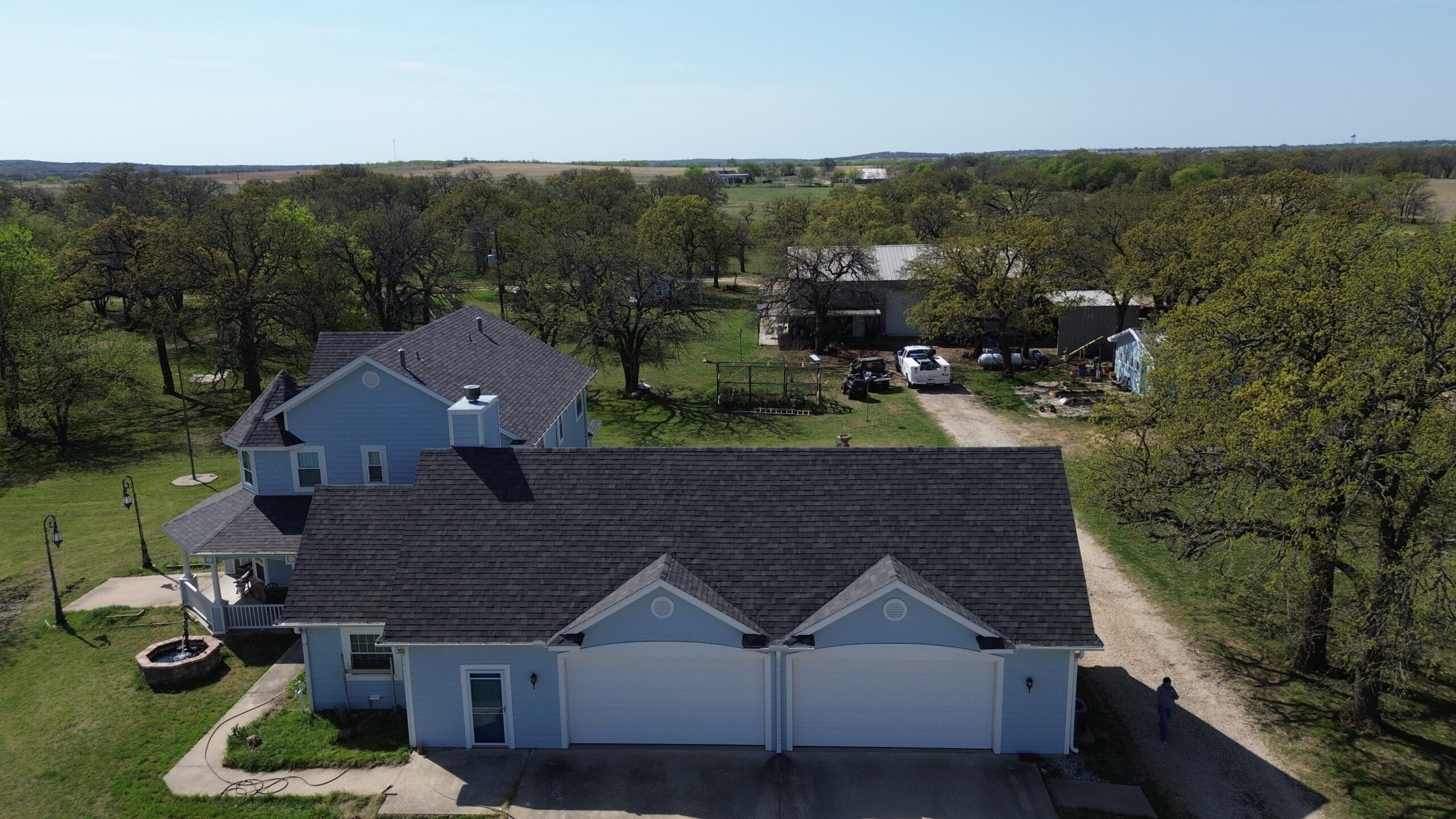
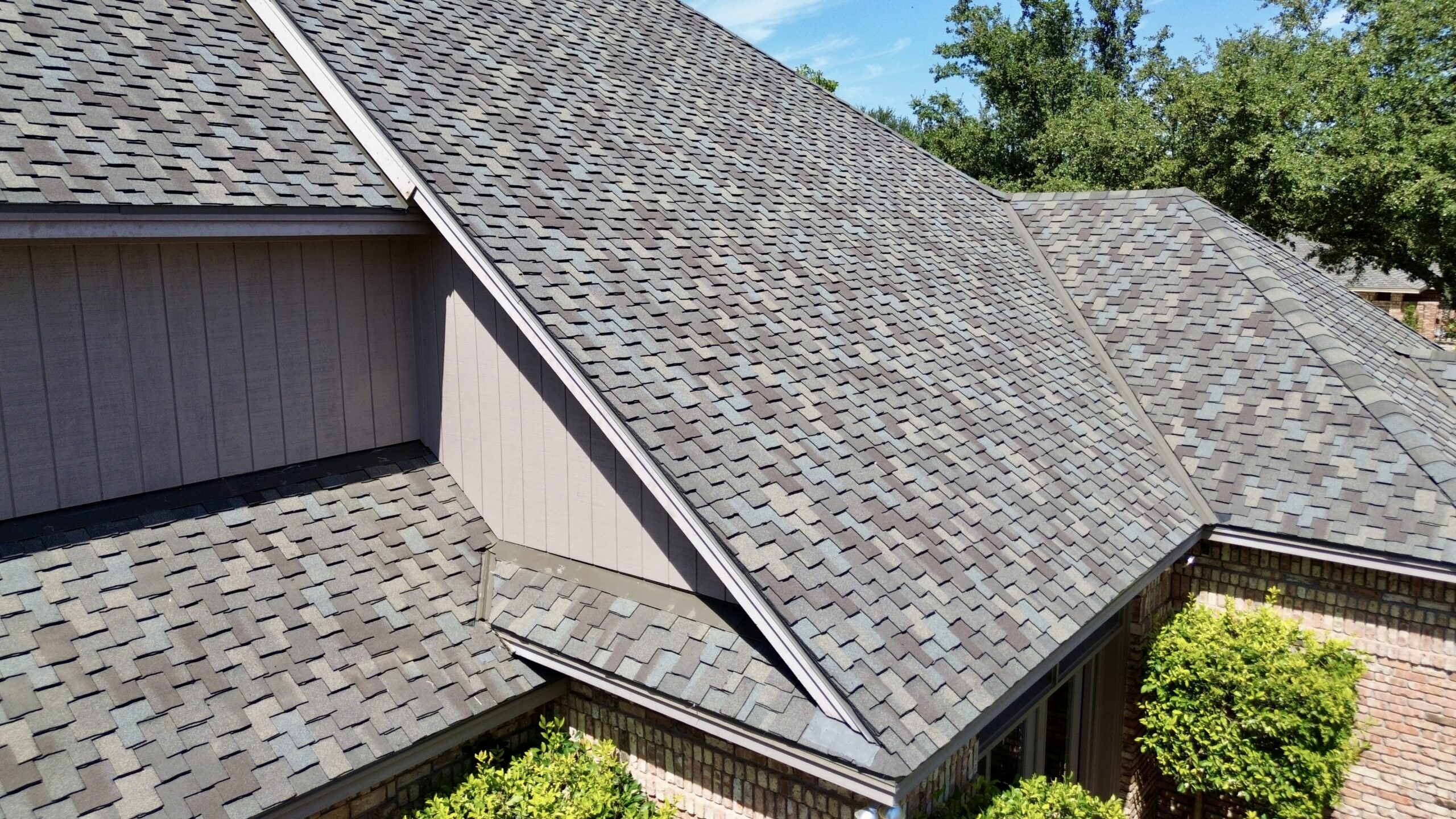
Asphalt shingles generally provide reliable performance for many years when properly installed and maintained. Modern architectural shingles are manufactured to resist wind, moisture, and ultraviolet exposure more effectively than older products. However, asphalt naturally experiences gradual wear from changing weather conditions, meaning replacement is usually required sooner than with metal or tile roofing.
Metal roofing is known for its exceptional durability. It resists cracking, shrinking, and many forms of weather-related deterioration that affect traditional roofing materials. Properly installed metal roofing can remain structurally sound for several decades while maintaining its appearance with relatively little maintenance.
Tile roofing is widely recognized for its remarkable lifespan. Clay and concrete tiles are highly resistant to weather, fire, insects, and rot, allowing many tile roofs to remain functional for generations. While individual tiles may occasionally need replacement after impacts or accidental damage, the overall roofing system often outlasts many other residential roofing materials.
Actual roof lifespan depends on more than the material itself. Installation quality, ventilation, maintenance, drainage, and local climate all influence how long any roofing system continues performing effectively. Even premium roofing products require proper care to achieve their full expected service life.
Energy Efficiency and Weather Performance
Energy efficiency has become an increasingly important consideration during roof replacement because the roof directly influences indoor comfort and heating or cooling costs. Different roofing materials respond differently to sunlight, temperature changes, and weather conditions throughout the year.
Asphalt shingles absorb more solar heat than many reflective roofing materials, particularly when darker colors are selected. Manufacturers now produce energy-efficient shingles with reflective granules that reduce heat absorption, providing improved performance in warmer climates. Even so, asphalt generally retains more heat than metal roofing.
Metal roofing performs exceptionally well in terms of energy efficiency. Reflective coatings help redirect a significant portion of solar radiation away from the roof surface, reducing heat transfer into the home. During hot weather, this may contribute to lower air conditioning use and improved indoor comfort.
Tile roofing naturally provides thermal benefits because air circulates beneath individual tiles. This airflow creates an insulating effect that helps reduce heat buildup beneath the roof surface. In regions with consistently warm temperatures, tile roofs often contribute to improved indoor temperature stability.
Weather performance also varies between roofing materials. Asphalt shingles offer dependable protection during normal weather conditions but may become vulnerable after prolonged exposure to severe storms, hail, or high winds. Premium shingles generally perform better than basic products under demanding conditions.
Metal roofing sheds rain, snow, and debris efficiently because of its smooth surface. It also performs well during high-wind events when installed according to manufacturer specifications. These characteristics make metal roofing particularly attractive in areas prone to severe weather.
Tile roofs perform exceptionally well in hot, dry climates and offer excellent fire resistance. Their substantial weight helps resist strong winds when properly installed, although severe impacts from large hail or falling branches may crack individual tiles. Replacing isolated damaged tiles is generally more practical than replacing entire sections of the roof.
Installation Requirements and Structural Considerations
Roof replacement involves more than selecting attractive materials. Each roofing system has specific installation requirements that influence project complexity, labor needs, and overall cost. Understanding these requirements helps homeowners prepare for the replacement process.
Asphalt shingles are generally the simplest of the three materials to install. Their relatively lightweight design allows them to be used on most residential roof structures without requiring structural modifications. Contractors are also widely experienced with asphalt roofing, making installation straightforward in most situations.
Metal roofing requires specialized installation techniques and careful attention to fastening systems, panel alignment, and expansion allowances. Because metal naturally expands and contracts as temperatures change, proper installation ensures the roofing system continues performing without unnecessary stress on fasteners or seams.
Tile roofing demands the greatest structural attention due to its weight. Before installation begins, contractors must verify that the roof framing is capable of safely supporting the additional load. Some homes require structural reinforcement before tile roofing can be installed, adding both time and expense to the project.
Roof design also influences installation difficulty. Steep slopes, valleys, chimneys, skylights, dormers, and multiple roof sections increase labor requirements regardless of the roofing material selected. More complex roof designs require additional planning to ensure proper waterproofing and drainage.
Ventilation remains important for every roofing system. Proper attic airflow helps regulate temperature, reduce moisture buildup, and improve overall roof performance. Regardless of the roofing material chosen, correcting ventilation issues during replacement contributes to better long-term results.
Maintenance Needs for Each Roofing Material
Every roof requires some level of maintenance, although the amount of attention varies depending on the material. Understanding ongoing maintenance responsibilities helps homeowners choose a roofing system that matches their expectations and lifestyle.
Asphalt roofs benefit from periodic inspections that identify damaged or missing shingles, deteriorated flashing, and clogged drainage systems. Minor repairs completed promptly help prevent water from reaching the roof deck and extending the life of the roofing system.
Metal roofs generally require less maintenance than asphalt shingles because they resist many common forms of deterioration. Homeowners should still inspect fasteners, flashing, sealants, and roof penetrations periodically to ensure everything remains secure. Removing accumulated debris also helps maintain efficient drainage.
Tile roofs require relatively little routine maintenance, but cracked or displaced tiles should be replaced promptly to preserve weather protection. Walking on tile roofs requires caution because improper foot placement may damage otherwise healthy tiles. Professional inspections are often recommended when maintenance becomes necessary.
Regardless of the roofing material, regular gutter cleaning, attic inspections, and prompt leak repairs contribute significantly to long-term roof performance. Preventive maintenance usually costs much less than major structural repairs caused by neglected roofing problems.
Cost Comparison and Long-Term Value
Initial installation cost often plays a major role in roof replacement decisions, but it should not be the only factor considered. Long-term ownership costs include maintenance, repairs, expected lifespan, and future replacement expenses. Evaluating these elements together provides a more complete picture of overall value.
Asphalt roofing generally has the lowest upfront installation cost among the three materials. This makes it an attractive option for homeowners seeking dependable protection within a limited budget. Its affordability also explains why it remains the most widely installed residential roofing material.
Metal roofing requires a larger initial investment because of material costs and specialized installation techniques. However, its longer lifespan and relatively low maintenance requirements may offset the higher purchase price over time. Many homeowners view metal roofing as a long-term investment rather than simply a construction expense.
Tile roofing usually represents the highest initial investment. Material costs, transportation, specialized installation, and possible structural reinforcement all contribute to the total project price. Despite these higher costs, the exceptional longevity of tile roofing often provides strong long-term value for homeowners planning extended occupancy.
Repair costs also differ between materials. Asphalt shingles are generally inexpensive to repair because replacement shingles are readily available and installation methods are familiar to most contractors. Metal roof repairs may require specialized materials or techniques depending on the roofing system, while tile roof repairs often involve replacing individual damaged tiles rather than extensive roof sections.
Insurance premiums may also vary based on roofing material and regional weather risks. Some insurers recognize the durability and fire resistance of certain roofing systems, although coverage differences depend on location and individual insurance policies.
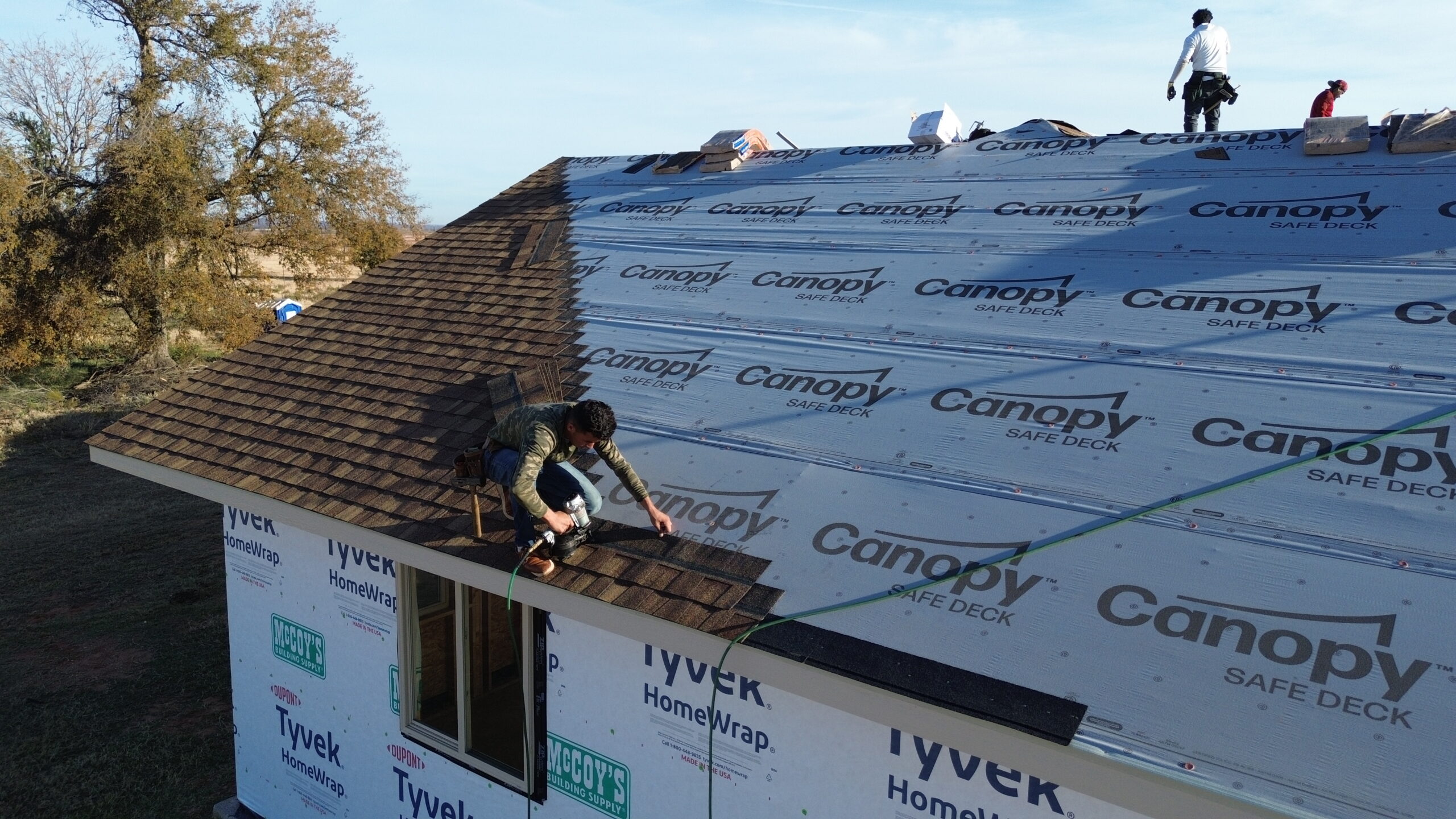
Table: Asphalt vs. Metal vs. Tile Roof Comparison
| Feature | Asphalt Roofing | Metal Roofing | Tile Roofing |
|---|---|---|---|
| Initial Cost | Lowest | Moderate to High | Highest |
| Expected Lifespan | Moderate | Long | Very Long |
| Weight | Light | Light to Moderate | Heavy |
| Maintenance | Moderate | Low | Low to Moderate |
| Energy Efficiency | Moderate | High | High |
| Weather Resistance | Good | Excellent | Excellent |
| Fire Resistance | Good | Excellent | Excellent |
| Structural Reinforcement Usually Needed | No | Rarely | Sometimes |
| Suitable for Most Home Styles | Yes | Yes | Selected Styles |
| Long-Term Value | Good | Excellent | Excellent |
The values shown represent general comparisons rather than fixed standards. Product quality, installation methods, climate, and maintenance practices all influence actual roofing performance.
Environmental Impact and Sustainability
Sustainability has become an important consideration for many homeowners planning roof replacement projects. Roofing materials differ in how they are manufactured, how long they remain in service, and what happens when they eventually reach the end of their useful life.
Asphalt shingles require fewer resources during installation because of their lightweight construction and widespread availability. However, they generally need replacement more frequently than metal or tile roofing, resulting in greater material consumption over the lifetime of a home. Recycling programs for asphalt shingles continue expanding, although availability varies by region.
Metal roofing is often considered one of the more environmentally responsible roofing choices. Many metal roofing products contain recycled materials, and the panels themselves are frequently recyclable at the end of their service life. Their long lifespan also reduces the frequency of replacement, lowering overall material consumption.
Clay and concrete tiles are manufactured using natural materials and offer extremely long service lives. Because tile roofs often remain in place for many decades, they reduce the need for repeated roof replacement. Although manufacturing and transportation require considerable energy due to their weight, their durability helps offset some of those environmental impacts over time.
Energy efficiency also contributes to sustainability. Roofing materials that reduce heat transfer into the home may decrease energy consumption for cooling during warmer months. This not only lowers utility costs but also reduces the environmental impact associated with long-term energy use.
Another factor is waste generation during roof replacement. Longer-lasting roofing materials generally produce less replacement waste over the life of a building because they require fewer complete roof replacements. Selecting a durable roofing system therefore benefits both homeowners and the environment.
Choosing the most sustainable roofing material depends on balancing longevity, energy efficiency, recyclability, maintenance requirements, and local environmental conditions. There is no single material that is universally best for every home, but understanding these factors allows homeowners to make choices that align with both their practical needs and environmental priorities.
In the final part of this guide, we will explore which roofing material is best suited for different types of homes, the common mistakes homeowners make when selecting a replacement roof, important questions to ask before making a decision, a practical comparison checklist, and the key factors that lead to a confident long-term investment.
Which Roofing Material Is Best for Different Types of Homes?
Every home has unique architectural characteristics, environmental conditions, and homeowner priorities. Because of these differences, there is no single roofing material that works best for every property. Choosing between asphalt, metal, and tile roofing requires evaluating how each material aligns with the home’s structure, climate, and long-term goals.
Asphalt roofing is an excellent choice for many suburban homes, rental properties, and homeowners seeking a balance between affordability and dependable performance. Its wide selection of colors and styles allows it to complement almost any architectural design while keeping replacement costs manageable. For homeowners planning to sell within several years, asphalt often provides an attractive combination of appearance and value.
Metal roofing is well suited for homes located in areas that experience severe weather, including heavy rainfall, snow, or strong winds. Its durability and long lifespan make it particularly appealing for homeowners who plan to remain in their homes for many years. Modern metal roofing also works well with contemporary, farmhouse, and traditional architectural styles because manufacturers now offer numerous profiles and finishes.
Tile roofing performs exceptionally well on homes designed with Mediterranean, Spanish, Southwestern, or luxury architectural influences. Its premium appearance and remarkable durability make it an attractive investment for homeowners who value both aesthetics and longevity. In warmer climates, tile roofing also contributes to improved energy efficiency through its natural ventilation properties.
Climate should always remain part of the decision-making process. Homes in regions with frequent hailstorms, coastal salt exposure, or prolonged snow accumulation may benefit more from one roofing material than another. Consulting an experienced roofing professional helps ensure the selected material matches both local weather conditions and structural requirements.
Future ownership plans also influence material selection. A homeowner expecting to remain in the property for decades may place greater importance on durability and minimal maintenance, while someone planning to relocate sooner may prioritize affordability and curb appeal.
Common Mistakes When Choosing a Replacement Roof
Roof replacement is a long-term investment, yet many homeowners make decisions based primarily on initial cost or appearance. Avoiding several common mistakes helps ensure the new roofing system delivers reliable performance throughout its expected lifespan.
One frequent mistake is focusing only on the purchase price. Although initial cost is important, it represents only one part of the overall investment. Maintenance expenses, repair frequency, energy efficiency, and expected lifespan all contribute to the true cost of owning a roof.
Another common mistake is choosing a roofing material that is not well suited to the local climate. A roof that performs exceptionally in one region may require more maintenance or experience faster wear in another. Weather conditions should always be considered alongside appearance and budget.
Ignoring structural requirements can also create significant challenges. Heavier roofing systems such as tile may require additional structural support before installation. Overlooking this factor can lead to unexpected project costs or safety concerns during construction.
Some homeowners rely solely on appearance without considering long-term maintenance needs. Every roofing material requires some degree of care, and understanding those responsibilities helps prevent disappointment after installation.
Hiring a contractor based only on the lowest estimate may also result in problems. Roofing quality depends heavily on proper installation, and experienced professionals understand how to follow manufacturer guidelines, building codes, and industry best practices. Investing in qualified workmanship often provides greater long-term value than selecting the least expensive proposal.
Finally, neglecting ventilation during roof replacement is another overlooked issue. Even the highest-quality roofing materials cannot perform at their best if moisture and heat become trapped inside the attic. Correcting ventilation problems during replacement helps maximize the lifespan of the new roof.
Questions to Ask Before Selecting a Roofing Material
Choosing the right roofing material becomes much easier when homeowners ask thoughtful questions before making a final decision. These discussions help clarify expectations while ensuring the selected roofing system meets both current and future needs.
Important questions include:
- Which roofing material performs best in my local climate?
- Is my home’s structure capable of supporting the selected roofing material?
- What maintenance requirements should I expect over the years?
- How long is the expected lifespan of each roofing option?
- Will the new roof improve my home’s energy efficiency?
- What warranties are available for both materials and installation?
- How will future repairs be handled if damage occurs?
- Does this roofing material complement my home’s architectural style?
The answers to these questions provide valuable insight into the practical differences between asphalt, metal, and tile roofing. They also help homeowners compare proposals from different contractors using consistent evaluation criteria.
Numbered Checklist for Comparing Roof Replacement Options
The following checklist can help homeowners organize their decision-making process before selecting a replacement roof.
- Determine the total project budget, including possible structural modifications.
- Evaluate the local climate and expected weather conditions.
- Confirm that the home’s structure can safely support the selected roofing material.
- Compare expected lifespan rather than focusing only on purchase price.
- Review maintenance requirements for each roofing option.
- Consider energy efficiency and potential long-term utility savings.
- Verify warranty coverage for both roofing materials and workmanship.
- Choose an experienced contractor with proven installation expertise.
- Select a roofing style that complements the home’s architecture.
- Balance short-term affordability with long-term ownership value.
Following a structured evaluation process helps reduce uncertainty while ensuring important factors are not overlooked during the replacement project.
Making the Right Long-Term Investment
A roof replacement should be viewed as an investment rather than simply a construction expense. The roofing system protects every part of the home beneath it, making its quality and suitability important for both structural protection and financial value.
Homeowners should think beyond immediate installation costs when comparing roofing materials. A roof that lasts longer, requires fewer repairs, and improves energy efficiency may deliver greater overall value despite a higher initial investment. Evaluating ownership costs over several decades often provides a more realistic comparison than focusing only on the purchase price.
Quality installation is equally important as selecting the right material. Even premium roofing products cannot perform as intended if installation errors allow water intrusion or reduce structural performance. Working with qualified roofing professionals helps ensure the completed system meets manufacturer recommendations and local building codes.
Routine maintenance also contributes to long-term success. Annual inspections, prompt repairs, gutter cleaning, and attic ventilation checks help every roofing material perform more effectively. Preventive maintenance protects the investment while reducing the likelihood of unexpected repair expenses.
Another important consideration is future flexibility. Homeowners planning additions, solar panel installations, or energy upgrades should discuss these plans before selecting a roofing material. Coordinating future improvements with the roof replacement project often reduces additional labor and minimizes unnecessary disruptions later.
Ultimately, the best roofing material is the one that provides the right balance of durability, appearance, maintenance, cost, and performance for the specific home. Careful planning and informed decision-making lead to better long-term satisfaction with the completed roofing system.
Conclusion
Choosing between asphalt, metal, and tile roof replacement options requires more than comparing prices or selecting the most attractive appearance. Each roofing material offers unique strengths, making it suitable for different homes, climates, budgets, and long-term ownership plans. Understanding these differences allows homeowners to make confident decisions that provide dependable protection for years to come.
Throughout this guide, we explored the characteristics, advantages, and limitations of each roofing material. We examined how they compare in terms of durability, lifespan, energy efficiency, weather resistance, installation requirements, maintenance needs, environmental impact, and overall long-term value. While asphalt roofing remains a practical and affordable solution for many homes, metal roofing stands out for its durability and efficiency, and tile roofing offers exceptional longevity and timeless architectural appeal.
No roofing material is universally superior because every home has different structural requirements and every homeowner has different priorities. Factors such as local climate, expected maintenance, architectural style, budget, and future ownership plans all influence which roofing system represents the best investment. Evaluating these considerations together leads to a more balanced and informed decision.
Working with an experienced roofing contractor further improves the outcome by ensuring proper material selection, accurate structural assessment, and professional installation. A high-quality roof is the result of both excellent materials and skilled workmanship, and both are essential for achieving reliable long-term performance.
A roof replacement is one of the most valuable improvements a homeowner can make. By carefully comparing asphalt, metal, and tile roofing options before beginning the project, homeowners can select a roofing system that protects their property, enhances curb appeal, improves energy efficiency, and delivers lasting value for decades to come.