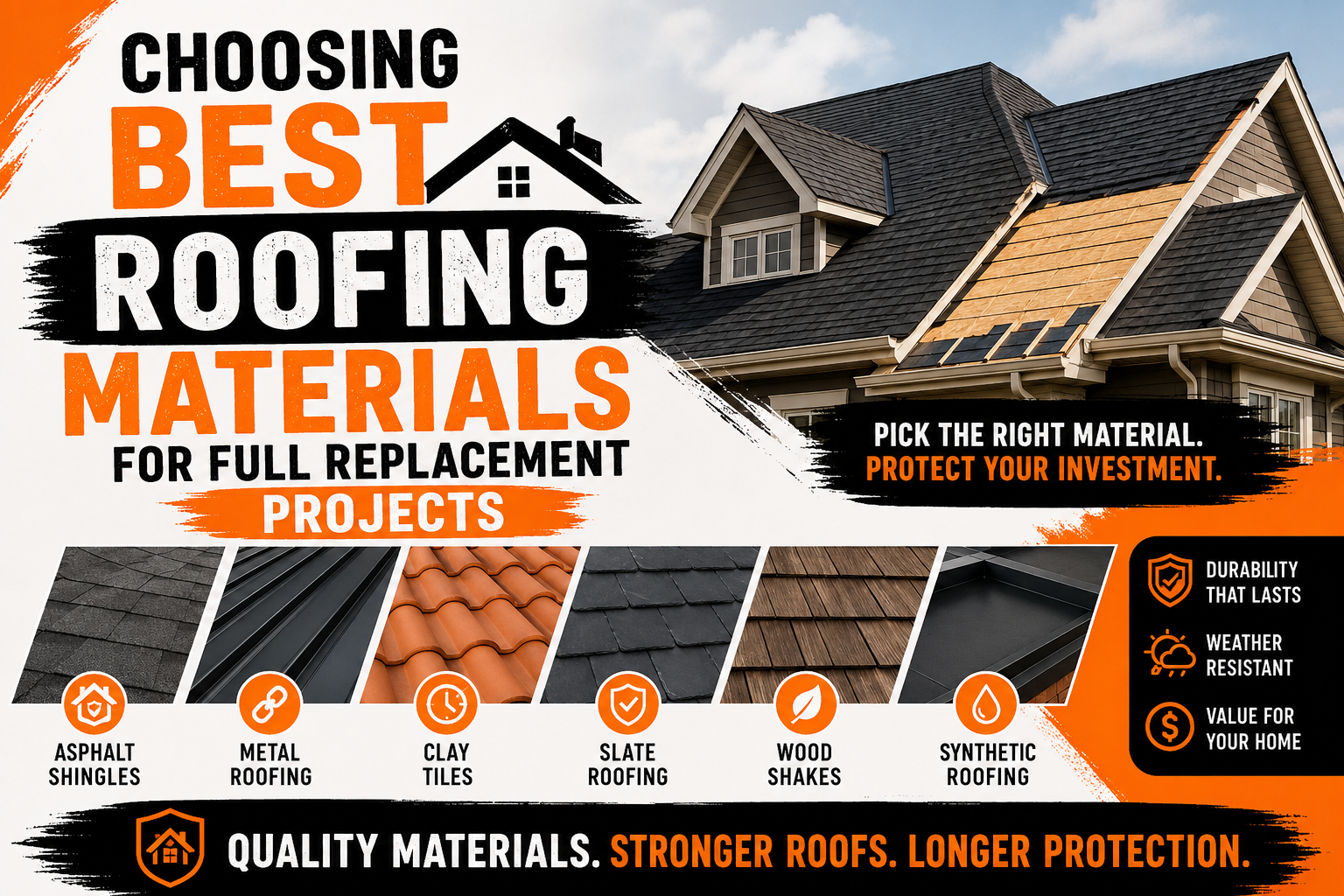
Choosing Best Roofing Materials for Full Replacement Projects
Introduction
A full roof replacement is one of the most significant investments a property owner can make. Whether the project is prompted by age, storm damage, structural concerns, or a desire to improve the appearance of a building, selecting the right roofing material has a lasting impact on performance, durability, and value. The roof serves as the first line of defense against rain, wind, heat, snow, and other environmental conditions, making material selection a decision that extends far beyond aesthetics.
Many homeowners focus primarily on color or price when planning a replacement project. While these factors certainly matter, they represent only a small portion of what should influence the final choice. The ideal roofing material should complement the building’s design, withstand local weather conditions, meet budget expectations, provide reliable protection, and offer a reasonable lifespan with manageable maintenance requirements.
The roofing industry now offers more choices than ever before. Traditional asphalt shingles remain popular due to affordability, while metal roofing continues to gain attention for its longevity and energy efficiency. Clay tiles, slate, wood shakes, and synthetic roofing products each bring unique characteristics that appeal to different homeowners and commercial property owners. Understanding these options helps eliminate uncertainty during the planning process.
Every roofing material comes with advantages, limitations, installation requirements, and maintenance expectations. Some products perform exceptionally well in hot climates, while others excel in regions with heavy snowfall or frequent storms. Certain materials require stronger structural support, whereas lightweight alternatives can simplify installation and reduce labor costs.
A successful roof replacement balances performance, appearance, cost, and long term value. Rather than choosing the most expensive or the least expensive option, property owners benefit most by selecting materials that match their specific needs and environmental conditions. Taking the time to understand these factors leads to better decisions and greater satisfaction for decades after installation.
This guide explores the most important considerations when choosing roofing materials for a full replacement project. From evaluating climate and structural requirements to comparing the strengths of popular roofing systems, each section is designed to provide practical insights that help property owners make informed decisions with confidence.
Why Roofing Material Selection Matters for Full Replacement Projects
Replacing an entire roof differs significantly from repairing isolated damage. A complete replacement offers the opportunity to improve the overall performance of the roofing system by selecting materials that better align with the building’s current needs. Since a new roof is expected to last for decades, every decision made during the planning stage affects future maintenance, energy efficiency, and property value.
Roofing materials determine how effectively a structure resists moisture, extreme temperatures, ultraviolet radiation, and high winds. Choosing products that perform well under local weather conditions reduces the likelihood of premature deterioration and expensive repairs. Investing in suitable materials from the beginning often lowers ownership costs throughout the roof’s service life.
Appearance also plays an important role during a replacement project. The roof occupies a large portion of a home’s exterior and significantly influences curb appeal. A carefully selected roofing material can complement architectural features, improve resale value, and create a more attractive overall appearance without requiring major structural changes.
Insurance considerations may also influence roofing choices. Some roofing materials offer greater resistance to hail, fire, or wind damage, which may help reduce future repair expenses or satisfy specific insurance requirements. Although insurance benefits vary by provider and location, material durability remains an important consideration during replacement planning.
Modern roofing materials also contribute to better energy performance. Reflective surfaces, improved insulation compatibility, and enhanced ventilation systems can help regulate indoor temperatures throughout the year. These improvements may reduce heating and cooling demands while increasing indoor comfort across different seasons.
Another important consideration is maintenance. Some roofing systems require regular inspections, sealing, or specialized repairs, while others remain relatively low maintenance throughout their lifespan. Understanding these ongoing responsibilities helps homeowners select materials that fit both their lifestyle and maintenance preferences.
Ultimately, roofing material selection influences nearly every aspect of roof performance. From structural protection and energy efficiency to appearance and long term ownership costs, the material chosen during a full replacement project becomes one of the most important investments in the building’s future.
Key Factors That Influence Roofing Material Choice
Every building presents unique requirements that influence which roofing material will perform best. Instead of selecting products based solely on popularity or appearance, property owners should evaluate several practical factors before making a final decision. Careful planning helps ensure the new roof delivers reliable performance for many years.
Some of the most important considerations include:
- Local climate and seasonal weather patterns
- Roof slope and architectural design
- Structural load capacity
- Expected lifespan of the roofing system
- Initial installation budget
- Long term maintenance requirements
- Energy efficiency goals
- Local building codes and homeowner association requirements
Each of these factors contributes to the overall suitability of a roofing material. Ignoring even one consideration can result in unexpected expenses or performance issues after installation.
For example, a heavy roofing material may offer exceptional durability but require structural reinforcement before installation. Likewise, a material that performs well in dry climates may deteriorate more quickly in areas with frequent humidity, salt exposure, or freeze thaw cycles. Matching roofing products to real world conditions is essential for achieving reliable long term performance.
Property owners should also think beyond immediate installation costs. A roofing system with a higher purchase price may ultimately provide better value if it lasts significantly longer and requires fewer repairs. Looking at the complete lifecycle cost often provides a more accurate picture than comparing installation prices alone.
Working closely with experienced roofing professionals allows homeowners to evaluate these factors objectively. Contractors can assess roof framing, local weather risks, ventilation needs, and installation requirements before recommending suitable materials for the project.
Understanding Climate and Weather Requirements
Climate remains one of the most influential factors in roofing performance. Every region exposes roofs to different environmental conditions, making it essential to select materials specifically suited to local weather patterns. A roof that performs exceptionally well in one climate may experience accelerated wear in another.
Hot climates place constant stress on roofing materials through prolonged ultraviolet exposure and elevated surface temperatures. Materials designed to reflect sunlight rather than absorb heat can improve indoor comfort while reducing cooling demands. Heat resistant roofing products also experience less thermal expansion and contraction, helping preserve their structural integrity over time.
Cold regions introduce a different set of challenges. Heavy snow accumulation, ice formation, and repeated freeze thaw cycles place significant stress on roofing systems. Durable materials capable of supporting snow loads while resisting moisture penetration help prevent leaks and structural damage during harsh winters.
Coastal environments expose roofs to salt laden air, strong winds, and frequent storms. Corrosion resistant materials become particularly valuable in these locations because salt accelerates the deterioration of many metals and fasteners. Wind resistant installation methods also become increasingly important where hurricanes or tropical storms are common.
Areas prone to severe thunderstorms often require roofing systems capable of resisting hail impacts and strong wind uplift. Some roofing materials are manufactured with enhanced impact resistance that helps reduce damage during extreme weather events. These products may also provide additional peace of mind for homeowners living in storm prone regions.
Rainfall patterns influence roofing decisions as well. Regions experiencing frequent heavy rain benefit from materials that shed water efficiently and resist prolonged moisture exposure. Proper drainage design and compatible underlayment systems further improve long term protection regardless of the selected roofing material.
Climate should never be treated as a secondary consideration. Roofing materials that match local environmental conditions generally deliver better durability, lower maintenance requirements, and longer service life than products selected without regard for regional weather patterns.
Matching Roofing Materials to Building Structure
Not every roofing material can be installed on every building without careful evaluation. Structural capacity, roof pitch, framing design, and existing construction all influence which materials can be safely and effectively installed during a full replacement project.
Roof weight represents one of the most important structural considerations. Lightweight materials place relatively little stress on rafters and trusses, while heavier products such as slate or concrete tiles require substantially greater structural support. Installing heavy roofing materials without adequate framing reinforcement may compromise the building’s safety and stability.
Roof slope also affects material compatibility. Steep roofs shed water efficiently and accommodate a wide variety of roofing products, whereas low slope roofs often require specialized materials designed to prevent water infiltration. Selecting products intended for the roof’s specific pitch helps maximize waterproof performance.
Older homes deserve particularly careful structural evaluation before replacement begins. Decades of weather exposure may weaken framing components or reveal hidden deterioration beneath existing roofing materials. Identifying these issues before installation allows necessary repairs to be completed without delaying the project later.
Architectural style influences roofing choices as well. Traditional homes often pair naturally with slate, wood shakes, or clay tiles, while contemporary designs frequently incorporate standing seam metal roofing or modern composite products. Selecting materials that complement the building’s overall appearance creates a balanced and visually appealing exterior.
Ventilation systems also affect roofing performance. Proper attic ventilation helps regulate moisture and temperature, extending the lifespan of roofing materials while improving energy efficiency. During replacement projects, contractors often recommend ventilation upgrades that work together with the selected roofing system.
Building codes establish minimum performance requirements that roofing materials must satisfy. Fire resistance ratings, wind resistance standards, fastening methods, and energy efficiency regulations vary by jurisdiction. Ensuring material compliance before installation helps avoid costly modifications and inspection delays later in the project.
A comprehensive structural assessment allows homeowners to choose roofing materials that not only look attractive but also perform safely and efficiently throughout their intended lifespan.
Comparing the Most Popular Roofing Material Categories
Today’s roofing market offers a diverse selection of materials designed to meet different budgets, architectural styles, and performance expectations. While every roofing system serves the same basic purpose of protecting a building, each material achieves that goal in different ways.
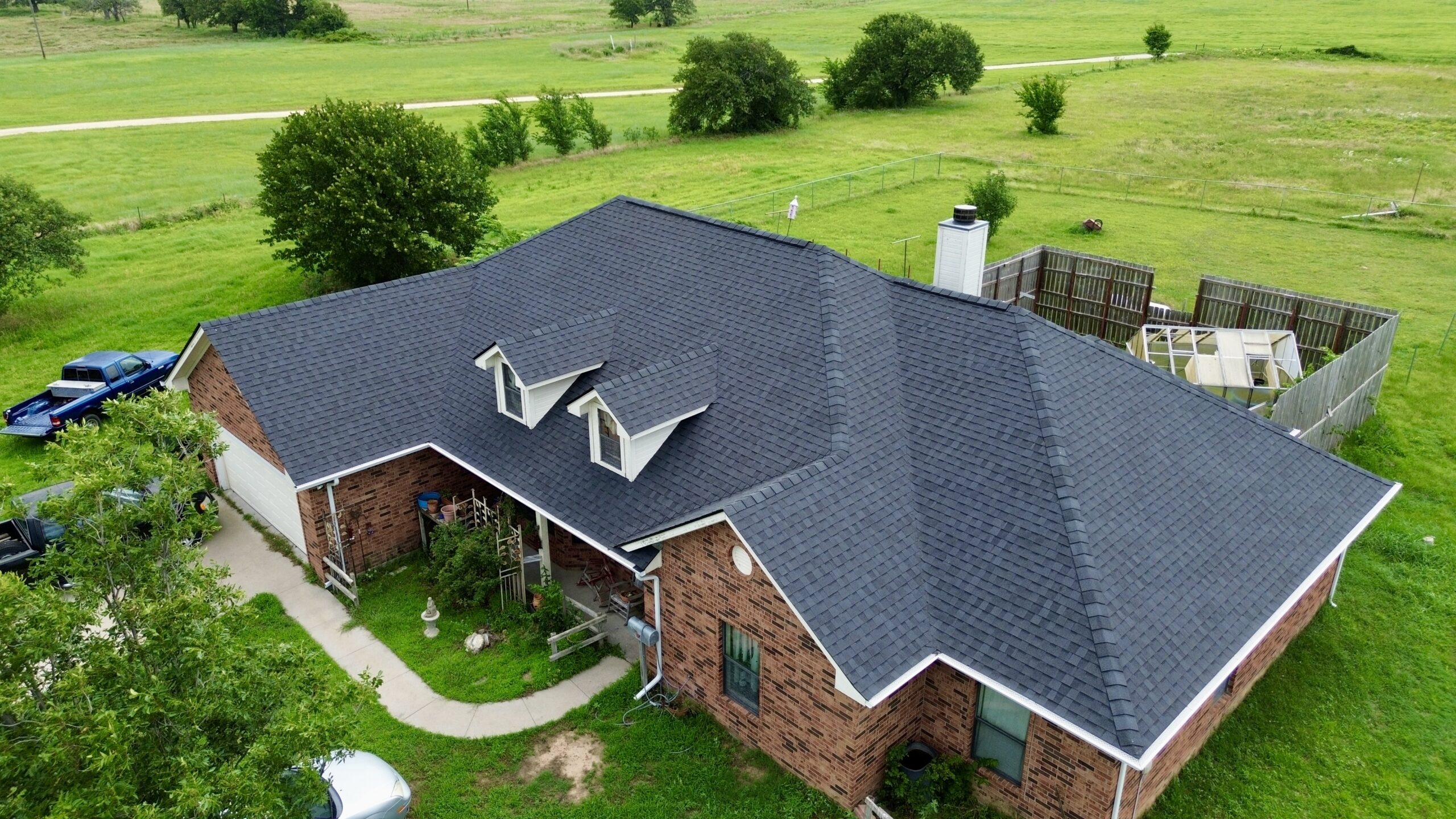
Asphalt shingles remain the most widely installed residential roofing material due to their affordability, ease of installation, and broad selection of colors and styles. They provide dependable performance for many homes while remaining accessible to a wide range of budgets.
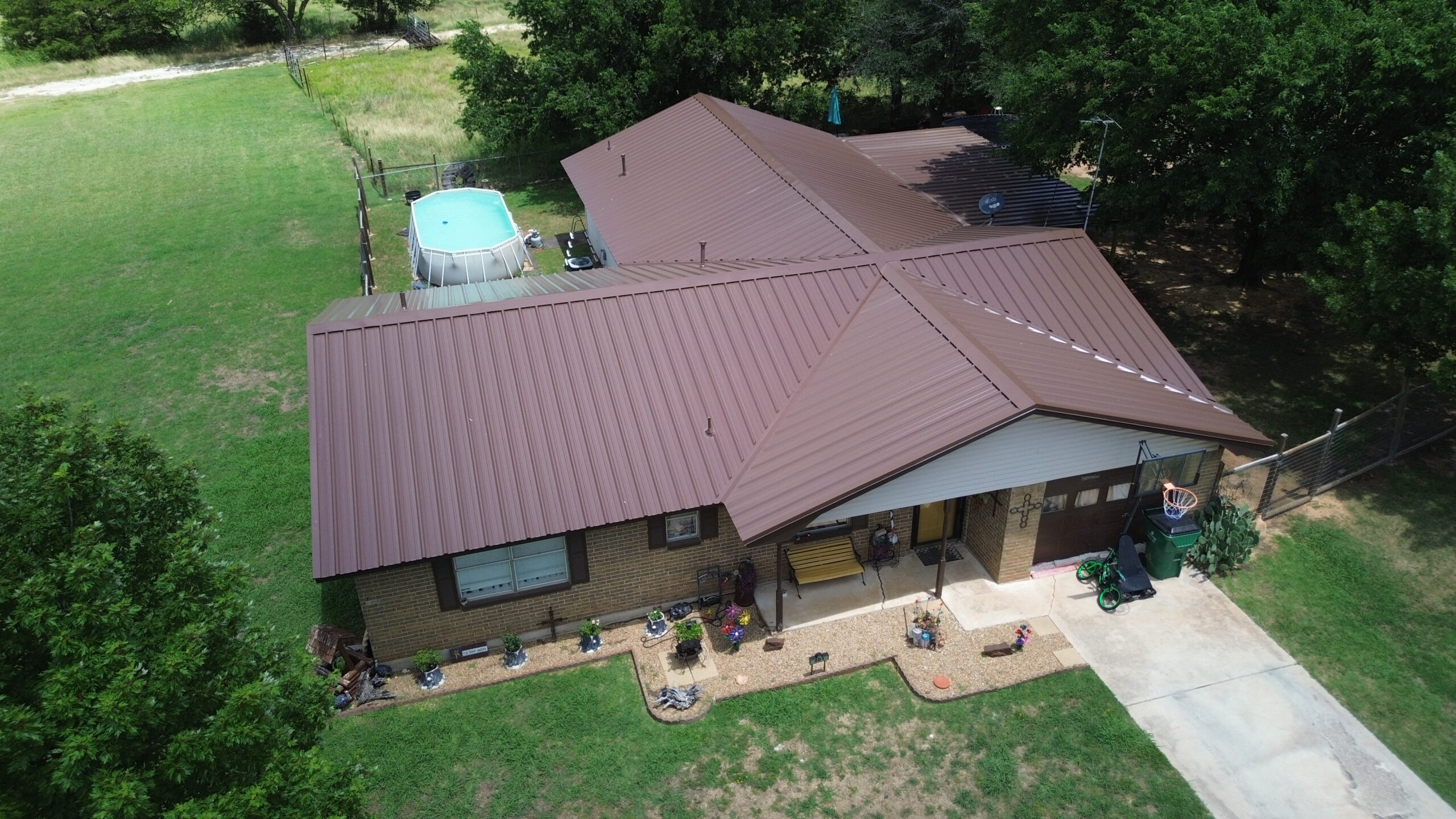
Metal roofing has become increasingly popular because of its exceptional durability and modern appearance. Available in panels and shingles, metal systems offer impressive resistance to fire, wind, and weather while often lasting considerably longer than traditional asphalt products.
Clay and concrete tiles appeal to homeowners seeking distinctive architectural character combined with impressive longevity. Although these materials require stronger structural support, they deliver outstanding durability and timeless visual appeal in suitable climates.
Natural slate represents one of the most durable premium roofing materials available. Properly installed slate roofs can last for generations, making them attractive for historic properties and luxury homes despite their higher installation costs.
Wood shingles and wood shakes continue to attract homeowners interested in natural textures and rustic aesthetics. While they require more maintenance than many alternatives, they create a unique appearance that synthetic products often attempt to replicate.
Synthetic roofing materials have expanded rapidly in recent years. Manufactured from advanced composite materials, they imitate traditional slate, wood, or tile while reducing weight and simplifying installation. These products continue to evolve as manufacturers improve durability and weather resistance.
Each category offers distinct benefits that make it suitable for specific applications. Understanding these differences allows homeowners to narrow their choices before evaluating individual products in greater detail.
Asphalt Shingles: Features, Benefits, and Limitations
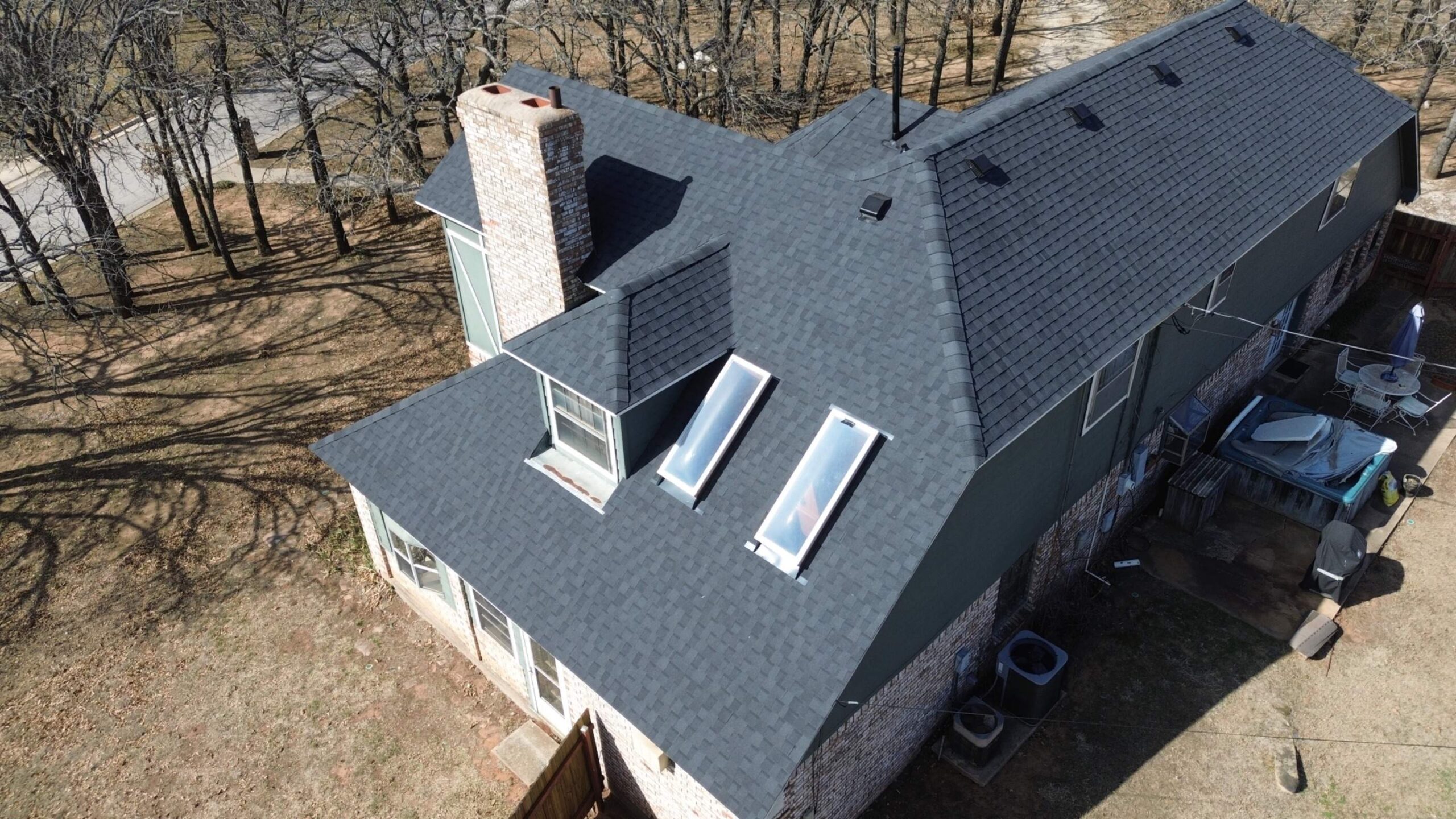
Asphalt shingles have remained the leading residential roofing material for decades because they provide a practical balance between affordability, appearance, and reliable performance. Available in numerous colors, textures, and designs, they complement a wide variety of architectural styles without requiring unusually complex installation techniques.
Modern asphalt shingles consist of multiple layers engineered to resist moisture, ultraviolet radiation, and wind damage. Manufacturers continue improving their products through enhanced granule technology, stronger reinforcement materials, and better weather resistance. As a result, today’s premium asphalt shingles often outperform earlier generations by a considerable margin.
One of the greatest advantages of asphalt shingles is their accessibility. They are widely available, relatively easy to install, and compatible with most residential roof structures. Repairs also tend to be straightforward because individual damaged shingles can often be replaced without disturbing large portions of the roof.
Affordability remains another significant benefit. Homeowners seeking dependable protection within a moderate budget frequently find asphalt shingles to be an attractive solution. Their competitive installation costs make them particularly appealing for large replacement projects where budget management is an important consideration.
Despite these strengths, asphalt shingles have limitations. Their lifespan generally falls below that of premium materials such as metal or slate, particularly in regions with severe weather or prolonged ultraviolet exposure. High winds, hail, and rapid temperature fluctuations may gradually accelerate wear depending on product quality and installation methods.
Maintenance requirements remain relatively modest, although periodic inspections help identify loose shingles, damaged flashing, or early signs of deterioration before more serious problems develop. Proper attic ventilation also plays an important role in maximizing shingle lifespan by reducing excessive heat buildup beneath the roof deck.
For many homeowners, asphalt shingles continue to represent an excellent balance between cost, appearance, and dependable long term performance. Their versatility explains why they remain one of the most frequently selected materials for complete residential roof replacement projects.
Metal Roofing: Advantages, Challenges, and Best Applications
Metal roofing has evolved from a product primarily associated with agricultural and commercial buildings into one of the fastest growing choices for residential construction. Improvements in manufacturing, coating technology, and architectural design have expanded its appeal across a wide range of building styles.
One of metal roofing’s greatest strengths is durability. Properly installed metal roofs withstand harsh weather conditions including heavy rain, snow, strong winds, and prolonged sunlight. Many systems also offer exceptional fire resistance, making them attractive in regions where wildfire concerns influence construction decisions.
Metal roofs efficiently shed rainwater and snow due to their smooth surfaces. This characteristic helps reduce moisture accumulation while minimizing the likelihood of standing water. In snowy climates, the ability to quickly release accumulated snow can reduce structural stress throughout the winter season.
Energy efficiency represents another important advantage. Reflective coatings help reduce solar heat absorption, allowing buildings to remain cooler during hot weather. This improved thermal performance may contribute to lower cooling demands while enhancing indoor comfort throughout the summer months.
Modern metal roofing is available in numerous profiles, finishes, and colors. Homeowners can choose standing seam panels for a contemporary appearance or metal shingles designed to resemble traditional roofing materials. This flexibility allows metal roofs to complement both modern and classic architectural styles.
Despite these benefits, metal roofing also presents certain challenges. Installation generally requires specialized expertise to ensure proper fastening, flashing, and expansion allowance. Poor installation can reduce performance regardless of material quality, making experienced contractors especially important for these projects.
Initial installation costs also tend to exceed those of asphalt shingles. However, many property owners view the higher investment as worthwhile because of the extended lifespan, lower maintenance requirements, and long term durability metal roofing often provides.
As roofing technology continues advancing, metal systems remain an increasingly attractive option for homeowners seeking a combination of longevity, energy efficiency, and modern design. Their growing popularity reflects the increasing emphasis many property owners place on long term value rather than simply minimizing upfront installation costs.
Clay and Concrete Tiles: Durability with Classic Appeal
Clay and concrete tiles have remained popular roofing materials for generations because they combine exceptional durability with timeless architectural beauty. Frequently seen on Mediterranean, Spanish, Southwestern, and luxury homes, these roofing systems provide a distinctive appearance while offering reliable protection against harsh environmental conditions. Their longevity makes them attractive to homeowners planning to remain in their properties for many years.
Clay tiles are manufactured from natural earth materials that are molded and fired at high temperatures. This process creates an extremely hard surface capable of resisting moisture, ultraviolet radiation, and fire. Concrete tiles achieve similar performance through a mixture of cement, sand, and water that is molded into various profiles before curing.
One of the greatest strengths of tile roofing is its ability to withstand decades of weather exposure without significant deterioration. Properly installed tile roofs often maintain their structural integrity long after many other roofing materials require replacement. Their color also remains relatively stable because pigments are integrated into the manufacturing process rather than applied only to the surface.
Another advantage is thermal performance. The natural air space beneath many tile installations helps reduce heat transfer into the building, contributing to improved indoor comfort during warmer months. Combined with proper attic ventilation, tile roofing can support better energy efficiency throughout the year.
Despite these advantages, tile roofing presents several important considerations. Both clay and concrete products are considerably heavier than asphalt shingles or metal roofing. Before installation begins, contractors should verify that the roof framing can safely support the additional weight or determine whether structural reinforcement is necessary.
Installation also requires specialized experience because individual tiles must be positioned and secured correctly to achieve optimal performance. Walking directly on finished tile roofs may crack individual pieces if proper techniques are not followed, making future maintenance a task best handled by experienced professionals.
For homeowners seeking exceptional longevity and architectural character, clay and concrete tiles remain among the most respected roofing options available. Although the initial investment is higher than many alternatives, their durability and timeless appearance often provide outstanding long term value.
Slate Roofing: Premium Performance for Long Term Value
Natural slate represents one of the most durable and prestigious roofing materials in the construction industry. Formed over millions of years through geological processes, slate possesses remarkable strength, natural beauty, and weather resistance that few manufactured products can match. Historic buildings around the world continue to demonstrate the extraordinary lifespan of properly installed slate roofs.
Each slate tile is cut from natural stone, giving every roof a unique appearance with subtle variations in texture and color. These natural characteristics create visual depth that enhances both traditional and contemporary architectural designs. Many homeowners appreciate slate because it develops character over time without losing its structural integrity.
One of slate’s greatest advantages is longevity. While many roofing materials eventually require replacement after several decades, natural slate can remain functional for significantly longer when properly installed and maintained. This exceptional lifespan often offsets its higher initial cost by reducing the need for future replacement projects.
Slate also offers impressive resistance to fire, moisture, mold, insects, and ultraviolet radiation. Unlike some roofing materials, it does not warp, rot, or deteriorate due to prolonged sunlight exposure. These qualities contribute to consistent performance under a wide range of environmental conditions.
However, slate roofing requires careful planning before installation. Like clay and concrete tiles, slate is a heavy material that demands adequate structural support. Existing framing must be evaluated to ensure it can safely carry the additional weight without compromising building safety.
Installation expertise is equally important. Slate tiles require precise placement and fastening techniques to prevent cracking while maintaining effective water shedding. Because repairs involve natural stone rather than manufactured products, matching replacement pieces may require additional planning.
Homeowners considering slate should view it as a long term investment rather than simply another roofing option. For properties where durability, elegance, and lasting value are primary priorities, few materials offer comparable performance throughout such an extended service life.
Wood Shingles and Wood Shakes: Natural Beauty with Unique Requirements
Wood roofing continues to appeal to homeowners who appreciate natural materials and traditional craftsmanship. Both wood shingles and wood shakes provide warmth and texture that are difficult to replicate with synthetic products. Their rustic appearance complements cottages, cabins, historic homes, and many custom residential designs.
Although the terms are often used interchangeably, wood shingles and wood shakes differ in manufacturing. Wood shingles are machine cut to create a smoother and more uniform appearance, while wood shakes are split rather than sawn, producing a thicker and more textured surface. This difference gives shakes a more rugged appearance while shingles create a cleaner architectural finish.
Many wood roofing products are manufactured from cedar because of its natural resistance to insects and decay. Other species may also be used depending on regional availability and desired appearance. Properly treated wood products provide better durability while maintaining their attractive natural finish.
Wood roofing offers good insulation characteristics and blends beautifully with natural surroundings. As the material ages, it develops distinctive weathering that many homeowners consider part of its visual appeal. This evolving appearance gives wood roofs a unique character that changes gracefully over time.
However, wood roofing requires more maintenance than many modern alternatives. Regular inspections help identify moisture retention, moss growth, damaged pieces, or areas requiring treatment. Proper ventilation and drainage also play essential roles in preserving wood roofing throughout its lifespan.
Fire resistance varies depending on treatment methods and local building regulations. Some jurisdictions restrict untreated wood roofing because of wildfire concerns, making it important to understand local code requirements before selecting this material.
For homeowners who value authentic natural materials and are willing to perform routine maintenance, wood shingles and wood shakes continue to provide distinctive beauty that enhances many architectural styles.
Synthetic Roofing Materials: Modern Alternatives to Traditional Products
Advances in manufacturing technology have introduced a growing range of synthetic roofing materials designed to imitate the appearance of traditional products while reducing many of their limitations. Composite roofing systems now replicate slate, wood shakes, and clay tiles with impressive visual accuracy while offering improved installation flexibility.
Most synthetic roofing products are manufactured from engineered polymers, recycled materials, or composite blends that combine strength with reduced weight. Because these products weigh considerably less than natural stone or concrete, they often eliminate the need for structural reinforcement during replacement projects.
One significant advantage of synthetic roofing is design consistency. Manufacturers produce tiles with controlled dimensions and uniform quality, simplifying installation while maintaining an attractive finished appearance. Many products are available in numerous colors and profiles, allowing homeowners to achieve the look of premium materials without their associated weight.
Durability has also improved substantially in recent years. Many composite roofing systems resist impact damage, moisture absorption, insect activity, and ultraviolet exposure more effectively than some traditional materials. This durability contributes to lower maintenance requirements throughout the roof’s service life.
Environmental sustainability represents another growing benefit. Several manufacturers incorporate recycled materials into production, reducing waste while creating roofing products capable of long term performance. This combination of durability and recycled content appeals to environmentally conscious homeowners seeking more sustainable construction solutions.
Although synthetic roofing has many strengths, product quality varies among manufacturers. Reviewing warranty information, independent performance testing, and contractor recommendations helps ensure that selected products meet long term expectations. As with every roofing material, proper installation remains essential for achieving maximum durability.
Synthetic roofing continues to gain popularity because it bridges the gap between traditional aesthetics and modern engineering. Homeowners seeking premium visual appeal with simplified installation often find composite roofing systems to be an attractive alternative.
Flat Roofing Systems for Residential and Commercial Buildings
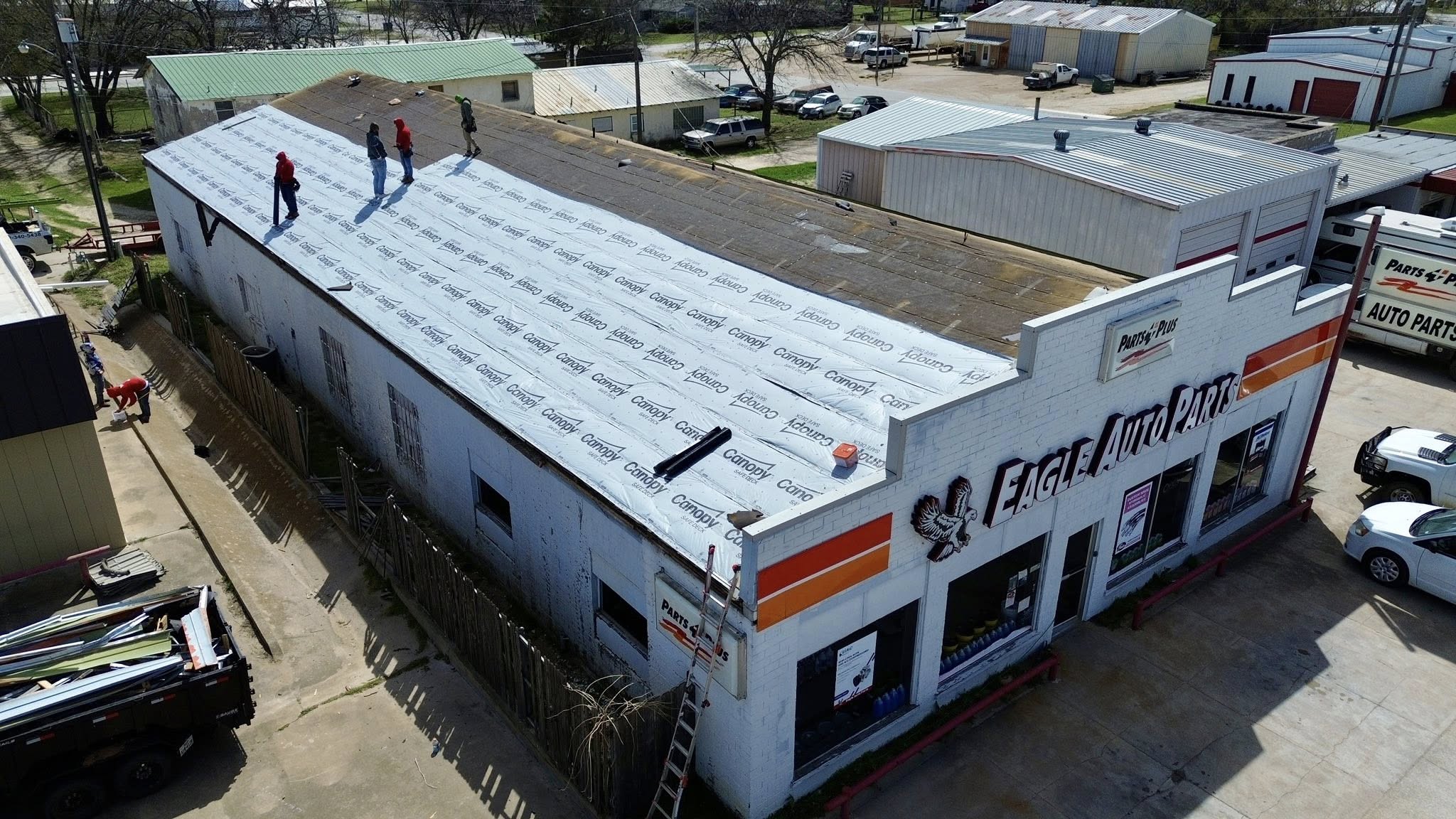
While steep slope roofing materials receive significant attention, flat and low slope roofing systems require specialized products designed to manage water differently. Because water drains more slowly on low slope roofs, these systems rely on continuous waterproof membranes rather than overlapping individual shingles or tiles.
Modern flat roofing materials include several high performance membrane systems engineered for durability and weather resistance. These products create continuous protective barriers that help prevent water infiltration even during prolonged rainfall.
Flat roofing is commonly used on commercial buildings, apartment complexes, modern residential homes, garages, and additions. The relatively level surface also provides opportunities for rooftop equipment, solar panel installations, outdoor living spaces, and green roofing systems where appropriate.
One important advantage of flat roofing is accessibility. Maintenance personnel can often inspect and service rooftop equipment more safely than on steep roofs. This accessibility simplifies routine inspections and repairs while supporting additional building functions.
Proper drainage remains critical for every flat roofing project. Even slight slopes are intentionally designed into the roof structure to direct water toward drains, gutters, or scuppers. Maintaining clear drainage pathways helps prevent standing water that could shorten membrane lifespan.
Regular inspections remain particularly valuable for flat roofing systems because membrane punctures, flashing deterioration, or blocked drains can allow water infiltration if left unaddressed. Preventive maintenance helps maximize service life while minimizing unexpected repair costs.
Although flat roofing requires specialized materials and installation methods, properly designed systems provide reliable long term protection for both residential and commercial structures.
Energy Efficiency and Environmental Considerations
Energy efficiency has become an increasingly important factor when selecting roofing materials for full replacement projects. Modern roofing products do more than simply protect buildings from weather. They also influence indoor comfort, heating and cooling demands, and overall building performance throughout the year.
Reflective roofing materials help reduce solar heat absorption by directing more sunlight away from the roof surface. Lower surface temperatures reduce the amount of heat transferred into attic spaces, allowing cooling systems to operate more efficiently during warm weather. This benefit becomes especially valuable in regions with long, hot summers.
Roof color can also influence thermal performance. Lighter colored roofing materials generally reflect more sunlight than darker surfaces, although modern coatings have improved the reflective performance of many darker products as well. Selecting appropriate colors should balance energy efficiency with architectural style and neighborhood preferences.
Ventilation works together with roofing materials to improve energy performance. Proper airflow removes excess heat and moisture from attic spaces, reducing strain on insulation while helping roofing materials maintain stable temperatures. During a full replacement, upgrading ventilation often enhances the effectiveness of the entire roofing system.
Environmental sustainability extends beyond energy savings. Many manufacturers now produce roofing materials using recycled content or manufacturing processes that reduce waste. Durable products that remain in service for several decades also reduce the frequency of replacement, conserving natural resources over the building’s lifetime.
At the end of their service life, some roofing materials can be recycled rather than sent to landfills. Metal roofing, for example, often contains recycled material and may be recycled again after removal. This circular approach contributes to more sustainable construction practices.
Selecting environmentally responsible roofing materials does not necessarily require sacrificing durability or appearance. Many modern products successfully combine long service life, energy efficiency, and sustainable manufacturing practices within attractive architectural designs.
Cost Comparison of Popular Roofing Materials
Budget remains one of the most practical considerations during a roof replacement project. However, installation cost should be evaluated alongside expected lifespan, maintenance requirements, and overall long term value rather than viewed in isolation.
The following table provides a general comparison of common roofing materials. Actual pricing varies depending on product quality, roof complexity, labor costs, geographic location, and additional structural requirements.
| Roofing Material | Initial Cost | Expected Lifespan | Maintenance Level | Structural Weight |
|---|---|---|---|---|
| Asphalt Shingles | Low | Moderate | Low to Moderate | Light |
| Metal Roofing | Moderate to High | Long | Low | Light |
| Clay Tiles | High | Very Long | Low | Heavy |
| Concrete Tiles | Moderate to High | Very Long | Low | Heavy |
| Natural Slate | Premium | Exceptional | Low | Very Heavy |
| Wood Shingles and Shakes | Moderate to High | Moderate | Moderate to High | Moderate |
| Synthetic Roofing | Moderate to High | Long | Low | Light to Moderate |
| Flat Roofing Membranes | Moderate | Moderate to Long | Moderate | Light |
The lowest installation price does not always represent the most economical decision over the life of the roof. Materials with longer service lives and lower maintenance requirements may ultimately deliver greater value despite higher upfront costs.
Homeowners should also account for indirect expenses such as structural reinforcement, specialized installation, ventilation improvements, insulation upgrades, and future repair needs. Considering the complete ownership cost provides a clearer understanding of each roofing system’s true value.
Selecting roofing materials should therefore balance immediate affordability with long term performance. A carefully planned investment often reduces maintenance expenses, improves energy efficiency, and increases overall property value throughout the roof’s lifespan.
Lifespan, Maintenance, and Long Term Ownership Costs
When comparing roofing materials, it is important to look beyond the installation price and consider how each option performs throughout its entire service life. A roof is expected to protect a property for decades, making durability and maintenance just as important as the initial investment. Choosing a material with a longer lifespan can reduce future replacement costs and minimize disruptions over the years.
Every roofing material ages differently depending on environmental conditions, installation quality, and routine maintenance. Even the most durable roofing products require periodic inspections to ensure flashing, sealants, gutters, and ventilation systems continue functioning properly. Regular maintenance helps identify small issues before they become expensive structural repairs.
Maintenance expectations also vary significantly between roofing systems. Asphalt shingles typically require occasional replacement of damaged shingles, while metal roofs often need little more than routine inspections and cleaning. Wood roofing demands more attention because natural materials can be affected by moisture, insects, and biological growth if left untreated.
Tile and slate roofs generally require less frequent maintenance, but individual broken pieces should be replaced promptly to maintain waterproof performance. Although these materials are exceptionally durable, walking on them without proper techniques may cause accidental damage during maintenance activities.
Long term ownership costs include much more than replacement expenses. Energy savings, repair frequency, maintenance costs, insurance considerations, and expected service life all contribute to the overall financial value of a roofing system. Evaluating these factors together provides a more realistic understanding of total ownership costs.
Rather than focusing exclusively on today’s installation budget, homeowners benefit from considering how their roofing investment will perform over twenty, thirty, or even fifty years. A material that requires fewer repairs and lasts considerably longer often delivers greater value despite higher upfront costs.
Choosing Roofing Materials Based on Home Style and Location
A roofing material should protect the building while also complementing its architectural character. Selecting a roof that matches the home’s design creates a balanced exterior appearance and enhances overall curb appeal. At the same time, the material should perform well under local environmental conditions to ensure lasting protection.
Traditional colonial and craftsman homes often pair well with asphalt shingles because of their versatility and wide range of available colors. These roofing systems can blend seamlessly with classic architectural features while remaining affordable and dependable.
Mediterranean and Spanish inspired homes frequently incorporate clay tiles that reinforce their distinctive architectural identity. The curved profiles and rich natural colors of tile roofing contribute significantly to the visual appeal of these designs while offering excellent durability in warm climates.
Modern residential architecture commonly features standing seam metal roofing due to its clean lines and contemporary appearance. Metal roofing also works well on minimalist homes where simple geometry and durable materials define the overall design.
Historic homes often benefit from natural slate or carefully selected synthetic alternatives that preserve traditional aesthetics while meeting modern performance expectations. Choosing materials that respect the original architectural style helps maintain the property’s visual integrity.
Geographic location is equally important when narrowing roofing options. Weather conditions differ significantly from one region to another, and roofing materials should be selected with local environmental demands in mind.
Some regional considerations include:
- Hot climates often benefit from reflective roofing materials that reduce heat absorption.
- Snow prone regions require roofing systems capable of supporting snow loads while shedding moisture effectively.
- Coastal areas benefit from corrosion resistant materials that tolerate salt exposure.
- Storm prone regions often require products with enhanced wind and impact resistance.
Balancing architectural style with environmental performance ensures that the finished roof looks appropriate while providing reliable protection under local weather conditions.
Common Mistakes to Avoid When Selecting Roofing Materials
Roof replacement is a long term investment, yet homeowners sometimes make decisions based on incomplete information or short term priorities. Avoiding common mistakes helps maximize both performance and value throughout the life of the roof.
One frequent mistake is choosing materials based only on appearance. While curb appeal is important, visual preferences should never outweigh considerations such as durability, climate suitability, structural compatibility, and maintenance requirements. Attractive roofing materials that are poorly suited to local conditions may require repairs much sooner than expected.
Another mistake involves focusing solely on the lowest installation price. Lower cost materials may appear attractive initially but could require more frequent maintenance or earlier replacement. Looking only at upfront costs often overlooks the financial benefits of longer lasting roofing systems.
Ignoring structural limitations is another common issue. Heavy roofing materials such as slate or concrete tiles require sufficient structural support, and installing them without proper evaluation can create serious safety concerns. A professional assessment helps determine whether reinforcement is necessary before installation begins.
Some homeowners also underestimate the importance of ventilation. Even premium roofing materials may experience reduced lifespan if excessive heat or moisture accumulates beneath the roof deck. Proper ventilation works together with insulation and roofing materials to create a healthier and more efficient roofing system.
Poor contractor selection can also affect long term results. High quality roofing materials cannot compensate for improper installation. Choosing experienced professionals with proven expertise greatly improves the likelihood of a successful replacement project.
Finally, postponing replacement for too long often increases overall project costs. Waiting until severe structural deterioration develops may require extensive repairs beyond simply replacing roofing materials. Addressing replacement needs at the appropriate time helps prevent unnecessary damage to the underlying structure.
Questions to Ask Before Making Your Final Decision
Choosing the right roofing material becomes easier when homeowners ask thoughtful questions throughout the planning process. Discussing these topics with a roofing contractor encourages informed decision making and helps identify the most appropriate solution for the property.
Before committing to a roofing system, consider the following questions:
- Which roofing materials perform best in my local climate?
- Can my home’s existing structure safely support the selected material?
- What lifespan can I realistically expect under local weather conditions?
- How much maintenance will this roofing system require each year?
- Does the material improve energy efficiency or indoor comfort?
- What warranty coverage is included for both materials and installation?
- Will replacement materials be readily available if repairs become necessary?
- How does this roofing option compare in long term ownership costs rather than only installation price?
These questions encourage meaningful conversations between homeowners and contractors while helping eliminate uncertainty before construction begins. Understanding the answers allows property owners to choose roofing materials with greater confidence and realistic expectations.
Working with a Professional Roofing Contractor
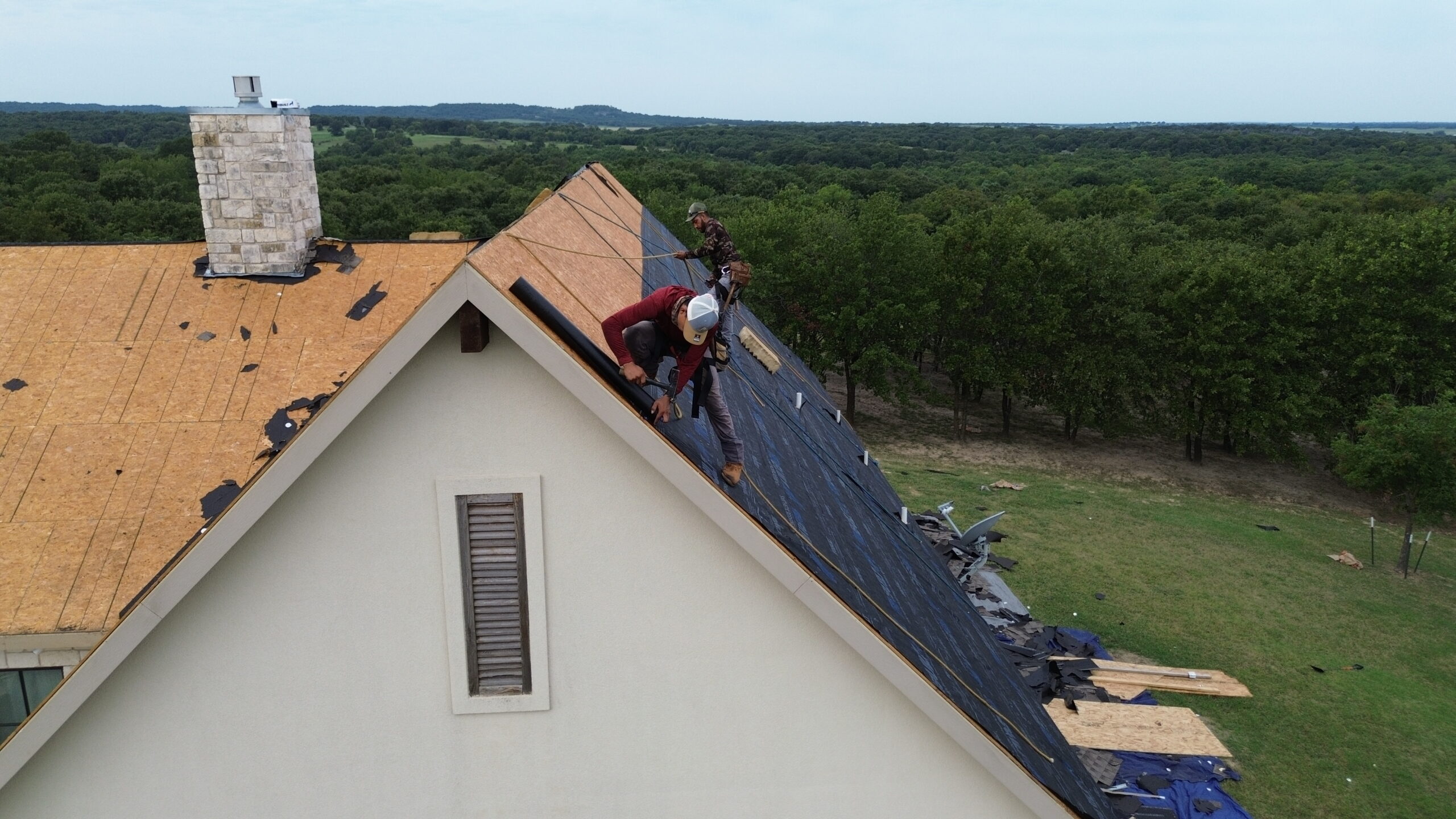
Even the highest quality roofing materials depend on proper installation to achieve their intended performance. Professional contractors bring technical knowledge, practical experience, and familiarity with local building requirements that contribute directly to the success of a roof replacement project.
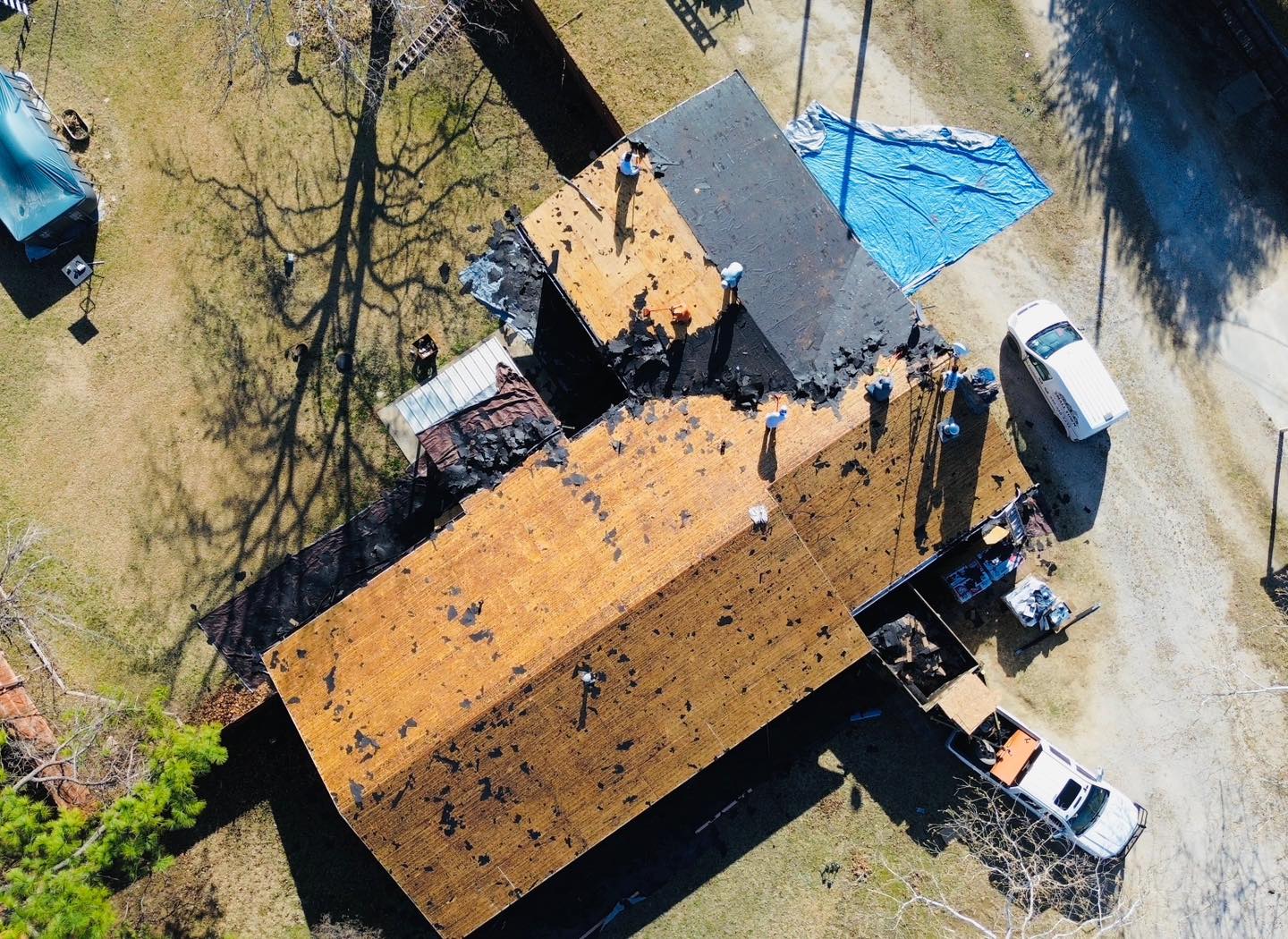
A qualified roofing contractor begins by evaluating the existing roof structure, identifying hidden damage, and recommending appropriate repair work before installation starts. This assessment helps ensure that the new roofing system rests on a solid foundation capable of supporting long term performance.
Experienced contractors also understand manufacturer installation requirements. Proper fastening methods, underlayment selection, flashing installation, ventilation improvements, and drainage details all influence warranty compliance and overall roof durability. Attention to these details reduces the likelihood of premature failures after completion.
Communication remains equally important throughout the project. Homeowners should receive clear explanations regarding material options, project timelines, expected costs, warranty coverage, and maintenance recommendations. Open communication helps prevent misunderstandings while allowing informed decisions at every stage.
Reputable contractors also prioritize safety during roof replacement. Professional crews follow established safety procedures that protect workers, homeowners, landscaping, and surrounding property throughout construction. Proper project management minimizes disruption while maintaining efficient progress.
Once installation is complete, homeowners should continue scheduling periodic roof inspections even when no obvious problems exist. Routine inspections help identify small maintenance needs before they develop into significant repairs, extending the lifespan of the roofing system and protecting the investment.
Choosing an experienced contractor is therefore just as important as selecting the roofing material itself. Together, quality materials and professional installation create a roofing system capable of delivering dependable performance for many years.
Final Thoughts on Choosing the Best Roofing Materials for Full Replacement Projects
Selecting roofing materials for a full replacement project involves balancing many different priorities rather than searching for a single perfect product. Budget, climate, architectural style, maintenance expectations, structural capacity, and long term value all contribute to determining the most appropriate roofing system for each property.
Asphalt shingles remain a dependable choice for homeowners seeking affordability and versatility. Metal roofing offers impressive longevity and energy efficiency, while clay tiles, concrete tiles, and natural slate provide exceptional durability with distinctive architectural appeal. Wood roofing continues to attract those who appreciate natural aesthetics, and synthetic materials deliver modern performance while replicating traditional appearances.
No roofing material is universally superior in every situation. The best choice depends on how well the material aligns with the building’s specific needs and the owner’s long term goals. Considering lifecycle costs rather than installation price alone often leads to more satisfying outcomes and better financial value over time.
Investing additional time in research before beginning a replacement project pays significant dividends throughout the roof’s service life. Careful planning reduces unexpected expenses, improves overall performance, and increases confidence that the selected roofing system will continue protecting the property for decades.
A roof replacement represents more than a construction project. It is an investment in the safety, efficiency, appearance, and long term value of the entire building. Making informed material choices today helps ensure dependable performance well into the future.
Conclusion
Choosing the best roofing materials for a full replacement project requires thoughtful evaluation rather than quick decision making. Every roofing material offers a unique combination of strengths, limitations, installation requirements, maintenance expectations, and long term value. Understanding these differences allows homeowners to select a roofing system that matches both their immediate needs and future goals.
Climate, structural capacity, architectural style, energy efficiency, maintenance responsibilities, and overall ownership costs should all be considered before making a final decision. Looking beyond initial installation expenses provides a clearer picture of how each roofing material will perform throughout its lifespan and how much value it will deliver over time.
Whether the ideal solution is asphalt shingles, metal roofing, clay tiles, concrete tiles, slate, wood, synthetic materials, or a specialized flat roofing system, success depends on selecting products that suit the property’s unique characteristics. Equally important is working with experienced roofing professionals who can ensure proper installation and help maximize the performance of the chosen materials.
A carefully planned roof replacement provides more than weather protection. It enhances curb appeal, improves energy efficiency, supports structural integrity, and contributes to the long term value of the property. By considering every aspect of material selection and investing in quality workmanship, homeowners can enjoy confidence that their new roof will provide reliable protection and lasting performance for many years to come.