
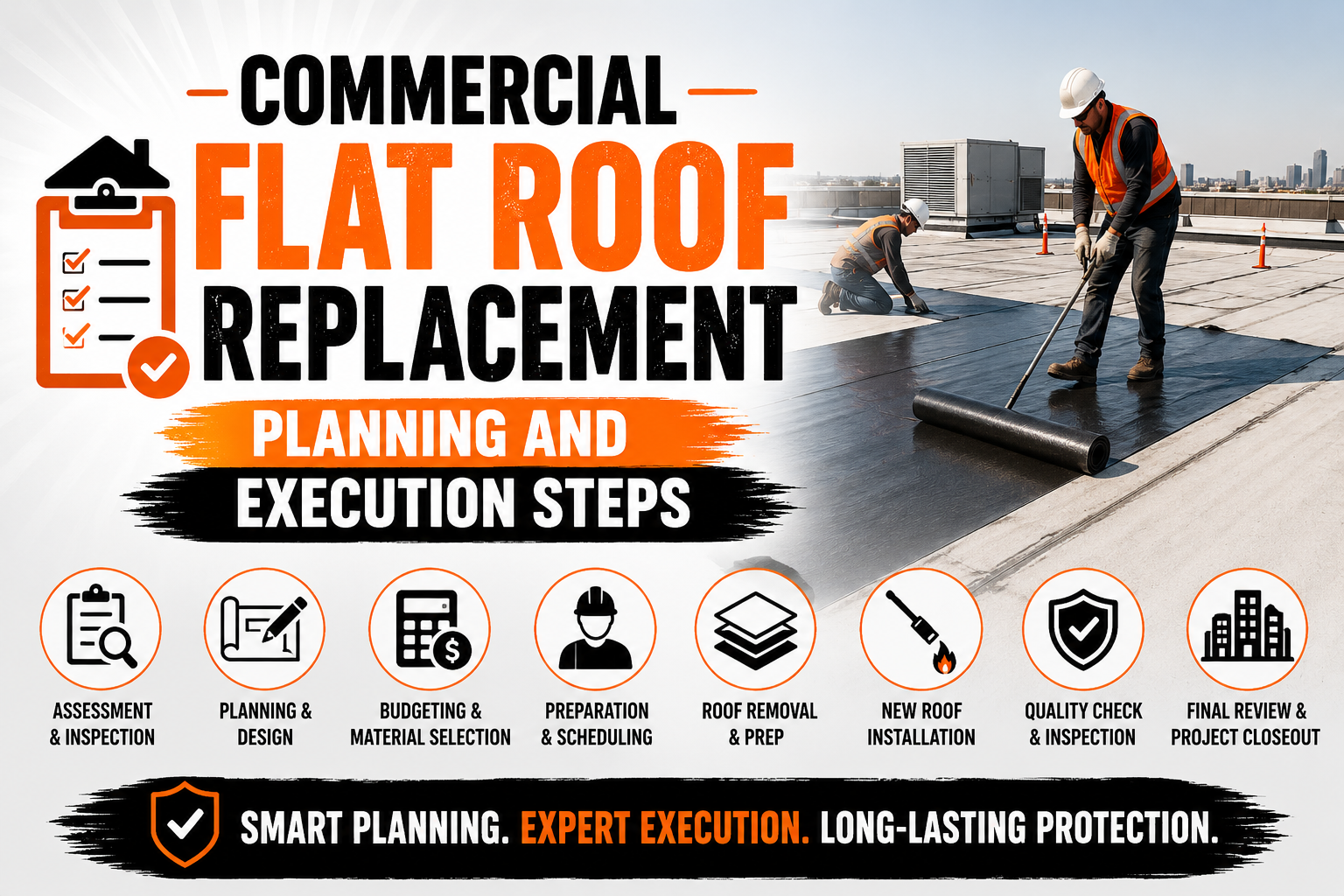
Commercial Flat Roof Replacement Planning and Execution Steps
Introduction
A commercial flat roof is one of the most valuable structural components of any business property. It protects employees, customers, equipment, inventory, and daily operations from changing weather conditions while supporting heating, cooling, ventilation, and other rooftop systems. Because of its constant exposure to rain, sunlight, wind, temperature fluctuations, and foot traffic, every commercial roof eventually reaches a point where repairs are no longer enough. At that stage, a complete replacement becomes the most practical and cost effective long term solution.
Commercial flat roof replacement is much more than removing old materials and installing a new membrane. It is a carefully planned construction project that requires detailed inspections, budgeting, scheduling, material selection, contractor coordination, and risk management. Every decision made during the planning stage influences installation quality, project duration, future maintenance requirements, and the overall lifespan of the new roof.
Unlike emergency repairs that focus on immediate problems, a full replacement provides an opportunity to improve building performance. Modern roofing systems offer better insulation, stronger waterproofing, improved drainage, and greater energy efficiency than many older roofs. Property owners can also address hidden structural problems that may have developed over many years beneath the roofing membrane.
Planning also helps reduce unexpected expenses during construction. When building owners understand the roof’s condition, establish realistic budgets, prepare occupants, and coordinate with experienced contractors, the replacement process becomes smoother and more predictable. Proper planning minimizes disruptions to daily business operations while helping contractors complete the project safely and efficiently.
This guide explores every stage of commercial flat roof replacement planning and execution. In this first part, the focus is on preparing for a successful project by understanding inspections, budgeting, scheduling, roofing materials, and the critical planning decisions that create the foundation for a durable and reliable commercial roofing system.
Why Careful Planning Matters Before Commercial Flat Roof Replacement
Many commercial roofing problems begin long before visible leaks appear inside the building. Water intrusion, insulation damage, membrane deterioration, and structural movement often develop gradually over several years. Without proper planning, replacing the roof can become more expensive because hidden damage is discovered after construction has already started.
Planning allows property owners to understand the complete scope of work before demolition begins. Contractors can inspect the existing roof, identify weak areas, estimate material quantities, and prepare accurate cost projections. This reduces surprises and keeps the project moving according to schedule.
A well planned replacement also improves communication between everyone involved. Building owners, facility managers, contractors, architects, engineers, suppliers, and occupants all understand project expectations before work starts. Clear planning minimizes misunderstandings that could delay construction or increase costs.
Planning also protects business operations. Many commercial buildings remain occupied while roof replacement takes place. Scheduling noisy activities, coordinating delivery times, and establishing safe access routes reduce disruptions for employees, tenants, customers, and visitors throughout the construction period.
Another major advantage is financial control. Accurate planning helps owners compare material options, prioritize necessary upgrades, allocate contingency funds, and avoid unnecessary spending. Rather than reacting to unexpected problems, owners make informed decisions using reliable inspection data.
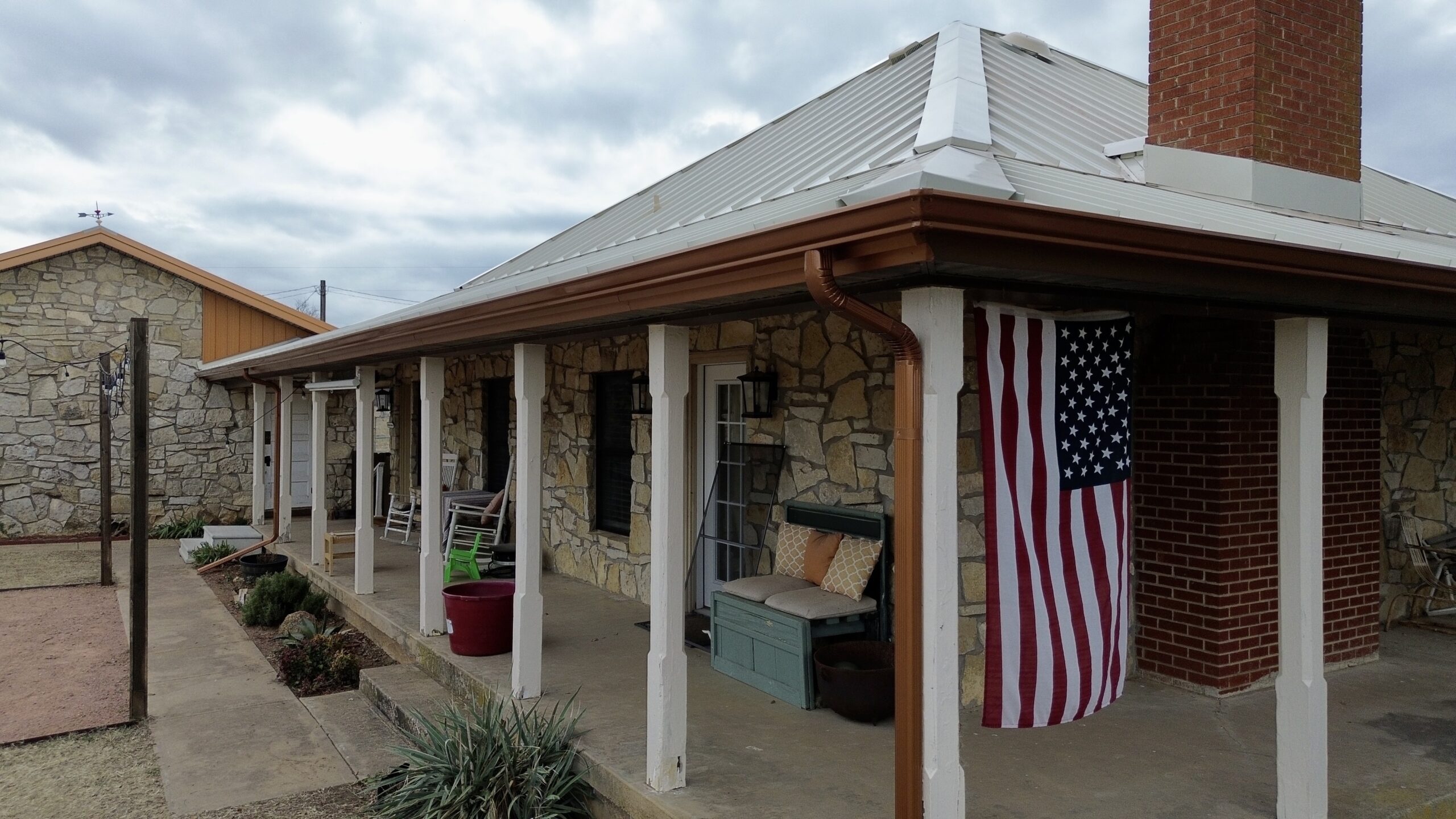
Common Reasons Commercial Buildings Need Roof Replacement
Every commercial roof eventually reaches the end of its service life, although the timeline depends on maintenance quality, weather exposure, roofing material, and installation standards. While many roofing issues can be repaired during the early years, some conditions indicate that complete replacement is the better investment.
One of the most common reasons is aging. Roofing membranes gradually lose flexibility after years of exposure to ultraviolet radiation, standing water, temperature changes, and environmental pollutants. As materials become brittle, cracks and seams begin to fail, allowing moisture to penetrate the roofing system.
Persistent leaks are another warning sign. Occasional leaks may be repaired successfully, but widespread water intrusion often indicates extensive membrane deterioration or insulation damage beneath the surface. Continually repairing isolated leaks becomes increasingly expensive without solving the underlying problem.
Storm damage can also accelerate roof failure. High winds may loosen membranes, hail can puncture protective layers, and heavy rainfall may overwhelm drainage systems. Even if visible damage appears limited, hidden moisture beneath the roof often spreads over time.
Many commercial buildings also require replacement during major renovations. When owners upgrade HVAC systems, install solar panels, improve insulation, or modernize building infrastructure, replacing an aging roof ensures that the new equipment is supported by a reliable waterproofing system.
Some owners choose replacement to improve energy efficiency. Older roofing systems often lack modern insulation standards, causing heating and cooling systems to work harder throughout the year. Installing updated insulation during replacement can significantly improve indoor comfort while reducing long term utility costs.
Evaluating the Existing Roof Condition
A successful roof replacement begins with a comprehensive evaluation of the existing roofing system. This assessment provides the information needed to determine whether replacement is necessary and identifies additional work that should be completed during construction.
Professional inspections typically begin with a detailed visual examination. Contractors inspect membrane surfaces, seams, flashing, rooftop equipment, drainage areas, expansion joints, and parapet walls. They document visible defects that may indicate deeper structural or moisture related problems.
Interior inspections are equally important. Water stains, ceiling discoloration, mold growth, peeling paint, and damp insulation often reveal leakage paths that are not immediately visible from the roof surface. Comparing interior observations with rooftop findings helps locate the true source of moisture intrusion.
Moisture detection technologies provide even greater accuracy during inspections. Infrared scanning, electronic leak detection, and moisture meters help identify trapped water beneath roofing membranes without unnecessary demolition. These tools reveal hidden damage that traditional visual inspections may overlook.
Roof inspections also include reviewing maintenance records and previous repair history. Areas requiring repeated repairs often indicate larger systemic issues rather than isolated failures. Understanding these patterns allows contractors to develop a more accurate replacement strategy.
The evaluation process ultimately answers several important questions. Is the roof deck structurally sound? Has insulation been compromised by moisture? Are drainage systems functioning correctly? Can rooftop equipment remain in place during replacement? Addressing these questions early reduces delays once construction begins.
Identifying Structural and Drainage Concerns
Commercial flat roofs depend on both structural integrity and efficient drainage to perform effectively. Even the highest quality roofing membrane cannot provide long term protection if the supporting structure has deteriorated or water cannot drain properly.
Structural inspections evaluate roof decking, supporting beams, trusses, joists, and connection points. Years of moisture exposure may weaken wood components, corrode steel framing, or damage concrete decks. Discovering these issues before installation prevents expensive project interruptions later.
Roof deflection is another important consideration. Flat roofs should maintain proper slopes that direct water toward drains, scuppers, or gutters. Structural movement over time may create low areas where water collects after rainfall. These depressions increase membrane stress and shorten roof lifespan.
Drainage systems deserve equal attention during planning. Blocked drains, undersized piping, damaged scuppers, and poorly positioned gutters contribute to standing water. Persistent ponding accelerates membrane deterioration and increases structural loading during heavy storms.
Contractors often recommend drainage improvements as part of the replacement project rather than treating them as separate repairs. Installing tapered insulation, repositioning drains, improving gutter capacity, or modifying roof slopes helps eliminate recurring water accumulation problems.
Addressing structural and drainage issues before installing new roofing materials creates a stable foundation that supports long term waterproofing performance. Ignoring these concerns often results in premature roof failure regardless of membrane quality.
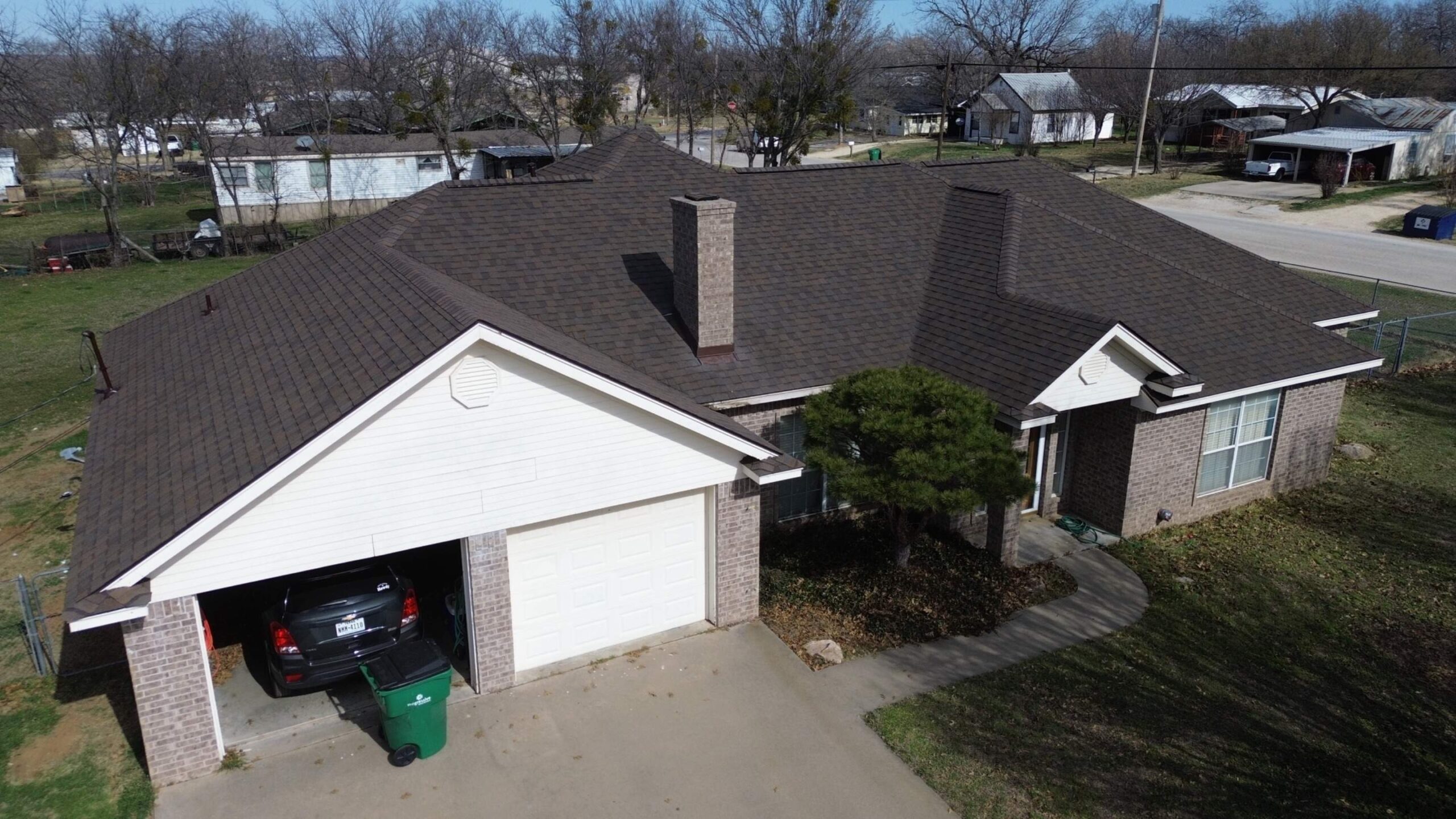
Choosing the Right Time for Commercial Roof Replacement
Timing influences both construction efficiency and project costs. Replacing a commercial roof during favorable weather conditions allows contractors to maintain consistent progress while reducing the risk of weather related delays.
Spring and early summer often provide stable temperatures suitable for many commercial roofing systems. Moderate weather allows adhesives, sealants, and membranes to perform according to manufacturer specifications. Workers can also complete installation more efficiently under predictable conditions.
Autumn is another popular season for roof replacement because temperatures remain relatively comfortable while severe winter weather has not yet arrived. Completing the project before colder months helps ensure that buildings remain protected during seasonal storms.
Emergency replacements, however, cannot always wait for ideal weather. Severe storm damage, extensive leaks, or structural failures may require immediate action regardless of seasonal conditions. Experienced contractors use temporary waterproofing measures and phased installation techniques to protect the building when emergency work becomes necessary.
Business operations should also influence project scheduling. Schools often schedule replacements during holidays, retail properties may avoid peak shopping seasons, and manufacturing facilities coordinate construction around production schedules. Matching construction activities with operational demands minimizes disruptions while maintaining productivity.
Long term planning allows property owners to secure contractor availability well in advance. Scheduling several months before construction begins often provides greater flexibility and improves overall project coordination.
Selecting the Best Flat Roofing System for the Building
Choosing the right roofing system requires balancing performance, climate, building design, maintenance expectations, and available budget. Every commercial property has unique operational requirements, making material selection one of the most important planning decisions.
Single ply membranes remain among the most widely used commercial roofing systems because they provide reliable waterproofing with relatively efficient installation. These membranes are lightweight, durable, and compatible with many commercial building types.
Modified bitumen systems offer multiple protective layers that improve puncture resistance and durability. Buildings with frequent rooftop maintenance activities often benefit from the additional strength these systems provide against foot traffic.
Built up roofing systems continue to serve many commercial facilities where long term durability is the primary objective. Multiple layers of reinforcing materials and protective coatings create a highly resilient waterproofing assembly suitable for demanding environments.
Property owners also increasingly consider sustainability during material selection. Reflective roofing membranes reduce heat absorption, helping lower cooling costs in warmer climates. Improved insulation systems further enhance building energy performance while supporting environmental goals.
Selecting roofing materials should never focus solely on initial installation cost. Long term maintenance requirements, expected service life, warranty coverage, repair accessibility, and future operating expenses all contribute to the true value of a commercial roofing investment.
Comparing Popular Commercial Flat Roof Materials
| Roofing Material | Typical Lifespan | Main Advantages | Best Suited For |
|---|---|---|---|
| EPDM | 25 to 35 years | Excellent weather resistance, flexible, cost effective | Large commercial buildings |
| TPO | 20 to 30 years | Energy efficient, reflective surface, heat welded seams | Office buildings and retail centers |
| PVC | 25 to 35 years | Strong chemical resistance, durable seams, fire resistant | Restaurants, manufacturing facilities |
| Modified Bitumen | 20 to 30 years | High puncture resistance, multiple protective layers | High traffic rooftops |
| Built Up Roofing | 25 to 40 years | Exceptional durability, proven long term performance | Industrial and institutional buildings |
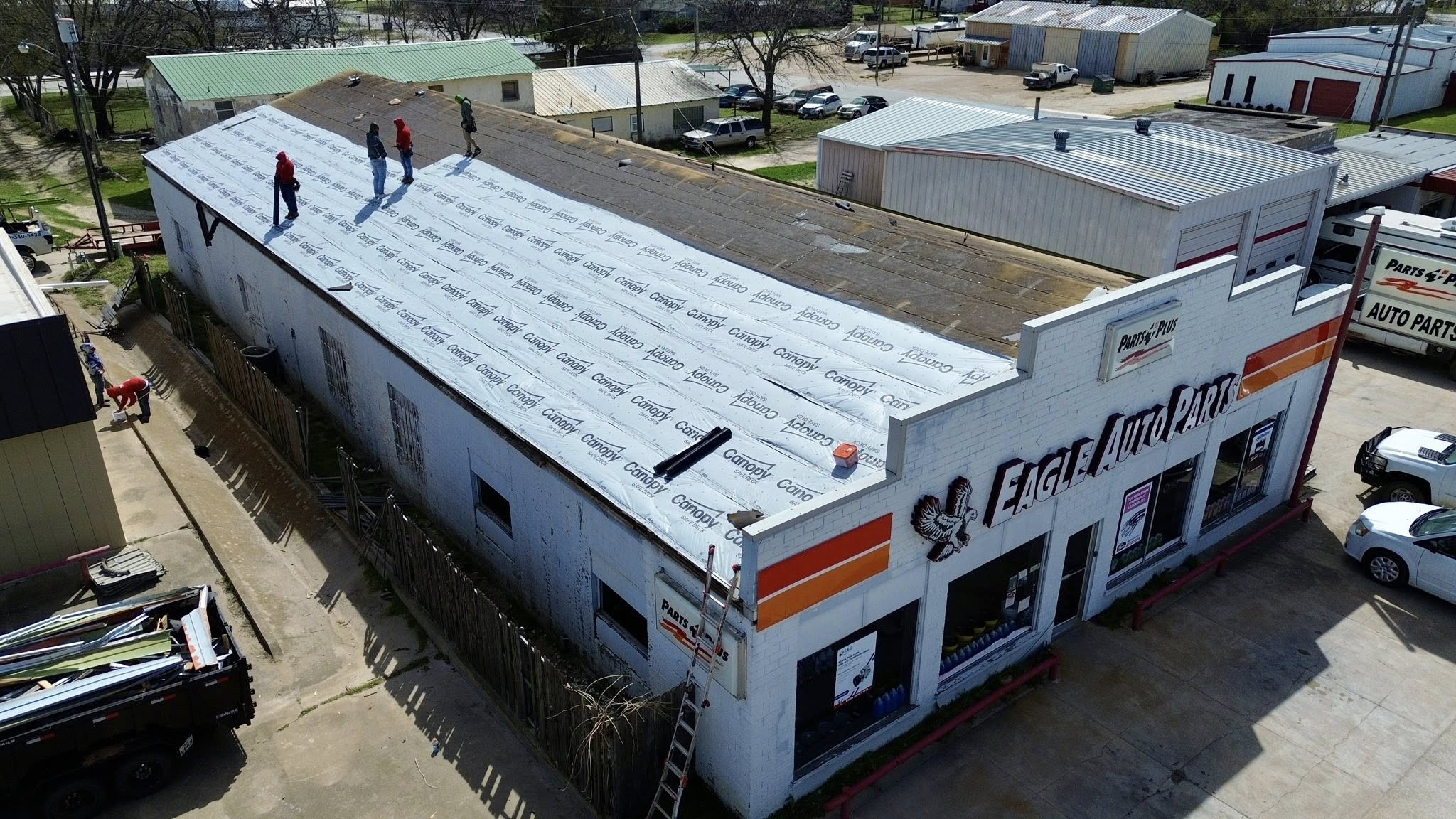
Key Factors That Influence Planning Decisions
Every commercial roof replacement project involves balancing multiple priorities. While roofing materials receive significant attention, several additional factors determine the overall success of the project.
The following considerations usually influence planning decisions more than any other factors:
- Building occupancy and daily business operations.
- Local climate and seasonal weather patterns.
- Structural load capacity for roofing materials and equipment.
- Energy efficiency objectives and insulation requirements.
- Available project budget and long term maintenance costs.
- Future rooftop equipment installations or renovations.
These factors work together rather than independently. For example, selecting a heavier roofing system may require structural reinforcement, while improving insulation could reduce future energy expenses enough to justify higher installation costs. Evaluating these relationships during planning helps owners make balanced decisions that support both immediate project goals and long term building performance.
Creating a Realistic Project Budget
Budget planning involves much more than estimating material costs. Commercial roof replacement includes labor, demolition, disposal, structural repairs, insulation upgrades, permits, equipment rentals, safety measures, and contingency allowances for unforeseen conditions.
Accurate budgeting begins with a detailed roof inspection. Contractors prepare estimates based on actual roof dimensions, existing material conditions, drainage improvements, and structural requirements rather than relying on general pricing averages. This approach produces more reliable financial planning.
Contingency funding is equally important because hidden damage often becomes visible only after old roofing materials are removed. Setting aside a reasonable reserve allows owners to address unexpected deck repairs or insulation replacement without delaying construction.
Long term financial planning should also consider maintenance expenses after installation. Investing slightly more in durable materials, improved insulation, or enhanced drainage may reduce repair frequency and operating costs over the coming decades. Looking beyond initial installation costs helps maximize the overall value of the roofing investment.
Preparing Building Owners, Occupants, and Facility Managers for the Project
Successful roof replacement depends not only on technical planning but also on effective communication with everyone who uses the building. Construction activities inevitably create temporary inconvenience, but proper preparation keeps disruptions manageable.
Facility managers should notify occupants well before work begins. Informing employees, tenants, and visitors about project schedules, restricted areas, noise expectations, and temporary access changes allows everyone to prepare accordingly. Clear communication reduces confusion throughout the construction period.
Sensitive operations may require additional coordination. Healthcare facilities, schools, laboratories, and data centers often need specialized scheduling to protect critical equipment and maintain uninterrupted services. Contractors work closely with facility managers to identify these requirements before construction starts.
Safety planning extends beyond the construction crew. Temporary barriers, designated walkways, material storage areas, and emergency access routes should all be established before roofing activities begin. These measures protect both workers and building occupants while supporting efficient project execution.
Careful preparation transforms commercial roof replacement from a disruptive construction project into a well coordinated improvement that protects the building for decades. With inspections complete, budgets established, materials selected, and project logistics organized, the next stage focuses on executing the replacement safely and efficiently while maintaining the highest standards of workmanship.
Preparing the Job Site Before Construction Begins
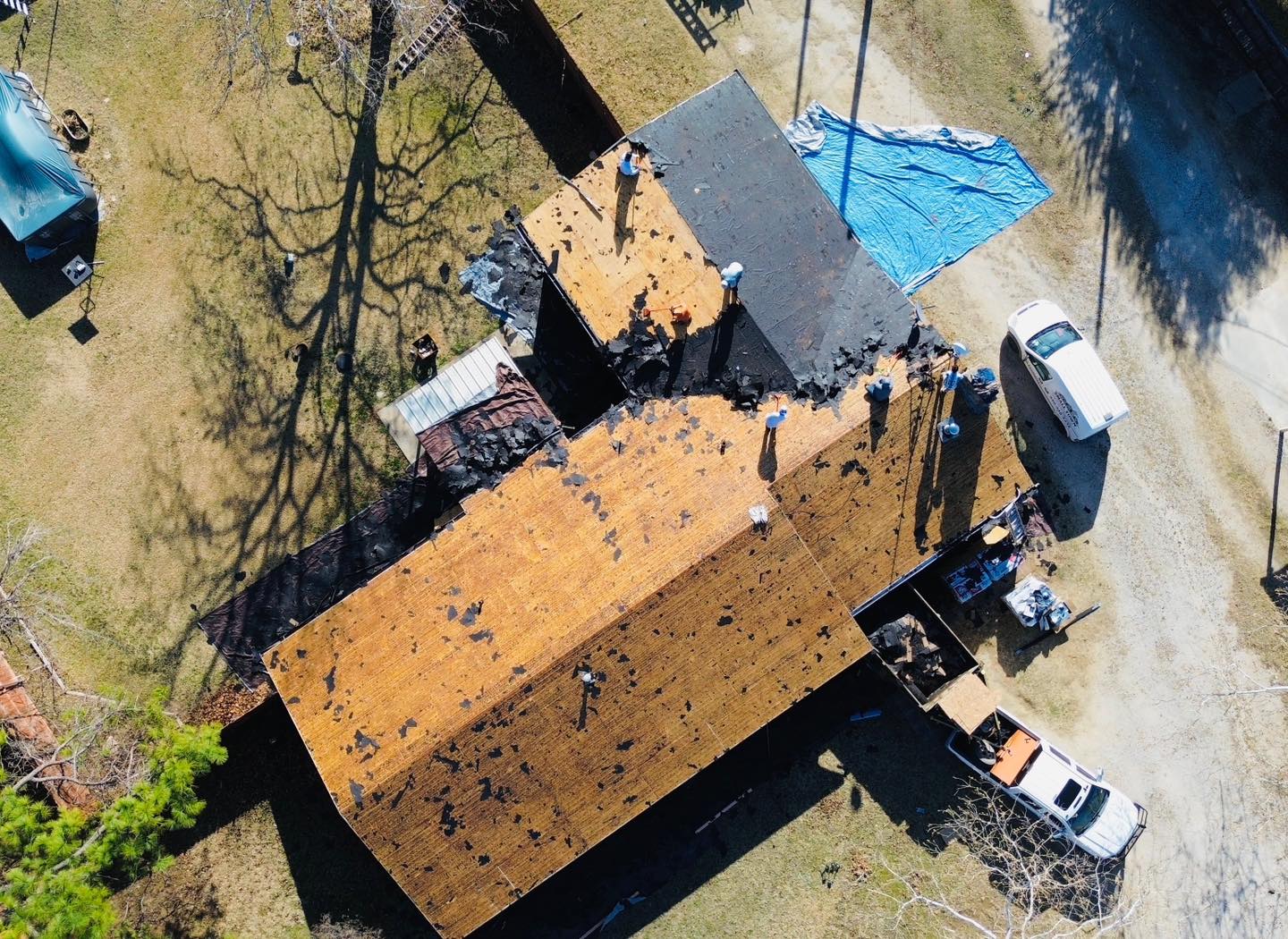
Once planning is complete, attention shifts to preparing the construction site for the replacement process. Proper site preparation creates a safer working environment while helping contractors complete the project efficiently. It also reduces the likelihood of damage to the building, surrounding property, and daily business operations.
The first step involves establishing clear work zones around the building. Contractors identify material storage areas, equipment locations, waste disposal zones, and restricted access points. Clearly marked boundaries help prevent unauthorized entry while allowing workers to move safely throughout the project.
Building entrances and pedestrian walkways often require temporary protection during roof replacement. Falling debris, construction equipment, and material deliveries can create hazards if work areas are not properly separated from occupied spaces. Temporary barriers, warning signs, and covered walkways improve safety for employees, customers, and visitors.
Contractors also evaluate rooftop equipment before work begins. HVAC units, exhaust systems, skylights, antennas, and solar panels may require temporary protection or coordinated removal during certain phases of installation. Planning these activities in advance minimizes delays once roofing materials are removed.
Material deliveries should be carefully scheduled to match the construction timeline. Delivering supplies too early can overcrowd the job site, while late deliveries may delay installation. Coordinated logistics help maintain steady progress while reducing unnecessary handling of roofing materials.
Weather monitoring also becomes part of daily project preparation. Contractors review forecasts before each workday to determine whether installation conditions remain suitable. Having contingency plans for unexpected rainfall or strong winds protects exposed roof sections and prevents water intrusion during construction.
Safety Measures and Regulatory Compliance
Safety remains one of the highest priorities during commercial roof replacement because workers operate at elevated heights while handling heavy materials and specialized equipment. A comprehensive safety program protects workers, building occupants, and nearby property throughout every phase of the project.
Fall protection systems are mandatory on most commercial roofing projects. Guardrails, safety harnesses, anchor points, warning lines, and personal protective equipment reduce the risk of serious accidents while allowing workers to perform installation tasks safely. Every crew member should receive proper training before beginning rooftop work.
Material handling procedures also require careful planning. Roofing membranes, insulation boards, fasteners, adhesives, and construction tools must be transported and stored safely to prevent injuries or property damage. Organized storage areas reduce tripping hazards while improving overall job site efficiency.
Fire prevention becomes especially important when roofing systems involve heat welding or torch applied materials. Contractors maintain fire extinguishers, monitor hot work activities, and inspect surrounding areas after completing heat related tasks. These precautions reduce the risk of accidental fires during installation.
Environmental regulations also influence roofing projects. Old roofing materials must be removed and disposed of according to local waste management requirements. Certain buildings may contain hazardous materials that require specialized handling procedures before demolition can begin.
Regular safety meetings keep crews informed about changing site conditions and daily work objectives. Reviewing hazards before each shift helps reinforce safe work practices while encouraging workers to report concerns before accidents occur.
Removing the Existing Roofing System
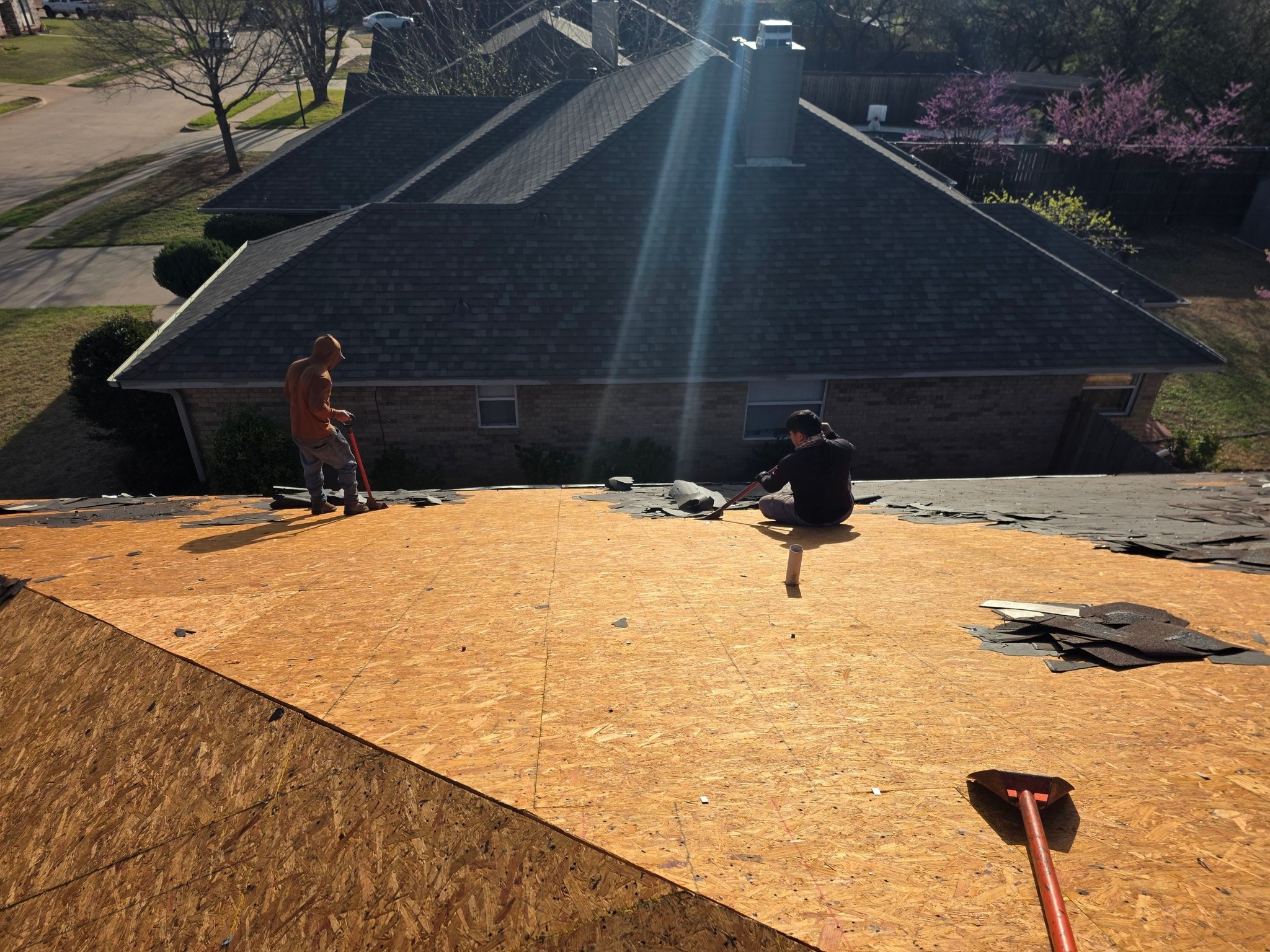
Roof removal marks the beginning of physical construction and requires careful coordination to protect the building beneath the existing roofing system. Contractors typically remove roofing materials in sections rather than exposing the entire roof at once. This phased approach minimizes the risk of weather related damage while allowing installation to follow closely behind demolition.
The removal process begins with detaching surface materials such as membranes, protective coatings, flashing, and edge components. Depending on the existing roof design, multiple roofing layers may need to be removed before reaching the structural deck. Older commercial buildings sometimes contain several generations of roofing materials that accumulated over decades of repairs.
As demolition progresses, crews inspect each exposed section for hidden damage. Wet insulation, deteriorated decking, corroded fasteners, and structural defects often become visible only after roofing materials are removed. Discovering these conditions early allows contractors to adjust the project without compromising installation quality.
Debris management plays an important role throughout demolition. Removed materials should be transferred directly into designated disposal containers rather than accumulating on the roof surface. Efficient waste removal keeps work areas organized while reducing unnecessary weight on the roof structure.
Weather protection remains essential during demolition. If unexpected rain threatens before new materials can be installed, temporary waterproof coverings help protect exposed roof sections until construction resumes. Careful scheduling reduces the amount of exposed roof area at any given time.
Communication between demolition crews and installation teams ensures that work progresses smoothly. Coordinated sequencing allows new roofing components to be installed shortly after old materials are removed, minimizing exposure time and improving overall project efficiency.
Inspecting and Repairing the Roof Deck
The roof deck forms the structural foundation for every commercial roofing system. Installing new materials over a damaged or unstable deck significantly increases the risk of future failures, making deck inspection one of the most important stages of the replacement process.
Once demolition is complete, contractors perform a detailed examination of the exposed deck. They look for signs of moisture damage, corrosion, rot, cracking, loose fasteners, and structural movement. Every section must meet manufacturer requirements before installation continues.
Steel roof decks may develop corrosion after years of moisture exposure. Rust weakens structural capacity and may require localized repairs or complete panel replacement depending on the severity of deterioration. Proper treatment prevents corrosion from spreading beneath the new roofing system.
Concrete roof decks present different challenges. Cracks, surface deterioration, and uneven areas must be repaired to create a stable installation surface. Contractors often patch damaged sections before applying insulation and waterproofing materials.
Wood roof decks require careful evaluation for rot, mold, and moisture related deterioration. Even limited water infiltration can weaken structural components over time. Replacing compromised sections ensures that the new roofing system rests on a solid and reliable foundation.
Fastener integrity also receives close attention during deck inspections. Loose or damaged fasteners reduce structural stability and may affect the attachment of new roofing materials. Replacing defective fasteners strengthens the overall roofing assembly and improves long term performance.
Completing structural repairs before installation eliminates many future maintenance problems. Although this stage may increase short term project costs, it provides significant long term value by supporting the durability of the new roofing system.
Installing Insulation and Moisture Protection
Modern commercial roofing systems rely on high quality insulation and moisture barriers to improve energy efficiency while protecting the building from water intrusion. Installing these components correctly contributes significantly to long term roof performance.
Insulation boards are placed directly above the roof deck according to the selected roofing system. Contractors stagger insulation joints to reduce thermal bridging and improve structural stability. Proper installation creates a smooth surface that supports the roofing membrane while maximizing energy efficiency.
Many commercial projects incorporate tapered insulation to improve drainage performance. Instead of relying solely on the structural slope, tapered insulation directs water toward drains, reducing the likelihood of ponding after rainfall. This approach helps extend membrane lifespan by limiting prolonged water exposure.
Moisture barriers provide additional protection against condensation and water infiltration. These layers help prevent interior moisture from reaching insulation while reducing the risk of trapped water beneath the roofing membrane. Proper moisture management improves both thermal performance and material longevity.
Attachment methods vary depending on the selected roofing system. Some insulation boards are mechanically fastened, while others are adhered using specialized adhesives. Contractors follow manufacturer specifications to ensure compatibility between insulation, fasteners, adhesives, and roofing membranes.
Quality inspections continue throughout insulation installation. Crews verify board alignment, attachment strength, surface flatness, and moisture protection before moving to the next stage. Correcting small installation issues immediately prevents larger problems later in the project.
Installing the New Commercial Flat Roofing System
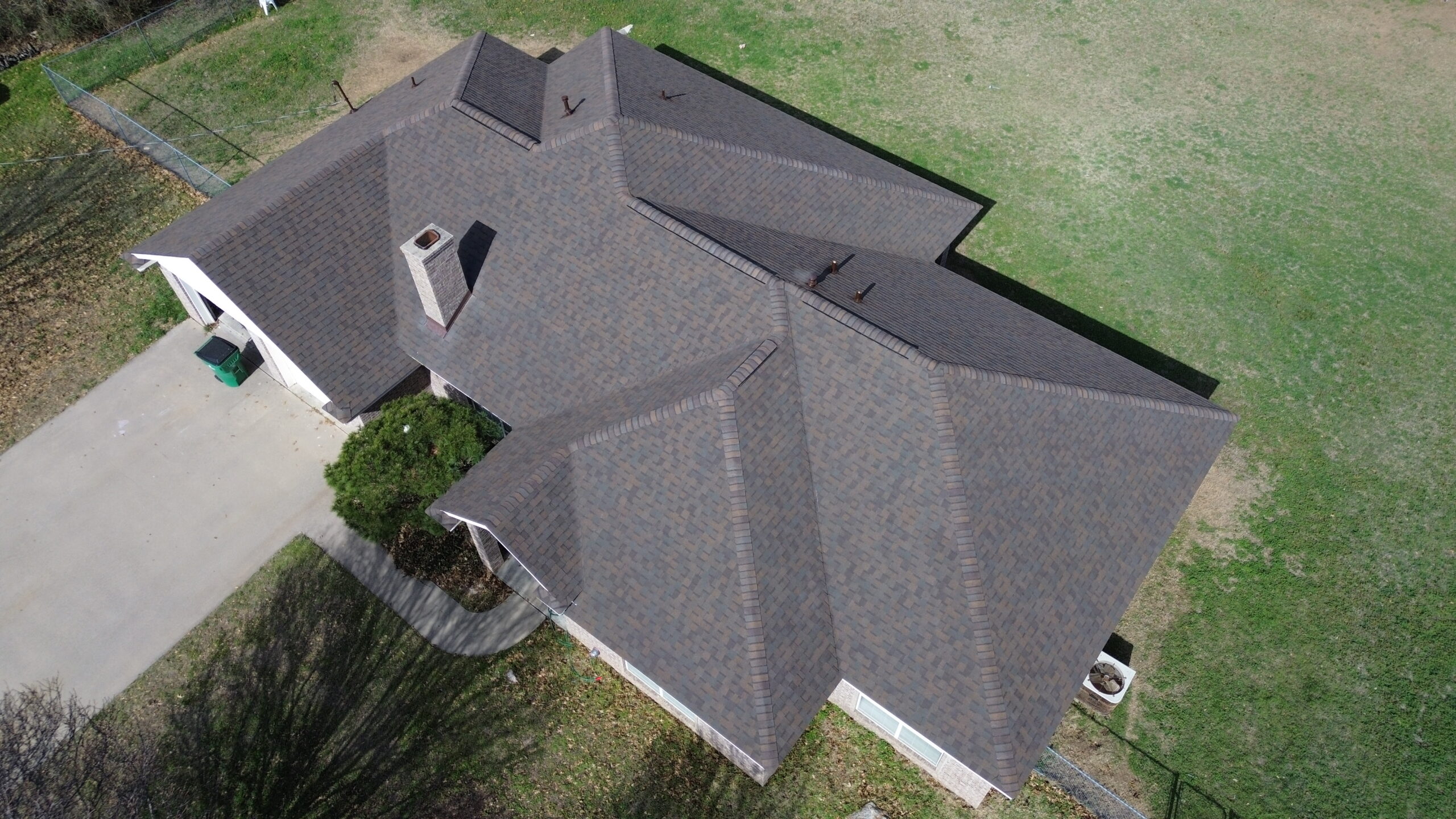
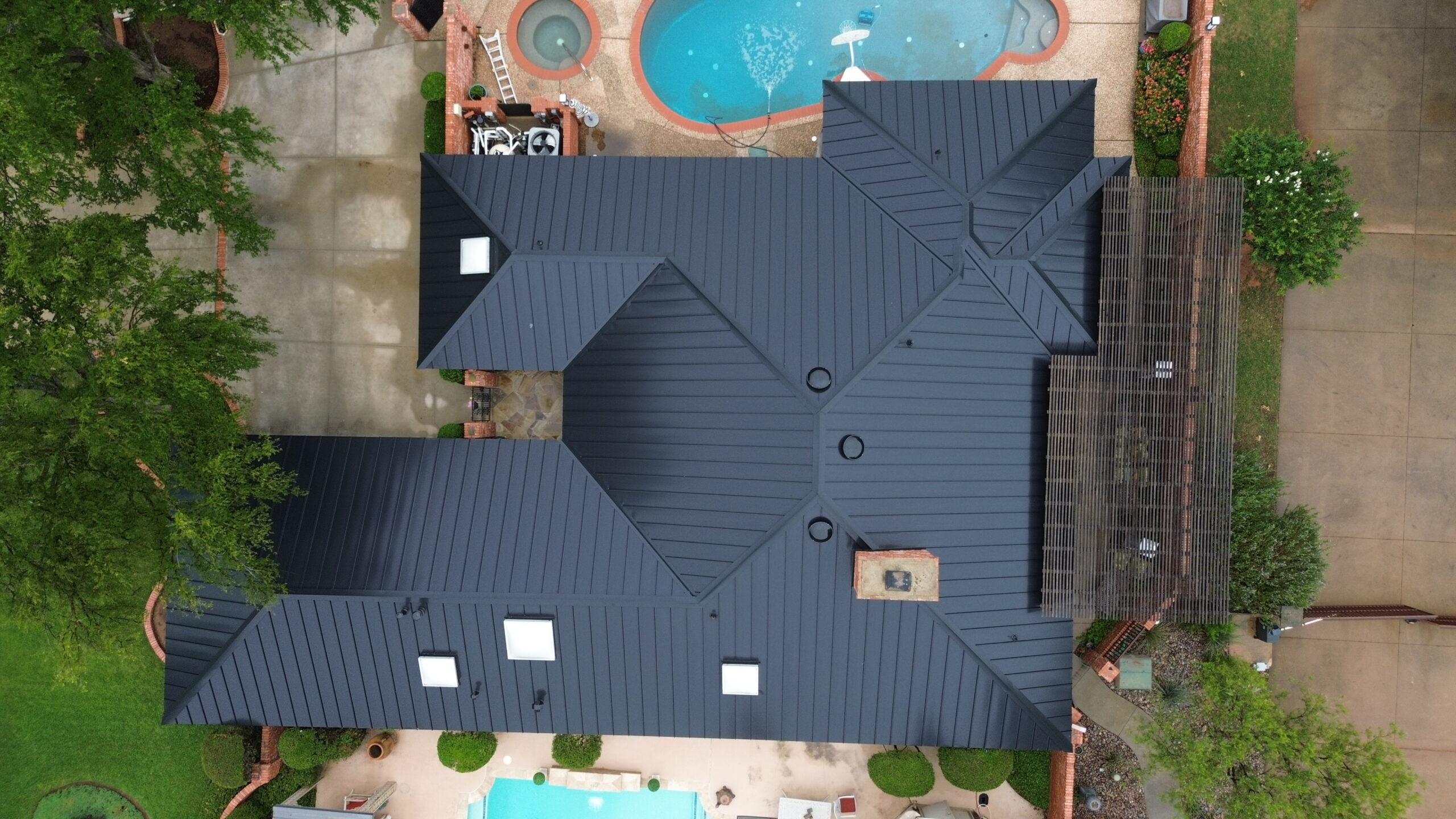
The installation of the new roofing membrane represents the central phase of the replacement project. Every component installed during this stage contributes to the roof’s ability to resist weather, moisture, temperature changes, and daily environmental stresses.
Roofing membranes are positioned according to manufacturer guidelines before attachment begins. Depending on the selected material, membranes may be mechanically fastened, fully adhered, or secured using ballast systems. Proper alignment ensures consistent coverage while reducing stress on seams and attachment points.
Seam quality is especially important because joints often represent the most vulnerable areas of any roofing system. Heat welded seams, adhesive bonded connections, or specialized sealing methods create continuous waterproof barriers when installed correctly. Contractors inspect each seam carefully throughout the installation process.
Flashing installation occurs alongside membrane placement. Flashing protects roof transitions, parapet walls, expansion joints, curbs, and equipment penetrations where water is most likely to enter the building. Careful detailing in these areas significantly improves long term waterproofing performance.
Roof penetrations receive additional reinforcement to maintain watertight seals around pipes, vents, HVAC supports, and electrical conduits. Specialized flashing accessories provide flexibility while accommodating thermal movement during changing weather conditions.
Throughout installation, crews maintain clean work surfaces and protect completed sections from unnecessary foot traffic. Good housekeeping reduces accidental damage while supporting consistent workmanship across the entire roofing system.
Flashing, Edges, Penetrations, and Drainage Components
Even the highest quality roofing membrane depends on properly installed finishing components to achieve reliable waterproofing. Details around roof edges, penetrations, and drainage systems often determine whether the roof performs successfully over the coming decades.
Perimeter edges experience constant exposure to wind uplift forces. Secure edge metal installation helps prevent membrane movement while protecting roof assemblies during severe weather. Strong edge detailing also improves the finished appearance of the completed project.
Flashing around walls and rooftop structures prevents water from entering at changes in elevation. These transitions experience greater movement than flat roof surfaces due to thermal expansion and contraction. Flexible flashing systems accommodate this movement while maintaining waterproof seals.
Drainage components receive careful inspection before final installation. Roof drains, strainers, scuppers, overflow drains, and gutters must function together to remove water efficiently. Contractors verify that each drainage point remains unobstructed before completing surrounding membrane installation.
Expansion joints provide controlled movement between different sections of the building. Proper joint construction prevents structural movement from damaging roofing materials while maintaining continuous waterproof protection. Ignoring expansion joint requirements often leads to premature membrane failure.
Attention to these finishing details distinguishes high quality commercial roof installations from projects that develop recurring maintenance problems shortly after completion.
Weather Challenges During Installation
Weather conditions influence every stage of commercial roof replacement. Even with careful planning, contractors must remain flexible because changing conditions can affect installation quality, worker safety, and project schedules.
Rain presents the greatest challenge during roof replacement because exposed roof sections become vulnerable to water intrusion. Contractors monitor forecasts closely and avoid removing more roofing material than can be safely protected or replaced during the workday.
Strong winds create additional concerns by making membrane handling more difficult. Large roofing sheets can become difficult to control, increasing both safety risks and the possibility of installation defects. Wind may also affect the curing of adhesives or sealants depending on the roofing system.
Temperature variations influence material performance throughout installation. Extremely cold conditions reduce membrane flexibility, while excessive heat may accelerate adhesive curing before proper placement is completed. Contractors adjust work procedures to maintain installation quality under varying environmental conditions.
Humidity also affects certain roofing products. Moisture can interfere with adhesive bonding or introduce condensation beneath roofing components if installation guidelines are not followed carefully. Monitoring environmental conditions helps ensure that materials perform as intended.
Experienced contractors build weather flexibility into the project schedule. Allowing additional time for unexpected delays reduces pressure to rush installation and helps maintain consistent workmanship throughout the replacement process.
Quality Control Throughout the Installation Process
Quality control is not limited to the final inspection after construction ends. Instead, it continues throughout every stage of roof replacement to ensure that each component meets manufacturer specifications and project requirements.
Supervisors perform regular inspections as work progresses. They verify membrane alignment, seam integrity, insulation attachment, flashing installation, drainage details, and overall workmanship before allowing crews to continue with subsequent phases. Early inspections make corrections easier and less expensive.
Manufacturers may also conduct field inspections for projects covered under extended warranty programs. These evaluations confirm that installation procedures comply with approved standards and support long term warranty protection.
Documentation forms another important part of quality assurance. Contractors record inspection findings, repair activities, weather conditions, material batches, and completed work areas throughout construction. Maintaining accurate records provides valuable reference information for future maintenance and warranty claims.
Testing procedures may include seam verification, moisture detection, adhesion testing, and drainage evaluations before project completion. Identifying deficiencies before final acceptance ensures that the finished roof meets both performance expectations and contractual requirements.
Consistent quality control protects everyone involved in the project. Building owners receive a dependable roofing system, contractors demonstrate professional workmanship, and manufacturers gain confidence that their products have been installed according to recommended practices.
Common Execution Challenges and Practical Solutions
Even well planned commercial roof replacement projects encounter challenges during construction. Recognizing these issues early allows contractors to respond effectively without compromising quality or extending project timelines unnecessarily.
Some of the most common execution challenges include:
- Unexpected structural damage discovered after roof removal.
- Sudden weather changes that interrupt installation.
- Delays in material deliveries or equipment availability.
- Hidden moisture affecting insulation or roof decking.
- Coordinating construction around ongoing business operations.
- Maintaining safe access for workers and building occupants.
Successful contractors prepare contingency plans for these situations before construction begins. Proactive problem solving keeps the project moving efficiently while maintaining installation quality, protecting the building from weather exposure, and preparing the roofing system for the final inspection and long term performance evaluation covered in the next part of this guide.
Final Roof Inspection and Quality Assurance
As the installation phase comes to an end, the project enters one of its most important stages. A thorough final inspection confirms that every component has been installed correctly and that the completed roofing system is ready to provide long term protection. This inspection serves as the final opportunity to identify and correct any issues before the project is officially completed.
The inspection begins with a comprehensive visual assessment of the roof surface. Contractors examine the roofing membrane, seams, flashing, edge metal, roof penetrations, expansion joints, and drainage components for proper installation. Every section should meet manufacturer specifications as well as project requirements established during the planning stage.
Attention is also given to the overall appearance of the completed roof. Membranes should be properly aligned, seams should be uniform, flashing should fit securely around rooftop structures, and drainage components should remain unobstructed. Although appearance alone does not determine quality, neat workmanship often reflects careful installation practices.
Contractors verify that all rooftop equipment has been properly reinstalled following membrane installation. HVAC units, vents, antennas, exhaust systems, and other rooftop components should be securely supported without compromising waterproofing around penetrations. Every connection point should maintain a continuous weather resistant seal.
Any remaining construction debris is removed before the inspection concludes. A clean roof surface allows inspectors to identify potential concerns more easily while preventing loose materials from entering drainage systems after the project is completed.
Building owners are often invited to participate in the final walkthrough. Reviewing the completed work together gives owners a better understanding of the roofing system while providing an opportunity to ask questions about maintenance, warranties, and future inspections.
Testing Waterproofing and Drainage Performance
A commercial flat roof cannot be considered complete until its waterproofing and drainage performance have been verified. Even when installation appears visually correct, testing provides additional confidence that the roofing system will perform effectively during actual weather conditions.
Drainage evaluation usually begins by confirming that water flows naturally toward roof drains, scuppers, gutters, and overflow systems. Proper drainage reduces the likelihood of standing water, which can shorten membrane lifespan and increase structural loading after heavy rainfall.
Some projects include controlled water testing to evaluate drainage efficiency. Contractors introduce water in selected areas while observing its movement across the roof surface. This process helps identify low spots or drainage restrictions that may require correction before project completion.
Moisture detection methods may also be used after installation. Electronic leak detection and similar testing technologies help verify membrane integrity without causing damage to the roofing system. These inspections provide additional assurance that seams, flashing, and penetrations have been properly sealed.
Roof penetrations receive particular attention during waterproofing evaluations. Pipes, vents, skylights, HVAC supports, and electrical conduits represent common locations for future leaks if installation details are overlooked. Careful testing around these areas reduces the risk of water intrusion after the building returns to normal operation.
Successful waterproofing verification protects both the building owner and the contractor. Identifying any remaining issues before project acceptance avoids costly repairs later while ensuring that the completed roof performs as designed.
Creating a Post Installation Maintenance Plan
Completing a roof replacement does not eliminate the need for regular maintenance. In fact, the years immediately following installation are an ideal time to establish maintenance routines that help preserve the condition of the new roofing system.
A maintenance plan should begin with scheduled inspections at least twice each year. Spring and autumn inspections allow contractors or facility managers to evaluate the roof after seasonal weather changes while identifying minor concerns before they become expensive repairs.
Cleaning the roof surface is another essential maintenance activity. Leaves, dirt, branches, and other debris can block drainage systems and contribute to standing water. Regular cleaning keeps drains functioning properly while reducing unnecessary stress on the roofing membrane.
Maintenance also includes inspecting rooftop equipment that may affect the roofing system. HVAC servicing, antenna installation, and maintenance work performed by other contractors should always be monitored to prevent accidental membrane damage. Uncontrolled foot traffic remains one of the most common causes of premature roof deterioration.
Documentation plays an important role throughout the maintenance process. Recording inspection dates, observed conditions, completed repairs, and photographs creates a valuable maintenance history. These records support warranty claims while helping owners monitor roof performance over time.
Developing a consistent maintenance routine extends roof lifespan while reducing unexpected repair costs. Small maintenance investments often prevent major structural or waterproofing problems in the future.
Extending the Lifespan of a Commercial Flat Roof
Modern commercial roofing systems are designed to provide decades of reliable service when properly maintained. However, achieving the maximum expected lifespan depends on more than material quality alone. Ongoing care and timely repairs significantly influence long term performance.
Preventive maintenance remains the most effective strategy for extending roof life. Addressing small issues early prevents water intrusion, insulation damage, and structural deterioration that could otherwise spread throughout the roofing system. Regular inspections allow contractors to identify developing problems before they become major failures.
Protecting the roof from unnecessary physical damage is equally important. Maintenance personnel, equipment installers, and service contractors should use designated walk paths whenever possible. Limiting unnecessary foot traffic reduces membrane wear and minimizes the risk of punctures.
Drainage systems should remain clear throughout the year. Standing water places additional stress on roofing materials while increasing the likelihood of membrane deterioration. Keeping drains, gutters, and scuppers free from debris helps maintain proper water flow after every rainfall.
Property owners should also monitor rooftop modifications carefully. Installing new equipment without proper flashing or structural evaluation can compromise the roofing system. Every new penetration should be professionally sealed to preserve waterproofing integrity.
Routine attention allows commercial roofs to reach or even exceed their expected service life. Consistent care provides better long term value than waiting until visible leaks force emergency repairs.
Mistakes Building Owners Should Avoid After Replacement
Many roofing systems fail prematurely because of avoidable mistakes made after installation rather than poor workmanship during construction. Understanding these common errors helps building owners protect their investment for many years.
One frequent mistake is delaying routine inspections. Small membrane defects, loose flashing, or blocked drains often remain unnoticed until leaks appear inside the building. Regular inspections identify these issues while repairs remain relatively simple and affordable.
Another common problem involves hiring unqualified contractors for rooftop work. Electricians, HVAC technicians, communication installers, and maintenance personnel sometimes create roof penetrations without following roofing manufacturer requirements. Improper modifications can void warranties while increasing the risk of future leaks.
Ignoring drainage maintenance also contributes to premature roof deterioration. Even a well designed drainage system cannot function effectively when drains become clogged with leaves, dirt, or construction debris. Routine cleaning should remain part of the building’s maintenance schedule.
Some owners postpone repairing minor damage because it appears insignificant. Small punctures or loose flashing may seem harmless initially, but water intrusion often spreads beneath the roofing membrane before visible signs appear. Prompt repairs protect both insulation and structural components.
Failing to maintain accurate maintenance records can also create unnecessary challenges. Warranty providers often request inspection histories and repair documentation when evaluating claims. Organized records simplify this process while demonstrating responsible roof management.
Signs That Require Immediate Professional Attention
Even a newly installed roof should be monitored for warning signs that may indicate developing problems. Early professional evaluation often prevents relatively small issues from becoming major structural repairs.
The following conditions should never be ignored:
- Water stains appearing on ceilings or interior walls.
- Standing water remaining on the roof long after rainfall.
- Loose or damaged flashing around rooftop equipment.
- Visible membrane punctures, tears, or seam separation.
- Blocked drains, overflowing gutters, or damaged scuppers.
- Unusual movement or settlement affecting rooftop structures.
Responding quickly to these warning signs helps preserve the condition of the roofing system while reducing repair costs. Professional inspections provide accurate diagnosis and ensure that repairs are completed using compatible materials and approved installation methods.
Long Term Cost Benefits of Proper Planning and Execution
Commercial roof replacement represents a significant financial investment, but careful planning and professional execution produce measurable long term returns. Looking beyond the initial installation cost helps property owners appreciate the full value of a properly completed roofing project.
A well installed roofing system reduces the frequency of emergency repairs. Reliable waterproofing protects insulation, structural components, interior finishes, inventory, and equipment from costly water damage. Preventing these losses often saves considerably more than the cost of routine maintenance.
Improved insulation also contributes to lower operating expenses. Modern roofing assemblies reduce unwanted heat transfer, allowing heating and cooling systems to operate more efficiently throughout the year. Lower energy consumption can provide meaningful savings over the roof’s expected lifespan.
Well maintained commercial roofs generally last longer than neglected systems. Extending service life delays the need for another major replacement while improving the return on the original investment. Regular inspections and timely repairs help maximize this long term financial benefit.
High quality roofing systems may also increase property value. Prospective buyers and tenants often view a recently replaced roof as a valuable asset because it reduces immediate maintenance concerns and demonstrates responsible building management.
The combination of fewer repairs, lower utility costs, longer service life, and improved property value makes careful planning one of the most important financial decisions during commercial roof replacement.
Commercial Roof Replacement Best Practices
Following proven best practices improves project outcomes while supporting long term roof performance.
- Begin every replacement project with a comprehensive professional roof inspection.
- Select roofing materials based on building requirements rather than initial cost alone.
- Address structural and drainage problems before installing new roofing materials.
- Work with experienced commercial roofing contractors who follow manufacturer specifications.
- Maintain detailed project documentation, warranties, and maintenance records.
- Schedule routine inspections and preventive maintenance throughout the roof’s lifespan.
- Repair minor damage promptly before it develops into larger structural problems.
- Monitor all rooftop modifications to protect membrane integrity and warranty coverage.
These practices create a structured approach that supports reliable installation, efficient maintenance, and long term protection for commercial buildings of every size.
Frequently Asked Questions
| Question | Answer |
|---|---|
| How long does a commercial flat roof replacement usually take? | Most projects require several days to several weeks depending on roof size, weather conditions, building complexity, and material selection. |
| Can business operations continue during roof replacement? | In many cases, yes. Careful scheduling and communication allow many commercial buildings to remain operational while roofing work progresses. |
| Is it always necessary to remove the existing roof? | Not always. However, complete removal is often recommended when multiple roofing layers, trapped moisture, or structural damage are present. |
| How often should a new commercial roof be inspected? | Professional inspections are generally recommended at least twice each year and after major storms. |
| What is the biggest factor affecting roof lifespan? | Proper installation followed by consistent maintenance has the greatest influence on long term roof performance. |
Conclusion
Commercial flat roof replacement is a major investment that requires careful planning, skilled execution, and consistent long term maintenance. Every stage of the process, from the initial inspection and budgeting phase to the final quality assurance inspection, contributes to the overall performance and durability of the completed roofing system. A well organized project minimizes unexpected costs, reduces business disruptions, and provides reliable protection against changing weather conditions for many years.
Successful replacement projects depend on informed decision making rather than rushed construction. Selecting appropriate materials, addressing structural concerns, improving drainage, following manufacturer installation standards, and maintaining strong communication throughout the project all contribute to better results. These decisions help create a roofing system that performs efficiently while supporting the operational needs of the building.
The work does not end once construction is complete. Routine inspections, preventive maintenance, timely repairs, and careful management of rooftop equipment help preserve waterproofing performance and extend the service life of the roof. Small maintenance efforts performed consistently often prevent expensive repairs and maximize the return on the original investment.
By approaching commercial flat roof replacement as a complete lifecycle project instead of a single construction task, property owners can protect their buildings, improve energy efficiency, reduce maintenance expenses, and gain confidence that their new roofing system will continue performing reliably for decades.