
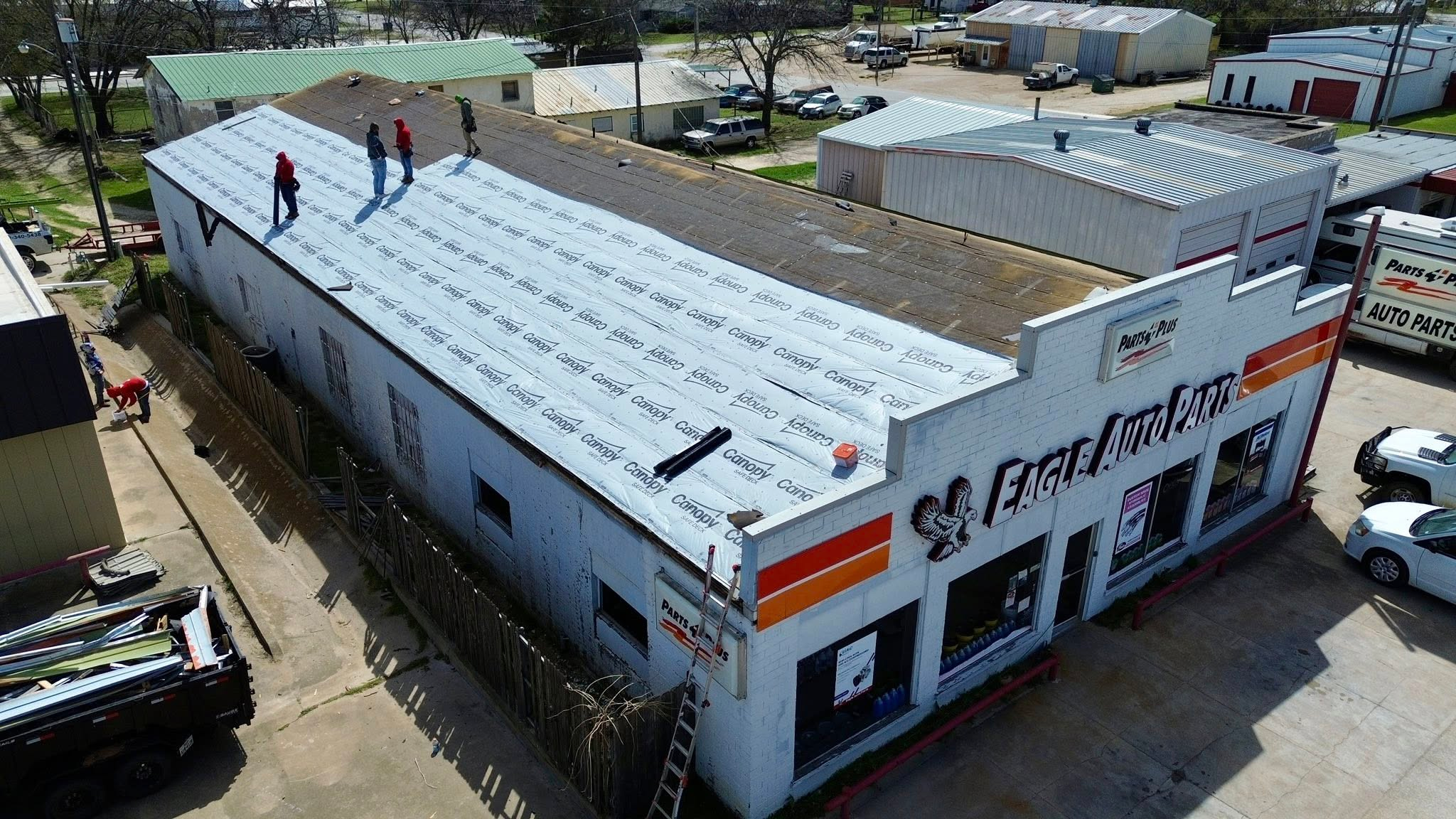
Common Roof Repair Mistakes Homeowners Should Avoid
Introduction
A roof is one of the most important protective systems in any home, shielding the structure and everything inside it from rain, wind, sunlight, snow, and changing weather conditions throughout the year. When roof damage occurs, homeowners naturally want to resolve the problem as quickly and affordably as possible. However, rushing into repairs without proper planning or knowledge often leads to mistakes that increase costs, shorten the roof’s lifespan, and create even more serious structural problems.
Many roofing issues appear simple on the surface. A missing shingle, a small leak, or a loose piece of flashing may seem like minor concerns that require only a quick repair. In reality, roof systems are made up of multiple interconnected components that work together to keep moisture out and maintain structural integrity. Repairing one visible problem without identifying the underlying cause can allow hidden damage to continue spreading beneath the roofing materials.
Some homeowners attempt repairs themselves to reduce labor costs, while others hire contractors without thoroughly checking qualifications or comparing repair recommendations. Although both approaches may seem financially beneficial initially, poor workmanship, incorrect materials, or incomplete repairs often result in repeated maintenance, interior water damage, and expensive restoration projects later.
Roof repair mistakes can also affect warranties, insurance claims, and property value. Improper installation techniques may void manufacturer warranties, while neglected maintenance or undocumented repairs can complicate future insurance claims after severe weather events. Buyers may also become concerned when home inspections reveal poorly executed roof repairs.
Understanding the most common roof repair mistakes helps homeowners make informed decisions whenever roofing problems arise. Careful planning, accurate inspections, quality materials, and professional workmanship all contribute to durable repairs that protect both the home and the homeowner’s financial investment.
This guide explores the mistakes homeowners most frequently make during roof repairs, explains why these errors become expensive over time, and provides practical guidance for achieving safer, longer-lasting roofing solutions.
Why Avoiding Roof Repair Mistakes Saves Money
Roof repairs should be viewed as long-term investments rather than short-term expenses. A repair completed correctly the first time often eliminates the need for repeated service calls, additional materials, and costly structural restoration. Avoiding common mistakes therefore produces significant financial benefits throughout the life of the roofing system.
One of the greatest sources of savings comes from preventing secondary damage. When roofing problems are repaired properly, moisture remains outside the home where it belongs. Incorrect repairs, however, allow water to continue entering beneath roofing materials, gradually affecting insulation, roof decking, ceilings, walls, flooring, and electrical systems. Repairing these additional components frequently costs much more than correcting the original roofing issue.
Proper repairs also reduce labor expenses over time. Repeated attempts to fix the same leak or replace damaged materials increase the total amount spent on maintenance. Investing in durable workmanship initially usually results in fewer future repair visits and lower overall ownership costs.
Quality repairs contribute to improved energy efficiency as well. Correctly installed roofing materials, flashing, and waterproof barriers help maintain attic insulation performance while reducing unwanted air leakage. Lower heating and cooling expenses provide ongoing financial savings throughout the roof’s remaining lifespan.
Avoiding repair mistakes also protects property value. A well-maintained roof gives prospective buyers confidence that the home has been cared for responsibly. In contrast, visible repair problems or evidence of recurring leaks may lead buyers to negotiate lower prices or request additional inspections before completing a purchase.
Another important financial benefit involves preserving manufacturer warranties and insurance eligibility. Following recommended repair methods helps maintain warranty coverage while demonstrating responsible maintenance if future insurance claims become necessary.
Making informed repair decisions therefore protects not only the roof itself but also the homeowner’s long-term financial interests.
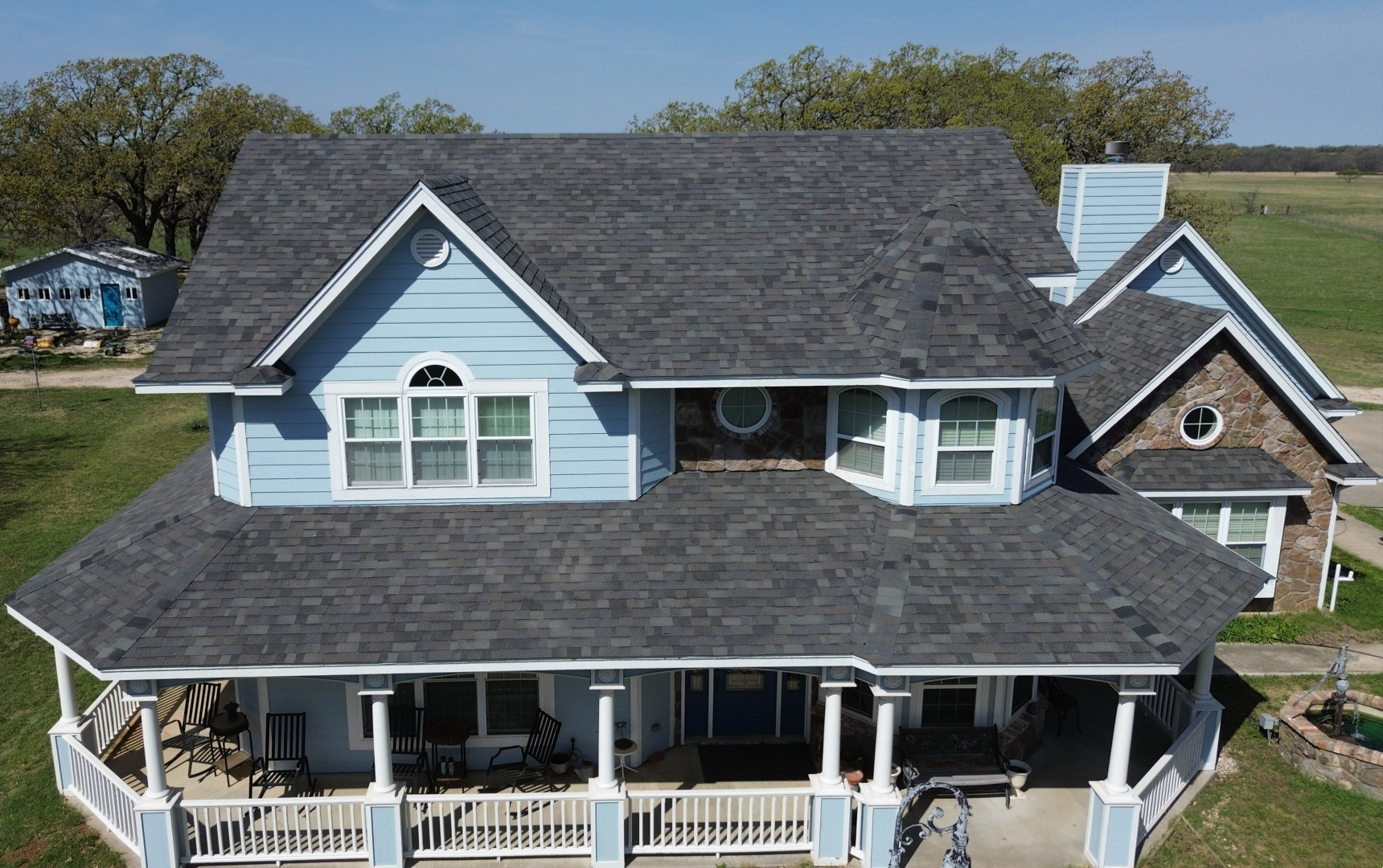
Understanding the Risks of Improper Roof Repairs
Improper roof repairs create risks that extend well beyond the immediate repair area. Because every roofing component functions together as part of a complete weather protection system, mistakes affecting one section often influence the performance of surrounding materials as well.
The greatest risk is continued water intrusion. A repair that addresses only the visible symptom rather than the true source of the problem allows moisture to keep entering beneath the roofing materials. Water trapped inside the roofing system gradually weakens wood components, damages insulation, promotes mold growth, and compromises structural integrity.
Improper installation techniques also reduce the roof’s ability to withstand future weather events. Incorrectly fastened shingles, poorly installed flashing, or incompatible sealants may survive temporarily but often fail during strong winds, heavy rainfall, or seasonal temperature changes. These failures frequently result in larger repair projects than would have been necessary with proper installation.
Safety risks should not be overlooked either. Roofing work involves working at height, handling specialized tools, and moving across potentially unstable surfaces. Inadequate safety practices increase the likelihood of falls, injuries, and accidental property damage during repair projects.
Improper repairs may also create hidden problems that remain undetected for months or even years. Moisture trapped beneath roofing materials can gradually deteriorate roof decking, framing, and insulation before interior warning signs become visible. By the time leaks appear inside the home, structural restoration may already be necessary.
Warranty concerns represent another significant risk. Many roofing material manufacturers require repairs to follow specific installation procedures. Incorrect repair methods or incompatible products may affect future warranty claims if material failures develop later.
Understanding these risks helps homeowners appreciate why quality workmanship and careful planning remain essential regardless of the size of the repair project.
The Most Common Roof Repair Mistakes Homeowners Make
Roof repair mistakes occur for many different reasons, but several errors appear repeatedly among homeowners attempting to solve roofing problems without fully understanding the roofing system. Recognizing these mistakes provides valuable guidance before repair work begins.
One of the most common mistakes is focusing only on visible damage. Homeowners often replace missing shingles or apply sealant to leaking areas without investigating whether moisture has already spread beneath the roofing surface. Treating symptoms instead of causes frequently leads to recurring leaks.
Using incorrect materials is another frequent problem. Roofing systems rely on compatible shingles, flashing, underlayment, fasteners, and sealants designed to function together. Substituting inappropriate products may reduce waterproof performance while accelerating future deterioration.
Delaying repairs also remains a widespread mistake. Small roofing problems rarely improve without intervention. Missing shingles, damaged flashing, or deteriorated sealants allow moisture to enter during every rainfall, gradually increasing both repair complexity and cost.
Poor drainage maintenance contributes to many repair issues as well. Blocked gutters and roof valleys trap water against roofing materials, increasing moisture exposure and shortening the lifespan of surrounding components. Cleaning drainage systems regularly helps prevent these avoidable problems.
Some homeowners also underestimate the importance of professional inspections. Even when damage appears minor, contractors often identify hidden moisture, structural concerns, or ventilation issues requiring attention before repairs can be considered complete.
Attempting repairs during unsuitable weather conditions presents additional challenges. Wet roofing materials, strong winds, or extreme temperatures reduce both safety and repair quality while increasing the likelihood of installation errors.
Understanding these common mistakes encourages homeowners to approach repairs more carefully while emphasizing long-term roof performance rather than temporary solutions.
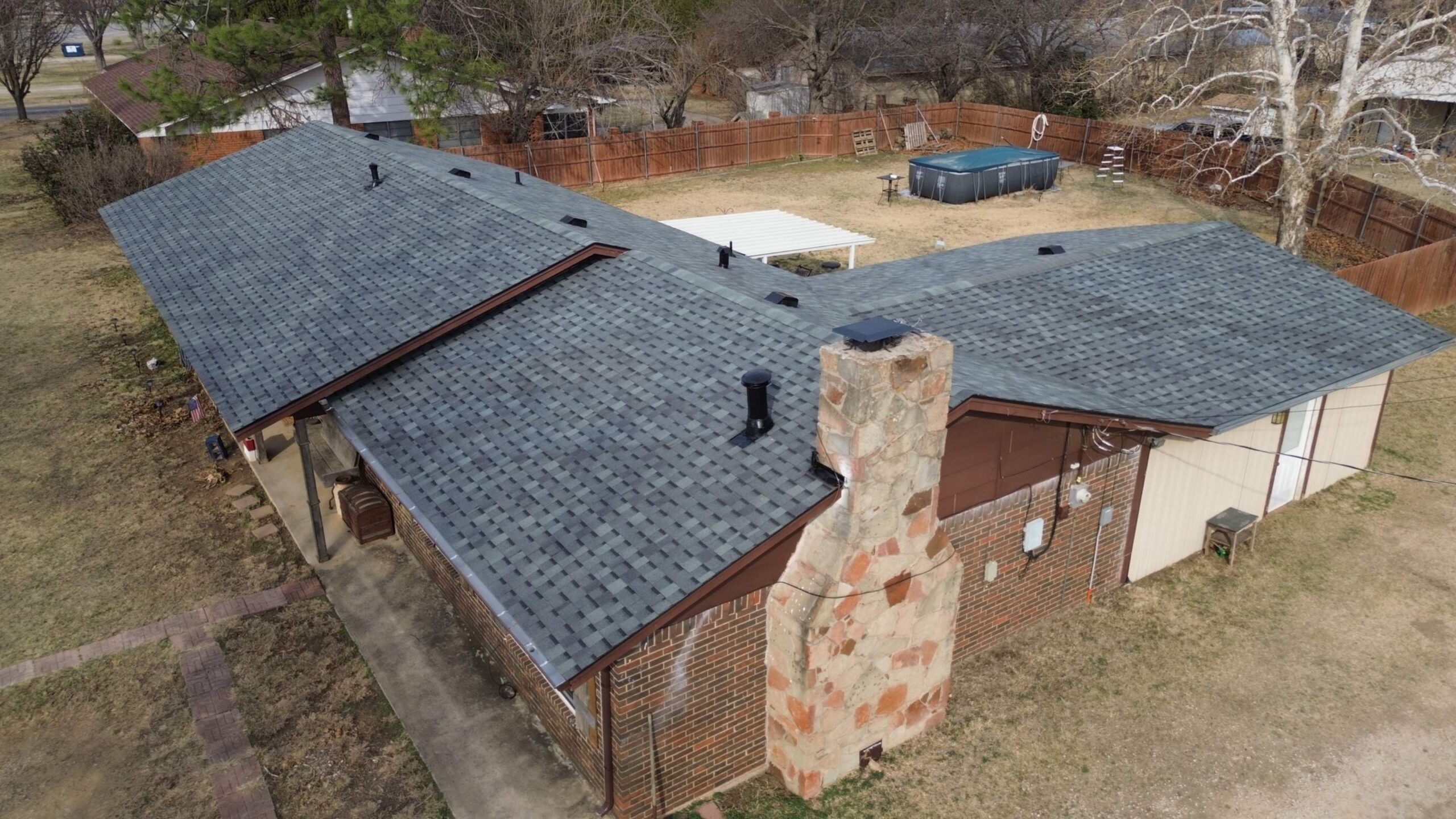
Why Small Roofing Problems Should Never Be Ignored
Many expensive roof repairs begin as relatively minor issues that appeared too small to justify immediate attention. Unfortunately, roofing systems rarely repair themselves, and even small defects create opportunities for gradual structural deterioration if left unresolved.
A single missing shingle illustrates this process clearly. Although only a small section of the roof appears affected, the exposed area allows rainwater to reach underlayment and roof decking during every storm. Continued moisture exposure weakens these hidden components while increasing the repair area over time.
Cracked flashing creates similar concerns. Flashing protects roof penetrations, valleys, chimneys, and skylights where water naturally concentrates. Even small gaps in flashing allow repeated moisture intrusion that often remains invisible until interior damage develops.
Minor sealant deterioration should also receive prompt attention. Roofing sealants gradually lose flexibility because of ultraviolet exposure and changing temperatures. Small cracks expand over time, allowing water to enter beneath surrounding roofing materials.
Blocked gutters represent another example of a seemingly minor problem with potentially major consequences. Restricted drainage causes water to accumulate along roof edges where prolonged moisture exposure damages shingles, fascia boards, and structural components beneath the roof.
Interior warning signs should never be ignored either. Ceiling stains, damp attic insulation, musty odors, or isolated mold growth often indicate roofing issues requiring immediate investigation. Waiting until active leaks become obvious usually results in substantially larger repair costs.
Addressing small roofing problems promptly helps preserve the roof’s waterproof barrier while preventing additional deterioration throughout the rest of the home.
Factors That Lead to Costly Roof Repair Errors
Several underlying factors increase the likelihood of roof repair mistakes. Understanding these influences helps homeowners avoid situations where seemingly reasonable decisions eventually result in expensive corrective work.
Insufficient roof inspections are one of the primary causes of repair errors. Beginning repairs before identifying the full extent of damage often results in incomplete solutions that fail to resolve hidden moisture problems or structural deterioration.
Limited roofing knowledge also contributes to mistakes. Roofing systems involve specialized installation methods that differ among materials such as asphalt shingles, metal roofing, slate, clay tile, and wood shakes. Applying incorrect repair techniques reduces durability while increasing future maintenance requirements.
Budget pressures sometimes encourage homeowners to choose the least expensive repair option without considering long-term value. Lower-quality materials or temporary repairs may reduce immediate costs but frequently require additional work sooner than properly completed repairs.
Time constraints represent another common factor. Emergency leaks often create pressure to complete repairs quickly, increasing the temptation to apply temporary solutions without investigating the underlying cause of the damage. Although emergency measures may occasionally be necessary, permanent repairs should follow as soon as conditions allow.
Hiring contractors without verifying qualifications also increases repair risks. Inexperienced installers may overlook structural concerns, use incompatible materials, or fail to follow recommended installation procedures. Careful contractor selection greatly improves repair quality.
Finally, neglecting preventive maintenance creates conditions where multiple problems develop simultaneously. Roofs receiving regular inspections and routine maintenance generally require fewer emergency repairs while allowing contractors to address issues before they become widespread.
Recognizing these contributing factors helps homeowners make better decisions that improve repair quality while reducing long-term maintenance costs.
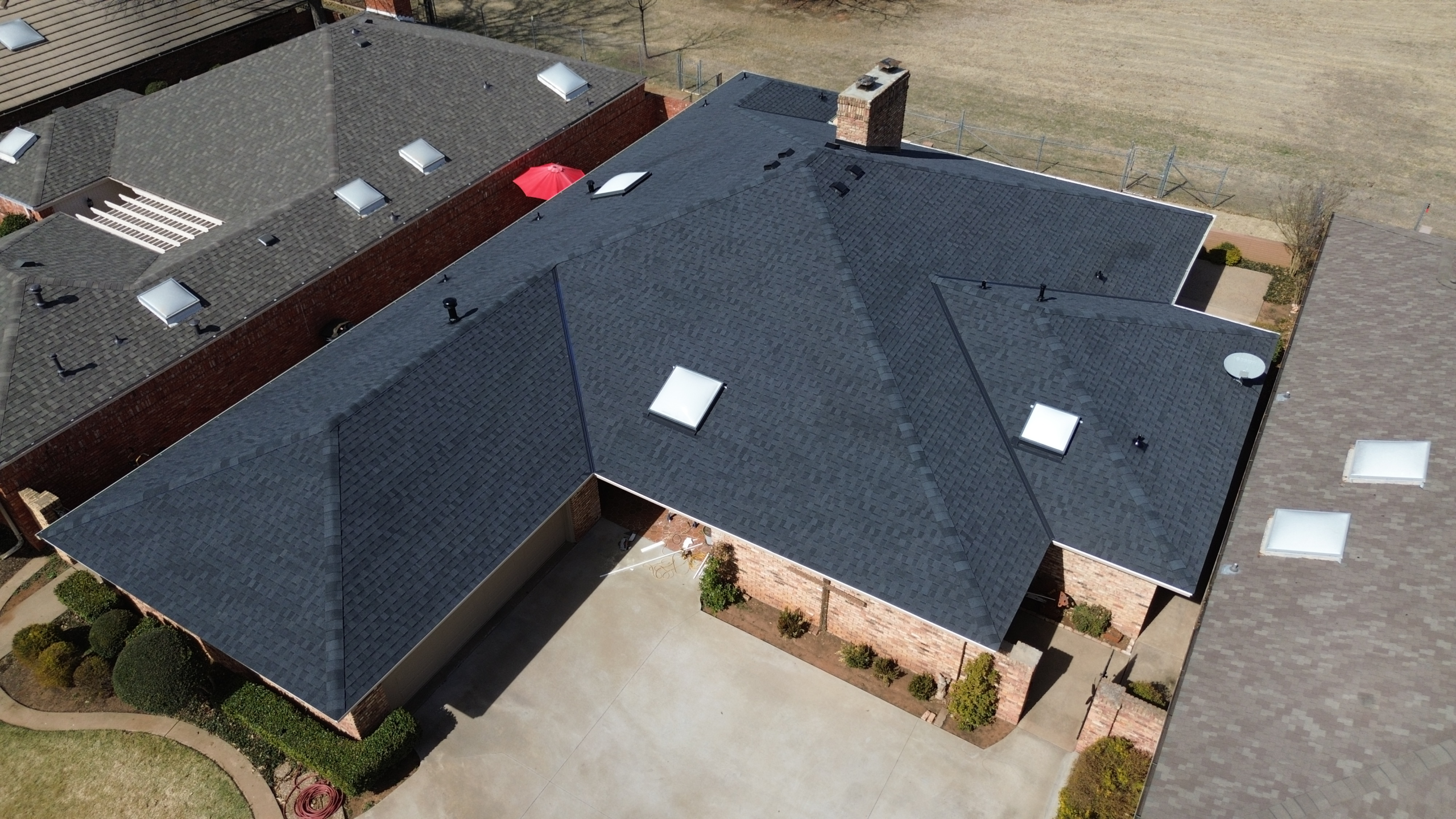
Knowing When a Repair Is Beyond DIY Skills
Completing simple home maintenance projects can provide satisfaction and reduce costs, but roofing repairs require careful evaluation before deciding whether they are appropriate for a do-it-yourself approach. Knowing personal limitations helps prevent mistakes that may compromise both safety and roof performance.
Minor maintenance tasks such as cleaning gutters, removing roof debris, or replacing a small number of accessible shingles may be suitable for homeowners who possess appropriate safety equipment and basic roofing knowledge. Even these relatively simple tasks require careful attention to proper installation methods and safe working practices.
Projects involving active leaks deserve greater caution. Water entering through the roof rarely appears directly beneath its point of entry. Accurately locating the true source of a leak often requires professional inspection because moisture travels beneath roofing materials before becoming visible inside the home.
Structural repairs should almost always be left to experienced roofing contractors. Damaged roof decking, weakened framing, widespread flashing replacement, and repairs involving multiple roofing layers require specialized knowledge to restore waterproof protection and structural integrity correctly.
Roof accessibility also influences whether DIY repairs remain practical. Steep slopes, multi-story homes, limited access, and complex roof designs significantly increase safety risks while making installation more difficult.
Homeowners should also consider the availability of proper tools, materials, and experience. Purchasing specialized equipment for a single repair project may reduce expected savings, while installation errors can easily exceed the cost of hiring qualified professionals from the outset.
Recognizing when professional expertise is needed helps protect both the roofing system and the homeowner from unnecessary financial and safety risks.
The Importance of Proper Roof Inspection Before Repairs
Every successful roof repair begins with an accurate inspection. Without understanding the complete extent of the damage, even well-executed repairs may fail because hidden problems remain untreated beneath the roofing surface.
Professional inspections evaluate far more than damaged shingles. Contractors examine flashing, underlayment, roof decking, ventilation systems, gutters, roof penetrations, structural framing, and signs of moisture intrusion throughout the roofing system. This comprehensive approach ensures repair recommendations address both visible and hidden concerns.
Inspections also distinguish between isolated damage and widespread deterioration. What appears to be a simple leak may actually result from aging flashing, deteriorated underlayment, poor ventilation, or structural movement. Identifying the true cause prevents repeated repairs targeting only the visible symptoms.
Seasonal inspections provide additional value by identifying weather-related damage before it becomes severe. Evaluating the roof after major storms or before changing weather conditions allows homeowners to schedule repairs while damage remains relatively manageable.
Inspection reports support financial planning as well. Contractors can prioritize repairs, estimate future maintenance needs, and recommend preventive measures that reduce long-term ownership costs. This information helps homeowners budget effectively while avoiding unnecessary emergency repairs.
Documentation from inspections also benefits insurance claims and future property sales. Photographs, written assessments, and repair recommendations create a valuable maintenance history demonstrating responsible roof care throughout the life of the home.
Thorough inspections therefore form the foundation of every successful roof repair by ensuring that solutions address the complete problem rather than only the most obvious signs of damage.
Using the Wrong Roofing Materials
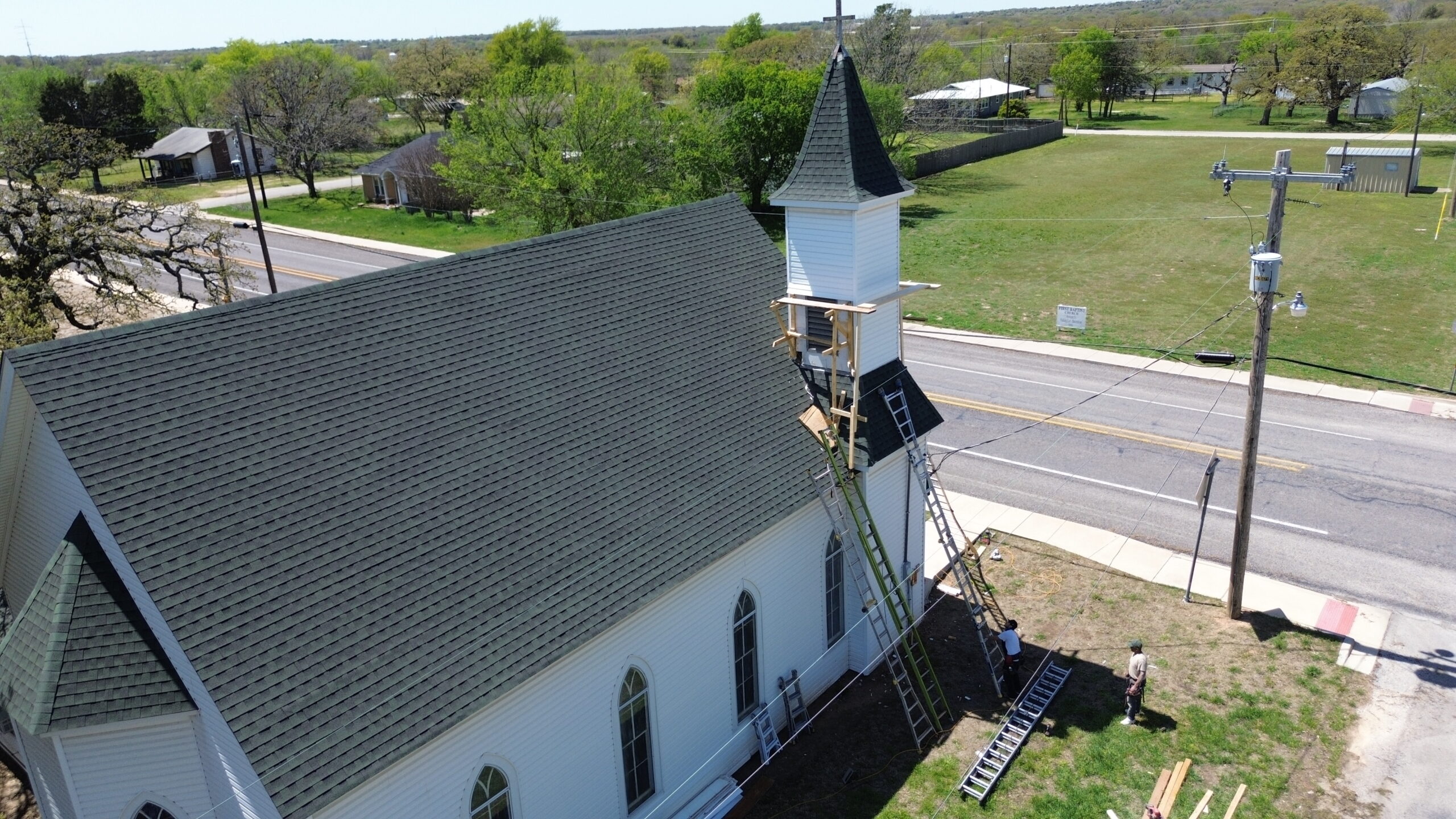
Selecting the correct roofing materials is one of the most important factors in achieving a durable repair. Every roofing system is designed to function as an integrated combination of shingles or panels, flashing, underlayment, fasteners, sealants, and ventilation components. Using products that are not compatible with the existing roof can reduce weather resistance and create new maintenance problems.
Many homeowners assume that any replacement shingle or roofing sealant will solve the problem. In reality, roofing materials differ in thickness, composition, fastening methods, weather resistance, and expected lifespan. Installing materials that do not match the existing roofing system may create uneven performance and increase the likelihood of future leaks.
Sealants are another area where mistakes commonly occur. Using general-purpose construction sealants instead of products designed specifically for roofing applications often results in premature cracking or loss of adhesion. Roofing sealants must withstand prolonged sunlight, heavy rainfall, and repeated temperature changes without losing flexibility.
Fasteners also deserve careful consideration. Nails or screws that are too short, improperly coated, or installed incorrectly may fail to secure roofing materials effectively. Loose fasteners allow shingles or panels to shift during high winds, increasing the risk of water intrusion.
Replacement flashing should also match the existing roofing system. Flashing directs water away from roof penetrations and vulnerable intersections, making compatibility essential for maintaining waterproof protection. Improper flashing materials may corrode, separate from surrounding roofing materials, or create leak pathways over time.
Using high-quality, compatible materials may involve a slightly higher initial investment, but it significantly improves repair durability while reducing the need for repeated maintenance.
Poor Installation Techniques That Cause Future Problems
Even the highest-quality roofing materials cannot perform effectively if they are installed incorrectly. Poor workmanship is one of the leading causes of recurring roof problems because installation mistakes often remain hidden until severe weather exposes weaknesses in the repair.
Incorrect shingle placement is a common example. Shingles must overlap properly to direct water away from the roof surface. Improper alignment creates openings where rain can penetrate beneath the roofing materials, eventually affecting underlayment and roof decking.
Fastener placement is equally important. Nails driven too high, too low, at an angle, or with excessive force reduce the roof’s ability to resist wind uplift. Improper fastening also increases the likelihood of shingles becoming loose during storms.
Flashing installation frequently determines whether repairs remain watertight over the long term. Flashing should be positioned carefully around chimneys, skylights, roof vents, valleys, and other vulnerable areas. Poorly installed flashing allows moisture to bypass the roof’s primary waterproof barrier.
Ignoring manufacturer installation guidelines is another costly mistake. Roofing products are tested according to specific installation procedures that ensure proper performance. Deviating from these recommendations may reduce weather resistance and affect warranty coverage.
Some repairs also fail because damaged materials surrounding the repair area remain in place. Installing new shingles over deteriorated underlayment or weakened roof decking often results in recurring leaks because the underlying problem has not been corrected.
Quality installation combines accurate inspections, proper material selection, careful workmanship, and thorough final inspections. These practices provide repairs that remain durable through changing weather conditions and reduce future maintenance costs.
Ignoring Hidden Roof Damage During Repairs
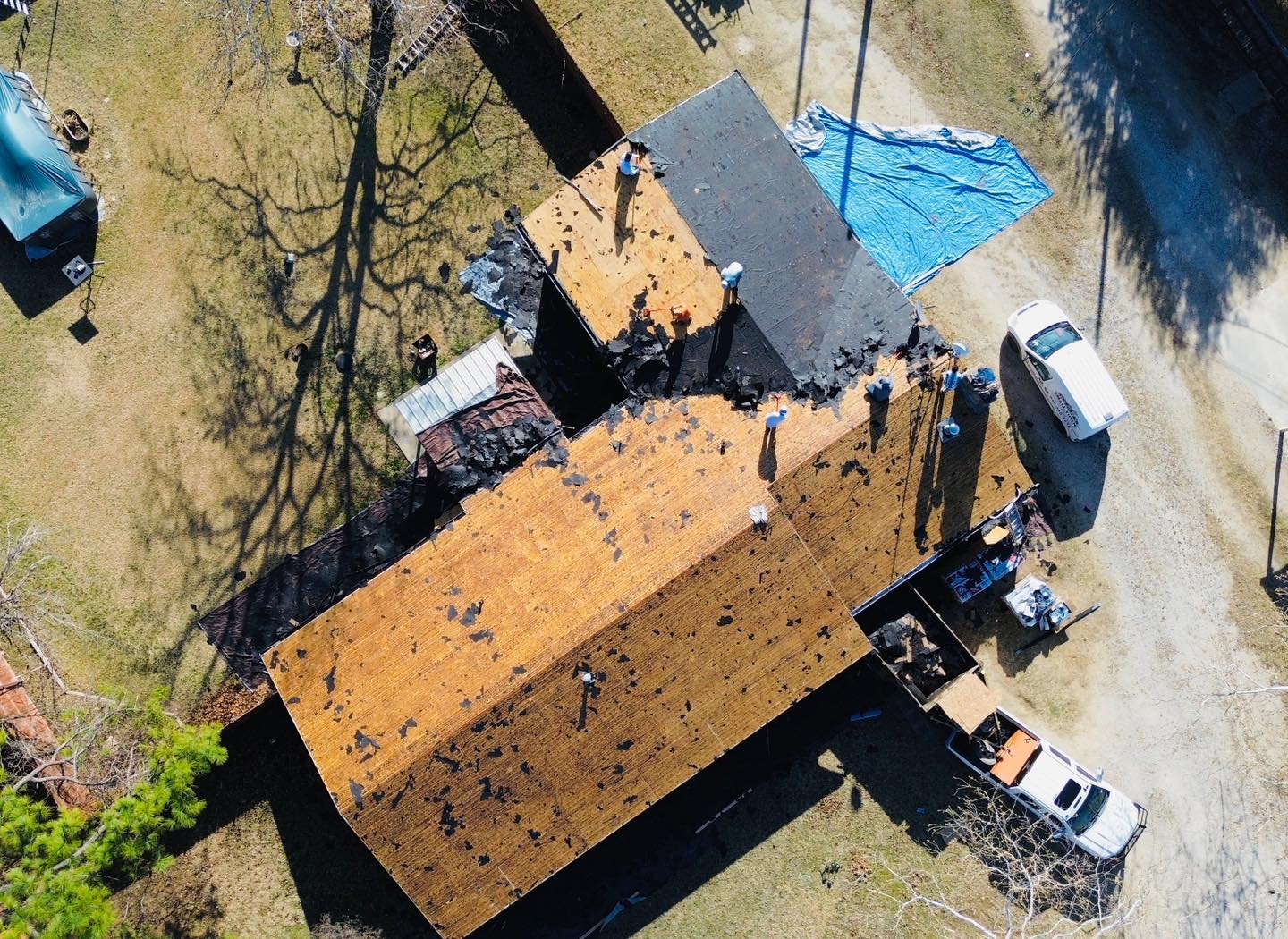
One of the most expensive roof repair mistakes is focusing only on visible damage while overlooking hidden deterioration beneath the roofing surface. Because moisture often travels through multiple roofing layers before becoming visible inside the home, the true extent of damage frequently exceeds what homeowners initially observe.
Roof leaks provide a good example of hidden damage. A water stain on the ceiling may appear directly below the leak, but the actual point where water entered the roof could be several feet away. Moisture travels along roof decking, rafters, and other structural components before reaching interior surfaces.
Underlayment is particularly vulnerable because it serves as the secondary waterproof barrier beneath visible roofing materials. Once moisture reaches this layer, deterioration may continue unnoticed for extended periods. Replacing surface shingles without inspecting the underlayment often results in recurring leaks.
Roof decking also requires careful evaluation during repairs. Prolonged moisture exposure weakens wood, reducing its structural strength and ability to support replacement roofing materials. Installing new shingles over damaged decking creates an unstable foundation that shortens the lifespan of the repair.
Insulation damage should not be overlooked either. Wet insulation loses much of its thermal performance while encouraging mold growth and increasing household energy consumption. Comprehensive repairs often include replacing insulation affected by long-term moisture intrusion.
Professional roofing contractors routinely inspect for these hidden issues before beginning repairs. Their thorough evaluations help ensure that repairs address the complete problem rather than only the visible symptoms.
Ignoring concealed damage may reduce immediate repair costs, but it almost always increases total ownership expenses because structural deterioration continues beneath the repaired surface.
Table: Common Roof Repair Mistakes and Their Consequences
The following table highlights several common roof repair mistakes and the long-term problems they often create.
| Roof Repair Mistake | Immediate Result | Long Term Consequence |
|---|---|---|
| Using incompatible roofing materials | Poor fit and reduced weather resistance | Recurring repairs and shorter roof lifespan |
| Improper shingle installation | Weak waterproof protection | Leaks and wind damage |
| Ignoring hidden moisture damage | Surface appears repaired | Structural deterioration continues |
| Delaying small repairs | Damage spreads gradually | Larger and more expensive restoration projects |
| Poor flashing installation | Water enters vulnerable roof areas | Repeated leaks around roof penetrations |
| Hiring inexperienced contractors | Inconsistent workmanship | Frequent maintenance and possible warranty issues |
| Skipping professional inspections | Hidden problems remain undiscovered | Higher repair costs over time |
Understanding these consequences helps homeowners recognize why careful planning and quality workmanship remain essential for successful roof repairs.
Safety Mistakes Homeowners Often Overlook
Roof repairs involve significant safety risks that many homeowners underestimate. While the financial cost of improper repairs is important, personal safety should always remain the highest priority during any roofing project.
Working on wet roofs is one of the most common safety mistakes. Rain, dew, frost, or loose debris reduce traction, increasing the likelihood of slips and falls. Even experienced roofing professionals avoid working under unsafe weather conditions whenever possible.
Using inadequate ladders or placing them incorrectly also creates unnecessary hazards. Ladders should be positioned on stable ground and secured properly before climbing onto the roof. Improper ladder use contributes to many home maintenance injuries each year.
Some homeowners overlook the importance of personal protective equipment. Appropriate footwear with good traction, gloves, eye protection, and fall protection systems help reduce injury risks during roofing work. Professional roofing crews follow strict safety practices because roof surfaces remain hazardous even during routine maintenance.
Walking on damaged sections of the roof presents another danger. Moisture-weakened roof decking or deteriorated structural components may not safely support body weight. Areas showing signs of sagging or extensive deterioration should be evaluated carefully before anyone attempts repairs.
Electrical hazards also require attention. Overhead power lines, rooftop electrical equipment, and hidden wiring near repair areas increase project complexity. Maintaining safe distances and recognizing electrical risks remain essential during roof maintenance.
Recognizing these safety concerns helps homeowners determine when professional assistance provides both safer working conditions and higher-quality repair results.
Why Hiring Unqualified Contractors Can Increase Costs
Selecting the right roofing contractor has a major influence on both repair quality and long-term maintenance expenses. Although choosing the lowest estimate may appear financially attractive, hiring unqualified contractors often results in repeated repairs, additional labor costs, and avoidable structural damage.
Inexperienced contractors may misdiagnose roofing problems by repairing only visible damage while overlooking moisture intrusion beneath the roofing surface. Without identifying the true source of leaks, repairs often fail after the next period of heavy rain.
Poor workmanship also contributes to higher costs. Incorrect flashing installation, improper shingle alignment, inadequate fastening, or incompatible materials reduce repair durability. Homeowners frequently pay for the same repair multiple times because the original work did not resolve the underlying problem.
Unqualified contractors may also lack appropriate insurance or licensing where required. If property damage or injuries occur during the repair project, homeowners could face unexpected financial responsibilities depending on local regulations and contract terms.
Communication problems create additional challenges. Contractors who fail to provide detailed written estimates, inspection findings, warranty information, or maintenance recommendations make it more difficult for homeowners to understand the repair scope and compare available options.
Professional roofing contractors generally provide comprehensive inspections, explain repair recommendations clearly, use quality materials, and stand behind their workmanship. These qualities contribute to more reliable repairs while reducing long-term ownership costs.
Careful contractor selection should therefore be viewed as an investment in both roof performance and financial protection rather than simply another project expense.
How Proper Repairs Improve Long Term Roof Performance
Every well-executed roof repair contributes to the long-term health of the entire roofing system. Rather than simply correcting immediate damage, quality repairs restore the roof’s ability to protect the home from weather while slowing future deterioration.
Proper repairs maintain waterproof integrity by eliminating leak pathways before moisture reaches structural components. Repaired flashing, secure shingles, effective sealants, and properly installed underlayment work together to prevent water intrusion during heavy rainfall and storms.
Structural preservation represents another important benefit. Addressing moisture damage promptly protects roof decking, rafters, insulation, and interior finishes from gradual deterioration. Preventing structural damage significantly reduces future repair costs while extending the roof’s overall lifespan.
Quality repairs also improve weather resistance. Correct installation techniques strengthen the roof’s ability to withstand wind, temperature fluctuations, ultraviolet exposure, and seasonal weather changes. Durable repairs reduce the likelihood of recurring maintenance after future storms.
Energy efficiency benefits as well. Dry insulation, properly sealed roof penetrations, and effective attic ventilation help maintain stable indoor temperatures while reducing heating and cooling demands. Improved energy performance contributes to lower utility expenses over many years.
Routine inspections following repairs further enhance long-term performance by confirming that replacement materials continue functioning correctly. Monitoring repaired areas allows contractors to identify developing issues before they become widespread maintenance concerns.
Ultimately, proper repairs protect far more than the damaged section of the roof. They preserve the performance of the entire roofing system, improve property value, reduce lifetime maintenance expenses, and provide homeowners with greater confidence that their roof will continue protecting the home through every season.
How Preventive Maintenance Helps Avoid Repair Mistakes
Preventive maintenance is one of the most effective ways to avoid common roof repair mistakes because it allows homeowners to identify and correct small problems before they become complicated restoration projects. Rather than waiting for visible leaks or structural damage, routine maintenance focuses on preserving the roof’s condition through regular inspections and timely repairs.
Professional roof inspections play a central role in preventive maintenance. Contractors examine shingles, flashing, underlayment, gutters, roof penetrations, ventilation systems, and structural components to identify early signs of wear. Discovering these issues before they worsen reduces the likelihood of rushed decisions and incomplete repairs.
Routine cleaning is equally important. Leaves, branches, dirt, and debris accumulate on roofs and inside gutters throughout the year, restricting drainage and increasing moisture retention. Removing this debris regularly helps prevent water damage while extending the lifespan of roofing materials.
Seasonal inspections also improve maintenance planning. Evaluating the roof before heavy rainfall, snow, or storm seasons allows homeowners to complete necessary repairs while weather conditions remain favorable. This proactive approach reduces emergency situations that often lead to hurried or temporary repairs.
Preventive maintenance encourages better financial planning as well. Homeowners who budget for annual inspections and minor repairs are less likely to postpone maintenance because of unexpected costs. Timely repairs generally remain more affordable than correcting widespread structural damage caused by neglected roofing issues.
By treating maintenance as an ongoing responsibility rather than responding only after damage appears, homeowners significantly reduce the risk of making costly roof repair mistakes.
Insurance and Warranty Issues Caused by Poor Repairs
Improper roof repairs can create complications that extend beyond the repair itself by affecting insurance claims and manufacturer warranties. Understanding these potential consequences helps homeowners appreciate the importance of following recommended repair practices.
Many roofing manufacturers provide warranties covering defects in roofing materials, but these warranties often require proper installation and compatible repair methods. Using incorrect materials or failing to follow manufacturer guidelines may affect future warranty protection if roofing components fail prematurely.
Insurance claims may also become more difficult when repairs are performed improperly. If storm damage occurs after poor-quality repairs have already compromised the roofing system, insurance adjusters may need to determine whether the damage resulted from the covered event or from previous maintenance issues. Clear documentation and professional workmanship help simplify this evaluation.
Routine inspections provide valuable records that support both warranties and insurance claims. Inspection reports, repair invoices, photographs, and maintenance histories demonstrate responsible ownership while documenting the roof’s condition before future weather events occur.
Homeowners should also retain copies of contractor warranties covering workmanship. These warranties provide additional protection if installation-related issues develop after repairs have been completed. Reviewing warranty terms before approving repairs helps clarify responsibilities if future problems arise.
Another consideration involves maintenance requirements. Some warranties require regular inspections or maintenance throughout the roof’s lifespan. Neglecting these responsibilities may affect warranty coverage even if repairs were originally completed correctly.
Maintaining organized documentation and selecting qualified roofing professionals strengthen both warranty protection and insurance preparedness while reducing long-term financial risk.
Financial Consequences of Common Roof Repair Errors
Roof repair mistakes often appear inexpensive initially because they may reduce immediate labor or material costs. However, these short-term savings frequently disappear as recurring repairs, structural damage, and additional restoration work gradually increase total ownership expenses.
Repeated repairs represent one of the largest financial consequences. Temporary fixes or incomplete repairs may solve visible symptoms for a short period but often fail to eliminate the underlying problem. Homeowners eventually pay multiple times for labor, materials, and inspections that could have been avoided through a properly completed repair.
Structural damage significantly increases repair costs as well. Water entering through poorly repaired roofing materials spreads beneath the roof, affecting underlayment, decking, insulation, framing, ceilings, drywall, flooring, and electrical systems. Restoring these additional components often costs several times more than the original roof repair.
Energy expenses may also increase. Damaged roofing systems reduce insulation effectiveness and allow conditioned indoor air to escape, forcing heating and cooling systems to work harder throughout the year. Higher utility bills become an ongoing financial consequence of unresolved roofing problems.
Property value can also be affected. Prospective buyers often request roof inspections before purchasing a home. Visible repair mistakes, recurring leaks, or evidence of poor workmanship may reduce buyer confidence and influence property negotiations.
Emergency repairs further increase financial pressure. Roofs weakened by improper repairs are generally less capable of withstanding severe weather, increasing the likelihood of urgent maintenance after storms. Emergency service often involves higher labor costs because repairs require immediate attention.
Investing in quality repairs from the beginning consistently produces better long-term financial outcomes than relying on repeated temporary solutions.
Building Better Roof Maintenance Habits
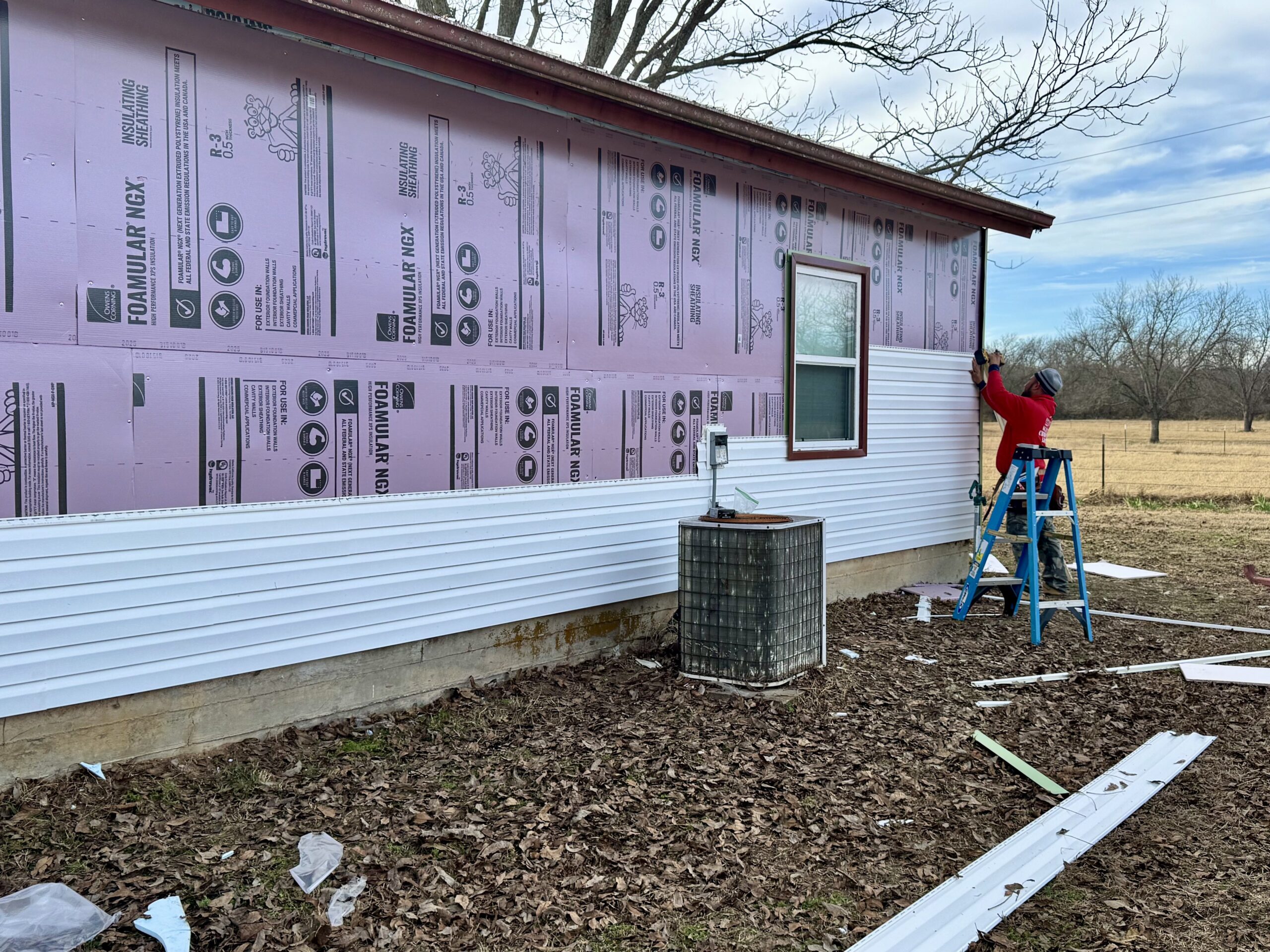
Developing consistent roof maintenance habits helps homeowners reduce repair frequency while avoiding many of the mistakes discussed throughout this guide. Effective maintenance is not based on reacting to emergencies but on creating regular routines that preserve roof performance year after year.
Scheduling annual professional inspections provides the foundation for good maintenance habits. Experienced contractors identify developing concerns before they become visible inside the home, allowing repairs to remain relatively simple and affordable. Additional inspections following severe storms further strengthen this preventive approach.
Homeowners should also perform routine visual observations from the ground. Looking for missing shingles, damaged flashing, sagging roof sections, blocked gutters, or debris accumulation helps identify obvious concerns between professional inspections. Any unusual changes should prompt further evaluation.
Keeping gutters and downspouts clean remains one of the simplest yet most valuable maintenance practices. Efficient drainage protects roofing materials by directing rainwater away from vulnerable roof areas while reducing moisture exposure.
Maintaining complete repair records also contributes to better long-term planning. Inspection reports, invoices, warranty documents, contractor recommendations, and photographs create a valuable maintenance history that supports future repairs, insurance claims, and property sales.
Finally, homeowners should respond promptly whenever problems are discovered. Delaying repairs often transforms minor maintenance into major restoration, increasing both repair complexity and overall cost.
Strong maintenance habits create a proactive approach that extends roof lifespan while reducing unnecessary financial and structural risks.
Practical Tips to Avoid Roof Repair Mistakes
Following a few consistent practices can significantly improve repair quality and reduce long-term maintenance costs.
- Schedule professional roof inspections every year and after severe weather events.
- Repair minor roofing problems immediately before they develop into larger structural issues.
- Always use roofing materials that match the existing roofing system and manufacturer recommendations.
- Verify the qualifications, experience, and reputation of roofing contractors before hiring them.
- Keep gutters, downspouts, and roof valleys clean to maintain proper drainage.
- Inspect the attic regularly for moisture, mold, water stains, or ventilation concerns.
- Maintain organized records of inspections, repairs, warranties, and contractor information.
- Prioritize permanent repair solutions instead of relying on temporary fixes whenever possible.
These practical habits help homeowners protect both the roof and the overall structure of the home.
Steps to Ensure Every Roof Repair Is Done Correctly
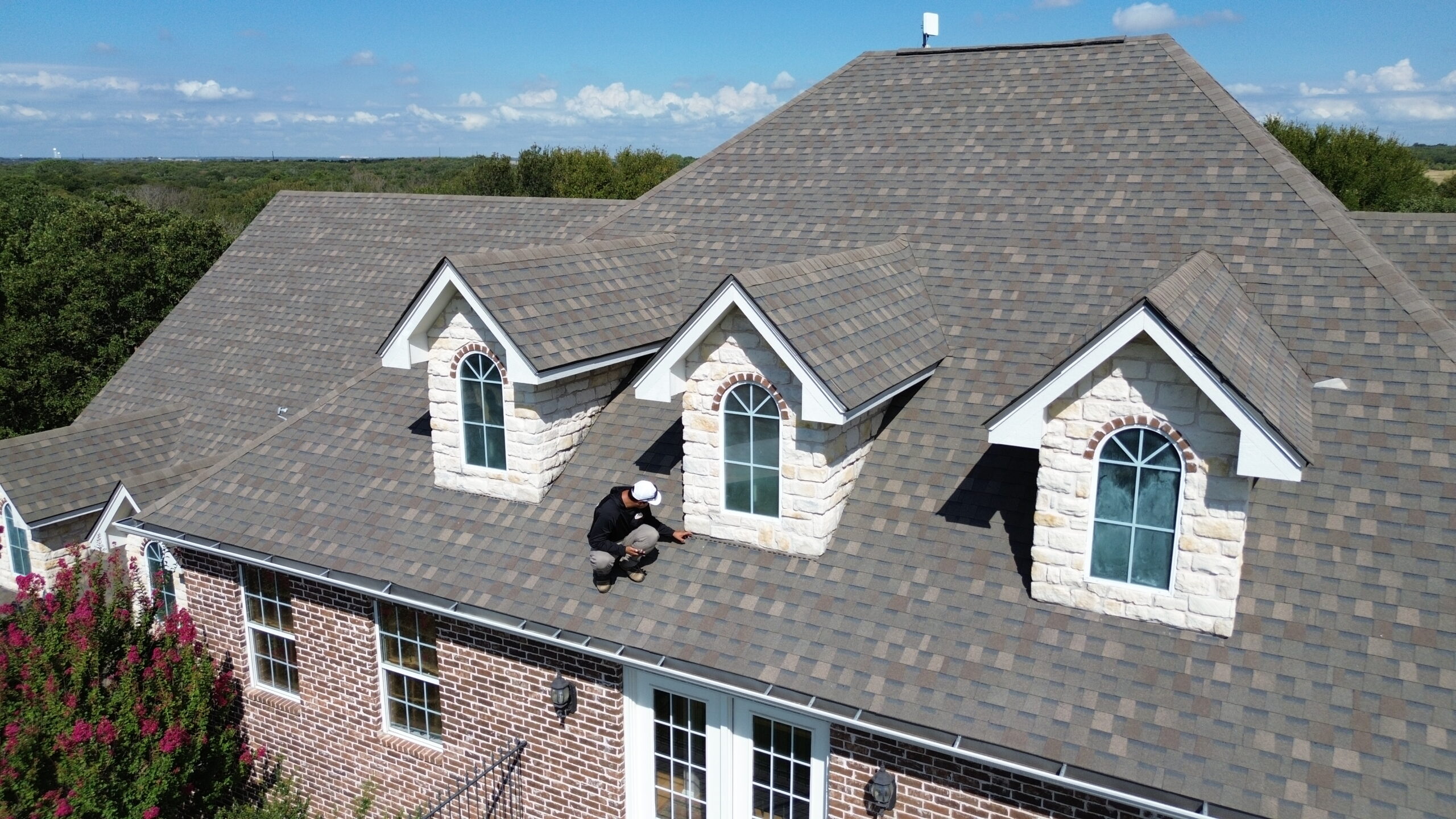
A structured approach reduces the likelihood of repair mistakes and improves long-term roof performance.
- Inspect the roof carefully or arrange a professional inspection to identify both visible and hidden damage.
- Determine the true source of the problem before selecting a repair method.
- Choose roofing materials that are compatible with the existing roofing system.
- Obtain detailed written estimates from qualified roofing contractors when professional repairs are required.
- Verify that repairs follow manufacturer installation recommendations and local building requirements.
- Inspect completed repairs to confirm proper installation and waterproof protection.
- Keep copies of inspection reports, warranties, invoices, and photographs for future reference.
- Continue regular maintenance and seasonal inspections to monitor repaired areas and prevent future problems.
Following these steps creates a consistent repair process that minimizes errors while extending the lifespan of the roofing system.
Conclusion
Roof repair mistakes can have consequences that extend far beyond the damaged area because every component of a roofing system works together to protect the home from weather and moisture. Errors such as using incompatible materials, overlooking hidden damage, delaying repairs, choosing inexperienced contractors, or applying improper installation techniques often result in recurring leaks, structural deterioration, higher utility costs, and expensive restoration work. Understanding these common mistakes allows homeowners to make more informed decisions whenever roof repairs become necessary.
Preventive maintenance remains the most effective strategy for avoiding costly repair errors. Regular inspections, prompt attention to developing problems, clean drainage systems, and organized maintenance records help preserve roof performance while reducing the likelihood of emergency situations. Homeowners who invest in preventive care generally experience fewer major repairs and lower long-term ownership costs.
Professional workmanship also plays an essential role in successful roof repairs. Experienced roofing contractors understand how to diagnose underlying problems, select appropriate materials, follow proper installation methods, and restore the roof’s waterproof integrity. Although professional repairs may involve higher initial costs than temporary solutions, they often provide greater long-term value by reducing repeated maintenance and extending roof lifespan.
Financial planning further strengthens roof maintenance by allowing homeowners to respond quickly when repairs are needed. Budgeting for inspections, routine maintenance, and occasional repairs reduces the temptation to postpone necessary work or rely on short-term fixes. This proactive approach protects both the roofing system and the property’s overall value.
Ultimately, avoiding common roof repair mistakes requires careful planning, quality workmanship, regular inspections, and a commitment to long-term maintenance rather than temporary solutions. By understanding the causes of roofing problems, recognizing personal limitations, selecting qualified professionals, and maintaining consistent preventive care, homeowners can protect their investment, reduce repair costs, extend the lifespan of their roof, and ensure reliable protection for their home throughout every season.