
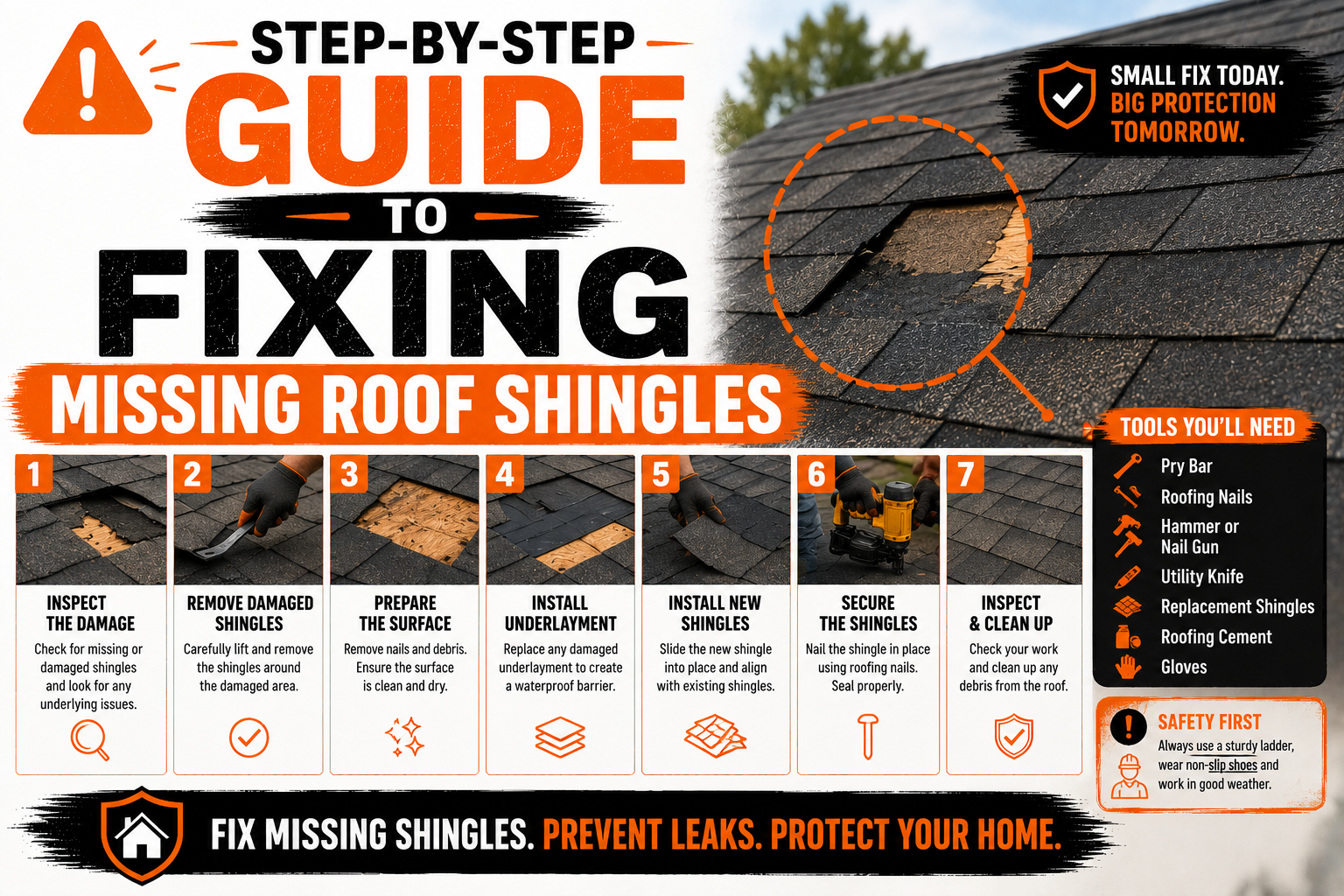
Step-by-Step Guide to Fixing Missing Roof Shingles
Introduction
Missing roof shingles may appear to be a minor issue, especially if only one or two shingles have been blown away during a storm. However, every missing shingle exposes the roofing system to weather conditions it was designed to resist. Even a small uncovered section can allow moisture, wind, and sunlight to reach vulnerable layers beneath the roof surface.
Asphalt shingles work together as an overlapping system rather than as individual pieces. Each shingle helps protect the roof deck, underlayment, and surrounding shingles from water intrusion while distributing wind loads across the roof. When one shingle goes missing, nearby shingles lose part of their support and become more susceptible to future damage.
Many homeowners delay replacing missing shingles because no leaks are immediately visible inside the home. Unfortunately, roof leaks often develop gradually rather than appearing after the first rainfall. Water may travel beneath the roofing materials, spread across the underlayment, and reach structural components long before ceiling stains or damp insulation become noticeable.
Prompt repairs help preserve the roof’s ability to shed water and resist strong winds. Replacing missing shingles quickly also reduces the likelihood of additional roofing materials becoming loose during future storms. Addressing the problem early is usually far less expensive than repairing widespread structural damage caused by prolonged exposure.
Before beginning any repair, it is important to understand the condition of the surrounding roofing system. Missing shingles may simply be the result of a recent windstorm, or they may indicate broader issues such as aging materials, installation defects, or hidden roof deterioration. A careful inspection helps determine the most appropriate repair approach.
This guide explains how to assess missing roof shingles, identify the underlying cause of the damage, gather the proper tools and materials, and prepare for a safe and effective repair. Understanding these early steps provides a solid foundation before replacing any roofing materials.
Why Missing Roof Shingles Should Never Be Ignored
A missing shingle creates much more than a visible gap on the roof. It exposes underlying components that normally remain protected from sunlight, rain, and changing weather conditions. The longer these materials remain uncovered, the greater the likelihood of additional damage developing.
The first layer affected is usually the underlayment. Although underlayment provides temporary protection against moisture, it is not designed for prolonged exposure to direct sunlight and severe weather. Continuous ultraviolet radiation gradually weakens the material, reducing its ability to keep water out of the roof structure.
Roof decking also becomes vulnerable once the protective shingle layer is gone. Rainwater reaching the decking can be absorbed into the wood, allowing moisture to spread beneath surrounding shingles. This hidden moisture may remain unnoticed until structural damage becomes more advanced.
Wind creates another significant concern. The edges of neighboring shingles become exposed after one shingle is lost, making them easier to lift during future storms. What begins as a single missing shingle can quickly expand into a much larger repair if additional shingles detach.
Temperature changes further increase the risk of deterioration. Roofing materials expand and contract throughout the year, and exposed areas experience these cycles more directly than protected sections. This repeated movement gradually weakens surrounding shingles and adhesive seals.
Interior damage often develops slowly. Water entering through a small opening may travel along roof decking, rafters, or insulation before becoming visible inside the home. By the time ceiling stains appear, moisture may have already affected several structural components.
Energy efficiency may also decline when moisture reaches attic insulation. Wet insulation loses much of its thermal resistance, forcing heating and cooling systems to work harder to maintain comfortable indoor temperatures.
Replacing a missing shingle promptly helps restore the roof’s protective barrier while preventing these secondary problems from developing. Early action almost always reduces both repair complexity and long-term maintenance costs.
Common Causes of Missing Roof Shingles
Roof shingles rarely disappear without an underlying reason. Identifying the cause of the damage helps determine whether replacing the missing shingles alone will solve the problem or whether additional repairs are needed.
Strong winds remain one of the most common causes of missing shingles. During severe storms, uplift forces develop beneath the roofing materials and gradually weaken adhesive strips. If wind speeds become strong enough, shingles may tear away from the roof entirely.
Hailstorms also contribute to shingle loss. Although hail does not always remove shingles immediately, repeated impacts can fracture the asphalt surface, weaken the fiberglass reinforcement, and reduce the shingle’s ability to withstand future wind events.
Natural aging plays a major role as well. Asphalt shingles gradually lose flexibility after years of exposure to sunlight and changing temperatures. As the material becomes brittle, shingles are more likely to crack, tear, or detach during storms.
Improper installation frequently leads to premature shingle failure. Incorrect nail placement, insufficient fasteners, poor alignment, or failure to follow manufacturer installation guidelines reduce the roof’s resistance to wind uplift. Even high-quality shingles cannot perform properly if they are installed incorrectly.
Deteriorating adhesive strips also contribute to missing shingles. Over time, the adhesive bond between overlapping shingles weakens, making it easier for strong winds to lift individual shingles away from the roof.
Tree branches represent another common source of damage. Falling limbs or repeated contact with overhanging branches can loosen shingles or create small tears that eventually lead to complete shingle loss.
Poor roof maintenance increases the likelihood of missing shingles as well. Minor problems such as loose flashing, clogged gutters, or damaged shingles often worsen over time when regular inspections are neglected.
Roofing materials nearing the end of their expected lifespan naturally become more vulnerable to storm damage. If missing shingles appear across multiple sections of an older roof, the problem may reflect overall roof deterioration rather than isolated storm damage.
Determining the cause of shingle loss helps homeowners choose the most appropriate repair strategy while reducing the likelihood of future roofing problems.
Understanding How Missing Shingles Affect the Roofing System
A roofing system functions as a series of interconnected layers that work together to protect the home. When one shingle is removed, the effects extend well beyond the exposed area itself. Every layer beneath the missing shingle becomes more vulnerable to weather exposure.
Shingles provide the primary barrier against rain, snow, wind, and sunlight. Once this protective layer disappears, the underlayment becomes the first line of defense. While underlayment helps prevent immediate leaks, it is intended only as a secondary moisture barrier.
Prolonged exposure to weather gradually reduces the effectiveness of the underlayment. Ultraviolet radiation causes many underlayment materials to deteriorate, while repeated wetting and drying cycles weaken their protective properties.
Roof decking sits directly beneath the underlayment and provides structural support for the roofing system. If water bypasses the underlayment, the decking begins absorbing moisture. Continued exposure may eventually cause swelling, softening, or warping of the wood.
Neighboring shingles are also affected. Without the overlapping support provided by the missing shingle, adjacent shingles experience greater wind pressure and increased movement during storms. Their adhesive seals may weaken more rapidly, increasing the likelihood of additional shingle loss.
Fasteners securing nearby shingles carry greater stress once surrounding materials are missing. Nails and adhesive strips designed to distribute wind loads evenly across the roof become less effective, making future wind damage more likely.
Water rarely travels straight downward after entering the roof. Instead, it often follows roof decking, framing members, or insulation before eventually appearing inside the home. This hidden movement makes locating roof leaks much more difficult than many homeowners expect.
Because the roofing system functions as a complete assembly, replacing missing shingles promptly helps preserve the performance of every layer beneath them. Delaying repairs allows small problems to spread into larger structural concerns.
Assessing Roof Damage Before Beginning Repairs
Before replacing a missing shingle, it is important to determine whether the surrounding roof remains structurally sound. Installing a new shingle without evaluating the condition of nearby materials may only provide a temporary solution if hidden damage already exists.
Begin by observing the roof from the ground using binoculars if necessary. Look for additional missing shingles, lifted edges, curled shingles, damaged flashing, or uneven roof surfaces. Damage extending beyond the missing shingle often indicates that broader repairs may be required.
Inspect the area surrounding the missing shingles for loose roofing materials. Adjacent shingles should remain securely attached and lie flat against the roof surface. Lifted or creased shingles may have experienced wind damage even if they have not detached completely.
Check gutters and downspouts for excessive roofing granules. Large amounts of granules collected after a storm may indicate that surrounding shingles have suffered additional weather-related deterioration. Granule loss reduces the roof’s ability to resist ultraviolet radiation and moisture.
If the attic is safely accessible, inspect the underside of the roof for water stains, damp insulation, mold, or visible daylight entering through the roof. These signs often reveal hidden moisture problems that are not yet visible inside the living space.
Examine roof penetrations near the damaged area as well. Flashing around chimneys, plumbing vents, skylights, and roof valleys should remain tightly sealed. Water entering through these locations may be mistaken for damage caused by missing shingles.
Consider the age of the roof before beginning repairs. If the roofing system is approaching the end of its expected service life and multiple shingles are missing or deteriorating, a more comprehensive evaluation may be appropriate.
Carefully assessing the roof before replacing missing shingles helps ensure that repairs address both the visible damage and any underlying conditions that contributed to the problem.
Tools, Materials, and Safety Equipment You’ll Need
Successful roof repairs begin with proper preparation. Having the necessary tools, replacement materials, and safety equipment available before starting the project improves efficiency while reducing unnecessary interruptions.
The replacement shingles should match the existing roof as closely as possible. Differences in size, style, thickness, or color may affect both the appearance and performance of the repaired section. Using compatible materials helps maintain the integrity of the roofing system.
Roofing nails designed for asphalt shingles are essential for secure installation. These fasteners provide adequate holding strength while minimizing the risk of damage to surrounding materials during installation.
A flat pry bar is commonly used to remove damaged shingles and loosen fasteners without disturbing adjacent roofing materials. Careful removal helps preserve surrounding shingles that remain in good condition.
A roofing hammer or nail gun may be used depending on the repair method and manufacturer recommendations. Whichever fastening method is selected, proper nail placement remains critical for long-term performance.
Roofing sealant may be needed to secure replacement shingles when adhesive strips have been disturbed. Using products compatible with asphalt shingles helps restore weather resistance around the repaired area.
Safety equipment is equally important. Sturdy footwear with slip-resistant soles, protective gloves, safety glasses, and a properly secured ladder all contribute to a safer working environment. Roof repairs should never be attempted during wet, icy, or windy conditions.
Preparing everything in advance allows the repair process to proceed more smoothly while reducing unnecessary time spent on the roof. Careful preparation also supports better workmanship and improves the durability of the completed repair.
Understanding the causes of missing shingles, evaluating the overall condition of the roof, and gathering the proper materials establishes a strong foundation for a successful repair. With this preparation complete, the actual replacement process becomes much more organized and effective while reducing the likelihood of overlooking hidden roofing problems.
Preparing the Roof for Shingle Replacement
Proper preparation is one of the most important parts of a successful roof repair. Installing a replacement shingle without preparing the surrounding area can reduce the effectiveness of the repair and shorten the lifespan of the new material. Taking time to inspect and prepare the roof helps create a stronger and more durable result.
Begin by choosing suitable weather conditions for the repair. A dry day with little wind provides a safer working environment and allows roofing materials to remain clean throughout the installation process. Wet or icy roofs increase the risk of slipping while making it more difficult for sealants to perform properly.
Inspect the damaged section carefully before removing any remaining roofing materials. Pieces of torn shingles, loose nails, broken sealant, or storm debris should be identified so they can be removed without damaging nearby shingles. Working methodically reduces the chance of creating additional problems during the repair.
Clean the exposed section of the roof before installing the replacement shingle. Dirt, leaves, loose granules, and other debris may prevent the new shingle from lying flat against the roof surface. A clean repair area also improves the effectiveness of roofing sealants when they are required.
Examine the surrounding shingles for signs of cracking, curling, or lifted edges. Neighboring shingles often experience the same weather conditions that caused the missing shingle. If several nearby shingles show significant deterioration, replacing only one shingle may not provide a lasting solution.
Inspect the exposed underlayment for damage. Small tears, punctures, or signs of prolonged moisture should be addressed before installing replacement shingles. Covering damaged underlayment without repairing it first may allow hidden leaks to continue beneath the new roofing material.
Check the roof decking whenever it is visible. The surface should feel firm and remain free from soft spots, excessive warping, or moisture damage. Structural concerns should always be corrected before proceeding with shingle replacement.
Organizing tools within easy reach also improves efficiency. Limiting unnecessary movement across the roof reduces wear on existing shingles while helping maintain a safer working environment.
Careful preparation creates the foundation for a repair that restores both the appearance and the weather resistance of the roofing system.
Step-by-Step Process for Replacing Missing Roof Shingles
Replacing a missing asphalt shingle requires patience and attention to detail. Every step contributes to restoring the roof’s ability to shed water while maintaining a secure connection between the surrounding shingles.
The repair process generally follows these steps:
Begin by carefully loosening the shingles directly above the missing section. Since asphalt shingles overlap one another, lifting the upper course provides access to the fastening points that hold the replacement shingle in place. Care should be taken to avoid cracking older shingles that may have become brittle with age.
Remove any remaining nails or damaged roofing material from the exposed section. Loose fasteners, torn shingle fragments, or deteriorated sealant should be cleared before the new shingle is positioned. Leaving damaged materials behind can interfere with proper installation.
Inspect the exposed underlayment once more before continuing. If it shows signs of moisture damage or tearing, repairs should be completed before installing the replacement shingle. The underlayment serves as an important secondary barrier against water intrusion.
Position the new shingle so it aligns with the surrounding roofing pattern. Proper alignment ensures that overlapping layers continue directing rainwater toward the gutters while maintaining a consistent appearance across the roof.
Secure the replacement shingle using the recommended number of roofing nails placed in the correct locations. Proper nail placement helps distribute wind forces while reducing the risk of future shingle movement.
Lower the loosened upper shingles back into position after fastening the replacement shingle. The overlapping design restores the roof’s protective barrier and helps conceal the fastening points beneath the upper course.
Apply roofing sealant where appropriate if existing adhesive strips have been disturbed. This helps reestablish the bond between overlapping shingles until normal weather conditions allow the roofing materials to settle naturally.
Inspect the completed repair from several angles before leaving the roof. The replacement shingle should lie flat, align with neighboring shingles, and integrate smoothly into the existing roofing pattern.
Although the process appears straightforward, every step contributes to the long-term durability of the repair. Careful workmanship greatly improves the roof’s ability to withstand future weather conditions.
Common Mistakes to Avoid During Shingle Repairs
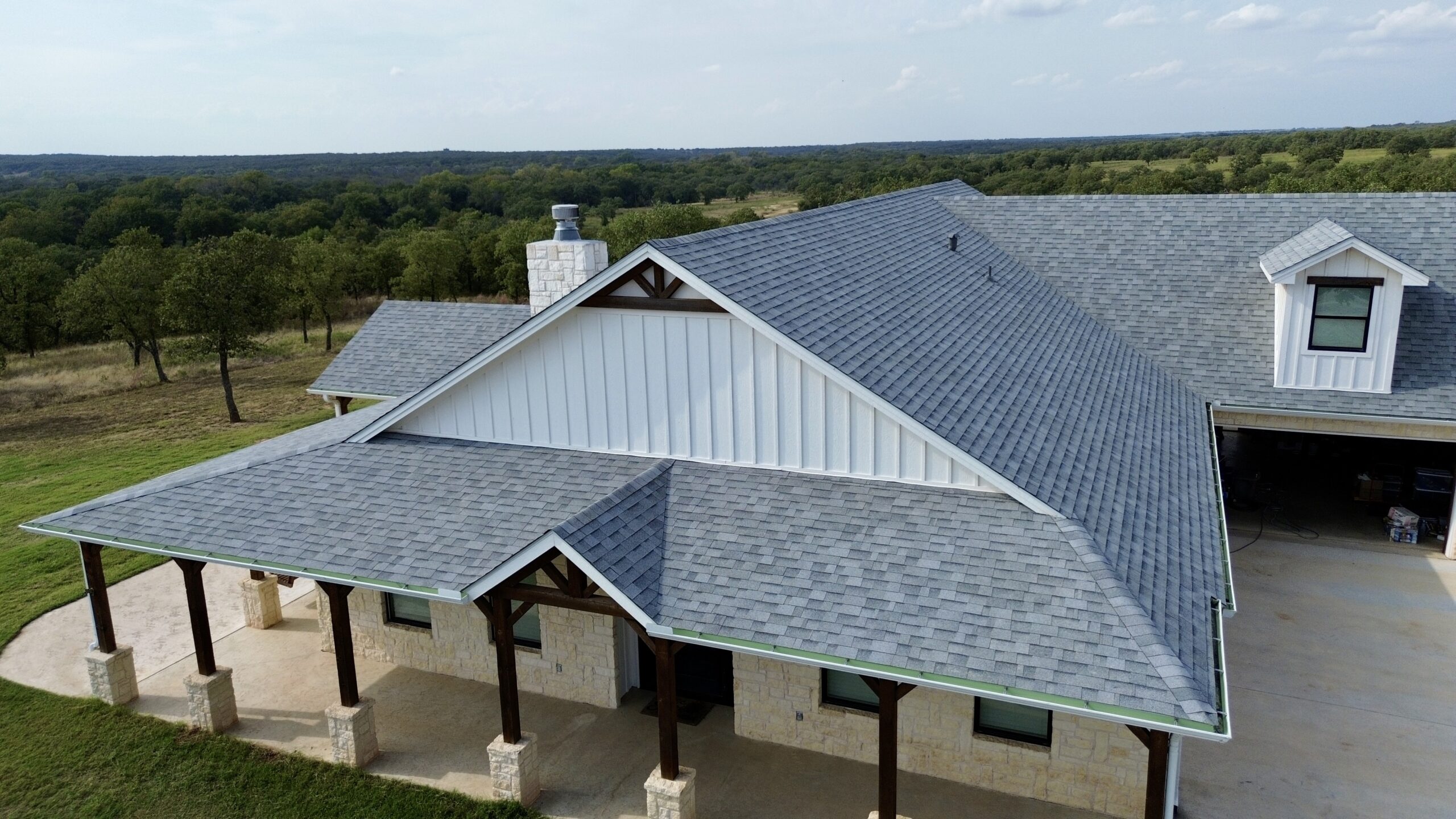
Even relatively small roof repairs can become less effective when common installation mistakes occur. Understanding these errors helps homeowners appreciate the importance of careful workmanship throughout the repair process.
One of the most frequent mistakes is replacing the missing shingle without investigating why it was lost. A shingle blown away during a storm may indicate broader issues such as weakened adhesive strips, loose flashing, or aging roofing materials. Ignoring these underlying causes increases the likelihood of repeated damage.
Incorrect nail placement is another common problem. Nails positioned too high, too low, or driven at improper angles reduce the shingle’s resistance to wind uplift. Manufacturer installation guidelines should always be followed to maintain proper performance.
Using mismatched shingles may also create complications. Differences in thickness, profile, or size can affect how shingles overlap and shed water. Matching the existing roofing materials as closely as possible improves both appearance and function.
Applying excessive roofing sealant is another mistake. Sealant should supplement proper installation rather than compensate for poor workmanship. Too much sealant may interfere with drainage or make future repairs more difficult.
Some homeowners overlook damaged underlayment beneath the missing shingle. Installing a new shingle over compromised underlayment leaves hidden moisture problems unresolved. Every exposed layer should be evaluated before replacement begins.
Ignoring surrounding shingles is equally risky. Neighboring shingles often experience similar weather exposure and may already show signs of lifting, curling, or granule loss. Focusing only on the missing shingle may overlook developing problems nearby.
Working during poor weather conditions creates additional challenges. Strong winds, rain, or wet roofing surfaces increase safety risks while reducing the quality of the repair. Favorable weather contributes to both safer working conditions and better installation results.
Skipping the final inspection is another avoidable mistake. A careful review of the completed repair helps confirm that shingles remain properly aligned, securely fastened, and fully integrated into the surrounding roofing system.
Avoiding these common errors improves the reliability of the repair while reducing the chance of future roofing problems.
How to Check for Hidden Damage Beneath Missing Shingles
A missing shingle often exposes more than the roof surface itself. Hidden damage may already exist beneath the exposed area, making careful inspection an essential part of every repair.
The underlayment should be examined first. Tears, punctures, discoloration, or prolonged moisture exposure indicate that water has already reached the roof’s secondary protective layer. Minor damage may be repairable, while extensive deterioration may require broader roof work.
Roof decking deserves equally careful attention. Soft wood, swelling, discoloration, or visible warping suggests that moisture has penetrated beyond the shingles. Healthy decking should remain solid and stable throughout the repair area.
Fastener condition provides another useful clue. Rusted roofing nails often indicate long-term moisture exposure beneath the shingles. Corrosion weakens the fasteners while suggesting that water may have been entering the roof for an extended period.
Inspect nearby flashing around chimneys, vents, skylights, or roof valleys whenever these features are close to the damaged section. Flashing failures sometimes contribute to shingle loss by allowing moisture beneath surrounding roofing materials.
The attic can provide valuable evidence as well. Water stains, damp insulation, mold growth, or musty odors often reveal hidden roof leaks before they become visible inside living areas. Interior observations help confirm whether moisture has already entered the roof structure.
Neighboring shingles should also be checked from beneath whenever possible. Moisture trapped beneath adjacent shingles may indicate that the affected area extends beyond the visibly missing roofing material.
Carefully identifying hidden damage before installing replacement shingles helps ensure that repairs address the true condition of the roofing system rather than simply covering the visible problem.
When a Simple Repair Is No Longer Enough
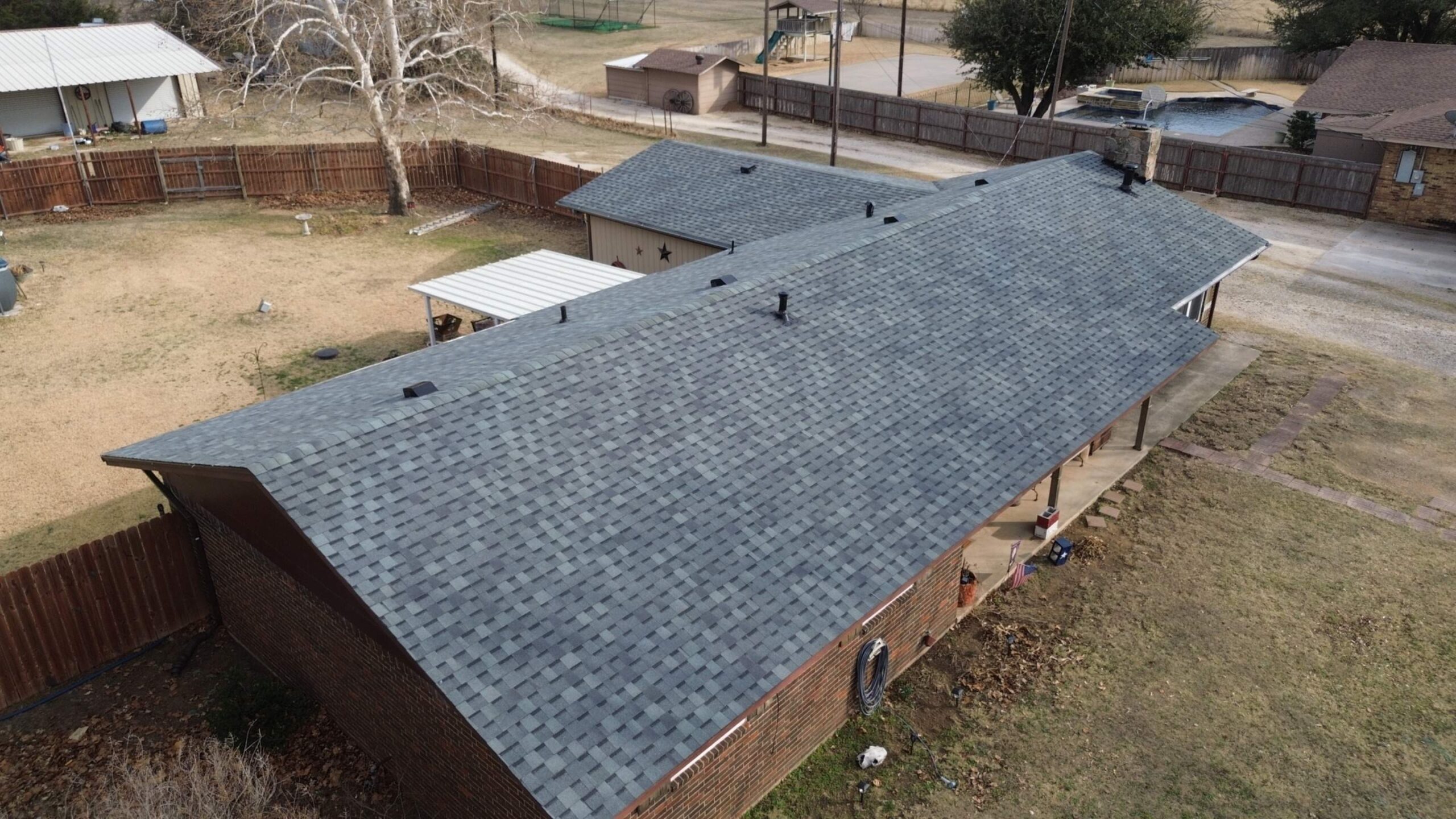
Not every missing shingle can be resolved with a straightforward replacement. In some situations, broader deterioration within the roofing system makes more extensive repairs or roof replacement the better long-term solution.
One important factor is the overall age of the roof. Asphalt shingles nearing the end of their expected service life often experience widespread brittleness, granule loss, curling, and weakened adhesive seals. Replacing isolated shingles may provide only temporary improvement if the remaining roof continues deteriorating.
The number of missing shingles also matters. A single missing shingle after a severe storm usually differs from multiple missing shingles spread across several roof sections. Widespread damage often indicates that the roof’s overall wind resistance has declined significantly.
Hidden structural damage changes the repair decision as well. Moisture-damaged roof decking, deteriorated underlayment, weakened framing, or mold growth cannot be corrected simply by installing new shingles. These conditions require more comprehensive repairs.
Repeated shingle loss from the same roof area should also be investigated carefully. Recurring damage often suggests unresolved installation problems, poor ventilation, flashing defects, or unusual wind exposure affecting that section of the roof.
Insurance inspections and professional roof evaluations may reveal additional concerns that are not immediately visible. Comprehensive inspections help determine whether localized repairs will provide reliable long-term protection.
Energy efficiency may also decline if attic insulation has become saturated due to prolonged roof leaks. Addressing only the missing shingles without correcting moisture-related issues leaves the home’s thermal performance compromised.
Long-term value should always be considered alongside immediate repair costs. While replacing one or two shingles may seem less expensive initially, repeated repairs on an aging roof often become more costly than investing in a properly installed replacement roof.
| Roof Condition | Typical Findings | Recommended Approach |
|---|---|---|
| Isolated missing shingles | Surrounding shingles remain secure and in good condition | Replace missing shingles and inspect nearby materials |
| Localized storm damage | Several shingles missing within one roof section | Repair affected area and evaluate adjacent shingles |
| Moderate roof deterioration | Curling shingles, granule loss, weakened adhesive | Professional inspection and targeted roof repairs |
| Extensive aging | Widespread brittleness, multiple missing shingles, flashing wear | Evaluate partial or complete roof replacement |
| Structural moisture damage | Soft roof decking, damaged underlayment, active leaks | Comprehensive roof repair before installing new shingles |
Understanding when a simple repair is appropriate and when more extensive work is necessary helps homeowners make informed decisions that protect both the roofing system and the structure beneath it. Proper installation techniques, careful inspections, and attention to hidden damage all contribute to a successful repair strategy while laying the groundwork for long-term roof performance.
Inspecting the Repair After Installation
Completing the repair is not the final step in restoring the roof. A careful inspection after installation helps confirm that the replacement shingles are properly positioned, securely fastened, and capable of protecting the roof during future weather events. Taking a few extra minutes to verify the quality of the repair can prevent problems from developing later.
Begin by examining the repaired area from close range if it is safe to do so. The replacement shingle should align evenly with the surrounding shingles and follow the existing roofing pattern. Uneven placement may interfere with proper water runoff and affect the appearance of the roof.
Check that the replacement shingle lies flat against the roof surface. Raised edges or uneven sections may indicate that the shingle was not positioned correctly or that debris remains trapped underneath. A properly installed shingle should blend naturally with the surrounding roof.
Inspect the overlapping shingles above the repair. They should rest securely over the replacement shingle without visible gaps or excessive lifting. Proper overlap is essential because it helps direct rainwater away from the fasteners and the roof deck.
Verify that roofing nails are installed in the correct locations and remain concealed beneath the overlapping shingles. Exposed fasteners are more susceptible to moisture and weathering, which can reduce the durability of the repair over time.
If roofing sealant was used, confirm that it has been applied neatly and only where necessary. Excessive sealant does not improve the repair and may interfere with the natural drainage of the roofing system. A clean application supports both appearance and long-term performance.
Observe the repaired area after the next rainfall if possible. Check the attic for moisture, inspect ceilings for water stains, and confirm that the repaired section remains dry. Early monitoring helps identify any issues before they become more serious.
Periodic inspections over the following months are equally valuable. Strong winds, seasonal temperature changes, and additional storms provide opportunities to verify that the repair continues performing as intended.
Preventing Future Shingle Loss
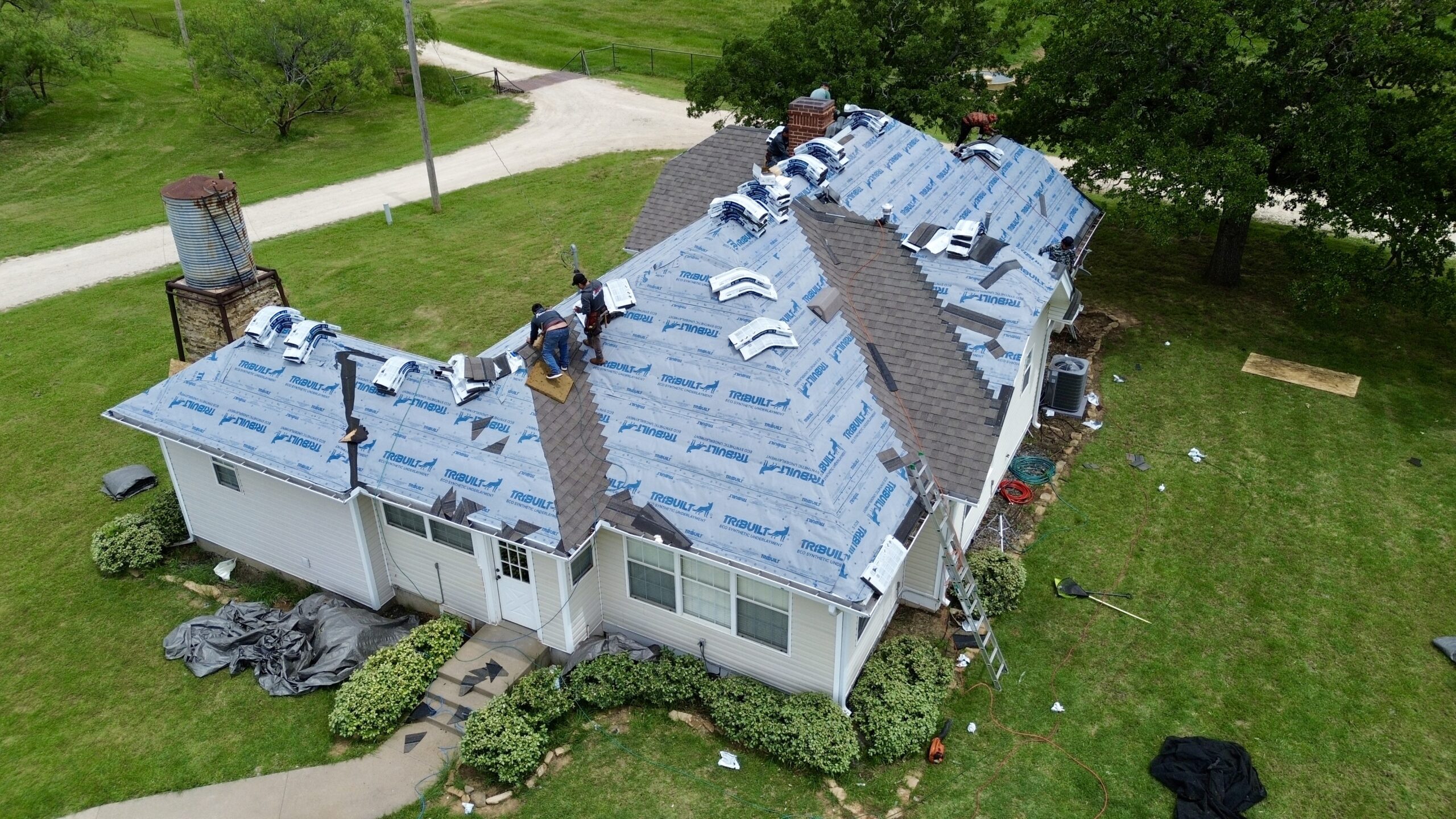
Although storms cannot be prevented, homeowners can reduce the likelihood of future shingle loss through regular maintenance and early roof inspections. Preventive care helps maintain the strength of the roofing system while extending its overall lifespan.
Routine roof inspections should become part of every homeowner’s maintenance schedule. Examining the roof before and after severe weather seasons allows small problems to be identified before they lead to missing shingles or water intrusion. Regular observations also make gradual changes easier to recognize.
Prompt replacement of damaged shingles is one of the most effective preventive measures. A cracked, loose, or partially lifted shingle is more likely to detach during the next storm. Repairing minor damage early helps protect surrounding shingles from additional stress.
Gutter maintenance also plays an important role. Clean gutters allow rainwater to flow away from the roof efficiently, reducing the chance of water backing up beneath shingles. Proper drainage supports the long-term health of both the shingles and the roof deck.
Tree branches extending over the roof should be trimmed regularly. Overhanging limbs can scrape roofing materials during windy conditions or break and fall during storms. Reducing contact between trees and the roof lowers the risk of physical damage.
Attic ventilation deserves equal attention. Balanced airflow helps regulate roof temperatures throughout the year, reducing thermal stress that contributes to aging shingles and weakened adhesive strips. Proper ventilation also limits moisture accumulation beneath the roof.
Regular professional roof inspections become increasingly valuable as the roof ages. Experienced roofing professionals can identify loose shingles, deteriorated flashing, weakened sealants, and other developing issues that may not be obvious from ground level.
Consistent maintenance allows homeowners to address roofing concerns while repairs remain relatively simple. This proactive approach often prevents emergency situations and reduces long-term repair costs.
Roof Maintenance Checklist After Repairs
Following a consistent maintenance routine after replacing missing shingles helps ensure that the repair continues protecting the home while reducing the likelihood of future roofing problems.
- Inspect the repaired section after the first heavy rainfall to confirm there are no signs of water intrusion.
- Check the roof after major windstorms for lifted, loose, or newly missing shingles.
- Clean gutters and downspouts regularly to maintain proper roof drainage.
- Remove leaves, branches, and other debris from the roof surface before moisture becomes trapped.
- Inspect flashing around chimneys, skylights, roof vents, and valleys for signs of deterioration.
- Examine the attic periodically for water stains, damp insulation, or musty odors.
- Schedule a professional roof inspection every few years or whenever widespread storm damage is suspected.
Following this checklist helps identify developing issues before they affect larger portions of the roofing system. Regular maintenance also supports the long-term durability of both the repaired area and the surrounding roof.
Best Practices for Extending the Life of Asphalt Shingles
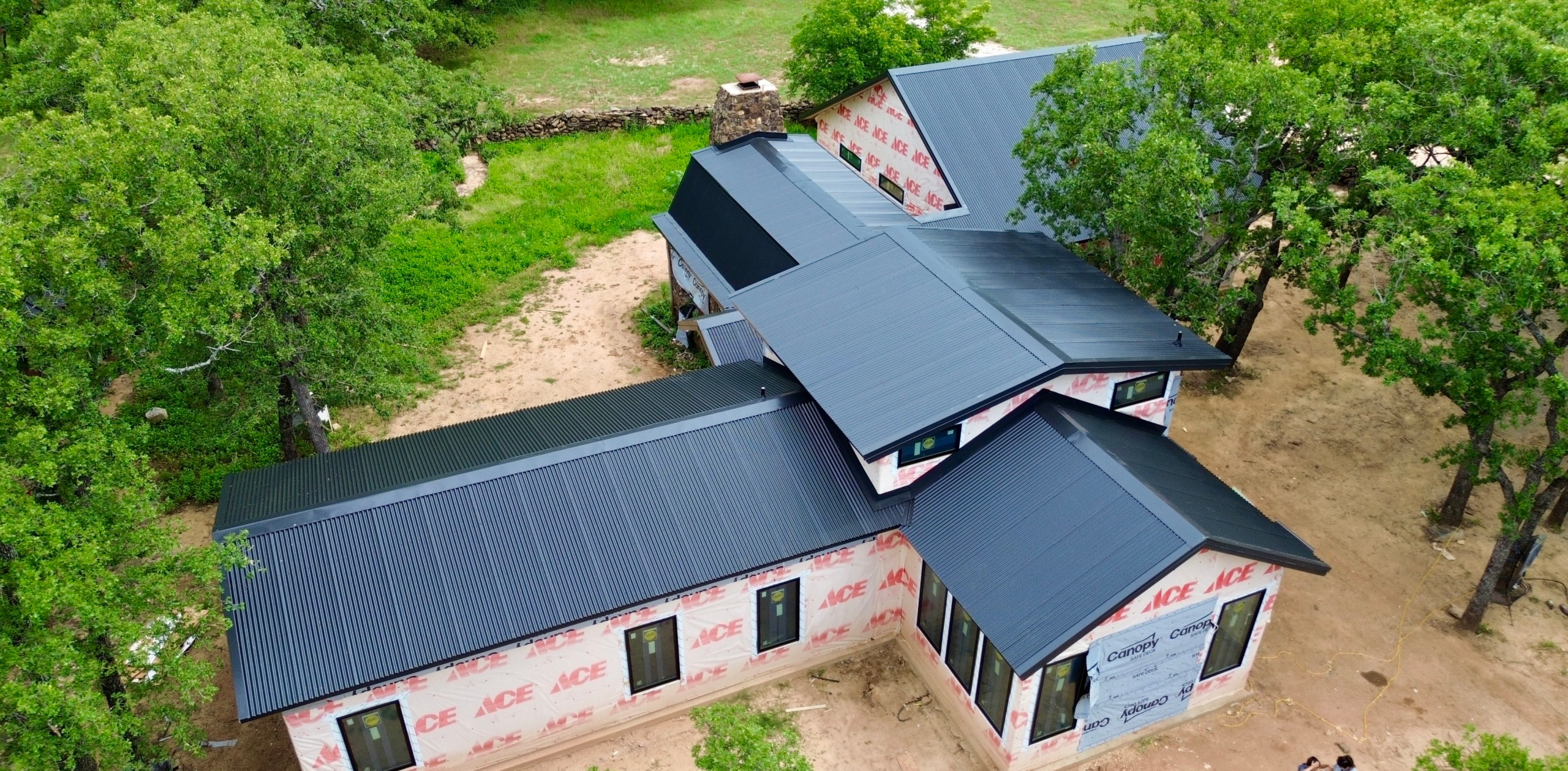
A few practical maintenance habits can significantly increase the service life of an asphalt shingle roof while reducing the likelihood of future repairs.
The following best practices help preserve roof performance:
- Inspect the roof at least twice each year and after severe storms.
- Replace damaged or loose shingles as soon as they are discovered.
- Keep gutters, downspouts, and roof valleys free of debris.
- Maintain proper attic ventilation and insulation.
- Trim overhanging tree branches to reduce storm damage.
- Monitor flashing and roof penetrations for signs of wear.
- Address small roof leaks before they spread into structural damage.
- Arrange periodic professional roof inspections, especially for older roofs.
These preventive measures strengthen the roofing system while improving its resistance to wind, moisture, and seasonal weather changes. Consistent care also reduces the likelihood of unexpected roofing expenses.
Frequently Asked Questions
Can I replace a single missing roof shingle?
Yes. If the surrounding shingles and underlying roofing materials remain in good condition, replacing a single missing shingle is often an effective repair. The surrounding area should still be inspected to ensure no additional damage is present.
How quickly should missing shingles be replaced?
Missing shingles should be replaced as soon as possible. Delaying repairs increases the risk of moisture reaching the underlayment, roof decking, and other structural components beneath the roof.
Can a missing shingle cause a roof leak?
Yes. Even one missing shingle can expose the roofing system to rain and wind-driven moisture. Water may enter beneath the exposed area and travel through the roof before becoming visible inside the home.
Is it safe to repair missing shingles myself?
Minor repairs may be possible for experienced homeowners using proper safety equipment. However, steep roofs, severe storm damage, or uncertain structural conditions should be evaluated by a qualified roofing professional.
How can I tell if more than one shingle has been damaged?
Inspect the roof from the ground using binoculars and look for lifted edges, curled shingles, missing granules, or uneven roof surfaces. A professional inspection provides the most accurate assessment of hidden damage.
Should damaged underlayment be replaced before installing new shingles?
Yes. If the underlayment has been torn, punctured, or weakened by moisture, it should be repaired before replacement shingles are installed. Covering damaged underlayment may allow leaks to continue unnoticed.
How often should my roof be inspected after repairs?
Most homeowners should inspect their roof at least twice a year and after major storms. Routine inspections help ensure that repaired areas continue performing properly while identifying new issues early.
Conclusion
Replacing missing roof shingles is about more than restoring the appearance of a roof. Every missing shingle represents a break in the roofing system’s protective barrier, exposing the underlayment, roof decking, and surrounding shingles to weather conditions that can lead to hidden structural damage. Addressing the problem promptly helps preserve the integrity of the entire roof while reducing the likelihood of costly repairs.
A successful repair begins with a careful assessment of the roof’s overall condition. Determining why the shingles went missing, inspecting surrounding roofing materials, checking for hidden moisture damage, and gathering the proper tools all contribute to a more reliable and longer-lasting repair. Replacing the missing shingles without investigating the underlying cause may only provide temporary protection if broader roofing issues remain unresolved.
Equally important is understanding that not every roof is a candidate for a simple repair. Widespread shingle deterioration, repeated storm damage, aging roofing materials, or structural moisture problems may indicate that more comprehensive repairs or roof replacement will provide greater long-term value. Evaluating the roof as a complete system leads to better maintenance decisions and improved protection against future weather events.
Regular inspections remain one of the most effective ways to prevent additional shingle loss. Monitoring the roof after storms, maintaining clean gutters, preserving proper attic ventilation, trimming nearby trees, and repairing minor damage early all contribute to extending the lifespan of asphalt shingles. Preventive maintenance helps reduce unexpected roofing emergencies while preserving the roof’s ability to resist wind, rain, and changing temperatures.
By combining careful inspections, proper repair techniques, and consistent long-term maintenance, homeowners can restore missing roof shingles with confidence while protecting the structural integrity of their home. A proactive approach not only improves the durability of the repaired area but also supports the overall performance and longevity of the entire roofing system for many years to come.