
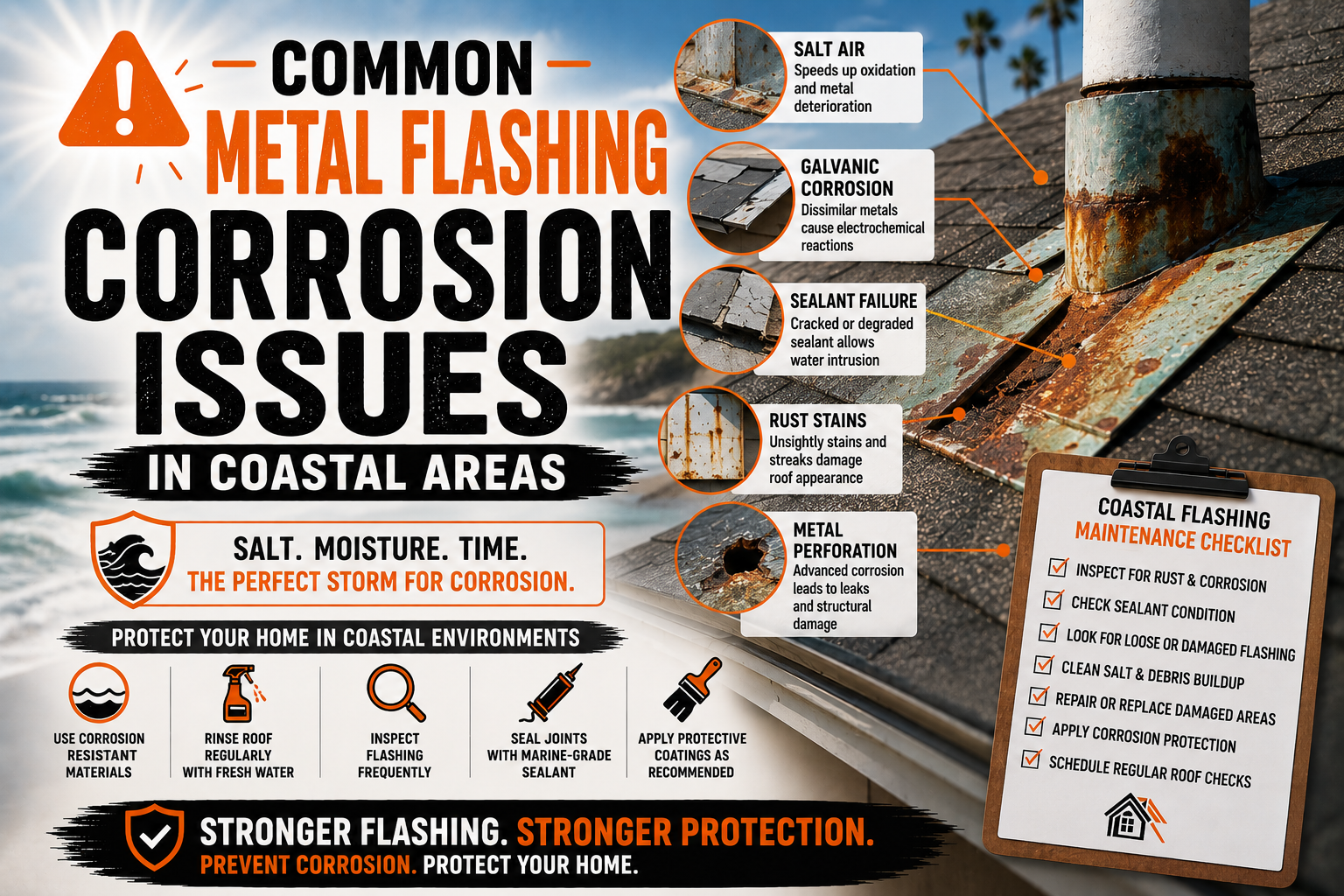
Common Metal Flashing Corrosion Issues in Coastal Areas
Introduction
Homes located near the coast enjoy beautiful scenery, fresh ocean breezes, and easy access to the shoreline. However, coastal environments also expose roofing systems to some of the harshest weather conditions they will ever experience. Constant moisture, salt laden air, strong winds, and frequent storms create challenges that homeowners farther inland may never encounter.
One of the roofing components most affected by these conditions is metal flashing. Flashing protects vulnerable areas where roof surfaces meet walls, chimneys, skylights, valleys, vents, and other roof penetrations. When flashing remains in good condition, it directs water away from these joints and helps keep the roof watertight. When corrosion begins to weaken the metal, however, even small openings can allow moisture to reach the roof deck and the home’s structure.
Unlike shingles, flashing is often overlooked because much of it remains hidden beneath roofing materials. As a result, corrosion may develop slowly over many years before homeowners notice visible leaks or interior water damage. By the time flashing failure becomes obvious, repairs may involve much more than simply replacing a few metal sections.
Salt exposure is one of the biggest reasons flashing deteriorates faster in coastal regions. Tiny salt particles carried by ocean winds settle onto roofing materials, attracting moisture and accelerating chemical reactions that gradually break down protective metal coatings. Combined with high humidity and repeated wet and dry cycles, these conditions create an environment where corrosion develops much more rapidly than it would in inland locations.
Understanding how metal flashing corrodes in coastal areas helps homeowners recognize early warning signs, choose appropriate roofing materials, and perform maintenance that extends the life of both the flashing and the roof itself. This guide explains how flashing functions, why coastal climates increase corrosion risks, and the most common problems homeowners should watch for over time.
What Is Roof Flashing?
Roof flashing is a thin metal material installed at locations where different parts of the roof meet or where openings interrupt the roof surface. Its primary purpose is to direct water away from vulnerable joints that shingles alone cannot protect effectively.
Rather than allowing rainwater to flow beneath roofing materials, flashing creates a controlled drainage path that guides water safely toward gutters or lower roof sections. This layered waterproofing system prevents moisture from reaching the roof deck, insulation, wall framing, and interior living spaces.
Flashing is installed in several important areas throughout a roofing system. Chimneys, skylights, dormers, plumbing vents, roof valleys, wall intersections, and roof edges all depend on properly installed flashing to maintain reliable weather protection.
Most flashing works together with shingles and underlayment instead of functioning independently. Each layer overlaps the next so gravity naturally carries water down the roof while preventing moisture from moving beneath the roofing materials.
Because flashing remains exposed to both weather and continuous water flow, selecting durable materials and installing them correctly are essential for long term roof performance.
Why Coastal Areas Are Hard on Metal Flashing
Metal flashing installed near the ocean faces environmental conditions that are far more demanding than those experienced by roofs located farther inland. These unique conditions gradually accelerate corrosion while reducing the lifespan of many roofing materials.
Salt laden air is the most significant factor. Ocean waves constantly release microscopic salt particles into the atmosphere, where coastal winds carry them onto nearby buildings. These particles settle on flashing surfaces and remain there until rainfall or maintenance removes them.
Salt attracts moisture from the air, allowing flashing to remain damp for longer periods even during dry weather. This extended moisture exposure accelerates chemical reactions that gradually weaken protective coatings and increase the likelihood of corrosion.
High humidity further compounds the problem. Coastal air often contains significantly more moisture than inland environments, allowing metal surfaces to remain damp overnight or during periods of fog. Continuous moisture exposure prevents flashing from drying completely between rain events.
Frequent storms also contribute to faster deterioration. Coastal regions often experience strong winds, heavy rainfall, tropical systems, and blowing sand that repeatedly expose flashing to harsh environmental conditions throughout the year.
Wind driven salt spray creates another challenge because it reaches areas of the roof that ordinary rainfall may not affect. Over time, repeated salt exposure accelerates corrosion even on flashing sections that rarely experience direct water flow.
Together, these environmental factors explain why flashing maintenance is especially important for homes located near coastlines.
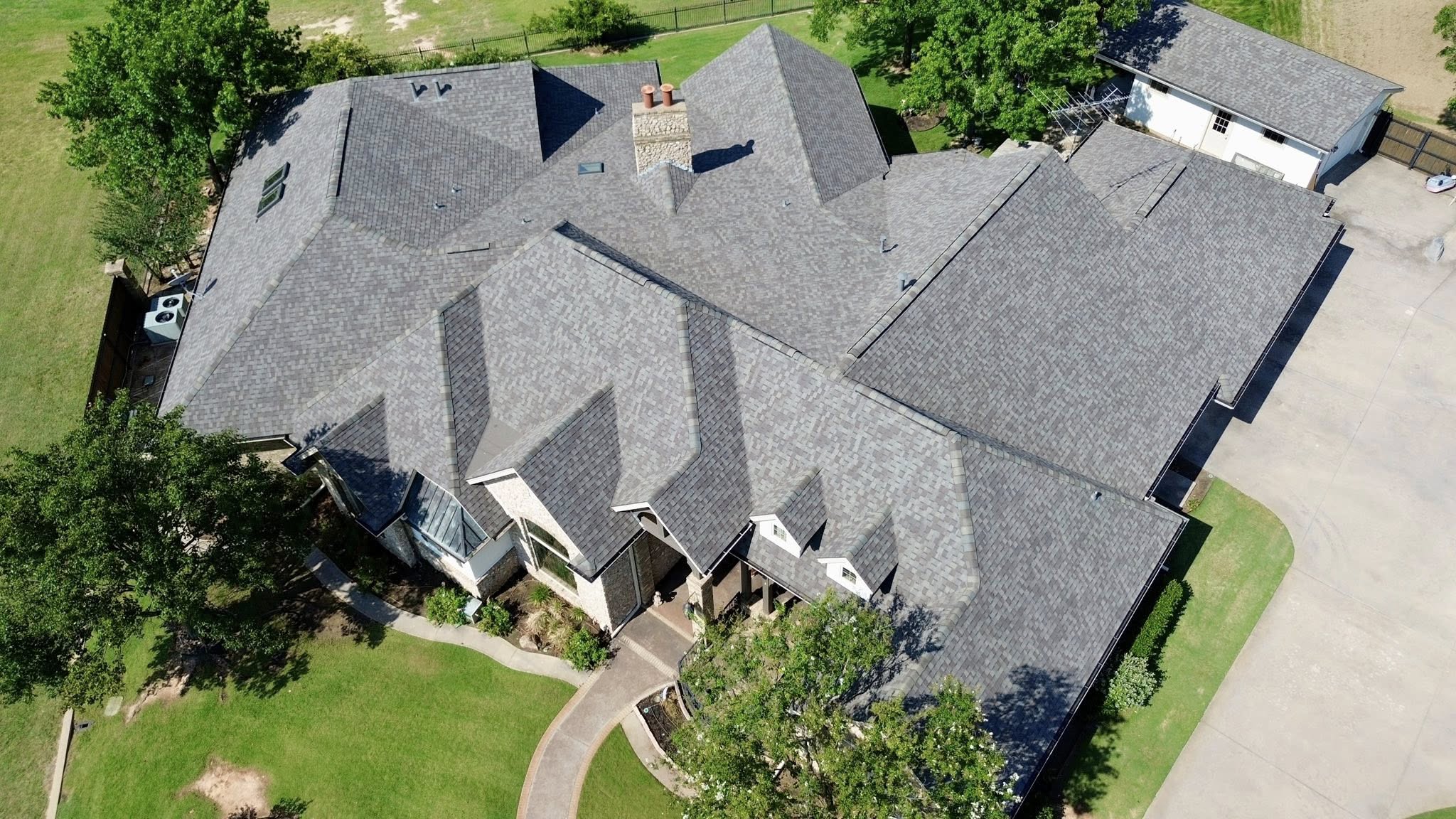
Common Types of Metal Flashing Used on Roofs
Roof flashing is manufactured from several different metals, each offering distinct advantages depending on the climate, roofing materials, and expected service life. Understanding these materials helps homeowners choose flashing that performs well under coastal conditions.
Galvanized steel is one of the most commonly used flashing materials because it combines strength with affordability. A protective zinc coating shields the steel from corrosion, although this coating gradually wears away after years of exposure to salt and moisture.
Aluminum flashing is lightweight and naturally resistant to rust. It performs well in many roofing applications, but coastal environments can still affect its surface through oxidation and prolonged exposure to airborne salt.
Copper flashing is widely recognized for exceptional durability. Instead of developing destructive rust, copper forms a protective patina that slows additional corrosion while allowing the metal to remain structurally sound for decades.
Stainless steel provides excellent corrosion resistance because of its alloy composition. Although it generally costs more than galvanized steel, stainless steel performs particularly well in coastal environments where moisture exposure remains consistently high.
Galvalume steel combines aluminum and zinc coatings to improve corrosion resistance compared with traditional galvanized steel. Many roofing professionals consider it a practical option for homes exposed to moderate coastal conditions.
Each flashing material offers different strengths, making proper selection an important part of building a durable roofing system near the ocean.
How Corrosion Develops Over Time
Corrosion does not occur suddenly. Instead, it develops gradually through a series of chemical and environmental processes that slowly weaken the metal until its protective function begins to decline.
The process often begins with surface oxidation. Exposure to oxygen and moisture triggers chemical reactions that affect the outermost layer of the metal. Protective coatings initially slow this process, but years of weather exposure eventually reduce their effectiveness.
Once protective coatings begin wearing away, moisture gains more direct contact with the underlying metal. Salt deposits accelerate these reactions by increasing the electrical conductivity of water resting on the flashing surface.
Repeated wet and dry cycles further contribute to deterioration. Every rainfall deposits additional moisture on the flashing, while evaporation leaves behind concentrated salt deposits that continue attracting humidity even after the roof appears dry.
Small surface defects gradually expand as corrosion progresses deeper into the metal. What begins as light discoloration eventually develops into pitting, thinning metal, pinholes, or structural weakness if maintenance is delayed.
Corrosion may also spread beneath paint or protective finishes without becoming immediately visible. By the time bubbling paint or rust stains appear, the deterioration beneath the surface has often been developing for years.
Understanding this gradual progression highlights the importance of routine inspections before corrosion reaches the point where flashing replacement becomes necessary.
Early Warning Signs of Flashing Corrosion
Metal flashing rarely fails without first showing visible signs of deterioration. Recognizing these early symptoms allows homeowners to arrange maintenance before corrosion creates roof leaks or structural damage.
Rust stains are one of the most recognizable indicators on galvanized steel flashing. Small areas of discoloration often develop first before expanding into larger sections where protective coatings have deteriorated.
Aluminum flashing usually displays different symptoms. Instead of reddish rust, aluminum develops a white powdery oxidation that gradually affects the surface while indicating prolonged environmental exposure.
Copper flashing naturally changes color over time, forming a green protective patina. Unlike rust, this patina generally protects the underlying metal rather than weakening it, although homeowners unfamiliar with copper may mistake the color change for deterioration.
Pitting represents another important warning sign. Tiny holes or shallow depressions in the flashing surface indicate localized corrosion that may eventually penetrate the metal completely if ignored.
Homeowners should also watch for loose flashing, lifted shingles near flashing sections, or water stains appearing inside the home. These symptoms often suggest that corrosion has already begun affecting the flashing’s ability to direct water away from vulnerable roof areas.
Early identification allows localized repairs before corrosion spreads throughout larger portions of the flashing system.
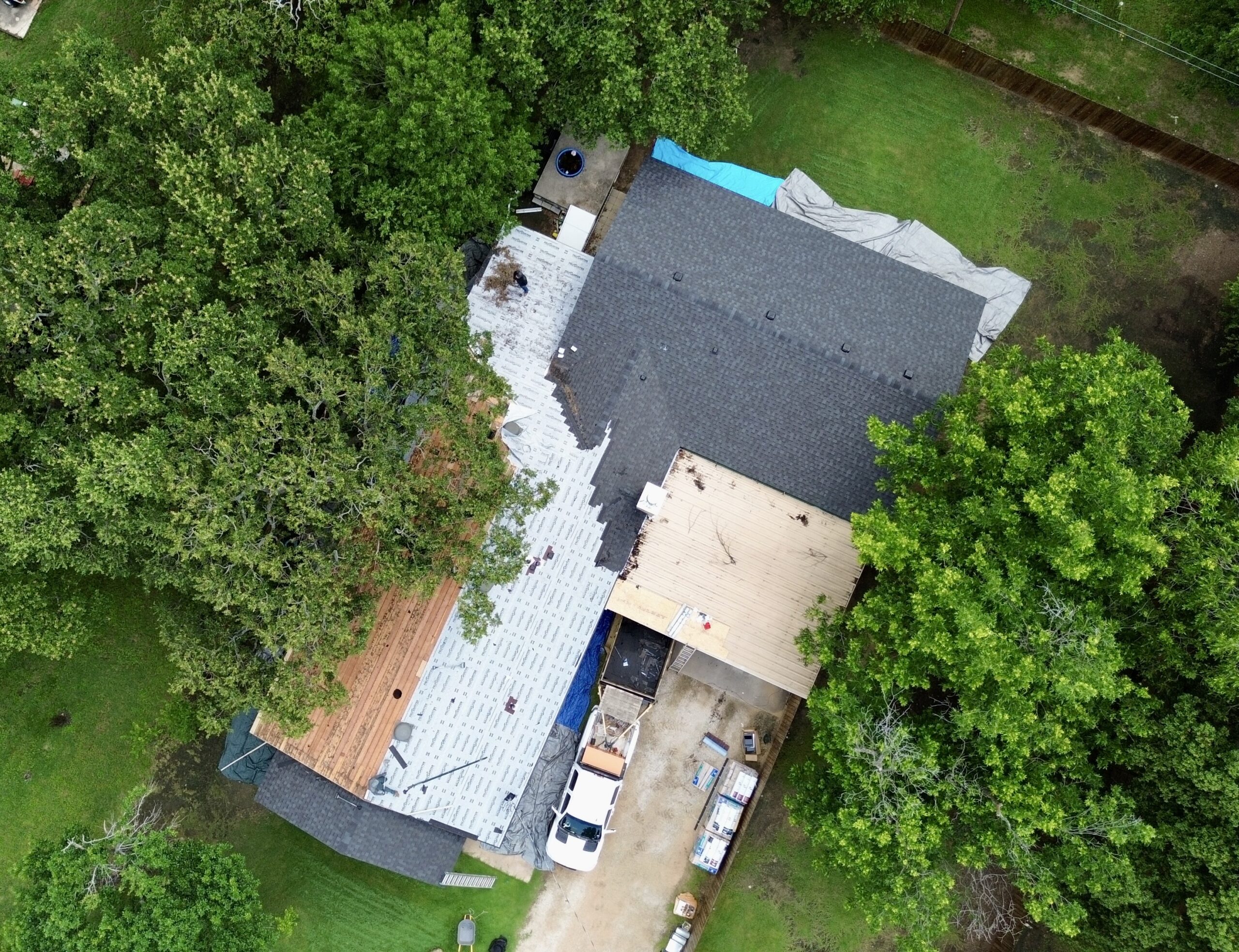
How Salt Accelerates Metal Deterioration
Salt is one of the primary reasons roofing materials age more quickly in coastal environments. While moisture alone contributes to corrosion, salt significantly increases the rate at which chemical reactions occur on metal surfaces.
Microscopic salt crystals settle onto flashing throughout the year. Even when the roof appears clean, invisible salt deposits often remain on the surface after ocean breezes carry them inland. These deposits absorb moisture directly from humid coastal air, keeping flashing damp for much longer than roofs located away from the shoreline.
Salt also increases the conductivity of moisture. This allows electrochemical reactions responsible for corrosion to occur more efficiently, gradually weakening protective coatings and exposing the underlying metal to further deterioration.
Heavy rainfall may temporarily wash away some surface salt, but new deposits quickly accumulate during subsequent windy conditions. This repeated cycle continues year after year, making regular cleaning an important part of coastal roof maintenance.
The effects of salt become even more noticeable after coastal storms. High winds often carry greater concentrations of salt spray farther inland than during ordinary weather, exposing roofing materials to unusually harsh conditions within a relatively short period.
Understanding how salt affects flashing helps homeowners appreciate why coastal roofing systems require more frequent inspections and maintenance than similar roofs located inland.
Why Regular Maintenance Is Essential for Coastal Roofs
Because coastal environments continuously expose roofing materials to moisture and salt, routine maintenance becomes one of the most effective ways to extend the lifespan of metal flashing. Small maintenance tasks performed consistently often prevent corrosion from developing into expensive structural repairs.
Regular roof inspections allow homeowners to identify early signs of rust, oxidation, loose flashing, damaged sealants, and deteriorating fasteners before these issues compromise the roof’s waterproofing system. Early intervention generally requires less extensive repairs than waiting until visible leaks develop.
Cleaning flashing periodically also removes accumulated salt, dirt, leaves, and other debris that trap moisture against the metal surface. Allowing flashing to dry more efficiently after rainfall slows the progression of corrosion while improving overall roof performance.
Professional roof inspections provide additional value because experienced contractors recognize subtle warning signs that homeowners may overlook. They can evaluate protective coatings, flashing joints, fasteners, and surrounding roofing materials while recommending preventive maintenance before larger problems develop.
Maintaining nearby roof components also supports flashing performance. Proper gutter drainage, healthy shingles, and intact underlayment all reduce unnecessary water exposure around flashing, helping it remain effective despite the challenging coastal environment.
With regular care and timely repairs, homeowners can significantly reduce the impact of coastal corrosion while preserving the long term durability of their entire roofing system.
Rust Formation on Galvanized Steel Flashing
Galvanized steel is one of the most commonly used flashing materials because it combines strength with affordability. Its corrosion resistance comes from a protective zinc coating that shields the underlying steel from direct exposure to moisture and oxygen. In coastal environments, however, this protective layer gradually wears away much faster than it would in inland locations.
Salt laden air continuously settles on galvanized flashing. Even when the roof appears dry, microscopic salt particles attract moisture from humid coastal air, allowing the metal to remain damp for extended periods. This prolonged moisture exposure slowly breaks down the zinc coating that protects the steel beneath.
Once the protective coating begins to deteriorate, the underlying steel becomes vulnerable to rust. Corrosion usually starts as small discolored spots before spreading across larger sections of flashing. Over time, these affected areas become thinner and weaker, reducing the flashing’s ability to resist water intrusion.
Rust formation often develops around edges, bends, nail holes, and overlapping joints where protective coatings experience greater wear. These locations trap moisture more easily and frequently remain damp longer after rainfall.
If rust is identified during its early stages, localized repairs or protective treatments may help slow additional deterioration. Allowing corrosion to continue unchecked, however, often leads to flashing replacement because weakened metal can no longer provide dependable waterproofing.
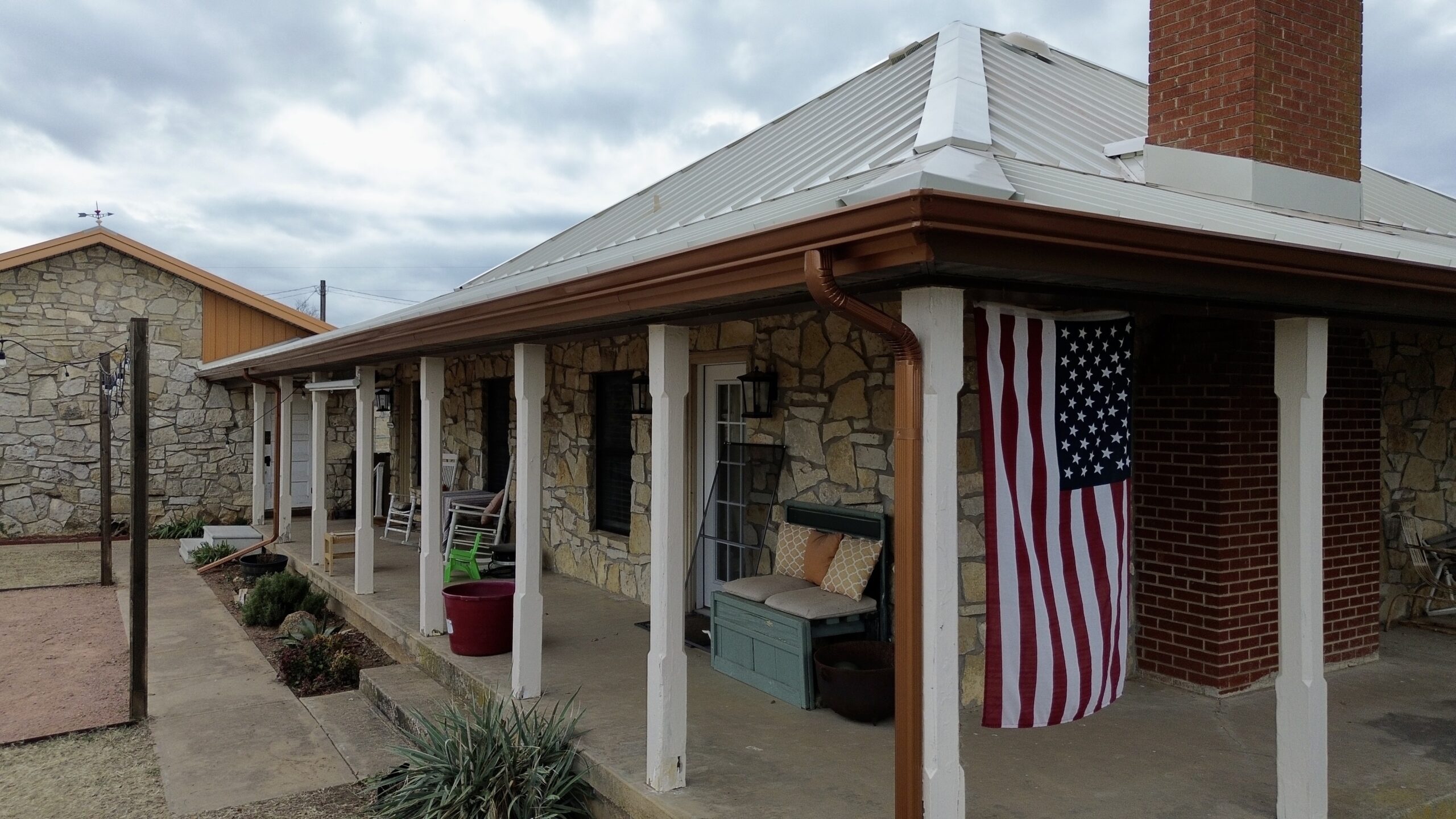
Aluminum Oxidation in Coastal Conditions
Unlike steel, aluminum does not develop traditional rust. Instead, it reacts with oxygen to form a thin layer of aluminum oxide on its surface. This oxidation generally provides some protection against further deterioration, but coastal conditions still affect aluminum flashing over time.
Salt deposits accelerate surface oxidation while increasing the likelihood of cosmetic and structural changes. White powdery residue often appears on aging aluminum flashing, indicating that oxidation is occurring as the material responds to environmental exposure.
Although aluminum oxide initially acts as a protective barrier, years of continuous salt exposure can gradually reduce the flashing’s effectiveness. Surface pitting may develop if corrosion progresses beyond the protective oxide layer.
Physical damage also increases the risk of deterioration. Scratches caused by debris, tools, or roof maintenance expose fresh aluminum that reacts more quickly with moisture and airborne salt. These damaged areas often become the starting points for additional corrosion.
Aluminum flashing remains a durable choice for many roofing systems, but regular cleaning and inspections are particularly important in coastal regions where environmental conditions place greater stress on the material.
Recognizing oxidation early allows homeowners to address maintenance needs before more significant flashing deterioration develops.
Galvanic Corrosion Between Different Metals
Galvanic corrosion is one of the most overlooked causes of flashing deterioration in coastal environments. Unlike ordinary rust, this form of corrosion develops when two dissimilar metals come into direct contact while moisture acts as an electrical conductor between them.
Coastal conditions create an ideal environment for galvanic corrosion because salt water conducts electricity much more effectively than fresh water. As moisture containing dissolved salt remains on the roof, electrical reactions gradually transfer material from one metal to another.
The less corrosion resistant metal typically deteriorates first. For example, certain combinations of aluminum, copper, galvanized steel, and stainless steel may experience accelerated corrosion if installed together without proper separation.
Fasteners also contribute to this issue. Using nails or screws made from incompatible metals can create localized corrosion around flashing joints, eventually weakening both the fastener and the surrounding flashing.
Galvanic corrosion frequently begins in small, hidden locations beneath shingles or around overlapping flashing sections. Because the damage often remains concealed initially, homeowners may not recognize the problem until visible leaks or flashing movement occur.
Selecting compatible roofing materials during installation greatly reduces the likelihood of galvanic corrosion developing over the long term.
Crevice Corrosion Around Fasteners and Seams
Crevice corrosion develops in narrow spaces where moisture becomes trapped and airflow remains limited. Roof flashing contains numerous seams, overlaps, and fastening points that naturally create these small spaces, making them especially vulnerable in coastal climates.
Water entering these narrow gaps evaporates much more slowly than moisture on exposed roof surfaces. As a result, flashing seams often remain damp long after surrounding roofing materials have dried completely.
Salt accumulation further increases the problem. As trapped water evaporates, concentrated salt deposits remain inside the crevice, attracting additional moisture from humid coastal air. This repeated wetting cycle gradually accelerates corrosion within these confined spaces.
Fastener locations experience similar conditions. Nails and screws create tiny openings where moisture may collect around the flashing. If protective coatings become damaged during installation, corrosion frequently begins around these penetrations before spreading outward.
Crevice corrosion often remains hidden until flashing sections begin separating or leaks develop around joints. Because the deterioration occurs beneath overlapping materials, routine inspections become especially important for identifying early warning signs.
Keeping flashing clean and replacing deteriorated fasteners promptly helps reduce the conditions that encourage this type of corrosion.
Corrosion Caused by Standing Water and Debris
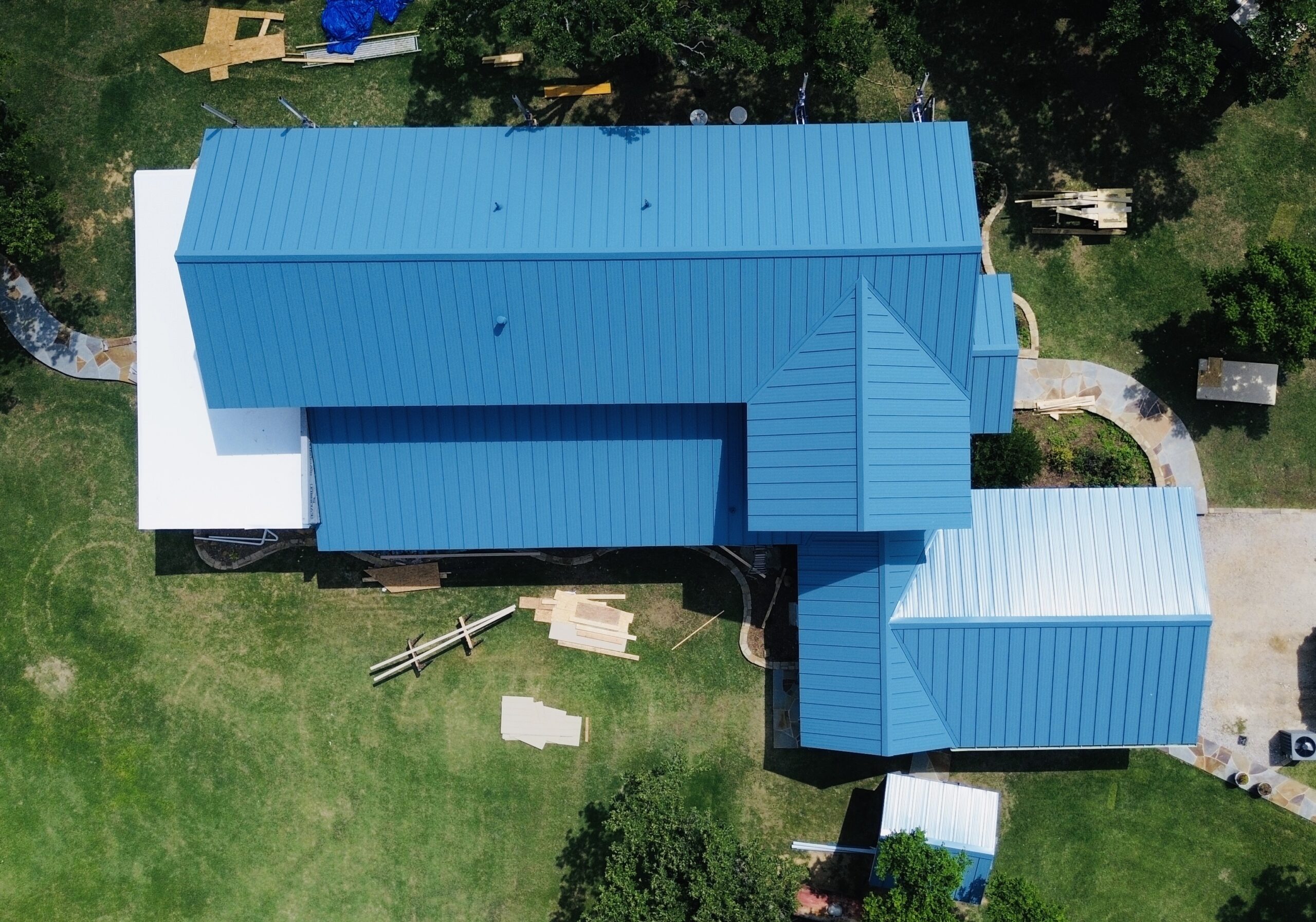
Water that remains on the roof longer than intended significantly increases the likelihood of flashing corrosion. While properly functioning roofs drain efficiently, accumulated debris often changes natural drainage patterns and creates areas where moisture lingers.
Leaves, pine needles, twigs, and dirt commonly collect around chimneys, skylights, valleys, and roof to wall intersections where flashing is installed. These materials trap water directly against the metal, extending the amount of time flashing remains wet after rainfall.
Organic debris also retains salt carried by coastal winds. Even after the visible water has evaporated, damp debris continues holding moisture against the flashing while maintaining conditions favorable for corrosion.
Standing water creates additional challenges because it repeatedly dissolves and redistributes salt across the flashing surface. This continuous exposure gradually weakens protective coatings while increasing the likelihood of pitting and localized metal deterioration.
Blocked gutters can worsen the situation by allowing water to back up onto roof edges where flashing protects vulnerable joints. Repeated overflow exposes flashing to far greater moisture levels than originally intended during the roof’s design.
Routine roof cleaning and proper drainage maintenance remain some of the most effective methods for reducing corrosion caused by standing water and accumulated debris.
Comparing Common Flashing Corrosion Problems
Different forms of corrosion affect metal flashing in different ways. Understanding their characteristics helps homeowners recognize problems early and select the most appropriate repair strategy.
| Corrosion Issue | Primary Cause | Visible Symptoms | Potential Damage |
|---|---|---|---|
| Surface Rust | Breakdown of protective coatings on steel | Brown or reddish discoloration | Weakened flashing and water intrusion |
| Aluminum Oxidation | Moisture and salt exposure | White powdery deposits | Surface deterioration and reduced durability |
| Galvanic Corrosion | Contact between incompatible metals | Localized corrosion near metal joints | Accelerated flashing failure |
| Crevice Corrosion | Trapped moisture around seams and fasteners | Hidden corrosion with gradual separation | Joint failure and roof leaks |
| Pitting Corrosion | Long term salt exposure | Small holes and surface depressions | Moisture penetration through flashing |
Although these corrosion types develop differently, they all reduce the flashing’s ability to direct water away from vulnerable roof areas if repairs are delayed.
Common Installation Mistakes That Increase Corrosion Risk
Even durable flashing materials can deteriorate prematurely if installation mistakes expose them to unnecessary moisture or incompatible conditions. Proper installation plays a major role in determining how well flashing performs in coastal environments.
One common mistake involves combining incompatible metals within the same flashing system. Without proper separation, galvanic corrosion may begin almost immediately after installation, especially where salt exposure remains high.
Damaging protective coatings during installation also increases corrosion risk. Scratches, cuts, or abrasions expose fresh metal that reacts more quickly with moisture and airborne salt. Even small surface damage can become the starting point for widespread deterioration.
Poor drainage represents another concern. Flashing should direct water efficiently away from roof joints rather than creating low areas where moisture collects. Incorrect installation angles or improperly overlapped flashing sections often allow standing water to develop.
Improper fastening contributes additional problems. Loose fasteners permit flashing movement during strong winds, while poorly sealed penetrations allow moisture to reach vulnerable metal surfaces beneath the roofing materials.
Some installations also overlook the importance of ventilation around flashing. Trapped moisture combined with limited airflow slows drying and encourages corrosion throughout the roofing system.
Following manufacturer installation guidelines helps minimize these risks while improving the long term durability of flashing in demanding coastal climates.
How Corrosion Leads to Roof Leaks
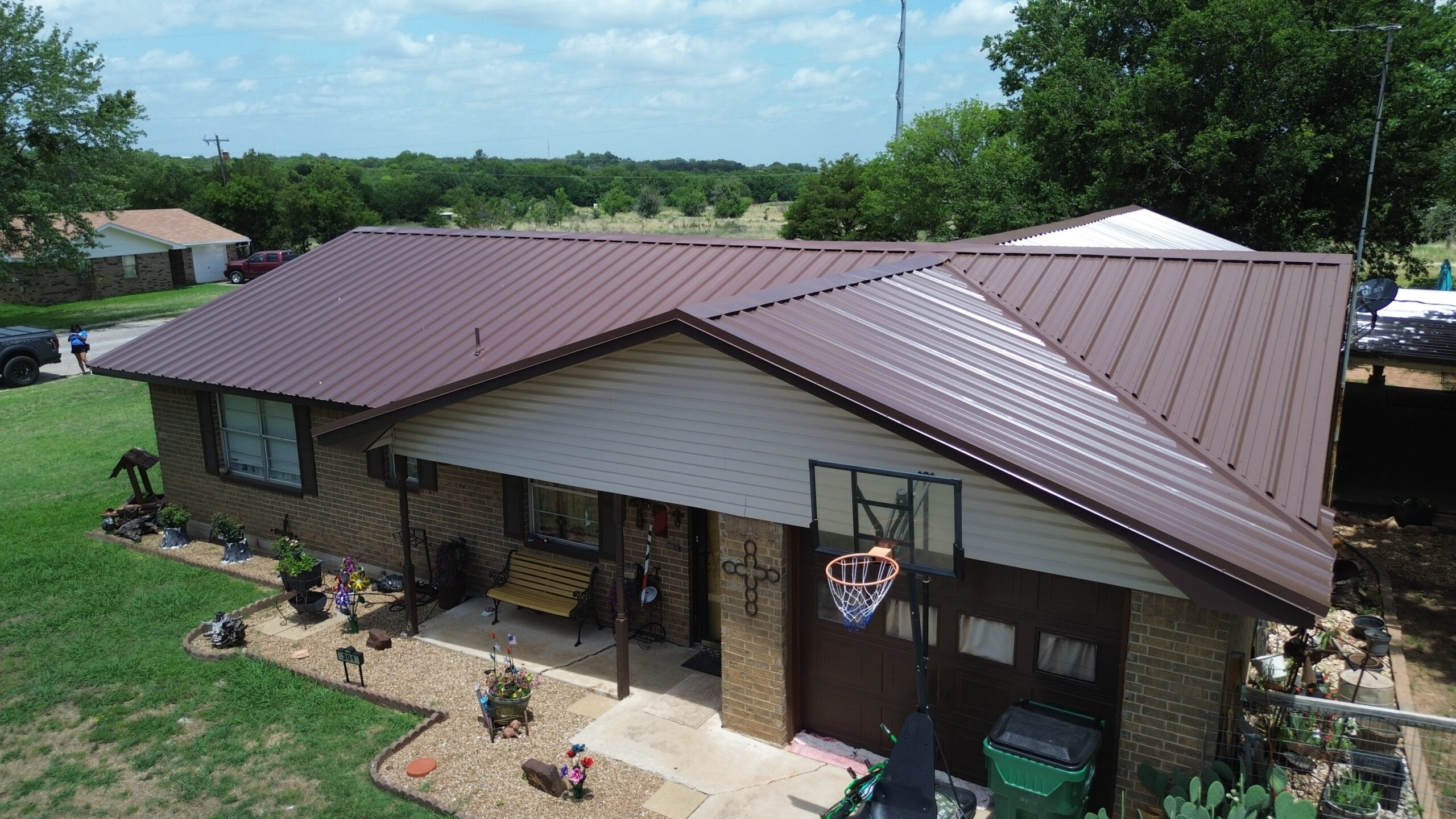
Corrosion does not simply affect the appearance of flashing. As metal gradually deteriorates, its ability to protect the roof from water intrusion declines, increasing the likelihood of leaks throughout the roofing system.
The process usually begins with small surface defects. Rust, oxidation, or pitting weakens localized areas of flashing while creating rough surfaces that retain even more moisture. Over time, these defects deepen until tiny openings develop through the metal.
Water entering these openings often travels beneath shingles and underlayment before becoming visible inside the home. Because moisture follows the path of least resistance, interior leaks may appear several feet away from the actual flashing damage.
Corrosion also weakens flashing seams and fastener locations. As joints separate or fasteners loosen, wind driven rain gains additional opportunities to enter the roofing system during severe coastal storms.
Once moisture reaches the roof deck, structural damage may begin developing long before homeowners notice visible ceiling stains. Wet wood gradually weakens, insulation loses efficiency, and mold growth becomes more likely in damp attic spaces.
Addressing corrosion before leaks develop remains far less expensive than repairing structural damage caused by prolonged water intrusion.
Why Coastal Storms Accelerate Flashing Deterioration
Coastal storms expose roofing systems to conditions that far exceed ordinary weather. High winds, heavy rainfall, airborne sand, and salt spray combine to create an environment that accelerates flashing deterioration much more rapidly than normal seasonal weather.
Strong winds often remove accumulated salt from the ocean and carry it farther inland than usual. After storms pass, flashing surfaces frequently contain higher concentrations of salt deposits than they did beforehand, increasing the potential for future corrosion.
Wind driven rain also forces moisture into flashing joints, seams, and overlapping sections where ordinary rainfall may never reach. These hidden areas often remain damp for extended periods after the storm has ended, creating favorable conditions for corrosion to continue developing.
Flying debris presents another risk. Branches, gravel, and other storm carried objects may scratch protective coatings or dent flashing, exposing fresh metal to moisture and salt. Even minor physical damage can shorten the lifespan of the flashing if repairs are delayed.
Repeated storm exposure gradually compounds these effects over many years. While a single storm may not cause immediate flashing failure, the cumulative impact of coastal weather significantly influences how quickly corrosion develops.
For this reason, professional roof inspections after major coastal storms play an important role in identifying damage before corrosion gains an opportunity to spread further.
Inspecting Metal Flashing in Coastal Homes
Routine inspections are one of the most effective ways to identify flashing corrosion before it develops into major roofing problems. Because coastal environments accelerate metal deterioration, flashing should be examined more frequently than it would be on homes located farther inland.
Interior inspections provide a good starting point. Water stains on ceilings, peeling paint, damp drywall, or mold growth near chimneys, skylights, or exterior walls may indicate that flashing has begun allowing moisture into the home. These symptoms often appear before severe roof leaks develop.
The attic should also be inspected periodically. Wet insulation, stained roof decking, rusted fasteners, or signs of prolonged moisture near roof penetrations may point to deteriorating flashing that requires attention.
Exterior roof inspections should focus on all exposed flashing locations. Homeowners should look for rust, white oxidation, loose flashing sections, bent metal, lifted shingles, missing fasteners, or debris trapped around roof intersections.
Safety should always remain the first priority. Wet roofs, strong winds, and steep roof slopes increase the risk of falls. If the flashing cannot be inspected safely from the ground or with binoculars, arranging a professional inspection is the safest approach.
Taking photographs during each inspection also helps monitor gradual changes over time, making it easier to recognize corrosion before it becomes severe.
When Flashing Repairs Are Enough Versus Full Replacement
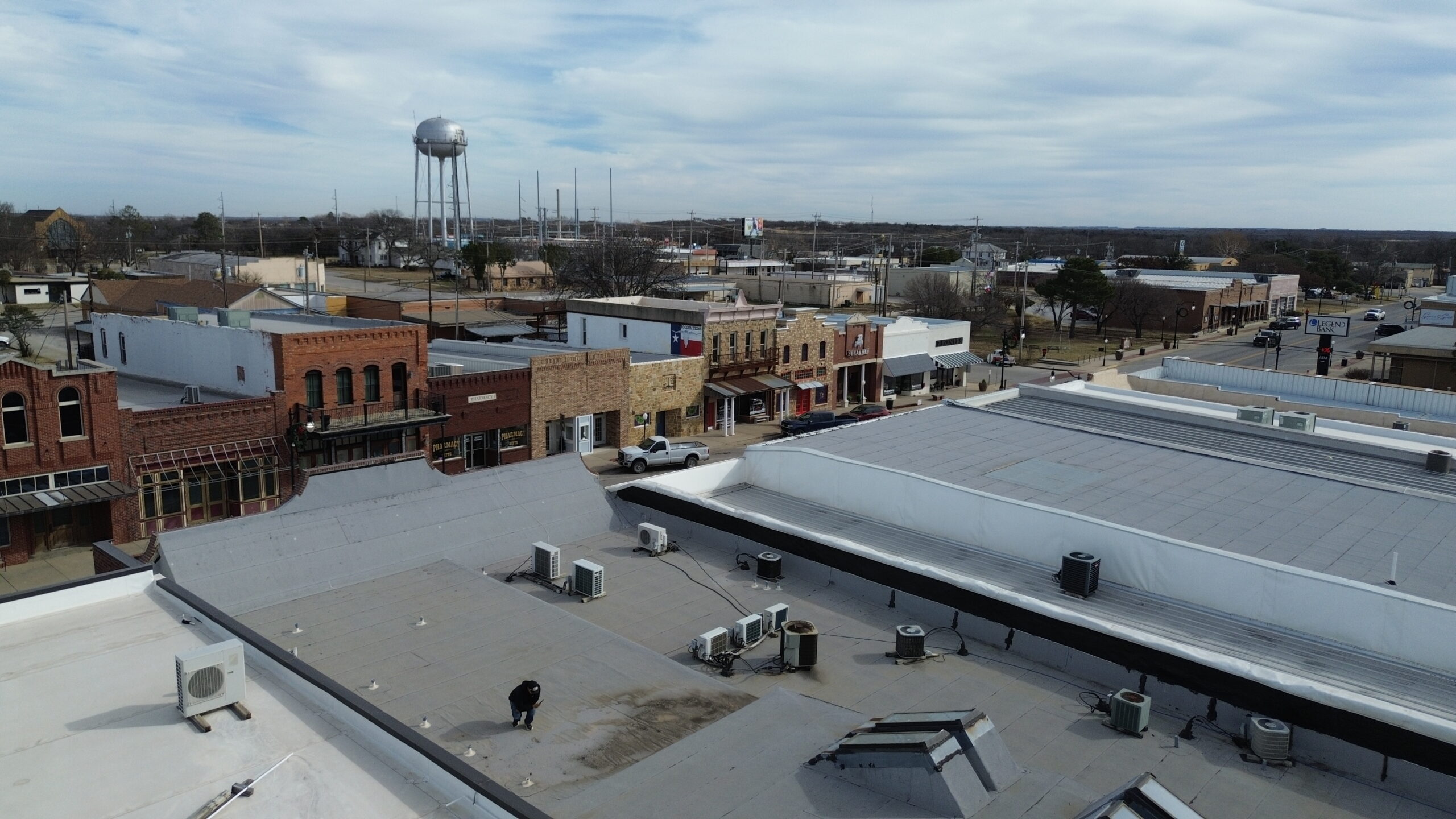
Not every flashing problem requires replacing the entire flashing system. The most appropriate solution depends on the severity of the corrosion, the condition of surrounding roofing materials, and the overall age of the roof.
Minor surface corrosion that has not weakened the flashing may often be addressed through cleaning, protective treatments, or localized repairs. Replacing a small flashing section is usually practical when the remaining metal remains structurally sound.
If corrosion has progressed to the point where holes, deep pitting, or severe thinning are present, replacing the affected flashing becomes the more reliable option. Weak metal can no longer provide dependable water protection regardless of surface treatments.
Widespread corrosion affecting multiple flashing locations often indicates that the roofing system has reached the point where comprehensive replacement should be considered. Attempting numerous individual repairs may provide only temporary results if the remaining flashing continues deteriorating.
The age of the roof also influences the decision. If shingles are approaching the end of their expected lifespan, replacing flashing during a roof replacement project often provides better long term value than repairing isolated sections repeatedly.
Professional inspections help determine whether localized repairs will restore reliable performance or whether broader flashing replacement offers the stronger long term solution.
Coastal Flashing Maintenance Checklist
Homes located near the ocean benefit from a consistent maintenance routine that reduces salt accumulation and slows the progression of corrosion.
- Inspect flashing at least twice each year.
- Remove accumulated salt, leaves, and roof debris regularly.
- Examine flashing after hurricanes, tropical storms, or severe coastal weather.
- Replace rusted or damaged fasteners promptly.
- Schedule periodic professional roof inspections.
- Repair small corrosion spots before they spread.
Following this routine helps preserve flashing while reducing the likelihood of expensive structural repairs caused by hidden moisture intrusion.
Choosing the Best Flashing Materials for Coastal Climates
Selecting the right flashing material is one of the most important decisions for homeowners living near the coast. Although every flashing material experiences some degree of environmental exposure, certain metals perform significantly better under continuous salt and moisture conditions.
Stainless steel is widely considered one of the best options for coastal environments. Its alloy composition provides exceptional resistance to corrosion while maintaining structural strength despite years of exposure to humid air and salt deposits.
Copper also performs extremely well in coastal climates. Rather than developing destructive rust, copper forms a protective green patina that shields the underlying metal from additional corrosion. Properly installed copper flashing often remains effective for decades with relatively little maintenance.
High quality aluminum flashing offers another practical option for many homes. Although aluminum develops surface oxidation, it generally resists structural deterioration well when maintained properly and installed with compatible roofing materials.
Galvalume steel provides improved corrosion resistance compared with traditional galvanized steel because of its aluminum and zinc coating. In moderate coastal conditions, it often delivers longer service life while remaining more affordable than copper or stainless steel.
Material compatibility is equally important. Selecting flashing, fasteners, and roofing components designed to work together reduces the likelihood of galvanic corrosion while improving overall roof performance.
Professional Installation Best Practices
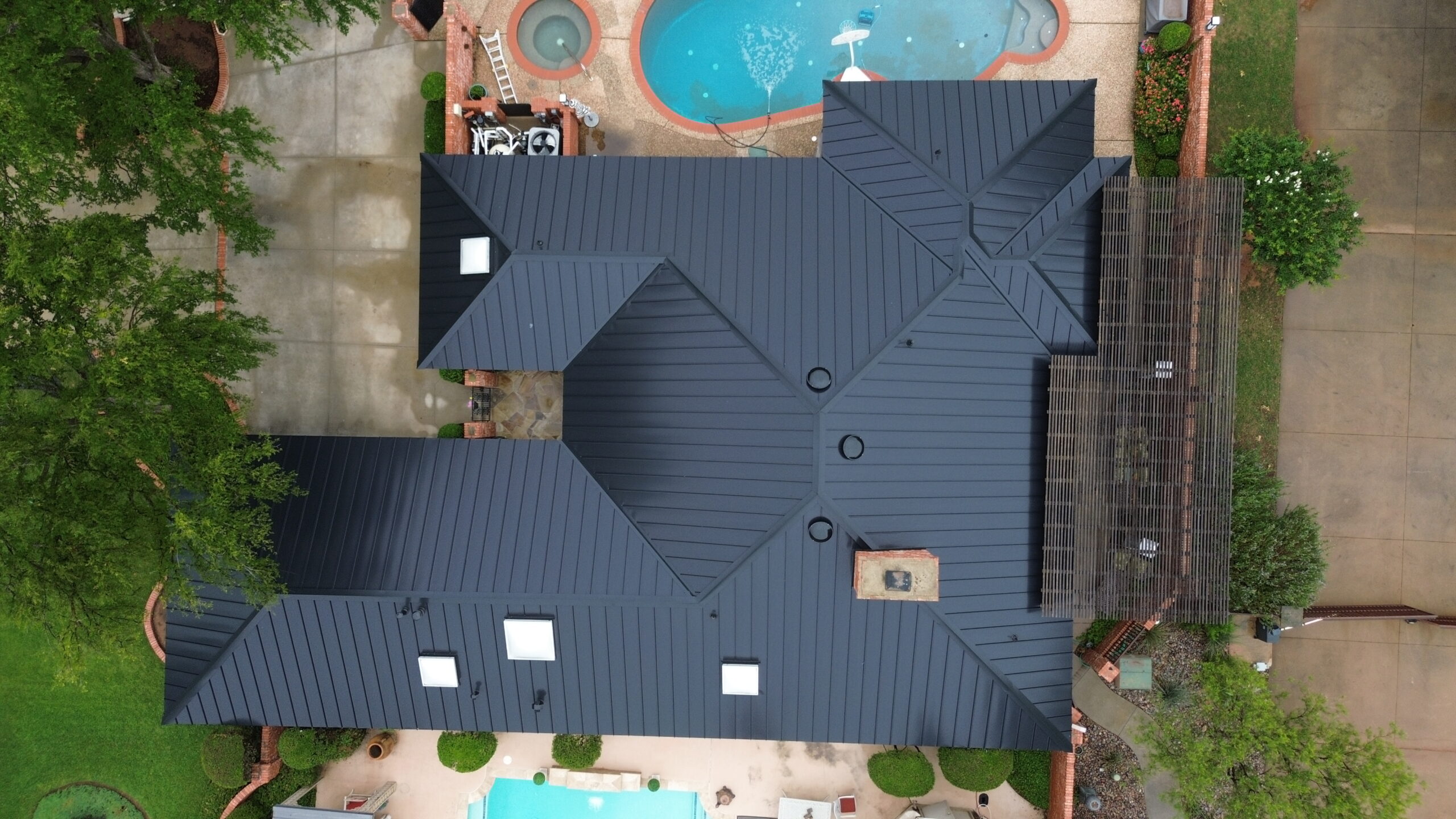
Even premium flashing materials cannot compensate for poor installation. Proper workmanship plays a major role in determining how well flashing withstands the demanding conditions found in coastal environments.
Professional roofers begin by selecting flashing materials appropriate for the home’s location and roofing system. Material compatibility is carefully considered to minimize corrosion while supporting long term performance.
Each flashing section is installed with proper overlap so gravity naturally directs water away from vulnerable roof joints. Correct layering prevents water from reaching the roof deck while reducing opportunities for moisture to remain trapped beneath the flashing.
Fastener selection also deserves careful attention. Corrosion resistant fasteners compatible with the flashing material help reduce galvanic reactions while maintaining secure attachment throughout years of changing weather.
Roofing professionals also avoid damaging protective coatings during installation. Scratches, cuts, and abrasions expose fresh metal that corrodes more quickly under coastal conditions. Careful handling preserves the flashing’s protective surface while extending its service life.
Finally, contractors inspect the completed installation thoroughly before finishing the project. Verifying drainage paths, flashing alignment, fastener placement, and surrounding roofing materials helps ensure the system performs reliably despite constant exposure to salt and moisture.
Long Term Maintenance Strategies
Maintaining flashing in coastal environments requires more than occasional inspections. Long term care focuses on reducing salt exposure, preserving protective coatings, and correcting small problems before corrosion spreads throughout the roofing system.
Regular cleaning is one of the most effective preventive measures. Gently removing accumulated salt, dirt, leaves, and other debris allows flashing to dry more quickly after rainfall while reducing prolonged moisture exposure.
Protective coatings should also be monitored over time. Some flashing materials benefit from periodic recoating when recommended by the manufacturer, helping restore corrosion resistance before the underlying metal becomes exposed.
Gutter maintenance supports flashing performance as well. Clean gutters prevent water from backing up onto roof edges where flashing protects vulnerable joints. Efficient drainage reduces the amount of standing water surrounding metal roofing components.
Nearby vegetation should also be managed carefully. Overhanging tree branches deposit leaves and organic debris onto the roof while increasing the likelihood of scratches caused by branches moving during coastal winds.
Prompt repairs remain essential throughout the roof’s lifespan. Small corrosion spots, loose flashing, damaged fasteners, or bent metal sections should be addressed immediately before repeated exposure to salt and moisture enlarges the affected area.
These maintenance practices work together to slow corrosion while helping flashing achieve its maximum possible service life.
Why Professional Roof Inspections Are Especially Valuable Near the Coast
Although homeowners can identify many visible roofing concerns, professional inspections provide a more detailed evaluation of flashing condition, particularly in coastal regions where corrosion often begins in concealed areas.
Experienced roofing professionals recognize early warning signs that may not be obvious during routine visual inspections. Small corrosion pits, hidden flashing movement, deteriorating fasteners, and minor drainage issues can often be corrected before they become expensive repairs.
Inspectors also evaluate surrounding roofing components that influence flashing performance. Damaged shingles, worn sealants, blocked drainage paths, or deteriorating underlayment frequently contribute to flashing corrosion by increasing moisture exposure.
Coastal storms make these inspections even more important. Hurricanes, tropical storms, and high winds may loosen flashing or damage protective coatings without producing immediate leaks. Identifying this hidden damage shortly after severe weather helps prevent long term deterioration.
Professional inspections also support long term maintenance planning. Contractors can estimate the remaining service life of flashing, recommend preventive repairs, and help homeowners schedule future maintenance before corrosion reaches critical levels.
Investing in routine professional inspections often reduces overall repair costs by identifying problems early while preserving the structural integrity of the roofing system.
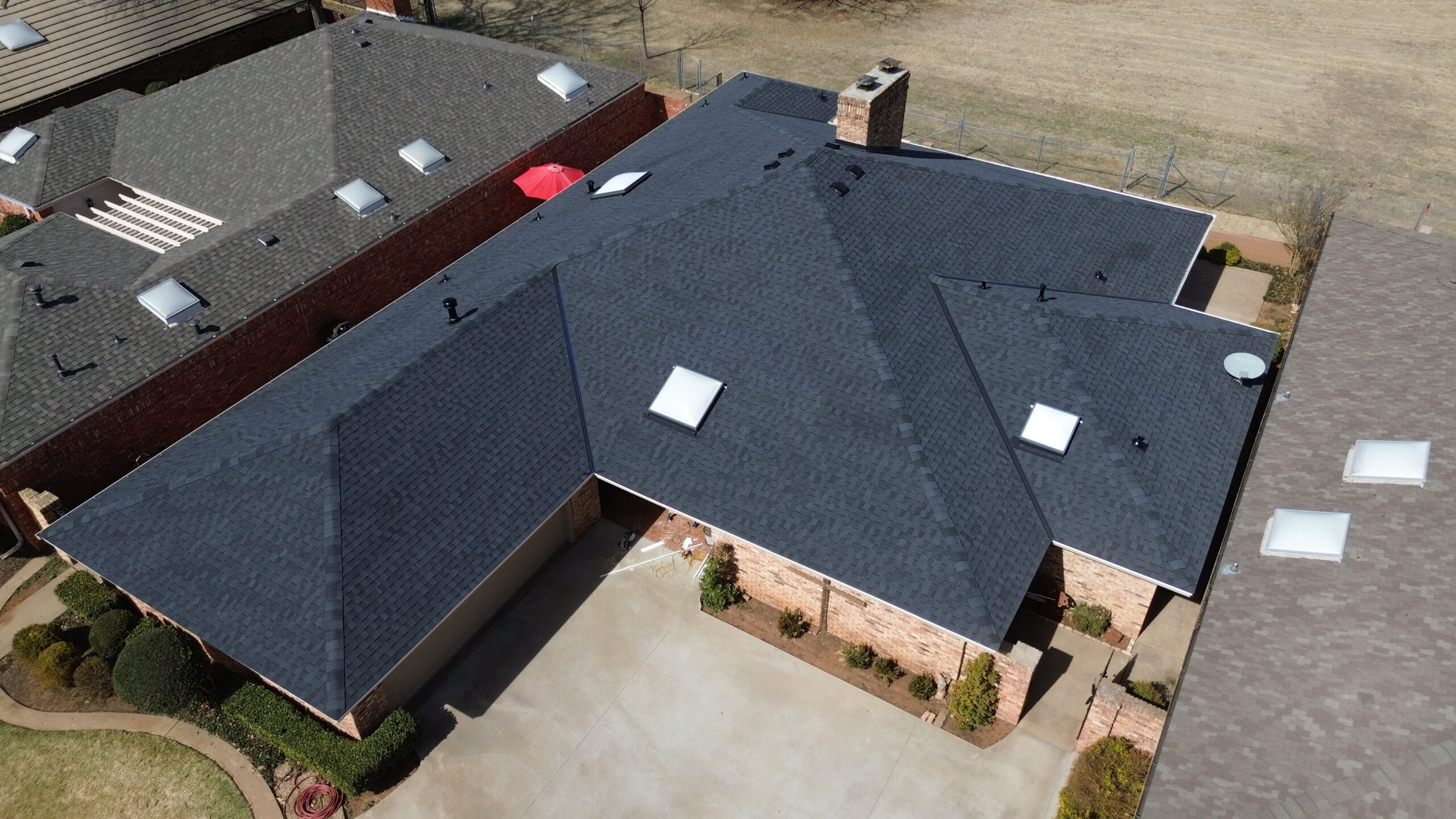
Coordinating Flashing Care With Overall Roof Maintenance
Metal flashing performs best when maintained as part of a complete roof care program rather than as an isolated component. Every roofing material influences how water moves across the roof, so maintaining the entire system improves flashing performance.
Seasonal roof maintenance should include cleaning gutters, inspecting valleys, checking roof penetrations, examining shingles, and removing debris from roof surfaces. These activities reduce unnecessary moisture exposure while improving drainage around flashing.
Homeowners should also keep maintenance records documenting inspections, repairs, material replacements, and storm damage. This history helps roofing professionals evaluate gradual changes in flashing condition while planning future maintenance.
When major roofing work becomes necessary, replacing aging flashing alongside new shingles often provides the most dependable long term solution. Coordinating these improvements ensures every waterproofing component functions together according to current installation standards.
Taking a comprehensive approach to roof maintenance reduces unexpected failures while helping flashing remain effective despite the demanding conditions of coastal environments.
Conclusion
Metal flashing is one of the most important components protecting a roof from water intrusion, especially around chimneys, skylights, valleys, roof edges, and wall intersections. In coastal environments, however, flashing faces continuous exposure to salt laden air, high humidity, frequent rainfall, and powerful storms that significantly accelerate corrosion compared with inland locations.
Over time, rust, oxidation, galvanic corrosion, crevice corrosion, and pitting gradually weaken flashing materials if regular maintenance is neglected. While these problems often begin as small surface defects, they eventually reduce the flashing’s ability to direct water safely away from vulnerable roof joints. Left untreated, corrosion can lead to leaks, damaged roof decking, wet insulation, mold growth, and expensive structural repairs.
Routine inspections remain one of the most effective ways to identify flashing deterioration before significant damage occurs. Cleaning away salt deposits and debris, replacing damaged fasteners, maintaining proper roof drainage, and repairing minor corrosion promptly all help extend the lifespan of flashing in demanding coastal climates.
Choosing corrosion resistant materials such as stainless steel, copper, or appropriately selected aluminum products further improves long term performance. Combined with professional installation that follows proper overlap, fastening, and material compatibility guidelines, these flashing systems provide dependable protection despite constant environmental exposure.
Living near the coast presents unique roofing challenges, but those challenges can be managed successfully through informed maintenance and timely repairs. By understanding the common metal flashing corrosion issues found in coastal areas and taking proactive steps to address them, homeowners can protect their roofing systems, reduce long term repair costs, and preserve the structural integrity of their homes for many years to come.