
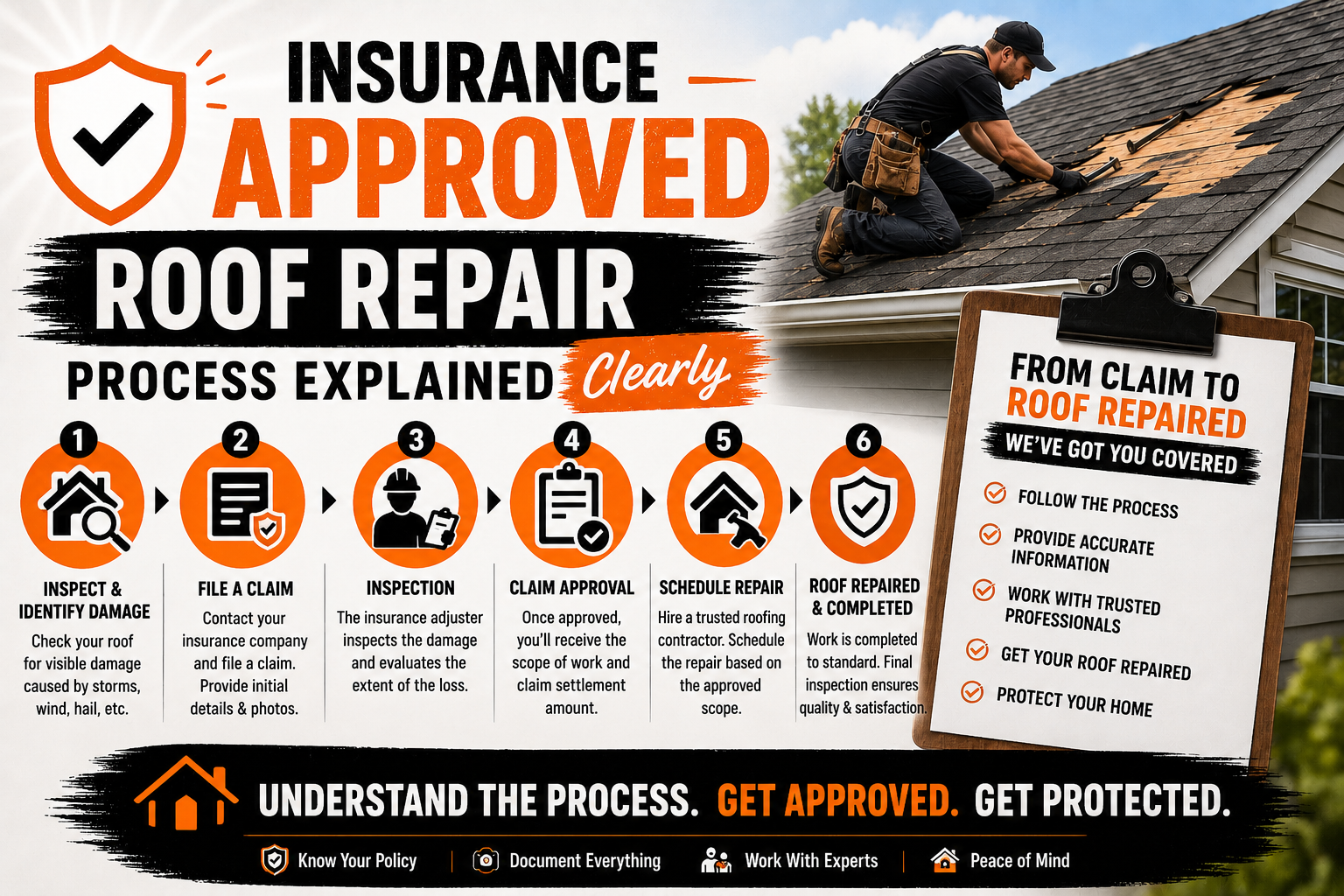
Insurance Approved Roof Repair Process Explained Clearly
Introduction
Roof damage can happen unexpectedly, whether it is caused by a severe storm, hail, strong winds, falling tree branches, or other weather related events. When this happens, homeowners often rely on their insurance policy to help cover repair or replacement costs. However, many people are unfamiliar with the steps involved in getting a roof repair approved by their insurance company.
The insurance approved roof repair process involves much more than simply reporting damage and waiting for payment. Insurance companies follow a structured claims procedure that includes inspections, documentation, policy reviews, and repair estimates before deciding whether to approve coverage. Understanding each stage of this process helps homeowners avoid costly mistakes and unnecessary delays.
Many claims experience setbacks because homeowners do not know what insurers expect. Missing photographs, delayed reporting, incomplete paperwork, or hiring contractors too early can all complicate the claims process. Learning how the system works before filing a claim gives homeowners a significant advantage.
An insurance approved repair also protects homeowners by ensuring that damage is properly evaluated and that repairs meet acceptable standards. When the process is handled correctly, it creates a clear path from the initial damage assessment to the final roof restoration.
This guide explains the insurance approved roof repair process in simple terms. It covers what homeowners should do immediately after roof damage, how insurance companies evaluate claims, and the steps that help move a repair project from approval to completion.
What Is the Insurance Approved Roof Repair Process?
An insurance approved roof repair process is the series of steps that homeowners and insurance companies follow after roof damage occurs. The purpose is to determine whether the damage is covered under the homeowners insurance policy and, if it is, establish the amount the insurer will pay toward repairs or replacement.
Unlike routine home repairs, insurance related roof repairs require documentation and verification. The insurance company must confirm that the damage resulted from a covered event rather than normal aging, neglected maintenance, or other excluded causes. This investigation protects both the insurer and the policyholder by ensuring claims are handled fairly.
The process generally begins when the homeowner discovers roof damage and reports it to the insurance company. From there, an insurance adjuster inspects the property, reviews evidence, and prepares an assessment. Based on this evaluation and the policy terms, the insurer decides whether to approve the claim.
If the claim is approved, the homeowner can move forward with repairs using the insurance settlement. Depending on the policy, the insurer may pay the repair costs in stages, especially if a full roof replacement is required. Understanding this timeline helps homeowners know what to expect throughout the project.
Although every insurance company has its own procedures, the overall process follows a similar pattern. Knowing these steps reduces confusion and allows homeowners to make informed decisions from the beginning.
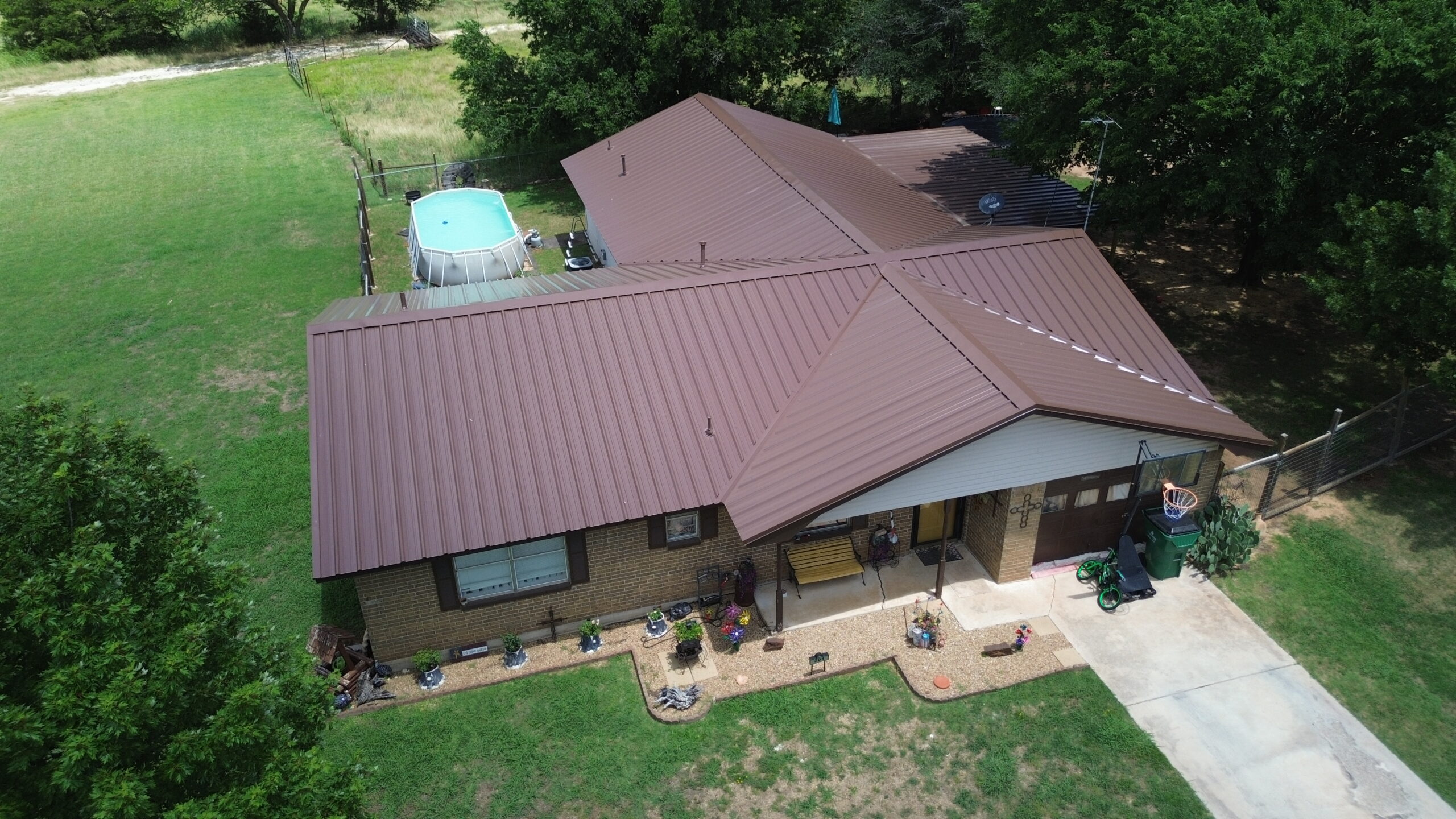
When Homeowners Should File a Roof Insurance Claim
Not every roofing issue requires an insurance claim. Homeowners should first determine whether the damage was caused by a sudden, covered event or by gradual wear and tear. Insurance is intended to protect against unexpected losses rather than routine maintenance expenses.
Storm damage is one of the most common reasons homeowners file roof insurance claims. High winds can remove shingles, hail can create impact damage, and falling tree branches may puncture the roof structure. These events often qualify for coverage if they meet the policy requirements.
Fire damage, lightning strikes, and certain types of accidental damage may also be covered depending on the insurance policy. However, each situation is evaluated individually, so homeowners should review their coverage before assuming a claim will be approved.
Minor cosmetic issues that do not affect the roof’s ability to protect the home may not justify filing a claim. In some cases, repair costs may be lower than the insurance deductible, making it more practical to pay for repairs directly.
Homeowners should also avoid filing claims without first inspecting the damage. A professional roofing contractor can provide an initial assessment that helps determine whether the damage appears significant enough to involve the insurance company. This step prevents unnecessary claims that may not result in compensation.
Understanding when to file a claim helps homeowners use their insurance coverage appropriately while avoiding unnecessary complications during the claims process.
Understanding What Homeowners Insurance Covers
Many homeowners assume their insurance policy covers every type of roof damage. In reality, coverage depends on both the cause of the damage and the specific language within the insurance policy. Knowing what is generally covered helps homeowners develop realistic expectations before filing a claim.
Most homeowners insurance policies cover sudden and accidental events. This typically includes damage caused by windstorms, hail, fire, lightning, falling trees, or other covered perils listed in the policy. These events occur unexpectedly and are generally outside the homeowner’s control.
Damage that develops gradually is usually treated differently. Roofing materials naturally age over time as they are exposed to sunlight, rain, changing temperatures, and everyday weather conditions. Because this deterioration is expected, insurance policies generally do not pay for repairs caused solely by aging or normal wear.
Maintenance related problems are another common exclusion. If roof leaks result from neglected repairs, clogged gutters, deteriorated flashing, or missing shingles that were never replaced, the insurer may determine that the homeowner failed to maintain the property properly.
Insurance policies may also contain limits based on the roof’s age or condition. Some policies provide replacement cost coverage, while others pay only the actual cash value after depreciation is deducted. Understanding this difference is important because it affects how much financial assistance homeowners receive after claim approval.
Reading the policy before roof damage occurs allows homeowners to become familiar with deductibles, exclusions, and claim requirements. This preparation reduces surprises during the insurance review process.
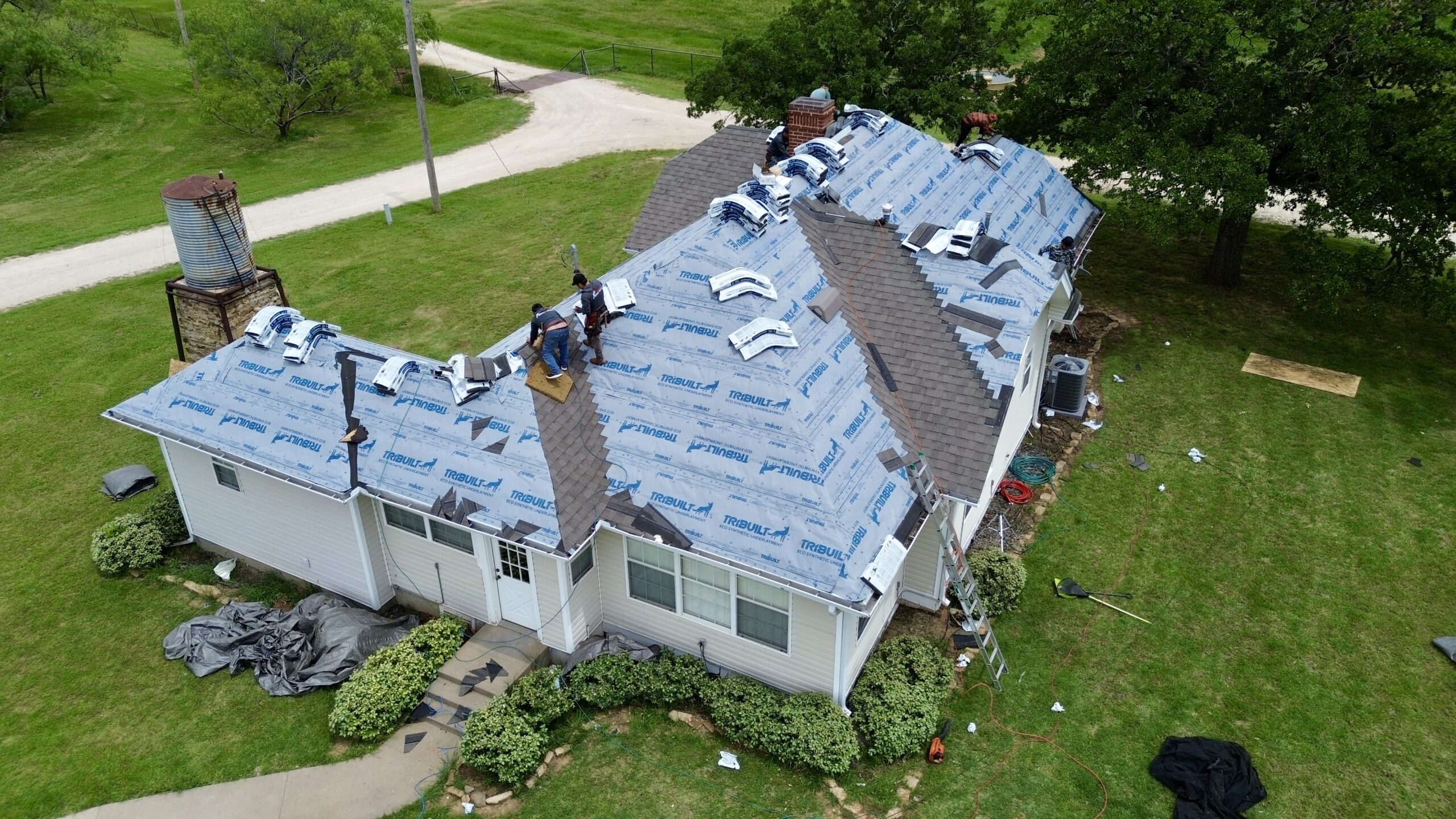
The First Steps to Take After Roof Damage
The actions homeowners take immediately after discovering roof damage can significantly influence the outcome of an insurance claim. Remaining organized and documenting the situation carefully creates a stronger foundation for the entire process.
Safety should always come first. If severe weather is still occurring or structural damage makes the property unsafe, homeowners should stay away from hazardous areas until conditions improve. Attempting to inspect a damaged roof during dangerous weather can lead to serious injuries.
Once it is safe, perform a visual inspection from the ground whenever possible. Look for missing shingles, fallen branches, damaged gutters, or other visible signs of roof damage. Interior signs such as ceiling stains or water dripping into the home should also be documented.
Photographs should be taken before any cleanup begins. Capture multiple angles of damaged areas, surrounding property, and any debris caused by the event. Wide shots provide context, while close up images document specific damage.
If temporary measures are needed to prevent additional water intrusion, homeowners should act promptly. Covering exposed areas with tarps or moving valuable belongings away from leaks helps reduce further damage while preserving evidence for the insurance inspection.
It is also helpful to record important details about the incident. Note the date, approximate time, weather conditions, and when the damage was first discovered. These records become useful when completing claim paperwork later.
Taking these early steps demonstrates responsible property ownership while helping preserve evidence that supports the insurance claim.
Why Immediate Documentation Matters
Documentation is one of the most valuable parts of any roof insurance claim. Insurance companies base their decisions on evidence, and homeowners who collect thorough documentation often experience smoother claim reviews than those who rely only on verbal descriptions.
Damage should be documented as soon as possible after it is discovered. Fresh evidence is generally easier to evaluate because weather conditions and cleanup activities have not yet altered the scene. Waiting several weeks may allow additional deterioration that complicates the investigation.
Photographs should include both exterior and interior damage. Images of broken shingles, damaged flashing, dented gutters, ceiling stains, attic moisture, and water damaged belongings all help illustrate the overall impact of the event.
Videos can provide additional context by showing the extent of damage throughout the property. Slowly recording affected areas while explaining what happened creates a useful visual record that complements photographs.
Written notes are equally valuable. Recording when the damage occurred, when it was discovered, and what temporary measures were taken creates a clear timeline that supports the insurance claim.
Helpful documentation may include:
- Photos taken immediately after the damage.
- Videos showing affected roof areas.
- Written notes describing the incident.
- Receipts for temporary emergency repairs.
- Contractor inspection reports.
- Copies of all communication with the insurance company.
Keeping everything together in one organized file makes it easier to respond if the insurance company requests additional information later in the process.
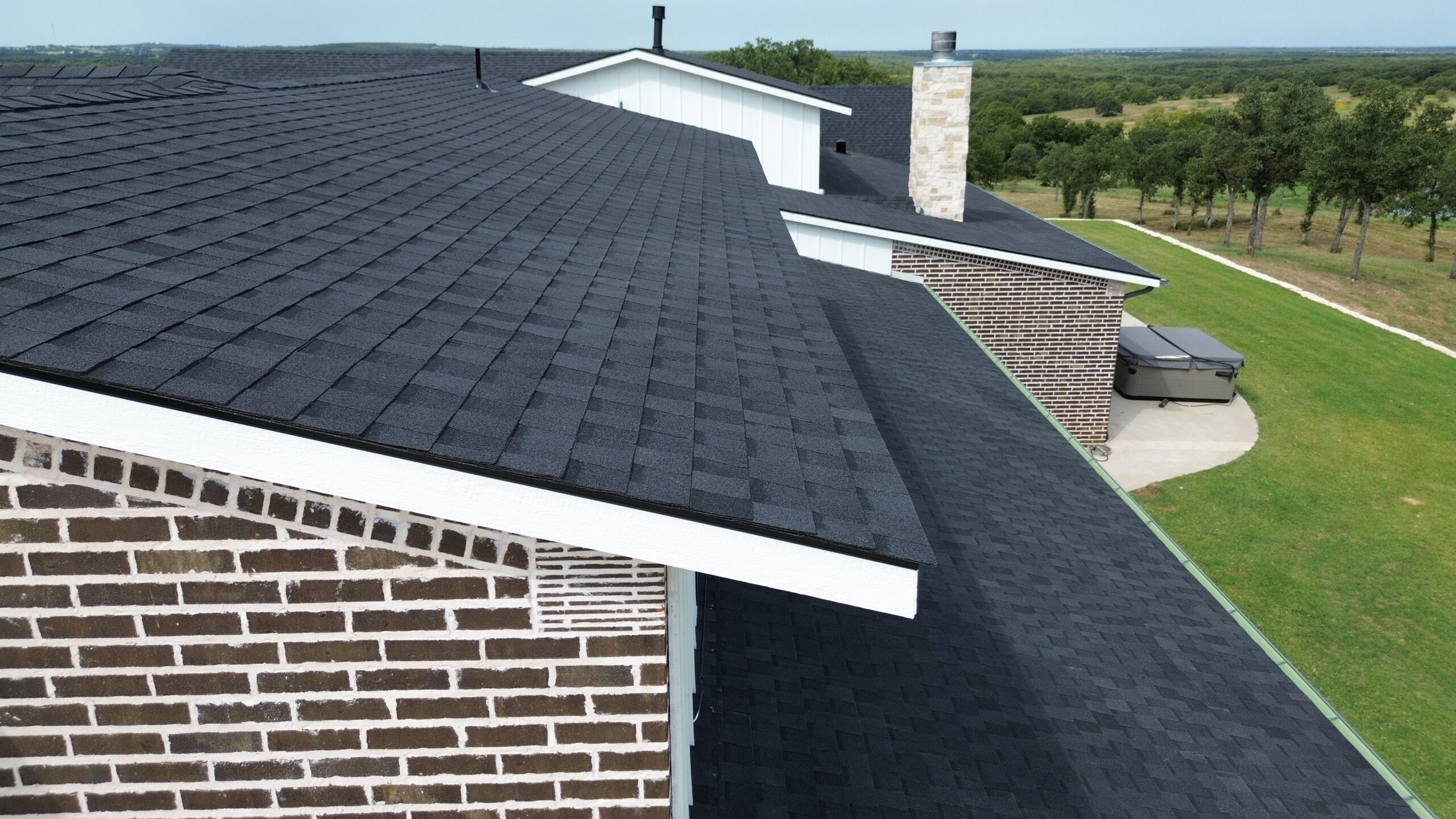
Common Mistakes to Avoid Before Filing a Claim
Many roof insurance claims become more complicated because of avoidable mistakes made before the claim is even submitted. Understanding these common errors helps homeowners protect both their property and their insurance rights.
One frequent mistake is delaying the inspection after severe weather. Even if damage appears minor, hidden problems such as lifted shingles or damaged flashing may allow water to enter the home. Prompt inspections help identify issues before they become more expensive.
Another mistake is failing to document the damage thoroughly. Some homeowners only take a few photographs or forget to record interior damage. Comprehensive documentation provides stronger evidence during the insurance review.
Beginning permanent roof repairs before the insurance adjuster visits is another common problem. Although temporary repairs to prevent additional damage are generally appropriate, replacing roofing materials too early may remove important evidence that the insurer needs to evaluate the claim.
Some homeowners also assume that every contractor understands the insurance process. Choosing an experienced roofing professional who regularly works with insurance claims often leads to better documentation and more accurate repair estimates.
Avoiding these mistakes can save both time and money. Careful preparation allows homeowners to move into the formal claims process with stronger evidence and fewer complications.
At this point, the homeowner has documented the damage, reviewed the insurance policy, and taken the necessary steps to protect the property. The next stage is officially filing the insurance claim and working with the insurance company as it begins its investigation.
Filing the Roof Insurance Claim
Once the initial documentation is complete and the property has been protected from further damage, the next step is filing the insurance claim. Reporting the damage promptly allows the insurance company to begin its investigation while evidence is still fresh. Most insurance policies require homeowners to notify the insurer within a reasonable timeframe after discovering the damage.
The claims process usually begins with a phone call, online claim submission, or a report through the insurance company’s mobile application. During this stage, the homeowner provides basic information about the incident, including the policy number, the date the damage occurred, and a brief description of what happened.
It is important to provide accurate and consistent information. If details change significantly throughout the investigation, the insurance company may request additional clarification before moving forward. Reviewing notes and photographs before submitting the claim helps ensure that all information is correct.
After the claim has been received, the insurance company assigns a claim number and a claims representative. This individual becomes the primary point of contact throughout the process and coordinates the next stages of the investigation.
The insurer may request supporting documents immediately after the claim is opened. Providing these materials promptly helps prevent unnecessary delays and allows the adjuster to prepare for the inspection.
Homeowners should also keep a record of every conversation with the insurance company. Saving emails, letters, and notes from phone calls creates a complete communication history that may be useful if questions arise later.
How the Insurance Company Reviews Your Claim
After the claim is submitted, the insurance company begins reviewing the available information before making a coverage decision. This review involves more than simply looking at photographs of the damaged roof. The insurer compares multiple sources of information to determine whether the loss qualifies under the policy.
The first step is confirming that the insurance policy was active when the damage occurred. The company also reviews the policy’s covered perils, exclusions, deductibles, and any endorsements that may affect roof coverage.
Next, the insurer evaluates the reported cause of the damage. Storm reports, weather data, photographs, contractor observations, and homeowner statements are often compared to determine whether the reported event is consistent with the physical evidence.
Claim history may also be reviewed. If the property has experienced previous roof damage or earlier insurance claims, the company examines whether those repairs were completed properly. This helps distinguish new damage from older issues that may already have existed.
Insurance companies also assess whether the homeowner fulfilled their responsibilities after discovering the damage. Prompt reporting, temporary protective measures, and cooperation during the investigation all demonstrate responsible ownership and support a smoother claims process.
Every piece of information contributes to the overall evaluation. The insurance company uses this evidence to decide whether the damage is covered and, if so, how much compensation should be provided.
What Happens During the Insurance Adjuster’s Inspection
The insurance adjuster’s inspection is one of the most important stages of the roof repair process. The findings from this inspection often determine whether the claim is approved, partially approved, or denied.
Before arriving, the adjuster typically reviews the claim information and schedules an appointment with the homeowner. Being present during the inspection allows homeowners to answer questions and point out areas of concern that may not be immediately visible.
The inspection usually begins with an examination of the roof’s exterior. The adjuster looks for missing shingles, hail impacts, lifted roofing materials, damaged flashing, punctures, and other signs of storm related damage. Gutters, downspouts, vents, and nearby structures may also be inspected because they can provide additional evidence of severe weather.
Interior areas receive attention as well when necessary. Water stains on ceilings, damp insulation, attic moisture, and signs of leaks help the adjuster understand how the roof damage has affected the home’s interior.
Photographs and measurements are taken throughout the inspection. These records become part of the official claim file and are used when preparing the insurance estimate.
Some homeowners choose to have their roofing contractor present during the inspection. A knowledgeable contractor can answer technical questions, identify less obvious damage, and help ensure that all affected areas receive proper attention.
The inspection is designed to gather facts rather than make an immediate decision. The adjuster collects evidence and prepares a report that is later reviewed alongside the policy terms before the insurer issues its determination.
Understanding the Insurance Estimate
After the inspection has been completed, the insurance company prepares an estimate outlining the repairs it believes are covered under the policy. This document is one of the most important parts of the entire claims process because it explains how the settlement amount was calculated.
The estimate usually lists the damaged components of the roof, the repair methods, material quantities, labor costs, and other approved expenses. Each item contributes to the total value of the covered repairs.
Homeowners should review the estimate carefully rather than assuming every damaged area has been included. Comparing the insurance estimate with the contractor’s inspection report helps identify any differences that may require clarification.
Some estimates include depreciation, depending on the policy. If the homeowner has replacement cost coverage, a portion of the payment may be withheld until repairs are completed and documented. Once the work is finished, the remaining amount may be released according to the policy terms.
Deductibles also affect the final payment. The homeowner is generally responsible for paying the deductible before insurance contributes toward the approved repair costs.
If any part of the estimate seems unclear, homeowners should ask questions before repairs begin. Understanding the scope of work helps prevent misunderstandings later in the project.
Choosing the Right Roofing Contractor
Selecting the right roofing contractor is an important decision after the insurance claim has been approved. A qualified contractor not only performs quality repairs but also helps ensure the work matches the approved insurance estimate.
Experience with insurance related roof repairs is valuable. Contractors familiar with the claims process understand how insurance estimates are prepared and can explain any differences between their own inspection findings and the insurer’s assessment.
Homeowners should verify that the contractor is properly licensed and insured where required. This protects both parties and reduces the risk of problems during construction.
Written contracts are essential before work begins. The agreement should clearly describe the scope of repairs, materials being used, estimated completion timeline, payment schedule, and warranty information. Reviewing every detail helps prevent misunderstandings after construction starts.
References and previous customer reviews also provide useful insight into a contractor’s reputation. Companies with a history of quality workmanship and professional communication are generally better prepared to handle insurance related projects.
Price should not be the only factor when selecting a contractor. Extremely low estimates may indicate lower quality materials or incomplete repairs, while unusually high estimates may not match the insurance company’s approved scope of work. Balancing experience, quality, and professionalism usually leads to better long term results.
Comparing Each Stage of the Insurance Approved Roof Repair Process
Each stage of the insurance approved roof repair process has a specific purpose. Understanding how these stages fit together helps homeowners prepare for what comes next and reduces confusion throughout the project.
| Stage | Primary Purpose | Homeowner’s Responsibility |
|---|---|---|
| Damage Discovery | Identify roof damage after a covered event | Inspect safely and document visible damage |
| Claim Filing | Notify the insurance company | Submit accurate claim information promptly |
| Insurance Inspection | Evaluate the cause and extent of damage | Attend the inspection if possible and provide documentation |
| Estimate Review | Calculate covered repair costs | Review the estimate and ask questions if needed |
| Contractor Selection | Choose a qualified roofing professional | Verify credentials and sign a written agreement |
| Repair Completion | Restore the roof according to the approved scope | Monitor progress and keep project records |
| Final Settlement | Complete payment based on policy terms | Submit final documents if required |
Following each stage in order helps create a smoother repair experience. Skipping steps or rushing the process often leads to avoidable complications that delay repairs or create disagreements.
Common Delays During the Claims Process and How to Prevent Them
Although many roof insurance claims move forward without major issues, delays can occur for a variety of reasons. Understanding these common obstacles allows homeowners to respond proactively and keep the process moving.
One frequent cause of delay is incomplete documentation. Missing photographs, repair estimates, or maintenance records may require the insurance company to request additional information before making a decision. Organizing documents early helps avoid this problem.
Scheduling conflicts can also slow the process. During periods of widespread storm damage, insurance adjusters and roofing contractors often have very busy schedules. Contacting the insurance company promptly after discovering damage increases the likelihood of obtaining an earlier inspection appointment.
Communication delays are another common issue. If emails, phone calls, or document requests are not answered quickly, the claim may remain on hold until the required information is received. Responding promptly demonstrates cooperation and helps maintain steady progress.
Disagreements regarding repair costs sometimes require additional review. If the contractor’s estimate differs significantly from the insurance estimate, both parties may need to discuss the scope of work before repairs begin. Clear communication usually helps resolve these differences more efficiently.
Weather conditions can also affect project timelines. Ongoing rain, snow, or high winds may prevent inspections or delay roofing work until conditions become safe. While these delays cannot always be avoided, maintaining regular communication with both the contractor and the insurance company helps everyone stay informed.
Keeping a dedicated claim file throughout the process is one of the simplest ways to reduce delays. Storing inspection reports, photographs, receipts, estimates, emails, and policy documents in one location makes it easier to respond whenever additional information is requested.
By understanding how claims are reviewed, what happens during inspections, and how estimates are prepared, homeowners are well prepared for the next stage of the insurance approved roof repair process. Once the insurance company approves the work, attention shifts from paperwork to completing high quality repairs and bringing the project to a successful conclusion.
Beginning the Insurance Approved Roof Repairs
Once the insurance company approves the claim and the contractor has been selected, the repair phase can begin. At this stage, the focus shifts from inspections and paperwork to restoring the roof according to the approved scope of work. Proper planning helps ensure the project stays on schedule and meets quality expectations.
Before work starts, the contractor usually reviews the repair plan with the homeowner. This discussion includes the materials being used, the expected timeline, safety precautions, and any preparations the homeowner should make before construction begins.
Homeowners may need to move vehicles away from the work area and protect valuable items stored in the attic. Roofing projects often create vibrations that can affect items hanging on walls or resting on shelves. Taking a few preventive steps helps avoid accidental damage during construction.
Material delivery is another important part of the process. Roofing materials are typically delivered shortly before work begins so the project can proceed without unnecessary interruptions. The contractor also arranges equipment, waste disposal containers, and any required safety measures.
Throughout the repair process, the contractor should communicate regularly with the homeowner. Updates about weather delays, unexpected findings, or schedule adjustments help everyone remain informed and reduce misunderstandings.
Although the insurance company has already approved the repairs, homeowners should still monitor the project. Observing progress and asking questions when necessary helps ensure the completed work matches the approved repair plan.
Final Inspection and Completing the Project
After the roofing work has been completed, the project enters its final stage. This phase confirms that repairs have been performed correctly and that the roof is ready to provide long term protection for the home.
The contractor typically performs a final walkthrough before considering the project complete. During this inspection, they verify that damaged materials have been replaced, flashing has been properly installed, and all roofing components meet the agreed scope of work.
Cleanup is also an important responsibility. Roofing crews remove debris, unused materials, old shingles, and nails from the property. Many contractors use magnetic tools to collect loose nails from driveways and landscaping, helping improve safety after construction is finished.
Homeowners should take time to inspect the completed work themselves. While most roofing details are technical, they can confirm that visible repairs appear complete and that the property has been cleaned properly. If questions arise, they should be discussed with the contractor before the project is officially closed.
Photographs of the completed roof are worth keeping for future reference. These images document the condition of the roof after repairs and may prove valuable if another insurance claim becomes necessary years later.
Some insurance companies require proof that repairs have been completed before releasing the final portion of the settlement. Homeowners should submit any requested invoices, completion certificates, or photographs promptly to avoid delays in receiving the remaining payment.
What to Do If the Insurance Claim Is Underpaid or Denied
Not every claim ends with a settlement that homeowners believe is fair. Sometimes the insurance company approves only part of the repairs, while other claims may be denied entirely. Understanding the available options helps homeowners respond appropriately.
The first step is reviewing the insurance company’s written explanation. The decision letter usually explains why certain repairs were not approved or why the claim was denied. Reading this document carefully helps identify whether additional information may change the outcome.
Comparing the insurance estimate with the contractor’s report can also reveal important differences. If the contractor identified damage that does not appear in the insurance estimate, further clarification may be appropriate.
Homeowners should gather any additional documentation that supports their position. New photographs, updated inspection reports, maintenance records, and weather information may strengthen a request for reconsideration.
If necessary, homeowners can contact the claims representative to discuss the decision. Many disagreements are resolved through professional communication and additional documentation without requiring formal legal action.
When significant disputes remain unresolved, an independent public adjuster or an attorney experienced in insurance matters may provide guidance. These professionals can explain available options based on the specific circumstances of the claim.
Remaining organized throughout the process is important. Keeping copies of every estimate, inspection report, email, and letter makes it easier to support future discussions if the claim requires further review.
Tips for a Smooth Insurance Roof Repair Experience
Every insurance claim is different, but certain habits consistently improve the overall experience. Homeowners who prepare in advance and stay organized are often able to complete repairs with fewer delays and less stress.
Routine roof maintenance should never be overlooked. Regular inspections help identify loose shingles, damaged flashing, blocked gutters, and other small issues before they become larger problems. Preventive maintenance not only extends the life of the roof but also demonstrates responsible ownership if an insurance claim is filed.
Accurate documentation remains valuable throughout the entire process. Maintaining a folder containing inspection reports, photographs, receipts, warranties, and repair records provides useful evidence whenever questions arise.
Communication is equally important. Responding promptly to requests from the insurance company and contractor helps prevent unnecessary delays while ensuring everyone has the same information.
Homeowners should also review their insurance policy every few years. Coverage needs may change as the home ages, roofing materials are upgraded, or policy options are updated. Understanding the current policy makes future claims easier to navigate.
Finally, avoid making rushed decisions after severe storms. High pressure sales tactics, unrealistic promises, and unusually low repair estimates should all be approached carefully. Taking time to verify contractors and review documents often leads to better long term results.
Frequently Asked Questions About Insurance Approved Roof Repairs
How long does the insurance approved roof repair process usually take?
The timeline varies depending on the extent of the damage, weather conditions, contractor availability, and the insurance company’s review process. Simple repairs may be completed within a few weeks, while large replacement projects can take longer.
Can I choose my own roofing contractor?
Yes. In most cases, homeowners have the right to select the roofing contractor they prefer. Choosing a reputable contractor with experience handling insurance related repairs often results in a smoother project.
Will the insurance company pay the contractor directly?
Payment procedures depend on the insurance company and the policy. Some insurers issue payment to the homeowner, while others may include both the homeowner and the contractor on the payment check.
What if additional damage is discovered during repairs?
Occasionally, hidden damage becomes visible after roofing materials are removed. If the newly discovered damage is related to the covered event, the contractor can document it and communicate with the insurance company to determine whether additional approval is required.
Should I keep copies of repair documents after the project is finished?
Yes. Inspection reports, invoices, warranties, photographs, and insurance settlement documents should all be stored safely. These records may be helpful for future maintenance, home sales, or additional insurance claims.
Can I upgrade my roofing materials during the repair?
Many homeowners choose to upgrade roofing materials while repairs are being completed. If the upgraded materials cost more than the insurance approved estimate, the homeowner is generally responsible for paying the difference unless the policy specifically provides additional coverage.
Does an approved claim guarantee a full roof replacement?
Not necessarily. The insurance company pays for repairs based on the extent of covered damage and the terms of the policy. Some claims result in localized repairs, while others justify a complete roof replacement.
Conclusion
The insurance approved roof repair process may seem complicated at first, but understanding each stage makes it much easier to manage. From documenting the initial damage and filing the claim to completing repairs and receiving the final settlement, every step plays an important role in protecting both the home and the homeowner’s financial interests.
Preparation is one of the biggest factors in a successful claim. Prompt documentation, regular roof maintenance, accurate communication, and a clear understanding of insurance policy terms all contribute to a smoother claims experience. These practices reduce confusion and help insurance companies evaluate claims more efficiently.
Working with qualified professionals is equally important. Experienced roofing contractors provide accurate inspections, quality repairs, and valuable guidance throughout the process. Their expertise helps ensure that repairs meet both industry standards and the approved insurance scope of work.
Homeowners should also remember that insurance claims require patience. Inspections, estimates, approvals, and repairs each take time, particularly after widespread storms when many claims are being processed simultaneously. Staying organized and maintaining open communication with both the insurance company and the contractor helps keep the project moving forward.
Even if challenges arise, such as delays, underpayments, or claim disputes, careful documentation and a professional approach often lead to better outcomes. Understanding your rights, keeping thorough records, and responding promptly to requests can make resolving issues much easier.
Ultimately, the goal of an insurance approved roof repair is not simply to restore damaged shingles but to return the home to a safe, secure, and weather resistant condition. By following the process carefully and making informed decisions at every stage, homeowners can navigate roof insurance claims with greater confidence and ensure their investment is protected for years to come.