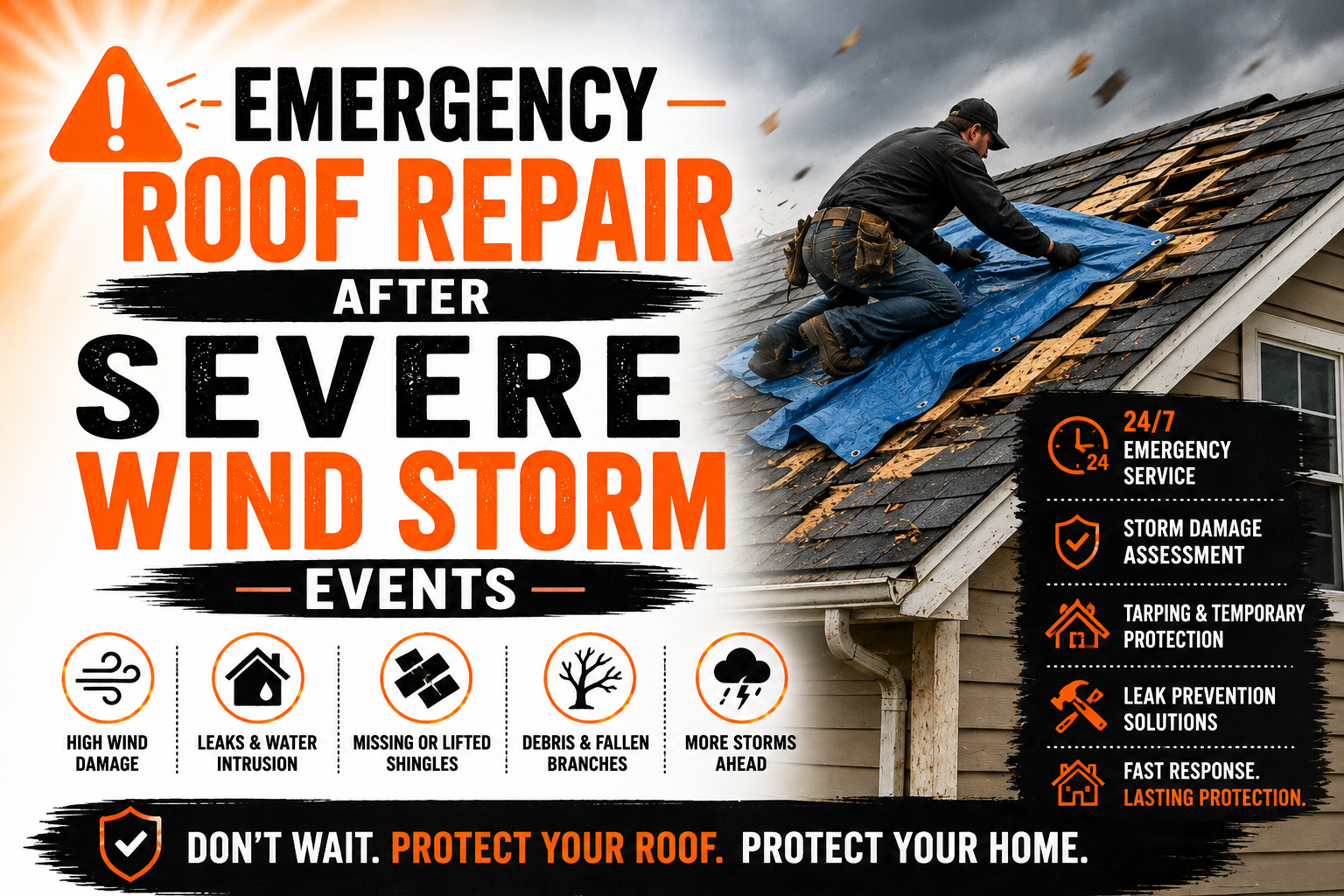
Emergency Roof Repair After Severe Wind Storm Events
Introduction
Severe wind storms can strike with little warning and leave homeowners dealing with unexpected roof damage. Powerful wind gusts are capable of lifting shingles, tearing away flashing, damaging gutters, and exposing the underlying roof structure to rain and debris. Even if the damage appears minor from the ground, hidden issues may already be developing beneath the roofing materials.
Emergency roof repair plays a critical role in protecting your home immediately after a storm. Taking quick action helps reduce water intrusion, prevents structural deterioration, and limits the overall cost of restoration. Delaying repairs often allows a small problem to grow into extensive damage that affects ceilings, insulation, walls, and even electrical systems.
Every wind storm creates different challenges depending on the roof design, roofing materials, storm intensity, and surrounding environment. Homes located near large trees or in open areas may experience different types of damage than properties in dense neighborhoods. Understanding these risks helps homeowners make informed decisions during stressful situations.
This guide explains how severe wind storms affect residential roofs, why emergency repairs are essential, how to recognize visible and hidden damage, and the important steps every homeowner should take during the first twenty four hours after a storm. The goal is to help you respond quickly while protecting both your property and your family’s safety.
Understanding How Severe Wind Storms Damage Roofs
Wind is one of the most destructive weather forces a roof can face because it attacks every exposed component simultaneously. As wind pressure changes across the roof surface, it can loosen materials, create uplift forces, and expose vulnerable areas to moisture. Once the protective roofing system is compromised, additional damage often follows quickly.
High winds rarely damage only one section of the roof. Instead, they often create multiple weak points that allow rainwater to penetrate the structure over time. These openings may remain unnoticed until interior water stains or mold growth begin to appear.
Different roofing materials respond differently to severe wind events. Asphalt shingles may curl, crack, or detach, while metal panels can loosen around fasteners if they were not properly secured. Tile roofs may experience broken or displaced tiles, exposing the waterproof underlayment beneath.
Roof edges are particularly vulnerable because they experience stronger uplift forces during storms. Wind often begins lifting roofing materials from corners and edges before spreading toward the center of the roof. Once this process begins, additional shingles or panels can detach much more easily.
Older roofs generally face greater risks because years of weather exposure weaken adhesives, fasteners, and protective coatings. Even moderate wind speeds can cause significant damage when roofing materials have already reached the later stages of their service life. Routine maintenance becomes even more valuable for aging roofing systems.
Nearby trees also increase the likelihood of roof damage during severe storms. Branches may scrape roofing materials repeatedly before eventually breaking and falling onto the roof surface. Even smaller limbs can puncture shingles, damage flashing, or clog gutters with leaves and debris.
Wind driven debris creates another serious threat. Loose outdoor furniture, fence panels, construction materials, and tree limbs can strike the roof with considerable force. These impacts often leave punctures or fractures that may not be immediately visible from the ground.
Roof accessories are equally vulnerable during wind storms. Chimney flashing, ridge vents, skylights, plumbing vent boots, and satellite mounts may become loose or damaged, creating additional pathways for water intrusion. Protecting these components is an important part of any emergency roof repair strategy.
Why Emergency Roof Repair Should Never Be Delayed
Many homeowners underestimate the speed at which roof damage can worsen after a severe wind storm. What begins as a few missing shingles may quickly develop into widespread water damage if another storm arrives before repairs are completed. Acting promptly helps prevent secondary issues that are often far more expensive than the initial repair.
Water intrusion is one of the biggest concerns after wind damage. Once rain enters through exposed sections of the roof, moisture spreads into insulation, wooden framing, drywall, and ceilings. These materials retain moisture, creating conditions that encourage mold growth and structural decay.
Emergency repairs are designed to stabilize the roof until permanent restoration can be completed. Temporary protective measures help keep additional rain outside while roofing professionals assess the full extent of the damage. This approach significantly reduces the risk of escalating repair costs.
Delaying emergency repairs can also weaken structural components that were not originally damaged by the storm. Wet wooden decking may begin to warp, while prolonged moisture exposure can reduce the strength of roof framing. Over time, these hidden issues become much more expensive to correct.
Electrical hazards may also develop when water reaches wiring located inside ceilings or attic spaces. Moisture around electrical fixtures increases safety risks and may require additional inspections before power can safely remain connected. Quick roof protection helps minimize these dangers.
Interior finishes are equally vulnerable after a roof leak develops. Paint begins peeling, drywall softens, flooring becomes damaged, and furniture may suffer permanent water stains. Emergency roof repairs help preserve both the structure and the valuable belongings inside the home.
Insurance claims may also benefit from timely action. Taking reasonable steps to prevent additional damage demonstrates responsible property maintenance after a storm. While policies vary, homeowners are generally expected to protect their property from avoidable secondary losses whenever possible.
Fast response also provides peace of mind during an already stressful situation. Knowing the roof has been temporarily secured allows homeowners to focus on documenting damage, communicating with insurance providers, and planning permanent repairs without worrying about every rainfall.
Common Signs Your Roof Needs Immediate Attention After a Wind Storm
Not all roof damage is immediately obvious after severe winds pass through an area. Some warning signs are visible from the ground, while others require careful inspection by experienced roofing professionals. Recognizing these indicators early helps prevent larger structural problems from developing.
One of the most noticeable signs is missing shingles. Empty patches expose the underlayment and roof decking directly to weather, increasing the chance of water infiltration during the next rainfall. Even a small area of missing shingles should be treated as an emergency repair situation.
Lifted or curled shingles also require immediate attention. Although they may still appear attached, strong winds often weaken the adhesive seal that keeps shingles securely in place. These loosened shingles become much easier to remove during future storms.
Granule accumulation inside gutters is another warning sign that should not be ignored. Asphalt shingles naturally shed some granules over time, but excessive amounts after a wind storm often indicate accelerated roof deterioration. Loss of granules reduces the shingles’ ability to resist sunlight and weather exposure.
Damaged flashing around roof penetrations creates another common source of leaks. Wind can loosen metal flashing surrounding chimneys, skylights, vents, and valleys, allowing rainwater to enter beneath the roofing materials. These leaks may remain hidden until interior staining becomes noticeable.
Homeowners should also pay attention to unusual sounds following a storm. Loose roofing materials may flap during windy conditions, indicating sections that require immediate stabilization. Ignoring these warning signs allows damage to spread during every subsequent weather event.
Inside the home, fresh ceiling stains frequently indicate roof damage. Brown or yellow discoloration may appear gradually as water travels through insulation before reaching ceiling surfaces. These stains rarely identify the exact location of the roof leak because water often moves along framing members before becoming visible.
Attic inspections often reveal additional warning signs. Damp insulation, visible daylight through the roof decking, water stains on rafters, or musty odors suggest that moisture has entered the roofing system. Even if living spaces remain dry, attic moisture deserves immediate professional evaluation.
The following signs typically indicate that emergency roof repairs should be scheduled as soon as possible:
- Missing or partially detached shingles
- Bent or damaged flashing around roof openings
- Exposed roof decking or underlayment
- Water stains on ceilings or walls
- Debris embedded in the roof surface
- Sagging gutters or detached gutter sections
- Fallen tree limbs resting on the roof
- Visible daylight inside the attic
These warning signs may appear individually or together depending on the severity of the storm. Addressing them quickly helps reduce the likelihood of more extensive repairs later.
Hidden Damage That Homeowners Often Miss
Not every storm related roofing problem can be seen during a quick visual inspection. Many forms of damage remain concealed beneath roofing materials where they continue worsening long after the storm has ended. Professional inspections help identify these hidden issues before they become major structural concerns.
One common hidden problem involves compromised underlayment. Even when shingles remain in place, high winds may lift them enough to tear or crease the waterproof membrane beneath. Once this protective layer is damaged, future rain can gradually penetrate deeper into the roof assembly.
Fasteners may also loosen without obvious exterior evidence. Nails and screws that secure roofing materials can shift during repeated wind pressure, reducing their holding strength. This weakened attachment makes future storm damage much more likely even if the roof initially appears undamaged.
Roof decking sometimes develops small fractures after impact from wind driven debris. These cracks may remain hidden beneath shingles while slowly allowing moisture to enter the wooden structure. Continued water exposure eventually leads to wood rot and reduced structural stability.
Moisture trapped inside insulation presents another hidden concern. Wet insulation loses much of its thermal performance while creating an environment that supports mold development. Because insulation dries slowly, moisture problems may continue for weeks if left untreated.
Flashing failures are frequently concealed beneath overlapping roofing materials. Wind can create tiny separations around chimneys or roof penetrations that allow slow leaks during rainfall. These small openings often remain unnoticed until interior finishes begin showing visible water damage.
Ventilation systems may also suffer storm related damage. Ridge vents, soffit vents, or attic ventilation components can loosen or shift during severe winds, affecting airflow throughout the attic. Poor ventilation increases moisture buildup and shortens the lifespan of roofing materials.
Sealants around roof penetrations naturally age over time, and severe winds can accelerate their failure. Cracked sealant allows water to bypass otherwise intact roofing materials. Professional inspections include close examination of these vulnerable transition points.
Structural movement occasionally occurs during extremely powerful wind events. Although uncommon, excessive uplift forces can place unusual stress on roof framing connections. Identifying these problems early helps prevent larger structural repairs in the future.
Safety Steps to Take Before Inspecting a Storm Damaged Roof
Personal safety should always come before evaluating storm damage. A roof that has experienced severe wind exposure may be unstable in ways that are not immediately visible. Taking unnecessary risks during an inspection can result in serious injury.
Begin by walking around the property while remaining safely on the ground. Look for missing shingles, fallen branches, damaged gutters, displaced flashing, and visible debris resting on the roof. Taking photographs from multiple angles creates valuable documentation for insurance purposes.
Avoid climbing onto the roof immediately after the storm. Wet roofing materials become slippery, while hidden structural damage may make certain areas unsafe to walk on. Professional roofing contractors have specialized safety equipment and training for these situations.
Check the attic carefully if it can be accessed safely. Use a flashlight to inspect for water stains, damp insulation, visible daylight, or dripping water. Avoid touching electrical wiring if moisture is present, and leave any electrical concerns to qualified professionals.
Inspect the area surrounding your home for additional hazards. Downed power lines, unstable trees, broken utility poles, and hanging branches should all be treated as dangerous conditions. Contact the appropriate utility company or emergency services if necessary.
If active leaking is occurring inside the home, move furniture and valuable belongings away from affected areas whenever possible. Placing containers beneath dripping water helps reduce flooring damage while temporary repairs are being arranged.
Document every visible sign of damage before moving debris or making temporary repairs. Detailed photographs and written notes provide useful evidence during insurance claims and help contractors understand the condition of the roof immediately after the storm.
Emergency situations can be stressful, but remaining calm helps homeowners make better decisions. Focusing on safety first while documenting damage carefully creates a strong foundation for the repair process that follows.
What To Do During the First 24 Hours After Wind Damage
The first day following a severe wind storm often determines how much additional damage the home experiences. Quick decisions and organized actions can significantly reduce repair costs while protecting the property from worsening conditions. Having a clear response plan makes this process much more manageable.
The following steps provide a practical approach during the critical first twenty four hours after storm damage:
- Confirm that every family member is safe before inspecting the property.
- Walk around the home and document visible roof damage using photographs and videos.
- Check the attic and interior ceilings for signs of active leaks or water intrusion.
- Remove valuable belongings from areas where water may enter the home.
- Contact a qualified emergency roofing contractor for an immediate inspection.
- Notify your insurance company to begin the claims process if significant storm damage has occurred.
- Keep records of all temporary repairs, inspection reports, photographs, and related expenses for future reference.
Taking these steps promptly helps limit additional property damage while preparing for the professional repair process. The actions completed during the first day often influence both repair costs and the overall speed of restoring the home.
Temporary Roof Protection Until Permanent Repairs Begin
Permanent roof repairs cannot always begin immediately after a severe wind storm. Roofing contractors may need time to perform detailed inspections, order materials, coordinate with insurance adjusters, or wait for safe weather conditions. During this period, temporary protection becomes essential for preventing additional damage.
The primary goal of emergency protection is to keep water out of the home until permanent repairs can be completed. Every rainfall that reaches exposed roof decking increases the risk of structural deterioration, insulation damage, and mold growth. Even a short delay without temporary protection can significantly increase restoration costs.
Professional roof tarping is one of the most common emergency solutions following severe wind events. Heavy duty waterproof tarps are securely fastened over damaged sections to shield exposed areas from rain and wind. Proper installation is critical because a poorly secured tarp may tear away during the next storm.
Temporary waterproof coverings must extend beyond the damaged area to prevent water from flowing underneath the protective material. Roofing professionals carefully position and secure these coverings to reduce movement caused by strong winds. The goal is to create a reliable barrier until permanent repairs begin.
Sealants may also be applied around damaged flashing, roof penetrations, or small openings where water intrusion is occurring. These products are intended only as temporary solutions and should not replace proper repairs. Once weather conditions improve, permanent restoration should begin as soon as possible.
If damaged tree branches remain on the roof, they should be removed carefully by qualified professionals. Improper removal techniques can create additional damage by shifting weight across weakened roofing materials. Large branches may also place excessive stress on the roof structure if left in place.
Interior protection is equally important while waiting for repairs. Plastic sheeting, buckets, and protective coverings can help minimize damage to flooring, furniture, and personal belongings if minor leaks continue. These temporary measures reduce cleanup costs and preserve valuable household items.
Emergency protection should never be viewed as a permanent fix. Temporary repairs buy valuable time, but they do not restore the roof’s original strength or weather resistance. Scheduling permanent repairs promptly remains the best long term solution.
Emergency Roof Repair Techniques Used by Professionals
Emergency roof repairs require specialized knowledge because every storm creates unique damage patterns. Professional roofing contractors evaluate the condition of the entire roofing system before determining the safest and most effective repair strategy. Their goal is not only to stop active leaks but also to restore the roof’s structural integrity.
One of the first repair tasks often involves replacing missing or severely damaged shingles. New shingles are installed using manufacturer recommended fastening methods to ensure proper wind resistance. Matching the existing roofing material also helps maintain the roof’s appearance and performance.
Damaged flashing receives careful attention because it protects some of the roof’s most vulnerable areas. Contractors replace bent, cracked, or displaced flashing around chimneys, skylights, valleys, and vent pipes. Proper flashing installation prevents water from entering locations where different building materials meet.
Loose roofing components are resecured using appropriate fasteners and installation techniques. Ridge caps, metal panels, roof vents, and trim pieces are inspected individually to confirm they remain firmly attached. Reinforcing these components improves the roof’s ability to withstand future storms.
If roof decking has suffered impact damage or water deterioration, contractors remove damaged sections before installing new structural panels. Repairing the decking creates a stable foundation for replacement roofing materials. Skipping this step could allow future roofing problems to develop beneath the new surface.
Professional crews also inspect ventilation systems during emergency repairs. Damaged ridge vents, soffit vents, and attic ventilation openings may reduce airflow, allowing moisture and heat to accumulate inside the attic. Restoring proper ventilation helps extend the life of the repaired roof.
Sealants are applied carefully around roof penetrations where waterproof barriers are required. Modern roofing sealants are selected based on the roofing material, local climate, and exposure conditions. Using compatible products helps create durable weather resistant seals.
After repairs are completed, contractors typically perform a final inspection to verify that all damaged areas have been addressed. This quality control process helps ensure the roof is ready to provide reliable protection during future weather events.
Materials Commonly Damaged by High Winds and Their Repair Needs
Every roofing material responds differently when exposed to severe wind forces. Understanding how each type performs helps homeowners appreciate why repair methods vary from one roofing system to another. Proper repairs depend on both the material itself and the extent of the storm damage.
Asphalt shingles are among the most common residential roofing materials and are particularly vulnerable to wind uplift. Strong gusts can loosen adhesive strips, bend shingle edges, or remove entire sections from the roof. Replacing damaged shingles promptly prevents moisture from reaching the roof decking.
Metal roofing generally offers excellent wind resistance when properly installed. However, extreme winds may loosen fasteners, damage seams, or bend panel edges if debris strikes the surface. Repairs often involve replacing damaged panels or reinforcing attachment points.
Clay and concrete tile roofs perform well under many weather conditions but may crack if impacted by falling branches or wind driven debris. Individual broken tiles are replaced while the surrounding underlayment is carefully inspected for hidden damage.
Wood shake roofs may split, lift, or loosen during prolonged wind exposure. Because wood expands and contracts naturally, repairs require careful matching of replacement shakes to preserve both appearance and weather resistance.
Slate roofing is highly durable but can crack under significant impact. Replacing damaged slate tiles requires specialized installation techniques because improper handling may damage surrounding pieces. Professional experience is especially important for these roofing systems.
Synthetic roofing materials continue gaining popularity because many products offer improved impact resistance and wind performance. Even so, severe storms can still damage edges, fasteners, or accessories attached to the roof. Repairs should always follow manufacturer specifications.
Roof accessories often experience as much damage as the primary roofing material. Gutters, fascia boards, soffits, vents, skylights, and chimney caps should all be inspected after major wind events. Repairing these supporting components helps restore the roof’s complete protective system.
Roof Damage Assessment Process Used by Roofing Contractors
A thorough roof inspection goes far beyond identifying missing shingles. Professional contractors evaluate every major roofing component to determine the full extent of storm damage before recommending repairs. This systematic approach helps prevent hidden problems from being overlooked.
Exterior inspections usually begin at ground level before contractors safely access the roof. They examine roof slopes, ridges, valleys, flashing, gutters, vents, skylights, and surrounding structures for visible storm damage. High resolution photographs document conditions before any repairs begin.
Once on the roof, contractors inspect roofing materials for signs of uplift, cracking, punctures, impact damage, and weakened fasteners. They also evaluate drainage patterns to identify areas where standing water may develop following repairs. Every damaged section is carefully documented.
The inspection continues beneath the roofing materials whenever necessary. Roof decking, underlayment, and structural framing are evaluated for moisture damage, wood deterioration, and signs of movement caused by severe wind pressure. These hidden conditions often influence the final repair recommendation.
Attic inspections provide valuable information that cannot always be seen from the roof surface. Contractors look for water stains, damp insulation, mold growth, ventilation issues, and structural changes that may have resulted from the storm. These observations help determine whether water intrusion has already affected the home’s interior.
Inspection findings are usually organized into a detailed report. This documentation supports repair planning, insurance claims, and future maintenance recommendations. Clear records also allow homeowners to better understand the condition of their roofing system.
Modern inspection methods may include moisture detection equipment, drone photography, and thermal imaging technology. These tools help identify concealed moisture and difficult to access damage without unnecessary removal of roofing materials. Advanced inspection techniques improve repair accuracy while reducing unnecessary work.
A complete assessment ensures that repairs address both obvious and hidden storm damage. Focusing only on visible problems may leave underlying issues unresolved, allowing future leaks and structural deterioration to develop.
Working With Insurance After Severe Wind Storm Damage
Filing an insurance claim after a severe wind storm can feel overwhelming, especially when homeowners are already dealing with emergency repairs. Understanding the general claims process helps reduce confusion and allows important documentation to be gathered from the beginning. Organized records often make the entire experience much smoother.
The first step is documenting every visible sign of damage before temporary repairs begin whenever it is safe to do so. Photographs should capture the roof, gutters, siding, windows, outdoor structures, and any interior water damage. Wide angle images and close up photographs together provide a more complete record of the storm’s impact.
Most insurance companies encourage homeowners to report significant storm damage promptly. Early communication allows the claims process to begin while evidence remains fresh. Waiting too long may complicate inspections or delay claim decisions depending on policy requirements.
Keep copies of every document related to the emergency repairs. Inspection reports, contractor estimates, invoices, receipts for temporary materials, and communication with insurance representatives may all become important during claim review. Maintaining organized records also helps answer questions that arise later.
Insurance adjusters generally perform their own inspection to verify the reported damage. During this visit, homeowners may benefit from having their roofing contractor present to discuss technical findings and explain the repair requirements. Open communication often helps clarify the full extent of storm related damage.
Homeowners should read their insurance policy carefully to understand deductibles, coverage limitations, exclusions, and claim procedures. Every policy differs, so understanding the available coverage helps set realistic expectations before repairs begin. When questions arise, requesting clarification directly from the insurance provider is always advisable.
When Roof Repair Is Enough and When Full Replacement Becomes Necessary
Not every wind damaged roof requires complete replacement. In many situations, localized repairs successfully restore the roof’s performance without replacing the entire system. The final decision depends on several factors, including the severity of the storm, the roof’s age, and the condition of the underlying structure.
Minor damage often affects only a limited portion of the roof. Replacing missing shingles, repairing flashing, securing loose components, and correcting small leaks may be sufficient when the remaining roofing materials remain in good condition. Prompt repairs help preserve the overall lifespan of the roof.
More extensive damage may affect multiple roof sections or expose large areas of roof decking. When widespread material failure occurs, repeated patch repairs may no longer provide reliable long term protection. In these cases, replacing the roofing system often becomes the more practical investment.
The age of the roof also influences repair decisions. If the roofing system is already approaching the end of its expected service life, investing in major repairs may offer limited value. A replacement may provide better long term protection and reduce the likelihood of recurring maintenance costs.
Structural damage presents another important consideration. If wind forces have compromised roof decking, framing connections, or major structural components, simply replacing surface materials will not solve the underlying problem. Structural repairs must be completed before the new roofing system is installed.
Building code requirements may also affect repair decisions. In some areas, extensive storm damage may trigger updated construction standards that influence whether repairs or replacement are permitted. Qualified roofing professionals understand these requirements and incorporate them into their recommendations.
The following table provides a general comparison between different levels of storm damage and the typical repair approach.
| Damage Severity | Common Roof Condition | Temporary Protection | Typical Permanent Solution | Estimated Repair Timeline |
|---|---|---|---|---|
| Minor | A few missing shingles or small flashing damage | Localized tarp if needed | Targeted repairs | 1 to 2 days |
| Moderate | Multiple damaged sections with minor leaks | Full tarp over affected area | Partial roof repair | Several days |
| Significant | Large exposed areas and repeated water intrusion | Extensive waterproof covering | Major repair or partial replacement | 1 to 2 weeks |
| Severe | Structural damage with widespread roofing failure | Emergency stabilization | Full roof replacement after structural repairs | Several weeks |
Every roof is unique, so these timelines serve only as general guidance. A professional inspection remains the most reliable way to determine the appropriate repair strategy.
Preventing Future Wind Storm Roof Damage
Although no roof can be made completely storm proof, proactive maintenance can significantly reduce the likelihood of severe wind damage. A well maintained roofing system is better equipped to withstand strong gusts because its materials remain securely attached and properly sealed. Preventive care also helps identify small problems before they become major failures during severe weather.
Routine roof inspections are one of the most effective preventive measures. Having the roof evaluated at least once a year and after major storms allows worn components to be repaired before they fail. Professional inspections often uncover loose flashing, deteriorated sealants, or damaged shingles that homeowners cannot easily identify from the ground.
Tree maintenance also plays a major role in protecting the roof. Overhanging branches should be trimmed regularly to reduce the chance of impact during high winds. Healthy trees are less likely to shed large limbs, while properly maintained landscaping keeps debris from accumulating on the roof.
Gutters and downspouts should remain clean throughout the year. Clogged drainage systems allow water to back up beneath roofing materials, increasing the risk of leaks after wind damage. Proper drainage also helps prevent standing water that can weaken roofing components over time.
Loose roof accessories deserve immediate attention whenever they are discovered. Small issues involving flashing, vents, gutters, or fascia boards may appear insignificant, but they often become starting points for extensive storm damage. Addressing these concerns early improves the roof’s overall wind resistance.
Homeowners planning future roof replacements should consider materials designed for higher wind performance. Many modern roofing products are engineered to resist stronger wind speeds than older materials. Selecting quality products and ensuring proper installation both contribute to a more durable roofing system.
Attic ventilation should not be overlooked as part of storm preparedness. Proper airflow helps regulate moisture levels and temperature, reducing stress on roofing materials throughout the year. A healthier roofing system is generally more capable of handling severe weather events.
Preventive maintenance requires consistent attention rather than waiting for problems to appear. Small investments in routine care often reduce emergency repair costs while extending the roof’s overall service life.
Choosing the Right Emergency Roofing Contractor
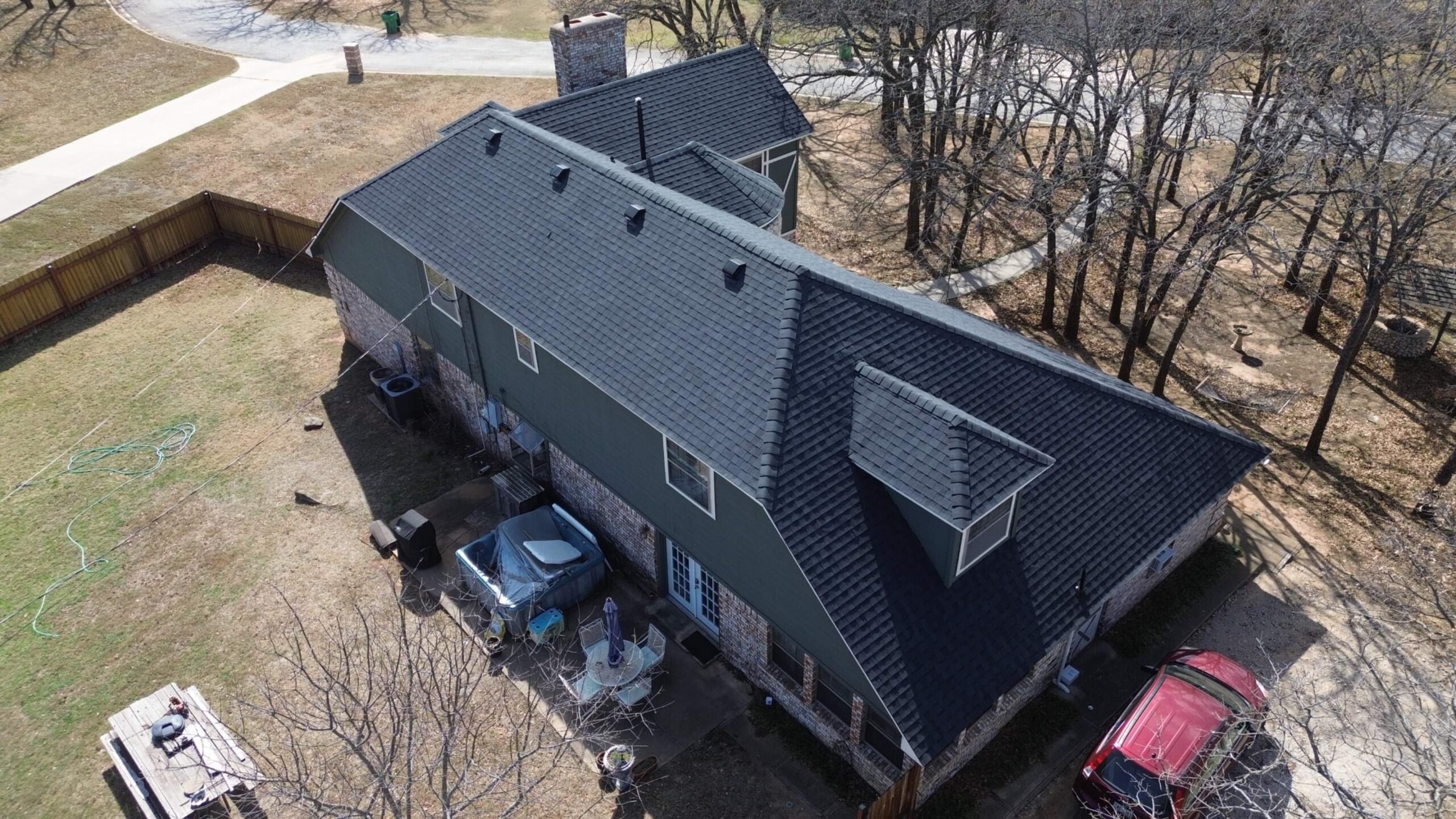
Selecting the right contractor after a severe wind storm is one of the most important decisions a homeowner can make. Emergency situations often create urgency, but rushing into an agreement without proper research may lead to poor workmanship or unnecessary expenses. Taking a little extra time to verify a contractor’s qualifications can make a significant difference.
Experience with storm damage repairs should be a top priority. Roofing contractors who regularly handle emergency situations understand how to identify both visible and hidden damage. Their familiarity with different roofing systems also allows them to recommend the most appropriate repair methods.
Licensing, insurance, and compliance with local building regulations should always be verified before work begins. These qualifications help protect homeowners while ensuring repairs meet applicable construction standards. Reputable contractors willingly provide documentation when requested.
Clear communication throughout the repair process is equally important. Homeowners should understand the inspection findings, repair recommendations, estimated timelines, and expected costs before approving any work. Transparent communication helps prevent misunderstandings as the project moves forward.
Written estimates provide valuable protection for both homeowners and contractors. Detailed proposals outline the scope of work, materials being used, warranty information, and estimated completion schedules. Having these details documented creates clear expectations from the beginning.
Reliable contractors also emphasize safety throughout the repair process. Professional crews use appropriate equipment, follow established safety procedures, and avoid unnecessary risks while working on damaged roofs. Safety practices protect workers as well as the homeowner’s property.
The following qualities can help homeowners identify a dependable emergency roofing contractor:
- Experience with storm related roof repairs
- Proper licensing and insurance coverage
- Detailed written estimates
- Clear communication throughout the project
- Strong workmanship warranties
- Positive customer reputation
- Commitment to safe work practices
Choosing a qualified contractor helps ensure repairs are completed correctly the first time. Quality workmanship provides greater confidence that the roof will continue protecting the home during future storms.
Mistakes Homeowners Should Avoid After Severe Wind Storms
Storm related stress can sometimes lead homeowners to make decisions that create additional problems. Understanding common mistakes helps reduce unnecessary expenses while improving the chances of a successful repair process. Careful planning and informed decision making remain valuable even during emergencies.
One of the most common mistakes is delaying professional inspections because the roof appears undamaged from the ground. Hidden issues often remain unnoticed until water intrusion begins weeks or even months later. Early inspections provide an opportunity to detect these problems before they become more costly.
Attempting major roof repairs without proper training is another frequent mistake. Walking on a damaged roof creates serious safety risks, and improper repairs may worsen existing damage. Professional roofing crews have the experience and equipment needed to work safely under challenging conditions.
Ignoring small leaks is equally risky. Even limited moisture intrusion can damage insulation, framing, drywall, flooring, and electrical systems over time. Addressing leaks immediately helps prevent extensive secondary damage throughout the home.
Some homeowners focus only on replacing missing shingles while overlooking other damaged components. Flashing, vents, gutters, soffits, fascia boards, and roof decking may also require repairs after severe wind events. Comprehensive inspections ensure every affected area receives proper attention.
Discarding damaged materials before documenting the loss may complicate insurance claims. Photographs, inspection reports, and records of emergency repairs help establish the condition of the roof immediately after the storm. Thorough documentation supports smoother claim processing.
Choosing contractors based solely on the lowest price can also create long term problems. Quality materials, experienced workmanship, and proper installation techniques often provide better value than inexpensive repairs that fail prematurely. Investing in reliable repairs usually reduces future maintenance costs.
Long Term Benefits of Fast Emergency Roof Repairs
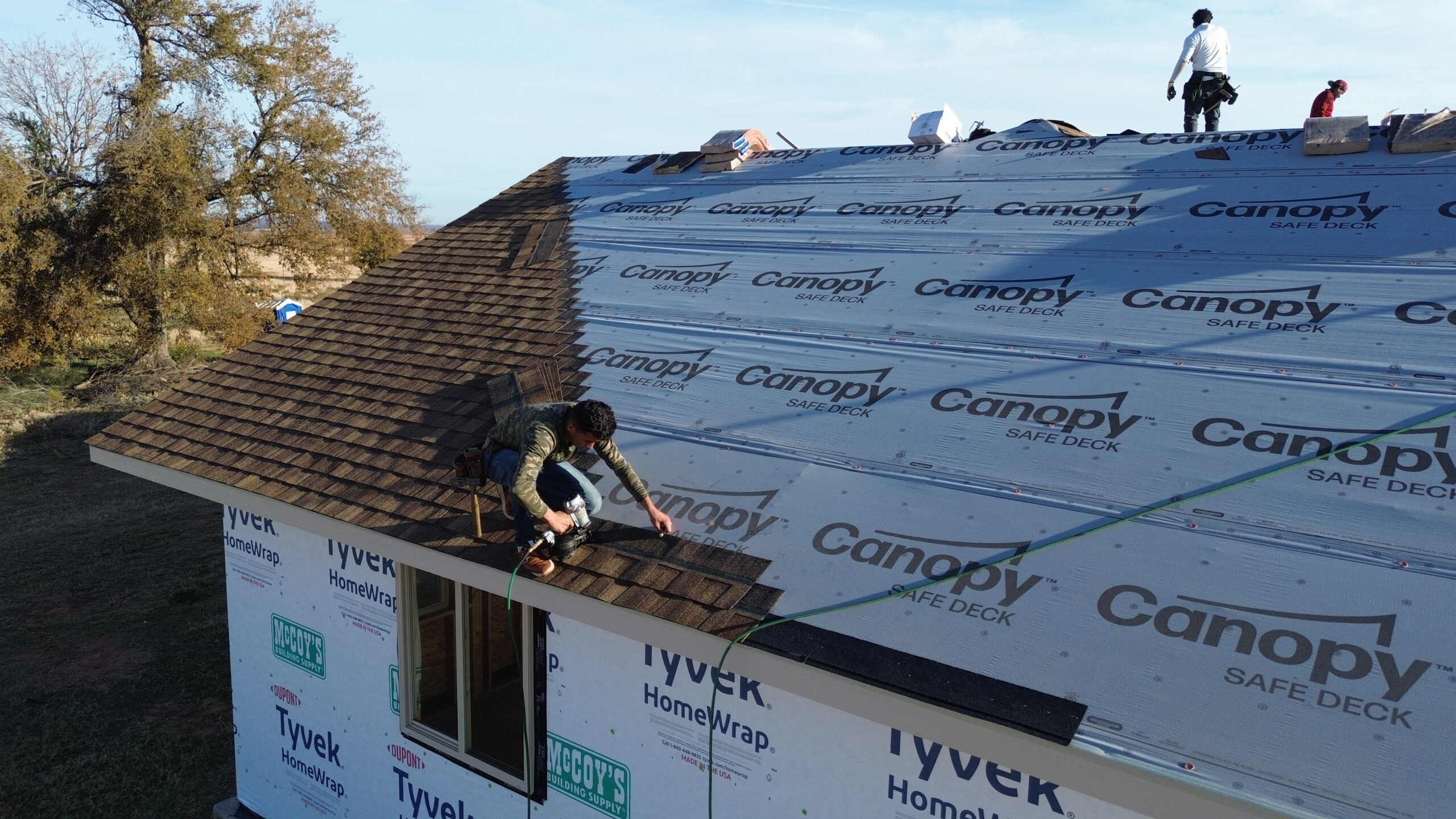
Responding quickly after severe wind damage provides benefits that extend well beyond the immediate repair itself. Early intervention protects the structural integrity of the home while reducing the likelihood of expensive restoration work in the future. Prompt repairs also improve the overall performance of the roofing system.
Preventing water intrusion is perhaps the greatest long term advantage. Keeping moisture out of the roof assembly protects insulation, framing, ceilings, and interior finishes from deterioration. Dry structural materials generally remain stronger and require fewer repairs over time.
Fast emergency repairs also help preserve indoor air quality. Moisture trapped inside building materials creates favorable conditions for mold growth, which can affect both the structure and living environment. Limiting water exposure reduces this risk considerably.
Maintaining the roof’s structural stability provides additional long term value. Replacing damaged components before deterioration spreads helps preserve the overall strength of the roofing system. A stable roof is better prepared to withstand future storms and changing weather conditions.
Timely repairs often extend the useful life of the roof. Small areas of damage corrected quickly are less likely to develop into widespread failures requiring premature replacement. This approach allows homeowners to maximize the value of their roofing investment.
Well maintained roofs also contribute to improved energy efficiency. Dry insulation performs more effectively than moisture saturated insulation, helping maintain comfortable indoor temperatures throughout the year. Better insulation performance may also contribute to lower heating and cooling costs.
Another important benefit is improved property value. A properly maintained roof increases buyer confidence because it demonstrates ongoing care and reduces concerns about future repairs. Well documented maintenance records can further strengthen this positive impression.
Emergency repairs ultimately protect far more than the roof itself. They safeguard the home’s structure, preserve interior living spaces, and reduce the financial impact of future weather related events.
Frequently Asked Questions
How soon should emergency roof repairs begin after a severe wind storm?
Emergency repairs should begin as soon as it is safe to inspect the property. Quick action helps reduce water intrusion and prevents additional structural damage while permanent repairs are being planned.
Can a roof leak appear days after the storm?
Yes. Some leaks develop gradually because water may travel beneath roofing materials or through insulation before becoming visible inside the home. This is why professional inspections remain important even if no immediate leak is noticed.
Is roof tarping a permanent repair?
No. Roof tarping is a temporary protective measure designed to keep water out until permanent repairs can be completed. It should be replaced with professional repairs as soon as conditions allow.
Should I inspect my own roof after a wind storm?
A visual inspection from the ground is generally safe, but climbing onto a storm damaged roof is not recommended. Hidden structural damage and slippery surfaces create unnecessary safety risks.
Can wind damage affect areas other than shingles?
Yes. Severe winds may damage flashing, gutters, vents, soffits, fascia boards, skylights, roof decking, and other roofing components. A complete inspection evaluates the entire roofing system rather than focusing only on shingles.
Will every wind damaged roof require replacement?
No. Many roofs can be successfully repaired if the damage is limited and the remaining roofing system is still in good condition. A professional inspection determines whether repair or replacement is the most appropriate solution.
Conclusion
Severe wind storms can damage a roof in ways that are both obvious and hidden, making prompt action essential for protecting the home. Missing shingles, damaged flashing, loosened roofing materials, and concealed moisture intrusion all have the potential to develop into much larger structural problems if left unaddressed. Understanding how wind affects different roofing components allows homeowners to respond with greater confidence after a storm.
Emergency roof repair is about more than stopping an active leak. It involves stabilizing the roofing system, preventing additional water damage, identifying hidden structural concerns, and creating a clear plan for permanent restoration. Temporary protection measures provide valuable short term security, but lasting results depend on thorough inspections and professional repairs.
Routine maintenance, regular inspections, and timely repairs also strengthen the roof against future storms. By addressing minor issues before severe weather arrives, homeowners improve the durability of their roofing system while reducing the likelihood of costly emergency situations. Preventive care remains one of the most effective investments in long term roof performance.
When severe winds strike, acting quickly and making informed decisions can significantly reduce both damage and repair costs. Working with experienced roofing professionals, documenting storm damage carefully, and following a structured repair process helps restore the roof safely and efficiently. With the right approach, homeowners can protect their property, extend the life of their roof, and maintain greater peace of mind through future storm seasons.