How Fallen Tree Branches Damage Roof Structures Quickly
Introduction
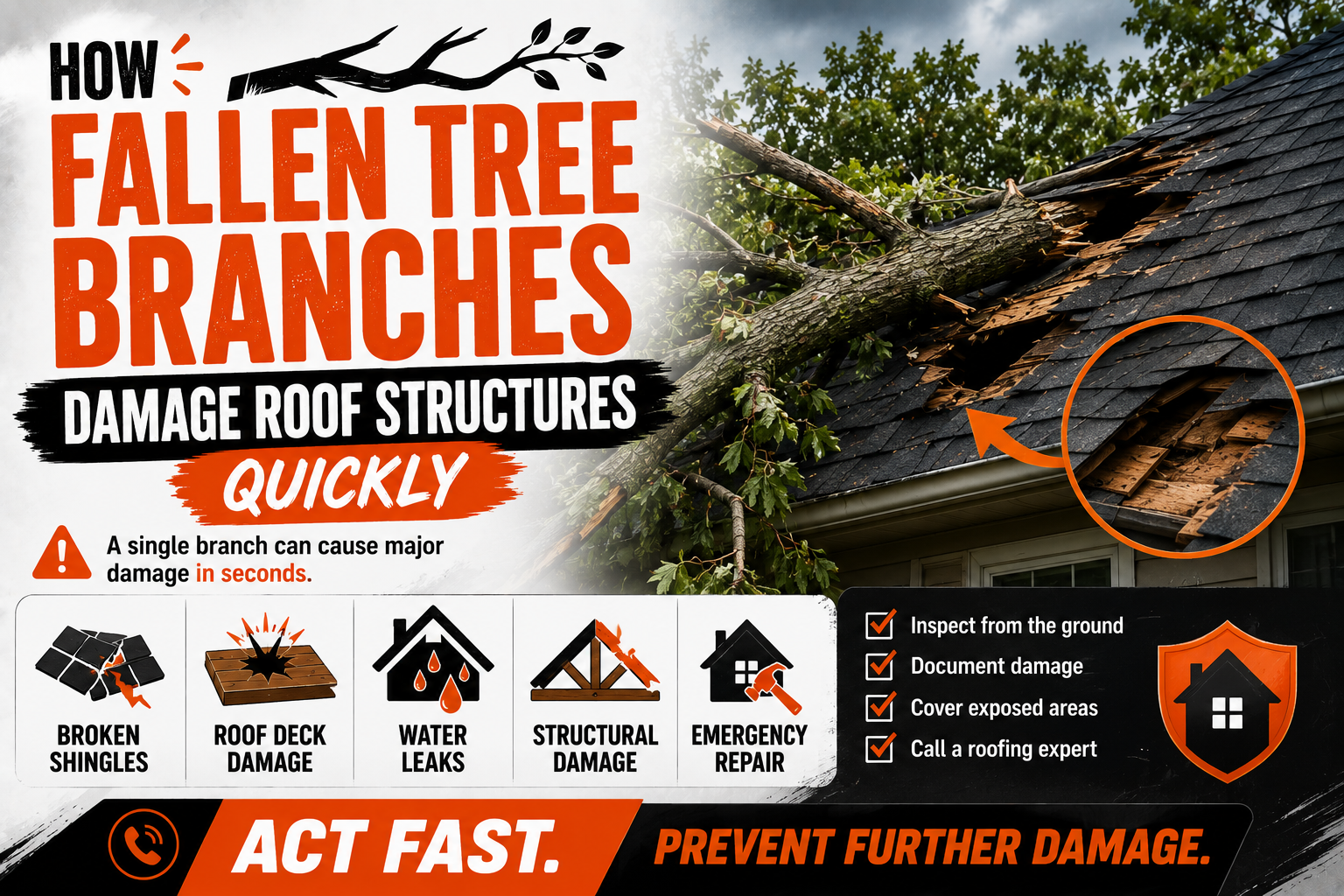
Your roof is designed to withstand years of exposure to rain, wind, sunlight, and changing temperatures, but it remains vulnerable to one unpredictable threat that many homeowners underestimate. Falling tree branches can strike with tremendous force, causing immediate destruction while also creating hidden structural problems that continue to worsen long after the impact. Even a branch that appears relatively small can compromise roofing materials, weaken structural components, and allow moisture to enter areas that should always remain dry.
Many people assume that only large trees falling onto a house can create serious roofing issues. In reality, individual branches frequently cause significant damage because they often fall during severe weather when high winds increase their speed and impact. The resulting damage may not always be obvious from the ground, making it easy for homeowners to overlook problems until expensive repairs become necessary.
Roof damage caused by fallen branches extends beyond broken shingles or visible dents. The impact can crack roof decking, loosen flashing, damage ventilation systems, deform gutters, and create small openings that eventually develop into widespread leaks. Water infiltration then accelerates deterioration by affecting insulation, ceilings, wall framing, and even the home’s structural integrity.
Understanding how tree branches damage roof structures quickly helps homeowners recognize early warning signs before minor issues become major restoration projects. This guide explores the mechanics of branch-related roof damage, explains why hidden structural issues develop so rapidly, and highlights the importance of prompt inspections and repairs after any impact event.
Why Fallen Tree Branches Are a Serious Roofing Hazard
Trees add beauty, shade, and value to residential properties, but they also introduce risks when branches extend over roofing systems. Healthy-looking limbs can weaken over time because of internal decay, insect activity, repeated storms, or natural aging. Without visible warning signs, these branches may suddenly fail and fall directly onto the roof.
The danger increases during storms because wind places enormous stress on tree limbs. Branches can twist, crack, and detach while carrying significant momentum, allowing even medium-sized limbs to generate enough force to fracture roofing materials. Wet branches become even heavier after rainfall, increasing the amount of energy transferred during impact.
Roofs are built to distribute normal environmental loads evenly across their framing systems. A falling branch creates a concentrated point of impact instead of evenly distributed pressure. This localized force often exceeds what roofing materials are designed to handle, causing immediate damage that spreads into surrounding components.
The angle of impact also influences the severity of the damage. A branch falling vertically may puncture roofing materials, while one driven sideways by strong winds can scrape across the roof surface, tearing shingles, damaging flashing, and dislodging protective components along its path.
Many homeowners focus only on visible exterior damage after a storm. Unfortunately, structural issues often begin beneath the roofing surface where they remain hidden until leaks, mold growth, or sagging sections reveal a much larger problem.
How Tree Branches Impact Different Roofing Materials
Not every roofing material responds to branch impacts in the same way. The severity of the damage depends on the roof covering, the branch size, its speed, and the condition of the roofing system before the impact occurred.
Asphalt shingles are among the most common roofing materials and can lose protective granules when struck by branches. Larger impacts may crack individual shingles, break their seal, or completely tear them away, exposing the underlayment to moisture.
Metal roofing generally resists punctures better than asphalt shingles, but heavy branches can still dent panels, bend seams, and loosen fasteners. Even small deformations may interfere with proper water drainage, allowing moisture to collect where it should not.
Clay and concrete tiles provide excellent durability but remain vulnerable to sudden impacts. A falling branch can crack multiple tiles at once, leaving openings that expose the waterproofing layers beneath. Individual broken tiles may appear isolated while hidden damage extends into neighboring sections.
Wood shake roofing often experiences splitting when struck by heavy limbs. The natural fibers may crack, lift, or separate, creating uneven surfaces that retain moisture and accelerate decay over time.
Slate roofing offers exceptional longevity, yet its rigid nature makes it susceptible to impact fractures. A single broken slate tile can allow water to penetrate underneath surrounding materials, especially if repairs are delayed.
Older roofs generally sustain greater damage than newer installations because years of weather exposure gradually reduce material flexibility and overall strength. Aging roofing systems are less capable of absorbing sudden impacts, making fractures more likely even when struck by relatively small branches.
Common Situations That Cause Branches to Fall on Roofs
Many branch-related roofing incidents occur during severe weather, but storms are not the only cause. Several environmental and maintenance factors contribute to unexpected branch failures throughout the year.
Strong thunderstorms frequently produce powerful wind gusts that snap weakened limbs. Branches may also collide with neighboring trees before falling, increasing their speed and creating unpredictable impact angles that worsen roof damage.
Heavy snow and ice accumulation place tremendous weight on tree branches. As this additional load increases, weakened limbs may break suddenly and collapse onto nearby structures even without strong winds.
Extended drought conditions can also weaken trees. Dry, brittle wood becomes more susceptible to cracking, especially when followed by storms that rapidly increase branch weight through rainfall.
Diseased trees often contain internal decay that remains invisible from the outside. A branch may appear healthy while its internal structure has deteriorated significantly, making sudden failure much more likely.
Improper pruning practices create another common cause of falling branches. Removing large limbs incorrectly can weaken remaining sections, changing the tree’s weight distribution and increasing stress on supporting branches.
Construction activity near mature trees sometimes damages root systems. Although the effects may not appear immediately, weakened roots reduce overall tree stability and contribute to future branch failures during storms.
Immediate Types of Roof Damage After Branch Impact
When a branch strikes a roof, damage occurs almost instantly. Some problems are obvious, while others begin developing beneath the surface before becoming visible days or even weeks later.
Broken shingles are among the most common forms of immediate damage. Impact fractures remove the roof’s primary protective layer, allowing rainwater to reach underlying materials during the next storm.
Punctures present a more severe problem because branches can penetrate through multiple roofing layers. Even a relatively small opening provides a direct path for water infiltration, insulation damage, and interior leaks.
Roof flashing around chimneys, skylights, and roof valleys often bends or separates after impact. Since flashing directs water away from vulnerable joints, any displacement significantly increases leak potential.
Gutters commonly absorb secondary impacts when branches slide down the roof. Bent gutters lose their proper slope, reducing drainage efficiency and allowing water to overflow near the home’s foundation.
Roof vents may also suffer damage when struck by falling limbs. Cracked vent covers or displaced flashing create openings where rainwater enters the attic while reducing proper airflow throughout the roofing system.
Some impacts produce visible dents without immediately breaking roofing materials. Although these dents may seem minor, they often weaken protective coatings and shorten the overall lifespan of the affected roofing sections.
Hidden Structural Damage That Begins Beneath the Surface
The most expensive consequences of falling branches often develop where homeowners cannot easily see them. Damage beneath the roofing surface may continue spreading long after the exterior appears stable.
Roof decking frequently absorbs much of the impact force. Even when shingles remain mostly intact, wooden decking can crack, split, or compress beneath the point of impact. These weakened sections gradually lose their ability to support normal roof loads.
Underlayment serves as an important secondary moisture barrier beneath roofing materials. Branch impacts may tear or puncture this protective layer, leaving the decking vulnerable to rainwater that bypasses damaged shingles.
Roof framing members can also experience stress from concentrated impacts. Rafters and trusses may develop small fractures or shift slightly under sudden loads, affecting the roof’s structural alignment over time.
Repeated moisture exposure following hidden damage encourages wood rot. As wooden components remain damp, their structural strength decreases while fungal growth gradually spreads into surrounding materials.
Insulation inside the attic often becomes saturated before ceiling leaks become noticeable. Wet insulation loses much of its thermal efficiency and creates favorable conditions for mold growth, increasing both repair costs and indoor air quality concerns.
Electrical wiring routed through attic spaces may also become exposed to moisture after branch-related roof damage. While this situation is less common, it represents an important safety concern that requires immediate professional evaluation.
Warning Signs Homeowners Should Never Ignore
Not every damaged roof displays obvious holes or missing shingles immediately after a branch falls. Many warning signs appear gradually as moisture penetrates deeper into the roofing system and structural components begin to deteriorate.
Water stains on ceilings often provide one of the earliest indications that roof damage has progressed beyond the exterior surface. Even small discolorations deserve prompt attention because they usually indicate an active leak somewhere above.
Attic inspections frequently reveal problems before interior living spaces show visible damage. Damp insulation, water droplets on framing, or sunlight shining through the roof are all indicators that the roofing system has been compromised.
Homeowners should also watch for shingles that appear lifted, curled, or uneven after a storm. These changes may indicate that the branch impact weakened surrounding materials even if the point of impact seems relatively minor.
Unusual sagging along roof lines should never be ignored. Structural movement often develops gradually after hidden decking or framing damage, making early professional assessment essential before conditions worsen.
Gutters that suddenly overflow despite being clean may indicate impact damage affecting roof drainage patterns. Water that no longer flows correctly can increase moisture exposure around roof edges and accelerate deterioration of nearby structural components.
Another warning sign is the appearance of moldy odors inside the home following heavy rainfall. Persistent moisture trapped beneath damaged roofing materials creates conditions where mold can grow long before visible colonies appear, making prompt investigation essential before the problem spreads further.
How Moisture Enters After Branch Related Roof Damage
A roof functions as a complete water management system rather than a single protective layer. When a tree branch damages even one component, the system becomes vulnerable because water naturally follows the path of least resistance. What begins as a tiny opening can quickly become a widespread moisture problem affecting multiple parts of the home.
Rainwater often enters through cracked shingles, punctured underlayment, or displaced flashing after a branch impact. During heavy storms, wind driven rain can force moisture beneath roofing materials even if the visible damage appears relatively small. This process allows water to travel horizontally before dripping into the attic or living spaces, making the source of the leak difficult to identify.
Moisture rarely remains confined to one location once it enters the roof structure. Wooden decking absorbs water, insulation becomes saturated, and nearby framing members begin retaining moisture. Over time, this trapped water weakens structural components while creating favorable conditions for mold and mildew growth.
Condensation can make the situation even worse after roof damage. Damaged ventilation systems allow warm indoor air to mix with cooler attic temperatures, increasing humidity levels inside the roof cavity. The additional moisture accelerates wood deterioration and reduces the effectiveness of insulation.
Many homeowners only notice damage after ceiling stains appear indoors. By that stage, water may have been moving through hidden structural components for weeks, affecting areas far beyond the original point of impact.
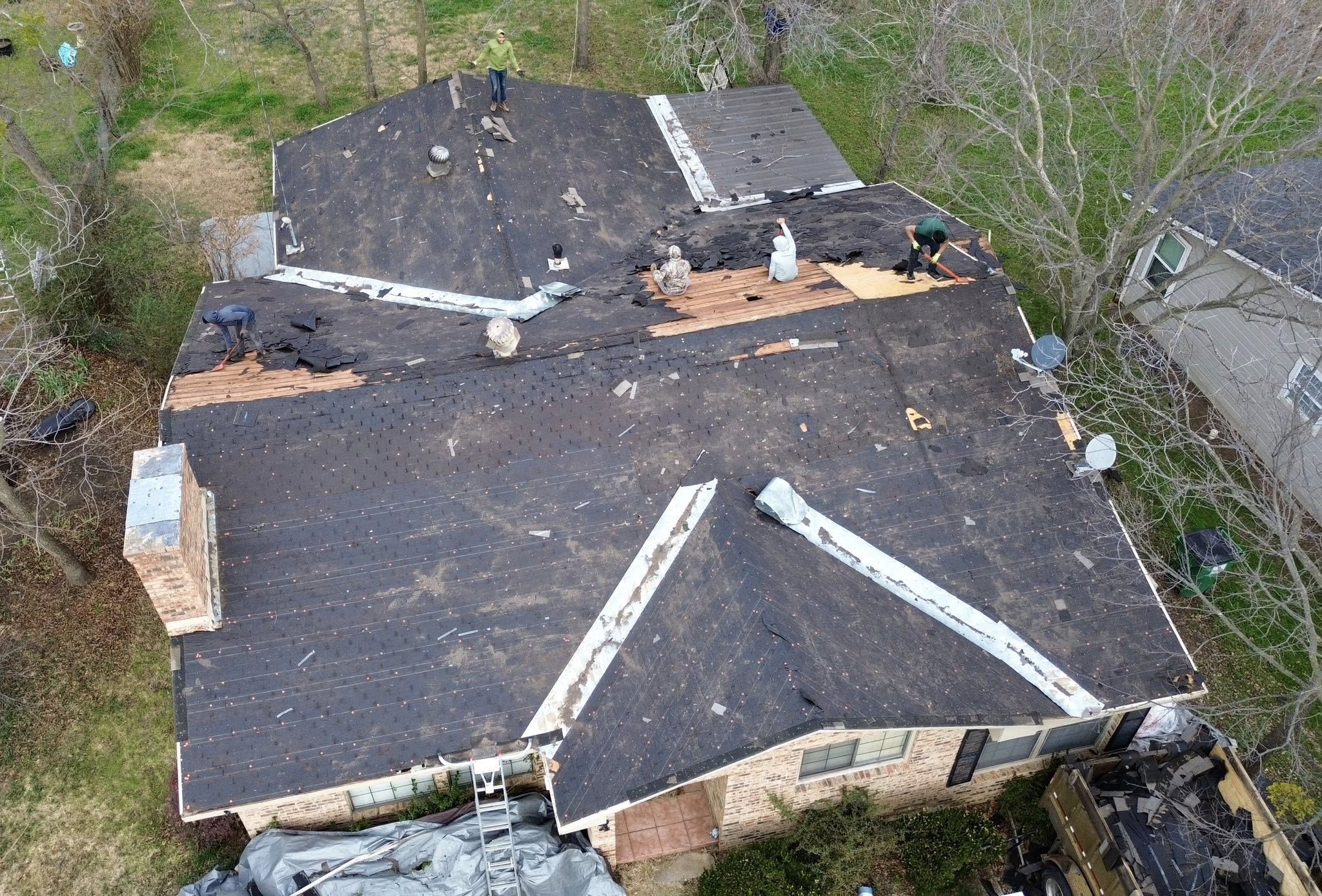
Damage to Roof Decking, Underlayment, and Structural Components
Roofing materials protect several important layers beneath the surface, each serving a unique purpose in maintaining structural integrity. When a fallen branch compromises the outer covering, these hidden components often experience the most significant damage.
Roof decking forms the solid foundation that supports shingles, tiles, or metal panels. A heavy branch can crack, split, or compress the decking without causing obvious exterior damage. As the weakened wood continues supporting daily roof loads, small fractures gradually expand and reduce the deck’s structural strength.
The underlayment serves as a secondary moisture barrier beneath the visible roofing material. Although it is designed to provide temporary protection from water intrusion, it cannot withstand prolonged exposure after shingles or tiles have been damaged. Tears and punctures in the underlayment allow moisture to reach the decking much more quickly.
Wooden rafters and trusses may also absorb some of the impact energy. While they are engineered to support substantial roof loads, sudden localized impacts create stresses that differ from normal weight distribution. Small fractures or slight movement within these framing members can affect the stability of the surrounding roof structure.
Repeated wetting and drying cycles create additional problems. Moist wood expands as it absorbs water and contracts as it dries, gradually weakening fasteners, loosening connections, and increasing the likelihood of future structural movement.
If moisture remains trapped inside the roof system, fungal decay becomes a serious concern. Rot weakens wooden components from within, making them less capable of supporting the roof during future storms or heavy snow accumulation.
Effects on Gutters, Flashing, Chimneys, and Roof Ventilation
Tree branches rarely strike only the main roof surface. Their size and irregular shape often allow them to hit multiple roofing components simultaneously, causing widespread damage that extends well beyond broken shingles.
Gutters frequently experience severe impact because branches slide down roof slopes after the initial collision. The added force can bend gutter sections, pull fasteners from the fascia board, or disconnect downspouts entirely. Even slight misalignment affects drainage efficiency and increases the risk of water overflowing near the home’s foundation.
Roof flashing is another vulnerable component. Flashing seals transitions around chimneys, skylights, dormers, roof valleys, and plumbing vents, preventing water from entering through these naturally exposed joints. A falling branch can bend or separate flashing, creating openings that allow moisture to bypass otherwise intact roofing materials.
Chimneys are particularly susceptible because they extend above the roof surface. Branch impacts may crack chimney caps, loosen flashing, or damage surrounding masonry. Water entering through these damaged areas can travel into both the roofing system and the chimney structure itself.
Roof ventilation also plays an important role in preventing moisture buildup. Damaged ridge vents, box vents, turbine vents, or soffit vents reduce airflow throughout the attic, allowing heat and humidity to accumulate. Poor ventilation accelerates deterioration by increasing condensation and reducing the roof’s ability to dry after rainfall.
These secondary forms of damage often remain unnoticed because homeowners naturally focus on the most obvious impact location. A comprehensive inspection ensures that every affected component receives attention before additional problems develop.
Comparing Minor Branch Damage vs Major Structural Damage
Not every fallen branch produces catastrophic damage, but distinguishing between cosmetic issues and structural concerns is essential for determining the appropriate repair strategy. The following comparison highlights the typical differences.
| Minor Branch Damage | Major Structural Damage |
|---|---|
| A few cracked or missing shingles | Large punctures through multiple roofing layers |
| Small dents in metal roofing | Cracked or broken roof decking |
| Cosmetic scratches on roofing materials | Damaged rafters or roof trusses |
| Slightly bent gutter sections | Detached gutters and damaged fascia boards |
| Localized flashing displacement | Multiple flashing failures causing widespread leaks |
| Limited repair area | Extensive structural restoration or partial roof rebuilding |
While minor damage is generally easier and less expensive to repair, it should never be ignored. Even small openings allow water infiltration that can transform a simple repair into a major structural restoration project over time.
Professional inspections help determine whether damage extends beneath the visible roofing materials. What appears to be a minor issue from ground level may conceal hidden structural problems requiring immediate attention.
Why Delaying Repairs Makes Roof Damage Worse
Many homeowners postpone roof repairs after a fallen branch because the damage seems manageable at first glance. Unfortunately, roofing systems rarely improve on their own, and every delay increases the likelihood of more extensive deterioration.
Water intrusion is the primary reason repair delays become expensive. Each rainfall introduces additional moisture into damaged areas, allowing water to spread through decking, insulation, framing, and interior finishes. Small leaks gradually enlarge as surrounding materials weaken and deteriorate.
Temperature fluctuations also contribute to worsening damage. Water trapped inside roofing materials expands when frozen and contracts as temperatures rise. These repeated freeze and thaw cycles widen cracks, separate roofing components, and increase structural stress throughout the affected area.
Wind exposure further accelerates deterioration after branch impacts. Loose shingles continue lifting during every storm, allowing stronger gusts to remove additional roofing materials. What originally affected only one section of the roof may eventually spread across a much larger area.
Prolonged moisture exposure also encourages biological growth. Mold, mildew, algae, and wood decay fungi thrive in damp environments, reducing indoor air quality while weakening structural components that remain hidden beneath the roof surface.
Financial costs rise significantly as damage spreads. A repair that initially required replacing a few shingles may later involve new decking, insulation, drywall, interior painting, and mold remediation. Prompt repairs almost always cost less than extensive restoration work performed months later.
Insurance claims can also become more complicated when maintenance delays contribute to additional deterioration. Addressing damage promptly demonstrates responsible property maintenance and helps distinguish storm damage from neglect during the claims process.
Professional Roof Inspection Process After Tree Branch Impact
A professional roof inspection provides far more information than a simple visual check from the ground. Experienced roofing specialists evaluate both visible and hidden damage to determine the full extent of structural concerns before repairs begin.
The inspection usually starts with an exterior assessment of the roof surface. Contractors examine shingles, tiles, metal panels, flashing, roof penetrations, valleys, gutters, and drainage systems for signs of impact damage. They also look for displaced materials, punctures, cracks, and loose fasteners that could allow future water intrusion.
Next, the inspection moves into the attic where structural components receive close attention. Roof decking, rafters, trusses, insulation, and ventilation systems are checked for moisture, cracking, sagging, mold growth, and daylight entering through damaged roofing materials. These observations often reveal problems that remain invisible from outside.
Advanced inspection methods may also be used depending on the severity of the damage. Moisture meters help identify damp building materials before visible staining develops, while thermal imaging cameras can detect hidden areas of trapped moisture beneath roofing materials or inside attic insulation.
Photographic documentation plays an important role throughout the inspection process. Detailed images help homeowners understand the extent of the damage, support insurance claims, and provide a clear record for repair planning. Accurate documentation also allows contractors to prioritize repairs based on structural urgency rather than cosmetic appearance alone.
After completing the inspection, roofing professionals develop a repair strategy tailored to the home’s specific condition. Their recommendations consider structural safety, moisture control, long term durability, and the remaining service life of the existing roofing system. This comprehensive evaluation ensures that repairs address both visible damage and the hidden issues that could threaten the roof’s performance in the future.
Roof Repair and Restoration Options After Tree Branch Damage
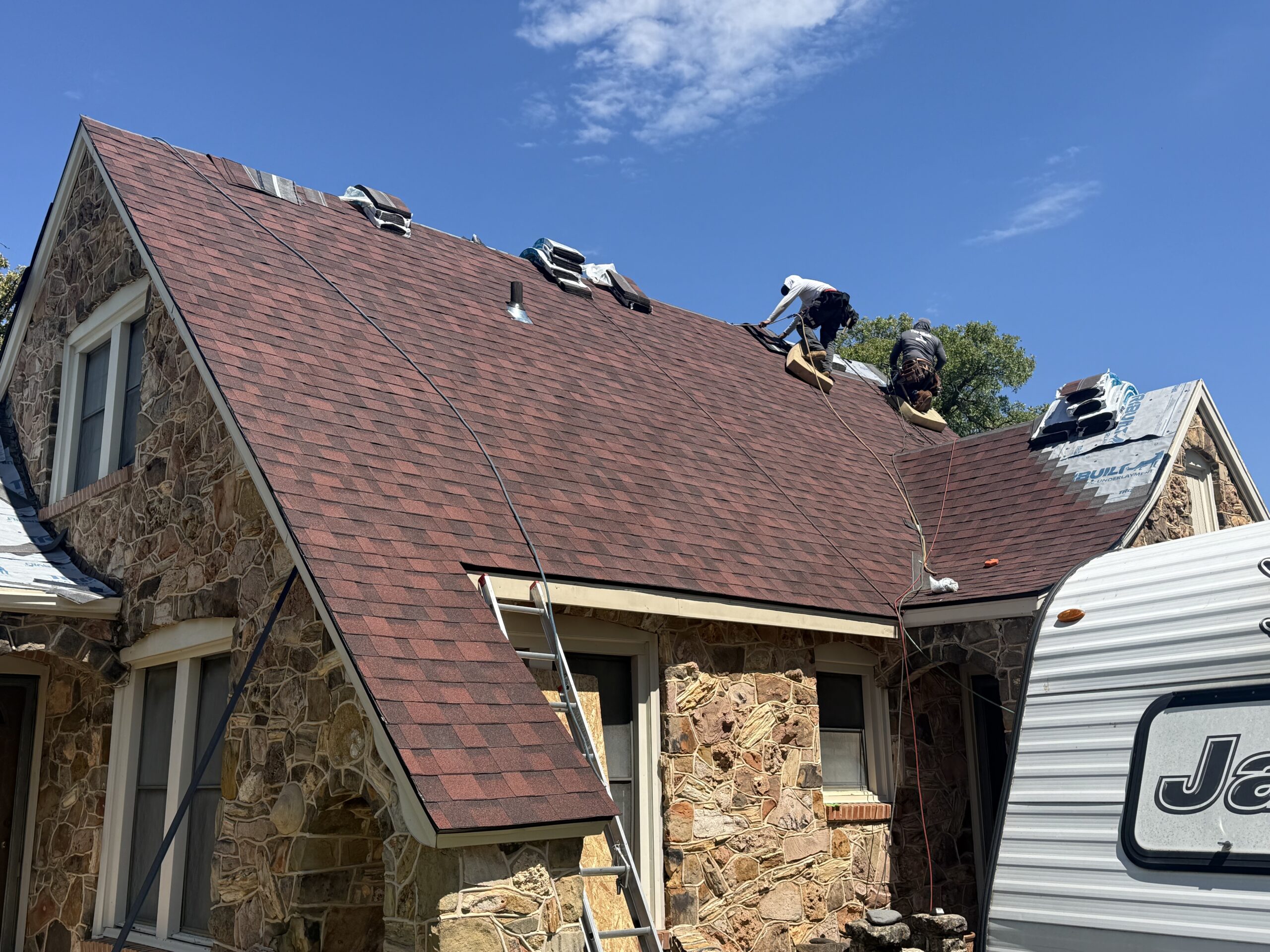
Once the full extent of the damage has been identified, the next step is selecting the most appropriate repair strategy. The right solution depends on several factors, including the severity of the impact, the age of the roof, the extent of hidden structural damage, and whether moisture has already entered the roofing system. A thorough evaluation helps ensure that repairs restore both the roof’s appearance and its structural performance.
Minor damage often requires replacing only the affected roofing materials. Contractors may install new shingles, replace broken tiles, repair flashing, or straighten damaged metal panels while inspecting the surrounding area for less obvious problems. Matching replacement materials with the existing roof also helps maintain a consistent appearance and weather resistance.
Moderate damage usually involves repairs beneath the roof covering. Damaged underlayment, cracked decking, or weakened fascia boards may need replacement before new roofing materials are installed. Addressing these hidden components prevents future leaks and restores the roof’s ability to distribute structural loads properly.
Severe branch impacts may require partial roof reconstruction. When rafters, trusses, or large sections of roof decking are compromised, structural repairs become necessary before the roofing surface can be rebuilt. Although these projects require more time and investment, they restore the roof’s long term strength and safety.
Professional repairs also include checking nearby components that may have been affected indirectly. Gutters, ventilation systems, skylights, chimneys, and roof valleys should all be inspected to ensure the entire roofing system functions as intended after restoration is complete.
Preventing Future Roof Damage From Overhanging Trees
Preventing tree related roof damage begins long before severe weather arrives. Proper tree maintenance reduces the likelihood of falling branches while helping trees remain healthier and more resilient throughout changing seasons. Preventive care is usually far less expensive than repairing structural roof damage after an impact.
Tree growth should be monitored regularly, especially when branches extend over the roof. As limbs become longer and heavier, they place additional stress on the tree while increasing the risk of contact during storms. Strategic pruning helps reduce this weight without compromising the tree’s health.
Dead or diseased branches deserve immediate attention because they are much more likely to fail unexpectedly. Professional arborists can identify internal decay, pest infestations, and structural weaknesses that may not be visible to homeowners during routine inspections.
Young trees also benefit from proper shaping. Early pruning encourages stronger branch structure and reduces the development of weak attachment points that commonly fail as trees mature. Investing in routine tree care today often prevents costly roofing repairs in the future.
Homeowners should also consider the type of trees growing near their homes. Some species naturally produce brittle wood or experience frequent limb drop, while others maintain stronger branch structures throughout their lifespan. Understanding the characteristics of nearby trees helps guide maintenance decisions.
Regular roof inspections remain an important part of prevention. Even when no branches have fallen, identifying loose shingles, deteriorating flashing, or minor wear allows homeowners to correct small issues before they become vulnerable during the next storm.
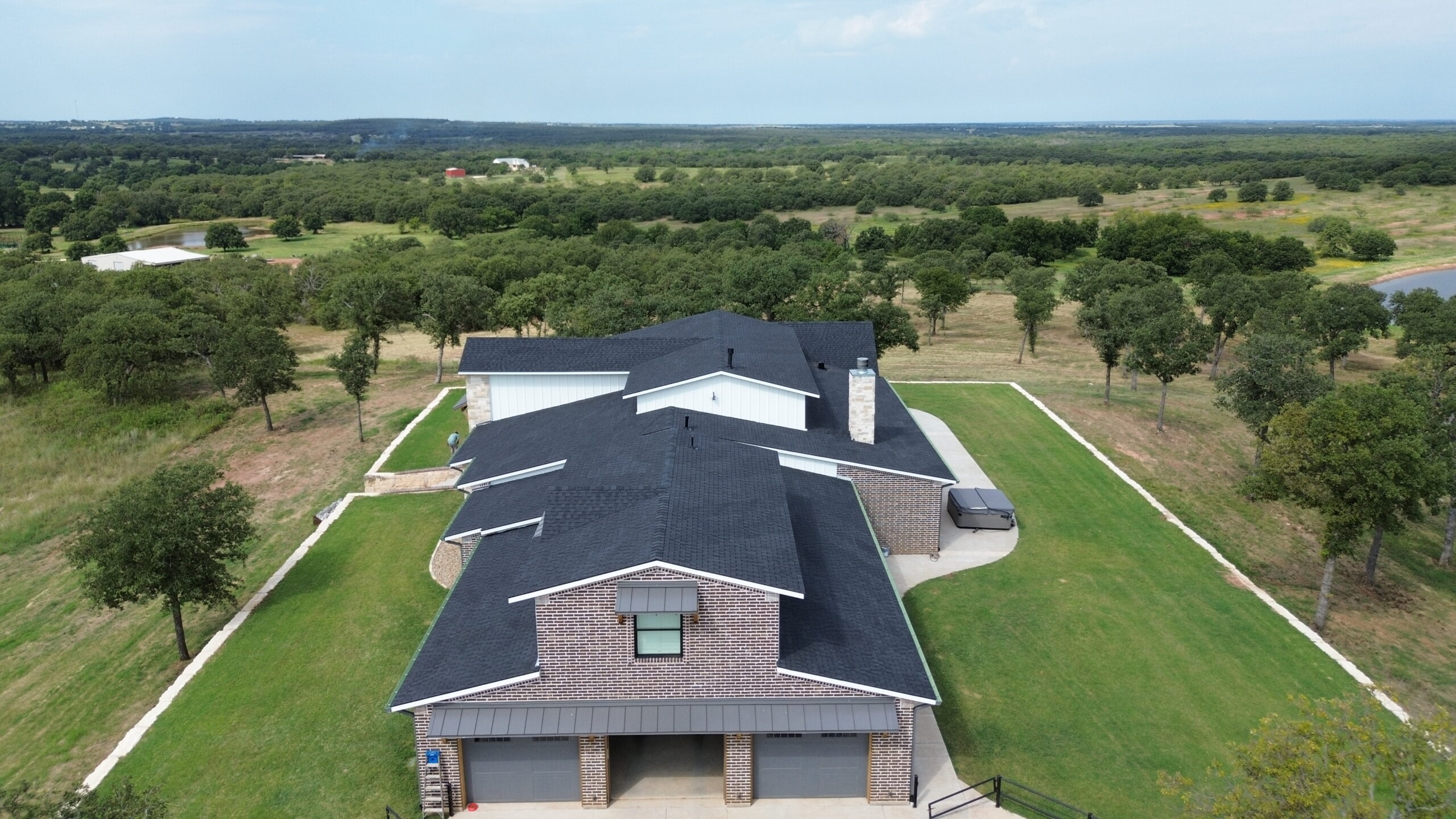
Essential Steps to Take Immediately After a Branch Falls
Acting quickly after a tree branch falls onto the roof helps minimize additional damage while protecting everyone inside the home. Following a clear sequence of actions allows homeowners to respond safely and efficiently.
- Check for immediate safety hazards, including downed power lines, unstable branches, or structural collapse before approaching the affected area.
- If it is safe to do so, inspect the damage from the ground rather than climbing onto the roof, as impact areas may be unstable.
- Document the damage with clear photographs from multiple angles to support future repair estimates and insurance claims.
- Place containers beneath active interior leaks and move valuable belongings away from areas where water is entering the home.
- Contact a qualified roofing contractor for a comprehensive inspection as soon as possible to identify both visible and hidden structural damage.
- Notify your insurance provider promptly if the damage appears significant or if repairs are likely to exceed your policy deductible.
Following these steps helps reduce further deterioration while ensuring repairs begin with accurate documentation and a complete understanding of the roof’s condition.
Long Term Tree Maintenance Tips for Homeowners
Maintaining healthy trees is one of the most effective ways to reduce future roofing risks. Consistent care lowers the chance of unexpected branch failures while preserving both the landscape and the structural integrity of the home.
- Schedule regular tree inspections, especially before storm seasons.
- Remove dead, diseased, or damaged branches promptly.
- Keep large limbs trimmed away from the roof whenever practical.
- Monitor trees for signs of decay, insect activity, or root damage.
- Hire qualified arborists for pruning large or mature trees.
- Inspect the roof after every major storm, even if no obvious damage is visible.
These preventive practices work together to reduce the likelihood of sudden branch failures. They also help homeowners identify developing risks before they lead to expensive structural repairs.
Insurance Considerations After Tree Branch Roof Damage
Insurance coverage often plays an important role in recovering from tree related roof damage, but every policy contains specific terms and conditions. Understanding the claims process before damage occurs helps homeowners respond more confidently after an incident.
Most homeowner insurance policies cover sudden and accidental damage caused by falling tree branches when the event results from covered hazards such as windstorms or severe weather. Coverage typically includes repairs to the roof and, in many cases, related structural damage inside the home. However, policy details vary, making it important to review individual coverage carefully.
Documentation significantly strengthens an insurance claim. Photographs taken immediately after the incident, inspection reports, repair estimates, and records of emergency protective measures provide valuable evidence supporting the claim. Keeping organized records also helps resolve questions that may arise during the adjustment process.
Maintenance history can also influence claim outcomes. Insurance providers generally expect homeowners to perform reasonable property maintenance, including addressing hazardous trees when known risks exist. Demonstrating routine inspections and timely tree care may help establish that the damage resulted from an unexpected event rather than long term neglect.
Working with experienced roofing professionals can simplify the claims process. Detailed inspection reports and accurate repair assessments provide insurance adjusters with the information needed to evaluate structural damage more effectively.
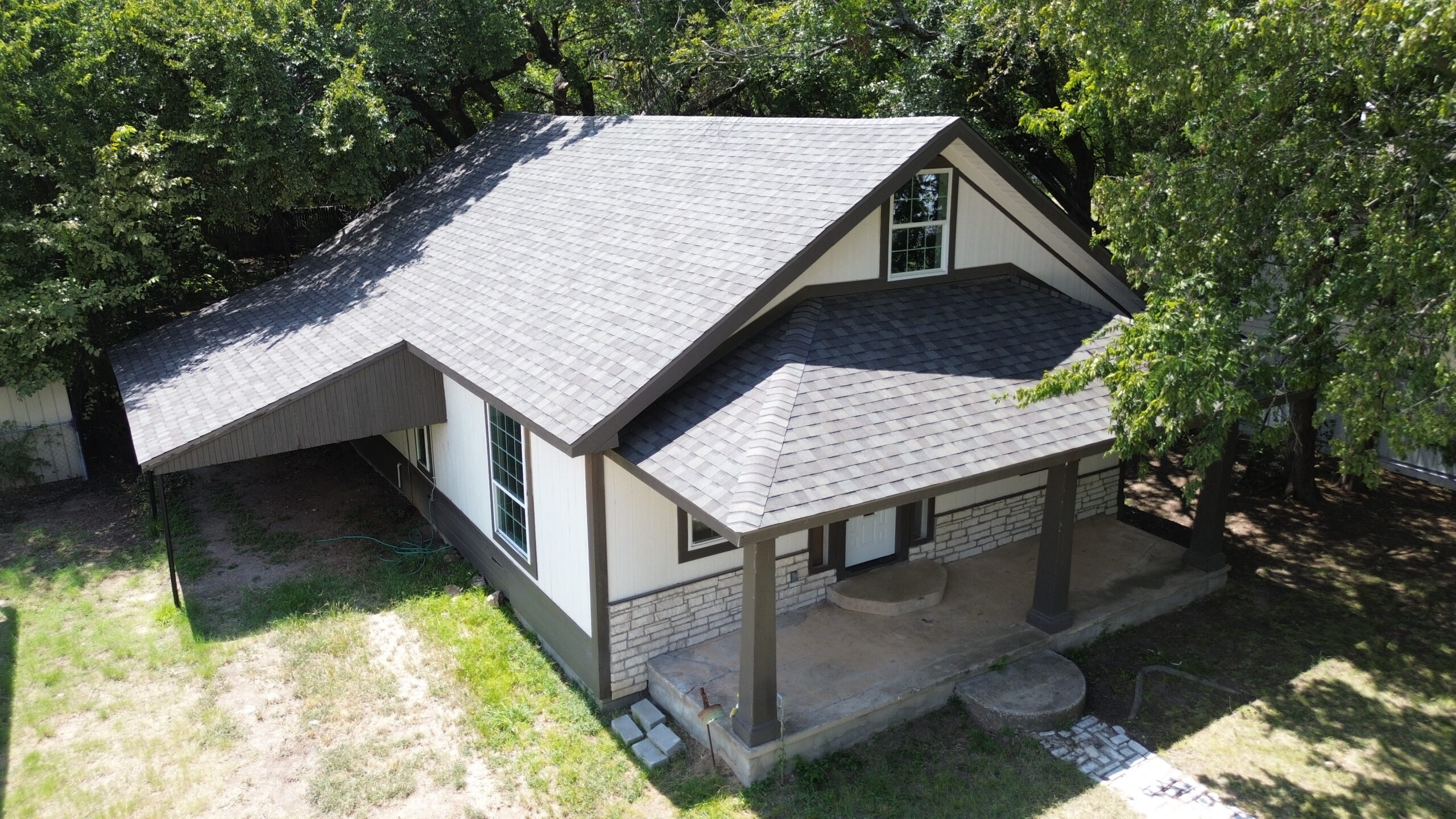
When Roof Replacement Becomes the Better Investment
Not every damaged roof should be repaired indefinitely. In some situations, replacing the roof provides better long term value than performing repeated repairs on an aging or heavily damaged system.
Older roofs nearing the end of their expected service life often benefit more from replacement. Investing in extensive structural repairs on worn roofing materials may only delay the need for a full replacement by a few years. Installing a new roofing system provides a fresh warranty, improved weather protection, and greater long term reliability.
Extensive structural damage also influences the decision. When large portions of the decking, underlayment, framing, and roofing materials require replacement, rebuilding isolated sections may become less practical than replacing the entire roof. A complete replacement also ensures that all components work together as a unified system.
Repeated branch impacts can further reduce a roof’s remaining lifespan. Even when previous repairs were successful, multiple impact events weaken surrounding materials and increase the likelihood of future leaks. Replacing the roof after significant cumulative damage often provides greater peace of mind during severe weather.
Modern roofing materials also offer improved durability compared to many older products. Enhanced impact resistance, better moisture protection, and improved energy efficiency can make replacement a worthwhile long term investment, especially for homes surrounded by mature trees.
The decision should always be based on a professional structural assessment rather than appearance alone. What seems like a repairable roof from the ground may contain widespread hidden damage that makes replacement the safer and more economical solution.
Conclusion
Fallen tree branches can damage a roof far more quickly and extensively than many homeowners realize. While broken shingles and dented gutters are often the most visible consequences, the greatest risks usually develop beneath the surface where cracked decking, damaged underlayment, weakened framing, and trapped moisture continue to compromise the roof’s structural integrity. Left unaddressed, these hidden problems can lead to costly repairs affecting both the roofing system and the home’s interior.
Responding promptly after a branch impact is essential for limiting long term damage. Professional inspections identify issues that may not be visible from the ground, allowing repairs to address the complete extent of the damage rather than only the obvious surface problems. Early intervention also reduces the likelihood of water intrusion, mold growth, and structural deterioration.
Preventive tree maintenance remains one of the most effective ways to protect a home from future branch related damage. Regular pruning, routine roof inspections, and timely repairs help reduce risks while extending the lifespan of the roofing system. Combining proactive maintenance with professional evaluations after severe weather provides the strongest defense against unexpected structural damage.
A well maintained roof and properly cared for trees work together to protect a home’s safety, value, and long term performance. By understanding how fallen tree branches damage roof structures quickly and taking appropriate preventive measures, homeowners can reduce repair costs, improve structural resilience, and keep their roofing system performing reliably for many years.