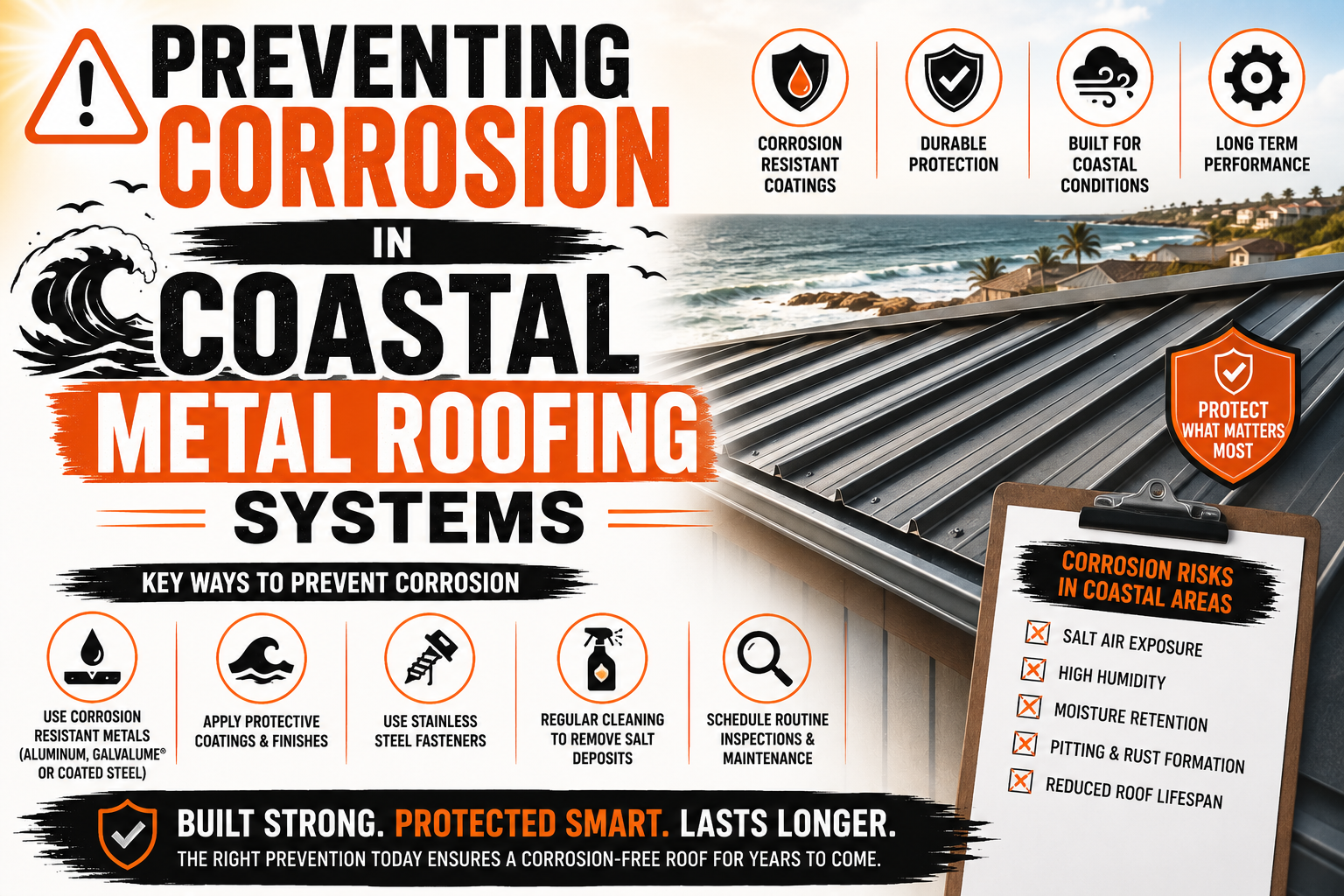
Preventing Corrosion in Coastal Metal Roofing Systems
Introduction
Metal roofing is one of the most durable and reliable roofing solutions available for residential, commercial, and industrial buildings. Its long lifespan, energy efficiency, and low maintenance requirements make it an attractive choice for many property owners. However, buildings located near the coast face unique environmental conditions that can significantly shorten the life of a metal roof if proper precautions are not taken.
Coastal environments expose roofing systems to constant moisture, salt-laden air, high humidity, strong winds, and intense sunlight. While modern metal roofs are manufactured with protective coatings designed to resist corrosion, these harsh conditions gradually wear down those protective barriers. Once the underlying metal becomes exposed, corrosion can begin and continue spreading if left untreated.
Unlike sudden storm damage, corrosion is usually a slow and progressive process. Small changes in the roof’s protective finish may go unnoticed for months or even years before visible rust or deterioration appears. By the time leaks or structural damage develop, repairs often become more expensive and extensive than early preventive maintenance.
Fortunately, corrosion is not an unavoidable outcome for coastal metal roofs. Choosing suitable roofing materials, following proper installation practices, maintaining protective coatings, and performing regular inspections all help extend the roof’s lifespan. Property owners who understand how coastal conditions affect metal roofing can take proactive measures that significantly reduce long-term maintenance costs.
This guide explains why coastal environments create such challenging conditions for metal roofing systems. It also explores how corrosion develops, which materials perform best near the ocean, the warning signs that should never be ignored, and why early prevention remains the most effective strategy for protecting a valuable roofing investment.
Why Coastal Environments Are Challenging for Metal Roofs
Buildings located near the coastline experience environmental conditions that differ greatly from inland properties. Salt carried by ocean breezes continuously settles on roofs, walls, windows, and other exposed building materials. Combined with moisture and changing temperatures, these salt deposits create conditions that accelerate metal deterioration.
Humidity remains consistently higher in many coastal regions throughout the year. Even when rainfall is limited, moisture in the air condenses on roofing surfaces during cooler periods. This thin layer of moisture provides the ideal environment for corrosion to begin whenever protective coatings become damaged.
Strong coastal winds create additional challenges by carrying salt particles farther inland than many people expect. Properties located several miles from the shoreline may still experience noticeable salt exposure depending on prevailing wind patterns. Continuous airborne salt makes routine roof maintenance especially important.
Frequent storms further increase corrosion risks. Heavy rainfall, tropical weather systems, and powerful winds expose roofing systems to repeated wetting and drying cycles. These changing conditions gradually weaken protective coatings while increasing opportunities for moisture to penetrate vulnerable areas.
Ultraviolet radiation also contributes to long-term roof aging. Continuous sunlight slowly breaks down paint systems and protective finishes, reducing their ability to shield the metal beneath. As coatings weather over time, salt and moisture gain easier access to the roofing material.
Sand carried by coastal winds introduces another concern. Fine abrasive particles repeatedly strike roof surfaces during windy conditions, gradually wearing protective coatings. Although this damage often develops slowly, years of exposure can significantly reduce coating performance.
Marine environments also increase the likelihood of biological growth. Algae, mold, moss, and accumulated organic debris retain moisture against roofing panels, creating conditions that encourage corrosion. Regular cleaning helps remove these materials before they contribute to long-term damage.
Because several environmental factors act together rather than independently, coastal roofs require more attention than similar roofing systems located inland. Understanding these challenges helps property owners appreciate why preventive maintenance plays such an important role in preserving roof performance.

Understanding Corrosion in Coastal Metal Roofing Systems
Corrosion is the gradual deterioration of metal caused by chemical reactions with the surrounding environment. For steel roofing, this process commonly results in rust, which forms when iron reacts with oxygen and moisture. Coastal environments accelerate these reactions because salt increases the efficiency of the corrosion process.
Corrosion usually begins when the roof’s protective coating becomes damaged or naturally wears away over time. Small scratches, impact damage, aging paint, or deteriorated sealants expose bare metal to moisture and airborne salt. Once this protective barrier is compromised, oxidation begins more easily.
Salt itself does not directly create rust, but it dramatically speeds up the electrochemical reactions responsible for corrosion. Salt dissolved in moisture creates an electrolyte that allows electrical movement across the metal surface. This process accelerates oxidation compared with exposure to fresh water alone.
Corrosion often spreads beyond the area where it first appears. Moisture may travel beneath loosened coatings, allowing oxidation to continue below the surface before becoming visible. This hidden progression explains why routine inspections are essential even when the roof appears undamaged from a distance.
Different metals respond to coastal conditions in different ways. Steel generally depends on galvanized or Galvalume coatings for corrosion resistance, while aluminum naturally forms a protective oxide layer. Copper and zinc also develop protective surface films that help slow further deterioration.
Temperature fluctuations contribute to the corrosion process as well. Daily heating and cooling cause roofing panels to expand and contract, gradually stressing protective coatings and sealants. Tiny cracks created during this movement may eventually allow moisture to reach the underlying metal.
Corrosion should never be viewed solely as a cosmetic issue. Although early rust may appear as minor discoloration, continued oxidation eventually weakens roofing panels, flashing, fasteners, and structural components. Preventing corrosion during its earliest stages preserves both appearance and structural integrity.
Understanding how corrosion develops helps property owners appreciate the importance of regular maintenance. Protecting the roof before oxidation begins is always more effective and less expensive than repairing widespread corrosion later.
How Salt Air Accelerates Corrosion
Salt air is one of the defining characteristics of coastal environments and one of the primary reasons metal roofs require specialized maintenance near the ocean. Tiny salt particles become suspended in the air as waves break along the shoreline. Coastal winds then carry these particles onto buildings where they settle on exposed surfaces.
Salt deposits attract moisture even during relatively dry weather. This means roofing panels may remain damp much longer than expected because salt continuously draws water from the surrounding air. Extended moisture exposure provides ideal conditions for corrosion to continue developing.
The presence of salt also increases electrical conductivity across the roof surface. This enhanced conductivity allows electrochemical corrosion reactions to occur more rapidly than they would under normal conditions. As a result, oxidation progresses faster once protective coatings become compromised.
Rainfall alone does not necessarily remove accumulated salt deposits. Light showers may dissolve salt temporarily before leaving new deposits as the water evaporates. Regular roof cleaning is often necessary to eliminate salt buildup effectively.
Coastal winds contribute to another challenge by distributing salt unevenly across the roof. Windward sections often receive greater exposure, while sheltered areas may collect debris that traps moisture for extended periods. Both situations increase corrosion risks in different ways.
Fasteners, flashing, and roof edges often experience the greatest salt exposure because of their location and frequent contact with moving air. These components should receive special attention during routine inspections since corrosion frequently begins in these vulnerable areas.
Salt exposure varies considerably depending on the property’s distance from the shoreline, prevailing wind direction, elevation, and surrounding landscape. Even properties several miles inland may experience significant salt accumulation under favorable weather conditions.
The following factors commonly increase salt exposure on coastal roofs:
- Close proximity to the shoreline.
- Strong onshore winds.
- High humidity throughout the year.
- Frequent tropical storms.
- Limited rainfall between cleaning intervals.
- Buildings with minimal natural wind protection.
- Roof designs that trap airborne debris.
Understanding how salt affects roofing materials allows property owners to develop maintenance schedules that match their local environmental conditions.
Common Sources of Corrosion Along Coastal Properties
Although salt air receives the most attention, several other factors contribute to corrosion on coastal metal roofs. These influences often work together, increasing the overall stress placed on roofing materials throughout the year.
Standing water is one of the most significant contributors. Roof areas where drainage is restricted remain wet for longer periods after rainfall, increasing the amount of time moisture stays in contact with the metal. Valleys, gutters, and low spots deserve particular attention during inspections.
Debris accumulation also creates problems. Leaves, twigs, sand, and organic material trap moisture against roofing panels while preventing proper drainage. Over time, this damp environment encourages corrosion beneath accumulated debris.
Poor ventilation can increase condensation beneath roofing panels. Warm, humid air trapped inside the roof assembly condenses when it contacts cooler metal surfaces. Hidden moisture allows corrosion to develop even when the exterior roof appears dry.
Damaged protective coatings expose bare metal directly to coastal conditions. Scratches caused by falling branches, maintenance equipment, or windblown debris become ideal starting points for corrosion if not repaired promptly.
Aging sealants contribute as well. Flashing around vents, skylights, chimneys, and other roof penetrations depends on flexible sealants to prevent water intrusion. As sealants lose elasticity over time, moisture gains access to vulnerable areas beneath the roofing system.
Improperly selected fasteners may also accelerate deterioration. Fasteners made from incompatible metals can create galvanic corrosion when exposed to moisture and salt. Choosing compatible materials during installation and repairs helps reduce this risk.
Environmental pollution sometimes compounds coastal corrosion. Industrial emissions, vehicle exhaust, and airborne chemicals combine with salt and moisture to create even more aggressive conditions. Buildings located near ports or industrial waterfronts often experience faster material deterioration.
These combined factors explain why corrosion prevention requires a comprehensive approach. Focusing on only one source of moisture or salt exposure may leave other vulnerabilities unaddressed.
Metal Roofing Materials and Their Coastal Performance
Selecting the right roofing material is one of the most important decisions for coastal construction. While every metal roof requires maintenance, certain materials naturally perform better than others when exposed to salt, humidity, and marine conditions.
Galvanized steel remains a popular option because it combines strength with affordability. A protective zinc coating shields the underlying steel from corrosion while sacrificing itself gradually over time. However, damaged or depleted coatings require prompt maintenance to maintain long-term performance.
Galvalume steel provides enhanced corrosion resistance by combining aluminum, zinc, and silicon within its protective coating. This material performs exceptionally well in many environments and is commonly used for high-quality metal roofing systems. Proper installation and maintenance remain essential despite its improved durability.
Aluminum is widely regarded as one of the best choices for coastal applications. Rather than developing traditional rust, aluminum forms a thin oxide layer that protects the underlying metal. Its natural corrosion resistance makes it especially suitable for buildings located close to the ocean.
Copper offers outstanding durability in marine environments. Over time, it develops a distinctive green patina that serves as a natural protective barrier against further corrosion. Although copper represents a larger initial investment, its exceptional longevity often offsets the higher cost.
Zinc roofing also performs well near the coast because it develops a self-protecting patina that helps shield the underlying material. Minor scratches often become less noticeable as this protective layer naturally reforms over time.
Material selection should always consider local environmental conditions, expected maintenance requirements, and long-term ownership goals. Choosing a corrosion-resistant material provides an excellent foundation, but proper installation and consistent maintenance remain equally important for achieving maximum roof life.
Early Warning Signs of Coastal Corrosion
Corrosion usually develops gradually, providing several warning signs before serious structural damage occurs. Recognizing these indicators early allows property owners to address problems while repairs remain relatively simple and affordable.
Small rust spots often appear first around scratches, fasteners, or damaged coatings. Although these areas may seem minor, they indicate that the protective barrier has already been compromised. Prompt treatment prevents corrosion from spreading beneath surrounding finishes.
Discoloration or staining on roofing panels may also signal developing corrosion. Brown, orange, or white deposits often appear before widespread deterioration becomes obvious. Careful observation during routine inspections helps identify these subtle changes.
Peeling, blistering, or cracking paint deserves immediate attention. Moisture trapped beneath protective coatings frequently causes the finish to separate from the metal surface. Corrosion may already be progressing underneath even if rust is not yet visible.
Fasteners should be inspected carefully because they often deteriorate before surrounding panels. Rusted screws, damaged washers, or loose attachment points may indicate increasing moisture exposure around roofing components.
Water stains inside the building can also point toward corrosion-related problems. While leaks have many possible causes, deteriorated flashing or corroded roofing panels should always be considered during the investigation.
Property owners should watch for these common warning signs:
- Rust spots around seams or fasteners.
- Peeling or blistering protective coatings.
- Discoloration on roofing panels.
- Loose or corroded flashing.
- Damaged sealants around roof penetrations.
- Interior water stains following rainfall.
- Areas where debris consistently remains damp.
Regular inspections greatly improve the likelihood of discovering these warning signs before corrosion affects the structural performance of the roofing system.
Why Early Prevention Matters
Preventing corrosion before it becomes established is one of the most cost-effective strategies for protecting a coastal metal roof. Once oxidation begins spreading beneath protective coatings, stopping the process becomes significantly more challenging than preventing it from starting in the first place.
Early prevention preserves the roof’s protective finishes. Small scratches, worn coatings, and deteriorating sealants can usually be repaired quickly before moisture reaches the underlying metal. These simple maintenance tasks often prevent much larger restoration projects later.
Routine cleaning removes salt deposits before they accumulate to harmful levels. Washing away salt, dirt, sand, and organic debris reduces the amount of time moisture remains on roofing surfaces. Cleaner roofs generally experience slower corrosion rates than neglected systems.
Preventive maintenance also protects structural components that remain hidden from everyday view. Flashing, fasteners, clips, and support members may begin deteriorating long before obvious leaks develop. Regular inspections identify these hidden concerns before they affect the roof’s overall integrity.
Another important advantage is cost control. Small maintenance projects typically require less labor, fewer materials, and shorter repair times than replacing corroded panels or repairing structural damage caused by long-term water intrusion. Consistent maintenance therefore helps property owners avoid unexpected expenses.
Finally, early prevention extends the overall lifespan of the roofing system. A metal roof that receives routine care in a coastal environment can continue performing reliably for decades despite challenging weather conditions. In the next section, we will explore design strategies, protective coatings, maintenance routines, safe cleaning methods, inspection procedures, environmental influences, and practical solutions that help minimize corrosion throughout the roof’s service life.
Design and Installation Practices That Reduce Coastal Corrosion
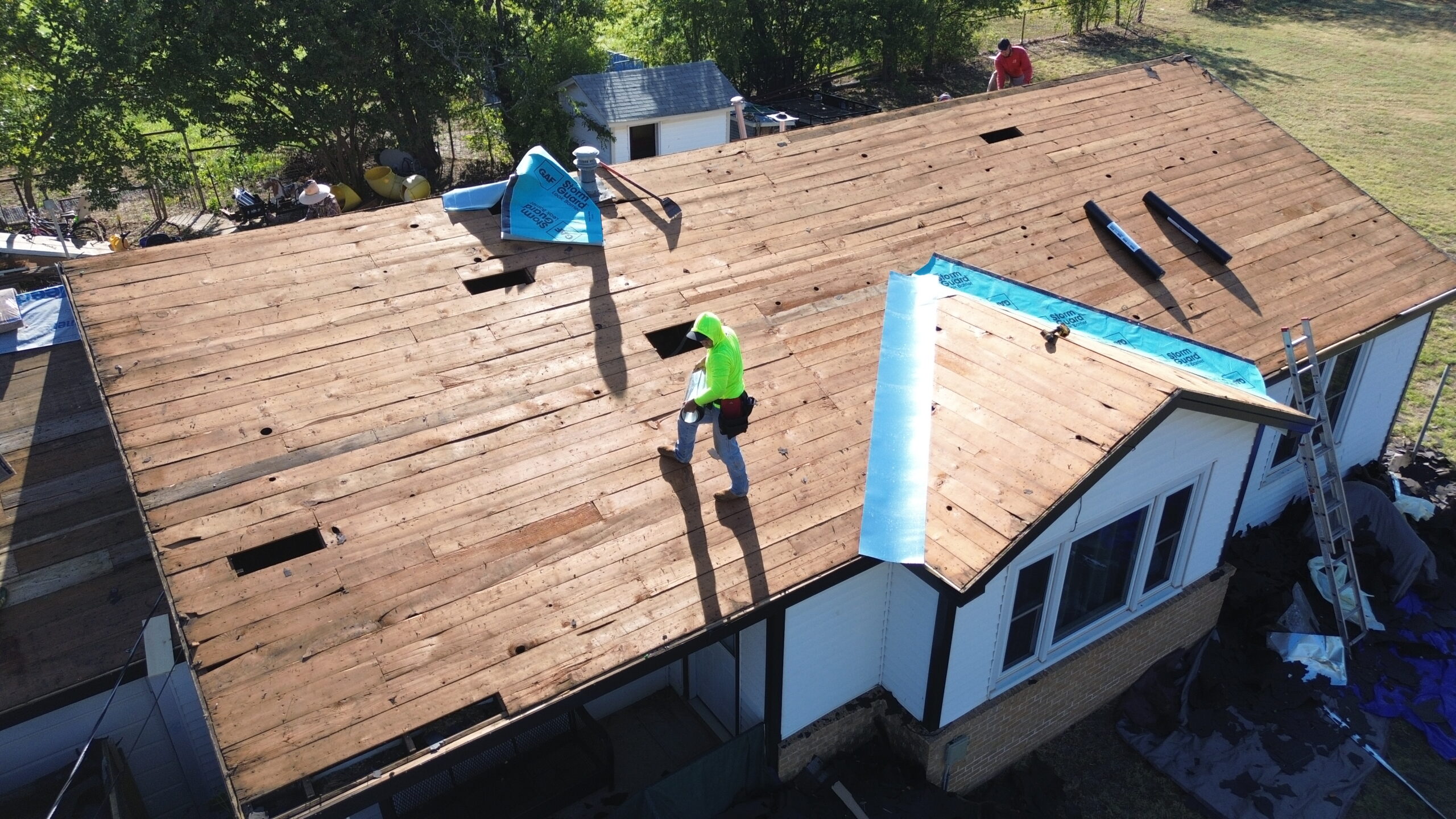
Preventing corrosion begins long before the roof is exposed to coastal weather. Proper design and installation create the foundation for long-term performance by reducing moisture retention, promoting drainage, and protecting vulnerable components. Even the highest-quality roofing material can experience premature corrosion if the installation is poorly executed.
Roof slope is one of the most important design considerations. A properly designed slope allows rainwater to flow quickly toward gutters and downspouts instead of collecting on the roof surface. Faster drainage reduces the amount of time moisture remains in contact with metal panels.
Panel layout also affects long-term durability. Standing water often develops where panel alignment is poor or where water flow is interrupted by unnecessary obstructions. Careful planning helps create smooth drainage paths that reduce opportunities for corrosion.
Flashing installation deserves special attention in coastal environments. Flashing around chimneys, skylights, vents, roof edges, and wall transitions should direct water away from vulnerable areas while remaining flexible enough to accommodate thermal movement. Properly installed flashing reduces the likelihood of moisture entering beneath the roofing system.
Fastener selection is equally important. Stainless steel or manufacturer-approved corrosion-resistant fasteners generally provide better long-term performance than standard fasteners in marine environments. Using compatible materials also helps reduce the risk of galvanic corrosion between different metals.
Ventilation contributes significantly to corrosion prevention. A well-ventilated roof assembly reduces condensation beneath roofing panels by allowing warm, humid air to escape. Lower moisture levels inside the roof structure decrease the likelihood of hidden corrosion developing over time.
Attention to roof details during installation also improves durability. Correctly sealed seams, properly aligned panels, and carefully installed trim components reduce openings where moisture and salt can accumulate. These small details collectively make a significant difference throughout the roof’s service life.
Professional installation ensures that all roofing components work together as a complete system. When drainage, ventilation, fastening, and waterproofing are properly integrated, the roof becomes far better equipped to withstand the demanding conditions found in coastal environments.
Protective Coatings and Finishes for Coastal Metal Roofs
Protective coatings provide one of the strongest defenses against coastal corrosion. They create a barrier that separates the underlying metal from salt, moisture, oxygen, and ultraviolet radiation. Maintaining this barrier is essential for extending the life of any coastal metal roof.
Most modern metal roofing products leave the factory with multiple protective layers. These often include metallic coatings, primers, and durable paint systems that work together to resist corrosion. Each layer contributes to protecting the roof against the harsh marine environment.
Galvanized steel uses zinc as a sacrificial coating. If small scratches expose the zinc layer, it corrodes before the steel beneath, helping delay rust formation. This protective action significantly extends the service life of steel roofing when properly maintained.
Galvalume coatings combine aluminum, zinc, and silicon to create excellent corrosion resistance. This coating performs particularly well in many coastal regions because it provides enhanced protection against environmental exposure while maintaining long-term durability.
High-performance paint finishes also play an important role. These coatings resist fading, chalking, cracking, and peeling caused by prolonged sunlight exposure. Maintaining an intact paint system helps prevent salt and moisture from reaching the underlying metal.
Over time, however, even the best coatings gradually age. Constant sunlight, temperature changes, wind-driven sand, and airborne salt slowly reduce their effectiveness. Regular inspections help identify worn areas before corrosion becomes established.
Recoating older roofs can significantly extend their useful life. Applying compatible roof coatings after proper surface preparation restores the protective barrier while improving resistance to future environmental exposure. Recoating should always take place before corrosion becomes widespread.
Property owners should also avoid using incompatible paints or repair products. Manufacturer-approved coatings provide the best compatibility with existing finishes while preserving both appearance and corrosion resistance.
Routine Maintenance for Coastal Roofing Systems
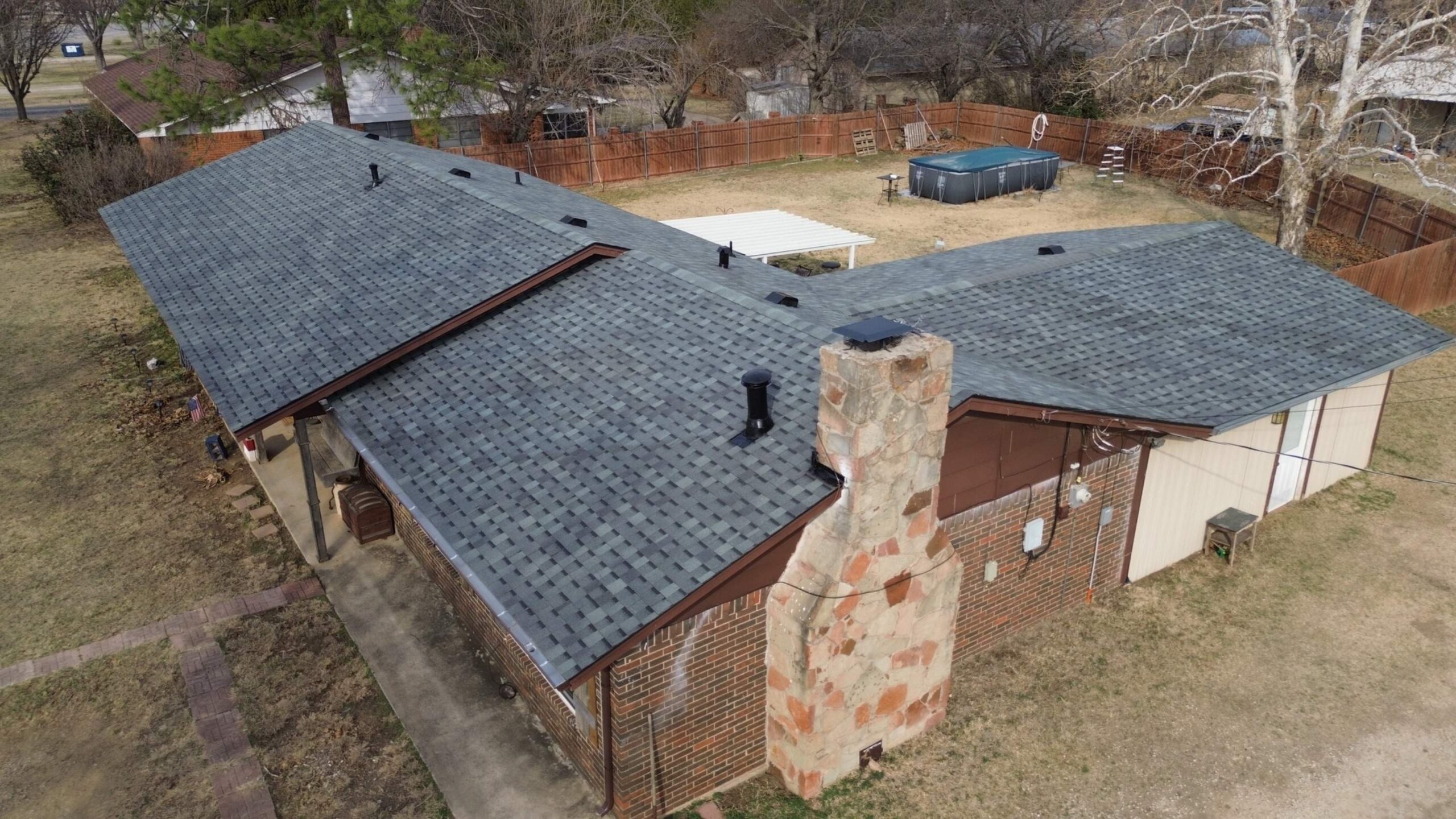
Routine maintenance is the most effective way to slow corrosion in coastal environments. A consistent maintenance schedule helps remove harmful salt deposits, preserve protective coatings, and identify developing problems before they require extensive repairs. Small maintenance tasks performed regularly often prevent much larger restoration projects later.
Cleaning should become a routine part of coastal roof care. Salt particles settle continuously on roofing surfaces, even when they are not immediately visible. Washing the roof periodically helps remove these deposits before they contribute to corrosion.
Roof inspections should occur throughout the year rather than only after severe storms. Seasonal inspections provide opportunities to examine flashing, seams, fasteners, protective coatings, gutters, and roof penetrations for early signs of wear. Detecting problems at this stage allows repairs to remain relatively simple.
Drainage systems require equal attention. Gutters and downspouts should remain free from leaves, sand, and other debris that restrict water flow. Efficient drainage minimizes standing water and reduces the amount of time roofing panels remain wet.
Protective coatings should be monitored carefully during every inspection. Small scratches, peeling paint, or worn finishes should be repaired promptly before moisture reaches the metal beneath. Delaying these repairs often allows corrosion to spread beneath surrounding coatings.
Nearby vegetation should also be maintained. Trimming overhanging branches reduces the risk of scratches caused by falling limbs while decreasing the accumulation of leaves and organic debris. Better sunlight exposure also helps roofing panels dry more quickly after rainfall.
Professional inspections become increasingly valuable as the roof ages. Experienced roofing specialists often identify subtle changes that may go unnoticed during routine visual checks. Their recommendations help property owners prioritize maintenance before corrosion progresses.
A well-planned maintenance schedule not only extends roof life but also improves the building’s overall protection against leaks and weather-related damage.
Cleaning Methods That Remove Salt Deposits Safely
Cleaning a coastal metal roof involves more than simply improving its appearance. Proper cleaning removes accumulated salt, dirt, sand, and organic debris that contribute to corrosion. Using appropriate methods protects both the roof and its factory-applied protective coatings.
Fresh water is one of the most effective cleaning tools for coastal roofing systems. Regular rinsing helps dissolve and remove salt deposits before they accumulate to harmful levels. In many coastal regions, scheduled freshwater washing forms an important part of preventive maintenance.
Cleaning should begin by removing loose debris from the roof surface. Leaves, branches, sand, and other materials trap moisture while preventing water from flowing freely toward gutters. Clearing these obstructions improves both cleaning effectiveness and drainage.
Soft brushes or non-abrasive cleaning tools are generally preferred for removing stubborn dirt. Aggressive scrubbing may scratch protective coatings, creating new opportunities for corrosion. Gentle cleaning methods preserve the roof’s protective finish while still removing accumulated contaminants.
Cleaning products should always be compatible with the roofing material. Harsh chemicals or highly acidic cleaners may damage protective coatings and reduce their ability to resist corrosion. Manufacturer recommendations provide valuable guidance when selecting cleaning solutions.
Pressure washing requires careful consideration. Excessive pressure can damage paint systems, loosen flashing, or force water beneath roofing panels. If pressure washing is used, it should follow manufacturer guidelines regarding pressure settings and spray techniques.
Cleaning frequency depends on local conditions. Buildings located directly along the shoreline generally require more frequent washing than properties located farther inland. Areas exposed to persistent onshore winds may also accumulate salt more rapidly.
Consistent cleaning removes one of the primary contributors to coastal corrosion. Combined with routine inspections and timely repairs, this simple maintenance practice significantly improves long-term roof durability.
Common Coastal Corrosion Causes, Warning Signs, and Preventive Solutions
The table below summarizes several common causes of corrosion in coastal metal roofing systems, the warning signs associated with each issue, and practical preventive measures.
| Corrosion Cause | Early Warning Sign | Preventive Solution |
|---|---|---|
| Salt accumulation | Surface discoloration or rust spots | Wash roof regularly with fresh water |
| Damaged protective coating | Scratches or peeling paint | Repair coating promptly using approved products |
| Standing water | Persistent damp areas | Improve drainage and clean gutters |
| Aging sealants | Cracked or separated sealant | Replace deteriorated sealants before leaks develop |
| Corroded fasteners | Rust around screw heads | Install compatible corrosion-resistant fasteners |
| Organic debris | Moist debris trapped on panels | Remove leaves, branches, and accumulated dirt |
| Poor ventilation | Condensation beneath roof panels | Improve attic and roof ventilation |
This comparison demonstrates that many corrosion problems can be minimized through routine maintenance and early intervention. Understanding both the cause and the warning sign allows property owners to respond before extensive damage develops.
Inspection Checklist for Coastal Metal Roofs
Routine inspections provide the best opportunity to identify corrosion during its earliest stages. Rather than waiting for leaks or visible structural damage, property owners should examine the roof regularly to monitor changes in its condition.
A systematic inspection should include all major roofing components. Looking beyond the obvious surface areas often reveals hidden concerns that could eventually affect the roof’s performance.
The following checklist provides a practical approach for coastal roof inspections:
- Examine roofing panels for scratches, fading, or rust spots.
- Inspect standing seams for separation or visible damage.
- Check flashing around chimneys, skylights, vents, and roof edges.
- Look for peeling paint or blistering protective coatings.
- Inspect fasteners for corrosion or loose attachment.
- Clean gutters and confirm proper drainage.
- Remove leaves, sand, and debris from roof valleys.
- Inspect interior ceilings for water stains following heavy rain.
Inspection records should also be maintained. Keeping photographs and written observations from each inspection makes it easier to recognize gradual changes over time. This documentation supports future maintenance planning and helps determine whether corrosion is progressing.
Environmental Factors That Influence Corrosion Rates
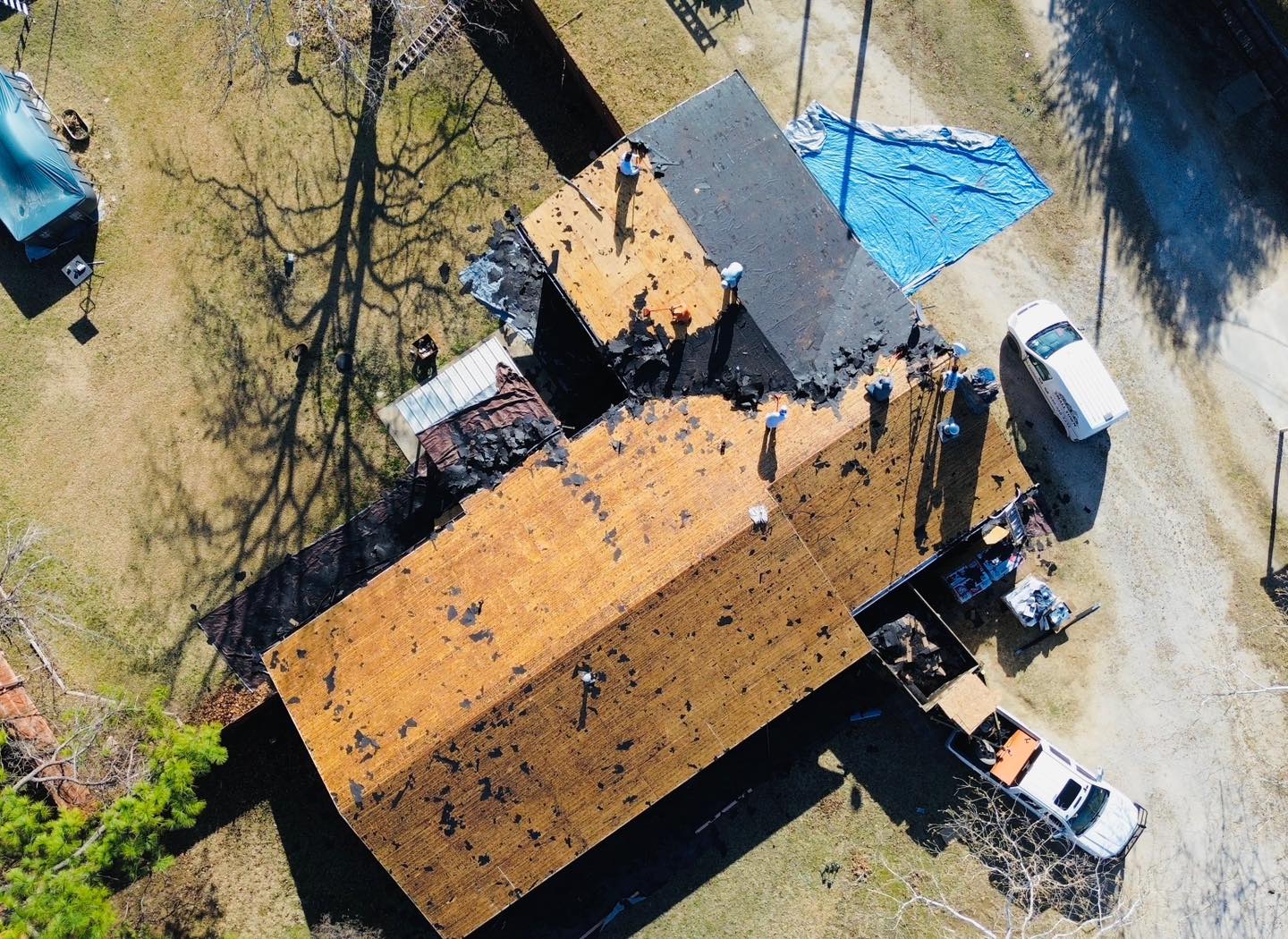
Not every coastal building experiences corrosion at the same rate. Several environmental factors influence how quickly a metal roof deteriorates, even within the same geographic region. Understanding these variables helps property owners develop maintenance schedules suited to their specific location.
Distance from the shoreline has a significant impact. Buildings located directly on the coast generally receive greater salt exposure than properties several miles inland. However, strong prevailing winds may carry salt surprisingly far from the ocean.
Humidity also affects corrosion rates. Areas that remain humid throughout the year experience longer periods of surface moisture, allowing corrosion reactions to continue even between rainfall events. Persistent humidity often increases maintenance requirements.
Wind direction influences where salt accumulates on the roof. Windward roof slopes typically receive greater exposure, while sheltered sections may collect debris that traps moisture. Both situations require careful inspection during maintenance visits.
Temperature fluctuations contribute to coating wear as roofing panels expand during warm weather and contract when temperatures fall. This repeated movement gradually stresses protective finishes, sealants, and flashing throughout the roof’s life.
Air pollution may further accelerate corrosion in certain coastal areas. Industrial emissions, shipping activity, and vehicle exhaust combine with salt and moisture to create more aggressive environmental conditions. Buildings near ports often experience higher corrosion rates than those located in less developed coastal regions.
Rainfall patterns also influence roof performance. Frequent heavy rainfall may naturally wash away some accumulated salt, while long dry periods allow salt deposits to remain on roofing surfaces for extended periods. Cleaning schedules should account for these local weather patterns rather than relying solely on seasonal rainfall.
By understanding how environmental conditions affect corrosion, property owners can adjust maintenance intervals to match the demands of their location. In the final section, we will examine repair strategies for corroded coastal metal roofs, explore long-term prevention techniques, discuss common maintenance mistakes to avoid, answer frequently asked questions, and conclude the complete guide.
Repair Strategies for Corroded Coastal Metal Roofs
Even with regular maintenance, some level of corrosion may eventually develop on a coastal metal roof. The most effective repair strategy depends on the extent of the damage, the roofing material, and whether corrosion has affected only the surface or has progressed into structural components. Prompt repairs help preserve the roof’s integrity while preventing corrosion from spreading.
Minor surface corrosion is often the easiest problem to address. Loose rust, dirt, and contaminants should be removed carefully before applying a rust-inhibiting primer to the affected area. Once the primer has cured, a compatible protective coating restores the barrier that shields the metal from salt and moisture.
Surface preparation plays a major role in the success of any repair. Repair coatings adhere much better when applied to clean, properly prepared metal. Skipping preparation or applying new coatings over active corrosion usually leads to premature repair failure.
Corroded fasteners should generally be replaced instead of simply cleaned and painted. Fasteners hold roofing panels securely in place and help maintain weather resistance. Installing corrosion-resistant replacement fasteners with new sealing washers restores both structural performance and leak protection.
Damaged flashing also deserves immediate attention. Coastal corrosion frequently affects flashing around chimneys, skylights, roof edges, and ventilation equipment because these locations experience continuous moisture exposure. Replacing severely corroded flashing prevents water from entering vulnerable roof transitions.
Moderate corrosion affecting individual roofing panels may require panel replacement. Replacing only the damaged panels often provides a practical solution while preserving the rest of the roofing system. New panels should closely match the original material, profile, and protective finish to maintain consistent performance.
Roof restoration coatings can provide additional protection for aging roofs that remain structurally sound. After appropriate repairs and surface preparation, specialized roof coatings create a continuous protective barrier that improves resistance to salt, moisture, and ultraviolet exposure. Restoration is generally more successful when performed before widespread corrosion develops.
Once repairs have been completed, the surrounding roof should also be inspected carefully. Corrosion often develops in nearby areas that may not yet show obvious signs of deterioration. A comprehensive repair approach reduces the likelihood of recurring problems.

Long-Term Prevention Techniques for Maximum Roof Life
Long-term corrosion prevention requires consistent maintenance rather than occasional repairs. Coastal roofing systems perform best when property owners adopt preventive practices that reduce salt exposure, preserve protective coatings, and identify developing issues before they become serious.
Routine inspections should remain the foundation of every maintenance program. Examining the roof twice each year, along with additional inspections after major storms, allows property owners to detect scratches, loose flashing, worn coatings, and drainage problems early. Timely corrections help prevent corrosion from becoming established.
Regular cleaning also provides significant long-term benefits. Salt deposits accumulate continuously in coastal environments, even when they are not immediately visible. Washing the roof with fresh water at appropriate intervals removes these deposits before they contribute to oxidation.
Drainage systems should receive equal attention. Clean gutters, downspouts, and roof valleys allow rainwater to leave the roof efficiently rather than collecting in low areas. Proper drainage reduces the amount of time moisture remains in contact with metal surfaces.
Protective coatings should be maintained throughout the roof’s service life. Small scratches and coating damage should be repaired promptly, while older roofs may benefit from professionally applied restoration coatings before widespread deterioration occurs. Preserving the protective barrier remains one of the most effective ways to slow corrosion.
Property owners should also monitor nearby landscaping. Trees with overhanging branches increase the risk of scratches from falling limbs while depositing leaves that trap moisture on the roof surface. Trimming vegetation improves airflow and encourages faster drying after rainfall.
Professional roof evaluations become increasingly valuable as roofing systems age. Experienced contractors can identify subtle signs of coating wear, corrosion, or flashing movement that may not be obvious during routine inspections. Their recommendations often help prevent expensive structural repairs.
Maintaining a written maintenance history also supports long-term roof care. Inspection reports, photographs, cleaning schedules, and repair records create valuable documentation that helps track changes in roof condition over time.
Consistent preventive maintenance not only extends roof life but also protects the building from leaks, structural deterioration, and unexpected repair costs.
Common Mistakes That Increase Corrosion Risk
Many corrosion problems develop because of preventable maintenance mistakes rather than unavoidable environmental exposure. Understanding these common errors helps property owners make better decisions that preserve the condition of their coastal metal roof.
One of the most frequent mistakes is allowing salt deposits to remain on the roof for extended periods. Some property owners assume rainfall removes all accumulated salt, but light rain often leaves deposits behind after evaporation. Regular freshwater cleaning is much more effective than relying solely on natural rainfall.
Ignoring small scratches is another costly mistake. Even minor coating damage exposes the underlying metal to moisture and salt. Repairing scratches soon after they appear prevents corrosion from spreading beneath surrounding finishes.
Neglecting gutters and drainage systems also increases corrosion risk. Blocked gutters allow water to back up onto the roof while debris-filled valleys trap moisture against roofing panels. Both conditions create ideal environments for oxidation.
Using incompatible repair materials may create additional problems. Certain combinations of dissimilar metals can produce galvanic corrosion when exposed to saltwater and moisture. Selecting manufacturer-approved materials helps avoid unnecessary chemical reactions.
Some property owners delay inspections because the roof appears to be functioning normally. Corrosion often begins in concealed areas beneath flashing, around fasteners, or under accumulated debris long before visible leaks occur. Regular inspections identify these hidden issues while repairs remain relatively simple.
Walking carelessly on the roof may also damage protective coatings. Sharp tools, dropped equipment, and improper foot placement can scratch painted surfaces or dent metal panels. Following safe maintenance practices helps preserve factory-applied finishes.
Waiting until leaks develop before scheduling repairs is another common mistake. By the time water enters the building, corrosion may already have affected multiple roofing components. Early intervention almost always results in lower repair costs and better long-term outcomes.
Avoiding these maintenance mistakes significantly improves the roof’s ability to withstand challenging coastal conditions for many decades.
Frequently Asked Questions
Why do coastal metal roofs corrode faster than inland roofs?
Coastal roofs are continuously exposed to salt-laden air, high humidity, moisture, and strong winds. Salt increases the rate of electrochemical reactions that cause corrosion, especially when protective coatings become damaged.
Which metal roofing material performs best in coastal environments?
Aluminum is often considered one of the best choices because it naturally resists corrosion by forming a protective oxide layer. Copper and zinc also perform exceptionally well, while galvanized and Galvalume steel provide excellent durability when properly maintained.
How often should a coastal metal roof be cleaned?
Cleaning frequency depends on proximity to the shoreline and local weather conditions. Roofs located close to the ocean generally benefit from regular freshwater washing several times each year to remove accumulated salt deposits.
Can small rust spots be repaired successfully?
Yes. Early surface corrosion can often be treated by removing loose rust, applying a rust-inhibiting primer, and restoring the protective coating. Prompt repairs prevent corrosion from spreading into surrounding metal.
Does rain remove salt from the roof?
Not completely. While heavy rainfall may wash away some salt deposits, lighter rain often leaves salt behind after evaporation. Routine cleaning with fresh water provides more reliable protection against salt accumulation.
Is professional maintenance necessary for coastal metal roofs?
Professional inspections are highly recommended, especially as the roof ages. Experienced roofing specialists can identify early signs of corrosion, coating deterioration, flashing problems, and hidden damage before they become expensive repairs.
Conclusion
Coastal environments present some of the most demanding conditions for metal roofing systems. Constant exposure to salt-laden air, high humidity, moisture, strong winds, and intense sunlight places continuous stress on roofing materials and protective coatings. Without proper maintenance, these conditions gradually increase the likelihood of corrosion that can shorten the roof’s lifespan and compromise its performance.
Fortunately, corrosion can be managed effectively through a proactive approach. Selecting corrosion-resistant roofing materials, ensuring proper installation, maintaining protective coatings, cleaning away salt deposits, and performing routine inspections all contribute to preserving the roof’s condition. These preventive measures work together to slow the oxidation process before it develops into widespread damage.
Recognizing early warning signs is equally important. Small rust spots, peeling coatings, deteriorating sealants, loose flashing, and blocked drainage systems often indicate that maintenance is needed before structural damage occurs. Addressing these issues promptly helps avoid costly repairs while extending the service life of the roofing system.
Long-term success depends on consistency rather than occasional repairs. Property owners who follow a structured maintenance plan and respond quickly to developing problems generally experience fewer leaks, lower repair costs, and greater overall roof durability. Regular professional inspections further strengthen this approach by identifying subtle issues that may otherwise remain hidden.
Whether protecting a beachfront home, a coastal commercial property, or an industrial facility near the shoreline, investing in corrosion prevention is one of the most valuable decisions a property owner can make. By understanding how coastal conditions affect metal roofing and applying proven maintenance practices, it is possible to maintain a strong, attractive, and reliable roofing system that continues performing effectively for decades.