

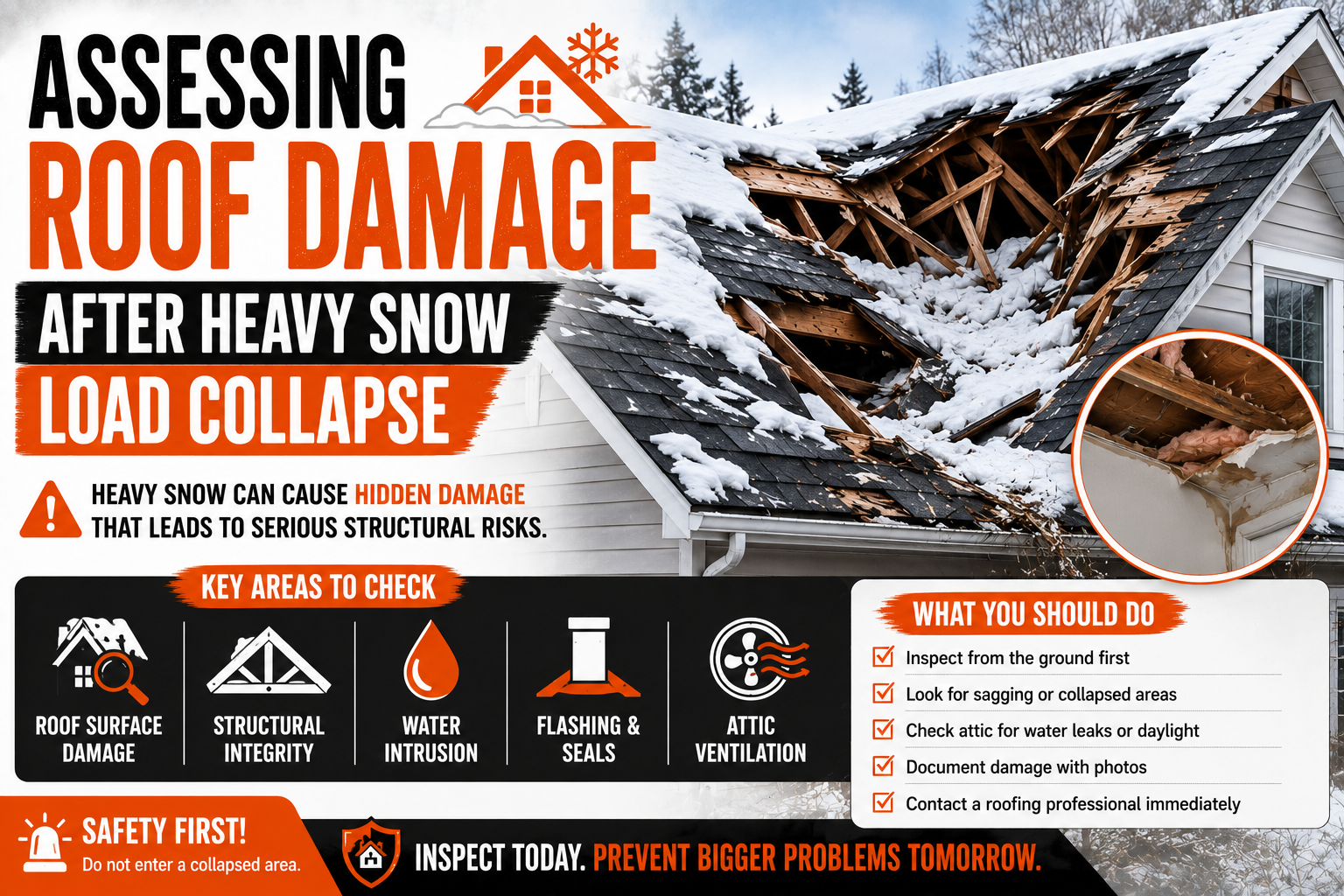
Assessing Roof Damage After Heavy Snow Load Collapse
Introduction
Heavy snowfall can transform a beautiful winter landscape into a serious threat for homeowners. While roofs are designed to support seasonal weather conditions, prolonged snow accumulation or sudden storms can place tremendous pressure on roofing systems. When the weight exceeds what the structure can safely carry, roof damage can occur gradually or develop into a sudden collapse that threatens both property and personal safety.
Many homeowners assume that roof damage only becomes obvious when sections of the ceiling fall or water begins pouring indoors. In reality, structural problems often begin long before these dramatic signs appear. Small framing shifts, weakened roof decking, damaged insulation, and hidden moisture infiltration may already be affecting the building while the exterior still appears relatively normal.
Assessing roof damage after a heavy snow load collapse requires more than simply looking for broken shingles or visible holes. Every structural component must be evaluated because damage can spread from the roof covering to the rafters, trusses, ceilings, walls, and even the home’s foundation. A careful assessment allows homeowners to understand the full extent of the problem and helps prevent additional structural failures.
Understanding how snow affects roofing materials also helps property owners recognize risks before they become emergencies. Every roof responds differently depending on its age, design, materials, maintenance history, and the amount of accumulated snow. Learning these factors makes it easier to identify warning signs and respond appropriately after severe winter weather.
This guide explains how heavy snow loads damage roofs, what warning signs indicate structural failure, and why immediate assessment plays a critical role in protecting both the building and the people inside. It also lays the foundation for understanding the inspection, repair, and prevention strategies covered later in this article.
Understanding Heavy Snow Load and Why Roofs Fail
Snow appears light and harmless when it first falls, but its weight increases significantly as it accumulates. Fresh powder may place relatively little stress on a roof, yet repeated snowstorms can create multiple layers that compress together. As temperatures fluctuate, melting snow absorbs water before freezing again, producing dense ice that is considerably heavier than fresh snowfall.
Roofs are engineered to support expected environmental loads based on regional climate conditions. However, unusually severe winters or multiple back to back storms can push structural systems beyond their intended capacity. Once the weight exceeds safe limits, roof framing begins experiencing excessive stress that can lead to bending, cracking, or complete structural failure.
The danger often develops gradually rather than instantly. Rafters may slowly deflect under continuous pressure while fasteners loosen and joints weaken over several days. Homeowners may overlook these subtle structural changes until visible damage begins appearing throughout the property.
Heavy snow loads also distribute unevenly across many roofs. Wind can create large snowdrifts in certain sections while leaving other areas relatively clear. These uneven loads place concentrated pressure on individual framing members, increasing the likelihood of localized collapse even when the overall roof appears stable.
Flat roofs often experience higher risks because accumulated snow has fewer opportunities to slide away naturally. Pitched roofs generally shed snow more effectively, but valleys, dormers, chimneys, skylights, and roof intersections frequently trap heavy accumulations that increase localized structural stress.
The age of the building also influences roof performance during winter storms. Older structures may contain weakened framing, aging connectors, or previous repairs that reduce their ability to withstand unusually heavy snow loads. Even newer buildings can experience problems if drainage systems become blocked and ice dams develop along roof edges.
Understanding these loading conditions helps explain why roofs fail differently from one property to another. Structural damage depends on multiple interacting factors rather than snowfall alone.
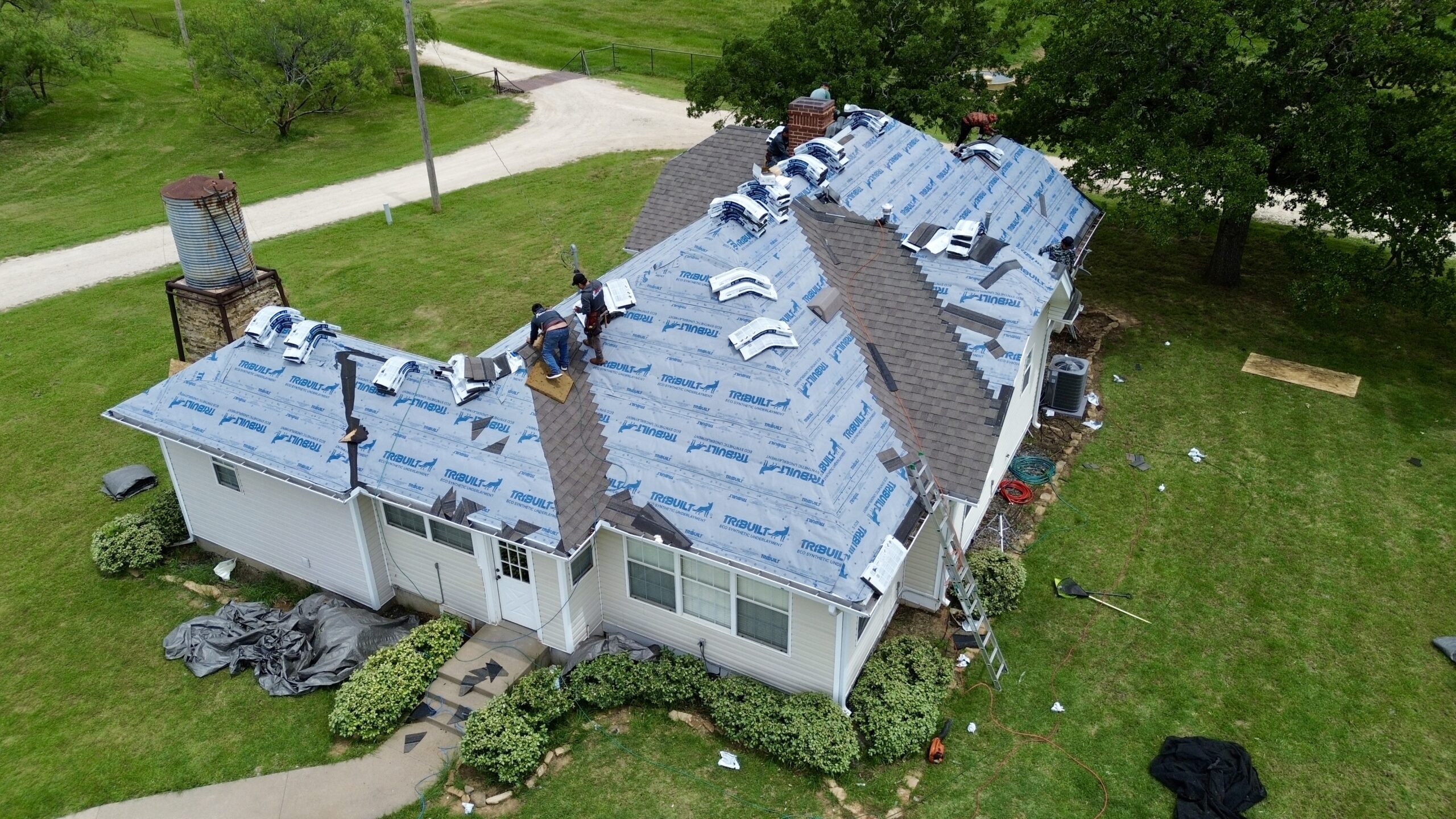
How Snow Weight Affects Different Roofing Systems
Not every roofing system responds the same way to heavy snow accumulation. Construction methods, roofing materials, support structures, and architectural design all influence how a roof carries winter loads. Understanding these differences helps homeowners better evaluate potential risks after major snowstorms.
Asphalt Shingle Roofs
Asphalt shingles remain one of the most common residential roofing materials because they provide reliable weather protection under normal conditions. However, prolonged snow accumulation places significant pressure on the roof decking beneath the shingles rather than the shingles themselves.
As framing members begin bending under excessive weight, shingles may crack, curl, or separate around fasteners. Small openings created during this movement allow melting snow to enter the roofing system and increase moisture damage over time.
Metal Roofing Systems
Metal roofs encourage snow to slide away more easily than many other roofing materials. Their smooth surface reduces snow retention, lowering long term structural loading in many situations.
Despite this advantage, metal roofs are not immune to snow damage. Large sheets of sliding snow can suddenly shift substantial weight onto lower roof sections or gutters. Repeated freeze thaw cycles may also loosen fasteners or create stress around expansion joints.
Tile Roofing
Concrete and clay tiles already contribute significant weight to the overall roofing system. When heavy snow accumulates on top, the combined load becomes much greater than with lighter roofing materials.
Individual tiles may crack as structural framing flexes beneath them. Once tiles become damaged, moisture infiltration increases rapidly during snowmelt, creating additional concerns inside the building.
Wood Shake Roofs
Wood shake roofs provide natural insulation and an attractive appearance, but they require careful maintenance during severe winter weather. Moisture absorbed from melting snow causes wood materials to expand and contract repeatedly.
This continual movement can weaken fasteners and create gaps between individual shakes. Over time, excessive snow loads combined with moisture exposure accelerate structural deterioration beneath the roofing surface.
Flat Commercial Roofing
Flat roofing systems often experience the greatest challenges during prolonged snowfall. Because snow remains on the surface much longer, weight continues increasing with every additional storm.
Drainage systems blocked by ice prevent melting snow from leaving the roof efficiently. Standing water later freezes into dense ice, adding even more structural stress while increasing leak potential.
Roof Design Matters
Roof geometry often influences snow performance as much as roofing materials themselves. Features that improve architectural appearance may unintentionally create areas where snow accumulates instead of sliding away.
Common locations where heavy snow collects include:
- Roof valleys
- Dormers
- Skylights
- Chimneys
- Low slope transitions
- Multi level roof intersections
These concentrated snow pockets often become the starting point for structural damage because they place far greater pressure on specific framing sections than the rest of the roof.
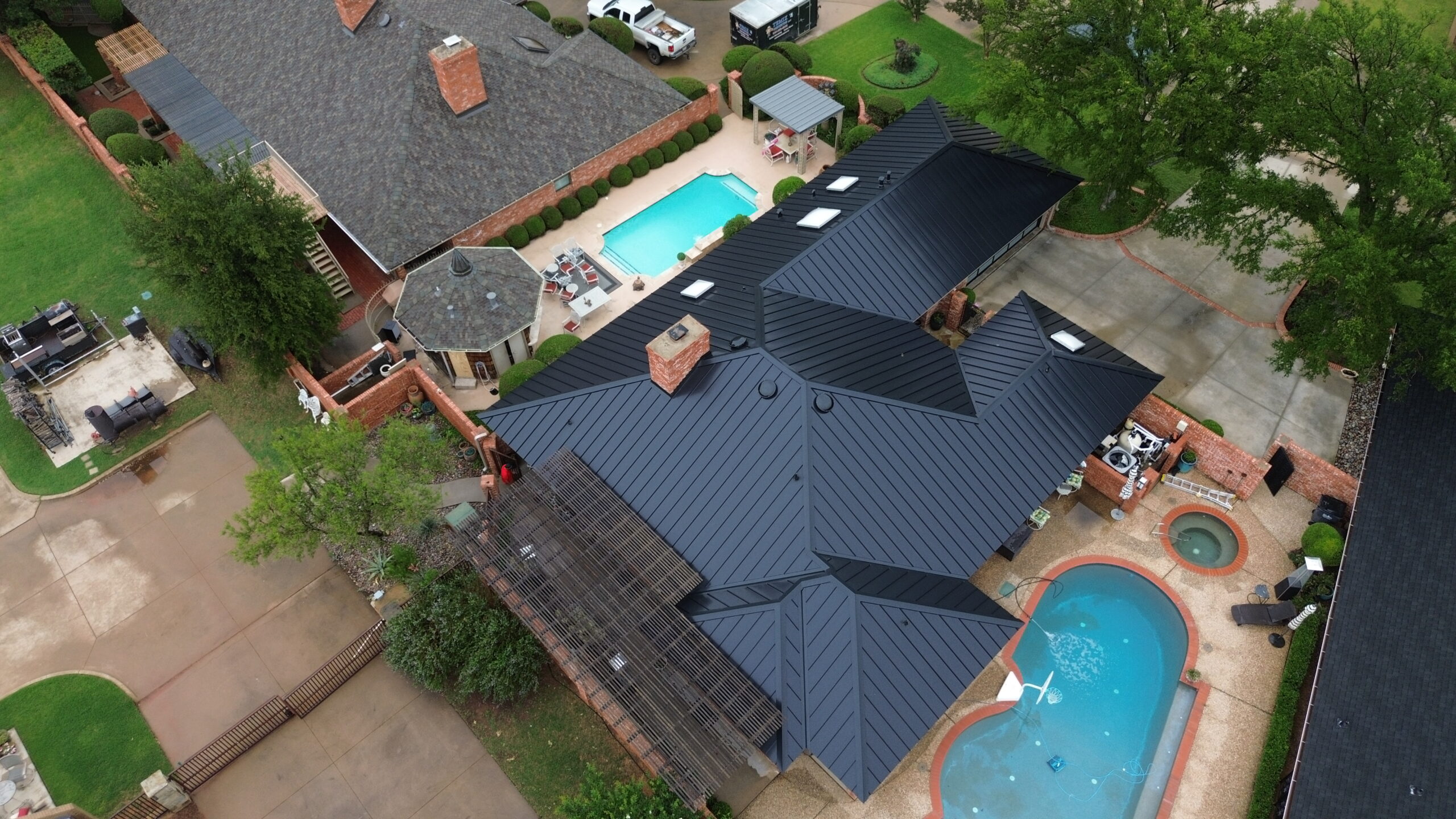
Common Causes of Heavy Snow Load Roof Collapse
Many people assume that exceptionally deep snowfall alone causes roof collapses. In reality, structural failures usually result from several contributing factors acting together over time. Understanding these causes allows homeowners to recognize vulnerabilities before serious damage develops.
Continuous Snow Accumulation
Successive winter storms allow snow to build layer upon layer without adequate melting between events. Each additional storm increases structural loading while compressing older snow into heavier, denser layers.
Even moderate snowfalls become dangerous when accumulation continues for several weeks. The roof may support the initial storms successfully but eventually reach a point where additional weight exceeds structural capacity.
Wet Snow and Ice Formation
Fresh powder weighs far less than saturated snow containing large amounts of moisture. Rain falling onto existing snow further increases its density while placing tremendous additional stress on the roof framing.
Ice contributes even more weight because frozen water becomes extremely dense. Ice dams forming along roof edges trap melting water, allowing additional ice to develop across larger portions of the roofing system.
Aging Structural Components
Time gradually reduces the strength of many building materials. Wood framing may weaken due to moisture exposure, insects, or natural aging while metal connectors experience corrosion over decades of service.
These gradual changes often remain unnoticed until severe weather exposes structural weaknesses. Heavy snow frequently becomes the event that reveals problems already developing inside the roof system.
Previous Storm Damage
Earlier weather events sometimes leave hidden structural damage that appears minor at first. High winds may loosen framing connections while hail impacts weaken roofing materials without creating immediate leaks.
When heavy snow later covers the roof, these previously damaged components fail more quickly than undamaged sections. Multiple weather events therefore combine to create much greater structural risks.
Poor Roof Maintenance
Routine maintenance plays an important role in helping roofs perform during severe winters. Neglected repairs often allow small structural issues to become much larger over time.
Examples include clogged gutters, damaged flashing, missing shingles, deteriorated decking, loose fasteners, and inadequate attic ventilation. Individually these problems may seem minor, but together they significantly reduce a roof’s ability to withstand heavy snow loads.
Design Limitations
Some older buildings were constructed using design standards that differ from modern engineering requirements. Roof framing originally intended for historical snowfall averages may not perform adequately during increasingly severe winter weather patterns.
Building additions also introduce challenges when newer roof sections connect with older structures. Differences in framing systems sometimes create uneven load distribution that increases stress during heavy snowfall.
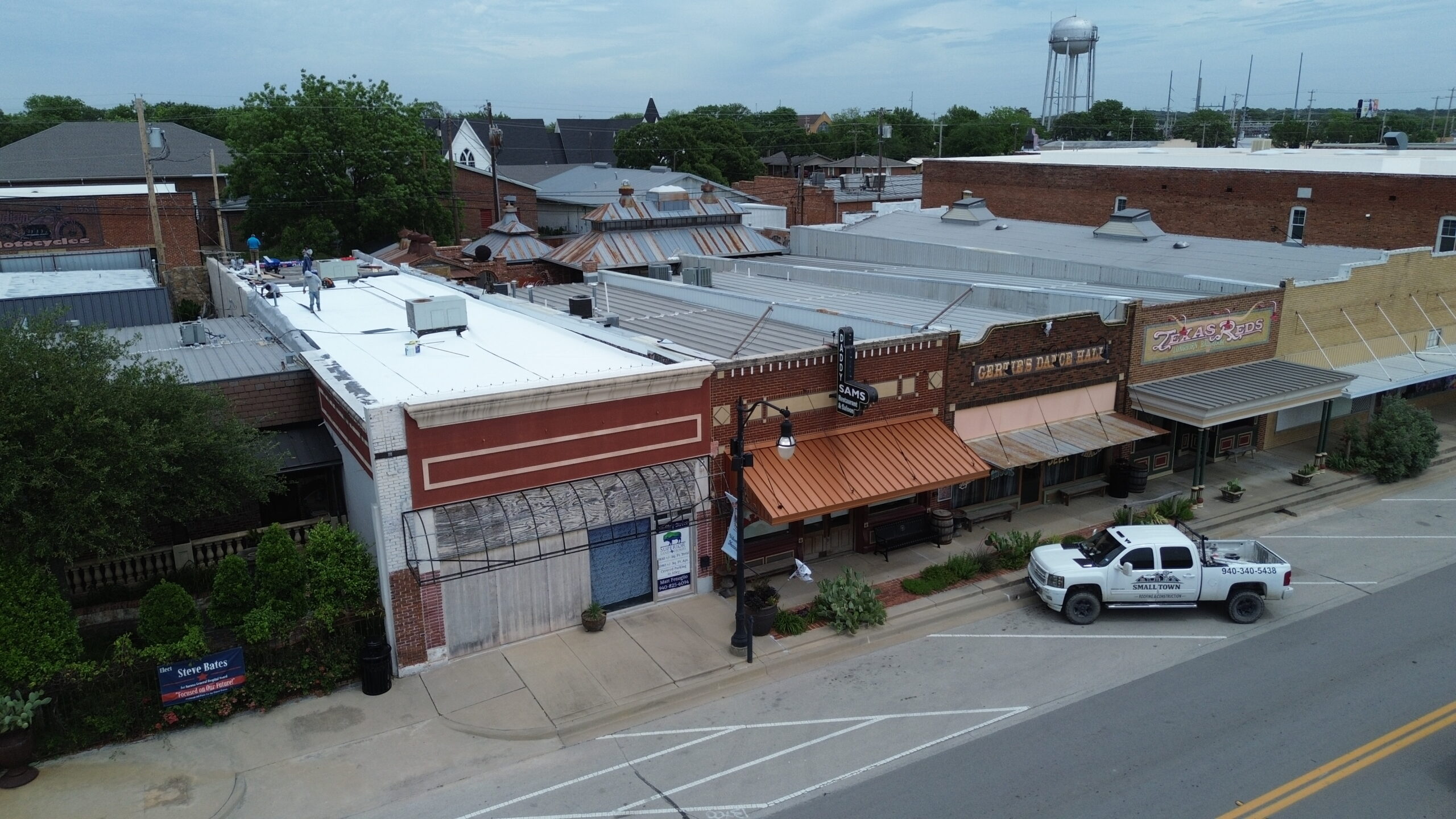
Warning Signs That Your Roof Has Suffered Snow Load Damage
Roof damage following heavy snowfall is not always immediately visible from outside the home. Structural distress frequently begins inside the building before exterior damage becomes obvious. Recognizing early warning signs allows homeowners to respond before conditions become significantly worse.
One of the most common indicators is unusual sagging across the roofline. A roof that previously appeared straight may develop subtle dips or uneven sections as framing members bend under excessive weight. Even small changes deserve immediate attention because continued loading can rapidly worsen structural conditions.
Interior ceiling damage often provides another early warning. Cracks may appear along drywall joints, ceiling corners, or wall intersections as the roof framing shifts slightly under pressure. These cracks frequently widen if structural movement continues after additional snowfall.
Doors and windows sometimes become difficult to open or close following significant snow accumulation. As roof framing transfers stress throughout the structure, walls may shift enough to affect door frames and window openings. Although homeowners often attribute these issues to temperature changes, structural movement should never be ignored after heavy snowfall.
Unusual noises also deserve careful attention. Creaking, popping, cracking, or snapping sounds coming from the attic or roof structure may indicate framing members adjusting under excessive stress. While some normal expansion noises occur during temperature changes, repeated loud sounds following snowstorms should always be investigated.
Water stains developing on ceilings or upper walls frequently indicate that snow and ice have compromised the roofing system. Melting snow may enter through damaged flashing, lifted shingles, or small structural openings created by roof movement. Even minor staining suggests moisture has already entered the building envelope.
Attic inspections can reveal additional warning signs before severe interior damage develops. Bent rafters, cracked trusses, separated joints, compressed insulation, or visible daylight entering through the roof all indicate conditions requiring immediate professional evaluation.
Another overlooked warning sign involves exterior trim and gutters. Gutters pulling away from the roofline or fascia boards separating from the structure may reflect excessive snow weight rather than simple aging. These visible exterior changes often accompany more significant structural stress hidden within the roof framing.
Recognizing these symptoms early provides valuable time to reduce risks before partial or complete roof collapse occurs. Quick identification also simplifies later inspections by documenting when structural changes first became noticeable.
Immediate Safety Steps After a Snow Load Collapse
A roof weakened by heavy snow should always be treated as a potential structural emergency. Even if only part of the roof has collapsed, surrounding areas may remain unstable and capable of failing without additional warning. Protecting occupants must always take priority over inspecting property damage.
The first priority is ensuring everyone exits the affected portion of the building safely. People should avoid gathering belongings if doing so requires remaining beneath damaged roof sections. Structural failures can continue progressing long after the initial collapse, particularly if snow remains on the roof.
After reaching a safe location, homeowners should carefully evaluate visible hazards from outside the structure. Leaning walls, severely sagging roof sections, broken support beams, or damaged utility lines indicate conditions that require emergency assistance before anyone reenters the building.
Electrical hazards also become a significant concern following structural damage. Water entering through collapsed roof sections may contact wiring, electrical panels, or appliances. If it can be done safely, shutting off electricity from the main service panel reduces the risk of electrical shock or fire.
Gas systems should also receive attention if structural movement has damaged piping. Any smell of natural gas or unusual hissing sounds requires immediate evacuation and notification of the utility provider. Occupants should avoid using electrical switches or open flames until the property has been declared safe.
The following actions should be completed as soon as conditions allow:
- Evacuate everyone from affected areas immediately.
- Stay clear of visibly sagging roof sections.
- Turn off utilities only if it can be done safely.
- Prevent others from entering the damaged structure.
- Contact emergency services if collapse threatens life or surrounding properties.
- Arrange for a professional structural inspection before reoccupying the building.
These immediate precautions help reduce the possibility of secondary injuries while preserving important evidence for later inspections and insurance documentation.
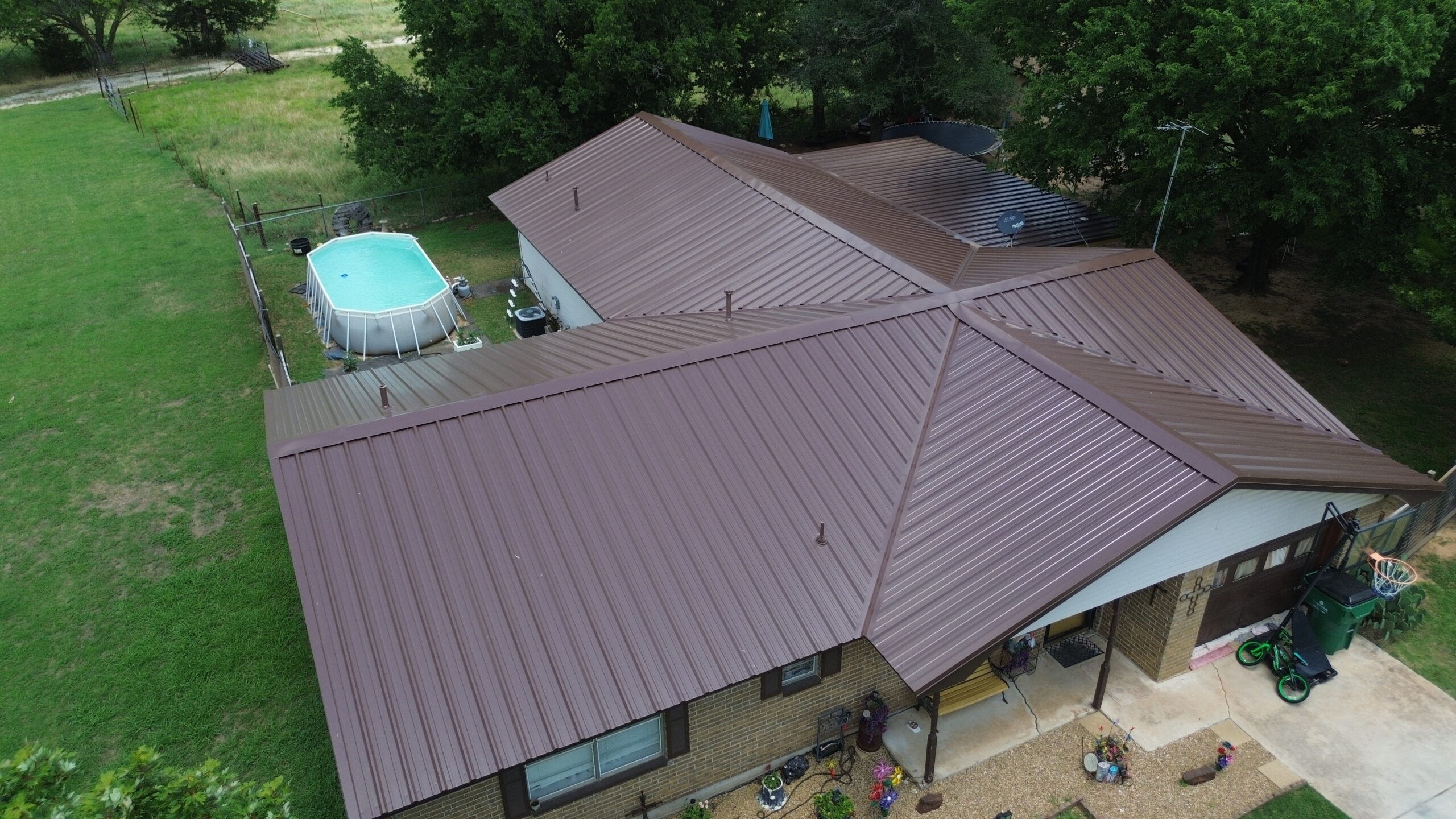
The Importance of Acting Quickly After Structural Damage
Roof damage caused by heavy snow rarely remains limited to the initial collapse area. Once structural integrity has been compromised, additional deterioration often continues as weather conditions change. Delaying assessment allows moisture, freezing temperatures, and ongoing structural movement to create much larger repair requirements.
Snow eventually melts, and that water seeks every available opening in the damaged roofing system. Moisture entering the attic saturates insulation, weakens wooden framing, stains ceilings, and creates favorable conditions for mold growth. What begins as structural damage quickly develops into multiple restoration challenges affecting different parts of the property.
Prompt assessment also improves the accuracy of damage documentation. Fresh evidence allows inspectors to distinguish snow related structural failures from older maintenance issues or unrelated wear. This information becomes valuable when planning repairs and supporting insurance claims.
Early action further protects neighboring structural components that may still be salvageable. Temporary stabilization measures, emergency coverings, and moisture control efforts help limit additional deterioration while permanent repairs are being planned.
A timely response also provides greater flexibility when selecting repair strategies. Smaller structural problems identified early may require localized reinforcement, whereas delayed intervention can allow damage to spread until complete roof replacement becomes the more practical solution.
Assessing roof damage promptly is therefore about much more than identifying visible destruction. It establishes the foundation for accurate inspections, effective repairs, improved safety, and long term structural reliability that will be explored in the next sections of this guide.
Conducting a Safe Exterior Roof Assessment
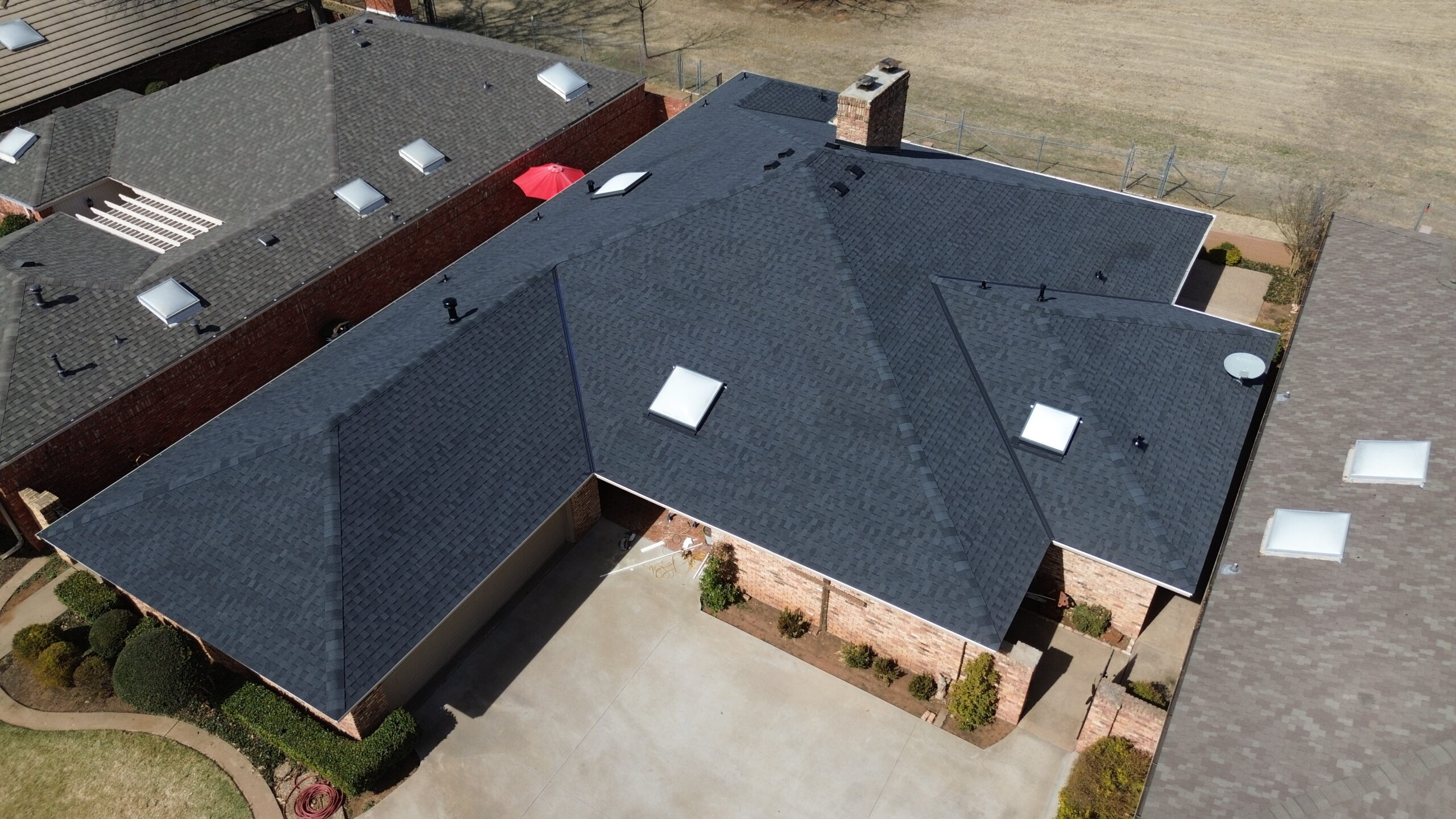
Once immediate safety concerns have been addressed, the next step is evaluating the roof from the outside. This assessment helps identify visible structural problems while reducing unnecessary risks. Homeowners should remember that a roof weakened by heavy snow may remain unstable even after much of the snow has melted.
The inspection should always begin from ground level using binoculars or a camera with zoom capability. This approach allows a broad view of the roof without exposing anyone to dangerous conditions. Walking on a snow damaged roof before it has been declared structurally sound can easily trigger further collapse.
Start by examining the roofline from multiple angles. A straight roof ridge that suddenly appears uneven or bowed often indicates that framing members have bent under excessive weight. Even slight changes in alignment deserve careful attention because they frequently signal deeper structural problems.
Next, inspect the roof covering for obvious signs of damage. Missing shingles, cracked tiles, displaced metal panels, or exposed underlayment suggest that structural movement has affected the roofing materials. These openings also increase the likelihood of water infiltration during snowmelt or future storms.
Pay close attention to roof valleys and low points where snow tends to accumulate. These areas often experience the highest structural loads and may reveal the earliest signs of damage. Loose flashing, separated joints, or uneven surfaces frequently develop in these high stress locations.
Chimneys, skylights, and roof vents should also be inspected carefully. Heavy snow can shift flashing around these penetrations, allowing water to enter the building. Structural movement may also create small gaps that become larger over time if repairs are delayed.
Gutters provide additional clues about roof performance after heavy snowfall. Gutters that have pulled away from the fascia or appear twisted may indicate that snow and ice placed excessive weight along the roof edge. Although gutter damage alone does not confirm structural failure, it often accompanies more serious issues inside the roof system.
Homeowners should also inspect exterior walls for signs that roof movement has transferred stress to other parts of the building. New cracks around windows, doors, or siding joints may indicate that structural loads have affected the overall frame rather than only the roof.
Photographs taken during this assessment become valuable records for repair planning and insurance documentation. Capture wide images of the entire roof along with close up photographs of damaged areas from several different angles. Clear documentation provides a timeline that helps track whether conditions worsen before permanent repairs begin.
Interior Warning Signs That Reveal Hidden Structural Damage
Exterior inspections only tell part of the story. Many of the most serious problems caused by heavy snow loads develop inside the home where structural movement affects ceilings, walls, insulation, and framing. Careful interior observations often reveal damage that remains invisible from outside.
Ceilings usually provide the first indication that roof framing has shifted. New cracks running across drywall or plaster suggest movement above the finished surface. These cracks often widen over time if the roof continues settling under remaining snow loads.
Water stains deserve immediate attention even when they appear relatively small. A light brown stain may indicate melting snow entering through damaged flashing or separated roofing materials. Moisture can spread far beyond the visible stain, affecting insulation and wooden framing long before larger leaks become apparent.
Bulging ceilings represent a particularly serious warning sign. This condition may indicate trapped water accumulating above drywall or significant structural deflection in the roof framing. Occupants should avoid standing beneath bulging ceiling sections until the cause has been professionally evaluated.
Walls may also display evidence of structural movement. Cracks extending diagonally from door frames or window corners often develop when roof loads shift the building frame. These changes may seem cosmetic at first, but they frequently reflect larger structural stresses.
Attic inspections provide one of the clearest opportunities to identify hidden damage. Entering the attic should only occur if there is no evidence of major structural instability and conditions appear safe. If there is any uncertainty, the inspection should be left to qualified professionals.
Inside the attic, look for bent rafters, cracked trusses, separated metal connectors, or broken wooden braces. Insulation that appears compressed or wet may indicate both structural movement and ongoing moisture intrusion. Sunlight visible through the roof decking is another sign that roofing materials have shifted enough to create openings.
Mechanical systems located within the attic can also reveal developing problems. Ventilation ducts that have become disconnected or electrical wiring pulled tight by structural movement suggest that the roof has shifted significantly. These conditions require prompt correction because they affect both building performance and occupant safety.
Homeowners should also pay attention to changes in everyday household operation. Doors that suddenly stick, floors that feel uneven, or windows that no longer close properly may all be connected to roof related structural movement. Although these symptoms may have other causes, they should never be ignored following a heavy snow event.
Comparing Minor Roof Damage vs Major Structural Failure
Not every roof affected by heavy snowfall requires complete reconstruction. Some roofs experience relatively minor damage that can be repaired without extensive structural work, while others suffer significant failures requiring major rebuilding. Understanding the difference helps homeowners appreciate why professional assessments are so important.
Minor roof damage generally affects roofing materials rather than the structural frame itself. Shingles may crack, flashing may loosen, or gutters may become damaged while the underlying rafters and trusses remain sound. Although these issues still require timely repair, they usually do not threaten the building’s immediate stability.
Major structural damage extends beyond the roofing surface into the components responsible for supporting the roof. Rafters may bow noticeably, trusses may crack, support connections may separate, or roof decking may begin collapsing. These conditions compromise the building’s structural integrity and often require emergency stabilization before repairs can begin.
The following table highlights some of the key differences between minor roof damage and more serious structural failures.
| Condition | Minor Roof Damage | Major Structural Failure |
|---|---|---|
| Roof shape | Mostly unchanged | Visible sagging or uneven roofline |
| Roofing materials | Limited missing shingles or flashing | Large sections displaced or collapsed |
| Interior ceilings | Small isolated stains | Bulging ceilings or major cracking |
| Structural framing | No visible deformation | Bent rafters, cracked trusses, separated joints |
| Occupancy | Often remains safe after inspection | May require immediate evacuation |
| Repair scope | Localized repairs | Extensive structural reconstruction |
The severity of damage also depends on how long excessive snow remained on the roof. A short period of heavy loading may produce limited structural stress, whereas prolonged snow accumulation can permanently weaken framing even if collapse never occurs. This delayed weakening sometimes becomes apparent months later when additional weather events expose compromised structural members.
Another important consideration is cumulative damage. A roof that survives several winters with only minor issues may eventually reach a tipping point after repeated loading cycles. Small structural changes accumulate gradually until one particularly heavy storm causes widespread failure.
Because these distinctions are not always obvious during a visual inspection, professional structural evaluation remains essential whenever significant snow loading has occurred. Experts can identify hidden weaknesses that may otherwise remain undetected until a future failure develops.
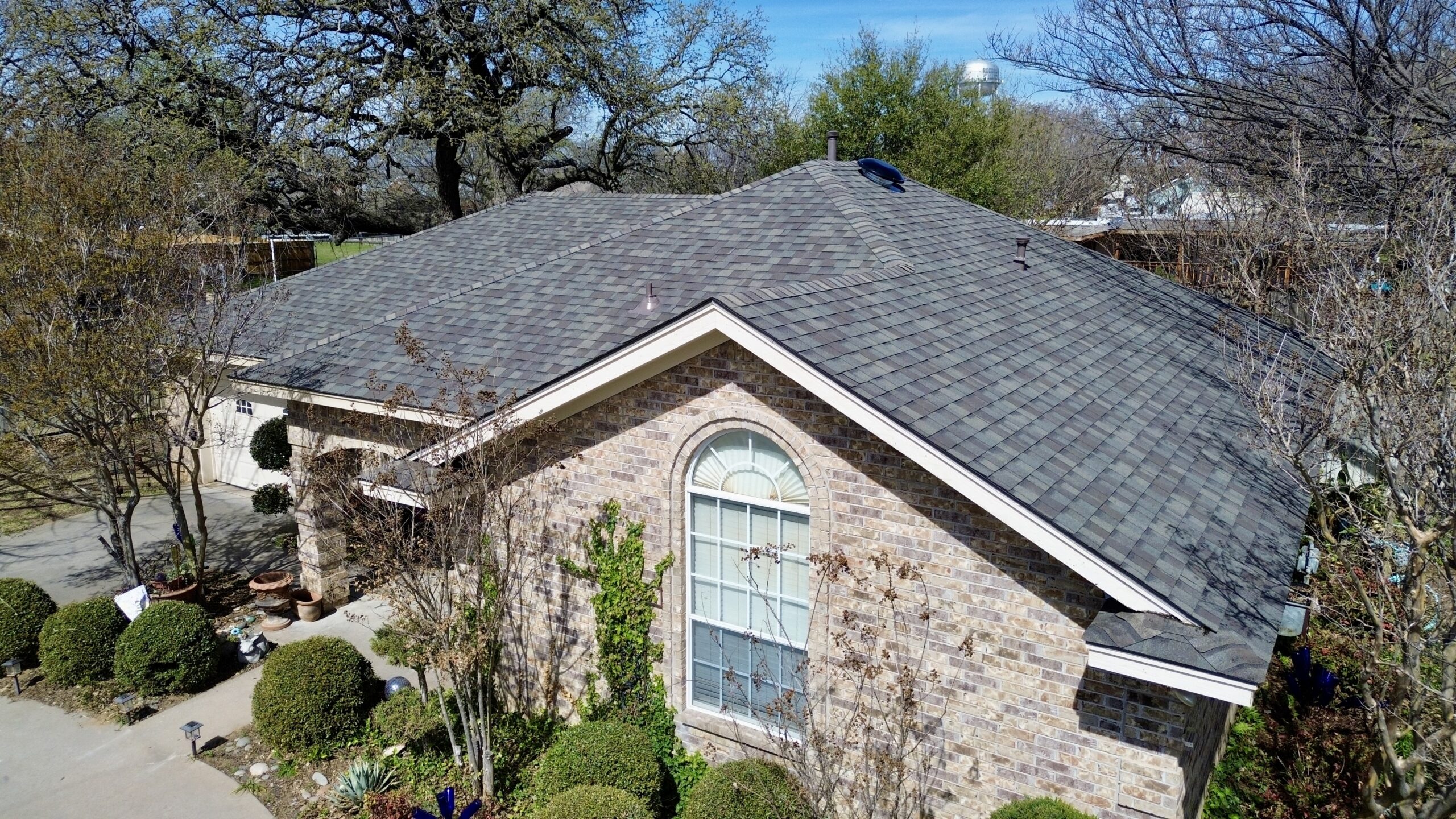
Roof Components Most Commonly Damaged by Heavy Snow Loads
Heavy snow affects much more than the outer roofing material. Every component within the roofing assembly shares part of the structural load, and excessive weight can damage multiple systems simultaneously. Understanding these vulnerable components helps homeowners appreciate the complexity of a complete roof assessment.
Roof decking often absorbs significant stress during prolonged snow accumulation. As framing members bend under increasing weight, plywood or oriented strand board panels may crack, separate at joints, or develop soft areas. These damaged sections lose structural strength and become more susceptible to moisture infiltration.
Rafters and trusses form the primary structural framework supporting the roof. Excessive loading may cause these members to bow gradually or crack suddenly, depending on the amount of stress involved. Once structural framing has been compromised, the roof’s ability to safely support future loads is significantly reduced.
Fasteners and metal connectors also experience tremendous forces during structural movement. Nails may withdraw from wooden framing while metal plates or brackets separate from their original positions. Although these components appear relatively small, they play a critical role in maintaining overall structural stability.
Roof insulation often suffers secondary damage following structural movement. Water entering through damaged roofing materials saturates insulation, reducing its thermal performance while increasing the likelihood of mold development. Wet insulation also becomes heavier, adding further stress to already weakened framing.
Ventilation systems may be disrupted when structural movement shifts roof framing. Ridge vents, soffit vents, and attic ventilation pathways can become blocked or misaligned, reducing airflow throughout the attic space. Poor ventilation then contributes to moisture buildup and future ice dam formation.
Flashing around roof penetrations frequently develops gaps as the roof shifts under heavy loads. Even slight movement around chimneys, skylights, plumbing vents, or exhaust vents can create openings large enough for melting snow to enter the structure. These leaks often continue long after winter has ended unless properly repaired.
Gutters and downspouts also experience considerable stress during heavy snow events. Ice filled gutters become substantially heavier, while sliding snow may pull entire gutter sections away from the roof edge. Damaged drainage systems increase the likelihood of water accumulating near the building during spring thaw.
Interior finishes often reveal structural problems that originate above the ceiling. Drywall joints separate, trim develops gaps, and paint begins cracking as framing members shift. While these cosmetic issues may seem relatively minor, they frequently provide valuable clues about hidden structural damage.
Professional Inspection Methods and Modern Assessment Technology
Modern roof inspections involve much more than visual observations. Professional inspectors use specialized equipment and systematic evaluation methods to identify structural damage that may not be immediately apparent. These advanced techniques improve both the accuracy and completeness of the assessment process.
Visual inspection remains the starting point for every evaluation. Experienced inspectors understand how different types of structural damage develop and know where hidden weaknesses are most likely to occur. Their knowledge allows them to recognize subtle warning signs that homeowners might overlook.
Moisture detection equipment helps identify water intrusion without opening finished building surfaces. Specialized moisture meters measure moisture levels inside walls, ceilings, and roof decking, revealing hidden leaks before visible staining becomes widespread. Early moisture detection allows repairs to begin before mold or wood decay develops.
Thermal imaging cameras have become valuable tools during roof inspections. These cameras detect temperature differences across building surfaces, making it easier to identify wet insulation, air leaks, or hidden moisture trapped within structural components. Although thermal images require careful interpretation, they provide valuable information without damaging finished surfaces.
Structural measurements also play an important role in assessing roof performance. Inspectors may measure roof deflection, framing alignment, and structural movement to determine whether the roof has permanently deformed. Comparing these measurements with expected tolerances helps engineers evaluate the extent of structural damage.
In more complex cases, engineers may recommend limited exploratory openings. Carefully removing small sections of interior finishes or roof coverings allows direct examination of framing members, connectors, and decking. This targeted approach minimizes unnecessary demolition while providing detailed structural information.
Drones have also transformed many exterior roof inspections. High resolution aerial photography allows inspectors to examine difficult or hazardous roof areas without climbing onto unstable surfaces. This approach improves both inspection safety and documentation quality following severe winter weather.
Professional inspections frequently include detailed written reports that explain observed damage, recommended repairs, and potential long term concerns. These reports become valuable references for contractors, insurance adjusters, and homeowners planning restoration work. Thorough documentation also provides a benchmark for evaluating future structural performance.
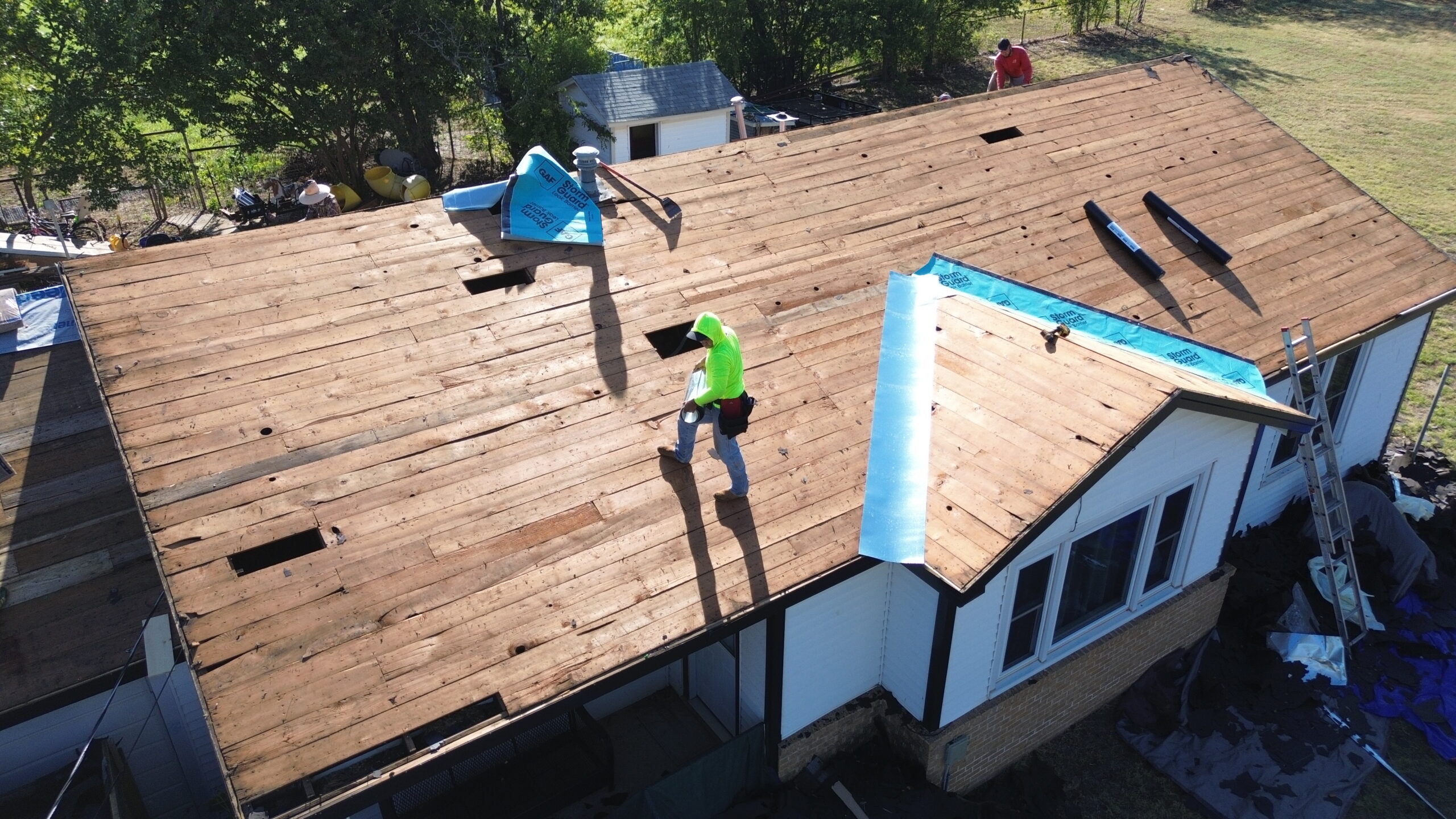
Insurance Documentation and Evidence Collection
A thorough roof assessment includes careful documentation of all visible damage. Accurate records support repair planning and provide essential evidence if an insurance claim becomes necessary. The quality of documentation often influences how efficiently the claims process proceeds.
Photographs should be taken before temporary repairs begin whenever conditions allow. Capture the roof from multiple directions, then photograph individual damaged components in greater detail. Including surrounding areas helps demonstrate how snow loading affected the entire structure rather than isolated sections.
Written notes should accompany photographs whenever possible. Record the date, weather conditions, estimated snowfall, and when damage was first discovered. These details create a chronological record that supports later discussions with inspectors, contractors, and insurance representatives.
Keep damaged materials whenever practical and safe to do so. Broken shingles, bent flashing, damaged gutters, or fractured structural components may provide useful evidence during claim evaluations. Store these materials in a protected location until they are no longer needed.
Financial records also play an important role in documenting losses. Save receipts for emergency repairs, temporary protective coverings, structural stabilization work, hotel accommodations if relocation becomes necessary, and any other expenses directly related to the damage. Organized records simplify reimbursement discussions later.
Communication should also be documented carefully. Maintain copies of inspection reports, contractor estimates, repair recommendations, and correspondence related to the property. Having complete records reduces confusion and helps establish a clear history of the damage and response efforts.
A comprehensive documentation process benefits more than insurance claims alone. Detailed records help contractors understand the progression of damage, support accurate repair planning, and provide valuable reference information if future structural questions arise. In the final part of this guide, we will explore repair options, long term prevention strategies, maintenance practices, and the steps homeowners can take to reduce the risk of future heavy snow load roof failures.
Repair Options After Heavy Snow Load Damage
Once the roof has been fully assessed, the next step is determining the most appropriate repair strategy. The extent of structural damage, the age of the roof, and the condition of supporting components all influence the recommended solution. While some roofs require only localized repairs, others need extensive reconstruction to restore structural integrity.
Repairs should always address both visible damage and any hidden structural issues discovered during the inspection. Replacing missing shingles without correcting weakened framing or damaged decking only masks the problem temporarily. Long lasting repairs require restoring every affected component of the roofing system.
Minor damage often involves replacing roofing materials, repairing flashing, sealing small leaks, and reinforcing isolated sections of roof decking. When completed promptly, these repairs help prevent moisture intrusion while restoring the roof’s ability to withstand normal weather conditions.
Moderate structural damage may require replacing sections of roof decking, reinforcing rafters, repairing trusses, or installing additional structural supports. These repairs are more complex because they involve restoring the load carrying capacity of the roof rather than simply replacing surface materials.
Severe collapses usually require partial or complete roof reconstruction. Contractors may remove damaged framing, replace compromised structural members, rebuild roof sections, and install new roofing materials designed to meet current building standards. Although this approach requires a larger investment, it provides a safer and more durable long term solution.
Temporary repairs also play an important role immediately after damage occurs. Emergency tarping, temporary bracing, and moisture protection help stabilize the property while permanent repairs are being planned. These measures reduce additional deterioration caused by rain, melting snow, or continued exposure to freezing temperatures.
Property owners should avoid rushing into permanent repairs before a complete structural evaluation has been completed. Repairing only the visible damage can leave hidden weaknesses unaddressed, increasing the likelihood of future structural problems during subsequent winters.
When Roof Replacement Becomes the Better Solution
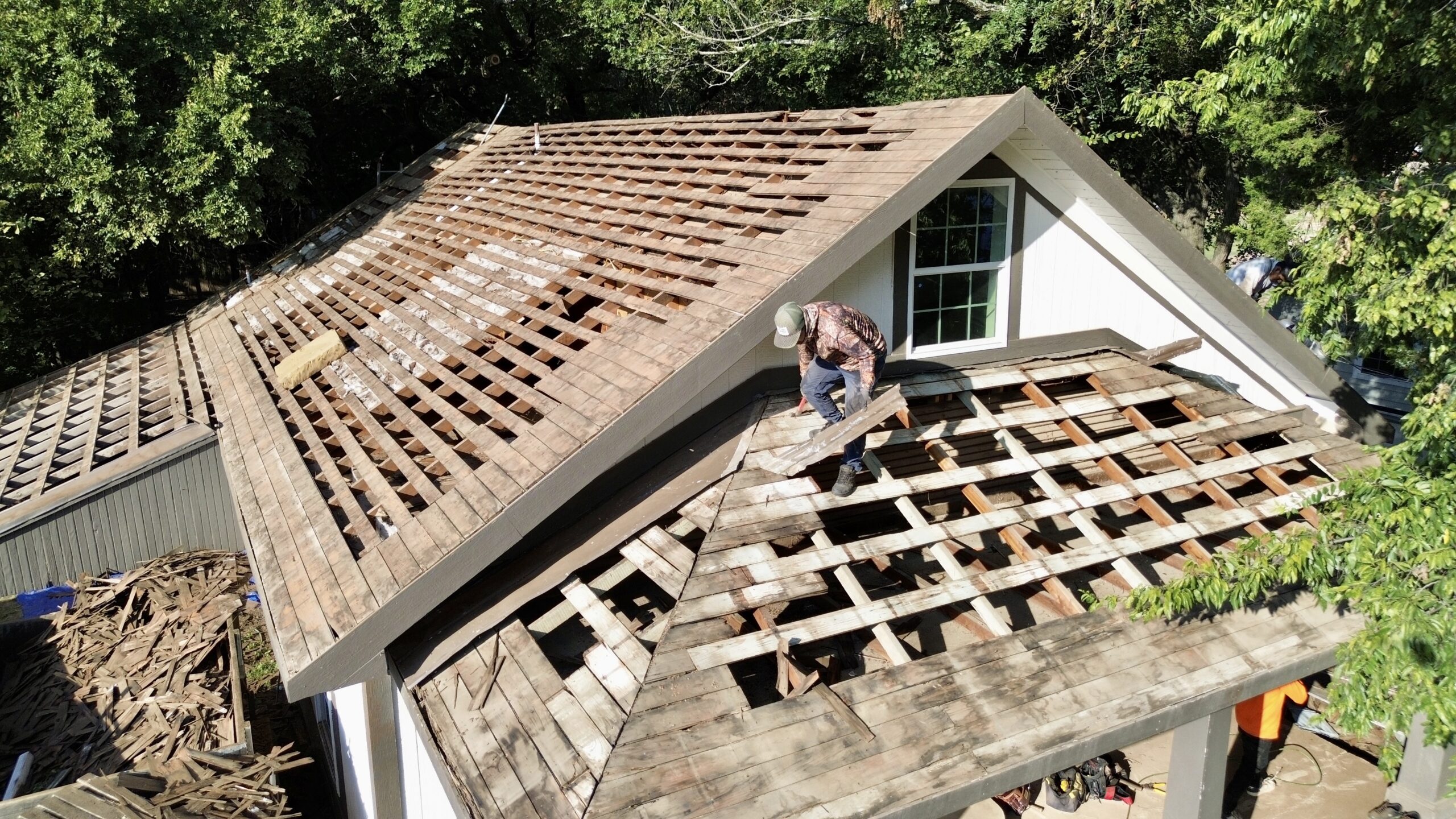
Repairing a damaged roof is not always the most practical or economical choice. In some situations, replacing the entire roofing system provides greater long term value, improved structural performance, and increased peace of mind. Understanding when replacement becomes appropriate helps homeowners make informed decisions after a major snow event.
One of the clearest reasons for replacement is extensive structural damage. If multiple rafters, trusses, or large sections of roof decking have been compromised, rebuilding isolated areas may not restore the roof’s overall strength. A complete replacement allows every structural component to be inspected and rebuilt to current standards.
Roof age is another important consideration. An older roof nearing the end of its expected lifespan may not justify major repair investments. Installing a new roofing system often costs less over the long term than repeatedly repairing aging materials that continue to deteriorate.
Repeated storm damage also supports replacement in many cases. A roof that has experienced several severe weather events may contain accumulated structural weaknesses that are difficult to identify individually. Replacing the entire system eliminates many of these hidden concerns while improving future reliability.
Energy efficiency improvements often accompany roof replacement projects. Modern roofing systems provide better insulation, improved ventilation, and enhanced moisture management compared with older construction methods. These upgrades help reduce heating costs while minimizing the conditions that contribute to ice dam formation.
Updated building codes may also influence replacement decisions. Rebuilding provides an opportunity to strengthen framing connections, improve load distribution, and install materials capable of handling heavier snow loads expected in today’s climate conditions.
While replacement represents a significant investment, it frequently offers lower maintenance costs, improved structural performance, and greater protection against future winter weather. Evaluating both immediate repair costs and long term ownership expenses provides a more complete picture when deciding between repair and replacement.
Preventing Future Snow Load Roof Failures
Although no roof can eliminate every weather related risk, proper maintenance and planning significantly reduce the likelihood of structural failure during heavy snowfall. Preventive measures strengthen the roofing system while helping homeowners identify developing problems before they become emergencies.
Regular roof inspections remain one of the most effective preventive strategies. Professional evaluations identify loose roofing materials, deteriorating flashing, weakened framing, and drainage issues before severe winter weather arrives. Addressing these concerns early helps maintain the roof’s structural capacity.
Proper attic ventilation also contributes to better winter roof performance. Balanced airflow helps maintain consistent roof temperatures, reducing uneven snow melting and limiting the formation of damaging ice dams. Effective ventilation also controls moisture levels that could weaken structural components over time.
Insulation works together with ventilation to improve overall roof performance. Adequate insulation reduces heat escaping from living spaces into the attic, helping maintain more uniform roof temperatures throughout the winter season. This minimizes freeze thaw cycles that often contribute to ice accumulation.
Snow removal may become necessary following exceptionally heavy storms, particularly for flat roofs or structures located in regions that receive significant snowfall. Snow should always be removed carefully using methods that avoid damaging roofing materials or placing workers in unsafe conditions.
Trees surrounding the property also deserve regular attention. Overhanging branches collect snow and ice that can later fall onto the roof, increasing localized loading and causing impact damage. Proper tree maintenance reduces these additional risks during winter storms.
Routine maintenance should also include checking gutters and downspouts before winter begins. Clear drainage systems allow melting snow to flow away efficiently, reducing standing water and minimizing ice buildup along roof edges.
Preventive maintenance requires consistent attention rather than occasional repairs after problems become visible. Small investments in inspections and routine upkeep often prevent much larger structural restoration projects later.
Seasonal Roof Maintenance Checklist
Preparing the roof before winter arrives helps reduce the risk of snow related structural damage. The following checklist outlines important maintenance tasks that support safer roof performance throughout the winter season.
| Maintenance Task | Why It Matters | Recommended Timing |
|---|---|---|
| Inspect roofing materials | Identify damaged shingles, flashing, or tiles | Early fall |
| Clean gutters and downspouts | Improve drainage and reduce ice formation | Late fall |
| Check attic insulation | Reduce heat loss and uneven snow melting | Before winter |
| Inspect attic ventilation | Improve airflow and moisture control | Before winter |
| Trim overhanging tree branches | Reduce falling snow and branch impact | Fall |
| Examine roof framing | Detect structural weaknesses early | Annual professional inspection |
| Remove excessive snow when necessary | Reduce structural loading | During major winter storms |
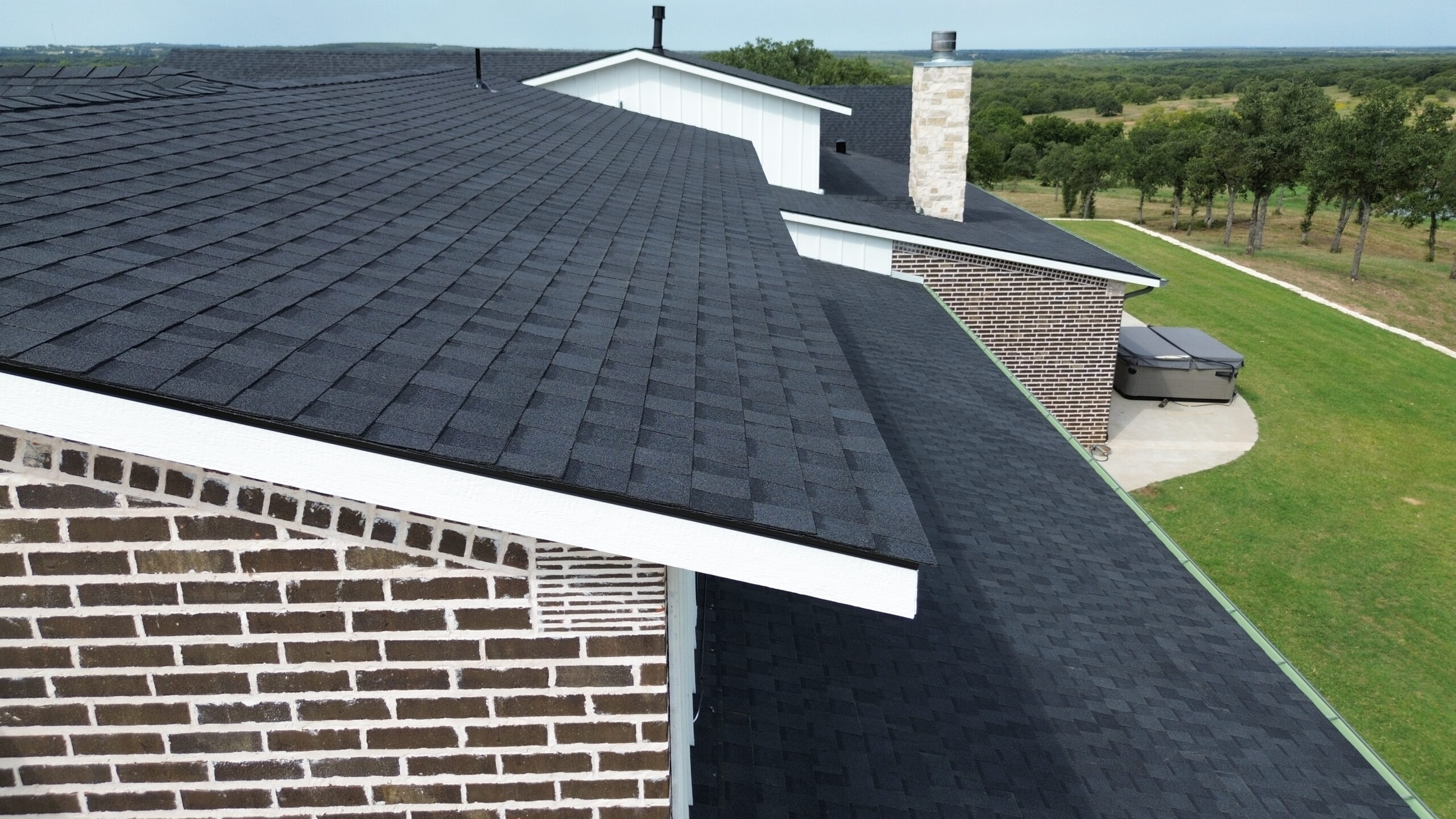
Following a consistent maintenance schedule helps identify potential issues while they remain relatively easy to correct. Preventive care also extends the service life of roofing materials and improves overall structural reliability during severe weather.
Essential Steps Homeowners Should Follow After a Snow Load Collapse
Recovering from a roof collapse involves more than repairing damaged materials. A systematic approach helps protect occupants, preserve evidence, and support an efficient restoration process. Following these steps reduces confusion during what is often a stressful situation.
- Prioritize personal safety and leave unstable areas immediately.
- Prevent anyone from entering damaged portions of the building until the structure has been evaluated.
- Document all visible damage with photographs and written notes.
- Arrange for a professional structural inspection as soon as possible.
- Contact the insurance provider and begin the claims process promptly.
- Complete temporary protective measures to limit additional weather related damage.
- Proceed with permanent repairs only after the full extent of structural damage has been identified.
Completing these actions in an organized manner improves both safety and the overall recovery process. It also helps ensure that important structural problems are not overlooked while emergency repairs are underway.
Frequently Asked Questions
How can I tell if my roof is carrying too much snow?
Visible sagging, new ceiling cracks, unusual creaking sounds, sticking doors, and water stains may all indicate excessive roof loading. These warning signs should never be ignored because they often appear before structural failure occurs.
Is every snow damaged roof at risk of collapsing?
No. Some roofs experience only minor surface damage while the structural framework remains intact. A professional inspection is the safest way to determine whether the roof can continue supporting normal loads.
Can roof damage remain hidden after the snow melts?
Yes. Structural movement, weakened framing, damaged roof decking, and trapped moisture may not become obvious until weeks or even months after the snow has disappeared. This is why inspections remain important even when the roof appears normal.
Should I remove snow from my roof myself?
Snow removal should only be attempted when it can be performed safely and without damaging roofing materials. Large accumulations or unstable roofs are generally better handled by professionals with the proper equipment and experience.
Does roof age affect snow load performance?
Older roofs often contain aging materials, weakened fasteners, and previous repairs that reduce their ability to withstand unusually heavy snow loads. Regular inspections become increasingly important as roofs age.
Can a repaired roof safely handle future winters?
Yes, provided repairs restore the roof’s structural capacity and all damaged components are properly replaced or reinforced. Quality repairs combined with regular maintenance help prepare the roof for future winter conditions.
Conclusion
Heavy snow accumulation places extraordinary demands on every part of a roofing system. While some roofs successfully withstand severe winters, others develop hidden structural weaknesses or experience sudden collapse when snow loads exceed safe limits. Understanding how these failures occur allows homeowners to recognize warning signs before damage becomes catastrophic.
A thorough assessment begins with safety and continues through careful exterior observations, detailed interior inspections, professional structural evaluations, and complete documentation. Every stage of the process contributes to identifying both visible damage and hidden problems that could threaten the building over time.
Choosing the appropriate repair strategy depends on the extent of structural damage, the condition of existing roofing materials, and the long term reliability of the supporting framework. In some situations, targeted repairs restore the roof successfully, while more severe cases require complete replacement to ensure lasting safety and performance.
Preventive maintenance remains the most effective defense against future snow related roof failures. Regular inspections, proper ventilation, adequate insulation, routine drainage maintenance, and timely repairs all strengthen the roofing system before winter storms arrive. These proactive measures reduce structural stress while extending the service life of the roof.
Heavy snow is an unavoidable part of winter in many regions, but significant roof damage does not have to be. By understanding the effects of snow loads, responding quickly after severe weather, and maintaining the roof throughout the year, homeowners can better protect their property, improve structural resilience, and reduce the likelihood of costly winter emergencies.