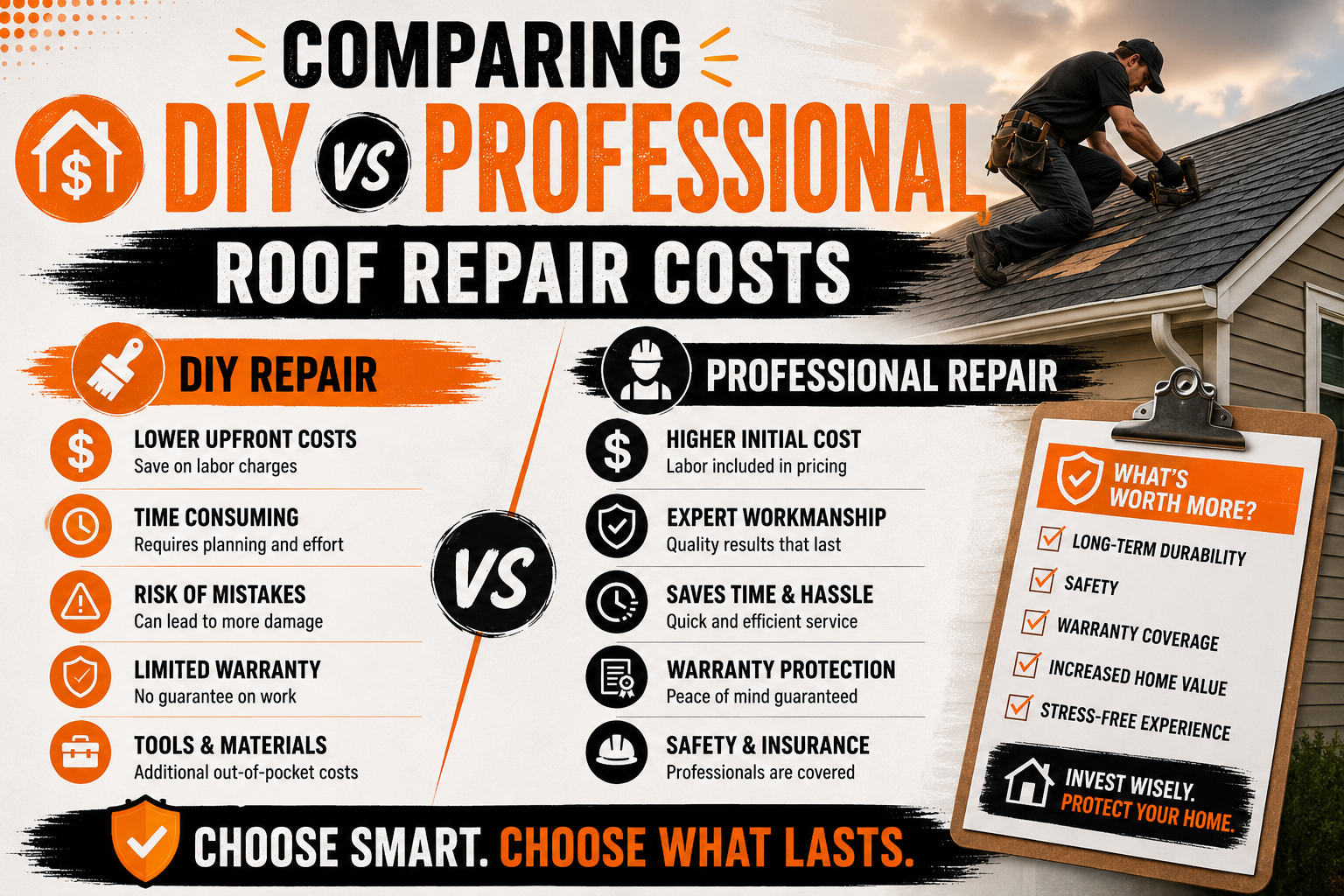
Comparing DIY vs Professional Roof Repair Costs
Introduction
Roof repairs are an inevitable part of homeownership, but one of the first questions many homeowners ask after discovering damage is whether they should repair the roof themselves or hire a professional roofing contractor. The answer often depends on the type of damage, the homeowner’s experience, the complexity of the repair, and the overall cost involved. While a do-it-yourself approach may appear to save money initially, it is important to consider every expense and potential risk before making a decision.
Small roofing issues, such as replacing a few missing shingles or sealing a minor leak, may seem straightforward. Online tutorials and home improvement guides have made DIY repairs more accessible than ever before. However, roofing work involves more than simply replacing damaged materials. Safety, waterproofing, structural integrity, and proper installation techniques all play critical roles in ensuring that repairs last and continue protecting the home.
Professional roof repairs generally require a larger financial investment because labor, insurance, equipment, and expertise are included in the project cost. However, experienced roofing contractors also provide knowledge, warranties, and efficient workmanship that can reduce the likelihood of recurring problems. In many situations, paying more upfront for professional repairs may result in lower long-term ownership costs.
Comparing DIY and professional roof repair costs involves much more than comparing material prices with contractor estimates. Homeowners should also evaluate hidden expenses, time requirements, safety considerations, repair quality, and the potential consequences of improper installation. A repair that appears inexpensive initially may become far more costly if mistakes lead to additional water damage or repeated repairs.
This guide examines the financial and practical differences between DIY and professional roof repairs. By understanding the true costs, benefits, and limitations of each approach, homeowners can make informed decisions that protect both their property and their budget.
Why Homeowners Compare DIY and Professional Roof Repairs
Roof repairs can vary from relatively simple maintenance tasks to complex structural restoration projects. Because contractor estimates sometimes represent a significant financial commitment, many homeowners naturally consider whether completing the work themselves could reduce expenses. Comparing both approaches allows them to determine which option offers the greatest value for their particular situation.
Financial savings are usually the primary motivation behind DIY repairs. Homeowners often assume that eliminating labor costs will substantially reduce the total project expense. While this can be true for certain minor repairs, labor represents only one portion of the overall cost. Materials, tools, safety equipment, and the possibility of correcting mistakes should also be considered before deciding to complete the work independently.
Access to information has also encouraged more homeowners to explore DIY roofing projects. Online videos, instructional articles, and home improvement resources provide detailed guidance for many common repairs. Although these resources improve understanding, they cannot replace hands-on experience or account for the unique characteristics of every roofing system.
Another reason homeowners compare both options is scheduling flexibility. Completing repairs independently may eliminate the need to wait for contractor availability during busy seasons. However, professional contractors often complete repairs much faster because they possess specialized equipment, experienced crews, and established repair procedures.
Long-term reliability also influences the decision. Some homeowners prefer professional workmanship because it provides greater confidence that repairs will withstand future weather conditions. Others may choose DIY repairs for relatively minor maintenance tasks while reserving professional services for more complicated projects.
Ultimately, comparing DIY and professional repairs helps homeowners balance immediate cost savings against long-term performance, safety, and financial risk.
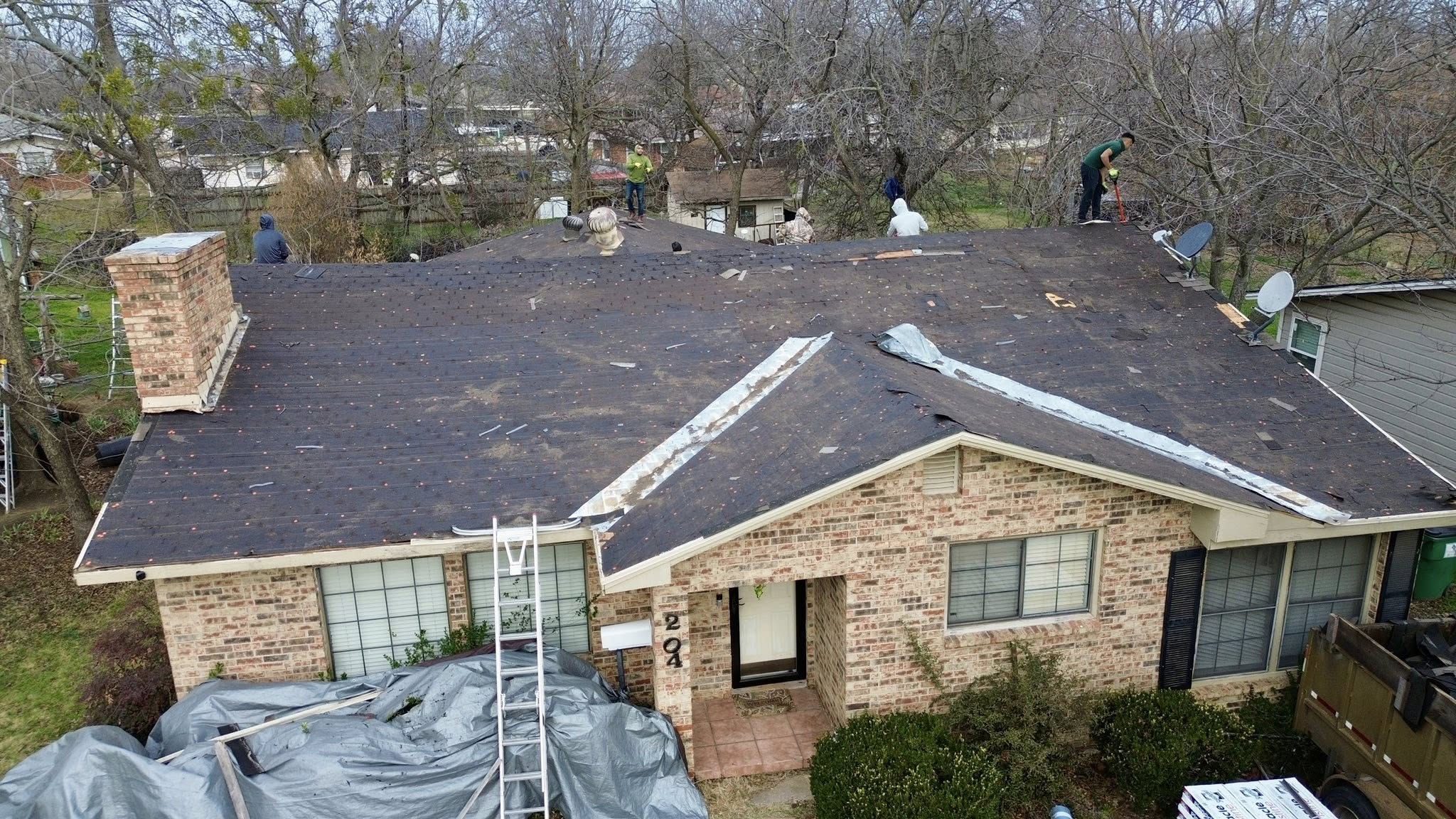
Understanding the Real Cost of Roof Repairs
The true cost of a roof repair extends beyond the visible roofing materials. Whether the work is completed by a homeowner or a professional contractor, every project involves multiple expenses that collectively determine its total cost.
Material costs represent only one component of the budget. Shingles, flashing, sealants, underlayment, fasteners, and waterproof membranes all contribute to the repair expense. The quantity and type of materials required depend on both the roofing system and the extent of the damage.
Labor is another significant cost in professional repairs. Contractor estimates include not only installation work but also inspections, preparation, debris removal, cleanup, equipment transportation, and quality assurance. These services ensure repairs are completed safely and according to accepted industry practices.
DIY repairs eliminate direct labor charges but introduce other expenses that homeowners sometimes overlook. Purchasing specialized tools, ladders, safety harnesses, roofing nailers, sealants, or protective equipment can substantially increase project costs, particularly for homeowners who do not already own these items.
Time should also be viewed as a valuable resource. Professional crews often complete repairs in a fraction of the time required by someone with limited roofing experience. Homeowners should consider whether spending several days learning and performing repairs represents an acceptable trade-off for potential labor savings.
Hidden costs deserve equal attention. Incorrect installation may result in leaks, damaged roofing materials, structural deterioration, or additional repairs that exceed the original contractor estimate. Understanding these potential consequences helps homeowners evaluate whether apparent short-term savings truly represent the most economical choice.
Considering every expense rather than focusing only on labor or materials provides a more realistic comparison between DIY and professional roof repair costs.
Common Types of Roof Repairs Homeowners Consider Doing Themselves
Not every roof repair requires the same level of skill or professional involvement. Many homeowners feel comfortable performing relatively simple maintenance tasks while recognizing that more complex repairs require experienced roofing professionals.
Replacing a few damaged shingles is one of the most common DIY roofing projects. Wind or aging may loosen individual shingles without affecting the surrounding roofing system. Homeowners with appropriate safety equipment and a basic understanding of roofing installation sometimes choose to replace these isolated sections themselves.
Applying roof sealant around small gaps or deteriorating flashing is another repair frequently attempted by homeowners. Sealants can help prevent minor water intrusion when properly applied, although identifying the actual source of a leak may be more difficult than it initially appears.
Cleaning gutters and removing roof debris also fall within the category of routine maintenance that many homeowners perform independently. Keeping drainage systems clear reduces water accumulation and helps prevent moisture-related roofing problems.
Replacing damaged vent covers or securing loose fasteners are additional examples of relatively minor maintenance tasks. These repairs generally involve limited material replacement and may be manageable for homeowners with appropriate tools and experience.
However, larger repair projects introduce substantially greater complexity. Structural repairs, widespread leaks, damaged roof decking, chimney flashing replacement, valley reconstruction, and repairs involving premium roofing materials usually require specialized knowledge and professional installation techniques.
Homeowners should carefully distinguish between routine maintenance and structural repairs. Completing minor maintenance independently may reduce ownership costs, while attempting major roofing projects without sufficient expertise often increases long-term expenses.
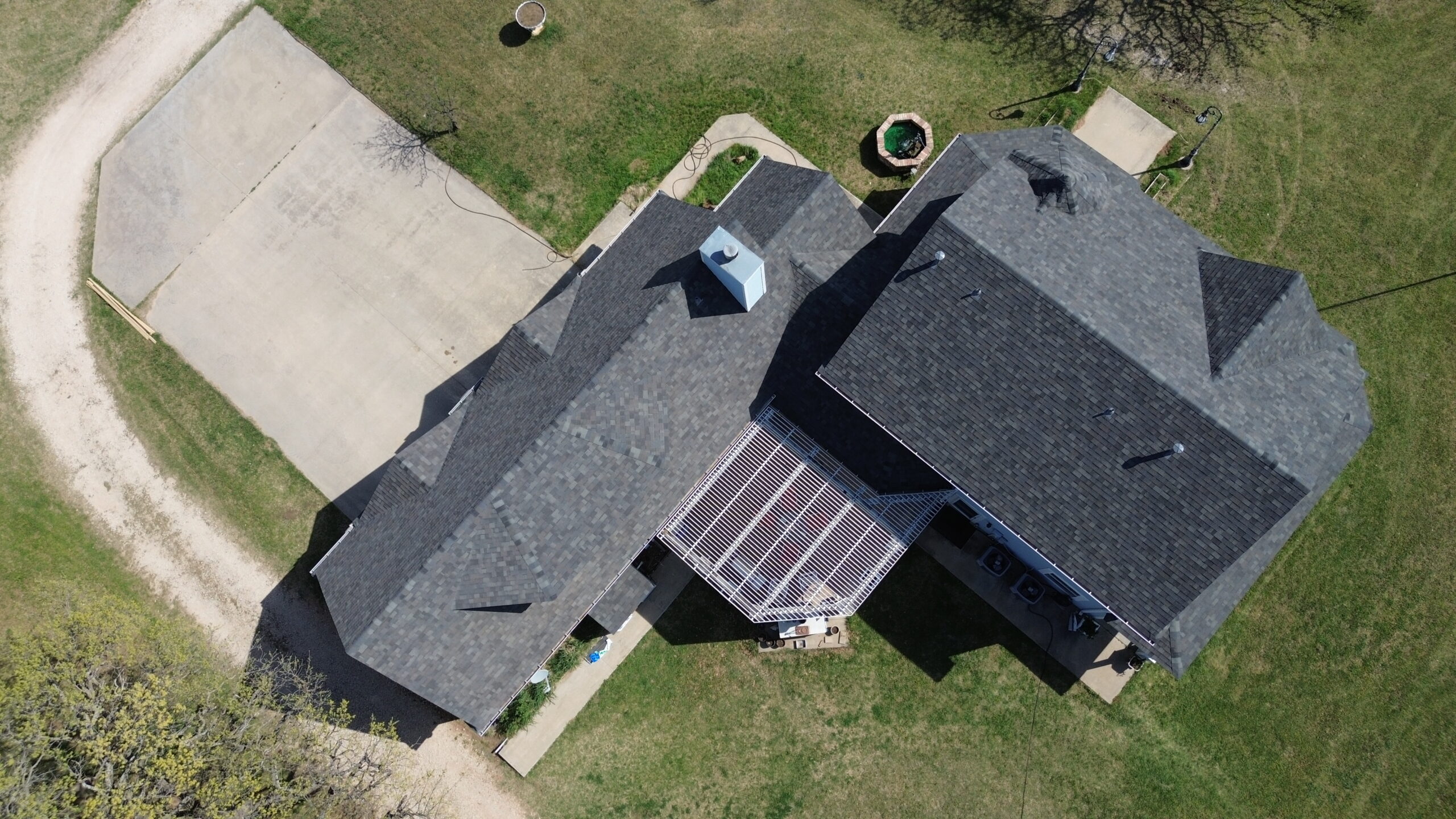
Factors That Influence DIY and Professional Repair Costs
Several important factors determine whether DIY or professional roof repairs provide the better financial value. Understanding these variables helps homeowners evaluate each project individually rather than assuming one approach is always less expensive than the other.
The size of the damaged area is one of the most obvious considerations. Small localized repairs generally require fewer materials and less labor, making DIY repairs more practical in some situations. Extensive damage affecting multiple roof sections usually requires professional coordination and specialized equipment.
Roof pitch significantly influences repair difficulty. Steep roofs increase safety risks while making material handling and installation more challenging. Professional contractors possess training and safety systems designed specifically for these working conditions, whereas homeowners may need to purchase additional protective equipment.
Roofing material also affects repair complexity. Asphalt shingles are generally easier to replace than slate, clay tile, metal roofing, or wood shakes. Premium materials often require specialized installation methods that increase the value of professional expertise.
Weather conditions contribute as well. Roof repairs completed during high temperatures, rain, snow, or strong winds involve greater safety risks and may require careful scheduling. Professional contractors typically have more experience working within changing weather conditions while maintaining quality standards.
Accessibility is another important consideration. Multi-story homes, limited yard access, landscaping obstacles, or complex roof designs increase project difficulty. These challenges may extend DIY project duration while requiring additional safety measures.
The homeowner’s skill level should never be overlooked. Individuals with previous roofing or construction experience may complete certain repairs successfully, whereas those unfamiliar with roofing systems face greater risks of installation errors and accidental property damage.
Evaluating these factors objectively allows homeowners to select the repair approach that provides the most appropriate balance between cost savings, quality, and safety.
Safety Considerations Before Attempting Roof Repairs
Safety should always be the highest priority when evaluating whether to perform roof repairs independently. Roofing consistently ranks among the most hazardous home maintenance activities because workers operate at heights, often on steep or slippery surfaces while handling heavy materials and specialized tools.
Falls represent the greatest safety concern during roof repairs. Even relatively low residential roofs can cause serious injuries if proper fall protection is not used. Professional roofing contractors receive safety training and utilize equipment such as harnesses, anchors, guardrails, and roof brackets designed to reduce these risks.
Weather conditions also affect safety significantly. Wet roofing materials become slippery, while strong winds reduce balance and increase the difficulty of handling tools or replacement materials. High temperatures contribute to fatigue and dehydration, reducing concentration during physically demanding work.
Electrical hazards present another consideration. Power lines near the roof, satellite equipment, solar panels, or electrical wiring within attic spaces require careful attention throughout the repair process. Professional contractors understand how to minimize these risks while performing repairs safely.
Tool safety is equally important. Roofing nailers, utility knives, ladders, and power equipment require proper handling techniques to prevent accidents. Homeowners unfamiliar with these tools should recognize the learning curve involved before beginning any repair project.
Protective clothing also contributes to safe working conditions. Non-slip footwear, gloves, eye protection, hard hats, and appropriate clothing reduce injury risks while improving stability and comfort during repairs.
No financial savings justify unnecessary safety risks. If a repair involves conditions that exceed a homeowner’s experience or comfort level, professional assistance is generally the most responsible choice.
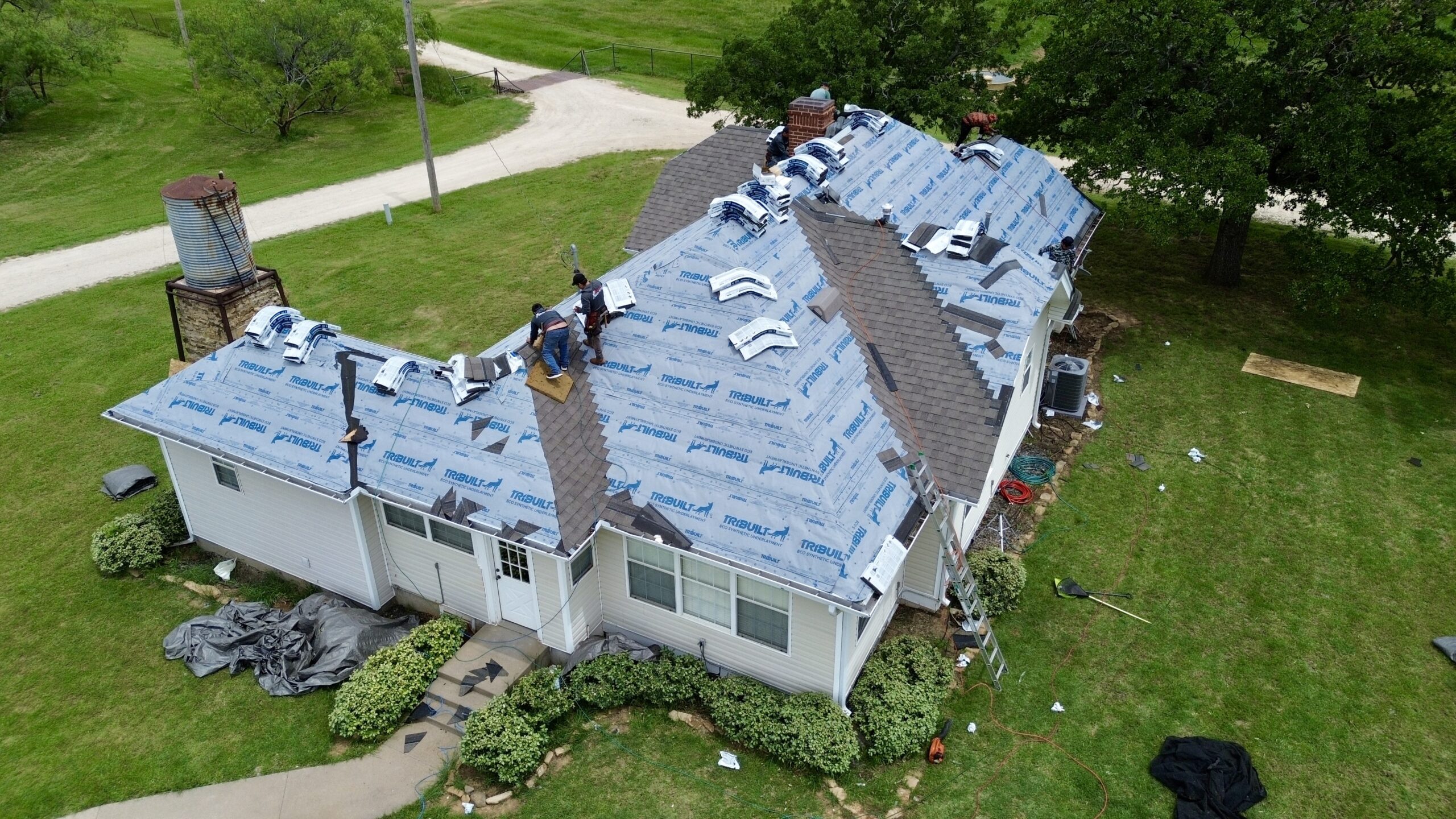
Tools, Equipment, and Materials Required for DIY Roof Repairs
Many homeowners underestimate the amount of equipment required to perform roof repairs safely and effectively. Purchasing or renting the necessary tools represents an important cost that should be included when comparing DIY projects with professional contractor estimates.
A sturdy extension ladder is essential for safe roof access. Depending on roof height and project requirements, additional ladder stabilizers or safety accessories may also be needed to improve stability during climbing and material transport.
Roofing work often requires specialized tools such as roofing hammers, pry bars, utility knives, chalk lines, measuring tapes, roofing nailers, and sealant applicators. Homeowners completing only a single repair project may find that purchasing these tools significantly reduces anticipated cost savings.
Safety equipment deserves equal attention. Fall protection harnesses, roof anchors, non-slip footwear, gloves, eye protection, and hard hats help reduce injury risks while working at height. These items should be viewed as essential rather than optional expenses.
Material selection also influences project success. Replacement shingles, flashing, underlayment, sealants, fasteners, waterproof membranes, and compatible roofing accessories should match the existing roofing system whenever possible. Using incorrect materials may compromise roof performance or create future maintenance issues.
Cleanup supplies should not be overlooked either. Tarps, magnetic nail sweepers, waste containers, and debris disposal arrangements contribute to a safe and organized work area while protecting surrounding landscaping and property.
Including the cost of acquiring these tools and materials provides a more accurate comparison between DIY and professional roof repairs, particularly for homeowners without previous roofing experience.
Evaluating Whether a Roof Repair Is Suitable for DIY
Before beginning any roof repair, homeowners should honestly evaluate whether the project matches their experience, available equipment, and comfort level. Making this assessment carefully helps avoid unnecessary financial losses and safety risks.
The first consideration is the type of repair involved. Cosmetic maintenance tasks, replacing a few accessible shingles, or cleaning gutters may be appropriate for experienced homeowners following proper safety procedures. Structural repairs, widespread leaks, damaged decking, and flashing replacement generally require professional expertise.
Roof accessibility should also be evaluated. Single-story homes with moderate roof slopes present fewer challenges than steep multi-story structures. If reaching the damaged area safely requires advanced climbing techniques or specialized equipment, professional assistance is usually the better option.
Homeowners should also consider whether they possess the necessary tools and roofing knowledge. Successfully completing repairs requires understanding how roofing components work together to create a waterproof system rather than simply replacing visible materials.
Time availability is another practical factor. DIY repairs often require research, preparation, equipment acquisition, and extended project duration. Professional contractors typically complete comparable repairs much more efficiently, minimizing the period during which the roof remains vulnerable to additional weather exposure.
Finally, homeowners should consider the potential financial consequences of mistakes. Incorrect repairs may create leaks, void warranties, increase insurance complications, or require complete reinstallation by professionals. Weighing these risks alongside potential labor savings provides a balanced basis for making the final decision.
Carefully evaluating project complexity before beginning repairs helps homeowners choose the approach that offers the greatest overall value while protecting both their safety and their property.
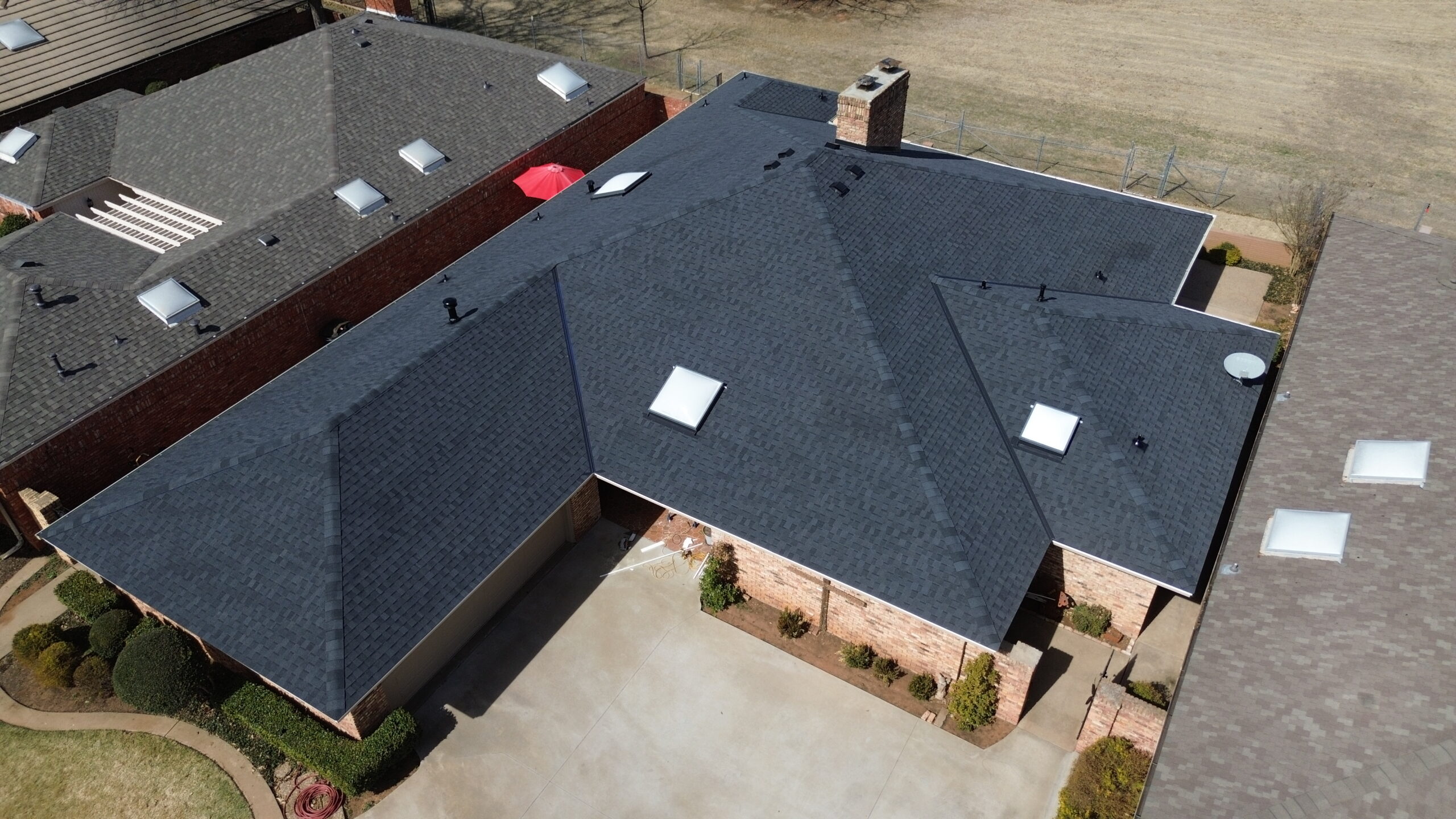
Cost Breakdown of DIY Roof Repairs
DIY roof repairs often appear less expensive because homeowners do not pay professional labor charges. While eliminating labor can reduce the initial project cost, it is important to examine every expense involved before assuming that a do-it-yourself approach is the most affordable option. Many first-time roof repair projects include costs that are not immediately obvious.
The largest direct expense is usually the roofing materials themselves. Depending on the repair, homeowners may need replacement shingles, flashing, roofing nails, underlayment, sealants, waterproof membranes, and matching accessories. Purchasing quality materials is essential because lower-grade products may fail prematurely and require additional repairs.
Tools and equipment represent another significant cost. Homeowners who rarely perform roofing work may need to buy or rent extension ladders, roofing nailers, pry bars, safety harnesses, roof anchors, utility knives, and protective equipment. Although these items can be reused for future projects, they increase the total cost of a single repair.
Transportation and disposal should also be considered. Roofing materials must often be transported from suppliers, while damaged shingles and construction debris require proper disposal. These costs are usually included in professional estimates but become the homeowner’s responsibility during DIY projects.
Time has financial value as well. A repair that takes an experienced contractor several hours may require an entire weekend for someone without roofing experience. Time spent researching repair methods, purchasing materials, preparing the work area, and completing the project should be considered when comparing total costs.
Unexpected mistakes can also affect the final budget. Installing flashing incorrectly, using incompatible materials, or failing to identify hidden water damage may require additional materials or eventually lead to professional repairs. In some situations, correcting DIY mistakes costs more than hiring a contractor from the beginning.
Evaluating all of these expenses provides a more realistic picture of what a DIY roof repair truly costs.
Understanding Professional Roof Repair Pricing
Professional roof repair estimates often seem higher than expected because they include much more than visible labor and materials. Roofing contractors provide a complete service that combines technical expertise, specialized equipment, safety measures, and project management to deliver durable repairs.
Labor is typically the largest component of professional pricing. Experienced roofing crews inspect the damage, prepare the work area, remove damaged materials, install replacements, verify waterproofing, clean the site, and inspect the completed work. Each step contributes to the overall quality and longevity of the repair.
Professional estimates also include specialized tools and equipment. Contractors invest in safety harnesses, ladders, roofing lifts, pneumatic tools, protective coverings, and transportation equipment that allow repairs to be completed efficiently and safely. Homeowners benefit from these resources without needing to purchase them individually.
Insurance and business operating expenses are also reflected in contractor pricing. Licensed roofing companies maintain liability insurance, workers’ compensation coverage, training programs, permits where required, and compliance with local regulations. These costs contribute to higher estimates but also provide valuable protection for homeowners.
Many professional repairs include workmanship warranties as well. If installation issues arise after the repair is completed, contractors often return to correct the problem according to the warranty terms. This added protection provides long-term value that is not available with most DIY repairs.
Professional contractors also complete projects much more efficiently than homeowners with limited roofing experience. Faster completion reduces the amount of time the roof remains exposed to weather while minimizing disruption to the household.
Although professional repairs generally require a larger initial investment, the combination of expertise, efficiency, warranty protection, and reduced long-term risk often provides greater overall value.
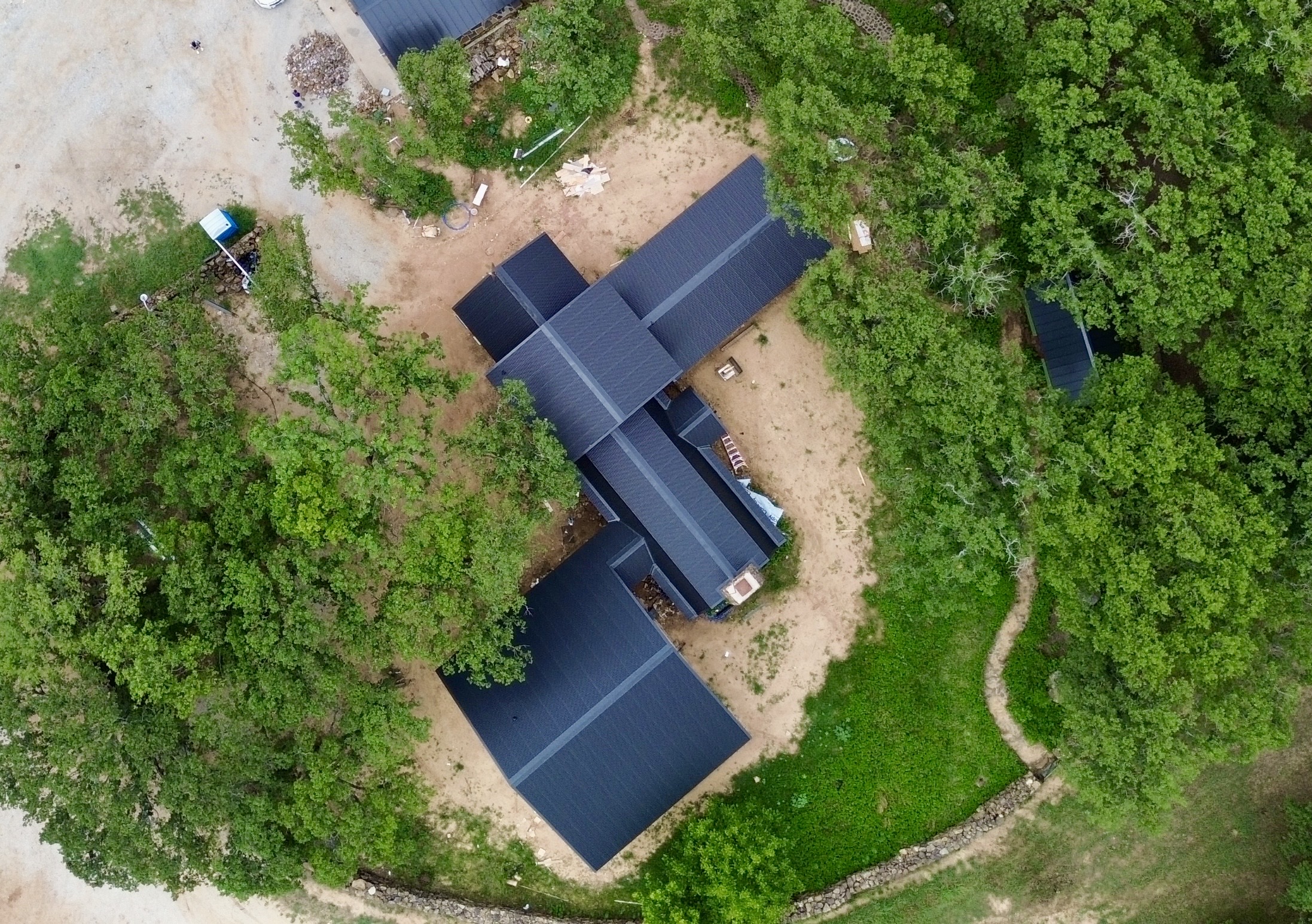
Hidden Costs of DIY Roof Repairs
One of the most important differences between DIY and professional roof repairs involves the hidden expenses that homeowners often overlook. These indirect costs can significantly affect the total financial outcome of a repair project.
Incorrect diagnosis is one common hidden cost. A leak visible inside the home may originate several feet away from where water eventually appears. Without professional inspection techniques, homeowners may repair the wrong area while the actual source of the leak remains unresolved. Continued water intrusion can create larger structural problems over time.
Material waste is another consideration. Inexperienced installers often purchase more materials than necessary or accidentally damage products during installation. Incorrect cuts, improper fastening, or installation errors increase both material costs and project duration.
Weather-related delays may also increase expenses. DIY repairs often take longer than professional work, leaving partially completed roofs exposed to changing weather conditions. Unexpected rainfall during construction can damage exposed roof decking, insulation, or interior finishes, creating additional repair costs.
Warranty limitations represent another hidden financial factor. Some roofing material manufacturers require installation according to specific guidelines or by qualified professionals for warranty coverage to remain valid. Improper DIY installation may affect future warranty claims if material defects occur later.
Medical expenses resulting from accidents should never be ignored. Falls, cuts, strains, or other injuries may create medical costs far exceeding any labor savings associated with DIY repairs. Safety remains one of the most significant financial considerations when evaluating roofing projects.
Finally, resale value may be affected by poor-quality repairs. Home inspections performed during property sales often identify roofing issues that require correction before transactions can proceed. Professional repairs with documented workmanship generally provide greater confidence to future buyers.
Recognizing these hidden costs allows homeowners to compare DIY and professional repairs more accurately rather than focusing only on immediate labor savings.
Table: DIY vs Professional Roof Repair Cost Comparison
Comparing the two approaches across several important factors provides a clearer understanding of their overall financial impact.
| Comparison Factor | DIY Roof Repair | Professional Roof Repair |
|---|---|---|
| Initial labor cost | No direct labor payment | Labor included in estimate |
| Tool and equipment costs | Homeowner purchases or rents equipment | Included within contractor services |
| Material purchasing | Purchased directly by homeowner | Usually supplied by contractor |
| Safety responsibility | Entirely homeowner’s responsibility | Managed by trained professionals |
| Repair speed | Often slower for inexperienced homeowners | Generally completed more efficiently |
| Warranty protection | Usually limited or unavailable | Often includes workmanship warranty |
| Risk of installation errors | Higher without roofing experience | Lower with professional expertise |
| Long-term reliability | Depends on homeowner skill | Generally more consistent and durable |
| Overall value | Best for simple repairs with proper knowledge | Better for complex or high-risk projects |
This comparison illustrates that while DIY repairs may reduce immediate labor expenses, professional services provide additional benefits that can lower long-term ownership costs and reduce future repair risks.
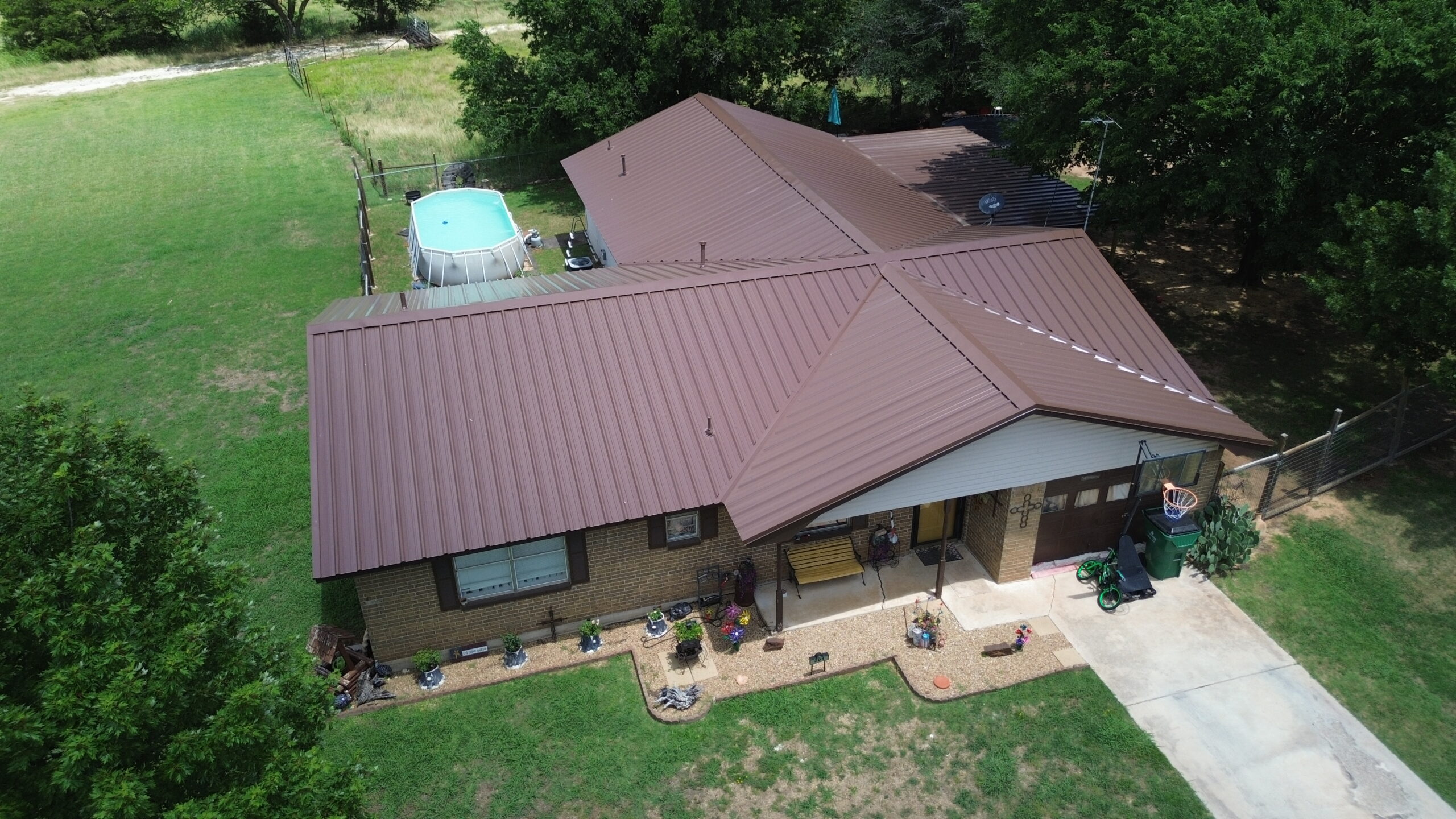
Quality, Durability, and Long Term Value
Repair cost should never be evaluated independently from repair quality. A less expensive repair that fails after a short period may ultimately cost much more than a higher-quality repair completed correctly the first time.
Professional roofing contractors understand how each roofing component interacts with the rest of the system. Proper underlayment placement, flashing installation, ventilation, fastening techniques, and waterproof sealing all contribute to long-term roof performance. These details often determine whether a repair lasts for years or requires additional attention after the next major storm.
DIY repairs vary considerably in quality depending on the homeowner’s experience. Individuals with construction or roofing backgrounds may complete certain repairs successfully, while those unfamiliar with roofing systems may unintentionally create vulnerabilities that allow future leaks.
Material selection also influences durability. Professional contractors often recommend products that are compatible with the existing roof while meeting manufacturer specifications. Homeowners may unintentionally purchase materials that appear similar but perform differently under changing weather conditions.
Consistent workmanship is another advantage of professional repairs. Roofing crews follow established installation procedures developed through training and experience. This consistency reduces the likelihood of uneven repairs, improper fastening, or drainage issues that compromise roof performance.
Long-term value should therefore include more than the initial repair invoice. Durability, warranty protection, maintenance requirements, and expected service life all contribute to the total financial return provided by the repair.
Choosing quality over short-term savings often proves more economical throughout the lifespan of the roofing system.
Time Investment and Project Complexity
Time is frequently overlooked when comparing DIY and professional roof repairs, yet it represents an important financial and practical consideration. Roofing projects require planning, preparation, execution, cleanup, and inspection, all of which consume valuable time.
Professional contractors complete repairs efficiently because roofing is their full-time profession. They arrive with experienced crews, specialized tools, and organized work processes that allow projects to progress quickly while maintaining quality standards. What might require several days for a homeowner can often be completed within a single day by an experienced team.
DIY repairs usually involve additional preparation. Homeowners must research repair techniques, purchase materials, gather equipment, learn proper installation methods, and schedule work around weather conditions and personal responsibilities. These tasks significantly extend total project duration.
Project complexity further increases time requirements. Replacing a few shingles differs greatly from repairing flashing, correcting structural damage, or restoring multiple roof sections after severe weather. As complexity increases, the advantages of professional experience become more significant.
Extended project timelines also expose the roof to additional weather risk. An unfinished repair interrupted by rain or strong winds may create new damage before work is completed. Professional crews reduce this exposure by completing repairs more quickly and efficiently.
Homeowners should also consider the opportunity cost of their time. Spending several weekends on a roofing project may affect family activities, work commitments, or other household responsibilities. Comparing these personal costs alongside financial expenses provides a more balanced assessment of each repair option.
Ultimately, project duration becomes another factor influencing overall value rather than simply an issue of convenience.
When Hiring a Professional Is the Better Financial Decision
Although DIY repairs can reduce costs in certain situations, many roofing projects provide greater financial value when completed by experienced professionals. Recognizing these situations helps homeowners avoid expensive mistakes while protecting both their property and their budget.
Large leaks affecting multiple roof sections generally require professional evaluation because water often travels beneath roofing materials before becoming visible. Contractors can identify hidden moisture damage and repair both the visible symptoms and the underlying cause.
Structural repairs involving roof decking, rafters, or supporting components should almost always be handled by qualified professionals. These repairs influence the overall stability of the roof and require careful attention to building standards and structural integrity.
Premium roofing materials such as slate, clay tile, metal panels, and wood shakes also benefit from professional installation. Specialized repair methods help preserve appearance, durability, and manufacturer warranty requirements while reducing the risk of future failures.
Steep roofs, multi-story homes, and properties with difficult access present additional safety concerns that often outweigh potential DIY savings. Professional contractors possess the equipment and training necessary to perform repairs safely under these conditions.
Projects involving insurance claims may also benefit from professional assistance. Experienced contractors can provide detailed inspections, documentation, and repair estimates that support the claims process while ensuring repairs meet appropriate quality standards.
Ultimately, the best financial decision is not always the one with the lowest initial cost. Professional roof repairs often deliver greater long-term value by combining skilled workmanship, safety, warranty protection, and durable performance. When repair complexity, safety risks, or potential consequences increase, investing in professional expertise frequently proves to be the most economical choice over the life of the roof.
Situations Where DIY Roof Repairs May Be Appropriate
Although professional roofing services provide many advantages, there are situations where a DIY approach can be both practical and cost effective. The key is understanding the limits of personal experience and recognizing when a repair remains relatively simple rather than becoming a complex structural project.
Routine maintenance tasks are generally the safest place for homeowners to begin. Cleaning gutters, removing leaves and debris from roof valleys, checking for loose shingles after a storm, or replacing a small number of damaged shingles may be manageable for individuals who have the proper safety equipment and basic roofing knowledge. These activities help maintain roof performance while reducing long-term maintenance costs.
Minor sealing work may also be appropriate under certain circumstances. Applying roofing sealant to a small, clearly identified gap around flashing or replacing a damaged vent cover can often prevent water intrusion before it develops into a larger problem. However, homeowners should first be confident they have correctly identified the source of the issue.
Single-story homes with moderate roof slopes generally present fewer safety challenges than steep or multi-level roofs. Easier access allows homeowners to work more comfortably while reducing some of the risks associated with roofing projects. Even in these situations, proper fall protection and safe ladder practices remain essential.
Homeowners with previous construction or roofing experience may also be comfortable handling certain repair tasks. Familiarity with roofing materials, waterproofing methods, and installation techniques increases the likelihood of a successful repair while reducing the chance of costly mistakes.
Even when DIY repairs are appropriate, homeowners should remain realistic about their abilities. If the scope of work becomes more extensive than originally expected or hidden damage is discovered, seeking professional assistance is often the most sensible decision.
Situations That Always Require Professional Roofing Services
Certain roofing projects involve complexities and safety risks that make professional involvement the most appropriate choice. Attempting these repairs without the necessary expertise can increase costs, compromise the roof’s performance, and create serious safety hazards.
Structural roof damage is one of the clearest examples. If water has weakened roof decking, rafters, trusses, or other supporting components, repairs require specialized knowledge to restore the roof safely and correctly. Structural issues affect the integrity of the entire roofing system and should always be evaluated by qualified professionals.
Extensive leaks also require professional inspection. Water often travels beneath roofing materials before becoming visible inside the home, making the true source of the leak difficult to locate. Contractors have the experience to identify hidden moisture pathways and repair the underlying problem rather than only the visible symptoms.
Repairs involving premium roofing materials such as slate, clay tile, metal roofing, or wood shakes also benefit from professional expertise. Each material has unique installation requirements that preserve waterproofing, appearance, and long-term durability. Improper repairs can damage surrounding materials and significantly increase future maintenance costs.
Storm damage involving multiple roof sections should likewise be handled professionally. Severe weather may affect flashing, gutters, vents, shingles, roof decking, and structural components simultaneously. Comprehensive inspections ensure that every damaged area is identified and repaired before additional deterioration occurs.
Steep roofs, multi-story homes, and properties with limited access create elevated safety risks. Professional roofing crews possess specialized equipment, safety training, and established work procedures that greatly reduce the likelihood of accidents while improving repair quality.
Whenever a repair involves uncertainty regarding the cause of damage, structural stability, or proper installation methods, hiring an experienced roofing contractor remains the most responsible and financially sound decision.
Insurance and Warranty Considerations
Insurance coverage and manufacturer warranties are important financial factors that homeowners should evaluate before deciding between DIY and professional roof repairs. A repair that appears less expensive initially may affect future financial protection if warranty or insurance requirements are overlooked.
Many roofing material manufacturers provide warranties covering defects in their products. These warranties often require installation according to specific guidelines and, in some cases, by qualified roofing professionals. Improper installation during a DIY repair may affect future warranty claims if material failures occur later.
Workmanship warranties represent another advantage of professional repairs. Reputable roofing contractors frequently guarantee the quality of their installation for a specified period. If issues arise because of installation errors, homeowners may receive corrective work without additional labor charges, providing valuable long-term protection.
Insurance claims may also become more complicated following DIY repairs. If storm damage occurs after previous homeowner repairs, insurance adjusters may examine whether earlier work contributed to the damage or affected the roof’s condition. Maintaining detailed documentation of repairs helps support future claims regardless of who completed the work.
Professional contractors typically provide written estimates, invoices, photographs, and repair records that simplify insurance documentation. These records demonstrate the scope of completed work and may help homeowners during future claims or property sales.
Homeowners should review both insurance policies and warranty conditions before beginning any roofing project. Understanding these requirements helps protect financial investments while avoiding unintended consequences that may increase future repair costs.
Choosing professional repairs when warranty protection or insurance documentation is especially important often provides greater overall value than focusing only on immediate labor savings.
Common DIY Roof Repair Mistakes That Increase Costs
Many DIY roof repairs become more expensive because of avoidable mistakes rather than the original damage itself. Recognizing these common errors allows homeowners to make better decisions and avoid unnecessary financial losses.
One frequent mistake is repairing visible damage without identifying the actual source of the problem. Water entering through one location often appears inside the home somewhere entirely different. Repairing only the visible area allows hidden leaks to continue causing structural damage.
Using incompatible materials is another common issue. Roofing systems are designed with specific products that work together to provide weather protection. Substituting incorrect shingles, flashing, sealants, or fasteners may reduce the effectiveness of the repair while shortening the lifespan of surrounding materials.
Improper flashing installation also leads to recurring leaks. Flashing directs water away from vulnerable areas such as chimneys, skylights, and roof valleys. Incorrect installation can trap moisture rather than diverting it, creating long-term water intrusion problems.
Some homeowners unintentionally damage surrounding roofing materials while attempting repairs. Walking improperly on tile roofs, overdriving roofing nails, or removing shingles incorrectly can expand the repair area and increase project costs.
Ignoring safety precautions may also have financial consequences beyond medical expenses. Damaged gutters, broken windows, landscaping damage, or accidental roof punctures sometimes occur when proper equipment and work methods are not used.
Finally, delaying professional assistance after recognizing that a repair exceeds personal abilities often increases costs. Continuing unsuccessful DIY efforts may enlarge the damaged area before experienced contractors are eventually called to complete the work.
Learning from these common mistakes helps homeowners understand that successful roof repairs require careful planning, appropriate materials, and realistic assessment of project complexity.
Practical Tips for Saving Money on Roof Repairs
Reducing roof repair expenses involves making smart maintenance decisions rather than simply choosing the least expensive repair method.
- Schedule professional roof inspections regularly to identify small problems before they become major repairs.
- Clean gutters, roof valleys, and drainage systems to prevent water accumulation and moisture damage.
- Replace damaged shingles or flashing promptly instead of waiting for leaks to spread.
- Compare written estimates from several qualified roofing contractors before approving large repair projects.
- Invest in quality roofing materials that provide longer service life and better weather resistance.
- Maintain complete records of inspections, repairs, warranties, and insurance documents.
- Reserve DIY work for routine maintenance and minor repairs that match your experience and skill level.
- Build a dedicated home maintenance fund to reduce financial pressure when unexpected repairs become necessary.
These practical habits help homeowners control long-term maintenance expenses while protecting the overall condition of the roof.
Steps to Decide Between DIY and Professional Roof Repairs
Making the right choice becomes easier when homeowners follow a structured decision-making process.
- Carefully inspect the roof and determine the extent of the visible damage without compromising personal safety.
- Decide whether the repair involves routine maintenance, cosmetic damage, or structural concerns.
- Evaluate your roofing experience, available tools, safety equipment, and comfort working at heights.
- Calculate the complete cost of a DIY repair, including materials, tools, safety equipment, and time.
- Obtain detailed written estimates from qualified roofing contractors for comparison.
- Consider warranty protection, insurance implications, and the long-term reliability of each repair option.
- Compare the total financial value of DIY and professional repairs rather than focusing only on immediate labor savings.
- Select the option that provides the safest, most durable, and most cost-effective solution for the specific roofing project.
Following these steps helps homeowners make balanced decisions that protect both their property and their finances.
Conclusion
Choosing between DIY and professional roof repairs requires more than comparing the cost of materials with a contractor’s estimate. Every roofing project involves multiple factors, including labor, safety, repair quality, equipment, warranties, insurance considerations, and long-term durability. Understanding the complete financial picture allows homeowners to make decisions based on overall value rather than simply the lowest upfront expense.
DIY roof repairs can provide meaningful savings when the work involves routine maintenance or small, uncomplicated repairs that match the homeowner’s experience and skill level. Tasks such as replacing a few shingles, cleaning gutters, or performing minor maintenance may be completed successfully with proper preparation, quality materials, and appropriate safety equipment. However, homeowners should remain aware of the limitations of DIY work and recognize when professional expertise becomes necessary.
Professional roofing services offer advantages that extend well beyond labor. Experienced contractors provide technical knowledge, specialized equipment, efficient project completion, workmanship warranties, and the ability to identify hidden structural problems before they become more expensive. Although professional repairs generally require a larger initial investment, they often reduce long-term ownership costs by providing reliable, durable results that minimize the need for future corrective work.
Safety should always remain the highest priority throughout the decision-making process. Roofing work involves significant risks, particularly on steep roofs, multi-story homes, or projects involving structural damage. No potential financial savings justify unnecessary personal risk or repairs that compromise the integrity of the roofing system.
Ultimately, the best choice depends on the specific repair, the homeowner’s experience, and the complexity of the project. By carefully evaluating costs, safety, repair quality, warranties, and long-term value, homeowners can choose the solution that best protects their home while making responsible financial decisions. A thoughtful approach ensures that roof repairs not only solve today’s problem but also contribute to the lasting performance, safety, and value of the property for many years to come.