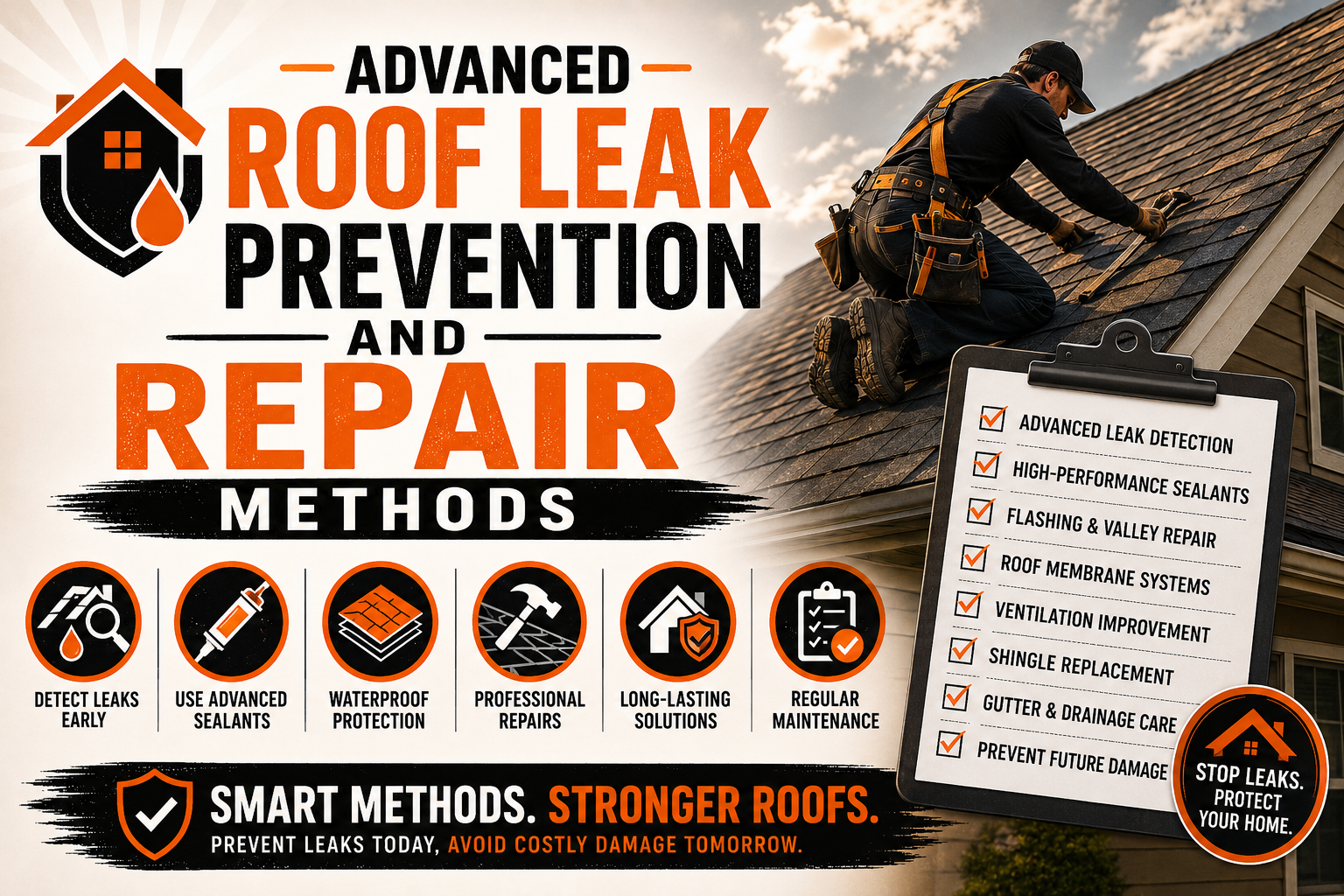
Advanced Roof Leak Prevention and Repair Methods
Introduction
A roof leak rarely begins as a major problem. In most cases, it starts with a tiny crack, a loose shingle, damaged flashing, or a worn seal that allows small amounts of water to enter the roofing system. Without early detection and proper repair, this minor issue can gradually lead to structural damage, mold growth, insulation deterioration, and expensive interior repairs.
Many homeowners focus only on repairing leaks after water becomes visible inside the house. While stopping an active leak is important, advanced roof maintenance goes beyond reacting to damage. It emphasizes preventing leaks before they develop by using better inspection techniques, stronger waterproofing systems, improved drainage, and long term maintenance planning.
Modern roofing technology has significantly improved leak prevention methods. High performance underlayments, synthetic roofing materials, advanced sealants, moisture detection equipment, and improved ventilation systems help homeowners protect their roofs more effectively than traditional repair methods alone.
Understanding how leaks develop is equally important. Water often enters through one location but travels beneath roofing materials before appearing inside the home. As a result, the visible leak is not always located directly beneath the actual entry point. This makes accurate diagnosis one of the most valuable skills in successful roof repair.
Weather conditions also play a major role in roof performance. Heavy rain, snow, ice, hail, high winds, and prolonged sunlight gradually weaken roofing materials over time. Advanced prevention strategies focus on preparing the roof to withstand these conditions before damage occurs instead of waiting until repairs become unavoidable.
For homeowners, property managers, and anyone responsible for maintaining a building, investing in leak prevention provides long term financial benefits. Preventive maintenance usually costs far less than repairing water damaged ceilings, replacing structural wood, or restoring interiors affected by prolonged moisture exposure.
This guide explores advanced roof leak prevention and repair methods that help extend the life of residential roofing systems. By combining modern inspection techniques with effective repair strategies and preventive maintenance, homeowners can significantly reduce the risk of costly roof leaks while improving the overall durability of their property.
Why Advanced Roof Leak Prevention Is Essential
Many roofing problems develop silently over months or even years before becoming visible inside the home. By the time water stains appear on ceilings or walls, moisture may already have damaged insulation, wooden framing, drywall, and other structural components. Advanced leak prevention focuses on identifying these hidden issues before they become expensive repairs.
Preventive maintenance also protects the overall value of a property. A well maintained roof reassures potential buyers that the home has been properly cared for, while recurring leaks often raise concerns about hidden structural damage and future repair costs.
Another advantage of advanced prevention is reducing emergency situations. Roof leaks frequently occur during severe weather when repairs become more difficult, more expensive, and sometimes temporarily impossible. Preparing the roof before storms arrive minimizes the likelihood of emergency service calls.
Energy efficiency also improves when the roofing system remains dry and properly sealed. Moisture damaged insulation loses much of its effectiveness, causing heating and cooling systems to work harder throughout the year. Preventing leaks therefore contributes to lower energy consumption and greater indoor comfort.
Advanced prevention also extends the lifespan of roofing materials. Constant moisture exposure accelerates the deterioration of shingles, decking, flashing, and structural supports. Keeping the roof dry allows these materials to perform as intended for many more years.
Insurance claims may also become less complicated when homeowners maintain documented inspection and maintenance records. Demonstrating that reasonable preventive care has been performed may support claims involving storm damage or other unexpected roofing failures.
Ultimately, leak prevention shifts the homeowner’s mindset from reacting to emergencies toward managing the roof as a long term investment. This proactive approach improves safety, reduces expenses, and increases confidence that the roofing system will continue protecting the home under changing weather conditions.
Understanding How Roof Leaks Develop
Roof leaks rarely result from a single event. Instead, they usually develop through a gradual combination of aging materials, weather exposure, installation defects, and insufficient maintenance. Understanding this process allows homeowners to recognize risks before water enters the building.
The roofing system consists of multiple protective layers rather than just visible shingles or panels. Roofing material, underlayment, flashing, decking, ventilation components, and drainage systems all work together to keep water outside. A failure in any one of these layers may eventually create a leak.
Water naturally follows the path of least resistance. Once it enters through a small opening, it may travel along wood framing, insulation, or underlayment before becoming visible inside the home. This movement often makes leak detection more difficult because the entry point and visible damage rarely align.
Temperature changes also contribute to roof deterioration. Roofing materials continuously expand during warm weather and contract during cooler temperatures. After years of repeated movement, small gaps may develop around fasteners, flashing joints, and roof penetrations.
Wind driven rain creates another challenge. Unlike vertical rainfall, strong winds force water beneath shingles, around flashing, and into small openings that normally remain protected. Roofs located in coastal or storm prone regions experience this type of moisture intrusion more frequently.
Snow and ice introduce additional risks. Ice dams may prevent melting snow from draining properly, causing water to back up beneath roofing materials. Even roofs without visible damage may develop leaks when trapped water remains in contact with vulnerable areas for extended periods.
Ultraviolet radiation gradually weakens roofing materials as well. Constant sunlight causes many sealants and protective coatings to dry out, crack, or lose flexibility over time. As these materials deteriorate, their ability to repel water decreases significantly.
Biological growth can also contribute to moisture problems. Moss, algae, and accumulated organic debris trap water against roofing materials, extending moisture exposure after rainfall. Although these growths may appear harmless initially, they often accelerate material deterioration when left untreated.
Recognizing how leaks develop helps homeowners appreciate why advanced prevention focuses on the entire roofing system rather than only repairing visible damage.
Identifying Hidden Warning Signs Before Major Leaks Occur
One of the greatest advantages of advanced roof maintenance is detecting problems before water begins entering living spaces. Many warning signs appear long before an obvious leak develops, providing valuable opportunities for preventive repairs.
Changes inside the attic often provide the earliest indications of moisture intrusion. Damp insulation, slight discoloration on wooden beams, or a musty odor may signal developing leaks that have not yet reached interior ceilings.
Small water stains deserve immediate attention even if they appear dry. A stain may indicate intermittent leakage that occurs only during certain weather conditions. Ignoring these early signs allows moisture damage to continue expanding over time.
Paint bubbling near ceiling edges frequently indicates trapped moisture beneath the surface. Homeowners sometimes mistake this problem for ordinary aging paint when the actual cause is slow roof leakage above.
Mold growth in upper areas of the home also deserves investigation. Although mold can develop for various reasons, persistent growth near ceilings or attic spaces often points toward hidden roofing moisture.
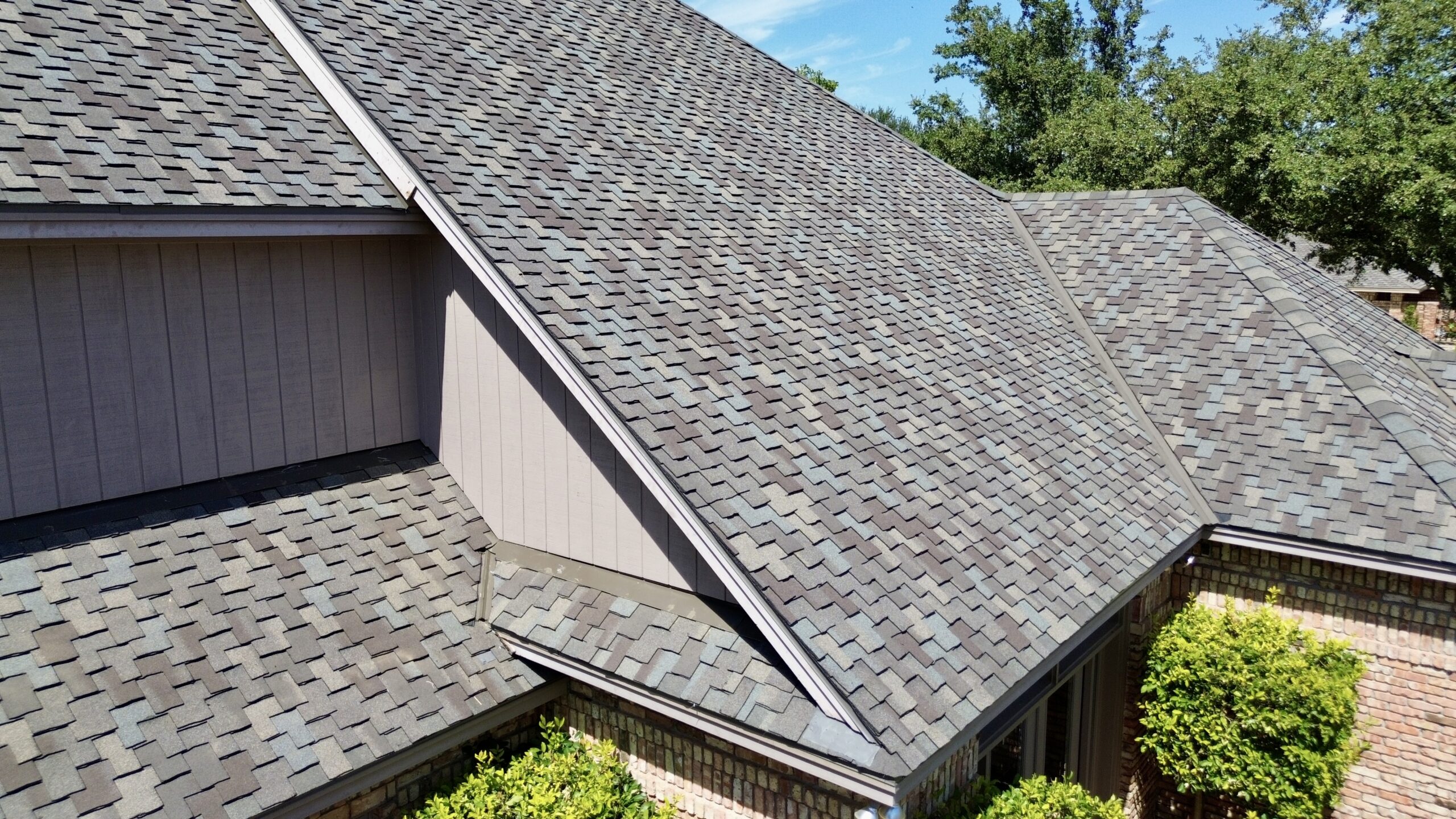
Outside the home, damaged flashing should never be ignored. Flashing seals vulnerable roof penetrations such as chimneys, skylights, vents, and roof intersections. Even minor separations can allow water to enter during heavy rainfall.
Granules accumulating inside gutters provide another valuable warning sign. Asphalt shingles naturally lose some granules over time, but excessive accumulation often indicates accelerated material deterioration that reduces weather resistance.
Sagging roof sections require immediate evaluation because they may indicate prolonged moisture damage beneath the surface. Structural weakening should always receive prompt professional assessment before further deterioration occurs.
Regular inspections should include checking for the following conditions.
- Loose or lifted shingles
- Rusted or damaged flashing
- Cracked sealant around roof penetrations
- Soft spots on roof decking
- Water stains inside the attic
- Blocked gutters and downspouts
Early recognition of these warning signs allows homeowners to schedule repairs before extensive structural damage develops. Preventive action almost always costs less than restoring a roof after significant water intrusion.
Advanced Roof Inspection Techniques
Modern roof inspections extend far beyond simple visual observations. Advances in technology now allow roofing professionals to identify hidden moisture, structural weaknesses, and developing leaks without dismantling large sections of the roof.
Thermal imaging has become one of the most valuable inspection tools. Infrared cameras detect temperature differences across roofing surfaces, allowing inspectors to identify trapped moisture beneath roofing materials. Wet insulation retains heat differently than dry materials, making hidden leaks easier to locate.
Moisture meters provide another effective diagnostic method. These devices measure moisture content within roofing components and help determine whether water has entered structural materials even when no visible damage exists.
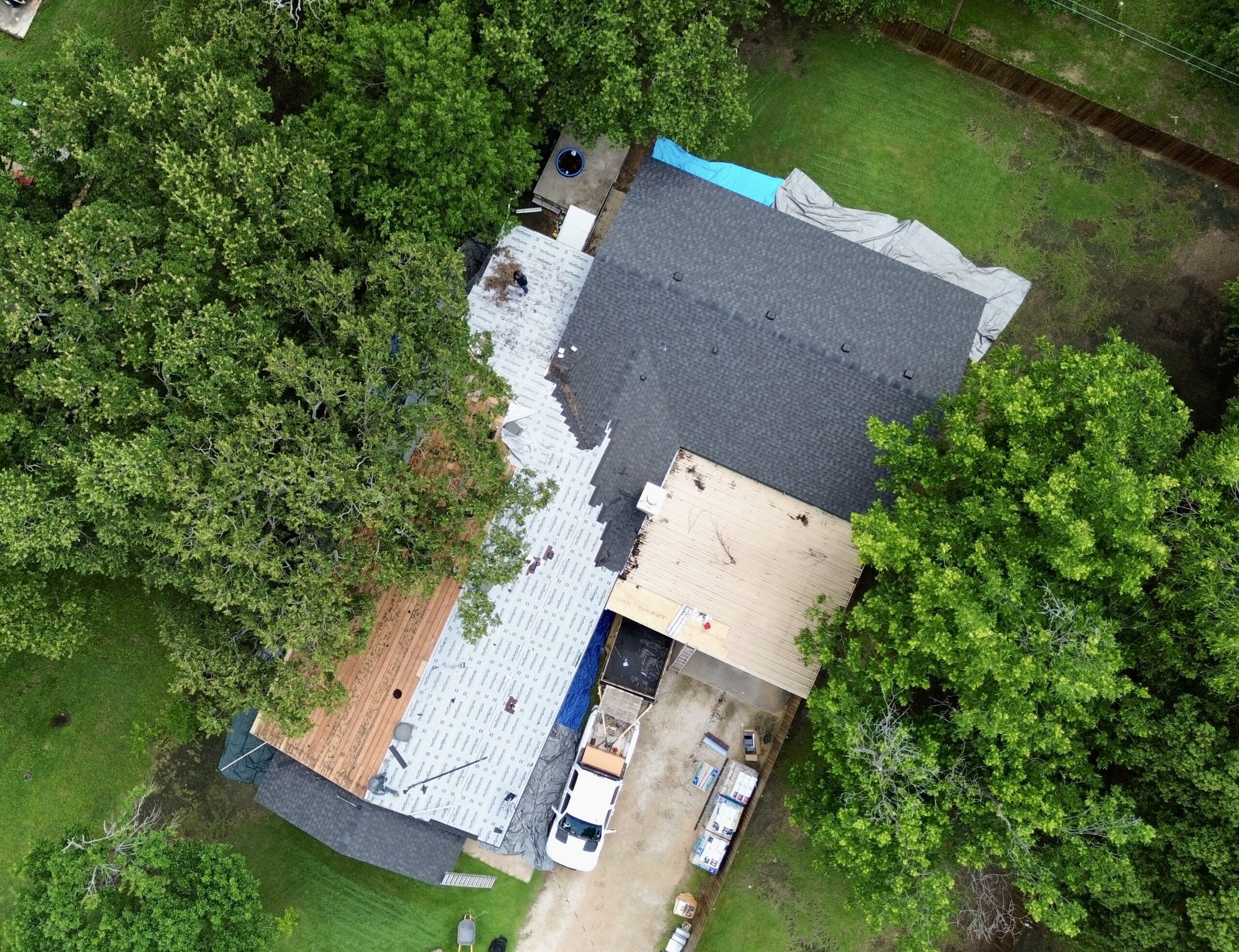
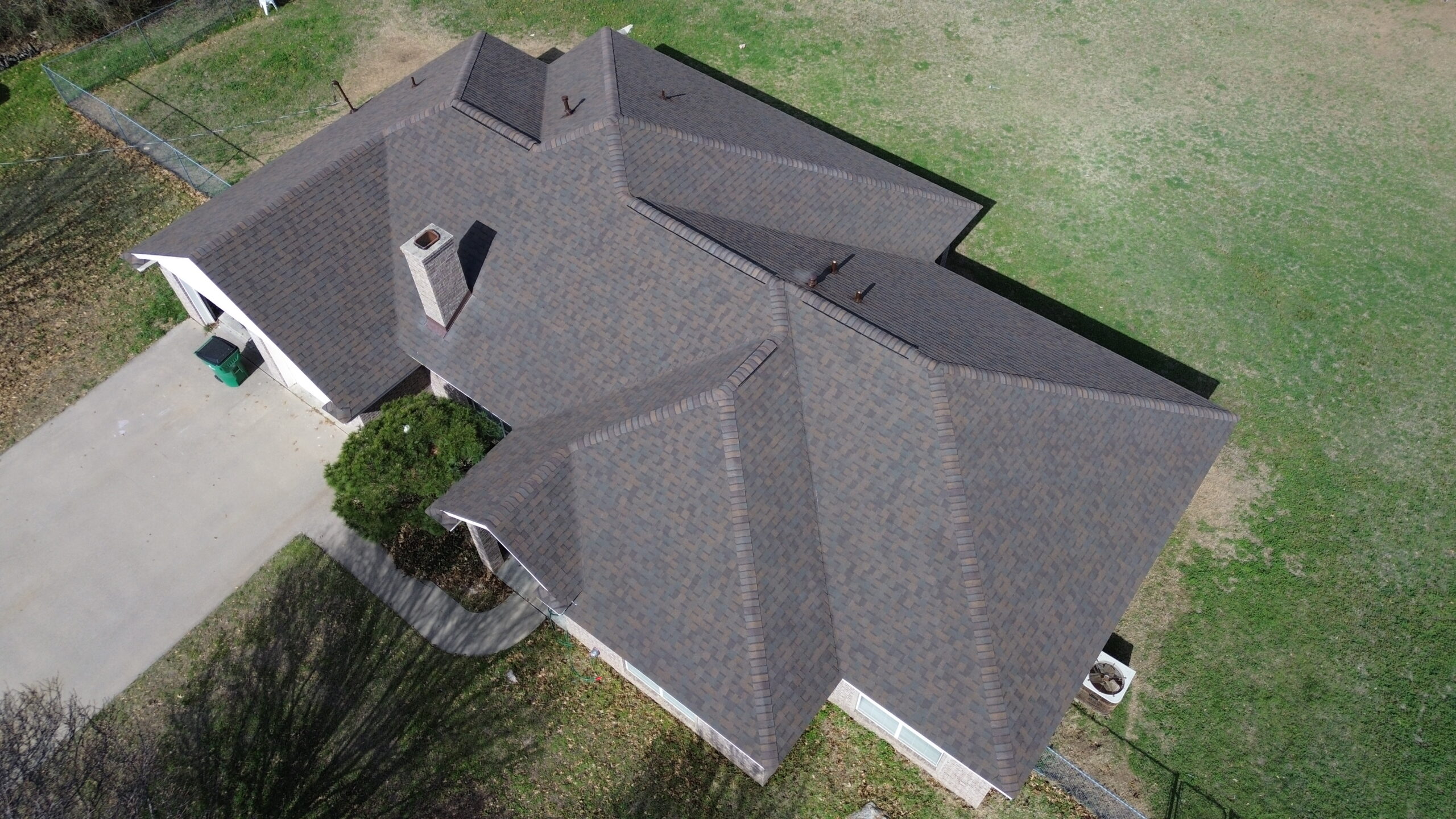
Drone inspections have also become increasingly popular. High resolution aerial photography allows inspectors to examine steep or difficult to access roofs safely while capturing detailed images for later analysis. Drones also reduce the need for unnecessary foot traffic that could damage fragile roofing materials.
Some commercial roofing systems use electronic leak detection technology. These systems identify breaks in waterproof membranes by measuring electrical conductivity, allowing technicians to pinpoint moisture entry locations with remarkable accuracy.
Traditional inspection methods remain important despite these technological advances. Experienced roofing professionals still rely on careful visual examinations because many problems can be identified through years of practical observation.
Attic inspections should always accompany exterior evaluations. Looking beneath the roof often reveals moisture patterns, ventilation deficiencies, insulation damage, and structural concerns that remain invisible from outside.
Documentation forms another essential part of advanced inspections. Recording photographs, measurements, moisture readings, and repair history creates a detailed maintenance record that supports future inspections and helps identify recurring issues.
Technology improves inspection accuracy, but successful leak prevention still depends on interpreting inspection findings correctly. Combining modern equipment with professional experience produces the most reliable assessment of a roof’s condition.
Common Leak Entry Points on Different Roof Types
Every roofing system contains areas that are naturally more vulnerable to water intrusion. Understanding these weak points helps homeowners perform more focused inspections while planning preventive maintenance more effectively.
Roof valleys experience heavy water flow because they collect runoff from multiple roof slopes. Over time, concentrated water movement increases wear on roofing materials, making valleys one of the most common locations for leaks.
Chimneys also present significant challenges. Flashing installed around the chimney must expand and contract with changing temperatures while maintaining a watertight seal. Aging sealants or shifting masonry often create small gaps where water enters.
Roof vents require careful attention as well. Vent boots made from rubber or synthetic materials gradually deteriorate due to sunlight and weather exposure. Cracking around these components frequently becomes the source of slow leaks.
Skylights introduce additional joints that require proper waterproofing. Although modern skylights are designed for weather resistance, improper installation or aging flashing may eventually allow moisture infiltration.
Dormers create multiple roof intersections where flashing must direct water away efficiently. Because several roofing surfaces meet in a relatively small area, installation quality becomes especially important.
Metal roofs typically experience leaks around fasteners, seams, and expansion joints rather than through the metal panels themselves. Regular inspection of these connection points helps prevent water intrusion before significant damage occurs.
Tile roofs often develop leaks when individual tiles crack or become displaced. Since the waterproof underlayment beneath the tiles provides much of the moisture protection, deterioration of this hidden layer may remain unnoticed for years.
Flat roofs require special attention because water drains more slowly than on steep roofs. Even minor depressions may allow standing water to remain after rainfall, increasing the likelihood of membrane deterioration over time.
Understanding these common leak locations enables homeowners to prioritize inspections while developing more effective preventive maintenance plans for their specific roofing system.
Diagnosing the Root Cause of Persistent Roof Leaks
Persistent leaks often frustrate homeowners because repeated repairs fail to solve the problem permanently. In many cases, this occurs because only the visible symptoms were repaired while the underlying cause remained unchanged.
The first step in advanced diagnosis is recognizing that water rarely travels in a straight line. Moisture entering near the roof ridge may follow framing members several feet before dripping through the ceiling below. This makes locating the actual entry point more complex than simply repairing the area directly above visible damage.
Repeated leaks after heavy wind driven rain often suggest flashing problems instead of damaged shingles. Similarly, leaks occurring only during snowmelt may indicate ice dam formation rather than defects in roofing materials themselves.
Ventilation should also be evaluated during diagnosis. Excess attic moisture caused by poor airflow may produce condensation that resembles roof leakage. Repairing the roof without correcting ventilation simply allows the problem to continue.
Drainage performance provides another important clue. Overflowing gutters, blocked downspouts, and improper roof slope increase water exposure around vulnerable areas, creating conditions that encourage recurring leaks.
Professional diagnosis often combines several sources of information rather than relying on one observation alone. Moisture measurements, weather history, attic inspections, roofing material condition, and previous repair records all contribute to identifying the true source of water intrusion.
Homeowners should maintain detailed notes whenever leaks occur. Recording rainfall intensity, wind direction, seasonal conditions, and leak locations helps identify patterns that may otherwise go unnoticed. These records become extremely valuable when discussing recurring issues with roofing professionals.
Advanced Roof Leak Prevention Strategies
Preventing roof leaks requires more than repairing damage after it appears. Advanced prevention focuses on strengthening the entire roofing system so that water has fewer opportunities to penetrate vulnerable areas. This proactive approach extends roof life while reducing the likelihood of expensive emergency repairs.
One of the most effective strategies is scheduling routine inspections instead of waiting for visible warning signs. Small defects such as loose flashing, cracked sealant, or lifted shingles can often be corrected before they develop into significant leaks. Regular inspections also help homeowners monitor how the roof changes over time.
Protective roof coatings have become increasingly popular for extending the life of roofing materials. High quality coatings create an additional barrier against moisture, ultraviolet radiation, and temperature fluctuations. When applied correctly, they improve weather resistance while reducing surface deterioration.
Water management should also receive careful attention. A roof that drains efficiently remains dry for longer periods after rainfall, reducing moisture exposure that accelerates material aging. Keeping gutters, downspouts, and roof valleys free from debris is one of the simplest yet most effective preventive measures.
Routine maintenance around roof penetrations is equally important. Chimneys, skylights, plumbing vents, satellite mounts, and ventilation openings all rely on flashing and sealants to prevent water intrusion. Inspecting these areas regularly helps identify early signs of wear before leaks develop.
Tree management contributes significantly to leak prevention as well. Overhanging branches scrape roofing materials during windy conditions while dropping leaves that trap moisture. Keeping branches trimmed reduces physical damage and improves airflow across the roof surface.
Preventive maintenance should also include monitoring roof movement over time. Buildings naturally expand, contract, and settle, causing small shifts that may stress flashing joints and sealants. Detecting these changes early allows homeowners to perform preventive repairs before water enters the structure.
Homeowners who document inspection findings each year gain another advantage. Comparing photographs and maintenance records makes it easier to identify gradual deterioration that might otherwise remain unnoticed.
Advanced prevention succeeds because it treats the roofing system as a whole rather than focusing only on isolated repairs. This comprehensive approach significantly reduces the likelihood of recurring leaks while improving long term performance.
Modern Waterproofing Materials and Technologies
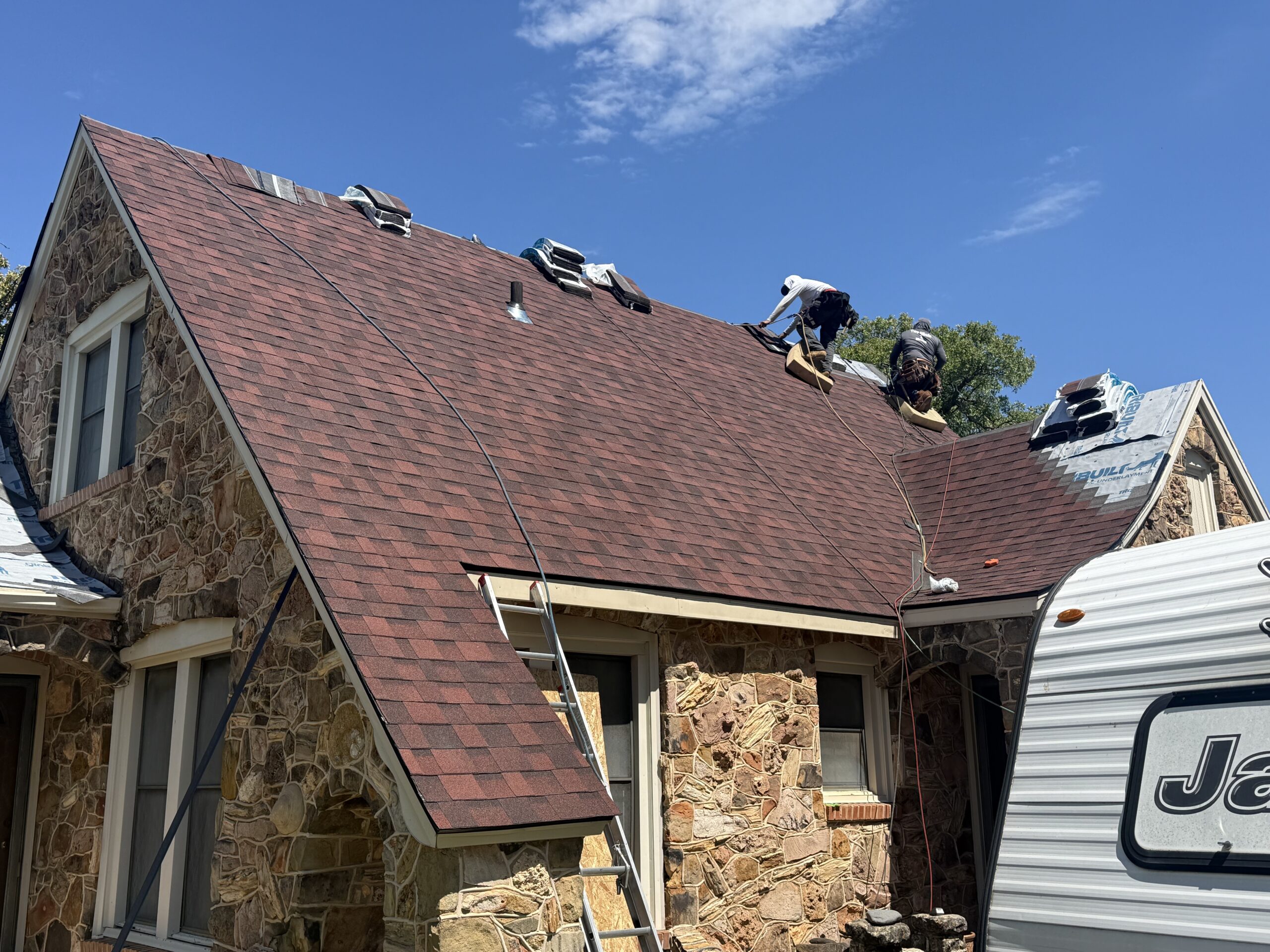
Roofing materials have evolved considerably over the past several decades. Modern waterproofing technologies provide stronger protection against moisture while improving durability under challenging weather conditions. Understanding these options helps homeowners make informed decisions when planning advanced repairs.
Synthetic underlayments have replaced traditional felt paper in many roofing systems. These materials resist tearing, absorb less moisture, and provide improved protection during both installation and long term service. Their lightweight design also makes installation more efficient.
Self adhering waterproof membranes offer another important advancement. These membranes bond directly to roof decking and create highly effective barriers around vulnerable areas such as valleys, eaves, skylights, and chimneys. Even if exterior roofing materials become damaged, these membranes continue protecting the underlying structure.
Modern flashing systems have also improved leak resistance. Preformed flashing components manufactured for specific roof penetrations reduce installation errors while creating more reliable waterproof seals. Precision engineered designs improve both durability and appearance.
Advanced roofing sealants now remain flexible for much longer than older products. Instead of drying out quickly under sunlight, high performance sealants continue expanding and contracting with seasonal temperature changes. This flexibility helps maintain watertight joints over many years.
Reflective roof coatings provide both waterproofing and energy efficiency benefits. By reflecting more solar heat, these coatings reduce surface temperatures while protecting roofing materials from ultraviolet degradation. Lower roof temperatures also reduce thermal stress that contributes to cracking.
Some commercial and high performance residential roofs now include liquid applied waterproof membranes. These products cure into seamless protective layers without joints that could become future leak points. Their continuous surface offers excellent resistance to standing water and weather exposure.
Moisture monitoring technology is another important innovation. Embedded sensors can detect developing leaks before visible damage occurs, allowing maintenance teams to respond much earlier than traditional inspection methods would allow.
Choosing appropriate waterproofing materials depends on roof design, climate, existing roofing materials, and long term maintenance goals. Advanced products often provide greater durability, but proper installation remains equally important for achieving their full performance potential.
Professional Roof Repair Methods for Long Lasting Results
Professional roof repairs differ from temporary fixes because they focus on restoring the complete roofing system instead of simply covering visible damage. Experienced contractors follow repair methods that address structural integrity, waterproofing performance, and long term durability simultaneously.
The first step usually involves removing all damaged roofing materials surrounding the affected area. Leaving weakened materials in place often allows hidden deterioration to continue spreading beneath new repairs. Exposing the full extent of damage ensures that every compromised component can be evaluated.
Roof decking receives careful inspection before replacement materials are installed. Water damaged wood loses structural strength and may no longer support roofing materials effectively. Replacing deteriorated decking creates a stable foundation for the repaired section.
Flashing replacement is another critical part of professional repairs. Rather than applying additional sealant over aging flashing, contractors often install new flashing components designed to provide long lasting waterproof protection. This approach significantly reduces the likelihood of recurring leaks.
Proper fastening techniques also influence repair durability. Fasteners should be installed according to manufacturer specifications using approved spacing and placement methods. Incorrect fastening may allow roofing materials to loosen during high winds or repeated temperature changes.
Sealants should be viewed as supplemental protection instead of the primary waterproofing system. While quality sealants improve moisture resistance, they perform best when combined with correctly installed flashing and roofing materials rather than replacing them.
Professional repairs also include attention to surrounding areas beyond the visible damage. Adjacent shingles, underlayment, ventilation components, and drainage systems may all be inspected to ensure no additional weaknesses remain after the repair.
Quality control inspections conclude most professional repair projects. Contractors verify material alignment, flashing installation, fastening patterns, and waterproofing details before considering the work complete. This final review helps identify minor adjustments before the roof is exposed to future weather conditions.
By emphasizing complete system restoration rather than cosmetic repairs, professional methods deliver longer lasting results while reducing the risk of repeated maintenance.
Repair Techniques for Different Roofing Materials
Every roofing material requires repair methods suited to its specific characteristics. Using incorrect techniques may shorten the lifespan of both the repair and the surrounding roofing system. Understanding these differences is essential when planning advanced roof maintenance.
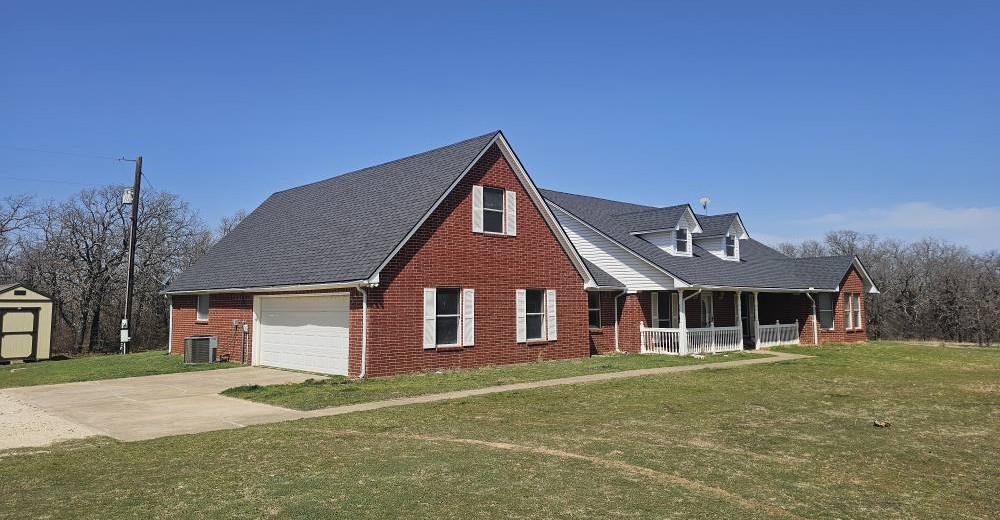
Asphalt shingles remain the most common residential roofing material. Repairs typically involve replacing damaged shingles, inspecting underlayment, and ensuring surrounding shingles overlap correctly to maintain proper water shedding. Matching color and style also helps preserve the roof’s appearance.
Metal roofing systems require different repair procedures because leaks usually occur around seams, fasteners, or flashing instead of through the panels themselves. Damaged fasteners may need replacement, while expansion joints should be inspected carefully to ensure continued flexibility during temperature changes.
Clay and concrete tile roofs demand careful handling because individual tiles can crack if walked on improperly. Repairs often involve replacing broken tiles while inspecting the waterproof underlayment beneath them. The visible tile may not always represent the true source of a leak.
Wood shake roofs require attention to moisture management as well as structural condition. Damaged shakes should be replaced with compatible materials while maintaining adequate ventilation that allows the wood to dry naturally after rainfall.
Slate roofs require specialized knowledge because improper handling can fracture surrounding tiles. Repairs often involve carefully removing damaged slate without disturbing adjacent pieces. Matching replacement slate in thickness and appearance helps maintain both function and aesthetics.
Flat roofing systems rely heavily on membrane integrity. Repair methods frequently involve patching damaged membranes, reinforcing seams, or applying compatible waterproof coatings across repaired areas. Standing water should also be addressed by improving drainage wherever necessary.
Green roofs and specialty roofing systems may require even more specialized repair procedures due to their unique construction. Waterproof membranes beneath vegetation layers should be inspected carefully before any landscaping materials are replaced.
Regardless of roofing material, repairs should always address both visible damage and underlying waterproofing components. A repair that restores only the surface rarely provides lasting protection if hidden moisture barriers remain compromised.
Preventing Future Leaks Through Ventilation and Drainage
Effective leak prevention depends not only on roofing materials but also on proper ventilation and drainage. These two systems work continuously to reduce moisture exposure and protect structural components from premature deterioration.
Attic ventilation regulates both temperature and humidity beneath the roof. Without adequate airflow, warm moist air becomes trapped inside the attic where condensation may develop on cooler roofing surfaces. Over time, this moisture damages wood, insulation, and fasteners even when no rainwater enters the roof.
Balanced ventilation requires both intake and exhaust openings. Fresh air enters through lower vents while warmer air exits near the roof ridge. This continuous airflow helps maintain stable conditions that reduce moisture accumulation throughout the year.
Drainage systems are equally important because they remove rainwater efficiently from the roof surface. Water that remains trapped for extended periods increases the likelihood of seepage through flashing joints, fastener openings, and aging roofing materials.
Roof valleys deserve special attention because they handle concentrated water flow during storms. Keeping valleys free from leaves, branches, and accumulated debris improves drainage while reducing moisture exposure.
Gutters should also be inspected regularly for sagging sections, loose brackets, or blockages. Water overflowing from clogged gutters often damages fascia boards, soffits, and roof edges while increasing the risk of leaks near eaves.
Downspouts should discharge water safely away from the home’s foundation. Poor drainage around the building may eventually affect structural stability while creating additional moisture concerns around roof overhangs.
The following practices greatly improve long term leak prevention.
- Inspect attic ventilation twice each year.
- Clean gutters before heavy rainy seasons.
- Remove debris from roof valleys regularly.
- Trim overhanging tree branches.
- Check flashing around roof penetrations annually.
- Schedule professional inspections after severe storms.
Together, proper ventilation and effective drainage reduce many of the conditions that allow roof leaks to develop. These systems often receive little attention until problems occur, yet they play a vital role in preserving the overall health of the roofing structure.
Common Advanced Roof Repair Mistakes to Avoid
Even advanced repair projects can fail when important details are overlooked. Understanding common mistakes helps homeowners and contractors avoid unnecessary expenses while improving repair quality.
One frequent mistake is repairing only the visible leak without investigating the surrounding roofing system. Water often enters through one location and travels beneath roofing materials before becoming visible elsewhere. Failing to identify the actual entry point usually results in recurring leaks.
Another common error involves combining incompatible roofing materials. Different products expand, contract, and weather differently over time. Using materials that are not designed to work together may create gaps, stress points, or premature deterioration.
Many repairs also fail because damaged flashing is reused instead of replaced. Although flashing may appear serviceable initially, aging metal, worn sealants, or hidden corrosion often reduce its long term reliability.
Improper sealant application creates another problem. Excessive reliance on sealants instead of proper mechanical repairs produces temporary improvements rather than durable waterproofing. Sealants should support well designed repairs rather than compensate for poor installation practices.
Some homeowners delay replacing moisture damaged decking because it remains hidden beneath the roofing material. Unfortunately, weakened decking reduces structural support and shortens the lifespan of new roofing products installed above it.
Ignoring ventilation deficiencies is another costly oversight. Replacing roofing materials without correcting attic moisture problems allows condensation to continue damaging the structure from below.
Weather related mistakes also occur when repairs are performed during unsuitable conditions. Installing roofing materials on wet surfaces or during strong winds increases the likelihood of poor adhesion, improper alignment, and future leaks.
Finally, neglecting post repair inspections often allows small installation errors to remain unnoticed until the next major storm. Verifying the quality of completed work before considering the project finished helps ensure that repairs perform as intended.
Avoiding these common mistakes strengthens every repair project and supports the long term performance of the entire roofing system.
Seasonal Roof Leak Prevention Plan
Every season presents unique challenges that affect the condition of a roof. Temperature changes, rainfall, snow, wind, and falling debris all contribute to gradual wear over time. A seasonal maintenance plan allows homeowners to address these challenges before they lead to costly leaks.
Spring is an ideal time for a comprehensive roof inspection. Winter weather may leave behind damaged shingles, cracked flashing, blocked gutters, or weakened sealants that require attention. Inspecting the roof early in the season helps prepare it for heavy spring and summer rainfall.
Summer maintenance should focus on heat related damage. Prolonged sunlight gradually weakens roofing materials and dries out many sealants. Checking for cracked caulking, faded roofing components, and signs of thermal expansion helps identify areas needing preventive repairs.
Autumn preparation is equally important because falling leaves frequently block gutters and roof valleys. Poor drainage increases moisture exposure during seasonal rainstorms, making gutter cleaning one of the most valuable maintenance tasks before winter arrives.
Winter requires homeowners to monitor snow accumulation and ice formation carefully. Heavy snow loads increase structural stress, while ice dams may prevent proper drainage and force melting water beneath roofing materials. Prompt snow removal, when performed safely, reduces these risks significantly.
Severe storms deserve special attention regardless of the season. Strong winds, hail, and heavy rainfall may create damage that is not immediately visible from the ground. Conducting a post storm inspection helps detect problems before hidden moisture causes additional deterioration.
Weather records can also improve maintenance planning. Homeowners who track severe weather events alongside inspection reports often recognize patterns that help identify vulnerable areas of the roof. This information supports more targeted preventive maintenance in future seasons.
Seasonal planning encourages homeowners to inspect their roofs consistently instead of waiting until visible leaks appear. Small preventive actions performed throughout the year often eliminate the need for major repairs later.
Creating a Long Term Roof Maintenance Program
Advanced roof protection depends on consistent maintenance rather than occasional repairs. A structured maintenance program extends the lifespan of roofing materials while helping homeowners detect developing issues before they become expensive structural problems.
The first step is establishing a regular inspection schedule. Even when the roof appears to be in excellent condition, routine inspections provide valuable opportunities to identify small changes that might otherwise go unnoticed. Comparing current observations with previous records also helps monitor gradual deterioration.
Maintenance records should include photographs, inspection dates, completed repairs, contractor information, and warranty documents. Organized documentation creates a valuable history that supports future maintenance decisions and simplifies insurance claims if storm damage occurs.
Cleaning should become a routine part of the maintenance program as well. Removing leaves, branches, moss, and other debris prevents unnecessary moisture retention while improving drainage across the roof surface. A clean roof also allows damage to be identified more easily during inspections.
Roof penetrations require ongoing attention because flashing and sealants naturally age over time. Annual inspections around chimneys, skylights, plumbing vents, and exhaust systems help ensure these vulnerable areas remain properly protected against moisture intrusion.
Tree growth should be monitored continuously rather than only after storms. Branches that were safely away from the roof several years ago may eventually create contact points that damage roofing materials during windy weather.
Professional inspections provide additional value even for homeowners who perform routine visual checks themselves. Experienced roofing specialists often identify subtle issues that are difficult to recognize without specialized training or diagnostic equipment.
Maintenance plans should also include budgeting for future repairs. Setting aside funds annually reduces financial pressure when repairs become necessary and allows homeowners to address problems promptly rather than delaying important work.
An effective long term maintenance program is built on consistency rather than complexity. Regular inspections, prompt repairs, and organized record keeping create a reliable system that protects both the roof and the investment it represents.
When Advanced Repairs Are No Longer Enough
Although advanced repair methods can significantly extend the life of a roof, every roofing system eventually reaches a point where replacement becomes the more practical solution. Recognizing this stage helps homeowners avoid investing repeatedly in repairs that no longer provide lasting value.
Roof age remains one of the most important considerations. Every roofing material has an expected service life, and as that lifespan approaches its end, repairs often become less effective because multiple components begin deteriorating simultaneously.
Repeated leaks in different areas also indicate widespread aging rather than isolated damage. Repairing one section may temporarily stop a leak, but additional failures often develop elsewhere as the roofing system continues to decline.
Extensive structural deterioration represents another strong indicator. Water damaged decking, weakened framing, widespread mold, or significant sagging usually require more comprehensive solutions than localized repairs can provide.
The total cost of recurring repairs should also be evaluated carefully. When homeowners repeatedly spend money fixing different sections of an aging roof, the combined expense may eventually exceed the cost of installing a completely new roofing system.
Modern replacement roofs also offer advantages that older systems cannot always provide. Improved waterproof membranes, enhanced ventilation, stronger underlayments, and more durable roofing materials contribute to better long term performance and energy efficiency.
Building code changes may influence this decision as well. Older roofing systems sometimes require upgrades to meet current construction standards during major repair projects. Understanding these requirements helps homeowners compare the true costs of repair versus replacement.
Professional evaluations become especially valuable when this decision is difficult. Experienced roofing contractors can assess structural condition, remaining service life, and expected repair durability while providing recommendations based on the roof’s overall condition rather than a single damaged area.
Choosing replacement at the appropriate time often prevents repeated disruptions while providing a stronger, more reliable roofing system capable of protecting the home for decades.
Frequently Asked Questions About Roof Leak Prevention and Repair
Homeowners often have similar questions when planning advanced roof maintenance. Understanding these common concerns makes it easier to choose effective prevention strategies and long lasting repair methods.
How often should a roof be professionally inspected?
Most residential roofs should receive a professional inspection at least once every one to two years. Additional inspections are recommended after severe storms, hail events, or unusually strong winds that may have caused hidden damage.
Can a roof leak exist without visible ceiling stains?
Yes. Water often travels through insulation, rafters, or roof decking before becoming visible inside the home. Hidden moisture may remain undetected for weeks or even months without professional inspection.
Are roof coatings suitable for every roof?
Not always. Roof coatings work best on certain roofing systems and should only be applied after confirming compatibility with existing materials. Proper surface preparation is also essential for achieving reliable performance.
Does replacing shingles always stop a leak?
No. If flashing, underlayment, ventilation, or structural components remain damaged, replacing shingles alone may not eliminate the source of water intrusion. Successful repairs require identifying the true cause of the leak.
What role does attic ventilation play in leak prevention?
Proper ventilation reduces heat and moisture buildup beneath the roof. Balanced airflow minimizes condensation, protects insulation, and extends the lifespan of roofing materials by maintaining more stable conditions throughout the year.
Should homeowners inspect the roof after every major storm?
Yes. Even when no interior leaks are visible, storms may loosen shingles, damage flashing, clog drainage systems, or create small openings that become future leak sources. Early detection allows these issues to be repaired before additional damage develops.
Is preventive maintenance more cost effective than emergency repairs?
In most situations, yes. Preventive inspections and minor repairs usually cost far less than restoring structural damage, replacing insulation, repairing ceilings, or addressing mold caused by prolonged roof leaks.
Key Takeaways
Throughout this guide, several important principles consistently support successful roof leak prevention and repair.
- Inspect the roof regularly instead of waiting for visible leaks.
- Identify the root cause before beginning repairs.
- Use materials that are compatible with the existing roofing system.
- Maintain gutters, flashing, and roof penetrations consistently.
- Improve attic ventilation and roof drainage.
- Keep detailed maintenance and inspection records.
- Schedule professional evaluations when structural concerns arise.
- Consider replacement when recurring repairs no longer provide lasting results.
These practices work together to strengthen the roofing system while reducing the likelihood of expensive future repairs.
Conclusion
Advanced roof leak prevention combines careful planning, modern technology, routine inspections, and timely maintenance to protect one of the most valuable parts of any home. Rather than responding only after water damage becomes visible, homeowners who adopt a preventive approach identify small problems early and correct them before they develop into major structural concerns.
Understanding how roof leaks develop provides the foundation for effective maintenance. Water often enters through subtle weaknesses in flashing, sealants, underlayment, or drainage systems before traveling through hidden structural components. Accurate diagnosis allows repairs to address the true source of the problem instead of simply treating visible symptoms.
Modern waterproofing materials, advanced inspection tools, and professional repair techniques have greatly improved the reliability of roofing systems. However, even the best materials require regular inspections, proper ventilation, effective drainage, and ongoing maintenance to perform at their highest level throughout their expected lifespan.
A well organized seasonal maintenance plan further strengthens long term roof performance. Routine inspections, gutter cleaning, tree trimming, and prompt repairs help reduce moisture exposure while preventing minor issues from becoming costly emergencies. Maintaining detailed records also supports future maintenance decisions and simplifies warranty or insurance documentation.
Every roof eventually reaches the end of its service life, but consistent preventive care can significantly delay that point. By combining advanced leak prevention strategies with informed repair decisions, homeowners can improve roof durability, protect their property’s structural integrity, reduce long term maintenance costs, and enjoy greater confidence that their home will remain safe and weather resistant for many years to come.