

How Attic Moisture Reveals Active Roof Leak Problems
Introduction
The attic is one of the most important yet overlooked areas of a home when it comes to identifying roof problems. While homeowners often notice ceiling stains or dripping water inside living spaces, the attic usually provides much earlier evidence that a roof leak is developing. Moisture found in this hidden space can reveal active roofing issues long before serious structural damage becomes visible.
Many roof leaks begin quietly. Water enters through a damaged section of the roof and slowly spreads across roof decking, insulation, and wooden framing. Since this process happens above the ceiling, homeowners may remain unaware that moisture is accumulating until significant damage has already occurred.
An attic acts like an early warning system because it sits directly beneath the roofing structure. Small leaks that have not yet reached the ceiling often leave visible signs on roof decking, rafters, insulation, and ventilation components. Identifying these warning signs early allows repairs to be completed before water damages other areas of the home.
Attic moisture should never be dismissed as a minor concern. Whether it is caused by an active roof leak, poor ventilation, or a combination of both, excess moisture creates conditions that weaken structural materials, reduce insulation performance, and encourage mold growth. The longer moisture remains trapped inside the attic, the greater the risk of expensive repairs.
Understanding how attic moisture develops and what it reveals about the condition of your roof is essential for every homeowner. By learning to recognize early warning signs, you can respond quickly, protect your roofing system, and avoid widespread water damage throughout the rest of the home.
This guide explains how active roof leaks create attic moisture, the common sources of water intrusion, the path moisture follows through the roofing system, and the signs homeowners should watch for during routine inspections. These observations can provide valuable insight into the health of your roof and help prevent minor problems from becoming major restoration projects.
Why Attic Moisture Should Never Be Ignored
Moisture inside the attic is rarely normal. While small amounts of seasonal humidity may occasionally be present, persistent dampness often signals that water is entering the home or becoming trapped beneath the roof. Ignoring these conditions allows damage to continue long after the initial leak develops.
One of the biggest concerns is that attic moisture remains hidden from daily view. Unlike a ceiling stain in the living room, damp insulation or stained roof decking often goes unnoticed for months. During this time, water continues affecting structural components without producing obvious indoor symptoms.
Moisture also weakens the materials responsible for supporting the roof. Roof decking, rafters, trusses, and fasteners all perform best when they remain dry. Continuous exposure to water gradually reduces their strength and long-term durability.
Energy efficiency declines as well. Wet insulation loses much of its ability to regulate indoor temperatures because moisture replaces the air pockets that normally provide thermal resistance. As insulation performance decreases, heating and cooling systems must work harder to maintain comfortable conditions.
High attic moisture levels also create favorable conditions for mold and mildew. These organisms thrive in damp environments and can spread across wood, insulation, and stored belongings if moisture remains unresolved. Although mold often begins in hidden areas, it may eventually affect indoor air quality throughout the home.
Ignoring attic moisture frequently leads to higher repair costs. What could have been resolved by repairing damaged flashing or replacing a few shingles may later require insulation replacement, structural repairs, mold remediation, and interior restoration. Acting early almost always reduces both the extent and the cost of repairs.
Regular attic inspections provide homeowners with an opportunity to detect problems before they reach finished living spaces. Since moisture often appears in the attic first, this area offers valuable clues that can prevent larger roofing failures.
How Roof Leaks Create Moisture in the Attic
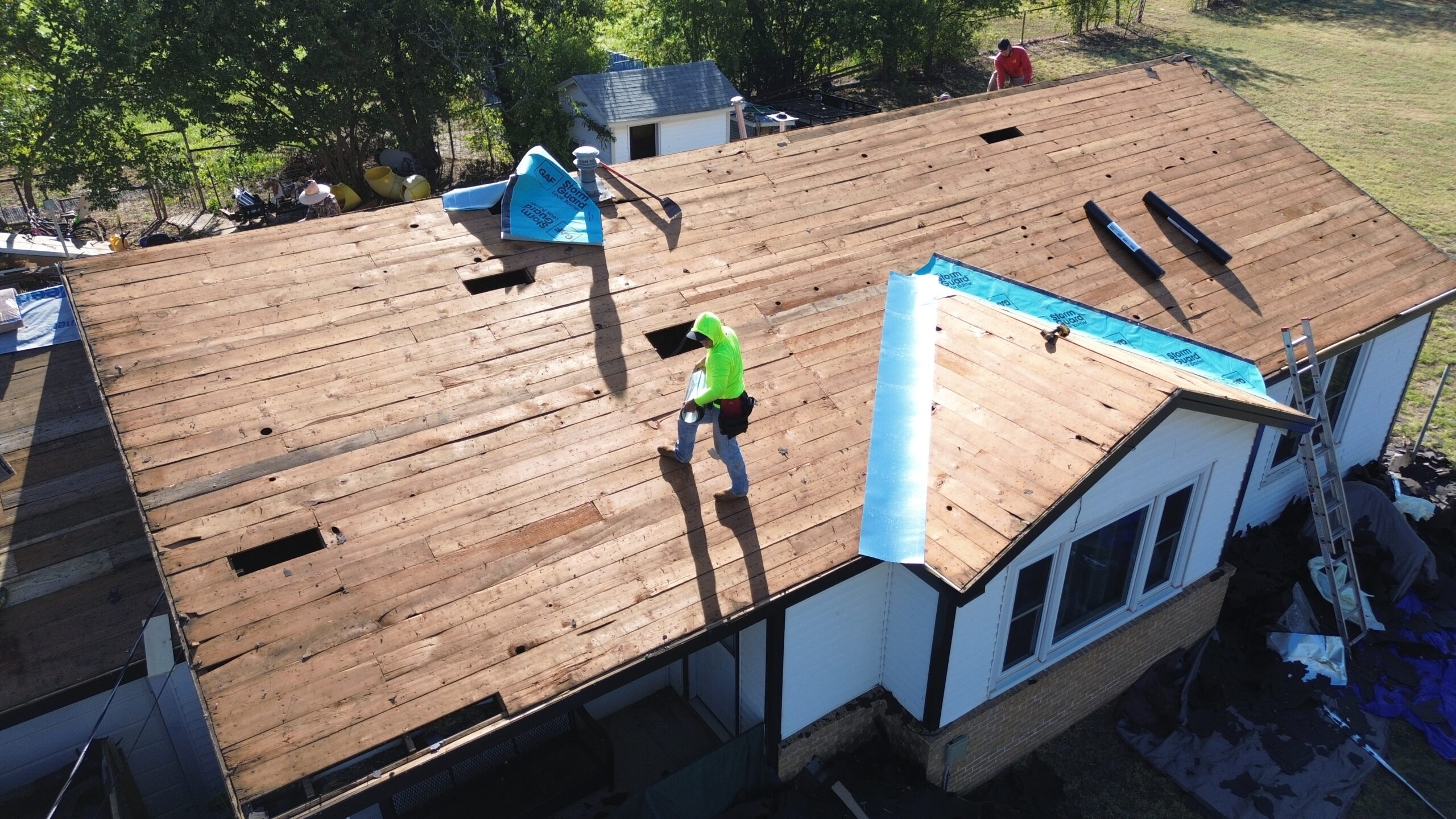
Every roofing system is designed to shed rainwater efficiently. Shingles, flashing, underlayment, and drainage systems work together to keep water outside the home. When one of these components becomes damaged or deteriorates, rainwater can enter the roofing system and begin affecting the attic below.
The process usually starts with a small opening. A cracked shingle, loose flashing, worn vent boot, or exposed nail creates a pathway for rainwater. During heavy storms or prolonged rainfall, moisture passes beneath the outer roofing layer and reaches the roof decking.
Roof decking is commonly constructed from plywood or oriented strand board. These materials are strong when dry but readily absorb moisture once water enters the roofing system. Instead of draining away immediately, water spreads across the underside of the decking and begins soaking nearby materials.
Insulation located beneath the roof deck often absorbs moisture before it becomes visible elsewhere. This temporarily hides the leak because the insulation acts like a sponge, holding water until it eventually becomes saturated. By the time water reaches the ceiling below, the attic may have been damp for weeks.
Gravity influences how water moves through the attic, but it is not the only factor. Moisture frequently follows rafters, roof trusses, nails, electrical wiring, and framing members before dripping onto insulation or ceiling materials. This complex movement often makes leak locations difficult to identify.
Repeated storms increase the amount of trapped moisture. Each rainfall introduces additional water into materials that may never have fully dried from previous leaks. Over time, damp wood remains wet longer, insulation becomes increasingly saturated, and visible signs of deterioration begin appearing throughout the attic.
Temperature fluctuations also contribute to worsening roof leaks. Roofing materials expand during warm weather and contract as temperatures fall. This natural movement gradually enlarges cracks and weakens seals, allowing even more water to enter during future storms.
Without prompt repairs, attic moisture spreads steadily through the roofing system. What begins as a minor leak eventually affects larger sections of the roof, increasing both repair complexity and restoration costs.
Common Sources of Attic Moisture Caused by Roof Failures
Several different roofing problems can introduce moisture into the attic. While the symptoms may appear similar, identifying the source helps determine the most effective repair strategy.
Damaged shingles remain one of the most common causes. Missing, cracked, curled, or broken shingles expose underlying roofing materials to rainwater. Once the protective outer layer fails, moisture quickly reaches the roof decking beneath.
Flashing failures also account for many attic leaks. Flashing surrounds roof penetrations such as chimneys, skylights, vents, and roof valleys. As flashing ages or separates from adjacent materials, water finds openings that allow it to enter the attic.
Roof valleys deserve particular attention because they collect large volumes of rainwater during storms. Any weakness in valley flashing or surrounding shingles greatly increases the likelihood of water intrusion.
Vent pipe boots made from rubber naturally deteriorate over time. Sunlight and changing temperatures eventually cause these boots to crack, creating small openings around plumbing vents where rainwater can enter.
Loose or exposed roofing nails provide another potential entry point. Even tiny openings surrounding nail heads may allow repeated water infiltration during prolonged rainfall. Although each individual leak may appear insignificant, continuous exposure gradually increases attic moisture.
Storm damage frequently creates hidden roof defects. High winds may lift shingles without removing them entirely, while hail can weaken roofing materials enough to allow future water intrusion. These problems often remain unnoticed until attic inspections reveal moisture.
Clogged gutters contribute indirectly to attic leaks by preventing proper drainage. Water backed up along roof edges may eventually seep beneath shingles and into the roof structure. Regular gutter maintenance helps reduce this risk.
Improper roof installation may also create long-term moisture problems. Incorrect flashing placement, inadequate underlayment, poorly sealed penetrations, or improper fastening all reduce the roof’s ability to resist heavy rainfall.
Natural aging affects every roofing system. As shingles lose protective granules and sealants become brittle, the roof gradually becomes more vulnerable to moisture intrusion. Older roofs therefore require more frequent attic inspections to identify developing problems.
How Water Travels Through the Roofing System
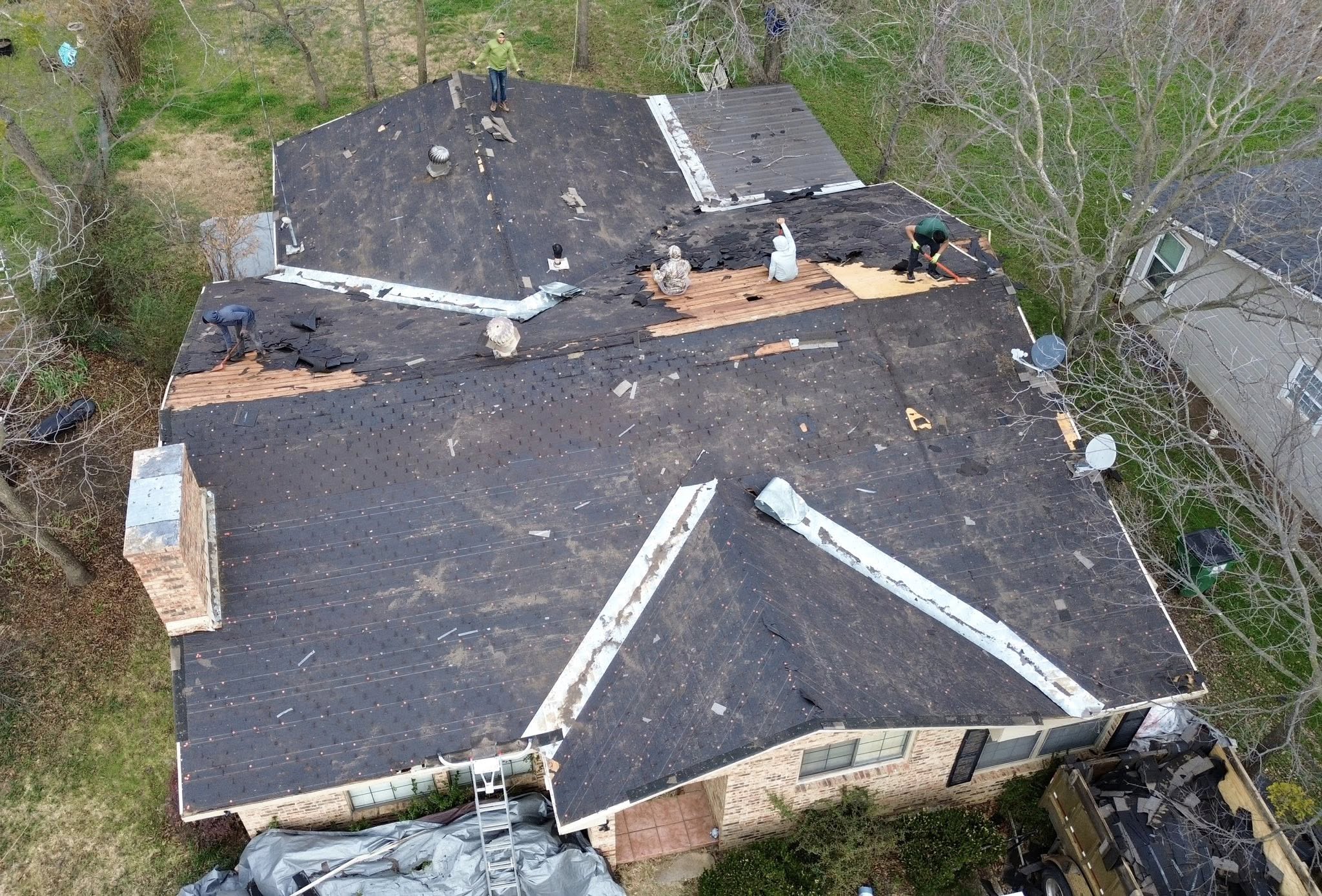
Many homeowners assume that attic moisture appears directly beneath the roof leak. In reality, water often follows a complex path before becoming visible. Understanding this movement helps explain why locating roof leaks can sometimes be challenging.
After entering through the roofing surface, water usually spreads across the underside of the roof decking. Because the decking slopes toward lower portions of the roof, moisture may travel several feet before reaching insulation or framing members.
Wooden rafters provide another common pathway. Water naturally follows the surface of these structural members, allowing moisture to move horizontally before eventually dripping downward. As a result, damp insulation may appear far from the original roof failure.
Roof trusses influence water movement in much the same way. Their interconnected framing members create multiple routes that moisture can follow while remaining hidden from view. This often explains why attic leaks seem difficult to trace.
Insulation temporarily delays visible signs of water intrusion. Fiberglass and cellulose insulation absorb moisture until they become saturated. During this stage, homeowners may notice no ceiling stains even though water has already entered the attic.
Capillary action also contributes to moisture spread. Water naturally moves through narrow gaps between building materials, allowing it to travel sideways as well as downward. This process increases the area affected by even relatively small roof leaks.
Metal fasteners, wiring, and plumbing components occasionally guide moisture toward unexpected locations. Water clings to these surfaces before dripping elsewhere, making the visible moisture pattern appear unrelated to the actual roof opening.
Roof pitch further influences how water behaves. Steeper roofs encourage faster runoff, while lower slopes allow moisture to remain in contact with roofing materials for longer periods. Extended contact increases the likelihood of water entering vulnerable areas.
Because moisture follows unpredictable routes, successful roof repairs require identifying the original entry point rather than focusing only on the damp area within the attic. Professional inspections often trace water backward through the structure to locate the true source.
Early Signs of Attic Moisture That Indicate Active Roof Leaks
Most active roof leaks produce warning signs inside the attic before they become visible elsewhere in the home. Recognizing these early indicators allows homeowners to arrange repairs while damage remains limited.
Dark stains on the underside of roof decking are among the earliest signs of moisture intrusion. These stains often appear after repeated rainfall and usually indicate that water has entered through the roofing materials above.
Damp or compressed insulation also deserves immediate attention. Insulation should remain dry and evenly distributed throughout the attic. Wet insulation loses its thermal performance while increasing the likelihood of mold development.
Water droplets on roof decking or framing during or shortly after rainfall strongly suggest an active leak. Even if dripping is minimal, visible moisture inside the attic should never be ignored because it indicates ongoing water intrusion.
Rusted nail tips protruding through the roof decking provide another valuable clue. Persistent moisture surrounding fasteners gradually causes corrosion, signaling that water has been present for an extended period.
Musty odors often develop before obvious water damage appears. A persistent damp smell inside the attic frequently indicates hidden moisture affecting wood, insulation, or stored belongings.
Visible mold growth on roof decking, rafters, or insulation usually indicates prolonged moisture exposure. While mold may initially appear as small patches, it can spread rapidly if water continues entering the attic.
Daylight visible through unexpected openings in the roof also deserves attention. Although attic vents naturally admit light, sunlight shining through cracks, damaged flashing, or roofing materials often indicates locations where rainwater can also enter.
Warped roof decking or slight changes in the alignment of framing members may indicate long-term moisture damage. Although these structural changes usually develop gradually, they should be evaluated promptly to prevent more serious deterioration.
Homeowners should also pay attention to seasonal patterns. If attic moisture consistently appears after heavy rainfall but disappears during dry weather, the roofing system likely contains an active leak that requires repair rather than simple moisture control.
Different Types of Attic Moisture and What They Mean
Not all attic moisture looks the same, and not every damp area is caused by the same roofing problem. The appearance, location, and behavior of moisture often provide valuable clues about where water is entering the home and how long the issue has existed. Learning to recognize these differences helps homeowners respond more effectively before damage spreads.
Water droplets forming on the underside of roof decking during or immediately after rainfall often indicate an active roof leak. This type of moisture usually appears near damaged shingles, flashing failures, or roof penetrations where rainwater is entering the roofing system. Fresh moisture should always be investigated promptly because it suggests that water is actively moving through the roof.
Dark staining on roof decking usually develops over time rather than appearing after a single storm. Repeated exposure to moisture gradually discolors the wood, creating visible marks that remain even after the area dries. These stains often indicate that a leak has been present for several weeks or months.
Damp insulation is another common sign of attic moisture. Insulation may feel heavy, compressed, or cooler than surrounding materials because it has absorbed water. Even when the surface appears dry, moisture may still be trapped deeper within the insulation.
Moisture concentrated around roof penetrations often points toward flashing or sealant failure. Plumbing vents, exhaust vents, chimneys, skylights, and attic vents all interrupt the roof surface, making them common locations for water intrusion. Small gaps around these areas frequently allow rainwater to enter during storms.
Moisture along roof edges may indicate gutter-related problems. Overflowing gutters or ice buildup in colder climates can force water beneath shingles, allowing it to enter the attic near the roof perimeter. These leaks are often mistaken for wall moisture because of their location.
Localized wet spots usually suggest a single point of entry, while widespread dampness may indicate multiple roof failures or ventilation issues. The overall pattern helps determine whether repairs should focus on one section of the roof or involve a broader inspection.
Condensation sometimes creates a thin film of moisture across multiple surfaces rather than concentrated wet areas. Although condensation differs from roof leaks, both conditions require attention because they can damage roofing materials if left unresolved.
Monitoring how moisture changes after rainfall also provides useful information. Areas that become wetter after every storm generally indicate active leaks, while moisture that remains relatively constant regardless of weather may have another source.
Structural Damage Caused by Prolonged Attic Moisture
Attic moisture affects much more than insulation or stored belongings. Over time, prolonged exposure weakens the structural components that support the entire roofing system. This gradual deterioration often remains hidden until repairs become significantly more expensive.
Roof decking is one of the first structural materials affected by moisture. Wood-based decking absorbs water gradually, causing it to swell, soften, and lose strength. Continued exposure may eventually require partial replacement of the roof deck during roofing repairs.
Wooden rafters and trusses are also vulnerable. These structural members carry the weight of the roof and transfer loads to the walls below. Persistent moisture weakens the wood fibers, reducing their ability to perform as intended over many years.
Expansion and contraction further contribute to structural deterioration. Damp wood expands as it absorbs moisture and contracts as it dries. Repeated cycles place stress on joints, connectors, and fasteners, gradually affecting the stability of the roof structure.
Metal fasteners exposed to moisture may begin corroding over time. Nails, screws, brackets, and framing connectors rely on their strength to hold roofing components together. Corrosion reduces their durability and may eventually affect the roof’s resistance to severe weather.
Roof sheathing also experiences repeated wetting and drying whenever leaks remain active. These cycles accelerate deterioration and increase the likelihood of future water intrusion because weakened sheathing provides less support for roofing materials above.
Supporting wall framing can become affected if moisture continues spreading downward from the attic. Water traveling through framing members eventually reaches wall cavities, exposing additional structural components to prolonged dampness.
Ceiling joists located beneath the attic may also absorb moisture during long-term leaks. As these members weaken, slight ceiling movement or sagging may become visible inside the home. Addressing attic moisture early helps prevent these structural problems from developing.
The longer moisture remains inside the attic, the more difficult repairs become. What begins as a relatively small roof leak can eventually require structural carpentry, insulation replacement, drywall repairs, and interior restoration throughout multiple areas of the home.
How Moisture Affects Insulation, Roof Decking, and Wood Framing
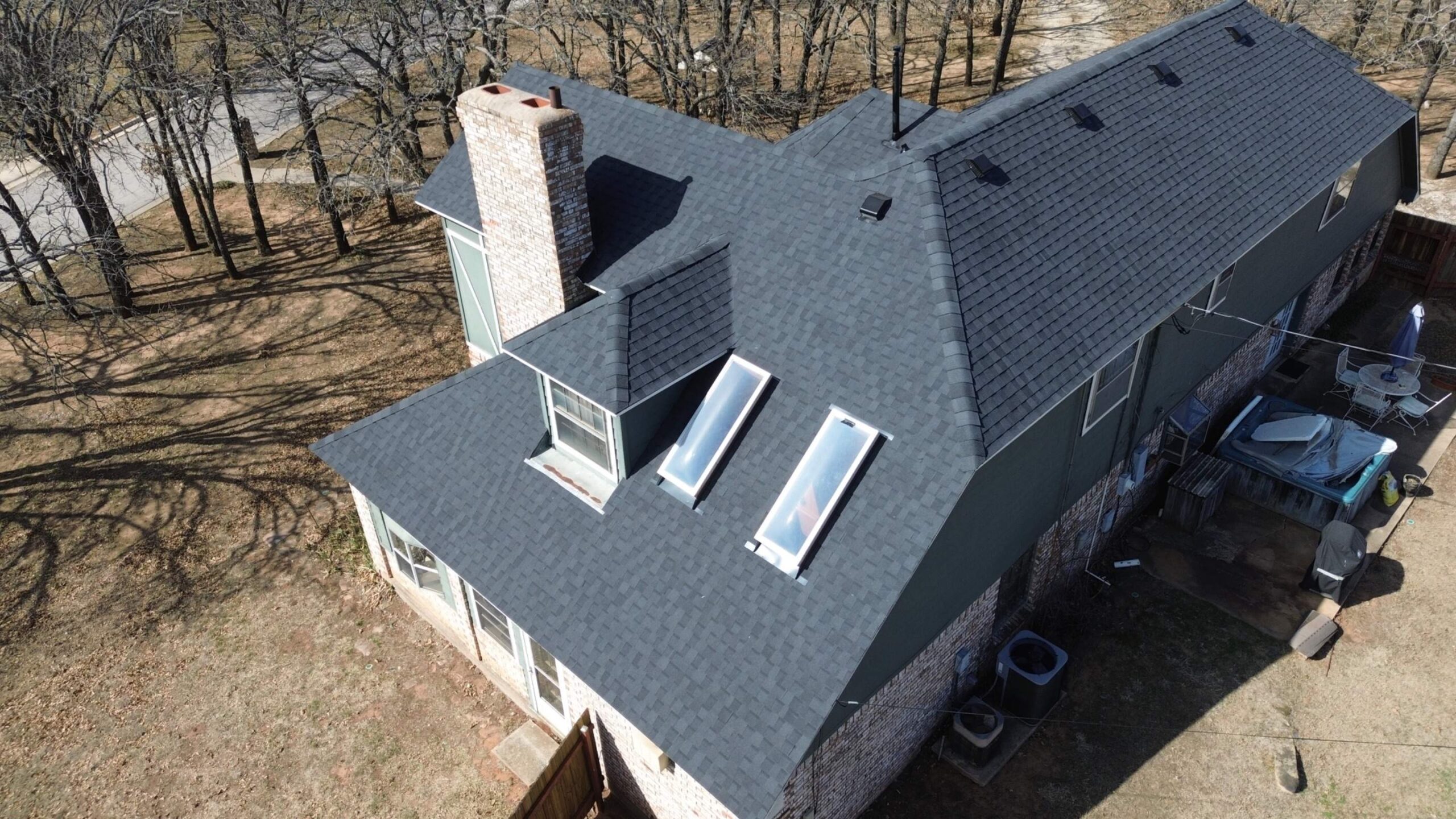
Attic moisture has a direct impact on the performance of several important building materials. Even moderate water exposure gradually reduces the effectiveness of insulation while weakening the roof structure itself. Understanding these effects highlights the importance of early leak detection.
Insulation is designed to trap air and reduce heat transfer between the attic and living spaces. When insulation becomes wet, those air pockets fill with water instead. As a result, the insulation loses much of its thermal resistance and becomes far less effective.
Reduced insulation performance often leads to higher energy consumption. Heating and cooling systems must operate longer because conditioned air escapes more easily through damp sections of the attic. Homeowners may notice increasing utility costs without realizing that attic moisture is contributing to the problem.
Roof decking also suffers from repeated moisture exposure. Damp wood gradually loses its rigidity and becomes more susceptible to warping or softening. Although this deterioration occurs slowly, it eventually affects the roof’s ability to support shingles and other roofing materials.
Wood framing responds similarly. Rafters, trusses, and other structural members absorb moisture over time, creating conditions that encourage movement within the roof structure. Slight changes in alignment may eventually influence roof drainage and increase the likelihood of future leaks.
Fasteners connecting these components are equally important. Rust developing on nails or metal brackets weakens their holding strength and may contribute to roofing material movement during strong winds or severe storms.
Moisture also creates favorable conditions for biological growth. Mold and mildew readily develop on damp wood and insulation whenever moisture remains trapped for extended periods. Although mold often begins in hidden areas, it can spread quickly if the source of moisture is not corrected.
Stored belongings inside the attic are not immune to damage either. Cardboard boxes, clothing, furniture, photographs, and important documents may absorb moisture, leading to staining, deterioration, or permanent loss.
These combined effects demonstrate why attic moisture should never be viewed as an isolated issue. A single roof leak often affects multiple building systems simultaneously, making prompt repairs essential for protecting the home as a whole.
Distinguishing Roof Leak Moisture from Condensation
Not all attic moisture comes from roof leaks. Condensation caused by poor ventilation or high indoor humidity can create similar symptoms, making it important to distinguish between the two conditions before repairs begin.
Roof leak moisture usually becomes more noticeable during or immediately after rainfall. Water may appear in localized areas beneath damaged shingles, flashing, or roof penetrations. These wet spots often expand after storms and gradually dry during periods of fair weather.
Condensation behaves differently. Instead of appearing in isolated locations, it often forms across large sections of roof decking or framing. Tiny droplets may cover broad areas because warm, humid air contacts cooler roof surfaces and releases moisture.
The location of the moisture provides another helpful clue. Roof leaks commonly occur around chimneys, skylights, plumbing vents, roof valleys, or damaged shingles. Condensation tends to develop more uniformly across attic surfaces, especially during cold weather.
Weather patterns also help identify the source. If attic moisture appears only after rainfall, a roof leak becomes much more likely. If dampness develops regardless of rain, especially during periods of high indoor humidity, condensation may be responsible.
Ventilation plays an important role as well. Blocked soffit vents, inadequate ridge ventilation, or insufficient attic airflow often contribute to condensation problems. Improving ventilation helps reduce moisture accumulation caused by humid air.
Roof leaks frequently produce visible staining on roof decking or insulation because rainwater carries dirt and minerals from roofing materials. Condensation usually leaves clearer water droplets with less noticeable discoloration during the early stages.
Attic inspections during active rainfall often provide valuable confirmation. Visible water entering through the roof strongly indicates a leak, while widespread surface moisture developing without rainfall points more toward condensation.
In some cases, both conditions exist simultaneously. A roof leak combined with poor ventilation creates a particularly challenging environment where moisture remains trapped for long periods. Correcting both issues is necessary to restore a healthy attic environment.

When Attic Moisture Becomes a Serious Roofing Emergency
Not every damp area inside the attic requires emergency repairs, but certain warning signs indicate that immediate action is necessary. Recognizing these conditions helps homeowners protect both the roof and the structure beneath it.
Active dripping water during rainfall is one of the clearest signs of an urgent roofing problem. Water entering the attic in noticeable amounts can quickly saturate insulation, weaken wood framing, and spread to finished living spaces below.
Sagging roof decking or visibly warped framing should also be treated seriously. Structural movement suggests that moisture has affected important load-bearing components, increasing the risk of more extensive damage if repairs are delayed.
Large sections of saturated insulation indicate that moisture has been entering the attic for an extended period. Wet insulation not only loses its effectiveness but also retains moisture that continues affecting nearby structural materials.
Visible mold covering significant portions of roof decking or framing represents another situation requiring prompt attention. Extensive mold growth often indicates long-term moisture exposure that extends beyond a simple roofing repair.
Electrical components exposed to water create additional concerns. Moisture reaching wiring, junction boxes, or lighting fixtures increases safety risks and requires careful evaluation before repairs proceed.
Repeated attic leaks after previous roof repairs should never be ignored. Recurring moisture often suggests that the original source was not fully corrected or that additional roof failures have developed elsewhere.
Strong musty odors combined with widespread moisture usually indicate prolonged dampness throughout the attic. These conditions warrant a comprehensive roof inspection because hidden damage may extend beyond the visibly affected area.
Addressing these warning signs quickly helps prevent moisture from spreading into ceilings, walls, flooring, and other parts of the home. Early intervention remains the most effective way to limit repair costs and preserve the structural integrity of the roofing system.
| Attic Moisture Warning Sign | Likely Cause | What It May Indicate |
|---|---|---|
| Wet roof decking | Active roof leak | Damaged shingles or flashing |
| Damp insulation | Water intrusion | Ongoing roof leak above |
| Rusted nail tips | Long-term moisture exposure | Persistent attic dampness |
| Water around vent pipes | Cracked vent boot or flashing | Roof penetration leak |
| Dark wood staining | Repeated water exposure | Existing or previous roof leak |
| Moisture near roof edges | Gutter overflow or roof edge failure | Drainage-related leak |
| Widespread surface moisture | Condensation | Poor attic ventilation |
| Visible mold growth | Prolonged moisture | Long-term unresolved dampness |
What Homeowners Should Do After Finding Attic Moisture
Finding moisture in the attic should always prompt immediate action. Even if the affected area appears small, it often indicates that water has entered the roofing system and may already be affecting structural materials. Acting quickly helps prevent additional damage while making repairs more manageable.
Start by identifying whether the moisture is active or left behind from a previous event. If the attic is inspected during or shortly after rainfall, look for fresh water droplets on roof decking, rafters, or insulation. Active moisture strongly suggests that the roof is currently allowing water to enter.
Take photographs of every visible sign of moisture before moving insulation or disturbing affected materials. Documenting stained roof decking, damp insulation, mold growth, or water trails provides a useful record of the roof’s condition. These images also help monitor changes if additional moisture appears before repairs are completed.
Inspect the surrounding area rather than focusing only on the most obvious wet spot. Water frequently travels along framing members before reaching insulation, making the visible moisture different from the actual entry point. Expanding the inspection improves the chances of locating the general source of the leak.
If insulation is heavily saturated, avoid compressing or walking directly on it. Wet insulation can conceal weakened ceiling materials beneath the attic floor, increasing the risk of accidental damage. Moving carefully protects both the structure and personal safety.
Check nearby roof penetrations such as plumbing vents, chimneys, skylights, and attic vents. These locations commonly develop leaks because multiple materials meet at these transitions. Visible gaps, deteriorated flashing, or damaged sealants may help explain the source of the moisture.
Resist the temptation to rely on temporary repairs alone. While a temporary covering may reduce additional water entry during severe weather, it does not eliminate the underlying roofing problem. Permanent repairs should always be arranged as soon as practical.
Continue monitoring the attic after each rainfall until repairs have been completed. Observing whether moisture increases, decreases, or spreads to new areas provides valuable information about the severity of the leak and whether additional roof defects may exist.
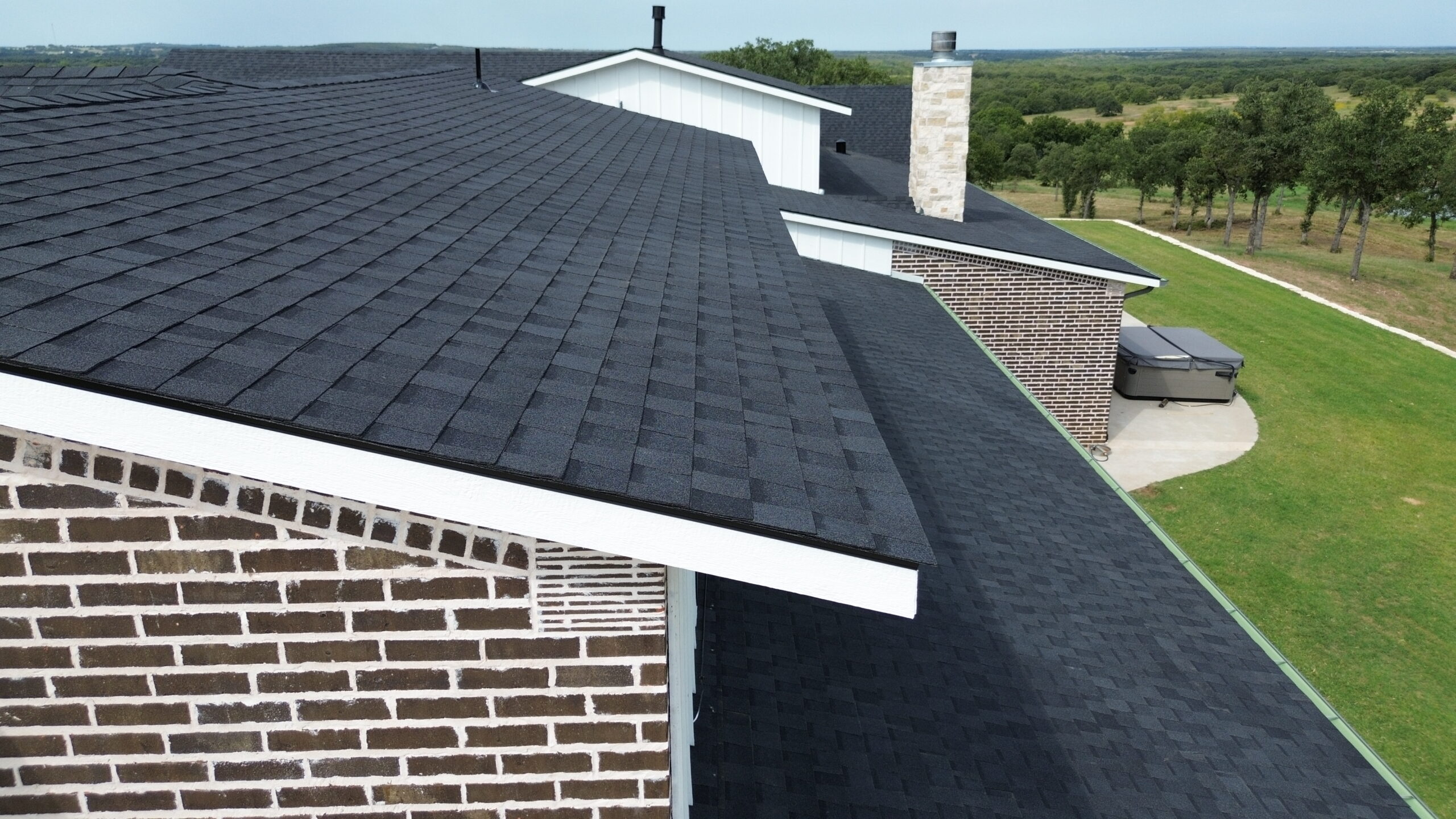
Preventing Roof Leaks Through Regular Attic Inspections
Regular attic inspections are one of the most effective ways to identify roof leaks before they become visible inside living areas. Because the attic sits directly beneath the roof structure, it often reveals early warning signs that would otherwise remain hidden for months.
A seasonal inspection schedule helps homeowners become familiar with the normal appearance of their attic. Once the typical condition of the roof decking, insulation, and framing is understood, even subtle changes become easier to recognize. Early detection often prevents small roofing defects from developing into widespread structural problems.
Attic inspections should be performed before the rainy season begins whenever possible. Identifying loose flashing, stained roof decking, damp insulation, or ventilation problems before periods of heavy rainfall allows repairs to be completed under more favorable weather conditions.
Additional inspections following major storms are equally important. High winds, hail, and falling branches may damage roofing materials without creating immediate ceiling leaks. Examining the attic after severe weather helps uncover hidden moisture before it spreads throughout the structure.
Ventilation should also be evaluated during each inspection. Proper airflow helps remove humid air from the attic, allowing roofing materials and insulation to dry more efficiently after rainfall. Well-balanced ventilation supports both roof longevity and overall energy efficiency.
Routine inspections provide an opportunity to observe long-term changes as well. Comparing current conditions with previous photographs or maintenance records makes it easier to identify gradual deterioration that might otherwise go unnoticed.
Homeowners who inspect their attics consistently often recognize problems while repairs remain relatively straightforward. This proactive approach reduces the likelihood of emergency roofing situations and helps preserve the long-term health of the entire roofing system.
Steps to Take Before Scheduling Roof Repairs
Once attic moisture has been discovered, several practical steps can help protect the home while preparing for professional roof repairs. These actions also make it easier to explain the problem during the inspection process.
- Photograph all areas showing moisture, staining, mold, or water trails.
- Record when the moisture appears, especially whether it develops only after rainfall or remains present during dry weather.
- Inspect nearby roof penetrations, flashing, and visible roof components from a safe location if possible.
- Check the condition of insulation surrounding the affected area without unnecessarily disturbing wet materials.
- Remove or protect valuable items stored near the moisture to prevent additional damage.
- Make notes about recent storms, heavy rainfall, or strong winds that may have contributed to the leak.
- Schedule a professional roof inspection to identify and repair the original source of water intrusion.
Following these steps preserves valuable information that helps identify the underlying cause of the problem. It also reduces the chance of overlooking additional moisture that may not be immediately obvious.

Best Practices for Keeping Your Attic Dry Year Round
Maintaining a dry attic requires consistent attention throughout the year rather than reacting only after leaks become visible. Small preventive measures help reduce moisture accumulation while extending the life of the roofing system.
The following practices support a healthier attic environment:
- Inspect the attic several times each year, especially before and after the rainy season.
- Keep gutters and downspouts clean to promote proper roof drainage.
- Replace damaged shingles and deteriorated flashing as soon as problems are discovered.
- Trim tree branches that extend over the roof to reduce storm damage and debris buildup.
- Maintain clear attic ventilation by keeping soffit and ridge vents unobstructed.
- Check insulation periodically for dampness, compression, or signs of mold.
- Monitor roof penetrations for cracked sealants or worn vent boots.
- Arrange professional roof inspections for aging roofs or after severe storms.
Developing these maintenance habits significantly lowers the likelihood of recurring attic moisture. Preventive care also improves energy efficiency, protects structural materials, and reduces the need for expensive repairs later.
Frequently Asked Questions
Is attic moisture always caused by a roof leak?
No. While roof leaks are a common cause, attic moisture can also result from poor ventilation, condensation, or excessive indoor humidity. A careful inspection helps determine the actual source.
How can I tell if attic moisture is from rain?
Moisture that appears during or immediately after rainfall often indicates an active roof leak. If the attic remains dry during rain but becomes damp under different weather conditions, condensation may be the cause.
Can wet attic insulation dry on its own?
Lightly damp insulation may dry under favorable conditions, but heavily saturated insulation often loses its insulating value permanently. A professional inspection can determine whether replacement is necessary.
Why is my attic wet even though my ceiling looks fine?
The attic is located directly beneath the roof, so moisture usually appears there before reaching finished ceilings. Detecting moisture in the attic early provides an opportunity to repair the roof before interior damage develops.
Should I enter the attic during heavy rain?
Only if it is safe to do so. If access is secure, inspecting the attic during rainfall may help identify active leaks. Avoid entering if structural damage, electrical hazards, or unsafe conditions are present.
Can attic moisture lead to mold?
Yes. Persistent moisture creates favorable conditions for mold growth on roof decking, framing, insulation, and stored belongings. Addressing the source of the moisture quickly helps reduce this risk.
How often should I inspect my attic?
Most homeowners benefit from inspecting the attic at least twice a year, before and after the rainy season. Additional inspections are recommended after severe storms or whenever signs of roof damage appear.
Conclusion
Attic moisture is one of the earliest and most reliable indicators of an active roof leak. Long before water stains appear on ceilings or walls, the attic often reveals important warning signs such as damp insulation, stained roof decking, rusted fasteners, and moisture around roof penetrations. Recognizing these clues early allows homeowners to address roofing problems before they cause widespread structural damage.
Understanding how moisture develops inside the attic also makes it easier to identify the underlying cause. Water rarely travels directly downward after entering the roof. Instead, it follows roof decking, framing members, insulation, and other structural components before becoming visible. This hidden movement explains why careful attic inspections are so valuable when diagnosing roof leaks.
Routine inspections remain the most effective way to protect both the roofing system and the home beneath it. Checking the attic before the rainy season, after severe storms, and whenever unusual moisture or odors are noticed helps identify developing issues while repairs are still relatively simple and affordable. Combined with proper ventilation and regular roof maintenance, these inspections significantly reduce the risk of long-term water damage.
It is equally important to distinguish roof leaks from other sources of attic moisture, such as condensation or poor ventilation. Correctly identifying the cause ensures that repairs address the real problem rather than simply treating the visible symptoms. A thorough inspection often prevents recurring moisture issues and unnecessary repair expenses.
Ultimately, a dry attic is a strong indicator of a healthy roofing system. By paying close attention to attic moisture, responding promptly to warning signs, and maintaining a consistent inspection routine, homeowners can extend the life of their roof, improve energy efficiency, protect structural components, and avoid the costly consequences of untreated water intrusion.