
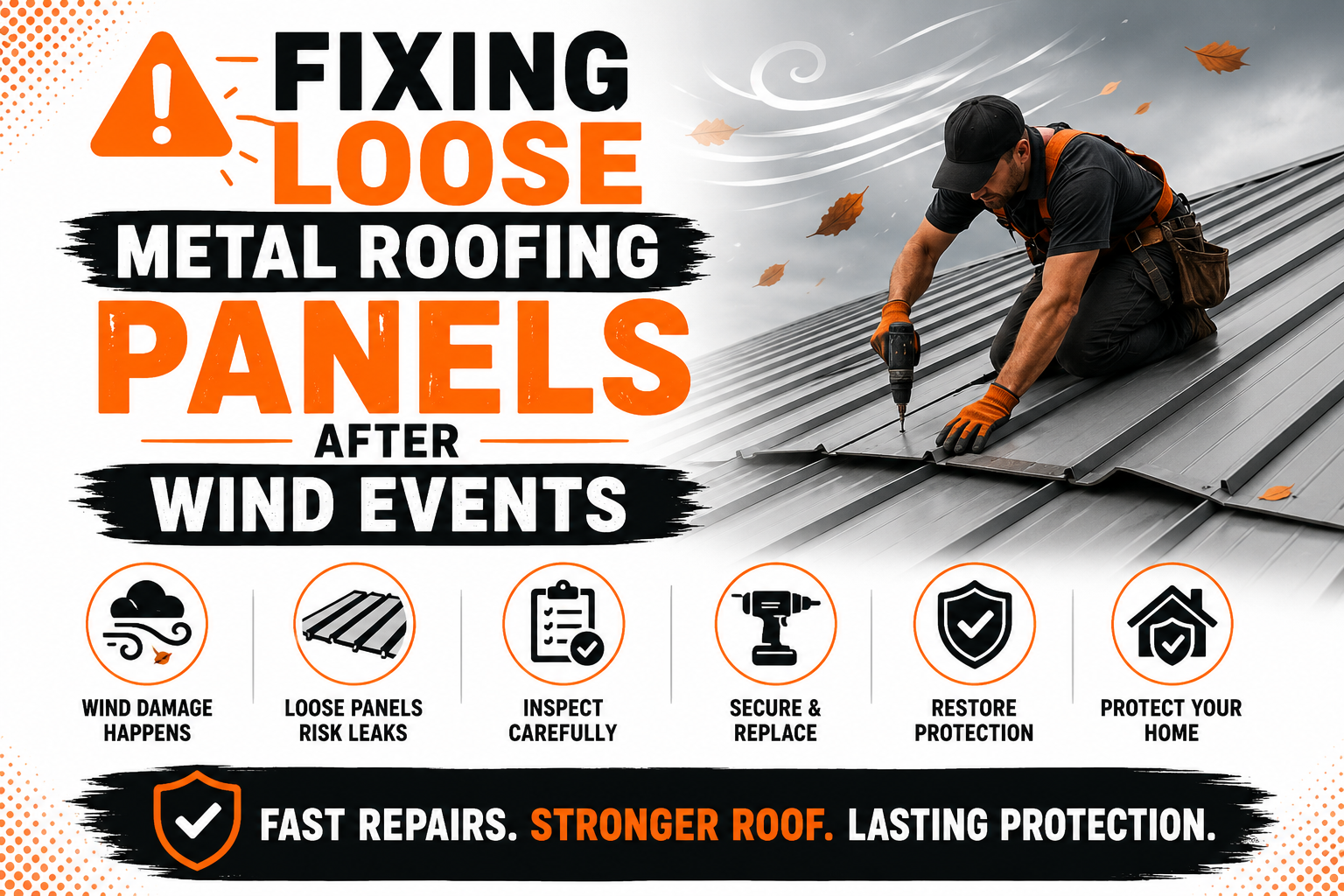
Fixing Loose Metal Roofing Panels After Wind Events
Introduction
Metal roofing systems are known for their durability, long lifespan, and excellent resistance to harsh weather. Even the strongest metal roof, however, can suffer damage when exposed to powerful wind events such as thunderstorms, hurricanes, tornadoes, or severe seasonal storms. High winds create uplift forces that can loosen panels, weaken fasteners, separate seams, and expose vulnerable areas of the roof to moisture intrusion. While metal roofs often survive storms better than many other roofing materials, prompt attention to loose panels is essential to prevent minor damage from becoming a costly structural issue.
A loose metal roofing panel is more than just a cosmetic concern. Once wind breaks the secure connection between the panel and the roof structure, every subsequent storm can increase the movement of the metal. Continuous expansion, contraction, and vibration gradually enlarge fastening holes, weaken seams, and increase the risk of water infiltration. Over time, these problems may spread beyond a single panel and affect insulation, decking, framing, and even the building interior.
Fixing loose metal roofing panels after wind events begins with understanding what caused the damage in the first place. Different roofing systems respond differently to wind pressure, and each type requires specific inspection and repair methods. Standing seam systems, exposed fastener roofs, concealed clip systems, and structural metal panels all have unique attachment methods that influence how they perform during severe weather.
Proper repairs involve more than tightening a few loose screws. Successful restoration requires identifying hidden damage, checking supporting components, replacing compromised fasteners, correcting panel alignment, and ensuring that the roof maintains its original wind resistance. Skipping these steps can leave hidden weaknesses that may fail during the next major storm.
This guide explains how wind affects metal roofing panels, how to identify damage safely, and what should be inspected before repairs begin. It also discusses the tools, materials, and preparation required for effective restoration. Later sections will cover detailed repair methods, long term prevention strategies, and maintenance practices that help extend the life of a metal roofing system after severe weather.
Understanding How Wind Damages Metal Roofing Panels
Wind rarely damages a roof by simply pushing downward. Instead, moving air creates pressure differences above and below roofing panels. These pressure changes generate uplift forces that attempt to pull panels away from the roof structure. The stronger the wind speed, the greater the uplift force acting on every attachment point.
Roof edges, corners, and ridges usually experience the highest wind pressures. These areas are exposed directly to changing air currents, making them the first locations where panels begin to lift or shift. Once one panel becomes loose, surrounding panels experience additional movement because the roof system no longer distributes wind loads evenly.
Repeated wind events can gradually weaken roofing components even if no obvious damage is visible after a single storm. Every cycle of lifting and settling places stress on fasteners, clips, seams, and supporting members. Eventually, connections loosen enough to allow noticeable panel movement.
Metal roofing panels are designed to expand and contract naturally as temperatures change. Wind induced movement adds another layer of stress to these expansion cycles. When the roof can no longer move as intended, excessive stress develops around fasteners and seams, increasing the likelihood of permanent damage.
Flying debris presents another major threat during windstorms. Branches, signs, roofing materials from nearby buildings, and other airborne objects can strike panels with tremendous force. Even small dents may weaken protective coatings or distort panel alignment, creating future leak points.
Wind driven rain compounds the problem by forcing water beneath partially lifted panels. Unlike ordinary rainfall, wind driven moisture travels sideways and upward, allowing it to bypass flashing, seams, and seals that normally protect the building. Moisture trapped beneath panels may remain hidden for weeks before interior leaks become visible.
Buildings located in open terrain often experience stronger wind exposure than structures protected by nearby buildings or trees. Coastal regions, mountain areas, and wide agricultural landscapes frequently expose roofs to sustained high winds throughout the year. Property owners in these regions should inspect metal roofs more frequently following storms.
The age of the roof also influences its ability to withstand wind. Older fasteners may have deteriorated washers, weakened threads, or corrosion that reduces holding strength. Sealants may become brittle over time, allowing movement that would not occur in a newer roofing system.
Improper installation can significantly increase wind damage as well. Fasteners installed at incorrect angles, clips spaced too far apart, or panels with inadequate edge engagement may perform well during mild weather but fail under severe wind conditions.
Understanding these factors helps explain why even relatively small wind events sometimes produce significant roofing damage. Effective repairs depend on identifying the combination of forces responsible for loosening each affected panel rather than simply treating the visible symptoms.
Why Loose Metal Panels Should Never Be Ignored
Some property owners assume that a slightly loose panel is not an urgent concern because the roof appears mostly intact. Unfortunately, even minimal movement can create a chain reaction that affects multiple roofing components over time.
Every time the wind lifts a loose panel, stress increases on adjacent fasteners and seams. Components that were originally secure begin sharing loads they were never designed to carry. As this process continues, damage spreads beyond the original repair area.
Small gaps beneath panels allow rainwater to enter the roofing assembly. Water infiltration often travels considerable distances before becoming visible indoors, making leak locations difficult to identify. By the time ceiling stains appear, moisture may already have damaged insulation, decking, or framing members.
Loose panels also create opportunities for dirt, leaves, and debris to collect beneath roofing components. Organic material retains moisture, increasing corrosion risks while preventing proper drainage across the roof surface.
Metal panels that vibrate repeatedly during windy conditions may gradually enlarge fastener holes. Once these openings become oversized, simply tightening existing screws may no longer restore the original holding strength. More extensive repairs may become necessary.
Energy efficiency may also decline after wind damage. Air infiltration beneath lifted panels affects insulation performance and increases heating and cooling costs. Commercial buildings with large roof areas often experience noticeable increases in energy consumption when roofing systems lose their weather tight seal.
Noise is another overlooked warning sign. Panels that flap or vibrate during moderate winds indicate movement within the roofing system. While the sound itself may seem minor, it often signals attachment failure that requires prompt investigation.
Insurance claims may become more complicated if repairs are delayed unnecessarily. Insurers frequently distinguish between sudden storm damage and deterioration caused by neglect. Prompt inspections and documented repairs help establish that damage resulted directly from a specific weather event.
Ignoring loose panels can also create safety hazards around the building. In severe cases, entire panels may detach during future storms and become dangerous airborne debris capable of damaging nearby property or causing injuries.
Timely repairs preserve both the structural integrity and long term value of the roofing system. Addressing problems early usually costs significantly less than replacing large roof sections after extensive deterioration develops.
Common Signs That Wind Has Loosened Roofing Panels
Not every damaged panel is immediately obvious from ground level. Some warning signs appear gradually, while others become noticeable only during certain weather conditions. Learning to recognize these indicators helps property owners schedule inspections before problems become severe.
Visible panel lifting is one of the clearest signs of wind damage. Panels that no longer lie flat against the roof surface may indicate failed clips, loose fasteners, or distorted seams. Even slight elevation differences deserve closer examination because uplift forces tend to increase over time.
Gaps between adjoining panels may indicate seam separation or attachment failure. These openings often appear near roof edges where wind pressure is greatest. Small gaps can quickly expand during repeated wind exposure.
Missing or backed out fasteners are another common indicator. Screws that have gradually loosened may protrude above the panel surface instead of sitting flush against the roofing material. Missing fasteners leave visible holes that allow water penetration.
Damaged neoprene washers frequently accompany loose screws. Hardened, cracked, or compressed washers lose their ability to maintain a watertight seal around fasteners. Water may enter even if the screw itself remains partially secure.
Panel vibration during windy weather often signals hidden attachment problems. Homeowners sometimes describe rattling, humming, or popping sounds coming from the roof after storms. These noises usually indicate panel movement rather than harmless expansion.
Water stains inside the building may suggest wind driven rain entered beneath loosened panels. Ceiling discoloration, peeling paint, damp insulation, or mold growth often develop long after the initial storm has passed.
Bent flashing around roof penetrations may also indicate wind damage. Chimneys, skylights, vents, and HVAC equipment create interruptions that experience concentrated wind pressure. Damaged flashing often accompanies nearby loose panels.
Surface scratches, impact dents, and displaced ridge caps may indicate airborne debris struck the roof during the storm. These visible impacts often deserve closer inspection because hidden attachment damage may exist beneath apparently minor surface defects.
Property owners should pay particular attention after storms that produce unusually strong wind gusts, even if no immediate leaks develop. Many roofing failures begin as hidden damage that gradually worsens over several months before becoming obvious.
The following warning signs deserve prompt professional evaluation after a significant wind event:
- Panels that appear raised, shifted, or uneven
- Missing, loose, or backed out fasteners
- Rattling sounds during moderate winds
- Interior ceiling stains or unexplained moisture
- Bent flashing around roof penetrations
- Damaged ridge caps or trim pieces
- Visible seam separation between adjoining panels
- Debris impact marks near attachment points
Recognizing these warning signs early allows repairs to remain focused and relatively inexpensive before widespread deterioration develops.
Safety Considerations Before Any Roof Inspection
Safety should always take priority over speed when inspecting a metal roof after severe weather. Storm damaged roofs may contain hidden hazards that are not immediately visible from the ground. Even experienced maintenance personnel should approach inspections carefully.
Never inspect a roof during active storms or immediately after lightning activity. Wet metal surfaces become extremely slippery, while continuing high winds increase the risk of falls and flying debris. Waiting until weather conditions stabilize significantly improves safety.
Property owners should begin with a ground level visual inspection whenever possible. Binoculars or zoom cameras often reveal obvious panel movement, missing flashing, displaced trim, or fallen debris without requiring roof access.
If rooftop access becomes necessary, inspectors should wear appropriate fall protection equipment that complies with local safety regulations. Secure ladders properly and ensure roof access points remain stable before climbing.
Metal roofing surfaces can become unexpectedly slick due to moisture, dust, algae, frost, or loose debris. Foot placement should always follow panel support locations to avoid unnecessary stress on weakened sections.
Electrical hazards deserve special attention after severe storms. Fallen power lines, damaged rooftop equipment, exposed wiring, or lightning related damage may create dangerous conditions that require qualified electrical professionals before roofing work begins.
Inspectors should also remain aware of structural damage that may not be immediately obvious. Water saturated decking, weakened framing, or partially detached panels may not safely support body weight.
The following precautions help reduce inspection risks:
- Wait until weather conditions are completely safe.
- Perform a visual inspection from the ground first.
- Use proper fall protection equipment.
- Avoid stepping on visibly damaged panels.
- Watch for electrical hazards and unstable structures.
- Stop the inspection immediately if structural concerns arise.
These simple precautions help ensure that roof evaluations remain both effective and safe after major wind events.
Identifying the Type of Metal Roofing System
Before repairs begin, it is important to identify the specific type of metal roofing system installed on the building. Different panel designs use different attachment methods, meaning repair procedures vary significantly from one system to another.
Standing seam roofs feature concealed fasteners hidden beneath raised vertical seams. Clips secure the panels while allowing controlled thermal movement. Because the fasteners are concealed, damage often requires closer inspection before becoming visible.
Exposed fastener systems use screws installed directly through the panel surface into the roof structure. These roofs are generally easier to inspect because attachment points remain visible. However, the exposed fasteners require regular maintenance as washers age and screws gradually loosen.
Corrugated metal panels remain common on agricultural, industrial, and utility buildings. Their distinctive ribbed profile provides structural strength while simplifying installation. Wind damage often concentrates around overlapping panel joints and fastener locations.
Structural metal roofing systems serve as both roof covering and structural support. These panels span larger distances without continuous decking beneath them. Repairs require careful evaluation because panel movement may affect both weather protection and structural performance.
Architectural metal roofs prioritize appearance alongside weather resistance. These systems often include specialized clips, hidden connections, and premium coatings that require manufacturer approved repair procedures.
Knowing the roofing system helps determine the correct replacement parts, fastener specifications, sealants, and repair techniques. Using incompatible materials may reduce wind resistance or void manufacturer warranties.
Initial Roof Assessment After a Wind Event
A systematic assessment provides the foundation for effective repairs. Rather than focusing only on the most visible damage, inspectors should evaluate the entire roofing system to identify related problems that may have developed during the storm.
Begin by documenting overall roof conditions using photographs from multiple angles. Wide images establish the general condition of the roof, while close up photographs capture specific damage for insurance documentation and repair planning.
Inspect roof edges, corners, ridges, valleys, penetrations, and transitions carefully because these locations experience the greatest wind pressures. Even if only one panel appears loose, nearby components should also be evaluated.
Check gutters, downspouts, and roof drainage systems for storm debris. Blocked drainage may allow standing water to accumulate after repairs are completed, creating additional roofing problems unrelated to the original wind damage.
Interior inspections remain equally important. Ceiling stains, wet insulation, mold growth, or unusual odors may reveal moisture intrusion that has not yet become visible from above. Combining interior and exterior observations creates a more accurate picture of overall roof condition.
Roof documentation should include the approximate location of every damaged component. Organized inspection records simplify repair planning and provide valuable evidence for insurance claims or future maintenance comparisons.
The assessment should also distinguish between storm related damage and pre existing deterioration. Corrosion, aging sealants, previous repairs, and long term wear may influence repair decisions even if they were not directly caused by the recent wind event.
Careful documentation at this stage reduces the likelihood of overlooked damage while helping ensure repairs address the root causes rather than only the visible symptoms.
Tools and Materials Commonly Used for Metal Roof Repairs
Repairing loose metal roofing panels requires more than standard construction tools. Using the correct equipment helps preserve panel finishes, maintain watertight seals, and restore the roof’s original wind resistance.
Basic inspection tools typically include ladders, moisture meters, measuring tapes, flashlights, cameras, and binoculars. These items help identify both visible and hidden storm damage before repairs begin.
Repair work often requires specialized screw guns with adjustable torque settings. Proper torque prevents overtightening, which can damage washers, strip fastener holes, or deform metal panels.
Replacement fasteners should always match the manufacturer’s specifications for size, material, coating, and thread design. Using incorrect screws may reduce holding strength or create galvanic corrosion between dissimilar metals.
High quality roofing sealants designed specifically for metal roofing systems provide flexible weather resistant sealing around penetrations and repaired joints. General construction caulks rarely provide adequate long term performance under continuous thermal movement.
Replacement clips, closure strips, flashing materials, and compatible touch up coatings may also be required depending on the extent of wind damage. Keeping approved repair materials available improves repair quality while maintaining roofing system compatibility.
Selecting the proper tools and materials before beginning repairs reduces delays and helps ensure every repair restores both structural integrity and weather resistance. The next part of this guide explores detailed repair techniques for different metal roofing systems, explains how to replace damaged attachment components, and discusses the best methods for restoring long term roof performance after wind related panel movement.
Inspecting Fasteners and Attachment Systems
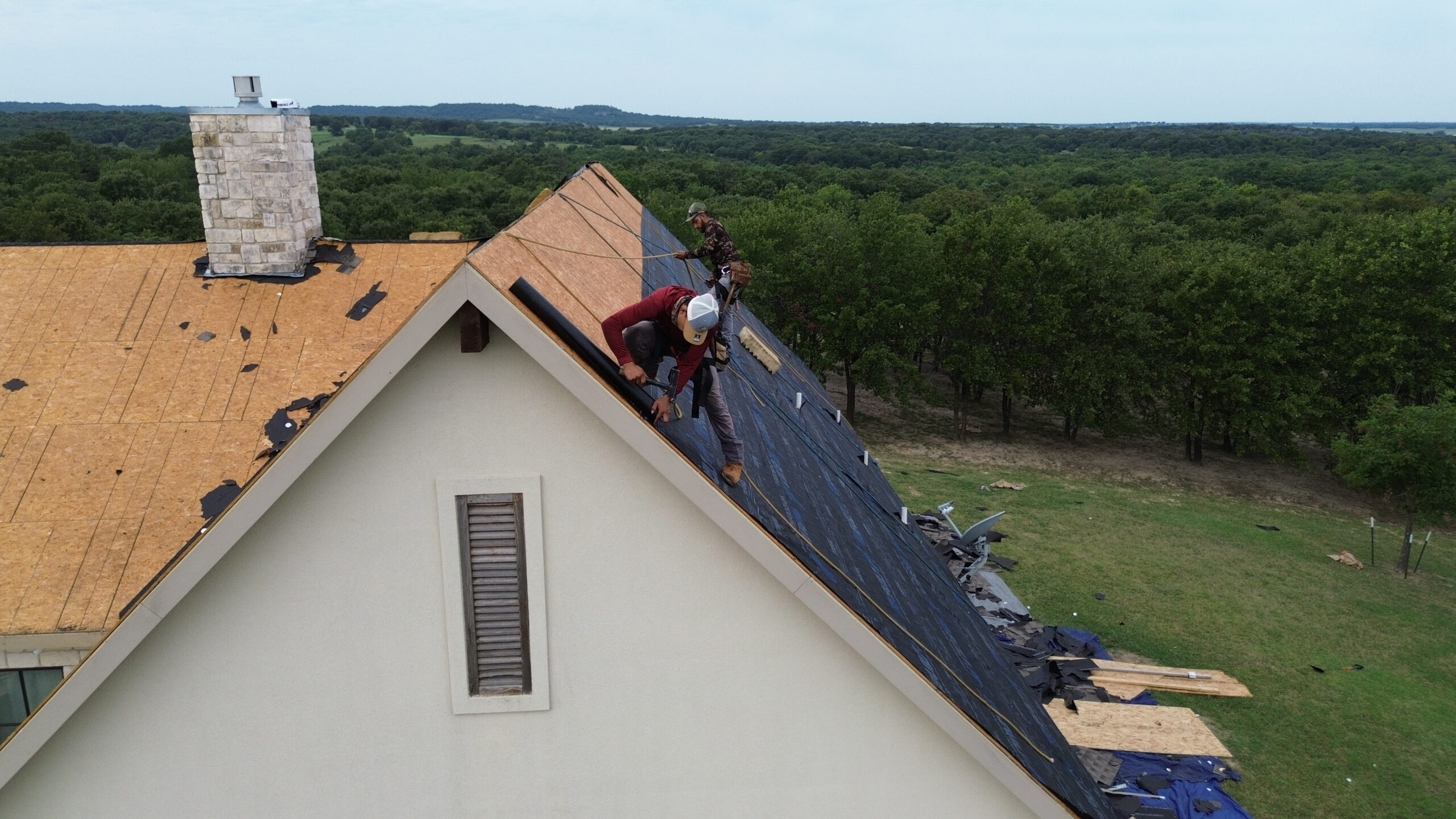
Once the initial inspection is complete and the roofing system has been identified, the next step is to evaluate the components that hold the panels securely in place. Fasteners and attachment systems are the foundation of every metal roof because they transfer wind loads from the panels into the roof structure. Even a small amount of failure in these connections can allow panels to move during future storms.
Wind damage does not always cause fasteners to pull out completely. In many situations, screws gradually loosen after repeated uplift cycles, while clips bend slightly under excessive pressure. Although these changes may appear insignificant, they reduce the roof’s ability to resist the next wind event.
Every fastener should be checked individually rather than assuming nearby attachments remain secure. Wind forces rarely affect every connection equally because roof geometry causes pressure to vary across different sections. Corners, roof edges, and ridge areas often experience much greater stress than central portions of the roof.
Inspectors should look for screws that sit higher than the surrounding fasteners. A raised screw often indicates that the threads have begun pulling away from the substrate or that the panel has shifted beneath it. Simply pushing the screw back into place without determining the cause usually results in the same problem returning.
Fastener holes deserve equal attention during the inspection. If repeated movement has enlarged the opening, installing another screw of the same size may not restore the original holding strength. Oversized repair fasteners or alternative attachment methods may be required depending on manufacturer recommendations.
Concealed clip systems require additional care because the attachment hardware is hidden beneath the roofing panels. In these systems, clips may bend, crack, or loosen while the panels themselves appear relatively undamaged. Small amounts of panel movement often provide the first indication that concealed attachments have been compromised.
Inspecting attachment systems should also include checking the roof deck beneath damaged areas. Fasteners rely on solid structural support, and weakened decking cannot provide adequate holding power regardless of screw quality. Moisture damage around fastener locations may indicate hidden structural deterioration that requires repair before the panels are resecured.
Corrosion should never be overlooked during the inspection process. Rust weakens both fasteners and clips, reducing their ability to resist future wind loads. Even minor corrosion can accelerate rapidly once protective coatings have been damaged by weather exposure.
Professional inspectors frequently use gentle manual pressure to determine whether panels move independently of the roof structure. Excessive movement suggests attachment failure somewhere beneath the panel. Care should be taken not to create additional damage during this evaluation.
A thorough inspection of attachment systems provides valuable information for planning repairs. Addressing every compromised connection helps restore the roof’s original strength rather than temporarily eliminating visible movement.
Fixing Loose Standing Seam Metal Roofing Panels
Standing seam metal roofs are among the most durable roofing systems available, but they require specialized repair methods after wind damage. Unlike exposed fastener systems, their concealed attachment design protects fasteners from weather exposure while allowing controlled thermal movement. This unique construction means repairs should preserve both structural integrity and expansion capability.
The repair process usually begins by determining whether the panel itself has shifted or whether the concealed clips have failed. In many cases, clips absorb most of the wind forces while preventing permanent panel deformation. Replacing damaged clips may fully restore the roofing system without requiring new panels.
Panels that have partially disengaged from the standing seam should never be forced back into position with excessive pressure. Doing so may distort the seam profile, reducing its weather resistance and making future separation more likely. Proper reseaming tools help restore the original interlocking connection without damaging the metal.
Damaged seam locks require careful evaluation before repairs continue. Even if the panel appears relatively straight, a weakened seam may no longer provide the uplift resistance specified by the manufacturer. Replacement may become necessary when seam deformation exceeds acceptable limits.
Concealed clips should always be replaced with compatible components approved for the specific roofing system. Clip geometry varies among manufacturers, and even slight differences may affect panel movement, thermal expansion, and wind resistance.
During repairs, installers should verify that panels remain properly aligned across the roof surface. Misalignment creates uneven stress distribution that increases the likelihood of future attachment failure. Consistent spacing between seams helps maintain the roof’s structural performance and appearance.
Expansion clearance must also be preserved throughout the repair process. Standing seam systems rely on controlled movement during temperature changes, and overly restrictive repairs may introduce new stresses that eventually loosen fasteners or distort panels.
Sealants should be applied only where recommended by the roofing manufacturer. Excessive sealant use may interfere with designed drainage pathways or restrict natural panel movement. Properly selected sealants provide weather protection without compromising long term flexibility.
Once repairs are complete, every affected seam should be inspected carefully to verify complete engagement along its full length. Even small gaps can allow moisture intrusion or create starting points for future wind damage.
Repairing Exposed Fastener Metal Roof Systems
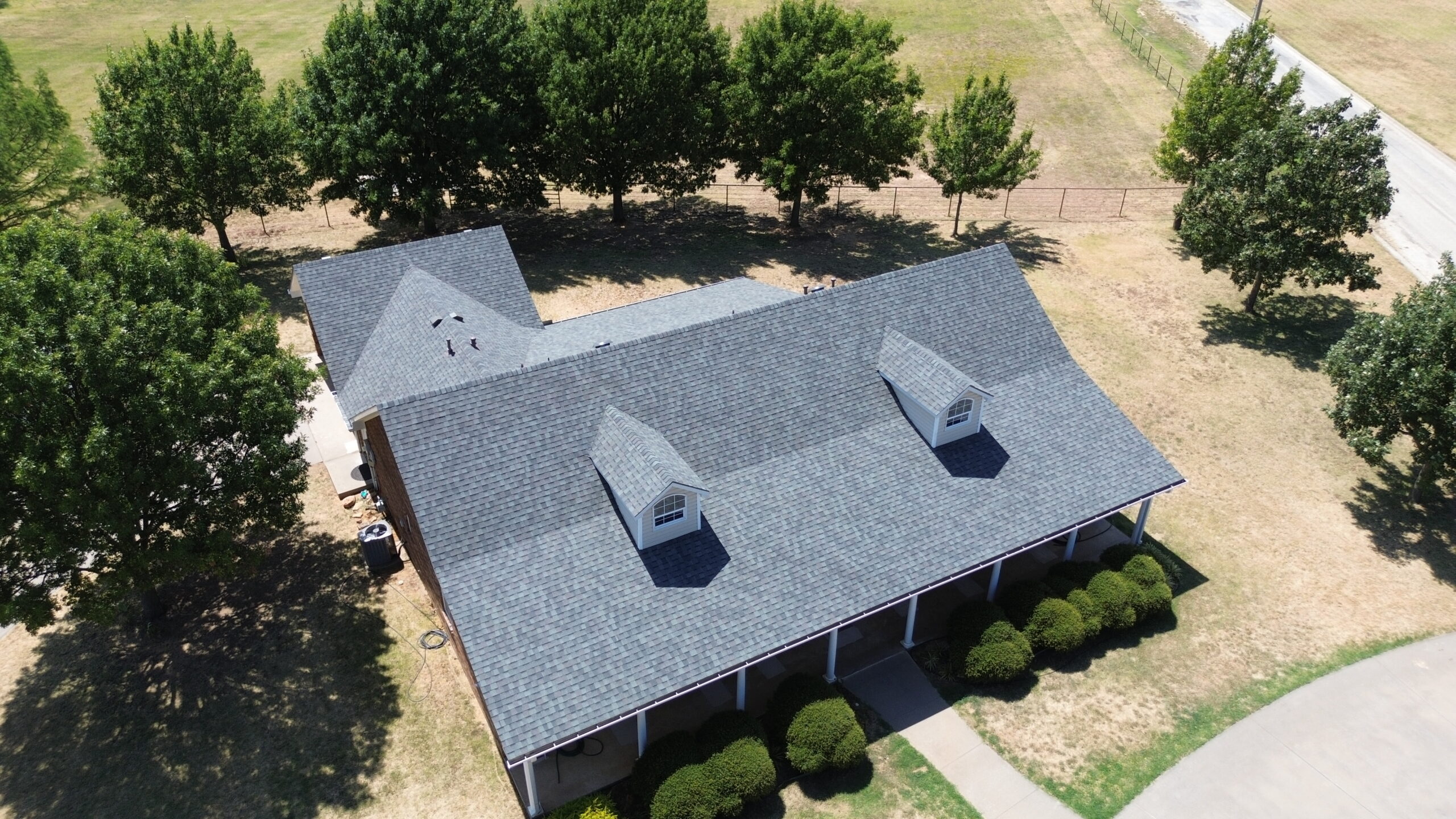
Exposed fastener roofs remain one of the most common metal roofing systems for residential, agricultural, and commercial buildings. Their straightforward construction simplifies inspections because every attachment point is visible. However, this same exposure means fasteners receive constant sunlight, rain, temperature changes, and wind loading throughout their service life.
The first step in repairing an exposed fastener roof involves removing obviously damaged screws rather than attempting to tighten severely compromised fasteners. Screws with stripped threads, bent shafts, or deteriorated washers rarely provide reliable long term performance.
Fastener replacement should never involve random screw selection. Replacement screws should match the original specifications for diameter, length, coating, and thread design to maintain compatibility with both the roofing panels and supporting structure.
Oversized repair screws often restore holding strength when original holes have become enlarged through repeated movement. These specialized fasteners provide improved grip without requiring major modifications to the roofing system. Their use should follow manufacturer recommendations to avoid damaging surrounding metal.
Washer condition plays an equally important role in repair quality. Modern roofing screws typically include neoprene washers that compress against the panel surface to create a watertight seal. Weathered washers lose elasticity over time, allowing moisture infiltration even when the screw remains tight.
Panels should be repositioned carefully before installing replacement fasteners. Securing a misaligned panel locks unnecessary stress into the roofing system and may accelerate future movement during thermal expansion or high winds.
Repair technicians should avoid overtightening screws because excessive compression damages neoprene washers and may deform the metal panel around the fastener. Proper torque produces a secure seal while preserving washer flexibility.
Fasteners located near overlapping panel joints deserve additional attention. These areas experience combined stresses from wind uplift, thermal movement, and water drainage. Ensuring proper alignment before fastening helps maintain both structural stability and weather resistance.
Repairs should progress systematically across the damaged section rather than focusing on isolated screws. Restoring balanced attachment throughout the affected area improves overall wind performance and reduces uneven stress concentrations.
Replacing Damaged Screws, Washers, and Clips
Small attachment components often determine the overall performance of a metal roofing system. Although screws, washers, and clips appear minor compared to the panels themselves, they collectively resist thousands of pounds of uplift force during severe weather.
Replacement begins with removing damaged hardware carefully to avoid enlarging existing attachment holes. Damaged screws should never be snapped off intentionally because broken shafts complicate repairs and weaken the supporting structure.
Every removed fastener provides an opportunity to inspect the underlying substrate. Soft wood, deteriorated decking, or corrosion around structural members may indicate additional repairs are necessary before installing new hardware.
Replacement washers should always match the environmental conditions expected for the roofing system. High quality materials resist ultraviolet exposure, ozone, temperature fluctuations, and long term compression more effectively than lower grade alternatives.
Concealed clips should be inspected for bending, cracking, corrosion, and deformation. A clip that has yielded under wind pressure may continue functioning temporarily but no longer provides its original uplift resistance. Replacement usually offers greater long term reliability than attempting to straighten damaged clips.
Metal compatibility also deserves careful consideration during repairs. Mixing incompatible metals can accelerate galvanic corrosion when moisture is present. Selecting manufacturer approved replacement components helps preserve long term durability.
Fastener spacing should match original installation requirements unless engineering recommendations specify otherwise. Adding unnecessary fasteners may restrict thermal movement, while reducing attachment density decreases wind resistance.
After replacement, every new connection should be inspected visually to confirm proper seating, washer compression, and panel alignment. Consistent installation quality across the repair area improves both appearance and structural performance.
Correcting Panel Movement and Realigning Roofing Sections
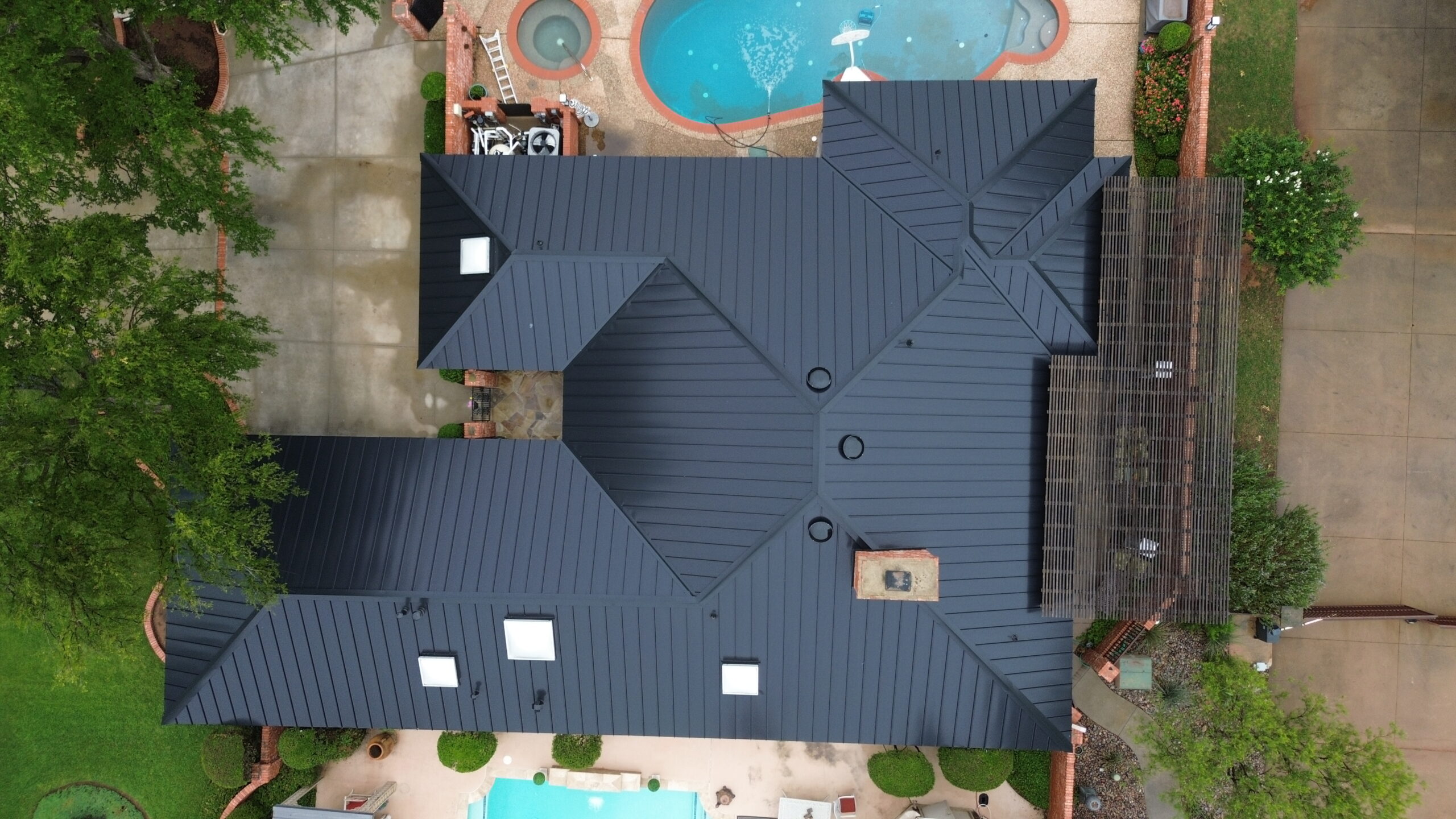
Wind uplift sometimes shifts panels without causing major structural damage. When movement occurs, restoring proper alignment becomes just as important as replacing damaged fasteners. A panel that remains out of position continues placing unnecessary stress on neighboring components.
Repair technicians usually begin by identifying the original panel position using adjacent seams, trim components, and manufacturer installation patterns. Reference measurements help ensure the repaired section matches the surrounding roof.
Panels should be repositioned gradually rather than forced into place. Sudden bending may permanently distort the metal, reducing its ability to shed water or engage adjacent seams correctly.
Overlapping joints require careful adjustment because even slight misalignment can interrupt drainage patterns. Water naturally follows the roof profile, and uneven overlaps increase the likelihood of moisture infiltration during wind driven rain.
Expansion joints should remain functional after realignment. Restricting thermal movement introduces stresses that may eventually loosen fasteners even if the initial repair appears successful.
Trim pieces, ridge caps, and flashing components should also be checked after panel repositioning. These accessories depend on correct panel alignment to maintain continuous weather protection across the roof.
Once alignment has been restored, attachment points should be secured progressively rather than randomly. Balanced fastening helps distribute loads evenly throughout the repaired area while minimizing localized stress concentrations.
Final visual inspection from multiple angles often reveals subtle alignment issues that may not be obvious during close up work. Straight panel lines contribute not only to appearance but also to consistent structural performance.
Addressing Underlayment and Structural Damage
Visible panel movement sometimes hides more significant problems beneath the roofing surface. Wind driven rain entering through loose panels may saturate underlayment, insulation, and structural decking long before interior leaks become apparent.
Removing damaged panels allows inspectors to evaluate moisture conditions beneath the roofing system. Wet insulation loses much of its thermal performance while creating favorable conditions for mold growth and material deterioration.
Roof underlayment should be examined for tears, punctures, wrinkles, and separation around penetrations. Although the underlayment serves as a secondary moisture barrier, prolonged water exposure eventually reduces its protective capability.
Structural decking requires careful evaluation whenever water infiltration has occurred. Soft wood, delamination, corrosion, or fungal decay reduce the holding strength available for replacement fasteners. Repairs performed without correcting these conditions often fail prematurely.
Support framing should also be inspected for movement resulting from extreme wind loads. While uncommon, severe storms occasionally shift structural members enough to affect panel alignment across larger roof sections.
Ventilation deserves attention during structural repairs because trapped moisture prolongs drying times and encourages future deterioration. Restoring proper airflow beneath the roof helps protect both structural materials and insulation.
Any damaged vapor barriers should be repaired before reinstalling roofing panels. Maintaining the building’s moisture control system contributes to improved energy efficiency and long term roof performance.
Correcting hidden structural issues may increase repair costs initially, but it significantly reduces the likelihood of recurring roofing problems following future storms.
Comparing Repair Methods for Different Types of Wind Damage
The most appropriate repair approach depends on both the severity of the damage and the roofing system involved. Selecting the correct method helps restore the roof efficiently while maintaining its designed wind resistance.
| Wind Damage Type | Typical Cause | Recommended Repair | Priority Level |
|---|---|---|---|
| Loose fasteners | Repeated wind uplift | Replace screws and washers with manufacturer approved components | High |
| Lifted standing seam | Clip movement or seam separation | Inspect clips and reseam or replace affected sections | High |
| Shifted metal panels | Strong wind pressure | Realign panels and secure attachments correctly | High |
| Bent flashing | Wind uplift or debris impact | Replace or reshape flashing and reseal joints | Medium |
| Minor impact dents | Flying debris | Evaluate coating damage and monitor or replace if necessary | Medium |
| Water intrusion beneath panels | Wind driven rain | Repair roofing components and replace damaged underlayment | High |
This comparison highlights that successful repairs depend on identifying the underlying cause of the damage rather than treating only the visible symptoms.
Mistakes to Avoid During Metal Roof Repairs
Repair quality often depends as much on avoiding mistakes as on following correct procedures. Even experienced workers can unintentionally reduce roof performance by overlooking important details during restoration.
One common mistake involves simply tightening every loose fastener without investigating why it loosened. If the supporting substrate has weakened or the panel has shifted, tightening alone provides only a temporary solution.
Another frequent error is mixing different fastener types during repairs. Variations in coating, material, or thread design may reduce holding strength or increase corrosion risks over time.
Applying excessive sealant is another problem that appears surprisingly often. While sealants help prevent moisture intrusion, too much material may block drainage paths or restrict thermal movement within the roofing system.
Walking carelessly across damaged panels can create additional dents or distortions. Repair personnel should always follow manufacturer guidelines regarding foot placement to avoid introducing new damage during the repair process.
Ignoring nearby components is also a costly oversight. Wind rarely affects only one panel, and surrounding fasteners, flashing, ridge caps, and trim pieces should always be inspected whenever loose panels are discovered.
Finally, delaying repairs after identifying damage allows wind and moisture to worsen existing problems. Early intervention typically requires fewer replacement materials and preserves more of the original roofing system.
The next section of this guide examines how to verify the stability of repaired panels, implement preventive maintenance practices, determine when replacement is more practical than repair, and develop long term strategies for protecting metal roofing systems from future wind events.
Testing the Stability of Repaired Roofing Panels
Completing the repair work is only part of the restoration process. Before considering the project finished, every repaired section should be evaluated to confirm that the roofing system has regained its structural stability and weather resistance. Testing helps identify overlooked issues that could become major problems during the next wind event.
The first step is a thorough visual inspection of the repaired area. Panels should sit flat against the roof without visible gaps, uneven edges, or misaligned seams. Every replacement fastener should appear properly seated, and washers should compress evenly without being crushed or distorted.
Inspectors should verify that repaired panels align consistently with adjacent roofing sections. Straight seam lines and uniform panel spacing indicate that the roof has been restored correctly. Uneven alignment may suggest hidden movement beneath the panels that requires additional adjustment.
Manual testing may also be performed using gentle pressure applied to repaired panels. The goal is not to force movement but to confirm that the panels remain securely attached without noticeable lifting or excessive flexibility. Any unexpected movement should be investigated before the repair is considered complete.
Standing seam systems require special attention because concealed clips cannot be inspected directly after panels have been resecured. Contractors often verify seam engagement by checking that locking mechanisms remain fully seated along the repaired section. Proper engagement ensures the panels can resist future uplift forces while still allowing thermal movement.
Roof penetrations deserve another careful inspection after repairs. Flashing around vents, skylights, chimneys, and mechanical equipment should remain securely integrated with the repaired panels. Even a well secured panel can develop leaks if nearby flashing has been disturbed during the repair process.
Water testing may be appropriate for larger commercial projects or whenever previous leaks were reported. Controlled water application allows inspectors to verify that repaired seams, flashing, and fasteners prevent moisture intrusion under realistic conditions. Testing should follow accepted roofing practices to avoid introducing unnecessary moisture into the building.
Interior inspections complete the evaluation process. Ceilings, insulation, attic spaces, and mechanical rooms should be checked for signs of ongoing water infiltration. Confirming that no new moisture enters the building provides confidence that the repairs have restored the roof’s protective function.
Documenting the completed repairs with photographs and written observations creates a valuable maintenance record. Future inspections become easier when property owners can compare roof conditions before and after significant weather events.
Preventing Future Wind Damage to Metal Roofing Systems
Repairing wind damage is important, but preventing future problems offers even greater long term value. A well maintained metal roof can withstand decades of severe weather when routine inspections and timely maintenance address small issues before they become serious failures.
Preventive maintenance begins with scheduled roof inspections throughout the year. Waiting until a major storm causes visible damage often means smaller warning signs have already been overlooked. Regular inspections identify loose fasteners, deteriorating sealants, and minor panel movement before expensive repairs become necessary.
Seasonal inspections are especially valuable in regions that experience hurricanes, tornadoes, strong thunderstorms, or frequent high winds. Roofs exposed to repeated severe weather benefit from more frequent evaluations than buildings located in calmer climates.
Keeping the roof surface clean also contributes to long term performance. Leaves, branches, dirt, and other debris trap moisture against metal surfaces and may interfere with drainage systems. Clean roofs dry more quickly after storms and reduce corrosion risks.
Nearby trees should be trimmed regularly to minimize the chance of falling branches striking the roof during high winds. Even healthy trees can lose limbs during severe weather, and repeated impacts gradually weaken roofing components.
Property owners should also inspect gutters and downspouts regularly. Proper drainage prevents standing water from accumulating near roof edges, reducing unnecessary stress on flashing and attachment systems.
One of the most effective preventive strategies is replacing aging fasteners before widespread failure develops. Rubber washers naturally deteriorate with age, and replacing them during scheduled maintenance often prevents future leaks and panel movement.
Building owners should pay particular attention after every significant storm, even if no leaks are immediately visible. Early inspections often identify minor issues that can be corrected quickly before additional weather enlarges the damage.
Preventive maintenance generally includes the following activities:
- Inspect fasteners for loosening or corrosion.
- Remove debris from the roof surface and drainage systems.
- Examine flashing around all roof penetrations.
- Check panel alignment and seam condition.
- Replace deteriorated sealants when necessary.
- Document roof conditions after major storms.
These simple maintenance practices significantly improve the roof’s ability to withstand future wind events while extending its overall service life.
When Repairs Are Enough and When Panel Replacement Is Necessary
Not every loose metal roofing panel requires complete replacement. In many situations, replacing damaged fasteners, clips, or flashing restores the roof’s original performance. However, certain types of damage make panel replacement the safer and more economical long term solution.
Repairs are generally appropriate when the panel itself remains structurally sound. Minor movement, isolated fastener failures, limited seam separation, or localized flashing damage can often be corrected without replacing the entire panel.
Replacement becomes more appropriate when the metal has experienced permanent deformation. Panels that are severely bent, creased, torn, or stretched may never regain their original strength even if they appear secure after repair. Structural distortion reduces the panel’s ability to resist future wind loads.
Repeated repairs to the same location also suggest that replacement should be considered. If fasteners continue loosening or seams repeatedly separate despite proper repairs, hidden structural problems or material fatigue may be affecting the roofing system.
Corrosion is another important consideration. Surface discoloration may be cosmetic, but deep rust that weakens the panel should not be ignored. Advanced corrosion reduces structural capacity and increases the likelihood of future failure.
Extensive coating damage may also justify replacement. Protective coatings shield metal from moisture and ultraviolet exposure. Once large areas lose their protective finish, corrosion can accelerate rapidly despite localized repairs.
Property owners should also consider the age of the roofing system. If the roof is approaching the end of its expected service life, replacing damaged panels may provide better long term value than investing repeatedly in repairs.
Professional evaluations often include several factors before recommending replacement:
- Severity of panel deformation.
- Condition of attachment systems.
- Presence of corrosion or coating failure.
- Structural condition beneath the panel.
- Age of the existing roofing system.
- Expected future maintenance costs.
Making repair decisions based on the overall condition of the roof rather than a single damaged component leads to more reliable and cost effective outcomes.
Benefits of Professional Metal Roof Repair Services
Some minor maintenance tasks can be handled by experienced property maintenance teams, but repairing wind damaged metal roofing systems often requires specialized knowledge and equipment. Professional roofing contractors understand the unique design features of different metal roof systems and follow repair procedures that maintain manufacturer performance standards.
Professionals begin with comprehensive inspections that identify both visible and hidden damage. Their experience allows them to recognize subtle warning signs that may be overlooked during routine visual inspections. Early identification of concealed issues often prevents future leaks and structural deterioration.
Experienced contractors also understand the importance of material compatibility. Using approved fasteners, clips, sealants, and flashing components helps preserve corrosion resistance and maintain warranty compliance where applicable.
Safety represents another significant advantage of professional repair services. Working on storm damaged roofs involves fall hazards, unstable surfaces, electrical risks, and changing weather conditions. Qualified contractors use appropriate safety equipment and established procedures to reduce these risks.
Many professional roofing companies also provide detailed inspection reports with photographs and repair documentation. These records are valuable for insurance claims, maintenance planning, and future property management decisions.
Another advantage is access to specialized repair equipment. Standing seam roofing systems, for example, often require seam closing tools, clip alignment equipment, and manufacturer specific installation techniques that are not commonly available to general maintenance personnel.
Professional repairs also help maintain the roof’s original wind resistance rating. Improper repairs may appear satisfactory initially but fail prematurely because attachment spacing, fastener torque, or seam engagement no longer meets design requirements.
While professional services involve an initial investment, they often reduce long term ownership costs by preventing repeated failures and extending the roof’s service life.
Long Term Maintenance Practices for Wind Resistant Metal Roofs
Long term maintenance transforms a reactive repair strategy into a proactive asset management plan. Instead of waiting for visible failures, property owners who follow consistent maintenance schedules usually experience fewer emergency repairs and lower lifetime roofing costs.
Maintenance should begin with establishing an inspection calendar that includes both seasonal evaluations and additional inspections after significant weather events. Consistent scheduling helps identify gradual changes that might otherwise remain unnoticed.
Cleaning the roof should become a routine part of maintenance rather than an occasional activity. Dirt accumulation, organic debris, and standing water all contribute to premature material deterioration. Removing these contaminants preserves both appearance and structural performance.
Fastener inspections remain one of the most valuable maintenance activities. Replacing aging screws and washers before they fail reduces the likelihood of widespread panel movement during future storms. Preventive replacement is generally less expensive than emergency repairs following severe weather.
Sealants should also be inspected periodically because exposure to sunlight and temperature fluctuations gradually reduces flexibility. Cracked or shrinking sealants should be replaced before moisture reaches underlying structural components.
Roof accessories deserve the same level of attention as the panels themselves. Ridge caps, flashing, snow retention systems, solar mounting brackets, rooftop equipment supports, and drainage components all influence overall roof performance.
Maintenance records provide another important benefit. Tracking inspections, repairs, weather events, and component replacements helps identify recurring issues while supporting warranty and insurance documentation.
Property owners should encourage maintenance personnel to report unusual roof conditions immediately rather than waiting for scheduled inspections. Small problems discovered early often require only simple repairs, while delayed reporting allows damage to spread.
Investment in preventive maintenance typically produces measurable benefits over the life of the roof. Lower repair costs, fewer emergency service calls, improved energy efficiency, and extended roofing life all contribute to better long term property management.
Frequently Asked Questions
How soon should loose metal roofing panels be repaired after a windstorm?
Repairs should be scheduled as soon as it is safe to inspect the roof. Prompt action reduces the chance of water intrusion, additional panel movement, and further structural damage during subsequent storms.
Can I simply tighten loose screws instead of replacing them?
Not always. If the fastener hole has enlarged, the washer has deteriorated, or the supporting substrate has weakened, replacing the fastener with the correct repair component is usually a better solution than simply tightening the existing screw.
Are all loose panels caused by high winds?
No. While wind is a common cause, thermal expansion, improper installation, aging fasteners, corrosion, and structural movement can also contribute to loose roofing panels. A complete inspection helps identify the true cause of the problem.
How often should a metal roof be inspected?
Most metal roofs benefit from professional inspections at least once or twice each year. Additional inspections are recommended after hurricanes, severe thunderstorms, tornadoes, or any event involving unusually strong winds.
Can one loose panel affect the rest of the roof?
Yes. Movement in one panel changes how wind loads are distributed across nearby roofing sections. If left unrepaired, surrounding panels, fasteners, and seams may also begin to loosen over time.
Will insurance cover wind damage to a metal roof?
Coverage depends on the insurance policy and the circumstances of the damage. Documenting the roof immediately after the storm and arranging a prompt professional inspection generally strengthens the claims process.
Conclusion
Loose metal roofing panels should never be viewed as a minor maintenance issue after a wind event. Even small amounts of panel movement can weaken attachment systems, allow moisture intrusion, and increase the likelihood of more extensive damage during future storms. Addressing problems quickly protects both the roofing system and the building beneath it.
Successful repairs begin with a careful inspection that identifies not only visible panel movement but also hidden damage involving fasteners, clips, flashing, underlayment, and structural components. Using compatible materials, following proper repair techniques, and verifying the stability of every repaired section help restore the roof’s original performance and wind resistance.
Long term reliability depends just as much on preventive maintenance as it does on quality repairs. Regular inspections, timely fastener replacement, proper cleaning, and immediate attention after severe weather significantly reduce the risk of recurring problems. Property owners who invest in consistent maintenance often enjoy lower repair costs, improved building protection, and a metal roofing system that continues performing reliably for decades despite repeated exposure to challenging weather conditions.