
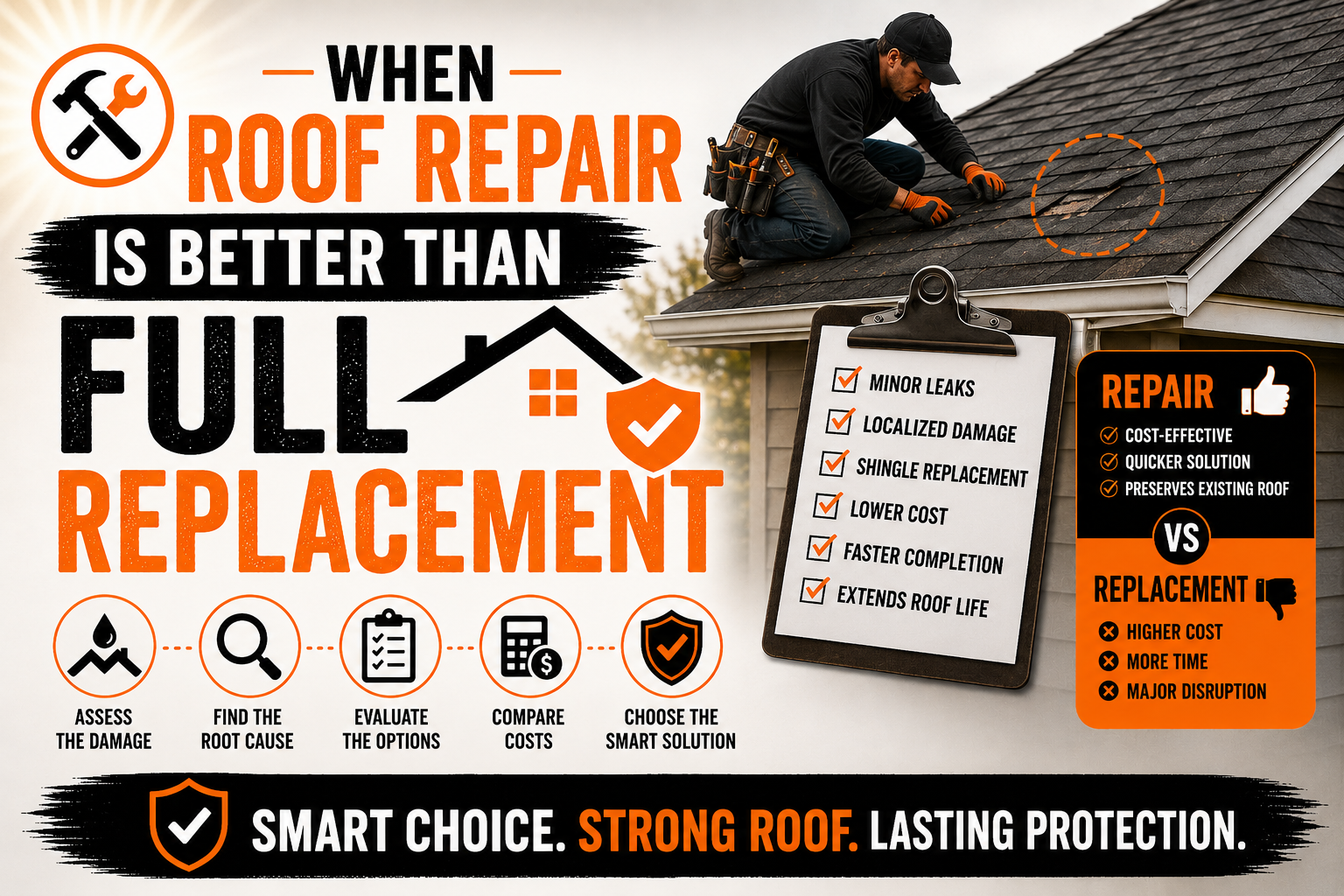
When Roof Repair Is Better Than Full Replacement
Introduction
A damaged roof often raises an important question for homeowners and property managers. Should the roof be repaired, or is it time for a complete replacement? While many people assume that significant roof damage automatically requires a new roof, that is not always the most practical or cost-effective solution. In many situations, professional repairs can restore the roof’s performance and extend its lifespan without the expense of a full replacement.
Modern roofing systems are designed to withstand years of exposure to changing weather conditions, sunlight, wind, and moisture. Even durable roofing materials, however, eventually experience wear and tear. The key is determining whether the damage is isolated and repairable or whether it has become widespread enough to justify replacing the entire roofing system.
Choosing between repair and replacement involves more than comparing costs. The age of the roof, the type of roofing material, the extent of structural damage, previous maintenance history, and long-term property plans all influence the decision. A thorough roof inspection provides the information needed to evaluate these factors accurately.
Many roofs continue performing well for years after professional repairs. Addressing localized leaks, damaged flashing, missing shingles, or minor storm damage often restores the roof’s protective ability while preserving the remaining roofing materials. This approach can reduce costs, minimize disruption, and postpone the need for replacement.
On the other hand, repairing a roof that has reached the end of its service life may provide only temporary relief. Repeated repairs on a severely deteriorated roof often become more expensive over time than investing in a complete replacement. Understanding where this balance lies helps property owners make informed decisions.
This article explores when roof repair is the better option than full replacement, the factors roofing professionals evaluate before making recommendations, and the benefits of preserving an existing roof whenever practical.
Understanding the Difference Between Roof Repair and Roof Replacement
Although both repair and replacement restore a roof’s ability to protect a building, they differ significantly in scope, cost, and long-term objectives. Understanding these differences helps property owners evaluate recommendations more confidently.
Roof repair focuses on correcting specific areas of damage while preserving the majority of the existing roofing system. Contractors replace damaged materials, repair flashing, seal vulnerable areas, improve drainage, or restore localized sections affected by leaks or storm damage. The goal is to restore functionality without disturbing undamaged portions of the roof.
Roof replacement, by comparison, involves removing part or all of the existing roofing system before installing new materials. Depending on the roof’s condition, replacement may also include new underlayment, flashing, decking repairs, insulation improvements, and upgraded ventilation components. This process provides an entirely renewed roofing system with a new expected service life.
Repair projects generally require less time than complete replacements. Since only affected sections are addressed, construction is usually completed more quickly while creating less disruption for homeowners or building occupants. This shorter timeline often makes repairs attractive when damage is limited.
Replacement projects involve more extensive planning and construction. Larger quantities of materials, longer labor schedules, debris removal, and additional inspections contribute to increased project duration. While this investment is greater, it often provides a long-term solution when widespread deterioration is present.
Cost differences between the two options are also substantial. Repairs typically involve fewer materials and less labor, making them more affordable in the short term. Replacement requires a larger financial commitment because nearly every roofing component is renewed.
Appearance may also influence the decision. A repaired roof may contain new materials that differ slightly in color from weathered sections, particularly on older roofs. Replacement creates a uniform appearance across the entire building while improving overall curb appeal.
Maintenance expectations differ as well. A repaired roof continues following the maintenance schedule appropriate for its existing age, while a newly replaced roof begins a new maintenance cycle with modern materials and updated warranties.
Neither option is automatically better in every situation. The most appropriate choice depends on the condition of the existing roof and whether repairs can continue providing reliable protection for several more years.
Understanding the purpose of each approach helps property owners recognize that replacement should not be considered the default solution. Many roofs continue performing successfully with targeted repairs when the underlying structure remains in good condition.
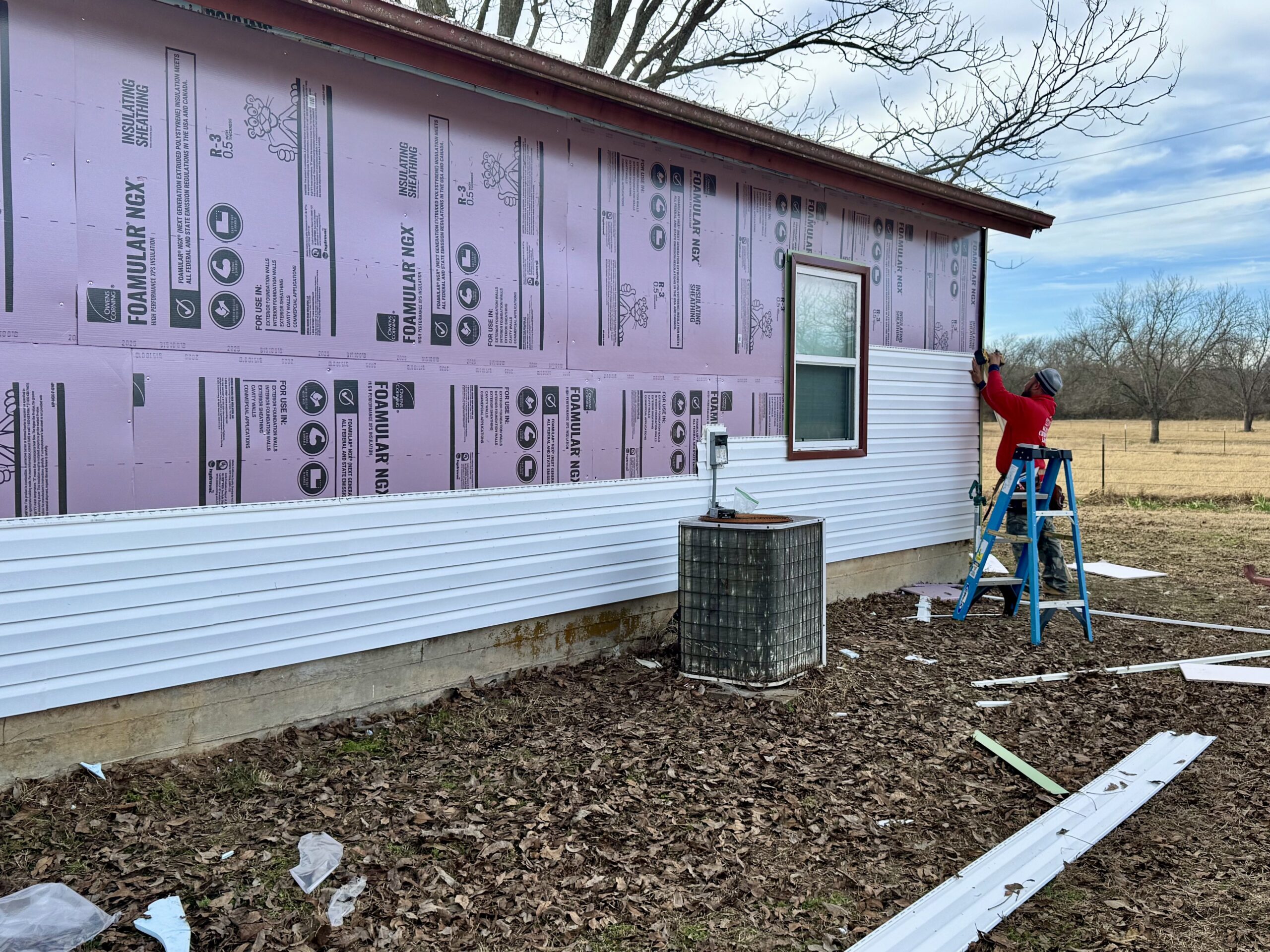
When Roof Repair Is the Better Option
Roof repair becomes the preferred solution when damage is limited and the majority of the roofing system remains structurally sound. In these situations, repairing affected areas provides dependable protection while preserving the value of the existing roof.
Localized damage is one of the strongest indicators that repair is appropriate. Missing shingles, isolated leaks, damaged flashing, or small punctures often affect only a limited section of the roof. Correcting these problems promptly prevents them from spreading into larger structural issues.
Relatively new roofs are also strong candidates for repair. Roofing systems that remain well within their expected service life generally have many years of performance remaining. Replacing an otherwise healthy roof because of minor damage rarely represents the most economical choice.
Storm damage frequently falls into this category as well. High winds, hail, or falling branches may damage specific sections while leaving the remainder of the roof in excellent condition. Professional repairs restore weather resistance without requiring unnecessary replacement of unaffected materials.
Repair is also appropriate when the roof has received consistent maintenance over the years. Regular inspections and timely repairs often preserve the overall condition of roofing materials, allowing localized damage to be corrected without compromising long-term reliability.
Buildings preparing for future renovations may also benefit from repairs rather than immediate replacement. Property owners planning major additions, remodeling projects, or structural improvements sometimes choose repairs to extend the roof’s lifespan until larger construction work begins.
Budget considerations may support repair when the roof remains in good overall condition. Investing in quality repairs allows property owners to address immediate concerns while preparing financially for eventual replacement later in the roof’s service life.
Historic buildings often benefit from carefully planned roof repairs because preserving original architectural materials remains an important objective. Skilled restoration work maintains both structural performance and historical character without unnecessary replacement.
Commercial properties frequently choose repairs when damage is limited to isolated areas. Repairing localized problems minimizes disruption to business operations while maintaining the effectiveness of the overall roofing system.
Choosing repair in appropriate situations allows property owners to maximize the value of their existing roof. When completed correctly, professional repairs extend service life, improve performance, and postpone the significant investment associated with full replacement.
Common Roof Problems That Can Be Repaired Successfully
Many roofing issues can be corrected effectively without replacing the entire roof. The success of these repairs depends on accurate diagnosis, quality workmanship, and the overall condition of the surrounding roofing materials.
Damaged or missing shingles are among the most common repair situations. Strong winds, aging, or falling debris may remove or crack individual shingles while leaving neighboring materials intact. Replacing these damaged sections restores weather protection and prevents moisture intrusion.
Flashing problems are another frequent repair category. Flashing protects roof valleys, chimneys, skylights, vents, and wall intersections where leaks commonly develop. Replacing deteriorated flashing often resolves persistent water intrusion without requiring widespread roofing work.
Minor roof leaks are usually repairable when identified early. Once the source of the leak is located, contractors replace damaged materials, repair flashing, or reseal vulnerable areas to stop water from entering the building. Prompt repairs also help prevent hidden structural damage.
Roof vent damage can often be corrected without major construction. Vent boots, pipe seals, and ventilation components naturally wear over time but are generally designed to be replaced independently from the surrounding roofing materials.
Small punctures caused by falling branches or accidental impact also respond well to localized repairs. Restoring damaged sections before moisture spreads beneath the roof helps preserve the integrity of nearby materials.
Gutter-related issues occasionally contribute to roof leaks. Blocked or damaged gutters allow water to accumulate near roof edges, increasing the risk of moisture intrusion. Repairing or replacing drainage components often improves roof performance while preventing future leaks.
Sealant deterioration is another repairable condition. Roofing sealants around flashing, vents, and roof penetrations gradually lose flexibility because of weather exposure. Replacing aged sealants restores waterproof protection while extending the service life of surrounding materials.
Localized storm damage frequently affects only a portion of the roof. Hail impacts, lifted shingles, or damaged ridge caps often require repairs limited to specific sections rather than the entire roofing system.
Minor decking repairs may also be completed when moisture damage remains confined to a small area. Replacing limited sections of decking provides a stable foundation for new roofing materials while avoiding more extensive reconstruction.
Successful roof repairs depend on correcting both the visible damage and its underlying cause. When surrounding roofing materials remain in good condition, these targeted repairs often provide many additional years of reliable performance.
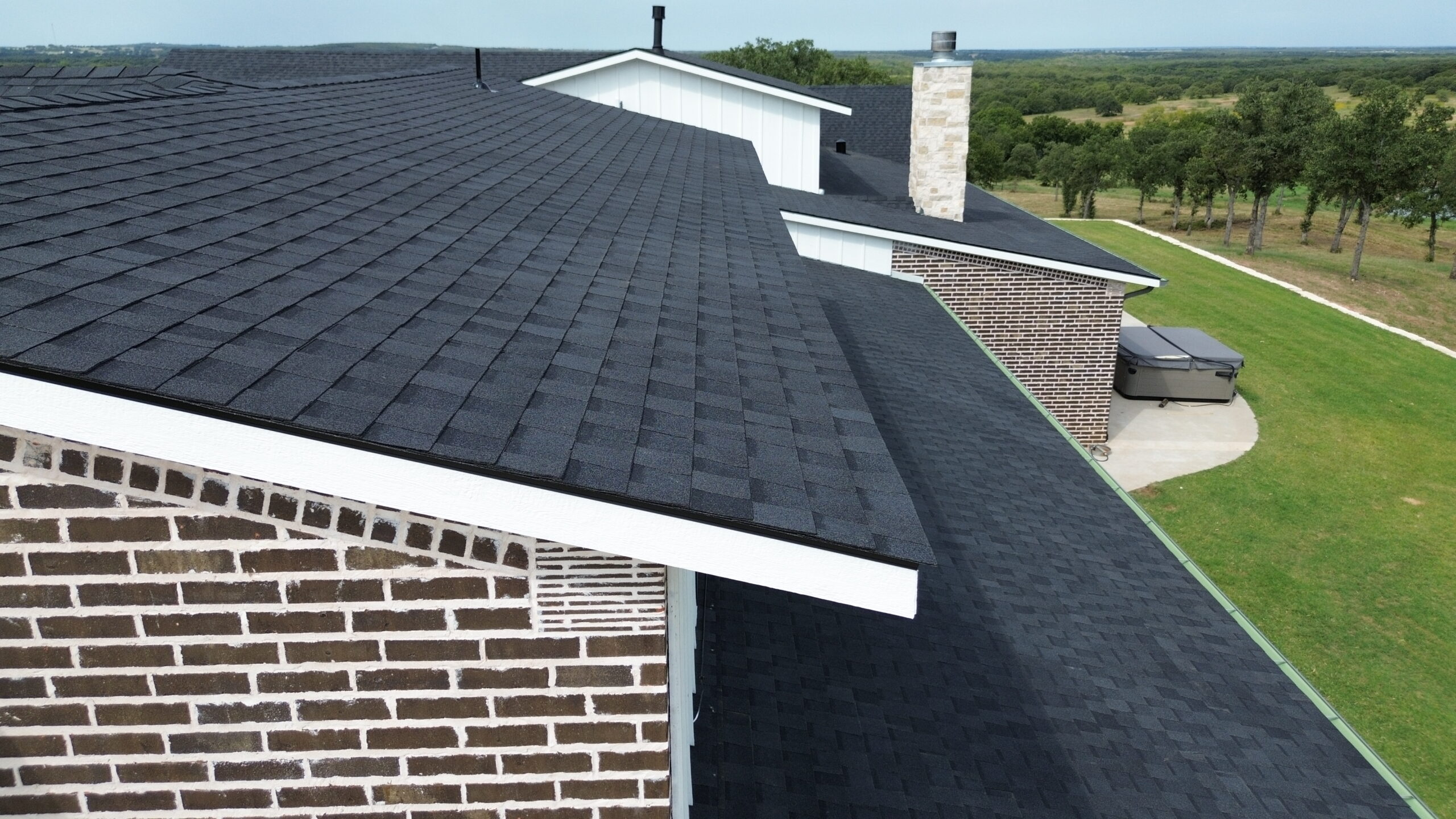
Factors That Roofing Professionals Evaluate Before Recommending Repairs
Professional roofing contractors evaluate much more than visible roof damage before deciding whether repairs are appropriate. Their recommendations are based on the condition of the entire roofing system rather than a single isolated problem.
The age of the roof is usually one of the first considerations. A relatively new roof with localized damage is often an excellent candidate for repair, while an older roof nearing the end of its service life may require more careful evaluation before recommending additional repairs.
The extent of damage also influences the decision. Contractors determine whether problems remain confined to one section or have spread throughout the roofing system. Widespread deterioration often changes the long-term value of continued repairs.
Roof decking receives careful attention during inspections. Soft, rotted, or structurally weakened decking affects the roof’s ability to support new roofing materials safely. Minor decking damage may be repaired, but extensive structural deterioration often influences the overall recommendation.
The condition of flashing, underlayment, and ventilation systems also plays an important role. Even when surface roofing materials appear acceptable, hidden components may require repairs to restore complete weather protection.
Evidence of repeated repairs is another consideration. Multiple patches, recurring leaks, or repeated repairs in the same location sometimes indicate deeper problems that simple repairs cannot permanently resolve.
Contractors also evaluate attic conditions. Moisture damage, mold growth, poor ventilation, and deteriorated insulation provide valuable information about how well the roofing system has been performing over time.
Roofing material availability may influence repair recommendations as well. Matching replacement materials becomes more difficult when products have been discontinued or weathered significantly. In some situations, maintaining consistent appearance may affect the recommended approach.
The owner’s long-term plans are equally important. Someone intending to sell the property soon may choose a different solution than an owner planning to remain in the building for decades. Contractors often consider these goals while discussing available options.
Finally, roofing professionals compare the expected lifespan remaining after repairs with the cost of the project. If quality repairs can reasonably extend roof performance for many years, repair often represents the better investment. This balanced evaluation helps property owners receive recommendations based on long-term value rather than immediate construction work alone.
Benefits of Choosing Roof Repair Instead of Full Replacement
When the roof remains structurally sound, choosing repair instead of full replacement offers several important advantages. The most obvious benefit is reduced cost, since repairs typically require fewer materials, less labor, and shorter project timelines than complete roof replacement.
Repairs also minimize disruption to daily activities. Homeowners experience less construction noise, businesses avoid extended interruptions, and multi family properties can often remain fully occupied while localized repairs are completed.
Preserving existing roofing materials provides another advantage. Replacing only damaged sections allows the remaining portions of the roof to continue serving their intended lifespan, maximizing the value of the original roofing investment.
Repair projects generally produce less construction waste than complete replacements. Fewer materials are removed and discarded, making repairs a more environmentally responsible option when the roof’s overall condition supports continued use.
Project completion is usually much faster as well. Many repairs can be completed within a day or several days depending on their complexity, while complete roof replacement often requires significantly more time.
Well-executed repairs also help maintain the property’s structural integrity. Correcting leaks, damaged flashing, or localized deterioration prevents moisture from spreading into insulation, roof decking, walls, and ceilings, reducing the likelihood of more expensive structural repairs later.
Repairs provide greater financial flexibility by postponing the larger investment associated with full replacement. This additional time allows property owners to budget more effectively while continuing to protect the building with a functional roofing system.
Finally, quality repairs often extend the roof’s useful life by several years. Combined with regular maintenance and periodic inspections, professional repairs help preserve roof performance until replacement becomes genuinely necessary rather than prematurely replacing a roof that still has substantial service life remaining.
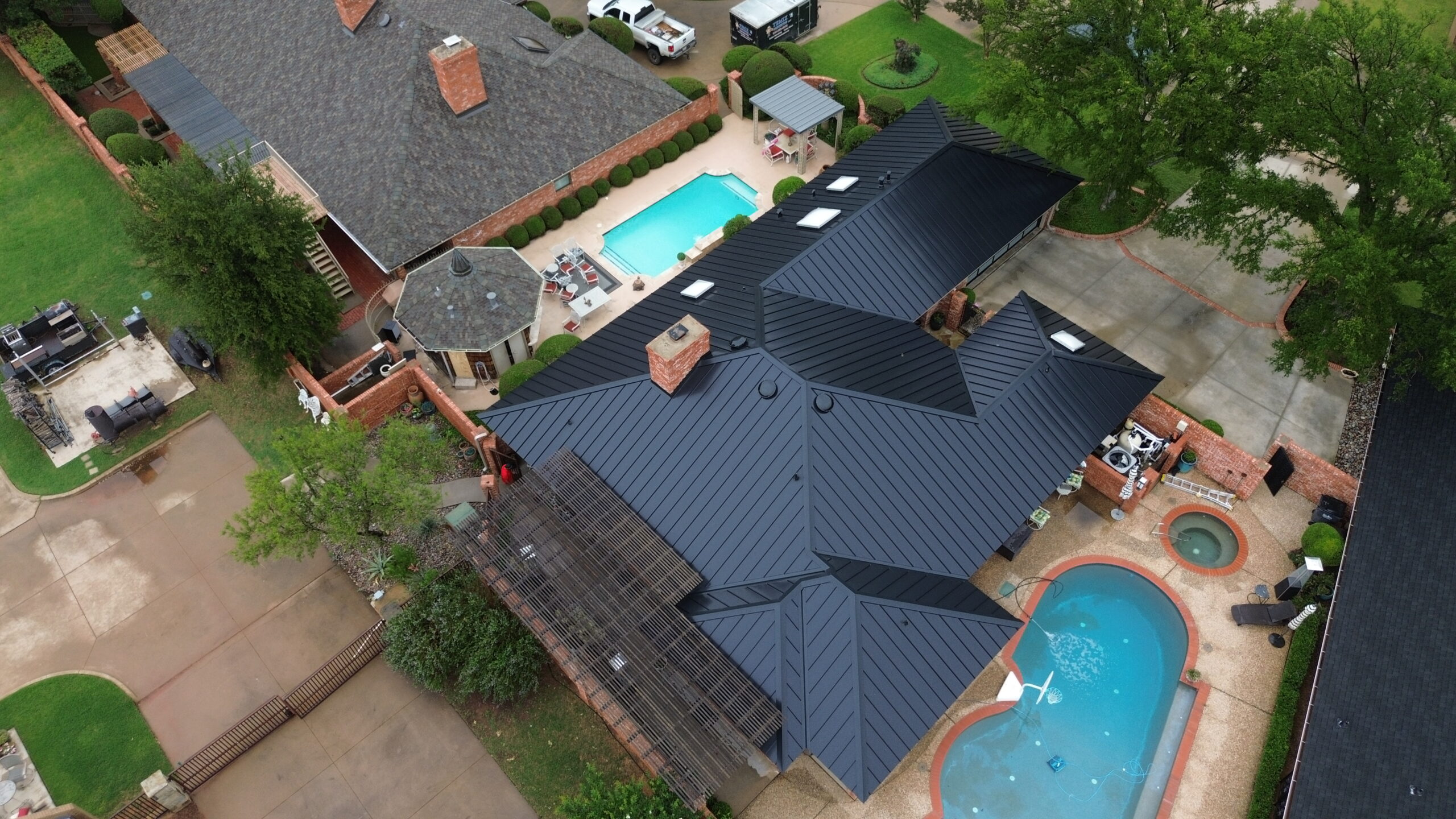
Situations Where Roof Repair Saves Time and Money
Roof repair is often the most practical solution when damage is limited and the overall roofing system remains in good condition. Instead of investing in a complete replacement, property owners can restore the roof’s performance while preserving materials that still have years of useful life remaining. This approach provides financial savings without compromising protection when repairs are properly completed.
One common situation involves localized storm damage. Strong winds may remove several shingles, hail may damage a small section of the roof, or a falling branch may puncture a limited area. If the surrounding roofing materials remain structurally sound, targeted repairs usually restore the roof without replacing unaffected sections.
Minor roof leaks also represent an ideal repair situation. Leaks caused by damaged flashing, worn sealants, or isolated roofing defects can often be corrected before moisture spreads into structural components. Early intervention prevents additional damage while keeping repair costs relatively low.
Buildings that have received regular maintenance frequently benefit from repairs rather than replacement. Routine inspections help identify problems early, allowing contractors to correct them before they affect larger portions of the roofing system. Consistent maintenance extends roof life while reducing the need for major construction projects.
Property owners planning future renovations sometimes choose repairs as a temporary but reliable solution. Extending the roof’s lifespan for several years allows replacement to coincide with remodeling or expansion projects, reducing overall construction costs and minimizing repeated disruptions.
Commercial buildings also benefit from localized repairs because they reduce interruptions to business operations. Repairing only the affected area allows normal activities to continue while preserving the functionality of the remaining roof.
Repairs often require fewer materials than complete replacement, reducing both construction waste and project expenses. Property owners preserve roofing components that remain in good condition while replacing only the damaged sections that affect performance.
Insurance considerations may also support repairs. Some weather-related claims involve isolated damage that can be restored without replacing the entire roof. Professional inspections help determine whether repairs satisfy both structural requirements and insurance expectations.
In many situations, repairs provide an effective balance between cost, performance, and long-term durability. When completed correctly, they allow property owners to maximize the remaining service life of the existing roof while postponing the larger investment associated with replacement.
How Roof Age Influences the Repair Decision
The age of a roof is one of the most important factors considered when deciding between repair and replacement. Roofing materials naturally deteriorate over time, but age alone does not determine whether repairs remain practical. The overall condition of the roofing system is equally important.
A relatively new roof with isolated damage is usually an excellent candidate for repair. Most roofing materials retain their structural integrity during the early years of service, making localized repairs both reliable and cost effective. Replacing an entire roof at this stage would rarely be necessary unless severe structural damage has occurred.
Middle-aged roofs often require more detailed evaluation. Although the roof may still have many years of useful life remaining, contractors assess the condition of surrounding materials to determine whether repairs will provide dependable long-term performance. Proper maintenance during earlier years often allows these roofs to continue functioning effectively after repairs.
Older roofs require more careful consideration because deterioration may affect multiple components simultaneously. Roofing materials, flashing, sealants, underlayment, and ventilation systems all experience gradual wear over time. Even if visible damage appears limited, hidden issues may influence the overall recommendation.
Maintenance history also affects how roof age is evaluated. A twenty-year-old roof that has received regular inspections and timely repairs may remain in much better condition than a younger roof that has experienced years of neglected maintenance. Consistent care often extends the practical lifespan of roofing materials.
Climate conditions further influence aging. Roofs exposed to frequent storms, intense sunlight, heavy snowfall, or coastal environments generally experience faster deterioration than those located in milder climates. Contractors consider local weather patterns when estimating the remaining service life.
Material type plays an important role as well. Some roofing products naturally last longer than others, meaning age should always be considered together with the specific material installed on the building. Two roofs of the same age may require different recommendations because their materials age at different rates.
Roofing professionals also compare the expected lifespan remaining after repairs with the cost of the project. If quality repairs are likely to provide several additional years of dependable service, repairing the roof often represents better value than immediate replacement.
Rather than using age as the only deciding factor, experienced contractors evaluate how well the roof has performed throughout its life. This balanced assessment leads to recommendations based on condition, reliability, and long-term value rather than years alone.
The Impact of Roofing Materials on Repair Feasibility
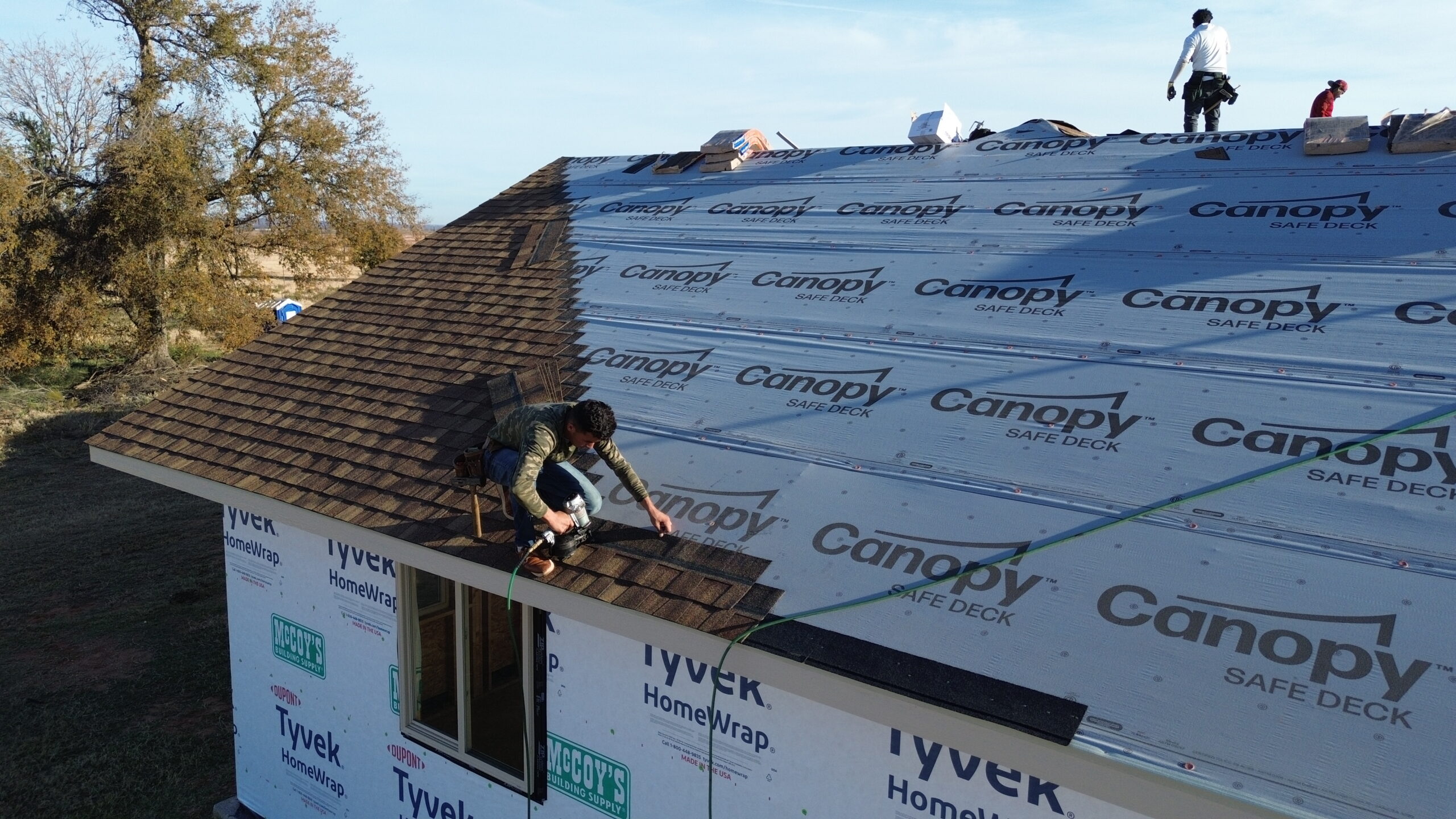
The type of roofing material installed on a building significantly influences whether repairs are practical. Each material has unique characteristics that affect durability, repair methods, and long-term performance. Understanding these differences helps property owners appreciate why repair recommendations vary between roofing systems.
Asphalt shingles remain one of the easiest roofing materials to repair. Individual shingles can usually be replaced without disturbing large portions of the roof, making localized repairs efficient and affordable. Matching replacement shingles is often straightforward for relatively new roofs.
Metal roofing also responds well to repairs when damage remains confined to specific panels or flashing sections. Properly installed metal roofs are highly durable, allowing localized repairs to restore performance while preserving the majority of the roofing system.
Tile roofs require more specialized repair techniques because individual tiles may crack if handled improperly. Nevertheless, replacing isolated damaged tiles is often practical when matching materials remain available and the supporting structure remains sound.
Slate roofing offers exceptional longevity but requires experienced professionals during repairs. Individual slate pieces can often be replaced successfully, extending the roof’s service life without disturbing surrounding sections.
Flat roofing systems depend heavily on membrane integrity. Small punctures, seam separation, or flashing defects are frequently repairable when identified early. Delaying repairs, however, may allow moisture to spread beneath the membrane and increase project complexity.
Wood shake roofs can also be repaired when deterioration remains localized. Replacing damaged shakes while preserving healthy sections helps maintain both appearance and functionality, although contractors must ensure that surrounding materials remain structurally sound.
Material availability becomes increasingly important as roofs age. Discontinued products or weathered finishes may make matching replacement materials more difficult. Contractors evaluate both technical performance and appearance when recommending repairs.
Compatibility between new and existing materials is another consideration. Replacement products should perform similarly to surrounding roofing materials to maintain consistent expansion, weather resistance, and durability over time.
Choosing repair often depends on whether the roofing material still provides reliable protection beyond the damaged area. When the majority of the roof remains in good condition, preserving existing materials usually represents the most efficient solution.
Structural Conditions That Support Roof Repairs
The structural condition of a roof plays a major role in determining whether repairs will provide lasting results. Even when roofing materials appear damaged, the underlying structure may remain strong enough to support effective repairs without requiring complete replacement.
Roof decking is one of the first structural components evaluated during inspections. Solid decking provides a stable foundation for roofing materials and allows localized repairs to perform effectively. Small sections affected by moisture can often be replaced without disturbing the rest of the roof.
Roof framing also influences repair decisions. Rafters and trusses that remain straight, dry, and structurally sound generally support continued roof repairs. Significant structural movement or widespread deterioration, however, may require more extensive restoration.
Moisture damage is carefully assessed during inspections. Limited water intrusion confined to one area usually allows localized repairs, while extensive moisture affecting large sections of decking or framing may indicate broader structural concerns.
Ventilation systems are also evaluated because proper airflow protects roofing materials and structural components from excessive heat and moisture. Correcting ventilation deficiencies during repairs helps improve long-term roof performance.
Insulation condition provides additional information about the roof’s overall health. Dry, well-maintained insulation suggests that water intrusion has remained limited, while saturated insulation often indicates more widespread moisture problems requiring further investigation.
Contractors also examine signs of roof movement such as sagging sections, uneven roof lines, or visible structural deformation. These conditions may suggest underlying issues that extend beyond surface roofing materials.
Localized structural repairs often provide excellent long-term results when the majority of the roof remains stable. Replacing small sections of decking or reinforcing limited framing damage allows the existing roofing system to continue functioning effectively.
Comprehensive inspections ensure that structural repairs address both visible damage and hidden weaknesses. This approach increases confidence that the repaired roof will continue providing reliable protection for many years.
Comparing Roof Repair and Roof Replacement Costs
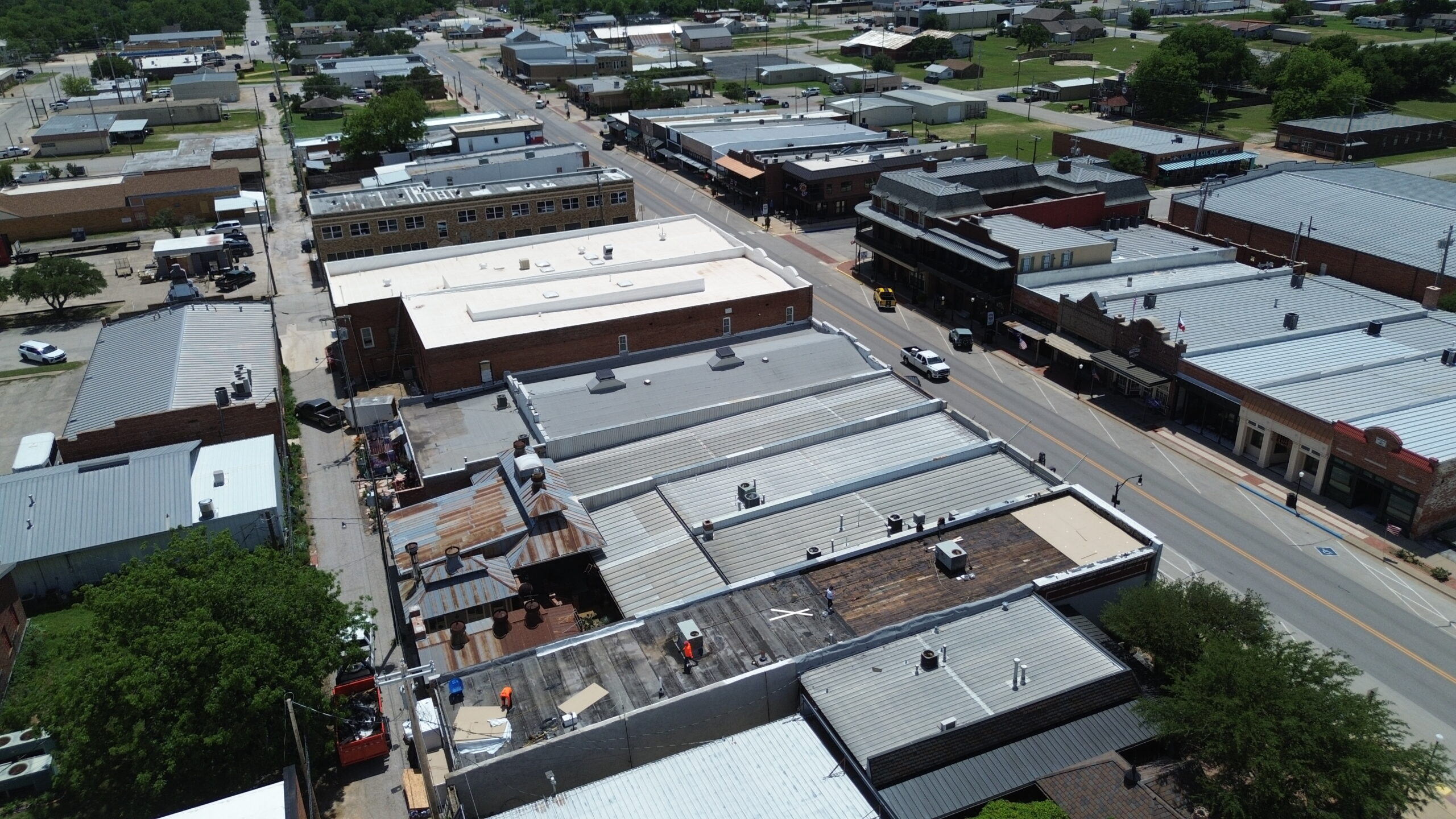
Cost is one of the most influential factors when deciding between roof repair and replacement, but the comparison extends beyond the initial project price. Property owners should evaluate both immediate expenses and long-term value before making a final decision.
Roof repairs generally require fewer materials and less labor than complete replacement. Because only damaged sections are addressed, the overall project cost remains significantly lower in many situations. This makes repairs particularly attractive when the roof still has substantial service life remaining.
Replacement involves renewing the entire roofing system, including many components that may still be functioning properly. Although this larger investment provides a new roof with an extended lifespan, it may not always represent the most economical choice when damage remains localized.
Future maintenance costs should also be considered. A properly repaired roof in good condition may require only routine inspections and minor maintenance for several years. This allows property owners to postpone replacement while continuing to benefit from reliable weather protection.
Repair projects also reduce indirect expenses associated with larger construction work. Shorter project durations minimize disruption to homeowners, businesses, or tenants while reducing waste disposal and material transportation requirements.
Energy efficiency improvements may influence long-term financial decisions as well. If the existing roof already performs efficiently, repairing localized damage often preserves these benefits without requiring full replacement.
Property owners planning to remain in the building for many years should compare cumulative repair expenses with the cost of eventual replacement. Frequent repairs on an aging roof may eventually exceed the value of installing a new roofing system.
Professional inspections help clarify these financial comparisons by identifying the roof’s current condition and estimating its remaining service life after repairs. Accurate information allows property owners to balance short-term affordability with long-term performance.
Choosing repair over replacement often delivers excellent financial value when the roofing system remains structurally sound. Careful evaluation ensures that savings today do not lead to greater expenses in the future.
Repair Versus Replacement Comparison
Understanding the practical differences between repair and replacement helps property owners evaluate recommendations more effectively. The following comparison highlights situations where each option is generally most appropriate.
| Factor | Roof Repair | Roof Replacement |
|---|---|---|
| Initial Cost | Lower upfront investment | Higher initial investment |
| Best For | Localized damage and structurally sound roofs | Widespread deterioration or aging roofs |
| Project Duration | Usually completed more quickly | Longer construction timeline |
| Material Usage | Replaces only damaged sections | Installs an entirely new roofing system |
| Disruption | Minimal disruption to occupants | Greater temporary disruption during construction |
| Future Maintenance | Routine maintenance continues based on roof age | Maintenance begins with a new roofing lifecycle |
| Environmental Impact | Less construction waste | More material removal and disposal |
| Long-Term Value | Excellent when the roof still has years of service remaining | Best when the existing roof has reached the end of its lifespan |
This comparison shows that roof repair is often the better option when the roof remains structurally healthy and damage is limited. Replacement becomes the stronger investment only when repairs can no longer provide dependable long-term performance.
When Roof Replacement Becomes the Better Long Term Investment
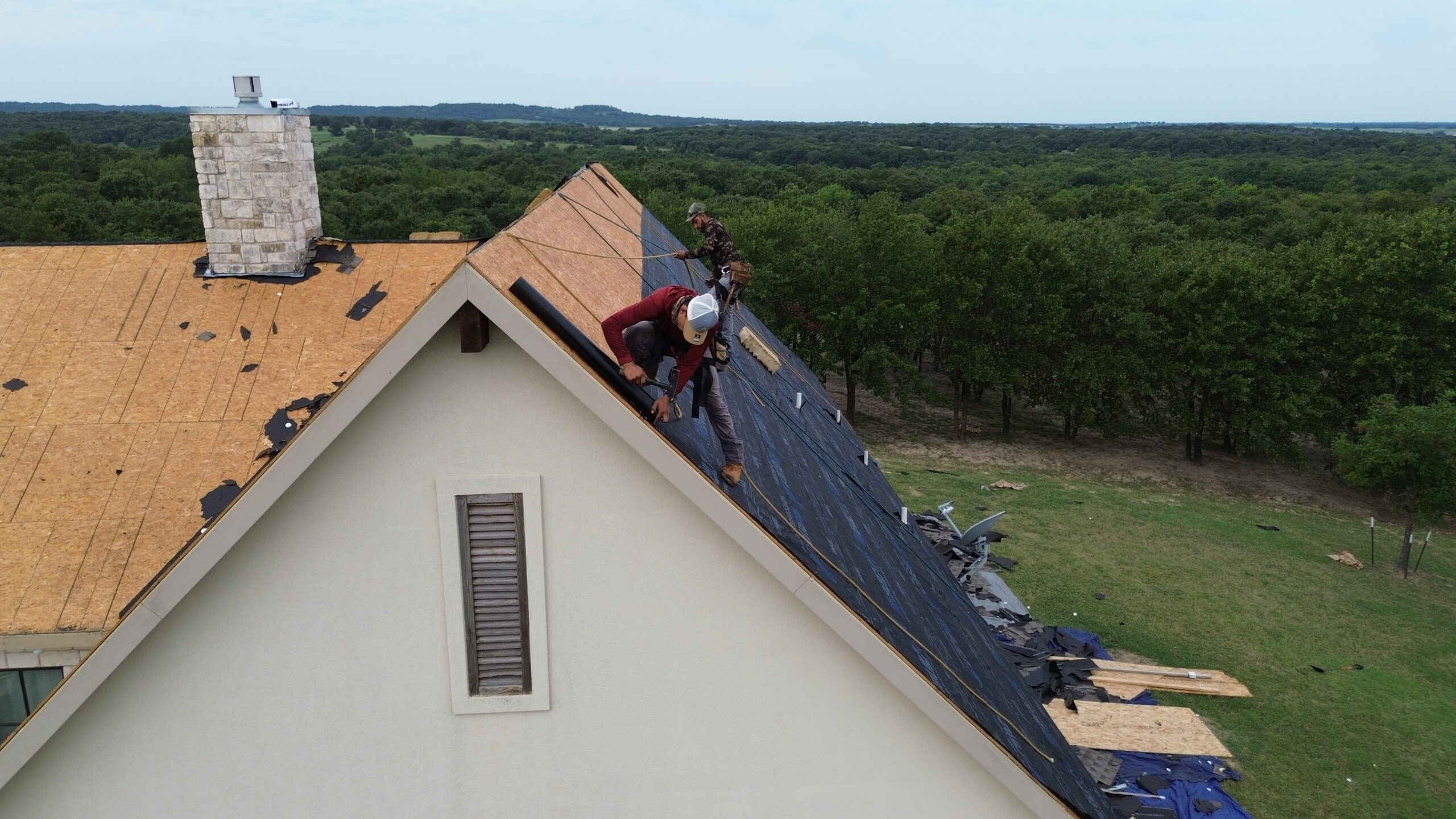
Although roof repair is often the most practical solution, there are situations where a complete replacement provides greater long-term value. Recognizing these situations helps property owners avoid repeated repair expenses while restoring dependable protection for many years.
One of the clearest signs is widespread deterioration across the roofing system. When large sections of shingles, tiles, or roofing membranes have reached the end of their service life, repairing isolated areas may no longer provide reliable performance. Replacing the roof eliminates multiple aging components at the same time.
Extensive structural damage also supports replacement. If moisture has weakened roof decking, framing, or insulation across significant portions of the building, repairing only the surface materials may leave hidden problems unresolved. A complete replacement allows these structural issues to be corrected during construction.
Repeated roof leaks are another indication that replacement may be the better investment. Multiple repairs in different locations often suggest that the roof has reached a stage where new problems will continue developing despite previous maintenance. Replacing the roofing system provides a fresh starting point with modern materials and installation methods.
Property owners planning long-term occupancy may also benefit from replacement. A new roof offers an extended service life, updated warranties, and improved durability that reduce maintenance concerns for many years. This long-term reliability often justifies the higher initial investment.
Energy efficiency improvements may influence the decision as well. Modern roofing systems frequently include better insulation, ventilation, and reflective materials that improve indoor comfort while reducing heating and cooling expenses. These savings accumulate over time and contribute to the overall value of replacement.
Insurance requirements occasionally affect replacement decisions. Some severely damaged roofs may no longer meet coverage expectations or local building regulations without significant upgrades. Replacing the roof helps restore compliance while improving overall building protection.
Future renovation plans should also be considered. If major remodeling projects are already scheduled, replacing the roof during the same construction period often improves project efficiency while reducing repeated labor and material handling.
The decision to replace a roof should always be based on its overall condition rather than a single damaged area. Professional inspections provide the information needed to determine whether continued repairs remain practical or whether replacement offers the better long-term solution.
How to Decide Between Repair and Replacement
Choosing between roof repair and replacement requires evaluating several factors together rather than relying on a single issue. A systematic approach helps property owners make decisions that balance immediate costs with future performance.
The first step is obtaining a comprehensive roof inspection. A detailed evaluation identifies both visible and hidden damage while estimating the remaining service life of the roofing system. Accurate information forms the foundation of every informed decision.
The extent of damage should then be considered. Localized problems affecting a small portion of the roof often support repairs, while widespread deterioration across multiple sections may justify replacement. Understanding how far damage has spread is essential.
Roof age also plays an important role. A newer roof with isolated damage usually benefits from repairs, while an older roof nearing the end of its expected lifespan may provide greater value through replacement. Age should always be evaluated together with overall condition rather than independently.
Property owners should compare the projected lifespan after repairs with the investment required. If repairs are likely to provide many additional years of reliable performance, they often represent the more economical choice. If only a short extension of service life is expected, replacement may become more practical.
Long-term ownership plans also influence the decision. Those intending to remain in the property for many years may benefit from investing in a new roofing system, while shorter ownership plans may support quality repairs when the roof remains structurally sound.
Budget considerations deserve careful evaluation as well. Repairs generally require lower immediate investment, but repeated maintenance on an aging roof may eventually exceed the cost of replacement. Comparing long-term financial outcomes provides a clearer perspective than focusing only on today’s expenses.
Property appearance can also affect the decision. While repairs restore functionality, replacement provides a consistent appearance across the entire roof. This may become important for homeowners preparing to sell or improve curb appeal.
Consulting experienced roofing professionals helps ensure that recommendations are based on technical evidence rather than assumptions. Reliable contractors explain both options clearly while allowing property owners to choose the solution that best meets their needs.
Making the right decision involves balancing structural condition, financial planning, expected roof lifespan, and future property goals. This comprehensive approach helps maximize the value of every roofing investment.
Choosing the Right Roofing Contractor for an Honest Recommendation
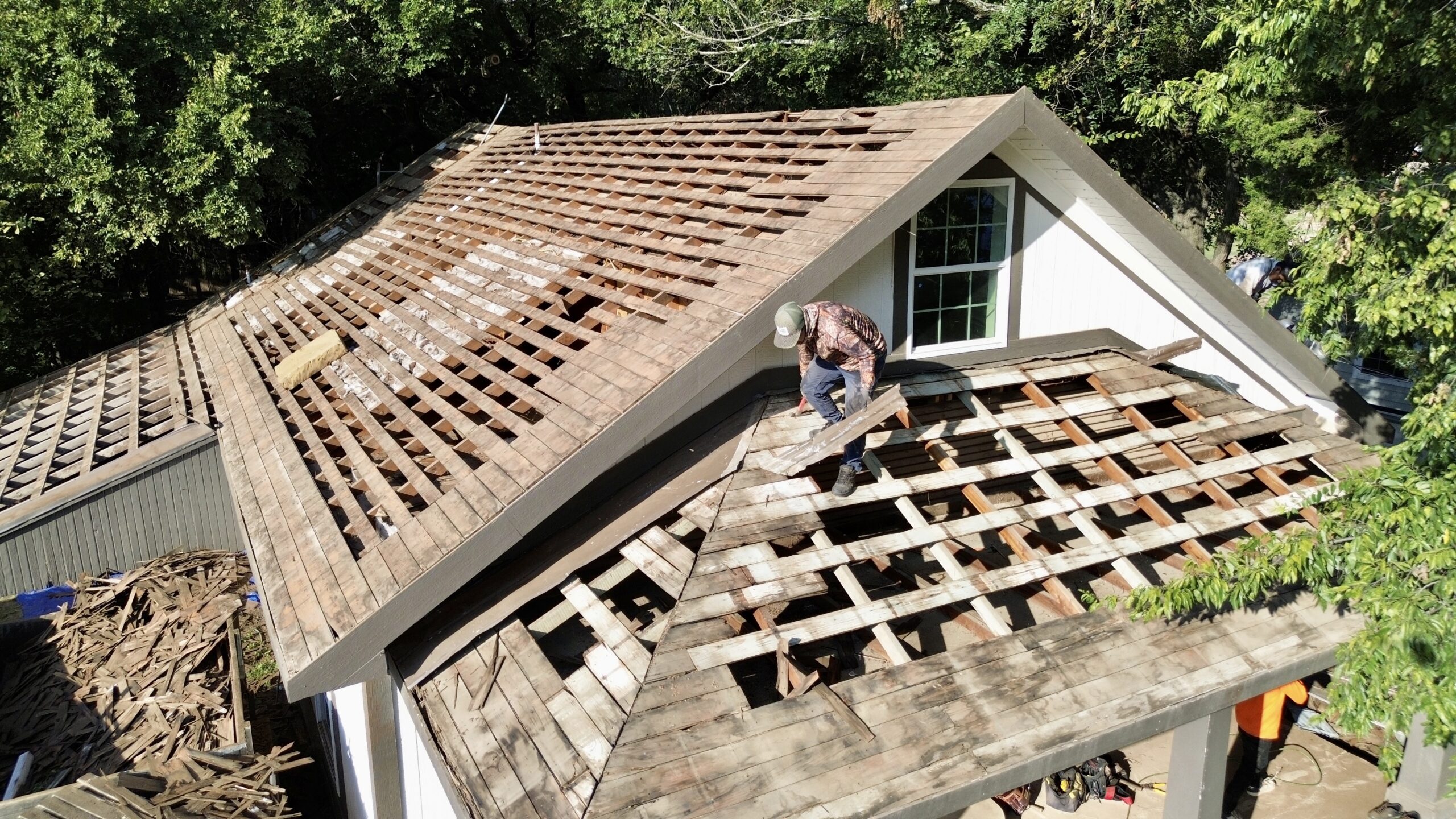
The quality of a roofing recommendation depends largely on the experience and integrity of the contractor performing the inspection. Choosing the right professional increases confidence that repair or replacement recommendations are based on the roof’s actual condition rather than unnecessary construction work.
Property owners should begin by selecting licensed and insured roofing contractors with experience working on similar roofing systems. Professional credentials demonstrate a commitment to industry standards while providing protection throughout the project.
Comprehensive inspections are another important characteristic of reputable contractors. Experienced professionals evaluate roofing materials, flashing, underlayment, ventilation, drainage, attic conditions, and structural components before recommending repairs or replacement.
Written inspection reports provide valuable transparency. Detailed documentation, including photographs and explanations of identified problems, allows property owners to understand why certain recommendations have been made. This information also makes it easier to compare proposals from different contractors.
Good communication remains essential throughout the decision-making process. Contractors should explain the advantages and limitations of both repair and replacement while answering questions clearly. Honest recommendations focus on the building’s long-term performance rather than encouraging unnecessary work.
References and previous project experience also help evaluate contractor reliability. Speaking with former clients provides insight into workmanship, professionalism, scheduling, and customer satisfaction. Positive experiences from previous customers often indicate consistent service quality.
Warranty coverage should be discussed before approving any project. Reputable contractors stand behind both their workmanship and the roofing materials they install. Understanding warranty terms provides additional confidence in the quality of the completed work.
Property owners should avoid making decisions based solely on the lowest estimate. Contractors offering unusually low prices may reduce material quality or omit important repairs that affect long-term roof performance. Comparing the complete scope of work provides a more meaningful basis for evaluation.
Selecting the right contractor helps ensure that repair recommendations reflect genuine roofing needs. Professional inspections, honest communication, and quality workmanship all contribute to better long-term outcomes for the property.
Preventive Maintenance to Extend the Life of a Repair
After a roof has been repaired, preventive maintenance becomes essential for protecting the investment and extending the roof’s remaining service life. Consistent care reduces the likelihood of recurring problems while preserving the performance of repaired sections.
Regular roof inspections remain the foundation of preventive maintenance. Annual professional evaluations help identify developing issues before they require extensive repairs. Additional inspections following severe storms provide an opportunity to detect hidden damage while it remains relatively minor.
Keeping the roof clean also supports long-term durability. Leaves, branches, dirt, and debris trap moisture against roofing materials while blocking drainage systems. Removing these materials allows the roof to dry more efficiently after rainfall.
Gutters and downspouts should be cleaned regularly to ensure proper water flow. Effective drainage prevents standing water from increasing stress on roofing materials and reduces the risk of leaks near roof edges.
Flashing and roof penetrations require ongoing attention because these areas remain particularly vulnerable to weather exposure. Inspecting sealants around chimneys, skylights, vents, and mechanical equipment helps prevent water intrusion before significant damage develops.
Attic ventilation should also be monitored. Proper airflow reduces heat and moisture buildup beneath the roof, helping roofing materials last longer while protecting insulation and structural framing. Balanced ventilation also supports better energy efficiency throughout the building.
Tree maintenance contributes to roof preservation by reducing the risk of impact damage during storms. Trimming overhanging branches also limits debris accumulation that may interfere with roof drainage.
Property owners should respond quickly to any signs of new roof damage. Small leaks, missing shingles, or damaged flashing are generally less expensive to repair when addressed immediately. Delaying maintenance allows problems to spread into larger sections of the roofing system.
Maintaining inspection records and repair documentation provides valuable information for future maintenance planning. Tracking the roof’s condition over time helps contractors identify recurring issues while supporting more accurate repair recommendations.
Preventive maintenance allows repaired roofs to continue performing effectively for many years. Consistent care protects both the roofing system and the building beneath it while delaying the need for eventual replacement.
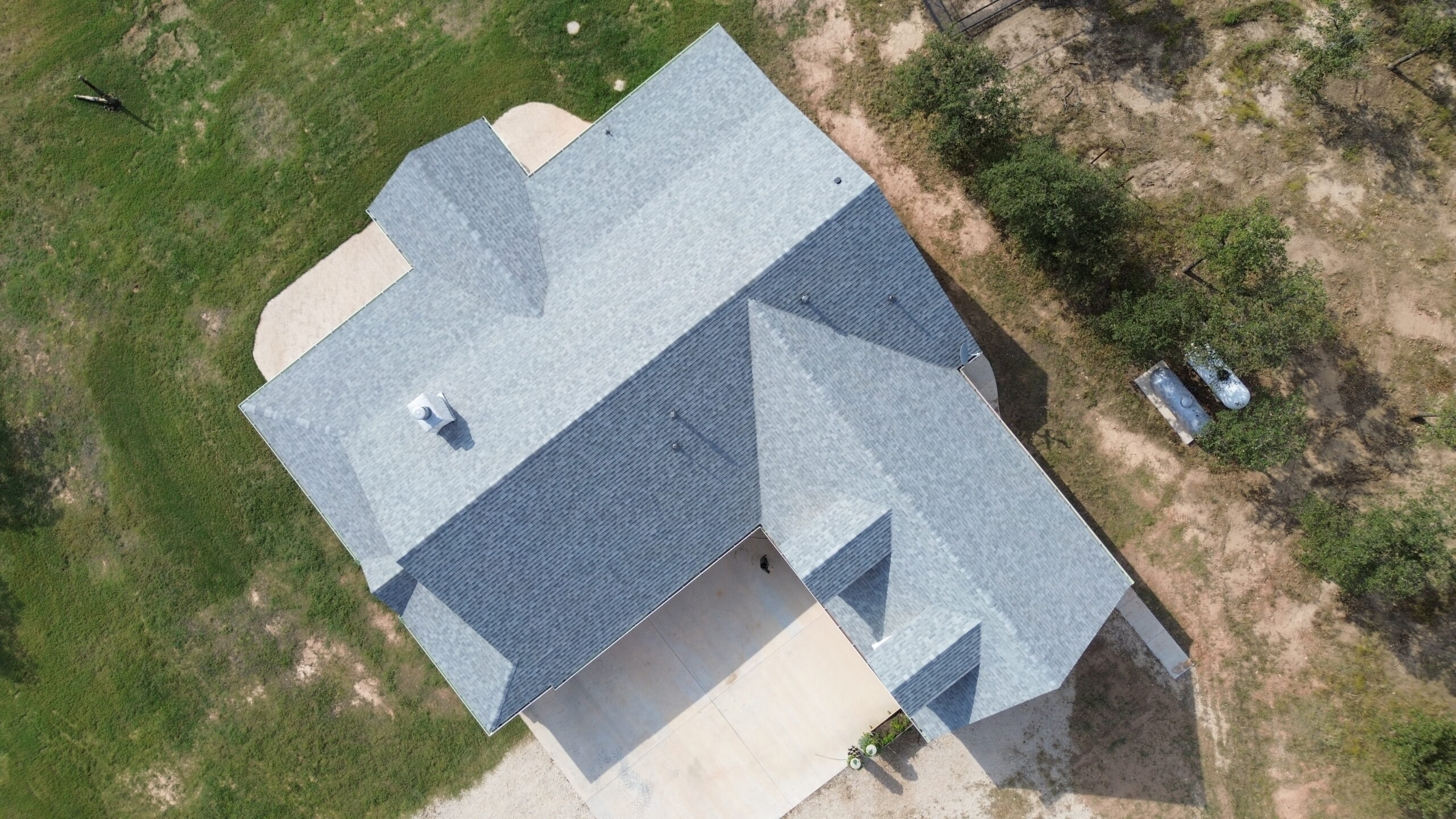
Steps to Determine Whether Roof Repair Is the Right Choice
Making the right decision becomes easier when property owners follow a structured evaluation process.
- Schedule a professional roof inspection.
- Identify the location and extent of roof damage.
- Evaluate the overall condition and age of the roofing system.
- Check for hidden structural damage beneath the roofing materials.
- Compare the estimated lifespan remaining after repairs.
- Review repair costs alongside potential replacement costs.
- Consider long-term ownership and renovation plans.
- Compare contractor recommendations and written estimates.
- Choose the solution that provides the greatest long-term value.
- Schedule regular maintenance after repairs or replacement.
Following these steps helps property owners make informed decisions based on technical evidence rather than assumptions or short-term cost alone.
Frequently Asked Questions
Is roof repair always less expensive than replacement?
In most situations, yes. Repairs generally require fewer materials and less labor than complete replacement. However, repeated repairs on a severely deteriorated roof may eventually become more expensive than installing a new roofing system.
How do I know if my roof is too old to repair?
Age alone is not enough to determine whether repairs remain practical. A professional inspection evaluates the overall condition of roofing materials, structural components, and remaining service life before making recommendations.
Can storm-damaged roofs usually be repaired?
Yes, if the damage is limited and the majority of the roofing system remains in good condition. Localized storm damage often responds well to professional repairs without requiring complete replacement.
Will repairs make my roof last longer?
Quality repairs combined with regular maintenance can significantly extend the useful life of a structurally sound roof. Addressing problems early helps prevent additional deterioration.
Should I get more than one roofing estimate?
Obtaining multiple detailed estimates is generally recommended. Comparing inspection findings, repair methods, material quality, and warranties helps property owners make better-informed decisions.
What is the biggest advantage of repairing instead of replacing?
The primary advantage is preserving a functional roofing system while reducing immediate costs and minimizing disruption. When the roof remains structurally healthy, repairs often provide many additional years of reliable protection.
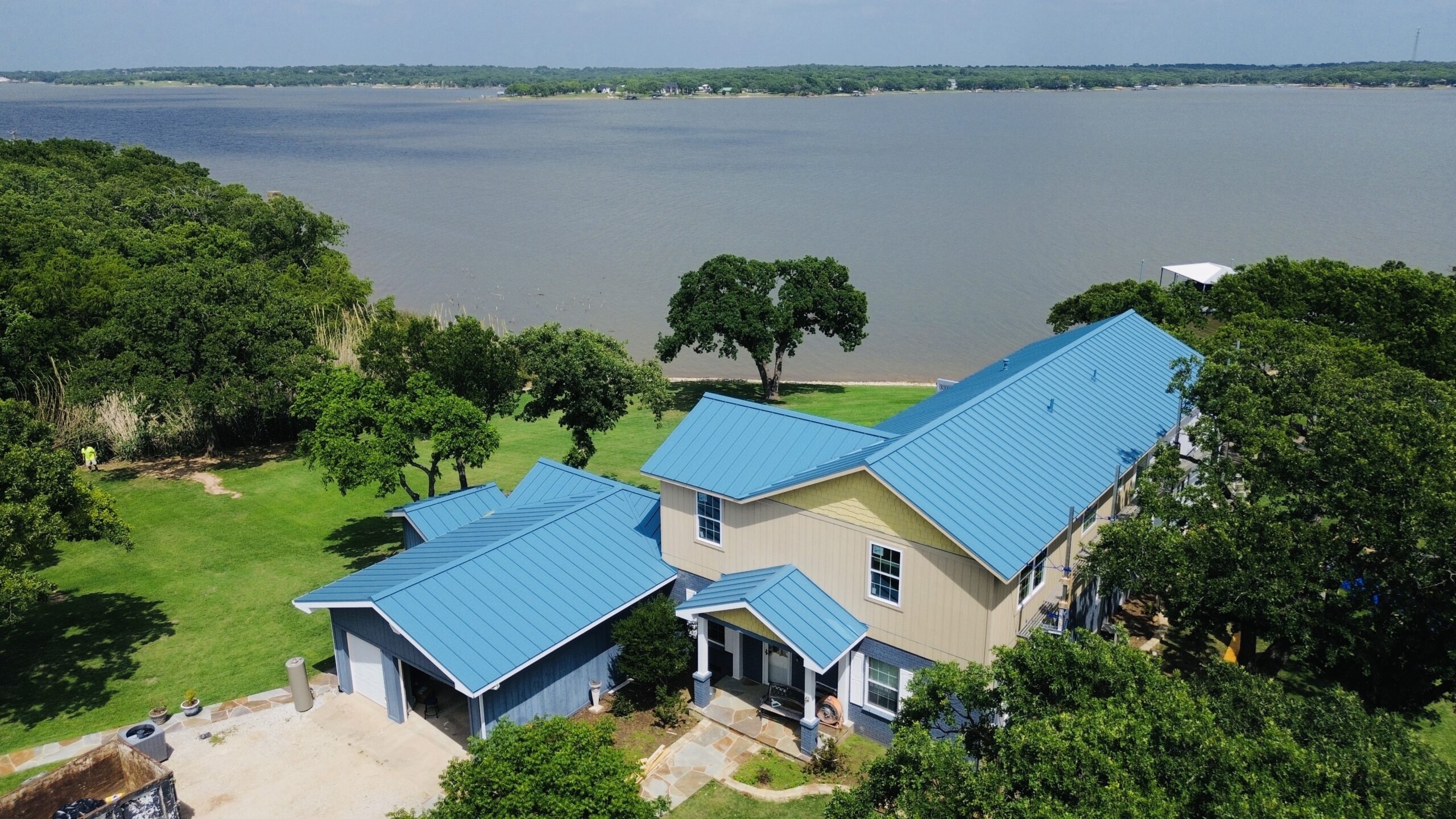
Signs Your Roof Is Still a Good Candidate for Repair
Use this checklist to determine whether professional repairs may still be the most practical solution.
- Damage is limited to a small section of the roof.
- The roof remains structurally sound.
- Roof decking shows little or no widespread deterioration.
- Leaks are isolated rather than recurring throughout the roof.
- Roofing materials still have useful service life remaining.
- Previous maintenance has been performed consistently.
- Replacement materials are available and compatible.
- Professional inspection confirms that repairs will provide long-term reliability.
If several of these conditions apply, repairing the roof is often a practical and cost-effective alternative to complete replacement.
Conclusion
Choosing between roof repair and full replacement is one of the most important decisions property owners face when roofing problems develop. While replacing the entire roof may seem like the safest solution, it is not always the most practical or economical choice. Many roofing systems continue providing reliable protection after professional repairs when the damage remains localized and the overall structure is still in good condition.
Throughout this article, we explored the differences between repair and replacement, the situations where repairs provide the greatest value, and the factors roofing professionals evaluate before making recommendations. We also examined how roof age, roofing materials, structural condition, and maintenance history all influence the decision-making process.
One of the key lessons is that every roof should be evaluated individually. A thorough inspection provides the information needed to identify hidden damage, estimate the remaining service life, and determine whether repairs will continue delivering dependable performance. This evidence-based approach helps property owners avoid unnecessary replacement while ensuring that serious problems are not overlooked.
Preventive maintenance also plays a vital role in extending the life of repaired roofs. Regular inspections, prompt repairs, effective drainage, proper ventilation, and consistent roof care reduce the likelihood of future problems while maximizing the value of previous repair investments.
When repairs are completed using quality materials and experienced workmanship, they often provide years of additional service while preserving the original roofing system. This allows property owners to postpone the larger investment of replacement until it becomes truly necessary rather than replacing a roof that still has considerable useful life remaining.
Ultimately, roof repair is better than full replacement when the existing roof remains structurally sound, damage is limited, and professional evaluation confirms that repairs will deliver reliable long-term performance. By working with qualified roofing contractors and making decisions based on the overall condition of the roof rather than visible damage alone, property owners can protect their buildings, manage expenses wisely, and maximize the lifespan of one of their property’s most valuable assets.