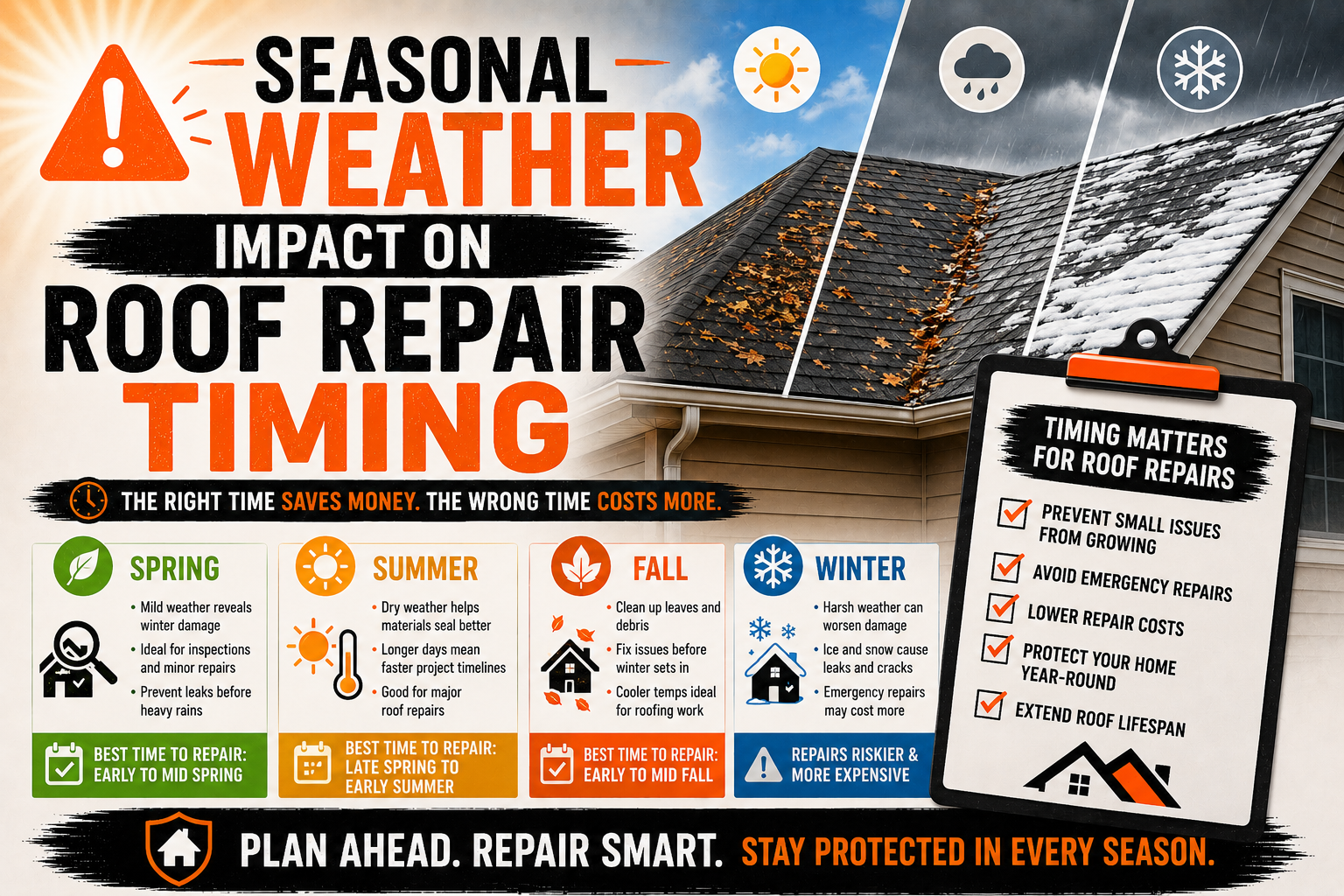
Seasonal Weather Impact on Roof Repair Timing
Introduction
Your roof is one of the hardest working parts of your home, protecting everything beneath it from rain, wind, heat, snow, and changing temperatures throughout the year. Despite its importance, many homeowners only think about roof repairs after a visible leak or major storm has already caused damage. The timing of those repairs, however, can significantly influence the quality, durability, and overall cost of the work.
Seasonal weather plays a direct role in how roofing materials perform before, during, and after repairs. Temperature, humidity, rainfall, sunlight, and wind all affect roofing systems in different ways. Even experienced contractors carefully monitor weather forecasts because the success of many repair projects depends on stable environmental conditions.
Choosing the right season for roof repairs is not simply about convenience. It is about ensuring that materials bond correctly, workers can perform safely, and the repaired sections remain durable for years to come. While emergencies may require immediate action regardless of the weather, planned repairs benefit greatly from proper seasonal scheduling.
Every region experiences unique climate patterns, making weather awareness an essential part of responsible roof maintenance. Understanding how each season affects roofing helps homeowners make informed decisions instead of reacting only when problems become severe. Proper planning often reduces repair costs, minimizes disruptions, and extends the lifespan of the entire roofing system.
This guide explores how seasonal weather influences roof repair timing, the challenges different climates create, and the strategies homeowners can use to protect their investment throughout the year. By understanding these factors, you can schedule repairs more effectively and avoid many of the common issues caused by poor timing.
Why Seasonal Weather Matters for Roof Repair Timing
Roof repairs involve much more than replacing damaged shingles or sealing visible leaks. Many repair materials require specific environmental conditions to cure properly, while installers need safe working conditions to achieve high quality results. Seasonal weather affects every stage of the repair process from inspection to final installation.
Temperature directly influences roofing adhesives, sealants, and shingles. If temperatures are too low, adhesives may not bond effectively, leaving repaired sections vulnerable to future leaks. Extremely hot weather presents a different challenge by softening asphalt materials and making shingles more susceptible to damage during installation.
Moisture is another critical consideration. Rain, snow, frost, and morning dew can prevent roofing materials from adhering properly and increase the likelihood of trapped moisture beneath the surface. Even if the roof appears dry, hidden moisture can reduce the effectiveness of repairs and contribute to mold growth or wood deterioration over time.
Wind conditions also influence repair quality and worker safety. Strong winds make handling roofing materials more difficult and increase the risk of accidents. Lightweight materials may shift during installation, reducing alignment accuracy and creating weaknesses that become noticeable during future storms.
Sunlight exposure further affects roofing projects. While moderate sunshine helps certain materials cure properly, prolonged exposure to intense heat may cause installers to rush their work or reduce the flexibility of scheduling. Contractors often adjust working hours during extremely hot months to maintain both quality and safety.
Because every weather condition affects roofing differently, professional contractors evaluate forecasts before beginning planned repairs. A project scheduled during stable weather typically produces better long term results than one completed under unpredictable conditions.
How Different Roofing Materials React to Weather Changes
Not every roofing material responds to seasonal weather in the same way. Understanding these differences helps homeowners appreciate why contractors often recommend specific repair schedules based on the type of roof installed.
Asphalt shingles are among the most common residential roofing materials. They perform best when installed under moderate temperatures because the adhesive strips activate more effectively. During cold weather, shingles become more brittle and may crack if bent during installation. In extremely hot weather, they soften and become vulnerable to scuffing or deformation.
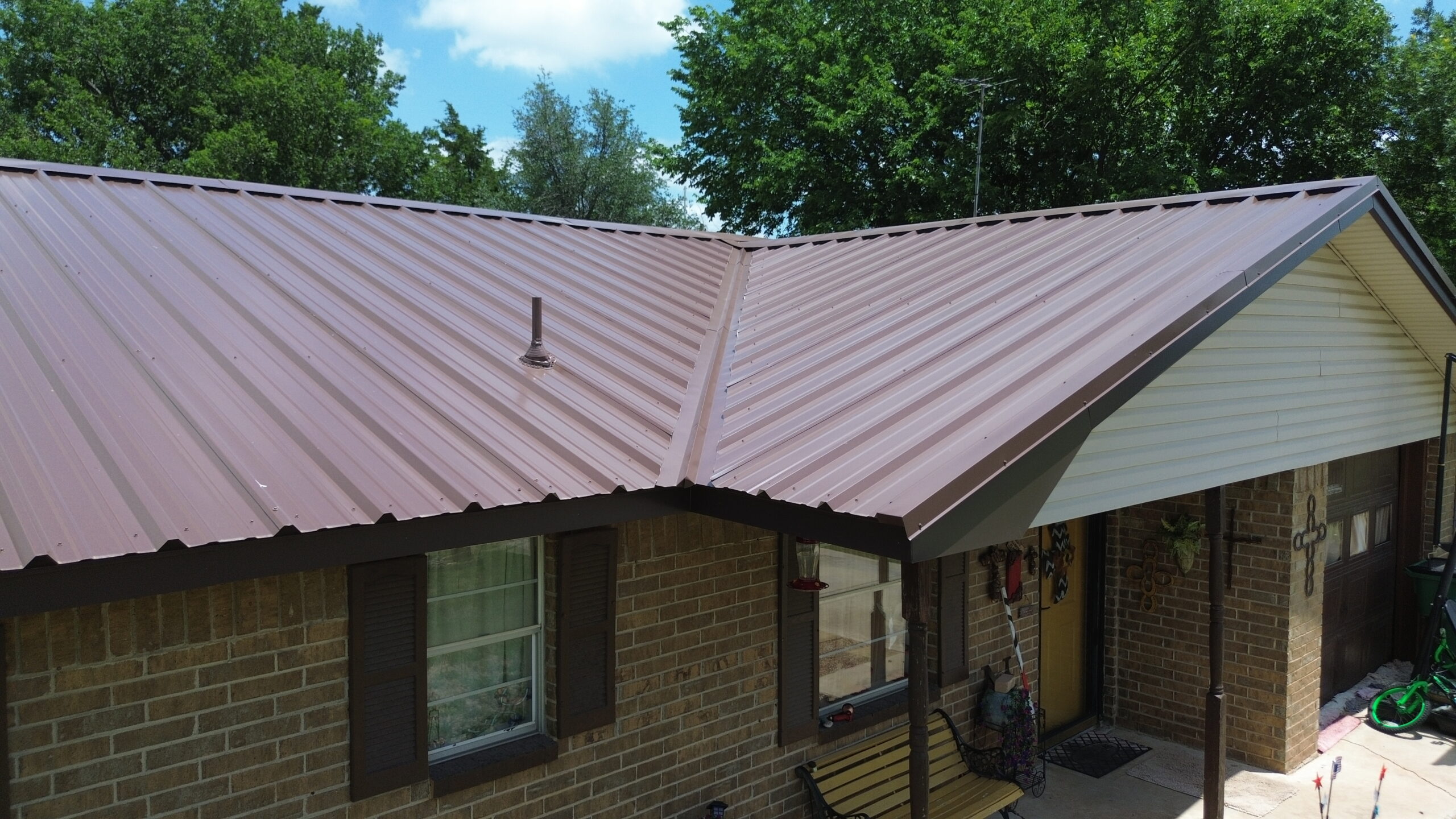
Metal roofing expands and contracts as temperatures change throughout the day. Professional installers account for this movement during repairs by allowing proper spacing and fastening techniques. Seasonal temperature fluctuations make precise installation especially important to prevent stress on fasteners and seams.
Clay and concrete tiles are durable but relatively heavy and brittle. Sudden temperature shifts can contribute to cracking, particularly if moisture enters existing fractures and later freezes. Repairing damaged tiles during stable weather reduces the risk of additional breakage during installation.
Wood shingles and shakes naturally expand and contract based on humidity levels. High moisture conditions may cause swelling, while prolonged dry periods can lead to shrinkage. Proper repair timing helps ensure replacement pieces adjust naturally without creating unnecessary gaps.
Synthetic roofing materials often provide greater flexibility across varying weather conditions, but manufacturers still specify recommended installation temperature ranges. Following these guidelines helps preserve warranty coverage and ensures optimal product performance.
Flat roofing systems present additional weather challenges because water drainage is slower than on sloped roofs. Even small amounts of standing water during repairs can interfere with membrane adhesion and compromise waterproofing performance.
Although roofing materials vary significantly, they all perform best when repairs occur under weather conditions recommended by their manufacturers. This attention to timing helps maximize both repair quality and roof longevity.
The Relationship Between Temperature, Moisture, and Roofing Performance
Temperature and moisture constantly interact to influence roofing performance throughout every season. Their combined effects often determine whether repairs remain durable for decades or require repeated maintenance within a relatively short period.
Roofing materials expand when temperatures rise and contract as temperatures fall. This natural movement occurs daily and becomes even more noticeable during seasonal transitions. Over many years, repeated expansion and contraction gradually weaken joints, flashing, sealants, and fasteners.
Sealants deserve particular attention because they rely heavily on proper curing conditions. Most roofing sealants require moderate temperatures and dry weather to develop their full strength. Cold conditions slow the curing process, while excessive heat may cause surface drying before complete bonding occurs.
Moisture creates another set of challenges that extend beyond visible rainfall. Humidity, condensation, frost, and lingering dampness all influence roofing materials in different ways. Water trapped beneath shingles or flashing may remain unnoticed for long periods while quietly damaging roof decking and insulation.
Freeze and thaw cycles are especially damaging in colder climates. Water entering small cracks expands as it freezes, gradually widening those openings. Each freeze and thaw cycle increases structural stress until larger cracks or leaks eventually develop.
Warm climates experience different moisture related concerns. High humidity encourages mold, mildew, and algae growth, especially where ventilation is inadequate. Persistent moisture also accelerates wood decay and reduces the lifespan of certain roofing components.
Professional roof inspections often identify these hidden environmental effects before they develop into major structural problems. By recognizing how temperature and moisture interact throughout the year, homeowners can schedule repairs before small issues become expensive emergencies.
Signs That Weather Has Started Affecting Your Roof
Weather related roof damage does not always appear immediately after a storm. In many cases, deterioration develops gradually over several months as repeated exposure weakens roofing materials. Recognizing early warning signs allows homeowners to schedule repairs before more serious structural problems emerge.
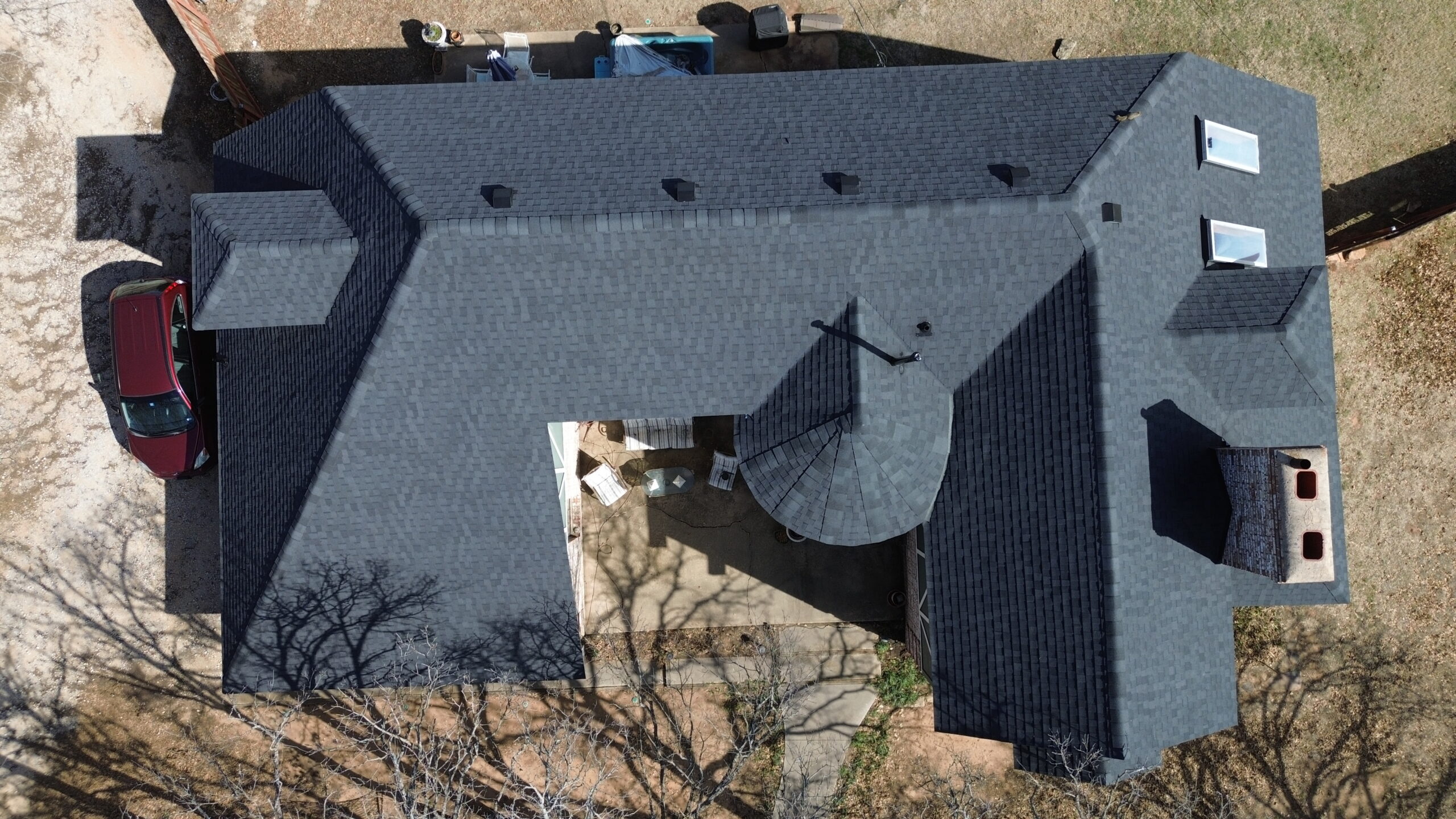
One of the earliest indicators is the appearance of missing, curled, or cracked shingles. Strong winds may loosen shingle edges, while prolonged sunlight gradually causes asphalt materials to become brittle. Even minor shingle damage creates pathways for moisture infiltration during future storms.
Water stains on ceilings or interior walls frequently indicate roof leaks that have developed over time. Although the leak may appear indoors during heavy rainfall, the underlying roof damage often began much earlier through gradual weather exposure.
Granule loss is another common warning sign on asphalt roofs. Granules protect shingles from ultraviolet radiation and harsh environmental conditions. As they wear away, shingles become increasingly vulnerable to heat damage and accelerated aging.
Flashing around chimneys, skylights, and roof vents also deserves careful attention. Seasonal expansion and contraction can loosen flashing, allowing water to penetrate vulnerable joints. Small flashing failures often produce leaks long before the surrounding roofing materials show obvious deterioration.
Blocked gutters may also indicate weather related roofing issues. Accumulations of roofing granules, broken shingle fragments, or pieces of flashing suggest ongoing deterioration that should be professionally evaluated before additional damage occurs.
Homeowners should also watch for sagging roof sections, visible mold growth, or increased attic humidity. These symptoms often indicate moisture problems that have developed gradually through repeated seasonal exposure rather than a single weather event.
Identifying these warning signs early allows repairs to be completed under favorable weather conditions instead of during emergency situations when options may be limited.
Why Delaying Repairs During the Wrong Season Can Increase Costs
Many homeowners postpone roof repairs because the visible damage appears minor or because they hope conditions will improve naturally. Unfortunately, weather rarely pauses while repairs are delayed. Instead, every passing season often increases both the extent of damage and the eventual repair costs.
A small crack that develops during summer may appear insignificant until autumn rains begin entering the roof structure. Moisture trapped beneath roofing materials can damage insulation, rot wooden decking, weaken structural supports, and create favorable conditions for mold growth. What initially required a simple repair may eventually demand partial roof replacement.
Winter delays present additional financial risks in colder climates. Water entering damaged areas freezes during low temperatures and expands inside existing cracks. Each freeze and thaw cycle enlarges those openings, causing deterioration that continues long after temperatures rise again.
Delaying repairs can also reduce scheduling flexibility. Roofing contractors often experience high demand during ideal weather seasons, making it more difficult to secure convenient appointment dates. Waiting too long may force homeowners to accept emergency repairs during less favorable conditions when costs are generally higher.
Insurance considerations may also become more complicated if maintenance is repeatedly postponed. Some policies distinguish between sudden storm damage and deterioration caused by neglected maintenance. Addressing problems promptly helps demonstrate responsible property ownership and may simplify future insurance claims if severe weather occurs.
Property value can also suffer when roof damage remains unresolved. Potential buyers frequently view roofing problems as indicators of broader maintenance issues throughout the home. Even relatively small defects may influence negotiations, inspection reports, and resale value.
The most cost effective approach is usually proactive maintenance combined with timely repairs scheduled during appropriate weather conditions. By acting early, homeowners protect not only their roofing system but also the structural integrity and long term value of the entire property.
Part 1 establishes the foundation for understanding why seasonal weather has such a significant influence on roof repair timing. In Part 2, we will examine how each season presents unique repair opportunities and challenges, compare their advantages through a detailed table, and explain when different types of roof repairs should ideally be scheduled.
Spring Roof Repairs and Post Winter Damage
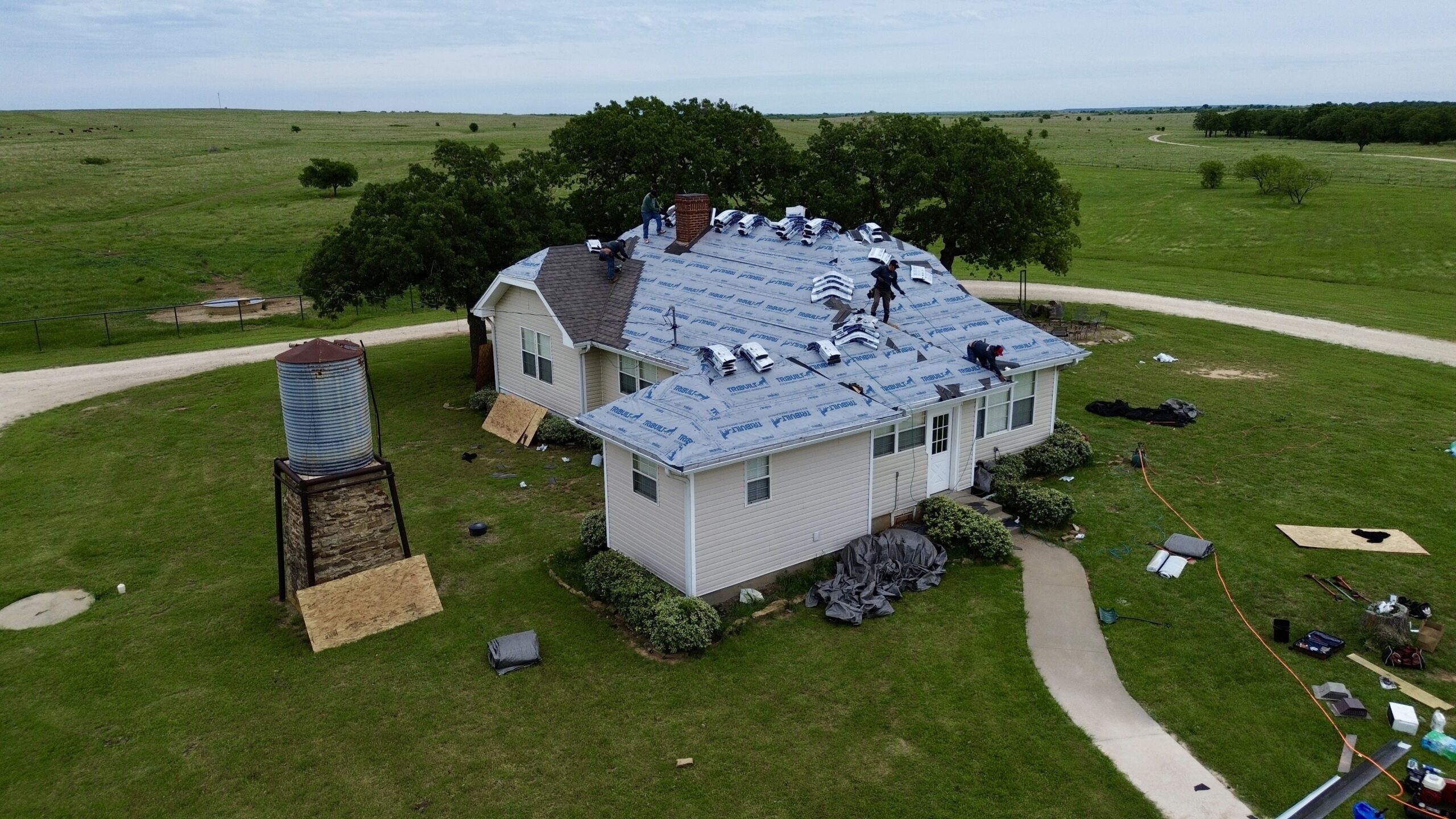
Spring is often considered one of the busiest seasons for roofing professionals because it follows months of harsh winter conditions. As temperatures begin to rise, homeowners are finally able to inspect their roofs for damage that may have gone unnoticed during snow, ice, or extended periods of cold weather. This makes spring an ideal time to identify problems before the heavier rains of late spring and summer arrive.
Winter can leave behind cracked shingles, damaged flashing, clogged gutters, and weakened roof structures. Snow accumulation places additional weight on the roof, while repeated freeze and thaw cycles gradually widen existing cracks. By the time spring arrives, these issues become much easier to detect because the roof is no longer covered by snow or ice.
Moderate spring temperatures also create favorable conditions for many roofing materials. Asphalt shingles become more flexible than they are during winter, allowing contractors to install replacement sections without increasing the risk of cracking. Sealants and adhesives also cure more consistently when temperatures remain stable throughout the day.
Spring weather is not completely predictable, however. Sudden rainstorms can interrupt projects and delay repairs if exposed roofing materials cannot be safely protected. Contractors often monitor weather forecasts closely before beginning larger repair jobs to minimize unexpected interruptions.
Another advantage of spring repairs is that homeowners can address small issues before the intense summer heat places additional stress on roofing materials. Minor leaks, damaged flashing, or loose shingles repaired during spring are less likely to develop into major problems later in the year.
Scheduling repairs early in spring may also reduce waiting times before peak roofing demand begins. Many homeowners delay inspections until they notice visible leaks, creating busy schedules for roofing companies later in the season. Planning inspections early often provides greater flexibility when selecting repair dates.
Routine maintenance during spring extends beyond repairing visible damage. Contractors frequently inspect attic ventilation, roof drainage systems, and insulation while evaluating the overall condition of the roofing system. Addressing these related components improves long term performance and helps prepare the roof for warmer months ahead.
Summer Roofing Projects and Heat Related Considerations
Summer provides long daylight hours that allow roofing crews to complete projects efficiently. Dry weather also reduces delays caused by rain, making it one of the most productive seasons for planned roof repairs. Despite these advantages, high temperatures introduce several challenges that require careful planning and experienced workmanship.
Asphalt shingles become softer under intense sunlight. While this flexibility can improve adhesive bonding, excessive heat makes shingles more vulnerable to scuff marks, dents, and accidental damage caused by workers walking across the roof. Contractors often adjust work schedules to begin early in the morning when roof surfaces remain cooler.
Metal roofing also responds noticeably to summer temperatures. Expansion caused by heat is a normal physical process, but repair techniques must account for this movement. Proper fastening methods and expansion allowances help prevent stress from developing around fasteners and seams as temperatures fluctuate throughout the day.
Worker safety becomes another important consideration during summer roofing projects. Roof surfaces absorb significant amounts of solar radiation, making them considerably hotter than the surrounding air. Frequent hydration, scheduled breaks, and careful monitoring of weather conditions help reduce heat related health risks while maintaining consistent workmanship.
Strong ultraviolet radiation gradually affects roofing materials as well. Years of direct sunlight contribute to fading, granule loss, and the natural aging of shingles. Summer inspections often identify these long term effects before they result in leaks or structural deterioration.
Although thunderstorms are more common in many regions during summer, contractors typically have greater scheduling flexibility because dry periods between storms allow projects to continue with fewer interruptions than wetter seasons. Proper planning ensures exposed roof sections remain protected whenever unexpected rain develops.
Homeowners sometimes choose summer for cosmetic improvements that accompany repairs. Replacing faded shingles, improving roof ventilation, or upgrading flashing while weather conditions remain generally dry allows multiple improvements to be completed within a single project.
Fall as the Ideal Season for Preventive Roof Maintenance
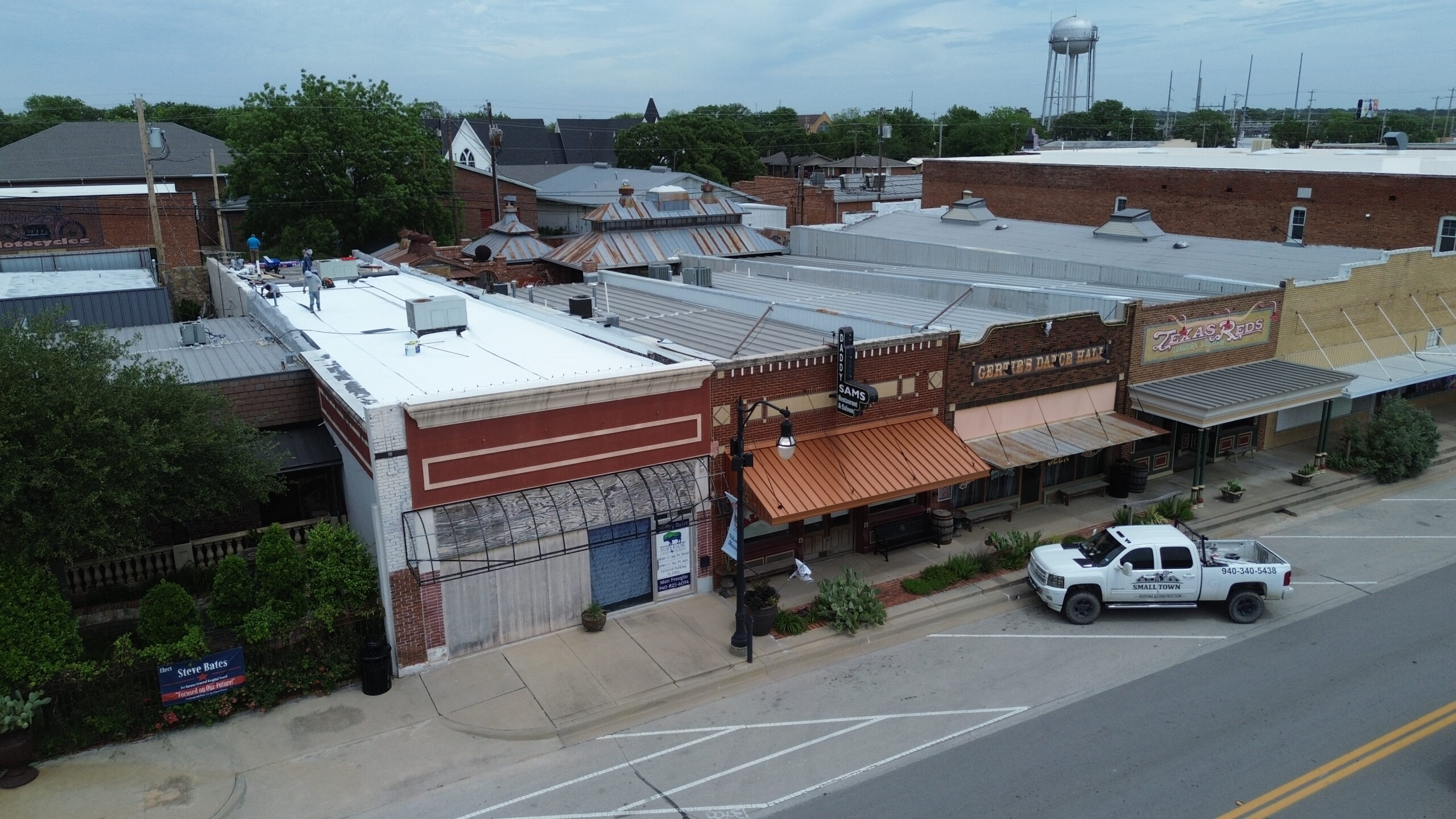
Many roofing professionals consider fall the most favorable season for planned roof repairs and preventive maintenance. Temperatures are generally moderate, humidity levels decrease in many regions, and roofing materials perform well under these balanced environmental conditions. These advantages often produce durable repairs with fewer weather related complications.
Fall repairs prepare homes for the challenging weather that winter may bring. Addressing damaged shingles, loose flashing, deteriorated sealants, and drainage issues before freezing temperatures arrive significantly reduces the likelihood of emergency repairs during winter storms.
The comfortable temperatures of fall benefit both workers and roofing materials. Asphalt shingles remain flexible enough for proper installation without becoming overly soft. Adhesives cure effectively, while sealants develop strong bonds under consistent weather conditions.
Leaves create one seasonal challenge that homeowners should not overlook. Gutters and downspouts often become clogged with falling leaves, restricting water flow during autumn rains. Poor drainage allows water to accumulate near roof edges, increasing the risk of leaks and moisture damage.
Fall is also an excellent time to inspect attic ventilation before winter arrives. Proper airflow reduces condensation that may otherwise develop as indoor heating increases during colder months. Balanced ventilation also helps maintain more consistent roof temperatures, reducing stress on roofing materials.
Preventive maintenance completed during fall often results in lower overall ownership costs. Small repairs completed before severe winter weather usually cost significantly less than emergency repairs required after snow, ice, or heavy winds have already caused extensive structural damage.
Because fall is widely recognized as an excellent roofing season, homeowners should schedule inspections well in advance. Contractor demand often increases rapidly during this period as many property owners seek to prepare their homes before winter begins.
Winter Roof Repairs and Emergency Situations
Winter presents the most difficult conditions for roof repairs in many climates, yet emergencies sometimes leave homeowners with no alternative. Severe storms, falling tree branches, ice accumulation, or sudden leaks may require immediate attention regardless of weather conditions.
Cold temperatures reduce the flexibility of many roofing materials. Asphalt shingles become more brittle and may crack when handled improperly, making repairs more technically demanding than during warmer seasons. Experienced roofing professionals use specialized techniques to minimize material damage while working under these conditions.
Snow and ice create additional safety hazards for roofing crews. Slippery surfaces reduce stability, while accumulated snow may conceal damaged sections that require repair. Contractors frequently postpone non urgent projects until weather conditions improve because worker safety remains the highest priority.
Ice dams represent one of winter’s most significant roofing concerns. These formations occur when heat escaping from the attic melts rooftop snow, allowing water to flow downward before freezing again near colder roof edges. As ice accumulates, water may back up beneath shingles and eventually enter the home.
Emergency repairs during winter often focus on preventing further damage rather than providing permanent solutions. Temporary waterproof coverings, protective sealants, or localized repairs help stabilize the roof until comprehensive repairs can be completed during more favorable weather.
Homeowners should avoid attempting winter roof repairs without professional assistance. Slippery conditions, freezing temperatures, and hidden structural weaknesses substantially increase the risk of injury. Professional roofing contractors possess the equipment and experience needed to perform emergency work more safely.
Although winter is generally not considered ideal for planned repairs, prompt responses to emergencies prevent minor issues from developing into major structural failures. Quick action helps protect both the roofing system and the interior of the home until permanent repairs become practical.
Comparing Seasonal Advantages and Disadvantages
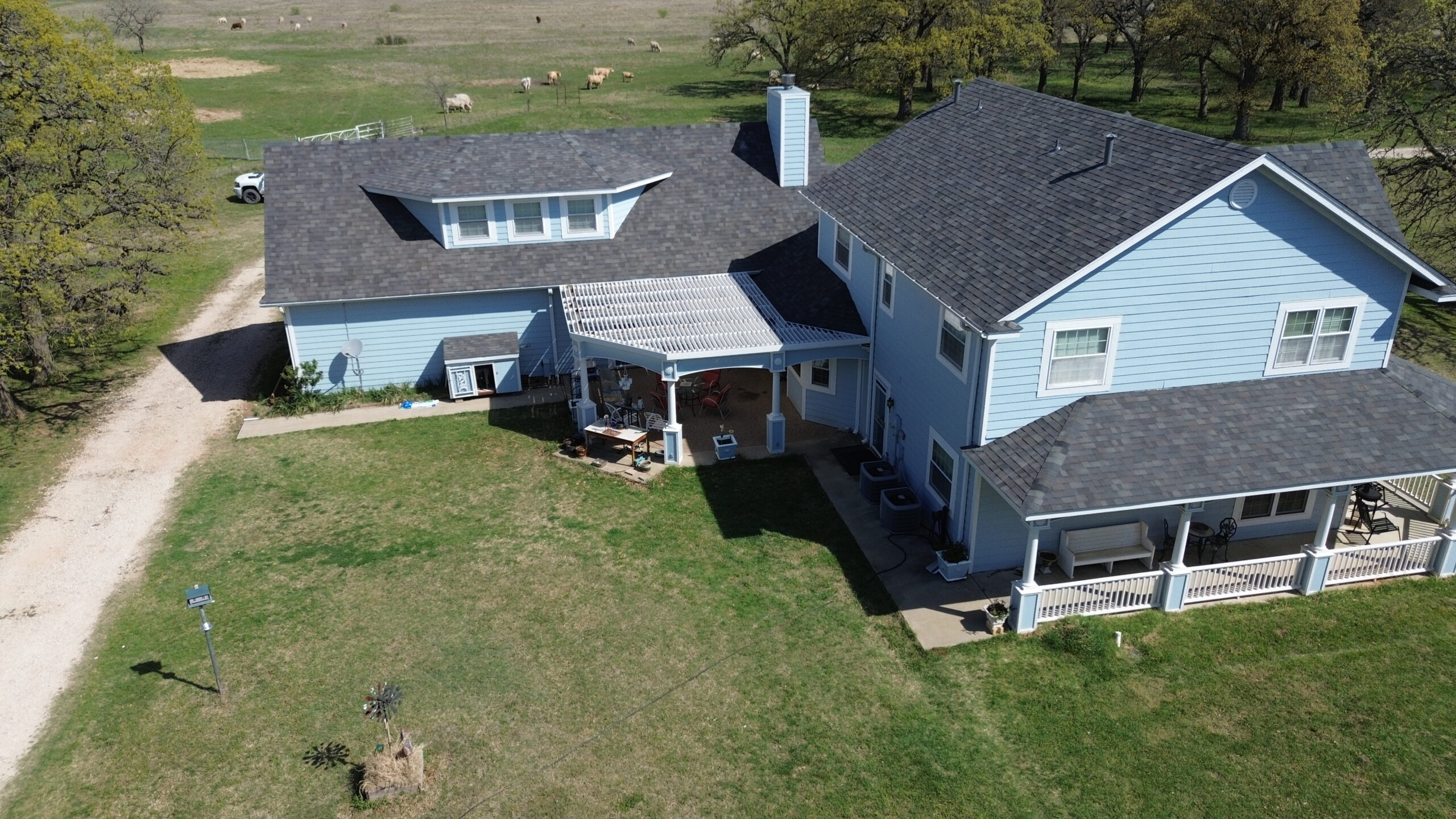
Every season offers unique benefits and challenges for roof repairs. Understanding these differences helps homeowners schedule maintenance more strategically while recognizing when immediate action may still be necessary.
| Season | Primary Advantages | Potential Challenges | Best Suited For |
|---|---|---|---|
| Spring | Comfortable temperatures, post winter inspections, flexible materials | Frequent rain, unpredictable weather | Repairing winter damage and preventive maintenance |
| Summer | Long daylight hours, generally dry conditions, efficient project completion | Extreme heat, worker fatigue, material softening | Major planned repairs and roof upgrades |
| Fall | Stable temperatures, excellent material performance, preparation for winter | High contractor demand, falling leaves | Preventive maintenance and comprehensive repairs |
| Winter | Emergency repairs when necessary, easier leak detection after storms | Cold temperatures, snow, ice, safety concerns | Urgent repairs and temporary protective measures |
No single season is perfect for every roofing project. Local climate, roof design, material type, and the severity of existing damage all influence the most appropriate repair schedule. Professional inspections help determine whether repairs should proceed immediately or be planned for more favorable weather conditions.
Choosing the Best Time for Different Types of Roof Repairs
Different roofing problems require different approaches, and their urgency often determines whether homeowners can wait for ideal weather. Understanding which repairs benefit from seasonal planning allows better budgeting and reduces unnecessary risks.
Small repairs such as replacing a few damaged shingles or resealing flashing are often completed whenever stable weather becomes available. These projects require less time and expose smaller roof sections, reducing weather related risks during installation.
Larger repair projects benefit from moderate temperatures and predictable weather. Replacing extensive sections of roofing, repairing structural decking, or installing new waterproof membranes requires conditions that allow materials to cure properly while giving crews enough uninterrupted working time to complete each phase.
Ventilation improvements are frequently combined with seasonal maintenance because contractors already have access to roofing components during repair work. Improving airflow not only enhances energy efficiency but also reduces future weather related deterioration caused by trapped heat or moisture.
Homeowners should also consider the age of their roof when planning repairs. Older roofing systems often develop multiple small issues simultaneously, making comprehensive repairs more practical than repeatedly addressing isolated problems throughout the year. Scheduling these larger projects during favorable seasons generally produces more durable results and better long term value.
The local climate should always influence repair timing. Homes located in regions with prolonged rainy seasons, frequent hurricanes, or extended winters require repair schedules that reflect those environmental conditions. Contractors familiar with regional weather patterns can recommend repair windows that balance efficiency, durability, and safety.
While no repair schedule can completely eliminate weather related risks, thoughtful planning significantly improves project outcomes. Understanding seasonal strengths and limitations allows homeowners to make informed decisions that protect both their roofing investment and the long term condition of their property.
Part 2 has explored how spring, summer, fall, and winter each influence roof repair timing, along with the advantages and limitations of every season. In Part 3, we will examine how regional climates affect scheduling decisions, the factors contractors evaluate before starting repairs, practical preparation tips for homeowners, common timing mistakes to avoid, frequently asked questions, and the concluding recommendations for maximizing roof longevity.
How Climate Differences Affect Repair Scheduling
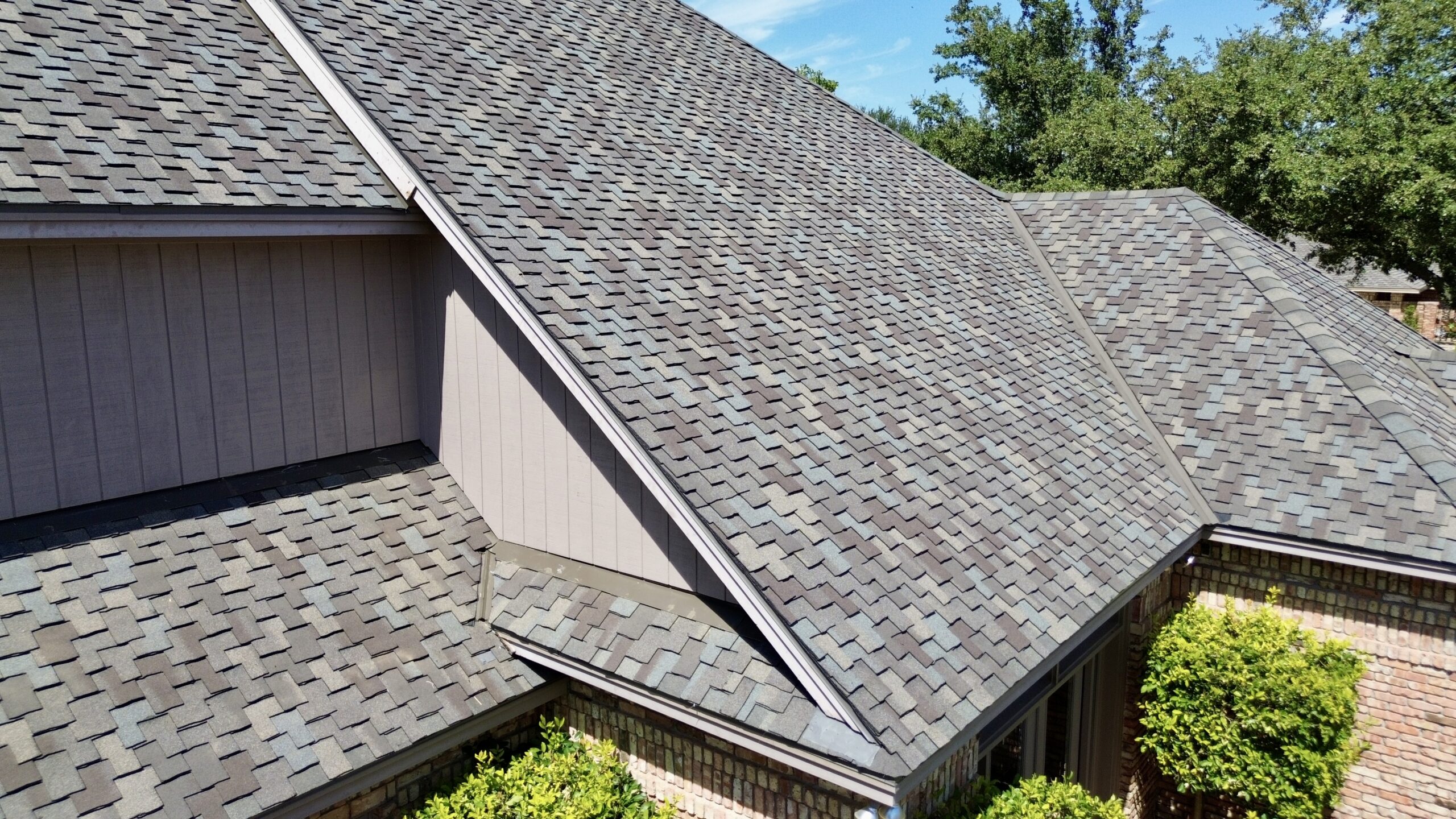
Although the four seasons provide a useful framework for planning roof repairs, regional climate often has an even greater influence on scheduling decisions. A homeowner living in a snowy northern region faces different roofing challenges than someone in a coastal area with heavy rainfall or a desert climate with intense heat. Understanding local weather patterns helps ensure repairs are performed under conditions that maximize durability and performance.
Cold climate regions typically experience long winters with repeated freeze and thaw cycles. These temperature fluctuations place continuous stress on roofing materials because expansion and contraction occur more frequently. Homeowners in these areas often schedule inspections during spring to identify damage caused by snow loads, ice dams, and freezing moisture before the next weather cycle begins.
Warm and humid regions create a different set of concerns. High temperatures accelerate the aging of roofing materials, while constant humidity encourages mold, algae, and mildew growth. Roofs in these climates benefit from regular inspections that focus on ventilation, moisture control, and ultraviolet damage rather than freeze related deterioration.
Coastal environments expose roofs to salt laden air, frequent storms, and powerful winds. Salt gradually corrodes metal components, while strong winds increase the likelihood of loose shingles and damaged flashing. Homeowners near the coast often schedule inspections before and after storm seasons to identify damage that may not be immediately visible.
Areas that experience heavy rainfall require particular attention to drainage systems. Gutters, downspouts, valleys, and flashing must remain clear and functional because even minor drainage problems can quickly develop into significant leaks. Preventive maintenance before rainy seasons helps reduce water related damage throughout the year.
Regions prone to severe storms or hurricanes present additional planning challenges. Repairs often need to be completed well before storm season begins because contractor availability becomes limited once widespread damage occurs. Proactive maintenance allows homeowners to strengthen vulnerable areas before extreme weather arrives.
Even within the same country, climate conditions vary considerably from one location to another. Professional roofing contractors understand these regional differences and recommend repair schedules based on local weather history rather than relying solely on calendar seasons.
Factors Contractors Consider Before Scheduling Roof Repairs
Professional roofing contractors evaluate far more than the visible condition of a roof before recommending a repair schedule. Successful repairs depend on careful planning that balances weather conditions, material requirements, safety considerations, and project complexity. This planning process helps ensure repairs remain durable long after the work has been completed.
One of the first factors contractors review is the weather forecast for the coming days. Stable temperatures and low chances of precipitation provide the best opportunity for roofing materials to be installed correctly. Even when current weather appears favorable, approaching storms may require projects to be postponed to avoid exposing the roof unnecessarily.
The existing condition of the roof also influences scheduling decisions. Minor cosmetic repairs may safely wait for ideal weather conditions, while active leaks or structural damage require immediate attention regardless of the season. Contractors carefully balance urgency against environmental risks to determine the safest course of action.
Roof pitch and accessibility play important roles as well. Steeper roofs become significantly more hazardous during wet or icy conditions, making safety a major consideration. Complex roof designs with multiple valleys, skylights, or chimneys often require additional time, increasing the importance of selecting stable weather windows.
Material availability is another practical consideration. Specialized roofing products sometimes require advance ordering, particularly when matching older roofing systems. Coordinating deliveries with favorable weather helps prevent unnecessary project delays once repairs begin.
Contractors also consider the expected curing time of adhesives, sealants, and waterproof membranes. Some products require several hours of dry weather after installation, while others need stable temperatures over multiple days to achieve their intended performance. Ignoring these requirements may compromise the quality of otherwise well executed repairs.
Homeowner scheduling preferences are taken into account whenever possible. Families may wish to avoid repairs during vacations, holidays, or other major events. Open communication between homeowners and contractors allows projects to be planned around both weather conditions and personal convenience.
Finally, experienced contractors always prioritize safety over speed. Delaying a repair by a day or two is often preferable to working under conditions that increase risks for both workers and the roofing system. Careful scheduling ultimately produces better workmanship and greater long term reliability.
Tips for Homeowners Planning Seasonal Roof Repairs
Planning roof repairs proactively rather than reactively allows homeowners to reduce stress, manage costs, and extend the lifespan of their roofing systems. A thoughtful maintenance strategy also minimizes the likelihood of emergency repairs during severe weather when contractor availability may be limited.
Regular roof inspections form the foundation of effective maintenance. Even if no visible damage exists, annual inspections help identify small problems before they become expensive structural repairs. Professional evaluations often reveal issues that remain hidden from ground level.
Homeowners should also keep accurate maintenance records. Documenting previous repairs, inspections, warranties, and storm related damage provides valuable information when planning future work. These records also simplify insurance claims if weather related damage occurs later.
Scheduling inspections before extreme weather seasons offers another significant advantage. Contractors have more time to recommend preventive repairs, and homeowners can address weaknesses before storms, heavy snowfall, or prolonged heat place additional stress on the roof.
Maintaining surrounding landscaping contributes to roof protection as well. Overhanging tree branches increase the risk of impact damage during storms, while accumulated leaves trap moisture against roofing materials. Routine trimming reduces these hazards throughout the year.
Good attic ventilation and insulation should never be overlooked. Proper airflow helps regulate roof temperature, reduces condensation, and minimizes the expansion and contraction cycles that gradually weaken roofing materials. These improvements also contribute to better energy efficiency throughout the home.
Practical Steps Before Scheduling Seasonal Roof Repairs
- Schedule a professional roof inspection at least once each year.
- Keep gutters and downspouts clean before major weather changes.
- Photograph the roof after severe storms for future reference.
- Review manufacturer warranties before authorizing repairs.
- Compare contractor availability before peak roofing seasons.
- Address small leaks immediately instead of waiting for larger problems.
Preparing in advance allows repairs to proceed more efficiently when favorable weather arrives. Small maintenance efforts completed consistently throughout the year often prevent the need for extensive repairs later.
Common Mistakes to Avoid When Scheduling Roof Work
Many roofing problems become unnecessarily expensive because of avoidable planning mistakes rather than severe weather alone. Recognizing these common errors helps homeowners make better decisions and improves the long term success of repair projects.
One frequent mistake is waiting until a leak becomes visible inside the home before arranging an inspection. By the time water reaches interior ceilings or walls, moisture may already have damaged insulation, roof decking, and structural framing. Early inspections significantly reduce this risk.
Another common error involves focusing only on visible shingle damage while ignoring other roofing components. Flashing, ventilation systems, gutters, underlayment, and sealants all contribute to roof performance. Repairing only the obvious damage may leave hidden weaknesses unresolved.
Some homeowners attempt to schedule major repairs solely based on convenience without considering seasonal weather conditions. While personal schedules are important, selecting periods with stable temperatures and lower rainfall generally produces more reliable repair outcomes.
Hiring contractors without verifying their experience with local climate conditions can also create problems. Roofing techniques that perform well in one region may require adjustments elsewhere due to differences in rainfall, wind, humidity, or temperature extremes.
Ignoring regular maintenance is another costly mistake. Small issues such as clogged gutters, loose flashing, or cracked sealant rarely improve over time. Instead, seasonal weather gradually magnifies these minor defects until comprehensive repairs become necessary.
Finally, many homeowners underestimate the value of preventive inspections after major storms. Even if no immediate leaks are visible, strong winds or hail may have weakened roofing materials in ways that only become apparent months later. Prompt inspections provide reassurance while allowing early intervention when necessary.
Best Practices for Timing Roof Repairs Throughout the Year
The following practices help homeowners maximize repair quality while minimizing long term maintenance costs.
- Schedule professional roof inspections at least once every year, even if no obvious damage is visible.
- Complete preventive maintenance before seasons known for severe local weather conditions.
- Repair minor problems as soon as they are identified rather than waiting for additional deterioration.
- Monitor weather forecasts before beginning planned roofing projects.
- Work with experienced contractors who understand local climate conditions and manufacturer installation requirements.
- Maintain gutters, flashing, and attic ventilation alongside roofing repairs to improve overall system performance.
- Keep detailed maintenance records to support future inspections, warranty claims, and insurance documentation.
Following these practices creates a proactive maintenance strategy instead of a reactive repair cycle. Over time, this approach reduces unexpected expenses and helps homeowners preserve the value of their property.
Frequently Asked Questions About Seasonal Roof Repair Timing
Is there one perfect season for every roof repair?
No single season is ideal for every roofing project. The best timing depends on local climate, roofing material, the extent of damage, and whether the repair is planned or an emergency. Moderate weather conditions generally provide the most consistent results, but urgent repairs should never be postponed simply because the season is less favorable.
Can roof repairs be completed during winter?
Yes, experienced roofing contractors can perform winter repairs when necessary. However, cold temperatures, snow, and ice make the work more challenging and may limit the types of repairs that can be completed safely. Temporary repairs are often used until permanent solutions become practical.
Why do contractors sometimes delay scheduled repairs?
Contractors prioritize weather conditions because rain, strong winds, or extreme temperatures can affect both worker safety and repair quality. Rescheduling helps ensure roofing materials are installed correctly and perform as intended.
How often should a roof be inspected?
Most professionals recommend a comprehensive inspection at least once each year. Additional inspections after severe storms, hurricanes, hail events, or heavy snowfall help identify weather related damage before it becomes more serious.
Does weather affect roofing warranties?
Many manufacturers specify installation temperature ranges and application procedures for their products. Following these recommendations helps preserve warranty coverage while ensuring the repaired roof performs as designed.
Should homeowners inspect their roofs themselves?
Basic visual inspections from the ground are useful for identifying obvious issues such as missing shingles or clogged gutters. However, walking on a roof can be dangerous, particularly after severe weather. Professional inspections provide a safer and more thorough evaluation.
Conclusion
Seasonal weather has a profound influence on every stage of roof repair, from initial inspections to the long term performance of completed work. Temperature, moisture, sunlight, wind, and regional climate patterns all affect roofing materials differently, making repair timing an important factor in achieving durable and cost effective results.
Understanding how each season influences roofing conditions allows homeowners to move beyond reactive maintenance and adopt a more strategic approach. Spring provides an opportunity to address winter damage, summer offers extended working hours despite higher temperatures, fall delivers ideal conditions for preventive maintenance, and winter demands careful attention to emergency situations. Recognizing the strengths and limitations of each season helps ensure repairs are completed under the most suitable conditions whenever possible.
Professional inspections remain one of the most valuable investments homeowners can make. Experienced contractors evaluate weather forecasts, roof condition, material requirements, and local climate before recommending repair schedules. Their expertise helps prevent minor issues from developing into expensive structural problems while improving the overall lifespan of the roofing system.
Planning repairs before severe weather arrives also provides significant financial advantages. Preventive maintenance typically costs far less than emergency repairs caused by neglected damage. Timely action protects not only the roof itself but also the insulation, framing, ceilings, and interior spaces that depend on a reliable roofing system.
Every home experiences unique environmental conditions, and no universal repair schedule fits every property. By combining regular inspections, thoughtful planning, prompt maintenance, and an understanding of seasonal weather patterns, homeowners can make informed decisions that maximize roof performance for many years. A well maintained roof is not simply a protective barrier against the elements but a long term investment in the safety, comfort, and value of the entire home.