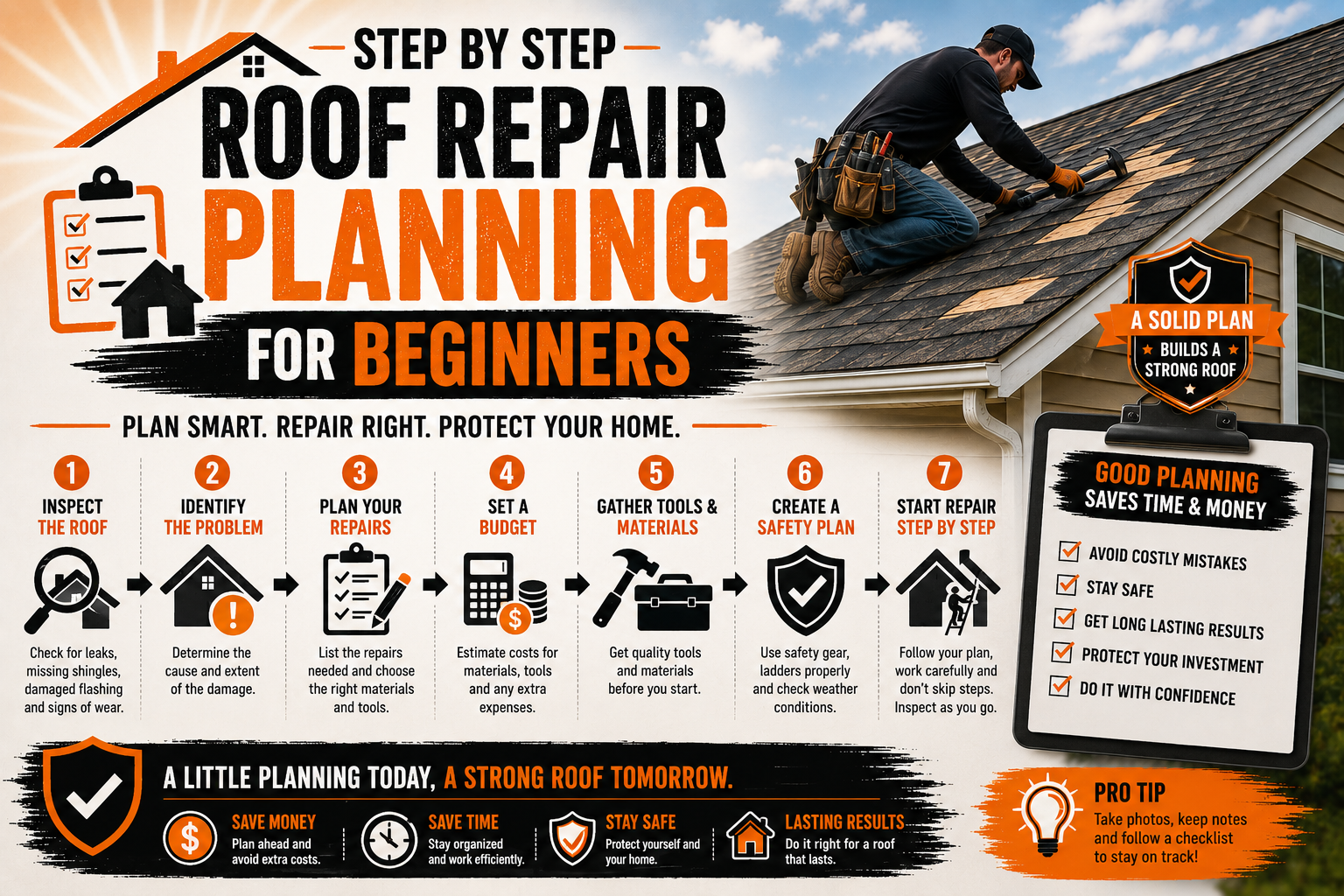
Step by Step Roof Repair Planning for Beginners
Introduction
A roof is one of the most important parts of any home because it protects the structure, belongings, and the people living inside. It shields the property from rain, wind, sunlight, snow, and changing weather conditions throughout the year. Even a small roofing issue can become a major problem if it is ignored for too long.
Many homeowners focus only on repairing visible damage instead of creating a proper repair plan. While replacing a few shingles or sealing a leak may seem like a quick solution, successful roof repair begins long before any tools are picked up. Proper planning helps you understand the real condition of the roof, estimate costs, choose suitable materials, and avoid unexpected problems during the repair process.
For beginners, roof repair planning may seem overwhelming because there are many factors to consider. Questions about safety, budgeting, materials, weather conditions, and whether to hire a professional often create confusion. A structured approach removes uncertainty and helps homeowners make informed decisions every step of the way.
Planning also reduces the chances of unnecessary spending. Without inspecting the roof properly, homeowners may repair the wrong area while the actual source of damage continues to worsen underneath. A detailed plan ensures every repair addresses the underlying problem rather than simply covering visible symptoms.
Another advantage of careful planning is improved safety. Roofing work involves heights, tools, and weather exposure that require preparation before work begins. Understanding these risks allows homeowners to decide whether the project is suitable for a do it yourself approach or whether professional assistance is the safer choice.
Every roof is different depending on its age, material, design, and local climate. Because of these differences, there is no universal repair strategy that works for every home. A well planned inspection and repair process makes it easier to customize solutions according to the roof’s actual condition.
This guide walks beginners through the planning stage of roof repair before any physical work starts. By understanding each step in advance, homeowners can save money, prevent mistakes, and extend the life of their roofing system with greater confidence.
Why Roof Repair Planning Matters Before Any Work Begins
Many homeowners assume roof repair starts with replacing damaged shingles or fixing a leak. In reality, successful repairs begin with proper planning. A well organized plan creates a clear path from inspection to completion while reducing unexpected expenses and delays.
Roof damage is often more complicated than it appears from the ground. Water may enter through one location but travel beneath roofing materials before becoming visible inside the home. Repairing only the visible damage may leave the real problem untouched, allowing moisture to continue causing structural deterioration.
Planning also helps homeowners prioritize repairs based on urgency. Some issues require immediate attention because they threaten the structural integrity of the house, while others can safely wait until scheduled maintenance. Understanding these priorities prevents panic decisions and unnecessary spending.
Financial preparation is another major benefit of planning. Roof repairs vary widely in cost depending on the material, extent of damage, labor, and accessibility. Creating a budget before starting helps homeowners avoid interruptions caused by unexpected expenses.
Planning improves communication when hiring roofing contractors as well. Homeowners who understand the condition of their roof can ask better questions, compare estimates more effectively, and recognize whether recommended repairs are reasonable.
Another overlooked advantage is time management. Roofing projects are affected by weather, material availability, and contractor schedules. A repair plan accounts for these factors and minimizes delays that could expose the home to further damage.
Good planning also contributes to better long term maintenance. By documenting repairs and understanding previous issues, homeowners build a valuable maintenance history that supports future inspections and increases property value.
Ultimately, planning transforms roof repair from a reactive emergency into a controlled home improvement project. This organized approach leads to better decisions, safer repairs, and longer lasting results.
Understanding the Different Types of Roof Damage
Before creating a repair plan, beginners need to understand the kinds of damage that commonly affect residential roofs. Different problems require different repair methods, making accurate identification one of the most important planning steps.
Weather remains one of the leading causes of roof damage. Heavy rain, hail, snow, ice, and strong winds gradually weaken roofing materials over time. Even roofs that appear solid from the ground may develop hidden weaknesses after repeated exposure to severe weather.
Age is another major factor affecting roof performance. Roofing materials naturally deteriorate over the years as they expand and contract with changing temperatures. Older roofs become more vulnerable to leaks, cracks, and structural weaknesses.
Poor installation can also shorten a roof’s lifespan. Improper flashing, inadequate ventilation, or incorrectly installed shingles may lead to recurring problems that continue until the underlying workmanship issues are corrected.
Falling tree branches and debris create sudden impact damage that may crack shingles, puncture roofing materials, or weaken supporting structures. Even minor impacts should be inspected because hidden damage often develops beneath the surface.
Blocked gutters contribute to roofing problems by preventing proper water drainage. Standing water increases moisture exposure around roof edges, encouraging wood rot, mold growth, and leaks that spread into surrounding structures.
Wildlife may also damage roofing systems. Birds, squirrels, raccoons, and insects sometimes create openings while searching for shelter. These small entry points often allow moisture to enter the roof assembly over time.
Some roofing problems develop gradually due to poor ventilation. Excessive attic heat and trapped moisture can damage roof decking, reduce insulation performance, and shorten the lifespan of roofing materials without obvious external signs.
Understanding these common damage sources helps homeowners focus their inspections more effectively. Instead of looking only for missing shingles, they learn to recognize the broader conditions that contribute to roofing problems.
Assessing the Current Condition of Your Roof
An accurate assessment forms the foundation of every successful roof repair plan. Without understanding the roof’s current condition, it becomes impossible to determine the most effective repair strategy or estimate project costs accurately.
The inspection should begin from ground level. Walking around the property provides an opportunity to observe obvious signs such as sagging rooflines, missing shingles, damaged flashing, clogged gutters, or fallen roofing materials.
Using binoculars can improve visibility without requiring anyone to climb onto the roof. This allows homeowners to identify visible damage while reducing unnecessary safety risks during the initial assessment.
The attic provides another valuable inspection point. Water stains on ceilings, damp insulation, mold growth, or sunlight entering through roof openings often reveal hidden damage that cannot be seen from outside.
Interior walls near the ceiling should also be examined carefully. Discoloration, peeling paint, bubbling drywall, or recurring moisture stains frequently indicate roofing issues rather than plumbing leaks.
Pay close attention to roof valleys because these areas channel large amounts of rainwater during storms. Damage in valleys often leads to leaks that spread across multiple sections of the roof.
Flashing around chimneys, skylights, roof vents, and dormers deserves careful inspection as well. Since flashing seals roof penetrations, even minor gaps can allow significant water intrusion over time.
Drainage systems should not be overlooked during inspection. Gutters and downspouts play an essential role in protecting the roof by directing rainwater away from the structure. Blockages or damaged sections increase moisture exposure around vulnerable roofing components.
It is also helpful to review previous repair records if available. Understanding where repairs have occurred before may reveal recurring issues or areas that require more thorough investigation.
The goal of this assessment is not necessarily to diagnose every technical problem independently. Instead, it provides enough information to create an informed repair plan or discuss findings confidently with a roofing professional.
Identifying the Root Cause Instead of the Symptoms
One of the biggest mistakes beginners make is repairing visible damage without investigating what caused it. Roof problems often develop beneath the surface, meaning the most obvious issue may only represent the final stage of a much larger problem.
A ceiling stain provides a good example. Although the stain appears directly beneath one location, water may have entered the roof several feet away before traveling along structural components. Repairing only the stained area rarely solves the actual leak.
Missing shingles are another common symptom rather than the root cause. High winds may remove shingles because aging adhesive weakened over time or because installation errors reduced their resistance to weather.
Repeated leaks near chimneys often result from deteriorated flashing instead of damaged roofing materials. Replacing nearby shingles without repairing flashing simply allows the problem to continue.
Poor attic ventilation can also create hidden moisture problems. Condensation may damage wood decking from below even when roofing materials remain intact on the surface. Unless ventilation issues are addressed, repairs may fail prematurely.
Water pooling on low slope roofs frequently indicates drainage problems rather than roofing material failure. Improving water flow often becomes more important than replacing surface materials alone.
Structural movement may also contribute to recurring damage. Houses naturally settle over time, creating stress that affects flashing, sealants, and roofing joints. Recognizing these changes allows repair plans to address the broader structural conditions.
To better understand roof problems, homeowners should document observations during inspection. Recording damage locations, weather conditions, and previous repairs creates valuable information for identifying recurring patterns.
Some useful observations include:
- Areas where leaks repeatedly occur
- Roofing materials showing unusual wear
- Water stains inside the attic
- Damaged flashing around roof openings
- Sections where drainage appears slow
Identifying the real cause before beginning repairs reduces repeat maintenance, lowers long term costs, and improves the durability of completed repairs. This careful investigation forms one of the most valuable steps in the entire planning process.
Deciding Whether Repair or Replacement Is the Better Choice
Not every damaged roof requires complete replacement. In many cases, targeted repairs restore performance and significantly extend the roof’s service life. However, some situations make replacement the more practical and economical long term solution.
Age remains one of the most important considerations. Roofing materials have expected service lives, and older roofs naturally become more susceptible to repeated failures. Investing in frequent repairs for a roof approaching the end of its lifespan may not provide lasting value.
The extent of damage also influences the decision. Localized issues affecting a small section are often suitable for repair, while widespread deterioration across multiple areas may justify complete replacement.
Previous repair history provides another valuable indicator. If the same problems continue returning despite repeated maintenance, underlying deterioration may have reached the point where replacement becomes the more reliable choice.
Budget considerations should include future expenses rather than immediate costs alone. A lower repair bill today may eventually exceed replacement costs if ongoing repairs become necessary every year.
Energy efficiency can also influence the decision. Older roofing systems often lack modern insulation and ventilation improvements that reduce heating and cooling costs. Replacement may provide long term financial benefits beyond simply fixing damage.
Local building codes sometimes require more extensive work when large portions of a roof are repaired. Understanding these regulations early prevents unexpected project changes after work begins.
The following table provides a general comparison that helps beginners understand when repair or replacement is usually the better option.
| Situation | Repair Is Usually Suitable | Replacement May Be Better |
|---|---|---|
| Roof Age | Relatively new | Near expected lifespan |
| Damage Size | Small isolated areas | Large widespread damage |
| Leak Frequency | First occurrence | Repeated recurring leaks |
| Structural Condition | Deck remains strong | Decking shows deterioration |
| Budget Strategy | Short term maintenance | Long term investment |
Every roof should be evaluated individually because no single rule applies to every situation. Careful inspection combined with professional advice provides the most reliable basis for making this important decision.
Setting Clear Roof Repair Goals
Planning becomes much easier when homeowners define exactly what they hope to achieve. Clear goals help prioritize repairs, allocate budgets wisely, and measure project success after completion.
Some homeowners simply want to stop an active leak before the next storm arrives. Others may be preparing the property for sale, improving energy efficiency, or extending the roof’s lifespan for another decade. Each objective influences repair decisions differently.
Goals should also reflect realistic expectations. Minor repairs cannot restore a severely aging roof to the condition of a newly installed roofing system. Understanding these limitations helps homeowners make practical decisions based on actual roof conditions.
When establishing repair goals, homeowners should consider several important questions.
- Is the repair intended to solve an emergency problem or improve long term performance?
- Will additional home renovations affect roofing decisions later?
- How long should the completed repair reasonably last?
- Is improving appearance also an important objective?
- Does the budget allow for preventive improvements beyond the immediate repair?
Answering these questions creates a clear direction before work begins. Contractors can also provide more accurate recommendations when they understand the homeowner’s priorities instead of assuming every project has identical goals.
Setting goals encourages better planning for future maintenance as well. Rather than viewing roof repair as a one time expense, homeowners begin treating it as part of an ongoing property maintenance strategy that protects their investment for years to come.
Creating a Realistic Roof Repair Budget
Budget planning is often one of the most challenging aspects of roof repair for beginners. Costs vary depending on roofing material, labor rates, accessibility, local market conditions, and the severity of existing damage. Without careful budgeting, projects can quickly exceed initial expectations.
A realistic budget should account for more than the visible repair itself. Inspection fees, replacement materials, disposal costs, permit requirements, and emergency repairs discovered during the project may all increase total expenses.
It is also wise to include a contingency fund for unexpected findings. Once damaged shingles or roofing panels are removed, hidden issues such as rotten decking or deteriorated flashing may require additional repairs before the roof can be properly restored.
Comparing multiple contractor estimates provides valuable insight into local pricing. The lowest quote is not always the best value because quality materials, workmanship, warranties, and project timelines differ significantly between contractors.
Homeowners should also distinguish between essential repairs and optional improvements. Addressing critical structural issues always deserves priority, while cosmetic upgrades can often be scheduled later if the budget is limited.
Financing options may become relevant for larger projects. Some homeowners choose home improvement loans or financing programs to spread costs over time instead of delaying necessary repairs that could become more expensive later.
Keeping detailed records of estimated and actual expenses also supports future maintenance planning. These records help homeowners understand long term roofing costs and prepare more accurately for future repair or replacement projects.
With a realistic budget in place, the next stage of planning focuses on selecting suitable materials, gathering the proper tools, understanding safety requirements, and organizing the repair process from start to finish.
Choosing the Right Materials for Your Roof
Selecting suitable roofing materials is one of the most important decisions in any repair plan. Even a perfectly executed repair may fail prematurely if the replacement materials are incompatible with the existing roof. Beginners should understand that roofing systems are designed to work as complete assemblies, meaning each component should complement the others.
The first step is identifying the roofing material already installed on the home. Asphalt shingles, metal panels, clay tiles, concrete tiles, wood shakes, and slate each have different repair requirements. Mixing incompatible materials can create moisture problems, uneven performance, and an inconsistent appearance.
Material quality should also be considered instead of focusing only on price. Low cost products may reduce immediate expenses, but they often wear out faster and require more frequent maintenance. Investing in durable materials usually lowers the total cost of ownership over the life of the roof.
Climate plays a major role in material selection. Areas with frequent rainfall require products that resist moisture infiltration, while regions with intense sunlight benefit from materials that tolerate prolonged ultraviolet exposure. Locations experiencing strong winds should prioritize products with higher wind resistance ratings.
Homeowners should also consider how new materials will blend with the existing roof. A repair should restore both function and appearance, especially if the repaired area is visible from the street. Matching color, texture, and profile creates a more professional finish while preserving curb appeal.
Manufacturer warranties deserve careful attention as well. Some warranties apply only when approved installation methods and compatible accessories are used. Understanding these requirements during planning helps prevent warranty issues later.
Roofing underlayment is another component that should not be overlooked. Although hidden beneath the surface, it provides an additional barrier against moisture and supports the overall performance of the roofing system. Replacing damaged underlayment during repairs often improves long term durability.
Flashing materials should also match the repair requirements. Properly installed flashing around chimneys, skylights, valleys, and roof penetrations helps prevent water from entering vulnerable areas. Reusing damaged flashing simply because it appears acceptable may result in recurring leaks.
Ventilation accessories, ridge caps, fasteners, sealants, and drip edges should all be evaluated before work begins. Each small component contributes to the overall performance of the roof, making careful material selection an essential part of successful planning.
Essential Tools and Safety Equipment Every Beginner Needs
Roof repair planning should always include a careful review of the tools and safety equipment required for the project. Even simple repairs become more difficult when homeowners discover missing equipment after work has already begun. Preparing everything in advance improves efficiency while reducing unnecessary risks.
Safety should always remain the highest priority. Roofing work involves heights, uneven surfaces, and changing weather conditions that increase the likelihood of accidents. Beginners should never underestimate these hazards simply because the repair appears small.
A stable extension ladder forms the foundation of safe roof access. The ladder should extend above the roof edge and rest on firm, level ground before anyone climbs. Inspecting the ladder beforehand ensures there are no damaged rungs or loose components that could compromise stability.
Proper footwear is equally important. Shoes with slip resistant soles provide better traction on roofing materials while reducing the risk of slipping on loose debris or damp surfaces. Clothing should allow comfortable movement without becoming caught on tools or roofing components.
Basic repair tools vary depending on the roofing material, but several items are commonly required for many projects.
- Extension ladder
- Roofing hammer
- Utility knife
- Tape measure
- Pry bar
- Roofing nails or approved fasteners
- Chalk line
- Safety gloves
- Safety glasses
Beginners should also prepare a method for safely transporting tools onto the roof. Carrying multiple items while climbing increases the chance of losing balance. Using a tool belt or lifting equipment after reaching the roof provides a much safer alternative.
Personal protective equipment deserves the same attention as repair tools. Gloves protect against sharp edges, while safety glasses reduce the risk of eye injuries caused by flying debris. Depending on roof height and slope, fall protection equipment may also be necessary.
Weather monitoring is another overlooked aspect of safety planning. Roofing work should never begin when rain, thunderstorms, strong winds, or icy conditions are expected. A safe work environment starts with choosing suitable weather as much as choosing proper equipment.
Planning also includes keeping emergency contact information readily available. Even experienced roofers prepare for unexpected situations, making emergency readiness a responsible part of every repair project.
Planning the Roof Repair Process Step by Step
A successful roof repair follows a logical sequence instead of relying on improvisation. Planning each stage before work begins reduces confusion and helps homeowners complete repairs more efficiently. Beginners benefit from treating roof repair as a structured project with clearly defined phases.
The planning process begins with gathering information collected during the inspection. Damage locations, material requirements, safety concerns, weather forecasts, and estimated costs should all be reviewed together before establishing a repair schedule.
After confirming the repair scope, homeowners should create a realistic timeline. Rushing through repairs often leads to mistakes, while delaying necessary work may allow damage to worsen. A balanced schedule provides enough time for preparation without exposing the roof to unnecessary risk.
Material ordering should occur before the repair date whenever possible. Waiting until work has already started to purchase supplies increases project delays and may leave exposed roofing vulnerable if materials become temporarily unavailable.
Work area preparation also deserves attention. Vehicles should be moved away from the house if debris may fall during repairs. Outdoor furniture, grills, potted plants, and decorative items should be relocated to prevent accidental damage.
The repair sequence itself should follow a logical order.
- Confirm weather conditions are suitable.
- Gather all tools and materials.
- Secure the work area and ladder.
- Remove damaged roofing materials carefully.
- Inspect underlying components for hidden damage.
- Replace or repair structural elements if necessary.
- Install replacement roofing materials.
- Inspect completed repairs before cleaning the site.
Each phase builds on the previous one, reducing the chance of overlooking important details. Following a planned sequence also makes it easier to identify problems before they become expensive mistakes.
Documentation should continue throughout the project. Taking photographs before, during, and after repairs provides valuable records for warranties, insurance claims, future maintenance, and property records.
The planning process should also include cleanup procedures. Roofing nails, broken shingles, packaging materials, and construction debris should be removed promptly to improve safety and restore the property’s appearance.
Understanding Weather and Seasonal Considerations
Weather has a greater influence on roof repair than many beginners realize. Even the highest quality materials may perform poorly if repairs are completed under unsuitable environmental conditions. Planning around seasonal weather patterns increases both safety and repair quality.
Rain is the most obvious concern because moisture can enter exposed roofing layers before repairs are completed. Wet surfaces also become significantly more slippery, increasing the risk of falls. Repair schedules should always include enough time to complete work before expected rainfall.
Strong winds create additional hazards by affecting ladder stability and making it difficult to handle roofing materials safely. Lightweight shingles, flashing, and underlayment may become difficult to control during installation when wind speeds increase.
Very high temperatures also create challenges. Roofing materials may become softer under intense sunlight, making them easier to damage during installation. Working in extreme heat also increases the risk of dehydration and heat related illnesses.
Cold weather introduces different complications. Some roofing materials become more brittle in low temperatures, increasing the likelihood of cracking during handling or installation. Adhesive products may also require warmer conditions to bond properly.
Seasonal planning provides several advantages beyond immediate weather conditions. Contractors often experience higher demand during certain times of the year, affecting both scheduling and pricing. Planning repairs early improves flexibility and may reduce waiting times.
Regional climate should also influence long term planning. Homes located in hurricane prone areas benefit from scheduling repairs well before storm season begins. Similarly, properties in snowy climates should address roofing concerns before winter weather arrives.
Homeowners should monitor short term weather forecasts in the days leading up to the project. While long range planning is valuable, final scheduling decisions should always consider current conditions rather than relying solely on seasonal expectations.
By incorporating weather into the planning process, homeowners improve repair quality while protecting both workers and roofing materials from unnecessary risks.
Hiring a Professional Versus Doing It Yourself
One of the most important planning decisions involves determining whether the repair should be completed independently or by a professional roofing contractor. The correct choice depends on the complexity of the damage, personal experience, available tools, and safety considerations.
Many beginners are attracted to do it yourself repairs because of potential cost savings. Simple maintenance tasks such as replacing a few damaged shingles or clearing gutters may be manageable for homeowners who understand proper safety procedures. However, larger structural repairs require knowledge that extends beyond basic home maintenance.
Roof pitch should influence this decision as well. Steeper roofs increase the difficulty and danger of working at height. Even experienced homeowners may find steep surfaces unsuitable for independent repairs due to increased fall risks.
Complex roofing systems also require specialized knowledge. Valleys, dormers, skylights, chimneys, ventilation systems, and multiple roof intersections all create areas where installation errors commonly lead to future leaks.
Professional contractors offer benefits beyond physical labor. They understand local building codes, manufacturer installation requirements, structural assessment techniques, and warranty conditions. Their experience often allows hidden problems to be identified before they become serious failures.
Insurance considerations may also affect the decision. Some policies require repairs to meet certain standards, while improper workmanship could complicate future claims. Understanding these requirements before beginning work helps homeowners avoid unexpected issues.
Cost comparisons should include more than labor charges. Homeowners performing repairs themselves may need to purchase specialized tools, rent equipment, dispose of construction waste, and spend considerable time learning proper repair techniques. These indirect costs sometimes reduce the expected financial savings.
When evaluating contractors, homeowners should verify licensing, insurance coverage, references, warranties, and written estimates. Comparing several qualified professionals provides a clearer understanding of local pricing and available services.
The best decision is not always the least expensive one. Choosing the repair method that offers the highest level of safety, durability, and long term value often produces better results than focusing solely on immediate costs.
Common Roof Repair Planning Mistakes Beginners Should Avoid
Even with good intentions, beginners often make planning mistakes that increase repair costs or reduce the effectiveness of completed work. Recognizing these common errors allows homeowners to avoid problems before the project begins.
One frequent mistake is delaying repairs because the damage appears minor. Small leaks often remain hidden beneath roofing materials while gradually weakening wood, insulation, and interior finishes. Early action usually limits both repair costs and structural damage.
Another mistake involves relying only on visual inspections from inside the home. Ceiling stains represent only part of the problem because water frequently travels before becoming visible. Comprehensive inspections should include both exterior and attic evaluations whenever possible.
Many homeowners also underestimate the importance of accurate budgeting. Planning only for replacement materials while ignoring labor, disposal fees, permits, and unexpected repairs often leads to financial stress once work is underway.
Ignoring ventilation issues is another common oversight. Poor attic ventilation accelerates moisture accumulation and heat buildup, reducing the lifespan of roofing materials even after visible damage has been repaired.
Some beginners purchase materials based solely on price without considering compatibility with the existing roof. Using products that do not match the roofing system may create performance issues and reduce the durability of completed repairs.
Safety shortcuts represent one of the most serious planning errors. Skipping protective equipment, working during poor weather, or using unstable ladders places homeowners at unnecessary risk regardless of the repair size.
Another mistake is failing to document the roof’s condition before repairs begin. Photographs and written notes provide useful references if warranty questions, insurance claims, or future maintenance concerns arise.
Finally, many homeowners assume the project ends once the repair is completed. In reality, ongoing inspections and preventive maintenance remain essential for preserving the roof’s condition over the years.
Roof Repair Planning Checklist
Before moving forward with any repair project, homeowners should confirm that every major planning task has been completed. A structured checklist reduces the chance of overlooking important details while creating confidence that the project is ready to begin.
An effective roof repair plan should include the following items.
- Roof inspection completed inside and outside the home.
- Damage documented with notes and photographs.
- Root causes identified whenever possible.
- Repair or replacement decision made.
- Budget prepared with contingency funds included.
- Materials selected and ordered.
- Required tools and safety equipment gathered.
- Weather forecast reviewed.
- Contractor selected if professional assistance is needed.
- Work schedule prepared.
- Property protected before repairs begin.
Completing this checklist creates a strong foundation for the repair process itself. Rather than reacting to problems as they appear, homeowners enter the project with a clear understanding of the work ahead.
With planning complete, the next stage focuses on preparing the property, managing the repair process effectively, inspecting the finished work, creating a long term maintenance strategy, and answering common homeowner questions.
Preparing Your Home Before Roof Repair Begins
Once the planning stage is complete, the next priority is preparing your home for the repair process. Proper preparation protects your property, improves worker safety, and allows the project to proceed with fewer interruptions. Even a well planned repair can become stressful if the surrounding area has not been organized beforehand.
Start by clearing the area around the house. Vehicles should be moved away from the driveway if roofing materials or debris could fall during the repair. Outdoor furniture, grills, garden decorations, and potted plants should also be relocated to prevent accidental damage.
If children or pets live in the home, create a safe area away from the work zone. Roofing projects often involve loud noises, falling materials, and frequent movement around the property. Restricting access to these areas helps prevent accidents while allowing workers to complete the job efficiently.
Protecting the interior of the home is equally important. Vibrations from roofing work may cause dust or small debris to fall from the attic into living spaces. Covering furniture or valuable belongings in rooms directly beneath the roof can reduce cleanup after the project is complete.
Homeowners should also provide clear access to electrical outlets or water sources if requested by the roofing crew. Discussing these requirements before work begins prevents delays on the repair day.
Communication with neighbors is another thoughtful step. Informing nearby homeowners about the scheduled work allows them to prepare for temporary noise or limited driveway access. This simple courtesy often helps maintain positive relationships while repairs are underway.
Tree branches hanging over the roof should be trimmed before the project begins whenever possible. This provides safer working conditions while reducing the chance of new damage after repairs have been completed.
Finally, confirm that all required permits have been obtained if local regulations require them. Addressing administrative requirements before work starts prevents unexpected interruptions that could delay project completion.
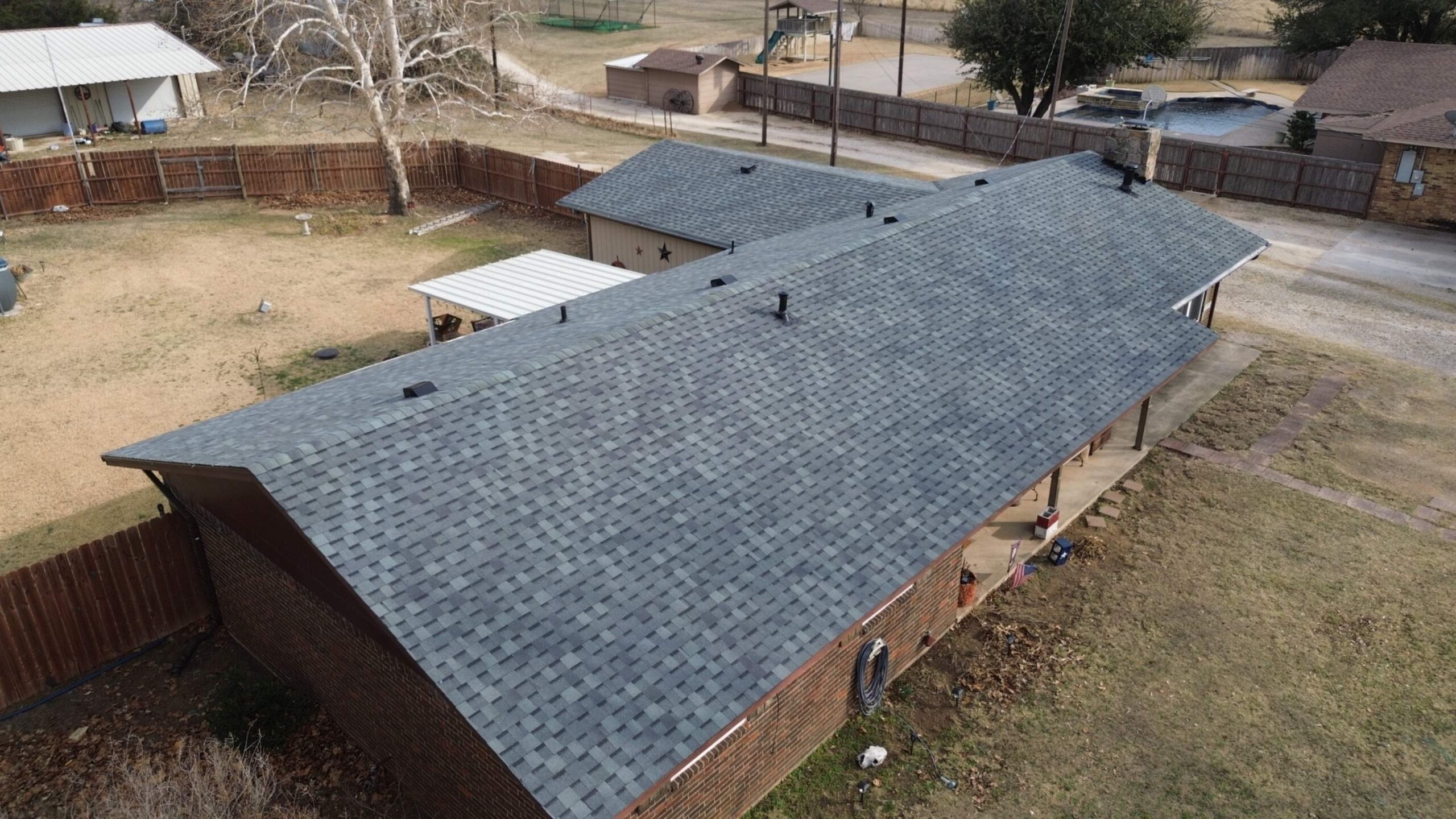
What to Expect During the Roof Repair Process
Knowing what happens during a roof repair helps homeowners feel more confident throughout the project. While every repair differs depending on the type of damage and roofing material, most projects follow a similar sequence.
The work usually begins with a final inspection. Contractors verify the repair plan, confirm material quantities, and examine the roof once more before removing any damaged sections. This last review ensures that no changes are needed before construction begins.
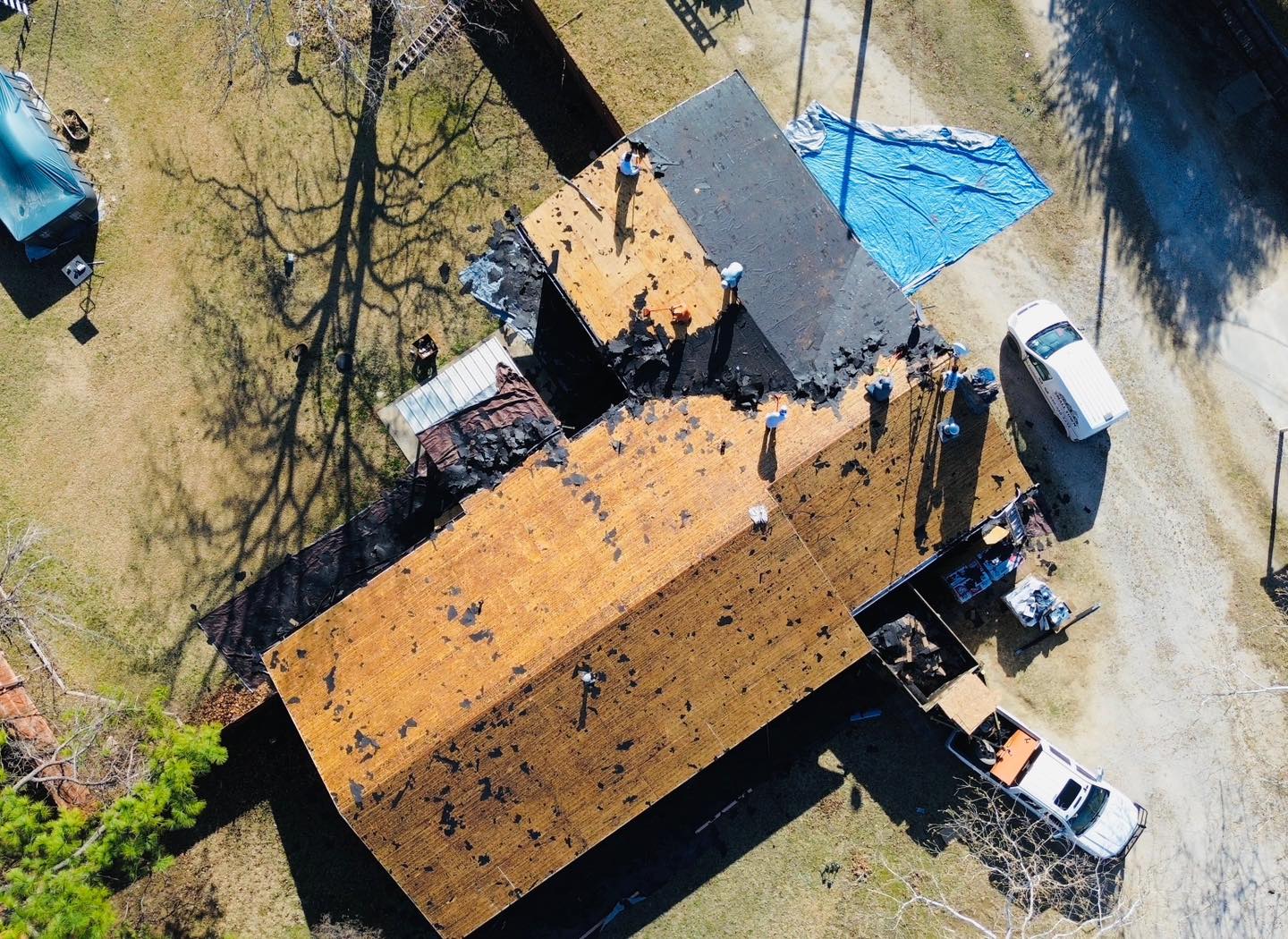
Damaged roofing materials are then removed carefully to expose the underlying structure. At this stage, hidden problems such as rotten decking, damaged underlayment, or deteriorated flashing may become visible. Discovering these issues early allows them to be corrected before new roofing materials are installed.
If structural repairs are necessary, they should always be completed before replacing the roof covering. Installing new shingles or panels over damaged decking only hides the problem temporarily and reduces the lifespan of the repair.
Once the structure is sound, underlayment and flashing are repaired or replaced where required. These components provide critical protection against water infiltration and should never be overlooked simply because they are hidden after installation.
The new roofing materials are then installed according to manufacturer recommendations. Proper alignment, fastening, and sealing are essential for ensuring the repaired section performs consistently with the rest of the roof.
Throughout the repair, homeowners should expect some level of noise. Hammering, material movement, and equipment operation are normal parts of roofing work. Planning for these temporary disruptions makes the experience less stressful.
Daily cleanup is another sign of a well managed project. Responsible contractors remove debris regularly instead of allowing nails and discarded materials to accumulate around the property. A cleaner work site improves safety while demonstrating professional workmanship.
Open communication remains valuable throughout the project. If unexpected issues arise, discussing available solutions before additional work proceeds helps avoid misunderstandings regarding costs or timelines.
Inspecting the Finished Repair for Quality
Completing the repair does not mean the planning process is over. A final inspection confirms that the work meets expectations and ensures no important details have been overlooked before considering the project complete.
The inspection should begin with a visual review from ground level. Look for consistent alignment of roofing materials, even color matching, and properly installed flashing around chimneys, vents, skylights, and other roof penetrations. Uneven sections or obvious gaps may indicate installation issues requiring further attention.
Homeowners should also inspect gutters and surrounding landscaping for leftover construction debris. Nails, packaging materials, and broken roofing pieces should all be removed before the project is considered finished.
The attic deserves another inspection after repairs are complete. During the next rainfall, check for signs of moisture, dripping water, or new stains. An attic inspection provides early confirmation that the repaired area is performing as expected.
If a contractor completed the repair, request a walkthrough before making the final payment. This provides an opportunity to ask questions about completed work, maintenance recommendations, and warranty coverage.
Photographs should be taken after the repair as well. Keeping before and after images creates a valuable maintenance record that may support future inspections, insurance claims, or property sales.
Homeowners should also collect all project documentation before the contractor leaves the site. Important records include material warranties, labor warranties, receipts, inspection reports, and maintenance recommendations. Organizing these documents makes future roof care much easier.
Do not hesitate to raise concerns if something appears unusual. Addressing small questions immediately is far easier than discovering unresolved issues months after the project has been completed.
A careful final inspection provides confidence that the planning, budgeting, and repair efforts have achieved the intended results.
Creating a Long Term Roof Maintenance Plan
Roof repair should be viewed as one part of an ongoing maintenance strategy rather than the final step. Regular maintenance protects the investment made during repairs while helping homeowners avoid preventable damage in the future.
Routine inspections allow small issues to be identified before they become major repairs. Many roofing problems begin with loose flashing, damaged sealant, or a few missing shingles. Addressing these concerns early often prevents expensive structural damage later.
Seasonal maintenance is especially valuable because weather conditions change throughout the year. Heavy rain, strong winds, snow, falling leaves, and extreme temperatures all affect roofing materials differently. Adapting maintenance activities to seasonal conditions extends the roof’s service life.
Gutter cleaning should become part of every maintenance schedule. Clogged gutters prevent proper drainage and increase the likelihood of water backing up beneath roofing materials. Keeping drainage systems clear protects both the roof and the home’s foundation.
Tree maintenance also contributes to roof longevity. Overhanging branches may scrape roofing materials during windy weather while dropping leaves and debris that trap moisture. Regular trimming reduces these risks and improves roof ventilation.
Attic ventilation should be monitored periodically as well. Proper airflow helps regulate temperature and moisture levels, reducing stress on roofing materials throughout the year. Balanced ventilation also improves overall energy efficiency within the home.
Homeowners should maintain a written maintenance record for future reference. Recording inspection dates, repairs, contractor visits, and observed issues helps identify recurring patterns while supporting warranty claims if needed.
The following maintenance schedule provides a simple framework that beginners can follow throughout the year.
| Maintenance Task | Recommended Frequency |
|---|---|
| Visual roof inspection | Twice each year |
| Gutter cleaning | Spring and autumn |
| Attic inspection | Every six months |
| Flashing inspection | Once each year |
| Tree branch trimming | As needed |
| Professional roof inspection | Every two to three years |
Following a consistent maintenance routine greatly reduces the likelihood of emergency repairs while helping homeowners maximize the lifespan of their roofing system.
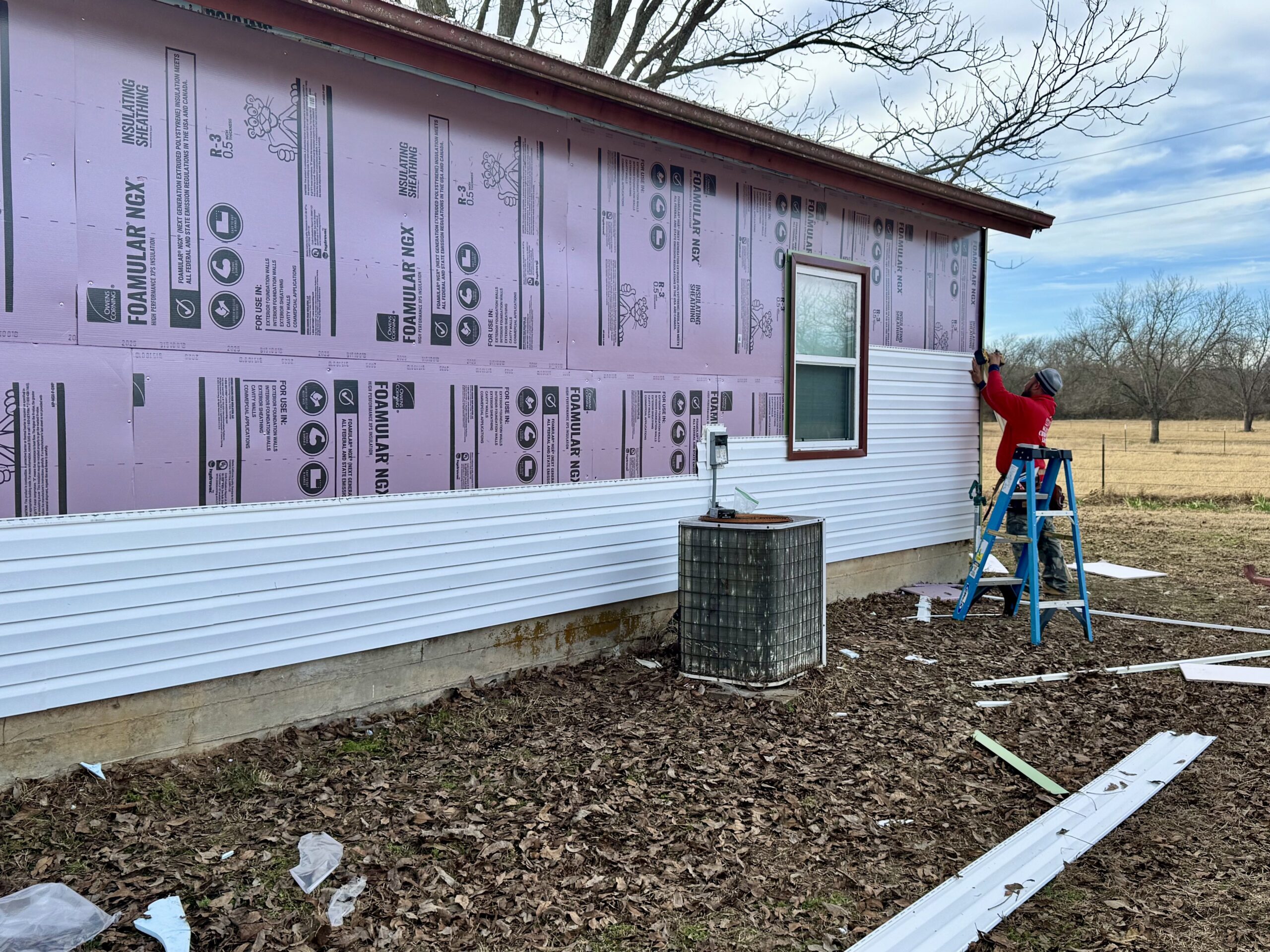
Frequently Asked Questions About Roof Repair Planning
Many beginners have similar concerns before beginning a roof repair project. Understanding these common questions makes the planning process easier and helps homeowners make more informed decisions.
How do I know if my roof needs repair?
Visible signs such as missing shingles, water stains, sagging areas, damaged flashing, granules in gutters, or recurring leaks often indicate that repairs are necessary. Regular inspections help identify these issues before they become more severe.
Can I repair my roof myself?
Small repairs may be suitable for experienced homeowners who understand roofing safety and proper repair techniques. However, extensive damage, steep roofs, or structural concerns should generally be handled by qualified professionals.
How often should a roof be inspected?
Most experts recommend inspecting residential roofs at least twice a year and after major storms. Regular inspections help detect developing problems before they require expensive repairs.
What is the biggest mistake homeowners make?
One of the most common mistakes is delaying repairs after noticing early signs of damage. Small leaks rarely remain small, and postponing repairs often leads to larger structural problems that cost much more to fix.
Should I always choose the lowest contractor estimate?
Not necessarily. The lowest estimate may exclude important materials, warranties, or quality workmanship. Comparing experience, licensing, insurance, references, and warranty coverage usually provides a better basis for selecting a contractor.
How long should a roof repair last?
The lifespan of a repair depends on material quality, installation methods, weather conditions, and ongoing maintenance. Properly planned and professionally completed repairs often remain effective for many years.
Is preventive maintenance really worth the effort?
Yes. Preventive maintenance identifies minor issues before they become major failures. Regular inspections, gutter cleaning, and timely repairs usually reduce long term roofing expenses while extending the overall life of the roof.
Conclusion
Roof repair planning is much more than preparing tools and purchasing replacement materials. It is a structured process that begins with understanding the roof’s condition, identifying the true source of damage, setting realistic goals, and creating a practical budget. Careful planning reduces uncertainty while helping homeowners make informed decisions throughout the entire project.
Choosing suitable materials, gathering the right equipment, monitoring weather conditions, and deciding whether professional assistance is necessary all contribute to a successful repair. Each planning step builds on the previous one, creating a logical approach that minimizes costly mistakes and improves long term results.
Preparing the property before work begins, inspecting completed repairs carefully, and maintaining detailed project records further strengthen the value of the repair. These habits help homeowners protect their investment while making future maintenance easier and more organized.
Regular inspections and preventive maintenance should continue long after the repair is finished. A roof that receives consistent care is more likely to withstand changing weather conditions, provide reliable protection, and avoid unexpected emergencies. Simple maintenance performed at the right time often prevents expensive repairs in the future.
For beginners, roof repair planning may seem challenging at first, but following a step by step approach makes the process far more manageable. Taking time to inspect carefully, plan thoroughly, and make informed decisions leads to safer repairs, better financial outcomes, and a stronger roofing system that continues protecting the home for many years to come.