How Roof Age Impacts Inspection Findings and Repairs
Introduction
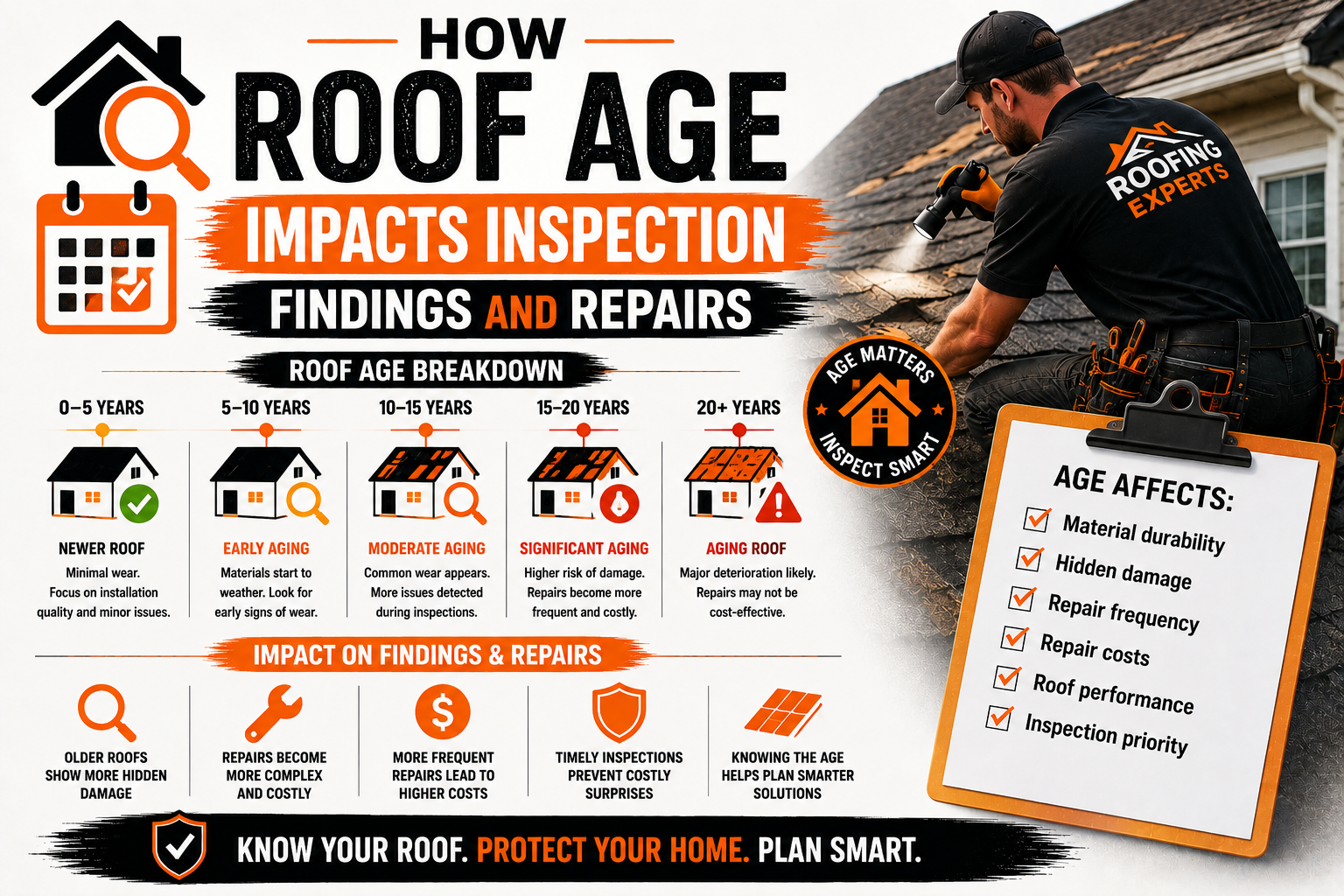
Every roof changes over time, regardless of the quality of its materials or the precision of its installation. Daily exposure to sunlight, rain, wind, temperature changes, and seasonal weather slowly affects the condition of roofing components, making age one of the most important factors considered during a professional inspection.
A roof that is only a few years old typically presents different inspection findings than one that has protected a home for decades. While newer roofs are often evaluated for installation quality and isolated defects, older roofs require closer attention to material deterioration, structural wear, moisture intrusion, and long term weather exposure.
Professional roof inspections are not performed using the same expectations for every property. Inspectors consider the roof’s approximate age, maintenance history, local climate, roofing material, and previous repairs before determining which conditions are normal and which require immediate attention.
Understanding how roof age influences inspection findings helps homeowners make informed maintenance decisions. Instead of reacting only after leaks appear, they can anticipate common age related concerns and schedule repairs before small issues become major structural problems.
Roof age also plays a significant role in determining whether repairs remain practical or whether replacement should be considered. The same damaged shingle or flashing issue may receive different recommendations depending on the overall condition and remaining service life of the roofing system.
This guide explores how roof age affects professional inspections, the types of issues commonly discovered at different stages of a roof’s life, and how those findings influence repair decisions that protect both the home and the homeowner’s investment.
Understanding the Relationship Between Roof Age and Performance
Every roofing system follows a gradual aging process rather than experiencing sudden failure. Materials slowly lose flexibility, protective coatings wear away, sealants begin shrinking, and repeated weather exposure weakens components that once provided reliable protection.
Age alone does not determine whether a roof is in good or poor condition. A well maintained roof that has received regular inspections and timely repairs often performs better than a much newer roof that has been neglected.
Professional inspectors evaluate roof age as one factor within a much larger assessment. They consider whether the observed wear matches the expected condition for the roof’s stage of life or whether certain areas have deteriorated more rapidly than anticipated.
Environmental conditions also influence how quickly roofs age. Homes located in areas with frequent storms, intense sunlight, coastal salt exposure, or heavy snowfall often experience accelerated deterioration compared with properties in milder climates.
Maintenance history becomes increasingly important as roofs grow older. Small repairs completed promptly can significantly delay widespread deterioration, allowing the roofing system to continue functioning efficiently for many additional years.
Age related changes rarely occur uniformly across the entire roof. Areas exposed to stronger sunlight, persistent shade, standing water, or heavy wind may age faster than surrounding sections, creating inspection findings that require localized attention.
Understanding this gradual aging process helps homeowners appreciate why routine inspections remain valuable throughout every stage of a roof’s lifespan rather than only near the end of its service life.
Why Roof Age Matters During Professional Inspections
Professional roof inspections are designed to identify conditions that affect current performance while also predicting future maintenance needs. Knowing the roof’s approximate age helps inspectors distinguish between expected aging and unusual deterioration.
A relatively new roof may receive close attention for installation quality, flashing alignment, fastening methods, and manufacturer related concerns. Since widespread aging is unlikely during the early years, inspectors focus on identifying isolated defects that could shorten the roof’s lifespan.
As roofs mature, inspection priorities gradually shift. Greater emphasis is placed on evaluating material flexibility, sealant performance, drainage efficiency, ventilation, and evidence of repeated weather exposure.
Older roofs require even more comprehensive evaluations because several age related issues often occur simultaneously. Minor defects that might be insignificant on a newer roof can indicate broader system deterioration when they appear on an aging roofing structure.
Roof age also influences repair recommendations. Replacing a few damaged shingles on a relatively new roof usually represents a practical solution, while similar repairs on a roof nearing the end of its expected lifespan may provide only temporary benefits.
Inspectors also consider whether replacement materials will integrate effectively with existing roofing products. Matching older roofing materials sometimes becomes difficult because manufacturers may discontinue certain styles, colors, or product lines over time.
A professional evaluation balances present condition with future expectations. Rather than focusing only on visible defects, inspectors assess how roof age affects durability, maintenance requirements, and long term repair planning.
How Roofing Materials Age Differently Over Time
Every roofing material responds differently to years of environmental exposure. Understanding these differences allows inspectors to evaluate aging patterns more accurately and recommend repairs that match the condition of the roofing system.
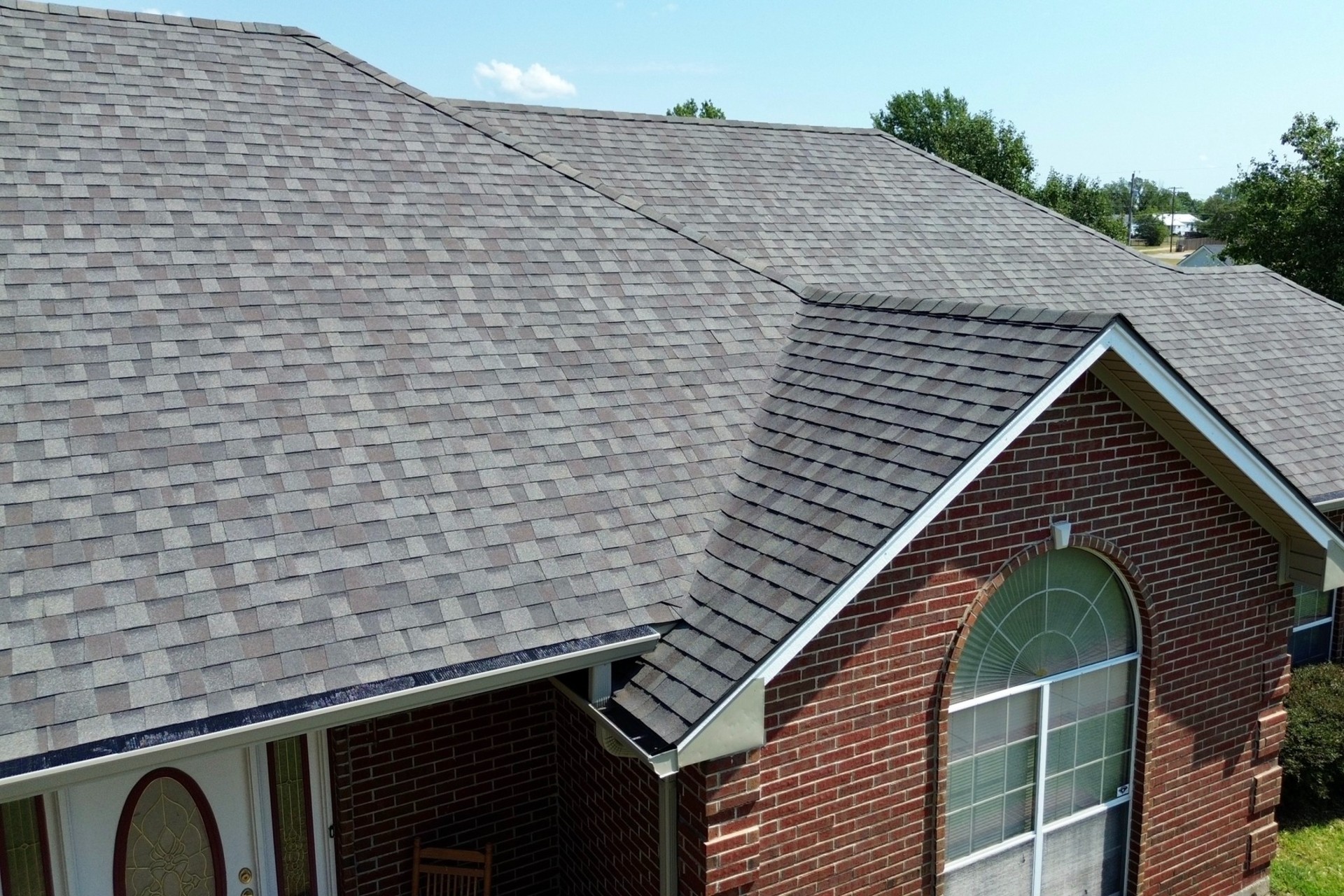
Asphalt shingles gradually lose protective granules as they weather under sunlight and rainfall. Over time, repeated expansion and contraction reduce flexibility, making shingles more susceptible to cracking, curling, and wind damage.
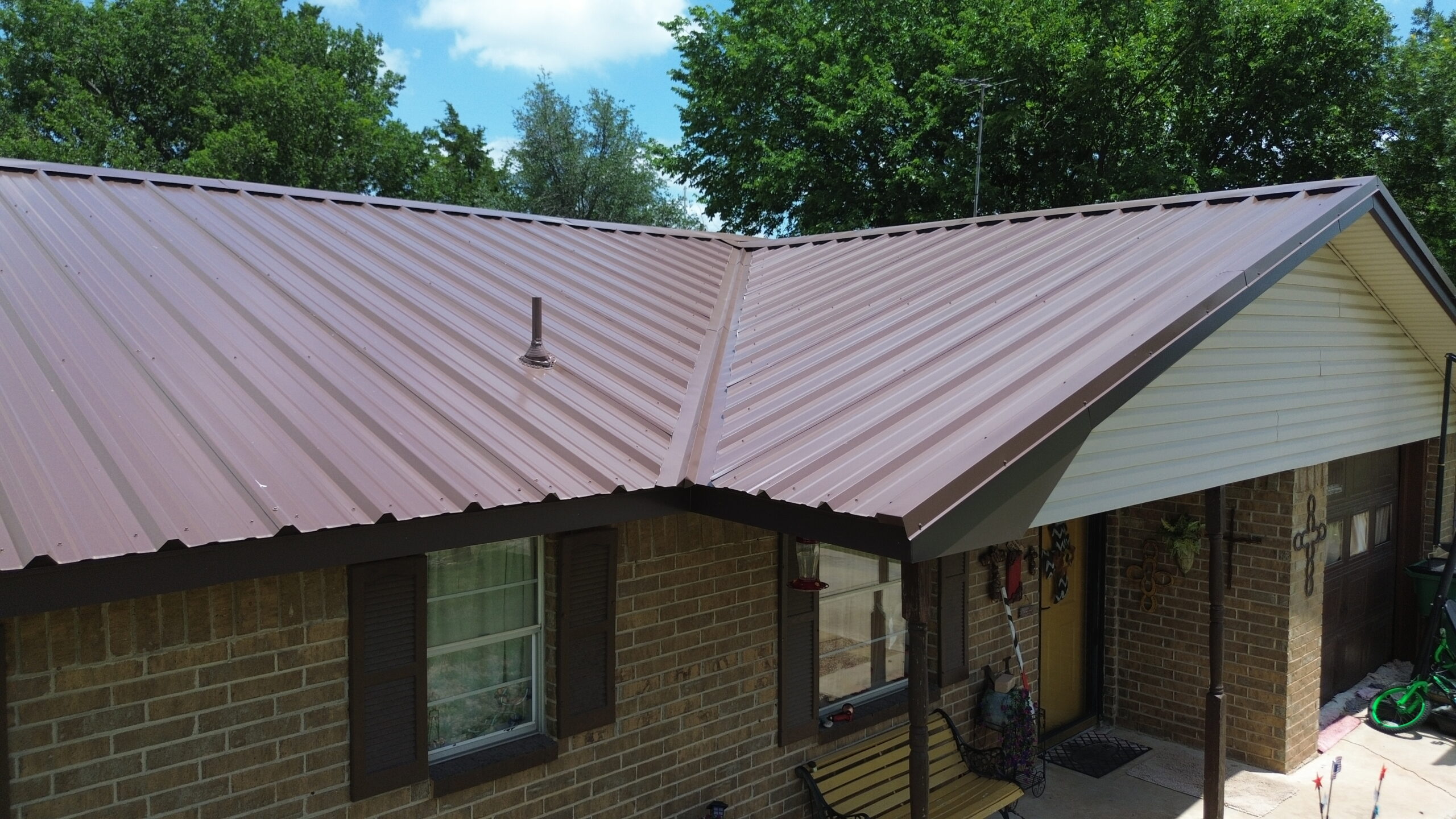
Metal roofing generally maintains structural strength for many years but may develop corrosion if protective coatings become damaged. Fasteners, seams, and flashing often require closer inspection than the metal panels themselves because these components typically experience wear sooner.
Clay and concrete tiles are known for their durability, yet they can crack from impact or movement caused by structural settling. Inspectors evaluate both the visible tile surface and the underlying support system because hidden issues may exist even when tiles appear intact.
Slate roofing ages differently from manufactured materials due to its natural composition. Individual slate pieces often remain durable for decades, although fastening systems and flashing usually require maintenance long before the slate itself reaches the end of its service life.
Synthetic roofing materials vary depending on their composition and manufacturing process. Inspectors review manufacturer recommendations while evaluating signs of fading, brittleness, surface wear, and weather related deterioration.
Wood shake roofs present another unique aging pattern. Moisture exposure, sunlight, insects, and biological growth gradually affect the wood fibers, making regular inspections especially important for identifying decay before structural damage develops.
Because every roofing material ages differently, professional inspections are tailored to the specific roofing system rather than relying on generalized expectations.
Inspection Findings Common in New Roofs
New roofs generally experience fewer serious problems than older roofing systems, but they are not completely free from inspection concerns. Early evaluations often focus on workmanship, installation accuracy, and isolated defects that may affect long term performance.
Improperly secured flashing remains one of the most common findings during inspections of recently installed roofs. Even high quality roofing materials cannot provide reliable protection if flashing around chimneys, skylights, and roof penetrations has not been installed correctly.
Inspectors also verify that shingles or other roofing materials are properly aligned. Minor installation inconsistencies may appear cosmetic at first but can gradually increase vulnerability to wind uplift and water intrusion.
Sealants applied during installation receive careful attention as well. Uneven application, premature shrinkage, or missed sealing points can create small openings where moisture eventually enters the roofing assembly.
Drainage performance is another important consideration during early roof inspections. Gutters, valleys, and downspouts should guide water efficiently away from the roof without allowing ponding or overflow.
Professionals commonly evaluate the following areas when inspecting newer roofs:
- Flashing installation around roof penetrations.
- Shingle alignment and fastening.
- Roof ventilation performance.
- Gutter and drainage efficiency.
- Sealant quality at joints and transitions.
- Signs of installation related damage.
Early inspections provide an opportunity to correct relatively minor concerns before they develop into more significant maintenance issues. Addressing these findings promptly helps maximize the roof’s expected service life.
Early Life Maintenance and Minor Repairs
The first several years after roof installation present an ideal opportunity to establish good maintenance habits. Although major repairs are uncommon during this period, regular inspections help verify that the roofing system continues performing as intended.
Routine maintenance often involves clearing debris from gutters, inspecting flashing after storms, removing fallen branches, and checking for isolated shingle damage. These simple tasks reduce unnecessary stress on roofing materials and help prevent premature deterioration.
Minor repairs completed early usually require limited labor and materials. Replacing a damaged shingle, resealing flashing, or tightening loose fasteners often prevents moisture from entering the roof structure.
Homeowners should also monitor interior spaces even when the roof is relatively new. Ceiling stains, attic moisture, unusual odors, or changes in insulation may indicate isolated defects that deserve professional attention despite the roof’s young age.
Scheduling inspections after severe weather remains beneficial regardless of roof age. High winds, hail, and falling debris can damage even newly installed roofing systems without creating immediately visible leaks.
Preventive maintenance during the early years offers several long term advantages:
- Detects installation related issues before they worsen.
- Preserves manufacturer recommended performance.
- Reduces the likelihood of unexpected repairs.
- Extends the overall service life of roofing materials.
- Establishes a maintenance history that supports future inspections.
Developing these maintenance habits early creates a solid foundation for protecting the roof as it progresses through later stages of its lifespan.
Mid Life Roof Conditions Inspectors Frequently Discover
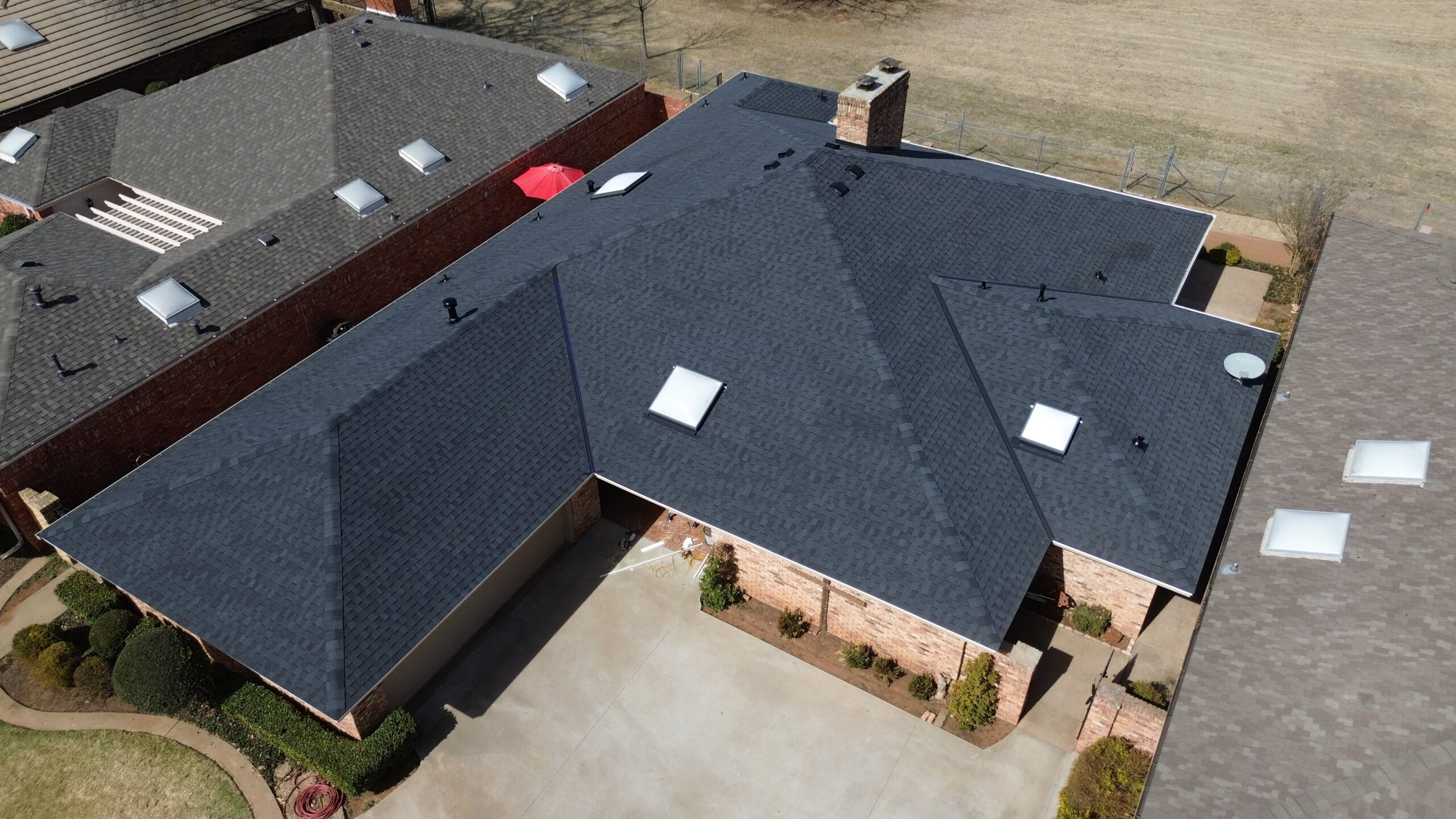
As roofs reach the middle portion of their expected lifespan, inspection findings become more varied. While the roofing system often continues providing reliable protection, gradual aging begins affecting materials that have experienced years of continuous weather exposure.
Inspectors commonly observe moderate granule loss on asphalt shingles, slight fading of protective coatings, minor sealant deterioration, and localized flashing wear. These conditions do not necessarily indicate imminent failure, but they deserve monitoring because they often represent the beginning of broader aging patterns.
Roof penetrations become increasingly important during mid life inspections. Flashing around chimneys, plumbing vents, skylights, and exhaust vents experiences repeated expansion and contraction, making these locations more susceptible to developing leaks than surrounding roofing materials.
Drainage systems also receive closer evaluation as roofs mature. Gutters may begin sagging, fasteners can loosen, and accumulated debris may reduce water flow, increasing the risk of moisture remaining on the roof for extended periods.
Attic inspections frequently reveal subtle changes during this stage of the roof’s life. Inspectors look for early signs of moisture intrusion, ventilation deficiencies, insulation compression, and isolated staining that may indicate developing roofing concerns.
Mid life evaluations also focus on identifying repairs completed during previous years. Older patches, replacement shingles, or repaired flashing are examined carefully to ensure they continue performing effectively alongside the original roofing materials.
These inspection findings help homeowners plan future maintenance rather than waiting for significant deterioration to occur. Understanding the roof’s current condition allows repairs to be scheduled strategically, preserving the roofing system while preparing for the more comprehensive evaluations often required as the roof continues to age.
Inspection Findings on Aging Roofs
As roofs move into the later stages of their service life, inspection findings become more detailed and often reveal multiple forms of deterioration occurring at the same time. Materials that have performed reliably for many years gradually lose their original strength, making the roof more vulnerable to weather, moisture, and structural movement.
Older roofs rarely fail because of one isolated defect. Instead, years of exposure cause several components to age together, allowing relatively small issues to combine into larger maintenance concerns.
Professional inspectors understand that aging roofs require a broader evaluation than newer systems. Rather than focusing only on visible surface damage, they assess structural stability, moisture movement, ventilation, drainage, flashing, and the condition of supporting materials.
Inspection reports for older roofs often include recommendations that balance immediate repairs with long term planning. The goal is to help homeowners maintain safety while preparing for future maintenance or replacement when necessary.
Signs of Material Fatigue and Weathering
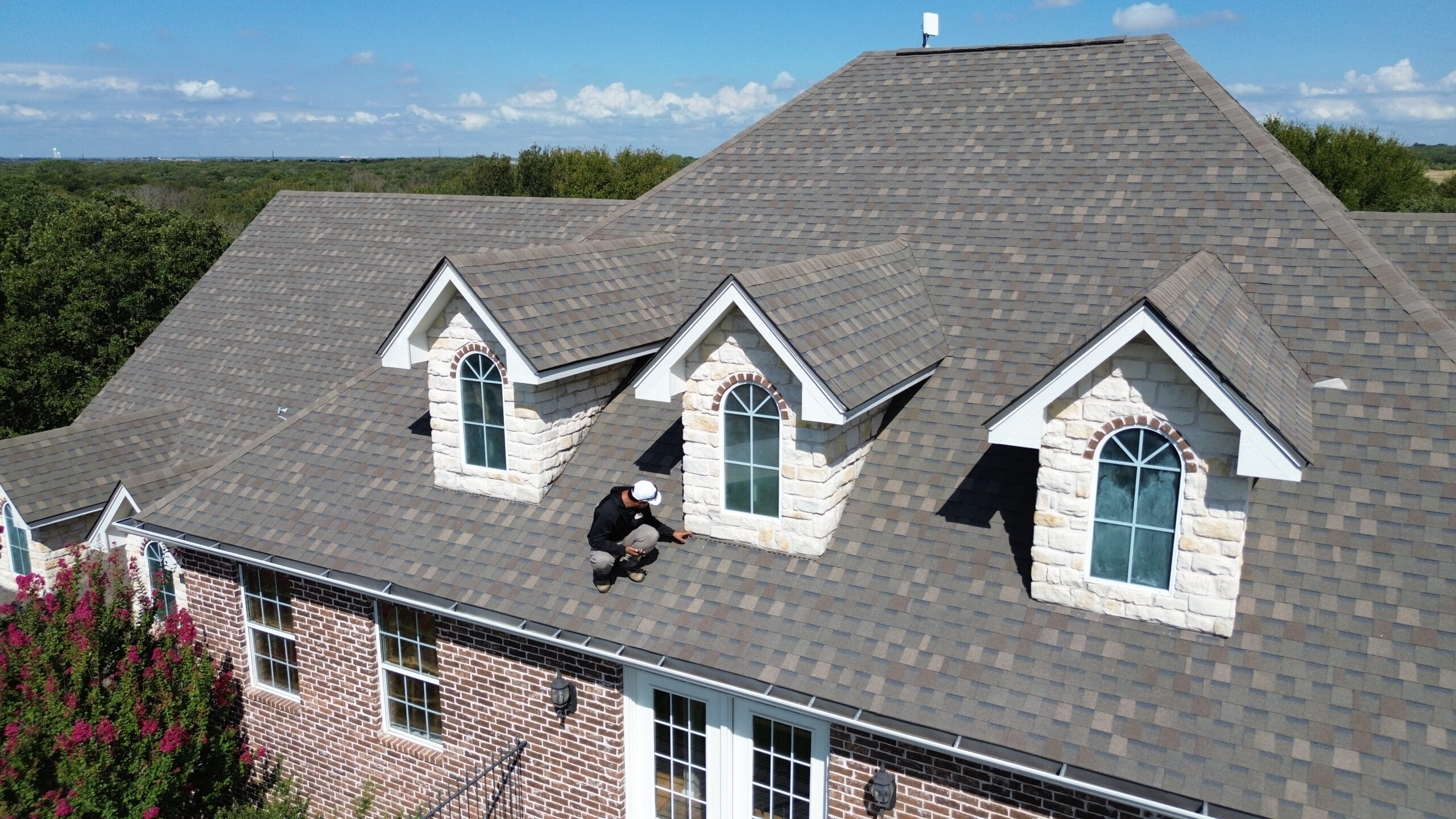
Material fatigue develops gradually as roofing products experience continuous cycles of expansion, contraction, sunlight, rainfall, and seasonal weather changes. Even durable roofing materials eventually lose some of their original flexibility and protective properties.
Asphalt shingles commonly become brittle as protective oils diminish over time. Brittle shingles crack more easily during storms and are less capable of resisting wind uplift than newer materials.
Protective granules also continue wearing away throughout the roof’s lifespan. Once these granules become significantly depleted, ultraviolet rays reach the underlying asphalt more easily, accelerating the aging process.
Metal roofing experiences different forms of weathering. Protective finishes may fade, seams can expand and contract repeatedly, and exposed fasteners occasionally loosen after years of temperature fluctuations.
Clay, concrete, and slate roofs generally retain their appearance for longer periods, but individual tiles or stones may crack because of repeated weather exposure or minor structural movement beneath the roofing surface.
Inspectors also examine sealants carefully during evaluations of aging roofs. Older sealants often become dry, shrink away from joints, or develop small cracks that allow moisture to enter vulnerable areas.
Weathering patterns provide valuable information during inspections. Uniform aging usually indicates a roof approaching the natural end of its service life, while isolated deterioration may suggest localized problems that can still be repaired effectively.
Hidden Structural Issues That Develop With Age
Surface materials receive much of the attention during roof inspections, but aging also affects the structural components supporting the entire roofing system. These hidden changes often develop slowly and remain unnoticed until professional evaluations reveal them.
Roof decking may weaken after repeated exposure to small amounts of moisture. Even minor leaks that continue for several seasons can reduce the strength of wooden decking without creating obvious exterior damage.
Wood framing members also require careful examination. Rafters and trusses exposed to long term moisture may begin showing signs of warping, discoloration, fungal growth, or gradual deterioration.
Fasteners become another important inspection focus as roofs age. Corrosion, loosening, or movement of nails and screws may reduce the overall stability of roofing materials, especially after years of wind exposure.
Professional inspectors also evaluate roof alignment. Slight sagging or uneven roof lines may indicate developing structural concerns that deserve further investigation before they progress into more serious problems.
Older roofs sometimes reveal previous repairs hidden beneath replacement materials. These repaired sections are inspected carefully because they may conceal recurring moisture problems or indicate areas that have experienced repeated damage over many years.
Identifying structural concerns early allows homeowners to address underlying causes rather than simply repairing visible symptoms. This approach helps preserve both the roof and the building structure it protects.
How Older Roofs Become More Vulnerable to Leaks
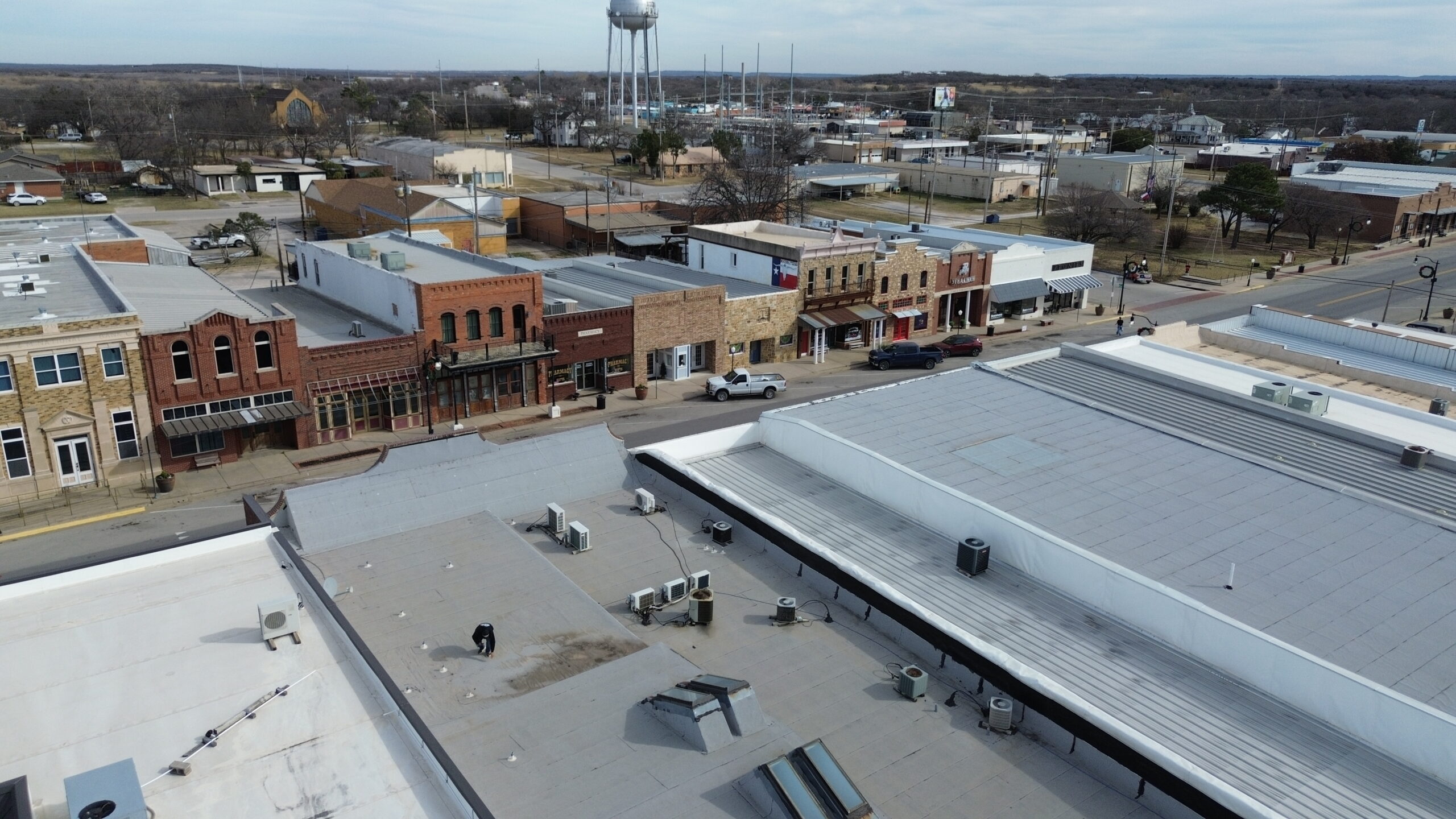
One of the most significant effects of roof aging is the gradual increase in leak susceptibility. While a new roof typically relies on several overlapping layers of protection, older roofs often experience reduced performance across multiple components simultaneously.
Flashing frequently becomes one of the earliest leak sources. Years of movement caused by seasonal expansion and contraction can separate flashing from surrounding roofing materials, creating small openings where water enters during heavy rainfall.
Sealants also lose effectiveness with age. Exposure to sunlight, changing temperatures, and moisture gradually reduces their flexibility, making cracking and separation more common.
Roof penetrations deserve special attention because they contain multiple joints requiring long term waterproofing. Plumbing vents, skylights, chimneys, and ventilation openings often become vulnerable before the primary roofing surface begins failing.
Drainage issues also increase leak risk on aging roofs. Gutters that no longer maintain proper alignment or valleys blocked by debris allow water to remain on the roof longer than intended.
Repeated moisture exposure eventually affects underlayment materials as well. Once protective layers beneath the visible roofing surface begin deteriorating, even relatively minor storms may result in interior water intrusion.
Professional inspections evaluate the roofing system as a complete water management assembly. Understanding how aging affects every component helps identify leak risks before they develop into costly interior damage.
Comparing Repair Options at Different Roof Ages
Repair recommendations change as roofs progress through different stages of their lifespan. Inspectors consider not only the current defect but also how the roof’s remaining service life influences the value of each repair.
Newer roofs generally benefit from isolated repairs because surrounding materials remain in good condition. Replacing a damaged shingle or repairing flashing often restores full performance without requiring additional work.
Mid life roofs typically require more comprehensive maintenance. Instead of correcting one isolated issue, inspectors may recommend repairing several developing concerns during the same service visit to improve long term performance.
Older roofs present more complex decisions. Although localized repairs may temporarily resolve immediate problems, widespread aging sometimes limits how much benefit individual repairs can provide.
Several factors influence repair recommendations, including:
- Overall roof condition.
- Remaining expected service life.
- Extent of existing damage.
- History of previous repairs.
- Compatibility of replacement materials.
- Cost effectiveness compared with replacement.
Professional inspectors explain these factors clearly so homeowners understand why different repair strategies may be appropriate for roofs at different stages of aging.
Repair decisions should always consider both present needs and future maintenance planning. Investing in repairs that meaningfully extend roof performance often provides greater value than repeatedly addressing isolated symptoms.
Factors That Influence Roof Lifespan Beyond Age
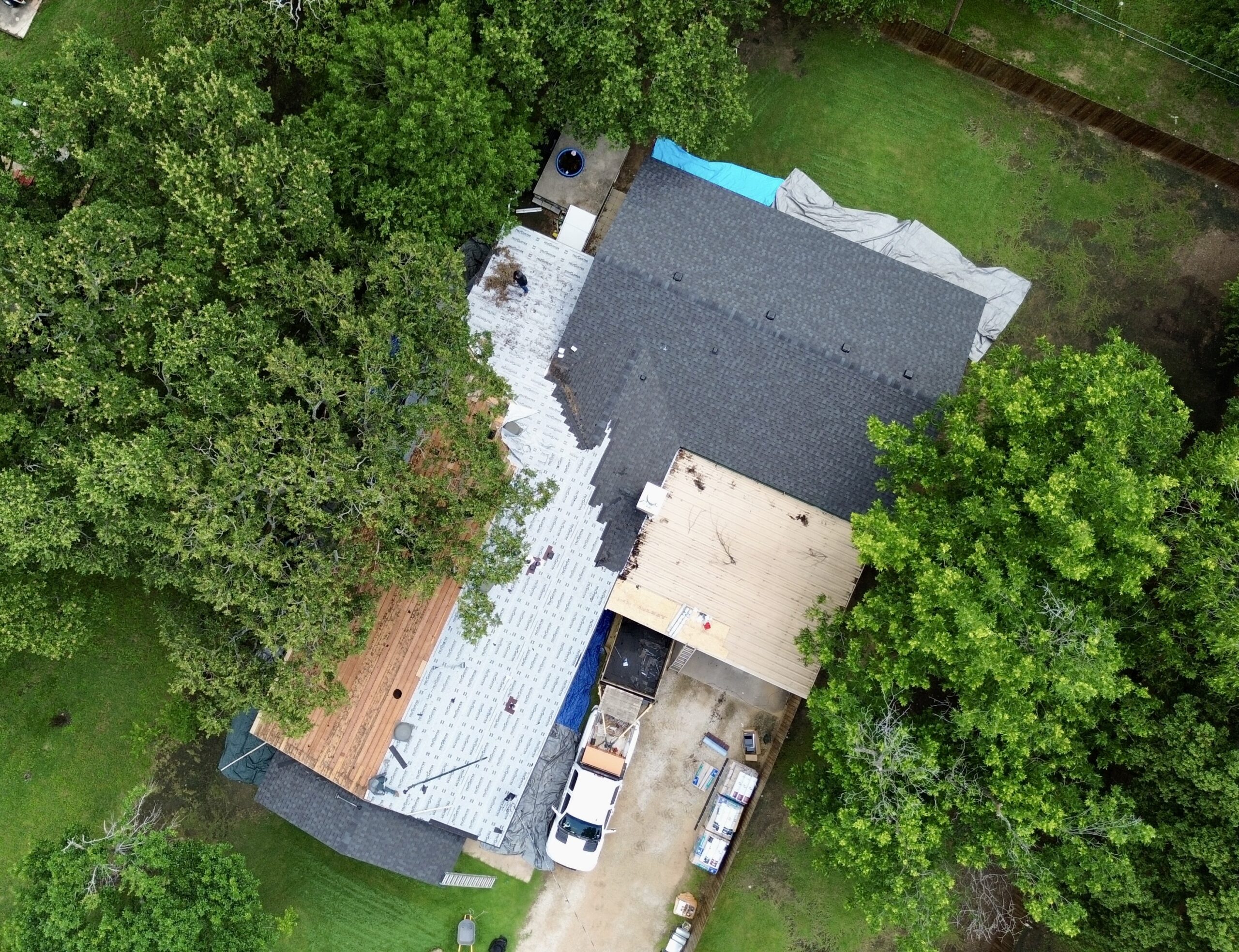
Although age is an important consideration during inspections, it is only one of many factors affecting roof longevity. Two roofs installed during the same year may show dramatically different conditions because of differences in environment, maintenance, and construction quality.
Installation quality remains one of the most influential factors throughout a roof’s lifespan. Proper flashing, accurate fastening, effective ventilation, and correct material placement contribute to long term durability from the beginning.
Climate also plays a major role in determining how quickly roofing materials age. Intense sunlight, frequent storms, coastal environments, heavy snowfall, and repeated freeze thaw cycles all accelerate certain forms of deterioration.
Ventilation directly affects the condition of both roofing materials and structural components. Poor airflow allows heat and moisture to accumulate inside the attic, increasing stress on shingles, decking, insulation, and framing.
Routine maintenance significantly extends roof performance. Cleaning gutters, replacing damaged flashing, removing debris, and addressing small defects promptly help reduce long term deterioration.
Nearby trees also influence roof lifespan. Falling branches, constant shade, leaf accumulation, and organic debris increase moisture retention while creating conditions that encourage biological growth.
Because these factors interact throughout the roof’s life, professional inspections always evaluate current condition rather than relying solely on chronological age.
Table Comparing Inspection Findings Across Roof Life Stages
Understanding how inspection findings change throughout a roof’s lifespan helps homeowners anticipate future maintenance needs. Although every property ages differently, inspectors generally observe predictable patterns as roofing systems mature.
| Roof Life Stage | Common Inspection Findings | Typical Repair Approach |
|---|---|---|
| New Roof | Minor installation adjustments, flashing checks, isolated defects | Small localized repairs and routine monitoring |
| Early Service Life | Limited weathering, occasional sealant maintenance, minor debris issues | Preventive maintenance and prompt repairs |
| Mid Life | Moderate granule loss, flashing wear, drainage concerns, ventilation review | Planned maintenance with targeted component repairs |
| Aging Roof | Material brittleness, repeated repairs, moisture intrusion, structural evaluation | Larger repairs and long term replacement planning |
| Near End of Service Life | Widespread deterioration, multiple leaks, weakened components | Comprehensive assessment for replacement consideration |
This progression demonstrates why inspection priorities evolve as roofs age. A condition considered routine on a newer roof may require a different recommendation when similar damage appears on an older roofing system.
Professional inspectors evaluate every finding within the broader context of the roof’s age, maintenance history, and overall condition. This balanced approach helps homeowners make informed decisions while preparing for the repair strategies, replacement considerations, and preventive maintenance practices discussed in the final section of this guide.
Repair Decisions Based on Roof Age
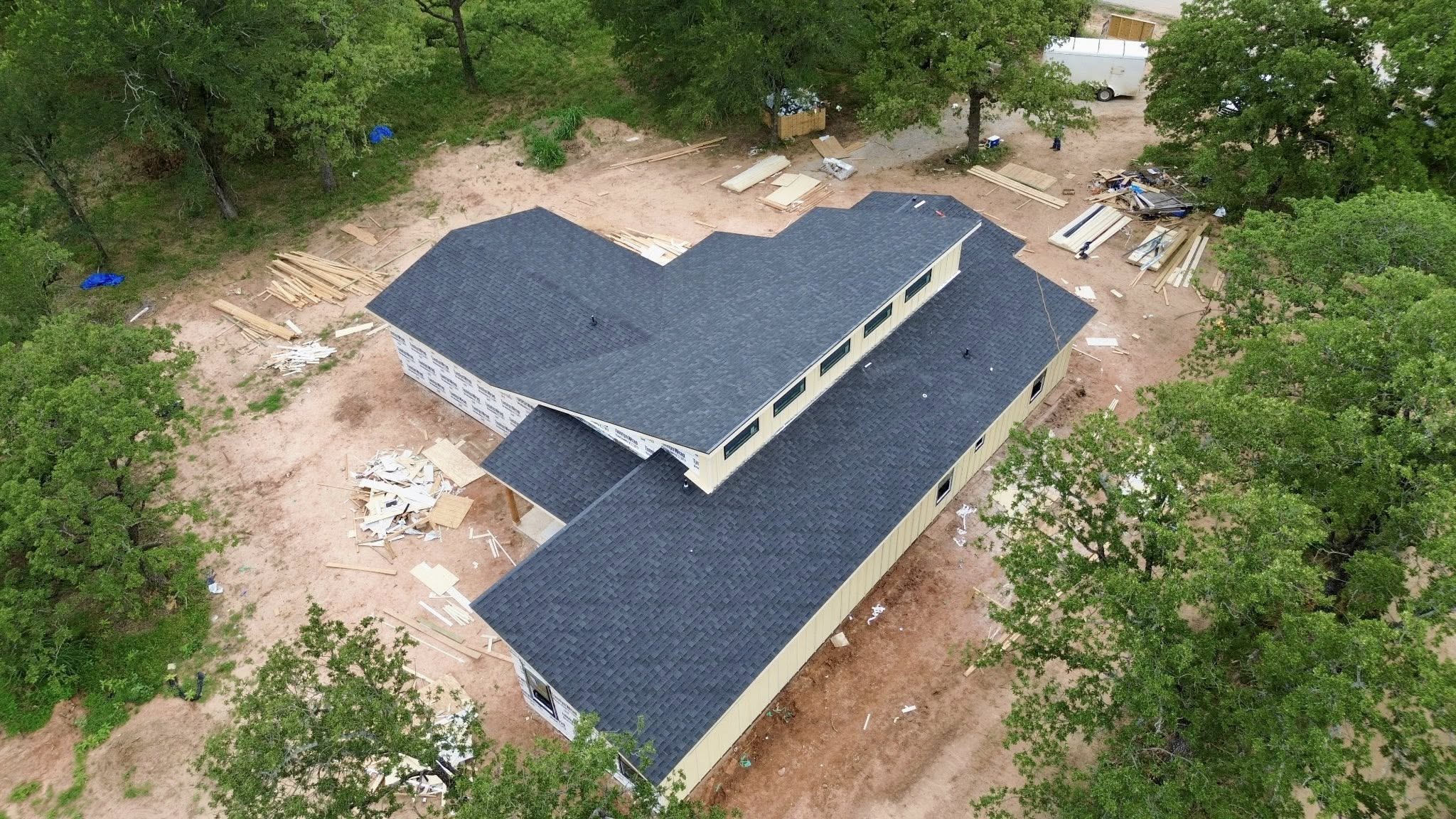
Repair decisions become more complex as a roof grows older. While replacing a few damaged components may be practical on a relatively new roof, the same repair may provide only limited value if the roofing system has already reached the later stages of its expected lifespan.
Professional inspectors do not base recommendations solely on age. Instead, they consider the condition of the entire roofing system, including structural components, moisture protection, ventilation, previous repairs, and the likelihood that additional issues will develop in the near future.
The objective is to recommend solutions that provide both immediate protection and long term value. This balanced approach helps homeowners avoid unnecessary expenses while ensuring the roof continues protecting the property safely and efficiently.
Understanding how roof age influences repair decisions allows homeowners to plan maintenance budgets more effectively. Rather than responding to emergencies, they can schedule repairs or replacement based on reliable inspection findings.
When Repairs Make More Sense Than Replacement
Many homeowners assume that any roof showing signs of aging should automatically be replaced. In reality, numerous roofs continue performing well for years after localized repairs, provided the overall structure remains in good condition.
Professional inspectors first determine whether damage is isolated or widespread. A roof with a few damaged shingles, limited flashing deterioration, or a small leak often benefits from targeted repairs when the surrounding materials remain structurally sound.
Repairs also make sense when previous inspections have shown consistent maintenance and minimal deterioration. Roofs that have been properly maintained usually respond better to localized repairs than neglected roofing systems with multiple unresolved issues.
Matching replacement materials is another consideration. If compatible products remain available and repairs can restore weather protection without affecting surrounding areas, repairing the roof is often the most economical option.
Seasonal timing may also influence repair decisions. Temporary or localized repairs sometimes provide effective protection until weather conditions allow larger maintenance projects to be completed safely.
Repair focused recommendations generally provide the greatest value when the roof continues offering reliable structural performance. The goal is to extend service life without investing in unnecessary replacement before it becomes truly beneficial.
Situations Where Roof Replacement Becomes the Better Investment
Although repairs often solve isolated problems, there comes a point when replacement becomes the more practical long term solution. Professional inspections help identify this transition before homeowners spend significant amounts on repeated repairs that provide only temporary results.
Extensive material deterioration is one of the strongest indicators that replacement should be considered. If roofing materials have become brittle across large sections of the roof, isolated repairs may not prevent additional failures from occurring soon afterward.
Repeated leak repairs also influence inspection recommendations. When moisture continues entering through different locations despite previous maintenance, the roofing system may no longer provide dependable protection.
Structural deterioration deserves immediate attention as well. Weak roof decking, decayed framing, widespread moisture damage, or significant sagging often indicate problems extending beyond the visible roofing surface.
Replacement may also become more cost effective when repair expenses continue increasing year after year. Instead of repeatedly addressing individual issues, installing a new roofing system provides renewed protection while reducing ongoing maintenance requirements.
Energy efficiency is another consideration during replacement planning. Modern roofing systems often incorporate improved ventilation, better underlayment materials, and more effective weather barriers that enhance overall building performance.
Professional inspectors evaluate these factors together before recommending replacement. Their objective is to ensure homeowners invest in solutions that provide lasting value rather than short term fixes.
Preventive Maintenance Strategies for Every Roof Age
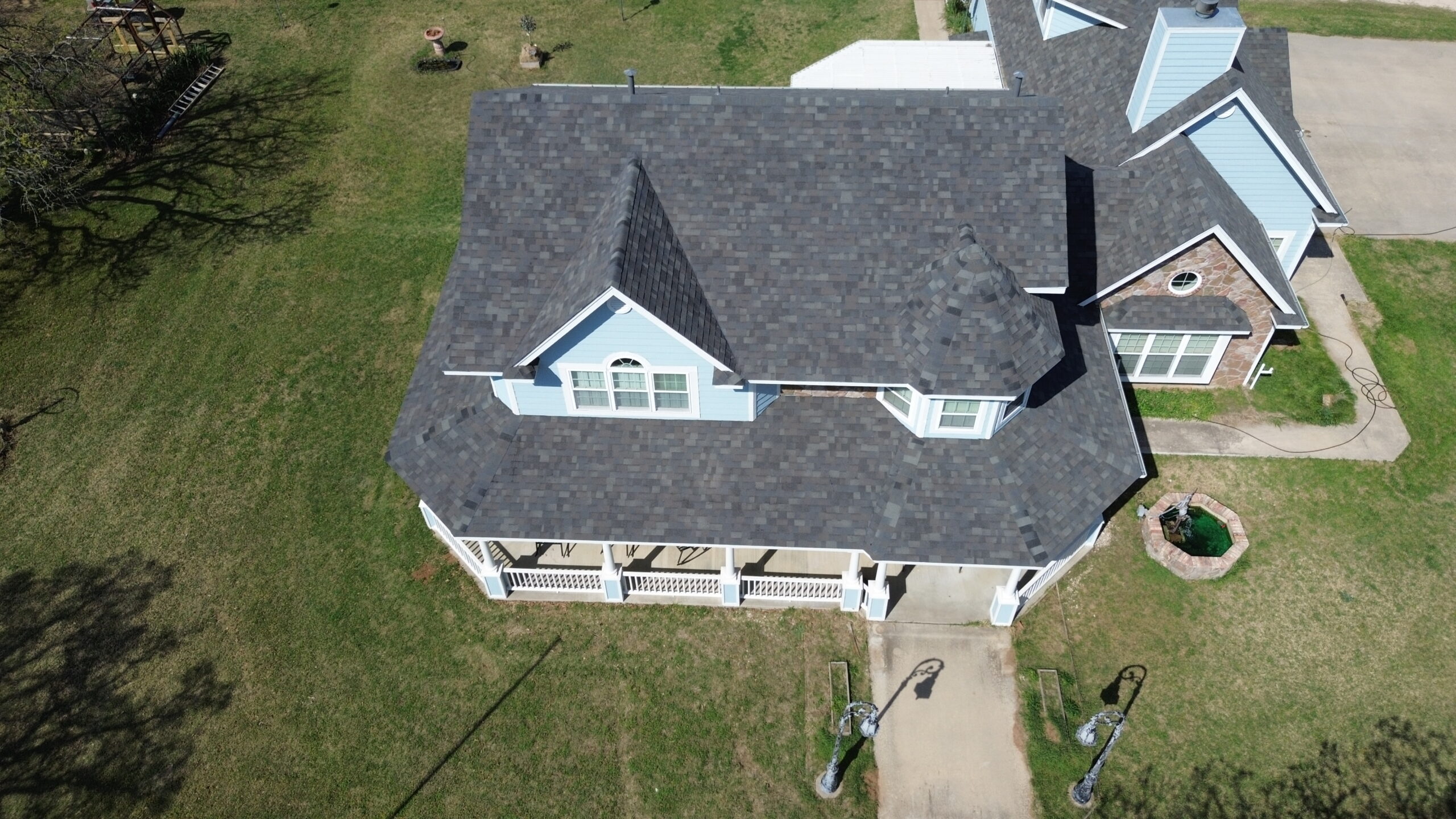
Preventive maintenance remains beneficial regardless of whether a roof is new, approaching mid life, or nearing the end of its service life. Consistent care slows deterioration and helps inspectors identify developing issues before they become expensive repairs.
Maintenance schedules should reflect both roof age and local environmental conditions. Areas experiencing frequent storms, heavy rainfall, or intense sunlight often require inspections more frequently than properties located in milder climates.
Cleaning drainage systems remains one of the simplest yet most effective maintenance practices. Proper water flow reduces moisture accumulation and protects both roofing materials and structural components.
Homeowners should also monitor visible changes throughout the year. Small issues discovered early are generally easier and less expensive to correct than problems allowed to develop for several seasons.
Effective preventive maintenance includes the following practices:
- Schedule routine professional roof inspections.
- Remove leaves, branches, and debris from the roof surface.
- Keep gutters and downspouts clean to maintain proper drainage.
- Repair damaged flashing and loose roofing materials promptly.
- Inspect the attic regularly for moisture, stains, or ventilation issues.
- Trim overhanging tree branches that contact the roof.
- Review the roof after major storms for visible damage.
Following these maintenance steps consistently helps maximize roof performance while reducing the likelihood of unexpected structural damage.
Questions Homeowners Should Ask About an Aging Roof
Receiving an inspection report is only the beginning of making informed roofing decisions. Asking the right questions helps homeowners better understand the condition of their roof and the reasoning behind recommended repairs.
One of the most important questions concerns the overall health of the roofing system. Understanding whether observed deterioration is localized or widespread provides valuable context for future maintenance planning.
Homeowners should also ask which issues require immediate attention and which can be monitored over time. Prioritizing repairs allows maintenance budgets to be allocated more effectively while reducing the risk of avoidable damage.
Remaining service life is another useful topic of discussion. Although inspectors cannot predict an exact replacement date, they can estimate how current conditions may influence future performance based on observed deterioration.
It is also beneficial to ask whether previous repairs continue performing effectively. Evaluating older repair work helps determine if additional maintenance should focus on the same areas or different sections of the roof.
Finally, homeowners should request guidance regarding future inspection frequency. Roof age, local weather conditions, and recent findings all influence how often professional evaluations should be scheduled.
Open communication between homeowners and inspectors leads to better maintenance decisions. Understanding inspection findings makes it easier to balance repair costs with long term property protection.
Common Mistakes When Evaluating Older Roofs
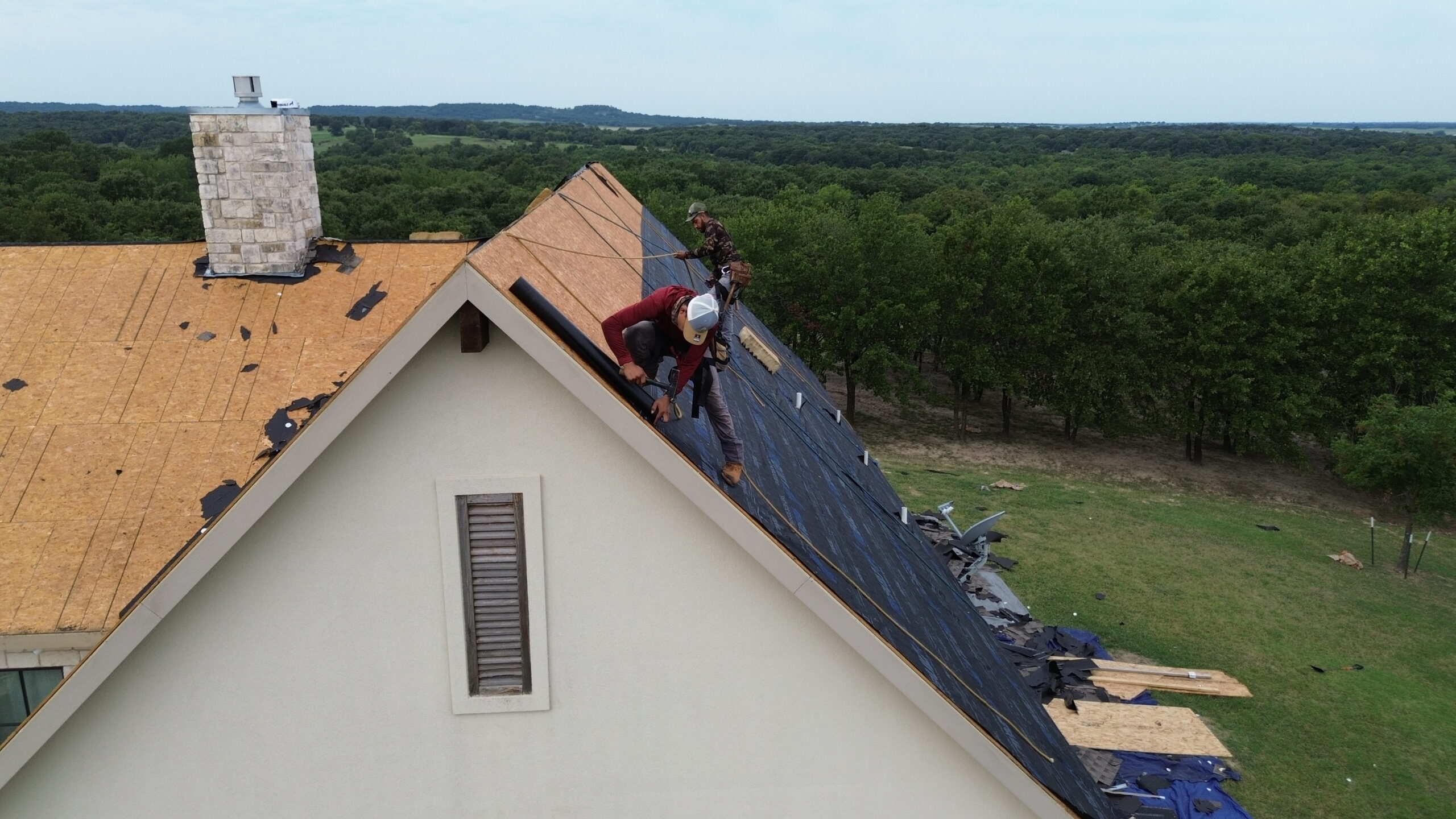
One of the most common mistakes homeowners make is assuming that roof age alone determines whether replacement is necessary. While age provides important context, professional inspectors always evaluate the roof’s actual condition before making recommendations.
Another frequent mistake is delaying inspections because no active leaks are visible. Hidden moisture often remains trapped beneath roofing materials for long periods before creating interior damage, allowing deterioration to continue unnoticed.
Some property owners focus only on damaged shingles while overlooking other roofing components. Flashing, ventilation systems, underlayment, gutters, roof decking, and structural framing all contribute to overall roof performance and require regular evaluation.
Attempting repeated temporary repairs without addressing underlying causes can also increase long term costs. Surface fixes may conceal symptoms while moisture continues affecting hidden structural components beneath the roof covering.
Ignoring routine maintenance is another costly oversight. Debris removal, gutter cleaning, flashing repairs, and periodic inspections significantly reduce the likelihood of widespread deterioration as roofs age.
Homeowners sometimes postpone replacement because the roof still appears acceptable from ground level. Professional inspections frequently reveal hidden structural or moisture related concerns that are not visible without a detailed evaluation.
Making decisions based solely on appearance rather than comprehensive inspection findings may result in unnecessary expenses or delayed repairs. A complete assessment provides a far more reliable basis for planning future maintenance.
Conclusion
Roof age has a significant influence on inspection findings, maintenance priorities, and repair decisions throughout the life of a roofing system. As materials mature, they naturally experience weathering, reduced flexibility, sealant deterioration, and gradual structural changes that require increasingly detailed evaluations.
Professional roof inspections take far more into account than chronological age alone. Inspectors assess roofing materials, flashing, ventilation, drainage systems, attic conditions, structural components, moisture intrusion, and previous repairs to develop an accurate understanding of the roof’s overall health.
Regular inspections allow homeowners to identify age related issues before they become major structural problems. Whether the roof is relatively new or approaching the end of its service life, early detection consistently reduces repair costs and helps preserve the integrity of the entire property.
Preventive maintenance remains one of the most valuable investments at every stage of a roof’s lifespan. Routine inspections, timely repairs, proper drainage maintenance, and careful monitoring of developing issues all contribute to extending roof performance and improving long term reliability.
Ultimately, the best roofing decisions are based on comprehensive inspection findings rather than age alone. By understanding how roof age affects performance, recognizing common inspection results, and responding proactively to maintenance recommendations, homeowners can protect their investment while ensuring their roof continues providing dependable protection for many years to come.