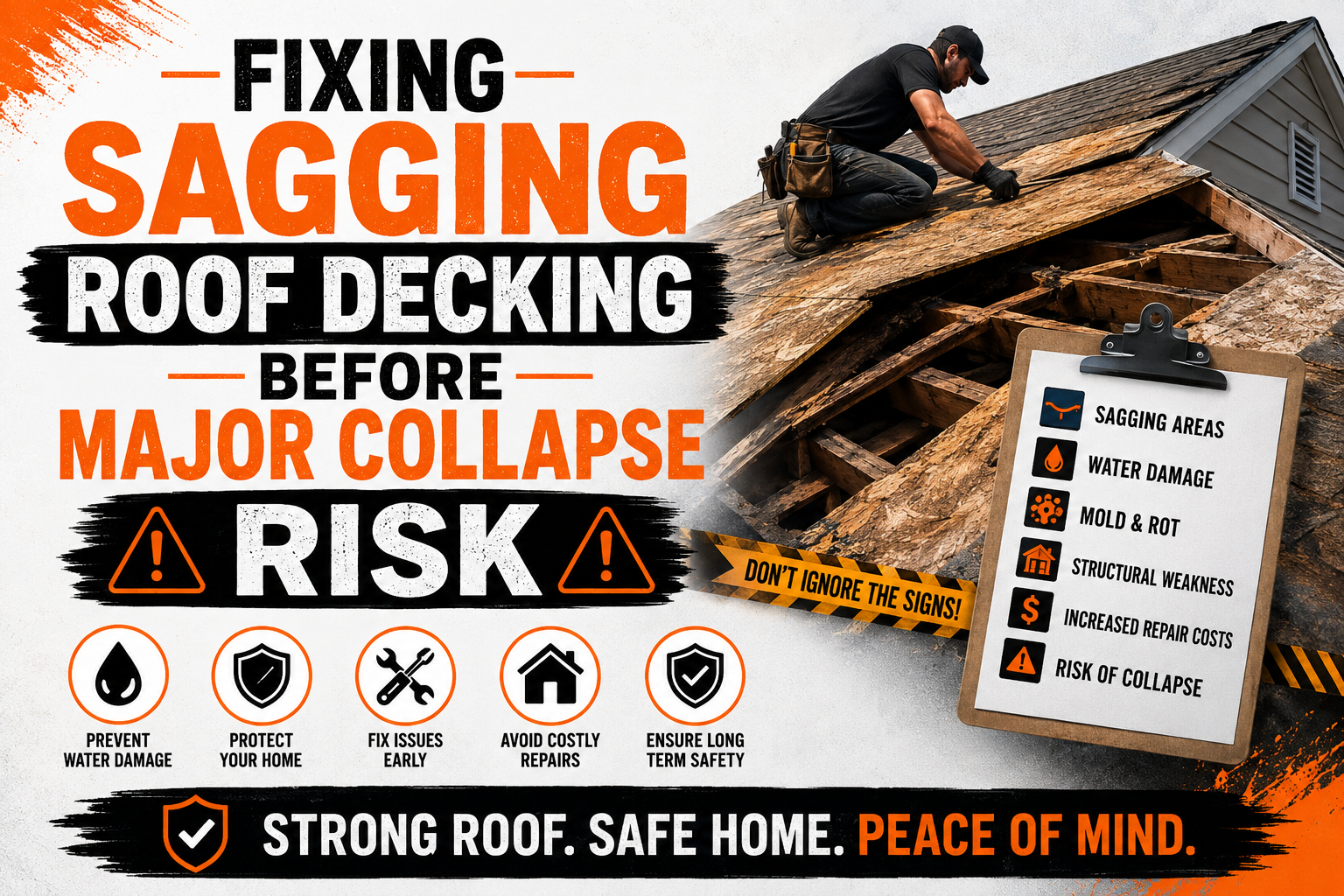
Fixing Sagging Roof Decking Before Major Collapse Risk
Introduction
A roof is much more than the shingles or metal panels visible from the outside. Beneath the exterior covering lies the roof decking, a structural layer that provides support for roofing materials while distributing weight across the framing system. When this decking begins to sag, it signals that the roof structure is no longer performing as intended and requires immediate attention.
Many homeowners assume that roof sagging develops suddenly, but the process usually begins long before visible signs appear. Moisture infiltration, aging materials, excessive weight, poor installation, and hidden structural weaknesses gradually reduce the strength of the decking. As these problems continue unchecked, the roof becomes increasingly vulnerable to serious damage that may eventually threaten the safety of the entire building.
Ignoring sagging roof decking rarely saves money. Small structural issues often develop into widespread repairs involving rafters, insulation, ceilings, and even interior walls. Addressing the problem early not only protects the home but also prevents repair costs from escalating into major reconstruction projects.
Understanding why roof decking sags and recognizing the warning signs are the first steps toward protecting your property. This guide explores the causes, risks, and structural concerns associated with sagging roof decking before discussing repair strategies in the later sections.
Understanding Roof Decking and Its Structural Role
Roof decking serves as the structural platform that connects the roofing system to the home’s framing. It creates a solid surface that supports shingles, metal panels, underlayment, and other roofing components while helping distribute loads evenly throughout the roof.
Most residential roof decks are constructed using plywood or oriented strand board, commonly known as OSB. These engineered wood products provide strength while remaining lightweight enough to avoid placing unnecessary stress on the roof framing. Older homes may contain solid wood planks that were commonly used before modern sheet materials became standard.
Although hidden beneath roofing materials, the decking plays an essential role in maintaining structural stability. Without strong decking, the roof covering cannot adequately resist wind, rain, snow, or foot traffic during maintenance.
A properly installed roof decking system performs several important functions:
- Supports roofing materials securely.
- Transfers structural loads to rafters and trusses.
- Provides resistance against wind uplift.
- Helps maintain roof alignment.
- Creates a stable surface for waterproofing materials.
Each of these responsibilities contributes to the overall safety of the roof. When even one section of decking weakens, the surrounding components begin carrying additional stress, increasing the likelihood of progressive structural failure.
Roof decking also helps maintain the roof’s shape. Straight roof planes improve drainage by directing rainwater toward gutters and preventing standing water that can accelerate deterioration.
The condition of the decking directly affects the lifespan of every roofing component installed above it. Even premium roofing materials cannot perform properly if the supporting deck underneath has begun to weaken or deform.
What Causes Roof Decking to Sag
Sagging roof decking is rarely the result of a single problem. Instead, it usually develops through a combination of environmental exposure, aging, construction practices, and long term structural stress.
Understanding these causes makes it easier to identify problems before they become severe.
Water Damage
Water remains the most common cause of roof decking deterioration. Even a small roof leak can introduce moisture into wooden decking over time, gradually softening the material and reducing its ability to support weight.
Unlike sudden storm damage, slow leaks often remain hidden for months or even years. Moisture becomes trapped beneath roofing materials where evaporation occurs slowly, creating ideal conditions for wood decay.
As wood absorbs water repeatedly, it begins expanding and contracting with changing weather conditions. These cycles weaken the internal wood fibers until permanent sagging develops.
Long Term Roof Leaks
A roof does not need a major hole to experience serious structural damage. Small gaps around flashing, vents, skylights, or damaged shingles may allow enough water to slowly compromise the decking.
Because leaks often travel along framing members before becoming visible inside the home, homeowners frequently underestimate the extent of hidden damage.
By the time ceiling stains appear indoors, portions of the roof decking may already require replacement.
Aging Materials
Every roofing material has a service life. Over decades of exposure to heat, humidity, ultraviolet radiation, freezing temperatures, and seasonal expansion, wooden decking naturally loses strength.
Older plywood may become brittle, while repeated moisture exposure gradually separates wood layers. Similarly, aging OSB can lose structural integrity when exposed to prolonged humidity.
Even without significant leaks, decades of environmental stress eventually reduce the deck’s load carrying capacity.
Poor Roof Ventilation
Ventilation is often overlooked during roof maintenance, yet it plays a critical role in preserving roof decking.
Without adequate airflow, hot air and moisture accumulate inside the attic. Elevated humidity increases the moisture content of wood, encouraging mold growth and reducing structural strength.
During summer months, excessive attic temperatures accelerate material deterioration. During winter, condensation forms beneath the roof deck when warm indoor air meets cold roof surfaces.
These repeated moisture cycles slowly weaken the decking over many years.
Excessive Roof Loads
Every roof is designed to support a specific amount of weight. When that limit is exceeded repeatedly, structural deformation becomes increasingly likely.
Common sources of excessive roof loads include:
- Heavy snow accumulation.
- Multiple layers of roofing materials.
- Large rooftop equipment.
- Water pooling due to poor drainage.
- Fallen tree limbs after storms.
Although a roof may survive one unusually heavy load, repeated stress gradually weakens the decking and supporting framework.
Poor Installation Practices
Construction quality significantly influences roof longevity. Improper installation during the original construction or previous reroofing projects may leave weak points throughout the decking system.
Examples include incorrect fastener spacing, insufficient panel support, improperly aligned joints, or using materials thinner than required by building codes.
These deficiencies often remain unnoticed until environmental stress begins exposing structural weaknesses years later.
Structural Movement
Buildings naturally settle over time. While gradual settlement is expected, uneven foundation movement can alter the way roof loads are distributed.
As framing members shift slightly, sections of decking may begin carrying more weight than originally intended. Continuous structural movement eventually causes noticeable sagging.
Homes located on expansive clay soils or regions experiencing seasonal ground movement are particularly susceptible to this issue.
Pest Damage
Wood destroying insects can significantly reduce the strength of roof decking.
Termites consume wooden structural members from the inside, leaving only thin outer surfaces intact. Carpenter ants and certain wood boring insects also contribute to structural deterioration under favorable conditions.
Rodents create additional problems by damaging insulation and allowing moisture accumulation through nesting activity.
Because pest damage frequently occurs out of sight, structural weakening may continue for years before sagging becomes visible.
Early Warning Signs That Should Never Be Ignored
Roof decking usually provides multiple warning signs before structural failure occurs. Recognizing these indicators early gives homeowners the opportunity to schedule repairs before damage spreads throughout the roofing system.
Many of these warning signs develop gradually. Paying attention to subtle changes can significantly reduce long term repair costs.
Uneven Roof Lines
One of the earliest visible indicators is a roofline that no longer appears straight.
Standing at a distance allows homeowners to identify dips, waves, or low areas that interrupt what should be a smooth roof surface. These irregularities often indicate that sections of decking have begun losing structural rigidity.
Although slight variations may result from framing design, newly developed unevenness deserves immediate investigation.
Interior Ceiling Sagging
Damage within the attic eventually affects the home’s interior.
Ceilings located beneath weakened roof sections may begin bowing downward as structural loads shift. Drywall seams may separate, while paint begins cracking around affected areas.
These cosmetic changes frequently indicate much larger structural concerns above the ceiling.
Persistent Roof Leaks
Recurring leaks often point toward deteriorating decking rather than isolated roofing defects.
Replacing shingles without correcting underlying structural damage only provides temporary relief. Water continues entering weakened sections, accelerating further deterioration.
Repeated repairs in the same location should always prompt a more comprehensive roof inspection.
Soft Areas During Roof Maintenance
Professional roof inspections occasionally reveal soft or spongy areas beneath foot traffic.
Healthy decking should feel solid under controlled movement. Areas that flex noticeably suggest moisture damage or wood deterioration requiring immediate evaluation.
Walking on weakened sections also increases safety risks for maintenance personnel.
Mold and Mildew Growth
Moisture trapped beneath roofing materials creates favorable conditions for biological growth.
Dark stains, mold colonies, or persistent mildew odors inside the attic often indicate elevated humidity levels affecting roof decking.
Besides weakening wood, mold can also reduce indoor air quality and contribute to additional maintenance concerns.
Visible Sunlight Inside the Attic
Small openings within the roof structure sometimes allow daylight to enter the attic.
While tiny gaps around vents may be normal, unexpected light penetrating through decking joints or damaged panels suggests structural deterioration that should not be ignored.
Water frequently follows the same pathways that allow sunlight inside.
Increased Energy Costs
Structural deterioration can indirectly affect heating and cooling efficiency.
Damaged decking often allows insulation to become damp, reducing its thermal performance. Air leakage also increases as roofing materials shift out of alignment.
Higher utility bills combined with roof concerns may indicate hidden structural issues requiring professional assessment.
How Sagging Roof Decking Progresses Into Structural Failure
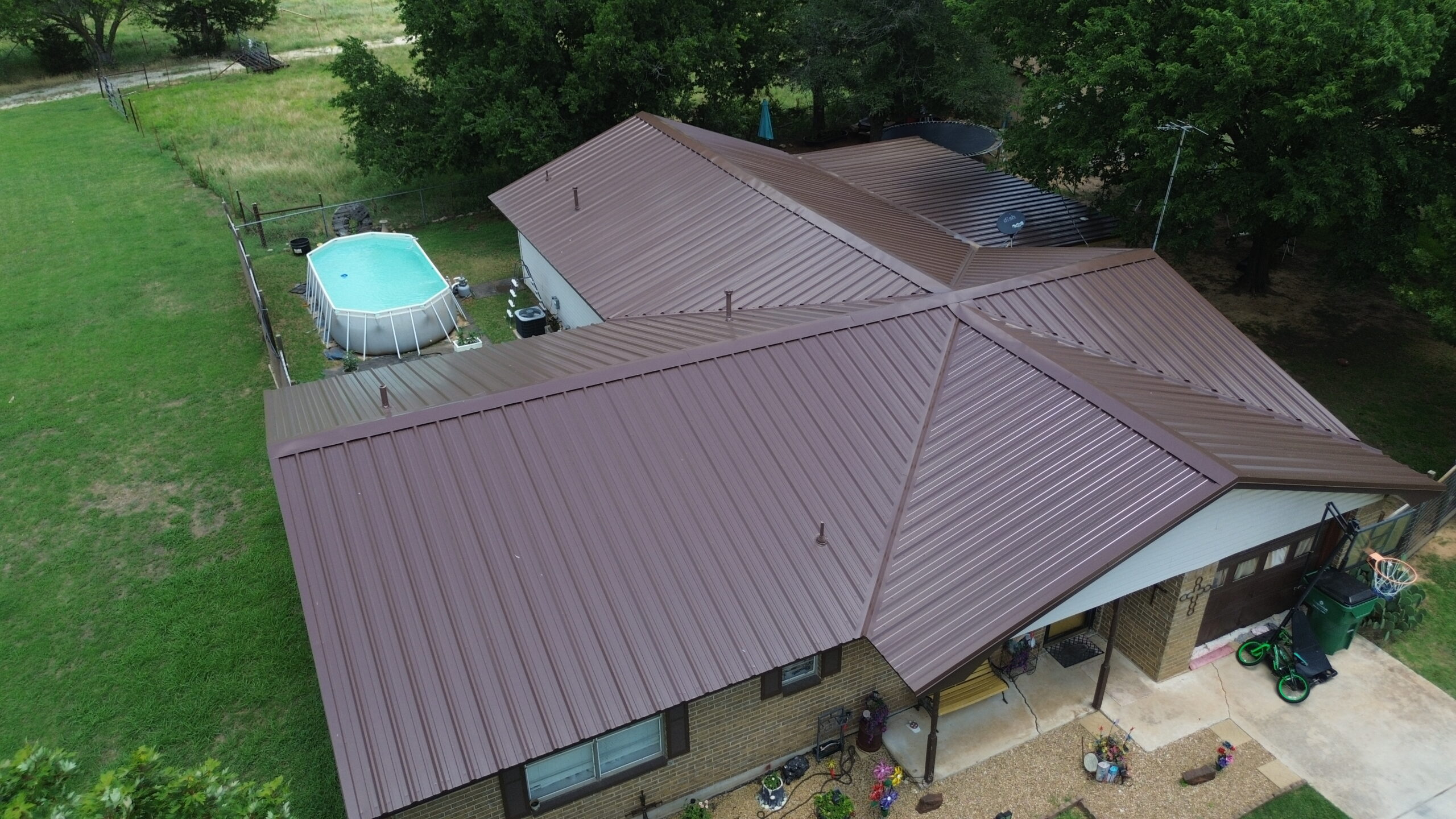
Roof decking rarely collapses without warning. Structural failure develops through predictable stages as damage gradually spreads from localized weaknesses to larger portions of the roofing system.
Initially, moisture or excessive loading affects only a small section of decking. At this stage, repairs are often relatively simple and limited to replacing damaged panels.
As deterioration continues, nearby fasteners loosen and roofing materials begin shifting. Water infiltration increases, accelerating wood decay while expanding the damaged area.
Eventually, supporting rafters or trusses begin carrying uneven loads. These framing members may bend slightly, causing additional roof deformation that becomes visible from outside the home.
The increased movement places additional stress on shingles, flashing, and waterproof membranes. New leaks develop, introducing even more moisture into the roof assembly and creating a cycle of progressive deterioration.
If left unresolved, weakened decking can eventually lose enough structural capacity that portions of the roof begin sinking under normal environmental loads. Heavy rainfall, strong winds, or accumulated snow may then trigger partial structural failure.
Major collapse is usually the final stage of years of neglected deterioration rather than a sudden isolated event. Recognizing this progression highlights the importance of early intervention before repairs become significantly more complex.
The Risks of Delaying Roof Deck Repairs
Postponing repairs may seem financially convenient in the short term, but structural roofing problems almost always become more expensive over time.
Small areas of weakened decking rarely remain isolated. Moisture spreads into surrounding wood, insulation absorbs water, and adjacent framing members gradually experience additional stress.
Some of the most significant consequences of delayed repairs include increased repair costs, interior water damage, mold development, insulation failure, reduced structural stability, and shorter roof lifespan.
Insurance claims may also become more complicated when damage results from long term neglect rather than sudden accidental events. Regular maintenance and prompt repairs demonstrate responsible ownership while reducing the likelihood of extensive losses.
Perhaps the greatest concern is occupant safety. Although complete roof collapse is uncommon, severely weakened decking creates unpredictable structural conditions that place both residents and roofing professionals at greater risk.
Addressing sagging roof decking during its early stages remains the most effective way to preserve structural integrity, extend roof lifespan, and avoid the significant costs associated with major reconstruction.
Inspecting Sagging Roof Decking Safely and Accurately
Once sagging roof decking has been identified, the next priority is determining the extent of the damage. A proper inspection helps distinguish between cosmetic issues and structural problems, ensuring repairs address the root cause rather than only the visible symptoms.
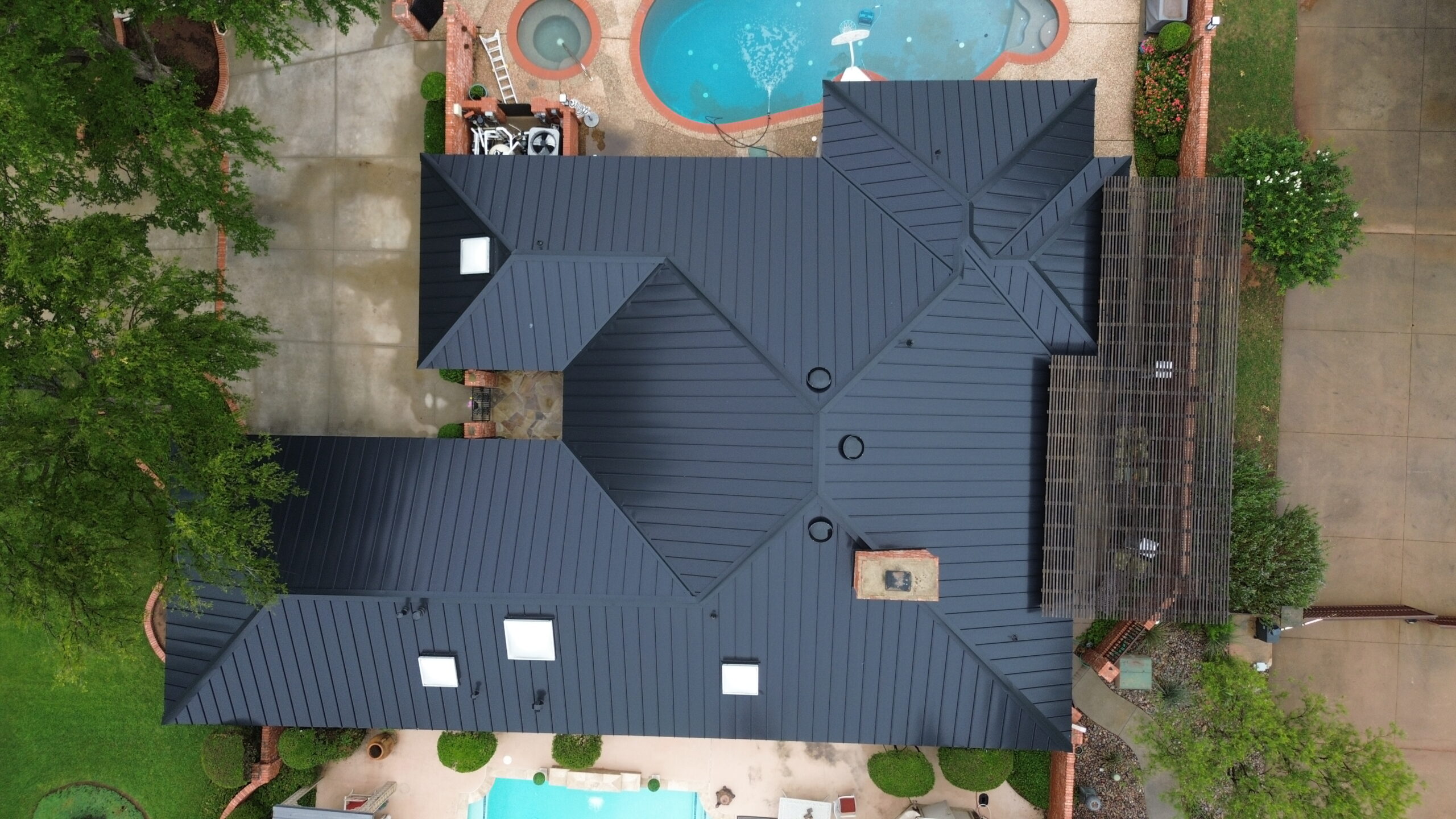
Roof inspections should always begin from the ground whenever possible. Using binoculars or a drone allows homeowners to identify uneven roof lines, missing shingles, damaged flashing, or areas where the roof appears to dip without exposing themselves to unnecessary risks.
The attic provides another valuable location for inspection. Since the underside of the roof decking is visible from inside the attic, it often reveals moisture stains, mold growth, warped wood, or areas where the decking has begun separating from framing members.
Good lighting makes attic inspections much more effective. A bright flashlight helps reveal subtle discoloration, soft spots, protruding fasteners, and signs of long term water intrusion that might otherwise remain unnoticed.
Professionals typically inspect both the exterior and interior before making repair recommendations. Looking at only one side of the roof can result in an incomplete understanding of the structural condition.
Areas That Require Careful Inspection
Certain parts of a roof are naturally more vulnerable to decking damage because they experience greater moisture exposure or structural stress.
These areas deserve extra attention during any inspection:
- Valleys where two roof slopes meet.
- Around chimneys and skylights.
- Near roof vents and plumbing penetrations.
- Eaves and roof edges.
- Areas beneath previous roof repairs.
- Sections where water tends to pond.
Damage found in these locations often spreads farther than initially visible. Moisture can travel along wood fibers before signs become obvious, making comprehensive inspections especially important.
Safety During Roof Inspections
Walking on a sagging roof is extremely dangerous. Even if the roof appears stable, weakened decking may not support body weight safely.
Whenever significant sagging is suspected, homeowners should avoid climbing onto the roof. Instead, qualified roofing professionals equipped with proper safety equipment should perform detailed inspections.
Professional inspections often include moisture meters, infrared imaging, and structural evaluations that identify hidden damage without unnecessary demolition.
Common Types of Roof Deck Damage and Their Repair Methods
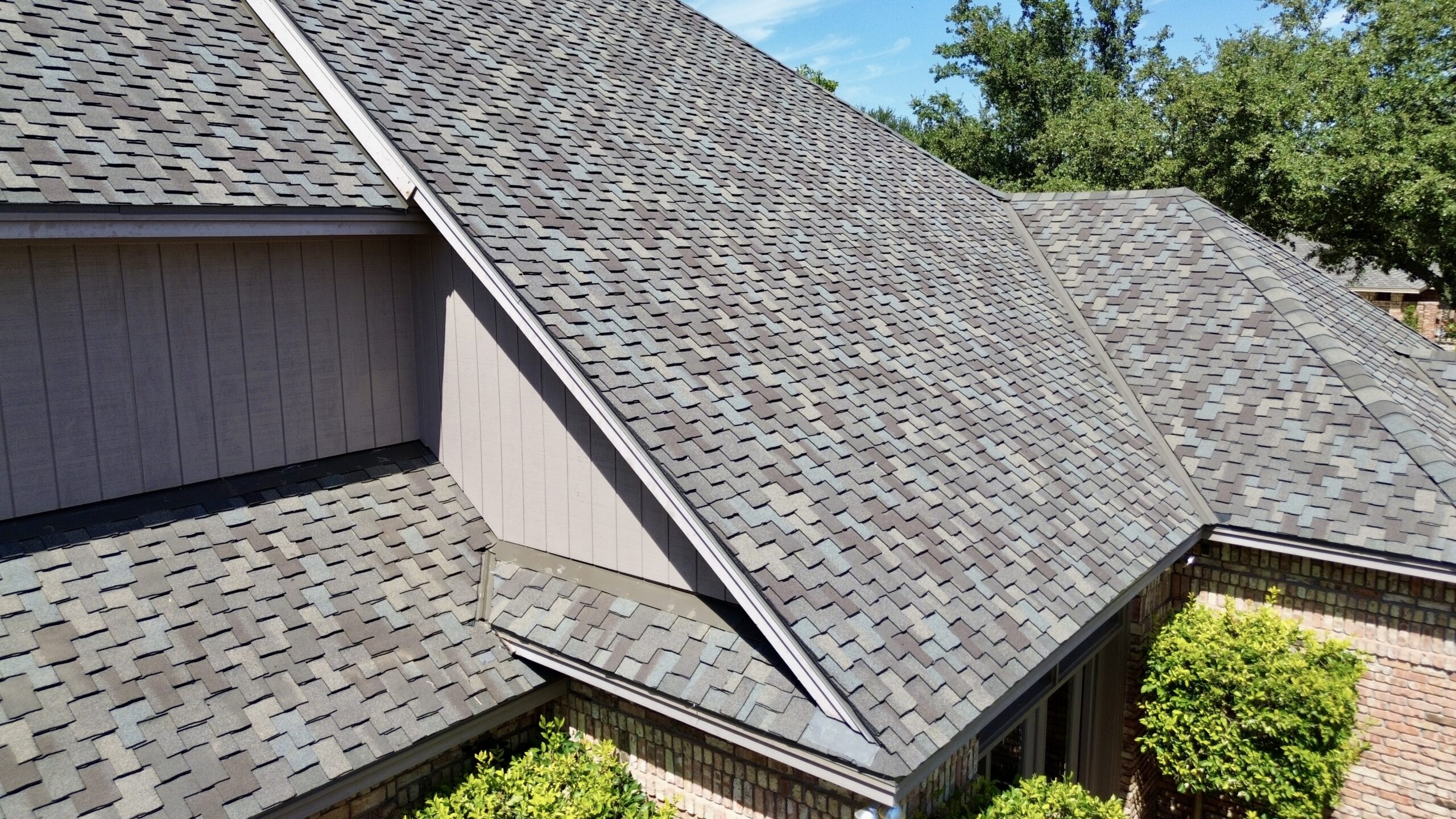
Roof decking does not fail in the same way every time. Different causes create different forms of damage, and each requires an appropriate repair strategy.
Understanding these differences helps explain why some roofs need only localized repairs while others require much larger structural work.
Localized Water Damage
This is among the most common repair situations.
When leaks remain confined to a small area, contractors usually remove the roofing materials above the affected section, cut out the damaged decking, and install a new panel that matches the existing thickness and structural specifications.
Replacing only the damaged area helps preserve the remaining deck while restoring structural strength.
Widespread Moisture Damage
Long term leaks often affect multiple panels rather than one isolated section.
In these situations, several adjoining sheets of decking may require replacement because partially deteriorated wood continues weakening even after the leak has been repaired.
Addressing only the visibly damaged panel often leads to additional repairs within a short period.
Warped Decking
Wood that has repeatedly absorbed moisture may permanently warp.
Warped decking creates uneven roof surfaces that prevent shingles or metal roofing from sitting flat. Even if the wood appears dry afterward, its structural shape has already changed.
Replacement is generally more effective than attempting to flatten warped decking.
Rotting Wood
Wood rot significantly reduces structural capacity.
Once fungal decay begins, affected wood loses strength rapidly and cannot regain its original performance through drying alone. All rotted sections should be removed before new decking is installed.
Ignoring wood rot allows deterioration to spread into nearby framing members.
Delaminated Plywood
Plywood consists of multiple wood layers bonded together.
Extended moisture exposure may cause these layers to separate, reducing the panel’s ability to carry loads evenly. Delaminated panels often feel soft under pressure and should be replaced rather than repaired.
Fastener Failure
Not every decking problem originates from damaged wood.
In some cases, nails or screws gradually loosen because of seasonal expansion and contraction. Loose fasteners allow slight panel movement that eventually contributes to squeaking, uneven roofing surfaces, and minor sagging.
Re fastening the decking may solve the issue if the wood itself remains structurally sound.
Materials and Tools Used for Roof Deck Reinforcement
Successful roof deck repairs depend on using materials that restore the original structural performance while resisting future deterioration.
Modern roofing professionals carefully select products based on local climate, building codes, roof design, and anticipated loads.
The most common decking materials include plywood and oriented strand board. Both provide excellent structural support when installed correctly, although local code requirements often determine which material is appropriate.
Pressure treated lumber may be used in certain moisture prone areas where additional resistance to decay is beneficial.
Construction adhesives are frequently applied alongside mechanical fasteners. This combination increases structural rigidity while reducing movement between decking panels and framing members.
Corrosion resistant screws or ring shank nails provide stronger long term holding power than standard nails in many applications.
Waterproof underlayment installed above the repaired decking adds another layer of protection against future moisture intrusion.
Proper flashing materials around roof penetrations help prevent water from reaching the newly repaired decking.
Repair or Replace: Making the Right Decision
One of the most important decisions during roof restoration is determining whether repairs are sufficient or complete replacement is necessary.
Minor localized damage often responds well to selective panel replacement. However, widespread deterioration usually indicates that replacing isolated sections will only delay larger repairs.
Several factors influence this decision, including the age of the roof, extent of moisture damage, condition of the framing, history of previous repairs, and overall roof lifespan.
If the roofing materials themselves are nearing the end of their service life, replacing both the roof covering and damaged decking together often provides better long term value.
Professional structural evaluations also consider whether sagging originates from the decking alone or from weakened rafters or trusses underneath. Repairing only the decking while ignoring damaged framing leaves the underlying structural problem unresolved.
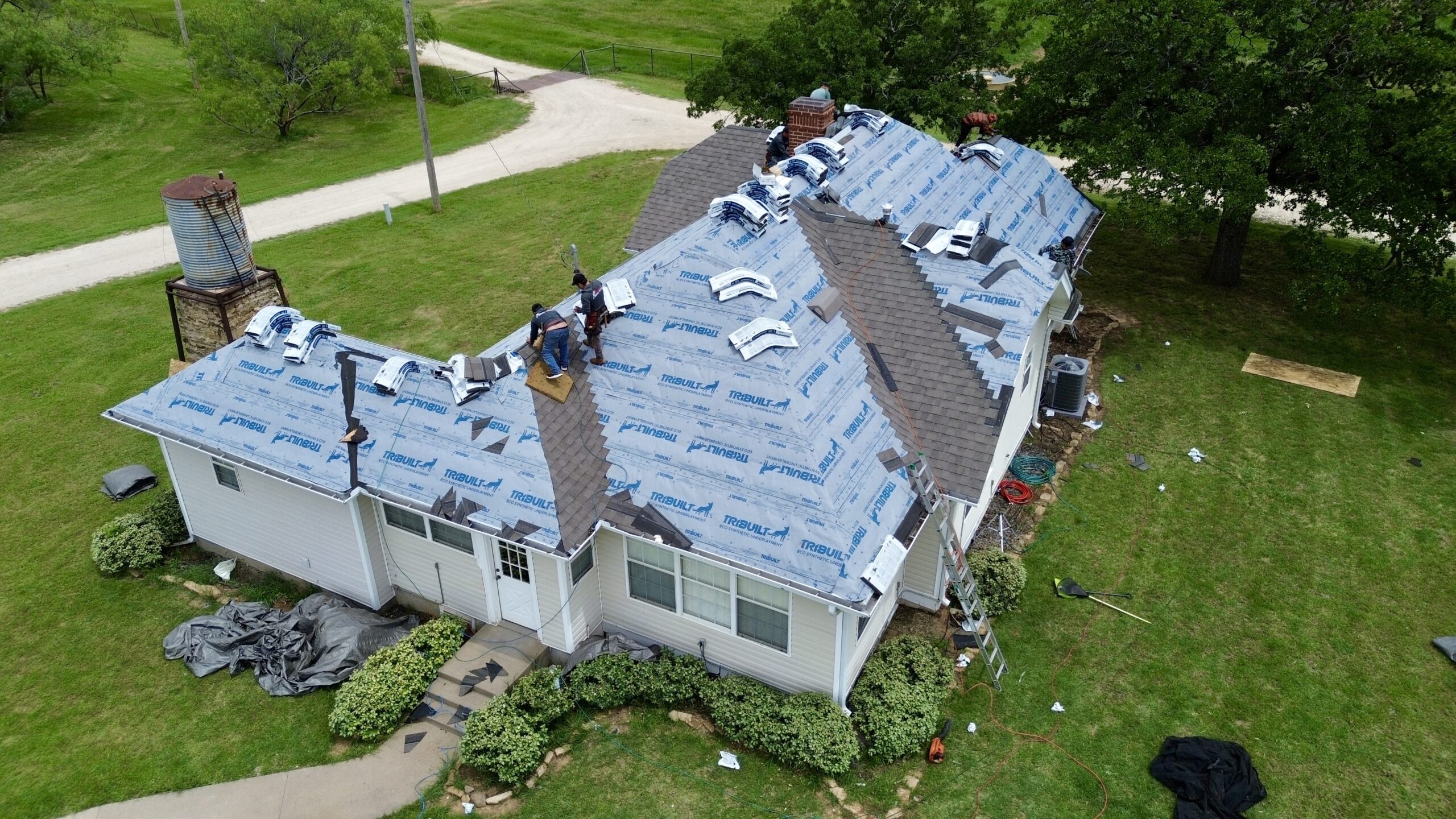
Comparing Common Repair Options
| Repair Option | Best Used When | Advantages | Limitations |
|---|---|---|---|
| Minor Deck Repair | Small isolated damage | Lower cost and faster completion | Not suitable for widespread deterioration |
| Partial Deck Replacement | Several damaged panels | Restores structural strength without replacing entire deck | Requires careful matching of existing materials |
| Full Deck Replacement | Extensive moisture or structural damage | Provides long term reliability and allows complete inspection | Higher initial investment and longer project duration |
Choosing the correct repair approach should always prioritize structural safety over short term savings. Investing in comprehensive repairs early often prevents significantly larger expenses later.
Step by Step Process for Fixing Sagging Roof Decking
Although every roofing project differs, professional repairs generally follow a structured sequence that minimizes additional damage while restoring structural integrity.
- Inspect the roof to identify the full extent of structural damage.
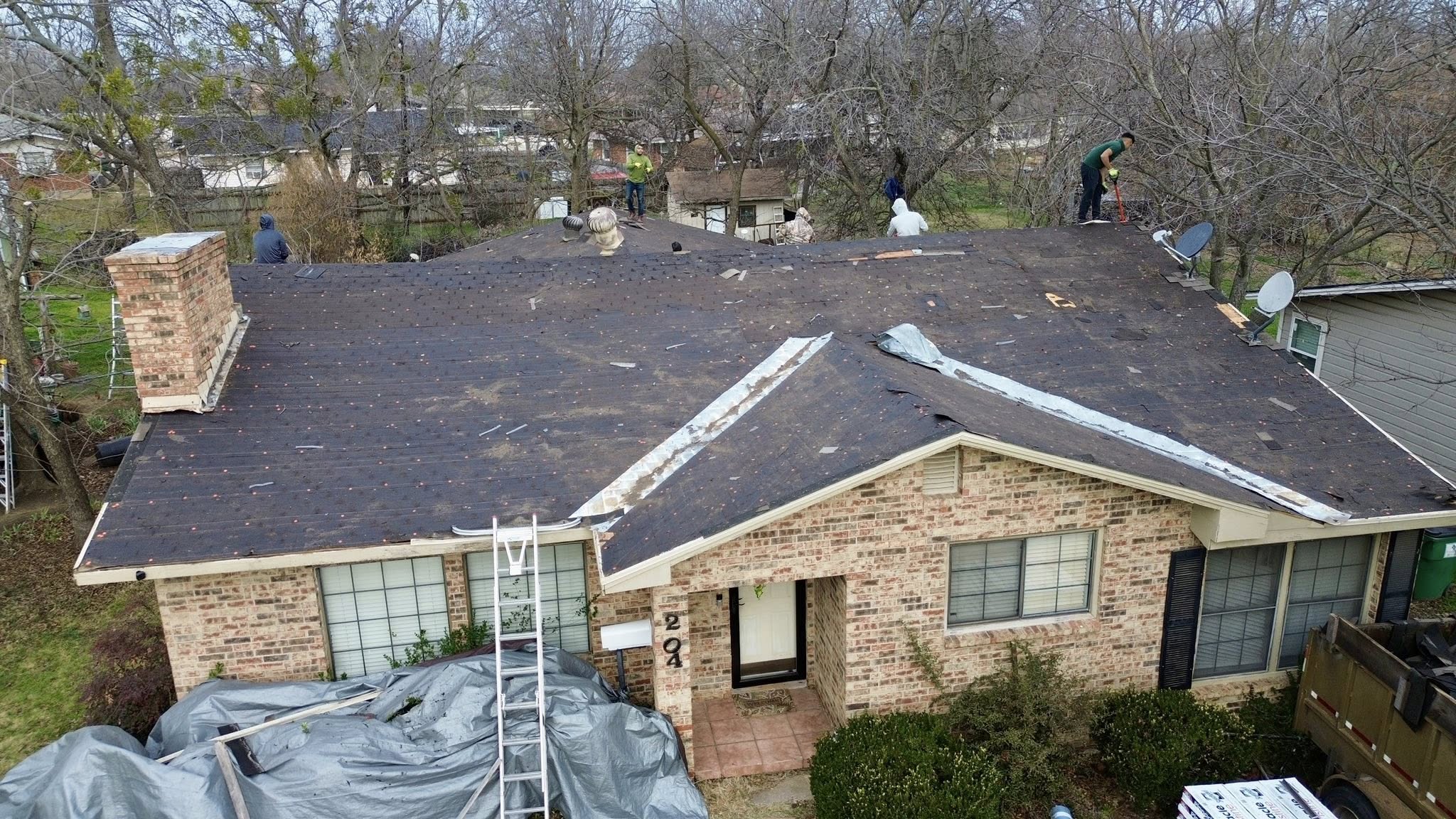
- Remove shingles or roofing materials covering the affected area.
- Eliminate damaged decking while protecting surrounding structural members.
- Inspect rafters, trusses, and insulation for hidden deterioration.
- Repair or reinforce framing if necessary.
- Install new decking panels using approved fastening methods.
- Apply underlayment, flashing, and roofing materials.
- Perform a final structural and waterproofing inspection.
Each step depends on the previous one being completed correctly. Skipping structural evaluation or moisture correction often results in recurring problems despite installing new decking.
Repair work should also include identifying why the decking failed in the first place. Correcting leaks, ventilation deficiencies, or drainage problems helps ensure the new decking reaches its expected service life.
Factors That Influence Repair Costs
The cost of repairing sagging roof decking varies considerably because every roof has different structural conditions.
The size of the damaged area remains one of the largest cost factors. Replacing a single damaged panel requires far less labor and material than rebuilding a large portion of the roof structure.
Accessibility also affects project costs. Steep roofs, multi story homes, and complex roof designs require additional safety equipment and labor, increasing the overall repair expense.
The condition of the supporting framework plays an equally important role. If damaged rafters, trusses, or ridge beams require reinforcement, repair costs increase beyond simply replacing the decking.
Roofing material type also influences the project. Asphalt shingles are generally easier to remove and reinstall than tile, slate, or metal roofing systems, which often require additional time and specialized techniques.
Regional labor rates, local building codes, permit requirements, and material availability further contribute to differences in overall repair costs.
While it may be tempting to focus only on the initial estimate, homeowners should also consider the long term value of durable repairs. Investing in quality workmanship and proper structural restoration usually reduces maintenance expenses throughout the remaining life of the roof.
Why Professional Installation Matters
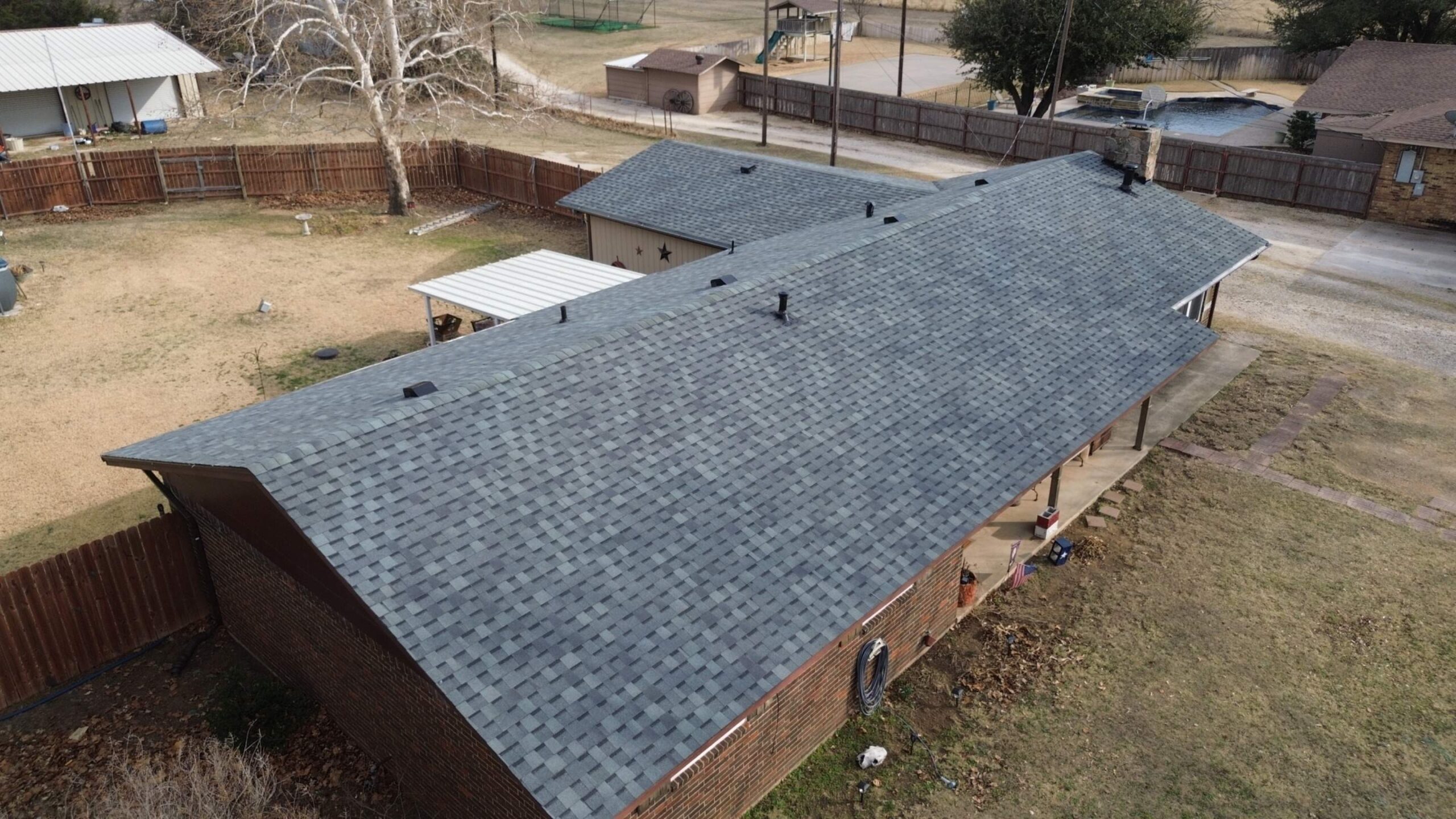
Roof decking is a structural component rather than simply a surface beneath roofing materials. Incorrect installation affects the performance of the entire roofing system, making professional workmanship especially valuable.
Experienced roofing contractors understand local building codes, load requirements, fastening schedules, and material compatibility. Their expertise helps ensure repairs restore the roof’s original structural capacity rather than providing only a temporary solution.
Professionals also recognize hidden issues that homeowners may overlook. Moisture trapped inside insulation, weakened rafters, improper ventilation, and flashing defects often accompany sagging decking and should be corrected during the same project.
Another advantage of professional installation is quality control. Proper panel spacing, fastener placement, and waterproofing techniques all contribute to long term structural performance and reduce the likelihood of future repairs.
A professionally completed repair also provides greater confidence that the roof can safely withstand changing weather conditions for many years.
Preventing Future Roof Deck Sagging Through Proper Maintenance
Repairing sagging roof decking restores structural integrity, but preventing the problem from returning requires consistent maintenance. Every roof is exposed to changing weather conditions throughout the year, and even the highest quality materials benefit from regular inspections and timely repairs.
Preventive maintenance focuses on identifying small issues before they develop into structural concerns. Replacing a damaged shingle or resealing flashing is far less expensive than replacing sections of roof decking after moisture has spread beneath the roofing system.
Routine maintenance also extends the lifespan of roofing materials. By keeping water out of the roof assembly and ensuring proper ventilation, homeowners can significantly reduce the likelihood of future sagging.
Seasonal inspections are especially valuable after severe storms. High winds, hail, and falling branches may create damage that is not immediately visible from the ground but can eventually allow moisture to reach the decking.
Cleaning the roof and gutters also contributes to long term structural health. Leaves, dirt, and debris trap moisture against roofing materials, increasing the risk of water infiltration over time.
Another important maintenance habit is monitoring the attic. Changes in humidity, insulation condition, or unusual odors often provide early warning signs before visible roof damage appears outside.
The Importance of Roof Ventilation and Moisture Control
Proper ventilation is one of the most effective ways to preserve roof decking. A balanced ventilation system allows fresh air to enter through intake vents while warm, moist air exits through exhaust vents near the roof ridge.
Without adequate airflow, heat and moisture accumulate inside the attic. Elevated humidity increases the moisture content of wooden decking, creating favorable conditions for mold growth, wood expansion, and long term structural deterioration.
During winter, warm indoor air naturally rises into the attic. When this warm air contacts cold roof surfaces, condensation forms beneath the decking if ventilation is insufficient.
Repeated condensation cycles may seem insignificant at first, but they gradually weaken wood fibers over many years. Even roofs without active leaks can experience serious moisture damage if attic ventilation remains poor.
Proper insulation works together with ventilation to regulate attic temperatures. Adequate insulation reduces heat transfer from the living space while helping maintain more stable roof temperatures throughout the year.
Moisture control also involves maintaining effective waterproofing components. Flashing around chimneys, skylights, roof vents, and valleys should remain securely sealed because these areas represent the most common entry points for water.
Homeowners should also monitor indoor humidity levels. Excessive indoor moisture generated by cooking, showers, or inadequate bathroom ventilation eventually reaches the attic if it cannot escape properly.
A well balanced roofing system combines waterproof roofing materials, effective drainage, quality ventilation, and proper insulation to protect the roof decking throughout its service life.
When to Call a Professional Roofing Contractor
Some roof maintenance tasks are suitable for homeowners, but structural roof problems require professional evaluation. Attempting major repairs without the necessary experience can create additional damage while increasing safety risks.
Several situations should always prompt a professional inspection.
- Visible roof sagging or uneven roof lines.
- Persistent leaks that return after repairs.
- Soft or spongy areas on the roof.
- Large ceiling stains or interior sagging.
- Signs of mold or widespread moisture inside the attic.
- Structural damage following severe storms or fallen trees.
Professional roofers possess specialized equipment that helps identify hidden structural issues. Moisture meters, infrared cameras, and detailed framing inspections often reveal damage that cannot be detected during a simple visual examination.
Experienced contractors also understand local building codes and structural requirements. Their repairs are designed not only to replace damaged materials but also to restore the roof’s ability to safely support expected loads.
Choosing a reputable contractor is equally important. Homeowners should verify licensing where applicable, request proof of insurance, review previous work, and obtain detailed written estimates before authorizing repairs.
Best Practices for Long Term Roof Structural Health
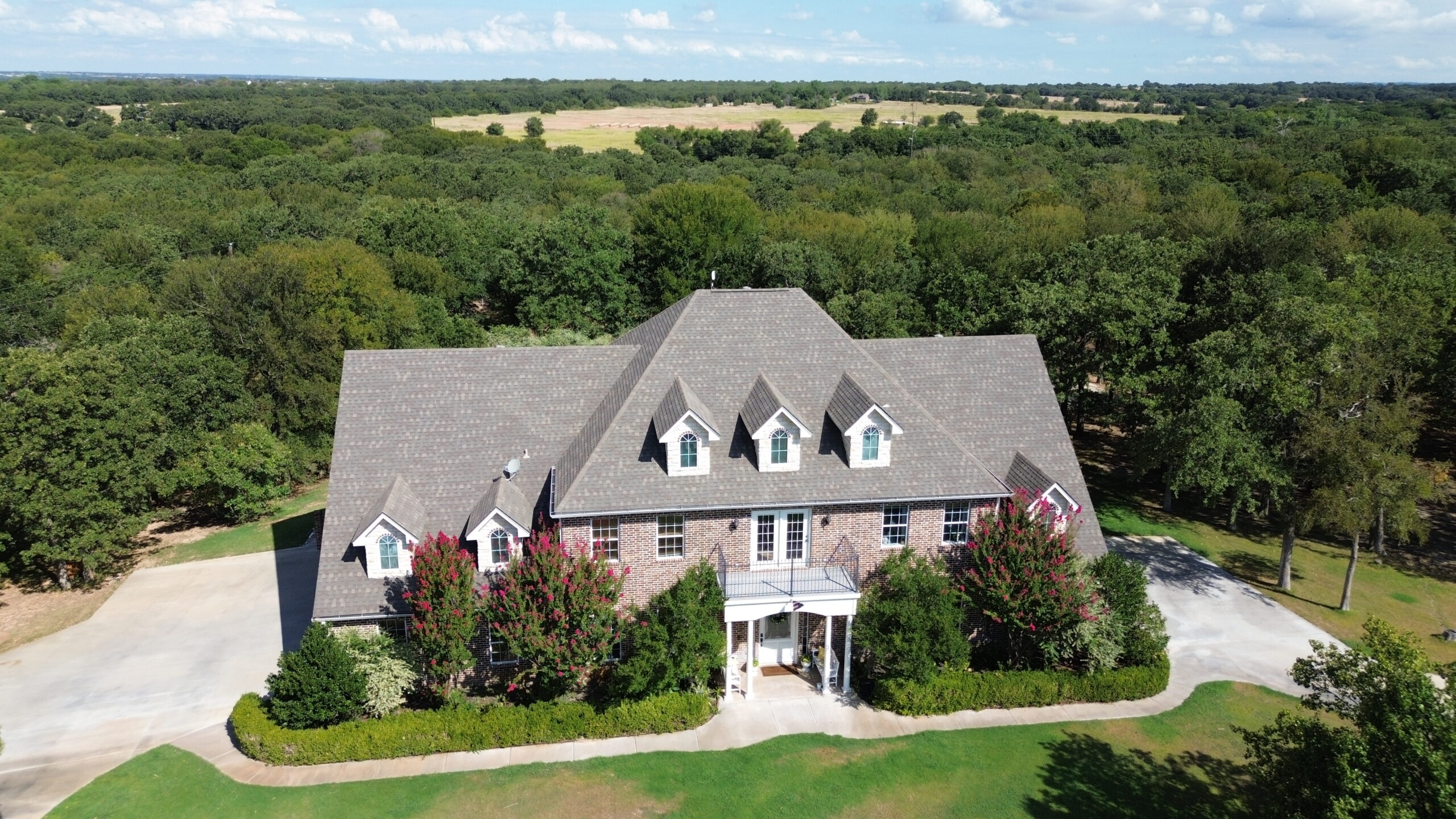
Maintaining a strong roof requires consistent attention rather than waiting for obvious damage to appear. Small preventive actions performed regularly help preserve the roof decking and reduce the likelihood of expensive structural repairs.
The following practices contribute to long term roof performance:
- Schedule professional roof inspections at least once every year.
- Clean gutters regularly to ensure proper water drainage.
- Replace damaged shingles as soon as they are discovered.
- Trim overhanging tree branches that may damage the roof.
- Check attic ventilation and insulation periodically.
- Address even minor leaks immediately before moisture spreads.
- Watch for changes in roof alignment after major storms.
- Avoid installing multiple roofing layers unless structurally approved.
These maintenance habits protect not only the roof decking but also the entire roofing system. Consistent care extends the service life of roofing materials while helping homeowners avoid unexpected structural emergencies.
Frequently Asked Questions
Can sagging roof decking be repaired without replacing the entire roof?
Yes, if the damage is limited to a small area and the surrounding roofing materials remain in good condition. Contractors can often replace individual decking panels while reinstalling the existing roofing materials if they are still serviceable.
Is roof sagging always caused by water damage?
No. Although water damage is the most common cause, sagging can also result from excessive roof loads, aging materials, poor ventilation, structural settlement, pest damage, or improper installation.
How long does roof decking typically last?
Roof decking often lasts several decades when protected from moisture and maintained properly. Its lifespan depends on material quality, climate, ventilation, installation practices, and overall roof maintenance.
Can I continue living in my home if the roof is sagging?
Minor sagging does not necessarily make a home unsafe, but significant structural movement should be evaluated immediately by a qualified professional. If there is concern about structural stability, avoid the affected area until the roof has been inspected.
Does replacing shingles fix sagging roof decking?
No. Shingles protect the roof from weather, but they do not provide structural support. If the decking beneath them has weakened, replacing shingles alone will not resolve the underlying problem.
How often should a roof be inspected?
Most experts recommend a professional roof inspection at least once each year and after severe weather events. Regular inspections help identify developing issues before they require extensive structural repairs.
Conclusion
Sagging roof decking is far more than a cosmetic concern. It is an early indication that the structural foundation of the roofing system may be weakening, and ignoring the warning signs can eventually lead to extensive property damage or even partial roof collapse.
Understanding how roof decking functions, recognizing the causes of sagging, and responding quickly to early warning signs are essential steps in protecting both the home and the people living inside it. Moisture intrusion, aging materials, poor ventilation, excessive loads, and construction deficiencies all contribute to structural deterioration, but timely inspections and professional repairs can stop the damage before it spreads.
Effective repairs involve more than replacing damaged wood. The underlying causes must also be addressed through improved drainage, proper ventilation, quality waterproofing, and careful structural evaluation. When these factors are corrected together, the repaired roof becomes stronger, more durable, and better prepared to withstand years of changing weather conditions.
Preventive maintenance remains the most cost effective strategy for preserving roof decking. Routine inspections, prompt leak repairs, clean gutters, adequate attic ventilation, and regular monitoring all help extend the life of the roofing system while reducing the risk of unexpected structural failures.
Investing in early repairs may seem like a significant expense initially, but it is far less costly than dealing with widespread structural reconstruction after years of neglected damage. By treating sagging roof decking as a priority rather than a minor inconvenience, homeowners can protect their investment, maintain the structural integrity of their property, and enjoy greater peace of mind knowing their roof remains safe and dependable for many years to come.