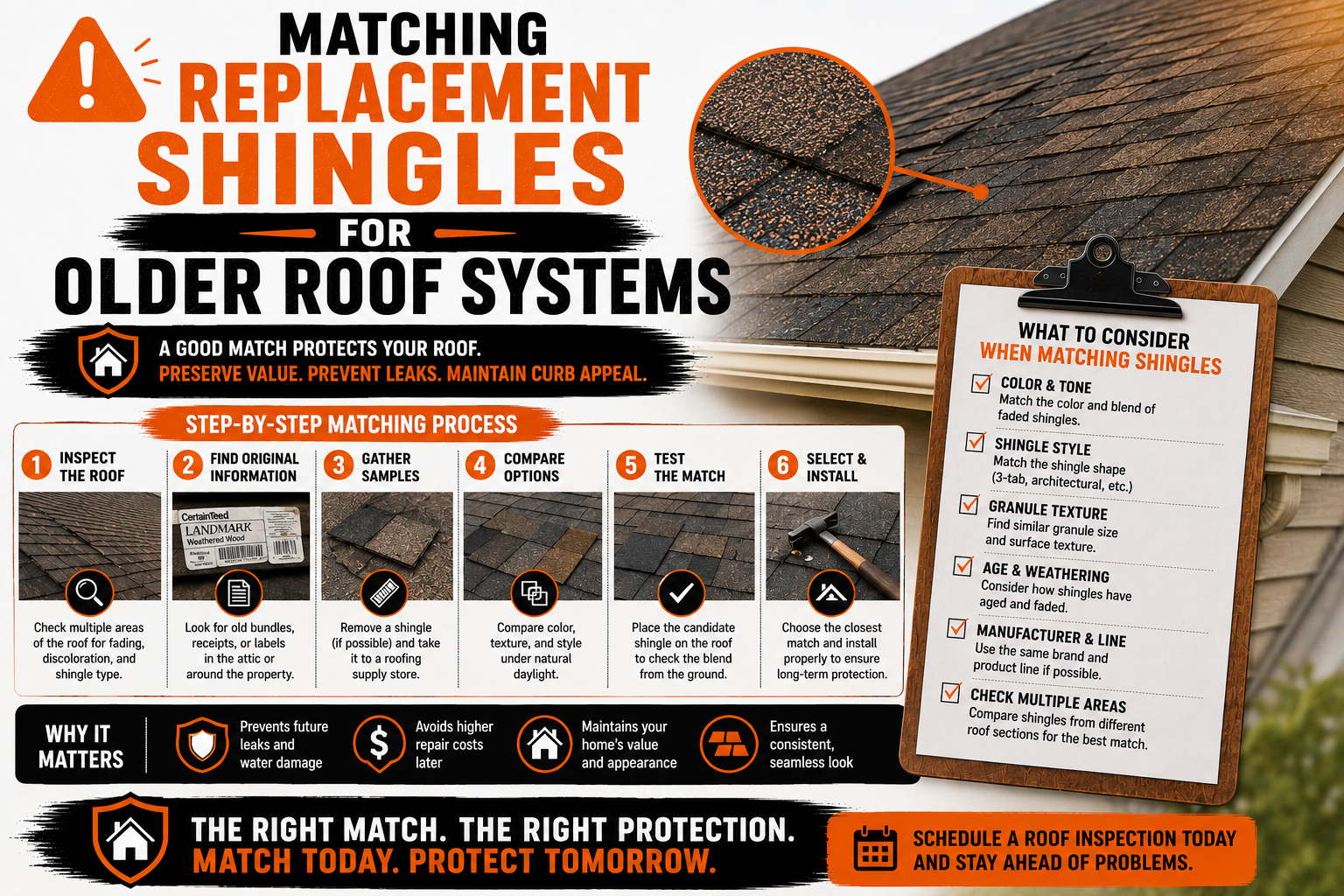
Matching Replacement Shingles for Older Roof Systems
Introduction
A damaged roof does not always require a complete replacement. In many cases, replacing a handful of missing, cracked, or storm damaged shingles is enough to restore protection and extend the roof’s lifespan. However, this seemingly simple repair becomes much more challenging when the roof is ten, fifteen, or even twenty years old.
Matching replacement shingles for older roof systems involves far more than selecting a similar color from a hardware store. Roofing materials naturally change over time as they are exposed to sunlight, rain, wind, temperature fluctuations, and airborne debris. Even if the original manufacturer still produces the same product, the newly manufactured shingles often look noticeably different from the weathered ones already installed.
A poor shingle match does not necessarily affect the roof’s ability to keep water out, but it can significantly impact the home’s appearance. Obvious color differences, mismatched textures, and inconsistent profiles may reduce curb appeal and make repair areas stand out from the rest of the roof. For homeowners planning to sell their property, these cosmetic differences may even influence buyer perception.
Professional roofers understand that successful shingle matching combines technical knowledge, careful inspection, and practical experience. Every repair requires evaluating the roof’s age, identifying the original materials, understanding how weather has changed the shingles, and determining the most suitable replacement strategy.
This guide explores the challenges of matching replacement shingles on older roof systems, explains why perfect matches are often difficult to achieve, and outlines the methods professionals use to create repairs that blend naturally with the existing roof. By understanding these factors, homeowners can make informed decisions that protect both their investment and their home’s appearance.
The Challenges of Matching Replacement Shingles on Older Roofs
Replacing shingles on a newer roof is usually straightforward because the original products remain available and have experienced minimal weathering. Older roofs present an entirely different situation because years of environmental exposure gradually alter every visible characteristic of the roofing material.
One of the biggest challenges comes from product availability. Roofing manufacturers regularly update product lines, discontinue colors, improve manufacturing processes, and introduce new materials. A shingle installed fifteen years ago may no longer exist in its original form, making an exact replacement impossible.
Even when the same product name remains available, the manufacturing process may have changed over time. Small adjustments in granule composition, color blending, asphalt formulation, or production methods can produce shingles that appear noticeably different from those installed years earlier.
Weather also creates unique aging patterns that cannot be duplicated. Every roof experiences a combination of sunlight, moisture, temperature changes, and airborne contaminants that gradually transform its appearance. These changes occur slowly over many years, giving each roof a distinctive look that brand new shingles simply do not have.
The location of the repair adds another layer of complexity. Shingles placed on highly visible front roof slopes receive immediate attention because any mismatch stands out against the surrounding surface. Repairs on rear slopes or less visible sections may allow for greater flexibility in material selection.
Understanding these challenges helps homeowners develop realistic expectations. Rather than seeking a perfect match in every situation, the goal often becomes creating a repair that blends naturally while maintaining the roof’s structural integrity.
Why Older Roofs Change Appearance Over Time
Many homeowners assume shingles remain the same color throughout their lifespan. In reality, roofing materials begin changing almost immediately after installation as they interact with the surrounding environment.
Ultraviolet radiation from the sun is one of the primary causes of color change. Continuous UV exposure gradually fades surface pigments while affecting the protective asphalt beneath the mineral granules. South facing roof sections often experience faster fading because they receive more direct sunlight throughout the day.
Temperature fluctuations also contribute to gradual aging. Roofing materials expand during hot weather and contract as temperatures drop. These repeated cycles slowly affect the surface texture and flexibility of individual shingles, creating subtle visual differences over time.
Rainfall introduces another form of weathering. Water carries dirt, minerals, and organic matter across the roof surface, creating natural staining patterns that vary depending on roof design, drainage paths, and local environmental conditions.
Wind further accelerates the aging process by carrying abrasive dust and debris across the roof. Although these particles are often microscopic, years of exposure slowly wear away protective granules and alter the surface appearance of shingles.
Air pollution also influences roof color in many urban and industrial areas. Tiny airborne particles settle onto roofing materials and become embedded over time, gradually changing the overall tone of the roof even when no physical damage has occurred.
Because every roof experiences these environmental factors differently, no two aging roofs develop identical appearances. This natural variation explains why matching older shingles requires more than simply selecting the correct manufacturer and color name.
Understanding the Original Roofing System
Before selecting replacement shingles, professionals first determine exactly what roofing system is already installed. This evaluation goes beyond identifying color because several characteristics influence how replacement materials will blend with the existing roof.
The first step involves identifying the shingle style. Different roof systems use different profiles, thicknesses, and construction methods that affect both appearance and performance.
Some of the most common shingle categories include:
- Three tab asphalt shingles
- Architectural laminated shingles
- Luxury dimensional shingles
- Designer specialty shingles
- Composite roofing products
Each category creates a different visual effect on the roof surface. Installing architectural shingles among older three tab shingles, for example, produces obvious differences in shadow lines, thickness, and overall texture.
Roofing professionals also examine the size and exposure of existing shingles. Even slight differences in dimensions can disrupt the roof’s uniform appearance and interfere with proper water drainage if replacement materials are not compatible.
The roofing system extends beyond the shingles themselves. Components such as ridge caps, starter strips, hip shingles, flashing details, and ventilation products all contribute to the roof’s finished appearance. A successful repair considers these surrounding elements to maintain consistency throughout the repaired section.
Installation patterns also matter. Different roofing crews may have used varying nailing techniques, alignment methods, or stagger patterns during the original installation. Matching these details helps new repairs blend more naturally with the surrounding roof.
Types of Asphalt Shingles Commonly Found on Older Homes
Many homes built over the past several decades feature asphalt shingles, but these products vary significantly depending on when they were manufactured and installed. Understanding these differences helps explain why matching can become increasingly difficult as roofs age.
Three tab shingles were once the most common residential roofing material because they provided reliable protection at an affordable cost. Their uniform shape creates a flat, consistent appearance across the roof. Although many older homes still have these shingles, fewer manufacturers produce them today, making replacement more challenging.
Architectural shingles gradually became the preferred option because they offer greater durability and create a dimensional appearance. Their layered construction produces varied shadow lines that imitate natural wood shakes while improving wind resistance and lifespan.
Luxury shingles represent another category found on some older homes. These thicker products mimic slate or cedar roofing while providing enhanced durability. Their distinctive appearance often requires specialized matching techniques because of their unique profiles and textured surfaces.
Some homes also feature specialty roofing products manufactured for limited periods. These discontinued designs may require alternative solutions because identical replacements are no longer available.
Understanding the roof’s original product type allows roofing professionals to narrow potential replacement options before comparing color, texture, and overall appearance.
Factors That Affect Shingle Appearance Over Time
Although weather exposure plays the largest role in roof aging, several individual factors influence how shingles change throughout their service life. These variables explain why even neighboring homes with identical roofing materials often look very different after several years.
The following factors have the greatest impact on long term shingle appearance:
- Amount of daily sunlight received by each roof slope.
- Regional climate including heat, humidity, snowfall, and rainfall.
- Tree coverage that creates shade and traps moisture.
- Wind exposure that accelerates surface wear.
- Roof ventilation that influences temperature beneath the shingles.
- Airborne pollutants, dust, pollen, and organic debris.
Each of these conditions affects roofing materials at a different rate. A roof surrounded by mature trees may experience more algae growth, while one exposed to constant sunlight may show greater color fading.
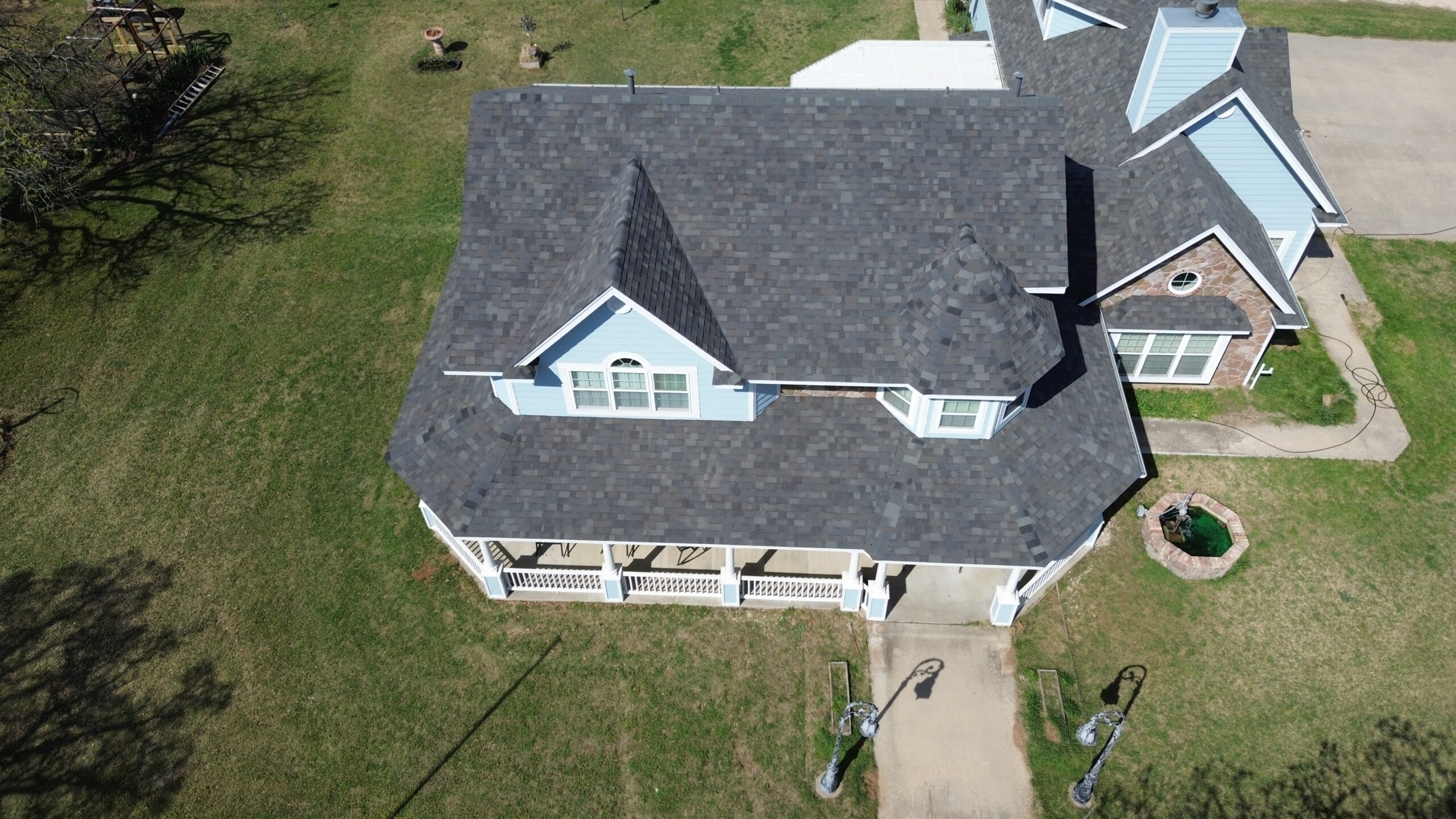
Roof orientation also creates noticeable variation. The south facing side of a home may appear significantly lighter than the north facing side because of prolonged UV exposure throughout the year. This uneven aging sometimes allows roofers to relocate shingles from less visible areas to achieve a closer match during repairs.
Local weather events contribute additional variation. Hailstorms, heavy winds, ice accumulation, and seasonal debris gradually influence the roof’s appearance even when no immediate damage is visible. Over time, these repeated events leave subtle differences that become important during replacement work.
How Roofing Professionals Identify Existing Shingles
Professional roof inspections involve much more than simply looking at the roof from the ground. Experienced contractors use several techniques to identify roofing materials before recommending replacement products.
The inspection often begins by searching for leftover roofing materials stored in garages, sheds, or attics. Many homeowners unknowingly keep extra bundles from the original installation, providing the ideal source for perfectly matching repairs.
If no spare shingles are available, roofers inspect the underside of existing shingles whenever possible. Some manufacturers print identifying information on the back of roofing materials, including product codes, manufacturing dates, or brand markings that help narrow the search.
Measurements also play an important role. Contractors carefully record shingle width, height, exposure, thickness, and layering patterns to compare them with available replacement products.
Texture receives equal attention during the inspection. Surface granules vary in size, shape, and distribution depending on the manufacturer. Matching this texture often proves just as important as matching the overall color.
Roofing professionals may also examine surrounding components such as ridge caps, starter strips, and hip shingles because these accessories sometimes contain identifying characteristics that simplify product identification.
In more difficult cases, contractors compare physical samples from multiple manufacturers until they find the closest available match. This process requires patience and experience because slight differences become much more noticeable after installation.
Why Manufacturer Information Is So Valuable
Many homeowners overlook the importance of keeping roofing documentation after a roof installation or replacement. Records that seem unimportant today can save considerable time and expense years later when repairs become necessary.
Manufacturer information provides valuable details about the roofing system that may otherwise require extensive investigation. Product names, color codes, warranty documents, installation records, and contractor invoices all help identify compatible replacement materials.
Even when the original shingles have been discontinued, manufacturers often maintain historical records showing which modern products most closely resemble older collections. This information allows contractors to narrow their search and improve the chances of finding a visually compatible replacement.
Warranty documentation may also reveal whether replacement shingles remain available through special ordering programs or authorized distributors. Some manufacturers continue producing limited quantities of discontinued products for warranty claims or specific repair situations.
Accurate documentation also helps contractors verify installation dates, allowing them to estimate the degree of natural weathering and recommend realistic repair strategies. These records become especially valuable when evaluating whether localized repairs remain practical or if broader roof replacement should be considered.
Keeping these documents organized provides long term benefits for homeowners. Even years after installation, detailed roofing records simplify maintenance decisions and reduce uncertainty when unexpected repairs become necessary.
Why Perfect Matches Are Sometimes Impossible
Homeowners are often surprised when roofing contractors explain that finding an exact replacement shingle may not be possible. While this can sound frustrating at first, it is a common situation with older roof systems and is usually the result of normal industry changes rather than poor workmanship.
Roofing manufacturers regularly improve their products by updating materials, refining production techniques, and introducing new color collections. These changes help increase durability and performance, but they also mean older shingles gradually disappear from the market. Even products that carry the same name may have slight differences in color, texture, or thickness because manufacturing methods have evolved over the years.
Natural weathering creates another obstacle that no manufacturer can replicate. Existing shingles have spent years exposed to sunlight, rain, changing temperatures, and seasonal weather patterns. New shingles arrive with their original factory appearance, making them noticeably brighter or darker than the surrounding roof.
Regional availability can further limit replacement options. Some roofing products were originally manufactured only for certain markets or have since been replaced by newer collections. Contractors may search multiple suppliers without finding an exact match, especially for roofs installed many years ago.
Understanding these limitations helps homeowners focus on achieving the closest practical match instead of expecting complete visual perfection. In many cases, a carefully selected replacement blends naturally after several months of exposure to normal weather conditions.
Modern Methods Used to Match Older Shingles
Today’s roofing professionals have access to far more resources than they did in the past. Advances in manufacturer databases, digital technology, and product identification tools have made it easier to locate compatible replacement materials for aging roofs.
One of the first resources contractors use is the manufacturer’s product catalog. Many roofing companies maintain archives of discontinued colors and styles, allowing contractors to compare older shingles with current alternatives that offer similar appearances.
Digital color matching has also become an important tool during roof inspections. Contractors can photograph existing shingles under natural lighting conditions and compare those images with manufacturer color libraries. While technology cannot guarantee a perfect match, it helps narrow the available options more accurately than visual estimates alone.
Some roofing suppliers maintain extensive inventories of discontinued products or have access to regional warehouses where older materials remain available. These specialty suppliers can occasionally locate bundles that are no longer stocked by local retailers.
Experienced roofing contractors also rely on physical sample boards. Rather than comparing colors from printed catalogs, they place actual shingle samples directly against the existing roof under natural sunlight. This side by side comparison often reveals subtle differences that photographs cannot capture.
Professional experience remains one of the most valuable tools throughout this process. Contractors who have worked with multiple manufacturers over many years often recognize patterns, textures, and color blends that help identify the closest available replacement products.
Using Salvaged Shingles for Better Repairs
When identical new shingles cannot be purchased, salvaged shingles sometimes provide the most natural repair solution. These materials typically come from leftover bundles saved during the original roof installation or from sections of the roof that are less visible from the ground.
Many homeowners unknowingly store spare shingles in garages, attics, storage sheds, or basements after a new roof is installed. Because these shingles were manufactured at the same time as the existing roof, they provide the closest possible match in terms of color, profile, and material composition.
Roofing contractors may also relocate shingles from hidden roof areas to more visible repair locations. For example, shingles from a rear roof slope that receives less attention can sometimes replace damaged shingles on the front of the home. New shingles are then installed in the less visible location where slight color differences are less noticeable.
This approach requires careful planning because relocated shingles must remain structurally sound. Contractors inspect each salvaged shingle for signs of cracking, brittleness, excessive granule loss, or other deterioration before reusing it.
Although salvaged shingles are not suitable for every repair, they often provide a practical solution when preserving the roof’s overall appearance is a high priority. Their naturally aged finish blends more effectively than newly manufactured materials.
Comparing New and Weathered Shingles
The differences between brand new shingles and an older roof extend well beyond simple color changes. Several characteristics gradually evolve throughout the roof’s lifespan, making side by side comparisons an important part of the matching process.
| Feature | Newly Manufactured Shingles | Weathered Existing Shingles |
|---|---|---|
| Color | Rich, vibrant, and consistent | Faded with natural variation |
| Granule Appearance | Evenly distributed with sharp texture | Slightly worn with gradual granule loss |
| Surface Finish | Fresh factory coating | Softened by years of weather exposure |
| Flexibility | More flexible during installation | May become stiffer with age |
| Overall Appearance | Uniform throughout each bundle | Unique aging patterns across the roof |
This comparison highlights why replacing only a few shingles on an older roof can immediately attract attention. Even when the replacement product is technically correct, the visual differences created by years of natural weathering remain difficult to eliminate.
Fortunately, these differences often become less noticeable over time. New shingles gradually begin experiencing the same environmental conditions as the surrounding roof, allowing them to blend more naturally after several seasons.
Blending Techniques Used During Roof Repairs
Successful roof repairs involve more than simply installing replacement shingles in the damaged area. Professional contractors use several blending techniques that reduce visual contrast and help repairs integrate with the existing roof.
One common approach involves distributing replacement shingles across a broader area rather than concentrating them in a single location. This spreads subtle color differences over a larger section of the roof, making them less noticeable from ground level.
Roofers also pay close attention to the direction of installation. Aligning replacement shingles with existing exposure lines, stagger patterns, and fastening locations preserves the roof’s overall appearance while maintaining proper water drainage.
Another effective strategy is matching surrounding accessories whenever necessary. If ridge caps, hip shingles, or starter strips have also aged significantly, replacing only one component may create an inconsistent appearance. Coordinating these elements often produces a more balanced repair.
Experienced contractors understand how lighting affects roof appearance as well. Shadows, roof pitch, and viewing angles all influence how noticeable a repair becomes. Careful placement of replacement materials takes these visual factors into account before installation begins.
Blending techniques require patience and attention to detail, but they often make the difference between a repair that stands out immediately and one that becomes difficult to notice from normal viewing distances.
When Partial Roof Replacement Makes More Sense
There comes a point when replacing a small section of roofing provides better long term value than repairing only a few damaged shingles. Determining where that point lies depends on several factors that extend beyond cosmetic appearance.
If damage is confined to one roof slope while the remainder of the roof remains in good condition, replacing that entire section may provide a more consistent appearance than patching scattered repairs throughout the area. The new section appears uniform while preserving the remaining portions of the roof that continue performing well.
Repeated repairs also deserve careful evaluation. A roof that has required frequent patching over the past several years may indicate broader material deterioration rather than isolated damage. Continuing to replace individual shingles can become more expensive over time than completing a larger repair.
Visibility is another important consideration. Highly visible front roof slopes influence curb appeal much more than rear sections. In these situations, replacing an entire slope often creates a cleaner appearance than attempting multiple small repairs with slightly different materials.
Age remains one of the biggest decision factors. If the roof has already reached the later stages of its expected service life, investing significant money in repeated matching efforts may provide limited long term benefit. A more comprehensive replacement could offer greater value while eliminating future matching challenges.
Professional inspections help determine whether localized repairs remain practical or whether partial replacement provides a stronger long term solution.
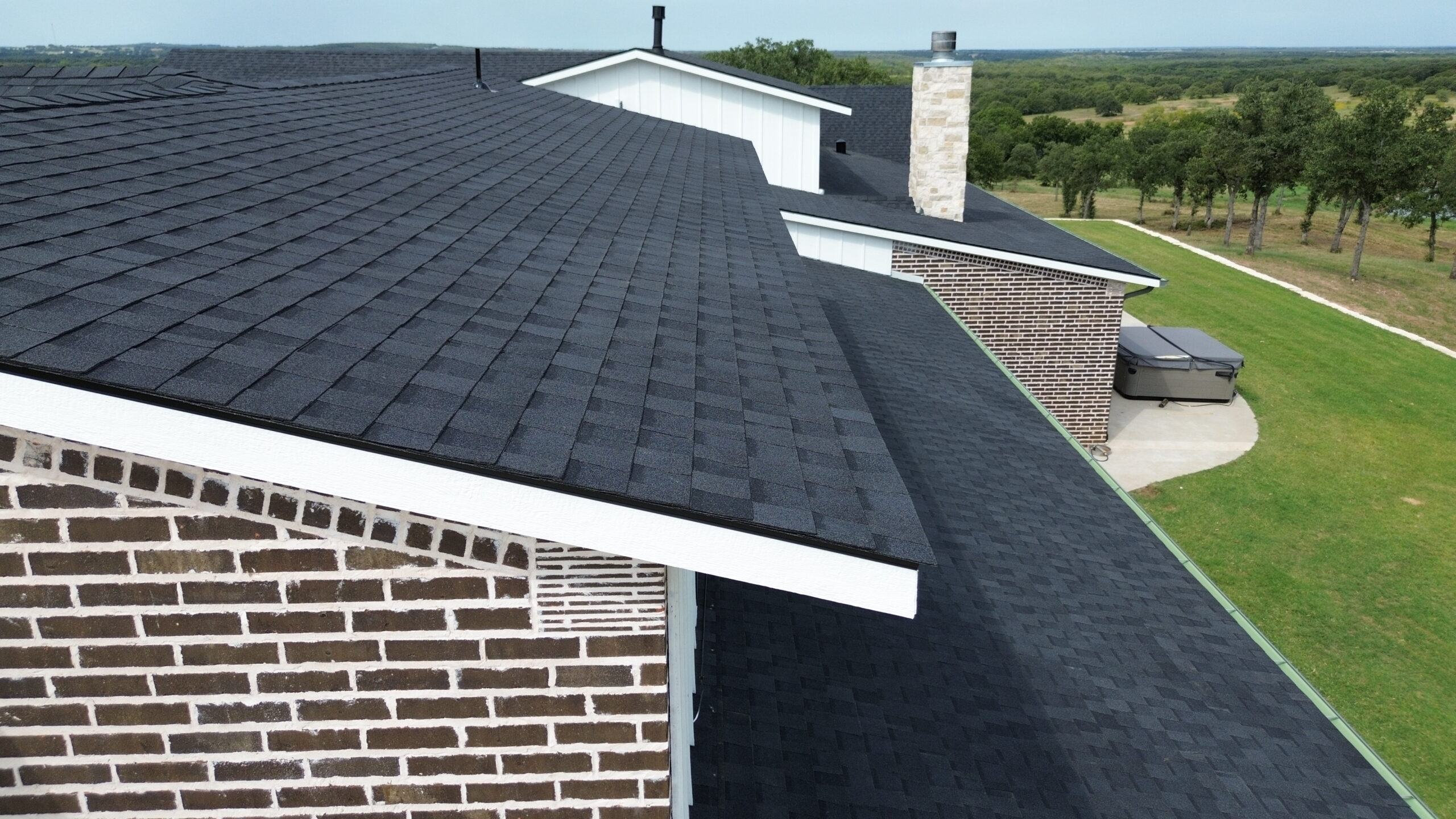
Best Practices During Installation
Even the best matching shingles can appear out of place if they are installed incorrectly. Proper installation techniques protect the roof from future problems while ensuring the repaired area blends as naturally as possible.
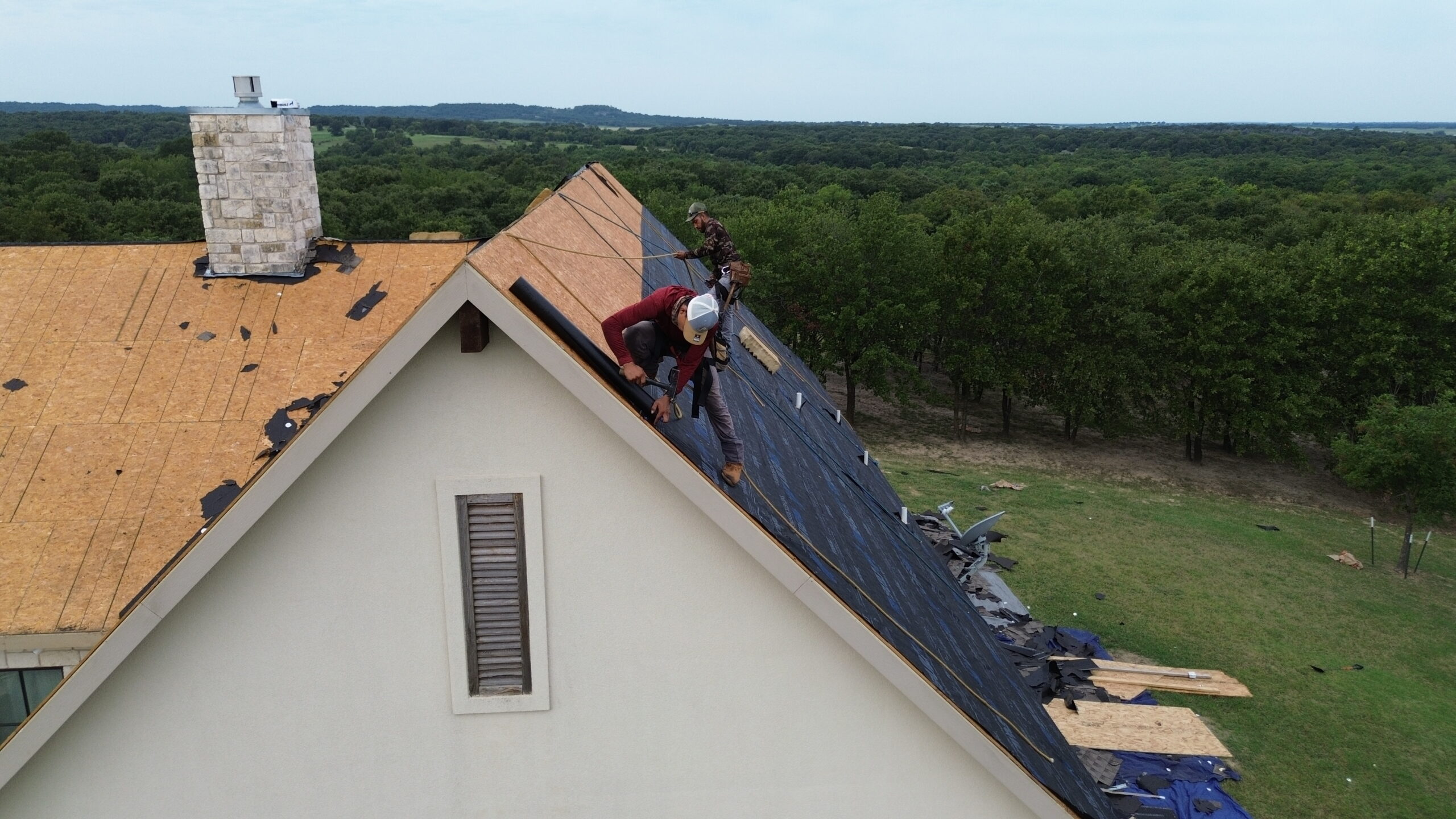
Contractors begin by carefully removing damaged shingles without disturbing the surrounding roofing materials. Older shingles become more brittle with age, so unnecessary force can crack nearby pieces that would otherwise remain serviceable.
Fastener placement receives equal attention during repairs. Nails must be positioned according to manufacturer recommendations while aligning with the existing installation pattern. Incorrect fastening can affect both appearance and long term performance.
Proper sealing is also essential. Replacement shingles must bond securely with neighboring shingles to maintain wind resistance and prevent moisture intrusion. In some cases, roofing professionals use approved roofing sealants when natural adhesive strips cannot fully activate during cooler weather.
Careful alignment completes the process. Matching exposure lines, maintaining straight courses, and preserving consistent spacing all contribute to a finished repair that looks intentional rather than obvious.
These installation practices demonstrate that successful shingle matching depends as much on workmanship as it does on selecting the right materials.
Signs That Matching Alone Will Not Solve the Problem
Although matching replacement shingles can restore many roofs successfully, there are situations where appearance becomes secondary to the roof’s overall condition. In these cases, replacing a few shingles may hide symptoms without addressing the underlying issue.
One warning sign is widespread granule loss across multiple roof sections. When protective granules have worn away extensively, the shingles become more vulnerable to ultraviolet damage and accelerated deterioration. Installing new shingles among heavily worn materials does little to improve the roof’s remaining lifespan.
Structural issues beneath the shingles also require immediate attention. Soft decking, moisture damage, or sagging roof sections indicate problems that extend beyond the visible roofing surface. These conditions should always be corrected before cosmetic matching is considered.
Large numbers of cracked, curled, or brittle shingles suggest that the roof has reached the end of its useful service life. Even if damaged areas are repaired successfully, additional failures may continue appearing throughout the roof in the coming years.
Water intrusion provides another important warning. Stains inside the home, attic moisture, mold growth, or damaged insulation often point to more extensive roofing problems that localized shingle replacement cannot fully resolve.
Recognizing these signs allows homeowners to make informed decisions based on the roof’s overall condition rather than focusing only on achieving the closest possible color match. Proper evaluation ensures repair budgets are invested where they provide the greatest long term benefit.
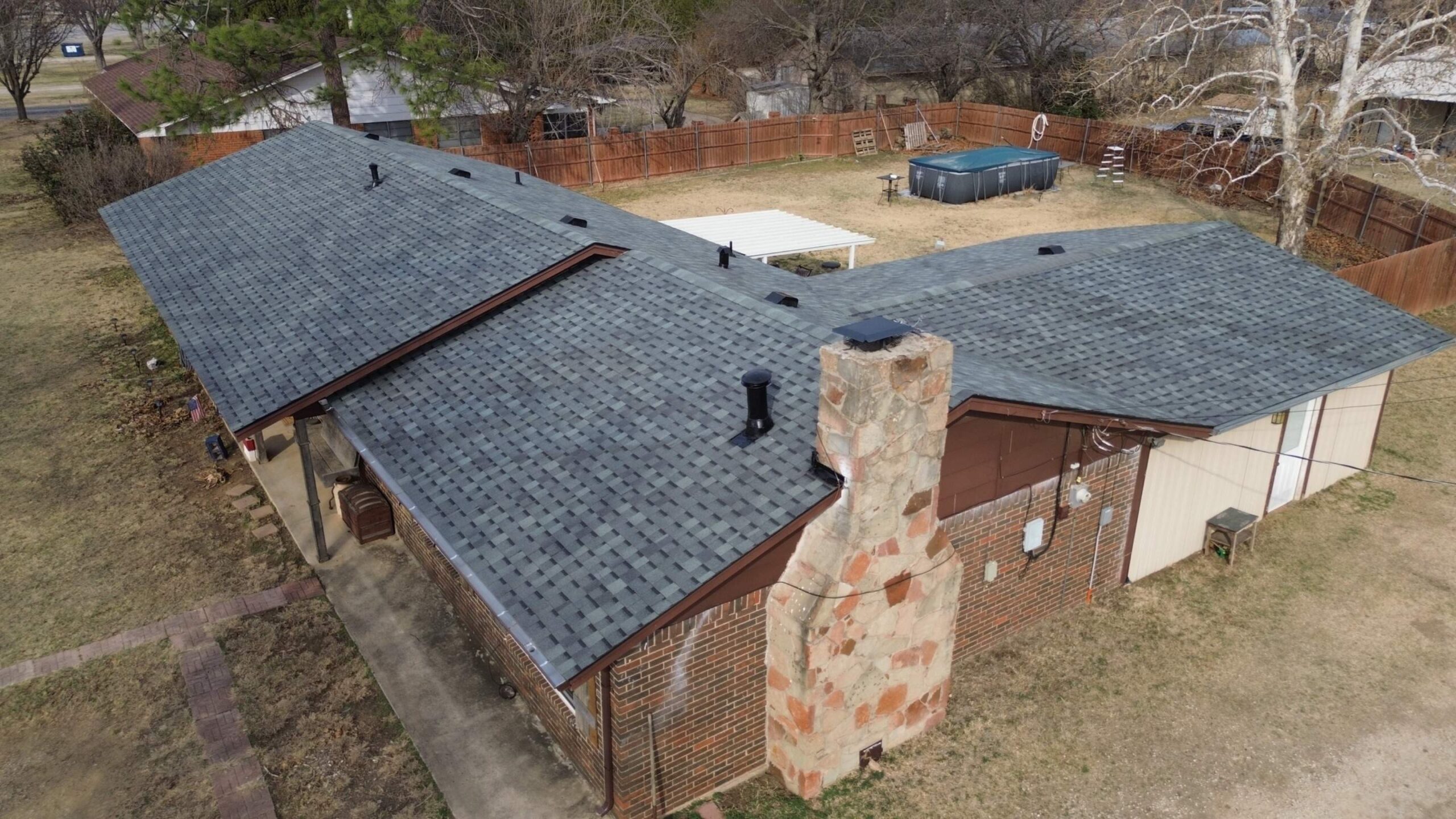
Choosing Replacement Shingles That Age Naturally
One of the most overlooked aspects of roof repair is thinking beyond the day the new shingles are installed. While achieving the closest possible match immediately is important, homeowners should also consider how replacement shingles will age over the coming years. Selecting compatible materials helps the repaired section blend more naturally as both old and new shingles continue to weather.
Manufacturers design modern asphalt shingles with improved durability, UV resistance, and granule adhesion. These enhancements increase service life, but they may also affect how quickly the shingles change appearance. Some products retain their original color longer than older roofing materials, while others gradually soften in tone as they experience normal weather exposure.
Compatibility extends beyond the visible color. The asphalt composition, granule size, thickness, and surface texture all influence how shingles respond to sunlight, rainfall, and temperature changes. Even slight differences in material composition can create uneven aging patterns if incompatible products are installed together.
Professional roofers often recommend choosing replacement shingles from the same manufacturer whenever possible. Even if the exact color has been discontinued, products from the same manufacturing family usually share similar construction methods and weathering characteristics. This increases the likelihood that the repaired area will blend more effectively over time.
Homeowners should also remember that patience plays an important role. A repair that appears slightly different immediately after installation often becomes much less noticeable after several months of exposure to natural weather conditions. While the change is gradual, environmental exposure helps soften the contrast between old and new roofing materials.
Preventing Future Matching Problems
Although it is impossible to eliminate every future roofing challenge, homeowners can take several simple steps that make matching repairs significantly easier if damage occurs later. These preventive measures require very little effort but can save considerable time, money, and frustration.
One of the most valuable practices is saving leftover shingles after any roof installation or major repair. Many roofing contractors leave unused bundles with the homeowner, yet these materials are often discarded or forgotten. Properly stored shingles can provide an exact match years later if localized repairs become necessary.
Storage conditions matter just as much as keeping the shingles themselves. Bundles should remain in a dry, covered location away from excessive moisture, direct sunlight, and extreme temperatures. Protecting the materials helps preserve their condition until they are needed.
Homeowners should also keep detailed records about the roofing system. Product labels, manufacturer information, color names, warranty documents, contractor invoices, and installation dates create a valuable reference file that simplifies future repairs.
Routine inspections provide another important advantage. Small roofing problems are much easier to repair while matching materials remain available and before widespread weathering creates significant visual differences. Addressing damage promptly often prevents more extensive repairs later.
The following practices help reduce future matching challenges:
- Save extra shingles after every roof installation or replacement.
- Store roofing materials in a clean and dry location.
- Keep manufacturer information and warranty documents together.
- Schedule regular roof inspections after severe weather.
- Repair isolated damage before it spreads to surrounding areas.
These simple habits help preserve both the roof’s appearance and its long term performance while making future maintenance decisions much easier.
Repair Versus Full Replacement Decision Guide
Every roofing repair eventually leads to one important question. Should the damaged shingles simply be replaced, or has the roof reached the point where full replacement offers greater value? The answer depends on several practical considerations rather than the visible damage alone.
A relatively young roof with isolated storm damage usually responds well to localized repairs. If the remaining shingles remain flexible, properly sealed, and structurally sound, replacing the damaged area often restores both protection and appearance.
As roofs approach the end of their expected lifespan, the decision becomes more complicated. Widespread aging, repeated repairs, and declining material performance may indicate that additional patching will only delay a larger project that is already becoming necessary.
Homeowners can evaluate the situation by considering several important factors.
- Roof age. Older roofs naturally become more difficult to repair because matching materials become less available and overall deterioration increases.
- Extent of damage. A few damaged shingles usually support localized repairs, while widespread deterioration may justify broader replacement.
- Repair history. Multiple repairs within a short period often indicate larger roofing issues that continue developing over time.
- Future plans. Homeowners planning to remain in the property for many years may benefit more from investing in a long term roofing solution.
- Budget considerations. While repairs generally cost less initially, repeated maintenance expenses can eventually exceed the value of replacing the roof.
Every situation is unique, which is why professional inspections remain an important part of the decision making process. Experienced contractors evaluate both visible damage and underlying structural conditions before recommending the most appropriate solution.
The Financial Value of Proper Shingle Matching
Many homeowners focus only on the immediate cost of purchasing replacement shingles. While material costs certainly matter, proper matching also provides financial benefits that extend well beyond the repair itself.
A well matched repair helps preserve curb appeal. Because the roof represents one of the home’s largest visible surfaces, consistent appearance contributes to an attractive exterior that reflects proper maintenance. Potential buyers often notice roofing repairs immediately, particularly when replacement shingles differ significantly from the surrounding roof.
Insurance considerations may also become relevant after storm damage. Some insurance policies cover matching requirements under specific circumstances, particularly when replacement materials are no longer available. Understanding policy details before beginning repairs helps homeowners make informed decisions regarding available options.
Long term maintenance costs should also be considered. Properly matched repairs completed with compatible materials often perform more reliably than temporary solutions using unsuitable products. Investing in quality materials and skilled workmanship reduces the likelihood of premature repairs and unnecessary maintenance expenses.
Energy performance can also benefit indirectly. Proper installation maintains the roofing system’s integrity, supporting effective attic ventilation and moisture control that contribute to overall home efficiency.
Although matching shingles may require additional effort during the repair process, the investment frequently pays dividends through improved appearance, stronger performance, and increased property value.
Questions to Ask Before Any Roof Repair
Homeowners can improve repair outcomes by asking informed questions before selecting replacement materials or approving roofing work. Clear communication helps establish realistic expectations while reducing misunderstandings throughout the project.
One of the first questions should involve product availability. Understanding whether the original shingles remain in production allows homeowners to evaluate the likelihood of achieving a close visual match before repairs begin.
It is also helpful to discuss the contractor’s proposed matching strategy. Experienced roofers should explain whether they plan to use new shingles, salvaged materials, relocated shingles, or a combination of these methods.
Warranty coverage deserves careful attention as well. Homeowners should understand both manufacturer warranties covering roofing materials and workmanship warranties provided by the contractor performing the repair.
Expected visual results should also be discussed openly. While skilled contractors strive for the closest possible match, they should explain any factors that may prevent complete uniformity, particularly on older roofs with extensive weathering.
Finally, homeowners should ask whether the roof requires additional repairs beyond the visible damage. Identifying hidden problems early helps prevent unexpected expenses after work has already begun.
These conversations establish clear expectations and help homeowners make confident decisions based on accurate information rather than assumptions.
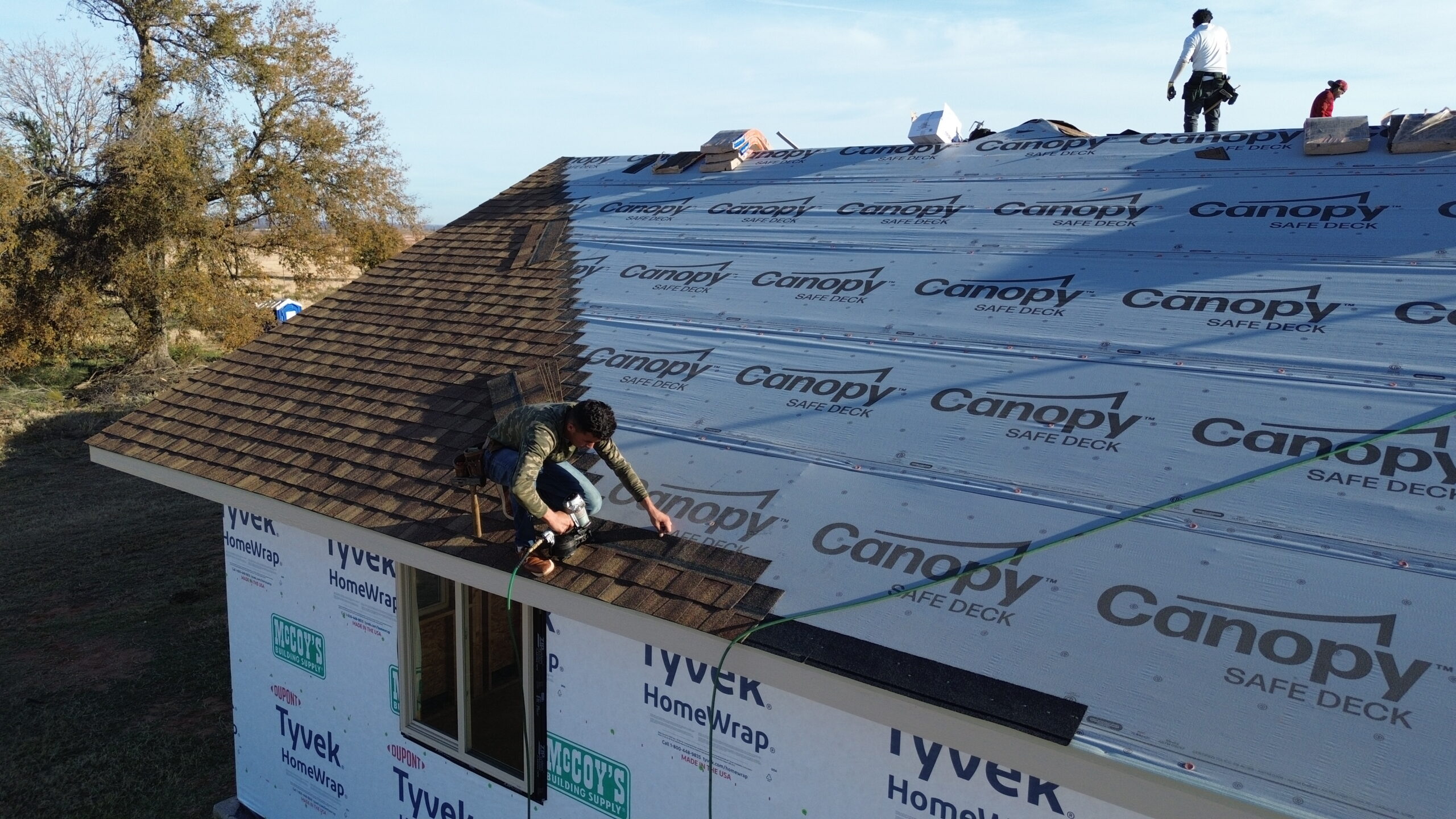
Professional Tips for Achieving the Most Natural Looking Repair
Roofing professionals develop practical techniques through years of experience working with aging roofing systems. While every roof presents unique challenges, certain principles consistently improve repair quality and appearance.
One important strategy involves evaluating the roof under natural daylight rather than relying solely on indoor lighting or printed color samples. Sunlight reveals subtle differences in texture, granule distribution, and color variation that artificial lighting often hides.
Experienced contractors also consider viewing distance. A repair that appears noticeable from a few feet away may blend almost perfectly when viewed from the street. Evaluating the finished repair from multiple locations provides a more realistic assessment of the overall appearance.
Timing can also influence repair success. Installing shingles during appropriate weather conditions allows adhesive strips to activate properly and helps ensure consistent sealing across the repaired area. Proper installation contributes to both appearance and long term durability.
Attention to surrounding details further improves results. Straight alignment, consistent exposure, properly installed flashing, and carefully positioned ridge components all help the repaired section blend with the existing roof rather than drawing unnecessary attention.
Finally, experienced professionals encourage homeowners to maintain realistic expectations. An older roof has developed its appearance gradually through years of natural weather exposure. While skilled repairs can blend remarkably well, expecting absolute invisibility may not always be practical.
The goal is not simply hiding the repair. It is restoring the roof’s performance while preserving an attractive, balanced appearance that complements the rest of the roofing system.
The Importance of Working With Experienced Roofing Professionals
Roof repairs may appear straightforward from the ground, but matching replacement shingles requires specialized knowledge that extends well beyond basic installation skills. Experienced roofing professionals understand how different manufacturers, product generations, and environmental conditions influence the appearance of aging roof systems.
Professional inspections identify issues that homeowners may overlook. Slight variations in roof pitch, ventilation, flashing condition, moisture intrusion, and structural movement all influence the success of a repair. Addressing these factors before replacing shingles helps prevent recurring problems.
Experienced contractors also maintain relationships with suppliers and manufacturers that may provide access to discontinued products or compatible alternatives unavailable through standard retail channels. Their industry knowledge often expands the range of practical repair options.
Safety represents another important advantage. Working on sloped roofs involves fall hazards, unstable surfaces, and weather related risks that require proper equipment and training. Professional crews follow established safety practices while completing repairs efficiently and correctly.
Quality workmanship also protects manufacturer warranties and supports long term roof performance. Proper fastening, alignment, sealing, and flashing installation ensure the repaired section functions as part of the overall roofing system rather than becoming a future weak point.
Selecting a qualified roofing contractor ultimately provides more than improved appearance. It increases confidence that the repair will protect the home for years to come while preserving the value of the existing roof.
Conclusion
Matching replacement shingles for older roof systems is far more complex than selecting a similar color from a roofing catalog. Years of weather exposure, discontinued product lines, evolving manufacturing methods, and natural aging all contribute to the challenge of creating repairs that blend seamlessly with the existing roof.
Successful repairs begin with understanding the original roofing system and carefully evaluating the condition of the existing shingles. Professional inspections, accurate product identification, thoughtful material selection, and proper installation techniques all work together to produce the best possible outcome. While an absolutely perfect match is not always achievable, experienced roofing professionals can often create repairs that maintain both structural performance and visual consistency.
Homeowners also play an important role in preserving future repair options. Saving leftover shingles, maintaining accurate roofing records, scheduling routine inspections, and addressing damage promptly make future matching efforts much more successful. These simple preventive steps reduce uncertainty and help protect the roof’s appearance for many years.
Every roof eventually shows signs of age, but that does not mean every damaged shingle requires a complete replacement. Careful evaluation allows homeowners to choose the most practical solution based on the roof’s condition, remaining lifespan, and long term goals. Whether the project involves replacing a few shingles or planning for a future roof replacement, informed decisions always produce better results.
A well matched roof repair is about more than appearance. It reflects careful planning, quality craftsmanship, and a commitment to preserving one of the home’s most important protective systems. By understanding the factors involved in matching replacement shingles for older roof systems, homeowners can approach repairs with realistic expectations and greater confidence that their investment will continue protecting both their property and its curb appeal for years to come.