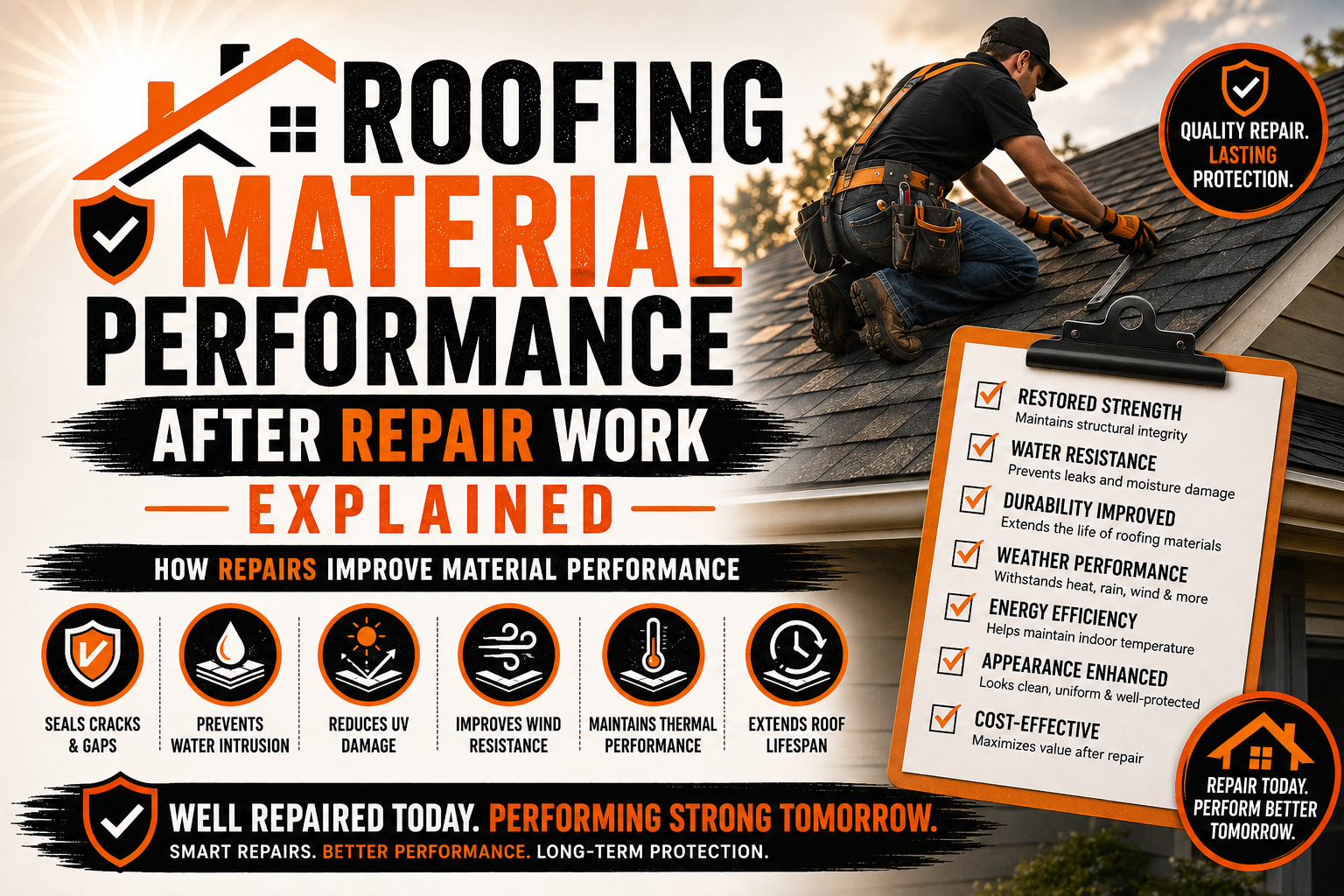
Roofing Material Performance After Repair Work Explained
Introduction
Repairing a roof is only the first step toward restoring its ability to protect a home. The true measure of a successful repair is how well the roofing material performs in the weeks, months, and years that follow. A properly repaired roof should continue resisting water, wind, sunlight, and temperature changes without developing recurring problems.
Many homeowners assume that once a repair is completed, the issue is permanently resolved. While quality repairs can provide long lasting results, the actual performance depends on several factors including the roofing material, repair methods, installation quality, weather conditions, and ongoing maintenance. Understanding these factors helps homeowners evaluate whether their roof is performing as expected.
Every roofing material behaves differently after repairs. Asphalt shingles, metal panels, clay tiles, slate, wood shakes, and flat roofing membranes all have unique characteristics that influence durability and maintenance requirements. A repair method that works well for one material may not deliver the same results on another.
This guide explains how different roofing materials perform after repair work, what affects their long term reliability, and how homeowners can maximize the lifespan of repaired roofing systems. By understanding what to expect after repairs, you can make informed maintenance decisions and avoid unnecessary future expenses.
Why Roofing Material Performance Matters After Repairs
Roof repairs are investments in the safety and longevity of a home. While repairing visible damage restores immediate protection, the long term performance of the repaired area determines whether the investment truly delivers lasting value. A repair that performs well continues protecting the home without requiring repeated attention.
Strong post repair performance helps prevent water infiltration that can damage insulation, ceilings, walls, and structural framing. Even small weaknesses in repaired areas may eventually allow moisture to enter, leading to costly repairs far beyond the roof itself. This makes repair quality just as important as the repair itself.
Good roofing performance also contributes to energy efficiency. Roofing materials that remain properly sealed and structurally sound help regulate indoor temperatures by protecting insulation and reducing unwanted heat transfer. This allows heating and cooling systems to operate more efficiently throughout the year.
Another benefit of reliable roof performance is reduced maintenance costs. Homeowners spend less time and money addressing recurring leaks when repairs remain effective for many years. Consistent performance also improves confidence during severe weather because the roof is better prepared to withstand challenging conditions.
A well performing repair also protects the overall appearance of the roof. Properly matched materials blend with the surrounding roofing system, maintaining a uniform appearance while preserving property value. Buyers often view a well maintained roof as a sign that the entire home has received responsible care.
What Determines Repair Success on Different Roofing Materials
Several factors influence how well roofing materials perform after repairs. The repair process itself is only one part of the equation, as material quality, environmental conditions, and installation practices all contribute to long term results.
The condition of the existing roof plays an important role. Repairs performed on relatively new roofing materials generally perform better than repairs made on roofs approaching the end of their service life. Older materials may continue deteriorating even after isolated sections have been repaired.
Material compatibility is another essential factor. Replacement shingles, metal panels, sealants, flashing, and fasteners should be compatible with the original roofing system. Using mismatched materials can create weak points that reduce overall durability.
Proper installation techniques directly affect repair performance. Roofing materials must be secured correctly, flashing installed properly, and sealants applied according to manufacturer recommendations. Even premium materials cannot perform well if installed incorrectly.
Weather during the repair process also matters. Roofing materials often require dry conditions and appropriate temperatures for proper installation. Repairs completed during unsuitable weather may not bond correctly, reducing their long term effectiveness.
Routine maintenance following repairs further influences performance. Regular inspections, gutter cleaning, and prompt attention to minor issues help repaired areas remain in good condition while preventing additional damage from developing.
How Roofing Materials Respond After Repair Work
Different roofing materials react differently once repairs have been completed. Understanding these natural responses helps homeowners recognize what is considered normal and what may indicate a developing problem.
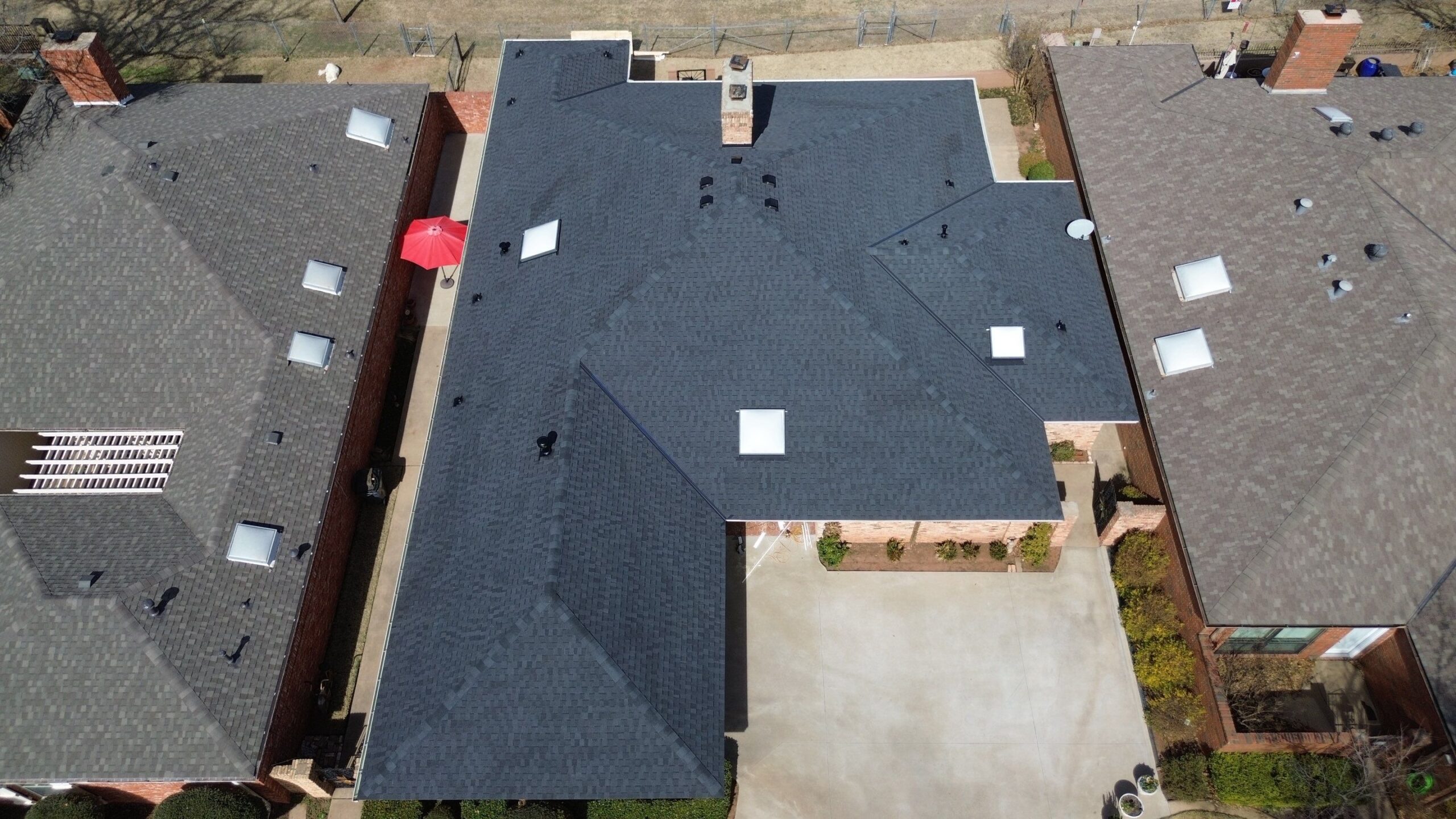
Asphalt shingles generally integrate well with existing roofing when matching products are used. Newly installed shingles may initially appear slightly different in color because of manufacturing differences or weather exposure. Over time, sunlight and natural aging often reduce these visual differences.
Metal roofing typically performs exceptionally well after repairs when seams, fasteners, and flashing are installed correctly. Metal naturally expands and contracts with temperature changes, so repairs must allow for this movement without creating stress on fasteners or joints.
Clay and concrete tiles maintain excellent performance when damaged tiles are carefully replaced. Individual replacement tiles should fit securely without placing unnecessary pressure on neighboring tiles. Proper installation preserves both waterproofing and structural stability.
Slate roofing remains highly durable after repairs provided replacement slates match the original thickness and installation method. Because slate is naturally long lasting, well executed repairs often perform for many decades with minimal maintenance.
Flat roofing systems require special attention because repaired membrane sections must create continuous waterproof barriers. Properly bonded patches and reinforced seams allow repaired membranes to perform similarly to the surrounding roofing surface.
Wood shake roofs respond well to repairs when replacement shakes match the original dimensions and moisture content. Proper ventilation remains especially important because excessive moisture shortens the lifespan of both old and newly installed shakes.
Understanding these normal performance characteristics allows homeowners to distinguish between expected aging and signs of repair failure.
Factors That Influence Long Term Performance
Long lasting roof repairs depend on more than quality workmanship alone. Several external factors continuously affect repaired roofing materials throughout their service life, making ongoing maintenance an important part of roof ownership.
Climate has one of the greatest influences on repair durability. Homes located in areas with frequent storms, heavy rainfall, intense sunlight, or freezing temperatures place greater demands on repaired roofing materials. These conditions accelerate natural wear and require more frequent inspections.
Roof design also affects repair performance. Steeper roofs generally shed water more efficiently, reducing the likelihood of standing moisture. Low slope roofs, valleys, and complex roof intersections often experience higher water exposure and therefore require greater attention after repairs.
Ventilation beneath the roof influences the lifespan of repaired materials as well. Excessive heat and moisture trapped inside the attic can accelerate deterioration even when exterior repairs have been completed correctly. Balanced airflow helps maintain stable temperatures and protects roofing components.
Tree coverage may either benefit or challenge roof performance. Shade can reduce direct ultraviolet exposure, slowing some forms of material aging. However, overhanging branches increase the risk of falling debris, abrasion, and clogged gutters that may negatively affect repaired sections.
Maintenance habits have a significant impact on repair longevity. Homeowners who inspect their roofs regularly and address minor concerns promptly usually experience better long term performance than those who ignore small warning signs.
Signs That a Roof Repair Is Performing Well
After a repair is completed, homeowners naturally want reassurance that the work has been successful. Fortunately, several indicators demonstrate that repaired roofing materials are functioning properly and providing dependable protection.
The most obvious sign is the absence of leaks during rainfall. If repaired areas remain completely dry through multiple storms, the roofing system is likely performing as intended. Consistent protection over time indicates that the repair has effectively restored the waterproof barrier.
Roofing materials should also remain securely attached without movement or visible lifting. Shingles should lie flat, metal panels should remain firmly fastened, and replacement tiles should sit evenly within the surrounding roof surface.
Flashing around roof penetrations should continue directing water away efficiently. Properly installed flashing remains tightly sealed around chimneys, skylights, roof vents, and valleys without showing signs of separation or corrosion.
Interior spaces provide additional confirmation of repair success. Ceilings should remain free of water stains, insulation should stay dry, and attic spaces should not develop mold, mildew, or excessive moisture after rainfall.
Homeowners may also notice improved energy efficiency following successful repairs. Properly sealed roofing systems help maintain consistent indoor temperatures while reducing unnecessary heat loss or heat gain.
The following checklist can help evaluate repair performance:
- No water leaks during or after rainfall.
- Roofing materials remain securely fastened.
- Flashing stays tightly sealed.
- No new ceiling stains or attic moisture.
- Gutters drain water efficiently.
- Repaired areas blend smoothly with the surrounding roof.
Monitoring these indicators over time provides confidence that repairs continue protecting the home as expected.
Early Indicators That Repairs May Be Failing
Not every repair performs perfectly for its entire expected lifespan. Identifying early warning signs allows homeowners to arrange corrective action before significant damage develops.
Recurring water stains are often the first indication that repaired areas are no longer providing complete protection. Even small discoloration on ceilings or walls deserves immediate investigation because moisture rarely disappears on its own.
Loose or lifting roofing materials also suggest declining repair performance. Wind may gradually loosen shingles, flashing, or metal panels if installation was incomplete or fasteners have weakened over time.
Cracked sealant around roof penetrations frequently develops due to aging, weather exposure, or movement within the roofing system. Once sealant begins separating, water can enter vulnerable areas beneath the roofing material.
Rust appearing on flashing or metal fasteners may indicate moisture retention or protective coating failure. Corrosion gradually weakens roofing components, making prompt maintenance important for preserving repair quality.
Mold growth inside attic spaces may also signal hidden moisture entering through repaired sections. Since mold often develops before visible leaks become noticeable, unusual odors or discoloration deserve careful attention.
Ignoring these warning signs typically allows problems to expand into more expensive repairs. Early intervention protects both the repaired section and the surrounding roofing system.
Performance Expectations for Common Roofing Materials
Every roofing material offers different levels of durability after repairs, making realistic expectations important for homeowners planning long term maintenance. While proper repairs improve performance, each material continues aging according to its natural characteristics.
Asphalt shingles generally provide reliable post repair performance when damaged sections are replaced promptly and matching materials are used. Regular inspections help identify gradual wear before additional repairs become necessary.
Metal roofing often delivers some of the longest lasting repair performance because of its resistance to moisture, insects, and fire. Properly maintained repairs can remain effective for many years with minimal ongoing attention.
Clay and concrete tiles continue providing excellent weather resistance after repairs, although individual tiles remain vulnerable to impact damage from falling branches or heavy foot traffic. Careful maintenance preserves their impressive lifespan.
Slate roofs are among the most durable roofing systems available. When repaired using appropriate materials and techniques, they often continue performing exceptionally well for decades without significant deterioration.
Flat roofing systems require more consistent monitoring because drainage issues place continuous stress on repaired membrane sections. Regular inspections help ensure seams remain secure and water continues flowing properly.
Wood shake roofs provide dependable performance when maintained carefully, although they generally require more attention than some modern roofing materials. Proper ventilation and moisture control remain essential for extending repair life.
Asphalt Shingle Roof Performance After Repairs
Asphalt shingles are among the easiest roofing materials to repair, and when repairs are completed correctly, they usually restore the roof’s ability to resist water and weather effectively. New shingles integrate well with existing roofing materials, especially when the same brand, color, and style are used. Although slight color differences may be noticeable at first, natural weathering often helps the repaired section blend more closely with the surrounding roof over time.
The long term performance of repaired asphalt shingles depends largely on installation quality. Proper nail placement, correct overlap, and secure sealing strips help prevent wind uplift and water infiltration. When these details are handled correctly, repaired sections often perform as reliably as the original roof.
Weather exposure continues to influence repaired asphalt shingles throughout their lifespan. Intense sunlight gradually reduces flexibility, while repeated freeze and thaw cycles may create additional stress on older shingles. Regular inspections help identify early signs of wear before they affect the repaired area.
Homeowners should also monitor granule loss after repairs. Some minor granule shedding is normal, but excessive accumulation inside gutters may indicate accelerated deterioration that deserves professional evaluation.
Metal Roof Performance After Repairs
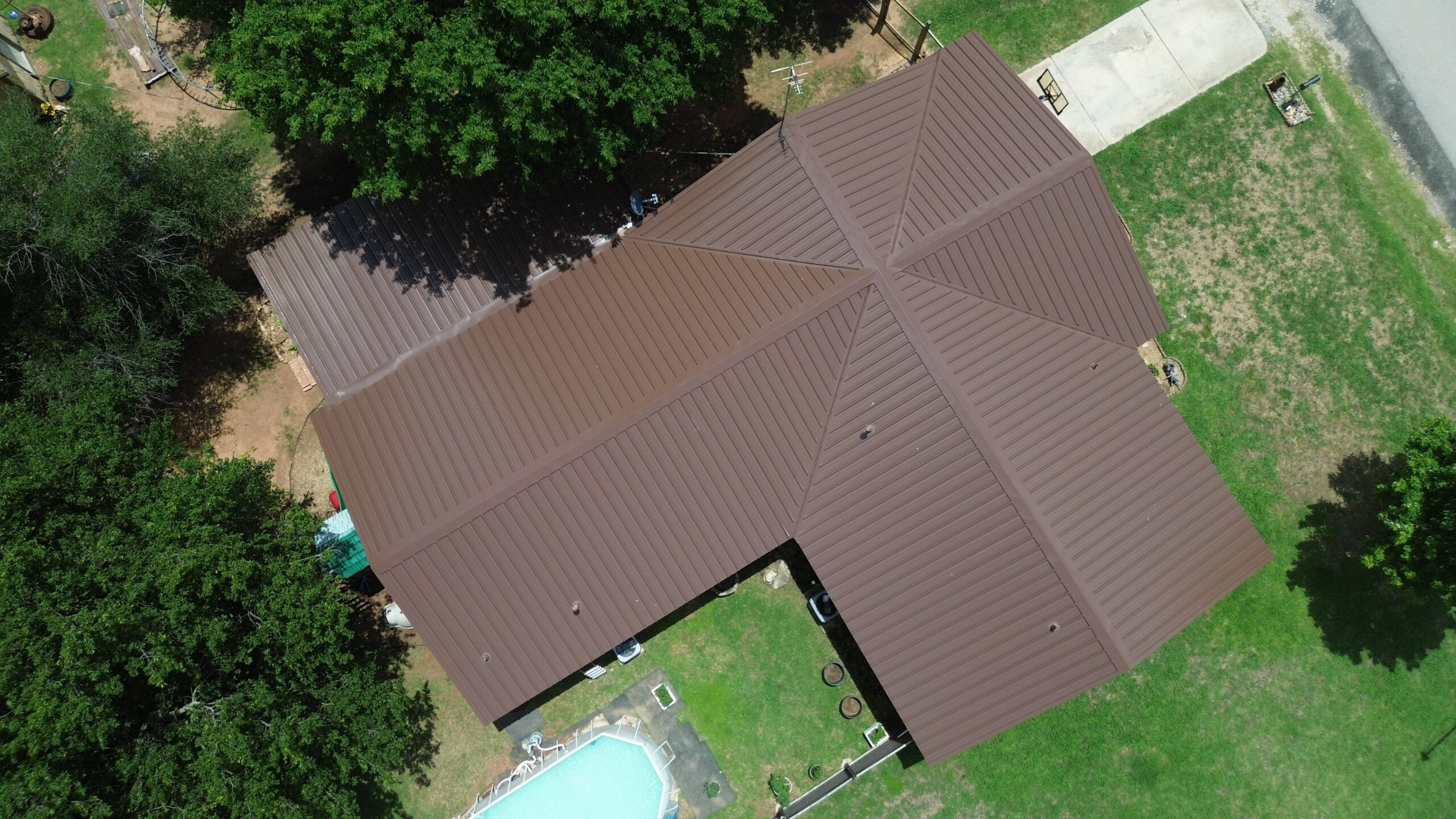
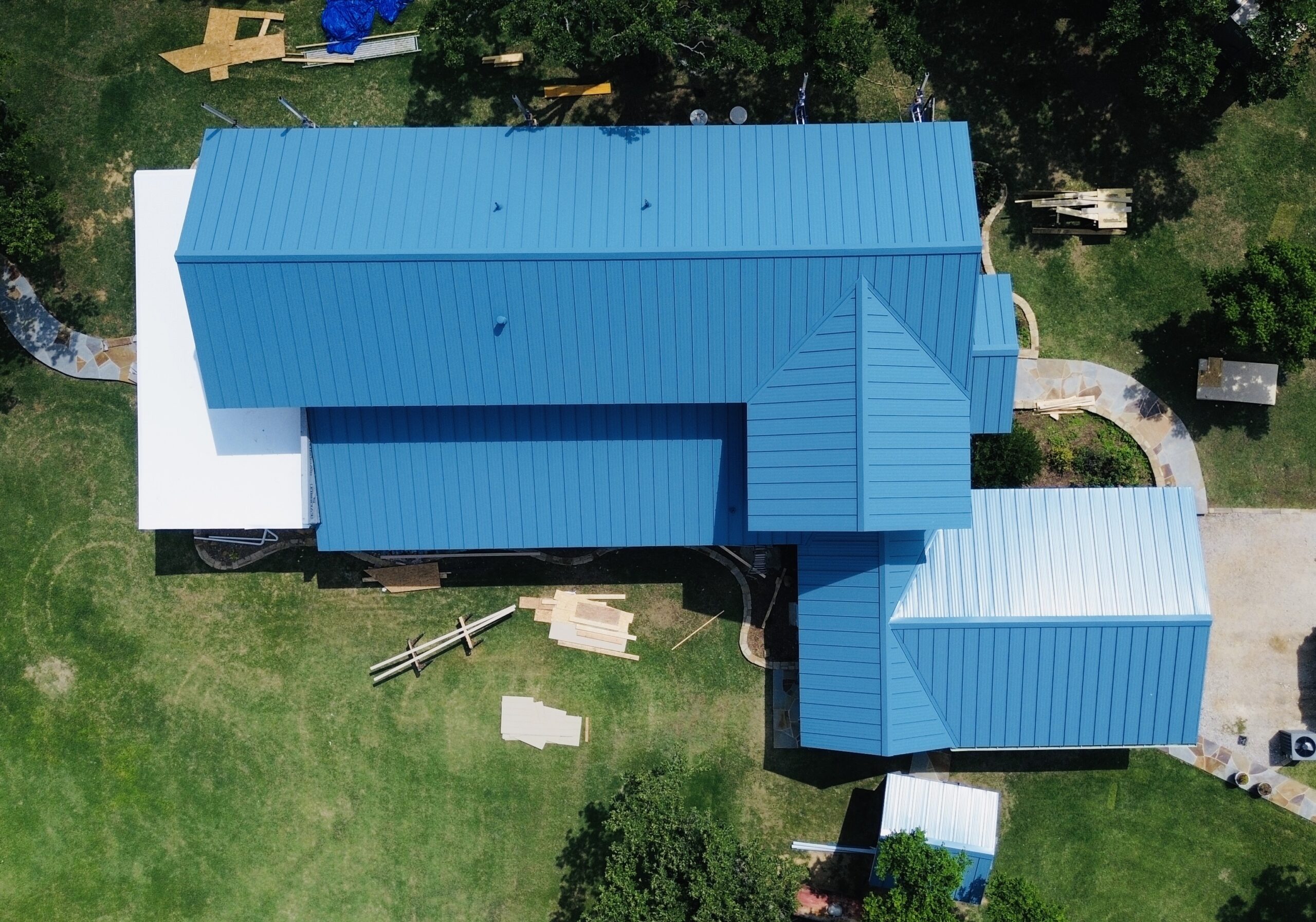
Metal roofing is known for its durability, and properly repaired metal roofs often provide excellent long term performance. Unlike some roofing materials, metal panels resist cracking, moisture absorption, and insect damage, making them highly dependable after quality repairs.
Repairs commonly involve replacing fasteners, resealing seams, repairing flashing, or installing replacement panels. When these components are installed correctly, repaired areas maintain the roof’s structural strength while preserving weather resistance. Proper sealing around joints prevents water from penetrating beneath overlapping panels.
Temperature changes cause metal roofing to expand and contract naturally. Successful repairs accommodate this movement by allowing materials to shift slightly without loosening fasteners or stressing seams. This flexibility helps prevent future leaks and maintains repair integrity.
Corrosion should always be monitored after repairs, particularly in coastal or humid environments. Protective coatings and routine cleaning help preserve metal surfaces while extending the lifespan of repaired sections.
Tile and Slate Roof Performance After Repairs
Clay tile, concrete tile, and slate roofs offer exceptional durability when repairs are completed with appropriate materials and techniques. These roofing systems are capable of lasting for many decades, making high quality repairs especially valuable.
Individual damaged tiles or slates can usually be replaced without disturbing large portions of the roof. Matching the size, thickness, and profile of replacement pieces helps maintain consistent load distribution and weather resistance. Proper alignment also preserves the roof’s overall appearance.
Because tile and slate are rigid materials, repairs should avoid placing unnecessary pressure on surrounding pieces. Walking carelessly across these roofs may crack otherwise healthy tiles, creating additional repair needs. Professional roofers often use specialized access methods to minimize this risk.
Well repaired tile and slate roofs continue resisting rain, sunlight, and temperature changes effectively. Their long lifespan makes routine inspections worthwhile because identifying isolated damage early helps preserve the entire roofing system.
Flat Roof Membrane Performance After Repairs
Flat roofs require different repair strategies because their waterproofing depends primarily on continuous membrane protection rather than overlapping shingles or tiles. When repairs are performed correctly, flat roofing systems can continue providing dependable waterproof performance for many years.
Successful membrane repairs rely on proper surface preparation before patches or replacement sections are installed. Clean, dry surfaces allow repair materials to bond securely, creating strong watertight seals. Poor surface preparation often leads to premature repair failure.
Seams deserve particular attention because they represent natural transition points within the roofing membrane. Reinforcing these areas helps maintain waterproof integrity while reducing the likelihood of future separation caused by weather or thermal movement.
Drainage remains one of the most important factors affecting flat roof performance after repairs. Water should flow freely toward drains without remaining on the roof for extended periods. Eliminating standing water reduces stress on repaired membrane sections and helps maximize their lifespan.
Routine inspections are especially valuable for flat roofs because membrane damage may not become visible inside the building until moisture has already spread beneath the roofing surface.
Wood Shake Roof Performance After Repairs
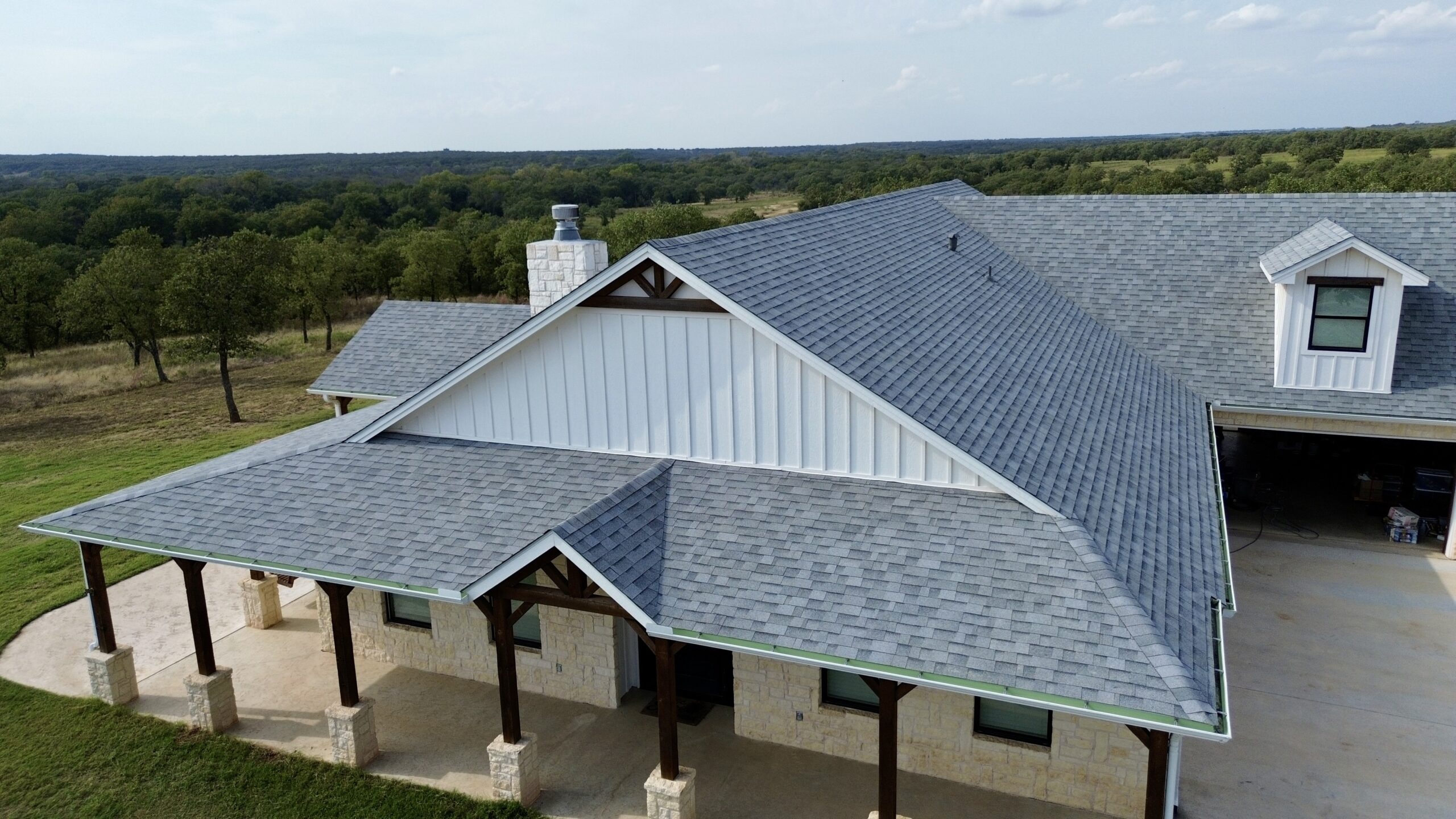
Wood shake roofs provide natural beauty and dependable performance when maintained properly after repairs. Replacement shakes should closely match the existing material in size, thickness, and wood species to ensure consistent weather resistance and appearance.
Freshly installed wood shakes often differ slightly in color from older roofing materials. Exposure to sunlight and weather gradually allows replacement pieces to blend more naturally with the surrounding roof. This weathering process is normal and does not indicate poor repair quality.
Moisture control plays an especially important role in wood roof performance. Adequate ventilation allows shakes to dry efficiently after rainfall, reducing the risk of rot, mold, and fungal growth. Repairs that improve airflow often contribute to better long term durability.
Regular cleaning also helps preserve repaired wood roofs. Removing leaves, moss, and organic debris reduces moisture retention while minimizing conditions that encourage biological growth.
How Weather Conditions Affect Repaired Roofing Materials
Even the highest quality repairs continue facing daily exposure to changing weather conditions. Understanding how different weather patterns influence repaired roofing materials helps homeowners anticipate maintenance needs and protect their investment.
Heavy rainfall tests every repaired section by exposing flashing, seams, and replacement materials to continuous moisture. Properly completed repairs should prevent water penetration while allowing efficient drainage across the roof surface. Persistent leaks after rainfall usually indicate that additional attention is needed.
Strong winds place stress on shingles, flashing, fasteners, and roof edges. Securely installed repairs resist wind uplift far better than loosely attached materials. After major storms, homeowners should inspect repaired areas for any signs of movement or displacement.
Extreme heat accelerates aging in many roofing materials by causing repeated expansion and contraction. Asphalt shingles may gradually become less flexible, while sealants around flashing can dry and crack over time. Routine inspections help identify weather related wear before it develops into significant damage.
Cold weather creates different challenges because freezing temperatures increase the likelihood of ice formation and repeated expansion of trapped moisture. Roofing materials that remain properly sealed are better equipped to withstand these seasonal changes without losing performance.
Hailstorms can also affect repaired roofs by creating impact damage that may not be immediately visible. Following severe weather, professional inspections help confirm that repaired sections continue providing reliable protection.
Maintenance Practices That Preserve Repair Quality
The quality of a roof repair depends not only on the workmanship but also on how the roof is maintained afterward. Consistent maintenance allows repaired roofing materials to perform effectively throughout their expected lifespan while reducing the likelihood of repeated problems.
Routine visual inspections remain one of the most valuable maintenance practices. Checking the roof several times each year allows homeowners to identify loose materials, damaged flashing, clogged gutters, or early signs of deterioration before extensive repairs become necessary.
Keeping gutters clean supports repaired roofing materials by ensuring rainwater drains efficiently. Overflowing gutters increase moisture exposure around roof edges, which may eventually affect repaired sections if left unresolved.
Tree branches should also be trimmed regularly to prevent contact with the roof. Branches rubbing against roofing materials during windy conditions gradually wear protective surfaces while increasing the risk of impact damage during storms.
Professional inspections every few years provide additional reassurance that repairs continue performing properly. Experienced contractors often identify developing concerns that may not be visible during routine homeowner inspections.
Roofing Material Performance Comparison Table
| Roofing Material | Typical Performance After Quality Repairs | Main Strength | Ongoing Maintenance Level |
|---|---|---|---|
| Asphalt Shingles | Very Good | Easy replacement and reliable waterproofing | Moderate |
| Metal Roofing | Excellent | Outstanding durability and weather resistance | Low |
| Clay Tile | Excellent | Long lifespan and strong weather protection | Moderate |
| Slate Roofing | Excellent | Exceptional longevity and durability | Low |
| Flat Roofing Membrane | Good to Very Good | Continuous waterproof protection | High |
| Wood Shake Roofing | Good | Natural appearance and insulation | High |
While every roofing material can perform well after proper repairs, maintenance requirements vary considerably. Understanding these differences helps homeowners create realistic maintenance schedules and protect repaired roofing systems more effectively.
Common Mistakes That Reduce Repair Effectiveness
Even well executed repairs can lose effectiveness if common maintenance mistakes are ignored. Avoiding these errors helps maximize the lifespan of repaired roofing materials while reducing unnecessary future expenses.
One frequent mistake is assuming that repaired areas no longer require inspections. Every roof continues aging after repairs, making regular evaluations important for identifying normal wear before it develops into larger problems.
Another common error involves ignoring nearby roofing components. A repaired section may perform perfectly while aging flashing, deteriorated gutters, or damaged ventilation create entirely new leak pathways. Maintaining the complete roofing system provides better long term protection than focusing only on repaired areas.
Walking unnecessarily on repaired roofing materials may also shorten their lifespan. Foot traffic can loosen shingles, crack tiles, dent metal panels, or damage flat roofing membranes depending on the roofing system. Roof access should be limited whenever possible.
Failing to clean gutters and roof surfaces allows debris to trap moisture around repaired sections. Prolonged moisture exposure accelerates deterioration and increases the likelihood of mold, algae, and wood decay.
Finally, postponing small follow up repairs often leads to larger restoration projects. Addressing minor concerns promptly helps preserve the performance of earlier repairs while protecting the surrounding roofing system.
In the final part of this guide, we will explore how professional inspections support long term repair performance, explain when additional repairs become necessary, discuss repair quality versus roof age, provide practical maintenance priorities, answer frequently asked questions, and conclude with expert recommendations for maximizing roofing material performance after repair work.
Professional Inspection After Roof Repairs
Professional inspections provide valuable confirmation that roof repairs are performing as intended. While homeowners can conduct routine visual checks, experienced roofing contractors often identify hidden issues that may not be visible from the ground or inside the home. Their expertise helps ensure repaired areas continue protecting the roof under changing weather conditions.
Scheduling an inspection after major repairs also establishes a useful baseline for future maintenance. Contractors can verify that flashing, fasteners, sealants, and replacement materials have been installed correctly while documenting the roof’s current condition. This information becomes helpful when comparing the roof’s performance during future inspections.
Inspections are especially important after severe storms. High winds, hail, and heavy rainfall can affect repaired sections even when no visible leaks appear immediately. Early detection allows small adjustments to be made before more significant damage develops.
Homeowners should also keep inspection reports and photographs for future reference. These records help monitor changes over time and provide useful documentation if warranty claims or insurance questions arise.
How Regular Maintenance Extends Repair Life
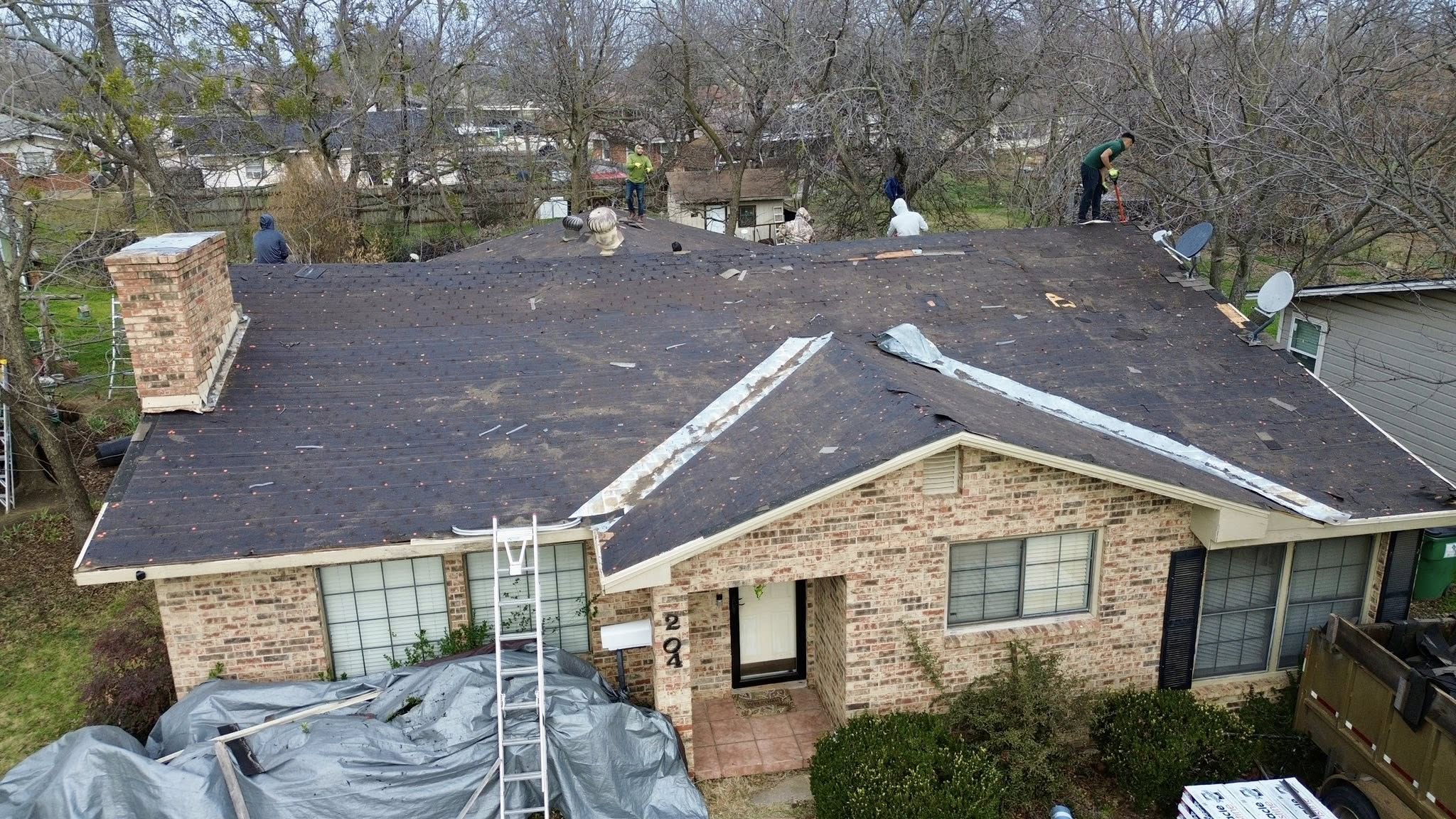
Consistent maintenance is one of the most effective ways to preserve roofing material performance after repairs. Even high quality workmanship benefits from regular care because every roof remains exposed to weather, temperature changes, and natural aging throughout its lifespan.
Seasonal inspections help identify loose materials, deteriorating sealants, clogged gutters, and other developing concerns before they affect repaired areas. Correcting these small issues promptly reduces stress on the roofing system and prevents unnecessary deterioration.
Cleaning debris from the roof is another valuable maintenance practice. Leaves, twigs, moss, and dirt retain moisture against roofing materials, increasing the likelihood of mold growth and premature wear. A clean roof dries more efficiently after rainfall, improving long term durability.
Attic maintenance also contributes to roof performance. Proper insulation and ventilation reduce excess heat and moisture beneath the roof, protecting both repaired sections and the surrounding roofing materials from avoidable damage.
Simple maintenance performed consistently often extends the lifespan of repairs far more effectively than waiting until problems become obvious.
When Additional Repairs Become Necessary
Even well repaired roofs eventually require additional maintenance because no roofing material lasts forever. Understanding when further repairs are needed helps homeowners avoid emergency situations while preserving the overall condition of the roof.
Recurring leaks are one of the clearest signs that further evaluation is necessary. If water enters the home after previous repairs, the original leak source may not have been fully addressed, or new damage may have developed nearby. Prompt investigation prevents additional moisture from affecting structural components.
Visible deterioration of roofing materials also indicates the need for further repairs. Curling shingles, cracked tiles, loose flashing, separated seams, or deteriorating sealants reduce the roof’s ability to resist weather and should be corrected before the damage spreads.
Storm damage frequently creates the need for follow up repairs. Even durable roofing materials can suffer impact damage from hail, falling branches, or wind driven debris. Scheduling inspections after severe weather helps identify problems that might otherwise remain hidden.
Homeowners should also consider the age of the roof when evaluating future repairs. As roofing materials approach the end of their expected lifespan, repairs may become more frequent, making long term planning increasingly important.
Repair Quality Versus Roof Age
The relationship between repair quality and roof age plays a major role in determining long term performance. High quality repairs improve protection regardless of the roof’s age, but older roofing systems naturally have more limitations than newer ones.
Repairs on relatively new roofs often perform exceptionally well because the surrounding materials remain in good condition. Replacement shingles, flashing, or panels integrate more effectively with roofing materials that have experienced minimal wear. This creates a stronger and more uniform roofing system.
Older roofs present different challenges because neighboring materials may already be weakened by years of weather exposure. Even if one damaged section is repaired perfectly, nearby materials may continue aging and eventually require additional attention. This does not mean the repair has failed, but rather that the roof as a whole is reaching the later stages of its service life.
Professional assessments help determine whether repeated repairs remain practical or whether planning for replacement offers better long term value. Balancing repair costs against the remaining lifespan of the roof helps homeowners make financially sound decisions.
Choosing the Right Materials for Future Repairs
Using appropriate materials during future repairs is essential for maintaining consistent roof performance. Selecting products that match the original roofing system helps ensure compatibility while reducing unnecessary stress on repaired areas.
Replacement materials should closely match the existing roof in size, thickness, profile, and performance characteristics. Consistent materials distribute weight evenly and respond similarly to temperature changes, reducing the likelihood of premature failure.
High quality flashing, fasteners, and sealants also contribute significantly to repair success. These supporting components often experience the greatest exposure to moisture and movement, making durability especially important. Investing in reliable materials helps improve long term waterproofing.
Manufacturer recommended products generally provide the best compatibility with existing roofing systems. Mixing incompatible materials may affect expansion rates, sealing performance, or overall durability, reducing the effectiveness of otherwise well executed repairs.
Whenever possible, homeowners should retain information about the roofing materials originally installed on the home. This makes future repairs more accurate and helps contractors select appropriate replacement products.
Best Practices for Long Lasting Roof Performance
Protecting repaired roofing materials requires consistent habits rather than occasional attention. Following proven maintenance practices helps preserve roof performance while reducing unexpected repair costs.
The following recommendations provide a practical approach for homeowners:
- Inspect the roof during spring and autumn each year.
- Check repaired areas after major storms or strong winds.
- Clean gutters regularly to maintain proper drainage.
- Remove debris from the roof before it traps moisture.
- Trim tree branches that could damage roofing materials.
- Repair small issues before they develop into major problems.
- Schedule professional inspections at regular intervals.
These simple habits significantly improve the lifespan of repaired roofing systems while helping homeowners identify developing concerns before they become expensive restoration projects.
Roofing Maintenance Priorities Every Homeowner Should Follow
Maintaining a roof becomes much easier when homeowners understand which tasks deserve the highest priority. Focusing first on issues that directly affect waterproofing helps protect the home’s structure while preventing avoidable repair costs.
Active leaks should always receive immediate attention because moisture spreads quickly through insulation, framing, ceilings, and interior finishes. Delaying repairs allows water damage to expand well beyond the original roofing problem.
Flashing around chimneys, skylights, vents, and roof valleys should also be inspected regularly. These transition areas experience continuous exposure to water and are among the most common sources of roof leaks.
Proper drainage remains another essential priority. Clean gutters and functioning downspouts prevent standing water from placing unnecessary stress on repaired roofing materials while protecting roof edges and foundations.
Finally, homeowners should monitor attic conditions throughout the year. Dry insulation, good airflow, and the absence of mold all indicate that the roof continues performing effectively after repairs.
Frequently Asked Questions About Roofing Material Performance
| Question | Answer |
|---|---|
| How can I tell if my roof repair was successful? | A successful repair prevents leaks, keeps roofing materials secure, and shows no signs of moisture damage after rainfall. |
| Will repaired roofing materials last as long as the original roof? | Properly completed repairs can provide many years of reliable performance, although lifespan depends on the roof’s age, material, and maintenance. |
| Should repaired areas be inspected regularly? | Yes. Routine inspections help identify developing issues before they affect the repaired section or surrounding roof. |
| Do all roofing materials perform the same after repairs? | No. Each roofing material responds differently based on its design, durability, and maintenance requirements. |
| Can weather affect repaired roofing materials? | Yes. Rain, wind, sunlight, hail, and temperature changes all influence long term repair performance and should be considered during maintenance planning. |
Conclusion
The performance of roofing materials after repair work depends on much more than simply fixing visible damage. Material quality, installation techniques, weather exposure, roof age, and ongoing maintenance all work together to determine how effectively repaired sections protect a home over time. Understanding these factors allows homeowners to evaluate repair success with greater confidence and make informed decisions about future maintenance.
Every roofing material has unique strengths and maintenance requirements after repairs. Asphalt shingles offer straightforward repairs, metal roofs provide exceptional durability, tile and slate deliver long service life, flat roofing systems require careful drainage management, and wood shake roofs benefit from consistent moisture control. Recognizing these differences helps homeowners set realistic expectations while preserving the value of their roofing investment.
Routine inspections, prompt maintenance, proper drainage, quality repair materials, and professional evaluations all contribute to long lasting roof performance. Rather than viewing repairs as one time solutions, homeowners should treat them as part of an ongoing maintenance strategy that protects the entire roofing system.
By following the guidance throughout this comprehensive guide, homeowners can maximize the lifespan of repaired roofing materials, reduce the likelihood of recurring problems, improve energy efficiency, and safeguard their property for many years. A well maintained roof continues to deliver dependable protection through every season, making regular care one of the smartest long term investments for any home.