
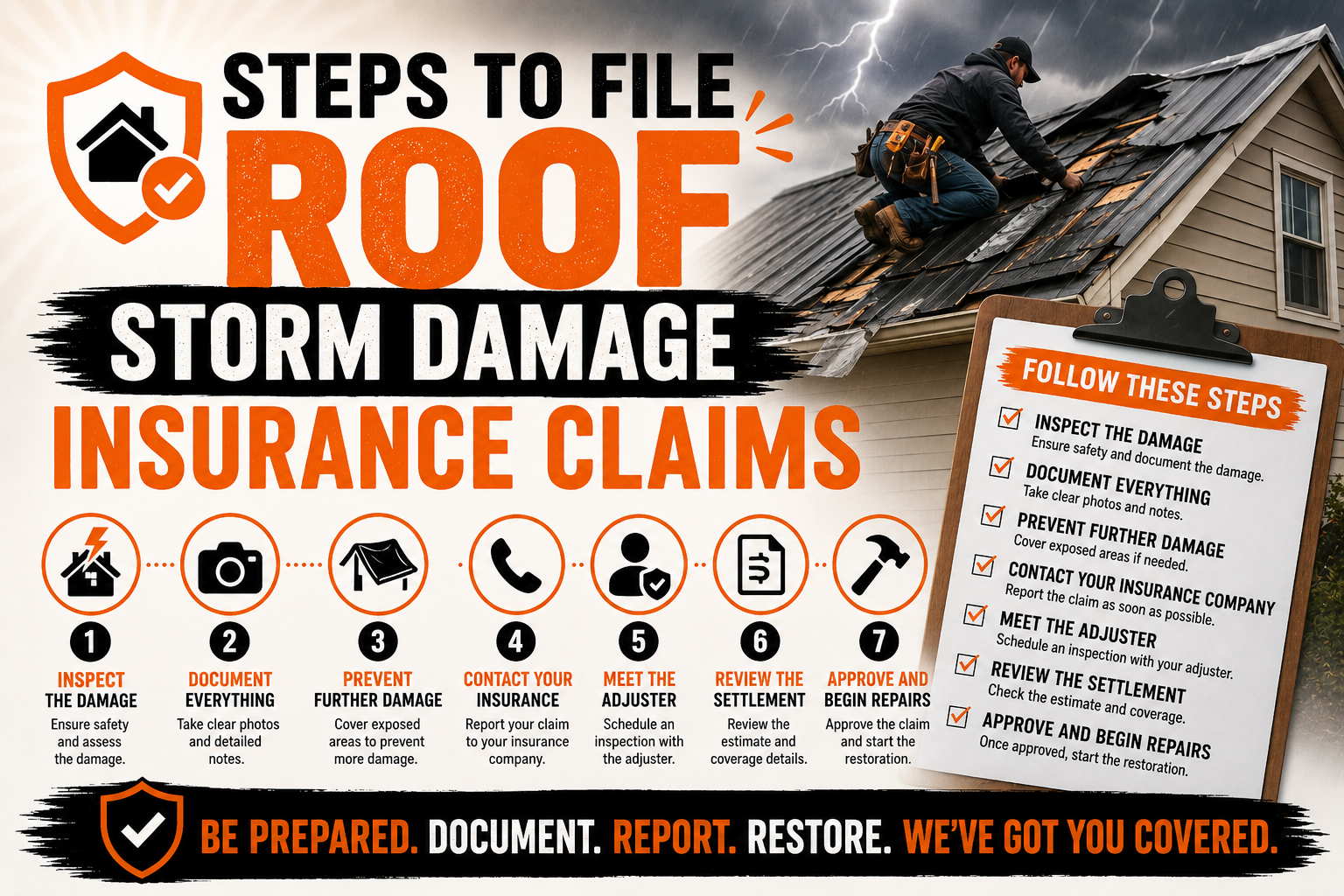
Steps to File Roof Storm Damage Insurance Claims
Introduction
Storms can strike with little warning, leaving homeowners worried about the condition of their roofs and the potential cost of repairs. High winds, hail, heavy rain, fallen branches, and flying debris can all damage roofing materials, sometimes in ways that are obvious and other times in ways that remain hidden until leaks or structural issues develop. Understanding how to respond after a storm is essential because the decisions you make in the first few days can significantly influence the success of your insurance claim.
Filing a roof storm damage insurance claim may seem overwhelming, especially if it is your first experience dealing with property damage. Insurance policies contain detailed terms, claim procedures can feel confusing, and homeowners often wonder what evidence they need to provide. By learning the process before submitting a claim, you can avoid common mistakes that delay approvals or reduce settlements.
A successful insurance claim is not simply about reporting damage. It requires careful documentation, prompt action, clear communication, and a thorough understanding of your policy. Every step, from inspecting the roof to working with an insurance adjuster, plays an important role in protecting your investment and ensuring your home is restored properly.
This guide walks through the complete roof storm damage insurance claims process in a practical and easy to understand way. In this first part, we will focus on recognizing storm damage, understanding insurance coverage, gathering documentation, and preparing for the claim process so that the later stages become much easier to navigate.
Why Storm Damage Insurance Claims Matter
Your roof is your home’s first line of defense against weather, protecting everything beneath it from rain, wind, sunlight, and temperature changes. When a severe storm damages your roof, the effects often extend beyond missing shingles or visible dents. Water can enter through small openings, insulation may become saturated, and structural components can weaken if problems are left unresolved.
Insurance exists to reduce the financial burden of unexpected events, but receiving compensation depends on following the proper claims process. Filing correctly helps ensure repairs are completed before minor damage develops into costly structural issues. Waiting too long or providing incomplete information may give the insurance company reasons to question the claim.
Storm damage claims also help homeowners preserve the long term value of their property. A properly repaired roof maintains curb appeal, improves energy efficiency, and reduces the likelihood of future maintenance expenses. Acting quickly protects both your finances and your home’s overall condition.
Types of Storm Damage Commonly Covered by Insurance
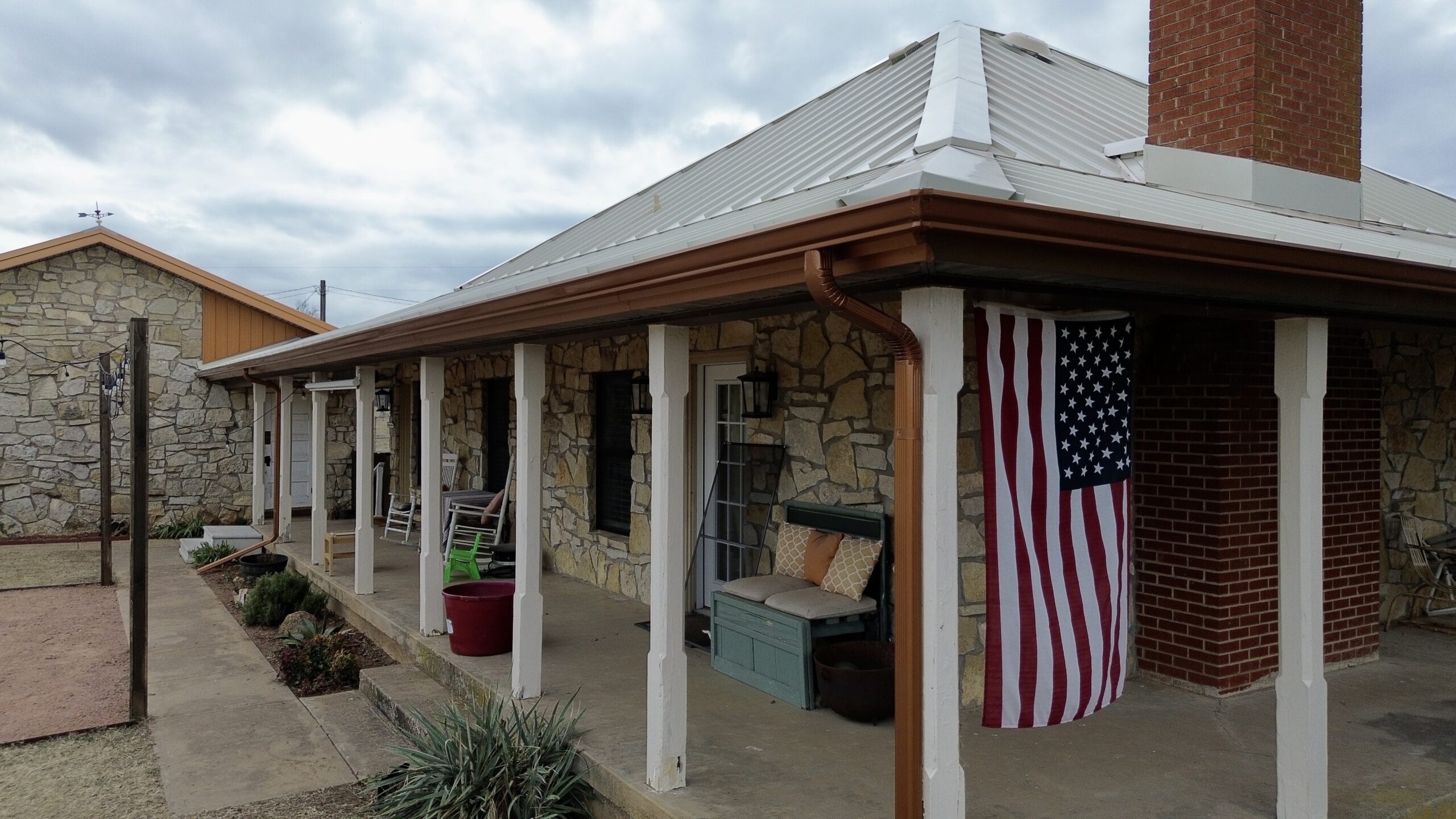
Not every weather event affects a roof in the same way, and insurance companies evaluate damage based on both the cause and the severity. Most standard homeowners insurance policies provide coverage for sudden and accidental storm damage, although the exact coverage varies between policies.
Common types of covered storm damage include:
- Wind damage that removes or lifts shingles.
- Hail damage that cracks, bruises, or dents roofing materials.
- Damage caused by falling trees or large branches during storms.
- Heavy rain that enters through storm created openings.
- Lightning related roof damage.
- Flying debris that punctures or breaks roofing materials.
Coverage generally applies when the damage results from a sudden weather event rather than gradual deterioration. Insurance companies carefully distinguish between unexpected storm damage and wear that occurs naturally over time.
Understanding what your policy typically covers allows you to set realistic expectations before beginning the claims process. Reading the policy carefully can also help you identify any exclusions that may affect your specific situation.
Signs Your Roof May Have Storm Damage
Some forms of storm damage are immediately noticeable, while others remain hidden until they create more serious problems. A roof can appear normal from the ground while still having compromised shingles, flashing, or underlayment that eventually leads to leaks.
After severe weather, homeowners should look for several warning signs around the property. Missing shingles, loose roofing materials, dented gutters, displaced flashing, and debris scattered across the roof often indicate storm related damage. Inside the home, water stains on ceilings, damp insulation, peeling paint, or unusual odors may signal that moisture has entered through the roof.
Even if no leaks are visible, hail can weaken roofing materials by creating small fractures that shorten the roof’s lifespan. Similarly, strong winds may loosen shingles without completely removing them, allowing future storms to cause greater damage.
Because many forms of damage are difficult to identify without training, a professional roof inspection is often one of the smartest decisions after a major storm. An experienced roofing contractor can identify hidden issues that homeowners may overlook and provide documentation that supports an insurance claim.
Why Immediate Action Protects Your Claim
Time plays a critical role in roof storm damage insurance claims. Insurance companies expect policyholders to report covered damage within a reasonable timeframe, and delaying the process can complicate both inspections and claim approvals.
Weather conditions continue changing after the initial storm. Rain, sunlight, and additional wind can worsen existing damage, making it difficult to determine what was caused by the original event. As time passes, insurance companies may question whether new damage resulted from neglect instead of the storm itself.
Prompt action also helps prevent secondary damage inside the home. Water intrusion can quickly affect insulation, drywall, electrical systems, flooring, and personal belongings. Temporary protective measures, such as covering exposed areas with tarps, demonstrate that you took reasonable steps to minimize additional losses.
While acting quickly is important, homeowners should avoid rushing into permanent repairs before the insurance company has documented the damage. Emergency protection is appropriate, but major repairs should generally wait until inspections are completed unless immediate safety concerns require otherwise.
Understanding Your Homeowners Insurance Policy
Many homeowners purchase insurance without fully reviewing what their policy actually covers. Unfortunately, this becomes a problem when storm damage occurs and policyholders discover they are unfamiliar with deductibles, exclusions, or claim requirements.
A homeowners insurance policy typically contains several important sections that relate to roof damage. These include coverage limits, deductibles, exclusions, responsibilities after a loss, depreciation provisions, and the claim reporting process. Understanding these sections before contacting your insurer helps you communicate more confidently throughout the claim.
The deductible is especially important because it represents the amount you must pay before insurance coverage begins. Some policies use separate deductibles for wind or hail damage, which may differ from the standard deductible that applies to other types of property losses.
Reading the policy also helps homeowners understand whether they have replacement cost coverage or actual cash value coverage. This distinction can significantly affect the amount reimbursed for roof repairs or replacement and will become even more important during the settlement stage discussed later in this guide.
The Difference Between Covered and Non Covered Damage
One of the most common misunderstandings involves assuming every roof problem discovered after a storm is automatically covered by insurance. In reality, insurance companies evaluate both the cause of the damage and the roof’s overall condition before approving claims.
The table below highlights the general differences between situations that are commonly covered and those that may not be covered. Actual coverage always depends on the specific policy and inspection findings.
| Commonly Covered Damage | Commonly Not Covered Damage |
|---|---|
| Wind removing shingles | Normal aging of roofing materials |
| Hail damaging shingles | Lack of routine maintenance |
| Fallen tree during a storm | Long term deterioration |
| Lightning damage | Manufacturing defects |
| Storm created roof leaks | Existing leaks unrelated to the storm |
| Flying debris impact | Damage caused by neglect |
Understanding these differences helps homeowners prepare realistic expectations before filing a claim. It also reinforces why proper maintenance remains important throughout the life of a roof, even when insurance protection is in place.
Common Reasons Insurance Claims Are Denied
Insurance claim denials can be frustrating, particularly when homeowners believe the damage clearly resulted from a storm. However, many denials occur because important information is missing or because policy requirements were not fully met.
Some of the most common reasons include:
- Reporting the damage long after the storm occurred.
- Failing to provide sufficient photographs or documentation.
- Damage determined to be normal wear rather than storm related.
- Previous unresolved roof damage.
- Lack of required maintenance over the roof’s lifespan.
- Policy exclusions that limit coverage for specific situations.
A denial does not always mean the damage never occurred. Sometimes additional documentation, professional inspections, or clarification of policy terms may resolve concerns raised during the review process. Understanding why claims are denied helps homeowners avoid preventable mistakes from the very beginning.
Documentation You Should Gather Before Filing
Strong documentation is often one of the biggest factors contributing to a successful insurance claim. Insurance companies rely on evidence to verify the timing, cause, and extent of roof damage, making organized records extremely valuable throughout the process.
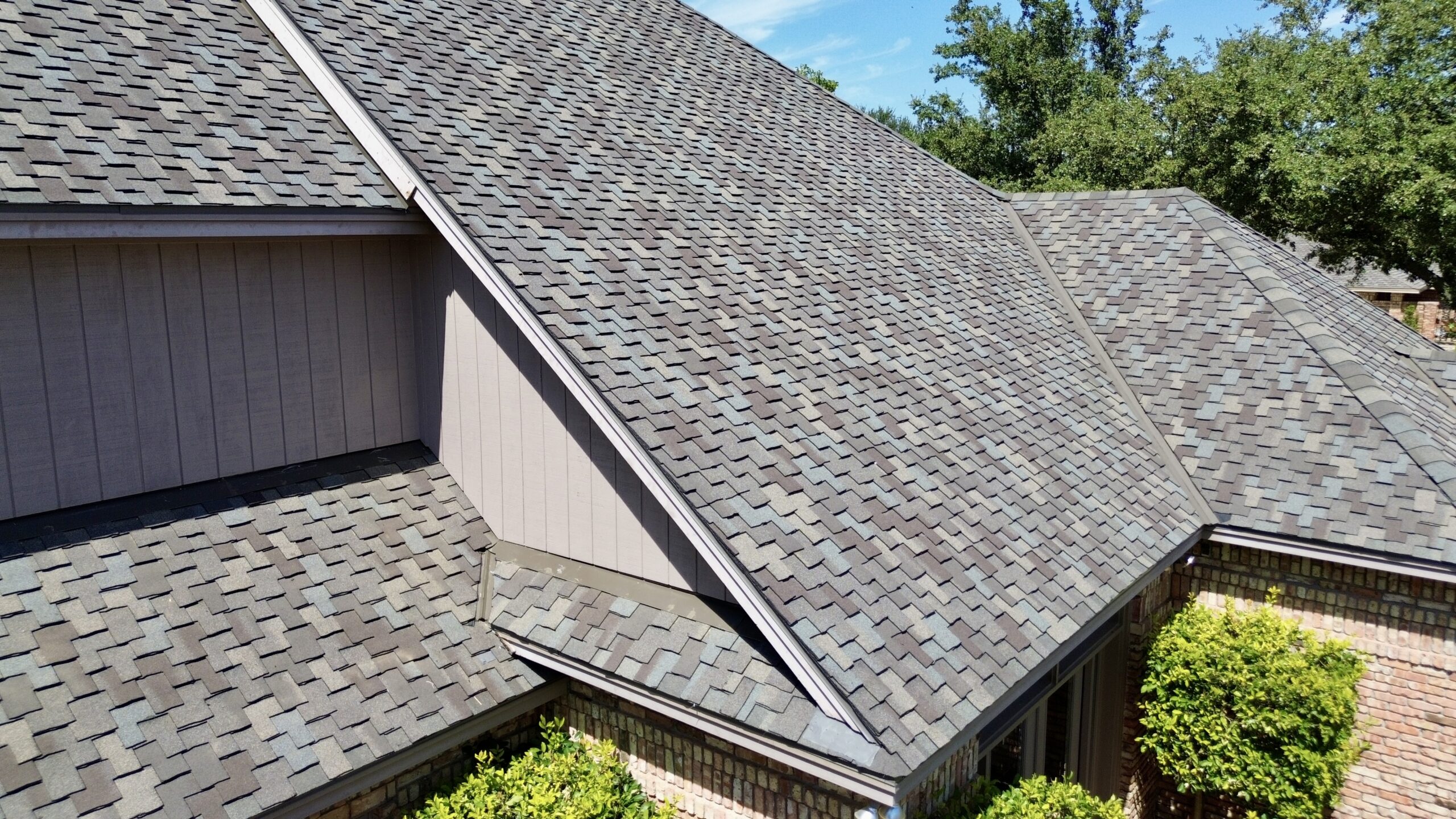
Photographs should capture wide views of the property as well as detailed close ups showing damaged roofing materials, gutters, siding, windows, and any interior water intrusion. If possible, take photographs immediately after the storm before temporary repairs begin. Continue documenting conditions throughout the restoration process so there is a complete record of events.
Weather reports may also support your claim by confirming the date and severity of the storm. Maintenance records, previous roof inspection reports, receipts for roof repairs, and warranty documents provide additional context about the roof’s condition before the weather event occurred.
Keeping all claim related documents together in one folder makes communication with the insurance company much easier. Emails, inspection reports, estimates, receipts, and written notes from phone conversations can become valuable references if questions arise later during the claim.
Preparing for the Insurance Claims Process
Preparing before filing a claim creates a smoother experience and reduces unnecessary delays. Rather than contacting the insurance company immediately after noticing damage, it is often helpful to spend some time gathering information, documenting evidence, and understanding the policy requirements.
Begin by performing a safe visual inspection from the ground without climbing onto the roof unless you have the proper training and equipment. Record visible damage with photographs and note the date of the storm along with any observations about leaks or interior damage. Arrange for a professional roofing inspection if significant damage is suspected, as expert findings can provide valuable documentation for your claim.
It is equally important to organize all relevant paperwork before making the initial claim call. Having your insurance policy number, photographs, maintenance records, contact information, and inspection reports readily available allows you to answer questions accurately and confidently.
Proper preparation does more than simplify paperwork. It establishes a strong foundation for every stage of the insurance claims process, making it easier to communicate with adjusters, compare repair estimates, and move efficiently toward restoring your roof after storm damage.
Filing Your Roof Storm Damage Insurance Claim
In the first part of this guide, we explored how storm damage affects roofing systems, why timely action matters, how homeowners insurance policies work, and the documentation needed before filing a claim. Once that preparation is complete, the next stage focuses on working with your insurance company, documenting the damage thoroughly, and ensuring every step of the claim is handled correctly.
A well managed insurance claim requires patience, organization, and clear communication. Every conversation, inspection, and document contributes to the final outcome. By understanding what happens during this phase, homeowners can reduce unnecessary delays and improve the likelihood of receiving a fair settlement.
Reporting the Damage to Your Insurance Company
After documenting the damage and reviewing your insurance policy, the next step is notifying your insurance provider. Most insurers allow claims to be reported through phone support, online portals, or mobile applications. Regardless of the reporting method, provide accurate information and avoid guessing about damage that has not yet been confirmed.
During the initial claim report, you will typically be asked for the date of the storm, the type of damage observed, your policy information, and whether emergency repairs have been performed. Answer questions honestly and clearly while sticking to the facts you have documented.
Once the claim is opened, the insurance company assigns a claim number that should be referenced during all future communications. Keep this number with your records, along with the name and contact details of the claims representative handling your case.
If additional storms occur after the original event, inform the insurer immediately. Separating damage from different weather events becomes more difficult over time, so keeping an accurate timeline helps prevent confusion during the investigation.
Scheduling a Professional Roof Inspection
Although the insurance company will usually send its own adjuster, arranging an independent inspection from a qualified roofing contractor is often beneficial. A professional roofer understands how storm damage affects different roofing materials and can identify problems that are not obvious from the ground.
Roofing professionals inspect much more than missing shingles. They evaluate flashing, vents, valleys, gutters, underlayment, skylights, ridge caps, and structural components to determine whether hidden damage exists beneath the surface.
A detailed inspection report often includes photographs, measurements, damage descriptions, and repair recommendations. This information provides valuable support during discussions with the insurance company, especially if the adjuster’s findings differ from the contractor’s assessment.
Choosing an experienced contractor also helps homeowners understand the scope of repairs that may be required. This knowledge becomes useful when reviewing the insurance estimate later in the process.
Documenting Damage the Right Way
Insurance companies rely heavily on evidence, making thorough documentation one of the most important parts of a successful claim. Good documentation tells the complete story of what happened before, during, and after the storm.
Photographs should be taken from multiple angles whenever it is safe to do so. Wide shots establish the overall condition of the property, while close up images clearly show damaged shingles, broken flashing, hail impacts, fallen branches, gutter damage, and interior water stains.
Videos can also provide valuable evidence because they capture the overall condition of the roof and surrounding property in a continuous recording. Narrating the video with the date and a brief description of visible damage adds useful context without requiring extensive written notes.
Do not delete photographs that appear repetitive. Images that seem similar may later provide important details during the insurance review or if additional questions arise.
Keep copies of every document related to the claim, including inspection reports, receipts for emergency repairs, weather reports, emails, text messages, and written communication with contractors or insurance representatives. Organized records make the entire process more efficient.
Working With the Insurance Adjuster
The insurance adjuster plays an important role in determining the extent of covered damage. Their inspection helps the insurance company decide whether the claim qualifies for payment and how much compensation will be provided under the policy.
Homeowners should be present whenever possible during the adjuster’s inspection. Being available allows you to answer questions, explain when the damage occurred, and point out areas of concern that may not be immediately visible.
If you have already obtained a professional roofing inspection, consider asking your contractor to attend the adjuster’s visit. Contractors and adjusters often discuss technical aspects of roof damage, helping ensure that important issues receive proper attention.
Remain professional throughout every interaction. If you disagree with part of the inspection, calmly ask questions and request clarification instead of becoming argumentative. Maintaining respectful communication encourages productive discussions and helps resolve differences more effectively.
Questions Every Homeowner Should Ask During the Inspection
Many homeowners assume they should simply observe the inspection without asking questions. In reality, respectful communication can help you better understand the adjuster’s findings and prepare for the next steps.
Consider asking questions such as:
- Which areas of the roof show storm related damage?
- Are there any areas that require additional evaluation?
- Will interior water damage also be included in the inspection?
- What documentation will be used when preparing the estimate?
- What happens after today’s inspection?
These questions encourage transparency while helping you understand how the insurance company is evaluating the claim. They also provide insight into what additional information may be needed before a decision is made.
Take notes during the inspection whenever possible. Recording important comments helps prevent misunderstandings later and provides useful references if follow up discussions become necessary.
Understanding the Insurance Estimate
Following the inspection, the insurance company prepares an estimate outlining the repairs or replacement work they believe is covered under the policy. This estimate includes labor costs, material pricing, depreciation when applicable, and any deductible that must be paid by the homeowner.
Receiving the estimate does not necessarily mean the repair process should begin immediately. Review every section carefully to understand exactly what has been approved and whether all visible damage has been included.
Some estimates separate payments into multiple stages. For example, the insurer may issue an initial payment based on actual cash value and release additional funds after repairs are completed if the policy includes replacement cost coverage.
Understanding these payment structures helps homeowners plan financially while avoiding confusion about why the first payment may appear lower than expected.
Comparing the Insurance Estimate With Contractor Findings
Insurance estimates and contractor assessments are not always identical. Differences may occur because hidden damage becomes visible only after roofing materials are removed or because each party interprets the extent of damage differently.
Rather than assuming one estimate is automatically correct, compare both documents carefully. Look for differences in material quantities, repair methods, labor costs, damaged components, and recommended replacement areas.
If significant discrepancies exist, ask both parties to explain their findings. Many differences can be resolved through additional documentation or a second inspection, avoiding unnecessary disputes while ensuring repairs address all legitimate storm damage.
Maintaining open communication between the contractor and insurance company often leads to a more accurate final scope of work.
Homeowner Responsibilities During Each Stage of the Claims Process
The claims process involves responsibilities for both the insurance company and the homeowner. Understanding your role helps keep the claim moving efficiently while reducing delays.
| Claims Stage | Homeowner Responsibility |
|---|---|
| Damage discovered | Document visible damage and prevent additional loss if safe to do so |
| Claim reported | Provide accurate information and required policy details |
| Roof inspection | Schedule inspections and share available documentation |
| Adjuster visit | Attend the inspection and answer questions honestly |
| Estimate review | Compare documents carefully and ask for clarification if needed |
| Repair approval | Select a qualified contractor and retain all paperwork |
| Project completion | Keep invoices, warranties, and final inspection documents |
Following these responsibilities demonstrates cooperation throughout the claims process. Insurance companies generally appreciate organized policyholders who provide requested information promptly.
Mistakes That Can Delay or Reduce Your Settlement
Even legitimate claims can experience delays when avoidable mistakes occur. Understanding these common issues helps homeowners navigate the process more confidently.
One frequent mistake is delaying the claim for weeks or months after the storm. As time passes, additional weather exposure can make it difficult to determine when the original damage occurred. Prompt reporting creates a clearer connection between the storm and the resulting roof damage.
Another common problem involves incomplete documentation. Missing photographs, repair records, or inspection reports may force the insurance company to request additional information, extending the review period unnecessarily.
Some homeowners also authorize permanent roof repairs before the insurance company completes its inspection. While emergency measures to prevent further damage are generally appropriate, major repairs should usually wait until the insurer has documented the condition of the roof unless immediate safety concerns exist.
Poor communication can also create unnecessary delays. Ignoring emails, failing to return phone calls, or missing scheduled inspections may slow the claim and make coordination more difficult for everyone involved.
Finally, choosing an inexperienced contractor can complicate the process. Contractors unfamiliar with insurance claims may provide incomplete documentation or inaccurate repair estimates that create additional questions during claim review.
When to Request a Second Inspection
Not every insurance inspection captures the complete extent of storm damage. In some cases, homeowners or contractors identify additional issues after the initial visit that deserve further evaluation.
A second inspection may be appropriate if substantial damage appears to have been overlooked, important roofing components were not examined, or new evidence becomes available after the first assessment. Additional photographs, contractor reports, or engineering evaluations may strengthen the request for another review.
When requesting a second inspection, remain factual and professional. Explain the specific concerns, provide supporting documentation, and allow the insurance company an opportunity to reconsider the findings based on the new information.
The goal is not to create conflict but to ensure the claim accurately reflects the condition of the roof. A cooperative approach supported by clear evidence often produces better results than emotional disagreements or unsupported claims.
As the inspection phase concludes and the insurance company finalizes its decision, homeowners move into the final stage of the process. The next part of this guide explains how to choose a reliable roofing contractor, manage insurance payments, address denied or underpaid claims, complete the restoration process, and protect your roof from future storm damage.
Completing the Claim and Restoring Your Roof
By this stage, your insurance claim has been reported, inspections have been completed, and you have reviewed the insurance company’s estimate. The final phase focuses on restoring your roof, managing claim payments, keeping accurate records, and ensuring the work is completed to a high standard.
Many homeowners believe the process ends once the claim is approved, but this stage is just as important as the earlier ones. Selecting the right contractor, understanding payment procedures, and maintaining proper documentation all contribute to a successful outcome. Completing these final steps carefully helps protect both your home and your financial investment for years to come.
Choosing the Right Roofing Contractor
One of the most important decisions after an insurance claim is selecting the contractor who will repair or replace your roof. While it may be tempting to choose the first company that contacts you after a storm, taking time to evaluate your options can help prevent costly problems later.
Look for contractors with a strong local reputation, proper licensing where required, adequate insurance coverage, and experience handling storm damage restoration. Companies familiar with insurance claims often understand the documentation required and can communicate effectively with insurance representatives throughout the project.
Ask for references from recent customers and review examples of completed projects. Reading customer reviews can also provide insight into workmanship, communication, and how the contractor handles unexpected issues during construction.
A written contract should clearly explain the scope of work, materials being installed, estimated project timeline, payment schedule, warranty information, and cleanup responsibilities. Reviewing every detail before signing helps avoid misunderstandings once work begins.
Be cautious of contractors who pressure homeowners into making immediate decisions after a storm. Reputable roofing companies understand that homeowners need time to review estimates, compare proposals, and confirm insurance approvals before committing to a project.
Understanding Repairs Versus Full Roof Replacement
Not every storm damaged roof requires complete replacement. The appropriate solution depends on the severity of the damage, the age of the roof, local building codes, and the recommendations of qualified professionals.
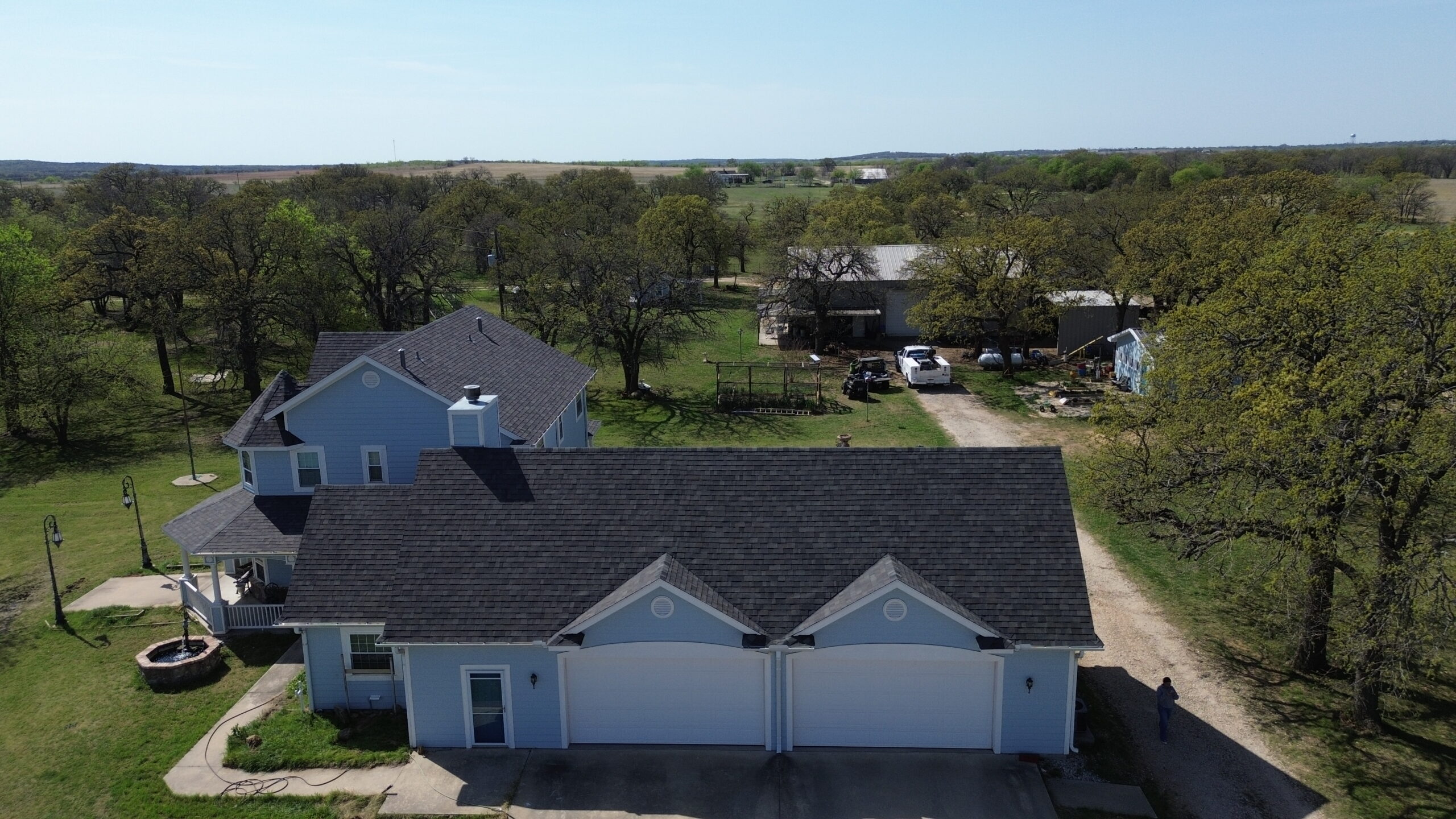
Minor wind damage affecting only a few shingles may be resolved through targeted repairs if matching materials are available and the surrounding roof remains in good condition. Localized repairs can restore the roof’s protective function while minimizing overall costs.
More extensive damage may require full replacement. Widespread hail impacts, significant structural damage, multiple leaks, or severe wind uplift can compromise the roof beyond practical repair. In these situations, replacing the entire roofing system often provides greater long term protection and may reduce future maintenance expenses.
Insurance companies evaluate replacement requests based on documented damage rather than homeowner preference alone. Detailed inspection reports, photographs, and contractor assessments help demonstrate when full replacement is the most appropriate solution.
Building codes may also influence the decision. Some jurisdictions require additional upgrades when a certain percentage of the roof is being replaced, meaning repairs must meet current construction standards rather than the standards that existed when the roof was originally installed.
Managing Claim Payments and Deductibles
Understanding how insurance payments are issued helps homeowners plan their roofing project more effectively. Many policies divide claim payments into separate stages rather than providing the full amount at once.
The initial payment often reflects the actual cash value of the damaged roof after depreciation has been applied. If the policy includes replacement cost coverage, additional funds may be released after repairs are completed and required documentation has been submitted.
Homeowners are generally responsible for paying the deductible specified in their insurance policy. This amount represents the portion of the repair cost that insurance does not cover, regardless of the total claim value.
Keep copies of invoices, receipts, payment confirmations, and contractor agreements throughout the project. These documents may be required before the insurance company issues the final payment or closes the claim.
If supplemental damage is discovered after construction begins, notify both the contractor and insurance company promptly. Hidden damage occasionally becomes visible once roofing materials are removed, and additional inspections may be necessary before supplemental costs are approved.
Keeping Records Throughout the Restoration Process
Maintaining organized records is valuable long after repairs have been completed. Good documentation protects homeowners if questions arise during the project or if future property transactions require proof of completed repairs.
Create a dedicated folder containing all claim related information. This should include photographs taken before repairs, inspection reports, insurance estimates, contractor proposals, signed contracts, invoices, warranties, payment records, permits if applicable, and final inspection documents.
Digital copies provide additional security in case paper documents are lost or damaged. Cloud storage or external backup devices can help preserve important records for future reference.
Accurate documentation also simplifies warranty claims should roofing materials or workmanship require attention later. Having organized records allows homeowners to quickly locate the information needed without searching through unrelated paperwork.
What to Do If Your Claim Is Denied or Underpaid
Receiving a denial or settlement that seems lower than expected can be discouraging, but it does not necessarily mean the process is over. Insurance decisions can sometimes be reconsidered when additional evidence supports the claim.
Begin by carefully reviewing the written explanation provided by the insurance company. Understanding the specific reason for the denial or reduced payment helps determine the most appropriate next step.
If important damage was overlooked, gather additional photographs, contractor reports, engineering assessments, or other supporting documentation. Presenting clear evidence often strengthens a request for reconsideration.
Maintain professional communication throughout the process. Clearly explain why you believe the decision should be reviewed and provide documentation that directly addresses the insurer’s concerns.
If disagreements remain unresolved, your policy may provide options such as internal appeals, mediation, appraisal procedures, or other dispute resolution methods. Reviewing your policy carefully will help you understand which options are available in your situation.
Tips for Preventing Future Storm Damage Claims
While no roof can completely eliminate storm risk, regular maintenance and timely repairs can reduce the likelihood of severe damage during future weather events. Preventive care also demonstrates responsible homeownership, which may become important if future insurance claims are filed.
Consider following these maintenance practices:
- Schedule professional roof inspections at regular intervals.
- Replace damaged or missing shingles promptly.
- Keep gutters and downspouts free of debris.
- Trim tree branches that hang over the roof.
- Check flashing around chimneys, vents, and skylights.
- Address small leaks before they become larger structural problems.
Preventive maintenance extends the life of the roof while reducing the chance that minor issues develop into expensive repairs. Routine inspections also allow homeowners to identify aging materials before severe weather exposes existing weaknesses.
Keeping maintenance records is equally important. Documenting inspections and repairs demonstrates that the roof has been properly maintained, helping distinguish future storm damage from long term deterioration.
Frequently Asked Questions About Roof Storm Damage Insurance Claims
How soon should I file a roof storm damage insurance claim?
File the claim as soon as reasonably possible after discovering the damage. Prompt reporting helps preserve evidence and allows the insurance company to inspect the roof before additional weather changes its condition.
Should I climb onto my roof to inspect storm damage?
Unless you have the proper training and safety equipment, it is safer to inspect the roof from the ground and contact a qualified roofing professional. Storm damaged roofs may have hidden structural weaknesses that increase the risk of injury.
Can I choose my own roofing contractor?
In most cases, homeowners are free to choose their preferred contractor. Selecting an experienced company with storm damage restoration expertise helps ensure repairs are completed according to industry standards.
What happens if hidden damage is discovered during repairs?
If additional storm related damage becomes visible after work begins, the contractor should document the findings and notify the insurance company. Supplemental inspections may be performed before additional repair costs are approved.
Will filing a claim automatically result in a full roof replacement?
No. Insurance companies evaluate the extent of the damage and determine whether repairs or replacement are appropriate under the policy. The decision depends on inspection findings, policy terms, and the overall condition of the roof.
Conclusion
Filing a roof storm damage insurance claim may appear complicated at first, but the process becomes much more manageable when approached step by step. Understanding your insurance policy, documenting damage thoroughly, working with qualified professionals, and maintaining organized records all contribute to a smoother claims experience.
Preparation is one of the strongest tools homeowners have throughout the process. Acting promptly after a storm, preserving evidence, and communicating clearly with both contractors and insurance representatives help reduce delays while improving the accuracy of the final settlement.
Choosing a reputable roofing contractor is equally important because quality workmanship protects your home long after the insurance claim has been closed. A properly restored roof provides reliable protection against future storms, preserves your property’s value, and gives you greater confidence in your home’s long term durability.
Every insurance claim is unique, but the principles remain the same. Careful planning, accurate documentation, informed decision making, and ongoing roof maintenance create the best opportunity for a successful claim and a lasting restoration. By following these steps, homeowners can move through the insurance process with greater clarity, minimize unnecessary stress, and restore their roofs with confidence after storm damage.