How Roof Damage Severity Affects Repair Pricing
Introduction
A roof is designed to protect a home from rain, wind, sunlight, snow, and other environmental conditions throughout the year. Over time, however, every roofing system experiences wear that may eventually require repairs. While some roofing problems remain small and inexpensive to fix, others develop into major structural issues that significantly increase repair costs. The severity of roof damage is one of the most important factors influencing the final price of any repair project.
Many homeowners assume that visible roof damage accurately reflects the extent of the problem. In reality, what appears to be a few missing shingles or a small ceiling stain may indicate hidden moisture damage beneath the roofing materials. Water often travels through the roofing system before becoming visible inside the home, allowing structural deterioration to progress unnoticed if inspections are delayed.
Roof repair pricing is determined by much more than the size of the damaged area. Contractors evaluate the condition of roofing materials, the extent of water intrusion, structural stability, accessibility, labor requirements, and the complexity of the repair before preparing an estimate. Two homes with similar-looking damage may receive very different repair costs depending on what lies beneath the surface.
The financial difference between repairing minor damage and restoring severe structural deterioration can be substantial. Small repairs completed early generally require fewer materials and less labor, while widespread damage often involves replacing roof decking, insulation, flashing, and even interior building components affected by moisture.
Understanding how roof damage severity affects repair pricing helps homeowners make informed decisions when maintenance issues arise. Recognizing early warning signs, scheduling timely inspections, and addressing problems before they worsen can significantly reduce long-term ownership costs while protecting the value of the property.
This guide explains how contractors assess roof damage, why repair costs increase as damage becomes more severe, and how homeowners can minimize expenses through early detection and proper maintenance.
Understanding Roof Damage Severity and Repair Costs
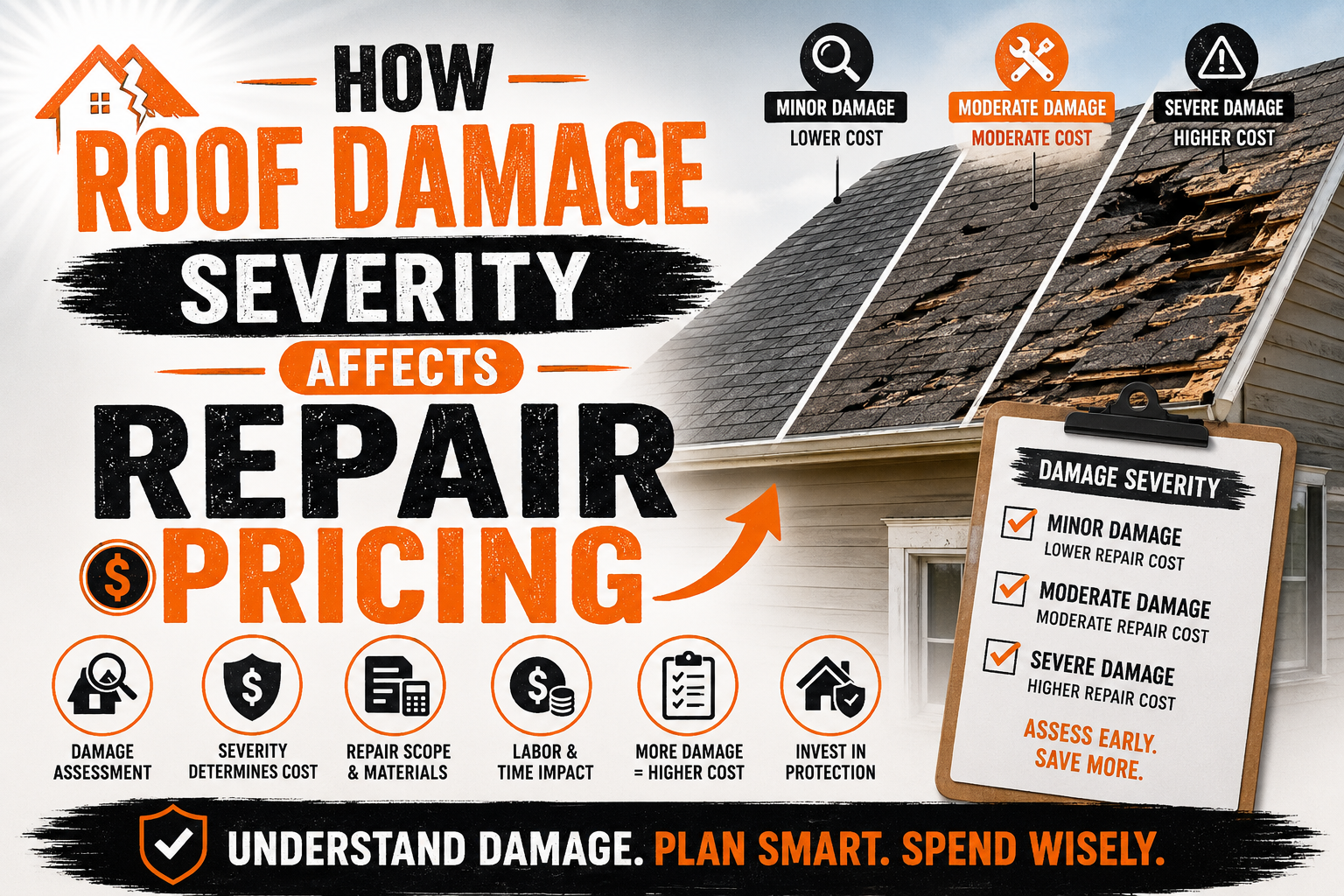
Roof damage exists on a wide spectrum ranging from minor cosmetic issues to extensive structural deterioration. The severity of the damage directly affects the amount of labor, materials, equipment, and time required to restore the roof’s performance. Understanding these different levels helps homeowners appreciate why repair estimates vary so widely between projects.
Minor roof damage generally affects only the outer roofing materials without compromising the underlying structure. Examples include a few missing shingles, small areas of cracked sealant, isolated flashing problems, or limited wind damage. These repairs are often completed quickly because the damage remains localized and has not spread to supporting components.
Moderate roof damage typically extends beyond the surface materials. Water may have reached portions of the underlayment, flashing, or roof decking, requiring contractors to remove additional roofing materials before completing repairs. Although structural integrity usually remains intact, more extensive restoration becomes necessary to prevent future problems.
Severe roof damage affects multiple layers of the roofing system and may compromise structural components. Long-term water intrusion, storm damage, fallen trees, or prolonged neglect can weaken roof decking, rafters, insulation, and interior finishes. Repairing this level of damage requires significantly more labor and materials while increasing project complexity.
Contractors evaluate both visible and hidden damage before determining repair costs. Even when the roof appears relatively undamaged from the ground, professional inspections often reveal moisture intrusion, deteriorated flashing, damaged underlayment, or ventilation problems that influence the final repair estimate.
Recognizing the relationship between damage severity and repair complexity helps homeowners understand why timely maintenance plays such an important role in controlling long-term roofing expenses.
Why the Extent of Roof Damage Influences Pricing
Repair pricing increases as roof damage becomes more extensive because larger repair projects require additional materials, more labor, longer project timelines, and greater technical expertise. The amount of visible damage represents only one aspect of the contractor’s evaluation.
The first reason costs increase is material replacement. Minor repairs may require replacing only a few shingles or small sections of flashing, whereas severe damage often involves new underlayment, roof decking, insulation, ventilation components, and waterproof barriers. Each additional component contributes to higher material expenses.
Labor requirements also increase significantly with damage severity. Contractors must carefully remove damaged materials, inspect structural components, perform necessary repairs, install replacement materials, and verify waterproof performance before completing the project. Extensive repairs naturally require more working hours and larger crews.
Project complexity represents another important factor. Severe damage frequently involves identifying hidden moisture, restoring structural integrity, and ensuring repaired areas integrate correctly with the existing roof. Additional inspections and quality checks help ensure long-term durability but also increase repair costs.
Safety considerations may further influence pricing. Larger repair projects often involve unstable roofing materials, weakened decking, or difficult working conditions that require specialized safety equipment and additional precautions. These protective measures contribute to labor expenses while protecting workers throughout the repair process.
Accessibility also affects pricing. Damage located on steep roof sections, around chimneys, skylights, or complex roof intersections requires more careful installation techniques and extended project duration. Complex repairs demand greater precision to restore waterproof performance effectively.
The extent of roof damage therefore influences virtually every aspect of the repair process, making early intervention one of the most effective ways to control long-term roofing costs.
Common Types of Roof Damage Homeowners Experience
Residential roofs encounter a wide variety of damage throughout their service life. Understanding the most common types of roofing problems helps homeowners recognize early warning signs before damage progresses into more expensive repairs.
Wind damage is one of the most frequently reported roofing issues. Strong winds can loosen shingles, lift flashing, displace ridge caps, or expose vulnerable sections of the roof to moisture. Even when only a few shingles appear damaged, underlying waterproof layers may also require inspection.
Water damage develops when moisture penetrates the roofing system through damaged materials or failed waterproof barriers. Prolonged exposure can affect insulation, roof decking, structural framing, and interior ceilings while creating favorable conditions for mold growth.
Hail damage varies depending on storm intensity and roofing material. Impacts may crack shingles, dent metal roofing, damage protective coatings, or weaken flashing. Some forms of hail damage remain difficult to detect without close professional inspection.
Sunlight and aging gradually weaken roofing materials as well. Continuous ultraviolet exposure causes shingles to lose protective granules, sealants to deteriorate, and roofing materials to become increasingly brittle. Although this process occurs slowly, it contributes significantly to long-term maintenance needs.
Tree-related damage represents another common concern. Falling branches may puncture roofing materials, while overhanging limbs continuously scrape the roof surface during windy conditions. Accumulated leaves and organic debris also trap moisture that accelerates material deterioration.
Poor drainage creates additional problems. Blocked gutters and roof valleys prevent water from flowing away efficiently, increasing the likelihood of leaks and moisture-related structural damage. Routine maintenance plays an important role in preventing these issues.
Each type of roof damage progresses differently, making regular inspections essential for identifying developing problems before repair costs increase substantially.
Early Signs of Minor Roof Damage
Minor roof damage often develops gradually, making early detection an important factor in reducing future repair costs. Homeowners who recognize these warning signs can arrange repairs before moisture spreads into structural components or larger sections of the roofing system.
Missing or damaged shingles are among the most visible indicators of developing roof problems. Individual shingles may crack, curl, loosen, or disappear following severe weather. Although these defects appear relatively small, they expose underlying materials to moisture and should be repaired promptly.
Granule accumulation in gutters provides another early warning sign. Asphalt shingles naturally lose some protective granules as they age, but excessive granule loss indicates accelerated deterioration that reduces weather resistance. Regular gutter inspections often reveal this issue before roof damage becomes obvious.
Small ceiling stains may indicate developing leaks even if active dripping is not yet visible. Moisture entering through the roof often travels along framing members before reaching interior ceilings, making professional inspection important whenever discoloration appears indoors.
Damaged flashing around chimneys, skylights, roof vents, or valleys should also receive immediate attention. Flashing protects vulnerable roof intersections where leaks commonly develop. Loose, cracked, or corroded flashing frequently represents one of the earliest sources of water intrusion.
Attic inspections provide additional opportunities to identify developing roofing problems. Damp insulation, water stains on roof decking, daylight visible through roofing materials, or musty odors often indicate early moisture intrusion that requires prompt investigation.
Exterior observations following storms also help identify emerging issues. Loose roofing materials, fallen shingles, displaced flashing, or visible debris accumulation may signal damage requiring professional assessment.
Recognizing these early warning signs allows homeowners to address roofing problems while repairs remain relatively straightforward and affordable.
How Minor Damage Can Develop Into Major Structural Problems
One of the most costly mistakes homeowners make is underestimating the potential consequences of minor roof damage. Roofing systems function as interconnected protective barriers, meaning even small defects can gradually affect much larger areas if repairs are postponed.
Water intrusion begins almost immediately once protective roofing materials become compromised. Rainwater entering through missing shingles, damaged flashing, or cracked sealants penetrates beneath the roof surface where it contacts underlayment, decking, insulation, and structural framing. Moisture trapped within these components continues spreading long after rainfall has ended.
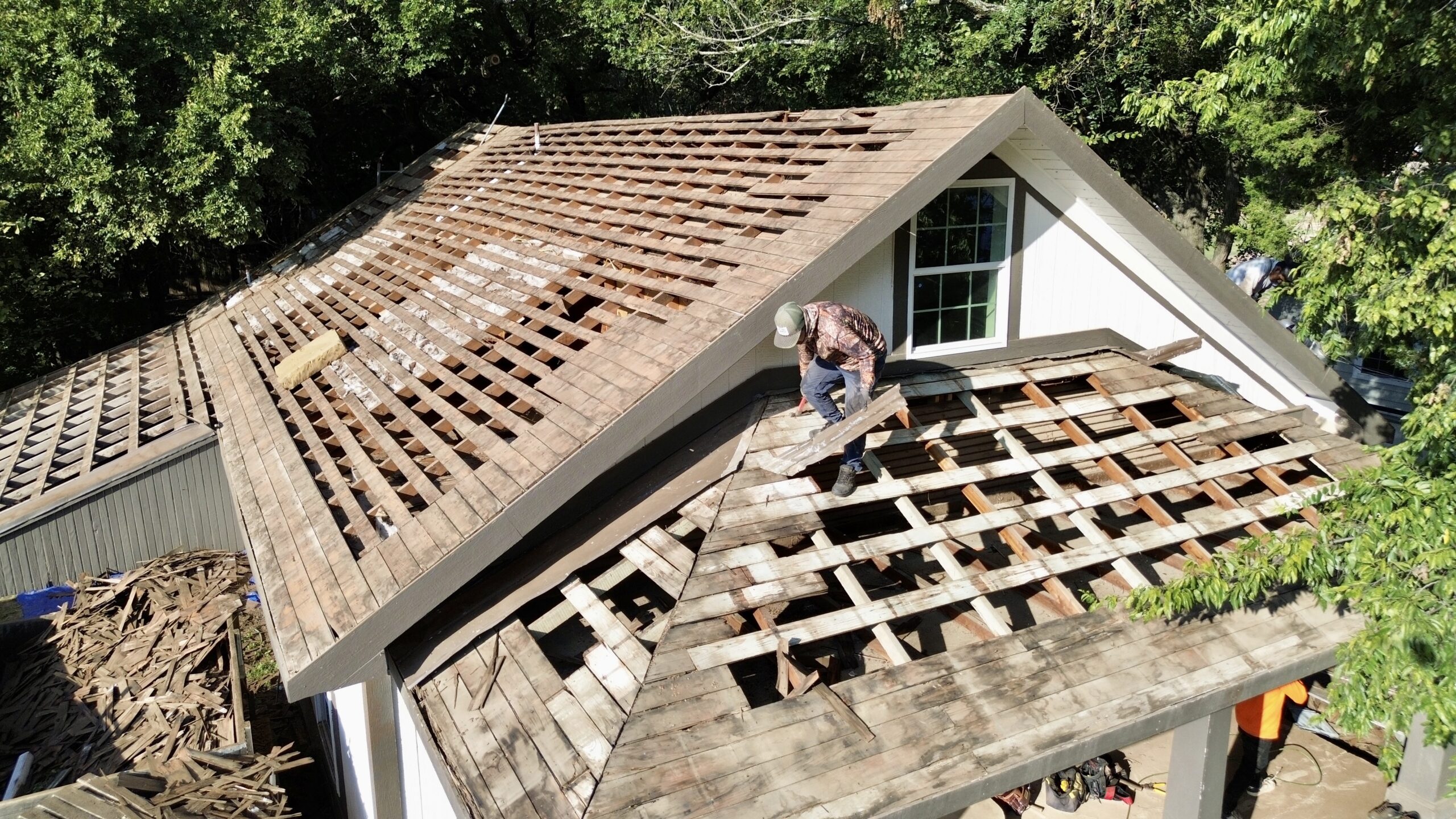
Roof decking is particularly vulnerable to prolonged moisture exposure. Wet wood gradually weakens, loses structural strength, and eventually requires replacement rather than simple repair. Structural restoration substantially increases labor and material costs compared with repairing surface roofing materials alone.
Insulation also suffers from water damage. Moisture reduces insulation effectiveness while increasing household energy consumption. Wet insulation frequently requires complete replacement because drying alone may not restore its original thermal performance.
Interior finishes eventually become affected as well. Ceilings, drywall, paint, flooring, cabinetry, and electrical systems may sustain damage once moisture spreads beyond the roof structure. Repairing these additional components often costs significantly more than the original roofing repair would have required.
Mold growth presents another concern. Damp structural materials provide favorable conditions for mold development, creating additional restoration requirements while potentially affecting indoor air quality.
The progression from minor roofing damage to major structural deterioration often occurs gradually, making timely inspections and repairs essential for preserving both roof performance and long-term financial savings.
Factors That Contractors Evaluate When Assessing Roof Damage
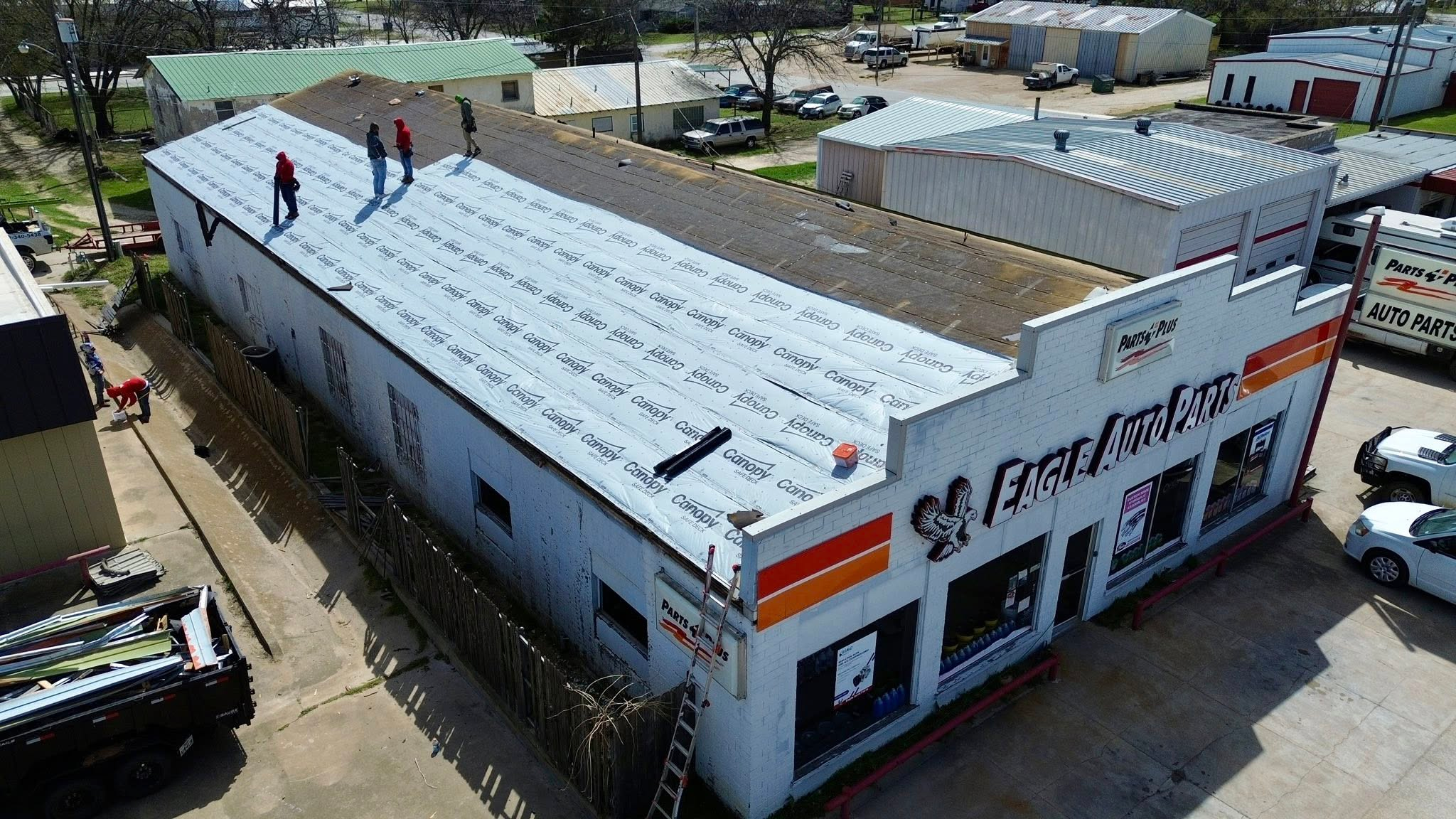
Professional roofing contractors perform detailed evaluations before preparing repair estimates because visible damage rarely reveals the complete condition of the roofing system. Several important factors influence both repair recommendations and final project pricing.
The first consideration is the extent of visible material damage. Contractors inspect shingles, flashing, ridge caps, roof penetrations, valleys, gutters, and other exposed components to identify obvious deterioration requiring replacement.
Moisture intrusion receives equally careful attention. Water stains, damp insulation, deteriorated decking, and signs of previous leaks help determine whether damage extends beneath the roofing surface. Specialized inspection methods sometimes reveal hidden moisture not immediately visible during routine examinations.
Structural stability also influences repair planning. Contractors examine roof decking, rafters, trusses, and supporting components to verify they remain capable of safely supporting the roofing system. Structural damage generally increases repair complexity and cost.
Roof age provides additional context during evaluations. Older roofing materials approaching the end of their expected lifespan may require broader repairs than newer systems because surrounding materials have also experienced years of weather exposure.
Roof accessibility affects labor requirements as well. Steep slopes, multiple roof levels, skylights, chimneys, and limited access conditions increase project complexity while extending repair time.
Material compatibility represents another important factor. Contractors determine whether replacement materials remain available and whether repaired sections can integrate properly with the existing roofing system without compromising waterproof performance.
Comprehensive inspections therefore allow contractors to prepare accurate repair recommendations while helping homeowners understand the true scope of necessary work.
The Importance of Prompt Roof Damage Assessment
Prompt assessment following suspected roof damage is one of the most effective ways to minimize repair costs and protect the long-term condition of a home. Delaying inspections often allows hidden problems to develop into significantly larger restoration projects before they are discovered.
Professional assessments identify damage that may not be visible from the ground. Missing shingles, compromised flashing, hail impacts, lifted roofing materials, or moisture beneath the roof surface frequently require close inspection to evaluate accurately.
Storms provide a good example of why immediate assessment is important. Wind, hail, and falling debris sometimes create damage that appears minor initially but allows gradual moisture intrusion during subsequent rainfall. Identifying these problems early prevents secondary structural damage.
Prompt inspections also support insurance claims when damage results from covered events. Documenting roof conditions soon after storms helps establish the extent of damage while simplifying communication with insurance providers and contractors.
Homeowners benefit from more repair options when assessments occur early. Minor damage often allows targeted repairs rather than widespread restoration, preserving more of the existing roofing system while reducing overall costs.
Scheduling flexibility is another advantage. Homeowners who arrange inspections before leaks become emergencies generally have more time to compare contractors, review repair estimates, and select appropriate solutions without unnecessary pressure.
Ultimately, prompt roof damage assessment serves as the foundation for cost-effective maintenance. Identifying problems early protects structural integrity, preserves property value, and prevents relatively affordable repairs from becoming major financial obligations.
Repair Costs for Minor Roof Damage
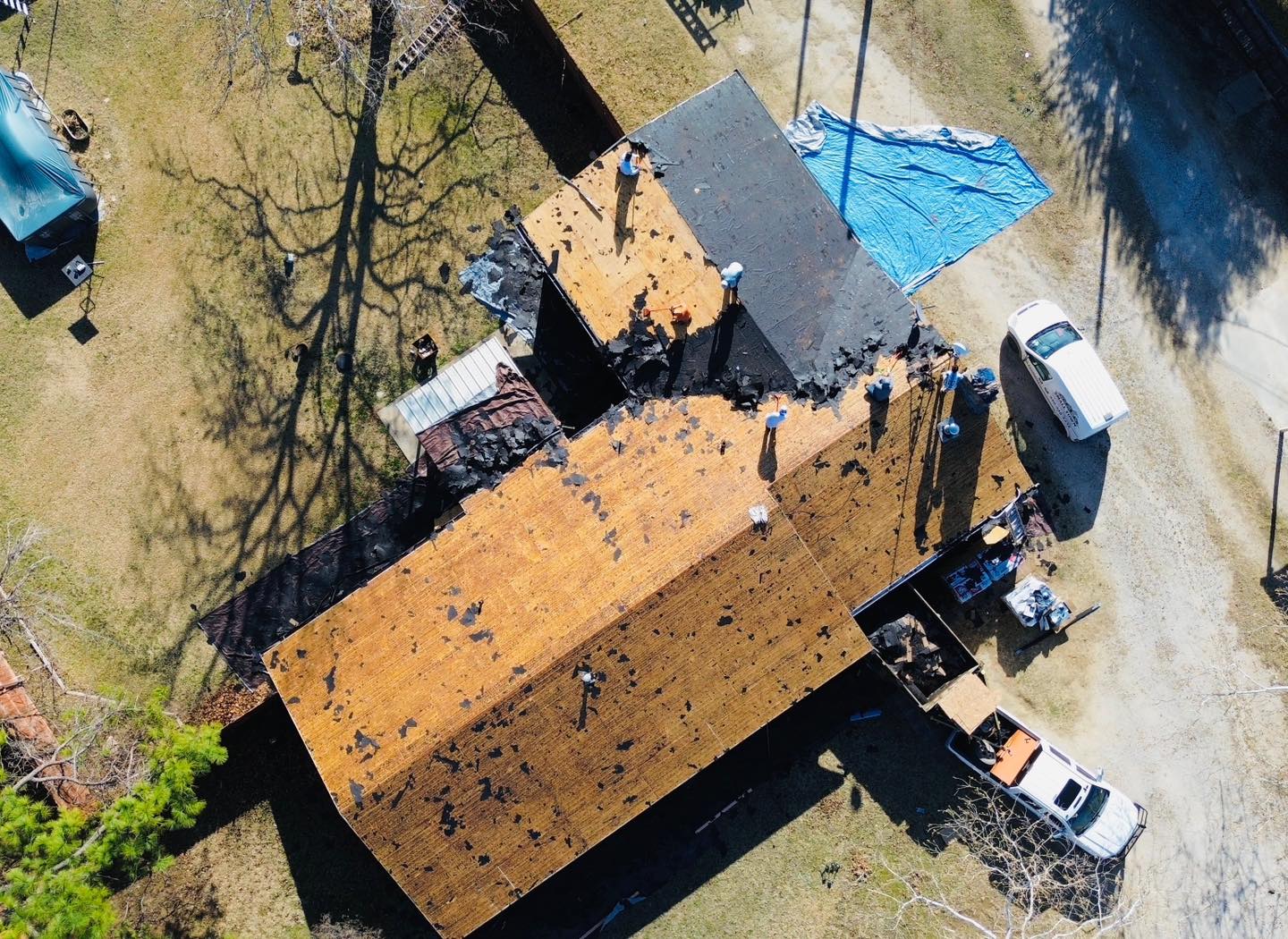
Minor roof damage is generally the least expensive category to repair because it usually affects only the outer roofing materials without compromising the structural components beneath them. When identified early, these repairs often require fewer replacement materials, less labor, and shorter project timelines. Acting quickly during this stage is one of the most effective ways to reduce long-term roofing expenses.
Common examples of minor roof damage include a few missing or cracked shingles, loose flashing, small areas of deteriorated sealant, isolated nail pops, or minor wind damage. These problems may appear insignificant, but they should never be ignored because they create pathways for moisture to enter the roofing system.
The relatively low repair cost associated with minor damage is largely due to its limited scope. Contractors can usually replace damaged components without removing large portions of the surrounding roof. Existing waterproof barriers often remain intact, allowing repairs to focus on restoring the affected surface materials.
Labor requirements also remain relatively modest during minor repairs. Roofing crews spend less time removing damaged materials, inspecting structural components, and installing replacements because the affected area is usually small. Shorter project durations contribute directly to lower labor costs.
Although minor repairs are generally affordable, postponing them can dramatically increase future expenses. A single damaged shingle may eventually allow water to penetrate underlayment, roof decking, and insulation, transforming a simple repair into a much larger restoration project.
Prompt attention to minor damage therefore provides significant financial benefits by preventing additional deterioration while preserving the integrity of the overall roofing system.
Moderate Roof Damage and Its Financial Impact
Moderate roof damage represents the stage where repair costs begin increasing more noticeably because the damage often extends beyond the visible roofing materials. Moisture may have reached underlying components, requiring more extensive inspections and additional replacement work before the roof can be restored properly.
Moderate damage frequently develops when minor problems remain unaddressed for an extended period or when severe weather affects multiple roof sections simultaneously. Water intrusion, lifted flashing, damaged underlayment, and localized deterioration of roof decking become more common at this stage.
Repairing moderate damage generally involves removing larger sections of roofing materials to inspect the condition beneath the surface. Contractors must verify whether moisture has affected structural components before replacing damaged shingles or flashing. This additional inspection and restoration work increases both labor and material costs.
Replacement materials may also become more extensive. In addition to surface roofing products, repairs may include sections of underlayment, flashing, roof decking, ventilation components, and waterproof membranes. Each additional material contributes to the overall project expense.
Moderate roof damage may also affect household energy efficiency. Moisture-damaged insulation reduces thermal performance, causing heating and cooling systems to work harder throughout the year. Repairing these issues promptly helps restore energy efficiency while preventing additional operating costs.
Although moderate repairs require greater investment than minor maintenance, they still represent an opportunity to avoid far more expensive structural restoration. Completing repairs during this stage often prevents the need for major reconstruction later.
Major Roof Damage and High Cost Repairs
Major roof damage involves widespread deterioration that affects multiple layers of the roofing system and often compromises structural components. Repair projects at this level require substantial labor, extensive material replacement, specialized expertise, and significantly longer project timelines, making them the most expensive category of roof repair.
Severe storms, fallen trees, prolonged water intrusion, fire damage, or years of neglected maintenance commonly lead to major roof damage. Structural components such as roof decking, rafters, insulation, and interior ceilings may all require restoration before the roofing surface can be rebuilt.
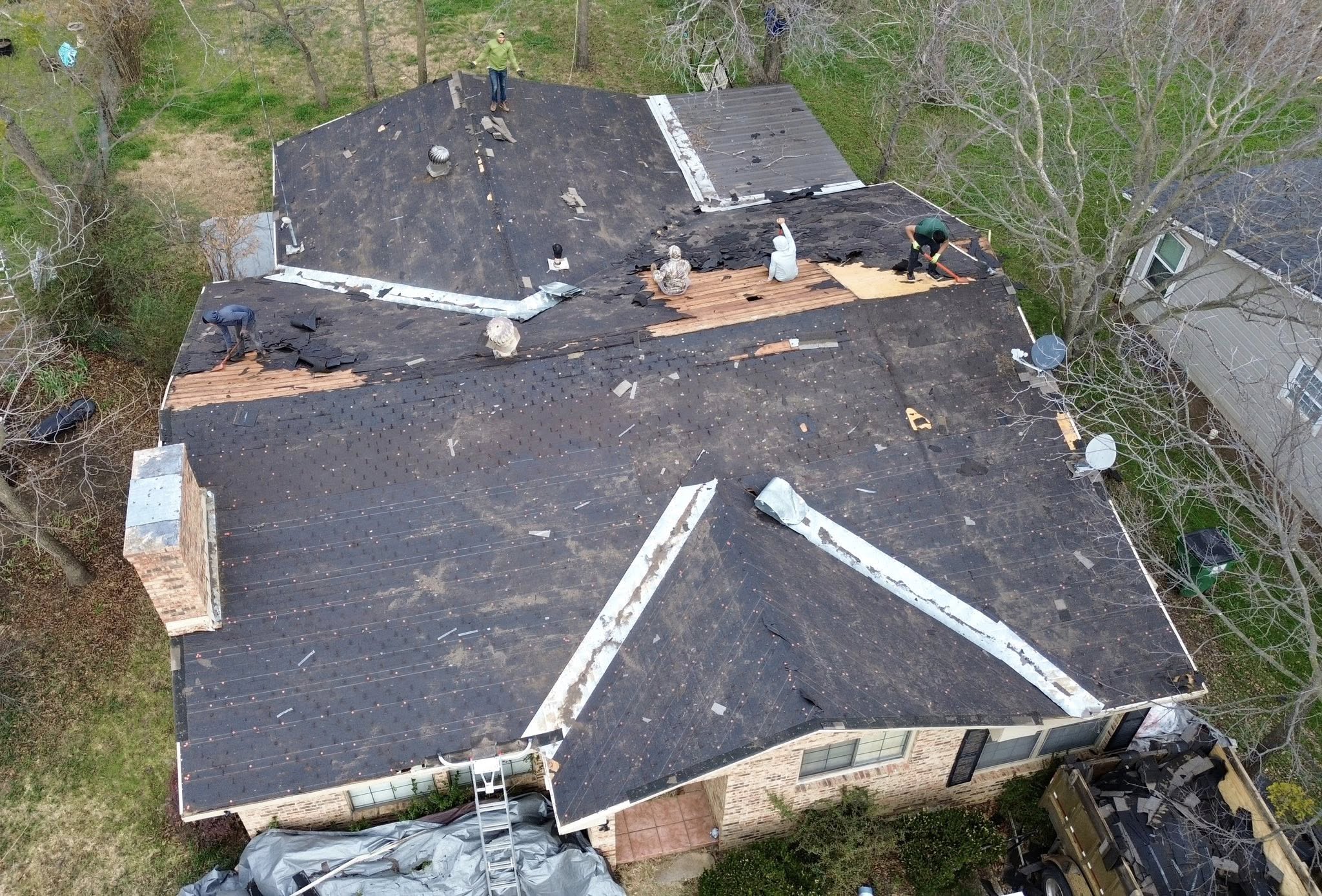
Repairing major damage begins with comprehensive inspections to determine the full extent of deterioration. Contractors often remove large portions of the existing roof to evaluate structural stability and identify hidden moisture damage. Extensive preparation increases labor requirements while ensuring repairs address every affected area.
Material costs also rise considerably because multiple roofing layers require replacement. New decking, underlayment, flashing, ventilation systems, insulation, shingles, and waterproof barriers may all be necessary to restore proper roof performance. Interior repairs involving drywall, paint, flooring, or electrical systems may further increase total project costs if water damage has spread inside the home.
Project duration becomes another major factor. Large restoration projects often require several days or even weeks to complete depending on weather conditions, roof complexity, and material availability. Extended timelines increase labor expenses while requiring careful coordination between contractors and homeowners.
Although major repairs involve significant investment, addressing the damage comprehensively helps restore structural integrity, improve weather resistance, and prevent recurring maintenance issues. Attempting partial repairs at this stage usually results in additional expenses because underlying problems remain unresolved.
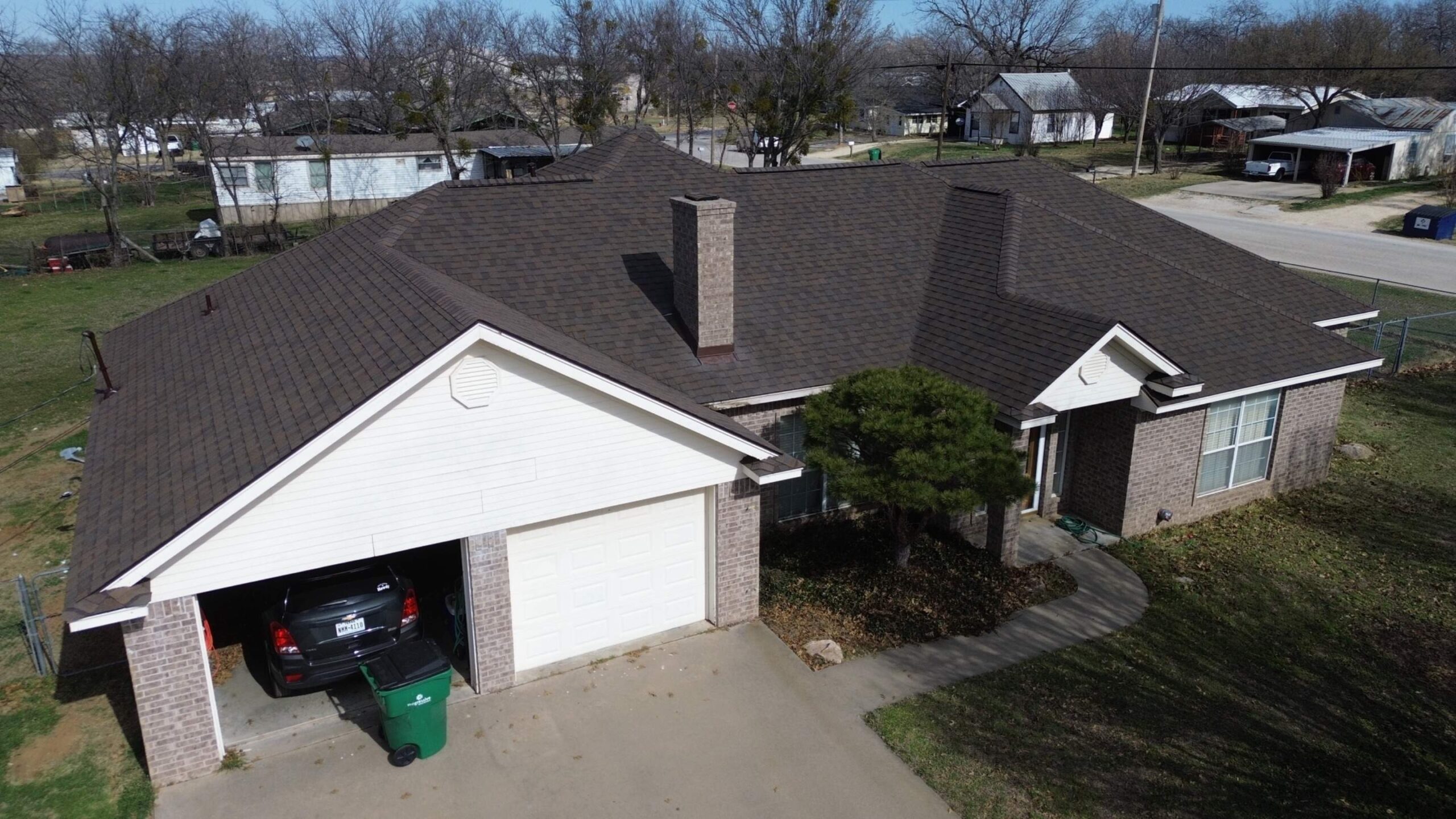
Table: Roof Damage Severity Compared With Typical Repair Factors
The severity of roof damage directly affects every aspect of the repair process. The following comparison illustrates how repair requirements increase as damage becomes more extensive.
| Damage Severity | Typical Roofing Condition | Repair Complexity | Overall Impact on Costs |
|---|---|---|---|
| Minor damage | Missing shingles, small flashing issues, isolated sealant deterioration | Low | Lower labor and material costs with localized repairs |
| Moderate damage | Water intrusion beneath roofing materials, damaged underlayment, localized decking concerns | Moderate | Increased labor, additional materials, and more detailed inspections |
| Major damage | Structural deterioration, widespread leaks, damaged decking and insulation | High | Extensive restoration involving significant labor and material replacement |
| Storm-related widespread damage | Multiple roof sections affected by wind or hail | High | Larger repair areas and potential insurance coordination |
| Long-term neglected damage | Progressive moisture damage affecting multiple structural components | Very high | Comprehensive repairs with higher restoration costs |
This comparison demonstrates why identifying roof damage early provides substantial financial advantages. As damage severity increases, every element of the repair process becomes more complex and more expensive.
Hidden Damage That Increases Repair Costs
One of the biggest reasons roof repair estimates vary is the presence of hidden damage. Roofing systems consist of several protective layers, and problems beneath the visible surface often remain unnoticed until contractors begin removing damaged materials during the repair process.
Water intrusion is the most common source of hidden damage. Moisture entering through damaged shingles or flashing may travel beneath the roof before reaching insulation, decking, or structural framing. By the time visible interior stains appear, significant deterioration may already exist within concealed portions of the roofing system.
Roof decking is especially vulnerable because prolonged moisture exposure weakens wood fibers and reduces structural strength. Contractors frequently discover deteriorated decking only after removing roofing materials, making replacement necessary before new shingles or other surface materials can be installed.
Insulation also contributes to hidden repair costs. Wet insulation loses much of its thermal performance while creating favorable conditions for mold growth. Replacing damaged insulation restores both energy efficiency and indoor environmental quality.
Flashing problems often remain concealed as well. Although flashing protects vulnerable roof intersections, deterioration beneath surrounding roofing materials may not become visible until repairs begin. Correcting these issues requires additional labor but significantly improves long-term waterproof performance.
Ventilation deficiencies represent another hidden factor. Poor attic airflow allows excessive heat and moisture to accumulate beneath the roof, accelerating material deterioration. Contractors may recommend ventilation improvements during repairs to prevent future damage and extend roof lifespan.
Because hidden damage cannot always be identified through visual observation alone, professional inspections remain essential for preparing accurate repair estimates and preventing unexpected expenses during construction.
How Roofing Materials Affect Damage Severity and Repair Pricing
Roofing material plays a significant role in determining both the severity of damage and the overall cost of repairs. Different materials respond differently to weather conditions, aging, impact damage, and moisture exposure, resulting in varying repair methods and expenses.
Asphalt shingles generally remain among the most economical roofing materials to repair because replacement products are widely available and installation techniques are familiar to most roofing professionals. Minor damage often requires replacing only individual shingles without disturbing surrounding materials.
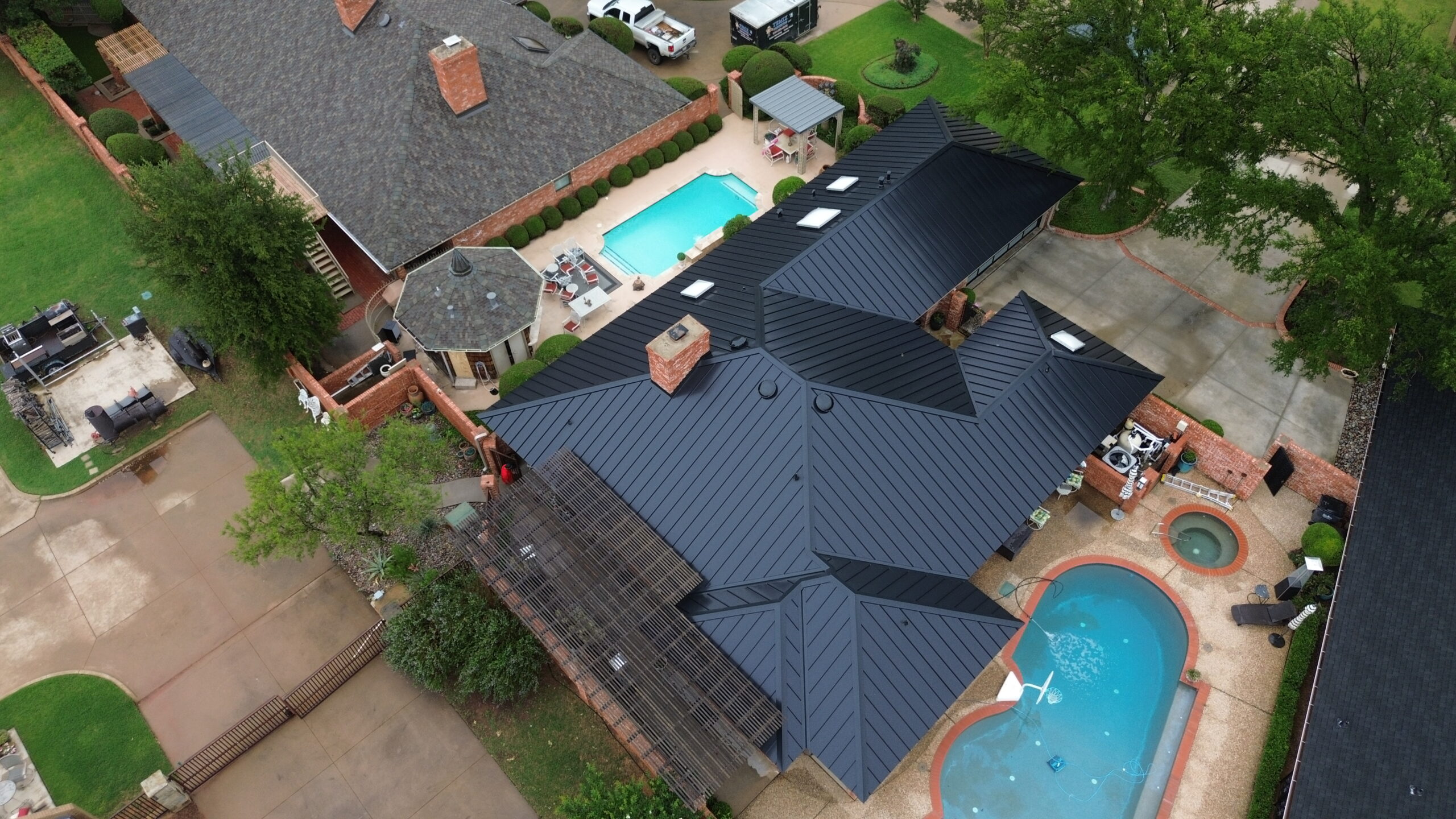
Metal roofing typically experiences fewer repairs because of its durability, but repairs may require specialized knowledge to preserve panel alignment, waterproof seals, and thermal expansion characteristics. Although repair frequency is lower, labor costs may be higher due to the expertise required.
Clay and concrete tiles resist many forms of weather damage but can crack under heavy impacts or improper foot traffic. Replacing individual tiles requires careful handling to avoid damaging adjacent sections of the roof. Matching older tiles may also increase material costs.
Slate roofing offers exceptional longevity but involves some of the highest repair expenses because individual slates require specialized installation methods and experienced craftsmanship. Material availability may also influence repair pricing, particularly for older roofs.
Wood shake roofing requires ongoing maintenance because natural materials remain susceptible to moisture, insects, and weathering. Repair costs often increase when deterioration spreads beyond individual shakes into supporting components.
Synthetic roofing materials provide another alternative by combining the appearance of traditional products with improved durability and simplified maintenance. Repair costs vary depending on product type and local material availability.
Understanding how roofing materials influence damage progression helps homeowners anticipate maintenance needs while making informed decisions about repair strategies and long-term ownership costs.
The Role of Professional Roof Inspections in Accurate Cost Estimates
Professional roof inspections are one of the most important steps in determining accurate repair pricing because they reveal both visible and hidden damage throughout the roofing system. Without a thorough inspection, repair estimates may fail to reflect the true scope of work required.
Experienced roofing contractors evaluate far more than damaged shingles. They inspect flashing, underlayment, roof decking, ventilation systems, drainage components, roof penetrations, structural framing, and signs of previous moisture intrusion. This comprehensive approach helps ensure no significant issues remain overlooked.
Professional inspections also distinguish between cosmetic damage and structural concerns. A roof may appear relatively undamaged from the ground while concealing moisture-related deterioration beneath the surface. Identifying these hidden problems early allows contractors to recommend appropriate repairs before additional damage develops.
Accurate inspections improve financial planning as well. Homeowners receive more realistic repair estimates because contractors can evaluate the complete project rather than adjusting pricing later after construction begins. Better estimates reduce unexpected expenses while supporting more effective budgeting.
Insurance claims also benefit from professional inspections. Detailed reports, photographs, and documented damage assessments provide valuable evidence following storms or other covered events. These records simplify communication with insurance providers while supporting repair recommendations.
Another advantage involves long-term maintenance planning. Contractors often identify developing issues that may not require immediate repair but should be monitored during future inspections. This proactive approach helps homeowners schedule maintenance strategically while controlling long-term ownership costs.
Ultimately, professional inspections provide the information necessary to make informed repair decisions. By accurately assessing roof damage severity, homeowners can better understand repair pricing, prioritize maintenance, and avoid unnecessary expenses caused by hidden structural deterioration.
How Delaying Repairs Increases Overall Costs
One of the most significant factors affecting roof repair pricing is how long the damage is allowed to remain before repairs begin. Minor roofing issues rarely remain minor for long because roofs are continuously exposed to rain, wind, sunlight, and changing temperatures. Every weather event creates another opportunity for existing damage to worsen, increasing both repair complexity and overall cost.
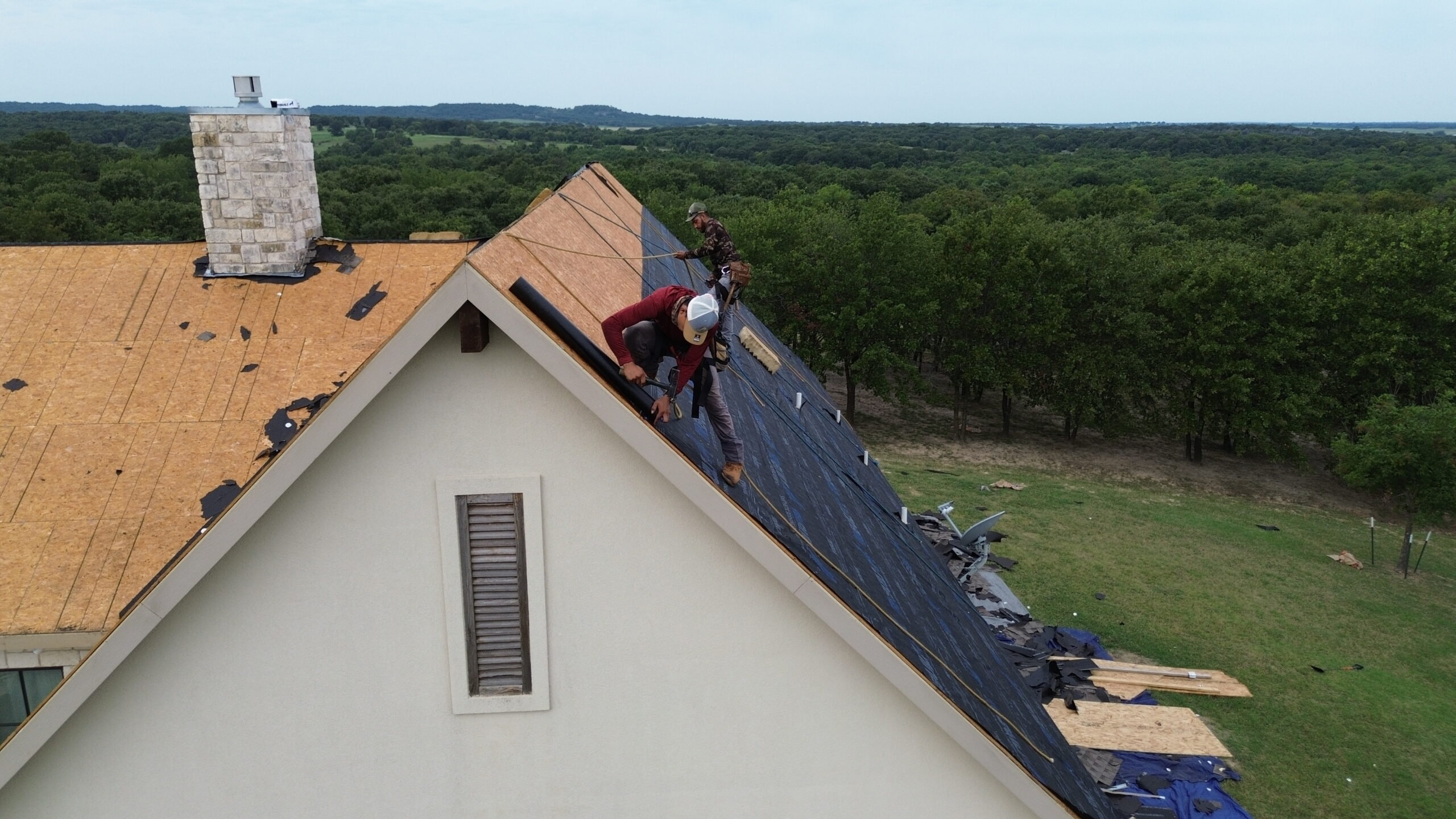
Water intrusion is the primary reason repair expenses rise so quickly. A small opening created by a damaged shingle or loose flashing allows moisture to enter beneath the roofing materials. Once inside, water can spread through the underlayment, roof decking, insulation, and structural framing before becoming visible inside the home. Repairing these additional components requires significantly more labor and materials than addressing the original roofing problem.
Delayed repairs also allow roofing materials surrounding the damaged area to deteriorate. Moisture trapped beneath the roof weakens wood, damages insulation, corrodes fasteners, and reduces the effectiveness of waterproof barriers. As more components become affected, contractors must expand the repair area to restore the roof properly.
Interior damage further increases expenses. Ceiling stains, peeling paint, damaged drywall, warped flooring, mold growth, and electrical concerns may all develop when roof leaks continue for extended periods. These secondary repairs often cost as much as or more than the roofing work itself.
Delaying repairs can also shorten the overall lifespan of the roof. Materials that could have remained functional for many additional years may require premature replacement because the damage was allowed to spread beyond the original repair area.
Responding promptly after discovering roof damage therefore remains one of the most effective ways to control long-term repair costs while preserving the structural integrity of the home.
Insurance Considerations Based on Roof Damage Severity
Insurance can help reduce the financial burden of roof repairs when damage results from covered events, but the severity of the damage often influences both the claims process and the overall repair strategy. Understanding how insurance relates to different levels of roof damage allows homeowners to prepare more effectively when unexpected problems occur.
Minor roof damage may or may not justify filing an insurance claim depending on the repair cost and the policy deductible. In some situations, homeowners choose to pay for relatively small repairs directly if the cost remains below or close to the deductible amount. This decision varies according to individual policy terms and financial circumstances.
Moderate and major roof damage resulting from storms, hail, falling trees, or other covered events is more likely to involve insurance. Larger repair projects often exceed deductibles by a considerable margin, making insurance assistance an important part of the overall financial plan. Prompt documentation of the damage improves the likelihood of an efficient claims process.
Professional inspections are particularly valuable when insurance is involved. Contractors can prepare detailed reports, photographs, and repair estimates that accurately describe the extent of the damage. These records help insurance adjusters evaluate the claim while ensuring necessary repairs are properly identified.
Homeowners should remember that insurance generally covers sudden and accidental damage rather than deterioration caused by aging or neglected maintenance. If inspections reveal that long-term neglect contributed significantly to the roof’s condition, certain repair costs may remain the homeowner’s responsibility.
Maintaining inspection records, repair invoices, and photographs also benefits future insurance claims. Well-documented maintenance demonstrates responsible ownership while helping establish the roof’s condition before covered events occur.
Combining timely maintenance with appropriate insurance coverage provides stronger financial protection than relying on insurance alone after severe damage has already developed.
Common Mistakes That Make Roof Repairs More Expensive
Many roof repairs become unnecessarily expensive because of avoidable decisions made before contractors begin the work. Understanding these common mistakes helps homeowners control repair costs while preserving the long-term performance of the roofing system.
The most common mistake is ignoring early signs of damage. Missing shingles, cracked flashing, small leaks, or granule loss may appear insignificant, but they often represent the beginning of more extensive moisture problems. Delaying repairs allows damage to spread into structural components, increasing both labor and material costs.
Choosing temporary repairs instead of permanent solutions is another frequent error. Applying sealant over recurring leaks or covering damaged areas without addressing the underlying cause often leads to repeated repairs. Temporary fixes may reduce immediate expenses, but they usually increase total ownership costs over time.
Hiring contractors based solely on the lowest estimate can also prove costly. Extremely low bids may involve lower-quality materials, incomplete inspections, or limited repair scope. Inadequate workmanship often results in recurring problems that require additional repairs sooner than expected.
Attempting complex roof repairs without sufficient experience is another mistake that can increase expenses. Incorrect installation techniques may damage surrounding materials or fail to eliminate the original problem. Professional correction of unsuccessful DIY repairs often costs more than hiring an experienced contractor from the beginning.
Neglecting routine maintenance also contributes to higher repair costs. Regular inspections, gutter cleaning, debris removal, and prompt repairs help prevent small problems from developing into major structural restoration projects.
Finally, failing to keep maintenance records may complicate insurance claims and future repair planning. Organized documentation supports better financial decisions while demonstrating responsible roof care over time.
Avoiding these mistakes helps homeowners maximize the value of every repair while minimizing unnecessary long-term expenses.
Budgeting for Roof Repairs Based on Damage Severity
Developing an effective roof repair budget requires understanding that repair costs vary according to the severity of the damage. Homeowners who plan financially for different maintenance scenarios are better prepared to respond quickly when repairs become necessary.
Minor repairs should generally be viewed as routine maintenance expenses. Setting aside modest monthly savings allows homeowners to address isolated roofing problems promptly without disrupting the household budget. These relatively small investments often prevent much larger expenses later.
Moderate damage requires greater financial flexibility because repairs frequently involve both visible roofing materials and hidden structural components. Maintaining an emergency home repair fund provides valuable financial security when larger projects arise unexpectedly.
Major roof damage may require more comprehensive financial planning. Extensive restoration projects sometimes involve insurance claims, financing options, or phased repair schedules depending on the extent of the work. Preparing for these possibilities before emergencies occur reduces financial stress during unexpected situations.
Annual budget reviews help homeowners keep maintenance savings aligned with current roofing conditions. As roofs age, repair frequency may gradually increase, making it appropriate to adjust maintenance funds accordingly. Inflation and changing construction costs should also be considered during financial planning.
Professional inspections contribute to more accurate budgeting by identifying developing issues before they require emergency repairs. Advance knowledge of future maintenance needs allows homeowners to save gradually rather than relying entirely on unexpected borrowing.
Budgeting according to damage severity creates a practical financial strategy that supports timely repairs while protecting long-term property value.
Practical Ways to Reduce Roof Repair Costs
Consistent maintenance and informed decision making help homeowners minimize repair expenses throughout the life of the roof.
- Schedule professional roof inspections every year and after severe storms.
- Repair minor damage immediately before moisture spreads into structural components.
- Keep gutters, downspouts, and roof valleys clean to maintain proper drainage.
- Trim tree branches that hang over the roof to reduce storm damage and debris accumulation.
- Use quality roofing materials that match the existing roofing system.
- Compare detailed written estimates from qualified roofing contractors before approving major repairs.
- Maintain organized records of inspections, repairs, warranties, and insurance documents.
- Set aside dedicated savings for future roof maintenance and unexpected repairs.
Following these practices consistently reduces repair frequency while extending the service life of the roofing system.
Steps to Respond After Discovering Roof Damage
A structured response helps homeowners limit damage while ensuring repairs are completed efficiently.
- Inspect the property safely from the ground and note any visible signs of roof damage without climbing onto the roof unless it is safe and necessary.
- Document the damage with photographs and written notes for future reference and possible insurance claims.
- Check the attic and interior ceilings for signs of water intrusion, moisture, or structural concerns.
- Arrange a professional roof inspection to determine both visible and hidden damage.
- Obtain detailed written repair estimates from qualified roofing contractors.
- Review insurance coverage if the damage resulted from a covered event such as a storm or fallen tree.
- Approve necessary repairs promptly to prevent additional deterioration and increased costs.
- Keep all inspection reports, repair invoices, photographs, and warranty documents for future maintenance planning.
Following these steps helps homeowners make informed decisions while reducing the financial impact of roof damage.
Conclusion
Roof damage severity has a direct and significant influence on repair pricing because it affects every stage of the restoration process. Minor damage usually requires limited materials and labor, while moderate and major damage often involve hidden moisture intrusion, structural repairs, and more extensive reconstruction. Understanding these differences helps homeowners recognize why repair costs increase as damage progresses and why early action is so important.
The progression from minor roofing problems to major structural damage often happens gradually. A few missing shingles, damaged flashing, or a small leak can eventually affect roof decking, insulation, framing, ceilings, and other interior components if repairs are delayed. Prompt inspections and timely repairs interrupt this process before restoration becomes substantially more expensive.
Professional roof assessments play a critical role in accurate repair pricing because visible damage rarely tells the entire story. Experienced contractors evaluate roofing materials, structural components, hidden moisture, ventilation, and drainage systems to prepare repair recommendations that address both current problems and potential future concerns. These comprehensive inspections help homeowners make informed financial decisions while reducing the likelihood of recurring issues.
Insurance can provide valuable assistance when roof damage results from covered events, but responsible maintenance remains essential regardless of policy coverage. Routine inspections, organized maintenance records, and immediate attention to developing problems strengthen both long-term roof performance and financial protection. Combining preventive maintenance with appropriate insurance creates a more effective strategy than relying on emergency repairs alone.
Ultimately, understanding how roof damage severity affects repair pricing empowers homeowners to protect both their property and their finances. By recognizing early warning signs, scheduling regular inspections, responding quickly to developing problems, and investing in quality repairs, homeowners can minimize lifetime maintenance costs while extending the lifespan, safety, and value of their roofing system for many years to come.