

Identifying Early Warning Signs During Roof Evaluations
Introduction
A roof silently protects every part of a building from rain, wind, sunlight, changing temperatures, and environmental debris. Because it performs this demanding job every day, even the strongest roofing system gradually develops signs of wear that often remain unnoticed until significant damage has already occurred.
Many homeowners only think about their roof after a leak appears inside the house or shingles begin falling into the yard. Unfortunately, by that stage, what could have been a simple repair may have developed into an expensive restoration involving structural components, insulation, ceilings, and interior finishes.
Professional roof evaluations are designed to identify these warning signs long before they become emergencies. Experienced inspectors understand how different roofing materials age, how weather affects performance, and where the earliest indicators of deterioration are most likely to appear.
Recognizing these subtle warning signs allows property owners to schedule maintenance at the right time instead of reacting to unexpected failures. Preventive action extends roof lifespan, improves safety, protects property value, and reduces long term repair expenses.
Early roof evaluations also provide peace of mind after severe weather events. Even when damage is not immediately visible from the ground, a detailed inspection can reveal hidden issues that continue worsening if left untreated.
This guide explains the most important early warning signs professionals look for during roof evaluations. Understanding these indicators helps homeowners make informed maintenance decisions before minor concerns become major structural problems.
Why Early Roof Warning Signs Should Never Be Ignored
Every roofing system experiences gradual aging throughout its service life. Exposure to sunlight, heavy rainfall, strong winds, temperature fluctuations, and seasonal storms slowly weakens roofing materials, even when no obvious damage is visible.
The earliest warning signs are often subtle enough that homeowners overlook them. Small cracks, slightly lifted shingles, loose flashing, or minor drainage issues may seem harmless, but each creates an opportunity for moisture to enter the roofing system.
Once water penetrates beneath roofing materials, damage rarely remains confined to one location. Moisture travels through decking, insulation, rafters, and ceilings, creating hidden deterioration that continues spreading long before stains appear indoors.
Ignoring these early indicators increases repair costs over time. A relatively inexpensive repair today can eventually require replacement of decking, framing, insulation, drywall, flooring, and even electrical components affected by water intrusion.
Small defects also reduce the roof’s ability to withstand future storms. Areas that have already weakened are more vulnerable to high winds, hail impacts, and heavy rainfall, increasing the likelihood of sudden failure during severe weather.
Energy efficiency can also decline when roofing problems develop. Moisture damaged insulation and gaps within the roofing assembly allow conditioned air to escape, forcing heating and cooling systems to work harder throughout the year.
Routine evaluations identify these developing issues while repairs remain straightforward. Addressing concerns early protects the entire building rather than simply repairing visible surface damage.
How Roof Evaluations Help Detect Problems Before They Escalate
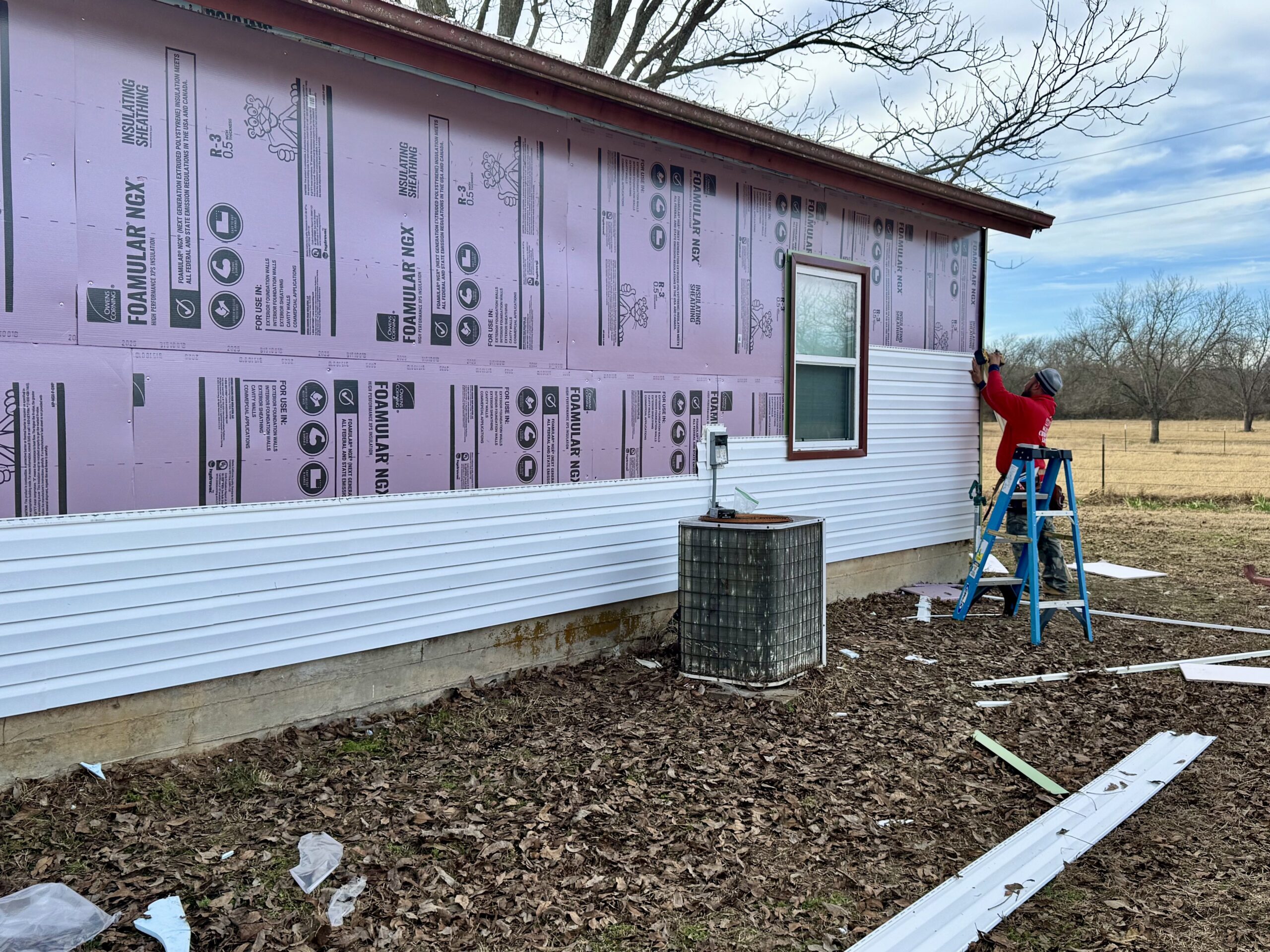
A professional roof evaluation is far more comprehensive than a quick visual inspection from the ground. Inspectors systematically examine every accessible portion of the roofing system, looking for conditions that indicate present damage or future failure.
Each component is evaluated individually while also considering how it interacts with surrounding materials. Roofing systems function as complete assemblies, meaning failure in one area often affects multiple nearby components.
Inspectors pay close attention to areas where water naturally collects or changes direction. Valleys, roof penetrations, flashing joints, chimneys, skylights, vents, and gutter connections frequently reveal the earliest signs of developing problems.
Roof evaluations also include identifying conditions that have not yet caused leaks. Detecting aging materials before moisture enters the structure allows repairs to be completed under controlled conditions instead of during emergencies.
A thorough evaluation generally focuses on several key areas:
- Overall condition of roofing materials
- Flashing integrity around penetrations
- Roof drainage performance
- Signs of moisture intrusion
- Structural movement or sagging
- Ventilation effectiveness
- Evidence of storm damage
- Deterioration caused by aging
This comprehensive approach allows inspectors to identify patterns instead of isolated defects. Multiple small issues occurring together often indicate broader roofing problems that deserve immediate attention.
Professional evaluations also establish a documented record of roof condition over time. Comparing inspection findings from different years helps identify deterioration trends before they reach a critical stage.
The Difference Between Minor Wear and Serious Structural Concerns
Not every imperfection requires immediate roof replacement. Roofing materials naturally experience gradual wear throughout their lifespan, making it important to distinguish normal aging from conditions that threaten structural performance.
Minor wear usually affects only the surface of roofing materials. Slight granule loss, limited weathering, and isolated cosmetic imperfections often require monitoring rather than extensive repairs, provided the roof continues performing as intended.
Serious structural concerns involve damage that compromises the roof’s ability to carry loads or prevent water intrusion. These issues often develop beneath the visible roofing surface, making professional evaluations especially valuable.
Understanding the difference helps homeowners prioritize repairs appropriately. Addressing structural issues quickly prevents widespread damage while allowing cosmetic concerns to be handled during routine maintenance.
The following comparison illustrates how inspectors typically distinguish between normal aging and more serious conditions.
| Condition | Typical Interpretation | Recommended Response |
|---|---|---|
| Minor granule loss | Normal weathering | Monitor during routine inspections |
| Single damaged shingle | Localized repair needed | Replace damaged material promptly |
| Loose flashing | Increased leak risk | Repair immediately |
| Persistent standing water | Drainage deficiency | Investigate underlying cause |
| Roof sagging | Possible structural damage | Schedule urgent professional evaluation |
| Widespread moisture beneath roofing | Hidden deterioration | Comprehensive inspection and repair |
Even conditions that initially appear minor deserve professional assessment if they continue expanding. Early intervention remains significantly less expensive than correcting extensive structural deterioration later.
Common Exterior Warning Signs Found During Roof Evaluations
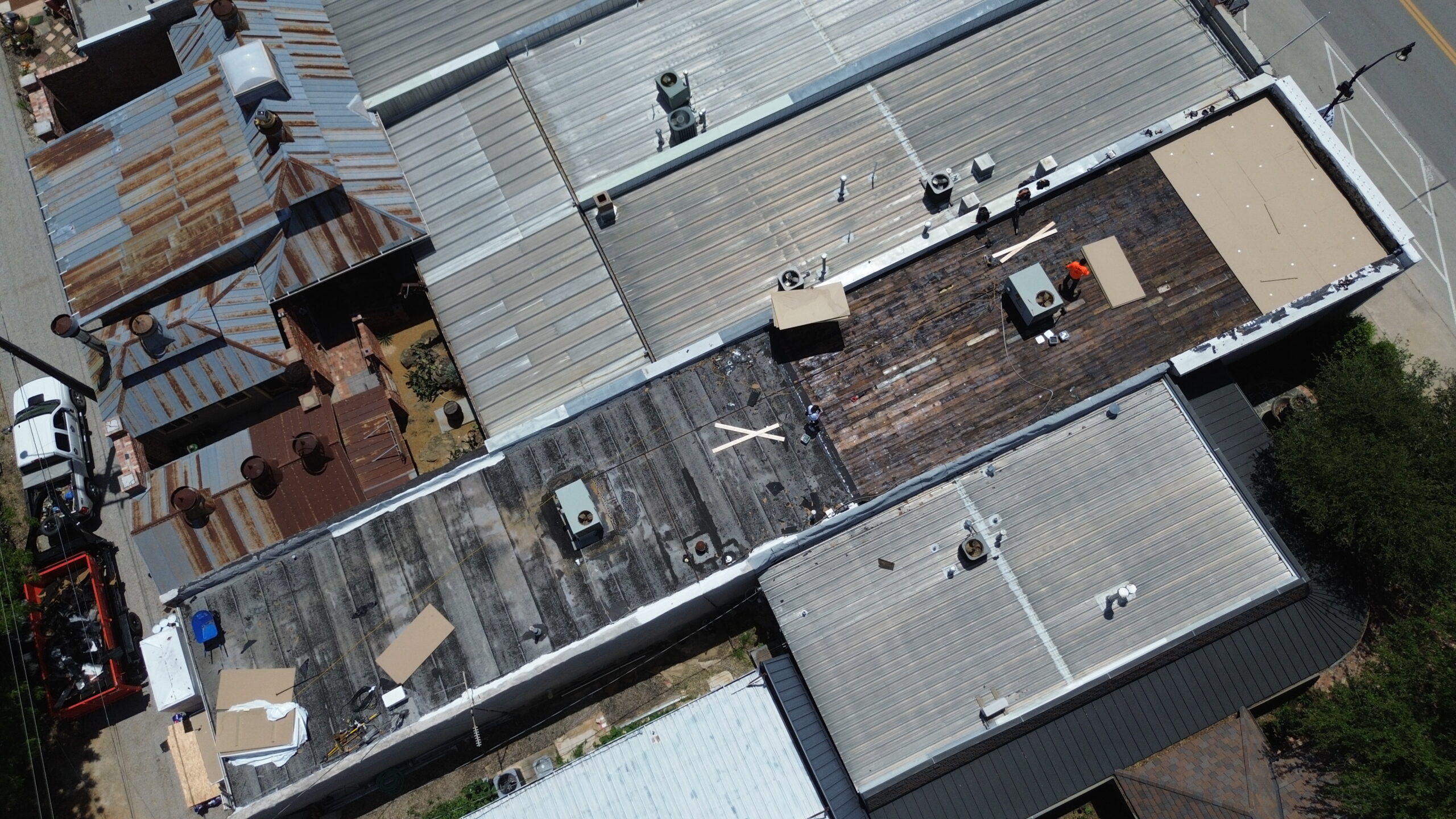
Exterior inspections provide valuable insight into the overall health of a roofing system. Many developing problems become visible outside before they affect interior spaces, allowing repairs to be completed before moisture reaches living areas.
Inspectors examine the roof from multiple angles because lighting conditions often reveal defects differently throughout the day. Slight lifting, uneven surfaces, damaged flashing, or deteriorated sealants become easier to identify under changing sunlight.
Surface damage alone does not always indicate serious structural failure. However, clusters of minor defects often point toward larger issues developing beneath the roofing materials.
Professionals evaluate both isolated defects and overall patterns across the roof. Uniform aging generally differs from localized deterioration caused by poor installation, storm damage, or inadequate drainage.
Exterior evaluations also consider surrounding environmental factors. Nearby trees, excessive shade, accumulated debris, and repeated exposure to strong winds all influence how roofing materials deteriorate over time.
Missing, Cracked, and Damaged Roofing Materials
Roofing materials serve as the first line of defense against weather exposure. Whether the roof uses asphalt shingles, metal panels, clay tiles, slate, or synthetic materials, any damage to the outer surface creates potential entry points for moisture.
Missing shingles represent one of the most recognizable warning signs during roof evaluations. Strong winds, aging adhesives, storm impacts, and deteriorated fasteners can all contribute to material displacement.
Cracked shingles frequently develop after years of repeated thermal expansion and contraction. As roofing materials expand during hot weather and contract during cooler temperatures, small fractures gradually increase in size until water begins penetrating beneath the surface.
Curling edges also indicate aging materials approaching the end of their service life. Once shingles lose flexibility, they become more vulnerable to wind uplift and water infiltration during heavy rainfall.
Inspectors also examine granule loss carefully. Asphalt shingles depend on protective mineral granules to shield the underlying material from ultraviolet radiation and weather exposure.
Excessive granule accumulation inside gutters often signals accelerated aging. While limited granule loss occurs naturally over time, widespread shedding reduces the roof’s ability to withstand long term environmental exposure.
Roof evaluations additionally identify impact damage caused by hail, falling branches, and airborne debris. Even small impact marks can weaken roofing materials enough to shorten their expected lifespan.
Inspectors document both isolated and widespread damage because repair recommendations depend on the overall condition of the roofing system. A few damaged shingles may require simple replacement, while extensive deterioration could indicate broader material failure.
Flashing Damage Around Roof Penetrations
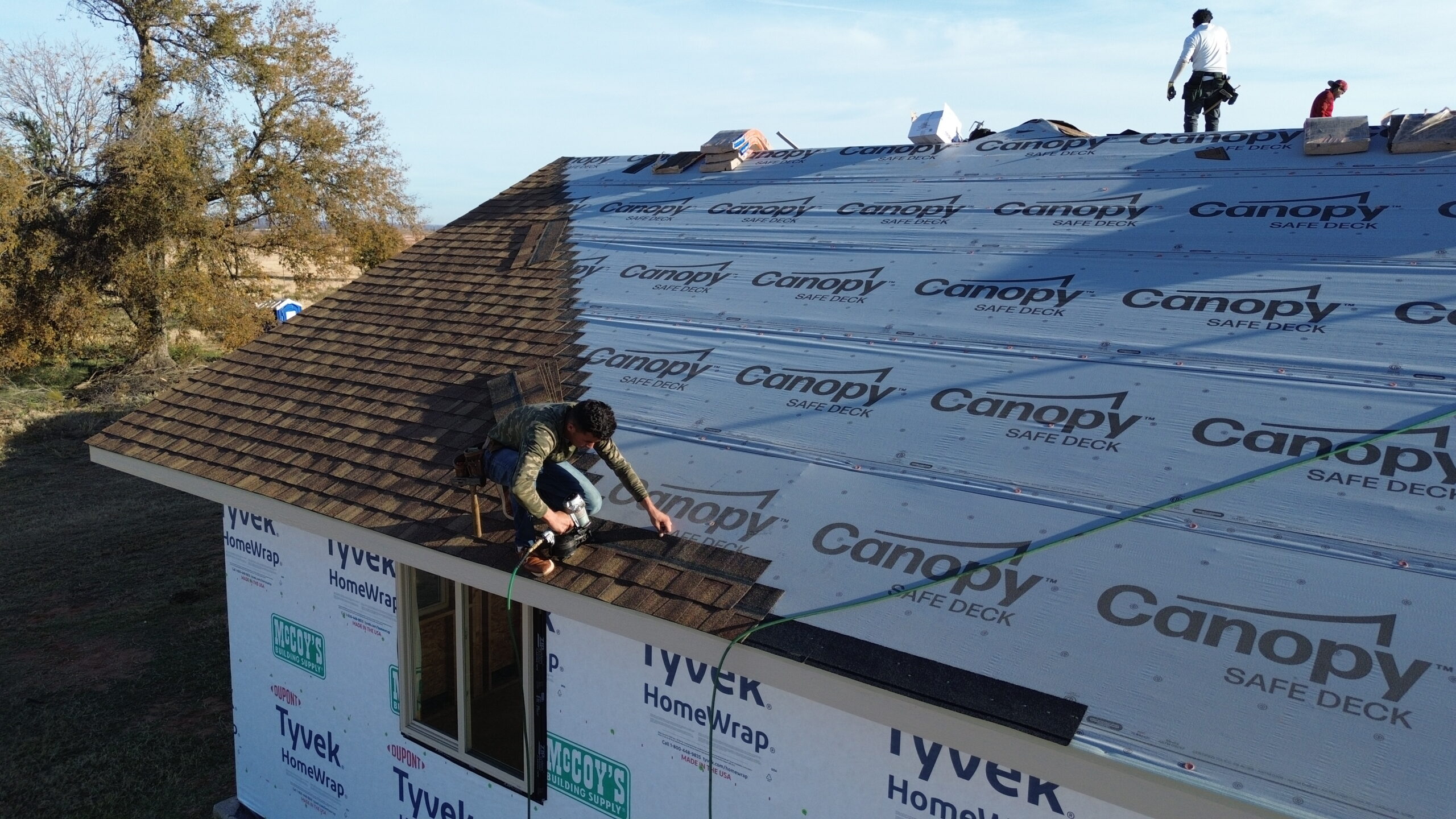
Flashing is one of the most critical yet frequently overlooked components of a roofing system. It seals vulnerable areas where roofing materials meet chimneys, skylights, plumbing vents, walls, and other roof penetrations.
Because flashing experiences constant expansion, contraction, and weather exposure, it often deteriorates before surrounding roofing materials. Even a small opening along flashing edges can allow significant water intrusion during storms.
Inspectors carefully evaluate flashing for corrosion, separation, lifting, cracked sealants, loose fasteners, and improper installation. Each of these conditions increases the likelihood of leaks developing beneath otherwise healthy roofing materials.
Improper flashing installation can remain hidden for years before visible problems appear. Water may slowly travel beneath roofing components, damaging decking and framing while leaving exterior surfaces relatively unchanged.
Sealants around flashing also receive close attention during evaluations. Roofing sealants naturally shrink and harden with age, eventually losing their ability to maintain watertight connections.
The inspection process often follows a systematic sequence to ensure no vulnerable area is overlooked.
- Examine flashing edges for lifting or separation.
- Check sealants for cracking or shrinkage.
- Inspect fasteners for corrosion or movement.
- Evaluate surrounding roofing materials for moisture entry.
- Confirm water can drain properly around penetrations.
Careful flashing inspections often reveal developing roof leaks before interior staining becomes visible. Addressing these deficiencies early significantly reduces the risk of widespread moisture damage.
Early Signs of Water Pooling and Drainage Issues
Proper drainage is essential for maintaining the long term health of any roofing system. Water should move efficiently toward gutters and downspouts instead of remaining on the roof surface after rainfall.
Standing water is especially concerning on low slope and flat roofs. Persistent ponding increases structural loads while accelerating deterioration of roofing membranes, sealants, flashing, and supporting materials.
Inspectors look for subtle indicators that drainage problems are developing. Water stains, dirt accumulation patterns, algae growth, debris deposits, and surface discoloration often reveal areas where moisture regularly remains after storms.
Blocked gutters also contribute to premature roof deterioration. When gutters overflow, water can back up beneath roofing materials, saturate fascia boards, and increase the risk of wood rot along roof edges.
Drainage evaluations include examining gutter alignment, downspout performance, roof slope consistency, and debris accumulation. These components work together to move water safely away from the building.
Seasonal maintenance plays an important role in preventing drainage related damage. Leaves, branches, moss, and sediment gradually reduce water flow, making routine cleaning an essential part of roof preservation.
Environmental conditions surrounding the property also influence drainage efficiency. Overhanging trees, nearby construction debris, and inadequate landscape grading can indirectly contribute to recurring roof moisture problems.
Professional roof evaluations identify these drainage concerns before persistent moisture begins affecting structural components. Correcting water flow problems early helps preserve roofing materials and reduces the likelihood of expensive repairs in the future.
Interior Warning Signs That Reveal Hidden Roof Problems
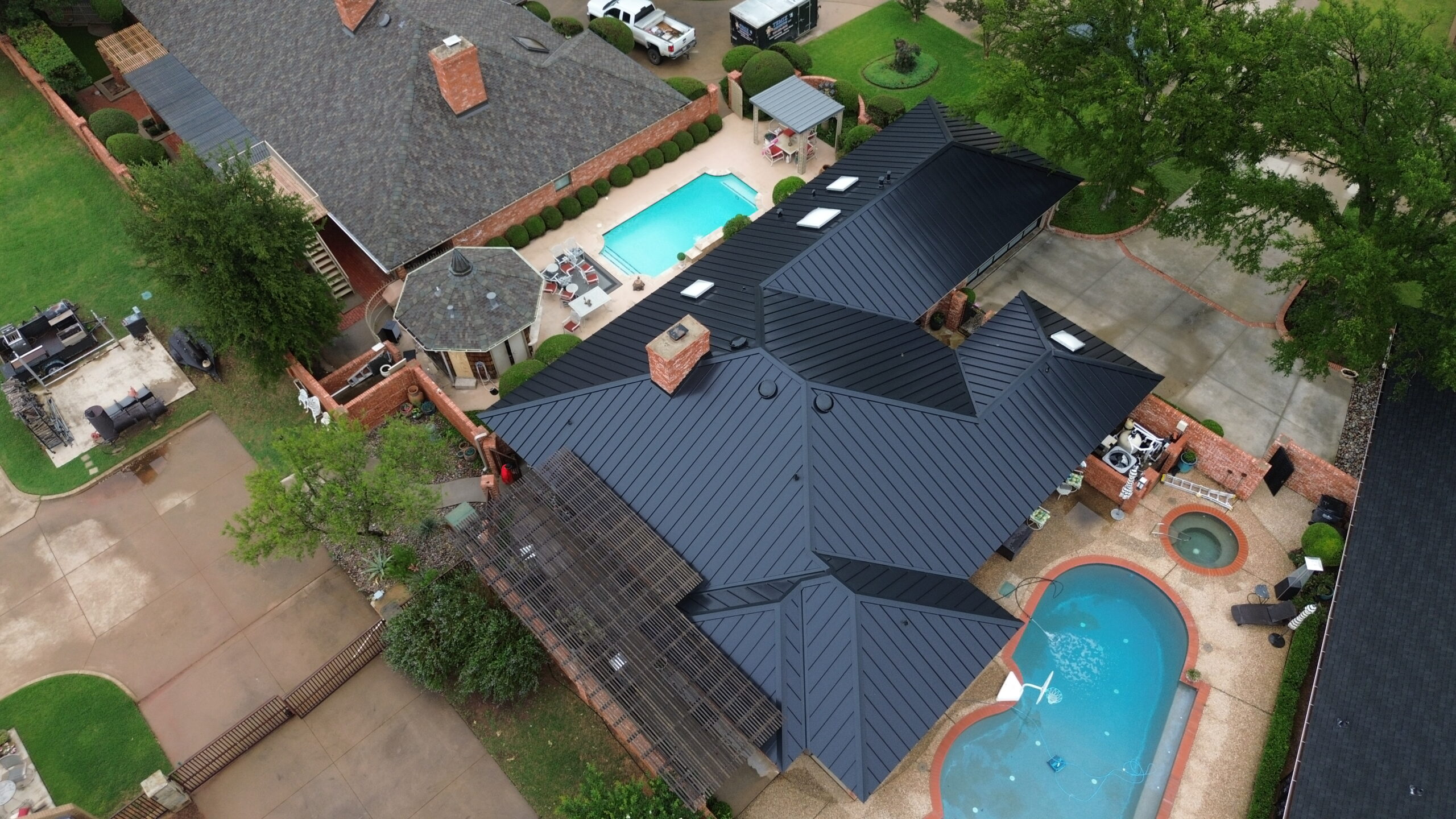
Exterior inspections reveal many roofing concerns, but they do not always tell the complete story. Some of the most significant warning signs appear inside the building, where slow leaks and hidden moisture gradually affect ceilings, walls, insulation, and structural components before becoming obvious.
Interior evaluations allow inspectors to determine whether roofing problems have already extended beyond the outer covering. By comparing interior findings with exterior observations, professionals can identify the source of moisture, estimate the duration of the damage, and recommend the most effective repair strategy.
Many interior warning signs develop slowly over months or even years. Because homeowners become accustomed to seeing the same rooms every day, subtle changes often go unnoticed until the damage has progressed significantly.
Professional roof evaluations include a systematic examination of attic spaces, ceilings, ventilation systems, insulation, framing, and other accessible areas. This comprehensive approach helps identify hidden deterioration that may never be visible from outside the property.
Moisture Stains and Ceiling Discoloration
Water stains on ceilings remain one of the most recognizable indicators of a developing roof problem. However, by the time discoloration becomes visible indoors, moisture has usually traveled through several roofing layers before reaching the finished ceiling.
Ceiling stains often appear as yellow, brown, or copper colored rings that gradually increase in size after repeated rainfall. These stains may dry between storms, creating the false impression that the leak has resolved when moisture continues entering the roofing system.
Inspectors carefully evaluate the location, size, and pattern of each stain. Water frequently travels along rafters or decking before dripping, meaning the visible stain may be several feet away from the actual roof leak.
Fresh stains generally appear lighter in color, while older leaks produce darker rings with multiple layers of discoloration. Examining these patterns helps determine whether moisture intrusion is recent or has been occurring for an extended period.
Ceiling paint provides additional clues during roof evaluations. Bubbling paint, peeling finishes, blistering surfaces, and soft drywall frequently indicate moisture trapped behind finished materials.
Drywall that feels soft or slightly swollen deserves immediate attention. Saturated drywall loses structural strength over time and may eventually collapse if moisture continues entering the ceiling assembly.
Inspectors also examine corners where ceilings meet walls because moisture often collects in these transition areas. Small imperfections found during routine evaluations can reveal larger roofing problems developing above the finished ceiling.
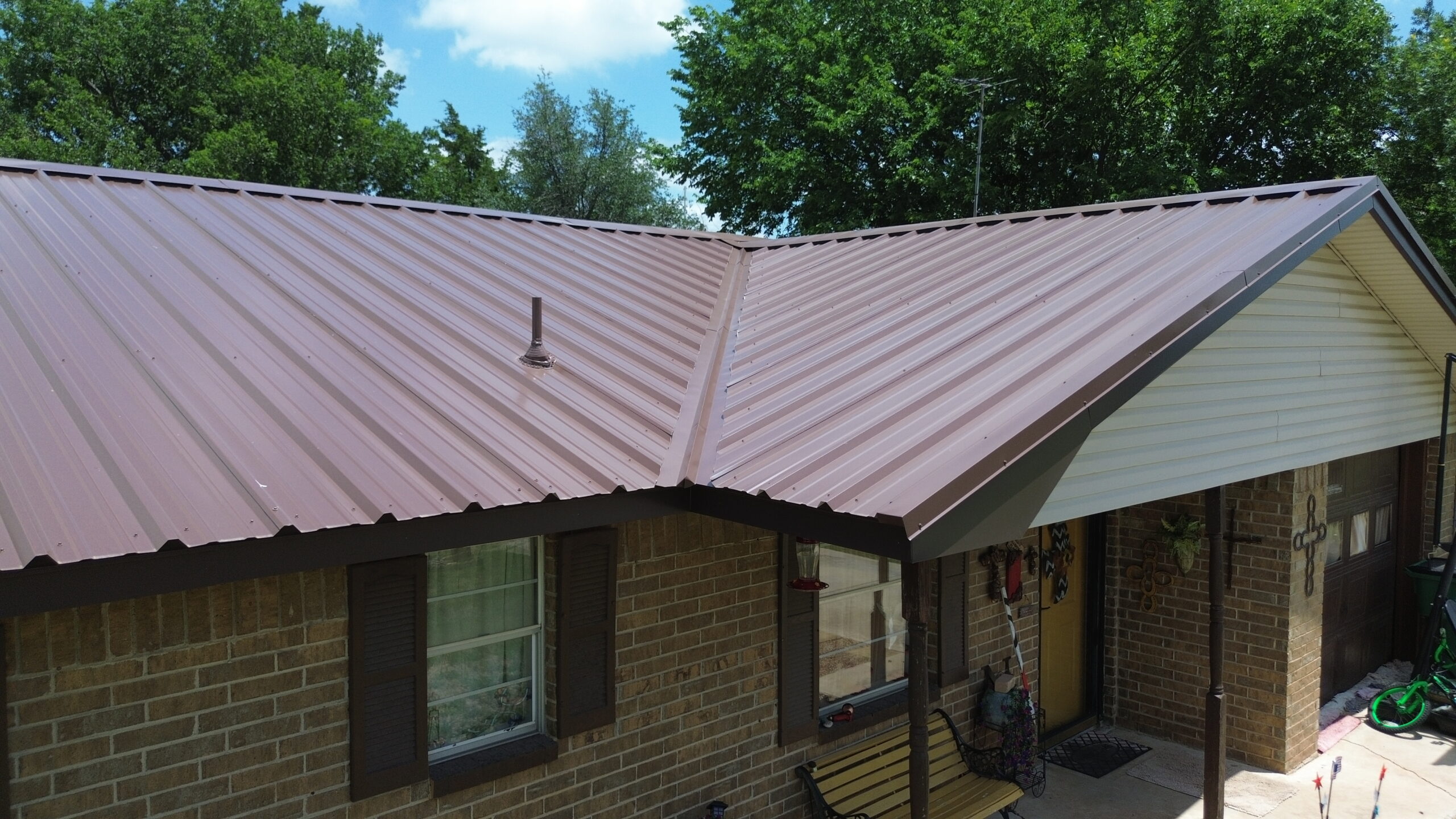
Mold, Mildew, and Excess Humidity in the Attic
The attic often provides the earliest evidence of hidden roofing issues. Because it sits directly beneath the roof structure, it allows inspectors to identify moisture intrusion before damage spreads into occupied living spaces.
Mold growth usually develops when moisture remains trapped within poorly ventilated areas. Even small roof leaks create enough humidity to support fungal growth, especially when insulation limits airflow around wooden framing members.
Mildew typically appears first as small dark spots on wood, insulation, or roof decking. Over time, these isolated patches can spread across larger areas if moisture conditions remain unchanged.
Professional inspectors distinguish between isolated mold caused by temporary condensation and widespread growth resulting from ongoing roof leaks. This distinction helps determine whether ventilation improvements, roofing repairs, or both are necessary.
Humidity levels inside the attic also receive careful evaluation. Excess moisture may originate from roof leaks, blocked ventilation systems, bathroom exhaust fans, or inadequate attic airflow.
High humidity affects more than just roofing materials. Persistent moisture contributes to wood decay, insulation deterioration, corrosion of metal fasteners, and reduced indoor air quality throughout the home.
Certain odors can also indicate hidden moisture problems. A persistent musty smell inside the attic frequently suggests moisture has been present long enough to encourage mold or mildew growth, even if visible fungal colonies remain limited.
Insulation Changes That Signal Roof Leaks
Insulation performs an important role in maintaining indoor comfort and energy efficiency. During roof evaluations, inspectors examine insulation carefully because it often reveals moisture problems that remain hidden from other areas.
Dry insulation maintains a consistent appearance and texture throughout the attic. Once water enters the roofing system, insulation begins absorbing moisture, changing both its appearance and thermal performance.
Wet fiberglass insulation often appears compressed and flattened. Instead of trapping insulating air pockets, saturated material loses much of its ability to regulate indoor temperatures.
Cellulose insulation presents different warning signs. Moisture causes cellulose fibers to clump together, creating dense areas that dry slowly and encourage microbial growth if leaks continue.
Inspectors also compare insulation thickness throughout the attic. Uneven compression or isolated low spots may indicate previous water intrusion that has permanently reduced insulation performance.
Moisture damaged insulation affects both comfort and operating costs. Heating and cooling systems must work harder to maintain indoor temperatures when insulation no longer provides effective thermal resistance.
Roof evaluations consider insulation conditions alongside other findings rather than viewing them independently. Combined evidence from insulation, framing, and roof decking often provides a clearer picture of hidden roofing problems.
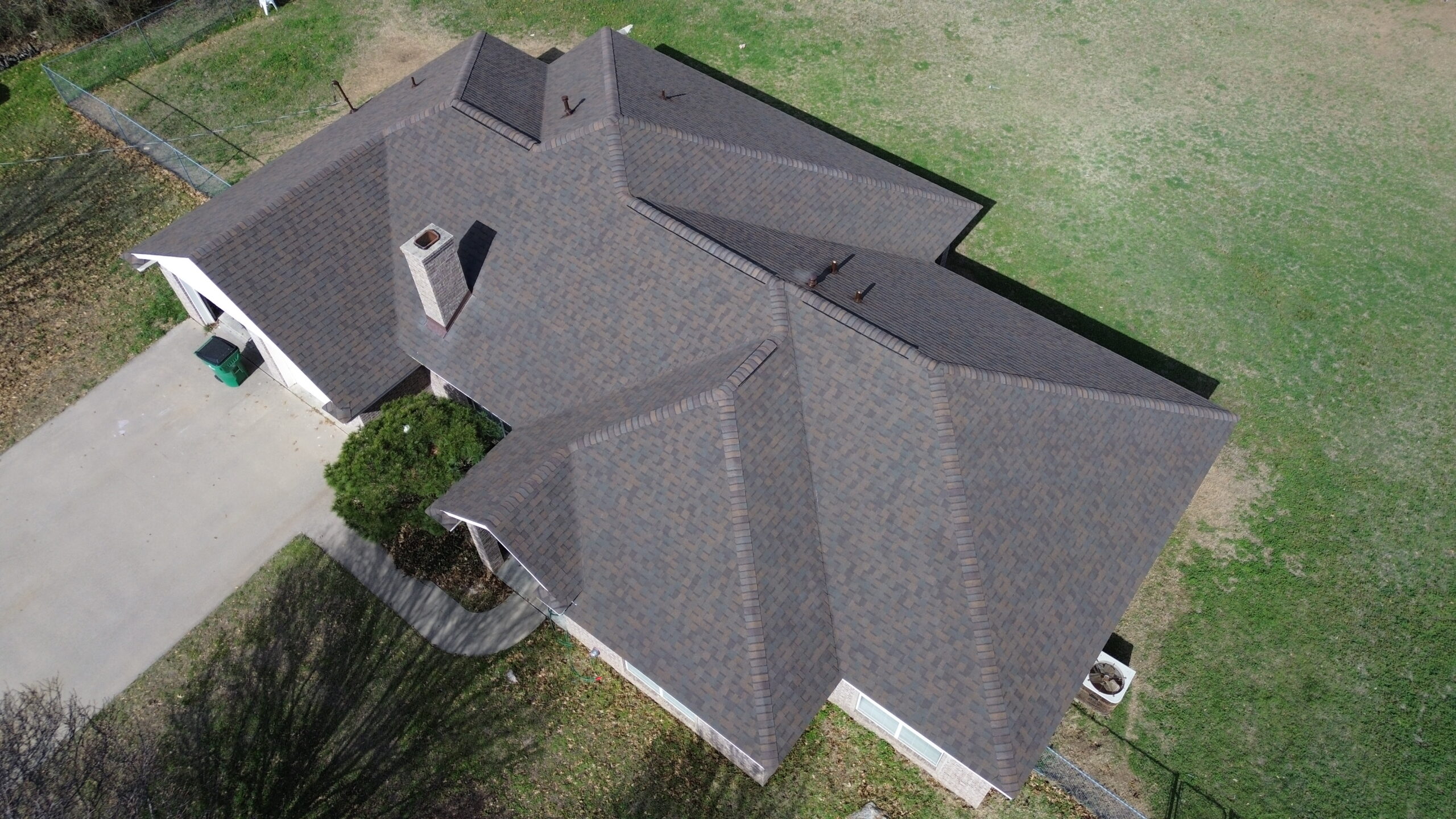
Structural Warning Signs Inside the Home
Roof problems eventually affect the structural framework supporting the entire roofing system. Although these warning signs usually develop later than minor leaks, identifying them early remains essential for preventing costly structural repairs.
Wooden rafters and roof trusses should remain straight and firmly connected. Any noticeable bending, twisting, splitting, or warping deserves immediate professional evaluation because structural movement often indicates prolonged moisture exposure.
Inspectors carefully examine roof decking from inside the attic whenever accessible. Darkened wood, soft areas, surface delamination, or visible fungal growth suggest that moisture has penetrated beyond the roofing materials.
Fasteners also provide important clues about roof condition. Rusted nails, corrosion around metal connectors, or water stains surrounding fastener locations frequently indicate recurring moisture intrusion.
Interior doors and windows occasionally reveal developing structural movement as well. If roof framing shifts because of moisture related deterioration, subtle alignment changes may cause doors to stick or windows to become difficult to open.
Cracks appearing along ceiling joints or the upper corners of interior walls should never be dismissed without investigation. While some cracking results from normal building settlement, new or expanding cracks combined with other warning signs may indicate roof related structural stress.
Professional evaluations consider the overall pattern rather than relying on one isolated observation. Several minor structural changes occurring together often provide stronger evidence of developing roof problems than a single visible defect.
How Weather Accelerates Hidden Roof Damage
Weather influences every stage of roof deterioration, from the earliest cosmetic changes to significant structural failures. Even roofs installed using quality materials gradually weaken as they experience repeated exposure to changing environmental conditions.
Heavy rainfall increases the likelihood of moisture finding vulnerable openings around flashing, fasteners, vents, and roofing joints. Once water enters these locations, repeated wetting and drying cycles gradually expand the damaged area.
Strong winds create uplift forces that loosen shingles, lift flashing, and weaken sealants. Materials that initially remain attached after a storm may continue deteriorating during subsequent weather events.
Intense sunlight contributes to long term material aging by breaking down protective coatings and reducing the flexibility of roofing products. Brittle materials become increasingly susceptible to cracking as seasonal temperature changes continue.
Freeze and thaw cycles present another challenge in colder climates. Water entering small cracks expands as it freezes, widening existing openings and allowing even greater moisture penetration during future storms.
The table below summarizes how common weather conditions contribute to early roof warning signs.
| Weather Condition | Early Warning Sign | Potential Long Term Impact |
|---|---|---|
| Heavy rain | Water stains and damp insulation | Interior leaks and wood decay |
| High winds | Lifted shingles and loose flashing | Water intrusion and material loss |
| Intense sunlight | Fading, brittleness, and cracking | Accelerated roof aging |
| Hail | Surface impacts and granule loss | Reduced weather resistance |
| Snow and ice | Ice dams and trapped moisture | Deck deterioration and leaks |
| Temperature fluctuations | Expansion and contraction cracks | Progressive material failure |
Understanding how weather affects roofing systems helps homeowners appreciate the importance of regular evaluations after major storms. Early inspections often identify damage while repairs remain relatively straightforward.
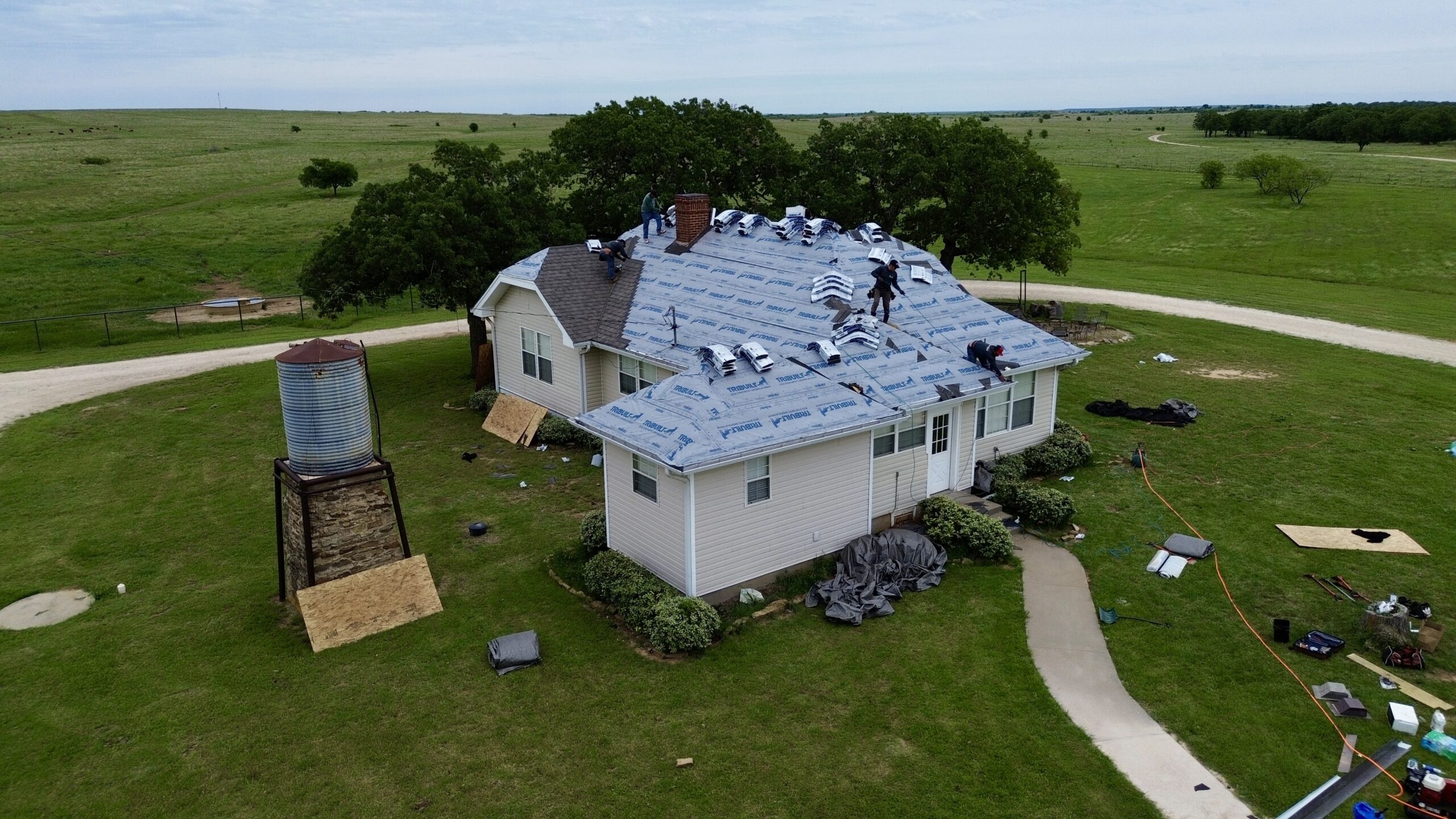
Roof Components Inspectors Evaluate Beyond Shingles
Although shingles receive the most attention during roof evaluations, inspectors examine every component that contributes to the overall performance of the roofing system. A roof functions as an integrated assembly, meaning failure in one component often affects several others.
Ventilation systems receive careful inspection because proper airflow reduces moisture buildup and extends roofing material lifespan. Blocked ridge vents, damaged soffit vents, or inadequate attic ventilation create conditions that accelerate deterioration throughout the roof structure.
Gutters and downspouts also influence roof health by directing water safely away from the building. Sagging gutters, separated joints, clogged outlets, or loose fasteners increase the likelihood of water backing up beneath roofing materials.
Roof valleys deserve particular attention because they handle large volumes of rainwater during storms. Worn valley materials, deteriorated flashing, or accumulated debris frequently become the starting point for hidden leaks.
Inspectors also evaluate roof penetrations such as chimneys, skylights, plumbing vents, satellite mounts, and solar panel attachments. Every opening through the roofing surface represents a location where waterproofing materials require ongoing maintenance.
Sealants surrounding these penetrations gradually age under constant exposure to sunlight and weather. Small gaps developing around sealants often allow moisture to enter long before visible leaks appear inside the home.
Even roof edges play a significant role in protecting the structure. Drip edges, fascia boards, soffits, and edge flashing work together to guide water into the gutter system while protecting vulnerable wooden components from repeated moisture exposure.
By evaluating every roofing component instead of focusing solely on surface materials, professional inspections provide a complete understanding of the roof’s overall condition. This comprehensive approach helps identify developing problems before they spread into widespread structural damage, setting the stage for the advanced inspection methods and preventive maintenance practices discussed in the next section.
Professional Techniques Used to Identify Early Roof Damage
Modern roof evaluations rely on far more than visual observations alone. Experienced inspectors combine practical knowledge with specialized tools and systematic inspection methods to uncover problems that remain hidden beneath the roof surface.
Every roofing system ages differently depending on its materials, installation quality, local climate, and maintenance history. Because of these variables, inspectors evaluate each roof individually instead of relying on a standard checklist alone.
Professional inspections are designed to identify developing issues before they affect the structural integrity of the property. Detecting hidden moisture, weakened materials, and subtle movement early allows repairs to be completed before extensive restoration becomes necessary.
A thorough evaluation also helps homeowners understand the current condition of their roof. Instead of making decisions based on assumptions, they receive evidence supported by detailed observations and documented findings.
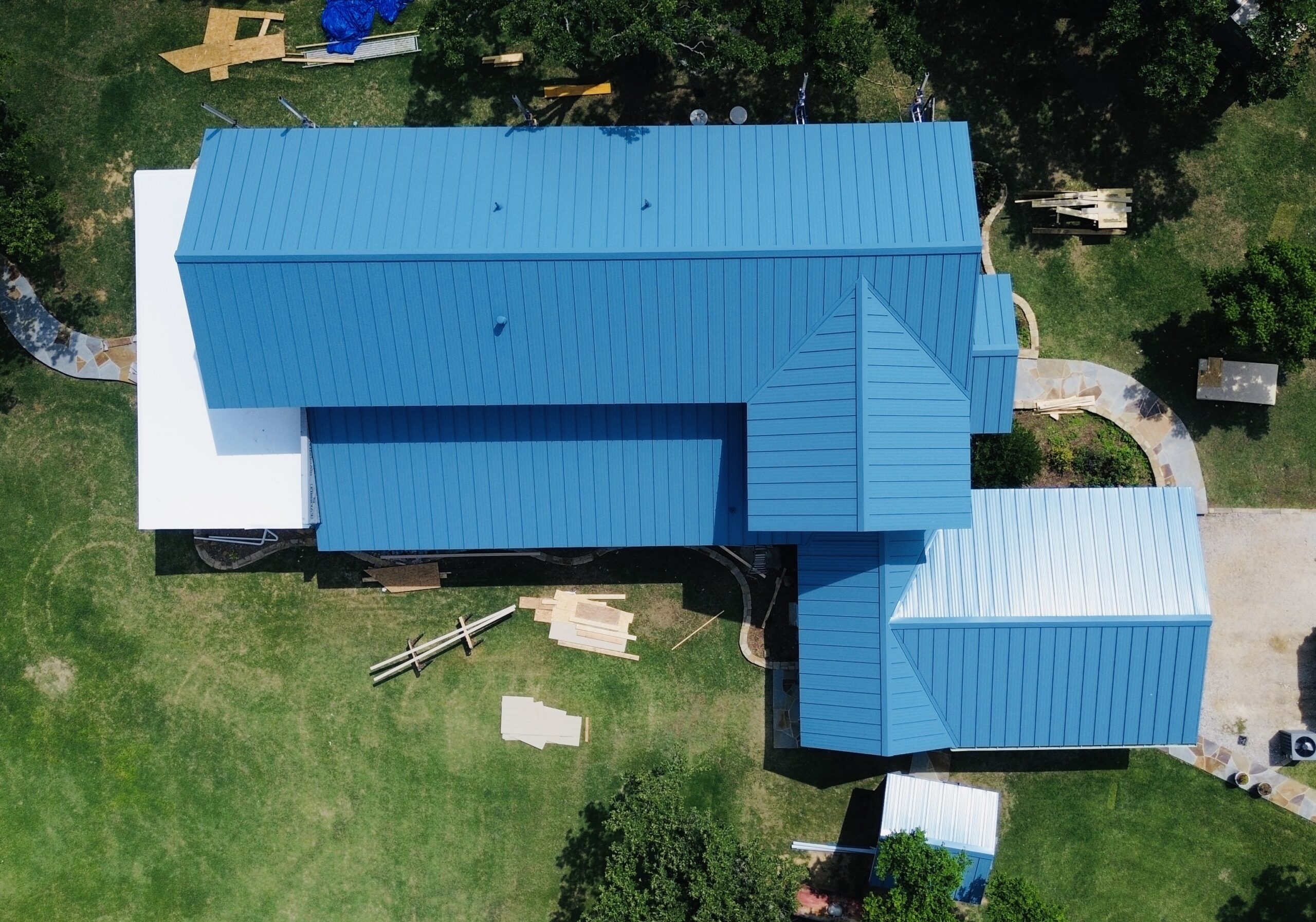
Modern Inspection Technology for Detecting Hidden Issues
Roof inspections have advanced considerably over the past decade. Modern equipment allows professionals to detect hidden problems that traditional visual inspections alone may not identify.
Moisture detection equipment is one of the most valuable tools during roof evaluations. These instruments help inspectors locate trapped moisture beneath roofing materials without removing large sections of the roof.
Infrared thermal imaging has become increasingly useful for identifying temperature differences across roofing surfaces. Wet insulation often retains heat differently than dry insulation, allowing inspectors to locate areas that deserve closer examination.
Moisture meters provide another layer of verification. By measuring moisture content inside wood and other building materials, inspectors can determine whether suspected problem areas contain excessive moisture.
Drone technology has also improved roof evaluations, particularly on steep, high, or difficult to access roofs. High resolution aerial images allow inspectors to examine roofing materials safely while documenting conditions from multiple angles.
Digital reporting software has made inspection documentation more comprehensive. Instead of relying solely on handwritten notes, inspectors can include photographs, annotated images, and maintenance recommendations within organized inspection reports.
Although technology provides valuable information, it does not replace professional experience. Skilled inspectors understand how to interpret inspection data within the context of the roof’s overall condition.
Technology works best when combined with careful visual assessment, knowledge of roofing systems, and an understanding of how different materials respond to aging and weather exposure.
Maintenance Practices That Prevent Small Problems From Becoming Major Repairs
Regular maintenance remains one of the most effective ways to extend roof lifespan. Many expensive repairs originate from relatively minor issues that remained unnoticed or were postponed for too long.
Preventive maintenance focuses on correcting developing problems before they create structural damage. This proactive approach usually costs significantly less than repairing widespread deterioration after water has entered the building.
Routine inspections should not be limited to roofs that appear damaged. Even newer roofing systems benefit from periodic evaluations because installation defects or unexpected storm damage can develop at any stage of the roof’s life.
Seasonal maintenance helps remove debris that interferes with proper drainage. Leaves, branches, moss, and accumulated dirt can trap moisture against roofing materials, accelerating deterioration over time.
Simple maintenance activities also reduce unnecessary stress on roofing components. Keeping gutters clear, trimming overhanging tree branches, and replacing damaged sealants contribute to the long term performance of the entire roofing system.
Homeowners can support roof longevity by following several important maintenance practices:
- Schedule professional roof evaluations on a regular basis.
- Clean gutters and downspouts before heavy rainy seasons.
- Remove debris that collects in roof valleys.
- Trim tree branches that contact the roof surface.
- Address damaged shingles and flashing without unnecessary delays.
- Monitor interior ceilings and attic spaces for moisture changes.
These preventive measures reduce the likelihood of small maintenance issues developing into extensive structural repairs. Consistent attention helps preserve both the roof and the overall condition of the property.
When Homeowners Should Schedule a Professional Roof Evaluation
Many people assume roof inspections are only necessary after severe storms. While storm damage evaluations are important, several other situations also justify scheduling a professional inspection.
Age is one of the primary factors influencing inspection frequency. As roofing materials mature, natural weathering gradually reduces their ability to resist environmental exposure.
Property owners should also schedule evaluations before buying or selling a home. Understanding the roof’s condition helps both buyers and sellers make informed decisions while reducing the risk of unexpected repair expenses after the transaction.
Major weather events deserve prompt attention even if obvious damage is not visible. Wind uplift, hail impacts, and flying debris can weaken roofing materials without creating immediately noticeable leaks.
Interior warning signs should never be ignored. Water stains, musty odors, peeling paint, increased attic humidity, or unexplained energy efficiency changes often indicate developing roof problems that require professional assessment.
Scheduling evaluations at the appropriate time helps identify issues while repair options remain more flexible. Waiting until active leaks develop often limits available solutions and increases overall repair costs.
The following situations typically warrant a professional roof evaluation:
- After severe storms involving hail or strong winds.
- When purchasing or selling a property.
- After noticing interior water stains or moisture.
- If roofing materials appear damaged from the ground.
- As part of routine preventive maintenance.
- Before beginning major home renovation projects.
Following these recommendations helps homeowners detect developing problems before structural damage becomes widespread.
Key Questions to Ask After a Roof Inspection
A roof evaluation provides valuable information, but understanding the inspection findings is equally important. Asking thoughtful questions helps homeowners prioritize repairs and develop an effective maintenance plan.
One of the first questions should focus on the overall condition of the roof. Understanding whether the roof requires routine maintenance, localized repairs, or more extensive work provides important context for every recommendation.
Property owners should also ask whether any observed damage requires immediate attention. Some issues affect safety or increase the risk of water intrusion, making prompt repairs more important than cosmetic concerns.
Maintenance recommendations deserve careful discussion as well. Understanding which tasks can prevent future deterioration allows homeowners to protect their investment between professional inspections.
Inspection reports often include photographs documenting observed conditions. Reviewing these images with the inspector improves understanding of the findings and helps explain why certain repairs receive higher priority.
It is also helpful to discuss the estimated remaining service life of the roofing system. Although no prediction can be exact, experienced inspectors can provide reasonable expectations based on material condition and observed aging.
Finally, homeowners should ask about future inspection intervals. Inspection frequency depends on roof age, local climate, recent weather events, and the overall condition of the roofing system.
Common Mistakes That Cause Early Warning Signs to Be Missed
Many roofing problems become expensive because the earliest warning signs were overlooked rather than because the damage developed unusually quickly. Understanding these common mistakes helps homeowners recognize why regular evaluations are so valuable.
One of the most frequent mistakes is relying solely on ground level observations. While missing shingles may be visible from the yard, many developing problems occur beneath roofing materials or around flashing where they cannot be seen without a detailed inspection.
Another common error involves assuming that the absence of leaks means the roof remains in excellent condition. Moisture often travels through decking and framing for extended periods before reaching interior ceilings, allowing hidden deterioration to continue unnoticed.
Homeowners sometimes postpone inspections because the roof appears relatively new. Although newer roofs generally experience fewer problems, installation defects, manufacturing issues, or unexpected storm damage can affect roofs of any age.
Neglecting attic inspections is another significant oversight. The attic frequently reveals moisture intrusion, ventilation deficiencies, and structural movement long before these issues become visible inside occupied living spaces.
Waiting until multiple warning signs appear can also increase repair costs considerably. A small flashing repair completed today may prevent future replacement of decking, insulation, drywall, and interior finishes.
Attempting temporary repairs without identifying the actual source of the problem presents another challenge. Surface sealants may hide symptoms temporarily while water continues entering through another nearby location.
Finally, many homeowners underestimate the cumulative effect of routine maintenance. Small tasks completed consistently often prevent the chain of events that eventually leads to major roofing failures.
Conclusion
Identifying early warning signs during roof evaluations is one of the most effective ways to protect a home’s structural integrity, energy efficiency, and long term value. Small defects rarely remain isolated, and delaying repairs often allows moisture to spread into decking, insulation, framing, and interior living spaces.
Professional roof evaluations provide a comprehensive understanding of the roofing system by examining exterior materials, attic conditions, structural components, drainage systems, flashing, ventilation, and hidden moisture. This thorough approach allows developing problems to be addressed before they become costly emergencies.
Homeowners who understand the significance of missing roofing materials, damaged flashing, ceiling stains, attic moisture, structural movement, and drainage issues are better equipped to respond quickly when warning signs appear. Early action consistently reduces repair costs while extending the useful life of the roofing system.
Routine inspections combined with preventive maintenance create a strong foundation for long term roof performance. Rather than waiting for leaks or visible failures, proactive evaluations help preserve the roof’s reliability through every season.
Whether a roof is brand new or approaching the end of its service life, regular professional evaluations remain an essential part of responsible property maintenance. Identifying early warning signs today helps prevent larger structural problems tomorrow, ensuring the roof continues protecting the home for many years to come.