
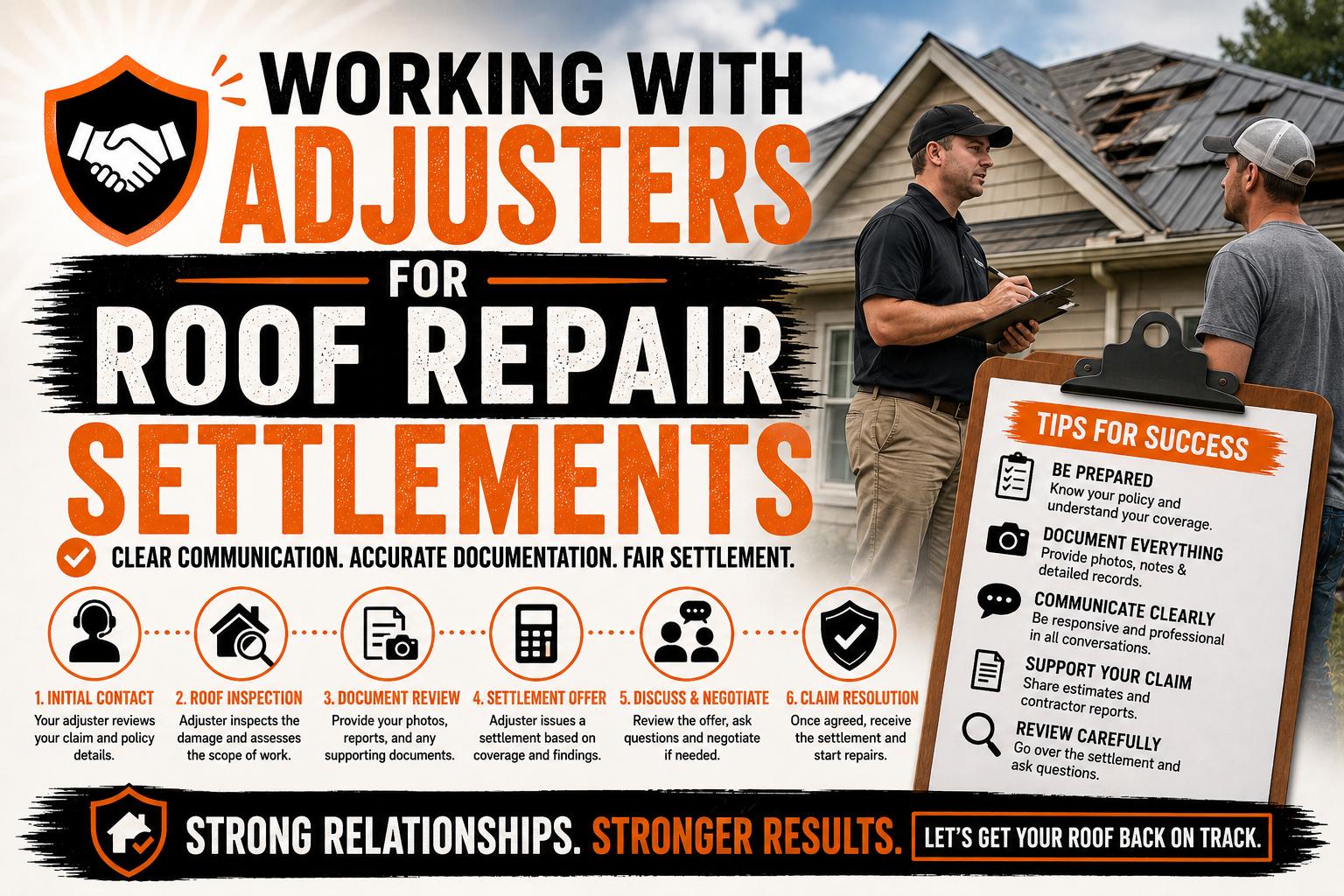
Working With Adjusters for Roof Repair Settlements
Introduction
Roof damage can happen unexpectedly after severe storms, hail, strong winds, falling tree branches, or years of gradual wear. While homeowners insurance often covers qualifying damage, receiving a fair settlement is not always as straightforward as filing a claim. The process usually involves inspections, documentation, and discussions with insurance adjusters who determine the extent of covered damage.
Many homeowners feel uncertain when meeting an insurance adjuster for the first time. They may not understand how claims are evaluated or what information the adjuster needs to make an accurate assessment. This lack of familiarity can create confusion and sometimes result in settlements that do not fully reflect the cost of necessary roof repairs.
Working effectively with an insurance adjuster is one of the most important steps in the roof repair claims process. Clear communication, proper documentation, and careful preparation can improve the accuracy of the inspection and help reduce unnecessary delays. Understanding the adjuster’s responsibilities also allows homeowners to approach the process with realistic expectations.
This guide explains how homeowners can prepare for adjuster inspections, organize supporting evidence, avoid common mistakes, and build a stronger foundation for successful roof repair settlements. By learning how the adjustment process works, you can protect your interests while maintaining a cooperative relationship with your insurance company.
Why Roof Damage Insurance Claims Can Be Challenging
Roof damage is not always easy to identify or measure. Some forms of damage are immediately visible, while others remain hidden beneath shingles or within the roof structure until further inspection takes place. Because of this, determining the full extent of damage often requires careful evaluation.
Insurance companies must distinguish between sudden covered damage and issues caused by aging, poor maintenance, or normal deterioration. This distinction plays a major role in determining whether repairs or replacements qualify for coverage. Even when damage appears obvious, questions about its cause can complicate the claim.
Every insurance policy also contains specific coverage limits, deductibles, exclusions, and claim requirements. Homeowners who are unfamiliar with these details may misunderstand what their policy covers, leading to frustration during settlement negotiations. Reading the policy before the inspection helps establish realistic expectations.
Weather events often affect many homes at the same time, creating another challenge. After major storms, insurance companies receive thousands of claims within a short period. This increased workload may extend inspection schedules and settlement timelines.
Roof repair costs have also increased due to higher material prices and labor shortages in many areas. An estimate prepared months earlier may no longer reflect current market conditions. Accurate documentation becomes even more valuable when costs fluctuate during the claims process.
Who Insurance Adjusters Are and What They Do
An insurance adjuster is a professional responsible for investigating insurance claims and determining how much the insurance company should pay based on policy terms and observed damage. Their evaluation plays an important role in the final settlement decision.
The adjuster’s primary responsibility is to inspect the damaged property and collect information related to the claim. During a roof inspection, they examine visible damage, take photographs, record measurements, and document conditions that may affect coverage.
Adjusters also compare their findings with the homeowner’s insurance policy. They determine whether the reported damage resulted from a covered event and estimate the reasonable cost of repairs or replacement according to industry pricing guidelines.
It is important to understand that adjusters do not create insurance policies or determine premium rates. Their focus is evaluating claims according to existing policy language and available evidence. Their reports become part of the insurance company’s decision-making process.
Most adjusters aim to conduct thorough and objective inspections. However, they can only evaluate the information available during their visit. Missing evidence, inaccessible roof areas, or incomplete documentation may affect the accuracy of their assessment.
Homeowners should view the adjuster as an important participant in the claims process rather than an adversary. Maintaining respectful communication encourages productive discussions and helps create a smoother experience for everyone involved.
Types of Insurance Adjusters and How They Differ
Not every insurance adjuster works under the same arrangement. Understanding the different types of adjusters helps homeowners know who they are working with and how each professional fits into the claims process.
Staff Adjusters
Staff adjusters are full-time employees of an insurance company. They inspect claims on behalf of their employer and follow the company’s claim handling procedures while applying the terms of the insurance policy.
These adjusters often handle claims within specific geographic regions and may inspect many properties after severe weather events. Their familiarity with company procedures allows claims to move efficiently through the review process.
Independent Adjusters
Independent adjusters work for third-party adjusting firms rather than directly for one insurance company. Insurance carriers often hire them during periods of unusually high claim volume, such as after hurricanes or hailstorms.
Although they work independently, they still represent the insurance company for the specific claims assigned to them. Their responsibilities during inspections are generally similar to those of staff adjusters.
Public Adjusters
Public adjusters work on behalf of policyholders rather than insurance companies. Homeowners may hire them to review damage, prepare claim documentation, and negotiate settlements when complex disputes arise.
Unlike insurance company adjusters, public adjusters represent the homeowner’s interests throughout the claim process. Their services usually involve a fee based on a percentage of the settlement amount.
Understanding these distinctions helps homeowners communicate more effectively and know who represents which interests during the claims process.
The Roof Repair Settlement Process From Start to Finish
A roof repair insurance claim follows several stages before payment is issued. While timelines vary depending on the insurer and the complexity of the damage, most claims follow a similar sequence.
The process generally includes the following steps:
- The homeowner discovers roof damage and takes reasonable steps to prevent additional loss.
- The insurance claim is reported to the insurance company.
- An adjuster is assigned to inspect the property.
- The adjuster evaluates the roof and prepares a damage report.
- The insurance company reviews the findings and determines coverage.
- A settlement offer is issued based on the approved scope of work.
- Repairs begin after the claim is accepted and any required payments are released.
Although these steps appear straightforward, each stage depends on accurate communication and supporting documentation. Delays at one stage often affect the remainder of the process.
Homeowners should also understand that some claims require additional inspections or revised estimates. If hidden damage is discovered during repairs, supplemental documentation may be submitted for further review. This possibility makes detailed recordkeeping valuable from the very beginning.
What Homeowners Should Do Before Meeting an Adjuster
Preparation before the inspection can significantly improve the quality of the adjuster’s evaluation. Waiting until the adjuster arrives to gather information often results in missing important details that could support the claim.
Start by documenting all visible roof damage as soon as it is safe to do so. Take clear photographs from multiple angles, including close-up images of damaged shingles, flashing, gutters, vents, skylights, and any interior water stains caused by roof leaks.
If possible, record the date of the storm or event that caused the damage. Weather reports, local news coverage, and neighborhood observations may help establish when the damage occurred. Keeping this information organized makes future discussions easier.
Homeowners should also gather maintenance records, previous roof inspection reports, warranty documents, and receipts for earlier repairs. These records demonstrate that the roof received appropriate care before the reported event.
It is equally important to make temporary repairs if they are necessary to prevent additional damage. Covering exposed sections with tarps or removing debris helps protect the property while showing that reasonable efforts were made to reduce further losses.
Before the inspection appointment, prepare a written list of concerns to discuss with the adjuster. Having notes available reduces the chance of forgetting important observations during the inspection.
Documents and Evidence That Strengthen Your Claim
Insurance claims become stronger when they are supported by organized documentation rather than verbal explanations alone. Well-prepared records provide adjusters with valuable information that can improve the accuracy of their assessment.
Useful documentation may include photographs taken immediately after the damage occurred. Images showing both wide views and detailed close-ups help establish the condition of different roof areas before temporary repairs begin.
Inspection reports prepared by licensed roofing contractors can also provide valuable technical information. While insurance companies perform their own evaluations, contractor observations may identify damage that deserves closer examination.
Homeowners should also keep copies of every communication related to the claim. Emails, letters, text messages, claim numbers, inspection appointments, and notes from phone conversations create a reliable timeline that may become important later.
Financial records are equally valuable throughout the process. Save receipts for emergency repairs, temporary protective materials, hotel accommodations if required, and any other expenses related to the covered damage. These records may support reimbursement requests depending on policy provisions.
Organizing documents in a dedicated folder, whether physical or digital, makes future communication much easier. Instead of searching through scattered files, homeowners can quickly provide information whenever requested by the adjuster or insurance company.
Common Mistakes Homeowners Make During the Inspection
Even well-intentioned homeowners sometimes make mistakes that complicate the adjustment process. Many of these issues can be avoided through preparation and clear communication.
One common mistake is assuming the adjuster will automatically notice every damaged area. Roof systems contain many components, and some damage may be hidden beneath shingles or located in less visible sections. Respectfully pointing out concerns helps ensure they receive attention during the inspection.
Another mistake is discarding damaged roofing materials before documentation occurs. Broken shingles, flashing, gutters, or other damaged components may provide useful evidence supporting the claim. When practical and safe, preserve these materials until the insurance company advises otherwise.
Some homeowners delay reporting damage for weeks or months after a storm. Waiting too long may make it more difficult to determine when the damage occurred or whether additional deterioration developed after the initial event. Prompt reporting generally supports a smoother claims process.
Providing incomplete information can also slow the process. If the adjuster requests maintenance records, contractor reports, or repair receipts, responding promptly helps prevent unnecessary delays in claim evaluation.
Finally, emotional confrontations rarely improve claim outcomes. Remaining professional, asking thoughtful questions, and focusing discussions on documented evidence creates a more productive inspection environment.
Preparing for a Fair and Accurate Roof Inspection
A successful inspection depends on cooperation between the homeowner, the adjuster, and sometimes the roofing contractor. Preparing the property before the appointment allows everyone to focus on evaluating damage instead of overcoming avoidable obstacles.
Ensure the adjuster has safe access to all relevant areas of the property. Move vehicles away from the driveway if necessary, unlock gates, secure pets, and remove obstacles that could interfere with the inspection. Small preparations help the visit proceed efficiently.
If a trusted roofing contractor is available, many homeowners choose to have them present during the inspection. The contractor can answer technical questions, explain observed damage, and clarify repair requirements without interrupting the adjuster’s evaluation.
Take notes throughout the inspection, including the areas examined, questions discussed, and any concerns raised by either party. These notes provide a useful reference if additional discussions take place later in the claims process.
Homeowners should also ask respectful questions whenever they need clarification. Understanding what the adjuster observed and how the next steps will unfold helps reduce uncertainty while establishing clear expectations for the remainder of the settlement process.
By preparing thoroughly and participating actively, homeowners create a stronger foundation for productive conversations with insurance adjusters. These early efforts often influence how efficiently the claim progresses, setting the stage for the negotiation, documentation, and settlement strategies that will be explored in the next part of this guide.
Communicating Effectively With Insurance Adjusters
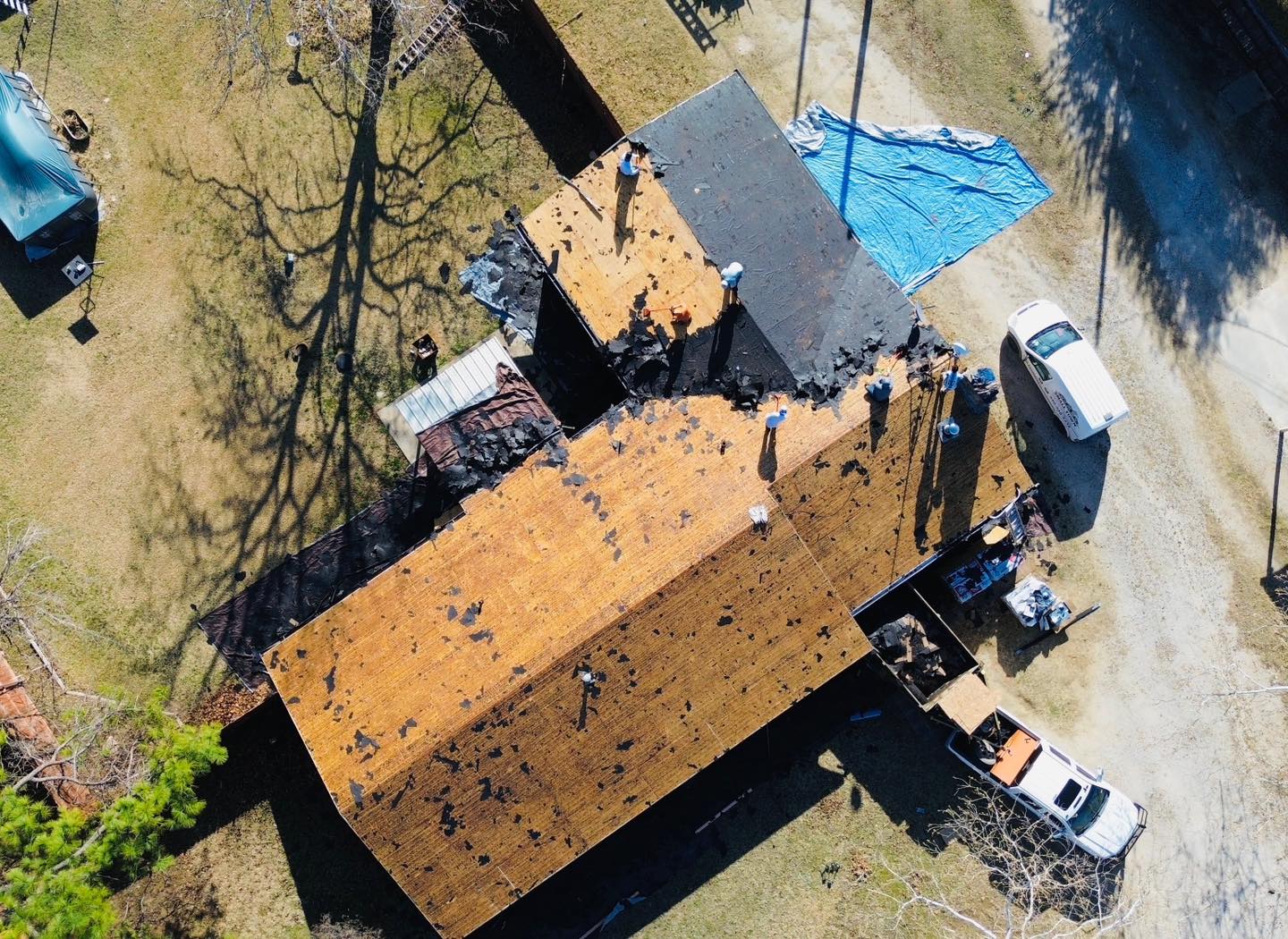
Good communication is one of the most valuable tools homeowners have during the roof repair settlement process. While documentation and inspections provide the technical foundation of a claim, clear and professional communication helps ensure that important details are understood and properly considered.
When speaking with an adjuster, focus on facts rather than assumptions. Describe when the damage occurred, what changes you noticed, and any steps you took to protect the property after the incident. Providing accurate information allows the adjuster to build a clearer picture of the loss.
It is also helpful to keep written records of every conversation. Note the date, time, name of the person you spoke with, and a summary of what was discussed. These records can be valuable if questions arise later or if the claim is transferred to another adjuster.
Respond promptly whenever the insurance company requests additional information. Delayed responses can slow the review process and postpone settlement decisions. Even if you need extra time to gather documents, informing the adjuster about your progress demonstrates cooperation.
If something is unclear, ask for clarification rather than making assumptions. Understanding the inspection findings, policy provisions, and next steps helps prevent misunderstandings that could delay the claim.
Maintaining a respectful and professional attitude throughout the process encourages productive discussions. Even if disagreements arise, focusing on evidence instead of emotions usually leads to more constructive conversations.
Understanding Roof Repair Estimates and Insurance Scope of Work
After completing the inspection, the insurance company typically prepares a scope of work. This document identifies the damage covered under the policy and outlines the repairs that the insurer believes are necessary.
The scope of work is different from a contractor’s estimate. While both describe repairs, the insurance scope focuses on covered damage according to the policy, whereas the contractor estimates the actual cost of completing the work using current labor and material prices.
Review the scope carefully instead of assuming every damaged component has been included. Check whether roofing materials, flashing, gutters, vents, underlayment, drip edges, and related components are listed where appropriate. Small omissions may significantly affect the total settlement.
It is also important to verify the quantities and measurements used in the estimate. Incorrect roof dimensions or missing roof sections can result in lower repair allowances. Asking questions about these calculations is entirely appropriate.
Many homeowners find it helpful to compare the insurance scope with an estimate prepared by a reputable roofing contractor. Differences do not automatically indicate an error, but they may identify areas that deserve additional discussion.
Remember that repair costs can change over time due to market conditions. If prices increase significantly after the estimate is prepared, updated documentation from your contractor may support a revised review of the claim.
Comparing Contractor Estimates With Insurance Assessments
It is common for contractor estimates and insurance assessments to differ. These differences can involve pricing, repair methods, material quality, or the extent of damage included in the estimate.
A contractor may identify damage that was hidden during the initial inspection. Once shingles are removed, underlying structural issues or water damage sometimes become visible. In these situations, additional documentation may be needed before coverage decisions are updated.
Instead of focusing only on the total dollar amount, compare the details of each estimate. Determine whether both documents include the same roof components, repair methods, labor requirements, and material specifications. Understanding these differences provides a stronger basis for productive discussions.
If significant discrepancies exist, ask both parties to explain their reasoning. Contractors can describe why additional work is necessary, while adjusters can explain how policy coverage applies to specific repair items. Clear explanations often resolve misunderstandings before they become disputes.
Independent evidence can also support the discussion. Photographs, inspection reports, manufacturer recommendations, and building code requirements may help clarify why certain repairs should be included.
The goal is not to prove that one estimate is entirely correct and the other is wrong. Instead, the objective is to ensure that all covered damage is accurately identified and reasonably priced according to the policy.
Identifying Missing or Undervalued Damage
Not every roof problem is immediately obvious during a single inspection. Some forms of damage remain hidden until repairs begin, while others may be overlooked because they affect less visible areas of the roofing system.
Common examples include damaged flashing, compromised underlayment, ventilation problems, decking deterioration, and moisture intrusion beneath roofing materials. These issues may not be fully visible without additional investigation.
Homeowners should carefully review inspection reports and compare them with their contractor’s observations. If important damage appears to be missing from the insurance assessment, gather supporting documentation before requesting further review.
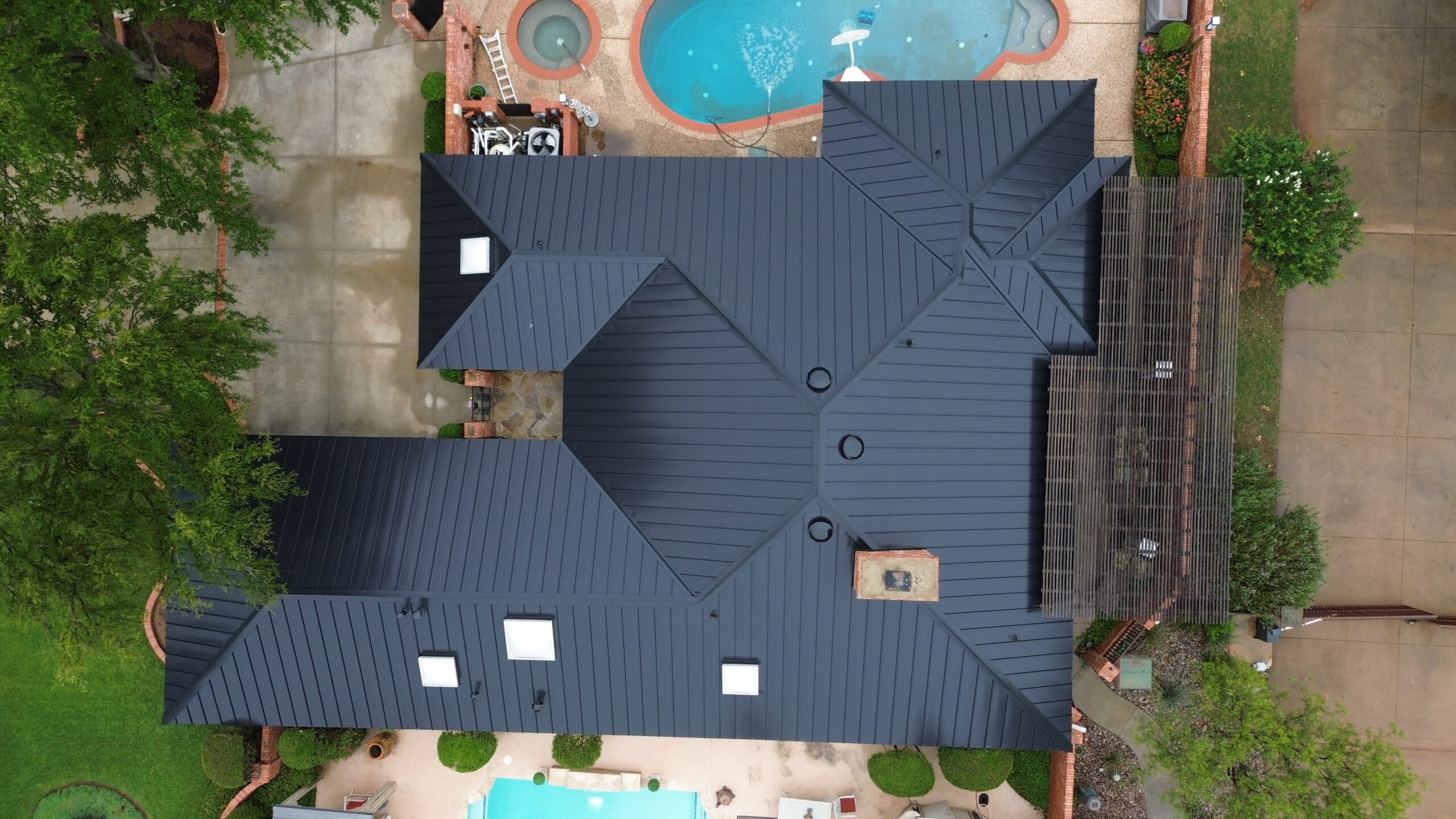
Photographs from multiple angles can strengthen the discussion. Close-up images, drone photography where appropriate, and contractor reports provide additional evidence that may support reconsideration of specific repair items.
It is also worthwhile to verify whether related exterior components were evaluated. Gutters, fascia boards, soffits, skylights, chimneys, and siding may all be affected by the same weather event that damaged the roof.
Remaining organized throughout this process makes discussions more productive. Presenting evidence in a clear and logical manner is generally more effective than making broad claims without supporting documentation.
Negotiating a Fair Roof Repair Settlement
Negotiation is a normal part of many insurance claims, particularly when repair estimates differ or additional damage is discovered. A fair negotiation focuses on documented facts rather than personal opinions.
Begin by reviewing the insurance company’s estimate in detail. Identify any missing repair items, incorrect measurements, or pricing differences that can be supported with evidence. Preparing before the discussion leads to more productive conversations.
When presenting concerns, explain each issue individually instead of raising multiple unrelated topics at once. Organized discussions are easier for adjusters to evaluate and respond to. Supporting every point with photographs, contractor reports, or invoices improves credibility.
Avoid treating the negotiation as a confrontation. Both homeowners and adjusters generally share the goal of reaching an accurate settlement based on the policy and available evidence. Professional communication often encourages better cooperation throughout the process.
If the adjuster requests additional documentation, provide it as quickly as possible. Timely responses help prevent unnecessary delays while demonstrating your willingness to work collaboratively.
Sometimes negotiations require several conversations before an agreement is reached. Patience and consistent documentation often produce better results than attempting to rush the process.
When to Request a Reinspection
There are situations where requesting another inspection is reasonable and appropriate. A reinspection allows the insurance company to evaluate new evidence or reassess damage that may not have been fully documented during the original visit.
One common reason is the discovery of hidden damage during roof repairs. Once roofing materials are removed, contractors may uncover structural issues, water intrusion, or damaged decking that could not be seen earlier.
A reinspection may also be appropriate if new photographs, engineering reports, or contractor assessments provide substantial information that was unavailable during the first inspection. Presenting this evidence clearly increases the likelihood of a meaningful review.
Before requesting another inspection, organize all supporting documents in chronological order. Providing complete information allows the adjuster to understand why another evaluation is necessary.
It is also helpful to explain exactly which areas require further review. Specific requests supported by evidence are generally easier to evaluate than broad statements claiming the entire inspection was inaccurate.
Not every request results in changes to the settlement, but reinspections provide an opportunity to ensure that all relevant information has been considered before final decisions are made.
Working With Roofing Contractors During the Claims Process
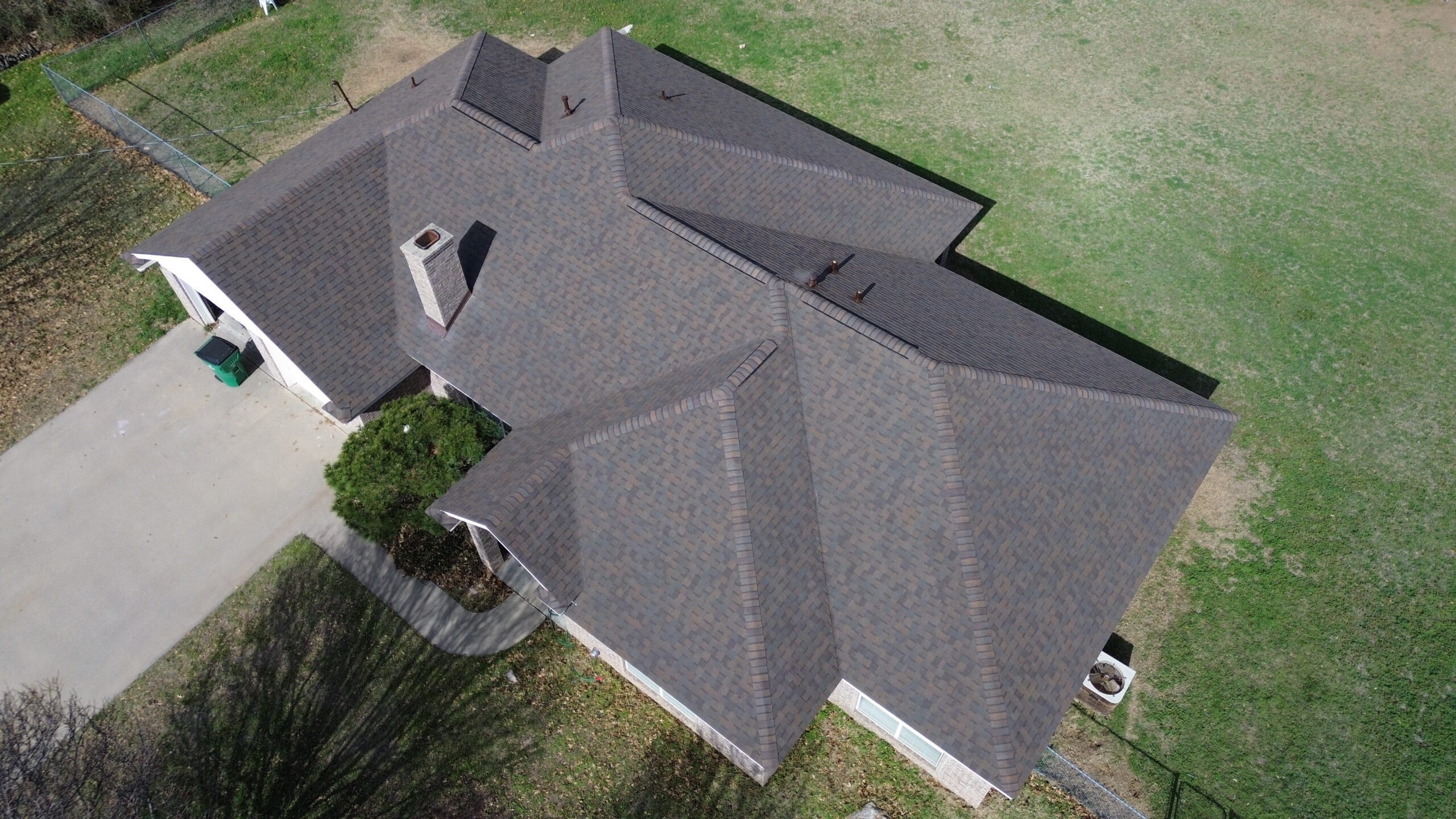
Experienced roofing contractors often play an important role throughout the insurance claim. Their technical knowledge helps homeowners better understand the condition of the roof and the repairs required to restore it properly.
Choose a contractor with experience inspecting storm-damaged roofs and preparing detailed written estimates. Professional documentation often includes measurements, photographs, repair descriptions, and explanations of damaged components.
A contractor should never encourage homeowners to exaggerate or misrepresent damage. Ethical contractors focus on accurately documenting the condition of the roof and explaining why specific repairs are necessary according to industry standards.
Many contractors are willing to meet with the insurance adjuster during the inspection. Their presence allows technical questions to be answered immediately and helps clarify repair methods or construction requirements.
Maintain open communication with both the contractor and the insurance company throughout the process. Keeping everyone informed reduces misunderstandings and helps ensure that repair plans remain consistent with approved settlement documents.
Before signing repair agreements, review the scope of work carefully. Confirm that the proposed repairs match the approved insurance settlement or discuss any necessary adjustments with both the contractor and the insurer.
Homeowner Responsibilities vs Adjuster Responsibilities
| Homeowner Responsibilities | Adjuster Responsibilities |
|---|---|
| Report the claim promptly after discovering covered damage. | Schedule and conduct the roof inspection. |
| Take reasonable steps to prevent additional damage. | Document visible damage and collect inspection evidence. |
| Provide photographs, maintenance records, and supporting documents. | Review policy coverage in relation to the reported damage. |
| Respond to requests for additional information promptly. | Prepare the inspection report and estimate. |
| Review settlement documents carefully and ask questions when needed. | Explain the claim decision and approved scope of work. |
| Keep records of communications and repair expenses. | Consider additional documentation submitted during claim review. |
Understanding these responsibilities helps establish realistic expectations throughout the claim. Both parties contribute important information that supports a thorough and accurate settlement process.
Cooperation generally produces better results than working independently. When homeowners and adjusters communicate openly and provide timely information, claims often progress more efficiently.
Situations That Can Delay or Complicate a Settlement
Some insurance claims move quickly, while others require additional review because of unique circumstances. Recognizing potential delays helps homeowners prepare realistic expectations and respond effectively when challenges arise.
One common cause of delay is incomplete documentation. Missing photographs, repair invoices, inspection reports, or maintenance records may require additional requests before the claim can proceed.
Severe weather events can also affect timelines. After major storms, insurance companies often receive a large number of claims simultaneously, increasing inspection schedules and review periods.
Disagreements about the cause of damage may require further investigation. Questions regarding whether damage resulted from a covered storm event or long-term deterioration sometimes lead to additional inspections or expert evaluations.
Contractor availability can also influence settlement timing. If qualified roofing contractors are booked for several weeks, obtaining updated estimates or beginning repairs may take longer than expected.
Building code requirements occasionally create unexpected complications as well. Local regulations may require additional repairs or upgrades that were not initially included in the original estimate, leading to further discussions between contractors and insurers.
Changes in material pricing may also affect the claim. Significant increases in roofing costs after the original estimate may require updated documentation before settlement adjustments are considered.
As the claim progresses, homeowners become better equipped to evaluate settlement offers, respond to disagreements, and address unexpected issues. In the final part of this guide, we will explore how to resolve disputes, understand supplemental claims, maximize settlement outcomes, and confidently move the roof repair process toward a successful conclusion.
When to Challenge an Insurance Decision
Receiving a settlement offer does not always mean the claims process is complete. If you believe the decision does not accurately reflect the covered damage, you have the right to ask questions and request further review. Challenging a decision should always be based on documented evidence rather than assumptions.
Start by carefully reviewing the settlement letter and the insurance estimate. Compare these documents with your contractor’s inspection report, photographs, and repair estimate. Identifying specific differences makes it easier to explain why you believe additional review is necessary.
When contacting the insurance company, remain professional and organized. Explain each concern separately and provide supporting documents that clearly demonstrate why the issue deserves reconsideration. A structured approach is generally more effective than making broad objections.
If policy language is unclear, ask the adjuster to explain how coverage applies to the disputed repair items. Understanding the reasoning behind the decision helps determine whether additional documentation could change the outcome.
Keep copies of every letter, email, estimate, and photograph submitted during the review process. Maintaining a complete record ensures you can easily reference previous discussions if the claim continues over an extended period.
How Public Adjusters and Independent Experts Can Help
Some roof damage claims become more complicated than expected. In situations involving significant losses, disputed damage, or technical questions, homeowners may decide to seek assistance from professionals outside the insurance company.
Public adjusters represent policyholders rather than insurance companies. They evaluate damage, review insurance policies, prepare documentation, and negotiate with insurers on behalf of the homeowner. Their objective is to help ensure the claim reflects all covered damage.
Independent roofing consultants, engineers, or building experts may also provide valuable opinions. These professionals evaluate structural conditions, identify hidden damage, and prepare reports that explain why specific repairs are necessary.
Professional assistance is often considered when:
- The settlement appears significantly lower than documented repair costs.
- The claim involves extensive structural or hidden roof damage.
- Multiple inspections have produced conflicting conclusions.
- The insurance company and contractor strongly disagree about repair requirements.
- Technical expertise is needed to explain specialized roofing systems.
Hiring outside professionals does not guarantee a larger settlement. However, independent evaluations can provide additional information that supports productive discussions with the insurance company.
Before hiring any expert, verify their qualifications, experience, licensing requirements, and fee structure. Understanding their role helps homeowners make informed decisions throughout the claims process.
Understanding Supplements and Additional Claims
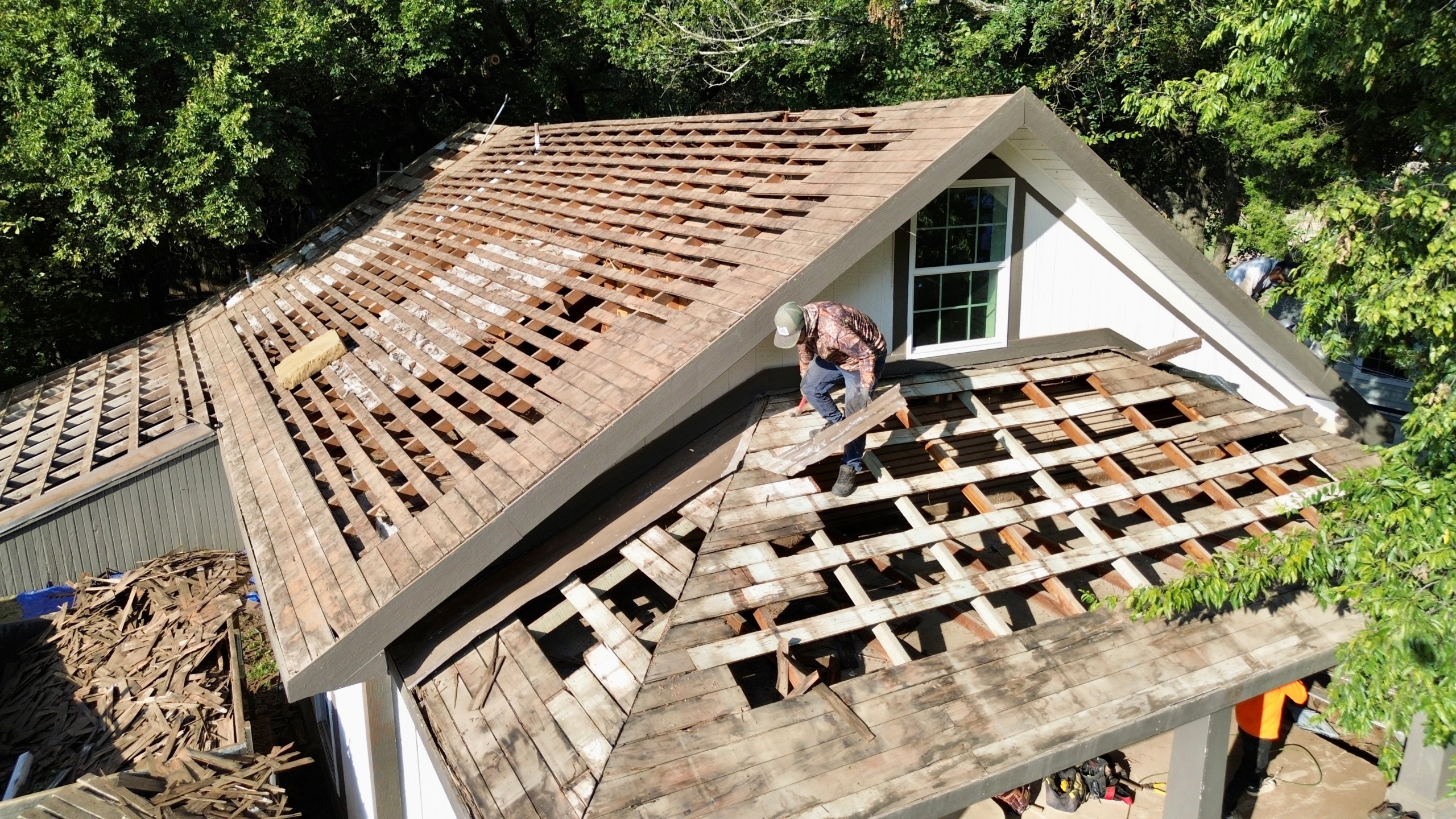
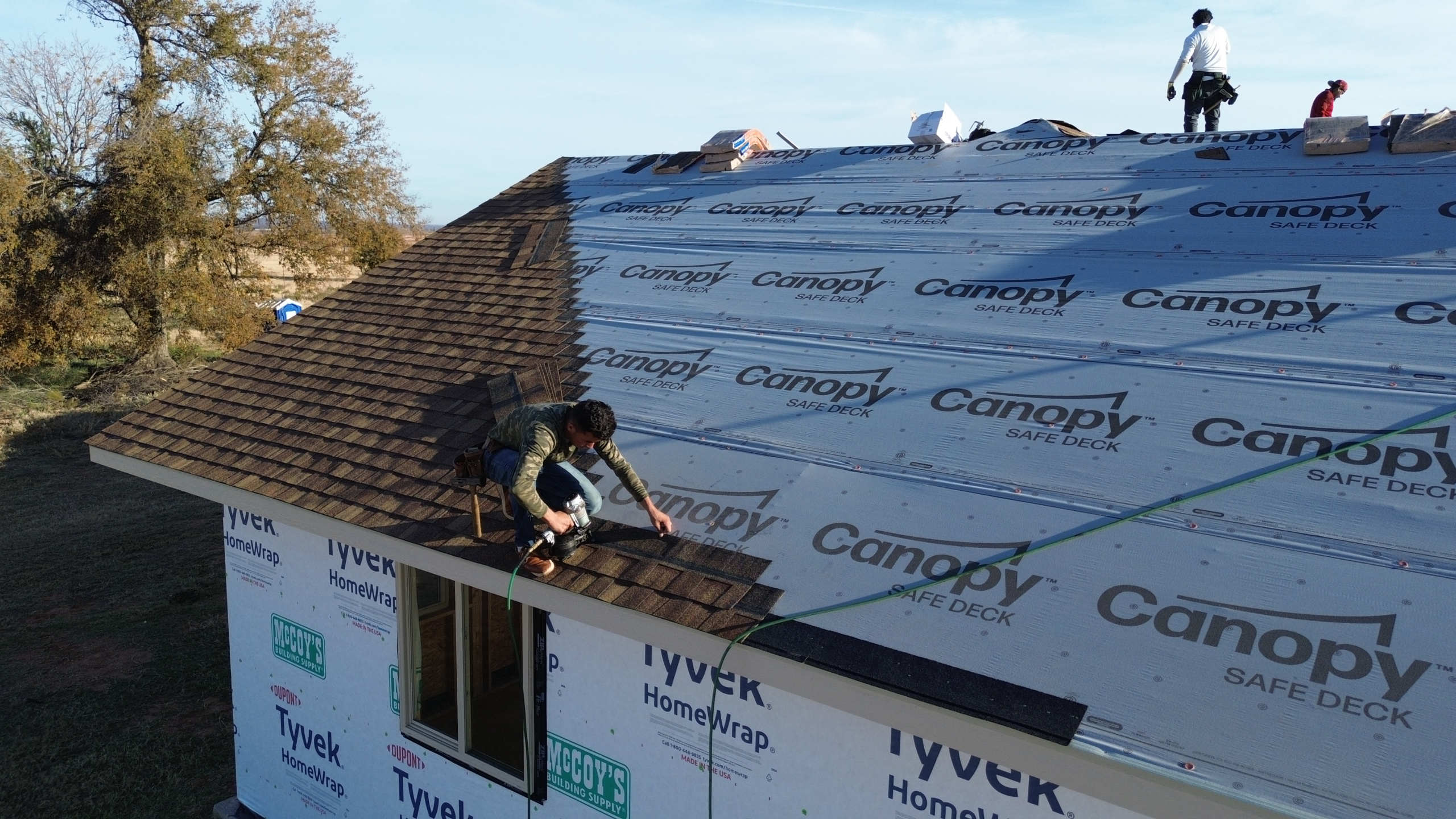
Not all roof damage is visible during the initial inspection. Once repairs begin, contractors sometimes discover hidden issues that were impossible to identify without removing roofing materials. These newly discovered problems may qualify for supplemental claim consideration.
A supplement is a request for additional payment based on covered damage that was not included in the original settlement. It is not automatically approved, but it provides an opportunity for the insurance company to review new evidence.
Contractors usually document hidden damage with photographs, measurements, and written explanations before repairs continue. This information allows the insurance company to evaluate whether the additional repairs fall within the policy’s coverage.
Common reasons for supplemental requests include damaged roof decking, hidden water intrusion, deteriorated flashing beneath shingles, or structural components affected by the covered event. Building code requirements discovered during repairs may also create additional repair needs.
Homeowners should notify the insurance company promptly when new damage is identified. Waiting until repairs are complete may complicate the review process and reduce opportunities for additional inspections.
Maintaining open communication between the contractor and the insurance company helps supplements move more efficiently. Accurate documentation remains just as important during this stage as it was during the original claim.
What to Do if Your Claim Is Partially Approved or Denied
A partial approval means the insurance company has agreed to cover some damage but not everything included in the claim. This situation does not necessarily indicate that the process has reached its final outcome.
Begin by reviewing the explanation provided by the insurance company. Understanding why certain repairs were excluded allows you to determine whether additional documentation may address those concerns.
If the claim is denied entirely, request a detailed written explanation if one has not already been provided. Carefully compare the decision with your policy language and the evidence collected during the inspection process.
Additional contractor reports, engineering evaluations, maintenance records, or weather documentation may strengthen your position. New evidence should directly address the reasons given for the denial or partial approval.
Some policies also provide formal appeal procedures or dispute resolution options. Reviewing your policy carefully helps you understand the available steps and any deadlines that apply.
Throughout the process, remain patient and organized. Many claim disputes are resolved through continued communication and supporting documentation rather than immediate legal action.
Tips for Keeping the Settlement Process Moving
Insurance claims often involve multiple conversations, document requests, and inspection appointments. Staying organized helps reduce unnecessary delays while keeping the process on track.
Create a dedicated file for every document related to the claim. Store estimates, photographs, receipts, inspection reports, emails, and payment records together so they are easy to locate whenever questions arise.
Respond quickly to requests for additional information whenever possible. Even short delays in providing documents may postpone inspections, reviews, or payment decisions.
Maintain regular communication with both your contractor and the insurance company. Checking progress periodically helps identify potential issues before they become significant delays.
Keep detailed notes after every phone call or meeting. Recording names, dates, and discussion points creates a reliable timeline that can be referenced if misunderstandings occur later.
Avoid beginning permanent repairs before receiving appropriate approval from your insurance company unless emergency circumstances require immediate action. Following the claim process carefully helps prevent unnecessary complications.
Checklist for Achieving a Successful Roof Repair Settlement
Following a structured approach can make the entire claims process more manageable. While every claim is different, these steps help homeowners remain organized from the initial inspection through the final settlement.
- Review your insurance policy before filing the claim.
- Document all visible roof damage with clear photographs and notes.
- Report the damage promptly after discovering the loss.
- Gather maintenance records, repair receipts, and inspection reports.
- Attend the adjuster’s inspection whenever possible.
- Compare the insurance estimate with your contractor’s proposal.
- Request clarification if repair items appear to be missing.
- Submit additional documentation when new damage is discovered.
- Keep copies of every communication throughout the claim.
- Review the final settlement carefully before approving repairs.
Completing these steps does not guarantee a particular settlement amount. However, they help create a well-documented claim that supports accurate evaluations and informed discussions.
Frequently Asked Questions
How long does a roof repair insurance claim usually take?
The timeline varies depending on the insurance company, the complexity of the damage, weather conditions, and the availability of inspectors and contractors. Straightforward claims may be resolved relatively quickly, while more complex claims involving supplements or disputes often require additional time.
Should I be present during the adjuster’s inspection?
Whenever possible, attending the inspection is beneficial. Your presence allows you to answer questions, point out areas of concern, and better understand the adjuster’s observations.
Can I hire my own roofing contractor before the insurance inspection?
Yes, many homeowners choose to have an independent contractor inspect the roof before or during the insurance process. Their assessment can provide additional documentation and help identify damage that may require further review.
What happens if additional damage is found after repairs begin?
Previously hidden damage may qualify for a supplemental claim if it resulted from the covered event. Contractors should document the newly discovered damage before repairs continue and notify the insurance company promptly.
Is the lowest repair estimate always accepted by the insurance company?
Not necessarily. Insurance companies evaluate claims based on policy coverage, documented damage, and accepted pricing methods. The objective is to determine a reasonable settlement for covered repairs rather than simply selecting the lowest estimate.
Can I question the adjuster’s findings?
Yes. Homeowners have the right to ask questions, request explanations, and submit additional documentation if they believe important damage was overlooked or incorrectly evaluated.
Conclusion
Working with insurance adjusters during a roof repair settlement requires preparation, patience, and careful documentation. Understanding how adjusters evaluate claims helps homeowners communicate more effectively while reducing unnecessary misunderstandings throughout the process.
From documenting damage immediately after a storm to reviewing estimates and responding to requests for additional information, every step contributes to the strength of a claim. Organized records, professional communication, and timely follow-up often make the settlement process smoother and more efficient.
It is also important to recognize that insurance claims sometimes evolve as repairs progress. Hidden damage, updated contractor estimates, and supplemental requests are common parts of many roof repair projects. Remaining flexible while continuing to document every development supports fair evaluations.
When disagreements arise, focusing on facts rather than emotions usually leads to more productive discussions. Comparing estimates carefully, requesting clarification when needed, and presenting reliable evidence allows both homeowners and insurance companies to work toward accurate claim resolutions.
Ultimately, successful roof repair settlements are built on cooperation, transparency, and informed decision making. By understanding the adjustment process and actively participating at every stage, homeowners can protect their investment, restore their property with confidence, and navigate insurance claims with greater peace of mind.