Cost Breakdown of Common Residential Roof Repairs
Introduction
A residential roof is one of the most valuable components of any home because it protects the structure from rain, wind, sunlight, snow, and changing weather conditions throughout the year. Although most homeowners expect their roof to last for decades, repairs are often necessary long before a full replacement becomes necessary. Small leaks, damaged shingles, deteriorating flashing, or storm-related damage can appear unexpectedly and require prompt attention to prevent more serious structural problems.
Many homeowners are surprised when they receive repair estimates because roof repair costs can vary significantly depending on the type of damage, roofing material, labor requirements, and overall roof condition. Without understanding the factors that influence pricing, it can be difficult to determine whether an estimate is reasonable or whether additional inspections are needed before approving repairs.
Knowing how residential roof repair costs are calculated helps homeowners make informed financial decisions. Instead of focusing only on the total price, they can better understand how labor, materials, accessibility, and project complexity contribute to the final estimate. This knowledge also makes it easier to compare contractor proposals and prioritize repairs based on urgency.
This guide explores the cost breakdown of common residential roof repairs by examining the factors that affect pricing, explaining the types of repairs homeowners frequently encounter, and highlighting practical considerations that influence overall project costs. By understanding these elements, homeowners can prepare realistic budgets while protecting both their property and their long-term investment.
Why Understanding Roof Repair Costs Matters
Roof repairs represent more than a simple maintenance expense. They directly affect the safety, energy efficiency, and long-term value of a home. Understanding repair costs allows homeowners to prepare financially while reducing the risk of delaying important work due to uncertainty about pricing.
Unexpected roof damage often creates urgency because water can quickly spread beyond the roofing system itself. A relatively small leak may damage insulation, drywall, flooring, electrical systems, and personal belongings if left unresolved. Addressing repairs promptly usually costs much less than restoring extensive interior damage after prolonged water intrusion.
Cost awareness also helps homeowners recognize the value of preventive maintenance. Routine inspections and minor repairs generally require modest investments compared with emergency structural repairs. Spending a small amount today often prevents much larger expenses in the future.
Another benefit of understanding repair pricing is improved decision making when reviewing contractor estimates. Rather than comparing estimates solely by their total cost, homeowners can evaluate differences in materials, labor, warranties, and repair methods. This leads to more informed choices that balance affordability with long-term performance.
Financial planning also becomes easier when homeowners understand the types of repairs their roof may require over time. Instead of treating every repair as an unexpected emergency, they can gradually build maintenance funds that reduce financial stress whenever repairs become necessary.
Ultimately, understanding roof repair costs encourages proactive home maintenance while helping homeowners protect one of their property’s most valuable assets.
The Most Common Types of Residential Roof Repairs
Residential roofs experience a wide range of problems throughout their service life. While some repairs result from severe weather, others develop gradually due to aging materials, moisture exposure, or normal wear. Recognizing these common repair categories helps homeowners understand why repair estimates vary so significantly.
Shingle replacement is among the most frequent residential roof repairs. Individual shingles may crack, curl, loosen, or become completely detached after years of weather exposure or strong winds. Replacing damaged shingles promptly prevents water from reaching the underlying roof structure and reduces the likelihood of more extensive repairs.
Roof leak repairs are another common service. Leaks often develop around flashing, roof penetrations, chimneys, skylights, or valleys where water naturally concentrates during rainfall. Identifying the true source of a leak sometimes requires more extensive inspection because water can travel beneath roofing materials before becoming visible inside the home.
Flashing repairs are also frequently required. Flashing consists of thin metal components installed around roof intersections, vents, and chimneys to direct water away from vulnerable areas. Damaged or improperly sealed flashing allows moisture to enter the roofing system and often leads to interior water damage if not repaired promptly.
Gutter-related repairs contribute to many residential roofing projects as well. Clogged or damaged gutters prevent proper drainage, allowing water to back up beneath roofing materials or overflow near the home’s foundation. Repairing or replacing damaged gutter components improves drainage while protecting both the roof and surrounding structure.
Roof vent repairs become necessary when ventilation components deteriorate or sustain storm damage. Proper ventilation regulates attic temperature and moisture levels, helping preserve roofing materials while improving household energy efficiency.
Storm damage repairs vary considerably depending on the severity of the event. High winds, hail, fallen branches, and flying debris can damage shingles, flashing, gutters, vents, and structural components simultaneously. These projects often involve multiple repair categories rather than a single isolated issue.
Understanding the nature of these common repairs helps homeowners appreciate why no two roof repair estimates are exactly alike.
What Determines the Cost of a Roof Repair
The cost of repairing a residential roof depends on far more than simply replacing damaged materials. Multiple factors influence the final estimate, and understanding these variables helps homeowners evaluate repair proposals more accurately.
The extent of damage is one of the most significant pricing factors. A repair involving only a few missing shingles requires considerably less labor and material than repairing widespread water damage affecting multiple roofing layers. Contractors must assess both visible damage and hidden structural concerns before determining project costs.
Roofing material also plays an important role. Asphalt shingles are generally easier and less expensive to repair than slate, clay tile, metal, or wood shake roofing systems. Specialty materials often require experienced installers and matching products that increase labor and material costs.
Roof age influences repair complexity as well. Older roofs may contain deteriorated decking, weakened fasteners, or discontinued materials that make repairs more difficult. Matching aging roofing materials may require additional effort, increasing both project time and expense.
Weather conditions sometimes affect pricing too. Emergency repairs completed after severe storms often require immediate scheduling, temporary weather protection, or additional safety precautions. High demand following major weather events may also affect contractor availability and project timelines.
Permit requirements and local building regulations can further influence repair costs in certain areas. Depending on the repair scope, inspections or permits may be necessary to ensure compliance with applicable construction standards.
Finally, project location affects labor rates, transportation expenses, and material availability. Contractors operating in regions with higher living costs or limited material supply often face greater operating expenses that influence overall repair pricing.
Considering these factors together provides a much clearer understanding of why residential roof repair estimates differ from one property to another.
Labor Costs Versus Material Costs
When homeowners receive a roof repair estimate, many naturally focus on the cost of shingles, flashing, or other visible materials. In reality, labor often represents a substantial portion of the total repair cost because roofing requires specialized skills, safety equipment, and careful installation techniques.
Labor costs include much more than simply installing replacement materials. Contractors spend time inspecting the roof, identifying hidden damage, preparing the work area, removing damaged materials, performing repairs, cleaning debris, and conducting final inspections to verify quality. Each of these activities contributes to the overall project cost.
Roof accessibility significantly affects labor requirements. Repairs on steep roofs, multi-story homes, or structures with limited access require additional safety equipment and more time to complete safely. Increased complexity naturally raises labor expenses even when material quantities remain relatively small.
Material costs vary according to roofing type, product quality, and availability. Standard asphalt shingles generally remain among the most affordable roofing materials, while premium products such as slate, copper, or specialized metal panels command considerably higher prices. Matching existing roofing materials may also increase costs if discontinued products must be specially sourced.
High-quality underlayment, flashing, fasteners, sealants, and waterproof barriers contribute to long-term roof performance as well. Although these materials may increase initial project costs, they often improve durability and reduce future maintenance expenses.
Homeowners should avoid evaluating repair estimates solely by comparing labor percentages or material costs. A well-balanced proposal reflects both quality workmanship and durable materials working together to provide lasting protection rather than temporary repairs.
Understanding how labor and materials contribute to project pricing helps homeowners recognize the value of skilled installation while making more informed comparisons between contractor estimates.
How Roof Size and Accessibility Affect Repair Pricing
Roof size influences repair costs in several ways beyond simply requiring more materials. Larger roofs often involve longer inspection times, increased labor requirements, and additional safety considerations that collectively affect overall project pricing.
Even when damage appears limited to a relatively small area, contractors may need to access larger sections of the roof to perform repairs safely. Establishing ladders, fall protection systems, and work zones requires time regardless of the size of the damaged section. Larger roofs therefore frequently involve greater preparation before repairs can begin.
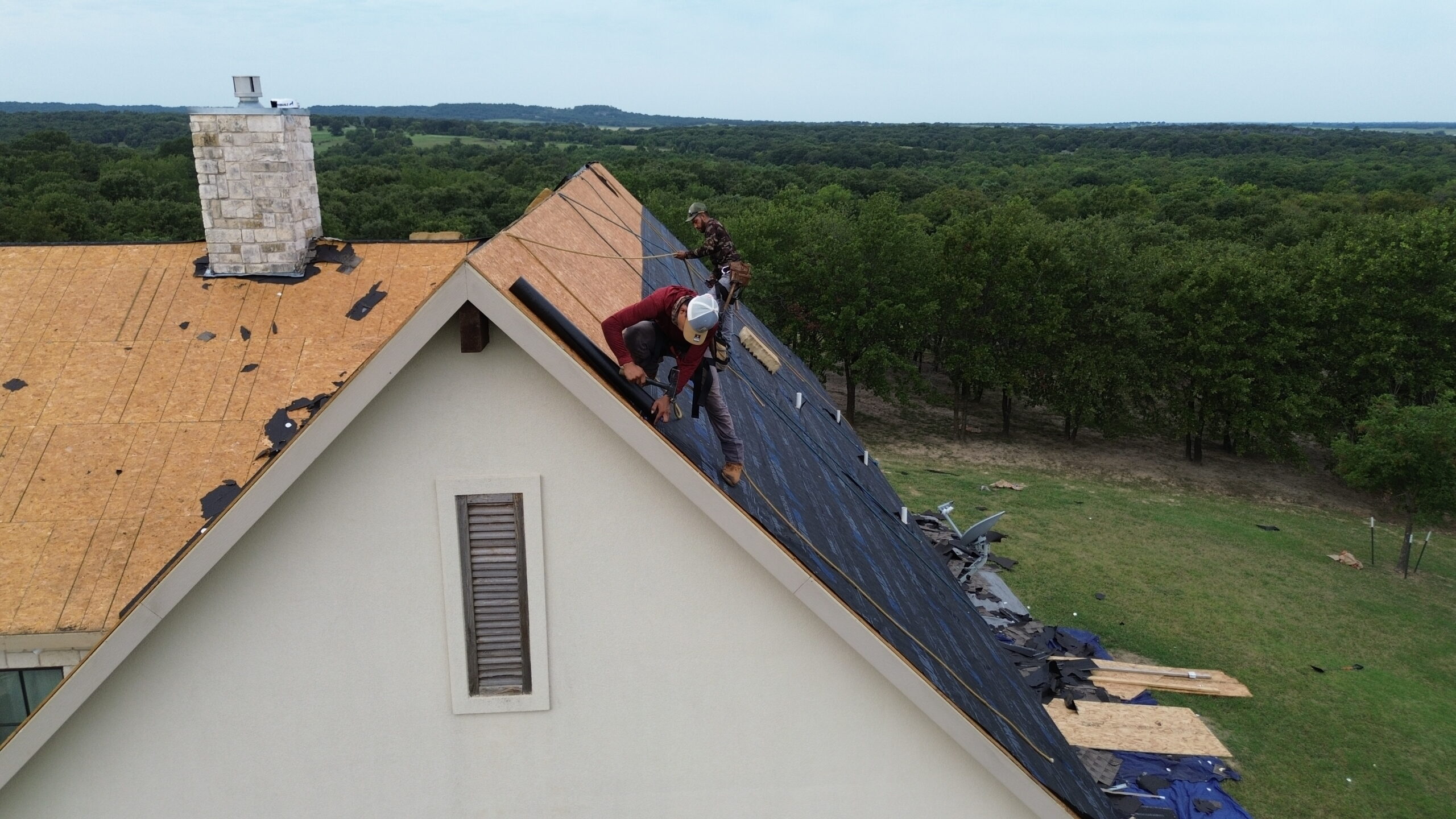
Roof pitch also affects accessibility. Steep roofs require specialized safety harnesses, roof brackets, and additional precautions that increase labor requirements. Workers must move more carefully on steep surfaces, extending project duration while maintaining safe working conditions.
Multi-story homes introduce additional challenges. Greater working heights require taller ladders, specialized equipment, and additional safety procedures that increase labor complexity. Transporting materials to elevated work areas also requires more time than repairs performed on single-story structures.
Landscaping, fences, decks, solar panels, and nearby utility lines may further complicate access. Contractors often spend additional time protecting surrounding property before beginning repairs. These preparations help prevent accidental damage while ensuring safe working conditions throughout the project.
Accessibility also influences debris removal. Removing damaged roofing materials from difficult-to-reach areas requires additional labor and disposal planning. Larger cleanup efforts contribute to overall project costs while maintaining property safety after repairs are completed.
Because accessibility varies considerably between homes, two properties with similar roof damage may still receive noticeably different repair estimates. Understanding these logistical factors helps homeowners appreciate the reasoning behind project pricing.
Roof Inspection Costs and Why They Matter
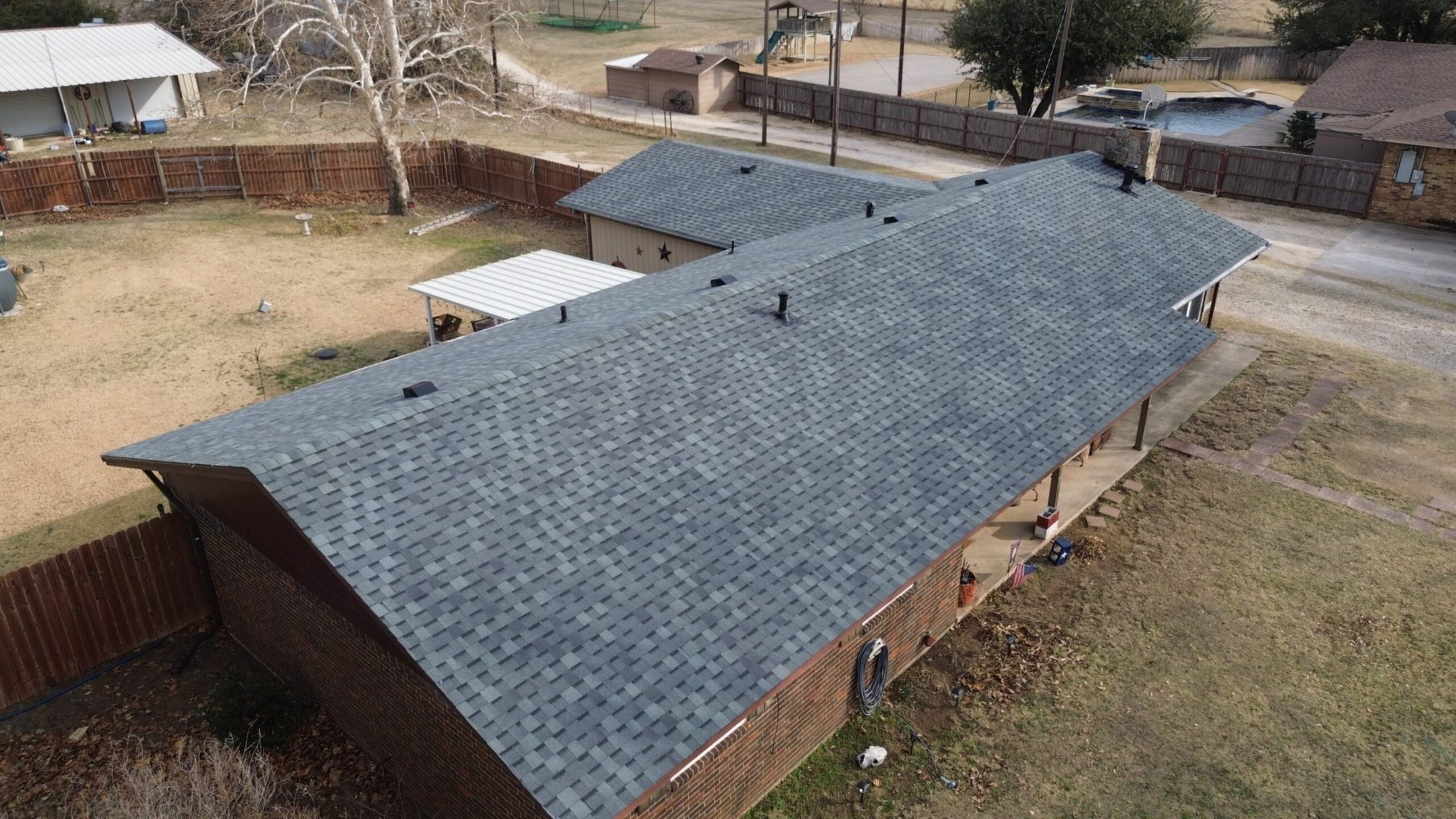
Roof inspections represent one of the most valuable investments homeowners can make, even when no visible damage is present. Although inspections involve an upfront cost, they frequently identify developing problems before expensive emergency repairs become necessary.
Professional inspectors evaluate far more than visible shingles. They examine flashing, ventilation systems, roof penetrations, gutters, underlayment, structural components, drainage patterns, and signs of moisture intrusion that homeowners may overlook during routine visual observations. This comprehensive assessment provides a clearer understanding of the roof’s overall condition.
Inspection costs vary depending on roof size, accessibility, inspection scope, and geographic location. Some inspections involve only visual evaluations, while others may include moisture detection technology, drone imaging, or detailed written reports. The level of detail influences both inspection quality and pricing.
Many homeowners schedule inspections after severe storms, before purchasing a home, or as part of routine preventive maintenance. Each situation serves a different purpose, but all provide valuable information that supports informed repair decisions and more accurate budgeting.
Inspection reports often help prioritize maintenance as well. Rather than repairing every minor issue immediately, homeowners can address the most urgent concerns first while planning future maintenance according to budget availability. This structured approach improves financial planning without neglecting important repairs.
Documentation generated during inspections may also prove valuable when filing insurance claims after storm damage. Detailed reports, photographs, and maintenance records establish the roof’s condition before the incident and support more efficient claims processing.
Viewed as a long-term investment, professional inspections often save considerably more money than they cost by identifying problems before extensive structural damage develops.
Early Detection Can Reduce Overall Repair Expenses
One of the most effective ways to control residential roof repair costs is to identify problems while they are still relatively small. Early detection allows homeowners to perform targeted repairs before water infiltration, structural deterioration, or material failure creates much larger restoration projects.
Minor warning signs should never be ignored. Loose shingles, cracked flashing, clogged gutters, ceiling stains, granules collecting in gutters, or small attic moisture spots often indicate developing problems that deserve prompt investigation. Addressing these concerns early typically requires far fewer materials and less labor than repairing widespread damage later.
Seasonal inspections contribute significantly to early detection. Examining the roof after major storms, heavy snowfall, or prolonged rainfall helps identify weather-related damage before additional exposure worsens the condition. Regular monitoring also allows homeowners to observe gradual changes that might otherwise go unnoticed.
Attic inspections provide another valuable opportunity to detect roofing issues before they affect interior living spaces. Damp insulation, water stains, mold growth, or visible daylight entering through the roof often indicate developing leaks that require immediate professional evaluation.
Preventive maintenance also plays an important role in reducing repair expenses. Cleaning gutters, removing roof debris, trimming overhanging branches, and replacing damaged sealants all contribute to preserving roof performance while reducing long-term maintenance costs.
Homeowners who prioritize early detection generally spend less on major repairs over the lifespan of their roof. Small investments in inspections and routine maintenance often prevent expensive structural restoration, making proactive care one of the most cost-effective approaches to residential roof ownership.
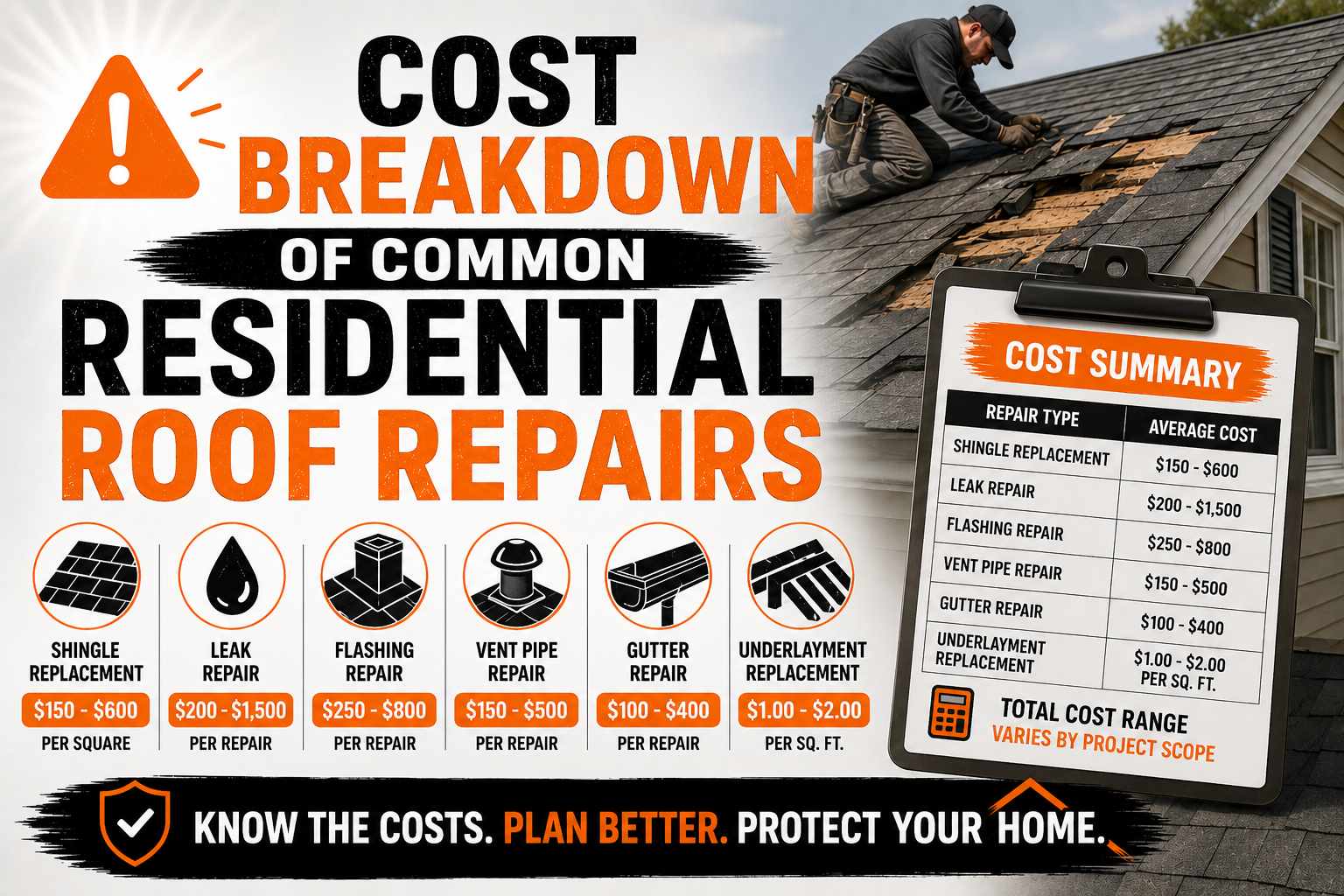
Cost Breakdown of Common Residential Roof Repairs
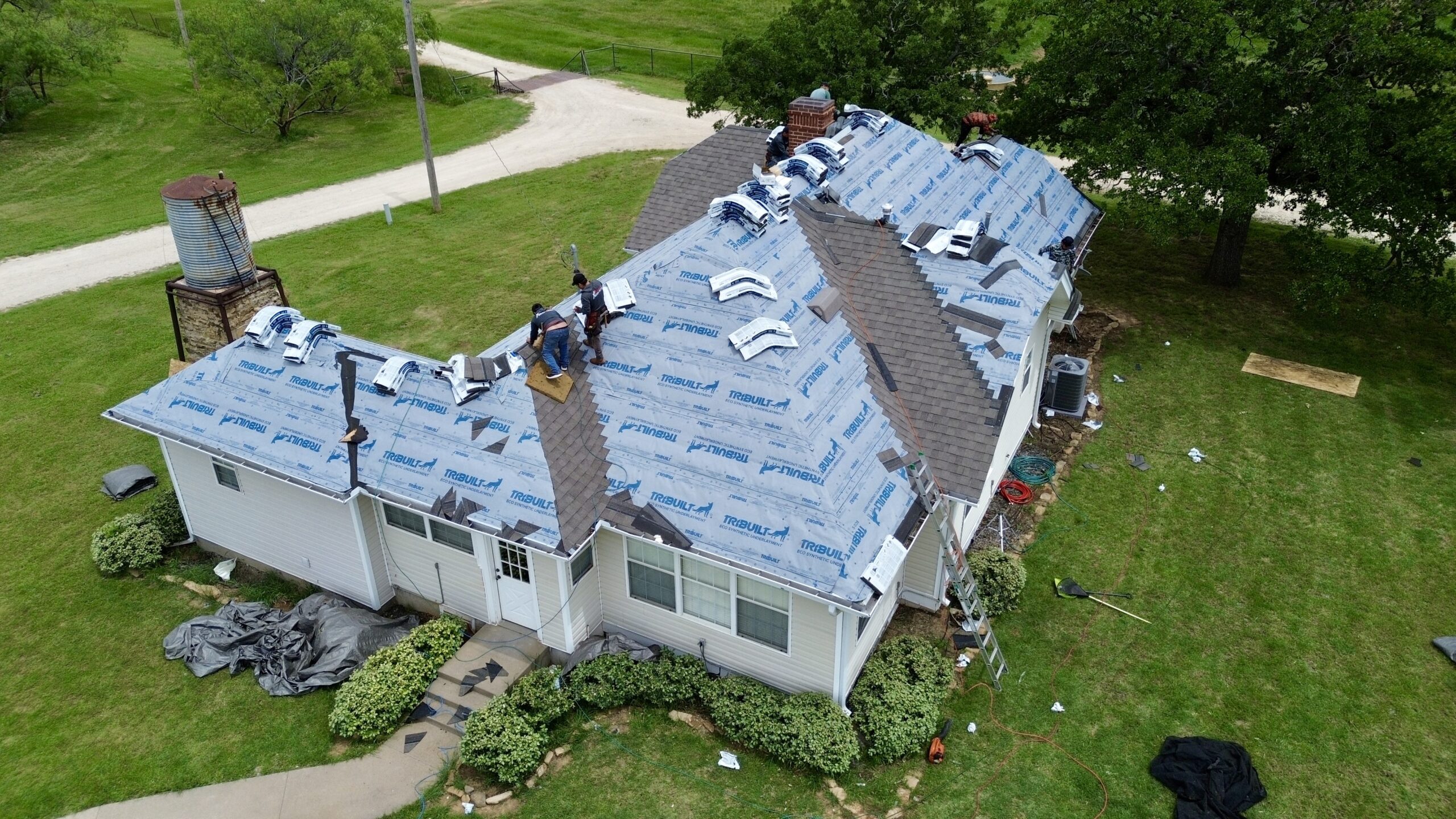
Residential roof repairs vary widely in cost because every roofing problem differs in size, severity, and complexity. While homeowners often expect a single standard price for common repairs, contractors evaluate several factors before preparing an estimate. The type of damage, roofing material, accessibility, labor requirements, and the amount of replacement material all contribute to the final cost.
Shingle replacement is one of the least complex repairs on most residential roofs. A few damaged shingles caused by wind or aging can often be replaced without disturbing the surrounding roofing system. However, if damage extends beneath the shingles into the underlayment or roof decking, additional labor and materials become necessary, increasing the overall repair cost.
Roof leak repairs are another frequently requested service. Locating the exact source of a leak is sometimes more challenging than completing the repair itself because water may travel beneath roofing materials before appearing inside the home. Contractors often spend considerable time inspecting flashing, valleys, vents, skylights, and roof penetrations before determining the appropriate repair method.
Flashing repairs vary depending on the location and extent of deterioration. Small gaps around chimneys or vent pipes may require resealing or replacing sections of flashing, while widespread corrosion or improper installation may require removing surrounding roofing materials to install new waterproof barriers correctly.
Roof vent repairs generally involve replacing damaged vent covers, repairing flashing, or correcting ventilation problems that contribute to excessive attic heat and moisture. Although these repairs often involve relatively small materials, proper installation remains important because poorly sealed vents frequently become recurring sources of leaks.
Gutter-related roof repairs may also be necessary when damaged or clogged drainage systems allow water to collect along roof edges. Repairing gutters, replacing downspouts, or improving drainage protects both the roof and the home’s foundation by directing water safely away from the structure.
Structural repairs represent some of the most extensive residential roofing projects. If moisture has damaged roof decking, rafters, or support components, contractors must repair these structural elements before installing new roofing materials. These repairs require additional labor, specialized materials, and careful inspection to ensure long-term stability.
Understanding the nature of each repair category helps homeowners recognize why project estimates can vary significantly even when two roofs appear to have similar visible damage.
Repair Costs for Different Roofing Materials
The roofing material installed on a home has a significant influence on future repair expenses. Each material offers different levels of durability, maintenance requirements, installation complexity, and replacement costs. Understanding these differences helps homeowners develop realistic expectations for long-term maintenance.
Asphalt shingles remain the most common residential roofing material because they balance affordability with reliable performance. Repairs are generally straightforward, replacement materials are widely available, and many contractors have extensive experience working with asphalt roofing systems. This combination often results in lower repair costs compared with premium roofing materials.
Metal roofing systems typically require fewer repairs because they resist many forms of weather-related damage. However, repairing metal panels often requires specialized tools and experienced installers who understand expansion, fastening systems, and waterproof sealing techniques. While repairs may cost more individually, the reduced maintenance frequency often offsets these higher costs over time.
Wood shake roofs require consistent maintenance because natural wood remains vulnerable to moisture, insects, and weathering. Damaged shakes must be replaced carefully to preserve proper water drainage and maintain the roof’s appearance. Routine inspections are particularly valuable for wood roofing because early intervention helps prevent widespread deterioration.
Clay and concrete tile roofs provide excellent longevity but require specialized repair techniques. Individual tiles can crack under impact or excessive foot traffic, and matching replacement tiles may sometimes be difficult to obtain. Contractors must remove and replace damaged tiles carefully to avoid disturbing surrounding sections of the roof.
Slate roofs are known for exceptional durability and architectural beauty. However, repairs require highly skilled professionals familiar with traditional slate installation methods. Because slate materials and specialized labor are both relatively expensive, homeowners with slate roofs generally benefit from maintaining larger repair budgets.
Synthetic roofing products continue to gain popularity because they often combine the appearance of premium materials with improved durability and easier maintenance. Repair requirements vary according to product type, but many modern synthetic materials are designed to simplify replacement while reducing long-term maintenance needs.
Rather than evaluating roofing materials solely by installation price, homeowners should consider lifetime ownership costs. Durability, maintenance frequency, repair complexity, and expected lifespan all contribute to the true long-term cost of a residential roof.
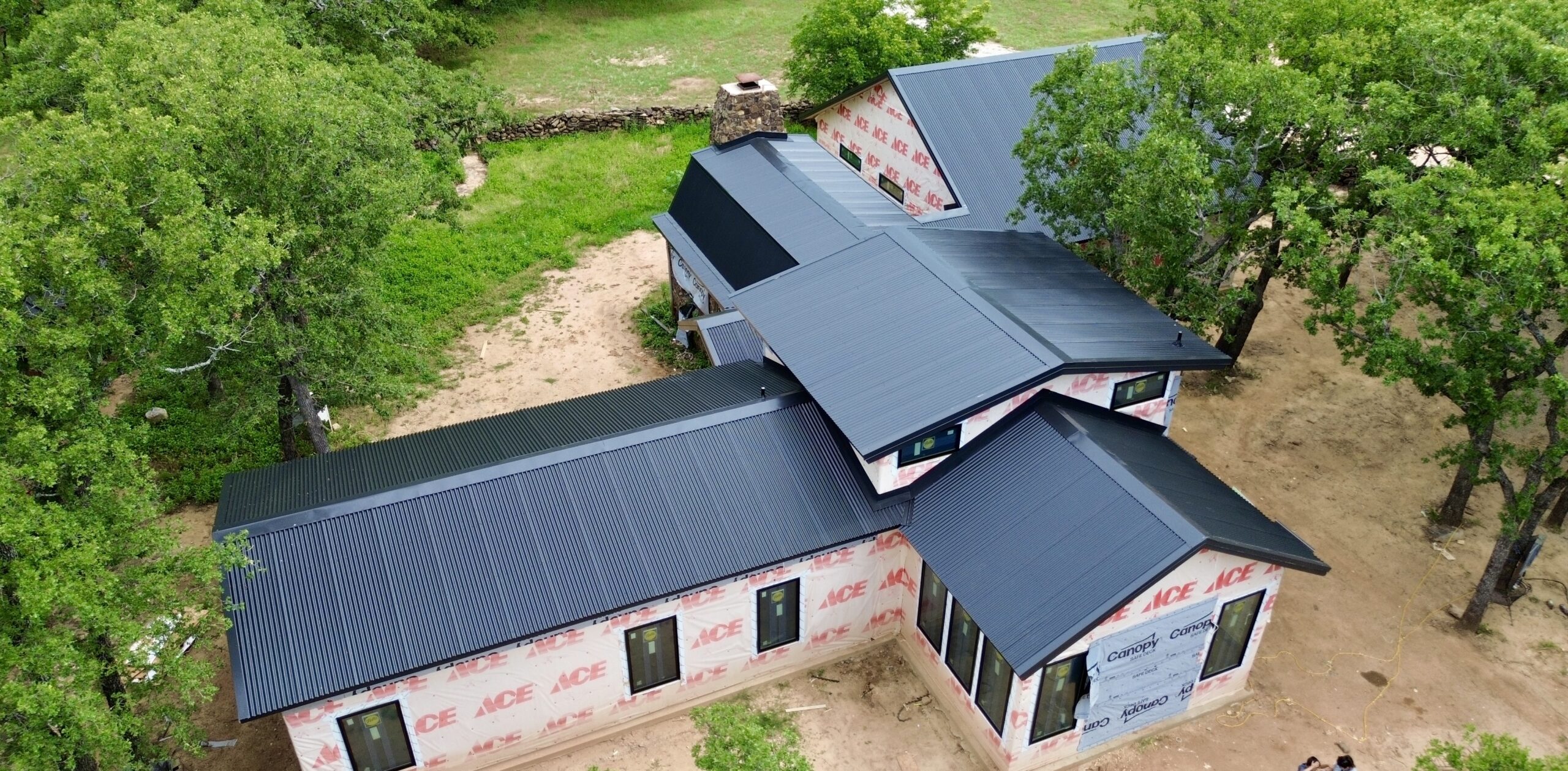
Table: Typical Residential Roof Repairs and Major Cost Factors
While exact repair costs differ from one project to another, understanding the primary factors that influence pricing allows homeowners to prepare more accurate maintenance budgets.
| Common Roof Repair | Primary Cost Factors | Budget Planning Consideration |
|---|---|---|
| Shingle replacement | Number of damaged shingles, roof pitch, material matching | Repair small areas promptly to prevent larger leaks |
| Roof leak repair | Leak location, hidden moisture damage, inspection time | Early detection usually lowers repair costs |
| Flashing repair | Material condition, surrounding roof removal, sealing requirements | Inspect flashing during routine maintenance |
| Roof vent repair | Vent type, flashing replacement, attic access | Proper ventilation reduces future roofing problems |
| Gutter repair | Drainage condition, gutter sections, downspout replacement | Clean gutters regularly to prevent overflow damage |
| Roof decking repair | Structural deterioration, moisture damage, material replacement | Address leaks before structural repairs become necessary |
| Valley repair | Water exposure, roofing material, installation complexity | Regular inspections help identify wear early |
| Storm damage repair | Extent of damage, emergency response, multiple repair areas | Maintain emergency savings for weather-related repairs |
This comparison demonstrates that repair pricing depends on much more than the damaged material itself. Labor complexity, accessibility, structural condition, and preventive maintenance history all influence the final project estimate.
How Weather Damage Changes Repair Costs
Weather is one of the leading causes of residential roof repairs, and the type of weather event often determines both the repair scope and the overall project cost. Unlike gradual aging, severe weather frequently creates multiple forms of damage simultaneously, requiring comprehensive inspections before repairs can begin.
High winds commonly lift or remove shingles, exposing the underlayment and roof decking beneath. Even if only a small number of shingles appear to be missing, contractors often inspect surrounding areas because loosened fasteners or partially damaged materials may fail during future storms.
Hail damage presents different challenges. Impacts may crack shingles, dent metal components, or weaken protective coatings without creating immediately visible leaks. Professional inspections are often necessary because hail damage may not become obvious until moisture begins penetrating the roofing system months later.
Heavy rainfall frequently exposes existing weaknesses rather than creating entirely new problems. Small cracks in flashing, deteriorated sealants, or aging roofing materials may allow water intrusion during prolonged storms. Identifying every affected area requires careful evaluation because water often travels before appearing inside the home.
Snow and ice introduce additional concerns in colder climates. Ice dams can prevent melting snow from draining properly, forcing water beneath roofing materials. Repeated freeze and thaw cycles also place stress on flashing, fasteners, and sealants, gradually increasing the likelihood of leaks.
Falling trees and large branches often produce the most severe weather-related roof damage. These incidents may involve structural repairs, decking replacement, insulation restoration, and interior water damage in addition to replacing roofing materials. Such projects generally require coordination between roofing contractors, insurance providers, and other restoration specialists.
Prompt inspections after major weather events help minimize repair costs by identifying damage before additional exposure worsens the condition.
Hidden Expenses Homeowners Should Expect
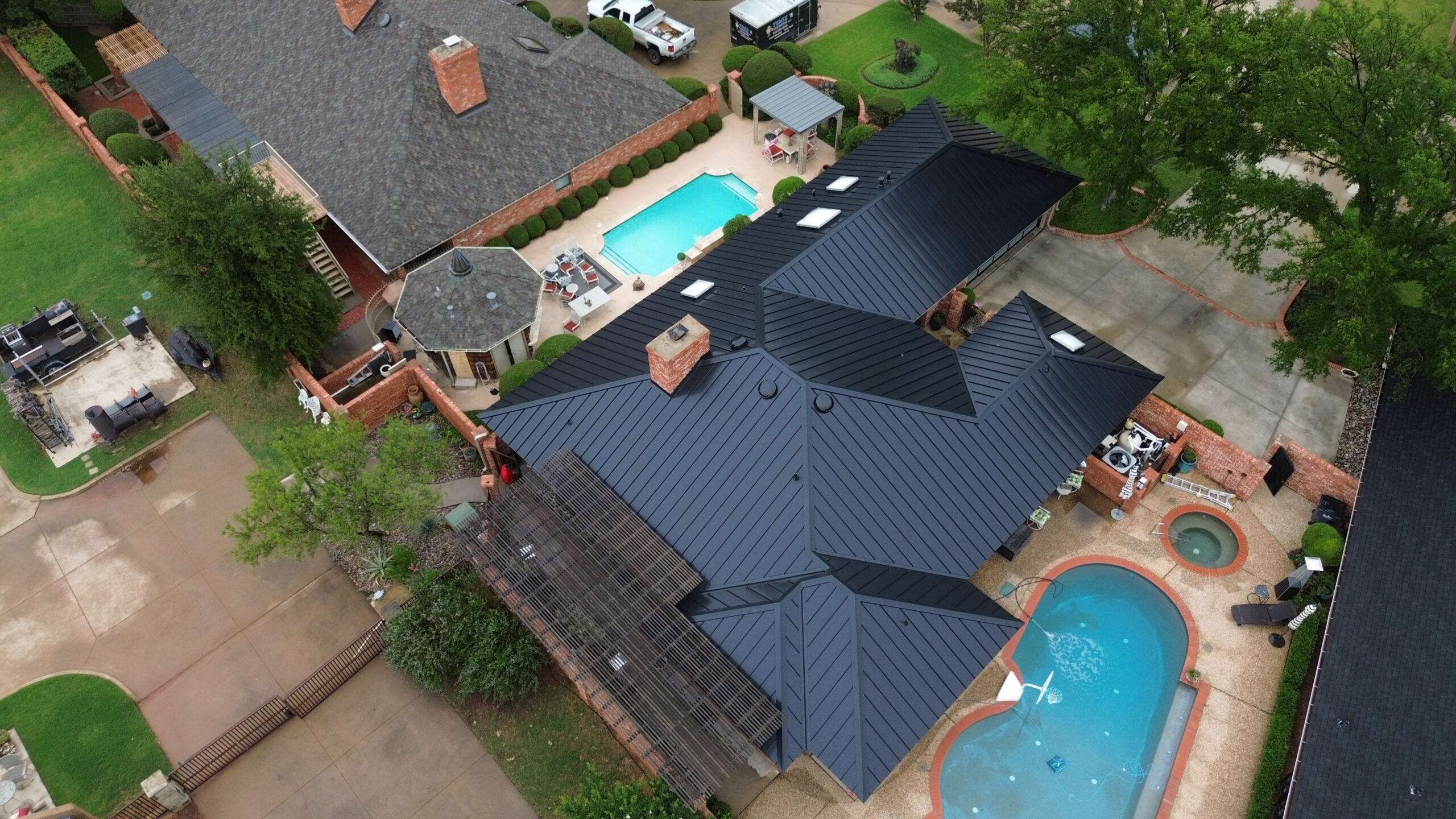
Many homeowners focus primarily on the visible roofing work when estimating repair costs. However, several hidden expenses frequently contribute to the overall project budget and should be considered during financial planning.
One common hidden cost involves moisture damage beneath the roofing surface. Water entering through damaged shingles may affect insulation, roof decking, rafters, or ceiling materials long before interior leaks become noticeable. Repairing these concealed problems often requires removing additional roofing materials beyond the visibly damaged area.
Interior restoration is another expense that homeowners sometimes overlook. Water damage may require drywall replacement, repainting, flooring repairs, insulation replacement, or electrical inspections after roofing work has been completed. These secondary repairs can substantially increase the total project cost.
Temporary protective measures may also become necessary. Emergency tarping, water extraction, temporary structural support, or protective coverings help prevent further damage while permanent repairs are being scheduled. Although temporary, these services contribute to the overall repair budget.
Permit fees and disposal costs should also be considered. Some municipalities require permits for specific roofing repairs, while damaged materials must be transported and disposed of according to local regulations. These administrative and disposal expenses are often included within contractor estimates but may not always be obvious to homeowners reviewing proposals.
Unexpected material shortages occasionally increase project costs as well. If discontinued roofing products or specialty materials are required, contractors may spend additional time locating suitable replacements or compatible alternatives. This process can affect both project timelines and material pricing.
Finally, temporary increases in household utility costs may occur if roofing damage affects insulation or ventilation before repairs are completed. Heating and cooling systems often work harder when the roofing system no longer provides adequate thermal protection.
Recognizing these hidden expenses allows homeowners to create more comprehensive repair budgets rather than planning only for the most visible aspects of the roofing project.
Repair Versus Replacement Cost Considerations
One of the most important financial decisions homeowners face is determining whether repairing an existing roof remains practical or whether replacement offers better long-term value. While repairs generally involve lower immediate costs, repeated maintenance on an aging roof may eventually exceed the benefits of preserving the existing system.
The age of the roof is an important starting point. Relatively new roofs with isolated damage often respond well to targeted repairs because most of the roofing system remains in good condition. Replacing only the damaged sections allows homeowners to restore performance without the significant expense of installing an entirely new roof.
Extensive or recurring damage presents a different situation. If leaks continue appearing in multiple locations or structural deterioration has become widespread, repeated repairs may provide only temporary improvements. In these cases, replacement may offer greater long-term reliability while reducing future maintenance costs.
Material availability also influences the decision. Older roofing products may no longer be manufactured, making it difficult to match replacement materials. When repairs produce inconsistent appearance or require extensive customization, replacement may become the more practical solution.
Energy efficiency should also be considered. Modern roofing systems often incorporate improved ventilation, underlayment, insulation compatibility, and weather-resistant materials that enhance household performance. Although replacement requires a larger initial investment, reduced maintenance and improved energy efficiency may offset some long-term costs.
Homeowners should discuss both options thoroughly with qualified roofing professionals. A detailed inspection helps determine whether repairs will provide dependable long-term performance or whether replacement represents the more cost-effective investment over the remaining life of the home.
Choosing a Contractor Without Overspending
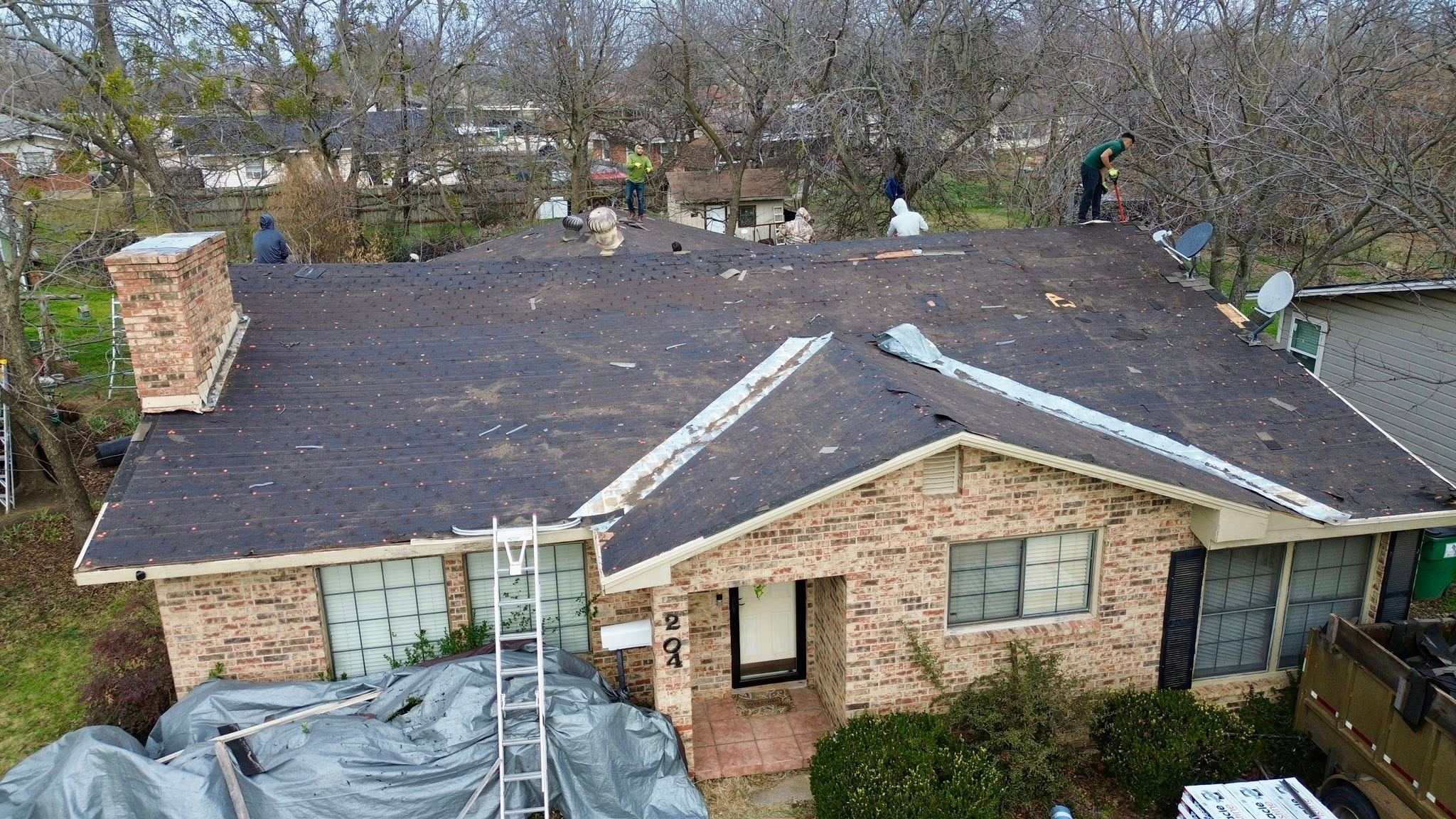
Selecting the right contractor is one of the most effective ways to control roof repair costs while maintaining high-quality workmanship. Careful evaluation helps homeowners avoid both unnecessary expenses and poor-quality repairs that may require correction later.
Obtaining several written estimates provides valuable insight into pricing differences, repair methods, material recommendations, and warranty coverage. Comparing detailed proposals helps homeowners understand exactly what each contractor intends to accomplish rather than focusing solely on the final price.
Experience with the specific roofing material is another important consideration. Contractors familiar with asphalt shingles may not necessarily specialize in slate, tile, or metal roofing systems. Choosing professionals with relevant experience often improves repair quality while reducing the likelihood of installation errors.
Communication also influences project success. Contractors who explain repair options, answer questions clearly, and provide transparent documentation help homeowners make informed decisions without unnecessary pressure. Clear communication reduces misunderstandings that could otherwise increase project costs.
Homeowners should also verify licensing, insurance coverage, and warranty details where applicable. Proper credentials provide additional confidence that repairs will meet professional standards while protecting both the contractor and homeowner during the project.
Finally, value should always take precedence over the lowest bid. High-quality materials, skilled workmanship, and dependable warranties frequently deliver greater long-term savings than choosing the least expensive estimate available. Investing in durable repairs often reduces future maintenance costs while extending the lifespan of the roofing system.
Ways to Reduce Residential Roof Repair Costs
Reducing roof repair costs begins long before damage appears. While weather events and aging cannot be completely avoided, homeowners can significantly lower long-term maintenance expenses through regular inspections, preventive care, and timely repairs. Small investments made throughout the life of the roof often prevent expensive structural restoration projects later.
Routine roof inspections are one of the most effective cost-saving measures. Having the roof inspected annually or after severe storms allows contractors to identify loose shingles, damaged flashing, clogged drainage systems, and minor leaks before they become major problems. Early repairs usually require fewer materials, less labor, and shorter project timelines.
Keeping gutters and downspouts clean also helps preserve the roofing system. Proper drainage prevents water from pooling near roof edges or backing up beneath shingles. Consistent water flow reduces the risk of leaks, wood rot, and moisture damage that could otherwise lead to costly repairs.
Tree maintenance provides another valuable form of protection. Trimming branches that extend over the roof reduces the likelihood of storm damage while minimizing debris accumulation. Falling branches and constant abrasion from overhanging limbs can gradually weaken roofing materials and increase maintenance requirements.
Homeowners should also address small warning signs immediately. Missing shingles, cracked sealant, ceiling stains, or moisture in the attic should never be ignored simply because the damage appears minor. Quick action usually limits repair costs while protecting the home’s structural integrity.
Selecting quality materials during previous repairs can also reduce future expenses. Durable products often provide better weather resistance and longer service life, decreasing the frequency of recurring maintenance. Although premium materials may require a higher initial investment, they often deliver greater long-term value.
Planning a Roof Repair Budget
Every homeowner benefits from including roof maintenance within an annual household budget. Waiting until an emergency occurs often results in financial stress because roof repairs usually require immediate attention. Planning ahead provides greater flexibility when choosing contractors, scheduling repairs, and selecting appropriate materials.
The first step is understanding the current condition of the roof. A professional inspection provides valuable information about remaining service life, existing wear, and areas that may require future maintenance. This assessment helps homeowners estimate how much should be reserved for upcoming repairs.
Monthly contributions to a dedicated home maintenance fund create financial stability over time. Rather than attempting to save a large amount after damage occurs, consistent savings gradually build an emergency reserve that can be used whenever unexpected repairs become necessary.
Homeowners should also consider inflation when planning future repair budgets. Roofing materials, labor costs, transportation, and construction supplies generally become more expensive over time. Reviewing savings goals annually helps ensure that emergency funds continue reflecting current market conditions.
Budget planning should also distinguish between routine maintenance and emergency repairs. Scheduled inspections, gutter cleaning, and minor sealant replacement are predictable expenses that should be included within the annual maintenance budget. Emergency funds should remain available for unexpected storm damage or major structural repairs.
Maintaining organized financial records further improves budgeting accuracy. Tracking previous repair costs, inspection reports, contractor invoices, and warranty information helps homeowners identify maintenance trends while supporting future financial planning.
Insurance and Residential Roof Repairs
Insurance often reduces the financial burden of residential roof repairs, but homeowners should clearly understand both the benefits and limitations of their coverage. Assuming every roofing problem will be covered can lead to unrealistic expectations and insufficient emergency savings.
Most homeowners insurance policies provide coverage for sudden and accidental damage caused by events such as hail, high winds, fire, or falling trees. When these covered events damage the roof, insurance may help pay for repairs after the deductible has been satisfied. The exact amount depends on policy terms, depreciation rules, and the extent of covered damage.
Normal wear, aging, neglect, and poor maintenance are generally excluded from standard insurance coverage. A roof that develops leaks due to deteriorated shingles or years of deferred maintenance will often require repairs funded entirely by the homeowner. This makes preventive maintenance an essential complement to insurance protection.
Documentation plays an important role in successful insurance claims. Homeowners should retain inspection reports, maintenance records, photographs, and receipts from previous repairs. These records demonstrate responsible roof maintenance and may simplify the claims process following qualifying storm damage.
Prompt reporting is equally important. Delaying an insurance claim after discovering storm damage may complicate inspections or create questions regarding the extent of additional deterioration. Contacting both the insurance provider and a qualified roofing contractor soon after the damage is discovered allows repairs to begin more efficiently.
Insurance should therefore be viewed as financial assistance rather than a replacement for responsible budgeting. Emergency savings remain necessary to cover deductibles, excluded repairs, and maintenance expenses that fall outside standard policy coverage.
Common Mistakes That Increase Repair Costs
Many residential roof repairs become more expensive because of avoidable mistakes rather than the original damage itself. Recognizing these common errors helps homeowners make better decisions that protect both their property and their finances.
One of the most costly mistakes is postponing repairs after discovering a leak or visible damage. Water rarely remains confined to one location once it enters the roofing system. Continued exposure allows moisture to spread through insulation, structural framing, drywall, ceilings, and electrical components, significantly increasing restoration costs.
Another mistake involves neglecting routine inspections. Without regular evaluations, developing problems often remain hidden until major damage has already occurred. Professional inspections provide early warning signs that allow repairs to remain relatively simple and affordable.
Choosing contractors solely based on the lowest estimate can also prove expensive over time. Low bids sometimes involve lower-quality materials, incomplete repairs, or limited warranty protection. Poor workmanship may require additional repairs much sooner than expected, increasing total ownership costs.
Attempting complex roof repairs without sufficient knowledge or proper safety equipment creates additional risks. Inexperienced repairs may fail to address the underlying problem while introducing new installation issues that require professional correction later. Safety hazards associated with roof work also make professional assistance the better option for many homeowners.
Ignoring attic ventilation is another frequently overlooked issue. Excessive heat and trapped moisture shorten the lifespan of roofing materials while increasing the likelihood of mold growth and wood deterioration. Proper ventilation protects the roofing system and contributes to lower long-term maintenance expenses.
Finally, many homeowners underestimate the value of maintenance documentation. Keeping organized records of inspections, repairs, warranties, and contractor information simplifies future maintenance planning and supports insurance claims when covered damage occurs.
Avoiding these common mistakes helps homeowners preserve roof performance while controlling repair costs throughout the life of the property.
Practical Tips for Managing Roof Repair Expenses
Developing good maintenance habits can make roof repairs more affordable and easier to manage over time.
- Schedule professional roof inspections at least once each year and after major storms.
- Repair minor damage promptly before it spreads into larger structural problems.
- Clean gutters and roof valleys regularly to maintain proper water drainage.
- Trim overhanging tree branches that could damage roofing materials during high winds.
- Maintain a dedicated emergency savings fund specifically for roof repairs.
- Keep copies of inspection reports, warranties, repair invoices, and insurance documents.
- Compare multiple written estimates before approving significant repair projects.
- Choose durable materials and experienced contractors for repairs that provide long-term value.
Following these practical recommendations helps homeowners reduce unexpected expenses while extending the overall lifespan of their roofing system.
Step by Step Approach Before Approving Roof Repairs
A structured decision-making process helps homeowners evaluate repair recommendations with greater confidence.
- Inspect the roof or arrange a professional inspection to identify the source and extent of the damage.
- Document visible damage with photographs and written notes for future reference and possible insurance claims.
- Obtain detailed written estimates from multiple qualified roofing contractors.
- Compare repair methods, materials, warranties, timelines, and overall value rather than focusing only on price.
- Review insurance coverage to determine whether the damage qualifies for reimbursement under the policy.
- Prioritize urgent repairs that could lead to additional structural damage if delayed.
- Confirm contractor credentials, licensing, insurance coverage, and warranty information before signing a contract.
- Schedule repairs promptly and retain all project documentation for future maintenance records.
Using a consistent evaluation process helps homeowners make informed financial decisions while ensuring repairs address both immediate damage and long-term roof performance.
Conclusion
Residential roof repairs are an inevitable part of homeownership, but understanding how repair costs are determined allows homeowners to prepare more effectively for future maintenance. From replacing damaged shingles and repairing flashing to addressing structural damage caused by severe weather, every repair project involves a combination of labor, materials, accessibility, and roof condition that influences the final cost. Recognizing these factors makes it easier to evaluate contractor estimates and develop realistic maintenance budgets.
The type of roofing material also plays a major role in long-term ownership costs. While asphalt shingles generally offer affordable repairs, materials such as slate, clay tile, metal, and wood shake require different maintenance approaches and specialized repair techniques. Considering lifetime maintenance requirements instead of focusing only on installation costs provides a more accurate picture of the true investment associated with each roofing system.
Preventive maintenance remains one of the most effective ways to control repair expenses. Regular inspections, prompt attention to minor damage, proper drainage, and routine roof care help identify developing problems before they become major structural concerns. These proactive measures often cost far less than repairing widespread water damage or replacing large portions of the roofing system after years of neglect.
Insurance can provide valuable financial assistance following covered events such as storms or falling trees, but it should not replace responsible budgeting. Deductibles, policy exclusions, and maintenance-related limitations mean homeowners should still maintain emergency savings for unexpected repairs. Combining insurance protection with consistent financial planning creates a stronger safety net when emergencies occur.
Ultimately, understanding the cost breakdown of common residential roof repairs empowers homeowners to make informed decisions rather than reacting under pressure. Careful budgeting, preventive maintenance, qualified contractors, and timely repairs work together to protect both the roof and the overall value of the home. By approaching roof maintenance as an ongoing investment instead of an occasional expense, homeowners can reduce long-term costs, improve property durability, and enjoy greater peace of mind for many years to come.