
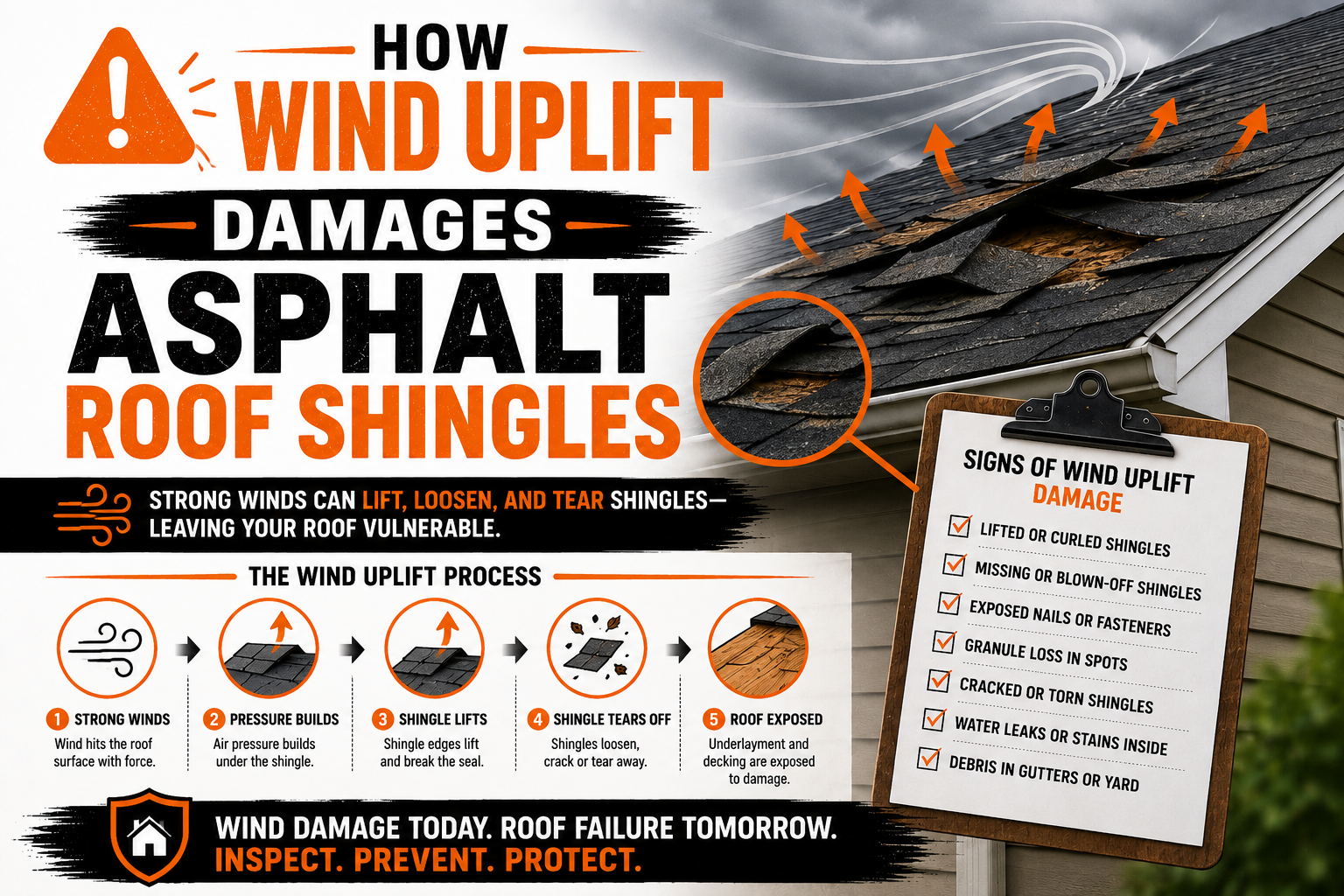
How Wind Uplift Damages Asphalt Roof Shingles
Introduction
Strong winds can place enormous stress on a roofing system, even when there is no visible storm damage on the ground. While many homeowners associate roof damage with heavy rain or hail, wind alone is capable of lifting asphalt shingles, weakening their protective seal, and creating pathways for future water intrusion. In many cases, the damage begins long before missing shingles become visible.
Wind uplift is one of the most common causes of asphalt shingle failure because it affects the roof gradually as well as suddenly. During high winds, air pressure changes around the roof surface generate lifting forces that attempt to separate shingles from the roof deck. Even if the shingles remain attached after the storm, repeated lifting weakens the roofing system over time.
One of the biggest challenges with wind damage is that it often goes unnoticed. A roof may appear perfectly normal when viewed from the ground, while individual shingles have already loosened, cracked, or lost their adhesive seal. These hidden weaknesses increase the likelihood of leaks during future storms and reduce the overall lifespan of the roof.
Every section of a roof experiences wind differently. Roof edges, corners, ridges, and valleys are exposed to varying pressure levels, making some areas more vulnerable than others. Understanding how wind uplift affects these different sections helps homeowners recognize where inspections should be focused after severe weather.
Asphalt shingles are designed to resist wind, but their performance depends on several factors. Proper installation, high-quality materials, roof age, ventilation, and regular maintenance all influence how well a roof withstands strong winds. Even a relatively new roof can experience wind uplift if installation defects or storm conditions exceed the roof’s design limits.
This guide explains how wind uplift develops, why asphalt shingles become vulnerable, the factors that increase the risk of damage, and the warning signs homeowners should never ignore. Understanding these concepts helps identify problems early and reduces the chance that minor wind damage will develop into expensive roof repairs.
What Is Wind Uplift and Why It Matters
Wind uplift refers to the lifting force created when fast-moving air passes over a roof. As wind speeds increase, air pressure above the shingles becomes lower than the pressure beneath them. This pressure difference creates an upward force that attempts to pull shingles away from the roof surface.
The effect is similar to air flowing over an airplane wing. Differences in air pressure generate lifting forces that, in the case of a roof, work against the fasteners and adhesive strips holding each shingle in place. While asphalt shingles are manufactured to resist these forces, no roofing material is completely immune to extreme weather.
Wind uplift does not always remove shingles immediately. In many situations, the first stage of damage involves only slight movement. A shingle may lift briefly during a gust before settling back into place, making the roof appear undamaged after the storm has passed.
Repeated lifting gradually weakens the adhesive bond between overlapping shingles. Once this seal breaks, the affected shingle becomes much easier for future winds to lift again. Every storm places additional stress on the weakened section until visible damage eventually occurs.
Wind uplift also allows rainwater to reach areas beneath the shingles that normally remain dry. Even if the shingles stay attached, lifting exposes underlayment and roof decking to moisture, increasing the risk of leaks and hidden structural damage.
The financial impact of wind uplift extends beyond replacing missing shingles. Roof leaks, damaged insulation, weakened decking, interior ceiling repairs, and mold remediation may all become necessary if water continues entering through wind-damaged sections.
Understanding wind uplift is important because many forms of damage remain invisible from the ground. Early inspections after severe wind events often identify problems before they become much more expensive to repair.
How Asphalt Roof Shingles Resist Wind Forces
Modern asphalt shingles are engineered to withstand significant wind exposure under normal conditions. Several design features work together to keep shingles securely attached while maintaining the roof’s ability to shed water efficiently.
One of the most important features is the adhesive strip located on each shingle. During warm weather, sunlight activates this sealant, bonding one shingle to the next. This adhesive connection helps prevent wind from lifting the edges of individual shingles.
Roofing nails provide the primary mechanical attachment. Properly installed nails penetrate through the shingles and into the roof decking, securing each course against uplift forces. Correct nail placement is critical because nails driven too high or too low reduce the shingle’s wind resistance.
The overlapping arrangement of shingles also contributes to wind performance. Each course covers part of the row beneath it, creating multiple protective layers that distribute wind loads across the roofing system. This design reduces direct exposure of fasteners while improving water resistance.
Roof underlayment serves as a secondary barrier beneath the shingles. Although its primary purpose is moisture protection, quality underlayment also helps limit water intrusion if wind temporarily lifts or removes shingles during severe weather.
Roof decking provides the structural foundation supporting the entire roofing system. Strong, properly secured decking helps roofing nails maintain their holding strength under repeated wind loading. Weak or deteriorated decking reduces the effectiveness of the entire roof assembly.
Manufacturers also test shingles to meet specific wind resistance standards. Higher-rated products generally perform better during strong storms, provided they are installed according to manufacturer recommendations. Installation quality remains just as important as material quality.
Ventilation indirectly supports wind resistance as well. Proper attic ventilation helps regulate roof temperatures, reducing excessive heat buildup that may accelerate the aging of asphalt shingles and their adhesive seals. Healthier shingles maintain stronger wind performance over time.
Every component of the roofing system contributes to resisting uplift forces. When one element fails, such as deteriorated adhesive strips or incorrectly placed nails, the entire roof becomes more vulnerable during high winds.
How Wind Uplift Begins
Wind uplift rarely starts with dramatic damage. Instead, it usually begins with small changes that gradually weaken the roofing system over multiple storms. Understanding these early stages helps homeowners recognize problems before major repairs become necessary.
The process often starts when strong winds flow over the roof surface at high speed. Air moving across the shingles creates low pressure above the roof while normal air pressure remains beneath the shingles. This pressure difference encourages the leading edge of the shingle to lift slightly.
If the adhesive seal is strong, the shingle usually returns to its original position once the wind subsides. However, repeated lifting places stress on both the adhesive strip and the roofing nails holding the shingle in place. Over time, these components begin losing their effectiveness.
Older shingles are especially vulnerable because asphalt naturally becomes less flexible with age. As shingles stiffen, they become more likely to crack when lifted by wind rather than bending and returning to their original shape.
Temperature also affects wind uplift. During colder weather, asphalt shingles become more brittle and less capable of flexing under wind pressure. Warm temperatures soften adhesive strips, but aging or damaged sealants may no longer provide adequate bonding.
Wind direction influences which sections of the roof experience the greatest forces. Roof edges, corners, and ridges often encounter the strongest uplift because airflow changes rapidly around these locations. Damage commonly begins in these exposed areas before spreading elsewhere.
Small imperfections accelerate the process. Slightly lifted shingles, minor installation defects, cracked sealant, or loose fasteners all make it easier for wind to gain access beneath the roofing material. Once air enters underneath, uplift forces increase significantly.
Eventually, repeated wind events weaken the roofing system enough that shingles remain partially lifted even after calm weather returns. These loosened shingles become increasingly susceptible to future storms and often represent the first visible stage of wind damage.
Factors That Increase Wind Uplift Damage
Although every asphalt roof experiences wind exposure, certain conditions significantly increase the likelihood of wind uplift damage. Recognizing these risk factors allows homeowners to take preventive measures before severe weather arrives.
Roof age is one of the most important considerations. As asphalt shingles grow older, their flexibility decreases while adhesive seals gradually weaken. Older roofs therefore require more careful inspections following periods of strong wind.
Installation quality also plays a major role. Incorrect nail placement, insufficient fasteners, poorly aligned shingles, or improperly sealed starter strips reduce the roof’s resistance to uplift forces. Even high-quality shingles cannot perform as intended if they are installed incorrectly.
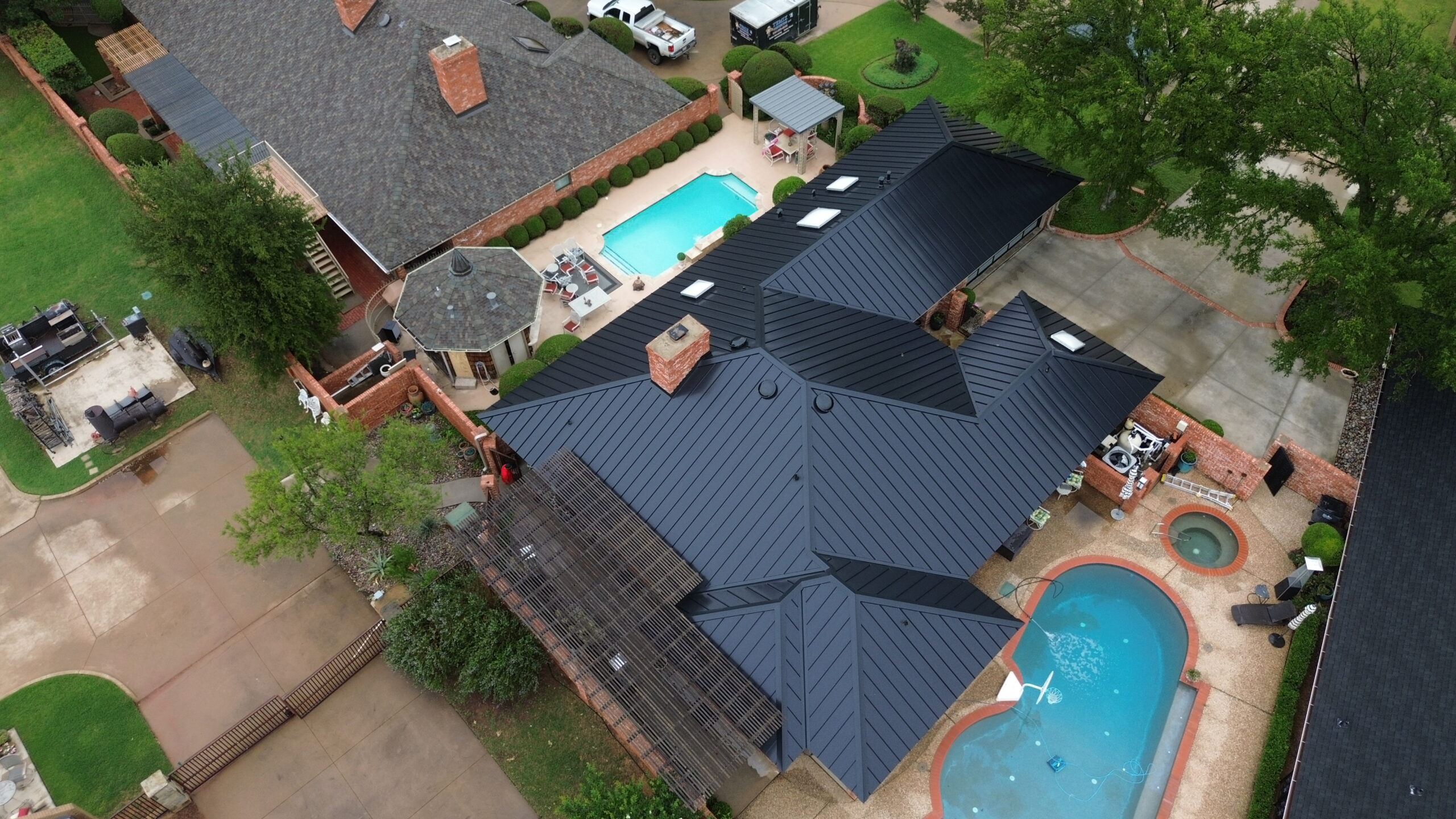
Roof design influences wind behavior as well. Complex roof shapes with multiple valleys, dormers, ridges, and intersecting slopes create changing airflow patterns that increase uplift pressure in certain areas. These locations often experience damage before flatter roof sections.
Roof pitch affects how wind moves across the surface. Steeper roofs may experience stronger uplift forces along edges and ridges, while lower slopes allow wind to flow differently across the roofing materials. Every roof design creates unique pressure zones.
Surrounding terrain also changes wind exposure. Homes located on hills, open fields, coastal regions, or elevated areas often experience stronger and more consistent winds than homes protected by nearby buildings or mature trees.
Trees themselves can create additional risks during storms. While they may reduce direct wind exposure, falling branches and airborne debris frequently damage shingles, creating openings where future wind uplift begins more easily.
Poor maintenance increases vulnerability over time. Loose shingles, deteriorated flashing, clogged gutters, and neglected roof repairs all weaken the roofing system, making it less capable of resisting strong winds.
Previous storm damage should never be overlooked. A roof that has already experienced minor uplift or partial shingle damage may appear normal but often contains weakened adhesive bonds that fail more easily during future wind events.
Manufacturer specifications also matter. Asphalt shingles are available with different wind resistance ratings, and selecting products suited to local weather conditions provides additional protection. However, even the highest-rated shingles require proper installation and ongoing maintenance to perform effectively.
Early Warning Signs of Wind-Damaged Asphalt Shingles
Wind uplift often produces subtle warning signs before widespread roof damage becomes obvious. Learning to recognize these early indicators allows homeowners to arrange repairs before water intrusion and structural deterioration begin.
One of the first signs is slightly lifted shingle edges. Although the shingles may still appear attached, raised corners or edges often indicate that the adhesive seal has already failed. These areas become increasingly vulnerable during future storms.
Creased shingles are another common indicator. When wind bends a shingle beyond its normal flexibility, a visible crease may form across the surface. This weakens the shingle permanently, even if it remains attached to the roof.
Missing granules can also signal wind-related wear. As shingles lift and move repeatedly, protective granules may become dislodged, exposing the asphalt beneath to faster weathering and ultraviolet damage.
Loose ridge cap shingles deserve immediate attention because ridge lines experience some of the strongest wind forces on the roof. Damaged ridge shingles often represent the beginning of broader wind uplift problems.
Visible nail heads occasionally appear after shingles shift slightly out of position. Exposed fasteners create additional opportunities for water intrusion while indicating that the roofing system has already experienced movement.
Homeowners should also inspect gutters and the ground around the house after windstorms. Finding pieces of shingles, roofing granules, or broken roofing materials often suggests that the roof has sustained storm damage even if missing shingles are not immediately visible.
Interior warning signs may develop later if wind damage allows water to enter the roof. Ceiling stains, damp attic insulation, musty odors, or visible moisture on roof decking frequently indicate that lifted shingles have already compromised the roof’s waterproof barrier.
Not every wind-damaged roof displays dramatic symptoms immediately. Small changes in shingle position, adhesion, or surface condition often represent the earliest stage of failure. Prompt inspections following severe wind events help identify these hidden problems before they progress into larger roofing repairs.
How Wind Uplift Damages Different Parts of a Roof
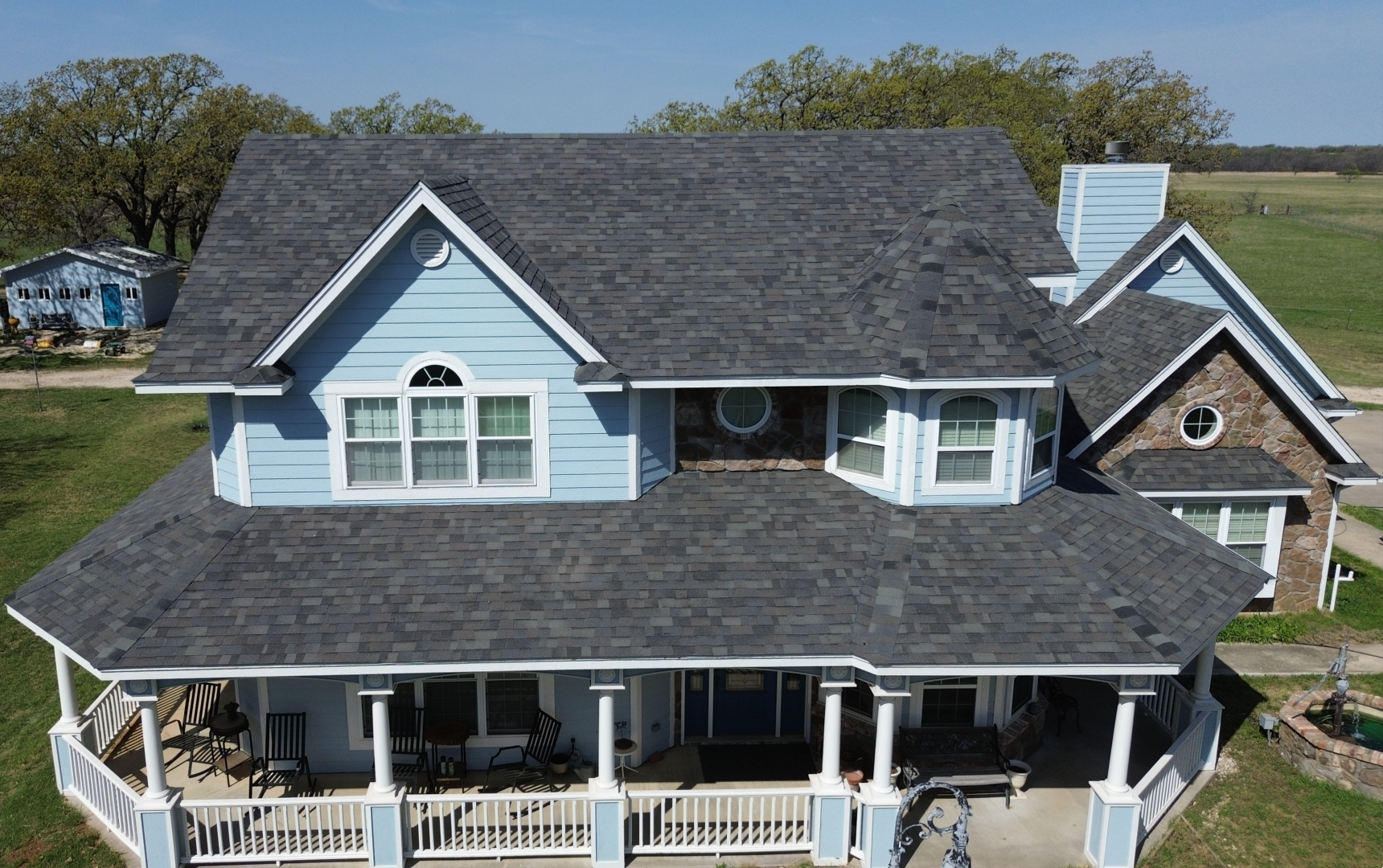
Wind does not affect every section of a roof equally. Airflow changes as it moves around the home, creating areas where pressure is much stronger than others. Understanding these pressure zones helps explain why certain sections of a roof experience damage before the rest of the roofing system.
Roof edges are among the most vulnerable areas during high winds. As wind flows over the edge of the roof, pressure changes rapidly and creates strong uplift forces beneath the first row of shingles. If the starter strip or edge shingles have weakened adhesive seals, they may begin lifting long before damage appears elsewhere.
Roof corners experience even greater wind pressure because they are exposed to airflow coming from multiple directions. Wind accelerates around these corners, increasing the lifting force on nearby shingles. For this reason, missing shingles are often first discovered near roof corners after severe storms.
The roof ridge is another high-risk location. Air moving up both sides of the roof converges near the ridge, creating turbulence that places repeated stress on ridge cap shingles. Loose ridge shingles can eventually expose underlying roofing materials to moisture and additional wind damage.
Roof valleys collect large volumes of rainwater, but they also experience unique airflow patterns. While valleys are generally less exposed than roof edges, damaged valley shingles or flashing become vulnerable if wind-driven rain reaches beneath lifted roofing materials.
Dormers, chimneys, skylights, and roof penetrations interrupt the smooth flow of air across the roof. These interruptions create localized pressure changes that increase the likelihood of uplift around flashing and adjacent shingles. Even small lifting in these areas can eventually allow water to enter the roof.
Steep roof sections often experience stronger uplift because wind accelerates as it travels upward. Although modern shingles are designed to resist these forces, repeated exposure gradually weakens adhesive bonds, especially on aging roofs.
Roof sections facing prevailing winds generally experience more stress than protected areas. Over many years, the side of the roof exposed to the strongest seasonal winds may show signs of deterioration sooner than other slopes.
Understanding these pressure zones allows homeowners and roofing professionals to focus inspections on the areas most likely to experience early wind damage.
Progressive Stages of Wind Uplift Damage
Wind uplift rarely causes complete roof failure during a single event. In most cases, damage develops gradually through several stages, with each storm increasing the severity of the problem. Recognizing these stages allows repairs to be completed before structural damage occurs.
The first stage often involves temporary lifting. Strong gusts briefly raise the edge of a shingle before it settles back into place. Although no visible damage may remain after the storm, repeated movement begins weakening the adhesive seal beneath the shingle.
As the adhesive bond deteriorates, shingles begin lifting more easily during future storms. At this stage, homeowners may notice slightly raised edges or corners even though the shingles remain securely fastened with nails.
The third stage involves permanent deformation. Repeated bending creates visible creases across the surface of the shingle. Once creased, asphalt shingles rarely regain their original strength because the internal reinforcement has already been compromised.
Granule loss typically increases as shingles continue moving. Protective mineral granules gradually separate from the asphalt surface, reducing resistance to ultraviolet radiation and accelerating the aging process.
Eventually, roofing nails begin carrying most of the uplift load because the adhesive seal has failed. Continuous wind movement places increasing stress on the nail holes, allowing them to enlarge over time. This movement weakens the connection between the shingle and the roof deck.
During later stages, shingles may crack around nail locations or tear completely away from the roof. Missing shingles expose underlayment directly to sunlight, wind, and rain, greatly increasing the risk of leaks.
If repairs continue to be delayed, surrounding shingles become more vulnerable as well. Wind flowing beneath missing or lifted shingles easily reaches adjacent roofing materials, causing damage to spread across a larger section of the roof.
By the final stage, the roof no longer provides reliable protection against weather. Water intrusion, damaged decking, wet insulation, and interior ceiling stains often follow shortly after widespread wind uplift develops.
Structural Problems Caused by Loose or Lifted Shingles
Loose shingles may seem like a relatively small roofing issue, but they often create conditions that affect much more than the roof covering itself. Once shingles begin lifting repeatedly, several structural components become exposed to moisture and weather.
Underlayment is the first protective layer affected after shingles lift. Although underlayment provides temporary water resistance, it is not intended for long-term exposure to sunlight and severe weather. Extended exposure gradually reduces its effectiveness.
Roof decking becomes vulnerable once water bypasses damaged shingles. Wood-based decking absorbs moisture over time, allowing it to soften, swell, and gradually lose structural strength. Repeated wetting and drying cycles accelerate deterioration.
Wood framing beneath the roof may also become affected. Rafters and trusses exposed to continuous moisture slowly weaken as water spreads through the roofing system. Although this damage develops gradually, it can eventually influence the stability of the roof structure.
Insulation located beneath the roof deck absorbs moisture that enters through wind-damaged areas. Wet insulation loses much of its thermal performance, increasing heating and cooling costs while creating favorable conditions for mold growth.
Metal fasteners securing the roofing system can begin corroding after repeated moisture exposure. Rust weakens nails, screws, and structural connectors, reducing the roof’s ability to resist future wind events.
Interior ceiling materials often become damaged after prolonged roof leaks. Drywall absorbs moisture quickly, leading to staining, peeling paint, bubbling finishes, and eventual sagging if repairs are delayed.
Moisture traveling through wall cavities may eventually affect flooring, trim, and other interior finishes. What began as minor wind uplift can therefore develop into a comprehensive restoration project involving several areas of the home.
These structural consequences illustrate why prompt repairs are essential. Replacing a few damaged shingles early is almost always less expensive than restoring structural components after water has entered the building.
The Role of Roof Age, Installation Quality, and Weather
Several factors determine how well asphalt shingles resist wind uplift throughout their lifespan. While severe storms create the immediate stress, the condition of the roofing system largely determines whether damage occurs.
Roof age plays one of the most significant roles. Asphalt shingles naturally become less flexible as they age because prolonged exposure to sunlight gradually hardens the asphalt. Older shingles are more likely to crack or crease when lifted by strong winds.
The adhesive strip also changes over time. New shingles form a strong bond once properly sealed, but aging reduces the adhesive’s ability to hold shingles together. Weakened seals allow wind to lift shingles much more easily.
Installation quality remains equally important. Correct nail placement, proper starter strip installation, accurate shingle alignment, and manufacturer-approved fastening methods all contribute to wind resistance. Small installation errors can significantly reduce roof performance during storms.
The quality of roofing materials also matters. Premium asphalt shingles generally include stronger reinforcement, improved adhesive technology, and higher wind resistance ratings than basic products. Selecting materials appropriate for local weather conditions provides additional protection.
Climate influences long-term roof durability as well. Homes located in hurricane-prone regions, coastal environments, open plains, or mountain areas experience more frequent high winds than homes in sheltered locations. Roofing systems in these regions often require closer monitoring.
Temperature extremes further affect performance. Cold weather makes shingles more brittle, while prolonged heat accelerates aging and gradually weakens adhesive strips. Seasonal temperature changes contribute to the natural wear experienced by every asphalt roof.
Maintenance practices also influence wind resistance. Prompt replacement of damaged shingles, regular gutter cleaning, flashing inspections, and routine roof maintenance help preserve the integrity of the roofing system throughout its lifespan.
When these factors work together, a roof remains much more capable of resisting severe weather. When several weaknesses exist simultaneously, even moderate wind events may produce noticeable uplift damage.
How Wind Damage Leads to Roof Leaks
One of the most serious consequences of wind uplift is the increased likelihood of roof leaks. Water rarely enters immediately after the first shingle lifts. Instead, the process develops gradually as repeated wind exposure creates larger openings within the roofing system.
Initially, lifted shingles allow wind-driven rain to reach areas beneath the roof covering. During calm weather, these openings may remain dry, creating the impression that no damage has occurred. However, storms with strong winds often push water into spaces that would normally remain protected.
Underlayment provides temporary defense once water bypasses the shingles. Although it helps delay water intrusion, prolonged exposure gradually reduces its ability to keep moisture out of the roof structure.
Roof decking becomes the next material exposed to moisture. Repeated rainfall allows wood to absorb water, creating damp conditions that spread through nearby insulation and framing. These hidden changes often occur long before interior ceiling stains become visible.
Water rarely travels straight downward after entering the roof. Instead, it follows decking, rafters, nails, and framing members before eventually reaching ceilings or walls. This movement often makes locating the original leak much more difficult than expected.
As moisture spreads, insulation becomes saturated and loses much of its energy-saving capability. Damp insulation also retains moisture for extended periods, creating favorable conditions for mold growth and wood deterioration.
Interior warning signs eventually appear as ceiling stains, peeling paint, musty odors, or dripping water. By the time these symptoms become visible, the roof leak has often been active for several weeks or months.
Early repair of wind-damaged shingles greatly reduces the risk of these secondary problems. Restoring the roof’s protective barrier before water enters the structure remains the most effective way to prevent widespread damage.
| Wind Damage Level | Typical Shingle Condition | Potential Consequences |
|---|---|---|
| Minor | Slightly lifted edges or weakened adhesive | Increased vulnerability during future storms |
| Moderate | Creased shingles and partial granule loss | Reduced wind resistance and possible water intrusion |
| Significant | Loose, cracked, or partially detached shingles | Active roof leaks and underlayment exposure |
| Severe | Missing shingles and exposed roof decking | Structural moisture damage and interior leaks |
| Critical | Widespread roofing failure across multiple sections | Extensive roof repairs and possible structural restoration |
Understanding how wind uplift progresses helps homeowners appreciate why even small signs of damage deserve attention. In the final part, we will discuss how homeowners should respond after windstorms, preventive maintenance strategies that reduce wind uplift, the essential steps to take following severe winds, best practices for protecting asphalt shingle roofs throughout the year, frequently asked questions, and a complete conclusion that brings the entire guide together.
How Homeowners Should Respond After Wind Damage
Strong winds may pass quickly, but the effects on a roof can last for years if damage is not addressed promptly. Even when there are no obvious signs of missing shingles, it is important to inspect the roof after significant wind events. Early action helps prevent small problems from developing into costly structural repairs.
Begin with a visual inspection from the ground. Walk around the property and look for lifted shingles, uneven roof lines, missing ridge caps, or pieces of roofing material that may have fallen into the yard. Binoculars can help provide a closer view without the need to climb onto the roof.
Check gutters and downspouts for an unusual amount of roofing granules. While some granule loss is normal over time, a large accumulation after a windstorm may indicate that shingles have experienced significant movement or surface damage. Granule loss reduces the protective layer that shields shingles from sunlight and weather.
If it is safe to access the attic, inspect the underside of the roof for signs of water intrusion. Damp insulation, water stains on roof decking, or visible daylight entering through the roof may indicate that wind damage has already compromised the roofing system. These signs should never be ignored, even if the roof appears normal from outside.
Avoid walking directly on the roof unless you have the proper experience and safety equipment. Wind-damaged shingles may be loose or brittle, increasing the risk of personal injury and additional roof damage. A professional inspection is often the safest and most effective option.
Document visible damage with photographs before arranging repairs. Images of lifted shingles, damaged flashing, fallen debris, or interior moisture provide useful records of the roof’s condition. Keeping documentation also helps monitor changes if additional inspections become necessary.
Do not postpone repairs simply because the roof is not actively leaking. Wind damage often weakens the roofing system without allowing immediate water intrusion. Future storms may take advantage of these weakened areas, creating leaks that could have been prevented through timely maintenance.
Prompt repairs restore the roof’s ability to resist future wind events. Replacing damaged shingles, resecuring loose roofing materials, and correcting flashing issues all contribute to maintaining a strong and reliable roofing system.
Preventing Wind Uplift Damage Through Proper Roof Maintenance
While no roof is completely immune to severe weather, regular maintenance significantly reduces the likelihood of wind uplift damage. A well-maintained roof retains stronger adhesive seals, secure fasteners, and better overall structural integrity throughout its service life.
Routine roof inspections should be scheduled at least once or twice each year. These inspections help identify loose shingles, deteriorating flashing, damaged sealants, and other developing issues before they become vulnerable to high winds. Seasonal inspections are especially valuable before periods known for severe weather.
Replacing damaged shingles promptly is one of the most effective preventive measures. Even a single loose or cracked shingle creates an opportunity for wind to reach the layers beneath the roof. Addressing these small defects early prevents damage from spreading during future storms.
Gutters should also remain clean throughout the year. Proper drainage reduces water accumulation along roof edges, helping preserve the condition of shingles and roof decking. Overflowing gutters can accelerate deterioration that eventually weakens the roof’s resistance to wind.
Tree maintenance provides another important layer of protection. Trimming branches that extend above the roof reduces the risk of impact damage during storms while limiting the amount of debris that collects on the roof surface. Healthy trees combined with proper maintenance create a safer environment for the roofing system.
Attic ventilation also supports long-term roof performance. Balanced airflow helps regulate roof temperatures, slowing the aging of asphalt shingles and preserving adhesive performance. Well-ventilated attics contribute to longer-lasting roofing materials and improved energy efficiency.
Professional inspections become increasingly valuable as the roof ages. Experienced roofing professionals can identify subtle signs of wind uplift that homeowners may overlook. Detecting weakened shingles early often prevents more extensive repairs after future storms.
Consistent maintenance not only extends the lifespan of asphalt shingles but also improves the roof’s ability to withstand challenging weather conditions. Investing time in preventive care usually costs far less than repairing widespread wind damage later.
Steps to Take After a Windstorm
After strong winds have passed, following a structured inspection process helps homeowners identify potential roofing problems while avoiding unnecessary risks.
- Walk around the property and look for missing shingles, ridge caps, flashing, or roofing debris on the ground.
- Examine the roof from a safe location using binoculars if necessary to identify lifted or uneven shingles.
- Check gutters and downspouts for excessive roofing granules or storm debris.
- Inspect ceilings and attic spaces for water stains, damp insulation, or signs of active leaks.
- Photograph all visible damage before making temporary repairs or arranging professional inspections.
- Remove fallen branches or debris from around the home if it can be done safely without climbing onto the roof.
- Schedule a professional roof inspection whenever wind damage is suspected, even if leaks have not yet developed.
Following these steps helps identify hidden problems before additional storms create more extensive damage. A systematic approach also reduces the chance of overlooking subtle warning signs.
Best Practices for Protecting Asphalt Shingle Roofs
Long-term roof protection depends on consistent maintenance and careful attention to developing issues. A few practical habits throughout the year greatly improve the roof’s ability to resist wind uplift.
The following practices help protect asphalt shingle roofs from wind-related damage:
- Inspect the roof before and after severe weather seasons.
- Replace damaged or loose shingles without unnecessary delay.
- Keep gutters and downspouts free of leaves and debris.
- Trim tree branches that hang directly over the roof.
- Check flashing around chimneys, skylights, and roof penetrations regularly.
- Monitor the attic for moisture, daylight, or signs of water intrusion.
- Arrange periodic professional roof inspections, especially for older roofs.
- Address even minor wind damage before the next storm arrives.
These preventive measures strengthen the roofing system while reducing the likelihood of expensive structural repairs. Consistent maintenance also extends the useful life of asphalt shingles and improves the home’s overall weather protection.
Frequently Asked Questions
What is wind uplift on an asphalt shingle roof?
Wind uplift is the upward force created when fast-moving air passes over the roof, reducing pressure above the shingles and attempting to lift them away from the roof surface.
Can shingles be damaged even if none are missing?
Yes. Strong winds can weaken adhesive seals, create creases, or loosen shingles without removing them completely. These hidden forms of damage often increase the risk of future leaks.
Which parts of the roof are most vulnerable to wind damage?
Roof edges, corners, ridges, valleys, and areas around chimneys, skylights, and roof penetrations typically experience the highest wind pressures.
How soon should a roof be inspected after high winds?
A roof should be inspected as soon as it is safe to do so after a significant wind event. Early inspections help identify hidden damage before additional storms make the problem worse.
Can wind-damaged shingles cause roof leaks later?
Yes. Lifted or loosened shingles allow wind-driven rain to reach the underlayment and roof decking. Over time, repeated moisture exposure can lead to leaks and structural damage.
Does roof age affect wind resistance?
Yes. Older asphalt shingles gradually lose flexibility, and their adhesive strips weaken over time. Aging roofs are generally more susceptible to wind uplift than newer roofing systems.
Can regular maintenance reduce wind damage?
Absolutely. Routine inspections, timely shingle replacement, gutter cleaning, flashing maintenance, and attic inspections all help preserve the roof’s ability to resist strong winds.
Conclusion
Wind uplift is one of the most common causes of asphalt shingle roof damage, yet it often begins in ways that are difficult to detect. Small movements caused by changing air pressure gradually weaken adhesive seals, loosen shingles, and reduce the roof’s ability to withstand future storms. By the time missing shingles or interior leaks become visible, the roofing system may have already experienced significant deterioration.
Understanding how wind interacts with different areas of the roof allows homeowners to recognize where problems are most likely to develop. Roof edges, corners, ridges, valleys, and roof penetrations experience the greatest uplift forces, making these areas especially important during post-storm inspections. Paying close attention to these vulnerable locations helps identify damage while repairs remain relatively simple.
Regular maintenance plays a critical role in protecting asphalt shingle roofs from wind-related failures. Promptly replacing damaged shingles, maintaining clean gutters, inspecting flashing, trimming nearby trees, and monitoring attic conditions all contribute to a stronger and more resilient roofing system. These preventive measures improve both roof performance and long-term durability.
It is equally important to remember that wind damage is not always obvious. Lifted shingles, broken adhesive seals, granule loss, and minor creases may seem insignificant, but they often represent the beginning of more serious roofing problems. Addressing these issues early helps prevent water intrusion, structural deterioration, insulation damage, and expensive interior repairs.
A well-maintained asphalt shingle roof provides dependable protection against changing weather throughout its service life. By understanding the mechanics of wind uplift, performing regular inspections, and responding promptly after severe storms, homeowners can extend the lifespan of their roof, reduce repair costs, and protect the structural integrity of their home for many years to come.