
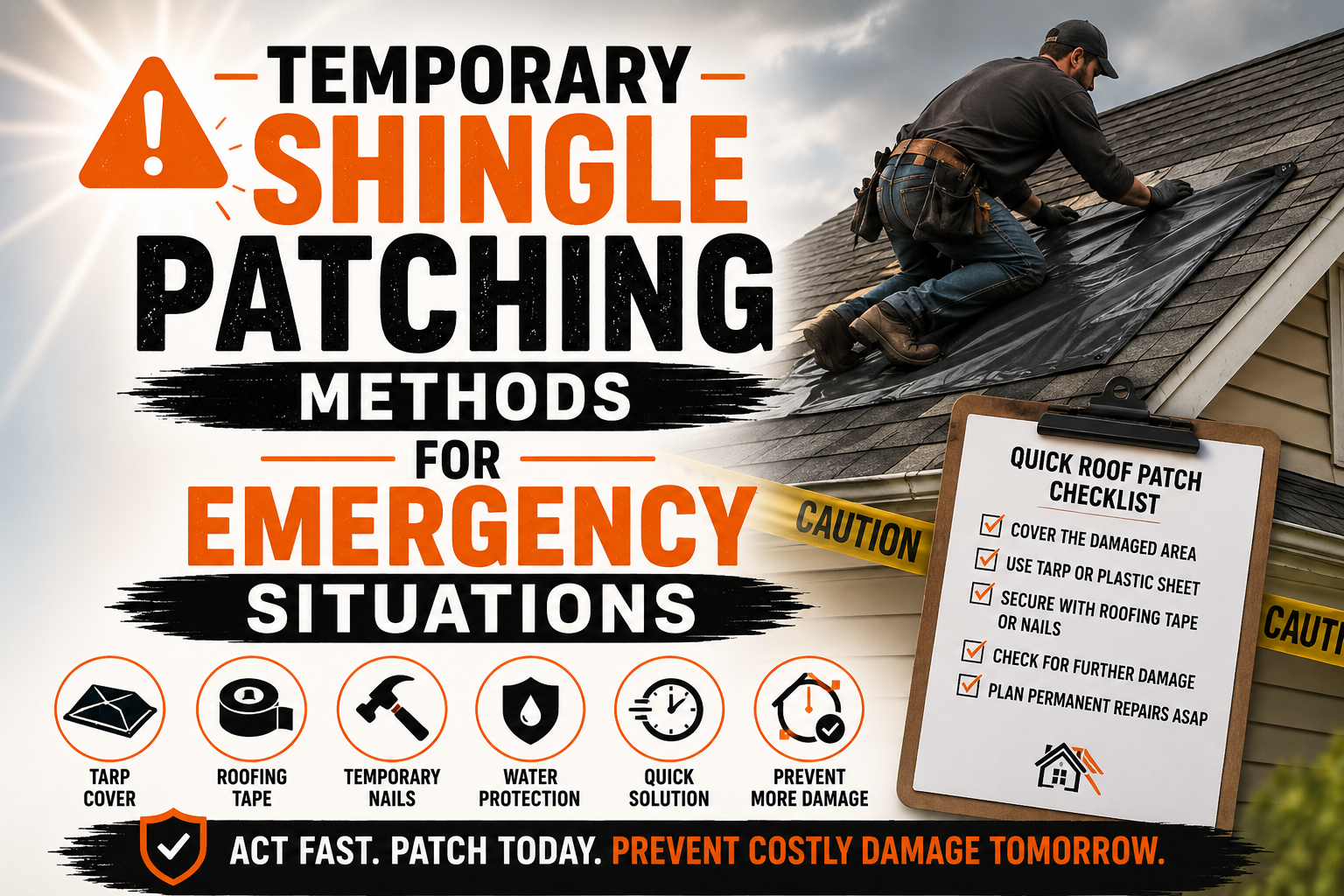
Temporary Shingle Patching Methods for Emergency Situations
Introduction
Roof damage rarely happens at a convenient time. Strong winds, heavy rain, hailstorms, falling tree branches, and flying debris can tear away shingles within minutes, leaving a home exposed to water intrusion. When permanent repairs cannot be completed immediately, temporary shingle patching becomes an important step in protecting the roof from additional damage.
Emergency roof patching is designed to stabilize the damaged area until professional repairs or a complete replacement can be scheduled. These temporary solutions help keep water out, reduce further deterioration, and protect the home’s interior during severe weather or while waiting for roofing materials to become available. Although they are not intended to replace permanent repairs, they can significantly reduce the extent of structural damage if applied correctly.
Many homeowners assume that a small missing shingle is not a serious problem. However, even a single exposed section of roofing can allow moisture to penetrate beneath the roof covering. Once water reaches the roof deck, insulation, or attic, it can spread quickly and create problems that extend far beyond the original damage.
Understanding temporary shingle patching methods allows homeowners to respond more effectively during emergencies. Knowing when temporary repairs are appropriate, what materials to use, and how to apply them safely helps minimize damage until long term repairs can restore the roof’s full performance.
This guide explains the most effective temporary shingle patching methods for emergency situations, the materials commonly used during urgent repairs, and the precautions homeowners should take while protecting their property. By understanding both the benefits and limitations of temporary repairs, homeowners can make informed decisions during stressful roofing emergencies.
When an Emergency Shingle Patch Is Appropriate
Not every roofing problem requires an immediate emergency response. Minor cosmetic issues can often wait until a convenient repair appointment. However, certain situations demand quick action because delaying repairs increases the likelihood of water damage and structural deterioration.
Storm damage is one of the most common reasons homeowners need temporary roof repairs. High winds can lift shingles, break adhesive seals, or remove roofing materials entirely. Even if only a small section is affected, the exposed roof deck becomes vulnerable to rain and moisture.
Falling tree limbs also create sudden roofing emergencies. Branches may puncture shingles, crack the roof surface, or dislodge flashing around roof penetrations. These openings allow water to enter immediately, making temporary protection essential until permanent repairs can be completed.
Hailstorms present another challenge because damage is not always obvious from the ground. Large hailstones can crack shingles, loosen protective granules, or weaken the roofing material enough that future leaks develop. Temporary patching may be necessary if visible damage exposes the roof deck.
Unexpected roof leaks during heavy rainfall also require prompt attention. Even when the exact source of the leak has not been identified, temporary repairs can reduce water entry while a thorough inspection is arranged.
Emergency shingle patching is most appropriate when permanent repairs cannot be completed immediately because of weather conditions, contractor availability, or material shortages. The goal is to protect the home until a complete repair solution becomes possible.

Why Immediate Action Matters
Roofing emergencies rarely remain isolated for long. Water follows the path of least resistance, allowing even a small opening in the roofing system to affect much larger areas of the home over time.
Once moisture penetrates beneath damaged shingles, it can soak the roof decking and gradually weaken the structural components supporting the roof. Wood exposed to repeated moisture may begin to swell, soften, or deteriorate, increasing repair costs if the problem continues.
Insulation also loses effectiveness when it becomes wet. Damp insulation cannot regulate indoor temperatures efficiently, reducing energy performance while creating favorable conditions for mold growth. Replacing water damaged insulation often becomes necessary if leaks are not addressed promptly.
Interior finishes suffer as well. Water entering through the roof may stain ceilings, damage drywall, peel paint, and warp wooden trim. These interior repairs frequently cost much more than the original roof patch that could have prevented them.
Electrical systems may also be affected if water reaches wiring located in attic spaces or ceiling cavities. Although less common, this situation increases safety concerns and highlights the importance of stopping water intrusion as quickly as possible.
Taking immediate action does not necessarily mean completing permanent repairs on the same day. Instead, it means reducing the home’s exposure to additional damage until professional restoration can safely begin.
Assessing Roof Damage Safely
Before any temporary repair begins, homeowners should determine the extent of the damage while placing personal safety above everything else. Emergency roof inspections should never create additional risks, particularly during or immediately after severe weather.
The inspection often starts indoors. Water stains on ceilings, damp insulation in the attic, dripping water, or visible daylight entering through the roof all indicate that the roofing system has been compromised. These signs help estimate the location of exterior damage before anyone considers climbing onto the roof.
Outdoor inspections should begin from ground level whenever possible. Using binoculars allows homeowners to identify missing shingles, displaced roofing materials, damaged flashing, or fallen tree branches without exposing themselves to unnecessary danger.
Roof inspections should be postponed if conditions remain hazardous. Wet shingles become extremely slippery, while strong winds increase the risk of falls. Lightning, heavy rain, and unstable debris also create dangerous working conditions that should never be ignored.
If access to the roof is absolutely necessary, homeowners should inspect only areas that can be reached safely without walking across damaged sections. Any signs of sagging, soft roof decking, or structural instability require immediate professional assistance rather than personal inspection.
Protecting personal safety is always more important than making temporary repairs. Roofing materials can be replaced, but injuries caused by unsafe inspections may have lasting consequences.
Essential Materials Used for Temporary Roof Patching
Emergency roof repairs rely on materials that provide short term weather protection while remaining relatively simple to install. Although these products cannot replace permanent roofing systems, they play an important role during emergency situations.
Roofing tarps are among the most commonly used emergency protection materials. Heavy duty waterproof tarps cover damaged roof sections and prevent rainwater from reaching exposed decking until permanent repairs are completed. Properly secured tarps can remain effective through multiple weather events if installed correctly.
Roofing cement provides another valuable temporary repair solution. This thick waterproof material seals small cracks, secures loose shingles, and fills minor openings where water could otherwise enter the roof system.
Plastic sheeting is sometimes used when roofing tarps are not immediately available. While generally less durable than professional roofing tarps, heavy plastic can provide temporary water resistance during short term emergencies.
Waterproof repair tape offers a convenient option for sealing small openings around damaged shingles or flashing. These products adhere quickly and help reduce moisture intrusion until more durable repairs become possible.
Additional materials commonly used during emergency roof patching include:
- Heavy duty roofing tarp
- Roofing cement
- Waterproof repair tape
- Plastic sheeting
- Roofing nails
- Hammer
- Utility knife
- Flashing material for temporary protection
- Work gloves
- Safety glasses
Having these materials available before severe weather occurs allows homeowners to respond more quickly when unexpected roof damage develops.
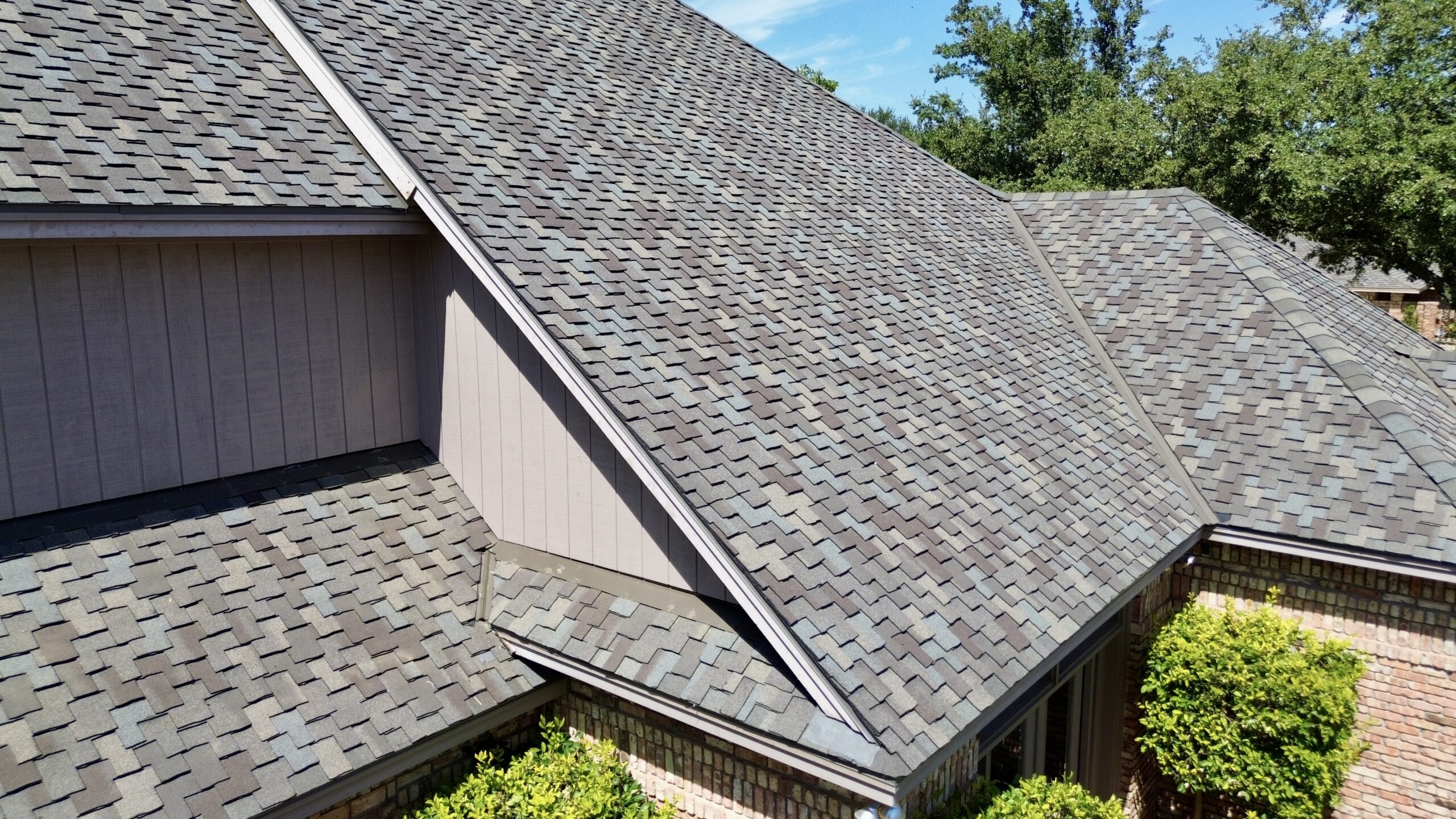
Temporary Repairs Versus Permanent Roof Repairs
Understanding the difference between temporary and permanent roof repairs helps homeowners make realistic decisions during emergency situations. While temporary patching provides valuable protection, it should never be viewed as a complete roofing solution.
Temporary repairs focus primarily on preventing additional water intrusion. The objective is to stabilize the damaged area quickly using readily available materials until professional repairs can restore the roofing system completely.
Permanent roof repairs involve much more than covering visible damage. Contractors inspect the roof deck, replace compromised underlayment, install compatible shingles, verify flashing integrity, and ensure proper fastening techniques throughout the repaired area. These steps restore both appearance and long term weather resistance.
Another significant difference involves durability. Temporary materials are designed to withstand weather exposure for a limited period, whereas permanent roofing products are engineered to provide reliable protection for many years under varying environmental conditions.
Cost considerations also differ between the two approaches. Temporary repairs generally require fewer materials and less labor, making them useful during emergencies. However, postponing permanent repairs for too long often increases overall costs because additional deterioration continues beneath the temporary patch.
Recognizing these differences encourages homeowners to treat emergency repairs as an immediate protective measure rather than a final solution.
Common Situations That Require Temporary Roof Protection
Roofing emergencies occur under many different circumstances, and each situation presents unique challenges. While the repair methods may vary, the need for immediate protection remains consistent whenever the roof’s weather barrier has been compromised.
Windstorms frequently loosen shingles without removing them completely. Partially lifted shingles allow wind driven rain to enter beneath the roofing material, making quick temporary repairs important even when the shingles remain attached.
Severe thunderstorms may combine wind, hail, and heavy rainfall into a single event. Multiple forms of damage can occur simultaneously, including broken shingles, damaged flashing, clogged gutters, and water infiltration around roof penetrations.
Construction accidents occasionally create unexpected roofing damage as well. Workers performing maintenance on chimneys, satellite equipment, solar panels, or nearby tree branches may accidentally damage shingles, requiring temporary protection until permanent repairs can be scheduled.
Wildlife can also contribute to roofing emergencies. Animals sometimes loosen shingles while searching for entry points into attics, leaving small openings that become larger during subsequent storms. Although the damage may appear minor initially, temporary patching helps prevent moisture intrusion while the affected area is repaired properly.
Recognizing these situations allows homeowners to respond quickly and protect the roof before additional weather exposure increases the extent of the damage.
Preparing Before Severe Weather Occurs
The best time to plan for emergency roof repairs is before severe weather arrives. Advance preparation allows homeowners to respond more efficiently when unexpected damage occurs, reducing stress during already difficult situations.
Routine roof inspections help identify vulnerable areas that may fail during future storms. Loose shingles, deteriorated flashing, aging sealants, and clogged gutters can often be repaired before severe weather exposes these weaknesses.
Keeping basic emergency repair supplies readily available also improves preparedness. Homeowners do not need a complete roofing workshop, but maintaining essential materials in a dry storage location allows for quicker temporary protection if damage occurs.
Weather awareness is equally important. Monitoring forecasts before major storms provides time to secure outdoor furniture, trim loose branches when appropriate, and prepare emergency materials that may be needed afterward.
Perhaps most importantly, homeowners should know who to contact when professional assistance becomes necessary. Having the contact information of a trusted roofing contractor available before an emergency saves valuable time when immediate repairs are required.
Preparation cannot prevent every roofing emergency, but it can significantly reduce the damage that follows. A well prepared homeowner is often able to protect the property more effectively while waiting for permanent repairs to begin.
Covering Missing Shingles Until Permanent Repairs
Missing shingles expose the underlayment and, in severe cases, the roof decking directly to the elements. During rain or snow, these exposed areas allow water to penetrate much more quickly than many homeowners realize. Covering the damaged section as soon as possible reduces the likelihood of additional moisture entering the roofing system.
If weather conditions are safe enough for temporary repairs, the exposed area should first be cleared of loose debris, broken shingle pieces, and standing water whenever possible. A clean surface allows temporary patching materials to adhere more effectively and provides better short term protection.
A temporary replacement can sometimes be created by carefully repositioning a loose shingle that has not been completely detached. Roofing cement applied beneath the lifted shingle helps secure it until permanent repairs can be completed. This method works best when the original shingle remains intact and has not become brittle or severely cracked.
When the original shingle cannot be reused, a waterproof covering placed over the exposed section provides immediate protection. The covering should extend beyond the damaged area so that water naturally flows over it instead of beneath it during rainfall.
Although these temporary measures reduce immediate risks, they should only remain in place until permanent replacement shingles can be installed using proper roofing techniques.
Using Roofing Cement for Small Damage
Roofing cement is one of the most commonly used materials during emergency roof repairs because it provides an effective waterproof seal for relatively small areas of damage. It works particularly well for cracked shingles, loose edges, minor punctures, and small gaps that develop after storms.
Before applying roofing cement, the damaged area should be as clean and dry as conditions allow. Dirt, loose granules, leaves, and standing moisture can reduce adhesion and shorten the effectiveness of the temporary repair.
The roofing cement should be spread evenly beneath lifted shingle edges or directly over small cracks using an appropriate applicator. Applying excessive amounts does not necessarily improve protection and may create uneven surfaces that interfere with future permanent repairs.
After positioning the damaged shingle, gentle pressure helps distribute the roofing cement evenly underneath. If recommended by the product manufacturer, a thin layer may also be applied over the repair area to improve water resistance until professional work begins.
Roofing cement performs well as a temporary solution, but continuous exposure to weather eventually reduces its effectiveness. Homeowners should inspect patched areas after significant rainfall and schedule permanent repairs as soon as practical.
Installing Emergency Roofing Tarps Correctly
Roofing tarps provide one of the most effective temporary solutions for protecting larger sections of storm damaged roofs. Unlike localized patching materials, tarps create a broad waterproof barrier that shields damaged shingles, exposed decking, and roof openings from additional rainfall.
Selecting an appropriately sized tarp is the first step. The tarp should extend well beyond the damaged section on every side to ensure water flows over the covering instead of reaching exposed roofing materials.
Proper fastening is equally important. The tarp must remain securely attached without creating unnecessary damage to surrounding shingles. Roofing professionals often secure tarps using wood strips or similar supports that distribute pressure evenly across the material.
The tarp should remain smooth with minimal folds or loose sections that could collect water or catch strong winds. Wrinkles and sagging areas increase the likelihood of water pooling, reducing the effectiveness of the temporary repair.
Routine inspections remain important after installation. Strong winds, heavy rainfall, or additional storms may loosen the tarp over time. Checking the temporary covering after severe weather helps ensure continued protection until permanent repairs can be completed.
Waterproofing Small Roof Openings
Not every roofing emergency involves missing shingles. Small punctures, cracks, or openings created by falling debris may also allow moisture to enter the roofing system. Although these openings appear minor, they can permit surprisingly large amounts of water to penetrate during prolonged rainfall.
Waterproof repair tape offers a convenient temporary solution for many small openings. Designed to adhere firmly to roofing materials, these products help block moisture while remaining relatively simple to apply during emergency situations.
Plastic repair patches combined with roofing cement provide another temporary option. The patch should extend beyond the damaged area so that surrounding roofing material supports the repair while reducing direct water exposure.
Small openings near nail holes or minor punctures may also be sealed temporarily using compatible roofing sealants. These products help prevent water entry while maintaining flexibility during changing weather conditions.
Temporary waterproofing should never conceal more extensive structural damage. If the roof deck has been compromised or water has already entered beneath the roofing materials, a professional inspection remains necessary even after the visible opening has been covered.
Temporary Flashing Repairs Around Vulnerable Areas
Roof flashing protects the joints where roofing materials meet chimneys, skylights, vents, dormers, and roof valleys. Because these areas experience concentrated water flow, flashing damage often leads to leaks even when surrounding shingles remain in good condition.
High winds may loosen flashing sections, while fallen branches or hail can bend or puncture metal components. Temporary flashing repairs focus on preventing water from entering these vulnerable joints until permanent replacement becomes possible.
Roofing cement can temporarily seal small gaps between flashing and adjacent roofing materials. Applying the sealant carefully around the damaged section helps reduce water infiltration without interfering with later repairs.
Waterproof repair tape may also provide short term protection for small flashing separations. When applied correctly, it creates an additional barrier against wind driven rain while maintaining flexibility during temperature changes.
If flashing has become severely displaced or detached, temporary coverings should stabilize the affected area rather than attempting permanent reshaping. Significant flashing damage often requires professional replacement because proper installation depends on precise integration with surrounding roofing materials.
Addressing flashing damage quickly prevents leaks from spreading into roof decking, wall cavities, and attic spaces where moisture can remain hidden for extended periods.
Common Mistakes During Emergency Roof Patching
Temporary roof repairs are most effective when performed carefully. Unfortunately, several common mistakes reduce the effectiveness of emergency patching and may even increase the extent of the damage.
Applying repair materials to wet or dirty surfaces is one of the most frequent problems. Moisture, dust, and loose roofing granules prevent adhesives and roofing cement from bonding properly, allowing water to continue entering beneath the repair.
Using incompatible materials creates another challenge. Household caulks, general construction adhesives, or products not intended for roofing applications often deteriorate quickly when exposed to sunlight and changing weather conditions.
Many homeowners also underestimate the importance of proper fastening. Poorly secured tarps or temporary coverings may detach during the next storm, leaving the roof exposed once again.
Delaying permanent repairs for too long is perhaps the most costly mistake. Temporary repairs provide valuable protection, but they are not engineered to withstand months of continuous weather exposure.
Other mistakes include ignoring hidden damage beneath the shingles, overlooking damaged flashing, and assuming that a small leak cannot become a larger problem. Careful inspection and timely follow up repairs remain essential even after temporary protection has been installed.
Comparing Common Temporary Roof Repair Methods
Different emergency situations require different temporary repair techniques. Each method offers unique advantages depending on the type and extent of the roof damage.
| Repair Method | Best Used For | Typical Temporary Duration | Advantages | Limitations |
|---|---|---|---|---|
| Roofing Cement | Small cracks and lifted shingles | Several weeks | Easy to apply and seals small openings effectively | Not suitable for large damaged areas |
| Roofing Tarp | Missing shingles and storm damaged sections | Several weeks to a few months | Covers large exposed areas quickly | Must be secured properly against wind |
| Waterproof Repair Tape | Minor punctures and flashing gaps | Short term | Fast application with good moisture resistance | Limited effectiveness on extensive damage |
| Plastic Sheeting | Immediate emergency coverage | Very short term | Readily available during emergencies | Less durable than professional roofing tarps |
| Temporary Flashing Repair | Small flashing separations | Short term | Helps reduce leaks around roof penetrations | Cannot replace damaged flashing permanently |
Each of these methods serves as temporary protection rather than a permanent repair. Selecting the most appropriate option depends on the roof’s condition, the weather, and the size of the damaged area.
How Weather Conditions Affect Temporary Repairs
Weather plays a major role in determining both the success and lifespan of temporary roof repairs. Even well installed emergency patches face continuous exposure to sunlight, wind, rainfall, and changing temperatures that gradually reduce their effectiveness.
Heavy rainfall tests every temporary repair immediately. Strong water flow may expose weak adhesion, poorly secured tarps, or small openings that were overlooked during the initial repair. Monitoring patched areas after rainfall helps identify problems before they become larger leaks.
High winds create another challenge by lifting loose tarp edges, stressing repair tape, and placing additional pressure on damaged shingles. Proper fastening becomes especially important in regions where storms frequently produce strong wind gusts.
Temperature changes also influence repair materials. Hot weather softens roofing cement and certain adhesives, while colder temperatures reduce flexibility and make some products more difficult to apply. Following manufacturer recommendations improves short term performance under varying weather conditions.
Sunlight gradually weakens temporary repair materials through ultraviolet exposure. Even when no rain occurs, prolonged sunlight causes adhesives, tapes, and plastic coverings to age more rapidly, reducing their ability to provide reliable weather protection.
Because weather continuously affects temporary repairs, homeowners should inspect patched areas regularly until permanent restoration has been completed.
Monitoring Temporary Repairs Until Permanent Work Begins
Completing an emergency roof patch is not the end of the repair process. Temporary repairs should be monitored carefully because changing weather conditions and normal roof movement can gradually reduce their effectiveness over time.
Homeowners should visually inspect repaired areas after every significant rainfall whenever it is safe to do so. Any signs of loose coverings, lifted edges, or renewed water intrusion indicate that the temporary repair may require adjustment before permanent work begins.
Indoor inspections are equally important. New ceiling stains, damp attic insulation, unusual odors, or dripping water may signal that moisture has bypassed the temporary repair even if the roof appears protected from the outside.
It is also helpful to document the condition of the patched area with photographs taken over time. Comparing images helps identify gradual changes that may otherwise go unnoticed and provides useful information for the roofing contractor performing the permanent repairs.
Temporary repairs should always be viewed as a bridge between the emergency and the final restoration. Regular monitoring ensures they continue providing the protection needed until the roofing system can be repaired correctly and permanently.
Inspecting the Roof After the Emergency
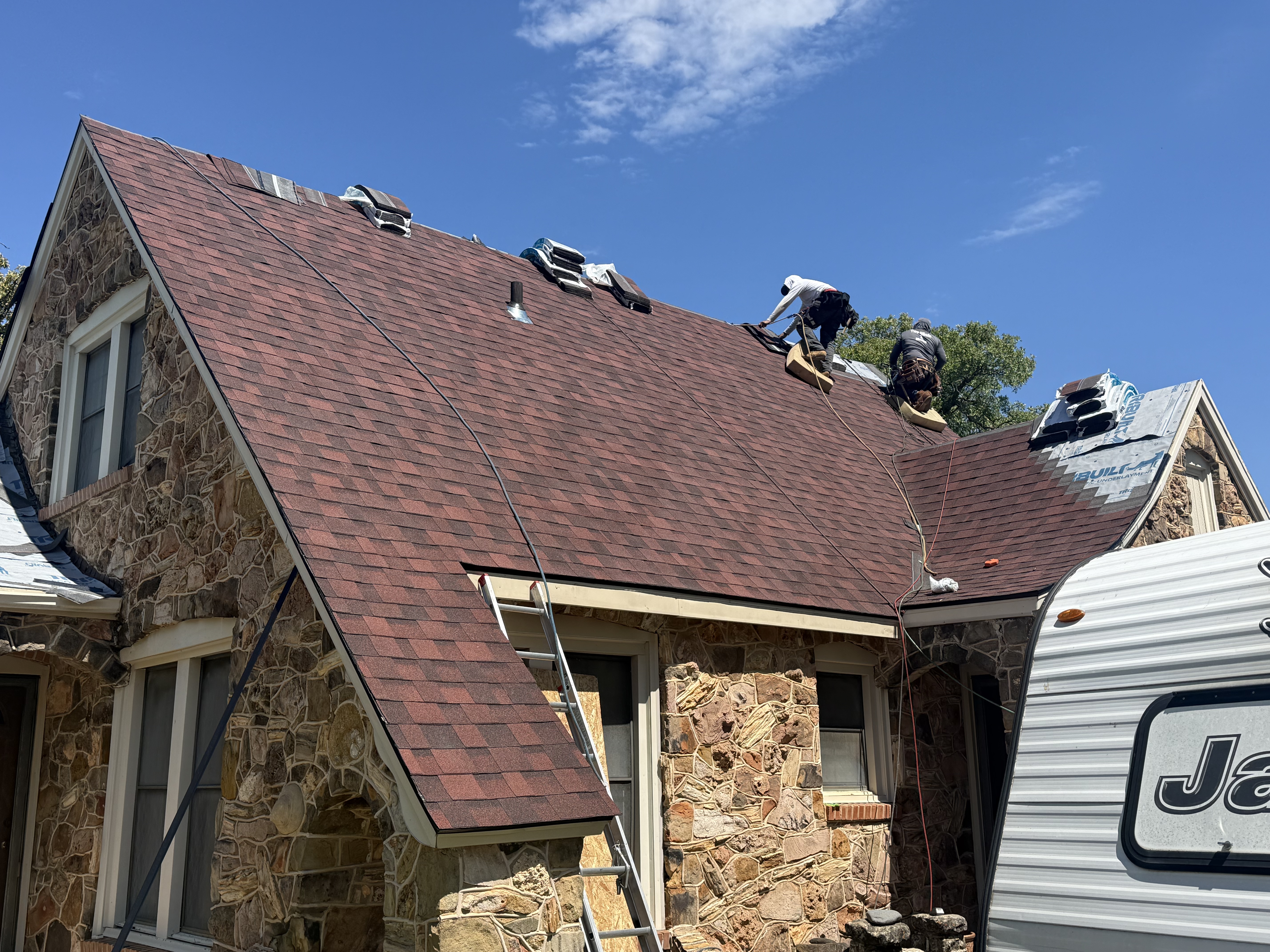
Once severe weather has passed and conditions are safe, the roof should be inspected carefully to determine the full extent of the damage. Temporary patches are designed to prevent immediate water intrusion, but they can also hide underlying issues that require permanent attention. A thorough inspection ensures no important problems remain unnoticed.
The inspection should begin inside the home before moving outdoors. Homeowners should check ceilings, attic spaces, and upper walls for signs of moisture, water stains, damp insulation, or mold growth. These interior indicators often reveal leaks that may not be visible from the roof surface.
The exterior inspection should focus on more than the patched area alone. Strong winds and hail can damage multiple sections of the roof at the same time, including flashing, ridge caps, roof vents, gutters, and valleys. Examining the entire roofing system provides a better understanding of the repairs that will be needed.
Photographing the damage is also a valuable step. Clear documentation helps roofing contractors prepare accurate repair estimates and may support insurance claims if the damage resulted from a covered event. Keeping detailed records also makes it easier to compare the roof’s condition before and after permanent repairs.
Although homeowners can perform basic visual inspections, professional roof assessments often reveal hidden problems that are difficult to identify without experience. Scheduling a comprehensive inspection soon after the emergency helps prevent overlooked damage from developing into larger structural issues.
Deciding Whether Repair or Replacement Is Needed
Not every roof damaged during a storm requires complete replacement. The decision depends on several factors, including the roof’s age, the extent of the damage, and the overall condition of the roofing materials before the emergency occurred.
A relatively new roof with only a few missing or damaged shingles usually responds well to permanent repairs. If the roof deck, underlayment, and surrounding shingles remain in good condition, replacing the affected materials may restore full performance without requiring a larger project.
Older roofs require more careful evaluation. If the shingles have become brittle, curled, or severely worn, replacing only the visibly damaged section may not provide lasting protection. New repairs could be followed by additional failures in nearby areas that have already reached the end of their service life.
Structural damage beneath the shingles also influences the decision. Moisture damaged roof decking, deteriorated support members, or widespread water intrusion often require more extensive restoration before new shingles can be installed safely.
Budget considerations are naturally important, but they should be balanced against long term value. Investing in repeated temporary or localized repairs may become more expensive over time than replacing an aging roof that continues to experience recurring problems.
A professional roofing contractor can evaluate these factors together and recommend the solution that best protects both the home and the homeowner’s investment.
Homeowner Checklist After Temporary Repairs
Once emergency patching has been completed, homeowners should take several additional steps to ensure the property remains protected while permanent repairs are being arranged.
- Inspect interior ceilings and attic spaces for signs of continued water intrusion.
- Photograph all visible roof damage and temporary repair areas.
- Contact a qualified roofing contractor for a complete inspection.
- Monitor patched sections after every significant rainfall.
- Remove debris from gutters and downspouts if it is safe to do so.
- Schedule permanent roof repairs as soon as weather and contractor availability allow.
- Keep records of repair invoices, inspection reports, and warranty information.
Following this checklist helps ensure temporary repairs remain effective while reducing the likelihood of hidden damage developing unnoticed. It also creates a clear record of the emergency and the steps taken to protect the property.
Preventing Additional Damage While Waiting for Repairs
Even after a temporary patch has been installed, homeowners should continue protecting the roof until permanent repairs are completed. Emergency materials reduce immediate risks, but they cannot eliminate every potential source of damage.
One important step is keeping the roof free from unnecessary debris. Leaves, broken branches, and accumulated dirt can trap moisture around temporary repairs, increasing the likelihood of leaks or material deterioration. Clearing debris when conditions are safe helps improve drainage and reduces additional stress on patched areas.
Gutters should also be checked regularly. Blocked gutters allow water to back up beneath shingles and overflow near vulnerable roof edges. Maintaining proper drainage reduces the amount of standing water that temporary repairs must withstand.
Homeowners should avoid unnecessary foot traffic on the roof during this waiting period. Walking across patched sections may loosen temporary materials or damage surrounding shingles that have already been weakened by severe weather.
Weather forecasts deserve continued attention as well. If another major storm is expected before permanent repairs can begin, temporary coverings should be inspected and reinforced if necessary. Taking preventive action before additional bad weather arrives often prevents further deterioration.
These simple maintenance practices help temporary repairs perform more effectively while protecting the roof from additional avoidable damage.
Long Term Strategies to Reduce Emergency Roof Damage
Although no roof is completely immune to severe weather, regular maintenance significantly reduces the likelihood of emergency repairs. Small preventive actions performed throughout the year often prevent larger roofing failures during storms.
Routine roof inspections identify loose shingles, deteriorating flashing, damaged sealants, and minor leaks before they develop into emergencies. Addressing these issues early strengthens the roof’s ability to withstand future weather events.
Tree maintenance is another valuable preventive measure. Overhanging branches can scrape roofing materials during windy conditions or break and fall onto the roof during storms. Trimming branches reduces both impact damage and the accumulation of leaves that trap moisture.
Gutter maintenance also plays an important role. Clean gutters direct rainwater away from the roof efficiently, reducing the risk of water backing up beneath shingles or overflowing around roof edges.
Replacing aging shingles before widespread deterioration occurs further improves storm resistance. Roofing materials naturally weaken over time, making them more vulnerable to wind uplift and impact damage during severe weather.
Preventive maintenance offers several important benefits:
- Extends the overall lifespan of the roofing system.
- Reduces the likelihood of emergency roof leaks.
- Improves drainage during heavy rainfall.
- Helps identify minor problems before they become expensive repairs.
- Supports consistent roof performance throughout changing seasons.
These long term maintenance practices protect both the roofing system and the home beneath it while reducing the chances of future emergency patching.
When Temporary Repairs Are No Longer Safe
Temporary roof patches are designed to provide short term protection, but they eventually reach the point where they can no longer perform reliably. Recognizing these limits helps homeowners avoid unnecessary risks and costly property damage.
One warning sign is recurring leaks after repeated rainfall. If water continues entering the home despite temporary repairs, the roofing system likely requires immediate permanent attention rather than additional patching.
Visible deterioration of temporary materials also indicates declining effectiveness. Torn tarps, loose repair tape, cracked roofing cement, or separated patching materials no longer provide dependable weather protection and should not be relied upon indefinitely.
Widespread roof damage presents another concern. When storms affect multiple roof sections simultaneously, isolated temporary repairs may not provide sufficient protection for the entire roofing system. Comprehensive restoration becomes the safer and more practical solution.
Structural movement should never be ignored. Sagging roof sections, soft decking, or unusual roof movement indicate deeper problems that temporary surface repairs cannot correct. These conditions require professional evaluation before anyone attempts further work on the roof.
Homeowners should remember that temporary repairs are intended to buy time, not replace professional restoration. Continuing to rely on emergency patching for extended periods increases the likelihood of larger structural repairs in the future.
Professional Recommendations for Emergency Roof Situations
Roofing professionals consistently emphasize preparation, safety, and timely follow up when dealing with emergency roof damage. Their recommendations are based on years of responding to storm related repairs under a wide variety of conditions.
Safety always comes first. If the roof is steep, unstable, wet, or affected by ongoing severe weather, homeowners should remain on the ground and wait for qualified assistance. Preventing personal injury is always more important than completing an immediate repair.
Professionals also recommend addressing roof damage as soon as practical after the emergency. Even temporary coverings should be installed promptly because delaying protection allows additional moisture to enter the roofing system with every rainfall.
Accurate documentation remains another important recommendation. Photographs, written notes, weather reports, and repair records provide valuable information for contractors, insurance companies, and future maintenance planning.
Selecting quality repair materials also improves temporary protection. Products specifically designed for roofing applications generally perform more reliably than household substitutes that were not intended for prolonged outdoor exposure.
Perhaps the most important professional recommendation is scheduling permanent repairs without unnecessary delay. Temporary patching provides valuable protection during emergencies, but restoring the roof completely remains the only dependable long term solution.
Conclusion
Temporary shingle patching methods provide an essential first line of defense when unexpected roof damage occurs. Whether the damage results from high winds, hail, falling tree limbs, or severe storms, quick action helps prevent water intrusion while reducing the risk of costly structural damage. Although these repairs are temporary by design, they play a critical role in protecting the home until permanent restoration becomes possible.
Successful emergency roof patching begins with careful inspection, safe working practices, and selecting the appropriate repair method for the specific type of damage. Roofing cement, waterproof repair tape, temporary flashing repairs, plastic sheeting, and heavy duty roofing tarps each serve valuable purposes when used correctly. Understanding their strengths and limitations allows homeowners to respond more effectively during stressful situations.
Equally important is recognizing that temporary repairs are not intended to last indefinitely. Regular monitoring, prompt professional inspections, and timely permanent repairs ensure that hidden damage does not continue developing beneath the roof surface. Waiting too long to complete permanent restoration often results in more extensive repairs involving roof decking, insulation, ceilings, and interior finishes.
Preventive maintenance remains the best long term strategy for reducing emergency roof problems. Routine inspections, gutter cleaning, tree trimming, and replacing worn shingles before failure all improve the roof’s ability to withstand severe weather. These proactive measures reduce the likelihood of unexpected leaks while extending the overall lifespan of the roofing system.
Emergency situations are often unpredictable, but being prepared makes a significant difference. By understanding temporary shingle patching methods, responding quickly when damage occurs, and following through with professional permanent repairs, homeowners can protect their property, reduce repair costs, and restore confidence in the roof’s ability to withstand future storms.