
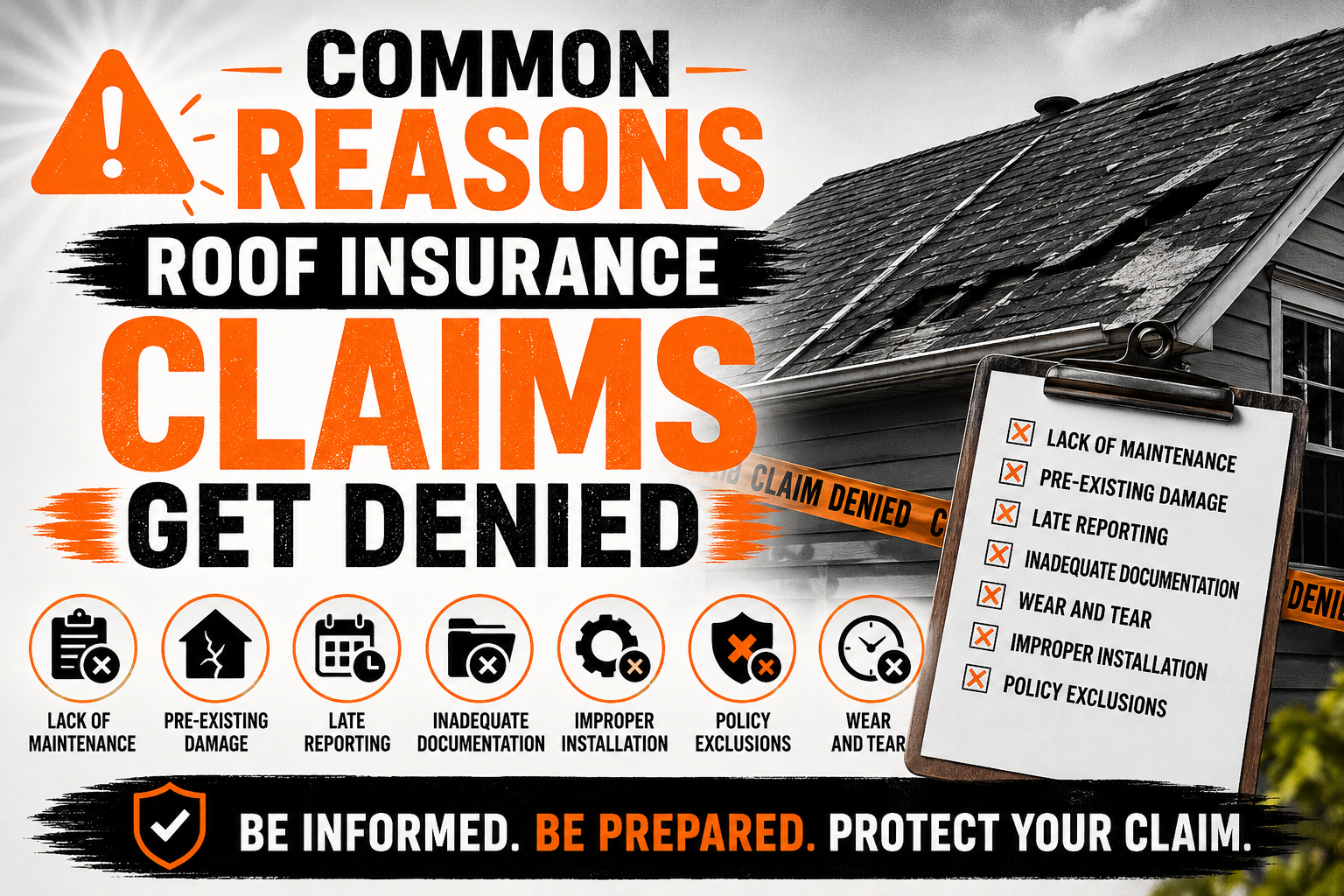
Common Reasons Roof Insurance Claims Get Denied
Introduction
Roof damage can happen without warning. A severe storm, strong winds, hail, falling tree branches, or heavy rain can leave homeowners facing expensive repairs that they never expected. In these situations, many people turn to their homeowners insurance policy, believing it will cover the damage and help restore their property.
Unfortunately, filing a roof insurance claim does not always guarantee approval. Every year, thousands of homeowners receive denial letters even though they believed they had valid claims. A denied claim can create financial stress and delay necessary repairs, allowing roof problems to become even worse over time.
Insurance companies do not deny claims without reviewing them. They evaluate the cause of the damage, inspect the roof, review policy terms, and determine whether the loss meets the requirements outlined in the insurance contract. If any part of the claim fails to satisfy those requirements, the insurer may reduce the payment or deny the claim entirely.
Many homeowners assume that any roof damage qualifies for insurance coverage. In reality, policies typically cover sudden and accidental damage rather than issues that develop slowly because of age, neglect, or poor maintenance. Understanding this distinction is one of the most important steps in protecting both your home and your financial investment.
Learning why roof insurance claims are denied can help homeowners avoid common mistakes before they submit a claim. It also makes it easier to gather the right evidence, communicate effectively with insurance adjusters, and respond appropriately if questions arise during the claims process.
This guide explains the most common reasons roof insurance claims get denied, what insurance companies look for during inspections, and how homeowners can improve their chances of receiving claim approval. Whether you recently experienced storm damage or simply want to prepare for the future, understanding the claims process can save time, money, and unnecessary frustration.
Why Roof Insurance Claims Are Denied More Often Than Homeowners Expect
Many homeowners believe that paying insurance premiums guarantees coverage whenever roof damage occurs. While maintaining an active policy is essential, insurance companies still evaluate every claim according to specific policy terms, inspection findings, and supporting documentation. Coverage depends on whether the reported damage meets the conditions outlined in the insurance agreement.
Insurance providers are responsible for protecting both policyholders and the overall insurance system. They investigate claims carefully to confirm that damage resulted from a covered event rather than gradual deterioration or preventable issues. This process helps reduce fraudulent claims while ensuring legitimate claims receive appropriate compensation.
Another reason denials occur is that homeowners often misunderstand what their insurance policy actually covers. Many people assume roof replacement is automatically included regardless of the cause of damage. However, policies frequently contain exclusions, limitations, deductibles, and depreciation clauses that directly affect claim outcomes.
Roof insurance claims also involve technical inspections. Insurance adjusters assess roofing materials, installation quality, maintenance history, weather reports, and the condition of surrounding structures. Even small inconsistencies between reported damage and physical evidence can influence the final decision.
Modern roofing systems are designed to last for decades, but their lifespan depends on proper care. If an insurer determines that damage developed because routine maintenance was ignored, they may conclude the loss was preventable rather than accidental. This distinction often becomes one of the deciding factors in claim approval.
Claims become even more complicated when previous roof damage exists. If the roof already showed signs of deterioration before the reported incident, separating old damage from new storm damage can be difficult. Insurance companies may only pay for the covered portion or deny the claim if they believe the primary cause was unrelated to the reported event.
Understanding how insurers evaluate roof claims allows homeowners to prepare more effectively. Good maintenance records, timely inspections, and accurate documentation all contribute to a stronger claim and reduce the likelihood of unnecessary disputes.
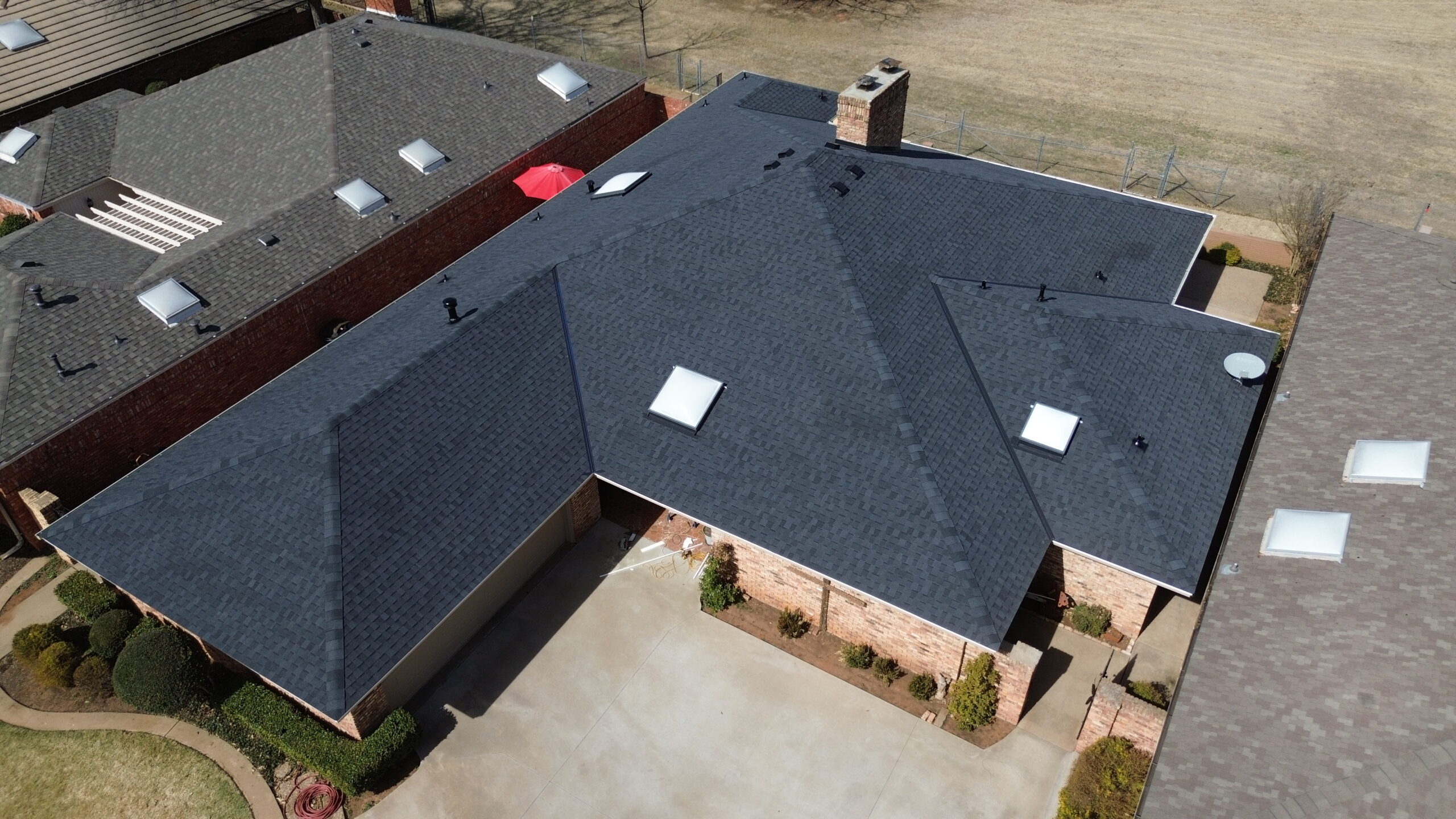
Understanding How Roof Insurance Claims Work
Before examining specific denial reasons, it is helpful to understand the general claims process. Knowing each stage helps homeowners recognize where mistakes commonly occur and what actions improve the likelihood of approval.
Most roof insurance claims follow a similar sequence:
- Roof damage occurs because of a covered event such as hail, wind, or a fallen tree.
- The homeowner documents visible damage using photographs and written notes.
- The insurance company is notified as soon as possible.
- An insurance adjuster schedules a roof inspection.
- The insurer reviews inspection findings, policy coverage, and supporting documents.
- The claim is approved, partially approved, or denied based on the investigation.
Each step plays an important role in the overall outcome. Missing documents, inaccurate information, or delays can complicate the review process even if the damage itself appears legitimate.
The insurance adjuster serves as the company’s representative during the investigation. Their job is not simply to approve or deny claims but to determine whether the reported damage matches the policy’s coverage requirements. They inspect roofing materials, look for evidence of storm damage, identify signs of aging, and document their observations in a detailed report.
Weather information often becomes part of the evaluation as well. Insurance companies may compare the reported date of loss with local weather records to verify that hailstorms, high winds, or severe weather actually occurred in the area. Consistency between the homeowner’s report and weather data strengthens the credibility of the claim.
Some insurers may request additional documentation before making a final decision. Maintenance records, contractor inspections, repair estimates, and previous claim history can all become part of the review. Providing complete information promptly helps avoid unnecessary delays.
Understanding this process allows homeowners to prepare before filing a claim rather than reacting after problems appear. Organized documentation and accurate communication create a smoother experience for both the homeowner and the insurance company.
The Difference Between Covered Damage and Non Covered Damage
One of the biggest reasons homeowners become frustrated after a denial is misunderstanding what insurance is designed to cover. Homeowners insurance primarily protects against sudden, accidental events rather than predictable deterioration that occurs over many years.
Covered roof damage usually results from unexpected incidents beyond the homeowner’s control. Examples include severe windstorms, hail impacts, lightning strikes, fire, or falling trees caused by storms. These events occur suddenly and often leave visible evidence that supports an insurance claim.
Non covered damage generally develops gradually. Roofs naturally age over time as shingles lose protective granules, flashing deteriorates, sealants crack, and materials weaken because of prolonged exposure to sunlight, rain, and changing temperatures. These changes are considered part of normal ownership rather than insurable losses.
Insurance companies also expect homeowners to perform reasonable maintenance. If a minor leak is ignored for several years and eventually causes extensive structural damage, the insurer may determine that timely maintenance could have prevented the larger loss. In that situation, coverage may be reduced or denied.
Another important distinction involves manufacturer defects or installation problems. If roofing materials fail because they were defective or installed incorrectly, responsibility may belong to the manufacturer or contractor rather than the insurance company. Policies typically exclude these situations because they are not considered accidental events.
Understanding these differences helps homeowners make informed decisions before submitting a claim. Filing claims only for covered events reduces unnecessary disputes and improves the overall claims experience.
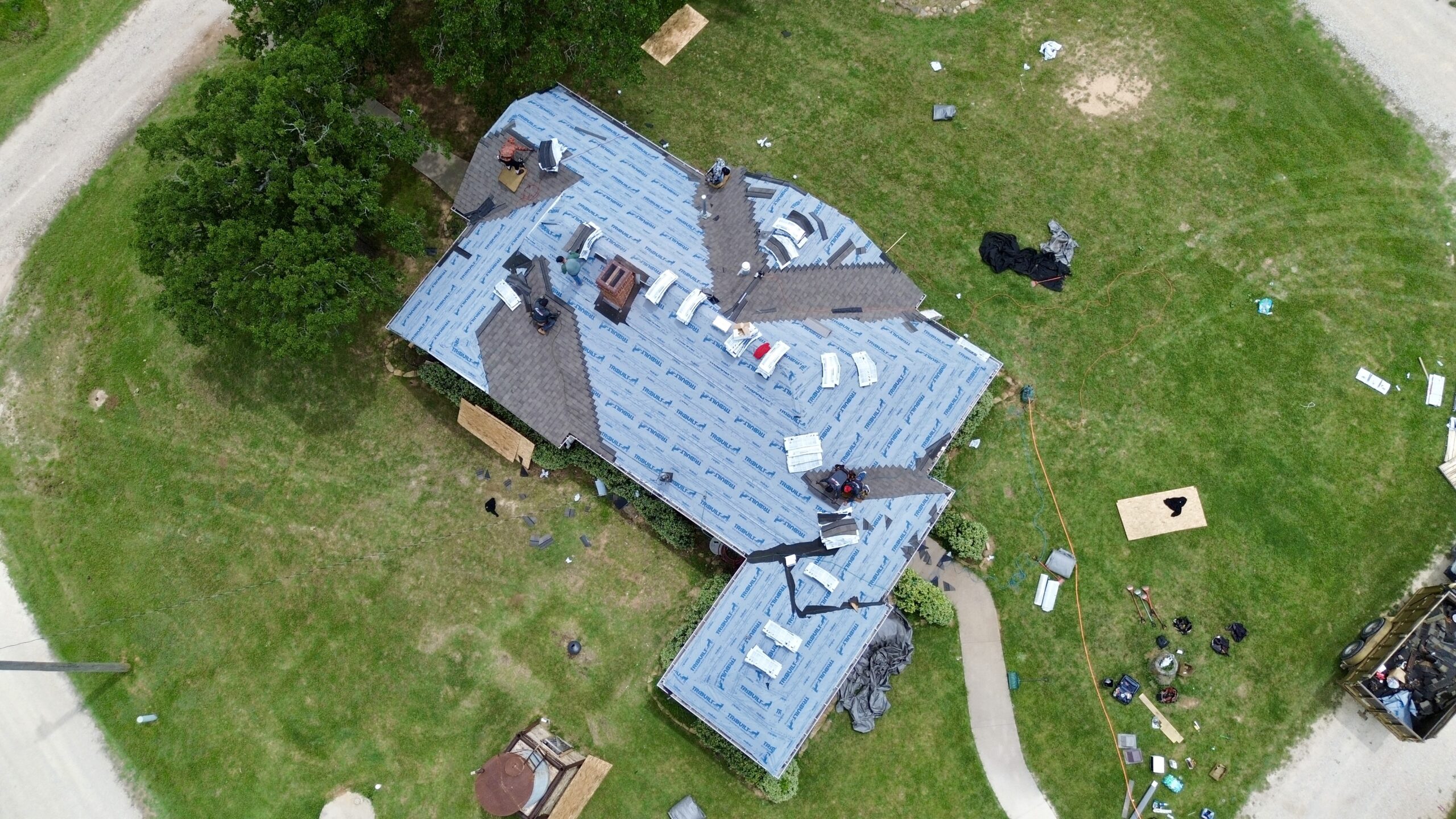
Common Reason: Lack of Proper Maintenance
Poor roof maintenance remains one of the most common reasons insurance claims are denied. Homeowners insurance is designed to protect against unexpected damage, not problems that develop because regular upkeep was neglected over time.
Every roof requires routine inspections and maintenance throughout its lifespan. Small issues such as loose shingles, damaged flashing, clogged gutters, or cracked sealant may seem minor initially. However, if these problems remain unaddressed, they can eventually lead to significant water intrusion and structural deterioration.
Insurance companies often review whether the homeowner took reasonable steps to maintain the roof before the reported damage occurred. During inspections, adjusters look for evidence of long term neglect alongside recent storm damage. Extensive moss growth, widespread deterioration, multiple old leaks, and rotting decking may suggest that maintenance was insufficient.
Maintenance records can become valuable evidence during a claim. Receipts from roofing contractors, inspection reports, photographs, and repair invoices demonstrate that the homeowner actively cared for the roof before the incident occurred. These documents help distinguish sudden storm damage from ongoing deterioration.
Preventive maintenance also extends the lifespan of roofing materials. Regular inspections identify minor problems before they become major repairs, reducing both repair costs and the likelihood of insurance disputes.
Some important maintenance practices include:
- Cleaning gutters regularly to prevent water backup.
- Replacing damaged or missing shingles promptly.
- Inspecting flashing around chimneys, skylights, and roof vents.
- Trimming tree branches that hang over the roof.
- Scheduling professional roof inspections every few years or after major storms.
These simple maintenance activities reduce the risk of preventable damage while demonstrating responsible homeownership. Insurance companies generally view well maintained roofs more favorably during claim investigations because there is clear evidence that the homeowner fulfilled their maintenance responsibilities.
Common Reason: Wear and Tear Instead of Sudden Damage
Roofs naturally deteriorate as they age. Continuous exposure to sunlight, rain, snow, changing temperatures, and wind gradually weakens roofing materials even when homeowners perform regular maintenance. Because this process is expected, insurance policies usually exclude ordinary wear and tear from coverage.
Many homeowners first notice roofing problems after a storm. Although the weather event draws attention to the issue, the actual damage may have existed long before the storm occurred. During inspections, adjusters determine whether the storm created new damage or simply exposed existing weaknesses.
For example, asphalt shingles naturally lose protective granules as they age. They may curl, crack, become brittle, or loosen over time. These changes indicate normal aging rather than accidental damage and generally do not qualify for insurance reimbursement.
Older roofs present additional challenges during claim evaluations. Even if a storm caused some damage, insurers may conclude that much of the roof’s condition resulted from age instead of the reported weather event. Depending on the policy, they may approve only partial repairs rather than a complete replacement.
Roof age also influences replacement value. Some policies reimburse actual cash value rather than full replacement cost for older roofs. This means depreciation reduces the amount the insurance company pays, even when the claim is approved.
Homeowners should understand the expected lifespan of their roofing material. Planning inspections and replacements before significant deterioration develops reduces the risk of claim denials while protecting the home’s structural integrity.
Common Reason: Delayed Reporting After Roof Damage
Timing plays a critical role in roof insurance claims. Most insurance policies require homeowners to report damage within a reasonable period after discovering it. Waiting too long can create complications that make approval much more difficult.
After severe weather, some homeowners postpone inspections because the roof appears undamaged from the ground. Others delay filing claims because they worry about deductibles or assume the damage is minor. Unfortunately, hidden roof damage often worsens over time as water enters the home.
When months pass between the damaging event and the insurance claim, proving the exact cause becomes increasingly difficult. Additional storms, seasonal weather, and ongoing deterioration may change the roof’s condition, making it harder for adjusters to identify the original source of damage.
Insurance companies may question whether the reported damage actually resulted from the claimed event. If evidence has deteriorated or disappeared because of delays, the insurer may determine that there is insufficient proof connecting the damage to a covered occurrence.
Prompt reporting also allows adjusters to inspect damage while evidence remains fresh. Visible hail impacts, broken shingles, damaged flashing, and fallen debris provide stronger support when documented shortly after the incident.
Homeowners should never assume that minor roof damage will resolve itself. Even small openings can allow moisture to enter insulation, ceilings, walls, and structural components. Reporting damage promptly protects both the home and the strength of the insurance claim.
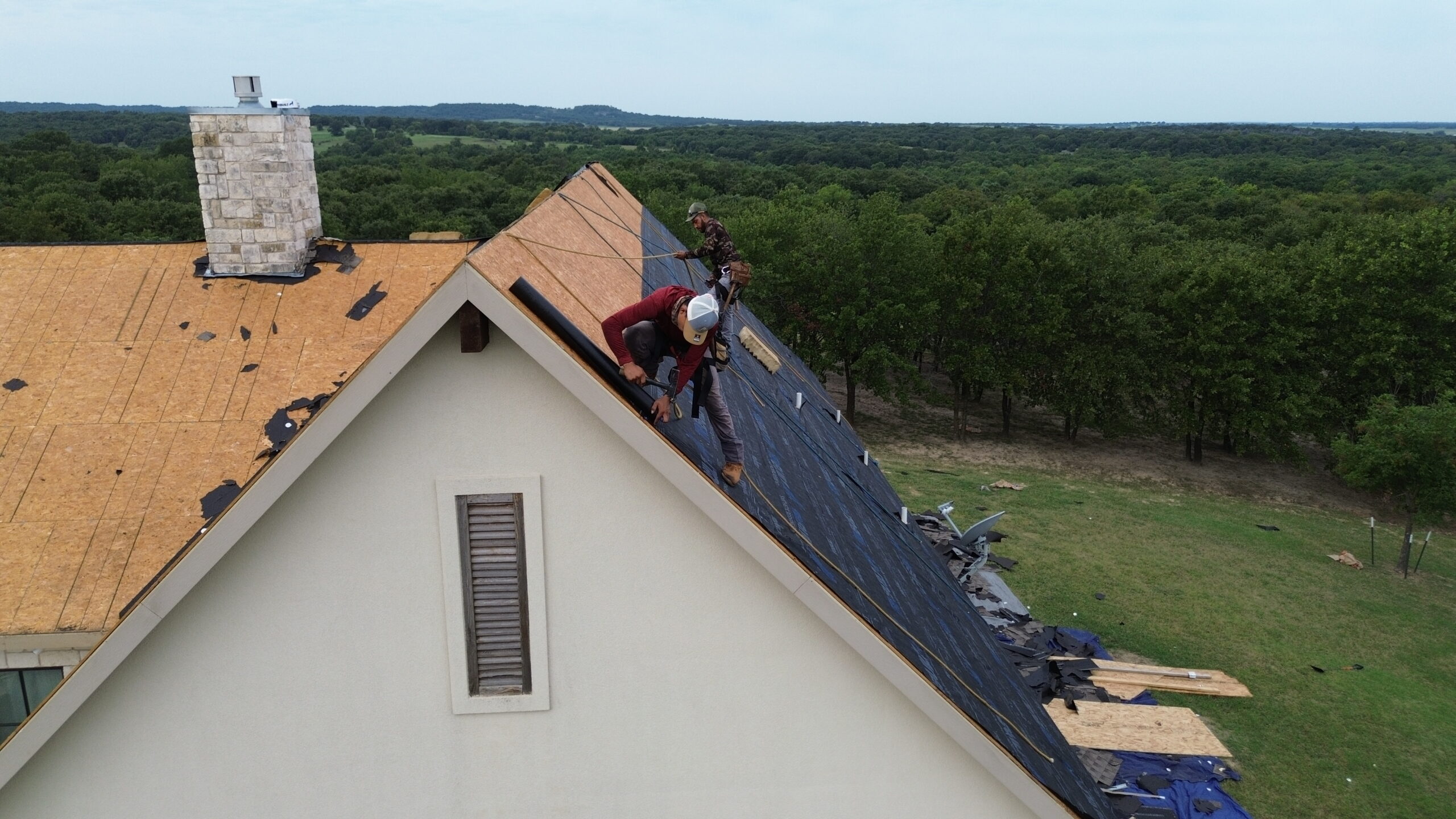
Signs That Your Claim Could Be at Risk
Many claim denials do not happen unexpectedly. In many situations, warning signs appear long before the insurance company issues its final decision. Recognizing these indicators early gives homeowners an opportunity to strengthen their documentation and address potential concerns before the investigation is complete.
One warning sign is having little or no evidence of the damage. If photographs were never taken, inspection reports are unavailable, and repair records cannot be located, proving the cause and extent of roof damage becomes much more difficult. Strong documentation often makes the difference between a smooth approval process and lengthy disputes.
Another concern arises when homeowners notice roof problems but postpone professional inspections. Delaying inspections allows damage to worsen and makes it harder to establish when the problem actually began. Insurance companies may question whether the reported damage resulted from the claimed event or from ongoing deterioration.
Conflicting information can also create problems. If repair estimates, contractor opinions, and homeowner statements differ significantly, the insurer may request additional investigation before making a decision. Clear, consistent communication helps avoid unnecessary delays.
Finally, homeowners should pay attention if they know the roof has received little maintenance over many years. Missing maintenance records, visible aging, and unrepaired issues often receive close attention during claim evaluations. Addressing these concerns before severe weather occurs is one of the most effective ways to reduce the risk of future claim denials.
Common Reason: Insufficient Evidence and Poor Documentation
One of the strongest roof insurance claims can fail simply because the homeowner cannot provide enough evidence. Insurance companies rely on documentation to verify what happened, when it happened, and how extensive the damage is. Without supporting proof, even legitimate claims may face delays or denials.
Many homeowners only begin collecting evidence after contacting their insurance company. By that time, weather conditions may have changed, temporary repairs may have altered the roof, or debris may have been removed. These changes can make it difficult to accurately demonstrate the original condition of the roof.
Photographs are among the most valuable pieces of evidence in any claim. Clear images taken immediately after the damage occurs provide a visual record that supports the homeowner’s explanation. Photos should include close up views of damaged areas as well as wider shots showing the overall roof condition.
Video recordings can also strengthen a claim. Walking around the property while recording visible roof damage, damaged gutters, broken siding, fallen tree branches, or interior water stains helps create a timeline of the incident. This additional evidence often complements photographs and inspection reports.
Professional roof inspections add another layer of credibility. A qualified roofing contractor can identify damage that may not be visible from the ground and prepare a written assessment explaining the likely cause. Although the insurance company performs its own inspection, an independent evaluation gives homeowners additional documentation if questions arise later.
Homeowners should also save receipts for emergency repairs. Insurance policies often require policyholders to prevent additional damage after a covered event. Temporary repairs such as installing tarps or sealing exposed areas demonstrate that the homeowner acted responsibly while waiting for the insurance inspection.
Keeping organized records makes the claims process much easier. Important documents include:
- Inspection reports from licensed roofing contractors.
- Photos and videos taken before and after the storm.
- Repair estimates and invoices.
- Receipts for temporary emergency repairs.
- Maintenance records from previous years.
- Copies of all communication with the insurance company.
Organized documentation tells a complete story. Instead of relying only on verbal explanations, homeowners can provide clear evidence that supports every stage of the claim.
Another common mistake involves deleting photographs after submitting the claim. Insurance companies sometimes request additional information weeks or months later. Keeping digital copies of all evidence until the claim is completely resolved ensures nothing important is lost.
Documentation is equally valuable if an appeal becomes necessary. Strong records often provide the foundation for challenging a denial or negotiating a more accurate settlement amount.
Common Reason: Pre Existing Roof Damage
Insurance policies generally cover new damage caused by covered events rather than problems that already existed before the loss occurred. Because of this, pre existing roof damage frequently becomes one of the most disputed issues during claim investigations.
A roof may have hidden problems long before a storm arrives. Missing shingles, deteriorated flashing, cracked sealants, previous leaks, and weakened decking often develop gradually. When severe weather occurs, these older problems may become more noticeable, leading homeowners to believe the storm caused all of the damage.
Insurance adjusters carefully separate old damage from new damage. They examine weathering patterns, material aging, previous repair work, and signs of long term deterioration. If they conclude that most of the roof problems existed before the reported incident, coverage may be reduced or denied.
Previous insurance claims can also affect the evaluation. If the same section of the roof was damaged years earlier but never repaired properly, the insurer may determine that the current condition results from incomplete repairs rather than a new covered event.
This is why regular roof inspections are so important. Periodic inspections create a documented history of the roof’s condition over time. If the roof was in good condition before the storm, inspection reports help establish that the newly discovered damage likely resulted from the covered event.
Homeowners sometimes purchase older homes without knowing the roof’s maintenance history. Scheduling a professional inspection shortly after purchasing the property creates a useful baseline for future insurance claims. It also helps identify repairs before they become more serious.
Ignoring minor roof issues can create larger problems later. What begins as a small crack or loose shingle may eventually allow water to enter the structure. If the damage worsens over several years, proving that a later storm caused the entire problem becomes much more difficult.
Maintaining detailed maintenance records protects homeowners against claims that damage existed before the reported event. The more complete the documentation, the easier it becomes to distinguish recent storm damage from older roofing issues.
Common Reason: Policy Exclusions and Coverage Limitations
Many claim denials occur simply because homeowners do not fully understand their insurance policy. Every homeowners insurance policy contains exclusions, conditions, deductibles, and coverage limits that determine what the insurer will and will not pay for.
Insurance policies are legal contracts. While they provide valuable financial protection, they also define situations where coverage does not apply. Filing a claim for excluded damage often results in disappointment because the policy never covered that type of loss in the first place.
One common exclusion involves normal aging. Roofing materials naturally deteriorate over time, and insurers generally expect homeowners to replace aging roofs as part of normal property maintenance rather than through insurance claims.
Some policies also contain exclusions for cosmetic damage. For example, minor dents caused by hail may affect the roof’s appearance without reducing its ability to protect the home. Depending on the policy language, cosmetic damage alone may not qualify for reimbursement.
Coverage limitations become especially important for older roofs. Some policies provide replacement cost coverage, while others only pay the actual cash value after depreciation is deducted. This difference can significantly affect the amount homeowners receive following an approved claim.
High deductibles also surprise many homeowners. If repair costs are close to the deductible amount, filing a claim may not result in any insurance payment. Understanding deductible amounts before severe weather occurs helps homeowners make informed decisions about whether to file a claim.
Policy endorsements may also change roof coverage. Some insurers offer optional endorsements that expand protection for specific roofing materials or provide additional replacement benefits. Others may require separate endorsements for certain weather related risks depending on the property’s location.
Reading an insurance policy may seem complicated, but understanding the following areas can prevent future misunderstandings:
| Policy Section | Why It Matters |
|---|---|
| Covered Perils | Identifies which events qualify for coverage. |
| Exclusions | Explains situations where claims will not be paid. |
| Deductible | Determines how much the homeowner pays before insurance contributes. |
| Replacement Cost or Actual Cash Value | Affects the amount paid after claim approval. |
| Claim Reporting Requirements | Establishes deadlines and responsibilities after damage occurs. |
Reviewing these sections before filing a claim allows homeowners to understand what the insurer expects and reduces unrealistic expectations during the claims process.
Common Reason: Incorrect or Incomplete Claim Information
Even when roof damage qualifies for coverage, inaccurate paperwork can complicate the claims process. Insurance companies compare information from multiple sources, including claim forms, inspection reports, contractor estimates, photographs, and weather records. Any inconsistency may require additional investigation.
Simple mistakes often occur because homeowners complete claim forms while dealing with the stress of storm damage. Incorrect dates, inaccurate descriptions, missing contact information, or incomplete repair histories can all slow the review process.
Providing estimates before obtaining professional inspections may also create confusion. Guessing repair costs instead of using contractor evaluations sometimes leads to significant differences between the homeowner’s report and the adjuster’s findings.
Honesty remains essential throughout the process. Exaggerating damage, including unrelated repairs, or intentionally withholding information can damage credibility and lead to claim denial. Insurance companies investigate claims carefully and often identify inconsistencies through inspections and supporting documentation.
Communication also plays a significant role. Responding promptly to requests for additional documents demonstrates cooperation and helps keep the claim moving forward. Delayed responses may extend the investigation unnecessarily.
Homeowners should carefully review every document before submission. Confirming that dates, addresses, policy numbers, and damage descriptions are accurate helps reduce avoidable errors that could complicate an otherwise valid claim.
Common Reason: Failure to Reduce Further Damage
Insurance policies generally require homeowners to take reasonable steps to prevent additional damage after a covered event occurs. This responsibility exists because delaying protective measures can significantly increase repair costs.
For example, if high winds remove shingles and expose the roof decking, rainwater can quickly enter the home. Installing a temporary tarp while waiting for permanent repairs helps reduce additional water damage. Failing to take this step may result in parts of the claim being denied because the additional damage could have been prevented.
Temporary repairs do not mean homeowners should begin major reconstruction before the insurance inspection. Instead, the goal is to stabilize the situation until the adjuster can examine the damage.
Examples of reasonable temporary actions include:
- Covering exposed roof sections with tarps.
- Removing standing water where possible.
- Protecting furniture and personal belongings from leaks.
- Keeping receipts for emergency materials and labor.
- Photographing damage before and after temporary repairs.
Insurance companies generally recognize that homeowners must protect their property from worsening damage. Demonstrating these efforts supports the claim while showing responsible property ownership.
Keeping detailed records of emergency actions is equally important. Receipts, photographs, and written notes help explain why temporary repairs were necessary and ensure that these expenses can be reviewed during the claims process.
How Insurance Adjusters Evaluate Roof Damage
Insurance adjusters follow a structured process when inspecting roof damage. Their objective is to determine the cause, extent, and timing of the damage while comparing those findings with the policy’s coverage provisions.
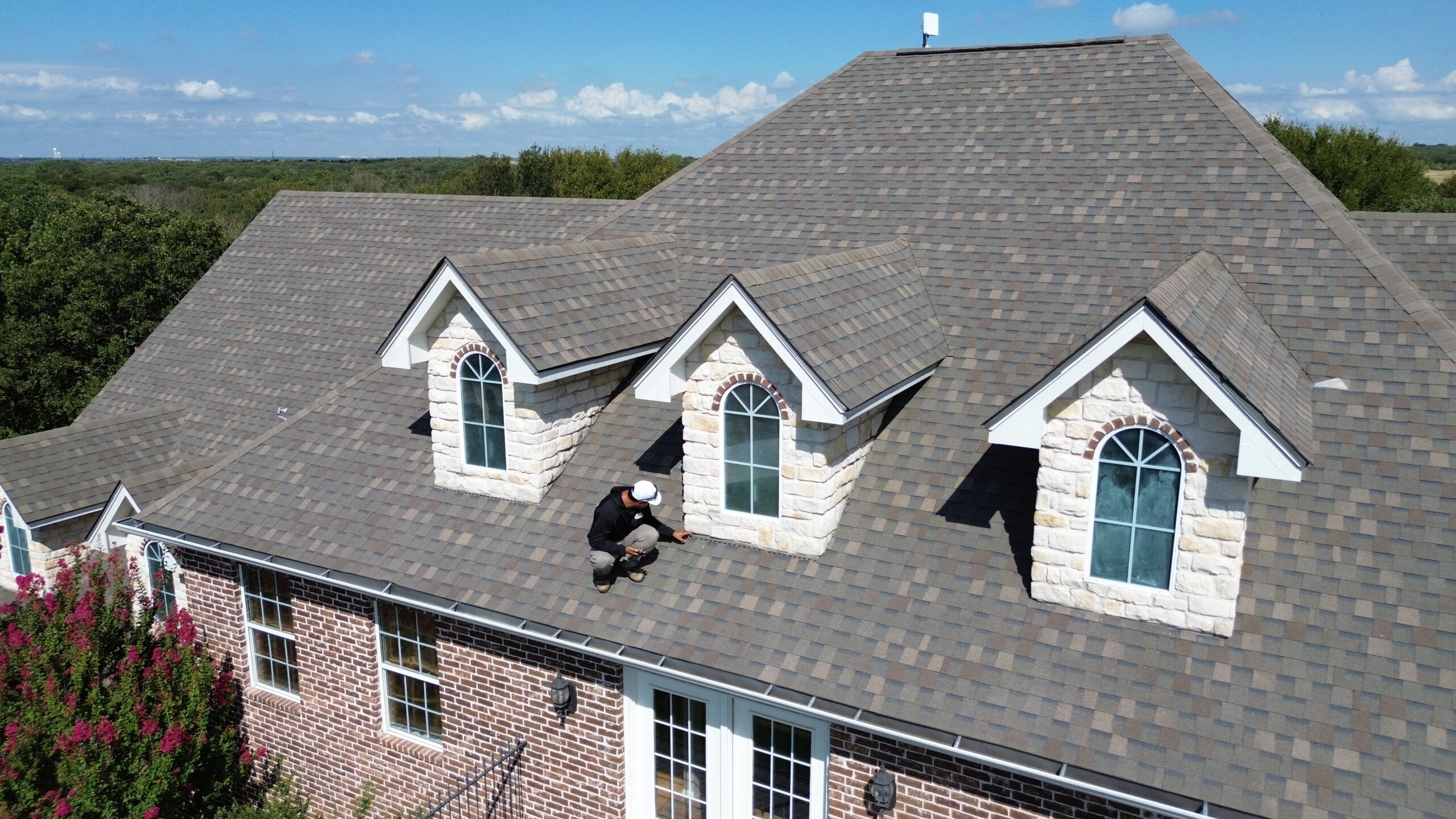
The inspection usually begins with a visual examination of the roof’s exterior. Adjusters look for missing shingles, hail impacts, lifted roofing materials, damaged flashing, cracked vents, and evidence of wind related failures. They also examine gutters, siding, windows, and nearby structures for additional storm indicators.
Interior inspections may also be necessary. Water stains on ceilings, damaged insulation, mold growth, and attic moisture can provide valuable clues about how long leaks have existed and whether they relate to the reported event.
Weather reports frequently support inspection findings. Insurance companies often compare storm dates, wind speeds, and hail reports with the homeowner’s timeline. Consistent information strengthens the claim, while major discrepancies may require further investigation.
Adjusters also review maintenance history whenever available. Roofs that have received regular inspections and documented repairs often provide a clearer picture of recent storm damage because previous conditions are well documented.
Every observation becomes part of the adjuster’s written report. This report plays a major role in determining whether the claim is approved, partially approved, or denied.
Mistakes Homeowners Make During the Inspection Process
The roof inspection is one of the most important stages of the insurance claim. Decisions made during this visit often influence the final outcome. Unfortunately, some homeowners unintentionally make mistakes that weaken otherwise valid claims.
One common mistake is failing to attend the inspection. Being present allows homeowners to answer questions, explain when the damage occurred, and point out areas that may not be immediately visible. While the adjuster performs an independent evaluation, homeowner participation helps provide useful context.
Another mistake involves making permanent repairs before the inspection. Although emergency measures are encouraged, replacing roofing materials too soon may remove evidence that the insurance company needs to evaluate.
Some homeowners also overlook interior damage. Ceiling stains, attic moisture, peeling paint, and water damaged insulation should all be documented because they help demonstrate the impact of roof failures. Focusing only on exterior damage may result in incomplete claim evaluations.
Communication errors can also create unnecessary complications. Providing different explanations to contractors and insurance representatives may raise questions during the review process. Consistent, accurate information helps establish credibility throughout the investigation.
Finally, homeowners sometimes accept the first inspection without asking questions. If something seems unclear, requesting clarification about findings or reviewing the adjuster’s explanation can improve understanding before the claim decision is finalized.
By avoiding these common mistakes, homeowners place themselves in a stronger position during the claims process. Careful preparation, accurate documentation, and professional communication all contribute to a more effective insurance claim.
Common Reason: Contractor Related Issues
Many homeowners contact a roofing contractor immediately after discovering damage. While hiring a qualified professional is often the right decision, choosing the wrong contractor can create unexpected problems during the insurance claim process. Insurance companies carefully review repair estimates and inspection reports, so the credibility of the contractor matters.
Some contractors promise homeowners that they can guarantee claim approval or a full roof replacement. No contractor has the authority to make that promise because the final decision always belongs to the insurance company based on the policy terms and inspection findings. Homeowners should be cautious of anyone making guarantees before the claim has even been reviewed.
Poor quality inspections can also weaken a claim. If the contractor overlooks important damage or provides an incomplete estimate, the insurance company may reach a different conclusion after its own inspection. Large differences between reports often lead to additional questions and delays.
Another issue arises when contractors begin permanent repairs before the insurance adjuster has inspected the roof. Although emergency measures to prevent further damage are generally appropriate, replacing roofing materials too early may remove evidence needed to evaluate the claim. This can make it harder for the adjuster to determine the actual cause and extent of the damage.
Some dishonest contractors encourage homeowners to exaggerate damage or include unrelated repairs in the insurance claim. This approach can create serious legal and financial consequences if inaccurate information is submitted to the insurer. Honest documentation is always the safest and most effective strategy.
Before hiring a roofing company, homeowners should verify licensing, insurance, references, and experience with insurance-related repairs. A reputable contractor focuses on accurate inspections and quality workmanship rather than unrealistic promises.
Good communication between the homeowner, contractor, and insurance company also improves the overall process. When everyone works from the same facts and documentation, misunderstandings become less likely and claim decisions can often be reached more efficiently.
What to Do If Your Roof Insurance Claim Is Denied
Receiving a claim denial can be frustrating, but it does not always mean the matter is permanently closed. In many situations, homeowners have options to gather additional evidence, request clarification, or formally appeal the decision.
The first step is to carefully read the denial letter. Insurance companies typically explain why the claim was denied and reference the specific policy provisions that influenced the decision. Understanding the exact reason allows homeowners to determine whether additional information could address the insurer’s concerns.
After reviewing the denial, compare it with your insurance policy. Verify whether the cited exclusions, limitations, or conditions apply to the reported damage. Sometimes homeowners discover that the denial resulted from missing documentation rather than a lack of coverage.
If the explanation remains unclear, contact the insurance company and request additional details. Speaking directly with the claims representative may help clarify technical language or identify documents that could support reconsideration.
A second professional roof inspection may also be worthwhile. An experienced roofing contractor or independent inspector may identify damage that was overlooked during the initial evaluation. Their findings can strengthen an appeal if supported by photographs and detailed reports.
It is equally important to organize all claim records. Emails, letters, photographs, inspection reports, weather information, and repair estimates should be kept together. A complete file makes it easier to respond to questions and demonstrate the validity of the claim.
Staying professional throughout the process is essential. Frustration is understandable, but respectful communication generally leads to more productive discussions than emotional confrontations.
Steps to Strengthen Your Appeal
An appeal should present new information rather than simply repeating the original claim. The goal is to provide additional evidence that addresses the reasons given for the denial and supports your position.
The following steps can help build a stronger appeal:
- Carefully review the denial letter and identify the exact reason for the decision.
- Collect additional photographs, inspection reports, and contractor evaluations if available.
- Organize maintenance records that demonstrate responsible roof care.
- Include weather reports or other evidence supporting the date and cause of the damage.
- Write a clear appeal letter explaining why the denial should be reconsidered.
- Submit all requested documents before any stated deadlines.
A well prepared appeal presents facts in a logical order. Instead of relying on emotion, it focuses on documentation, timelines, and evidence that directly addresses the insurer’s concerns.
If disagreements continue after the appeal, homeowners may wish to consult a public adjuster or legal professional who specializes in insurance claims. These professionals can explain available options and assist with complex disputes when appropriate.
Appeals often require patience. Insurance companies may need additional time to review new information, schedule another inspection, or obtain expert opinions before reaching a final decision.
Best Practices to Improve the Chances of Claim Approval
Although no homeowner can guarantee claim approval, following good roofing and documentation practices significantly improves the likelihood of a successful outcome. Preparing before damage occurs is often just as important as responding correctly afterward.
Routine maintenance should always remain a priority. Regular inspections identify small issues before they become major problems, while timely repairs demonstrate responsible ownership. Insurance companies are generally more confident when maintenance records show that the roof has been properly cared for over time.
Documentation should begin long before any storm arrives. Periodically photographing the roof creates a visual history of its condition and provides useful comparison images if future damage occurs. These records help distinguish recent storm damage from normal aging.
After severe weather, inspect the property as soon as it is safe to do so. Prompt documentation preserves valuable evidence and allows homeowners to report damage before conditions change. Quick action also helps prevent additional damage caused by water intrusion.
Choosing experienced roofing professionals is another important factor. Qualified contractors understand how to identify storm damage, prepare accurate inspection reports, and explain repair recommendations clearly. Their documentation often supports the overall strength of the claim.
Homeowners should also become familiar with their insurance policy before an emergency occurs. Understanding deductibles, exclusions, reporting deadlines, and coverage limitations reduces confusion during the claims process and helps set realistic expectations.
Good communication remains essential from beginning to end. Responding promptly to requests for information, keeping copies of correspondence, and maintaining accurate records all contribute to a smoother claims experience.
Frequently Asked Questions About Roof Insurance Claim Denials
Will my insurance cover an old roof?
Coverage depends on both the cause of the damage and the terms of the policy. If a covered event damages an older roof, the claim may still qualify for payment, although depreciation or policy limitations may reduce the amount received.
How soon should I report roof damage?
Homeowners should report damage as soon as reasonably possible after discovering it. Prompt reporting preserves evidence and helps prevent questions about whether additional deterioration occurred after the original event.
Can I file a claim for a roof leak?
A roof leak may be covered if it results from a covered event such as wind, hail, or a fallen tree. If the leak developed gradually because of aging or neglected maintenance, the policy may not provide coverage.
Should I repair the roof before the insurance inspection?
Only temporary repairs that prevent additional damage should generally be completed before the inspection. Permanent repairs should usually wait until the insurance company has had an opportunity to evaluate the roof unless immediate action is necessary for safety reasons.
What happens if the insurance company only approves part of my claim?
Partial approvals are common when insurers determine that some damage resulted from covered events while other damage was caused by aging or maintenance issues. Homeowners can review the decision, request clarification, or appeal if they believe additional covered damage was overlooked.
Can weather reports help support my claim?
Yes. Weather reports often provide valuable evidence that severe storms, hail, or high winds occurred on the reported date of loss. Insurance companies frequently compare these reports with inspection findings during the claims review.
How long should I keep claim documents?
It is wise to keep all claim related records until the claim is fully resolved and repairs are complete. Many homeowners also retain copies for future reference in case questions arise later.
Conclusion
Roof insurance claims can be complex, but understanding the most common reasons for claim denials gives homeowners a significant advantage. Many denied claims result from issues that could have been reduced or avoided through regular maintenance, accurate documentation, timely reporting, and a clear understanding of insurance policy requirements.
Insurance companies evaluate much more than visible roof damage. They examine maintenance history, weather conditions, inspection findings, policy language, and the quality of supporting evidence before making a decision. Knowing what adjusters look for helps homeowners prepare stronger claims from the very beginning.
Good record keeping remains one of the most effective ways to protect your interests. Photographs, inspection reports, maintenance receipts, repair estimates, and communication records all contribute to a complete picture of the roof’s condition before and after a damaging event. These documents become especially valuable if questions or disputes arise during the claims process.
Homeowners should also remember that a denial is not always the end of the process. Reviewing the insurer’s explanation, gathering additional evidence, obtaining an independent inspection, and submitting a well supported appeal may lead to a different outcome when appropriate.
Ultimately, the best way to improve the chances of claim approval is to treat roof care as an ongoing responsibility rather than waiting until damage occurs. Regular inspections, prompt maintenance, careful documentation, and familiarity with your insurance policy create a solid foundation for future claims while helping extend the life of your roof.
When unexpected roof damage does occur, preparation and knowledge can make the claims process far less stressful. By avoiding the common mistakes discussed throughout this guide and following best practices before and after a loss, homeowners place themselves in a much stronger position to secure fair insurance coverage and restore their homes with confidence.