

Detecting Seam Separation in Flat Roofing Materials
Introduction
Flat roofing systems are designed to provide long lasting protection for commercial buildings, industrial facilities, apartment complexes, and modern residential properties. While these roofing systems are known for their durability, they rely heavily on properly sealed seams to prevent water from entering the structure. Even the strongest roofing membrane can become vulnerable when seams begin to separate, making seam integrity one of the most important aspects of flat roof performance.
Seam separation often develops gradually rather than appearing overnight. A roof may continue to look normal from ground level while small gaps slowly widen between membrane sections. Once these openings become large enough, moisture can penetrate beneath the roofing system, leading to insulation damage, mold growth, structural deterioration, and expensive repairs that could have been avoided with early detection.
Many property owners only discover seam problems after a roof leak appears inside the building. By that stage, water may have already traveled far from the original opening, making the source of the problem difficult to locate. Understanding how seam separation develops allows building owners to identify warning signs before significant damage occurs.
Different flat roofing materials respond differently to weather, temperature changes, building movement, and aging. Although every roofing system has unique characteristics, all membrane roofs share one common requirement. Their seams must remain securely bonded throughout the roof’s service life to maintain a watertight barrier.
This guide explains how seam separation occurs, why it happens, and what warning signs property owners should watch for during routine roof inspections. It also explores the environmental conditions that accelerate seam deterioration and lays the foundation for understanding inspection and repair methods discussed later in the article.
Understanding Flat Roof Seams and Why They Matter
Unlike many pitched roofing systems that rely on overlapping shingles or tiles, flat roofs are commonly installed using large membrane sheets. Since no single sheet is large enough to cover an entire roof, installers join multiple sections together using specialized seam techniques. These connections create a continuous waterproof surface capable of resisting rain, snow, wind, and everyday environmental exposure.
A seam is much more than a simple connection between two pieces of roofing material. It represents one of the most critical waterproofing components of the entire roofing assembly. When properly installed, a seam becomes nearly as strong as the surrounding membrane and functions as a permanent barrier against water intrusion.
Every seam experiences continuous stress throughout the life of the roof. Daily temperature changes cause roofing materials to expand during warm weather and contract as temperatures cool. Seasonal weather patterns, wind uplift, structural movement, and normal aging all place repeated stress on these bonded areas. Over time, this constant movement can weaken the connection if installation quality or maintenance is lacking.
Because seams represent transition points between membrane sections, they naturally experience greater stress than uninterrupted portions of the roof. This does not mean seams are weak by design. Instead, it highlights why careful installation and regular inspection are essential for maintaining roof performance.
When seam separation begins, even a very small opening can allow water to enter beneath the membrane. Water trapped beneath roofing materials often remains hidden until it reaches an interior ceiling or wall, meaning the visible leak may be located several feet away from the actual seam failure.
Understanding the importance of seams helps explain why roofing professionals pay close attention to these areas during routine inspections. Detecting early changes before complete separation occurs can significantly reduce repair costs and extend the overall life of the roofing system.
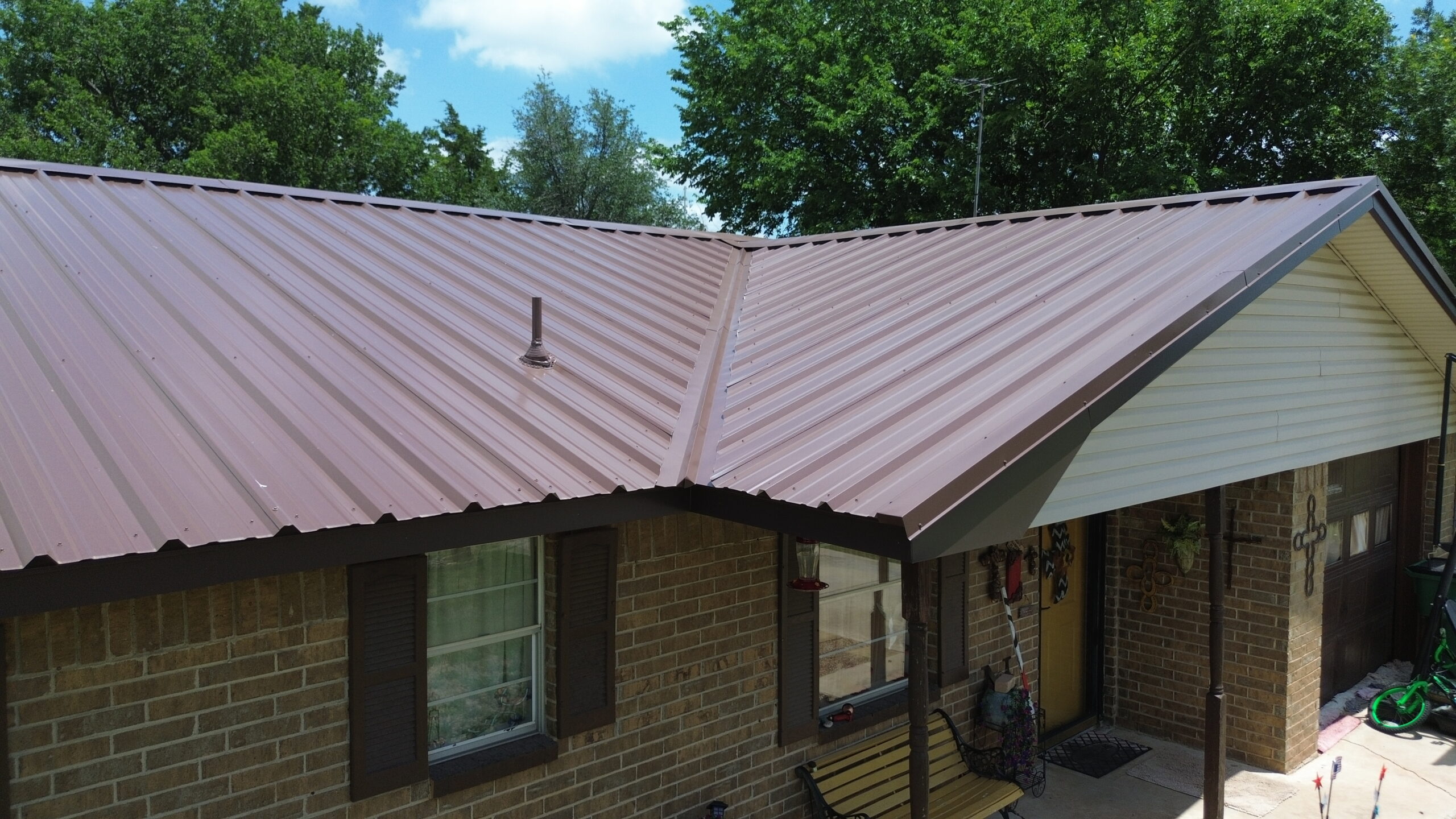
Common Flat Roofing Materials That Use Seams
Modern flat roofing systems use several types of membrane materials, each with its own seam construction methods and long term performance characteristics. Although the materials differ, every membrane relies on secure seams to maintain waterproof protection.
EPDM Roofing
EPDM is a synthetic rubber roofing membrane widely used on commercial and residential flat roofs. Instead of heat welding, most EPDM seams are joined using specially formulated adhesives or seam tapes designed to create durable waterproof bonds.
Because adhesive performance depends on proper surface preparation, contamination during installation or natural adhesive aging can eventually contribute to seam separation. Regular inspections help identify these issues before leaks develop.
TPO Roofing
Thermoplastic Polyolefin, commonly called TPO, uses heat welded seams rather than adhesives. During installation, roofing professionals apply controlled heat to fuse adjacent membrane sheets together into a continuous connection.
Properly welded TPO seams are typically very durable. However, incorrect welding temperatures, insufficient pressure, contamination, or installation errors can reduce seam strength and increase the likelihood of future separation.
PVC Roofing
PVC roofing also relies on heat welded seams to create watertight joints. These membranes are known for excellent chemical resistance and long term performance, making them popular for restaurants, manufacturing facilities, and commercial buildings.
Like TPO systems, PVC seams depend heavily on proper welding techniques. Poor workmanship during installation can create weak spots that may become visible years later.
Modified Bitumen Roofing
Modified bitumen roofing systems use overlapping sheets bonded together with heat, cold adhesives, or self adhering materials depending on the specific product. These roofs often contain reinforced layers that improve durability while maintaining flexibility.
Although modified bitumen performs well under many conditions, aging asphalt compounds and repeated thermal movement can eventually affect seam performance if maintenance is neglected.
Each roofing material has its own maintenance requirements, expected lifespan, and repair methods. Understanding the specific membrane installed on a building helps property owners make informed maintenance decisions and recognize potential seam related issues before they become major problems.

How Seam Separation Develops Over Time
Seam separation rarely occurs because of a single event. Instead, it usually results from a combination of environmental exposure, natural material aging, installation quality, and ongoing mechanical stress acting together over many years.
When a roof is newly installed, seams are typically secure and capable of resisting normal weather conditions. As time passes, however, roofing materials experience thousands of expansion and contraction cycles. Every warm afternoon causes slight expansion, while every cool evening allows the membrane to contract again.
Although each movement is relatively small, the cumulative effect over many years gradually places stress on seam connections. If installation quality was less than ideal or environmental conditions become unusually harsh, these stresses may begin weakening the bonded areas.
Moisture also contributes to seam deterioration. Water that remains on a roof for extended periods can expose seams to prolonged saturation, increasing the likelihood of adhesive breakdown or gradual membrane degradation depending on the roofing material.
Wind introduces another important factor. Strong gusts create uplift forces that repeatedly pull against membrane edges and seams. While professionally installed roofs are engineered to resist these forces, years of repeated wind loading can eventually contribute to localized seam fatigue.
Building movement also plays a significant role. Every structure experiences slight shifts caused by foundation settlement, seasonal expansion, vibration, and normal structural loading. These movements are usually minor, but roofing membranes must continually adjust to accommodate them.
The progression of seam separation often follows a predictable pattern rather than occurring suddenly.
- Minor weakening begins within the bonded seam.
- Small edge lifting becomes visible during inspections.
- Narrow gaps allow moisture beneath the membrane.
- Water infiltration weakens surrounding materials.
- Larger sections of the seam separate.
- Interior leaks eventually develop if repairs are delayed.
Recognizing these stages allows maintenance teams to intervene before relatively small repairs become major restoration projects.
Early Warning Signs of Seam Separation
Early detection remains one of the most effective ways to prevent costly flat roof repairs. Many warning signs appear long before water enters the building, giving property owners valuable opportunities to schedule maintenance before damage becomes widespread.
One of the earliest indicators is slight edge lifting along membrane seams. Instead of lying perfectly flat, small sections may begin curling upward or pulling apart. These changes are often subtle and may only be noticeable during close roof inspections.
Visible gaps between membrane sections should never be ignored. Even openings measuring only a few millimeters can allow moisture beneath the roofing system during heavy rainfall or melting snow.
Surface wrinkles near seams may also indicate developing problems. As membrane movement increases, stress concentrations can create irregular surface patterns that suggest the seam is beginning to lose its original bond.
Other common warning signs include:
- Membrane edges that appear loose or uneven.
- Dirt accumulation along seam lines where small openings trap debris.
- Blisters or bubbles forming near seam locations.
- Moisture stains around rooftop penetrations close to seams.
- Repeated leaks appearing after heavy storms in the same general area.
Not every visible roof imperfection indicates seam separation. However, recurring changes near seam locations deserve professional evaluation before they progress into more extensive failures.
Interior warning signs may also develop before roof damage becomes obvious. Ceiling stains, damp insulation, peeling paint, unusual odors, or unexplained humidity increases sometimes indicate hidden moisture entering through compromised seams.
Routine inspections performed several times each year provide the best opportunity to identify these warning signs while repairs remain relatively straightforward and affordable.
Environmental Factors That Accelerate Seam Failure
Flat roofs remain exposed to environmental conditions every day of the year. While roofing materials are engineered to withstand challenging weather, certain conditions place greater stress on seams and can significantly shorten their service life if maintenance is neglected.
Ultraviolet radiation is one of the most persistent sources of membrane aging. Continuous sunlight gradually changes the physical properties of roofing materials, reducing flexibility and increasing the likelihood of cracking or seam deterioration over extended periods.
Temperature fluctuations create another ongoing challenge. A roof surface may experience dramatic heating during sunny afternoons followed by rapid cooling overnight. This daily expansion and contraction cycle continuously stresses seam connections throughout the year.
Heavy rainfall places additional demands on roofing systems, especially when drainage is inadequate. Standing water increases the amount of time seams remain exposed to moisture, potentially accelerating adhesive deterioration or exposing small defects that might otherwise remain unnoticed.
High winds also affect seam durability by generating uplift forces across the membrane surface. Repeated wind loading may gradually weaken vulnerable seams, particularly near roof edges and corners where wind pressures are typically greatest.
Cold weather presents its own challenges. Roofing materials often become less flexible at lower temperatures, making seams more susceptible to stress when structural movement occurs during freezing conditions. In regions with freeze thaw cycles, trapped moisture can expand as it freezes, increasing pressure around weakened seam areas.
Environmental pollution should not be overlooked either. Industrial emissions, airborne contaminants, and accumulated debris may gradually affect roofing materials depending on the membrane type and local environmental conditions.
These environmental factors rarely act independently. Instead, they interact continuously throughout the roof’s lifespan, gradually increasing stress on seam connections until visible warning signs begin to appear. Understanding these influences helps property owners appreciate why regular inspections and preventive maintenance remain essential for protecting flat roofing systems.
Installation Mistakes That Lead to Seam Separation
Even the highest quality roofing membrane cannot perform as intended if it is installed incorrectly. Seam separation often begins with mistakes made during installation, although the effects may not become visible until several months or even years later. Because seams serve as the primary waterproof connection between membrane sheets, precision during installation is essential.
One of the most common installation errors involves improper surface preparation before joining membrane sections. Dust, moisture, grease, or loose debris trapped between roofing materials can prevent adhesives or heat welds from creating a complete bond. The seam may initially appear secure, but weak areas often become the first points of failure as the roof ages.
Incorrect seam overlap is another frequent issue. Manufacturers specify minimum overlap dimensions to ensure sufficient bonding area between adjacent sheets. If installers create seams that are too narrow, the connection may lack the strength needed to withstand thermal movement, wind uplift, and long term weather exposure.
For heat welded roofing systems such as TPO and PVC, welding temperature plays a critical role in seam quality. Temperatures that are too low may fail to fully fuse the membranes, while excessive heat can damage the material and reduce its durability. Professional installers carefully monitor welding conditions throughout the installation process to maintain consistent seam strength.
Adhesive based roofing systems also require careful attention to environmental conditions. Rain, excessive humidity, or temperatures outside the manufacturer’s recommended range can interfere with adhesive curing. Even when the seam appears complete, the bond may never reach its intended strength.
Installation timing can influence long term seam performance as well. Roofing materials naturally expand and contract depending on temperature. If membrane sheets are not properly relaxed before installation, internal stresses may develop that gradually pull against the seams over time.
Another overlooked factor is insufficient pressure during seam bonding. Whether using seam rollers on adhesive systems or pressure rollers after heat welding, proper pressure ensures full contact between membrane surfaces. Incomplete contact may leave tiny voids that eventually become pathways for moisture infiltration.
Corners, roof penetrations, and flashing transitions demand even greater attention than straight seams. These complex areas experience additional movement and weather exposure, making careful workmanship especially important. A minor installation defect in these locations can eventually affect a much larger portion of the roofing system.
Although installation mistakes are not always immediately visible, they often establish the conditions that allow seam separation to develop years later. This is one reason why experienced roofing contractors follow manufacturer guidelines closely and conduct seam testing during installation whenever possible.
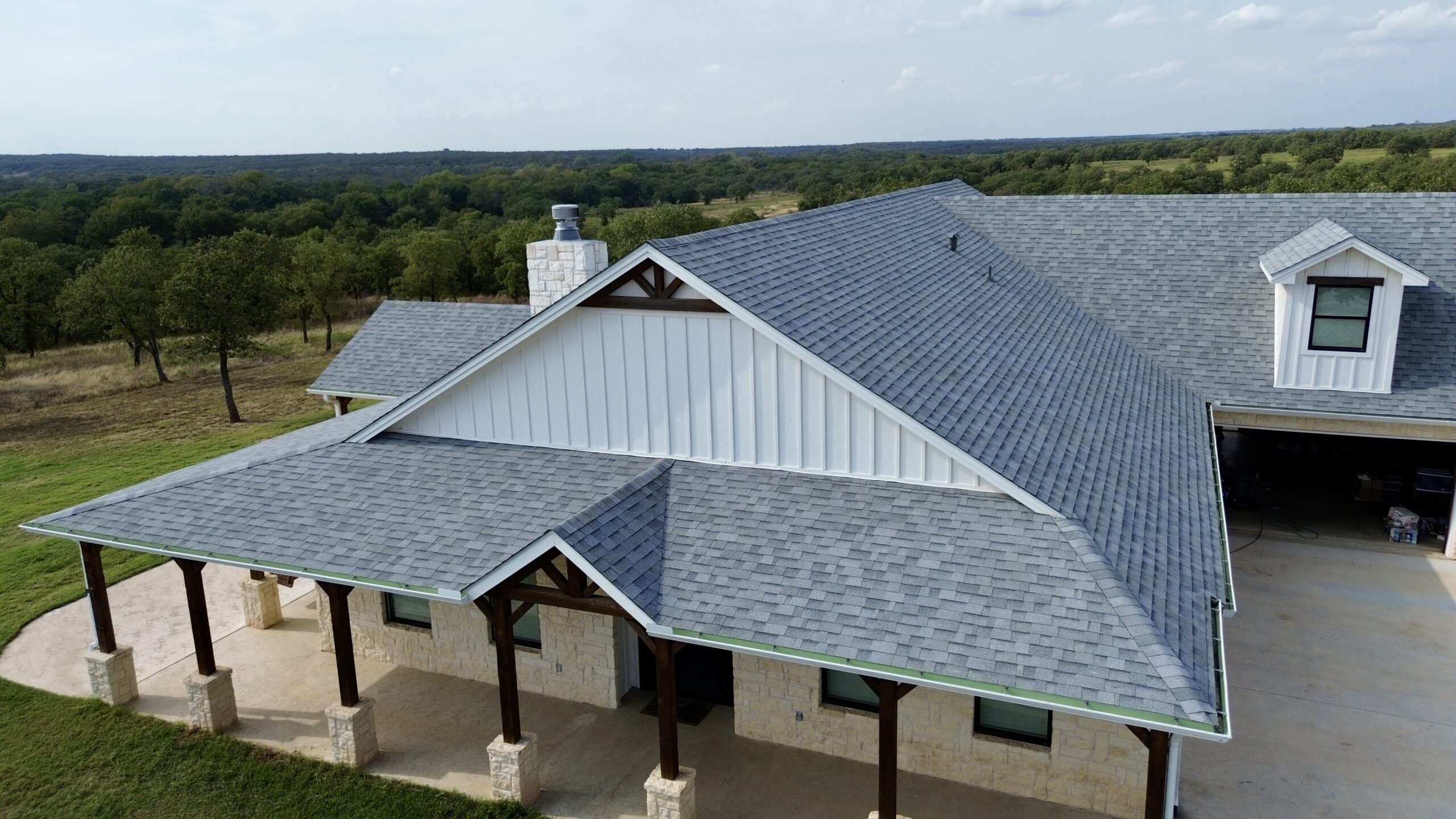
How Aging and Roof Movement Affect Seam Integrity
Every roofing system changes as it grows older. Exposure to sunlight, temperature fluctuations, moisture, and environmental contaminants gradually alters the physical properties of roofing materials. Even roofs that were installed perfectly experience natural aging that can influence seam performance.
As roofing membranes age, they often become less flexible than when first installed. Materials that once expanded and contracted easily may gradually stiffen, increasing stress at the seams during daily temperature changes. This reduced flexibility can make older seams more susceptible to separation.
Thermal movement remains one of the most significant forces affecting flat roofs throughout their lifespan. During warm afternoons, roofing membranes expand as they absorb solar heat. At night, they contract as temperatures fall. Although these dimensional changes are relatively small, they occur thousands of times over the life of the roof.
Structural movement adds another layer of complexity. Buildings naturally shift due to foundation settlement, wind loading, occupancy changes, and seasonal expansion of structural components. Roofing systems must continuously adapt to these subtle movements while maintaining watertight seams.
Roofs covering large commercial buildings often experience greater membrane movement because of their expansive surface areas. Longer membrane sections undergo greater total expansion and contraction than smaller roofs, increasing the importance of properly designed seam layouts.
Mechanical equipment installed on rooftops can also contribute to long term movement. Heating and cooling systems generate vibration that may gradually affect nearby roofing components. While modern roofs are designed to accommodate these conditions, older or poorly maintained seams may become vulnerable over time.
Water infiltration beneath the membrane further accelerates aging. Moisture trapped below the roofing system may reduce insulation effectiveness, weaken adhesives, and increase membrane movement during freeze thaw cycles. Once water reaches the underside of the membrane, seam deterioration often progresses more rapidly.
The combined influence of aging and movement rarely produces sudden failure. Instead, seam integrity gradually declines as multiple factors interact over many years. This slow progression provides valuable opportunities for preventive maintenance if regular inspections are performed.
Inspection Methods for Detecting Seam Separation
Successful roof maintenance depends on identifying seam problems before they develop into major leaks. Professional inspections combine visual observations with specialized testing methods to evaluate seam condition without causing unnecessary damage to the roofing system.
Visual inspection remains the first and most important step. Roofing professionals examine every accessible seam for signs of lifting, gaps, wrinkles, discoloration, or membrane distortion. Particular attention is given to roof edges, corners, penetrations, drains, and areas where previous repairs have been completed.
Inspectors also evaluate surrounding roof conditions because seam problems rarely occur in isolation. Ponding water, damaged flashing, loose fasteners, deteriorated sealants, and accumulated debris may all contribute to seam deterioration or indicate broader roofing concerns.
Careful physical examination often follows the visual assessment. Roofing professionals may gently probe seam edges using approved inspection tools to determine whether bonding remains secure. This process must be performed carefully to avoid damaging otherwise sound roofing materials.
Moisture detection technologies provide additional insight when hidden water infiltration is suspected. Infrared thermography identifies temperature variations associated with trapped moisture beneath roofing membranes. Wet insulation retains heat differently than dry insulation, allowing inspectors to locate potential problem areas that are invisible from the surface.
Electronic leak detection systems are also valuable for identifying breaches in waterproof membranes. These methods use controlled electrical testing to locate points where moisture may be penetrating through the roofing assembly. Such techniques can significantly reduce the time required to locate hidden seam failures.
Roof inspections are especially important following severe weather events. High winds, hailstorms, heavy rainfall, or prolonged snow accumulation may increase stress on roofing seams, making post storm evaluations an important part of preventive maintenance.
Property owners can also perform routine visual observations between professional inspections. While they should avoid unnecessary roof access without proper safety precautions, recognizing obvious warning signs allows problems to be addressed before they worsen.
The following inspection priorities help identify areas that deserve the closest attention:
- Roof perimeter seams exposed to higher wind forces.
- Membrane joints surrounding HVAC equipment.
- Drainage areas where water commonly accumulates.
- Flashing transitions around walls and skylights.
- Locations with previous repair history.
- Areas showing visible wrinkles or edge lifting.
Documenting inspection findings with photographs and written notes allows maintenance teams to monitor seam conditions over time. Comparing observations from year to year often reveals gradual changes that might otherwise go unnoticed.
Comparing Seam Issues Across Different Flat Roofing Systems
Although every flat roofing system relies on secure seams, the causes and appearance of seam separation vary depending on the membrane material. Understanding these differences helps property owners recognize potential issues and select appropriate repair methods.
EPDM roofing typically relies on adhesive bonded seams rather than heat welding. As adhesives age, exposure to moisture, ultraviolet radiation, and repeated thermal movement may gradually reduce bond strength. Seam tape systems have improved long term performance, but periodic inspection remains essential.
TPO roofing generally uses heat welded seams that create strong mechanical bonds between membrane sheets. Most seam problems occur because of installation errors, contamination during welding, or weather related stress that develops over many years. Properly welded seams often provide excellent long term durability.
PVC roofing shares many characteristics with TPO regarding seam construction. Heat welded joints create reliable waterproof connections when installed correctly. However, improper welding temperatures or inconsistent welding pressure may produce localized weak spots that eventually separate.
Modified bitumen roofing differs because its seams involve overlapping asphalt based sheets. These seams may be heat fused, cold applied, or self adhered depending on the specific roofing system. Long term aging of asphalt compounds can influence seam flexibility and waterproof performance.
The overall performance of each roofing system depends on far more than seam construction alone. Roof design, drainage quality, climate, maintenance frequency, and installation workmanship all contribute significantly to long term durability.
Rather than assuming one roofing material is universally superior, property owners should focus on ensuring that their specific system receives maintenance appropriate for its design. Regular inspections remain valuable regardless of the membrane type installed.
Preventive Maintenance That Reduces Seam Problems
Preventive maintenance is one of the most effective strategies for extending the service life of flat roofing systems. Instead of waiting until leaks appear inside the building, proactive maintenance addresses minor seam issues before they become major structural concerns.
Keeping the roof clean is an important first step. Leaves, branches, dirt, and other debris can trap moisture against roofing materials, increasing the amount of time seams remain exposed to wet conditions. Routine cleaning also makes visual inspections much easier because potential problems remain visible.
Proper drainage should receive equal attention. Ponding water places continuous stress on roofing membranes and increases the likelihood of moisture related deterioration. Maintaining clean drains and ensuring water flows freely across the roof helps reduce long term seam exposure.
Tree branches hanging above the roof should also be managed carefully. Falling limbs, rubbing branches, and accumulated organic debris may physically damage roofing membranes or introduce additional moisture retention. Regular trimming reduces these risks while improving roof accessibility during inspections.
Maintenance personnel should avoid unnecessary foot traffic across membrane seams. Frequent walking in the same locations may gradually increase wear, especially near rooftop equipment that requires regular servicing. Designated walkway pads help distribute weight and protect vulnerable roofing areas.
Small repairs completed promptly often prevent much larger restoration projects. Minor edge lifting, localized adhesive deterioration, or isolated seam defects are generally easier and less expensive to correct before water penetrates beneath the membrane.
Professional roof maintenance programs typically include seasonal inspections, documentation of changing roof conditions, cleaning, minor repairs, and recommendations for future maintenance. Establishing a consistent inspection schedule allows property owners to budget more effectively while reducing the likelihood of unexpected emergency repairs.
Preventive maintenance also provides an opportunity to verify that rooftop equipment installations have not compromised the roofing system. New antennas, solar panels, HVAC units, and communication equipment should always be evaluated to ensure their installation has not introduced additional seam stress.
Inspection Checklist for Property Owners
Routine observations performed by property owners can complement professional roof inspections and help identify developing problems earlier. While detailed repairs should always be left to qualified roofing professionals, knowing what to look for supports more effective maintenance planning.
The following checklist provides a practical framework for routine roof evaluations.
- Inspect visible seams for lifting, curling, or separation.
- Check for standing water that remains longer than expected after rainfall.
- Look for wrinkles, blisters, or unusual membrane movement near seams.
- Examine flashing around penetrations for signs of deterioration.
- Remove leaves and debris that may trap moisture.
- Record any changes with photographs for future comparison.
- Schedule professional evaluation if new defects appear or existing conditions worsen.
Consistent documentation is often as valuable as the inspection itself. Comparing photographs taken over several seasons makes gradual seam movement easier to recognize and helps roofing contractors evaluate whether conditions are changing at a normal rate or require immediate attention.
By combining routine owner observations with scheduled professional inspections, property managers create a comprehensive maintenance strategy that greatly improves the chances of detecting seam separation before costly interior damage occurs.
Repair Options for Different Levels of Seam Separation
Once seam separation has been identified, selecting the appropriate repair method depends on the severity of the damage, the type of roofing material, and the overall condition of the roof. Not every separated seam requires a complete roof replacement. In many situations, early intervention can restore the waterproof barrier and significantly extend the roof’s service life.
Minor seam separation is usually the easiest and least expensive problem to address. If the membrane remains in good condition and the separation is limited to a small section, roofing professionals can often clean the affected area and reestablish the bond using manufacturer approved repair materials. Addressing these issues early prevents moisture from spreading beneath the roofing system.
Moderate seam separation requires a more comprehensive repair approach. Water may have already entered beneath the membrane, making it necessary to inspect the insulation and roof deck before repairing the seam itself. If moisture is trapped below the membrane, simply resealing the surface without correcting the underlying issue may only provide a temporary solution.
Extensive seam failure often affects multiple sections of the roof. When large portions of the membrane have separated or when repeated repairs have failed, contractors may recommend replacing an entire membrane section rather than attempting numerous isolated repairs. This approach provides greater long term reliability while reducing the likelihood of recurring leaks.
Repair methods also vary according to the roofing material. EPDM systems may require new seam tape or specialized adhesive products, while TPO and PVC roofs generally rely on heat welding to restore seam integrity. Modified bitumen systems often require compatible patching materials and careful resealing to maintain waterproof performance.
Roof repairs should always use materials approved for the existing roofing system. Mixing incompatible products can weaken the repair, reduce the expected lifespan, and sometimes void manufacturer warranties. Matching repair materials to the original roofing membrane helps ensure consistent performance.
Weather conditions also influence repair quality. Dry conditions and suitable temperatures allow adhesives and welded seams to perform as intended. Attempting repairs during rain or under unfavorable environmental conditions may compromise the durability of the completed work.
Another important consideration is identifying why the seam failed in the first place. If the underlying cause remains uncorrected, even a well executed repair may experience similar problems in the future. Effective repairs therefore address both the visible separation and the conditions that contributed to its development.
When Seam Repairs Are Enough and When Replacement Is Necessary
One of the most common questions property owners ask is whether a damaged seam can simply be repaired or whether the roof has reached the point where replacement is the better investment. The answer depends on several factors rather than the seam alone.
A relatively new roof with isolated seam separation is often an excellent candidate for repair. If the surrounding membrane remains flexible, the insulation is dry, and structural components are in good condition, restoring the affected seam can return the roof to reliable service.
Roofs approaching the end of their expected lifespan require more careful evaluation. Even if one separated seam can be repaired successfully, other areas of the roof may soon develop similar problems due to overall material aging. In these situations, investing repeatedly in localized repairs may become less cost effective than planning a replacement.
The extent of moisture infiltration is another important consideration. If water has saturated large sections of insulation or caused deterioration of the roof deck, the repair scope expands beyond the visible seam. Hidden moisture can reduce energy efficiency, encourage mold growth, and accelerate structural damage if left untreated.
The history of previous repairs also provides valuable information. A seam that has required repeated repairs may indicate ongoing movement, installation defects, or widespread membrane deterioration. Repeated failures often suggest that localized repairs are addressing the symptoms rather than the underlying problem.
Building owners should also consider future operational needs. Facilities planning rooftop equipment upgrades, solar installations, or major renovations may benefit from coordinating those projects with roof replacement rather than investing heavily in repairs immediately beforehand.
Professional roof assessments often include moisture surveys, membrane testing, and inspection of structural components before major decisions are made. These evaluations provide objective information that supports informed maintenance planning rather than relying solely on visible surface conditions.
Choosing between repair and replacement is ultimately a balance between current roof condition, expected remaining service life, long term maintenance costs, and the owner’s financial planning objectives.
Cost Factors That Influence Seam Repair Projects
The cost of repairing seam separation varies considerably because every roofing system presents unique conditions. While small repairs may require only limited labor and materials, more extensive projects involve additional inspection, moisture remediation, and membrane replacement.
Roof size naturally influences repair costs. Larger roofs contain more seams and require greater inspection time before repairs begin. Although the damaged area itself may be relatively small, contractors often inspect surrounding sections to identify additional developing issues.
The type of roofing membrane also affects repair expenses. Different materials require specialized equipment, compatible repair products, and technicians experienced with that specific roofing system. Material compatibility is essential for achieving durable repairs.
Accessibility is another important factor. Roofs with multiple levels, limited access points, heavy rooftop equipment, or complex architectural features often require additional labor and safety precautions. These logistical considerations influence the overall scope of the project.
Moisture damage beneath the membrane can significantly increase repair complexity. Wet insulation may require removal and replacement before the membrane is restored. Delaying repairs often allows moisture to spread farther beneath the roof, increasing both labor and material requirements.
Emergency repairs following severe weather events may also cost more than planned maintenance work. Scheduling repairs before leaks become urgent allows contractors to perform more thorough evaluations and complete repairs under favorable weather conditions.
Warranty status should not be overlooked. Some roofing systems remain covered by manufacturer or contractor warranties that include specific repair procedures. Following approved repair methods helps preserve warranty protection while ensuring consistent workmanship.
Although repair costs vary widely, early detection almost always reduces overall expenses. Small seam defects corrected promptly are generally much less expensive than repairing widespread water damage after prolonged leakage.
Best Practices for Long Term Seam Performance
Maintaining seam integrity throughout the life of a flat roof requires a combination of quality installation, routine inspections, preventive maintenance, and timely repairs. No roofing system remains maintenance free, but consistent care significantly improves long term performance.
Regular professional inspections should be scheduled at least twice each year. Many property owners choose inspections during the spring and fall because seasonal weather changes often reveal developing roofing issues. Additional inspections after major storms provide another opportunity to identify damage before leaks occur.
Routine cleaning also contributes to seam longevity. Removing debris allows water to drain properly while reducing the accumulation of moisture around vulnerable seam areas. Clean roofs are also easier to inspect because membrane conditions remain clearly visible.
Prompt attention to minor defects prevents them from becoming larger problems. Small areas of edge lifting or localized membrane movement rarely improve on their own. Addressing these issues early often prevents water infiltration and reduces future repair costs.
Maintenance records provide valuable long term insight into roof performance. Documenting inspection dates, repair locations, weather events, and photographs creates a history that helps identify recurring patterns and supports more effective maintenance planning.
Property owners should also educate maintenance personnel about protecting the roof during routine building operations. Contractors servicing rooftop equipment should avoid dragging tools across membrane seams or placing heavy equipment directly on vulnerable roofing surfaces.
Another valuable practice is coordinating roof inspections with other building maintenance activities. HVAC servicing, electrical work, or solar panel maintenance often provides convenient opportunities to observe roof conditions without requiring separate site visits.
Long term seam performance ultimately depends on consistency rather than occasional attention. Small preventive actions performed regularly often produce greater benefits than major repairs delayed until significant damage has already occurred.
Comparison Table of Seam Problems, Causes, and Recommended Solutions
| Seam Problem | Common Cause | Potential Risk | Recommended Solution |
|---|---|---|---|
| Minor edge lifting | Natural aging or thermal movement | Early moisture intrusion | Clean and reseal affected seam |
| Small seam gap | Adhesive deterioration or incomplete bond | Water infiltration during rainfall | Professional seam repair using compatible materials |
| Wrinkled membrane near seam | Roof movement or installation stress | Increased stress on adjacent seams | Inspect movement source and repair affected area |
| Repeated seam separation | Underlying structural movement or previous poor repairs | Recurring leaks and membrane damage | Comprehensive professional assessment and corrective repair |
| Widespread seam failure | Advanced roof aging or multiple installation defects | Significant water damage and reduced roof lifespan | Evaluate partial or full roof replacement |
The table highlights that seam separation is rarely a one size fits all problem. Understanding the underlying cause is just as important as repairing the visible damage because long term performance depends on correcting both the symptom and the source of the issue.
Frequently Asked Questions
How often should flat roof seams be inspected?
Most roofing professionals recommend inspecting flat roofs at least twice each year and after major storms. Regular inspections help identify small seam defects before they develop into significant leaks or structural damage.
Can seam separation repair itself over time?
No. Once a roofing seam begins to separate, it will not naturally return to its original condition. Continued exposure to weather usually causes the opening to increase unless professional repairs are completed.
Is every separated seam an emergency?
Not always, but every separated seam deserves prompt attention. Small openings may not immediately cause interior leaks, yet they can allow moisture beneath the membrane where hidden damage gradually develops.
Can building owners repair seam separation themselves?
Routine visual inspections are appropriate for property owners, but seam repairs should generally be performed by qualified roofing professionals. Proper repairs require compatible materials, specialized techniques, and an understanding of the roofing system.
Does ponding water always cause seam separation?
Standing water does not automatically create seam separation, but it increases moisture exposure and may accelerate deterioration if drainage problems persist. Correcting drainage issues helps reduce long term stress on roofing seams.
Can regular maintenance extend roof life?
Yes. Consistent inspections, prompt repairs, debris removal, and proper drainage maintenance often extend the service life of flat roofing systems while reducing the likelihood of expensive emergency repairs.
Conclusion
Detecting seam separation in flat roofing materials is one of the most important aspects of protecting a building from water intrusion and costly structural damage. Because seams serve as the primary waterproof connections between roofing membranes, even small areas of separation deserve careful attention before they develop into larger failures.
Seam separation rarely results from a single cause. Installation quality, environmental exposure, thermal movement, aging materials, building movement, and maintenance practices all contribute to long term seam performance. Understanding how these factors interact allows property owners to recognize potential problems earlier and make informed maintenance decisions.
Routine inspections remain the most effective defense against seam related damage. Identifying subtle warning signs such as edge lifting, membrane wrinkles, or small gaps gives maintenance teams an opportunity to complete relatively simple repairs before moisture spreads beneath the roofing system. Early intervention almost always reduces repair costs while extending roof life.
Preventive maintenance should be viewed as an investment rather than an expense. Keeping roofs clean, maintaining proper drainage, documenting inspections, and scheduling professional evaluations help preserve seam integrity throughout the roof’s service life. These practices also reduce the likelihood of unexpected leaks that disrupt building operations and require emergency repairs.
When seam separation is discovered, selecting the correct repair strategy is essential. Minor issues can often be resolved with localized repairs, while widespread deterioration may indicate that larger restoration work or roof replacement is the more practical long term solution. A professional assessment provides the information needed to choose the most effective approach.
Flat roofs are designed to deliver reliable performance for many years, but their success depends on maintaining the strength of every seam. By combining quality installation, regular inspections, preventive maintenance, and timely repairs, property owners can minimize seam separation, protect their investment, and ensure their roofing system continues to provide dependable weather protection for years to come.