

How to Identify Hidden Roof Leak Sources Early
Introduction
Roof leaks rarely announce themselves in obvious ways at the beginning. In most cases, the first signs of a leak appear far from the actual source, which makes early detection challenging for homeowners and property managers. Water can enter through a small opening in the roofing system and then travel along structural components before becoming visible inside the home.
By the time stains appear on ceilings or walls, the leak has often been active for some time. This delay between water entry and visible damage is what makes roof leaks particularly difficult to diagnose in their early stages. Understanding how to recognize subtle warning signs can help prevent costly structural damage and reduce repair expenses.
Hidden roof leaks are especially dangerous because they can silently affect insulation, wood framing, and interior finishes. Over time, even a small amount of moisture can weaken structural integrity and create conditions for mold growth. Early detection is not just about preventing damage, it is also about protecting the long term health of the entire building.
Learning how to identify these hidden leak sources requires understanding how water behaves once it enters a roofing system. It also requires paying attention to small environmental and structural changes inside and outside the home that may indicate a developing problem.
Why Roof Leaks Often Stay Hidden Until Damage Appears
Roof leaks often remain undetected for long periods because water does not follow a predictable straight path once it enters a structure. Instead, it spreads laterally along beams, insulation layers, and roof decking before finally dripping into visible areas.
This movement means the visible damage inside a home is rarely located directly beneath the entry point of the leak. For example, a roof opening near a chimney may eventually cause a stain several feet away on a ceiling or wall. This displacement makes it difficult for homeowners to trace the origin without professional guidance.
Another reason leaks remain hidden is that roofing systems are composed of multiple layers designed to protect against moisture. While this layered design is beneficial for durability, it also means that water can become trapped between layers before showing any external signs.
Temperature changes can also delay visible symptoms. During warm periods, trapped moisture may evaporate or remain contained within insulation. When temperatures drop, condensation may increase, leading to sudden visible signs that appear unrelated to the original leak event.
Because of these factors, roof leaks often progress silently until the damage becomes severe enough to notice. By that stage, repairs are usually more complex and expensive than they would have been with early detection.
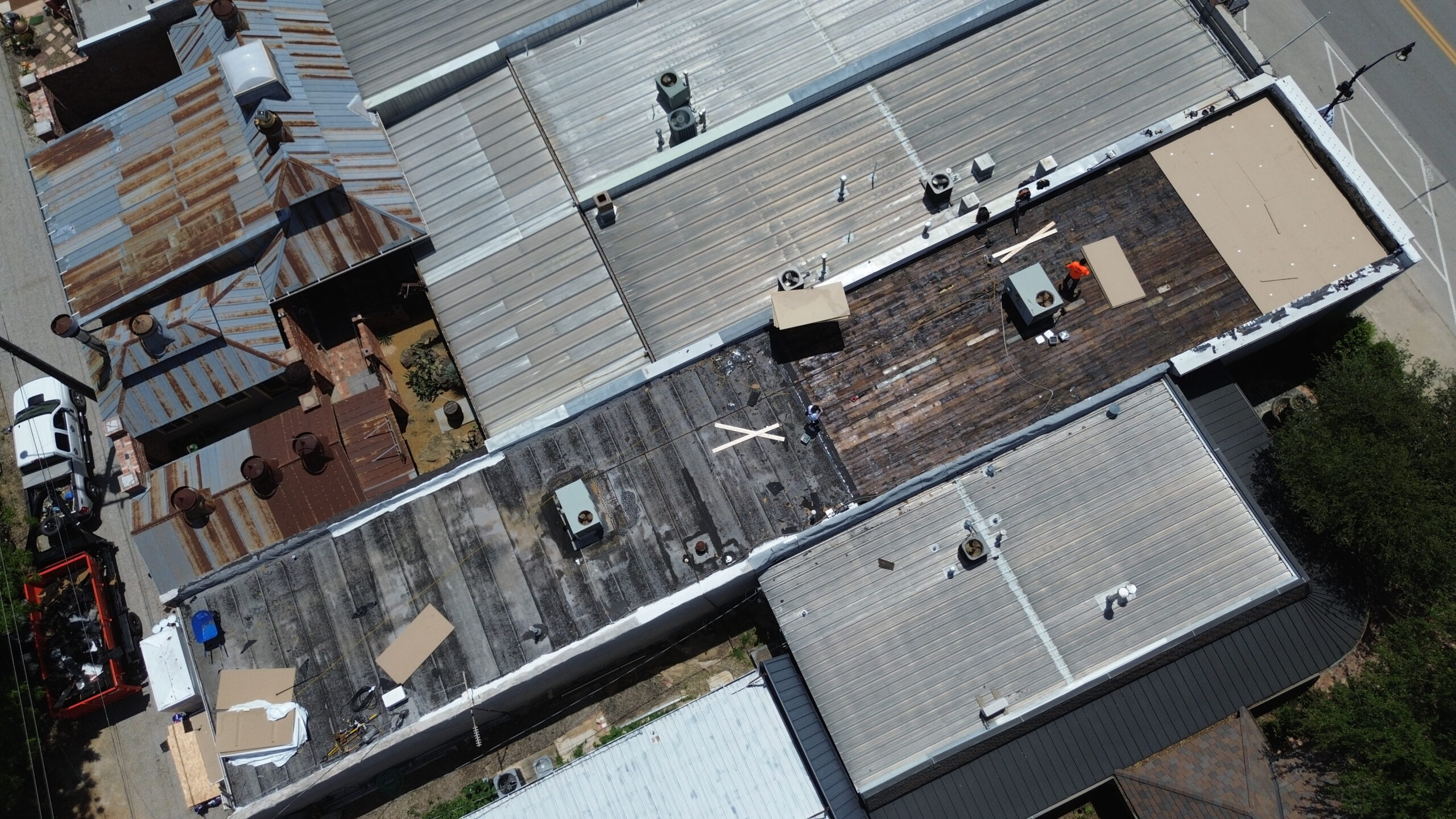
How Water Travels Inside Roofing Systems Without Being Detected
Once water enters a roofing system, it rarely stays in one place. Instead, it follows paths of least resistance through small gaps, nail holes, and structural seams. This movement allows moisture to spread across larger areas before it becomes visible indoors.
Wooden framing components such as rafters and trusses can guide water horizontally. This means a leak that begins in one area of the roof may appear as damage in a completely different location inside the home.
Insulation materials can also absorb and redistribute moisture. While insulation may slow water movement, it can also hide the presence of moisture for extended periods. This is particularly true in attic spaces where insulation is not frequently inspected.
In some cases, water may collect in low points within the roof structure before slowly dripping downward. This delayed release creates intermittent leaks that seem inconsistent, making them harder to diagnose.
Because water movement inside a roof is influenced by gravity, airflow, and material absorption, identifying the true source requires careful analysis of both interior and exterior conditions.
Common Causes of Hidden Roof Leak Formation
Hidden roof leaks often begin with small vulnerabilities that develop into larger issues over time. These vulnerabilities may not be immediately noticeable, which allows moisture to enter gradually.
One of the most common causes is aging roofing materials. As shingles or tiles degrade, they may develop cracks or lose protective granules. These small defects allow water to penetrate during heavy rain or wind driven storms.
Improper installation is another frequent cause of hidden leaks. Even minor mistakes such as misaligned shingles or poorly sealed joints can create entry points for water. These issues may remain unnoticed until weather conditions expose them.
Flashing failures are also a major contributor. Flashing is used around chimneys, skylights, and vents to create watertight seals. When flashing loosens or deteriorates, it can allow water to seep into the roofing system without immediate visible signs.
Blocked drainage systems can indirectly cause hidden leaks as well. When gutters or downspouts become clogged, water may back up under roofing materials and slowly infiltrate the structure.
Environmental stress such as wind, hail, and temperature fluctuations can gradually weaken roofing components. Over time, these stresses create small openings that allow moisture to enter and remain hidden.

Early Warning Signs Inside the Home
Hidden roof leaks often reveal themselves through subtle changes inside the home before any obvious water damage appears. Recognizing these early indicators can significantly reduce the risk of long term structural issues.
Ceiling discoloration and faint staining patterns
One of the earliest signs of a hidden roof leak is slight discoloration on ceilings. These stains may appear as faint yellow, brown, or gray patches that gradually expand over time. Unlike sudden water damage, these marks often develop slowly and may go unnoticed in their early stages.
The shape of the stain can also provide clues about the leak. Irregular or spreading patterns may indicate that water is moving through materials before settling in one area. Even small changes in ceiling color should be taken seriously as potential warning signs.
Musty odors and indoor humidity changes
A persistent musty smell inside the home can indicate hidden moisture accumulation. When water enters roofing systems and becomes trapped in insulation or wood structures, it can create conditions that promote microbial growth.
Increased indoor humidity may also suggest a developing roof leak. If rooms feel damp or unusually humid without an obvious cause, it may be worth investigating the roof as a potential source.
Subtle wall texture and paint changes
Walls affected by hidden leaks may show slight changes in texture or paint condition. Paint may begin to bubble, peel, or soften in areas where moisture is present behind the surface.
These changes are often gradual and may be mistaken for normal wear and tear. However, when combined with other warning signs, they can indicate a deeper moisture issue originating from the roof.
Roof Areas Where Hidden Leaks Commonly Begin
Certain areas of a roof are more vulnerable to hidden leaks due to their structural complexity and exposure to water flow. Understanding these areas can help focus inspection efforts more effectively.
Roof valleys and slope intersections
Roof valleys are natural collection points for rainwater. Because multiple roof slopes converge in these areas, water flow is concentrated and more intense during storms.
Any weakness in shingles, underlayment, or flashing within a valley can allow water to penetrate beneath the surface. These leaks often remain hidden until moisture travels deeper into the structure.
Flashing points around chimneys and skylights
Chimneys and skylights require specialized flashing to maintain watertight seals. Over time, flashing can crack, loosen, or separate from surrounding materials.
When this happens, water can enter slowly and travel unnoticed through surrounding roof components. These leaks are particularly difficult to detect because they often spread away from the original entry point.
Roof penetrations such as vents and pipes
Vent pipes and other roof penetrations create small openings that must be carefully sealed. Even slight deterioration in sealing materials can allow water to enter.
Because these components are often elevated and less visible, leaks originating here may go unnoticed for extended periods before interior signs appear.
Edges, eaves, and gutter transition zones
Roof edges and eaves are exposed to heavy water runoff. If gutters become clogged or improperly aligned, water may back up under roofing materials.
This trapped moisture can slowly infiltrate the roof system and remain hidden until significant internal damage occurs.
How Attic Conditions Reveal Early Leak Activity
The attic is one of the most important areas for detecting hidden roof leaks early. Because it sits directly beneath the roof structure, it often shows signs of moisture before other parts of the home.
Darkened wood surfaces or damp insulation are common indicators of water intrusion. Even small wet spots in insulation can suggest an active leak above.
Water stains on rafters or roof decking may also indicate recurring moisture exposure. These stains often appear before visible interior damage becomes apparent.
In some cases, attic conditions may reveal condensation issues rather than direct leaks. Poor ventilation can trap moisture in the attic, creating conditions that mimic leak symptoms.
Regular attic inspections can help identify these early warning signs before they develop into more serious structural problems.
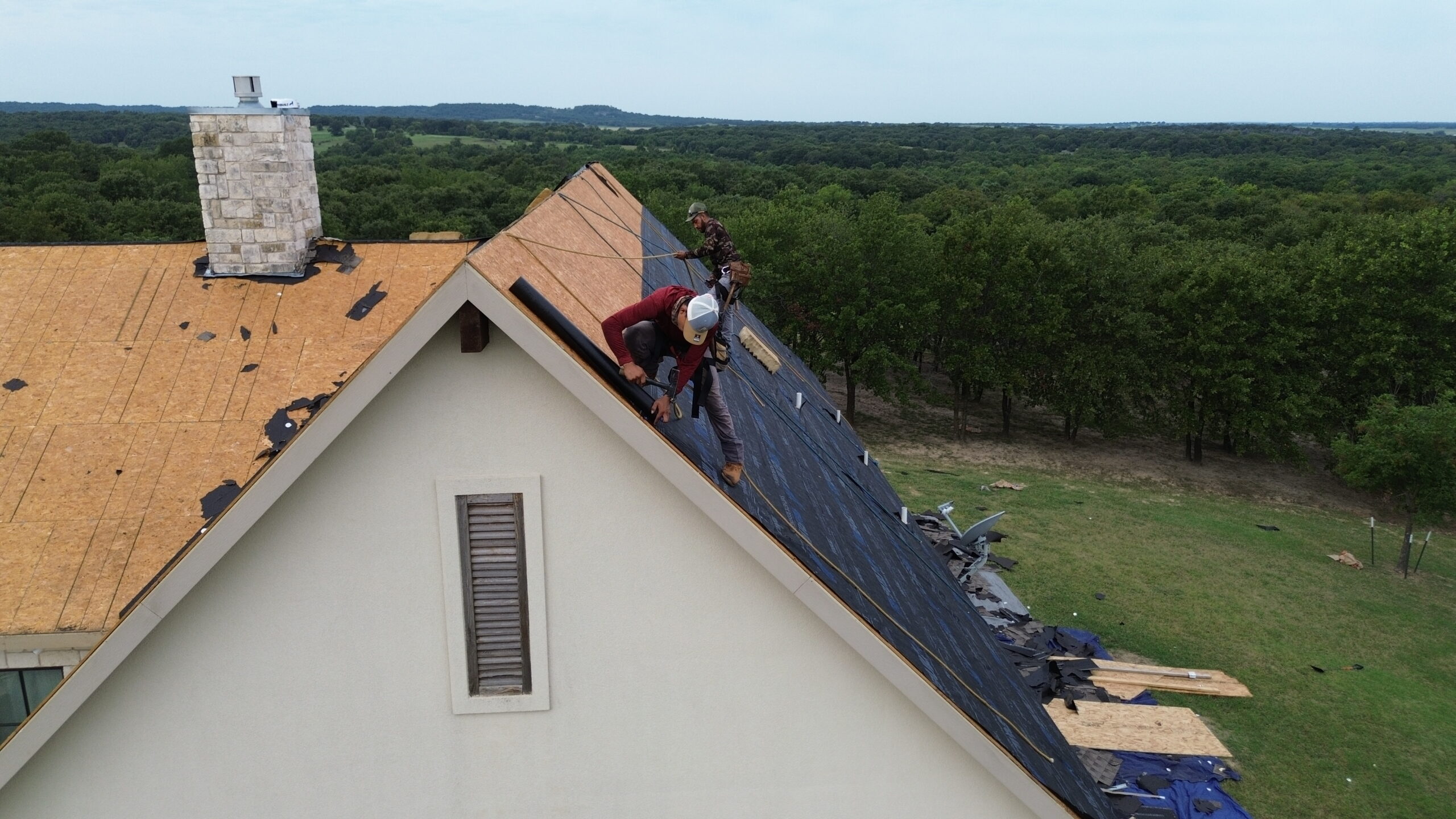
How Professional Roof Inspections Identify Hidden Moisture
Professional roof inspections are designed to locate problems that are not visible from the ground or even from a basic interior check. Inspectors are trained to look for subtle indicators of moisture intrusion, such as slight material discoloration, uneven roof surfaces, or weakened flashing connections.
A key advantage of professional inspections is the ability to evaluate the roof as a complete system rather than isolated parts. This means inspectors consider how shingles, underlayment, flashing, ventilation, and drainage all interact to either prevent or allow water entry.
Inspectors often begin with an exterior assessment to identify areas where water is most likely to penetrate. They then correlate those findings with interior and attic conditions to narrow down the probable leak pathways. This systematic approach helps uncover hidden issues that would otherwise remain undetected.
Because hidden leaks often travel away from their entry point, professionals rely on experience and pattern recognition to trace moisture back to its origin. This is especially important in complex roofing systems where multiple vulnerabilities may overlap.
Visual Roof Inspection Techniques Used by Experts
Visual inspection remains one of the most effective methods for identifying potential hidden roof leaks. Experienced roofers carefully examine the surface for subtle signs of wear that may not be obvious to an untrained eye.
Shingle condition is one of the first areas assessed. Curling, cracking, or missing granules can indicate that water is beginning to penetrate protective layers. Even small imperfections can allow moisture to enter during heavy rainfall.
Flashing is another critical focus during visual inspections. Inspectors look for separation, rust, or lifted edges around chimneys, skylights, and roof valleys. These areas are common entry points for hidden leaks due to constant exposure to water flow.
Roof alignment and surface uniformity are also evaluated. Any sagging or uneven areas may suggest underlying moisture damage to the roof decking. These structural changes often develop gradually and are easy to overlook without close inspection.
Using Attic Inspections to Trace Leak Origins
Attic inspections play a crucial role in identifying hidden roof leaks because they reveal conditions directly beneath the roof structure. Inspectors typically look for moisture patterns on wood framing, insulation displacement, and discoloration on roof decking.
One of the most important techniques involves following water trails. Because water often travels along beams and joints, inspectors trace these pathways backward to identify the likely entry point. This method is especially useful when interior stains appear far from the actual leak source.
Insulation condition is also carefully evaluated. Wet or compressed insulation often indicates repeated water exposure. Even if the insulation has dried, staining or odor may still provide evidence of past leaks.
Airflow and ventilation patterns are considered as well. Poor ventilation can trap moisture in the attic, making it difficult to distinguish between condensation issues and actual roof leaks. Professionals use experience and environmental context to separate these causes.
Thermal Imaging and Moisture Detection Technology
Modern roof inspections often incorporate advanced tools such as thermal imaging cameras and electronic moisture meters. These technologies help detect hidden moisture that cannot be seen visually.
Thermal imaging works by identifying temperature differences across roof surfaces and interior structures. Wet areas typically retain heat differently than dry materials, creating patterns that can indicate hidden moisture accumulation.
Moisture meters provide direct measurement of water content within building materials. By testing wood, drywall, and insulation, inspectors can determine whether moisture levels are above normal thresholds.
These tools are especially valuable for detecting early stage leaks before visible damage occurs. They allow inspectors to identify problem areas with greater precision, reducing the need for invasive investigation.
When used together, thermal imaging and moisture detection provide a more complete picture of roof health and help confirm whether suspected leak sources are actively contributing to moisture intrusion.
How Weather Patterns Help Pinpoint Leak Timing
Weather conditions play an important role in identifying hidden roof leaks. By correlating leak symptoms with recent weather events, inspectors can narrow down when and how water is entering the structure.
For example, leaks that appear shortly after heavy rainfall are often associated with direct roof penetration issues. In contrast, leaks that develop during cold weather may be linked to condensation or ice dam formation.
Wind direction during storms can also provide valuable clues. If water intrusion consistently occurs during storms from a specific direction, it may indicate vulnerabilities on a particular side of the roof.
Seasonal patterns are equally important. Some leaks only appear during specific times of the year, which suggests temperature related expansion, contraction, or snow related buildup as contributing factors.
By analyzing these patterns, professionals can better identify the conditions that trigger hidden leaks and focus their inspection efforts accordingly.
Identifying Flashing Failures and Weak Roof Connections
Flashing is one of the most common sources of hidden roof leaks because it is installed at transition points where different roofing materials meet. These areas are naturally more vulnerable to water intrusion.
Over time, flashing can deteriorate due to exposure to moisture, UV radiation, and temperature changes. Small cracks or separations may develop that allow water to seep into the roof system without immediate visible signs.
Loose flashing around chimneys and skylights is particularly problematic because water can enter gradually and spread beneath surrounding materials. This often results in leaks that appear far from the actual entry point.
Inspectors carefully examine flashing seals, fasteners, and overlaps to identify weaknesses. Even minor imperfections are taken seriously because they can become major leak sources under heavy rainfall conditions.
Proper flashing integration with roofing materials is essential for preventing hidden leaks. When flashing fails, it often compromises multiple layers of roof protection simultaneously.
Gutter and Drainage System Clues That Indicate Roof Problems
Gutters and drainage systems provide important indirect clues about hidden roof leaks. When these systems are not functioning properly, water may accumulate on the roof surface and increase the risk of intrusion.
Overflowing gutters are a common warning sign. If water spills over the edges during rainfall, it may indicate blockages or improper slope, both of which can contribute to roof moisture problems.
Granule buildup in gutters can also signal roofing material deterioration. As shingles age, they shed protective granules, which may suggest increased vulnerability to leaks.
Water pooling near the roof edge is another concern. Poor drainage can cause water to back up under roofing materials, slowly entering the structure without immediate detection.
Inspecting gutters and downspouts helps professionals understand how effectively the roof system is managing water and whether drainage issues may be contributing to hidden leaks.
Interior Structural Clues Hidden Behind Walls and Ceilings
Hidden roof leaks often leave subtle structural clues inside the home before becoming fully visible. These clues may appear in walls, ceilings, or other concealed areas.
Slight sagging in ceiling materials can indicate prolonged moisture exposure. Even minor changes in surface flatness may suggest that water has been accumulating above the visible layer.
Paint bubbling or separation along seams can also indicate moisture movement behind surfaces. These changes often develop slowly and may be mistaken for cosmetic issues.
In some cases, electrical fixtures may show signs of moisture exposure such as discoloration or intermittent malfunction. Because water can travel along wiring paths, these symptoms should be taken seriously.
Because these structural clues are often hidden or subtle, they are frequently overlooked until more significant damage appears.
Common Misdiagnoses and Why Leak Sources Are Often Mistaken
One of the most challenging aspects of identifying hidden roof leaks is that symptoms are often misinterpreted. Water rarely enters and exits in the same location, which leads to incorrect assumptions about the source.
Interior stains are often directly below where the leak is visible, but this is rarely the true entry point. Water may have traveled several feet or even across multiple structural components before appearing.
Condensation is another common source of misdiagnosis. Moisture caused by poor ventilation can mimic roof leak symptoms, leading to unnecessary roof repairs if not properly diagnosed.
Plumbing leaks can also be mistaken for roof leaks, especially when water appears near upper floors or ceilings. Without thorough investigation, these issues can be easily confused.
Accurate diagnosis requires careful analysis of multiple factors, including weather history, roof condition, attic moisture patterns, and interior signs. Without this comprehensive approach, repairs may address symptoms rather than the actual source of the problem.
How Roof Leak Sources Are Confirmed and Traced
Once potential leak areas have been identified through inspection and observation, the next step is confirming the actual entry point. This process requires connecting interior symptoms with exterior roof conditions in a structured way so that repairs address the real cause rather than surface level damage.
Professionals often begin by mapping moisture patterns inside the home. This involves identifying where stains, odors, or dampness appear and then tracing those signs upward through attic spaces and structural framing. Because water rarely travels in a straight line, this step helps narrow down the possible entry zones.
On the exterior, the roof is examined in relation to those interior findings. Inspectors look for matching vulnerabilities such as damaged shingles, compromised flashing, or worn underlayment in the corresponding area. The goal is to align interior evidence with exterior weak points.
In more complex cases, controlled water testing may be used. This involves applying water to specific roof sections while monitoring interior response. By isolating sections one at a time, professionals can confirm the exact source of the leak without unnecessary roof disruption.
This confirmation stage is critical because it ensures that repairs target the actual cause of the leak. Without proper tracing, repairs may only temporarily mask symptoms while the underlying issue continues to develop.
Repair Strategies Based on Leak Severity and Location
Once the leak source has been confirmed, the repair approach depends on both severity and location. Minor leaks may require localized fixes, while more advanced damage may require broader structural attention.
Small leaks caused by minor flashing gaps or isolated shingle damage are often repaired by replacing or resealing specific components. These targeted repairs are effective when the surrounding roofing system remains in good condition.
Moderate leaks that involve underlayment damage or multiple weak points may require partial roof section replacement. In these cases, damaged materials are removed and replaced to restore proper waterproofing integrity.
Severe leaks that have affected roof decking or structural components require more extensive intervention. This may include replacing sections of the roof deck, reinforcing framing, and reinstalling protective layers to ensure long term stability.
The location of the leak also influences repair complexity. Leaks near roof valleys, chimneys, or multiple penetrations often require more detailed work due to the complexity of water flow in these areas.
A properly matched repair strategy helps ensure that the leak is not only stopped but also prevented from recurring in the same location.
Addressing Hidden Water Damage in Roofing Structures
Even after a leak is repaired, hidden water damage within the roofing system may continue to cause problems if not properly addressed. Moisture can remain trapped in insulation, wood framing, or ceiling materials long after the visible leak has stopped.
Drying out affected areas is one of the first steps in remediation. This may involve improving ventilation, removing wet insulation, or using specialized drying equipment to eliminate residual moisture.
Wood components that have absorbed water must be carefully evaluated for structural integrity. In some cases, minor damage can be stabilized, while in more severe cases replacement is necessary to maintain safety and durability.
Mold prevention is also an important consideration during this stage. Any areas that were exposed to prolonged moisture must be treated or cleaned to reduce the risk of microbial growth developing over time.
Failure to address hidden moisture can lead to recurring odors, continued deterioration, and long term structural weakening. Proper remediation ensures that the roof system is fully restored rather than partially repaired.
When Roof Replacement Becomes Necessary
While many roof leaks can be repaired, there are situations where full or partial roof replacement becomes the more practical solution. This typically occurs when damage is widespread or when the roofing system has reached the end of its service life.
If multiple leaks are occurring across different areas of the roof, it often indicates systemic failure rather than isolated issues. In such cases, repeated repairs may become less cost effective than replacement.
Aging roofing materials are another key factor. As shingles, underlayment, and flashing deteriorate over time, their ability to prevent water intrusion decreases significantly. At a certain point, replacement becomes the most reliable long term solution.
Severe structural damage to the roof deck also necessitates replacement. If large sections of decking have been weakened by moisture, patching may not provide sufficient stability or protection.
Replacing the roof allows for the installation of modern materials and improved waterproofing systems. This can significantly reduce the risk of future hidden leaks and enhance overall building performance.
Preventing Future Hidden Roof Leaks Through Maintenance
Preventing hidden roof leaks is far more effective than addressing them after they develop. A consistent maintenance routine helps identify vulnerabilities early and reduces the likelihood of moisture intrusion.
Regular roof inspections are one of the most important preventive measures. Checking for damaged shingles, flashing issues, and drainage problems allows small issues to be resolved before they escalate.
Keeping gutters clean is also essential. Proper water flow prevents backup and reduces the risk of moisture entering under roofing materials. Blocked gutters are one of the most common contributors to hidden leak formation.
Attic inspections should also be part of routine maintenance. Monitoring insulation, wood framing, and ventilation conditions helps detect early signs of moisture before they become visible inside the home.
Seasonal maintenance is especially important in regions with extreme weather changes. Preparing the roof for winter conditions or storm seasons can significantly reduce leak risks.
A proactive maintenance approach ensures that the roofing system remains resilient and capable of handling environmental stress over time.
The Role of Roofing Materials and Installation Quality
The quality of roofing materials and installation practices plays a major role in preventing hidden leaks. Even the best materials can fail if they are not installed correctly.
High quality shingles, membranes, and flashing materials provide better resistance to moisture and environmental stress. However, their performance depends heavily on proper integration within the roofing system.
Installation quality determines how effectively water is directed away from vulnerable areas. Poor alignment, inadequate sealing, or improper fastening can create entry points for moisture.
Flashing installation is particularly important because it protects transition areas where leaks are most likely to form. Incorrect flashing placement is one of the leading causes of hidden roof leaks.
Professional installation ensures that all components work together as a unified system. This reduces the likelihood of weak points that could allow water to enter unnoticed.
Cost Implications of Delayed Leak Detection
Delaying the detection of hidden roof leaks can significantly increase repair costs over time. What begins as a small and manageable issue can quickly escalate into extensive structural damage.
Moisture that remains undetected can weaken roof decking, damage insulation, and affect interior finishes. These repairs are often far more expensive than addressing the leak at its source.
Mold remediation is another major cost factor associated with delayed detection. Once mold develops, specialized cleaning and restoration may be required to restore safe living conditions.
Energy efficiency can also decline when insulation becomes wet or compromised. This leads to higher heating and cooling costs over time, adding to the financial burden.
Early detection and repair are therefore not only important for structural protection but also for long term financial savings.
Building a Long Term Roof Monitoring Plan
A long term roof monitoring plan helps ensure that hidden leaks are identified before they cause significant damage. This approach combines regular inspections, environmental awareness, and preventive maintenance.
Homeowners should schedule periodic roof evaluations, especially after severe weather events. These inspections help identify new vulnerabilities that may have developed.
Monitoring indoor conditions is equally important. Changes in ceiling appearance, indoor humidity, or unusual odors should always be investigated promptly.
Keeping a maintenance record of repairs, inspections, and weather related events can help identify patterns that may indicate recurring issues.
In some cases, professional monitoring services or annual inspection contracts may be beneficial for larger or more complex roofing systems. These services provide ongoing oversight and early detection capabilities.
A structured monitoring plan reduces uncertainty and ensures that roofing systems remain in good condition throughout their lifespan.
Final Conclusion
Identifying hidden roof leak sources early requires careful attention to both visible and subtle warning signs. Because water often travels away from its entry point, leaks can remain undetected until significant damage has already occurred.
By understanding how water moves through roofing systems, recognizing early interior and attic indicators, and using professional inspection methods, property owners can greatly improve their ability to detect problems before they escalate.
Timely diagnosis and repair not only protect the structural integrity of the home but also reduce long term costs associated with water damage, mold growth, and energy loss. Combined with proper maintenance and quality installation, early detection remains one of the most effective ways to preserve a durable and reliable roofing system.
A proactive approach ensures that hidden leaks are addressed at their earliest stage, helping maintain both the safety and longevity of the entire building.