
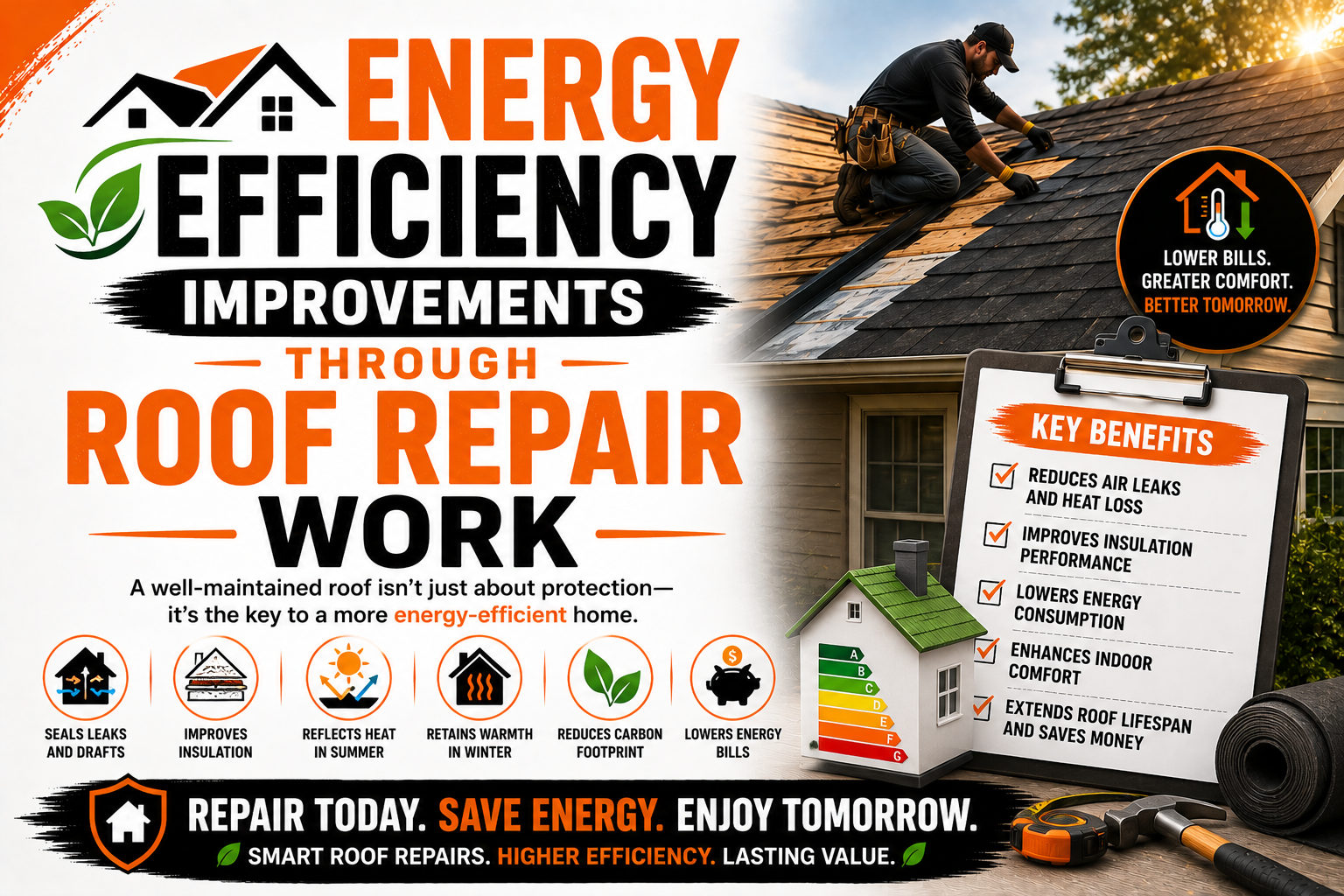
Energy Efficiency Improvements Through Roof Repair Work
Introduction
Energy efficiency has become a priority for homeowners and business owners who want to reduce utility costs while creating a more comfortable indoor environment. Many people focus on upgrading windows, installing smart thermostats, or replacing HVAC systems, yet they often overlook the roof. Since the roof forms the largest barrier between a building and the outdoor environment, its condition has a direct impact on how efficiently a property uses energy.
A damaged or aging roof can allow heat to escape during winter and let excessive heat enter during summer. Even minor roofing issues such as loose shingles, cracked flashing, or deteriorated sealants can gradually increase energy consumption. These problems force heating and cooling systems to work harder, resulting in higher electricity bills and unnecessary wear on HVAC equipment.
Roof repair is not only about preventing leaks or maintaining the appearance of a building. It also plays an important role in improving thermal performance and reducing energy waste. Addressing roofing issues promptly helps create a more stable indoor climate while lowering monthly operating costs.
Modern roof repair techniques focus on restoring both structural integrity and energy efficiency. By repairing damaged components, improving insulation, and ensuring proper ventilation, property owners can significantly improve building performance without immediately investing in a complete roof replacement.
Whether you own a residential home or manage a commercial building, understanding the connection between roof condition and energy efficiency can help you make better maintenance decisions. Investing in timely roof repairs often delivers long term savings while extending the lifespan of the roofing system.
Why Energy Efficiency Starts at the Roof
The roof is constantly exposed to sunlight, rain, wind, snow, and changing temperatures. These environmental conditions gradually weaken roofing materials and reduce their ability to regulate indoor temperatures. As the roof deteriorates, the building becomes less capable of retaining conditioned air.
Heat naturally moves from warmer areas to cooler ones. During winter, indoor heat tries to escape through weak points in the roof. During summer, solar heat enters through damaged roofing materials and poorly insulated attic spaces. Both situations increase energy consumption because heating and cooling systems must compensate for the temperature changes.
A properly repaired roof restores the protective barrier that separates indoor spaces from outdoor weather conditions. Sealing gaps, replacing damaged materials, and correcting ventilation issues reduce unwanted heat transfer throughout the year. This helps maintain a consistent indoor temperature with less reliance on mechanical heating and cooling.
Energy efficiency also contributes to environmental sustainability. Lower energy consumption reduces greenhouse gas emissions associated with electricity production. Even relatively small improvements in roofing performance can have a measurable impact over many years.
Many property owners underestimate how much of their energy loss occurs through the roof. While walls and windows contribute to thermal performance, the roof receives the greatest exposure to direct sunlight and harsh weather. Keeping it in good condition is one of the most effective ways to improve overall building efficiency.
How Roof Damage Increases Energy Loss
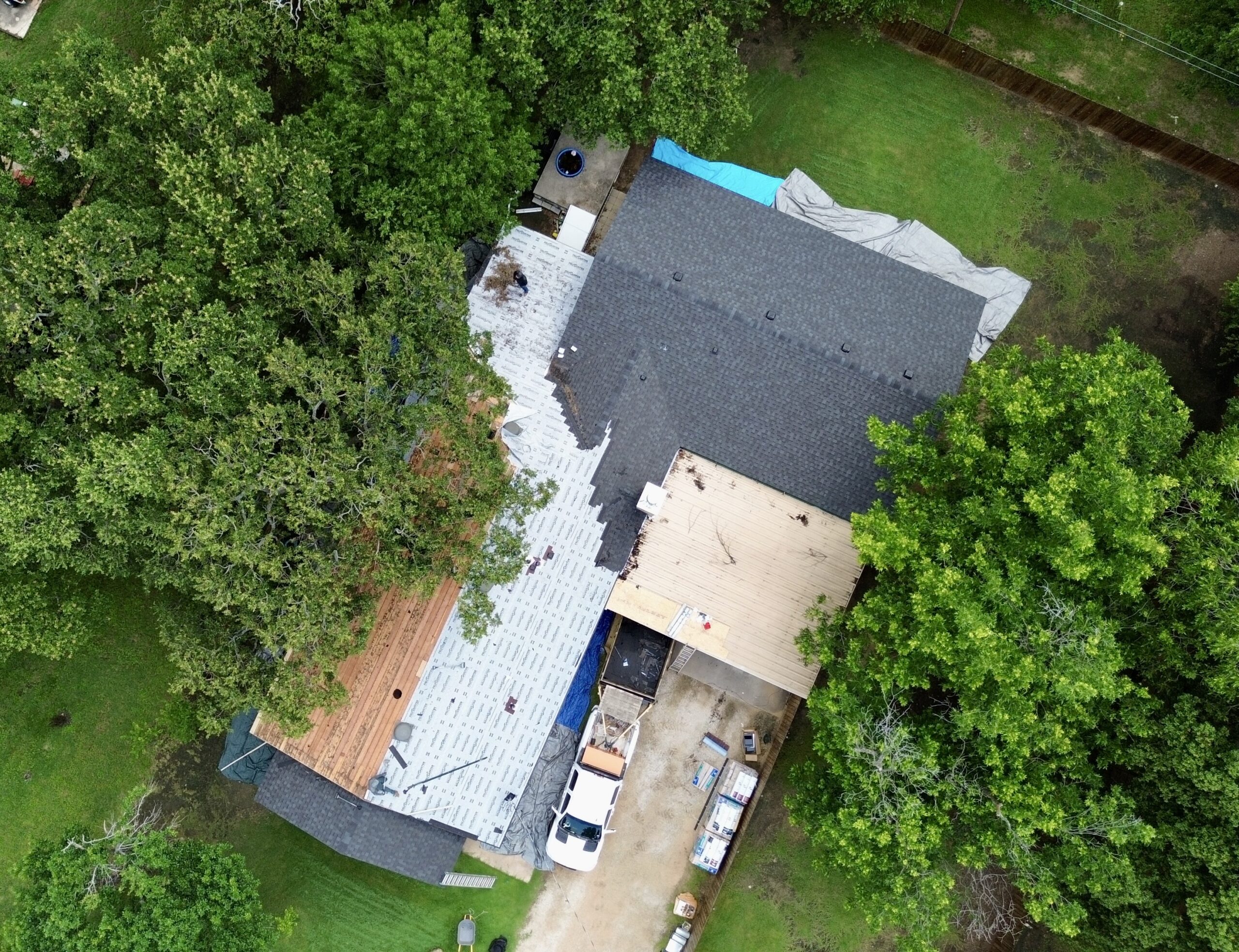
Roof damage develops in many forms, and each type affects energy efficiency differently. Some problems appear suddenly after severe weather, while others develop gradually through years of exposure to sunlight, moisture, and temperature fluctuations.
Missing or damaged shingles expose the underlying roof structure to moisture and direct sunlight. This weakens the roof’s protective barrier and allows greater heat transfer into the building. Over time, surrounding materials may also deteriorate, expanding the affected area.
Cracked flashing around chimneys, skylights, and roof penetrations creates openings where outside air can enter. These air leaks reduce indoor comfort because conditioned air escapes while outside temperatures influence the interior environment. Even small openings can significantly increase energy costs over time.
Water intrusion creates another serious concern. Moisture entering the roofing system can damage insulation, reducing its ability to resist heat flow. Wet insulation loses much of its thermal resistance, making heating and cooling systems far less efficient.
Roof decking that has absorbed moisture may begin to warp or rot. Structural movement creates additional gaps that allow unwanted airflow through the roofing assembly. As these issues expand, energy loss becomes increasingly difficult to control without proper repairs.
Aging sealants also contribute to declining roof performance. Sealants naturally shrink and crack after years of exposure to ultraviolet radiation and changing temperatures. Replacing deteriorated sealants restores weather resistance while improving the roof’s energy performance.
Storm damage often creates problems that remain hidden from ground level. Wind may lift shingles without completely removing them, while hail can weaken roofing materials without causing immediate leaks. Professional inspections help identify these issues before they lead to significant energy loss.
Common Roofing Problems That Reduce Energy Efficiency
Many roofing issues directly affect a building’s ability to conserve energy. Understanding these common problems helps property owners recognize why timely repairs are essential for both comfort and cost savings.
| Roofing Problem | How It Affects Energy Efficiency | Typical Repair Solution |
|---|---|---|
| Missing shingles | Allows heat transfer and moisture intrusion | Replace damaged shingles |
| Cracked flashing | Creates air leaks around roof penetrations | Install new flashing and seal joints |
| Damaged insulation | Reduces thermal resistance | Replace wet or compressed insulation |
| Poor attic ventilation | Traps heat and moisture | Improve intake and exhaust ventilation |
| Roof leaks | Damages insulation and structural materials | Repair leak source and affected areas |
| Worn sealants | Allows unwanted airflow | Apply new weather resistant sealants |
Each of these problems may seem minor when viewed individually. However, several small defects working together can dramatically reduce a building’s energy performance over time.
Routine inspections make it easier to identify these issues before they become expensive repairs. Early intervention protects both the roofing system and the property’s long term energy efficiency.
Signs Your Roof Is Wasting Energy
Energy loss is not always obvious because it develops gradually. Many homeowners simply notice higher utility bills without realizing their roof is contributing to the problem.
One common warning sign is inconsistent indoor temperatures. Certain rooms may remain warmer during summer or colder during winter despite continuous operation of the HVAC system. This often indicates heat transfer through damaged roofing components.
Rising energy bills without increased electricity usage may also signal roofing problems. If utility costs continue climbing while household habits remain unchanged, the roof deserves careful inspection.
Ice dams during winter can indicate poor attic insulation or inadequate ventilation. Warm air escaping through the roof melts snow, which later refreezes near roof edges. Besides damaging roofing materials, this process also reflects significant energy loss.
Excessively hot attic temperatures during summer often point to poor ventilation. Trapped heat radiates downward into living spaces, forcing air conditioning systems to operate longer and consume more electricity.
Visible roof deterioration provides another important warning. Curling shingles, cracked flashing, sagging sections, or deteriorating sealants often indicate declining thermal performance alongside structural concerns.
Indoor drafts near ceilings or upper walls may result from gaps within the roofing system. Air leakage not only affects comfort but also reduces HVAC efficiency by allowing conditioned air to escape continuously.
Condensation inside the attic should never be ignored. Moisture accumulation often indicates ventilation problems that reduce insulation performance while increasing the risk of mold growth and wood decay.
The Relationship Between Roofing Materials and Indoor Comfort
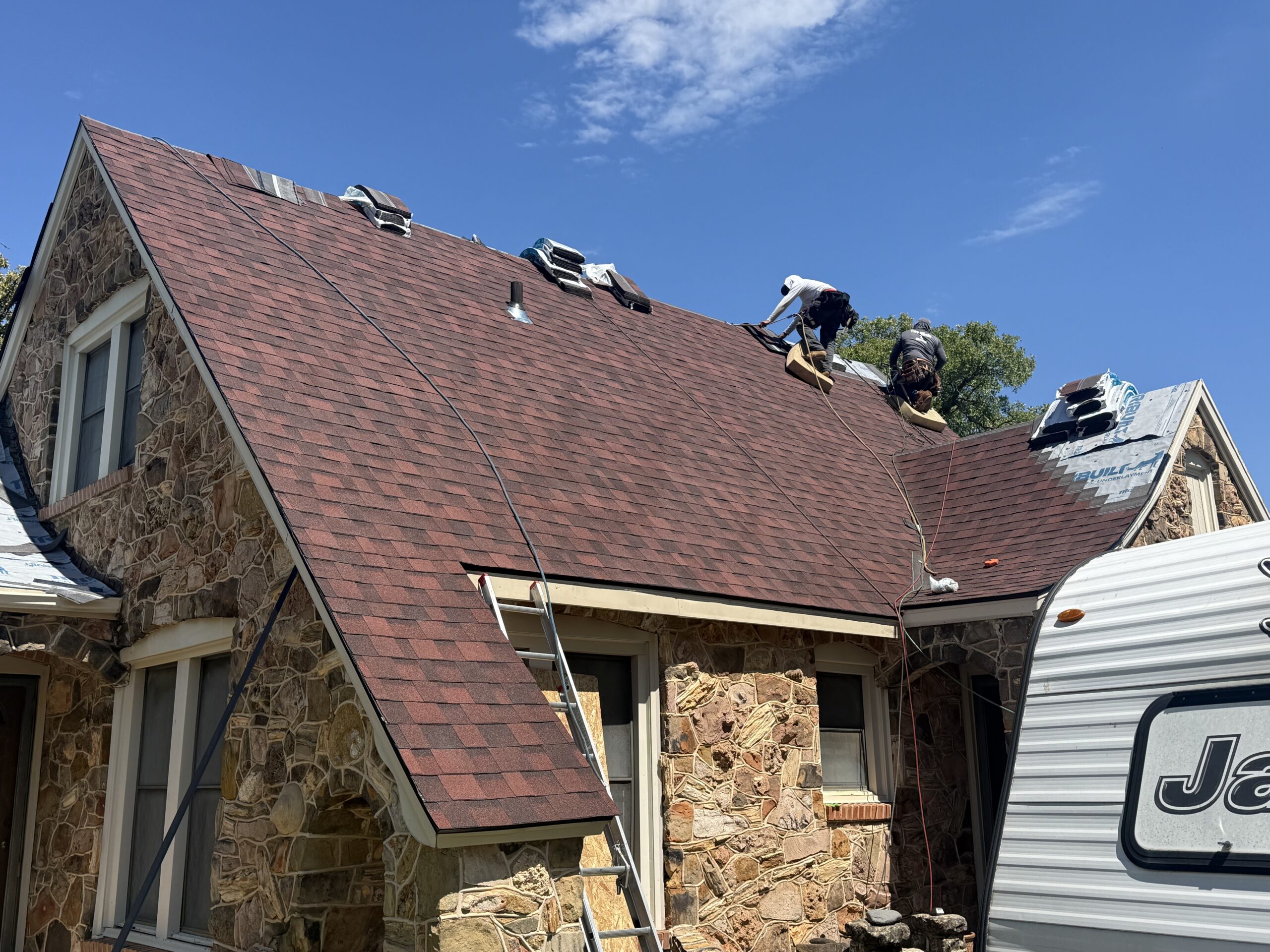
Different roofing materials provide varying levels of thermal performance. While repair focuses on restoring existing materials, understanding their energy characteristics helps property owners make informed maintenance decisions.
Asphalt shingles remain one of the most common roofing materials because they provide reliable protection at an affordable cost. Properly maintained asphalt roofs perform well when combined with quality insulation and adequate attic ventilation.
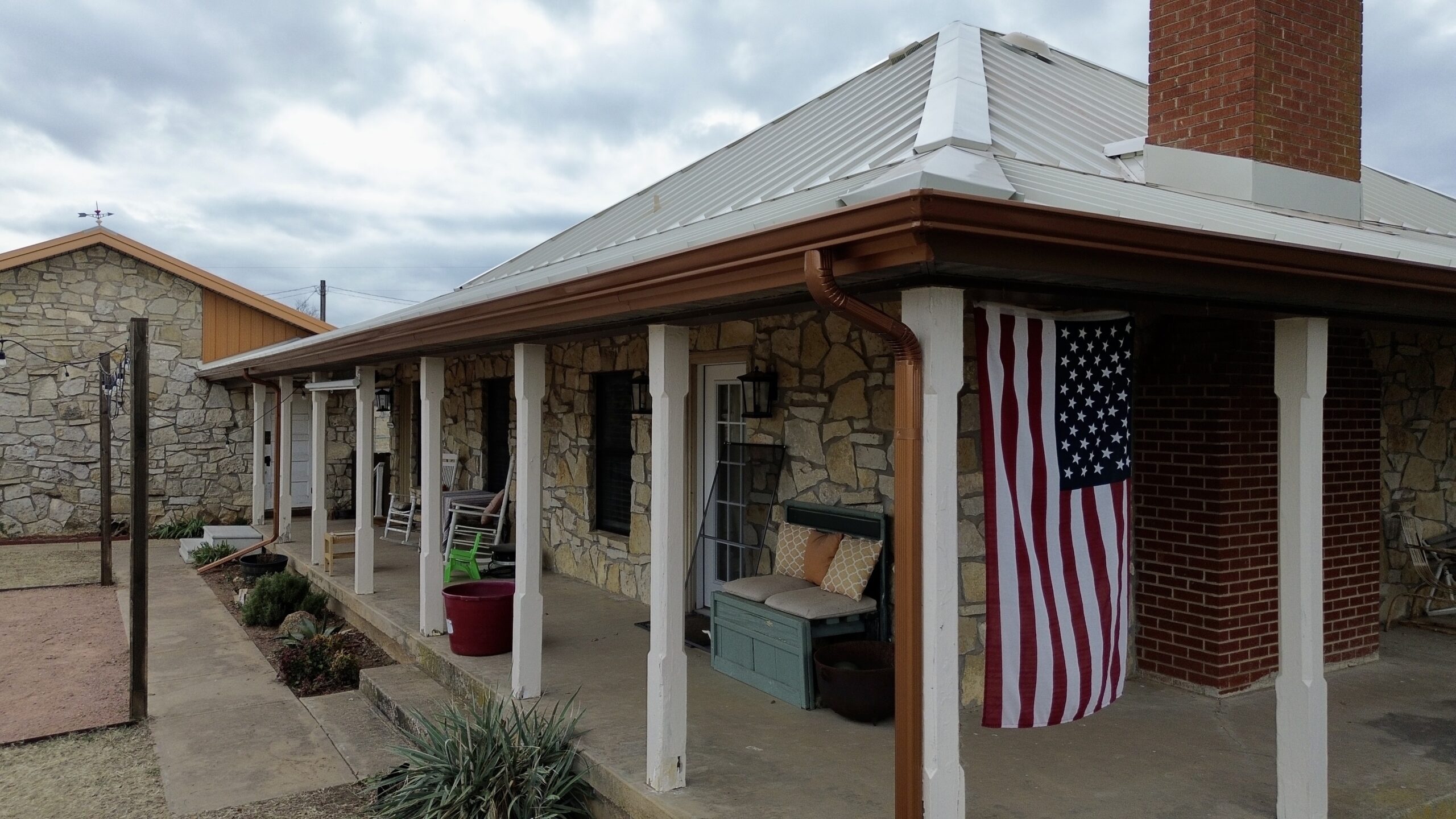
Metal roofing reflects a larger portion of solar radiation compared to many traditional materials. Even when repairing metal roofs, maintaining reflective coatings helps preserve their energy saving properties throughout their service life.
Tile roofs offer excellent thermal mass that slows heat transfer into buildings. Individual cracked tiles should be repaired promptly because damaged sections reduce the roof’s overall insulating performance.
Slate roofing provides exceptional durability while maintaining stable thermal performance over many decades. Although repairs require specialized expertise, preserving slate roofs often supports long term energy efficiency.
Flat roofing systems commonly found on commercial buildings rely heavily on membrane integrity. Small punctures or seam failures can reduce insulation effectiveness while increasing heat gain during warmer months.
The roofing material alone does not determine energy efficiency. Proper installation, maintenance, insulation, and ventilation all work together to create an effective building envelope that minimizes energy loss.
How Roof Repair Improves Heating and Cooling Performance
Heating and cooling systems account for a large percentage of a building’s total energy use. When the roof performs efficiently, these systems operate under less strain and maintain indoor comfort more effectively.
Repairing damaged roofing materials reduces unwanted heat transfer through the roof assembly. Better thermal performance allows indoor temperatures to remain more stable throughout changing weather conditions.
Air sealing is another important benefit of roof repair. Closing gaps around vents, flashing, skylights, and roof penetrations prevents conditioned air from escaping while blocking outside air from entering the building.
Replacing damaged insulation restores the roof’s ability to resist heat flow. Dry, properly installed insulation maintains indoor temperatures more effectively than insulation that has been compressed or damaged by moisture.
Roof repairs often include improvements to attic ventilation. Balanced ventilation removes excess heat during summer while reducing moisture accumulation during colder months. This helps insulation perform more efficiently throughout the year.
A well maintained roof also protects HVAC equipment from excessive workload. Because indoor temperatures remain more consistent, heating and cooling systems cycle less frequently. Reduced operating time lowers energy consumption while extending equipment lifespan.
Another important advantage is improved indoor comfort. Occupants experience fewer hot and cold spots throughout the building, creating a more enjoyable living or working environment regardless of outdoor weather conditions.
Energy efficient roof repairs also prepare buildings for future upgrades. When the roof is functioning properly, investments in new insulation, high efficiency HVAC systems, or solar panels often produce even greater returns because the building envelope already performs efficiently.
Many property owners view roof repair as an expense rather than an investment. In reality, restoring roofing performance often delivers ongoing savings through lower utility bills, improved comfort, and reduced maintenance costs over the life of the building.
By understanding how roofing condition influences energy efficiency, property owners can make maintenance decisions that benefit both their finances and the long term performance of their homes or commercial properties. In the next part, we will explore the specific roof repairs that provide the greatest energy savings, compare roofing materials from an efficiency perspective, and examine how repair decisions can maximize long term return on investment.
Roof Repairs That Deliver the Biggest Energy Savings
Not every roof repair provides the same level of energy improvement. While all repairs contribute to protecting the building, certain upgrades have a greater impact on reducing heat transfer and lowering energy consumption. Identifying these high value repairs helps property owners prioritize maintenance that delivers measurable long term savings.
One of the most effective repairs involves replacing damaged or missing roofing materials. Broken shingles, cracked tiles, or deteriorated metal panels expose the roof system to moisture and temperature fluctuations. Restoring these components strengthens the building envelope and improves its ability to resist heat movement.
Repairing flashing around roof penetrations is equally important. Chimneys, skylights, plumbing vents, and exhaust outlets create natural openings in the roof. If flashing becomes loose or damaged, conditioned indoor air escapes while outside air enters, making heating and cooling systems work harder.
Insulation repairs often provide immediate energy benefits. Water damaged insulation loses much of its thermal resistance, allowing heat to pass through more easily. Replacing compromised insulation restores the roof’s ability to maintain stable indoor temperatures throughout the year.
Sealing roof penetrations also improves energy efficiency. Small gaps around vents, pipes, and electrical conduits may appear insignificant, yet they can create continuous air leakage. Proper sealing reduces drafts and helps preserve conditioned indoor air.
Attic ventilation repairs should never be overlooked. Damaged vents, blocked soffits, or malfunctioning ridge vents restrict airflow and allow heat and moisture to build inside the attic. Correcting these issues improves overall roof performance while protecting insulation from moisture damage.
Repairing roof decking is another valuable investment. Rotten or weakened decking allows structural movement that creates additional air leaks. Restoring solid decking improves the stability of the roofing system and supports better thermal performance.
Reflective roof coatings can also be part of certain repair projects. When existing roofing materials remain structurally sound, applying reflective coatings helps reduce solar heat absorption. This lowers roof surface temperatures and decreases cooling demands during hot weather.
The Importance of Roof Insulation and Ventilation
Roof repairs become much more effective when insulation and ventilation work together. These two systems support one another by regulating both temperature and moisture inside the roofing structure. Ignoring either component limits the overall energy benefits of roof maintenance.
Insulation slows the movement of heat between indoor and outdoor environments. During winter, it helps retain indoor warmth, while in summer it reduces the amount of external heat entering the building. Proper insulation keeps indoor temperatures more consistent and reduces reliance on heating and cooling equipment.
Ventilation performs a different but equally important role. It removes excess heat and moisture that naturally accumulate beneath the roof. Without adequate ventilation, even high quality insulation can lose effectiveness because trapped moisture reduces its thermal performance.
Poor ventilation also shortens the lifespan of roofing materials. High attic temperatures accelerate aging, while moisture encourages mold growth, wood rot, and corrosion of metal components. Roof repairs that restore ventilation therefore improve both energy efficiency and roof durability.
The following factors demonstrate why insulation and ventilation should always be evaluated together during roof repairs.
- Proper insulation reduces unwanted heat transfer throughout the year.
- Balanced ventilation removes excess heat and moisture from attic spaces.
- Dry insulation performs significantly better than moisture damaged insulation.
- Combined improvements reduce HVAC workload and increase indoor comfort.
Property owners sometimes focus only on replacing visible roofing materials. However, hidden components beneath the roof often have an even greater influence on long term energy performance. Comprehensive repairs address both visible damage and underlying thermal systems.
Comparing Different Roofing Materials for Energy Efficiency
Roofing materials differ in their ability to reflect sunlight, retain heat, and withstand changing weather conditions. While repairs usually preserve the existing roof, understanding these differences helps property owners make informed decisions when major repairs or future upgrades become necessary.
The following comparison highlights the general energy characteristics of common roofing materials.
| Roofing Material | Energy Efficiency | Maintenance Needs | Typical Lifespan |
|---|---|---|---|
| Asphalt shingles | Moderate | Moderate | 20 to 30 years |
| Metal roofing | High due to solar reflectivity | Low | 40 to 70 years |
| Clay or concrete tiles | High thermal mass | Moderate | 50 years or more |
| Slate roofing | Excellent insulation and durability | Low | 75 to 100 years |
| Flat membrane roofing | Depends on insulation and coating quality | Moderate | 20 to 35 years |
Although some materials naturally provide better thermal performance, maintenance remains the deciding factor. Even premium roofing materials lose efficiency when damaged or poorly maintained. Regular repairs preserve their energy saving properties throughout their service life.
Climate also influences material selection. Reflective roofing systems perform especially well in warm regions where cooling costs dominate annual energy expenses. In colder climates, insulation quality often has a greater impact than the roofing material itself.
Repair professionals evaluate both material condition and regional weather patterns before recommending appropriate solutions. This balanced approach ensures repairs improve efficiency without creating unnecessary expenses.
Roof Repair Versus Roof Replacement for Better Efficiency
Many property owners assume replacing the entire roof is the only way to improve energy efficiency. In reality, professional repairs often restore excellent thermal performance when the roof structure remains fundamentally sound.
Repairs are generally appropriate when damage is limited to specific sections. Replacing damaged shingles, repairing flashing, sealing leaks, and restoring insulation can significantly reduce energy loss without the cost of full replacement. These targeted improvements often extend roof life while improving indoor comfort.
Roof replacement becomes more practical when deterioration affects large portions of the roofing system. Extensive water damage, structural failure, or repeated repair needs may indicate that repairs alone cannot restore adequate performance. In these situations, installing a modern roofing system may provide greater long term value.
The decision should consider several factors rather than focusing only on immediate repair costs.
- Age of the existing roof and its expected remaining lifespan.
- Extent of structural and material deterioration.
- Frequency of previous repairs over recent years.
- Current insulation and ventilation performance.
- Long term energy savings compared with replacement costs.
Professional roof inspections provide valuable information before making this decision. Contractors can identify hidden issues that influence both repair effectiveness and future energy performance.
Property owners should also consider future plans for the building. Those intending to remain in the property for many years may benefit from more comprehensive upgrades. Others planning to sell soon may achieve sufficient efficiency improvements through targeted repairs.
Cost Savings and Return on Investment
Energy efficient roof repairs provide financial benefits that extend well beyond the initial project. Although repairs require upfront investment, the resulting reduction in energy consumption often generates ongoing savings throughout the roof’s remaining lifespan.
Lower utility bills represent the most visible return. Heating and cooling systems consume less electricity when indoor temperatures remain stable. Over time, these monthly savings can offset a significant portion of repair costs.
Reduced HVAC wear provides another important financial advantage. Equipment that operates fewer hours experiences less mechanical stress. This often delays expensive repairs or premature replacement of furnaces, heat pumps, and air conditioning systems.
Property value may also increase after energy focused roof repairs. Buyers increasingly consider utility costs when evaluating homes and commercial buildings. A well maintained roof with strong energy performance becomes an attractive selling feature.
Insurance benefits may also apply in certain situations. Roofs maintained in good condition are generally less likely to experience severe weather related failures. Although policies vary, reduced risk sometimes contributes to lower insurance costs over the long term.
Business owners often experience additional operational savings. Comfortable indoor environments improve employee productivity while reducing customer discomfort caused by inconsistent temperatures. These indirect benefits support stronger overall building performance.
Government incentives or local energy efficiency programs may also help reduce project costs in some regions. While availability varies, rebates for insulation improvements or energy efficient roofing upgrades can improve overall return on investment.
Seasonal Benefits of an Energy Efficient Roof
Roof performance changes throughout the year because weather conditions place different demands on the building envelope. Timely roof repairs help maintain energy efficiency regardless of seasonal temperature extremes.
During summer, repaired roofing materials reduce solar heat gain. Reflective surfaces, effective insulation, and proper ventilation work together to keep attic temperatures lower. As a result, air conditioning systems operate more efficiently and indoor spaces remain comfortable.
Winter creates different challenges. Heat naturally rises toward the roof, making insulation especially important. Repairs that eliminate air leaks and restore insulation reduce heat loss while helping maintain comfortable indoor temperatures.
Spring often brings heavy rainfall and fluctuating temperatures. Roof repairs completed before the rainy season reduce the risk of water intrusion that can damage insulation and decrease energy performance. Preventive maintenance also prepares the roof for changing weather conditions.
Autumn is an ideal time for roof inspections. Clearing debris, repairing minor damage, and ensuring proper ventilation prepare the roofing system for colder months ahead. Small repairs completed during mild weather often prevent larger winter problems.
Seasonal maintenance provides benefits throughout the year because roofing systems continuously respond to environmental conditions. Regular inspections ensure small issues are corrected before they develop into costly structural or energy related problems.
Mistakes That Reduce the Effectiveness of Roof Repairs
Even well intentioned repairs can fail to improve energy efficiency when important details are overlooked. Avoiding common mistakes helps ensure repair investments produce lasting results.
One frequent mistake is repairing only visible damage. Surface problems often indicate deeper issues involving insulation, decking, or ventilation. Focusing exclusively on exterior materials may leave hidden sources of energy loss unresolved.
Using low quality materials is another common problem. Inferior sealants, flashing, or replacement shingles may deteriorate quickly under harsh weather conditions. Investing in durable materials supports better long term energy performance and reduces future maintenance needs.
Ignoring attic ventilation limits the effectiveness of many repairs. Property owners sometimes replace roofing materials without addressing trapped heat or moisture beneath the roof. This reduces insulation performance and accelerates material deterioration.
Delaying minor repairs often creates larger problems. Small leaks gradually damage insulation, roof decking, and interior finishes. Addressing issues promptly prevents higher repair costs while preserving energy efficiency.
Poor workmanship also affects repair quality. Improper installation leaves gaps, weak seals, and uneven roofing surfaces that reduce thermal performance. Hiring experienced professionals helps ensure repairs meet industry standards.
Another mistake involves neglecting routine inspections after repairs are completed. Roofing systems continue to age and remain exposed to weather throughout the year. Periodic maintenance protects previous repair investments and supports consistent energy savings.
Understanding these common mistakes allows property owners to make better maintenance decisions and maximize the value of every repair project. In the final part of this guide, we will explore how to choose the right roofing contractor, discuss maintenance practices that preserve long term energy efficiency, examine emerging roofing technologies, answer frequently asked questions, and conclude with the key takeaways for achieving lasting energy savings through professional roof repair.
Choosing the Right Roofing Contractor for Energy Focused Repairs
The quality of roof repairs depends not only on the materials used but also on the expertise of the contractor performing the work. An experienced roofing professional understands how structural repairs, insulation, ventilation, and weatherproofing work together to improve energy efficiency. Choosing the right contractor helps ensure that repairs provide lasting value rather than temporary solutions.
A qualified contractor begins with a thorough inspection instead of immediately recommending repairs. They assess the condition of roofing materials, flashing, decking, insulation, and ventilation before identifying the underlying causes of energy loss. This comprehensive evaluation prevents unnecessary repairs while addressing problems that might otherwise remain hidden.
Contractors should also explain how their recommendations improve the building’s thermal performance. Rather than focusing only on stopping leaks, they should discuss airflow, insulation, moisture control, and heat transfer. Understanding these factors allows property owners to make informed decisions based on long term performance instead of short term cost.
Clear communication is another important characteristic of a reliable roofing contractor. Property owners should receive detailed estimates outlining the scope of work, materials, expected timeline, and warranty information. Transparent planning reduces misunderstandings and helps ensure the completed repairs meet expectations.
Experience with local climate conditions also matters. Roofing systems face different challenges depending on regional weather patterns, including intense sunlight, heavy rainfall, snow, strong winds, or coastal humidity. Contractors familiar with these conditions can recommend repair methods that improve both durability and energy efficiency.
Roof Maintenance Practices That Preserve Energy Efficiency
Roof repairs deliver the best results when followed by consistent maintenance. Even high quality repairs gradually lose effectiveness if routine inspections and preventive care are ignored. Regular maintenance helps identify minor issues before they develop into expensive structural or energy related problems.
Seasonal roof inspections provide an opportunity to detect loose shingles, damaged flashing, blocked vents, and deteriorating sealants. Correcting these problems early preserves the roof’s ability to regulate indoor temperatures. Preventive maintenance is usually far less expensive than emergency repairs following significant damage.
Cleaning gutters also contributes to roof performance. Overflowing gutters allow water to back up beneath roofing materials, increasing the risk of leaks and insulation damage. Proper drainage protects both the roofing system and the building envelope from unnecessary moisture exposure.
Tree branches hanging above the roof should be trimmed regularly. Branches can scrape roofing materials during strong winds, while falling leaves may block gutters and ventilation openings. Reducing these risks helps preserve the effectiveness of previous repairs.
Attic inspections are equally valuable. Checking for moisture, mold, insulation movement, or signs of pests helps identify hidden problems before they affect energy efficiency. Maintaining a dry, well ventilated attic supports consistent thermal performance throughout the year.
Homeowners should also monitor indoor warning signs. Unusual temperature differences between rooms, rising utility bills, or ceiling stains often indicate roofing issues that deserve immediate attention. Addressing these symptoms quickly helps prevent larger repair costs.
Smart Roofing Technologies That Improve Performance
Modern roofing technology has introduced several innovations that complement traditional repair methods. These advancements improve energy efficiency while helping buildings respond more effectively to changing weather conditions.
Reflective roof coatings remain one of the most popular improvements. These coatings reflect a greater percentage of solar radiation, reducing roof surface temperatures during hot weather. Lower roof temperatures decrease cooling demands and improve indoor comfort.
Advanced insulation materials have also improved thermal performance. Modern insulation products provide higher resistance to heat transfer while maintaining their effectiveness for longer periods. When incorporated into roof repairs, these materials contribute to substantial long term energy savings.
Smart ventilation systems represent another growing trend. Some ventilation products automatically adjust airflow based on temperature and humidity conditions. This balanced airflow reduces moisture buildup while helping maintain consistent attic temperatures throughout the year.
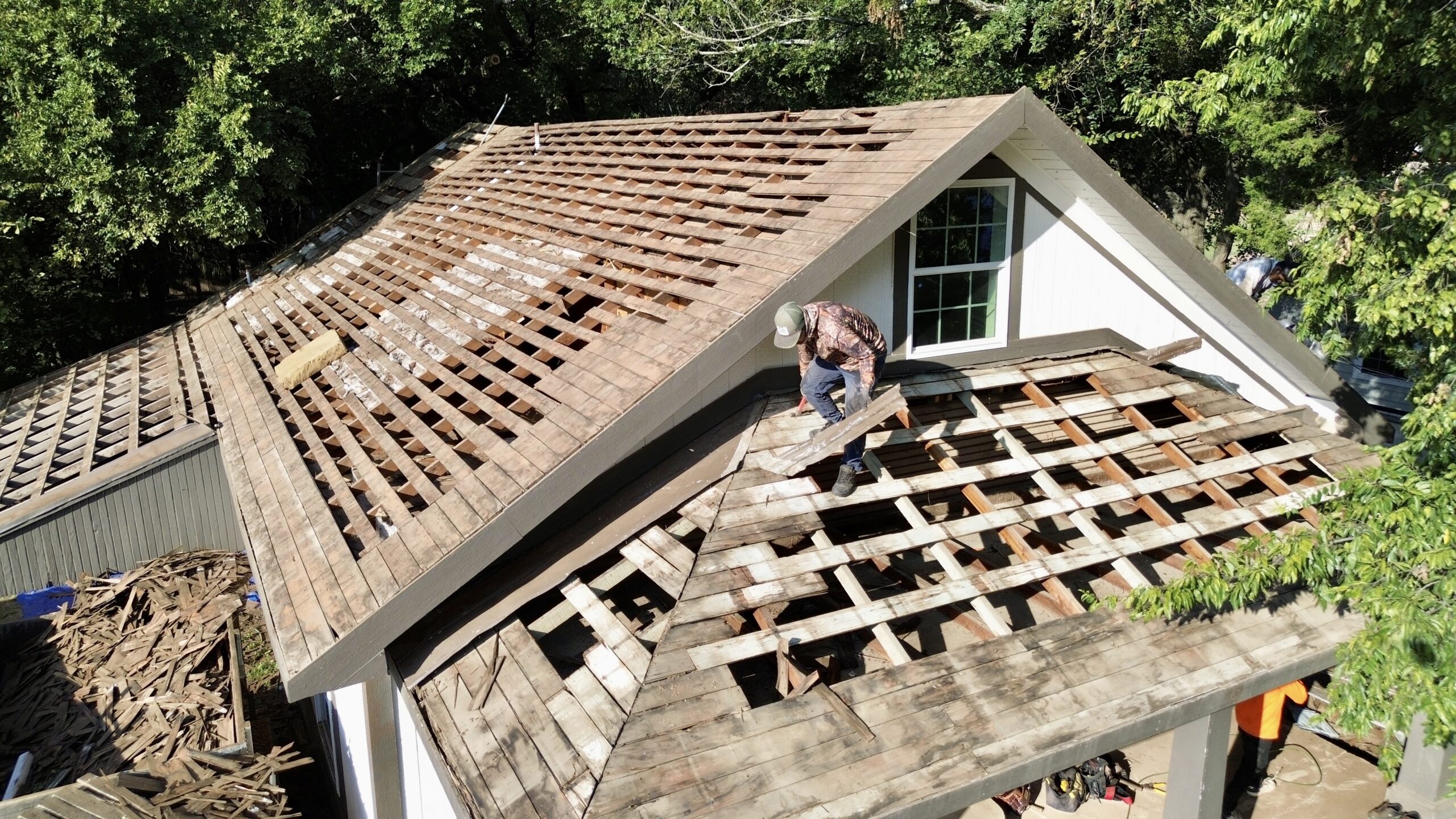
Roof monitoring technology is becoming increasingly common in commercial buildings. Sensors installed beneath roofing systems detect moisture, temperature changes, and structural movement before visible damage appears. Early detection allows maintenance teams to resolve issues before energy performance declines.
Solar ready roofing systems also support future energy improvements. Even if solar panels are not installed immediately, repairs can prepare the roof to support future renewable energy upgrades. Planning ahead often reduces installation costs later while extending the usefulness of the roofing system.
Energy Efficiency Benefits for Residential and Commercial Properties
Although every building has unique energy requirements, both residential and commercial properties benefit from professional roof repairs. Improved roofing performance enhances comfort, reduces operating expenses, and supports long term building value.
Residential homes experience noticeable improvements in indoor comfort after energy focused roof repairs. Bedrooms, living areas, and upper floors maintain more consistent temperatures throughout the day. Families often notice fewer drafts and reduced dependence on heating and cooling equipment.
Lower monthly utility bills provide another important advantage for homeowners. As conditioned air remains inside the building more effectively, HVAC systems consume less electricity. These ongoing savings accumulate over the years, making roof repairs a financially sound investment.
Commercial buildings often experience even greater benefits because of their larger roof areas and higher energy demands. Offices, warehouses, retail stores, and industrial facilities rely heavily on climate control systems. Improving roof efficiency reduces operating costs while creating a more comfortable environment for employees and customers.
Businesses also benefit from improved equipment performance. HVAC systems operating under lower workloads require fewer repairs and often remain in service for longer periods. Reduced maintenance expenses contribute to lower overall facility operating costs.
The environmental benefits extend beyond individual properties. Buildings that consume less energy reduce overall demand on electricity generation systems. Lower energy consumption contributes to reduced greenhouse gas emissions while supporting broader sustainability goals.
Property owners also gain greater peace of mind. Knowing the roof is structurally sound and operating efficiently reduces concerns about unexpected leaks, moisture damage, and rapidly increasing utility bills. Preventive maintenance and timely repairs provide confidence that the building will continue performing well for years.
Frequently Asked Questions
How much can roof repair improve energy efficiency?
The improvement depends on the condition of the existing roof and the type of repairs performed. Addressing damaged insulation, air leaks, and ventilation problems can significantly reduce heating and cooling energy use. Buildings with severe roofing issues often experience the greatest improvements after professional repairs.
Is repairing a roof more cost effective than replacing it?
If the roof structure remains in good condition and damage is limited, repairs are usually the more economical option. They restore energy performance while extending the roof’s lifespan. Replacement becomes more practical when deterioration is widespread or the roof has reached the end of its service life.
Does roof color affect energy efficiency?
Yes, roof color influences the amount of solar heat absorbed by the building. Lighter and more reflective surfaces generally reduce heat gain in warm climates. However, insulation, ventilation, and proper maintenance remain equally important regardless of roof color.
Can roof repairs reduce HVAC maintenance costs?
Yes, they often can. An energy efficient roof reduces the workload placed on heating and cooling systems. Equipment that operates less frequently experiences less wear, which may reduce repair needs and extend its service life.
How often should a roof be inspected?
Most experts recommend a professional roof inspection at least once each year. Additional inspections are advisable after severe storms, hail, or strong winds because weather events may create hidden damage that affects both structural integrity and energy efficiency.
Are energy efficient roof repairs environmentally friendly?
Yes, improving roof performance reduces overall energy consumption. Lower electricity demand decreases the environmental impact associated with heating and cooling buildings. Extending the lifespan of existing roofing materials through repairs also reduces construction waste.
Conclusion
Energy efficiency begins with a strong and properly maintained roof. While many building owners focus on heating systems, cooling equipment, or windows, the roof remains one of the most influential components of the building envelope. A damaged roof allows valuable energy to escape, increases utility costs, and places unnecessary strain on heating and cooling systems.
Professional roof repair addresses much more than visible damage. Replacing worn roofing materials, repairing flashing, restoring insulation, improving ventilation, and sealing air leaks work together to create a stronger thermal barrier. These improvements help maintain comfortable indoor temperatures while reducing energy consumption throughout every season.
Consistent maintenance is equally important for preserving these benefits. Regular inspections, prompt repairs, clean drainage systems, and proper attic ventilation prevent small issues from developing into major structural and energy related problems. Preventive care not only protects the roof but also extends the lifespan of the entire building.
Modern roofing technologies have further expanded the opportunities for improving energy performance. Reflective coatings, advanced insulation materials, smart ventilation systems, and solar ready roofing designs provide practical ways to reduce operating costs while supporting long term sustainability goals.
Whether the property is a family home, office building, retail store, or industrial facility, investing in timely roof repairs delivers lasting value. Lower utility bills, improved indoor comfort, reduced HVAC wear, enhanced property value, and better environmental performance all contribute to a stronger return on investment. By treating roof maintenance as an essential part of an overall energy efficiency strategy, property owners can enjoy reliable protection, greater comfort, and meaningful savings for many years to come.