

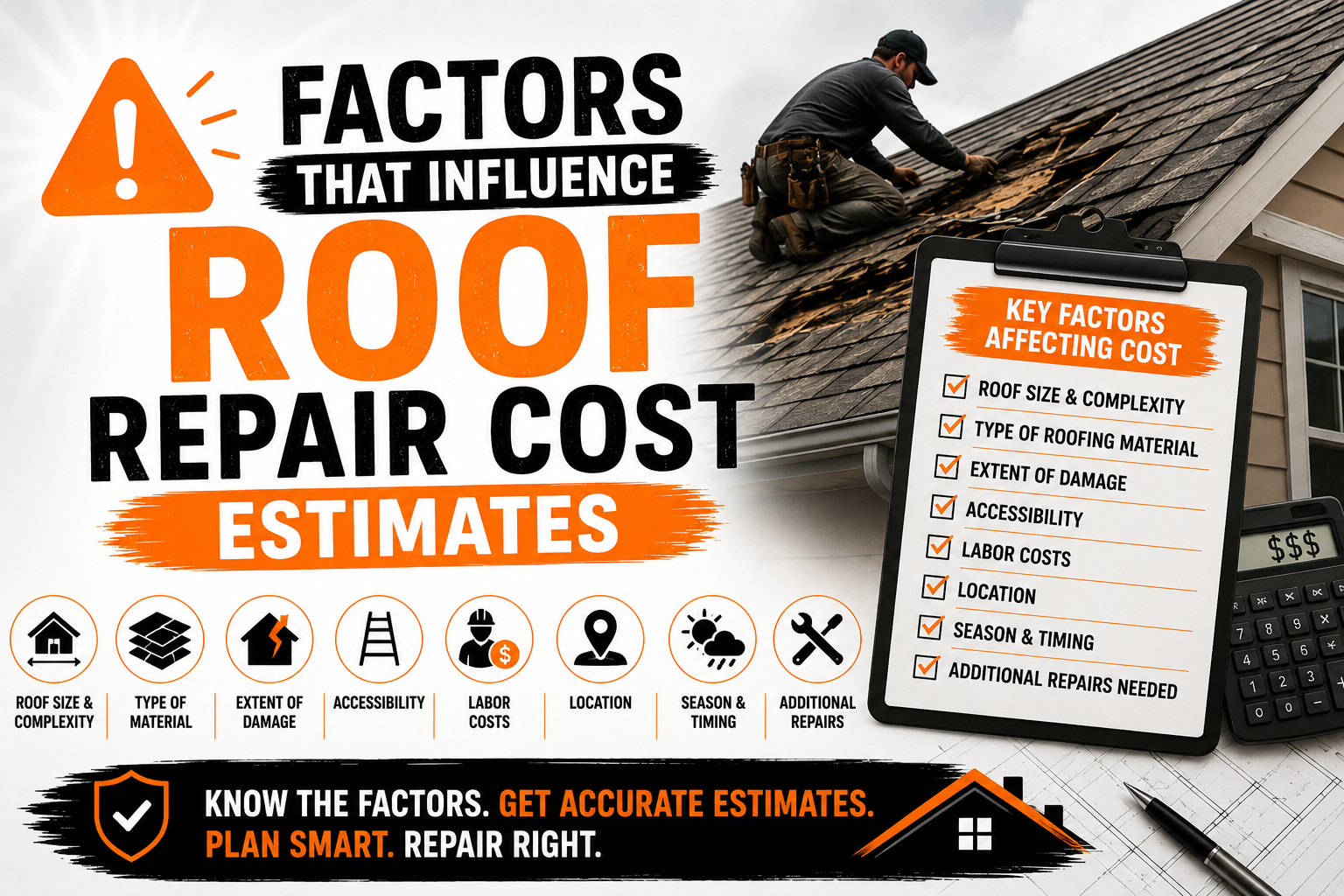
Factors That Influence Roof Repair Cost Estimates
Introduction
Roof repair is one of the most important maintenance investments for any property owner. Whether the building is residential or commercial, addressing roof damage promptly helps protect the structure from water intrusion, energy loss, and costly structural deterioration. Before any work begins, however, one of the first questions most property owners ask is how much the repair will cost.
The answer is rarely straightforward because roof repair costs depend on many different factors. Two roofs with similar leaks may require completely different repair methods, materials, labor, and project timelines. As a result, estimates can vary significantly even when the visible damage appears nearly identical.
Many homeowners assume that roof repair pricing is based only on the size of the damaged area. While the extent of damage certainly matters, several other elements influence the final estimate. Roofing materials, roof accessibility, structural conditions, weather damage, local labor rates, and inspection findings all contribute to the overall cost of the project.
Accurate cost estimates benefit both property owners and roofing contractors. A detailed estimate provides a realistic understanding of the required work, reduces unexpected expenses, and helps ensure that repairs address the underlying problem rather than only the visible symptoms. It also allows property owners to compare proposals more effectively and plan their budgets with greater confidence.
Understanding what influences roof repair costs helps property owners make informed decisions instead of focusing only on the lowest quote. A well-prepared estimate reflects the condition of the entire roofing system and identifies the repairs necessary to restore long-term performance and durability.
This article explores the major factors that influence roof repair cost estimates, explains why estimates differ from one property to another, and highlights the importance of thorough inspections before any repair work begins.
Why Roof Repair Costs Vary from One Property to Another
No two roofing systems are exactly alike, which is why repair costs can differ considerably from one property to another. Every building has unique characteristics that influence the complexity of repairs, the materials required, and the amount of labor involved.
The age of the roof is one of the most significant factors affecting repair costs. Older roofs often have multiple areas of deterioration rather than a single damaged section. Roofing materials naturally weaken over time, making repairs more extensive than they might appear during an initial visual inspection.
Roof design also contributes to pricing differences. A simple roof with large, open sections is generally easier to repair than one containing multiple slopes, valleys, dormers, skylights, chimneys, and ventilation systems. Each additional architectural feature increases the amount of detailed work required.
The condition of surrounding roofing materials influences repair costs as well. Damage is not always isolated to one location. Roofing professionals frequently discover nearby materials that have also deteriorated because of weather exposure, moisture, or age, requiring additional repairs to ensure long-term performance.
Property location plays an important role in determining repair expenses. Climate conditions, local building codes, transportation costs, and regional labor rates all influence the final estimate. Roofs located in areas with frequent storms or extreme weather often experience more severe damage that requires specialized repairs.
Accessibility is another consideration. Multi-story buildings, steep roof slopes, or properties with limited equipment access require additional safety measures and labor. These challenges increase project complexity and may extend the overall repair timeline.
Emergency repairs usually cost more than scheduled maintenance. When severe weather causes sudden roof damage, contractors may need to respond immediately under difficult conditions. Temporary protective measures, overtime labor, and urgent material delivery often increase project costs.
The maintenance history of the roof can also affect repair estimates. Roofs that have received regular inspections and timely maintenance generally require less extensive work than systems that have experienced years of neglected repairs.
Insurance requirements occasionally influence repair planning as well. Depending on the type of damage and policy coverage, certain repair procedures or documentation may be necessary before work begins. This administrative process can affect both scheduling and project costs.
Understanding these differences helps explain why accurate estimates require individual roof inspections rather than general pricing guidelines. Each property presents unique conditions that must be evaluated before reliable repair costs can be determined.
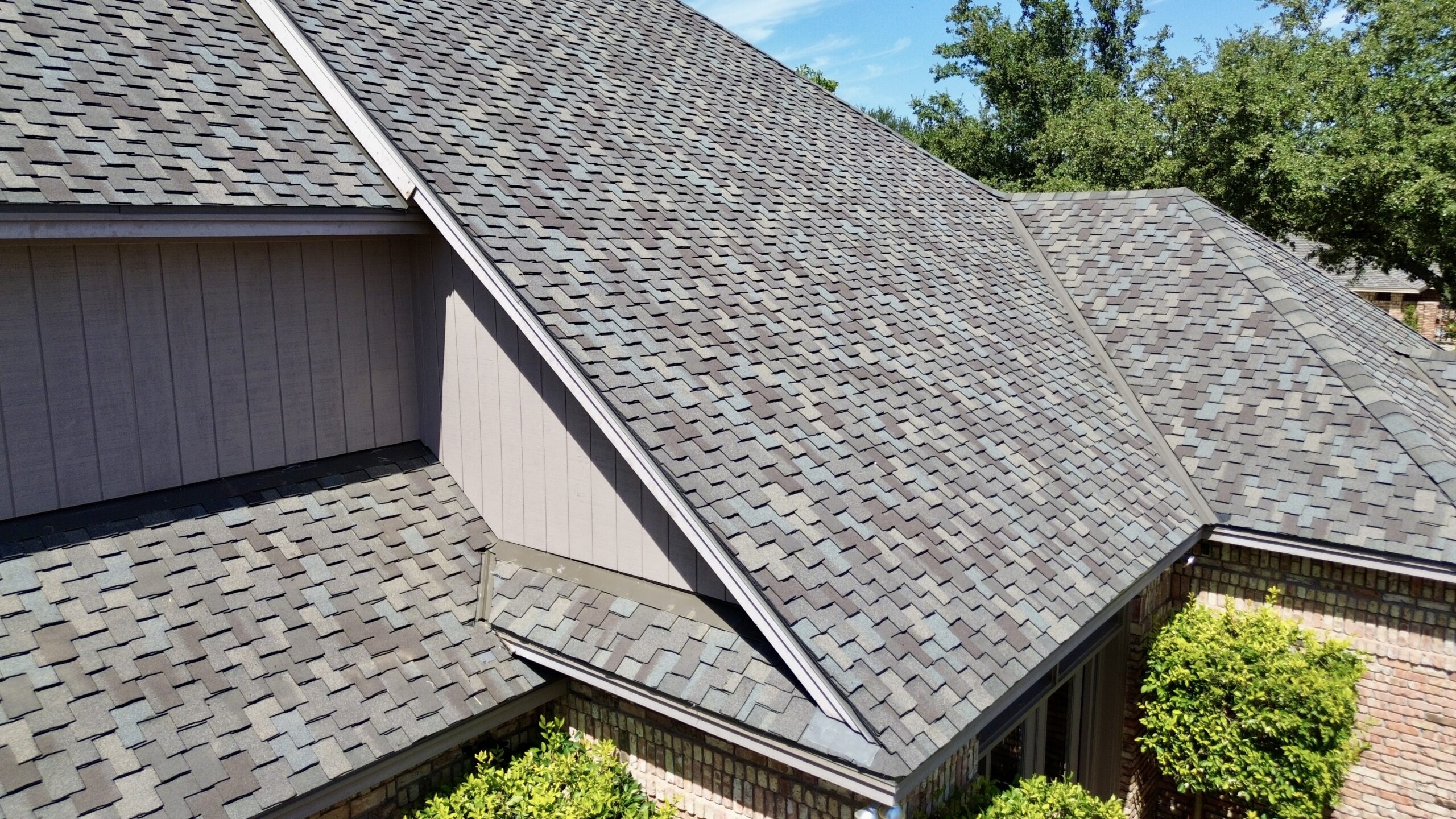
Understanding the Basics of Roof Repair Cost Estimates
A roof repair estimate is more than a simple price quote. It is a detailed evaluation of the roofing system that identifies damaged areas, outlines the required repairs, estimates labor and material costs, and explains the overall scope of the project.
Professional estimates usually begin with a roof inspection. Roofing contractors examine visible damage, assess the condition of roofing materials, evaluate flashing, inspect drainage systems, and identify any signs of moisture intrusion. The goal is to understand both the obvious damage and the underlying issues contributing to the problem.
After the inspection, contractors prepare a written estimate describing the recommended repairs. This document generally includes material requirements, labor costs, estimated project duration, equipment needs, and warranty information. A detailed estimate provides transparency while helping property owners understand how the final cost is calculated.
Material expenses often represent a significant portion of the estimate. Roofing products vary widely in quality, durability, and price. Replacement shingles, flashing, sealants, underlayment, fasteners, and structural materials all contribute to the total project cost depending on the extent of the repairs.
Labor costs reflect the skill and time required to complete the work safely and correctly. Complex repairs involving steep slopes, structural restoration, or difficult roof access typically require more labor than straightforward repairs on easily accessible roofs.
Equipment costs may also appear in larger repair projects. Scaffolding, lifts, safety systems, debris removal equipment, and specialized roofing tools contribute to the overall estimate when required for safe project completion.
Some estimates include allowances for hidden damage that cannot be confirmed until roofing materials are removed. Water intrusion often affects decking, insulation, or structural framing beneath the roof surface. Contractors may explain that additional repairs could become necessary if concealed damage is discovered during construction.
Permits and regulatory requirements may also influence project costs depending on local building regulations. Certain repairs require permits or inspections before work can proceed, particularly when structural modifications are involved.
A comprehensive estimate allows property owners to compare contractors based on the scope of work rather than price alone. Estimates that appear significantly lower than others may omit important repairs or use lower-quality materials that increase future maintenance needs.
Understanding the components of a roof repair estimate helps property owners evaluate proposals more effectively while making informed decisions about protecting their investment.
Common Types of Roof Damage That Affect Repair Costs
The type and severity of roof damage play a major role in determining repair costs. Some issues require only localized repairs, while others involve extensive restoration of multiple roofing components. Identifying the nature of the damage is essential for preparing an accurate estimate.
Roof leaks remain one of the most common reasons property owners seek repairs. The cost of repairing a leak depends not only on its location but also on the amount of moisture damage beneath the roofing surface. Water may affect insulation, decking, flashing, and interior finishes before becoming visible inside the building.
Missing or damaged shingles are another frequent repair issue. High winds, aging, and storm activity can loosen or remove shingles, exposing underlying roofing layers to weather. Replacing damaged shingles is generally straightforward unless surrounding materials have also deteriorated.
Flashing damage often increases repair complexity. Flashing protects vulnerable areas around chimneys, skylights, vents, and roof valleys. Once flashing fails, water can enter the roofing system even when the surrounding roofing materials remain in good condition.
Storm damage varies considerably depending on the severity of the weather event. Hail may fracture protective surfaces, while strong winds can loosen roofing materials or damage structural components. Comprehensive inspections help determine the full extent of storm-related repairs.
Flat roofs frequently experience membrane damage caused by standing water, punctures, or seam separation. Because these systems rely on continuous waterproof surfaces, repairs often require careful restoration of larger sections to ensure long-term protection.
Drainage problems can also increase repair costs. Blocked gutters, damaged downspouts, or inadequate roof slopes allow water to remain on the roof longer than intended. Correcting these issues may involve repairs beyond the immediate leak location.
Structural damage significantly affects project pricing. Moisture that reaches roof decking or framing weakens these components over time, requiring carpentry work in addition to roofing repairs. Structural restoration generally increases both labor requirements and material costs.
Animal activity occasionally contributes to roof damage as well. Birds, squirrels, rodents, and insects may create openings that allow water intrusion or damage insulation beneath the roof. Repairing these issues often includes sealing entry points and replacing affected materials.
Previous repair work can also influence current estimates. Temporary patches, incompatible materials, or improperly completed repairs may require removal before permanent repairs can begin. Correcting earlier workmanship ensures the new repairs perform as intended.
Understanding the different types of roof damage helps explain why repair estimates vary considerably. Accurate pricing depends on identifying every affected component rather than focusing only on the most visible signs of damage.
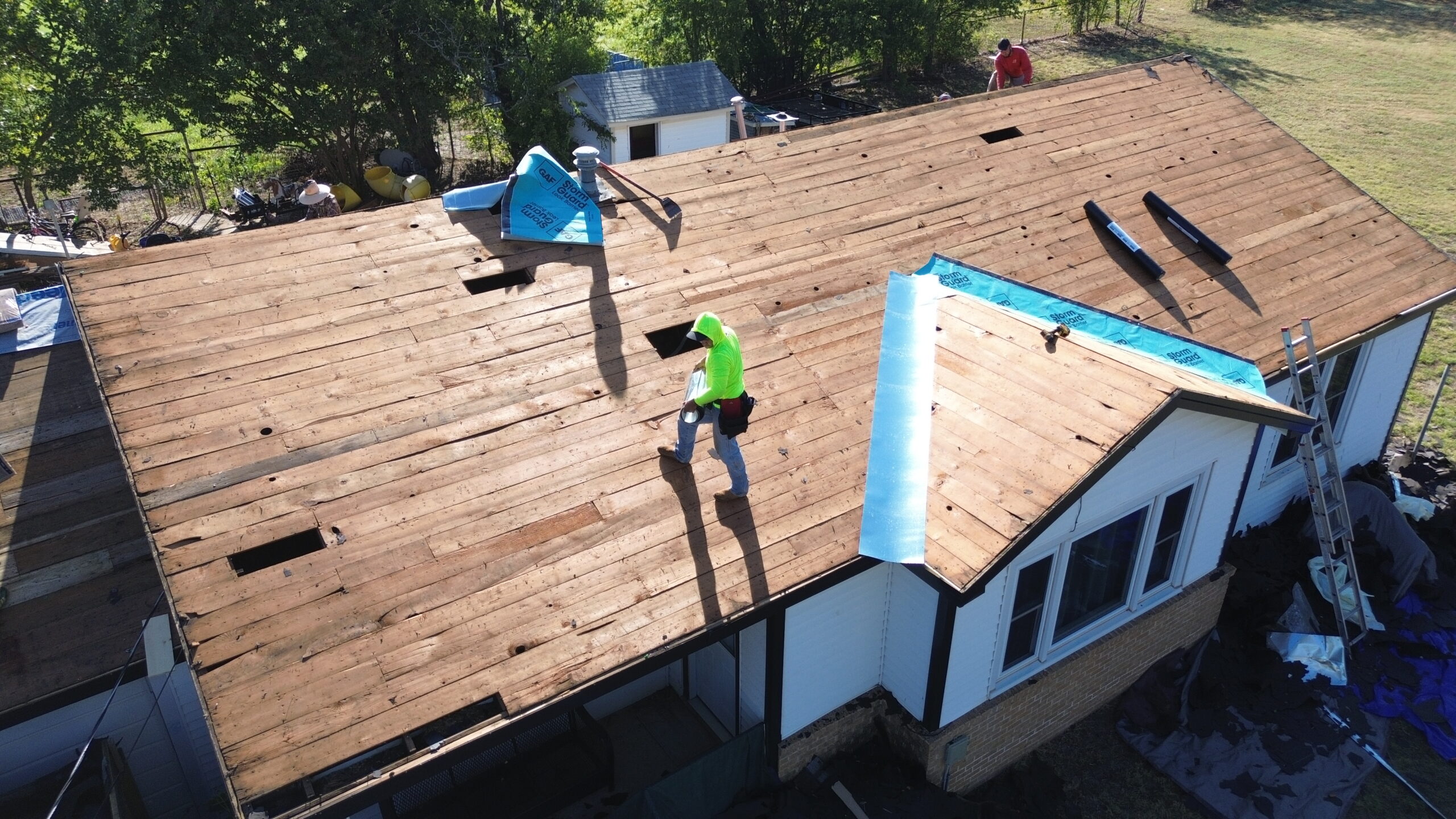
How Roof Size and Design Influence Repair Pricing
Roof size is one of the most visible factors influencing repair costs, but it is only part of the overall calculation. The design and complexity of the roof often have an even greater impact on labor, materials, and project duration.
Larger roofs naturally require more materials when damaged areas need replacement. Additional roofing products, flashing, underlayment, and fasteners increase material expenses while extending the amount of time needed to complete repairs.
Roof pitch also affects pricing. Steeper roofs require additional safety equipment and slower working procedures because of the increased risk associated with elevated work. These conditions increase labor time and may require specialized access equipment.
Complex roof designs present additional challenges. Valleys, hips, dormers, skylights, chimneys, roof vents, and multiple elevation changes all require careful detailing during repairs. These architectural features increase the precision needed to restore proper waterproofing.
Roof accessibility also influences labor efficiency. Buildings surrounded by landscaping, fences, neighboring structures, or limited parking may require contractors to transport materials manually over longer distances. Reduced accessibility often increases labor costs.
Multi-story buildings create additional logistical considerations. Workers may need scaffolding, lifts, or specialized fall protection systems to safely reach repair areas. These requirements contribute to both equipment expenses and project duration.
The amount of damaged area relative to the entire roof is another important consideration. Localized repairs on large roofs may be completed efficiently, while widespread deterioration across several roof sections requires considerably more labor and materials.
Roofing systems containing mechanical equipment such as HVAC units, solar panels, or communication equipment require additional coordination during repairs. Contractors must work around these installations while ensuring that surrounding flashing and waterproofing remain effective.
Architectural style can further influence repair complexity. Historic homes, custom-built residences, and commercial buildings often contain unique roofing details that require specialized repair techniques or custom-fabricated materials.
Although roof size contributes to repair pricing, the overall design often determines the true complexity of the project. Two roofs of similar dimensions may require very different repair budgets because of differences in accessibility, structural features, and architectural layout.
The Importance of Accurate Roof Inspections Before Estimating Costs
An accurate roof inspection forms the foundation of every reliable repair estimate. Without a detailed evaluation, it is impossible to determine the true extent of damage or prepare a realistic cost projection. Estimates based only on visible symptoms often overlook hidden problems that increase expenses once repairs begin.
Professional inspections begin with a visual assessment of the roof’s exterior. Contractors examine roofing materials, flashing, drainage systems, roof penetrations, and visible structural conditions to identify areas requiring further investigation.
The inspection then extends beneath the roof surface whenever possible. Attic spaces, insulation, roof decking, and structural framing provide valuable information about moisture intrusion and hidden deterioration. Water frequently travels away from its entry point before becoming visible, making interior inspections essential.
Inspectors also evaluate ventilation and drainage because these systems influence long-term roof performance. Poor ventilation accelerates material aging, while inadequate drainage increases moisture exposure that may contribute to future repair needs.
Storm damage receives special attention during inspections. Hail impacts, lifted shingles, damaged flashing, and loosened roofing materials may appear minor but often indicate broader problems requiring comprehensive repairs.
Photographs and written documentation are typically included with professional inspection reports. These records help property owners understand the condition of the roof while providing clear justification for the recommended repairs and associated costs.
Accurate inspections also reduce unexpected expenses during construction. Identifying hidden damage before work begins allows contractors to prepare more complete estimates while minimizing costly project changes later.
Property owners benefit from obtaining detailed inspections before comparing repair proposals. Evaluating estimates based on similar inspection findings provides a more meaningful comparison than reviewing prices alone.
Ultimately, the quality of a repair estimate depends on the quality of the inspection that supports it. A thorough inspection creates a clearer understanding of the roofing system, leading to more accurate budgeting, better repair decisions, and greater confidence that the completed work will provide lasting protection.
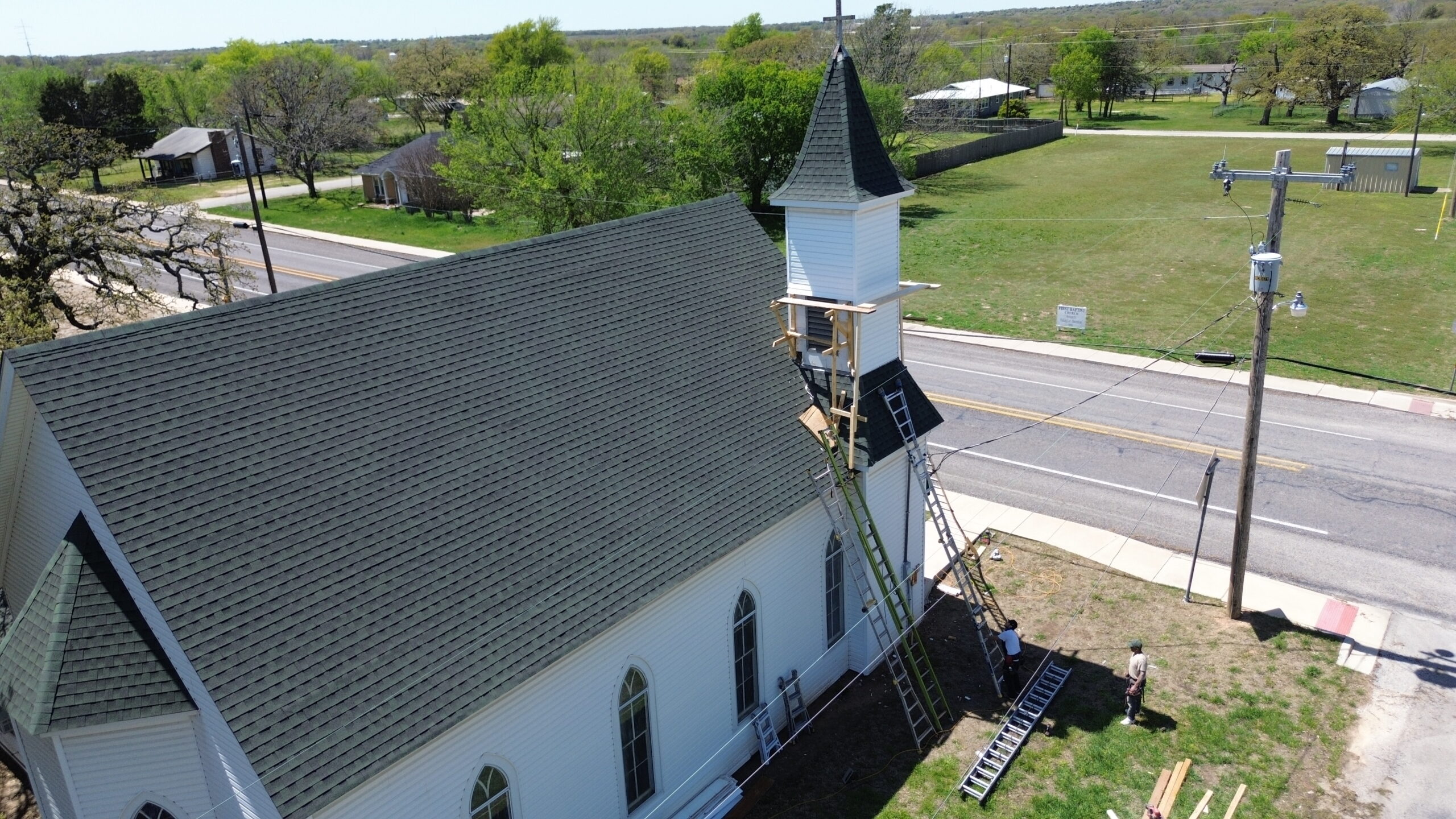
The Impact of Roofing Materials on Repair Expenses
Roofing materials are one of the biggest factors influencing repair cost estimates. Every roofing system uses different products, installation methods, and repair techniques, which means material selection has a direct impact on both labor and overall project costs. Even similar roof damage can produce different estimates depending on the type of roof involved.
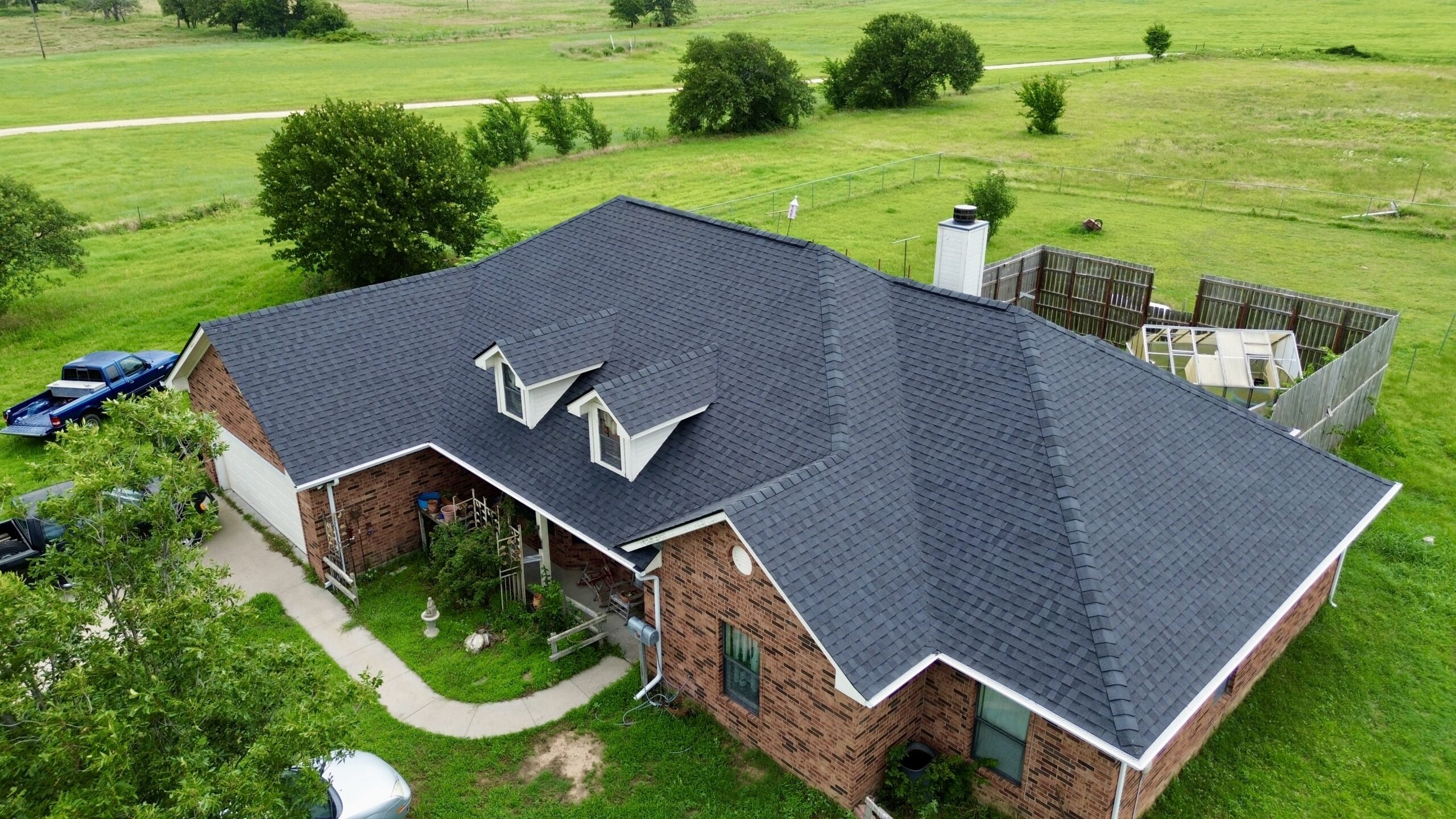
Asphalt shingles remain one of the most affordable roofing materials to repair because replacement products are widely available and installation methods are familiar to most roofing contractors. Localized repairs can often be completed efficiently when matching shingles are available.
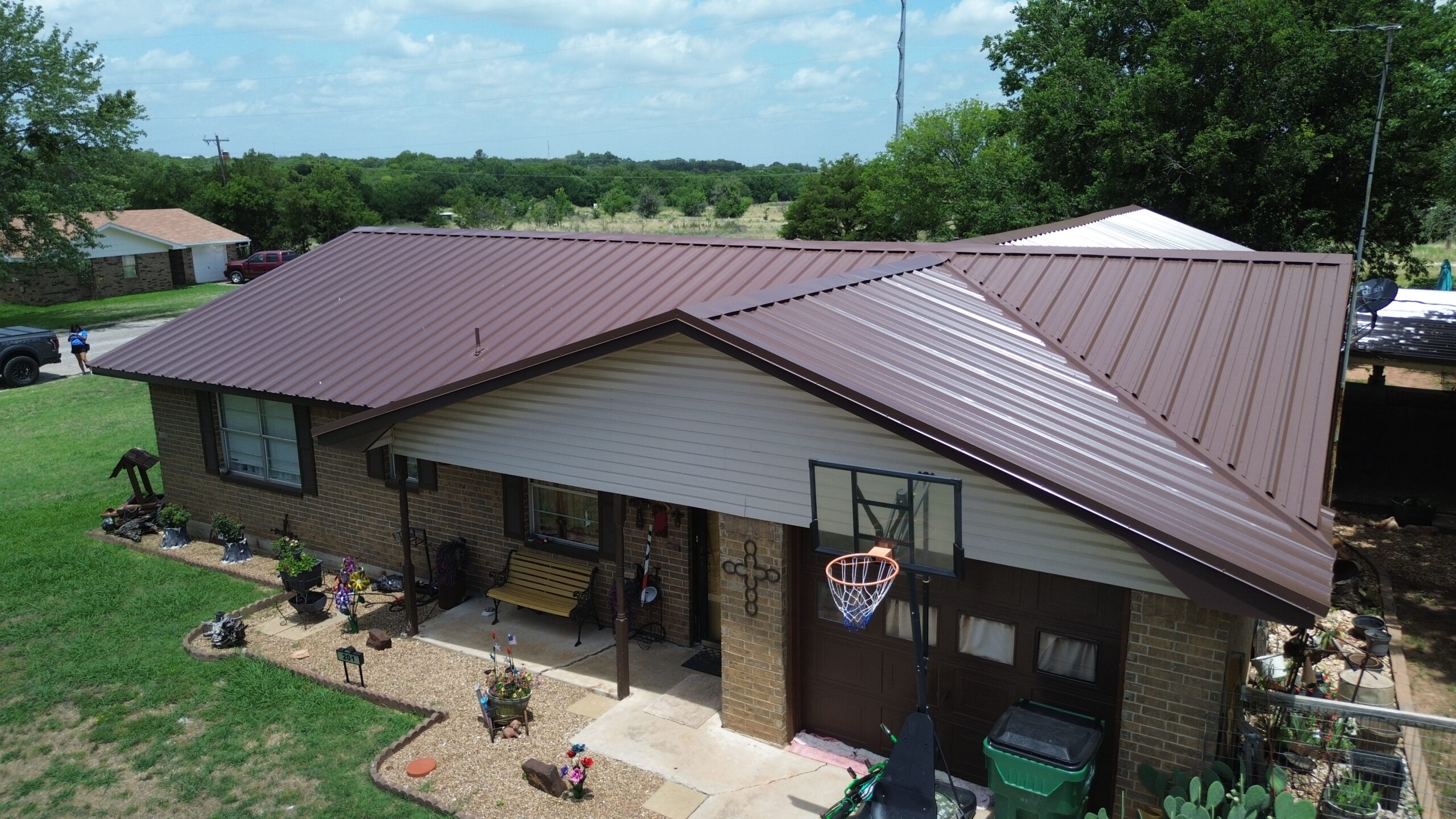
Metal roofing generally requires specialized repair techniques. Matching panel profiles, protective coatings, and fastening systems often increases both material and labor costs. Although repairs may cost more initially, metal roofs usually offer excellent durability and a longer service life.
Tile roofs require additional care during repairs because individual tiles can crack if handled improperly. Finding matching replacement tiles may also be difficult on older roofs, especially when discontinued products are involved.
Slate roofing is known for its exceptional lifespan, but repairs often require experienced specialists. The weight of the material and the precision needed during installation contribute to higher repair estimates than many other roofing systems.
Flat roofing systems use membrane materials that vary depending on the building. Repair costs depend on the membrane type, seam construction, and the amount of damaged area. Proper sealing is essential because even small defects can allow significant water intrusion.
Roof coatings may also influence repair pricing. Reflective coatings or waterproof finishes often require restoration after repairs to maintain consistent protection across the roof surface. Including these coatings in the estimate helps preserve long-term performance.
Material availability affects pricing as well. Older roofing products may no longer be manufactured, requiring custom orders or complete section replacements to maintain appearance and performance. Limited availability often increases repair costs.
The compatibility of replacement materials is another consideration. Roofing contractors generally recommend products that match the existing roofing system to ensure consistent expansion, weather resistance, and durability over time.
Selecting quality materials may increase the initial estimate, but durable products often reduce future maintenance costs while extending the overall life of the roofing system.
Labor Costs and Regional Pricing Differences
Labor represents a significant portion of most roof repair estimates. The amount of labor required depends on the complexity of the repair, roof accessibility, local wage rates, and the experience of the roofing professionals performing the work.
Simple repairs on low-slope, easily accessible roofs generally require fewer labor hours than repairs involving steep slopes, multiple roof levels, or complicated architectural features. The more difficult the working conditions, the more time is needed to complete repairs safely.
Regional labor rates also influence repair estimates. Areas with higher living costs typically have higher construction wages, resulting in increased repair pricing. In contrast, labor costs may be lower in regions where operating expenses are reduced.
Weather conditions can affect labor efficiency as well. Extremely hot temperatures, heavy rainfall, strong winds, or freezing conditions may slow progress or require temporary work stoppages. These delays can increase project timelines and labor expenses.
Contractor experience also plays an important role. Highly skilled roofing professionals may charge higher rates, but their expertise often results in more accurate repairs, fewer future problems, and better overall workmanship.
Emergency repairs usually involve higher labor costs because contractors may need to adjust schedules, work overtime, or respond outside normal business hours. Immediate service helps protect the building but often increases the overall estimate.
Safety requirements also influence labor pricing. Multi-story buildings, commercial properties, and steep roofs require additional fall protection equipment and safety procedures. These measures protect workers while contributing to project costs.
Travel distance may also affect estimates for properties located in remote areas. Transportation of workers, equipment, and materials sometimes increases project expenses, particularly when repeated site visits are necessary.
Understanding labor costs helps property owners recognize that roofing estimates reflect not only the physical repairs but also the expertise, safety practices, and project management needed to complete the work successfully.
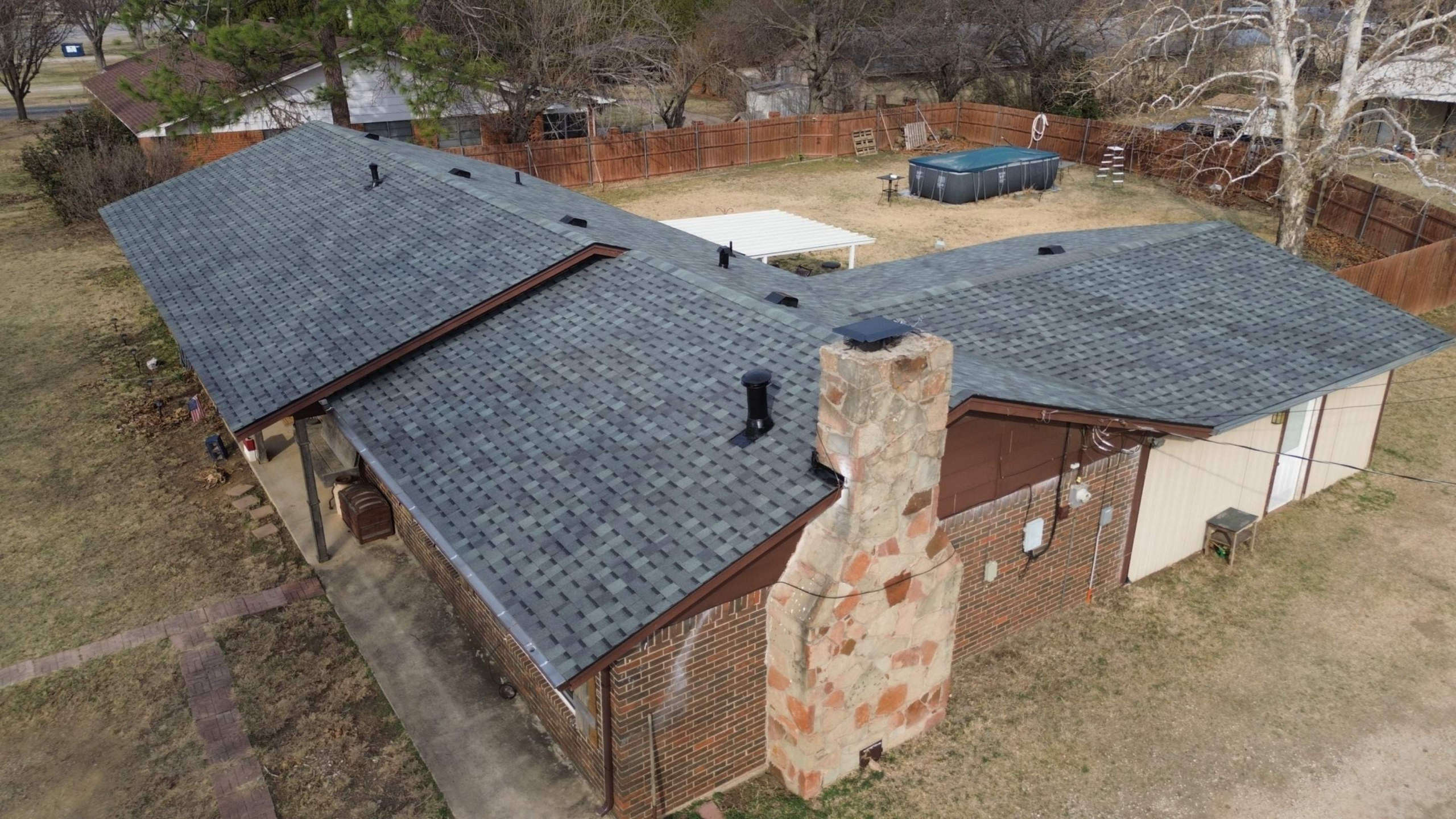
How Weather Damage Changes Repair Estimates
Weather is one of the leading causes of roof damage, and the type of weather event often determines the complexity and cost of repairs. Different forms of weather affect roofing systems in different ways, requiring specific repair methods and materials.
Wind damage frequently removes or loosens shingles, flashing, and other roofing components. Even when only a few materials appear damaged, surrounding sections may also require inspection because wind can weaken fasteners and create hidden vulnerabilities.
Hail damage often affects roofing materials without creating immediate leaks. Small impact marks gradually reduce the roof’s protective surface, making future moisture intrusion more likely. Repair estimates must account for both visible and hidden storm damage.
Heavy rainfall exposes weaknesses in flashing, drainage systems, and roofing materials. Water entering through small openings may damage insulation, decking, and structural framing before becoming visible inside the building, increasing repair costs.
Snow and ice create additional challenges in colder climates. Ice dams can force water beneath roofing materials, while repeated freezing and thawing place stress on flashing and sealants. Repairs often extend beyond the visible leak because moisture may have traveled through hidden roof layers.
Extreme heat also affects roofing materials over time. Continuous exposure to sunlight accelerates aging, causing shingles to become brittle, sealants to crack, and protective coatings to deteriorate. Roofs exposed to prolonged heat may require broader repairs than initially expected.
Storm debris introduces another cost factor. Fallen branches or windborne objects can puncture roofing materials or damage structural components, requiring both roofing and carpentry work.
Insurance inspections may also influence weather-related repair estimates. Depending on policy requirements, contractors may need to document damage carefully before repairs begin. This process helps support claims while ensuring all storm-related issues are identified.
Because weather damage often extends beyond visible roofing materials, comprehensive inspections remain essential for preparing accurate repair estimates.
Hidden Structural Problems That Increase Project Costs
Some of the most expensive roofing repairs involve problems that cannot be seen during a simple visual inspection. Hidden structural damage frequently becomes apparent only after roofing materials are removed, making thorough inspections an important part of the estimating process.
Roof decking is commonly affected by long-term moisture intrusion. Water weakens wooden decking, causing soft spots, rot, or warping that prevent new roofing materials from performing properly. Replacing damaged decking increases both labor and material costs.
Insulation may also require replacement if it has absorbed moisture. Wet insulation loses much of its thermal performance and may contribute to mold growth if left in place. Repair estimates often include insulation replacement when water damage is discovered.
Structural framing presents another potential concern. Rafters and trusses exposed to repeated moisture may weaken over time, requiring reinforcement or replacement before roofing repairs can be completed safely.
Poor ventilation contributes to hidden deterioration as well. Excessive heat and trapped moisture accelerate material aging while encouraging condensation inside attic spaces. Correcting ventilation deficiencies may become part of the overall repair project.
Previous repair work sometimes conceals underlying problems. Temporary patches, multiple roofing layers, or improperly installed materials may need to be removed before permanent repairs begin. These additional tasks increase project complexity.
Pest damage occasionally contributes to hidden repair costs. Rodents, birds, and insects may damage insulation, decking, or ventilation components while creating openings that allow moisture to enter the roofing system.
Structural movement caused by settling foundations or aging buildings may also affect the roof. Small shifts create stress around flashing, roof penetrations, and joints, increasing the amount of work required during repairs.
Although hidden structural issues increase repair estimates, identifying and correcting them during the project helps prevent repeated leaks and future maintenance expenses.
Repair Versus Replacement Cost Considerations
One of the most important decisions during the estimating process is determining whether repairing the roof provides better value than replacing it. The answer depends on the age, condition, and long-term performance of the roofing system.
Localized damage on a relatively new roof is often best addressed through repairs. Replacing only the affected area restores protection while preserving the remainder of the roofing system.
Older roofs with repeated leaks or widespread deterioration may be better candidates for replacement. Continuing to repair aging materials often results in increasing maintenance costs over time without significantly improving long-term reliability.
The extent of structural damage also influences this decision. If decking, insulation, or framing require extensive restoration, replacing the roof may become more practical than completing multiple repairs.
Energy efficiency should also be considered. Modern roofing systems frequently include improved insulation, ventilation, and reflective materials that reduce heating and cooling expenses throughout the life of the roof.
Future maintenance requirements provide another point of comparison. Repairs generally involve lower initial costs, while replacement often reduces repair frequency during the early years of the new roof.
Property owners should evaluate long-term ownership plans as well. If the building will remain in service for many years, investing in a complete roofing system may provide greater financial value than repeated repairs.
Professional inspections help determine the most cost-effective option by evaluating both visible and hidden damage throughout the roofing system.
Comparing Common Roof Repair Factors and Their Cost Impact
Several factors combine to determine the final roof repair estimate. Understanding how each element influences pricing helps property owners interpret contractor proposals more effectively.
| Roof Repair Factor | Impact on Cost | Typical Consideration |
|---|---|---|
| Roofing Material | High | Premium materials generally cost more to repair or replace |
| Roof Size | Moderate to High | Larger roofs require more labor and materials |
| Roof Design | High | Complex layouts increase labor time and repair difficulty |
| Labor Rates | Moderate | Regional wages influence overall project pricing |
| Weather Damage | Moderate to High | Storm damage often extends beyond visible roofing materials |
| Structural Damage | High | Repairs involving decking or framing significantly increase costs |
| Roof Accessibility | Moderate | Difficult access requires additional equipment and safety measures |
| Emergency Repairs | Moderate | Urgent scheduling and temporary protection increase expenses |
| Material Availability | Moderate | Older or discontinued products may cost more to source |
| Permit Requirements | Low to Moderate | Local regulations may require permits or inspections |
This comparison shows that roof repair pricing depends on multiple interconnected factors rather than a single issue. A thorough inspection remains the most reliable way to identify these influences and prepare an accurate estimate.
Ways to Reduce Roof Repair Costs Without Sacrificing Quality
Reducing roof repair costs does not always mean choosing the lowest estimate. In many cases, the most effective way to control expenses is by preventing small problems from developing into major structural repairs. Careful planning and informed decision making help property owners receive lasting value while protecting the performance of the roofing system.
Addressing roof damage as soon as it is discovered is one of the simplest ways to reduce repair costs. Minor issues such as loose shingles, damaged flashing, or small leaks usually require less labor and fewer materials than repairs delayed for several months. Early intervention also limits the spread of moisture into insulation and structural components.
Routine inspections provide another cost-saving advantage. Professional evaluations identify hidden problems before they become visible inside the building, allowing repairs to be completed while damage remains limited. Preventive inspections are generally far less expensive than emergency restoration projects.
Property owners should also prioritize repair quality over short-term savings. Low-cost repairs completed with inferior materials or poor workmanship often require additional maintenance sooner than properly executed repairs. Investing in durable materials and experienced professionals typically reduces long-term ownership costs.
Obtaining multiple estimates helps create a better understanding of reasonable pricing. Comparing proposals based on scope of work, material quality, warranties, and contractor experience provides more useful information than comparing prices alone.
Scheduling repairs during non-emergency situations may also reduce expenses. Contractors usually have greater scheduling flexibility when repairs are planned in advance rather than requested immediately after severe weather events.
Maintaining gutters, roof drains, and downspouts supports lower repair costs by reducing standing water on the roof. Effective drainage protects roofing materials while minimizing the likelihood of leaks that require expensive structural repairs.
Keeping trees trimmed around the property also reduces maintenance expenses. Overhanging branches may damage roofing materials during storms or deposit debris that blocks drainage systems. Preventing this damage helps preserve the condition of the roof throughout the year.
Property owners should retain records of previous inspections and repairs as well. Maintenance history helps contractors understand recurring issues while reducing the time needed to evaluate the roof during future inspections.
Managing repair costs successfully involves balancing immediate expenses with long-term performance. Investing in quality repairs today often prevents significantly larger expenses in the future.
Preventive Maintenance That Helps Control Future Repair Expenses
Preventive maintenance remains one of the most effective strategies for controlling long-term roof repair costs. Regular care extends the lifespan of roofing materials while reducing the likelihood of emergency repairs and unexpected structural damage.
Annual roof inspections provide an opportunity to identify developing issues before they require extensive restoration. Roofing professionals examine shingles, flashing, drainage systems, ventilation, and structural components for early signs of wear. Addressing these concerns promptly helps preserve the integrity of the entire roofing system.
Cleaning the roof regularly is another valuable maintenance practice. Leaves, branches, dirt, and other debris trap moisture against roofing materials and block drainage pathways. Removing this buildup improves water flow while reducing unnecessary stress on the roof.
Gutters and downspouts should also be inspected throughout the year. Clogged drainage systems allow water to accumulate near roof edges, increasing the risk of leaks and water damage. Routine cleaning protects both the roof and the building’s exterior walls.
Roof penetrations require periodic attention because sealants naturally deteriorate over time. Inspecting flashing around vents, skylights, chimneys, and mechanical equipment allows worn sealants to be replaced before water intrusion occurs.
Attic inspections provide additional insight into roof performance. Damp insulation, water stains, mold growth, or unusual odors often indicate developing roofing problems that may not yet be visible on the exterior.
Tree maintenance contributes to roof protection as well. Removing overhanging branches reduces the risk of impact damage during storms while limiting the amount of debris that accumulates on the roof.
Property owners should also monitor interior warning signs such as ceiling stains, peeling paint, increased humidity, or musty odors. These conditions often indicate roofing problems that should be investigated before additional damage occurs.
Preventive maintenance reduces repair costs because it focuses on solving small problems before they become expensive structural issues. Consistent care protects the roof while improving overall building performance and energy efficiency.
Choosing the Right Roofing Contractor for Accurate Estimates
Selecting the right roofing contractor is just as important as understanding the repair estimate itself. An experienced contractor provides accurate inspections, realistic pricing, quality workmanship, and clear communication throughout the project.
Property owners should begin by confirming that contractors hold the appropriate licenses and insurance required in their area. Proper credentials demonstrate professionalism while protecting both the contractor and the property owner during construction.
Experience with similar roofing systems is another valuable qualification. Contractors familiar with the specific roofing material and building design are often better prepared to identify hidden problems and recommend suitable repair methods.
A detailed written estimate should always be requested before work begins. The proposal should describe the scope of repairs, materials to be used, estimated timeline, labor costs, warranty coverage, and any conditions that may affect pricing.
References from previous clients provide useful insight into a contractor’s reliability and workmanship. Speaking with former customers helps property owners evaluate communication, project management, and overall satisfaction with completed repairs.
Professional contractors also conduct thorough roof inspections before preparing estimates. Rather than offering prices based only on photographs or brief observations, experienced roofers evaluate the entire roofing system to identify both visible and hidden damage.
Warranty coverage should be reviewed carefully as well. Reliable contractors stand behind both their workmanship and the roofing materials they install. Understanding warranty terms provides additional confidence in the long-term value of the repair.
Communication throughout the project is equally important. Contractors should explain unexpected findings, discuss necessary changes, and provide regular updates on project progress. Clear communication reduces misunderstandings while helping repairs stay on schedule.
Choosing an experienced roofing contractor helps ensure that repair estimates accurately reflect the roof’s condition. This approach supports better budgeting while reducing the likelihood of unexpected costs after work begins.
Mistakes to Avoid When Comparing Roof Repair Quotes
Comparing roof repair estimates involves much more than reviewing the final price. Property owners who focus only on the lowest quote may overlook important differences in repair quality, materials, and project scope.
One of the most common mistakes is assuming every estimate covers the same work. Contractors may recommend different repair methods based on their inspection findings, making it essential to compare the details of each proposal rather than only the total cost.
Ignoring material quality is another frequent error. Lower-priced estimates sometimes include less durable products that may require earlier replacement or more frequent maintenance. Evaluating the specifications of proposed materials provides a clearer understanding of long-term value.
Some property owners overlook warranty coverage when reviewing estimates. A slightly higher estimate that includes stronger workmanship and material warranties may provide greater financial protection than a lower-priced proposal with limited coverage.
Choosing contractors based solely on price can also create future problems. Experience, licensing, insurance, communication, and reputation all contribute to the overall success of the repair project. These qualities often justify reasonable differences in pricing.
Failing to verify inspection quality may lead to inaccurate estimates. Contractors who perform detailed inspections are more likely to identify hidden structural issues before construction begins, reducing the risk of unexpected expenses later.
Another mistake is delaying repairs while continuing to compare multiple estimates for an extended period. Roofing damage often worsens with time, allowing moisture to spread into additional building components and increasing future repair costs.
Property owners should also avoid accepting verbal estimates without written documentation. Detailed proposals create clear expectations regarding materials, labor, warranties, timelines, and payment terms.
Carefully reviewing every aspect of a roof repair estimate helps property owners make informed decisions based on value rather than price alone. A thorough comparison often leads to better long-term results and fewer unexpected expenses.
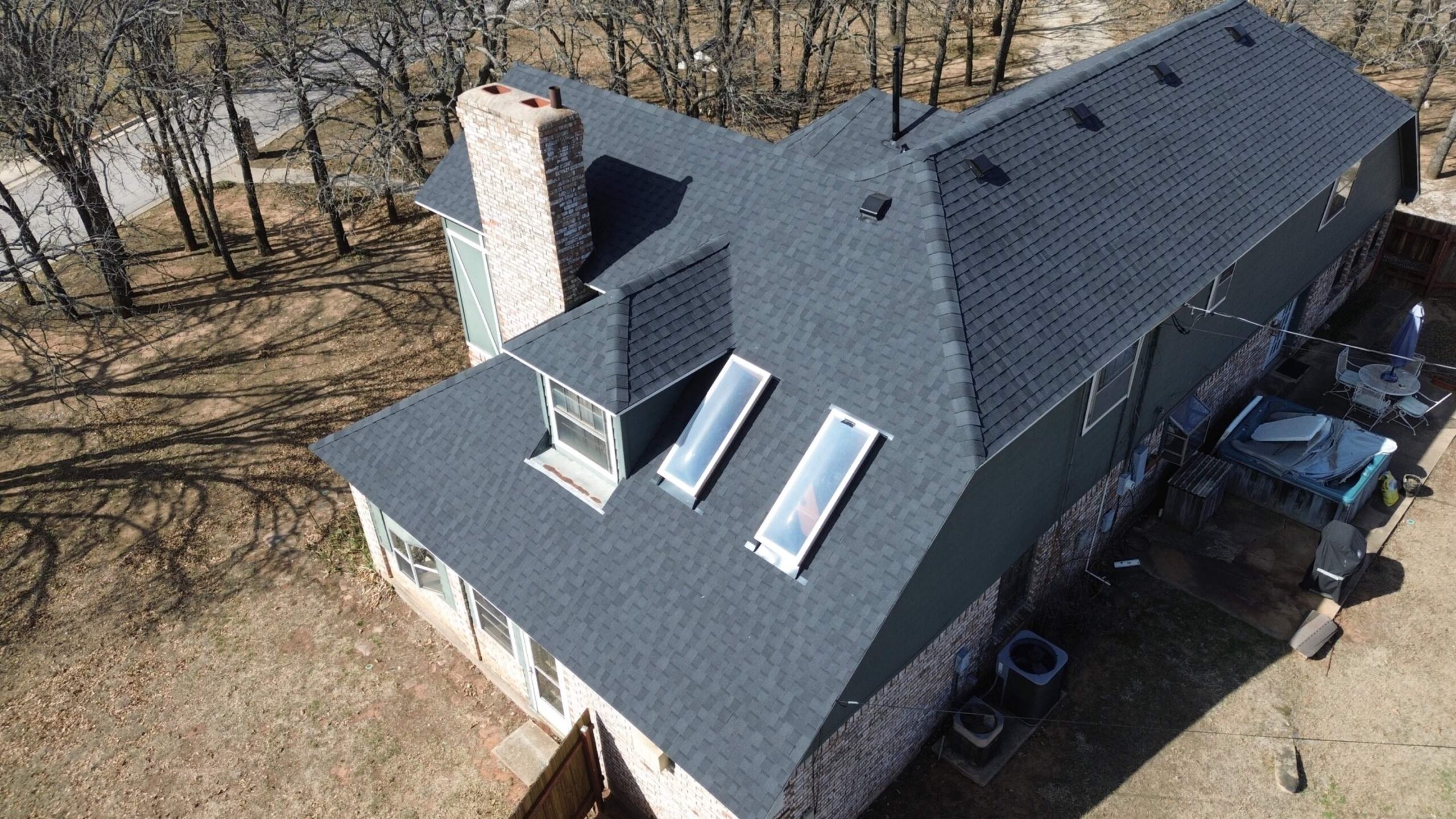
Steps to Get an Accurate Roof Repair Cost Estimate
Following a structured approach helps property owners receive reliable estimates while reducing the likelihood of unexpected repair costs.
- Schedule a professional roof inspection.
- Document visible roof damage and interior warning signs.
- Request detailed written estimates from multiple contractors.
- Compare the scope of work rather than only the final price.
- Review the quality of proposed roofing materials.
- Verify contractor licensing, insurance, and experience.
- Ask about warranties for both materials and workmanship.
- Discuss potential hidden damage that may affect final costs.
- Confirm estimated project timelines before approving repairs.
- Keep copies of inspections, estimates, and completed repair records for future reference.
Following these steps provides greater confidence that the estimate accurately reflects the roof’s condition while supporting better financial planning for the repair project.
Frequently Asked Questions
Why do roof repair estimates vary so much?
Every roof has different materials, designs, damage levels, and accessibility challenges. Labor rates, structural conditions, and local market factors also influence pricing, making each estimate unique.
Can a contractor provide an accurate estimate without inspecting the roof?
A general price range may be possible, but a reliable estimate requires a professional inspection. Hidden structural damage and moisture intrusion cannot usually be identified without evaluating the roof directly.
Should I always choose the lowest estimate?
Not necessarily. The lowest estimate may exclude important repairs, use lower-quality materials, or provide limited warranty protection. Comparing the complete scope of work usually provides a better basis for decision making.
What hidden problems commonly increase roof repair costs?
Damaged roof decking, wet insulation, deteriorated flashing, structural framing issues, and poor ventilation are among the most common hidden conditions discovered during repairs.
How often should I have my roof inspected?
Most roofing professionals recommend a comprehensive inspection at least once each year and after major storms. Regular inspections help identify developing issues before they require expensive repairs.
Can preventive maintenance really reduce repair costs?
Yes. Routine inspections, drainage maintenance, prompt repairs, and regular cleaning help prevent small roofing problems from becoming major restoration projects.
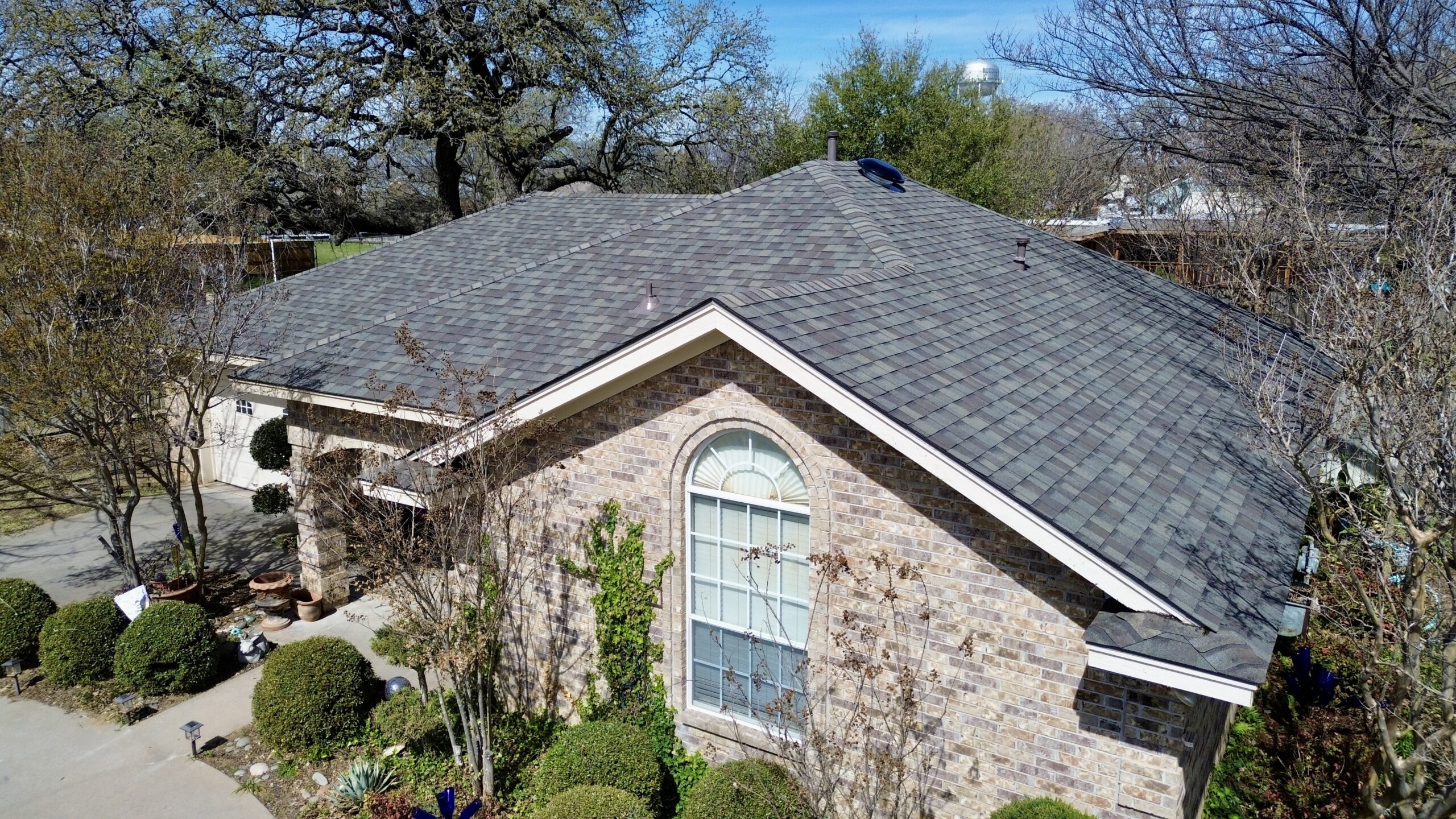
Cost Saving Roof Maintenance Checklist
Following a regular maintenance routine helps reduce future repair expenses while extending the lifespan of the roofing system.
- Schedule professional roof inspections every year.
- Inspect the roof after severe weather events.
- Remove leaves and debris from the roof surface.
- Clean gutters and downspouts regularly.
- Check flashing around chimneys, vents, and skylights.
- Repair damaged shingles or roofing materials promptly.
- Monitor attic spaces for moisture or mold.
- Keep maintenance and repair records for future reference.
Consistent maintenance reduces long-term ownership costs while helping the roof continue protecting the building effectively.
Conclusion
Roof repair cost estimates are influenced by far more than the visible damage on the roof. Material selection, labor requirements, roof size, structural condition, weather damage, accessibility, and inspection findings all contribute to the final cost of a repair project. Understanding these factors allows property owners to evaluate estimates more confidently and make informed financial decisions.
Throughout this article, we examined why repair costs vary between properties, how roofing materials and labor affect pricing, the impact of weather and hidden structural damage, and the importance of professional roof inspections before preparing estimates. We also explored the value of preventive maintenance and the role of experienced contractors in producing accurate repair proposals.
One of the most important lessons is that the lowest estimate is not always the best value. A detailed proposal supported by a thorough inspection is more likely to identify hidden issues, recommend appropriate materials, and provide repairs that last for many years. Investing in quality workmanship often reduces future maintenance expenses while improving the overall performance of the roofing system.
Preventive maintenance also plays a significant role in controlling repair costs. Regular inspections, timely repairs, proper drainage, and routine roof cleaning help prevent minor issues from developing into major structural problems. These simple maintenance practices protect both the roof and the building beneath it.
When repair costs begin approaching the value of a complete roof replacement, property owners should carefully compare long-term benefits rather than focusing only on immediate expenses. Modern roofing systems often provide improved durability, energy efficiency, and lower maintenance requirements that justify the larger initial investment.
Ultimately, accurate roof repair cost estimates begin with a thorough understanding of the roofing system and its condition. By working with qualified roofing professionals, maintaining the roof consistently, and evaluating estimates based on quality as well as price, property owners can protect their investment, manage repair expenses effectively, and ensure reliable roof performance for years to come.