Identifying Sealant Failures in Metal Roof Joints
Introduction
Metal roofing systems are designed to provide decades of reliable protection against rain, wind, sunlight, and changing weather conditions. While the metal panels themselves often receive the most attention, the sealants used throughout the roofing system play an equally important role in maintaining a watertight structure. Without properly functioning sealants, even a high-quality metal roof can develop leaks that compromise its long-term performance.
Sealants are applied at roof joints, seams, flashing, penetrations, fasteners, and other areas where water could potentially enter the building. They create flexible, weather-resistant barriers that prevent moisture infiltration while allowing the roofing system to expand and contract naturally as temperatures change. This flexibility is essential because metal roofing experiences continuous movement throughout its service life.
Like every building material, roof sealants gradually age over time. Constant exposure to ultraviolet radiation, moisture, temperature fluctuations, and environmental contaminants slowly reduces their ability to adhere, stretch, and maintain a reliable seal. Small cracks or gaps that initially seem insignificant can eventually allow water to penetrate the roofing system.
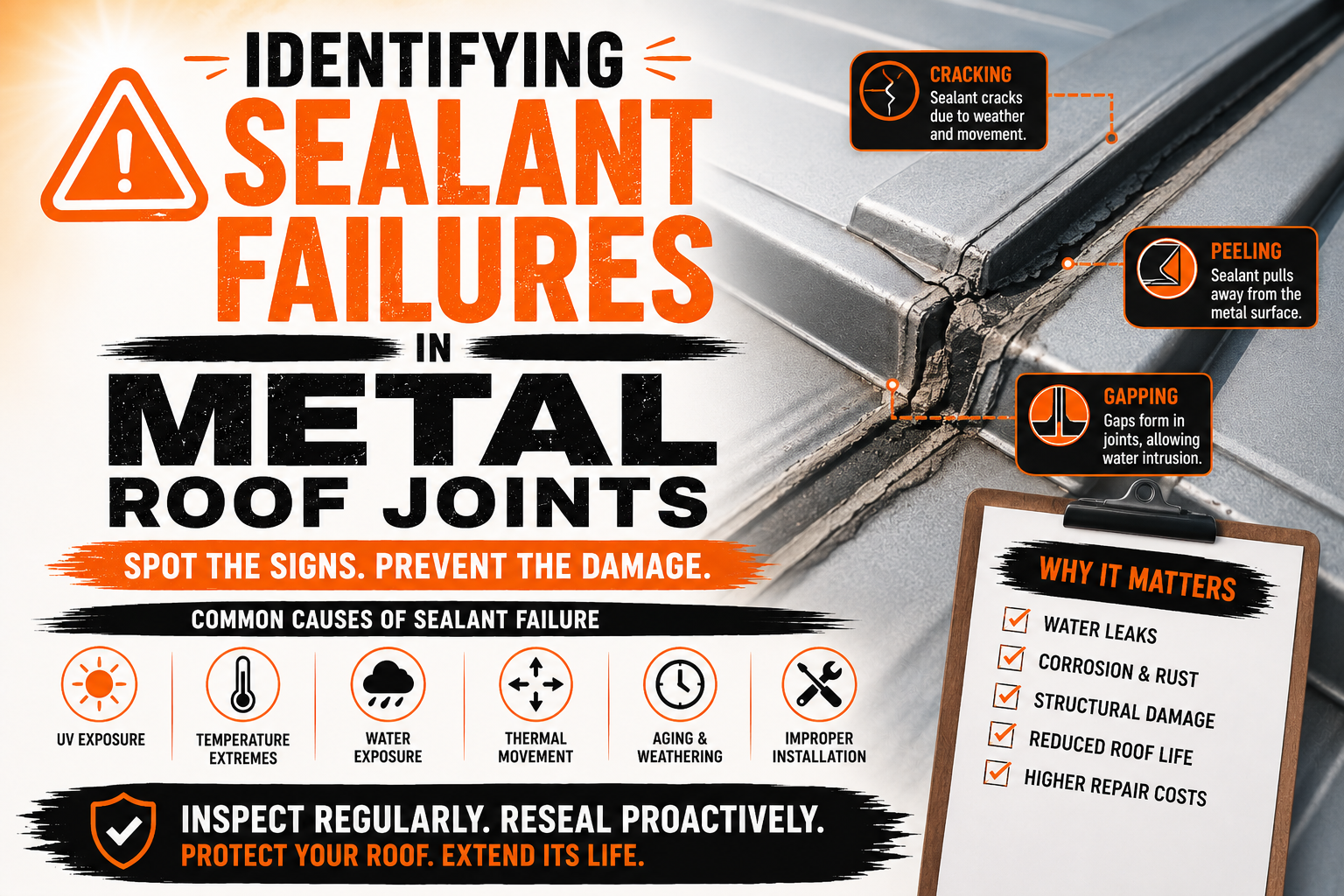
Sealant failures rarely occur without warning. Most roofs display early signs such as cracking, shrinking, discoloration, separation, or loss of flexibility long before significant leaks develop. Learning to recognize these warning signs enables property owners to address problems while repairs remain relatively simple and affordable.
Timely maintenance of roof sealants helps prevent water damage, corrosion, insulation deterioration, mold growth, and structural repairs. In many cases, replacing deteriorated sealant is far less expensive than repairing damage caused by prolonged water intrusion. Preventive maintenance therefore protects both the roof and the building beneath it.
This guide explains how sealants function within metal roof systems, why failures occur, the environmental conditions that accelerate deterioration, the warning signs that should never be ignored, and why early identification remains one of the most effective ways to preserve a metal roof’s long-term performance.
Understanding the Role of Sealants in Metal Roof Joints
Sealants serve as flexible waterproof barriers throughout a metal roofing system. Unlike rigid construction materials, they remain elastic after curing, allowing roof components to move while maintaining protection against water infiltration. This flexibility is especially important because metal naturally expands and contracts with changing temperatures.
Roof joints represent one of the most vulnerable areas in any metal roofing system. Wherever two roofing components meet, small openings may exist that could allow water to enter if left unprotected. Sealants fill these spaces while creating continuous weather-resistant connections.
Standing seam roofs, exposed fastener systems, and architectural metal roofs all depend on sealants in different ways. Although the specific joint designs vary, each system uses sealants to improve weather resistance around seams, flashing, penetrations, and transitions between roofing components.
Sealants also work alongside mechanical fastening systems. While clips, screws, and seams provide structural strength, sealants prevent moisture from entering around these connections. This combination of mechanical attachment and waterproof sealing allows the roofing system to remain both durable and weather resistant.
Another important function of sealants is accommodating movement. Daily heating and cooling cause roofing panels to expand during warm periods and contract as temperatures fall. Flexible sealants absorb this movement without breaking the waterproof seal.
Modern roofing sealants are formulated to resist ultraviolet radiation, moisture, ozone, and changing weather conditions. Despite these advanced properties, no sealant lasts forever. Continuous environmental exposure gradually reduces elasticity, adhesion, and overall performance.
Understanding the role of sealants helps explain why routine inspection is so important. A roof may appear structurally sound while hidden sealant failures quietly allow moisture to enter beneath flashing or between roofing panels.

Why Sealant Failures Occur
Sealant deterioration is a natural part of the aging process, but several factors influence how quickly failures develop. Environmental exposure, installation quality, material compatibility, and maintenance practices all contribute to the lifespan of roofing sealants.
Ultraviolet radiation is one of the leading causes of sealant aging. Constant sunlight gradually breaks down chemical bonds within the material, reducing flexibility and causing the sealant to become brittle. As elasticity decreases, cracks become more likely during normal roof movement.
Temperature fluctuations also place continuous stress on sealants. Metal roofs experience significant expansion during hot weather and contraction during cooler periods. Sealants must repeatedly stretch and compress to accommodate this movement, eventually leading to fatigue after many years of service.
Moisture contributes to deterioration as well. Rain, condensation, snow, and humidity continuously expose sealants to water throughout the year. While quality sealants are designed to resist moisture, prolonged exposure gradually affects their performance.
Improper installation sometimes shortens sealant life considerably. Applying sealant to dirty, wet, or improperly prepared surfaces reduces adhesion from the beginning. Even high-quality products cannot perform effectively if surface preparation is inadequate.
Using incompatible sealants also increases the likelihood of premature failure. Certain products do not bond well with specific roofing materials or protective coatings. Selecting manufacturer-approved sealants helps ensure long-term compatibility and reliable performance.
Mechanical stress further contributes to deterioration. Wind uplift, building movement, roof maintenance activities, and repeated foot traffic occasionally place additional strain on sealed joints. Over time, these forces may weaken the bond between the sealant and surrounding surfaces.
Lack of routine maintenance allows minor defects to develop into larger problems. Small cracks or areas of separation that could have been repaired easily often continue expanding until complete sealant replacement becomes necessary.
Understanding why sealants fail helps property owners appreciate the value of regular inspections. Identifying deterioration early allows repairs to be completed before moisture reaches vulnerable roofing components.
Common Types of Sealants Used on Metal Roofs
Several types of sealants are commonly used in metal roofing systems. Each offers different performance characteristics depending on the application, environmental conditions, and expected roof movement. Selecting the appropriate product plays an important role in achieving long-lasting weather resistance.
Silicone sealants are widely used because of their excellent resistance to ultraviolet radiation and moisture. They remain flexible across a broad temperature range and perform particularly well in areas exposed to continuous sunlight or wet conditions. Their long-term durability makes them a popular choice for many roofing applications.
Polyurethane sealants provide strong adhesion and excellent flexibility. They bond well to many metal surfaces while resisting vibration and structural movement. These characteristics make polyurethane suitable for joints that experience significant expansion and contraction.
Butyl sealants are frequently used between overlapping metal panels and concealed joints. Their excellent adhesion and moisture resistance make them highly effective where long-term compression seals are required. Butyl products are commonly supplied as tapes or strips for ease of installation.
Hybrid sealants combine properties from multiple chemical technologies to improve performance. Many modern hybrid products offer excellent adhesion, weather resistance, and flexibility while reducing some limitations associated with traditional sealant formulations.
Acrylic sealants are sometimes used for specific maintenance applications, although they generally provide lower flexibility than silicone or polyurethane products. Their suitability depends on the roof design and expected environmental conditions.
Selecting the correct sealant involves more than choosing the strongest product available. Factors such as roof movement, climate, material compatibility, exposure to sunlight, and manufacturer recommendations should all be considered before installation.
Using approved sealants helps preserve the integrity of roofing warranties as well. Many manufacturers specify compatible products that have been tested with their roofing systems. Following these recommendations reduces the risk of premature sealant failure.
Environmental Factors That Affect Sealant Performance
Roof sealants remain continuously exposed to changing environmental conditions throughout their service life. Although modern formulations are engineered for durability, constant exposure to weather gradually affects their physical properties. Understanding these environmental influences helps explain why inspections become increasingly important as roofs age.
Sunlight is one of the most significant factors affecting sealant longevity. Ultraviolet radiation slowly degrades many sealant materials by breaking down their chemical structure. Over time, the sealant may become harder, less flexible, and more susceptible to cracking.
Temperature changes create another ongoing challenge. Metal roofing expands during warm weather and contracts when temperatures fall. Sealants must repeatedly accommodate this movement without losing adhesion or developing surface cracks.
Heavy rainfall subjects sealants to repeated wetting cycles. Although roofing sealants are designed to resist water, continuous exposure gradually affects aging materials, especially if drainage problems allow water to remain near roof joints.
Snow and ice also influence sealant performance in colder climates. Freeze and thaw cycles repeatedly stress sealed joints while expanding any moisture trapped within small cracks. This process may gradually enlarge existing defects.
Coastal environments introduce additional challenges through salt-laden air and persistent humidity. Salt deposits retain moisture while accelerating the aging of exposed roofing components. Sealants in marine environments often require more frequent inspection than those located inland.
Airborne pollutants may also affect long-term performance. Industrial emissions, vehicle exhaust, and chemical contaminants settle on roof surfaces over time. These substances sometimes accelerate material degradation when combined with moisture and sunlight.
Wind carries dust, sand, and organic debris across roofing surfaces as well. Fine abrasive particles slowly wear exposed sealant surfaces while debris accumulation retains moisture around roof joints. Routine cleaning helps reduce these environmental stresses.
Because environmental conditions vary from one location to another, sealant maintenance schedules should reflect the building’s climate and exposure. Roofs located in harsh environments generally benefit from more frequent inspections.
Early Warning Signs of Sealant Failure
Sealant failures usually develop gradually rather than appearing suddenly. Careful observation during routine roof inspections allows property owners to identify early warning signs before significant leaks occur. Detecting these changes early often determines whether repairs remain simple or become much more extensive.
Cracking is one of the most common indicators of aging sealant. Small surface cracks often appear as flexibility decreases over time. Although initially minor, these openings gradually enlarge as the roof continues expanding and contracting.
Shrinkage also signals deteriorating performance. Aging sealant may pull away from the edges of joints, creating small gaps that allow moisture to penetrate beneath roofing components. These gaps frequently develop around flashing and roof penetrations.
Loss of adhesion is another important warning sign. Sealant that separates from the surrounding metal no longer provides a continuous waterproof barrier. Even narrow areas of separation deserve prompt attention before water intrusion begins.
Discoloration sometimes accompanies material aging. Changes in color alone do not necessarily indicate failure, but discoloration combined with cracking or separation often suggests that deterioration is progressing.
Hard or brittle sealant should also be considered a concern. Healthy roofing sealants remain flexible enough to accommodate normal roof movement. Materials that have become rigid are much more likely to crack during temperature changes.
Water stains inside the building may indicate that sealant failures have already progressed beyond the roof surface. Moisture around skylights, vents, chimneys, or ceiling joints often points toward deteriorated sealants that require immediate investigation.
Property owners should watch for the following warning signs during routine inspections:
- Surface cracks in exposed sealant.
- Shrinking or pulling away from joint edges.
- Separation between sealant and metal surfaces.
- Brittle or hardened material.
- Peeling or lifting sections of sealant.
- Rust developing near sealed joints.
- Interior water stains after rainfall.
Recognizing these warning signs early provides an opportunity to repair or replace deteriorated sealant before leaks damage insulation, roof decking, or structural components.
Why Timely Detection Is Important
Detecting sealant failures early provides significant benefits for both the roofing system and the building it protects. Small defects rarely remain isolated because moisture gradually enlarges weak points while affecting surrounding roofing components. Prompt maintenance interrupts this process before major damage develops.
One of the greatest advantages of early detection is preventing water intrusion. Small cracks or gaps can usually be repaired quickly before rainwater reaches insulation, decking, framing, or interior finishes. Preventing moisture entry helps preserve the structural integrity of the building.
Timely repairs also reduce corrosion risks. Water entering through failed sealant often remains trapped beneath flashing or between roofing panels where oxidation develops unnoticed. Restoring the waterproof seal protects vulnerable metal components from prolonged moisture exposure.
Repair costs generally remain much lower when sealant problems are addressed early. Replacing deteriorated sealant requires far fewer materials and less labor than repairing widespread water damage or replacing corroded roofing components. Preventive maintenance therefore offers substantial long-term savings.
Early detection also supports better energy efficiency. Moisture entering the roof assembly can reduce insulation performance, making heating and cooling systems work harder throughout the year. Maintaining effective roof seals helps preserve consistent indoor temperatures.
Another important benefit involves extending the overall lifespan of the roofing system. Properly maintained sealants continue protecting joints, flashing, and roof penetrations for many years. This ongoing protection delays more extensive restoration work while helping the roof achieve its full expected service life.
Understanding the importance of timely detection encourages property owners to make roof inspections a routine part of building maintenance. In the next section, we will examine the areas where sealant failures most commonly occur, explain effective inspection techniques, discuss the causes of premature sealant deterioration, explore practical repair methods, present a comparison table, and review maintenance practices that help maximize sealant performance over time.
Common Areas Where Sealant Failures Develop
Sealant failures rarely occur randomly across a metal roof. Certain locations experience greater movement, moisture exposure, and weather-related stress, making them more vulnerable to deterioration. Understanding these high-risk areas allows inspections to focus on the parts of the roof most likely to develop problems.
Roof penetrations are among the most common locations for sealant failure. Flashing around vents, skylights, chimneys, exhaust fans, and HVAC equipment depends on flexible sealants to maintain a watertight barrier. Continuous expansion and contraction gradually place stress on these joints.
Panel laps and standing seams also deserve close attention. Although many standing seam systems rely primarily on mechanical connections, sealants often provide additional weather protection in specific joint configurations. Aging sealant may eventually separate from the metal surface, allowing moisture to enter.
Roof-to-wall transitions experience constant exposure to wind-driven rain. Sealants installed at these intersections must accommodate both building movement and changing weather conditions. If deterioration begins, water can travel behind flashing before becoming visible inside the building.
Ridge caps and hip areas contain multiple intersecting roof components that rely on sealants for additional protection. Temperature changes and strong winds place repeated stress on these locations, making routine inspection particularly important.
Fasteners used in exposed fastener roofing systems often include sealing washers that gradually age over time. While the washers themselves are not traditional sealants, surrounding sealant applications may also deteriorate, increasing the risk of water infiltration around attachment points.
Roof edges and eaves receive constant exposure to sunlight, rainfall, and changing temperatures. Sealants in these locations frequently experience faster weathering because they remain directly exposed to environmental conditions throughout the year.
Expansion joints deserve special consideration as well. These joints are intentionally designed to accommodate movement within the roofing system. Sealants installed here must remain highly flexible to continue performing effectively during daily temperature changes.
How to Inspect Metal Roof Joints for Sealant Problems
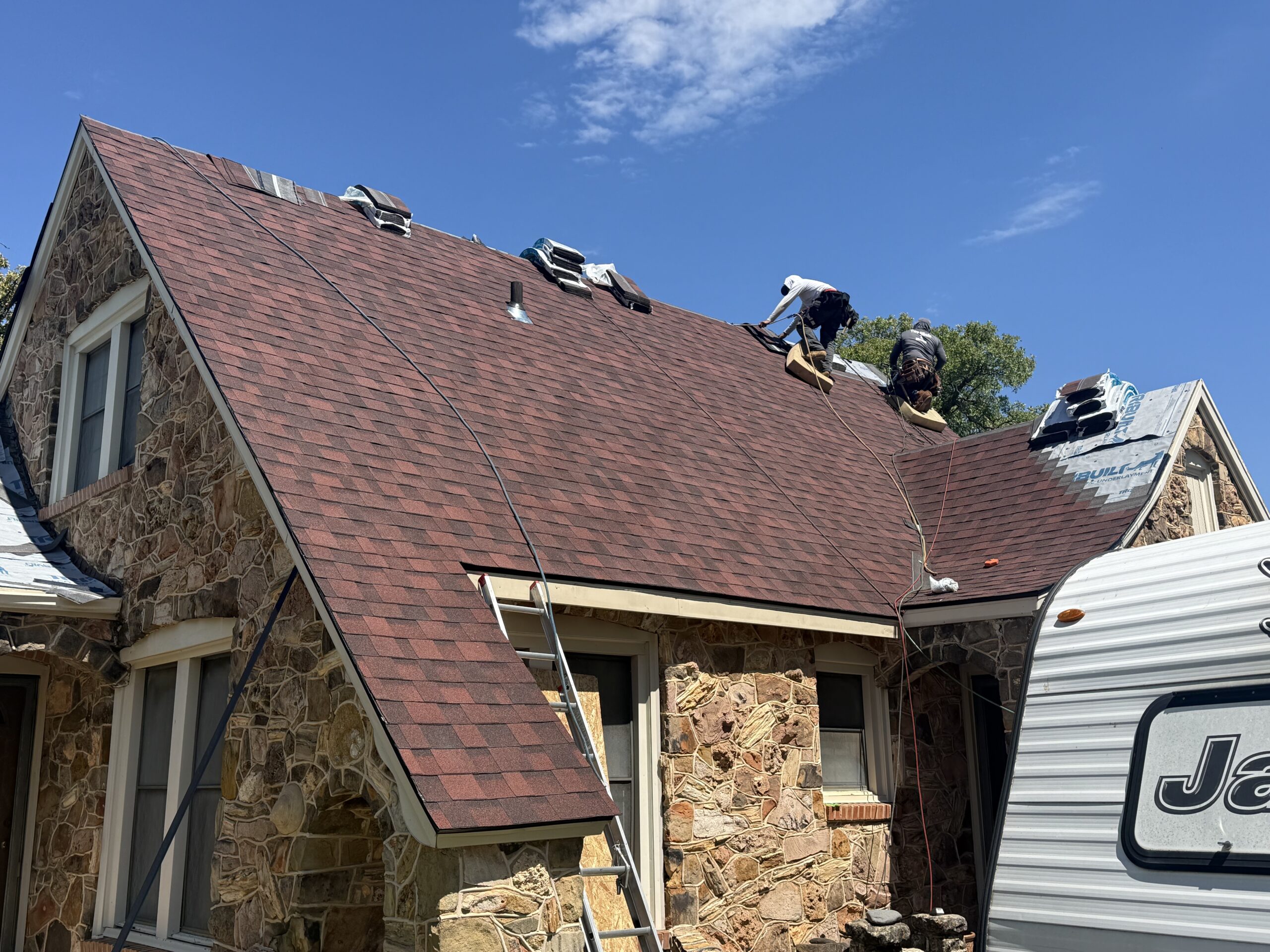
A systematic inspection process greatly improves the chances of identifying sealant deterioration before leaks develop. Careful observation allows property owners and maintenance professionals to recognize subtle changes that indicate aging or failure. Inspections should be performed regularly and after severe weather events.
Ground-level observations provide a useful starting point. Binoculars or drone photography may reveal missing flashing, damaged trim, or obvious sealant deterioration without requiring immediate roof access. This initial assessment also helps identify areas that deserve closer examination.
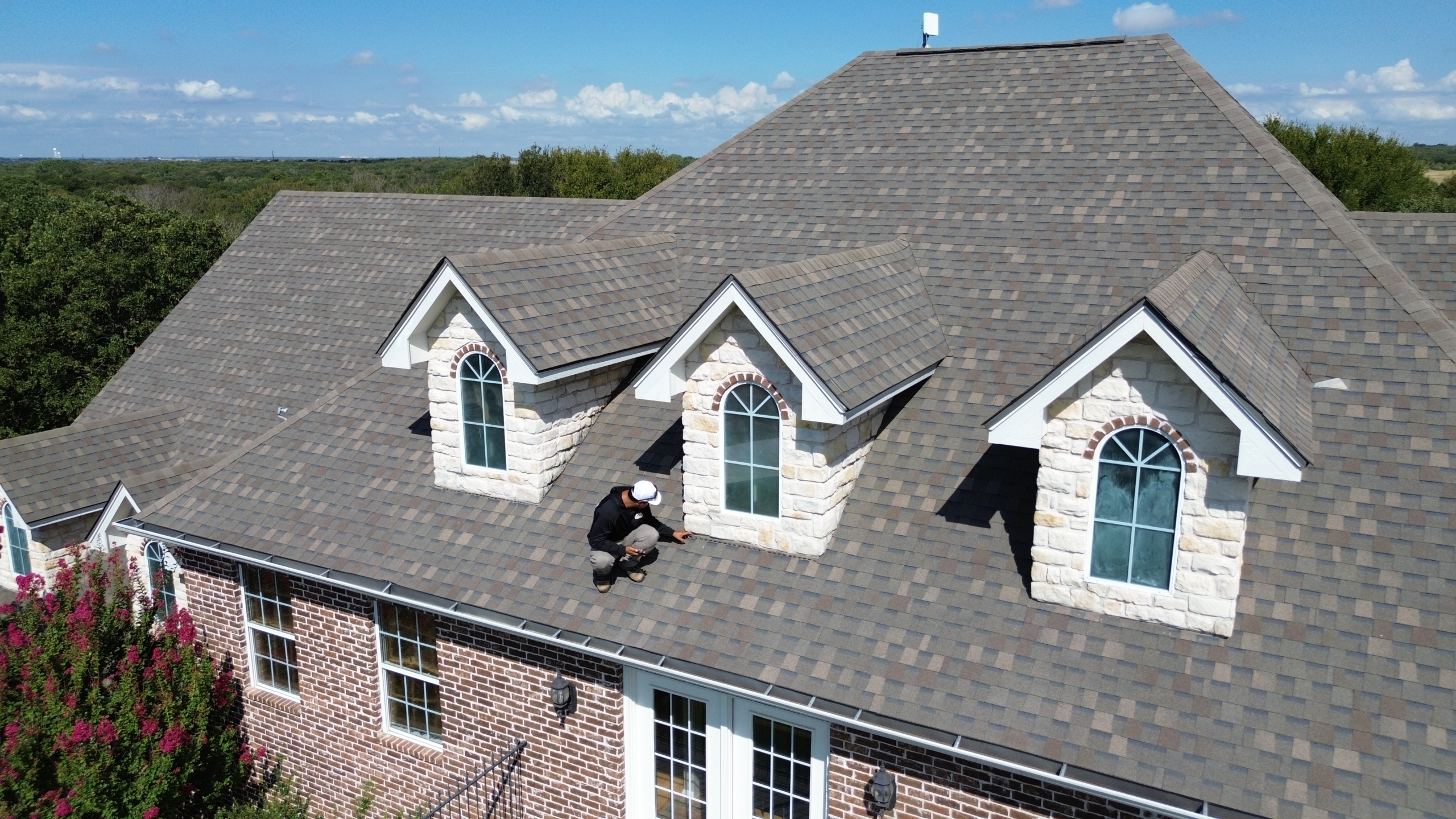
When safe roof access is available, each joint should be inspected carefully. Sealants should appear continuous, flexible, and securely bonded to adjacent metal surfaces. Any visible cracking, shrinking, lifting, or separation should be documented for further evaluation.
Sealants around roof penetrations require particularly close attention. Flashing surrounding skylights, vents, chimneys, and mechanical equipment experiences continuous movement and weather exposure. These areas often develop problems before the rest of the roofing system.
Inspectors should also examine surrounding roofing materials. Rust, water stains, peeling coatings, or accumulated debris near sealed joints may indicate that moisture has already entered through deteriorating sealant. Looking beyond the sealant itself often provides valuable clues about hidden damage.
Interior inspections add another layer of information. Ceiling stains, damp insulation, mold growth, or moisture around roof framing may point toward sealant failures that are not immediately obvious from the roof surface. Comparing interior observations with exterior findings improves diagnostic accuracy.
Photographs should be taken throughout the inspection process. Visual records make it easier to monitor gradual changes in sealant condition over time and help determine whether deterioration is progressing between maintenance visits.
Routine inspections become increasingly valuable as the roof ages. Regular monitoring allows small repairs to be completed before widespread sealant replacement becomes necessary.
Causes of Premature Sealant Failure
Although all sealants eventually age, certain conditions significantly shorten their expected service life. Identifying these factors helps property owners reduce unnecessary deterioration while improving long-term roof performance.
Improper surface preparation is one of the leading causes of premature failure. Dust, oil, moisture, oxidation, or loose coatings prevent proper adhesion between the sealant and the roofing material. Even high-quality sealants cannot perform effectively when applied to contaminated surfaces.
Applying the wrong type of sealant also creates problems. Different roofing materials require compatible sealant formulations that accommodate expected movement and environmental exposure. Using products not recommended by the roof manufacturer often results in reduced adhesion or early cracking.
Extreme weather conditions during installation may affect curing as well. Excessive heat, freezing temperatures, rainfall, or high humidity sometimes interfere with proper sealant performance if application occurs outside recommended conditions.
Excessive joint movement places additional stress on sealants throughout their lifespan. Structural settlement, thermal expansion, vibration, or improperly designed expansion joints may exceed the sealant’s movement capacity. Continuous overstressing eventually causes cracking or separation.
Mechanical damage contributes to premature deterioration too. Maintenance activities, dropped tools, careless foot traffic, or wind-driven debris may tear or puncture exposed sealant. Small physical damage often expands gradually under repeated weather exposure.
Chemical exposure occasionally reduces sealant performance. Harsh cleaning products, industrial pollutants, fertilizers, or incompatible roof coatings may react with certain sealant materials over time. Using approved maintenance products helps minimize this risk.
Neglecting routine inspections allows small defects to worsen. Minor cracks that could have been repaired quickly often develop into complete sealant failures when maintenance is delayed. Consistent inspection remains one of the simplest ways to maximize sealant life.
Understanding these causes helps property owners create maintenance programs that focus not only on repairs but also on preventing premature deterioration before it begins.

Repair Techniques for Failed Roof Joint Sealants
Successful sealant repairs depend on correcting the underlying problem rather than simply applying new material over damaged areas. Proper preparation, compatible products, and careful workmanship help restore watertight roof joints while maintaining long-term durability.
The first step involves identifying the full extent of the deterioration. Surface cracks may indicate deeper adhesion failures beneath the visible sealant. Thorough inspection ensures that all damaged material is addressed before repairs begin.
Old or deteriorated sealant should usually be removed completely from the affected joint. Leaving loose or poorly bonded material behind often prevents new sealant from adhering properly. Clean joint surfaces provide the strongest foundation for successful repairs.
Surface preparation remains one of the most important stages of the repair process. Metal surfaces should be cleaned thoroughly to remove dirt, oxidation, moisture, and contaminants before applying replacement sealant. Proper preparation significantly improves long-term adhesion.
The replacement sealant should match both the roofing material and the intended application. Manufacturer-approved products generally provide the best compatibility with existing roofing systems while maintaining flexibility during thermal movement.
Sealant should be applied evenly across the joint to create a continuous waterproof barrier. Gaps, air pockets, or inconsistent application thickness may reduce the effectiveness of the repair. Careful workmanship improves both appearance and performance.
After application, the sealant should be allowed to cure according to the manufacturer’s recommendations. Disturbing the repair before curing is complete may weaken adhesion and shorten the lifespan of the new seal.
Once repairs have been completed, the surrounding roof should also be inspected for additional areas of deterioration. Sealant failures often occur in multiple locations as roofing systems age, making comprehensive inspections an important part of every repair project.
Common Sealant Problems, Causes, and Recommended Solutions
The table below summarizes common sealant problems found in metal roof joints, their likely causes, and practical repair or maintenance solutions.
| Sealant Problem | Likely Cause | Recommended Solution |
|---|---|---|
| Surface cracking | Ultraviolet exposure and aging | Remove damaged sealant and apply compatible replacement |
| Shrinking sealant | Natural aging or incorrect product | Replace sealant with manufacturer-approved material |
| Loss of adhesion | Poor surface preparation or contamination | Clean surfaces thoroughly and reseal joint |
| Brittle sealant | Long-term weather exposure | Remove old sealant and install new flexible sealant |
| Water leakage | Failed sealant or flashing movement | Repair flashing and replace deteriorated sealant |
| Rust near joints | Moisture entering through failed sealant | Repair sealant and treat affected metal surfaces |
| Peeling sealant | Improper installation or incompatible material | Remove failed material and apply compatible replacement |
Understanding these relationships helps property owners recognize that successful repairs depend on addressing both the visible symptoms and the underlying cause of failure.
Preventive Maintenance to Extend Sealant Life
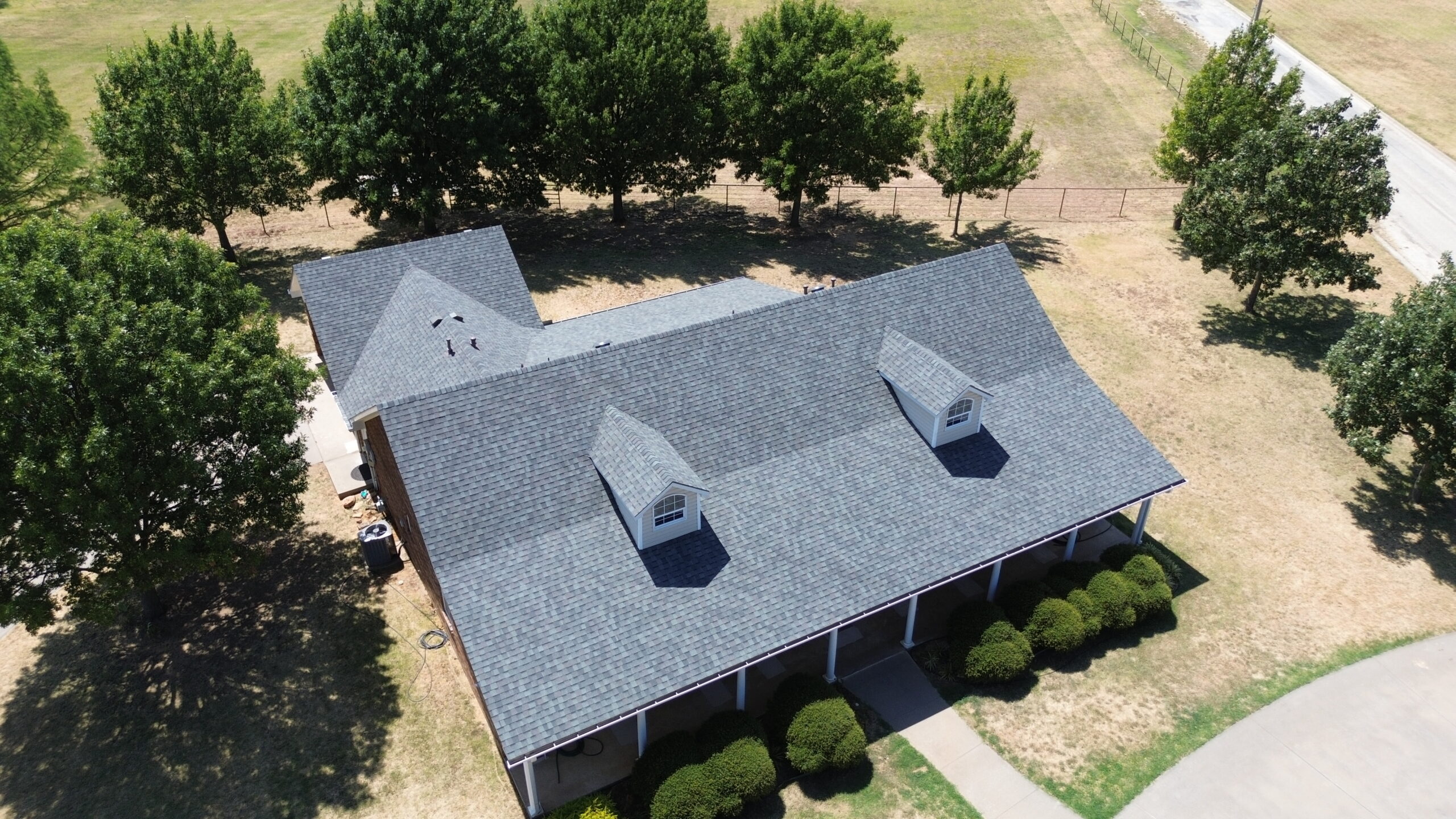
Preventive maintenance is the most effective way to maximize the lifespan of roof sealants. Rather than waiting for leaks to develop, routine care keeps joints in good condition while reducing the likelihood of expensive repairs.
Regular inspections should be scheduled throughout the year. Spring and fall inspections provide opportunities to identify cracking, shrinkage, separation, or other early signs of deterioration before weather conditions worsen existing defects.
Keeping the roof clean also supports sealant performance. Dirt, leaves, branches, and organic debris retain moisture around roof joints while hiding developing problems. Removing debris allows sealants to dry more quickly after rainfall and improves inspection visibility.
Drainage systems should remain free from obstructions as well. Standing water near roof joints increases the amount of time sealants remain wet, accelerating material aging. Clean gutters and downspouts help reduce unnecessary moisture exposure.
Protective roof coatings should also be maintained. Damaged coatings expose surrounding roofing materials to greater environmental stress, indirectly affecting nearby sealants. Preserving the overall roofing system contributes to longer sealant life.
Professional inspections provide additional value as the roof ages. Experienced roofing specialists often recognize subtle warning signs that indicate sealants are approaching the end of their service life. Their recommendations help property owners schedule maintenance before leaks occur.
Consistent preventive maintenance transforms sealant replacement from an emergency repair into a planned maintenance activity. This proactive approach reduces costs while extending the life of the roofing system.
Inspection Checklist for Metal Roof Sealants
Using a structured inspection checklist helps ensure that important roofing components are not overlooked during routine maintenance. A consistent inspection process also makes it easier to compare roof conditions over time.
The following checklist provides a practical framework for evaluating sealant condition:
- Inspect all exposed sealants for cracks or surface deterioration.
- Check roof penetrations for gaps around flashing and sealant.
- Examine standing seams and panel joints for separation.
- Look for peeling, lifting, or shrinking sealant.
- Inspect roof edges and transition areas carefully.
- Check for rust or corrosion near sealed joints.
- Look inside the building for ceiling stains or moisture after rainfall.
- Document all findings with photographs and written notes.
Maintaining inspection records helps identify gradual changes that may not be obvious during a single visit. Comparing previous photographs and maintenance reports allows property owners to monitor deterioration and schedule repairs before sealant failures become major roofing problems.
In the final section, we will discuss when complete sealant replacement is preferable to localized repairs, examine common mistakes to avoid during sealant work, explore long-term strategies for maintaining watertight roof joints, answer frequently asked questions, and conclude the complete guide.
When Sealant Replacement Is Better Than Repair
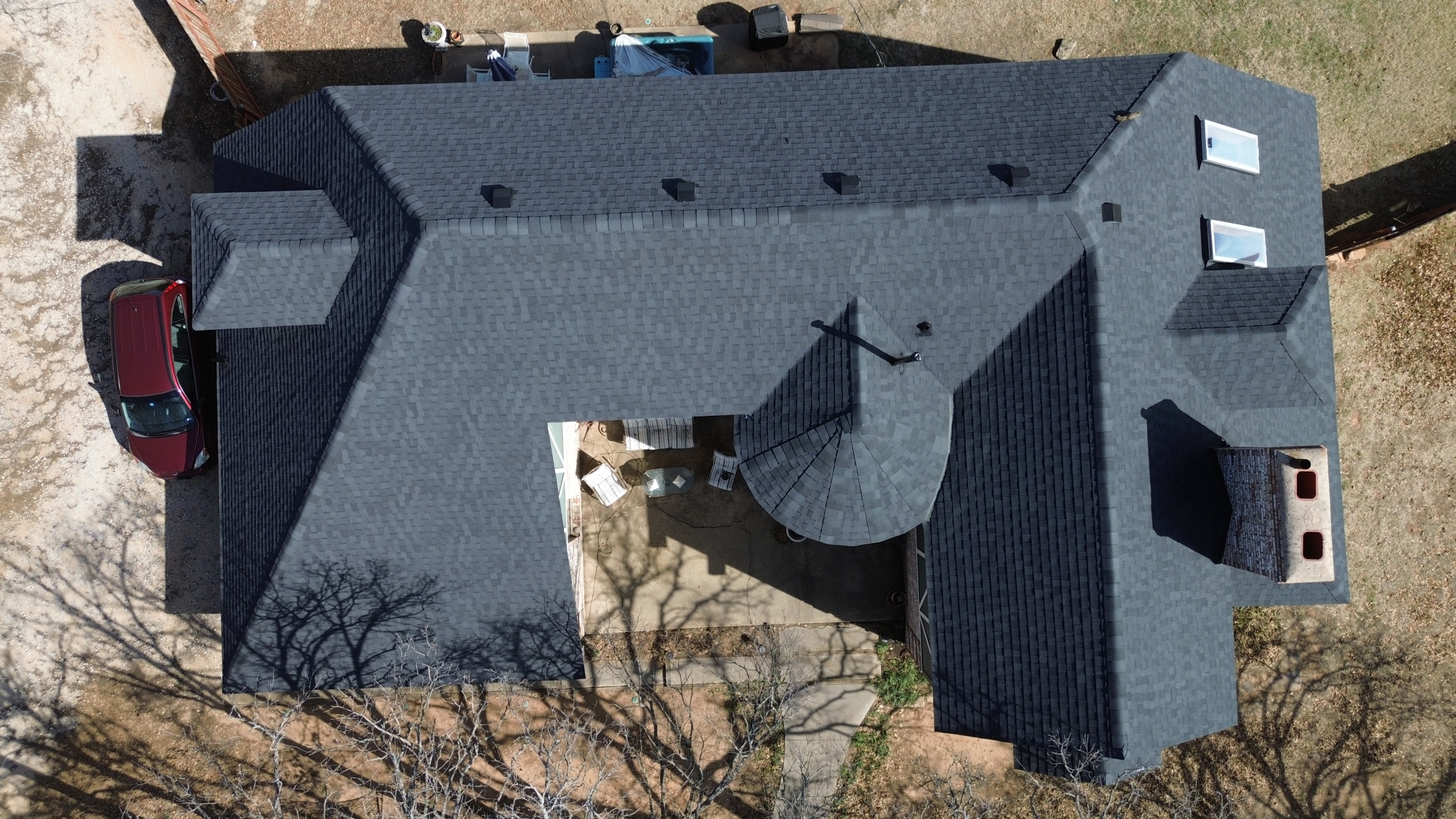
Not every sealant problem can be solved with a simple touch-up. While localized repairs are often effective for small areas of damage, there are situations where replacing the entire section of sealant provides a more reliable and longer-lasting solution. Understanding the difference helps property owners avoid repeated repairs and unnecessary maintenance costs.
Widespread cracking is one of the clearest signs that replacement is necessary. When sealant has become brittle across large sections of the roof, repairing isolated cracks does little to improve overall performance. Replacing the deteriorated material restores a continuous waterproof barrier.
Loss of flexibility is another important consideration. Roof sealants must stretch and compress as the metal roofing system expands and contracts with changing temperatures. If the sealant has hardened throughout the joint, it can no longer accommodate this movement effectively, making replacement the better option.
Repeated leaks in the same location often indicate that previous repairs addressed only the symptoms rather than the underlying problem. Removing the old sealant completely, preparing the surface properly, and installing new compatible material usually provides a more dependable repair than repeatedly applying additional sealant over existing layers.
Poor adhesion also signals the need for replacement. If sealant is separating from the surrounding metal along much of the joint, moisture can easily travel beneath the material. Spot repairs rarely restore consistent adhesion when widespread separation has already occurred.
Contaminated or improperly applied sealant should also be replaced rather than patched. Dirt, moisture, or incompatible products beneath the existing sealant reduce the effectiveness of future repairs. Starting with a properly prepared surface creates a much stronger bond.
Roof restoration projects frequently include complete sealant replacement as part of the overall maintenance process. Installing new sealants before applying protective roof coatings helps create a fully integrated weather barrier that performs more effectively over the long term.
Choosing replacement instead of repeated repairs often reduces maintenance costs while improving the overall reliability of the roofing system.
Common Mistakes to Avoid When Working with Roof Sealants
Even high-quality sealants can fail prematurely if they are installed or maintained incorrectly. Avoiding common mistakes improves repair quality and helps ensure that roof joints remain watertight for many years.
Applying new sealant over old deteriorated material is one of the most common errors. Loose, cracked, or contaminated sealant prevents proper adhesion between the new product and the roofing surface. Removing failed material before resealing creates a much stronger and more durable repair.
Skipping surface preparation also reduces repair quality. Metal surfaces should be clean, dry, and free from dirt, oxidation, oil, or moisture before sealant is applied. Proper preparation is often just as important as selecting the correct sealant.
Using the wrong sealant for the roofing system creates additional problems. Products designed for one application may not provide sufficient flexibility or adhesion for another. Manufacturer-approved sealants generally provide the best long-term compatibility with metal roofing materials.
Applying too much or too little sealant can also reduce performance. Excessive material may not cure properly, while insufficient coverage leaves portions of the joint vulnerable to water infiltration. Consistent application helps create an effective weatherproof seal.
Ignoring weather conditions during installation is another frequent mistake. Heavy rain, freezing temperatures, excessive heat, or high humidity may interfere with proper curing. Following recommended installation conditions improves both adhesion and durability.
Some repairs focus only on visible sealant damage while overlooking nearby flashing, fasteners, or roof movement issues. If the underlying cause of the failure remains uncorrected, new sealant may deteriorate prematurely despite proper installation.
Delaying maintenance after discovering small defects is equally costly. Minor cracks and separation often expand gradually until leaks develop. Prompt repairs prevent moisture from reaching the roof assembly and reduce the likelihood of more extensive damage.
Avoiding these mistakes helps ensure that sealant repairs remain effective while extending the service life of the entire roofing system.

Long-Term Strategies for Maintaining Watertight Roof Joints
Long-term roof performance depends on more than occasional repairs. Maintaining watertight roof joints requires consistent preventive care that protects sealants from unnecessary deterioration while identifying developing problems before they become serious.
Regular inspections should remain the cornerstone of every maintenance program. Examining roof joints at least twice each year allows property owners to detect cracking, shrinkage, separation, or coating damage before leaks develop. Additional inspections after severe storms provide further protection.
Keeping the roof clean also contributes significantly to sealant longevity. Leaves, dirt, branches, and organic debris trap moisture around roof joints while hiding early signs of deterioration. Regular cleaning improves drainage and allows joints to dry more quickly after rainfall.
Drainage systems should receive routine maintenance as well. Gutters, downspouts, and roof valleys that remain free from obstructions reduce standing water near sealed joints. Efficient water flow minimizes prolonged moisture exposure that accelerates sealant aging.
Protective roof coatings should be monitored throughout the roof’s service life. Maintaining these coatings reduces environmental stress on both the roofing panels and the surrounding sealants. Small coating repairs completed early help preserve the entire roofing system.
Property owners should also limit unnecessary foot traffic on the roof. Walking carelessly near sealed joints may damage fresh sealant or loosen flashing components. Using designated walk paths and proper maintenance procedures helps prevent accidental damage.
Professional evaluations become increasingly valuable as the roof ages. Experienced roofing contractors can identify subtle changes in sealant condition, flashing performance, and joint movement that may not be visible during routine inspections. Their recommendations support proactive maintenance planning.
Maintaining detailed maintenance records also improves long-term roof care. Recording inspection dates, completed repairs, photographs, and observations creates a valuable history that helps identify recurring issues and schedule future maintenance more effectively.
These preventive strategies work together to keep roof joints watertight while reducing repair costs and extending the lifespan of the roofing system.
Frequently Asked Questions
How long do metal roof sealants typically last?
The lifespan varies depending on the sealant type, environmental conditions, roof movement, and maintenance practices. High-quality sealants often perform well for many years, but regular inspections are essential because exposure to sunlight and weather gradually reduces their effectiveness.
What is the most common sign of sealant failure?
Cracking is one of the earliest and most noticeable signs. Other common indicators include shrinking, separation from metal surfaces, peeling, hardening, and water stains inside the building after rainfall.
Can new sealant be applied over old sealant?
In most cases, deteriorated sealant should be removed before applying new material. Installing fresh sealant over loose, cracked, or contaminated material usually results in poor adhesion and a shorter repair lifespan.
Why do roof sealants crack over time?
Continuous exposure to ultraviolet radiation, temperature changes, moisture, and natural aging gradually reduces flexibility. As sealants become brittle, they are less able to accommodate normal roof movement and eventually develop cracks.
Are all roof sealants suitable for metal roofing?
No. Different roofing systems require compatible sealants that provide the correct adhesion, flexibility, and weather resistance. Using manufacturer-approved products helps ensure reliable long-term performance.
How often should roof sealants be inspected?
Most metal roofs should be inspected at least twice each year, typically during spring and fall, and after major storms. Buildings located in harsh climates or coastal environments may benefit from more frequent inspections.
Conclusion
Sealants are one of the most important yet often overlooked components of a metal roofing system. Although they occupy only a small portion of the roof, they play a critical role in preventing water intrusion at joints, seams, flashing, roof penetrations, and other vulnerable areas. When sealants remain in good condition, they help preserve the roof’s weather resistance while accommodating the natural movement of metal panels.
Sealant failures usually develop gradually rather than suddenly. Cracking, shrinkage, separation, hardening, peeling, and loss of adhesion often provide early warning signs long before leaks become visible inside the building. Recognizing these indicators through routine inspections allows property owners to respond before minor maintenance needs become costly repairs.
Successful sealant maintenance depends on using compatible materials, preparing surfaces correctly, and addressing the root cause of deterioration rather than simply covering visible defects. Whether performing localized repairs or replacing aging sealants completely, proper workmanship ensures that roof joints continue providing reliable protection against moisture.
Preventive maintenance remains the most effective strategy for maximizing sealant performance. Regular inspections, prompt repairs, routine roof cleaning, proper drainage maintenance, and professional evaluations all contribute to extending the lifespan of both the sealants and the roofing system itself. Consistent care also reduces the likelihood of corrosion, insulation damage, structural deterioration, and unexpected repair expenses.
By understanding how sealants function, recognizing the warning signs of failure, applying appropriate repair techniques, and following a proactive maintenance plan, property owners can keep metal roof joints watertight and dependable for many years. Investing in timely sealant maintenance not only protects the roof but also preserves the safety, efficiency, and long-term value of the entire building.