

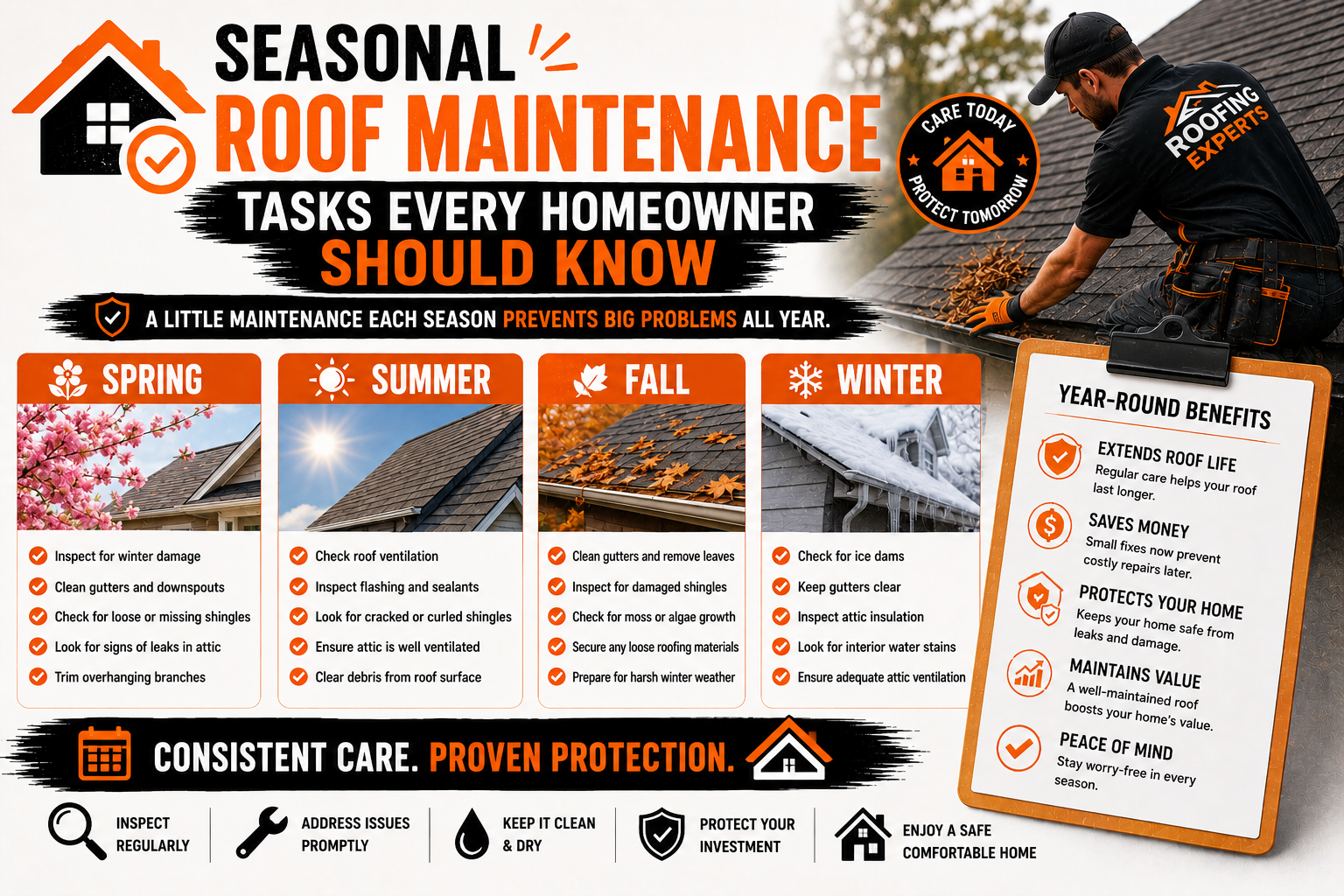
Seasonal Roof Maintenance Tasks Every Homeowner Should Know
Introduction
Your roof protects your home every day, regardless of the season or weather conditions. From heavy spring rains and intense summer heat to falling autumn leaves and harsh winter snow, the roofing system constantly faces environmental challenges that gradually affect its condition. Without regular maintenance, even small seasonal issues can develop into costly repairs that reduce the lifespan of the roof.
Many homeowners only think about roof maintenance after discovering a leak or noticing visible damage. However, waiting until problems become obvious often means hidden deterioration has already progressed beneath the roofing materials. A proactive maintenance routine allows homeowners to identify developing issues early and address them before they threaten the structural integrity of the home.
Seasonal roof maintenance is not limited to inspecting shingles or cleaning gutters. It involves evaluating multiple roofing components throughout the year, including flashing, drainage systems, attic ventilation, roof penetrations, insulation, and surrounding landscaping. Each season creates different risks, making year-round attention essential for maintaining roof performance.
Following a structured seasonal maintenance plan also provides financial benefits. Small preventive repairs generally cost far less than emergency roof replacements or extensive water damage restoration. Routine maintenance helps preserve roofing materials, improve energy efficiency, reduce unexpected repair costs, and extend the overall service life of the roofing system.
In this guide, we will explore the essential roof maintenance tasks homeowners should perform throughout each season. We will explain how changing weather affects different roofing materials, discuss the importance of preventive care, and provide practical guidance for protecting your roof year-round.
Why Seasonal Roof Maintenance Matters
Every season introduces unique conditions that place stress on roofing materials. Temperature changes, rainfall, ultraviolet radiation, snow accumulation, high winds, humidity, and debris all contribute to gradual roof deterioration. Seasonal maintenance helps identify these effects before they become significant structural concerns.
A roofing system rarely fails without warning. Most major roof problems begin as small issues such as cracked sealant, loose flashing, clogged gutters, minor shingle damage, or restricted attic ventilation. Addressing these conditions early prevents moisture from entering the home and reduces the likelihood of expensive repairs later.
Routine maintenance also preserves the performance of supporting roof components. Gutters, downspouts, soffits, fascia boards, ridge vents, and roof penetrations all work together to protect the home from water intrusion. Ignoring one component can reduce the effectiveness of the entire roofing system.
Another important benefit involves maintaining manufacturer warranties. Many roofing warranties require homeowners to perform reasonable maintenance and address damage promptly. Regular inspections and documented maintenance help demonstrate responsible roof care if warranty claims become necessary.
Seasonal maintenance also improves household comfort. A properly maintained roof supports effective insulation and ventilation, helping regulate indoor temperatures throughout the year. This reduces unnecessary strain on heating and cooling systems while contributing to lower energy costs.
Perhaps most importantly, routine roof care provides peace of mind. Knowing that the roof has been inspected and maintained before severe weather arrives allows homeowners to feel more confident about the home’s ability to withstand changing environmental conditions.
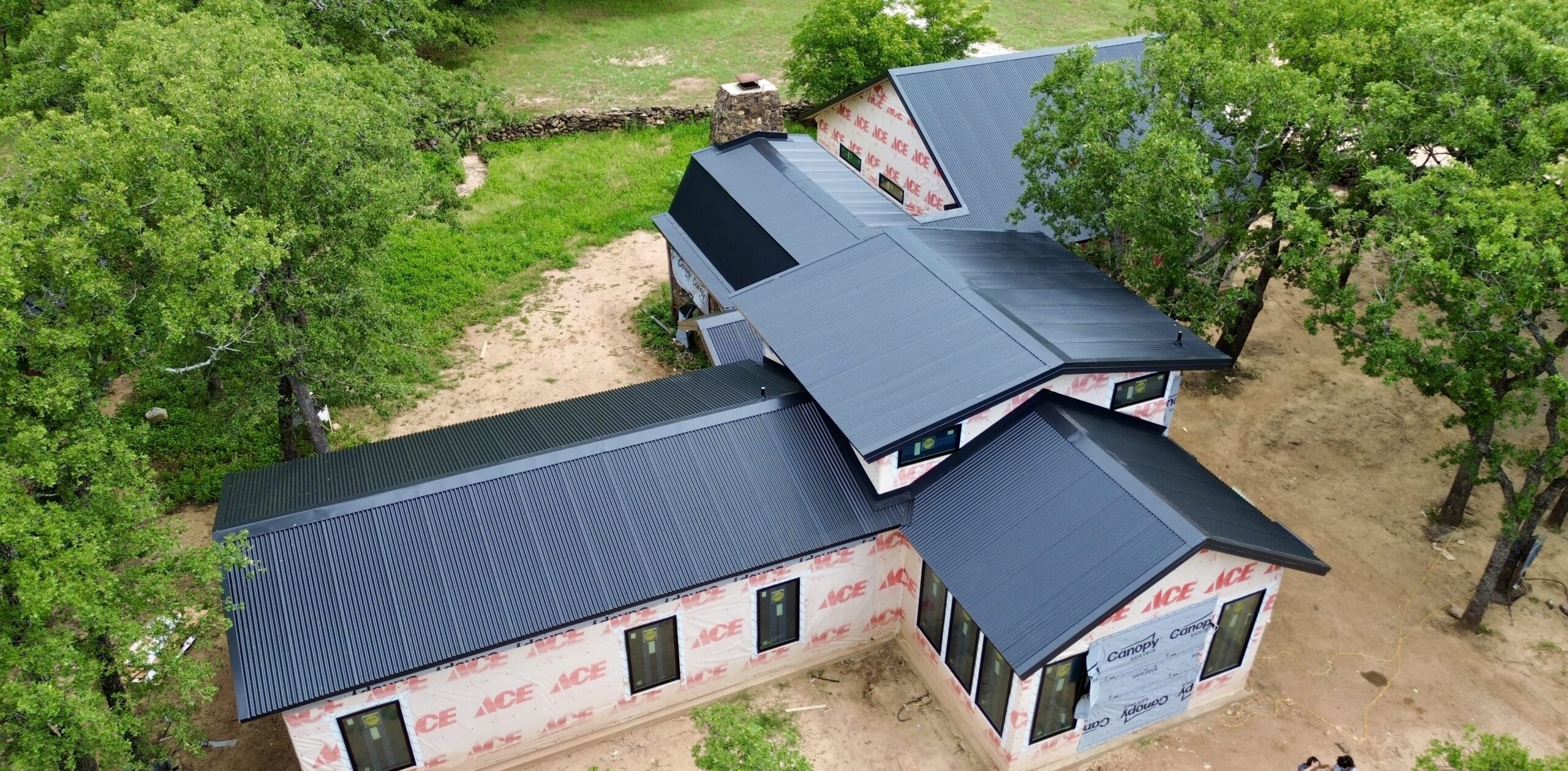
How Weather Affects Roofing Systems Throughout the Year
Roofs experience constant exposure to changing weather, but the type of stress varies considerably from season to season. Understanding these seasonal effects helps homeowners appreciate why maintenance should continue throughout the year rather than focusing on only one inspection.
Spring often brings frequent rainfall, fluctuating temperatures, and strong winds. Heavy rain tests the roof’s drainage system while wind may loosen shingles, flashing, or roof accessories that became weakened during winter. Moisture also creates favorable conditions for mold, algae, and moss growth if drainage remains poor.
Summer exposes roofing materials to prolonged ultraviolet radiation and elevated temperatures. Continuous sunlight gradually dries out asphalt shingles, weakens sealants, and accelerates material aging. Thermal expansion and contraction also place additional stress on roofing components as daytime temperatures rise and nighttime temperatures fall.
Autumn introduces falling leaves, twigs, and other debris that accumulate within gutters and roof valleys. Clogged drainage systems increase the risk of standing water, moisture intrusion, and ice formation once colder weather arrives. Seasonal storms during this period may also expose roofing materials to strong winds and heavy rainfall.
Winter presents some of the harshest conditions for roofing systems. Snow accumulation increases roof loads, while repeated freezing and thawing cycles expand existing cracks within roofing materials. Ice dams may form along roof edges when melting snow refreezes, preventing proper drainage and forcing water beneath shingles.
Humidity levels also fluctuate throughout the year, affecting attic ventilation and insulation performance. Poor ventilation allows moisture to accumulate within attic spaces, increasing the likelihood of condensation, mold growth, and wood deterioration even when no roof leaks exist.
Because each season creates different challenges, maintenance tasks should be adjusted accordingly. A comprehensive maintenance plan addresses seasonal risks before they cause lasting damage to the roofing system.
Benefits of Following a Seasonal Roof Maintenance Plan
A structured maintenance schedule provides far more than routine roof care. It creates a long-term strategy that helps homeowners protect one of the largest investments in their property while reducing unexpected repair expenses.
One of the greatest advantages is early problem detection. Seasonal inspections frequently identify small defects before they develop into widespread structural damage. Replacing a damaged shingle or resealing flashing is typically much less expensive than repairing water-damaged ceilings, insulation, and framing.
Regular maintenance also extends roof lifespan. Roofing materials naturally age over time, but proper care slows the deterioration process by reducing prolonged moisture exposure, improving drainage, and correcting minor defects before they worsen.
Energy efficiency improves when roofs remain in good condition. Proper attic ventilation, dry insulation, and well-maintained roofing materials help regulate indoor temperatures more effectively throughout the year. This contributes to lower heating and cooling costs while improving indoor comfort.
Seasonal maintenance also supports property value. Well-maintained roofs create positive impressions during property sales while demonstrating responsible ownership through documented inspection and maintenance records.
Insurance claims may become easier to support when homeowners maintain regular inspection documentation. Records showing routine maintenance help establish the roof’s condition before storm damage or other unexpected events occur.
The following benefits highlight why seasonal maintenance deserves consistent attention:
- Detects developing roof problems before they become expensive repairs.
- Extends the service life of roofing materials.
- Improves drainage and moisture protection.
- Supports better attic ventilation and insulation performance.
- Helps maintain manufacturer warranty requirements.
- Reduces the likelihood of emergency roof repairs.
- Preserves the overall value of the property.
Following a seasonal maintenance plan requires relatively little time compared with the significant financial and structural benefits it provides over the life of the roof.
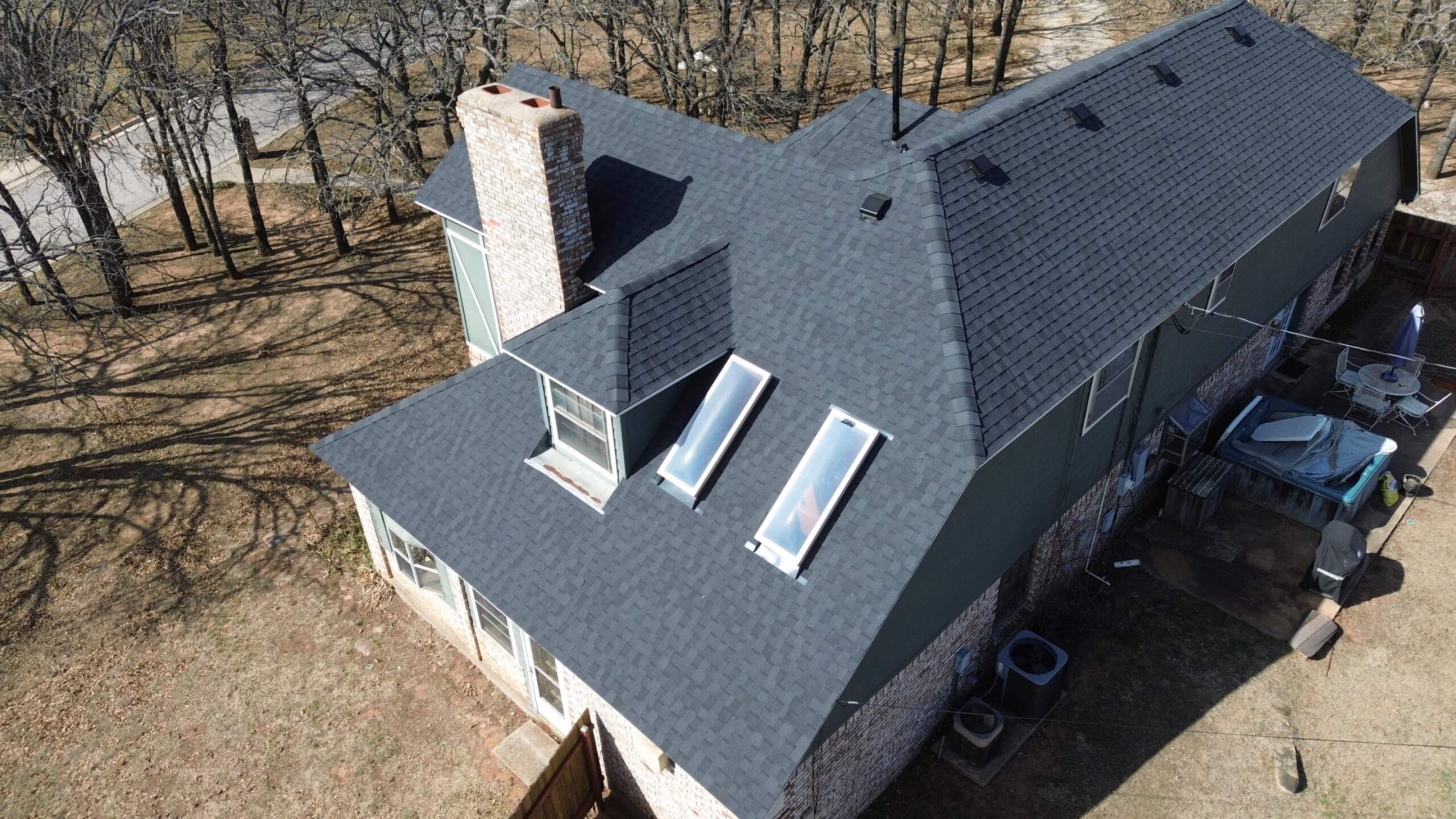
Essential Roof Maintenance Tools and Safety Considerations
Before beginning any roof maintenance, homeowners should understand both the tools required and the importance of working safely. While many routine maintenance tasks can be performed from the ground or within the attic, roof work always involves potential risks that should never be underestimated.
Basic maintenance equipment includes binoculars for ground-level inspections, sturdy ladders, work gloves, safety glasses, flashlights, garden hoses, gutter scoops, and soft-bristle brushes for removing light debris. These tools allow homeowners to perform many routine observations without walking directly on the roof.
Personal safety equipment becomes especially important whenever ladder use is necessary. Stable footwear with good traction, properly positioned ladders, and assistance from another adult improve overall safety during maintenance activities. Working alone on a roof should always be avoided whenever possible.
Weather conditions deserve equal consideration. Wet roofing materials, icy surfaces, strong winds, and thunderstorms significantly increase the risk of accidents. Maintenance should be postponed until safe weather conditions return.
Homeowners should also recognize the limits of do-it-yourself maintenance. Steep roofs, multi-story homes, extensive storm damage, structural concerns, and suspected leaks often require professional inspection rather than personal repairs. Attempting hazardous repairs without proper training may result in injury or additional roof damage.
Attic inspections provide another safe way to monitor roof health without climbing onto the roof. Checking insulation, ventilation, structural framing, and signs of moisture allows homeowners to identify developing problems while remaining inside the building.
The goal of seasonal maintenance is prevention rather than unnecessary risk. Simple observations performed safely often identify issues early enough for professional contractors to complete repairs before more serious damage develops.
Spring Roof Maintenance Tasks
Spring is one of the most important seasons for roof maintenance because it allows homeowners to evaluate how well the roof survived winter weather. Snow, ice, freezing temperatures, and strong seasonal storms may leave behind damage that requires attention before heavy spring rainfall arrives.
A thorough visual inspection should begin by examining the roof from ground level. Homeowners should look for missing shingles, damaged flashing, sagging roof sections, loose gutters, or debris that accumulated during winter storms. Even small defects deserve attention because spring rain can quickly expose hidden vulnerabilities.
Cleaning gutters and downspouts remains a priority during spring maintenance. Leaves, twigs, seed pods, and winter debris often restrict drainage, increasing the likelihood of overflowing gutters and water intrusion along roof edges. Proper water flow helps protect both the roof and the home’s foundation.
Roof valleys should also be inspected carefully because they channel significant amounts of rainwater. Accumulated debris in these areas prevents efficient drainage and increases moisture retention against roofing materials.
Attic inspections provide additional information about winter-related roof performance. Homeowners should check for water stains, damp insulation, mold growth, condensation, or daylight entering through unexpected openings in the roof structure.
Tree branches that grew closer to the roof during the previous year should be trimmed where appropriate. Overhanging limbs may scrape roofing materials during windy conditions while increasing the amount of debris deposited onto the roof.
Spring also offers an ideal opportunity to schedule a professional roof inspection. Identifying winter damage early allows repairs to be completed before summer heat accelerates material deterioration.
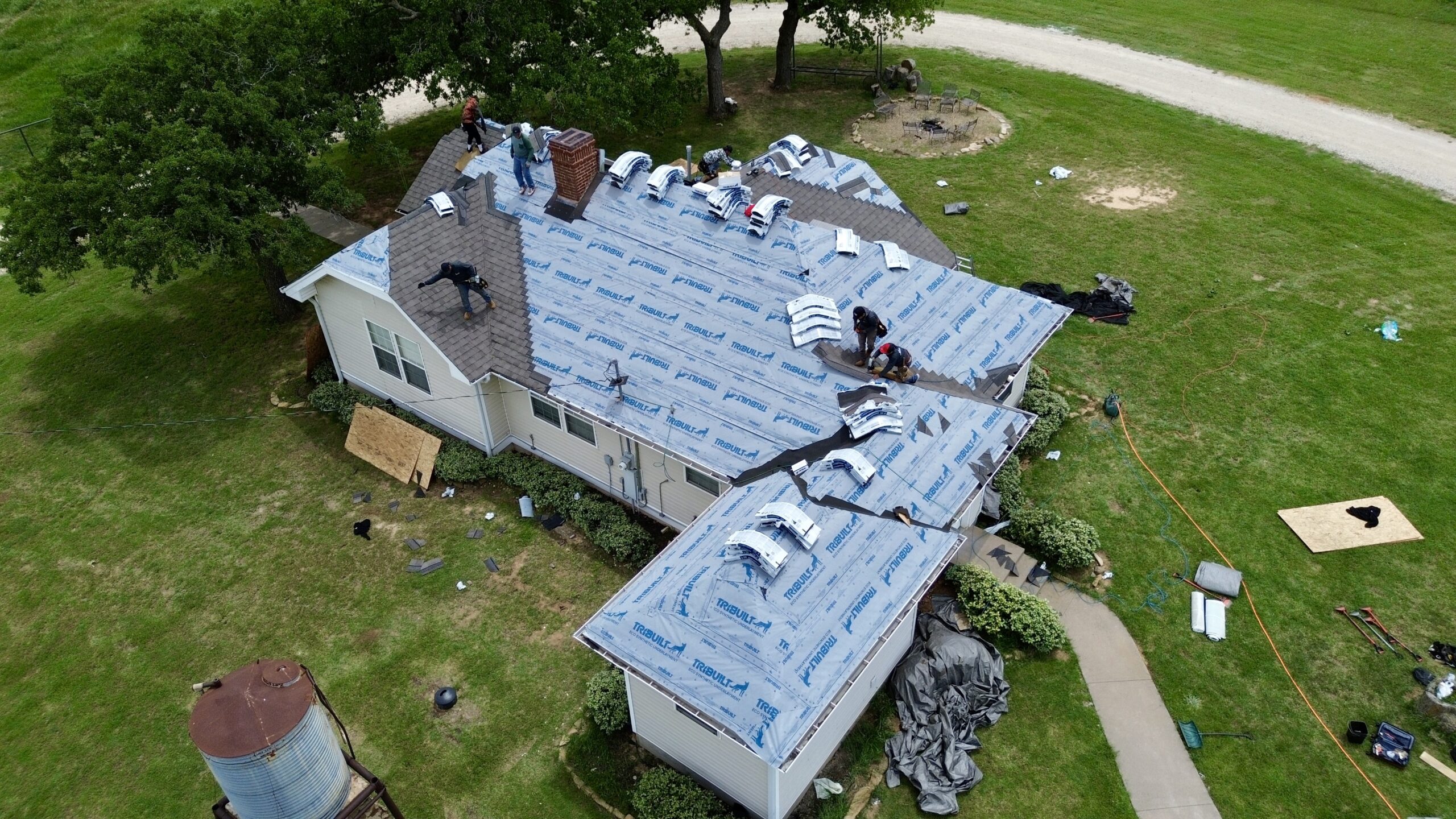
Summer Roof Maintenance Tasks
Summer maintenance focuses primarily on protecting the roof from prolonged heat exposure, ultraviolet radiation, and seasonal thunderstorms. Although summer weather often appears less damaging than winter conditions, continuous heat gradually affects roofing materials in ways that reduce long-term performance.
One of the first tasks involves inspecting shingles or other roofing materials for signs of heat-related deterioration. Curling edges, cracked surfaces, blistering, fading, or excessive granule loss may indicate that roofing materials are experiencing accelerated aging due to intense sunlight.
Roof penetrations should receive careful attention during summer inspections. Sealants around plumbing vents, skylights, chimneys, and HVAC equipment often deteriorate more rapidly under prolonged ultraviolet exposure. Replacing cracked or separated sealants helps maintain watertight protection.
Attic ventilation becomes especially important during hot weather. Excessive attic temperatures increase stress on roofing materials while reducing indoor energy efficiency. Homeowners should verify that intake and exhaust vents remain unobstructed and allow adequate airflow throughout the attic.
Summer is also an excellent time to inspect flashing around roof transitions. Thermal expansion caused by repeated heating and cooling cycles may loosen fasteners or create small gaps that eventually allow moisture intrusion during storms.
Regular removal of branches, leaves, and other debris helps maintain proper roof drainage throughout the season. Although debris accumulation is generally lighter than during autumn, keeping the roof clean reduces unnecessary moisture retention after summer rainfall.
The following summer maintenance routine helps protect the roofing system during periods of prolonged heat:
- Inspect roofing materials for heat-related wear and visible deterioration.
- Check flashing and sealants around all roof penetrations.
- Verify that attic ventilation remains clear and functioning properly.
- Remove accumulated debris from the roof surface and gutters.
- Observe the roof after heavy summer storms for signs of new damage.
- Schedule professional repairs promptly if significant deterioration is identified.
Completing these seasonal tasks prepares the roof for the changing weather ahead while minimizing the cumulative effects of heat, sunlight, and seasonal storms.
In the next part of this guide, we will examine the essential roof maintenance tasks for fall and winter, present a practical seasonal maintenance comparison table, discuss the common roof problems prevented through routine care, identify roofing components that require year-round attention, and explain when professional repairs become necessary beyond regular maintenance.
Fall Roof Maintenance Tasks
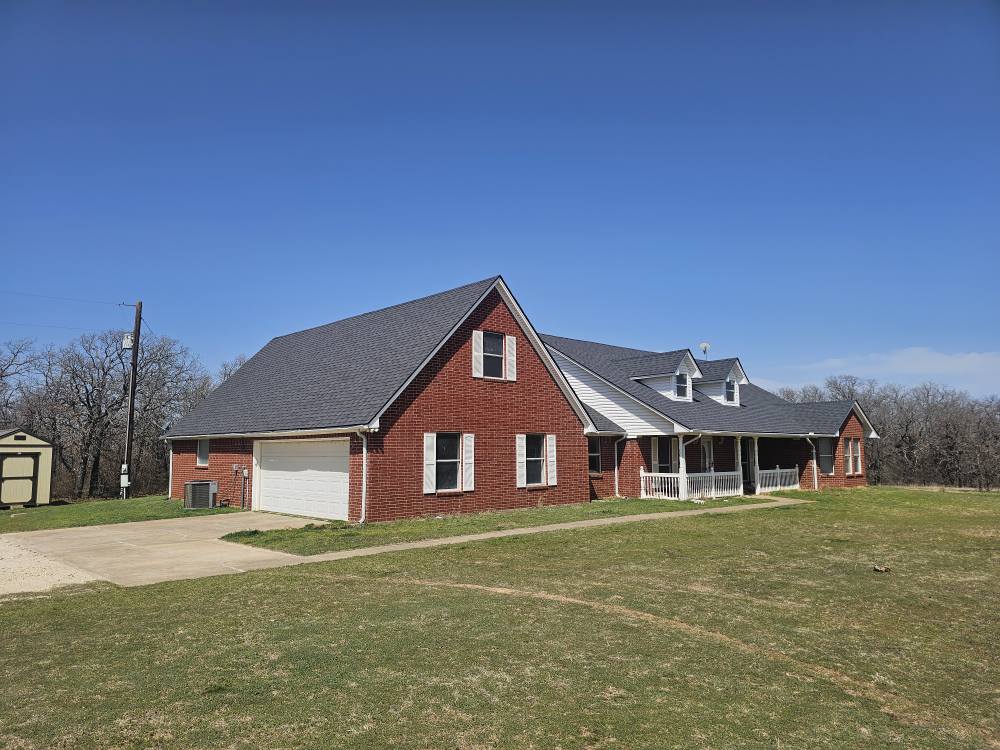
Fall is one of the busiest seasons for roof maintenance because it provides an opportunity to prepare the roofing system before winter arrives. Completing preventive maintenance during mild autumn weather helps reduce the risk of leaks, ice dams, and structural problems caused by snow and freezing temperatures.
The first priority is clearing leaves, pine needles, seed pods, and small branches from the roof surface. Organic debris traps moisture against roofing materials, encouraging algae growth, accelerating material deterioration, and restricting water flow toward gutters.
Gutters and downspouts should receive special attention during the fall. As trees continue shedding leaves throughout the season, drainage systems can become clogged repeatedly. Regular cleaning prevents water from overflowing onto fascia boards and roof edges where moisture damage often begins.
Inspecting flashing around chimneys, skylights, vents, and roof valleys is equally important. Minor gaps or deteriorated sealants that seem harmless during dry weather may allow significant water intrusion once winter storms arrive.
Fall is also an ideal time to examine roof penetrations for loose fasteners or aging sealants. Correcting these small issues before freezing temperatures make repairs more difficult helps maintain a watertight roofing system throughout the colder months.
Homeowners should also inspect attic insulation and ventilation during the fall. Proper insulation reduces heat loss through the roof, while effective ventilation minimizes condensation that can contribute to mold growth and wood deterioration during winter.
If tree branches extend over the roof, trimming them before winter storms reduces the likelihood of falling limbs damaging shingles or other roofing materials during periods of snow, ice, or high winds.
Winter Roof Maintenance Tasks
Winter maintenance focuses primarily on monitoring roof performance while minimizing risks associated with snow, ice, and freezing temperatures. Unlike other seasons, winter is generally not the ideal time for extensive roof repairs unless emergency conditions exist.
One of the most important winter responsibilities is monitoring snow accumulation. Although most roofs are designed to support normal snow loads, unusually heavy snowfall may place excessive stress on the roofing structure. Homeowners should remain aware of changing conditions, particularly after multiple winter storms.
Ice dams deserve careful attention throughout the season. These ridges of ice develop along roof edges when melting snow refreezes before reaching the gutters. Ice dams can trap water beneath shingles, allowing moisture to enter the roof assembly and eventually reach interior ceilings and walls.
Indoor observations become especially valuable during winter because attic conditions often reveal developing roof problems. Water stains, condensation, frost buildup, damp insulation, or unusual attic odors may indicate ventilation deficiencies or hidden moisture intrusion.
Homeowners should also inspect ceilings periodically after significant storms. Fresh water stains or peeling paint may indicate that winter weather has exposed weaknesses in the roofing system requiring professional attention.
Safety remains especially important during winter maintenance. Climbing onto icy or snow-covered roofs creates significant hazards and should generally be avoided. Professional roofing contractors have the equipment and experience necessary to perform emergency winter repairs safely when required.
Routine monitoring throughout the season allows homeowners to recognize developing issues quickly while postponing non-emergency repairs until weather conditions become more suitable.
Seasonal Roof Maintenance Checklist
Following a consistent maintenance schedule throughout the year helps ensure that important roofing components receive attention before seasonal weather creates additional stress. While each season presents different priorities, many maintenance tasks complement one another and contribute to the long-term health of the roofing system.
The following checklist summarizes the primary maintenance focus for each season.
| Season | Primary Maintenance Focus | Main Weather Risk | Recommended Priority |
|---|---|---|---|
| Spring | Inspect winter damage, clean gutters, check attic | Heavy rain and wind | Repair winter-related damage |
| Summer | Examine heat damage, inspect flashing, improve ventilation | Heat and UV exposure | Prevent premature material aging |
| Fall | Remove debris, clean drainage systems, prepare for winter | Leaves, storms, falling branches | Ensure proper drainage before freezing weather |
| Winter | Monitor snow, check for ice dams, observe interior moisture | Snow, ice, freeze-thaw cycles | Watch for developing leaks and structural stress |
Using a seasonal checklist makes maintenance easier to organize while reducing the chance of overlooking important roof components. Consistency is often more valuable than performing large amounts of maintenance only once every few years.
Homeowners who document completed maintenance activities also create useful records that support future inspections, warranty requirements, and long-term maintenance planning.
Common Roof Problems Prevented by Regular Seasonal Maintenance
Routine maintenance is one of the most effective ways to reduce the likelihood of expensive roof repairs. Many serious roofing problems begin as relatively minor issues that could have been corrected quickly if identified during seasonal inspections.
Water intrusion remains one of the most preventable roof problems. Cleaning gutters, maintaining flashing, replacing damaged shingles, and repairing deteriorated sealants all help keep water outside the building where it belongs.
Moisture-related issues also become less common when ventilation receives regular attention. Proper airflow reduces condensation inside the attic while protecting insulation, roof decking, and structural framing from prolonged moisture exposure.
Blocked drainage systems frequently lead to standing water, especially on low-slope roofs. Seasonal gutter cleaning and roof debris removal improve water flow while reducing unnecessary stress on roofing materials.
Routine maintenance also slows material deterioration. Ultraviolet radiation, wind exposure, temperature changes, and seasonal storms gradually affect roofing materials, but early repairs help prevent localized wear from spreading across larger sections of the roof.
Structural damage may also be minimized through consistent maintenance. Identifying loose flashing, damaged decking, sagging roof sections, or weakened fascia boards before additional weather exposure occurs reduces the likelihood of more extensive structural repairs.
Regular inspections further improve energy efficiency by ensuring insulation remains dry and ventilation systems continue operating effectively throughout the year.
Roof Components That Require Attention Throughout the Year
Although seasonal maintenance priorities change, certain roof components require regular observation regardless of the time of year. These areas experience continuous exposure to weather and therefore benefit from consistent inspection and maintenance.
Roofing materials remain the most obvious component requiring attention. Shingles, tiles, metal panels, or roofing membranes should be monitored for cracks, movement, corrosion, curling, blistering, or other signs of deterioration throughout the year.
Flashing deserves equal attention because it protects the most vulnerable areas of the roof. Chimneys, skylights, dormers, roof valleys, plumbing vents, and wall intersections all rely on properly installed flashing to prevent moisture intrusion.
Gutters and downspouts should be inspected during every season. Even partial blockages reduce drainage efficiency, increasing the likelihood of overflowing water, foundation problems, and roof edge deterioration.
Attic ventilation continues influencing roof performance year-round. Balanced airflow helps regulate attic temperatures while reducing moisture accumulation that may otherwise damage insulation and structural components.
Roof penetrations also require ongoing observation. Sealants surrounding vents, satellite mounts, HVAC equipment, and solar panel attachments naturally age over time and should be inspected regularly for cracking or separation.
The following components should remain part of every seasonal roof inspection:
- Roofing materials and roof surface
- Flashing around transitions and penetrations
- Gutters and downspouts
- Attic insulation and ventilation
- Roof valleys
- Fascia boards and soffits
- Chimneys, skylights, and vents
- Sealants and fasteners
Paying consistent attention to these components greatly improves the roof’s ability to withstand changing weather throughout the year.
When Routine Maintenance Is Not Enough
While routine maintenance prevents many roofing problems, some situations require professional inspection and repair. Recognizing these circumstances helps homeowners avoid delaying necessary work that could otherwise lead to more extensive damage.
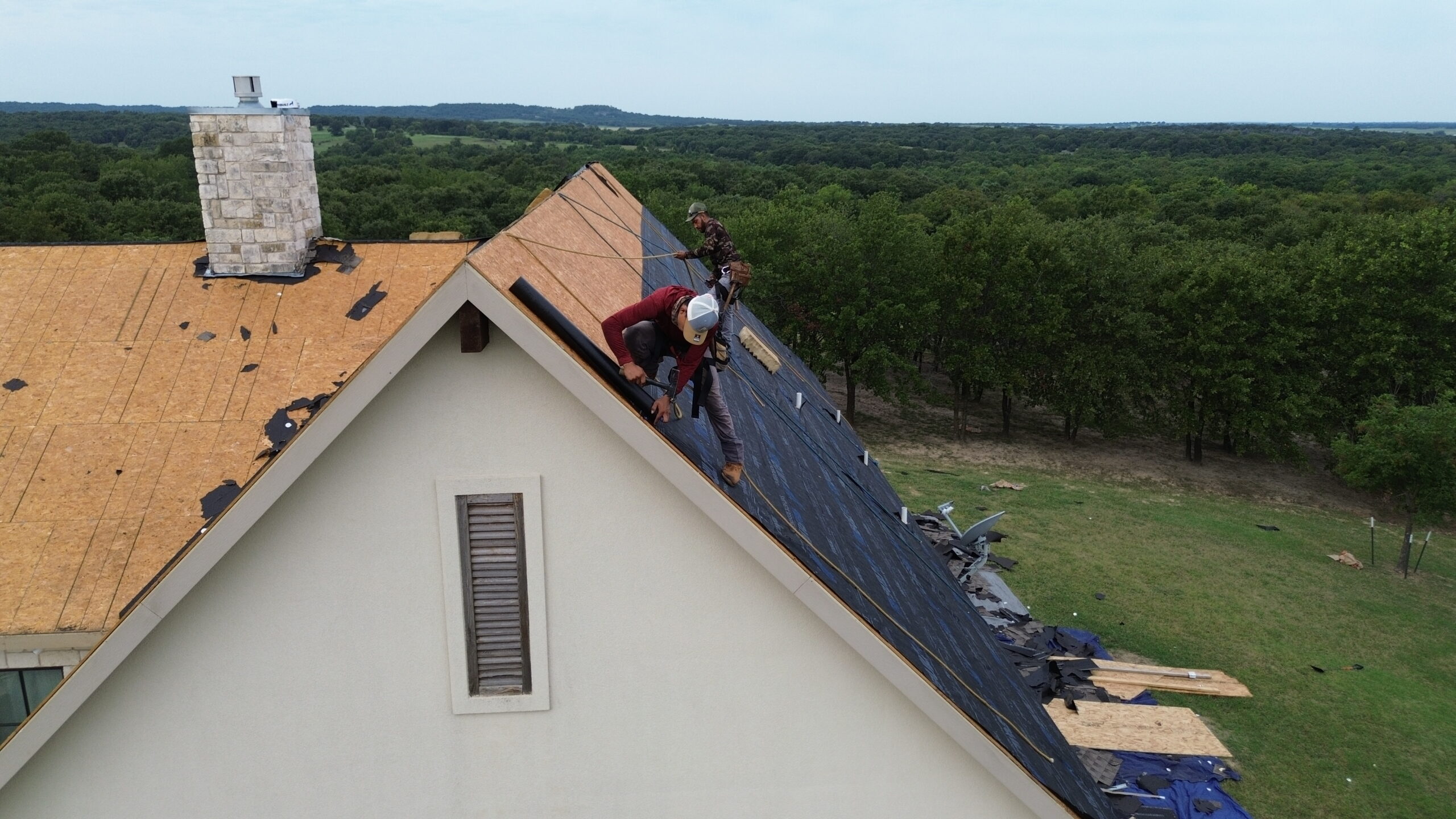
Active roof leaks should always receive prompt professional evaluation. Even small leaks often travel through hidden pathways before becoming visible indoors, making accurate diagnosis difficult without specialized experience and equipment.
Structural concerns also require immediate attention. Sagging roof sections, noticeable movement, cracked framing, or unusual roof deflection may indicate underlying issues that extend beyond routine maintenance tasks.
Extensive storm damage represents another situation where professional assistance becomes essential. High winds, hail, falling trees, or significant debris impacts may damage multiple roofing components simultaneously, requiring comprehensive inspection and repair.
Repeated moisture problems despite regular maintenance often suggest hidden defects within the roofing system. Professional inspectors use moisture meters, thermal imaging, and other diagnostic tools to identify concealed issues that visual inspections alone may not reveal.
Homeowners should also seek professional guidance when the roof approaches the end of its expected service life. An experienced roofing contractor can evaluate whether continued repairs remain practical or whether replacement offers better long-term value.
Knowing when to transition from routine maintenance to professional repair is an important part of responsible homeownership. Preventive care remains valuable, but recognizing its limits ensures that more serious roofing problems receive the specialized attention they require.
In the final part of this guide, we will discuss how to create an annual roof maintenance schedule, compare professional maintenance with do-it-yourself maintenance, examine common seasonal maintenance mistakes, share practical tips for extending roof lifespan throughout every season, answer frequently asked questions, and conclude with the key practices every homeowner should follow to keep a roof performing reliably year after year.
Creating an Annual Roof Maintenance Schedule
A seasonal maintenance plan becomes even more effective when it is organized into an annual schedule. Rather than trying to remember maintenance tasks after bad weather or when problems become visible, homeowners can establish a routine that keeps the roof in good condition throughout the year.
An annual schedule should include both homeowner maintenance and professional inspections. While many basic tasks can be completed without specialized equipment, experienced roofing professionals provide a more detailed evaluation that helps identify hidden issues before they become serious.
Spring is generally the best time to assess any damage caused by winter weather. Summer can then be used to complete repairs and verify that the roof is ready for periods of intense heat and seasonal storms.
Fall maintenance focuses on preparing the roof for colder weather by cleaning drainage systems, trimming nearby trees, and inspecting vulnerable roofing components. Winter becomes the season for observation, allowing homeowners to monitor snow accumulation, attic conditions, and signs of moisture intrusion without attempting unnecessary roof work.
Keeping a maintenance log adds another level of organization. Recording inspection dates, completed repairs, contractor information, and photographs allows homeowners to monitor changes in roof condition over time while creating useful documentation for warranties and insurance purposes.
A well-planned schedule also makes budgeting easier. Instead of facing unexpected repair expenses, homeowners can anticipate maintenance needs and allocate funds gradually throughout the year.
Professional Roof Maintenance vs DIY Maintenance
Many routine roof maintenance tasks can be performed by homeowners, but understanding the difference between do-it-yourself maintenance and professional roofing services is essential for protecting both the roof and personal safety.
DIY maintenance works best for simple tasks that involve minimal risk. Cleaning gutters, checking the attic for water stains, inspecting the roof from the ground with binoculars, removing light debris, and monitoring visible roof conditions are all practical responsibilities for many homeowners.
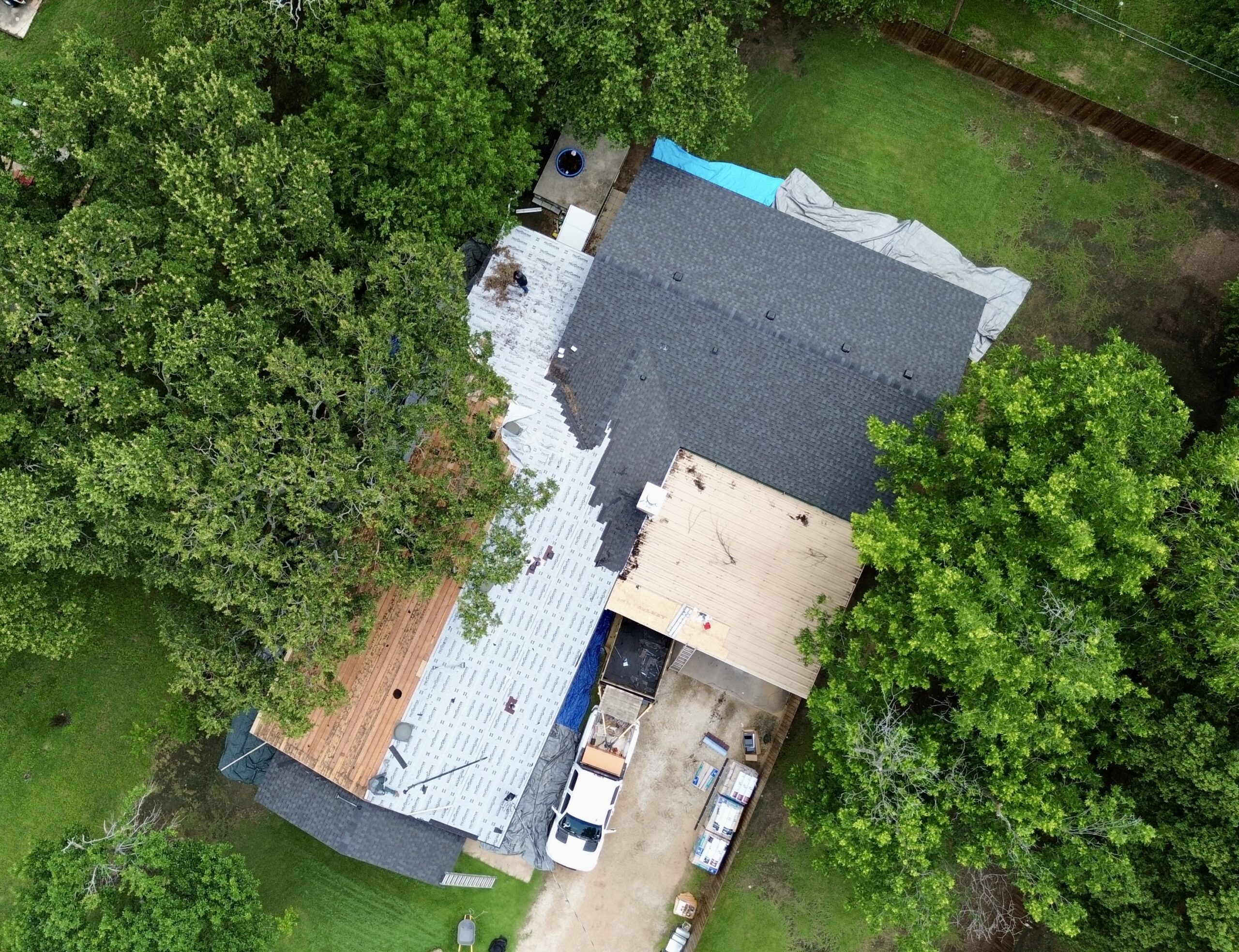
Professional roof maintenance becomes important whenever inspections require walking on the roof, diagnosing hidden moisture, repairing flashing, replacing roofing materials, or evaluating structural concerns. Roofing professionals have specialized training, safety equipment, and diagnostic tools that allow them to identify problems that may not be visible during routine homeowner inspections.
Another advantage of professional maintenance is experience. Roofers understand how different roofing systems age, how weather affects various materials, and which warning signs indicate developing structural issues. Their expertise often prevents small problems from becoming expensive repairs.
Professionals also provide detailed inspection reports that document roof conditions, repair recommendations, and maintenance priorities. These reports become valuable records for future inspections, warranty documentation, insurance claims, and property transactions.
Combining homeowner observations with scheduled professional inspections provides the most comprehensive maintenance strategy. Homeowners monitor the roof throughout the year, while professionals perform detailed evaluations that verify overall roof health.
Common Seasonal Roof Maintenance Mistakes
Even homeowners who perform regular maintenance sometimes make mistakes that reduce its effectiveness or unintentionally create additional roofing problems. Understanding these common errors helps ensure that maintenance efforts provide the greatest long-term benefit.
One of the most frequent mistakes is waiting until a leak appears before inspecting the roof. Many roofing problems develop gradually, and by the time water enters the home, hidden moisture may have already damaged insulation, decking, and structural framing.
Another common mistake involves neglecting gutters because they appear unrelated to roof performance. Blocked gutters prevent proper drainage, allowing water to collect near roof edges where moisture intrusion often begins.
Some homeowners overlook attic inspections entirely. While the roof surface receives regular attention, the attic often reveals early signs of leaks, condensation, ventilation problems, and structural movement that cannot be detected from outside.
Using pressure washers to clean roofing materials is another avoidable mistake. High-pressure water can remove protective granules from asphalt shingles, damage flashing, loosen roofing materials, and force water beneath the roof covering.
Walking unnecessarily across the roof may also cause accidental damage. Certain roofing materials become more vulnerable during hot weather, while brittle materials may crack during colder temperatures. Limiting foot traffic helps preserve roof integrity.
Postponing small repairs until the next maintenance season is another costly habit. Minor defects often worsen quickly after storms or temperature changes, making prompt repairs much more economical than delayed restoration.
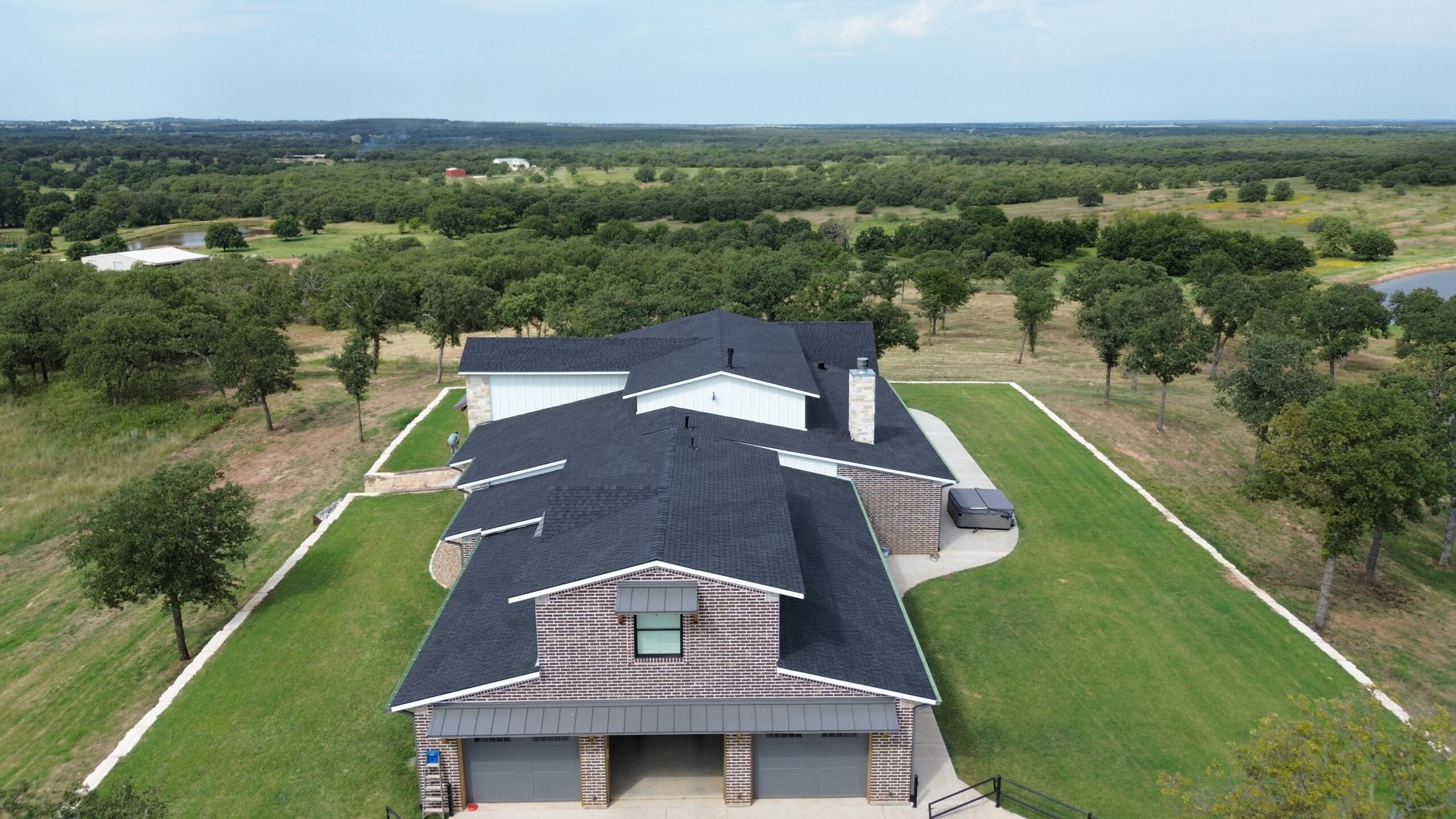
Tips to Extend the Lifespan of Your Roof in Every Season
Extending the service life of a roof depends on consistent care rather than occasional repairs. Small maintenance habits performed throughout the year often provide greater long-term benefits than major repairs completed only after significant damage occurs.
Keeping the roof clean remains one of the simplest yet most effective maintenance practices. Removing leaves, branches, moss, and other debris reduces moisture retention while improving drainage across the roof surface.
Maintaining gutters and downspouts also protects the roofing system by directing water safely away from the home. Efficient drainage reduces the likelihood of water backing up beneath shingles or collecting near the roof edge.
Attic ventilation should never be overlooked. Proper airflow helps regulate attic temperatures during summer while reducing condensation during winter. Balanced ventilation protects roofing materials, insulation, and structural framing throughout the year.
Homeowners should also trim overhanging tree branches regularly. Reducing contact between branches and the roof minimizes abrasion during windy conditions while decreasing debris accumulation after storms.
Prompt attention to small repairs significantly extends roof lifespan. Replacing damaged shingles, repairing flashing, resealing roof penetrations, and correcting drainage issues early prevents localized defects from spreading across larger areas.
The following long-term maintenance habits help maximize roof performance:
- Schedule a professional roof inspection at least once each year.
- Clean gutters and downspouts regularly during every season.
- Inspect the attic after major storms for moisture or structural concerns.
- Remove roof debris before it traps moisture against roofing materials.
- Repair damaged flashing, sealants, and shingles without unnecessary delay.
- Keep nearby trees properly trimmed throughout the year.
- Maintain adequate attic insulation and ventilation for every season.
Following these practices consistently helps preserve roofing materials while reducing long-term maintenance costs and improving overall roof reliability.
Frequently Asked Questions
How often should I perform seasonal roof maintenance?
Basic roof observations should be made during every season, while a comprehensive professional inspection is generally recommended at least once each year and after severe storms.
Is it safe to inspect my own roof?
Ground-level observations and attic inspections are usually safer for homeowners than climbing onto the roof. Steep roofs, wet surfaces, storm damage, and structural concerns should be inspected by qualified professionals.
Can seasonal maintenance really extend roof lifespan?
Yes. Regular maintenance helps identify developing problems early, prevents unnecessary moisture damage, improves drainage, and reduces wear caused by neglected roofing components.
Which season is best for professional roof inspections?
Spring and fall are often considered ideal because weather conditions are generally mild and inspections can identify damage before the more demanding summer and winter seasons.
What is the most commonly overlooked roof maintenance task?
Many homeowners overlook gutter cleaning and attic inspections. Both are essential because poor drainage and hidden moisture frequently contribute to roof deterioration long before visible leaks appear.
Conclusion
Seasonal roof maintenance is one of the most effective ways homeowners can protect their property from costly repairs and extend the life of their roofing system. Every season presents unique challenges, from heavy spring rain and intense summer heat to autumn debris and winter snow. Addressing these seasonal conditions through routine maintenance helps the roof continue performing as intended throughout the year.
A successful maintenance program involves much more than occasional visual inspections. Cleaning gutters, monitoring attic conditions, checking flashing and sealants, maintaining proper ventilation, removing debris, and responding quickly to minor damage all contribute to a healthier and more durable roof. These preventive measures reduce the likelihood of moisture intrusion, structural deterioration, and premature roof failure.
Equally important is knowing when professional assistance is needed. While homeowners can safely complete many routine maintenance tasks, experienced roofing professionals provide detailed inspections, identify hidden problems, and perform repairs that require specialized knowledge and equipment. Combining homeowner awareness with professional expertise creates the strongest long-term maintenance strategy.
Consistent roof care should be viewed as an ongoing investment rather than an occasional chore. A well-maintained roof improves energy efficiency, protects the home’s structure, preserves property value, supports warranty requirements, and minimizes unexpected repair costs. By following a seasonal maintenance plan and responding promptly to developing issues, homeowners can enjoy greater peace of mind while ensuring their roofing system remains strong, reliable, and prepared for every season of the year.