
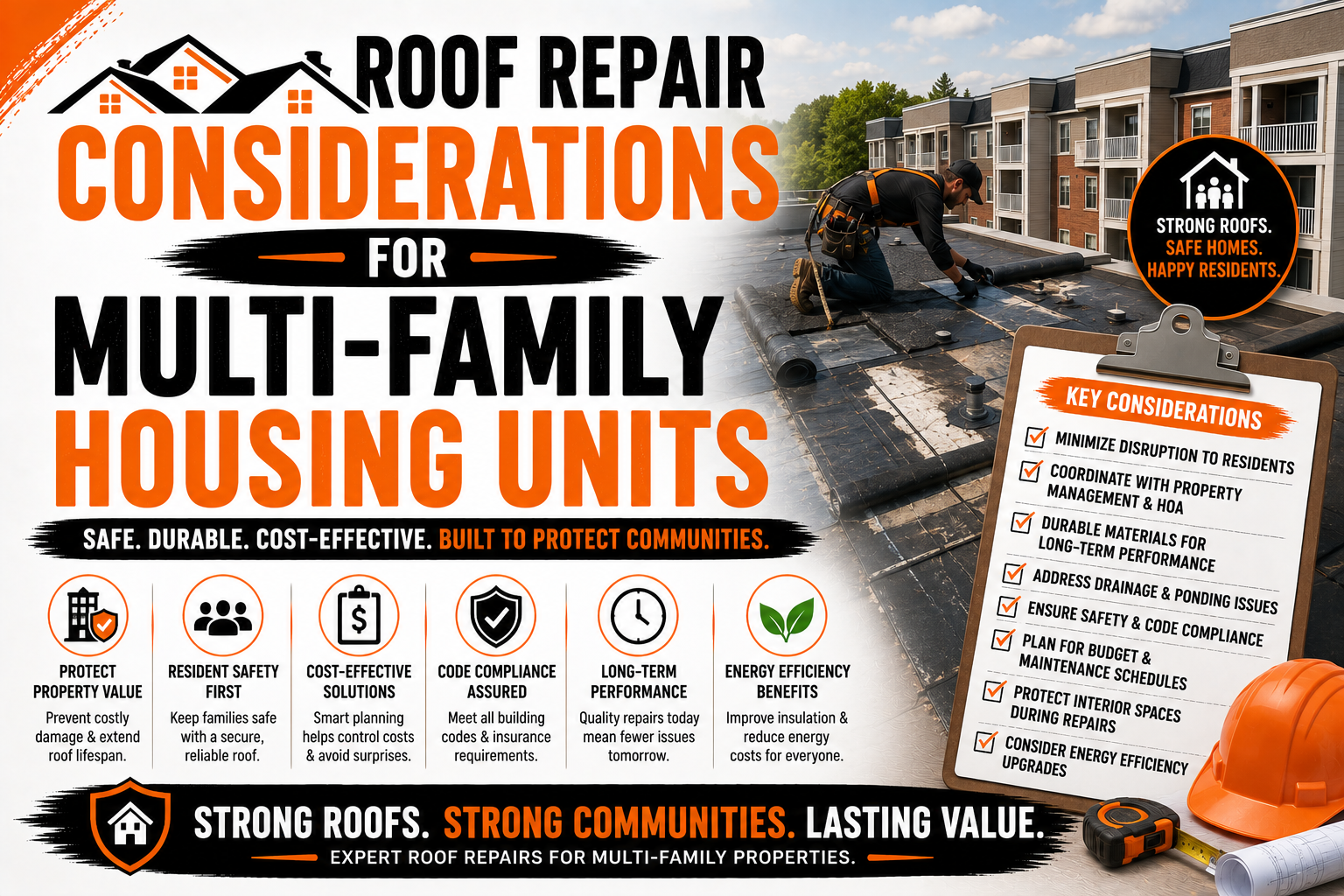
Roof Repair Considerations for Multi Family Housing Units
Introduction
Roof repair projects for multi family housing units require careful planning, technical expertise, and effective communication. Unlike single family homes, these properties accommodate multiple households under one roof, making every repair decision more complex. Property owners and managers must balance building protection, resident safety, budget constraints, and long term durability throughout the repair process.
The roof of a multi family property serves as a critical barrier against weather, moisture, heat, and structural deterioration. When damage develops, it rarely affects just one resident. A single leak or compromised roofing section can impact several apartments, common areas, electrical systems, and shared building infrastructure.
Delaying repairs can lead to more than visible roof damage. Moisture intrusion, insulation deterioration, mold growth, rising energy costs, and structural weakening often follow if roofing issues remain unresolved. These problems increase maintenance expenses while reducing the overall value and appeal of the property.
Property managers also face the challenge of minimizing disruption during repair work. Residents continue their daily routines while contractors access rooftops, transport materials, and complete repairs. Proper planning helps maintain safety, reduce inconvenience, and ensure that projects are completed efficiently.
Every roofing system has unique characteristics based on the building’s design, climate, age, and construction materials. Understanding these factors allows property owners to make informed repair decisions that improve building performance and extend the life of the roof.
This article explores the key considerations involved in repairing roofs on multi family housing units. It examines common causes of roof damage, early warning signs, planning strategies, maintenance practices, and long term solutions that help protect both the property and the people who live within it.
Understanding Roofing Systems in Multi Family Housing
Multi family housing includes apartment complexes, duplexes, triplexes, condominiums, townhouses, and other residential buildings that accommodate multiple households. Although these properties vary in size and design, their roofing systems share the common responsibility of protecting numerous living spaces beneath a single structure.
Unlike detached homes, multi family buildings often feature larger roof surfaces with more complex layouts. These roofs may include multiple slopes, valleys, drainage systems, ventilation equipment, HVAC units, skylights, access points, and shared utility installations. Each additional feature increases the complexity of maintenance and repair work.
Flat roofs are common on apartment buildings because they provide practical space for mechanical equipment while simplifying construction. However, flat roofing systems require careful drainage management since standing water can accelerate deterioration and increase the risk of leaks.
Pitched roofs are frequently used on smaller multi family properties such as duplexes and townhouses. These systems generally promote better water runoff but still require regular inspections to identify damaged shingles, flashing failures, or ventilation problems before they worsen.
Modern roofing systems function as complete protective assemblies rather than simple exterior coverings. Roofing materials, underlayment, insulation, decking, ventilation components, flashing, and drainage systems all work together to protect the building from weather while maintaining energy efficiency.
When one component begins to fail, the entire roofing system becomes more vulnerable. A small flashing defect may eventually allow water into insulation, while blocked drainage can increase moisture exposure across large sections of the roof.
The size of multi family roofs also increases the importance of systematic maintenance. Small defects that might remain isolated on a single family home can spread across larger roofing areas, affecting multiple residential units if left unresolved.
Roof accessibility presents another unique consideration. Contractors often require specialized equipment, safety systems, and coordinated work schedules when repairing large residential buildings. Safe access helps reduce risks while allowing repairs to proceed efficiently.
Because these roofs protect many families simultaneously, maintenance decisions must prioritize both immediate repairs and long term building performance. Investing in quality workmanship today often prevents larger structural issues and costly emergency repairs in the future.
Why Roof Repairs Require a Different Approach
Roof repairs on multi family housing demand a level of planning that extends beyond technical construction work. Every decision influences not only the building itself but also the comfort, safety, and daily lives of numerous residents.
Communication becomes one of the most important aspects of the repair process. Residents need advance notice regarding project schedules, temporary access restrictions, parking changes, and expected construction noise. Clear communication helps reduce confusion while encouraging cooperation throughout the project.
Repair timing also requires careful consideration. Weather conditions, occupancy levels, and contractor availability all influence the success of roofing work. Scheduling repairs during favorable weather minimizes delays while reducing the likelihood of additional water damage during construction.
Safety standards become more demanding on occupied properties. Contractors must secure work areas, control falling debris, and maintain safe access for residents entering or leaving the building. Protective barriers and warning signs help prevent accidents without unnecessarily disrupting daily routines.
Project coordination is often more complex because roofing work may involve several professionals. Roofing contractors, electricians, HVAC technicians, plumbers, and property managers frequently need to coordinate their activities to avoid delays and ensure that all building systems remain functional.
Repair decisions also affect long term maintenance planning. Choosing durable materials and addressing underlying structural issues during repairs reduces the need for repeated maintenance while improving the overall performance of the roofing system.
Budget management requires balancing immediate costs with future savings. Selecting the least expensive repair option may appear attractive initially, but repeated temporary fixes often become more expensive than comprehensive repairs completed correctly the first time.
Building codes and local regulations introduce additional considerations. Multi family housing often faces stricter safety and construction requirements than smaller residential properties. Compliance helps protect occupants while reducing potential legal or insurance complications.
Property managers must also consider resident satisfaction. Efficient repairs that minimize inconvenience help maintain positive relationships with tenants while preserving the property’s reputation in the housing market.
Taking a strategic approach to roof repair ensures that every aspect of the project supports the long term health of the building. Careful planning reduces risks, controls costs, and provides greater confidence that the repaired roof will continue protecting residents for years to come.
Common Causes of Roof Damage in Multi Family Properties
Understanding why roofs become damaged helps property owners address problems before they spread throughout the building. Multi family housing experiences many of the same roofing challenges as single family homes, but the larger roof area and heavier usage often increase the impact of these issues.
Weather remains the leading cause of roof deterioration. Heavy rain, hail, snow, strong winds, and prolonged sunlight gradually weaken roofing materials through repeated exposure. Over time, protective surfaces wear down, allowing moisture to penetrate deeper into the roofing system.
Age is another major factor. Even well-maintained roofs eventually reach the end of their expected service life as materials naturally expand, contract, and deteriorate through years of changing weather conditions.
Poor drainage creates ongoing problems, especially on flat roofs. Water that remains on the roof surface for extended periods increases the likelihood of leaks, membrane damage, and structural deterioration. Blocked drains and clogged gutters often accelerate this process.
Improper installation can shorten the lifespan of an otherwise high-quality roofing system. Incorrect flashing placement, inadequate fastening, poor seam construction, or insufficient ventilation may not become obvious immediately, but these issues often lead to premature failure.
Foot traffic also contributes to roof wear. Maintenance personnel, HVAC technicians, satellite installers, and contractors frequently access rooftops on multi family buildings. Repeated movement across roofing materials can cause surface damage if designated walkways or protective measures are not used.
Mechanical equipment mounted on the roof introduces additional risks. Vibrations from HVAC units, poorly sealed utility penetrations, and routine servicing may gradually weaken surrounding roofing materials if maintenance is neglected.
Tree branches hanging over the roof can scrape roofing surfaces during windy weather. Falling limbs may also cause immediate structural damage that requires prompt repair to prevent water intrusion.
Moisture trapped beneath roofing materials presents another common concern. Once water enters the roofing assembly, insulation loses effectiveness and wooden structural components become vulnerable to decay. These hidden problems often continue developing long before visible leaks appear indoors.
Deferred maintenance allows relatively small issues to become much larger repairs. A damaged shingle, loose flashing section, or partially blocked drain may seem insignificant initially, but each problem creates opportunities for additional deterioration over time.
Recognizing these common causes allows property owners to implement proactive maintenance strategies. Addressing roofing concerns early helps preserve building integrity while reducing the likelihood of widespread damage affecting multiple residential units.
Identifying Early Warning Signs Before Major Repairs
Early detection plays a vital role in reducing repair costs and preventing unnecessary disruption for residents. Many roofing problems provide warning signs well before major structural damage occurs, making routine inspections an essential part of property management.
Water stains on ceilings or upper walls are among the most recognizable indicators of roof problems. Even small discolorations may signal moisture intrusion that has already traveled through insulation and structural components before becoming visible indoors.
Residents may also report persistent damp odors, especially after rainfall. These smells often indicate hidden moisture accumulation within attic spaces, insulation, or ceiling cavities. Investigating these reports promptly helps prevent mold growth and further structural deterioration.
Exterior inspections frequently reveal damaged roofing materials before leaks develop. Missing shingles, cracked tiles, blistered membranes, loose flashing, or deteriorated sealants all suggest that repairs should be scheduled before weather conditions worsen the damage.
Blocked gutters and overflowing drainage systems deserve immediate attention as well. Water that cannot leave the roof efficiently may begin pooling, increasing pressure on roofing materials and raising the likelihood of leaks.
Unusual increases in heating or cooling costs can also indicate roofing problems. Damaged insulation and ventilation reduce energy efficiency, forcing HVAC systems to operate longer in order to maintain comfortable indoor temperatures.
Residents on upper floors sometimes notice temperature differences before visible roof damage appears. Rooms that become unusually warm during summer or difficult to heat during winter may indicate deteriorating insulation or ventilation issues within the roofing system.
Visible mold, mildew, or peeling paint around ceilings and upper walls should never be ignored. These signs often suggest ongoing moisture exposure that may have originated from roof damage rather than interior plumbing issues.
Property managers should also monitor rooftop mechanical equipment. Loose mounting points, deteriorated flashing around equipment bases, or water collecting near HVAC units may indicate developing roofing concerns that require professional attention.
Storm inspections provide another valuable opportunity to identify damage early. High winds and hail may loosen roofing materials without creating immediate leaks. Prompt post-storm evaluations help detect these hidden issues before they become larger repair projects.
Consistent monitoring creates opportunities to repair roofing defects while they remain relatively small. Early intervention protects the building, reduces maintenance expenses, and minimizes inconvenience for everyone living within the property.
The Importance of Timely Roof Repairs for Residents and Property Owners
Timely roof repairs benefit far more than the physical structure of a building. They protect residents, preserve property value, improve energy efficiency, and reduce the likelihood of costly emergency situations that affect multiple households simultaneously.
Water intrusion is often the first consequence of delayed repairs. Once moisture enters the roofing system, it can spread through insulation, ceilings, walls, and electrical systems before becoming visible inside occupied apartments. Repairing this secondary damage frequently costs far more than addressing the original roofing problem.
Resident comfort also depends on a well-maintained roof. Effective roofing systems regulate indoor temperatures, reduce outside noise, and protect against severe weather. Damaged roofs compromise these benefits while creating ongoing inconvenience for occupants.
Timely repairs help maintain healthier indoor environments as well. Moisture entering through damaged roofs creates conditions where mold and mildew may develop. Addressing roof defects quickly reduces this risk while improving indoor air quality for everyone living in the building.
Financial planning becomes more predictable when repairs are completed promptly. Preventive maintenance and early repairs generally require smaller investments than emergency restoration projects involving structural repairs, interior finishes, and temporary resident accommodations.
Property value also benefits from consistent roof maintenance. Prospective buyers and investors often view roofing condition as an indicator of overall building management. A well-maintained roof reflects positively on the property’s long-term care and operational standards.
Insurance claims may also become less complicated when property owners demonstrate regular maintenance. Although policy coverage varies, documented inspections and timely repairs show responsible property management and may reduce the likelihood of disputes following severe weather events.
Tenant satisfaction is another important consideration. Residents are more likely to renew leases when they feel management responds promptly to maintenance concerns. Efficient roof repairs demonstrate a commitment to providing safe and comfortable living conditions.
Timely maintenance also extends the lifespan of the entire roofing system. Small repairs prevent additional deterioration, allowing roofing materials to perform closer to their intended service life while delaying the need for complete replacement.
Ultimately, roof repairs should be viewed as an investment rather than an unavoidable expense. Addressing problems early protects residents, strengthens the building, controls long-term costs, and supports the continued success of multi family housing properties.
Planning Roof Repairs Without Disrupting Residents
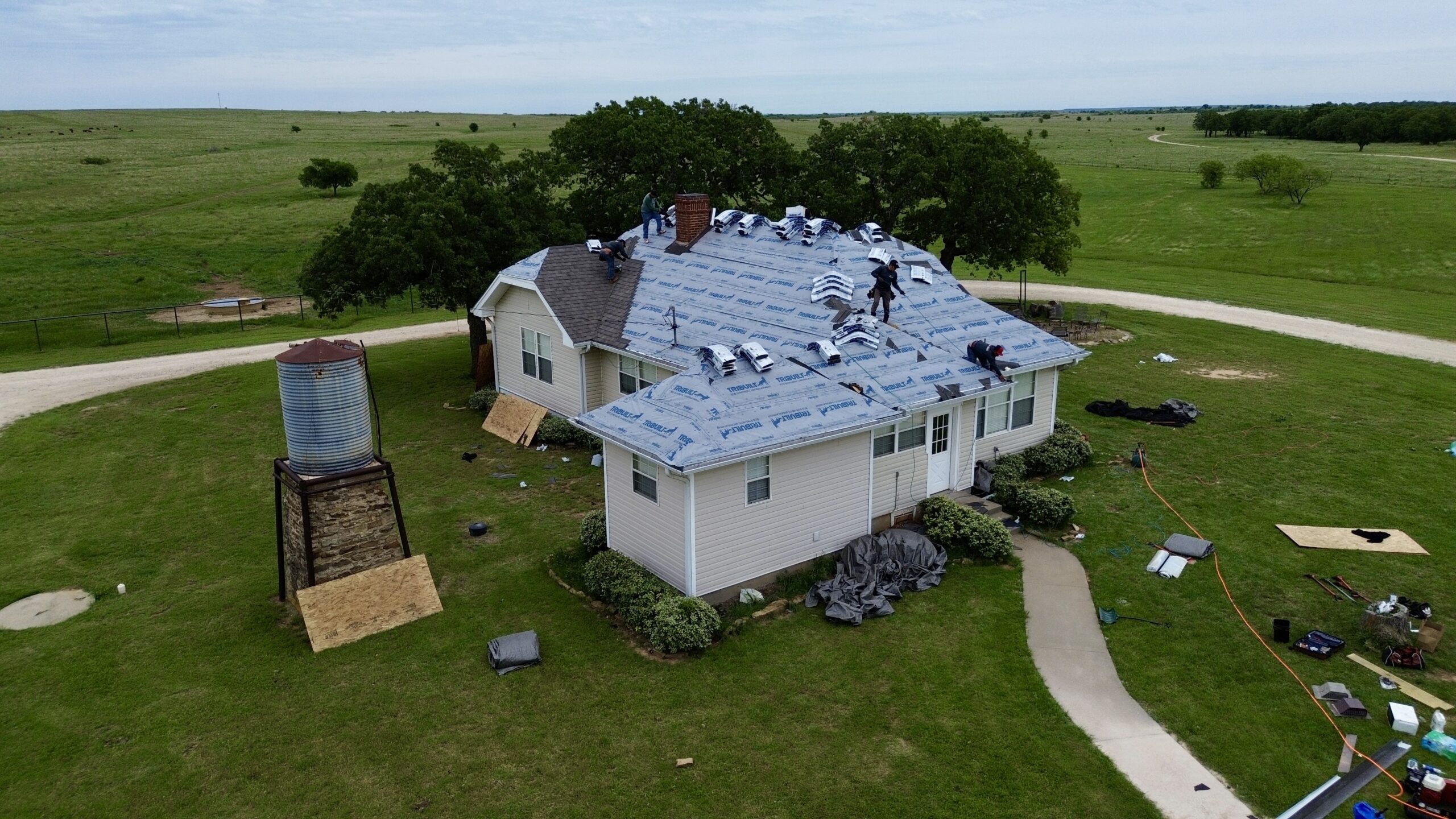
One of the greatest challenges of repairing roofs on multi family housing units is completing the work while residents continue living in the building. Unlike vacant structures, occupied properties require careful scheduling and communication to reduce inconvenience without compromising the quality of the repairs.
Planning begins with a thorough assessment of the roof’s condition. Property managers and roofing contractors should identify damaged areas, estimate the scope of work, and determine whether repairs can be completed in phases. Breaking larger projects into manageable sections allows residents to experience less disruption while ensuring repairs progress efficiently.
Clear communication is equally important throughout the project. Residents should receive advance notice about repair schedules, expected noise levels, temporary parking restrictions, and any changes to building access. Providing updates as work progresses helps manage expectations and reduces unnecessary concerns.
Weather forecasting also plays a significant role in project planning. Scheduling roofing work during periods of stable weather minimizes delays and lowers the risk of water entering exposed sections of the roof. Unexpected storms can interrupt repairs and increase the possibility of additional damage if the project is not properly protected.
Contractors should establish designated material storage and equipment staging areas before work begins. Organizing supplies efficiently reduces unnecessary movement around the property while helping maintain safe walkways for residents and visitors.
Noise management deserves careful consideration as well. Roofing work often involves hammering, cutting, lifting materials, and operating heavy equipment. Scheduling the loudest activities during normal daytime hours helps minimize inconvenience while allowing residents to plan their daily routines.
Emergency access must remain available throughout the repair process. Fire exits, emergency vehicle routes, and building entrances should never be blocked by construction materials or equipment. Maintaining safe access protects residents while ensuring compliance with local safety requirements.
Waste removal also requires planning. Damaged roofing materials, packaging, and construction debris should be removed regularly rather than accumulating on the property. A clean worksite improves safety while creating a more organized working environment.
Property managers should encourage residents to report any concerns immediately during the repair project. Promptly addressing questions about noise, dust, or temporary inconveniences helps maintain positive relationships and allows minor issues to be resolved before they become larger complaints.
Well-planned roof repairs benefit everyone involved. Contractors work more efficiently, residents experience fewer disruptions, and property owners gain confidence that the project will be completed safely, on schedule, and within budget.
Choosing the Right Roofing Materials for Multi Family Buildings
Selecting appropriate roofing materials is one of the most important decisions in any roof repair project. The right material improves durability, energy efficiency, maintenance performance, and long-term operating costs while meeting the specific needs of the building.
Climate should always influence material selection. Buildings located in areas with intense sunlight benefit from reflective roofing materials that reduce heat absorption, while regions experiencing heavy rain or snow require systems designed to manage moisture effectively.
Durability is another key consideration. Multi family housing often experiences greater roof traffic because maintenance personnel regularly access HVAC systems, ventilation equipment, and utility installations. Roofing materials should withstand this activity without deteriorating prematurely.
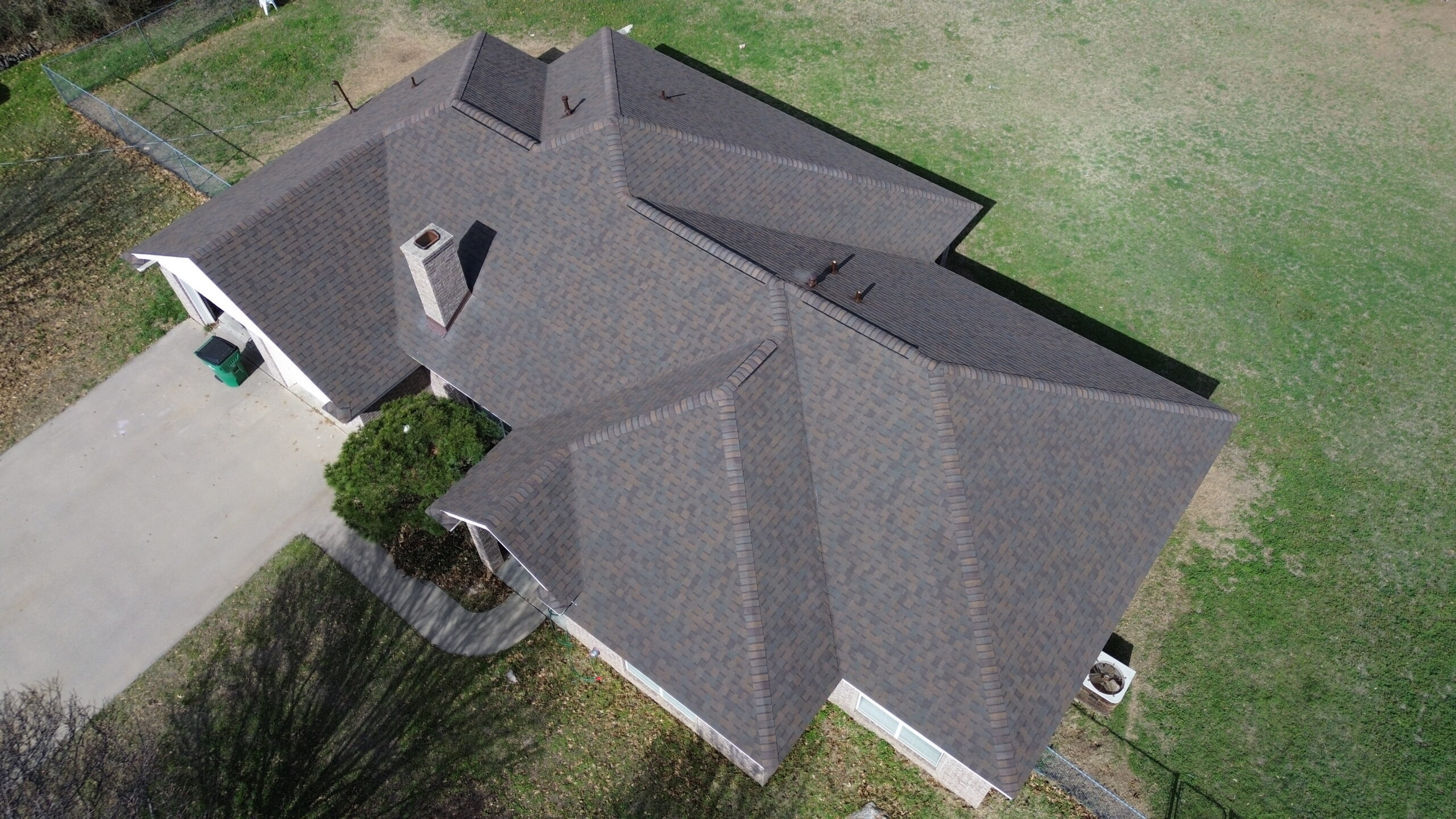
Asphalt shingles remain a popular option for smaller apartment buildings, duplexes, and townhouses. They offer reasonable durability, relatively simple repairs, and a wide range of colors and styles that complement different architectural designs.
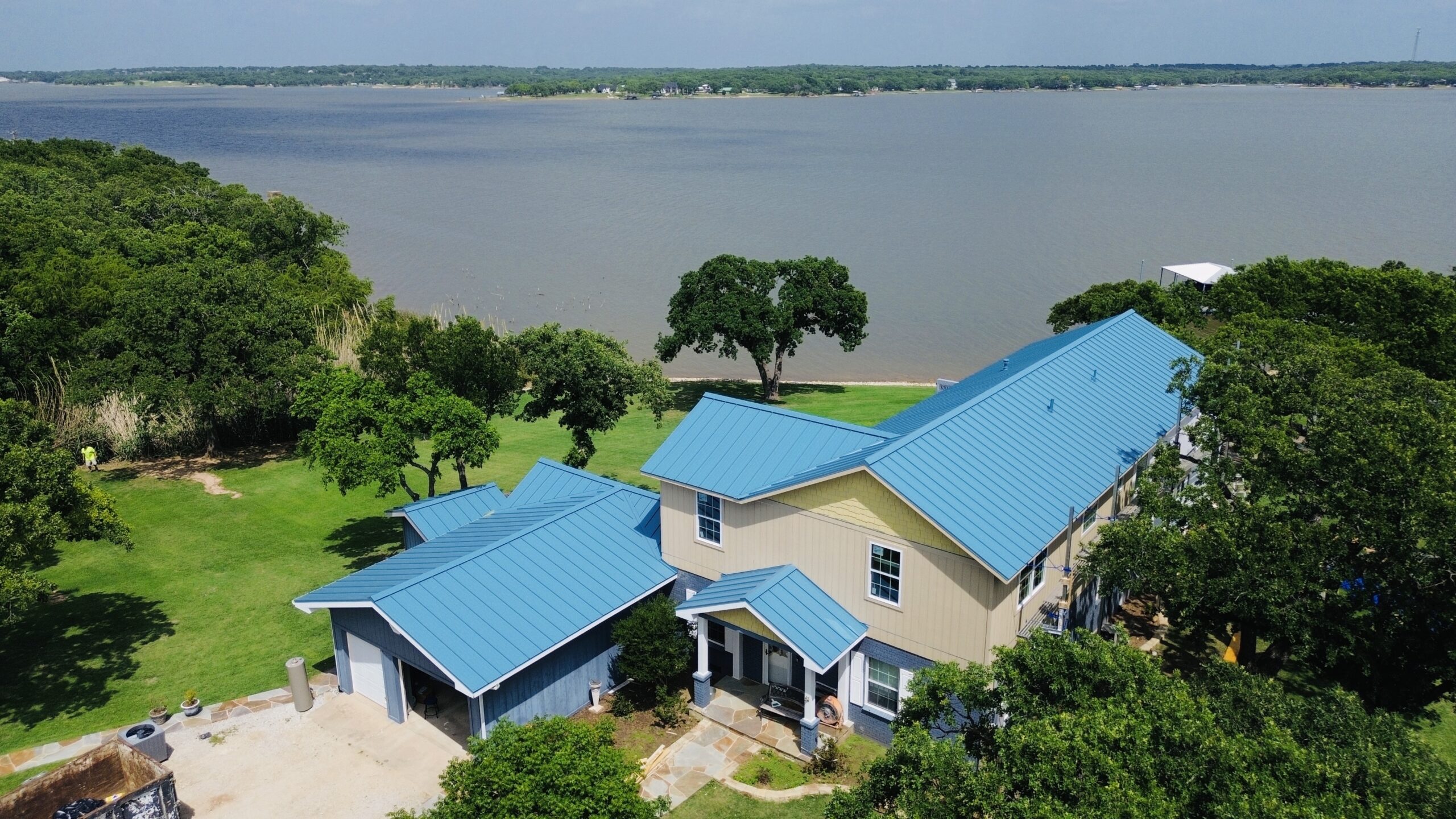
Metal roofing has become increasingly common because of its long lifespan and excellent resistance to weather. Modern metal roofing systems also reflect more solar radiation than many traditional materials, helping improve energy efficiency during warmer months.
Flat roofing systems often use single-ply membranes, modified bitumen, or built-up roofing materials. Each option offers different advantages depending on the building’s design, maintenance expectations, and local climate conditions. Proper installation remains essential regardless of the material selected.
Roofing materials should also support effective drainage. Water that remains on the roof surface increases the risk of leaks, insulation damage, and structural deterioration. Choosing materials compatible with the building’s drainage design helps reduce long-term maintenance requirements.
Fire resistance represents another important factor for multi family housing. Roofing materials with strong fire performance contribute to overall building safety while helping meet applicable construction regulations.
Sustainability has also become an important consideration. Many property owners now select roofing products manufactured from recyclable materials or designed to improve energy efficiency. These choices may reduce environmental impact while lowering long-term operating expenses.
Maintenance requirements should never be overlooked during material selection. Some roofing systems require more frequent inspections and specialized repairs than others. Understanding these long-term responsibilities helps property owners choose solutions that align with their maintenance resources.
The best roofing material is not always the most expensive one. Instead, it is the product that provides the best balance of durability, performance, maintenance needs, and long-term value for the specific building and its operating conditions.
Safety Requirements During Roof Repair Projects
Safety is a top priority whenever roofing work takes place on occupied multi family housing. Contractors must protect not only their workers but also residents, visitors, maintenance personnel, and anyone passing near the construction area.
Fall protection is one of the most critical aspects of roof repair. Workers use harness systems, guardrails, safety anchors, and other protective equipment to reduce the risk of falls while working at elevated heights. Proper training ensures these systems are used correctly throughout the project.
Ground-level safety is equally important. Warning signs, temporary fencing, and designated safety zones help prevent unauthorized access beneath active work areas. These precautions reduce the risk of injuries caused by falling tools, debris, or construction materials.
Material handling requires careful planning as well. Roofing supplies should be lifted, stored, and transported in ways that prevent shifting or accidental movement. Proper storage also reduces trip hazards for workers and minimizes disruption around the property.
Weather conditions influence safety every day. High winds, heavy rain, lightning, or extremely hot temperatures may require work to pause until conditions improve. Continuing roofing work during unsafe weather increases the likelihood of accidents while potentially affecting repair quality.
Contractors should inspect tools and equipment regularly to ensure they remain in safe working condition. Damaged ladders, faulty lifting equipment, or worn power tools create unnecessary risks that are easily avoided through routine maintenance.
Resident safety extends beyond construction barriers. Property managers should notify occupants about restricted areas, temporary entrance changes, and any activities that could affect daily movement around the building. Clear communication encourages cooperation while helping residents avoid hazardous locations.
Emergency preparedness should also be part of every roofing project. Contractors need procedures for responding to medical emergencies, severe weather, fire incidents, or unexpected structural concerns. Well-prepared teams respond more effectively while minimizing project delays.
Dust and debris control contribute to both safety and comfort. Covering exposed work areas, using proper waste containers, and cleaning the site regularly reduce airborne particles while preventing debris from spreading throughout the property.
A strong commitment to safety protects everyone involved in the project. It also supports efficient construction because well-organized work environments reduce interruptions and allow roofing repairs to progress more smoothly.
Managing Budgets and Long Term Maintenance Costs
Roof repair decisions should balance immediate expenses with long-term financial planning. While controlling project costs is important, focusing only on the lowest initial price often leads to higher maintenance expenses over the life of the roof.
The first step in budget management is obtaining a thorough roof assessment. Understanding the full extent of existing damage helps property owners avoid unexpected costs that may arise after construction begins. Accurate inspections also make it easier to prioritize repairs based on urgency.
Preventive maintenance usually costs far less than emergency repairs. Small investments in routine inspections, minor repairs, and drainage maintenance often prevent major structural damage that requires significantly larger budgets.
Material quality directly affects long-term costs. Lower-priced products may reduce immediate expenses but often require more frequent repairs or earlier replacement. Higher-quality materials generally provide longer service lives and lower maintenance requirements.
Labor quality deserves equal consideration. Skilled roofing professionals may charge more initially, but proper installation reduces the likelihood of premature failures that increase future repair costs. Quality workmanship often delivers greater value over the lifespan of the roof.
Energy efficiency should also be included when evaluating project costs. Roofing improvements that enhance insulation and ventilation reduce heating and cooling expenses year after year. These savings gradually offset a portion of the repair investment.
Property managers benefit from maintaining dedicated roofing reserve funds. Setting aside money for future maintenance allows repairs to proceed promptly without placing unexpected financial pressure on property operations.
Repair records also contribute to better financial planning. Documenting inspections, completed work, warranty information, and maintenance history helps identify recurring problems while supporting more accurate future budgeting.
Large repair projects may be completed in phases when immediate replacement is not financially practical. Prioritizing the most vulnerable sections first allows property owners to spread costs over time while still protecting the building from additional damage.
Viewing roof maintenance as a planned investment rather than an emergency expense helps create more stable operating budgets. Consistent maintenance preserves property value while reducing the likelihood of unexpected financial surprises.
Working with Professional Roofing Contractors
Selecting the right roofing contractor is one of the most important decisions in any multi family roof repair project. Experienced professionals bring technical knowledge, project management skills, and safety practices that contribute to successful repairs.
The selection process should begin with verifying licensing, insurance, and relevant certifications. Qualified contractors demonstrate compliance with local regulations while providing protection for both workers and property owners during construction.
Experience with multi family housing is particularly valuable. Repairing occupied residential buildings requires specialized planning, communication, and scheduling skills that differ from those used on single family homes.
References and previous project experience provide useful insight into a contractor’s performance. Speaking with former clients helps property owners evaluate workmanship, reliability, communication, and the ability to complete projects on schedule.
Detailed written proposals should clearly describe the scope of work, materials, estimated timeline, warranty coverage, and project costs. Transparent documentation reduces misunderstandings while helping property owners compare competing proposals fairly.
Communication remains essential throughout the repair project. Contractors should provide regular progress updates, explain unexpected findings, and discuss any recommended changes before additional work begins. Open communication supports better decision making and builds confidence.
Professional contractors also coordinate effectively with property managers and residents. Respectful interactions, organized work practices, and timely responses to concerns contribute to a smoother project with fewer disruptions.
Warranty coverage is another important consideration. Reliable contractors stand behind both their workmanship and the materials they install. Understanding warranty terms helps property owners protect their investment after repairs are completed.
Quality control continues after construction ends. Final inspections verify that repairs meet project specifications while ensuring all debris has been removed and the property has been restored to a clean, safe condition.
Choosing experienced professionals may require a larger initial investment, but quality workmanship reduces future maintenance needs while improving the overall reliability and performance of the roofing system.
Comparing Repair and Replacement Decisions
Determining whether to repair or replace a roof requires evaluating several factors rather than focusing on a single issue. Age, damage severity, long-term costs, and expected building performance all influence the most appropriate solution.
| Factor | Roof Repair | Roof Replacement |
|---|---|---|
| Initial Cost | Lower upfront expense | Higher initial investment |
| Best For | Localized or minor damage | Extensive or widespread deterioration |
| Project Duration | Usually shorter | Generally longer because of larger scope |
| Resident Disruption | Less disruption in most cases | Greater disruption during construction |
| Energy Efficiency | Improves affected areas | Improves the entire roofing system |
| Future Maintenance | May require additional repairs over time | Typically lower maintenance in early years |
| Structural Improvement | Limited to repaired sections | Addresses hidden structural concerns throughout the roof |
| Long Term Value | Suitable when the roof remains in good condition | Better when the roof is approaching the end of its service life |
The decision should always be based on the roof’s overall condition rather than the size of a single visible problem. Professional inspections help determine whether targeted repairs will provide reliable long-term performance or whether replacement represents the more practical investment.
Property owners who evaluate both immediate costs and future maintenance needs are better positioned to choose solutions that protect residents while maximizing the value of their roofing investment.
Preventive Maintenance Strategies for Multi Family Roofs
Preventive maintenance is one of the most effective ways to extend the lifespan of a roof while reducing unexpected repair costs. For multi family housing units, consistent maintenance is even more important because roofing problems can affect multiple households at the same time. A proactive approach helps property owners protect their investment while providing residents with a safe and comfortable living environment.
Regular roof inspections should be scheduled throughout the year rather than only after problems become visible. Professional inspections identify small defects before they develop into leaks, structural damage, or widespread deterioration. Detecting issues early often allows repairs to be completed quickly and at a lower cost.
Cleaning the roof is another essential maintenance activity. Leaves, dirt, branches, and other debris can block drainage systems and trap moisture on the roof surface. Removing these materials regularly helps prevent standing water that accelerates the aging of roofing materials.
Drainage systems require equal attention. Gutters, downspouts, roof drains, and scuppers should remain clear so water can leave the roof efficiently. Proper drainage reduces the risk of water infiltration while protecting insulation and structural components beneath the roofing system.
Routine inspections should also include flashing around chimneys, skylights, HVAC equipment, vents, and other roof penetrations. These areas are among the most common sources of leaks because sealants naturally deteriorate over time. Replacing damaged flashing promptly helps maintain the roof’s weather resistance.
Tree maintenance supports long-term roof performance as well. Overhanging branches can scrape roofing materials during windy conditions or fall during storms, causing immediate damage. Keeping trees properly trimmed reduces these risks while limiting the amount of debris that accumulates on the roof.
Attic inspections are valuable even though they occur below the roofing surface. Checking insulation, ventilation, and signs of moisture provides early evidence of developing roofing problems that may not yet be visible from outside the building.
Property managers should maintain detailed maintenance records for every inspection and repair. Tracking recurring issues, completed work, and warranty information creates a valuable history that supports better planning for future maintenance decisions.
Seasonal maintenance schedules provide additional protection because roofing systems face different challenges throughout the year. Preparing the roof before periods of severe weather reduces the likelihood of emergency repairs while improving the building’s overall resilience.
Preventive maintenance creates long-term value by preserving roof performance, reducing operating expenses, and minimizing disruptions for residents. Consistent care helps ensure that roofing systems continue protecting the building for many years.
Common Mistakes Property Managers Should Avoid
Even well-intentioned property managers sometimes make decisions that shorten the lifespan of a roofing system or increase long-term maintenance costs. Understanding these common mistakes helps improve maintenance planning while reducing unnecessary repairs.
One of the most frequent mistakes is delaying repairs after discovering minor damage. Small leaks, loose flashing, or damaged shingles rarely remain isolated problems. Waiting too long often allows moisture to spread into insulation, structural framing, and interior finishes, increasing both repair complexity and overall cost.
Ignoring resident maintenance reports is another avoidable error. Occupants often notice ceiling stains, unusual odors, temperature changes, or small leaks before they become visible during scheduled inspections. Responding promptly to these observations allows problems to be investigated before they worsen.
Some property managers focus only on visible roof surfaces while overlooking hidden components. Ventilation systems, insulation, drainage pathways, and attic spaces all contribute to roof performance. Neglecting these areas may allow underlying problems to continue developing unnoticed.
Choosing repairs based solely on the lowest price can also create future challenges. Inexpensive materials or poor-quality workmanship may reduce immediate costs but frequently lead to repeated maintenance and earlier roof failure. Long-term value should always be considered alongside initial project expenses.
Another common mistake is failing to perform inspections after severe weather. High winds, hail, and heavy rain can damage roofing materials without causing immediate leaks. Post-storm evaluations identify these hidden issues before they result in more extensive deterioration.
Poor record keeping often complicates future maintenance decisions. Without documentation of previous inspections, repairs, warranties, and recurring concerns, it becomes more difficult to identify patterns or evaluate the effectiveness of past work.
Some managers postpone routine maintenance because the roof appears to be functioning normally. However, many roofing problems remain hidden until significant damage has already occurred. Preventive inspections help detect these concealed issues before they become emergencies.
Allowing unauthorized personnel to perform roof work presents additional risks. Satellite installers, maintenance staff, or contractors from other trades may accidentally damage roofing materials if they are unfamiliar with proper rooftop procedures. Coordinating all roof access helps reduce accidental damage.
Inadequate communication with residents during repair projects can also create unnecessary frustration. Providing timely updates regarding schedules, temporary restrictions, and project progress helps maintain trust while minimizing complaints.
Avoiding these common mistakes supports more effective roof management. Careful planning, consistent maintenance, and timely decision making help preserve both the roofing system and the overall value of the property.
Roof Repair Best Practices for Long Term Performance
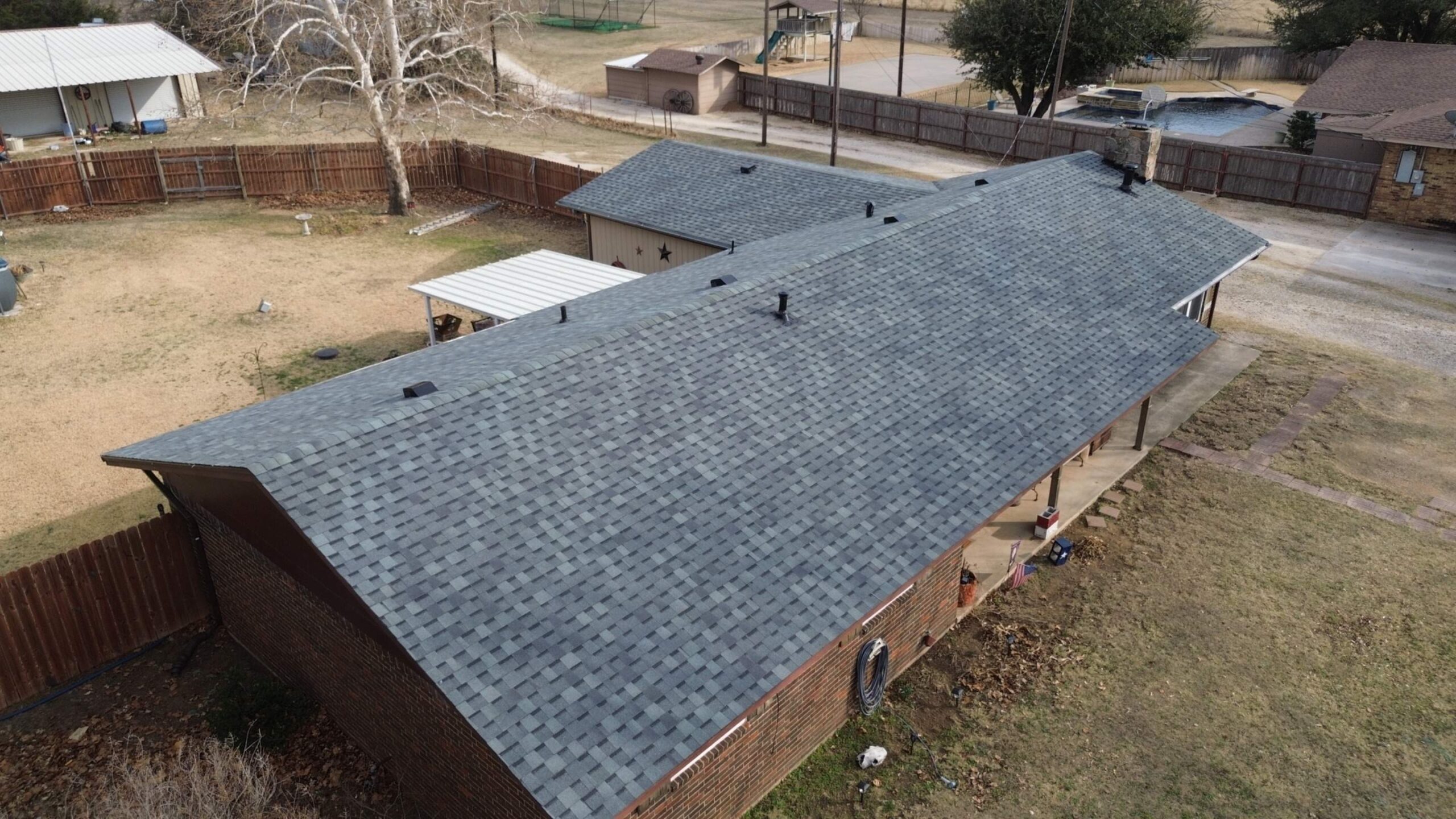
Successful roof repairs involve more than correcting immediate damage. Long-term performance depends on using repair methods that strengthen the roofing system while reducing the likelihood of future problems.
Every repair should begin with identifying the root cause of the damage rather than simply treating the visible symptoms. A ceiling leak, for example, may originate from damaged flashing, blocked drainage, deteriorated sealants, or ventilation problems rather than the roofing material directly above the affected area.
Using compatible materials is another important practice. Replacement shingles, membranes, flashing, and sealants should match the existing roofing system whenever possible. Compatible materials expand and contract at similar rates, reducing stress on repaired sections.
Repairs should also address surrounding areas rather than focusing only on the damaged spot. Nearby materials often experience similar wear and may fail soon after isolated repairs if they are not evaluated during the project.
Maintaining proper ventilation remains essential after repairs are completed. Restoring damaged roofing materials without correcting ventilation deficiencies may allow excessive heat and moisture to continue affecting the roof structure. Balanced airflow supports both energy efficiency and material longevity.
Waterproofing details deserve careful attention during every repair project. Proper sealing around penetrations, roof edges, valleys, and flashing prevents future water intrusion while protecting insulation and structural components beneath the roof surface.
Quality inspections should conclude every repair project. Verifying workmanship before contractors leave the site ensures repairs meet expected standards while allowing any deficiencies to be corrected immediately.
Routine monitoring should continue even after successful repairs. Regular inspections confirm that repaired sections continue performing as intended while identifying any new concerns before they affect additional areas of the roof.
Property managers benefit from establishing long-term relationships with experienced roofing professionals. Contractors who understand the building’s repair history can provide more informed recommendations and more consistent maintenance over time.
Energy efficiency should remain part of every repair strategy. Improvements to insulation, ventilation, reflective coatings, or drainage systems often enhance overall building performance while reducing future operating expenses.
Following proven repair practices helps transform individual maintenance projects into long-term investments. High-quality repairs improve durability, reduce future costs, and provide greater confidence that the roofing system will continue protecting residents for years to come.
Steps for Planning a Successful Multi Family Roof Repair Project
Careful planning improves project efficiency while reducing inconvenience for residents and helping repairs stay within budget.
- Conduct a comprehensive professional roof inspection.
- Identify the full extent of damage before beginning repairs.
- Establish a realistic project budget and timeline.
- Notify residents well in advance about repair schedules and expected disruptions.
- Select experienced roofing contractors with multi family housing expertise.
- Choose durable roofing materials suitable for the building and local climate.
- Maintain strict safety procedures throughout construction.
- Monitor project progress and address unexpected issues promptly.
- Complete a final inspection before accepting the finished work.
- Schedule ongoing maintenance to protect the repaired roofing system.
Following these steps creates a more organized repair process while reducing delays, improving communication, and supporting long-term roof performance.
Frequently Asked Questions
How often should a multi family roof be inspected?
Most roofing professionals recommend at least one comprehensive inspection each year, along with additional inspections after severe storms. Regular evaluations help identify developing problems before they require major repairs.
Is it better to repair or replace an aging roof?
The answer depends on the roof’s overall condition. Localized damage on a relatively healthy roof is often suitable for repairs, while widespread deterioration or repeated leaks may justify complete replacement.
How can roof repairs be completed with minimal disruption to residents?
Advance communication, phased scheduling, proper safety planning, and maintaining access to building entrances all help reduce inconvenience during roofing projects.
What roofing material lasts the longest?
Several roofing materials offer long service lives when properly installed and maintained. The most suitable choice depends on the building design, local climate, maintenance expectations, and budget.
Can preventive maintenance really reduce repair costs?
Yes. Routine inspections and timely maintenance identify minor issues before they become major structural problems. Preventive care typically costs much less than emergency repairs resulting from neglected roof damage.
Why is ventilation important after roof repairs?
Proper ventilation removes excess heat and moisture from the roofing system. Good airflow protects insulation, reduces material deterioration, improves energy efficiency, and helps extend the lifespan of the roof.
Seasonal Roof Maintenance Checklist
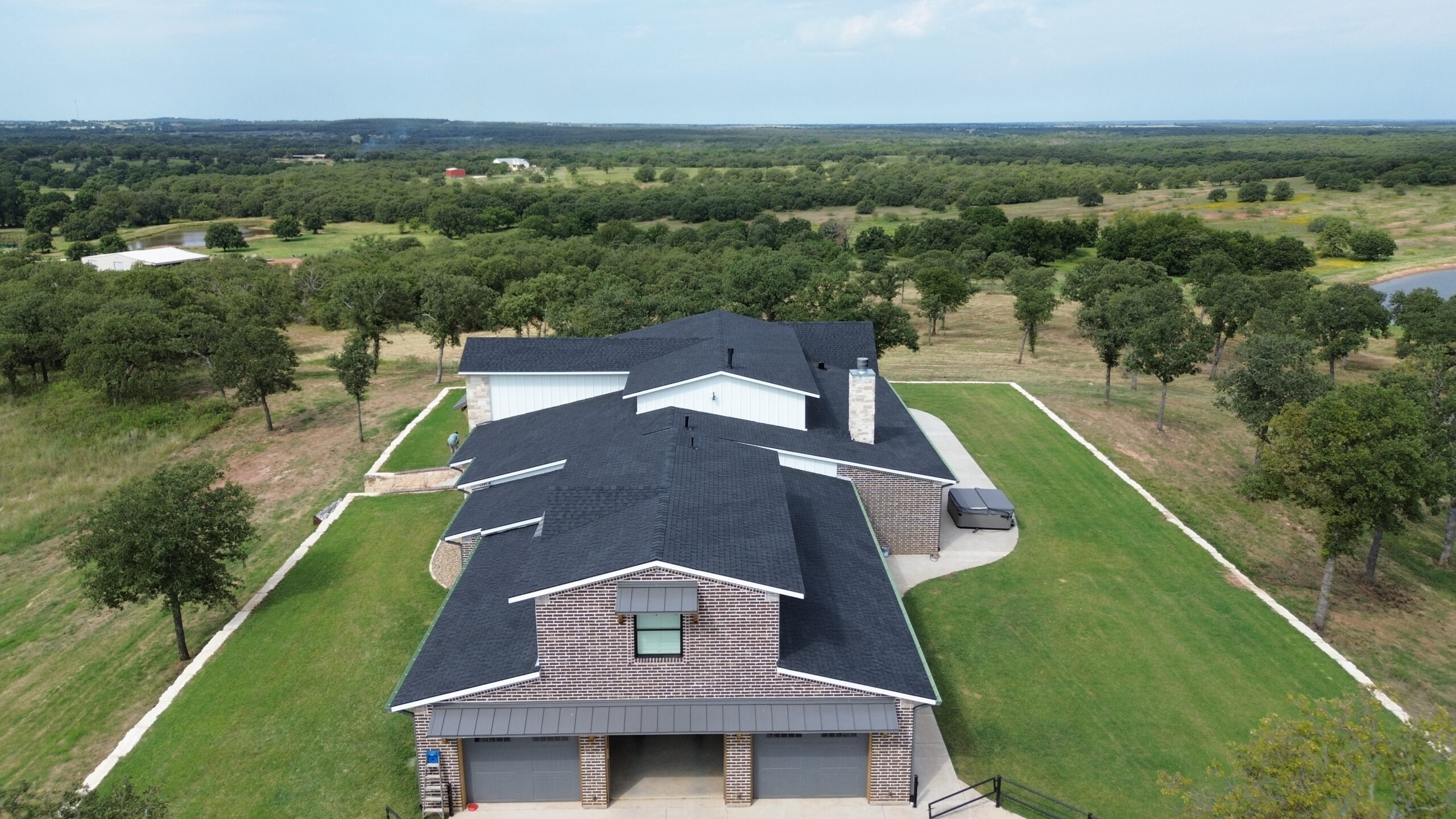
Reviewing the roof throughout the year helps identify developing issues before they become expensive repairs.
- Inspect roofing materials for visible damage after major storms.
- Remove leaves, branches, and debris from roof surfaces.
- Clean gutters, roof drains, and downspouts regularly.
- Check flashing around vents, skylights, and mechanical equipment.
- Examine attic insulation and ventilation for moisture or damage.
- Schedule annual professional roof inspections.
- Repair small defects before they spread into larger roofing problems.
- Maintain detailed records of inspections, repairs, and warranties.
Following this checklist consistently supports better roof performance while reducing long-term maintenance costs and improving building reliability.
Conclusion
Roof repair for multi family housing units involves far more than replacing damaged roofing materials. Every decision affects resident safety, building performance, operating costs, and the long-term value of the property. A well-planned repair strategy protects not only the roof itself but also the people and assets beneath it.
Throughout this article, we explored the unique characteristics of multi family roofing systems, the common causes of roof damage, and the importance of recognizing early warning signs before they develop into major structural issues. We also examined how careful planning, effective communication, proper material selection, and professional workmanship contribute to successful repair projects.
Preventive maintenance emerged as one of the most valuable investments property owners can make. Routine inspections, timely repairs, effective drainage management, and consistent record keeping help preserve roof performance while reducing the likelihood of unexpected emergencies and costly restoration work.
Working with qualified roofing professionals further strengthens long-term outcomes. Experienced contractors understand the unique demands of occupied residential buildings and can recommend repair strategies that balance durability, efficiency, safety, and budget considerations.
When repairs are completed using quality materials and proven construction practices, the roofing system becomes more resilient against weather, moisture, and everyday wear. These improvements extend the roof’s service life while enhancing energy efficiency and reducing ongoing maintenance requirements.
Ultimately, successful roof management depends on taking a proactive rather than reactive approach. Property owners and managers who prioritize regular inspections, preventive maintenance, and timely repairs create safer living environments, protect their investment, and ensure that multi family housing units continue providing reliable shelter and comfort for years to come.